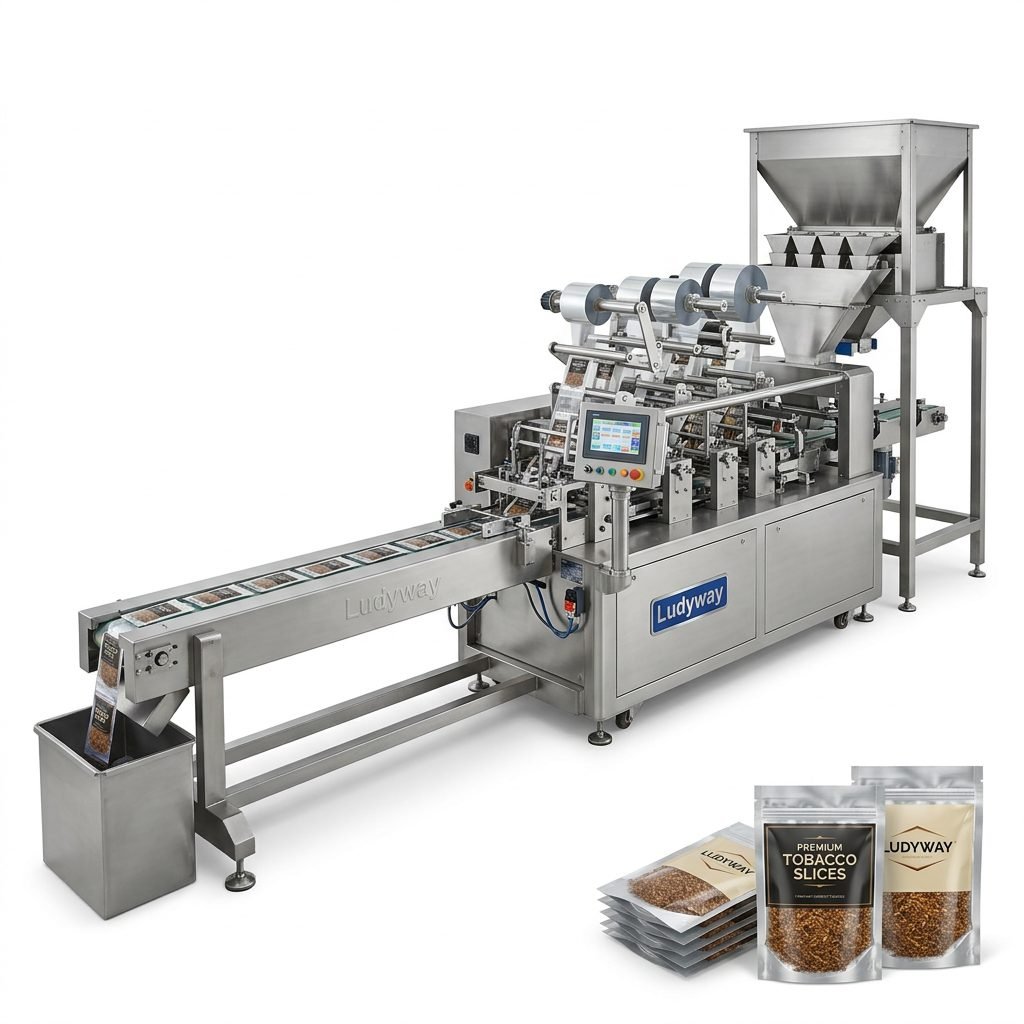
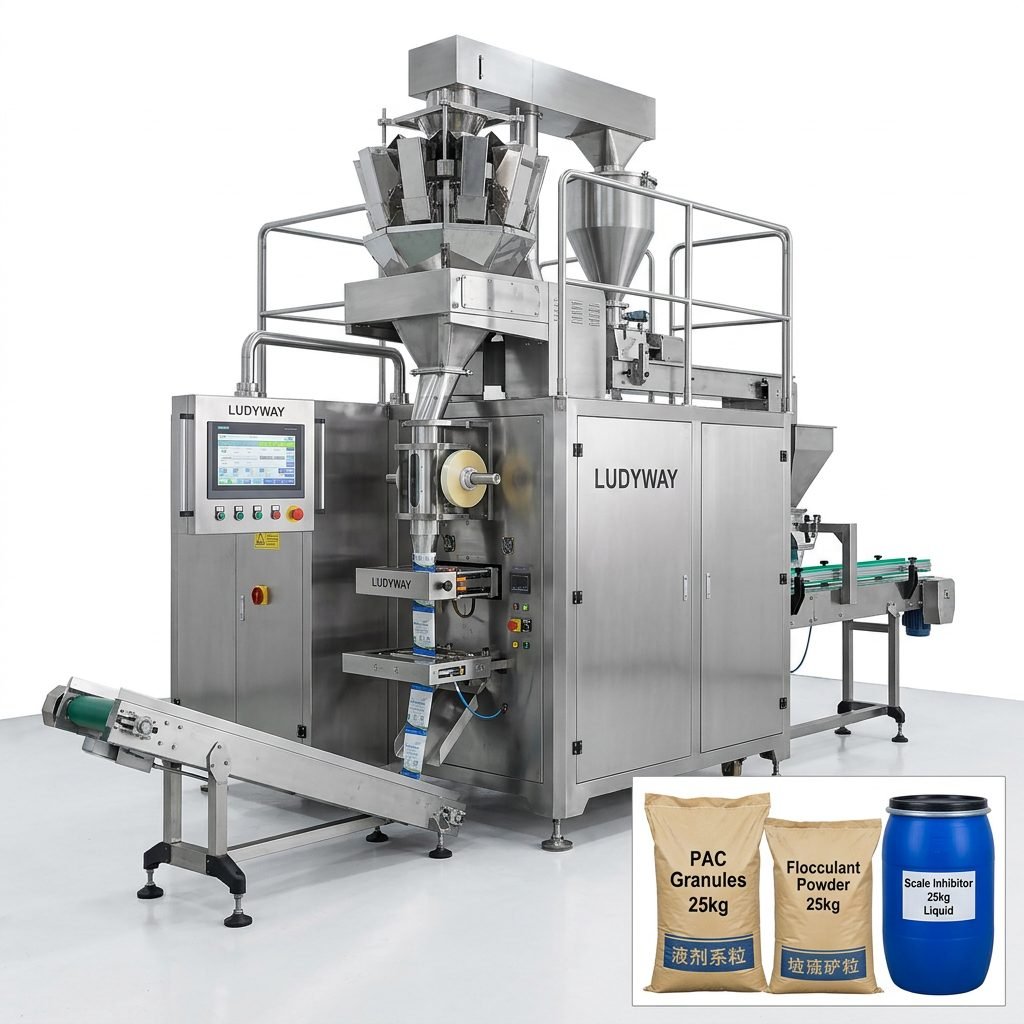
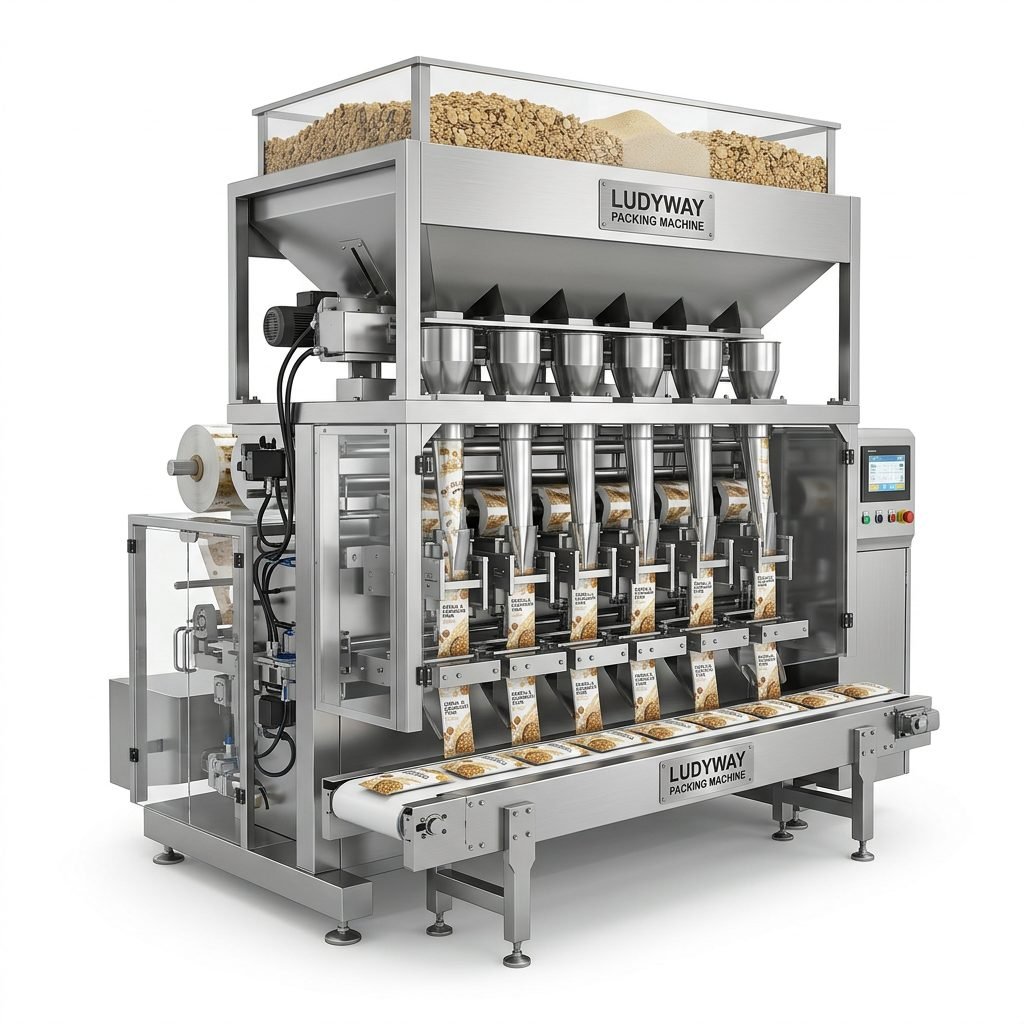
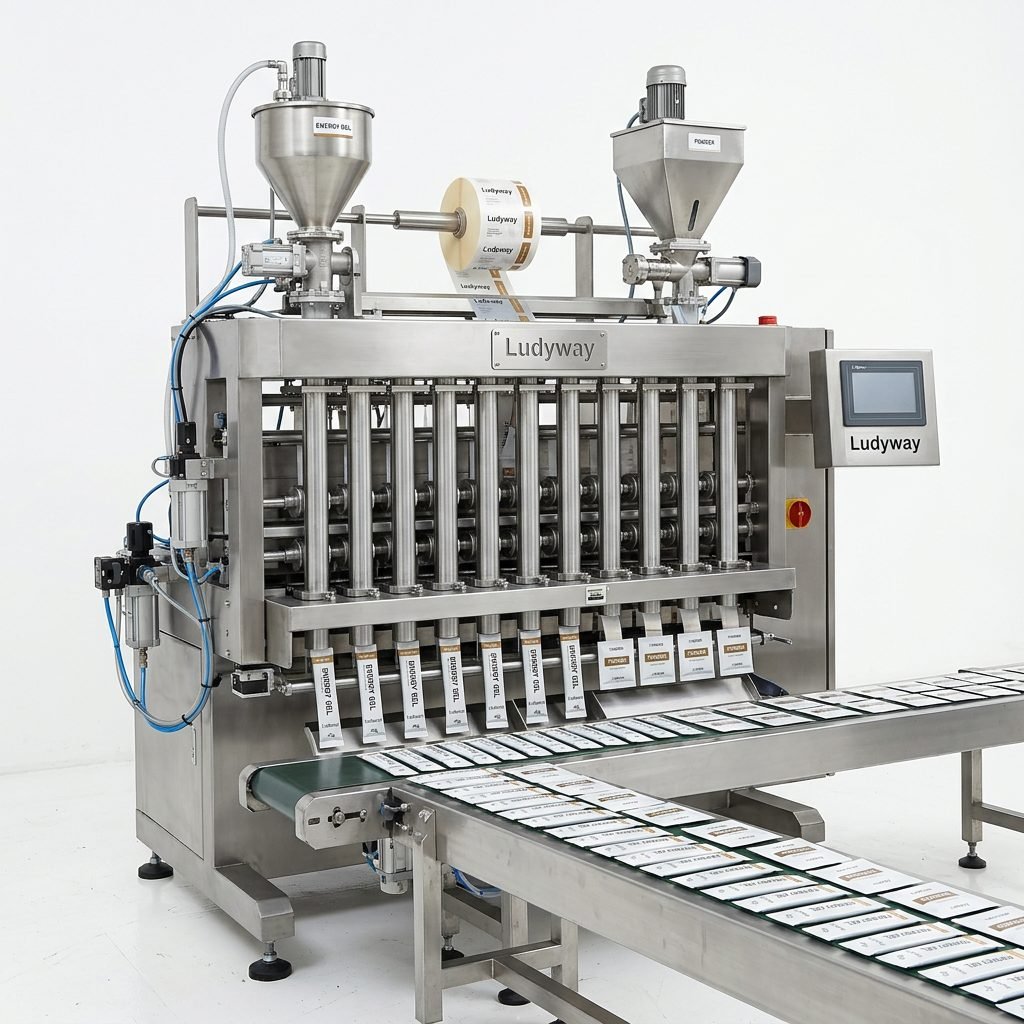
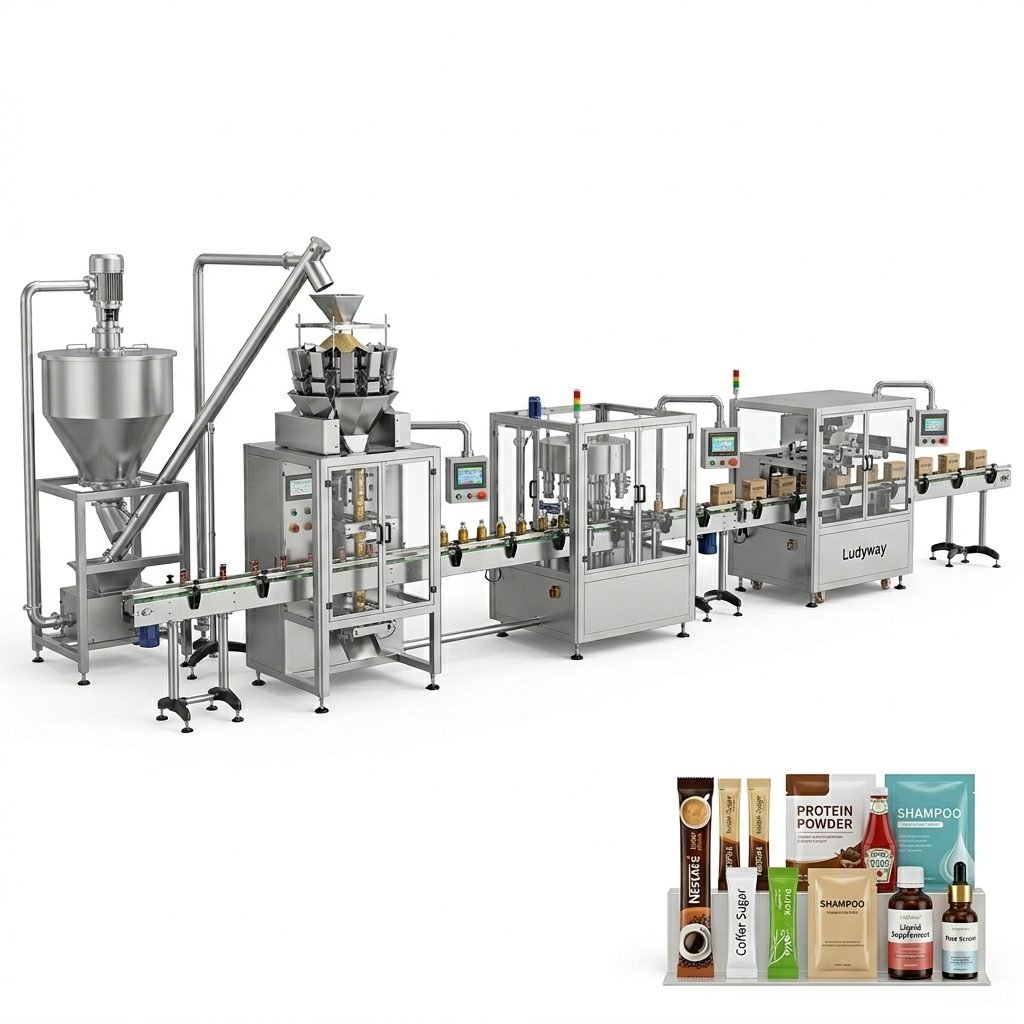
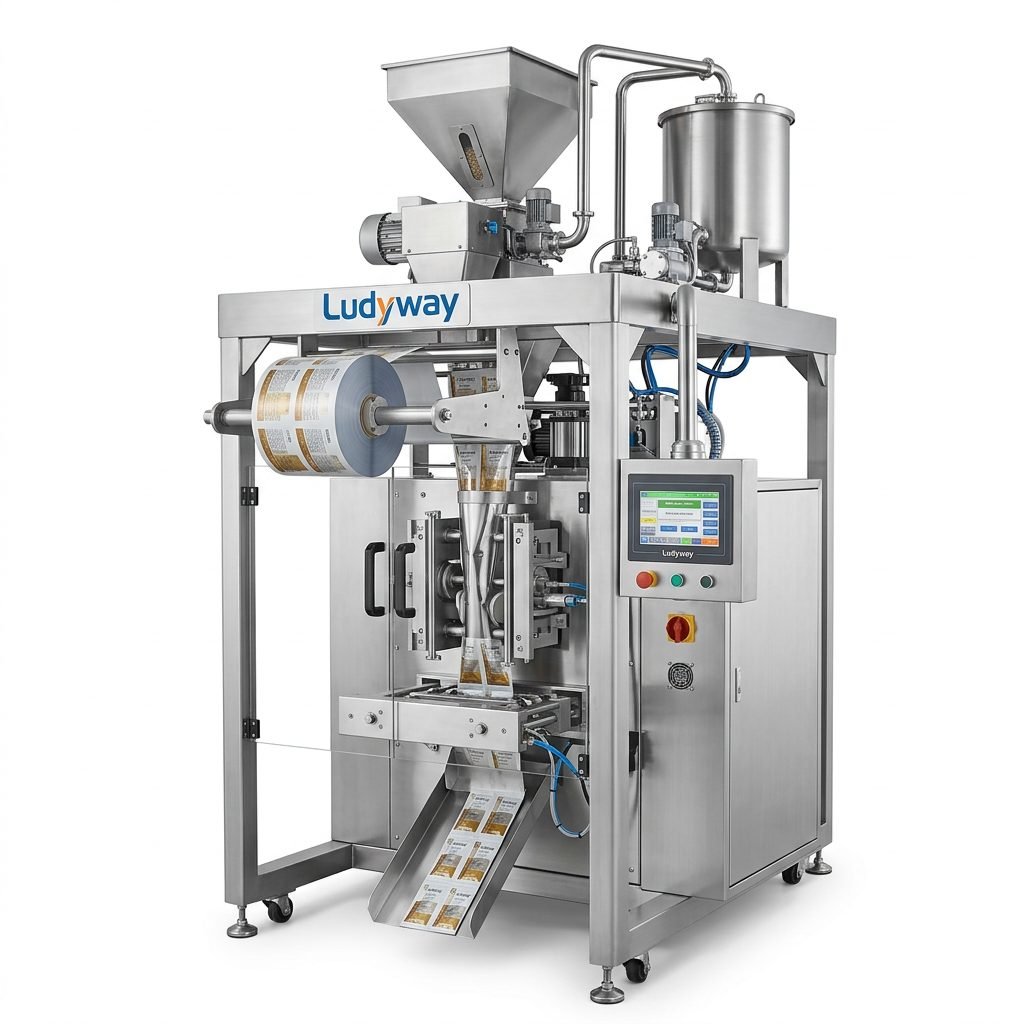
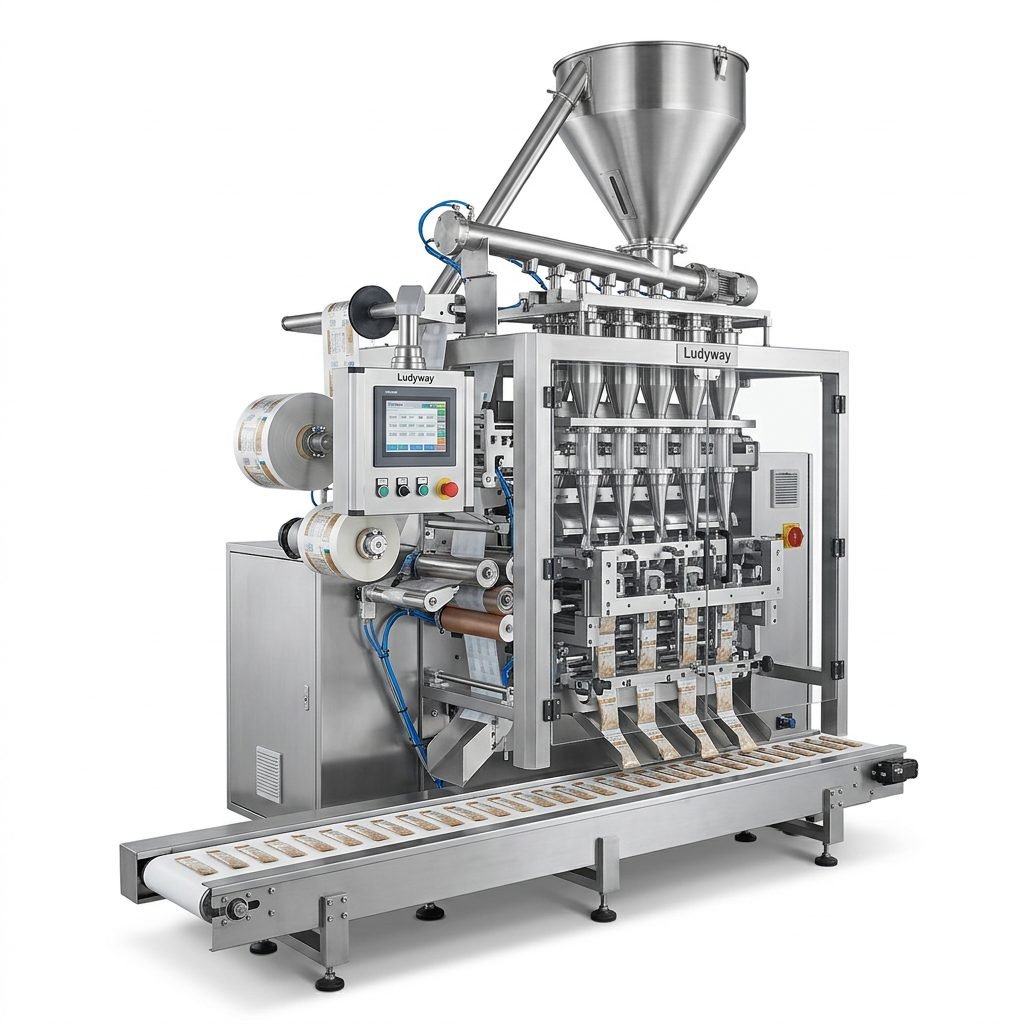
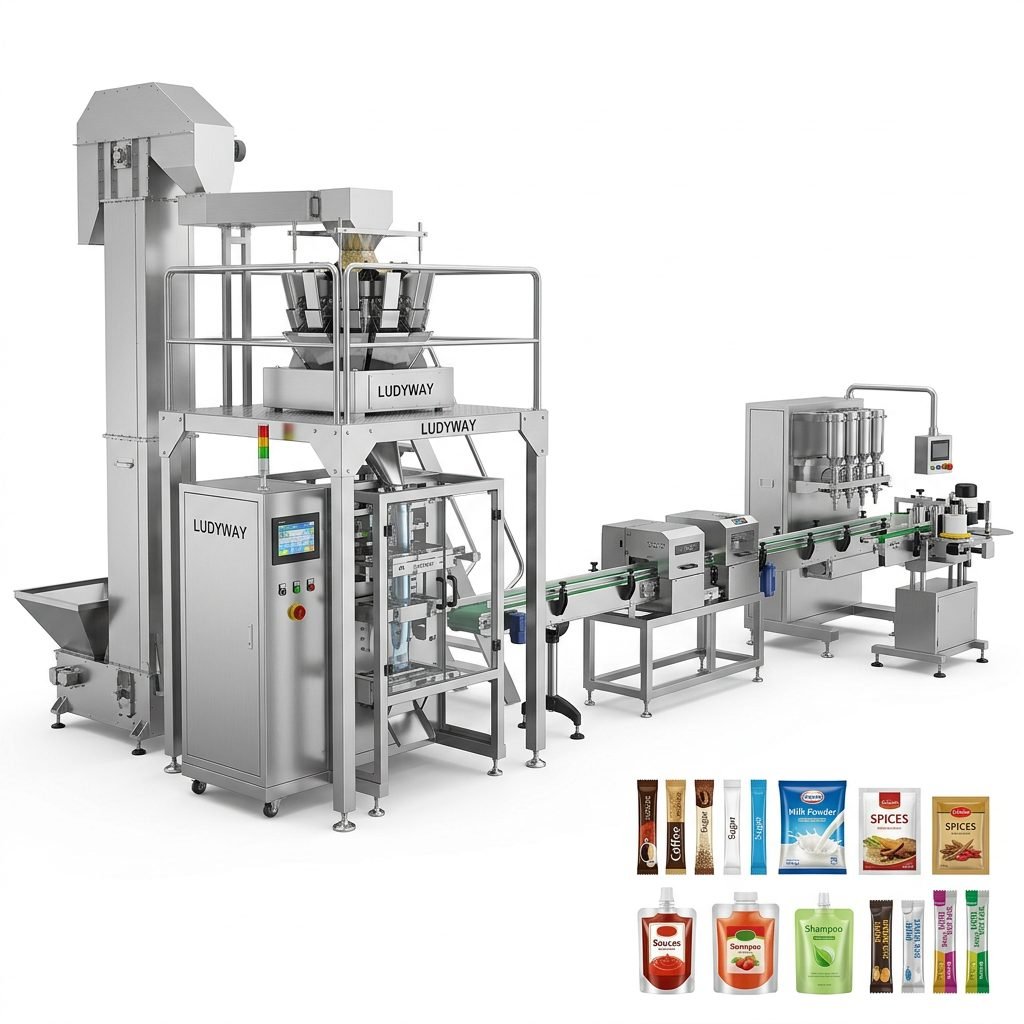
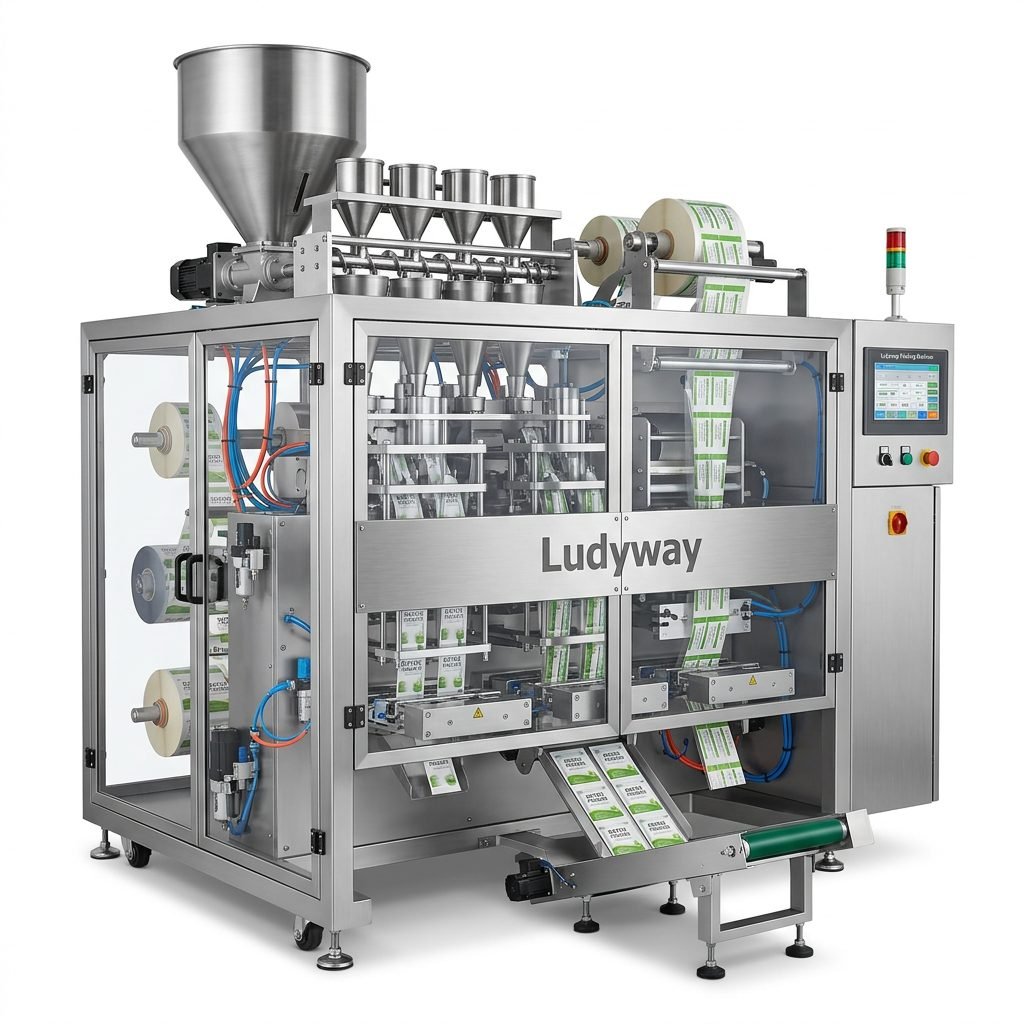
A cardboard sleeve packaging machine is a practical solution for businesses that want faster secondary packaging, cleaner retail presentation, and more consistent pack quality. It is widely used to apply cardboard sleeves around trays, cartons, cups, tubs, bottles, pouches, and multipacks across food, pharmaceutical, cosmetic, and household product industries.
If you are evaluating sleeve packaging equipment, this guide explains how the machine works, where it fits in a production line, what features matter most, and how to choose the right system for long-term efficiency.
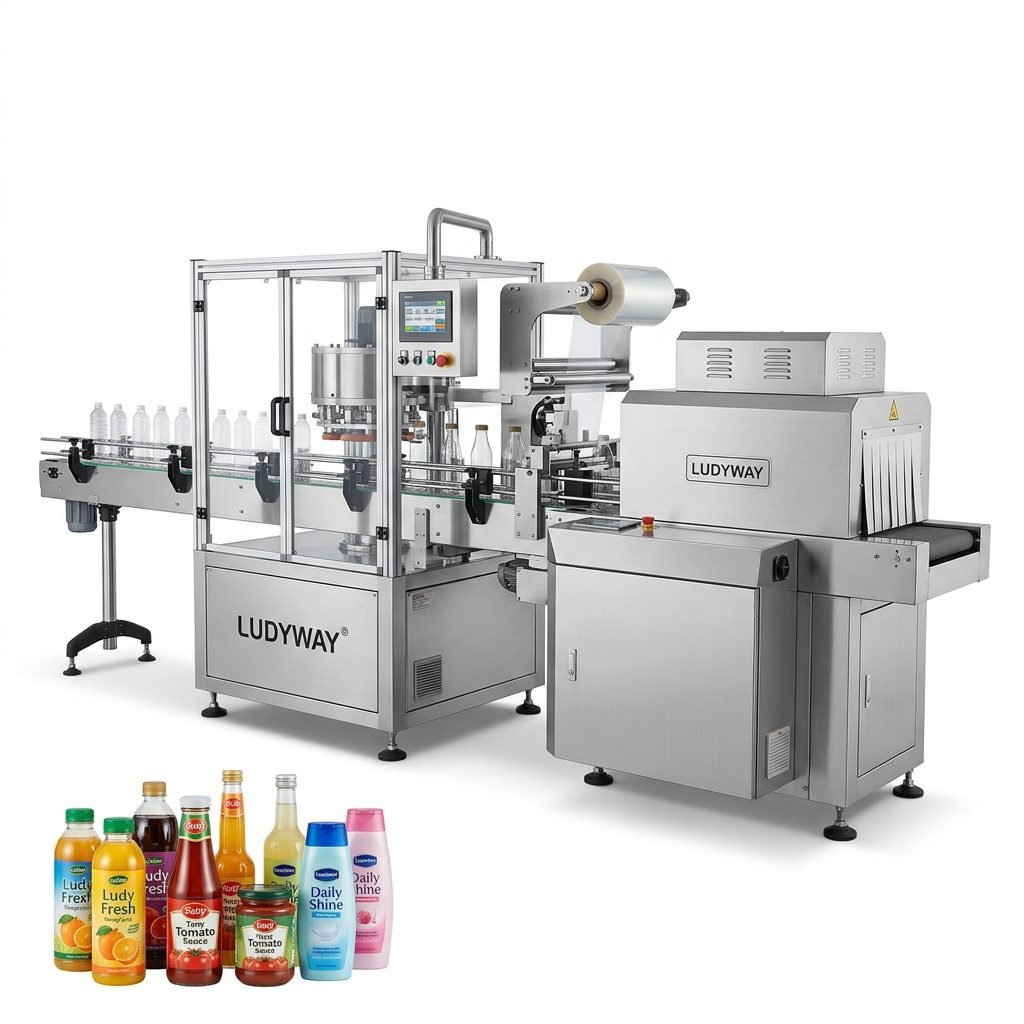
What Is a Cardboard Sleeve Packaging Machine?
A cardboard sleeve packaging machine is an automated or semi-automated system designed to place, wrap, and secure a pre-cut cardboard sleeve around a product or grouped products. The sleeve may serve several functions at once:
- Retail branding and shelf appeal
- Product grouping for multipacks
- Tamper evidence
- Information display for ingredients, dosage, or instructions
- Reduced plastic use in sustainable packaging projects
Depending on the application, the machine can handle flat blanks, pre-glued sleeves, or wraparound cardboard structures. It may work as a standalone unit or as part of a complete automated packaging line.
How the Sleeve Packaging Process Works
While machine configurations vary, the general workflow follows a similar sequence:
- Product feeding: Products are transferred by conveyor and spaced correctly.
- Orientation and grouping: Single units or collated packs are aligned for sleeving.
- Sleeve magazine loading: Cardboard blanks or sleeves are loaded into the machine.
- Sleeve forming or opening: The machine opens or folds the sleeve into position.
- Product insertion: The product is pushed into the sleeve, or the sleeve is wrapped around the product.
- Closing and sealing: Depending on design, the system may use tuck-in locking, hot melt glue, or friction fit.
- Discharge and inspection: Finished packs move to coding, inspection, cartoning, or case packing.
Main Types of Cardboard Sleeve Packaging Machines
Automatic Sleeve Packaging Machines
These are designed for medium to high production volumes. They offer stable speed, reduced labor dependence, and better consistency. They are ideal for factories focused on continuous output and lower unit packaging cost.
Semi-Automatic Sleeve Packaging Machines
Semi-automatic models are suitable for smaller production runs, startups, seasonal packaging, or products with frequent format changes. They require more operator involvement but lower the initial investment.
Wraparound Sleeve Machines
These systems wrap cardboard around the product group during motion. They are common in beverage, dairy, ready-meal, and promotional multipack packaging.
Pre-Glued Sleeve Applicators
These use ready-made sleeves that are opened and applied over products. They are often selected for premium presentation and simpler sleeve construction.
Integrated Turnkey Sleeve Packaging Lines
These lines combine conveying, feeding, sleeving, coding, inspection, cartoning, case packing, and palletizing. They are suited for manufacturers looking for full-line automation.
| Machine Type | Best For | Advantages |
|---|---|---|
| Semi-automatic | Small batches, startups | Lower investment, flexible operation |
| Automatic | Medium to high output lines | High efficiency, low labor, stable performance |
| Wraparound | Multipacks, trays, grouped items | Strong pack presentation, suitable for retail bundles |
| Turnkey line | Large factories, integrated automation | Complete workflow control, scalable expansion |
Common Applications
Cardboard sleeve packaging equipment is used across many sectors because it improves both operational efficiency and retail-ready presentation.
Food Industry
- Ready meals and meal trays
- Yogurt cups and dairy packs
- Frozen food trays
- Snack multipacks
- Instant food and seasoning kits
Pharmaceutical and Health Products
- Boxed medicine bundles
- Supplement cartons
- Healthcare promotional packs
- Retail overwrap for compliance labeling
Cosmetics and Personal Care
- Cream jars and cosmetic tubs
- Skincare gift sets
- Soap or tube bundles
- Sample kit presentation packs
Household and Chemical Products
- Cleaning product multipacks
- Bottle bundles
- Promotional retail sleeves
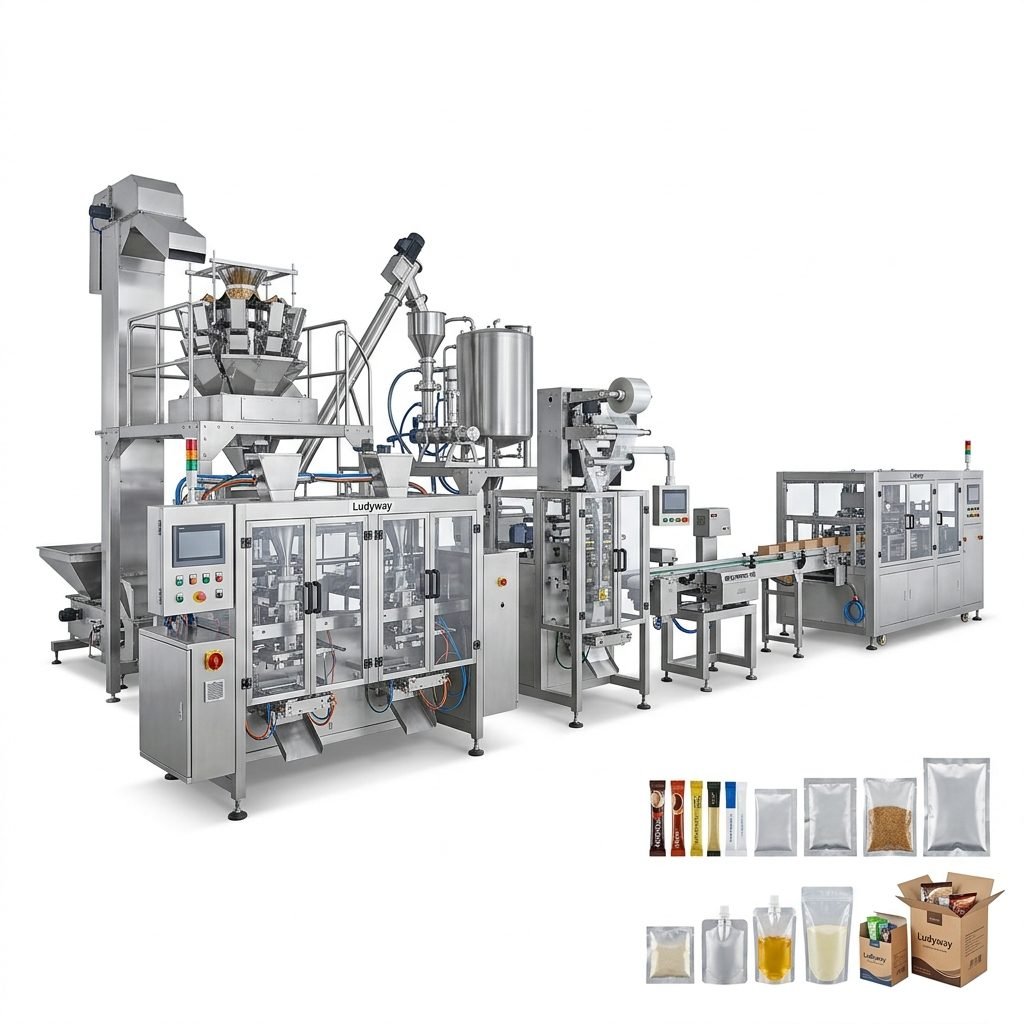
Key Benefits of Using a Cardboard Sleeve Packaging Machine
Higher Packaging Efficiency
Manual sleeving is labor-intensive and inconsistent. An automated machine significantly increases throughput and keeps pack quality stable across long runs.
Improved Shelf Presentation
Well-applied sleeves create a cleaner and more premium retail look. This is especially important for supermarkets, pharmacies, and export markets where visual consistency influences buying decisions.
Lower Labor Dependence
Automation reduces repetitive manual handling and helps manufacturers maintain output even when labor availability changes.
Better Packaging Accuracy
With proper feeding and alignment systems, the machine delivers repeatable sleeve placement, reducing rejects and rework.
Support for Sustainable Packaging Goals
Many brands are replacing or reducing plastic overwrap with recyclable cardboard sleeves. This makes the equipment attractive for businesses focused on environmental packaging upgrades.
Easy Integration With Downstream Equipment
Sleeve packaging machines can connect with conveyors, coding systems, inspection machines, cartoners, case packers, and palletizers for a smoother end-of-line process.
Important Machine Features to Evaluate
When comparing sleeve packaging solutions, focus on the features that affect actual production performance rather than only the advertised speed.
- Speed range: Match machine output to your current and future production needs.
- Format flexibility: Check whether the machine supports different product sizes and sleeve dimensions.
- Changeover time: Fast changeover matters if you run multiple SKUs.
- Feeding accuracy: Reliable product spacing and orientation reduce jams.
- Sealing method: Confirm whether your application requires glue, locking tabs, or friction-fit sleeving.
- Control system: A user-friendly HMI and PLC simplify operation and troubleshooting.
- Detection and rejection: Sensors help identify missing sleeves, misfeeds, or product absence.
- Machine frame and build quality: Stable construction supports long production cycles.
- Maintenance access: Easy access shortens downtime during cleaning and service.
How to Choose the Right Cardboard Sleeve Packaging Machine
1. Define Your Product Format
Identify the exact product shape, dimensions, weight, and grouping style. A single cup, tray, carton, or bottle bundle may require a very different sleeving mechanism.
2. Confirm Sleeve Material Specifications
Board thickness, stiffness, print finish, and pre-glued or flat-blank structure all influence machine design and feeding reliability.
3. Calculate Real Production Capacity
Do not select only based on current output. Consider future growth, shift structure, peak demand, and integration with upstream filling or cartoning equipment.
4. Consider Automation Level
For lower-volume production, semi-automatic equipment may be enough. For contract manufacturing, export production, or high-throughput plants, automatic sleeve packaging machines usually deliver better ROI.
5. Review Line Integration Requirements
If you already have conveyors, checkweighers, coding units, or case packers, ensure the new machine can integrate smoothly with your line controls and product flow.
6. Assess Supplier Engineering Support
A strong supplier should provide application analysis, machine customization, factory testing, installation guidance, and after-sales support.
| Selection Factor | Why It Matters | Questions to Ask |
|---|---|---|
| Product dimensions | Determines machine compatibility | Can one machine cover all my SKUs? |
| Sleeve structure | Affects feeding and sealing method | Does it handle flat blanks, pre-glued sleeves, or both? |
| Required speed | Impacts efficiency and ROI | What is the stable running speed, not just maximum speed? |
| Line integration | Avoids bottlenecks | Can it connect with coding, cartoning, and case packing systems? |
| Support and service | Reduces downtime risk | What technical support is available before and after purchase? |
Industries That Benefit Most From Sleeve Packaging Automation
Companies with these production characteristics often gain the most from automated cardboard sleeving:
- Frequent retail multipack promotions
- High labor cost in manual packaging operations
- Need for stronger shelf branding
- Export packaging standardization
- Ongoing plastic reduction initiatives
- Demand for reliable high-volume secondary packaging
Common Challenges and How Good Machines Solve Them
Sleeve Misalignment
This usually comes from unstable feeding, inconsistent product spacing, or sleeve quality variation. Good machines use accurate guides, servo control, and sensors to improve placement.
Frequent Changeover Delays
If you run different pack formats, machine design should allow quick tool-free or low-tool adjustments with stored parameter recipes.
Product Surface Damage
Delicate trays, cartons, or labeled containers need smooth handling mechanisms and controlled insertion force.
Line Bottlenecks
A sleeve machine must be balanced with upstream filling and downstream cartoning or case packing capacity. Conveyor synchronization is essential.
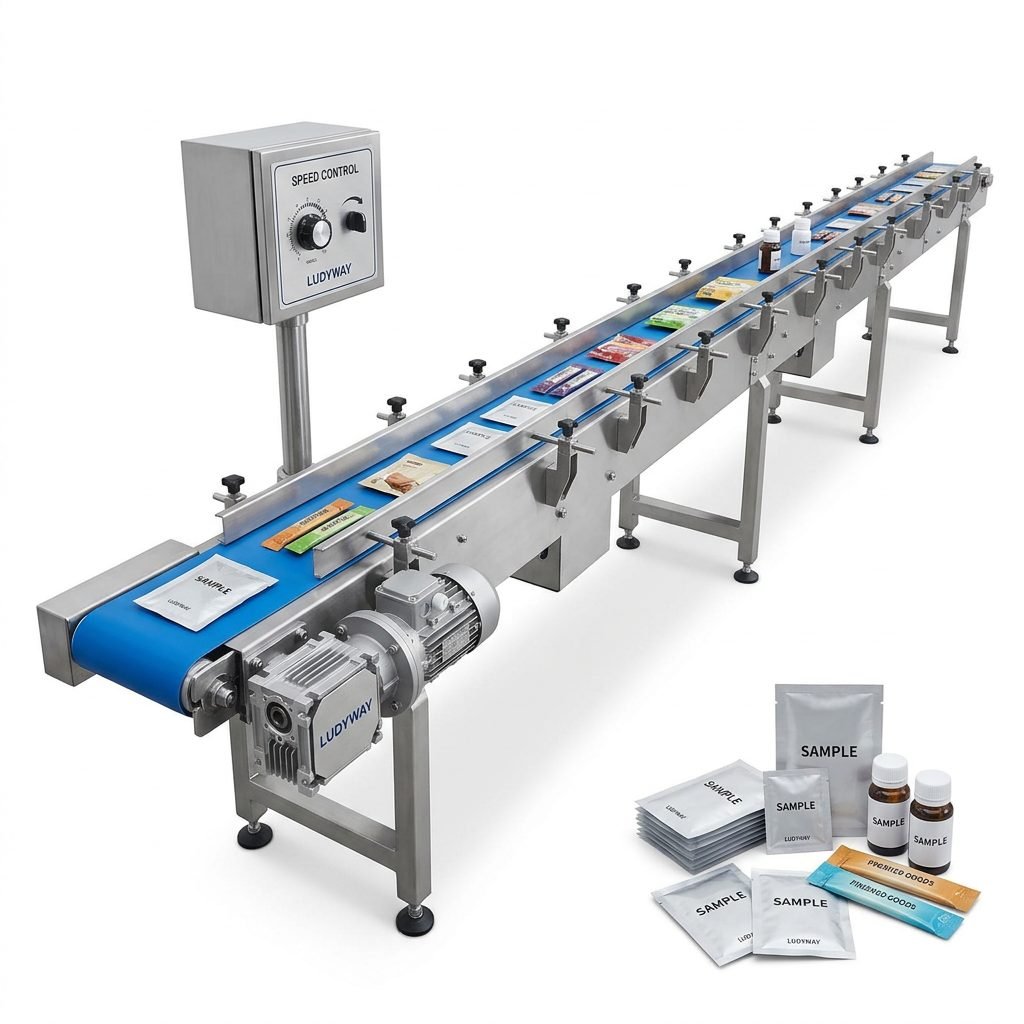
Maintenance Tips for Long-Term Efficiency
Even a high-quality machine needs disciplined maintenance to keep output stable.
- Clean dust and paper debris from feeding and folding areas regularly
- Inspect belts, guides, suction components, and pushers for wear
- Check sensor alignment and sleeve detection accuracy
- Use cardboard materials that match the approved machine specification
- Lubricate moving parts according to the supplier’s maintenance schedule
- Train operators in both daily checks and quick troubleshooting
Why Turnkey Packaging Integration Matters
For many manufacturers, the sleeve machine is only one step in a broader packaging process. A properly integrated system can include:
- Product infeed and accumulation conveyors
- Collation and grouping units
- Sleeve application system
- Date coding and printing
- Vision inspection or reject devices
- Cartoning and case packing
- Palletizing and end-of-line automation
Working with an experienced manufacturer can make this process much easier. Ludyway cardboard sleeve packaging machine solutions are supported by broad packaging line engineering experience, helping manufacturers match standalone machines or turnkey systems to actual production needs.
Questions to Ask Before Buying
- What products and sleeve sizes will the machine run today and in the future?
- What is the validated running speed with real product samples?
- How long does changeover take between SKUs?
- What percentage of the line can be automated?
- What quality control options are available?
- What spare parts and remote support are included?
- Can the machine be upgraded as production expands?
Final Buying Insight
The best cardboard sleeve packaging machine is not simply the fastest model. It is the system that matches your product geometry, sleeve style, required speed, operator workflow, and future expansion plans. When selected correctly, it can deliver better packaging consistency, lower labor cost, improved retail appearance, and stronger production efficiency.
For manufacturers in food, pharmaceuticals, cosmetics, and consumer goods, sleeve packaging automation is a smart step toward more scalable and sustainable packaging operations.