The global automated beverage carton packaging machinery market is experiencing a transformative phase, driven by evolving consumer habits, stringent sustainability mandates, and the relentless pursuit of operational efficiency. As demand for packaged beverages—from dairy and juices to plant-based alternatives and functional drinks—continues to rise worldwide, the machinery that forms, fills, and seals these cartons has become a critical component of modern production lines. This article explores the current market size, key trends shaping the industry, significant growth opportunities, and the future outlook for automated carton packaging solutions.
Current Market Size and Key Drivers
The market for automated beverage carton packaging machinery is substantial and expanding. Valued at several billion dollars, it is propelled by the global beverage industry’s shift towards automation to meet high-volume production needs while ensuring product safety and consistency. Primary drivers include the rising consumption of ready-to-drink beverages, the need for extended shelf-life through aseptic packaging, and the cost pressures that favor automated, high-speed systems over manual labor. Regions with strong dairy and juice traditions, like Europe and North America, remain significant markets, while Asia-Pacific is emerging as the fastest-growing region due to urbanization and changing dietary patterns.
Core Market Driver: The demand for aseptic packaging is a major force, as it allows beverages to be stored without refrigeration, reducing energy costs and expanding distribution reach. This technology is crucial in regions with varying climate conditions and infrastructure.
Technological Trends Reshaping the Industry
Innovation is at the heart of the market’s evolution. Several key technological trends are defining the next generation of carton packaging machinery:
1. Integration of Industry 4.0 and IoT
Modern machinery is increasingly connected. Smart sensors and IoT connectivity enable real-time monitoring of machine performance, predictive maintenance, and data collection for optimizing production efficiency and minimizing downtime. This shift towards smart factories allows for unprecedented control over the packaging process.
2. Flexibility and Quick Changeover
Consumer demand for variety and limited-edition products requires production agility. Machinery now emphasizes modular design and quick-change tooling, allowing manufacturers to switch between different carton sizes, shapes, or materials with minimal stoppage time, catering to shorter production runs and personalized marketing campaigns.
3. Sustainability-Driven Engineering
Environmental concerns are directly influencing machine design. Trends include the development of equipment capable of handling lighter-weight and recycled materials, reducing plastic content in cartons, and minimizing energy and water consumption during the packaging process itself. This aligns with global corporate sustainability goals and regulatory pressures.
🔍 Trend Spotlight: Robotics and Cobots
The use of robotic arms for secondary packaging—such as placing filled cartons into cases or onto pallets—is growing rapidly. Collaborative robots (cobots) are becoming popular for their ability to work safely alongside human operators in tasks like loading blank cartons or final inspection, enhancing line flexibility and ergonomics.
Significant Growth Opportunities
Beyond current trends, specific areas present fertile ground for market expansion and investment.
Emerging Economies: Rapid urbanization, growing middle-class populations, and increased beverage consumption in countries across Asia, Africa, and Latin America create a massive demand for new packaging lines. This represents a key long-term opportunity for machinery suppliers.
Plant-Based and Functional Beverages: The boom in alternative dairy and nutrient-enhanced drinks requires specialized packaging that often differs from traditional juice cartons. Machinery adaptable to these newer, sometimes more viscous products is in high demand.
Retortable Carton Packaging: The development of cartons that can withstand high-pressure retort sterilization is opening new markets for packaged soups, sauces, and ready meals, expanding the application of carton packaging machinery beyond beverages.
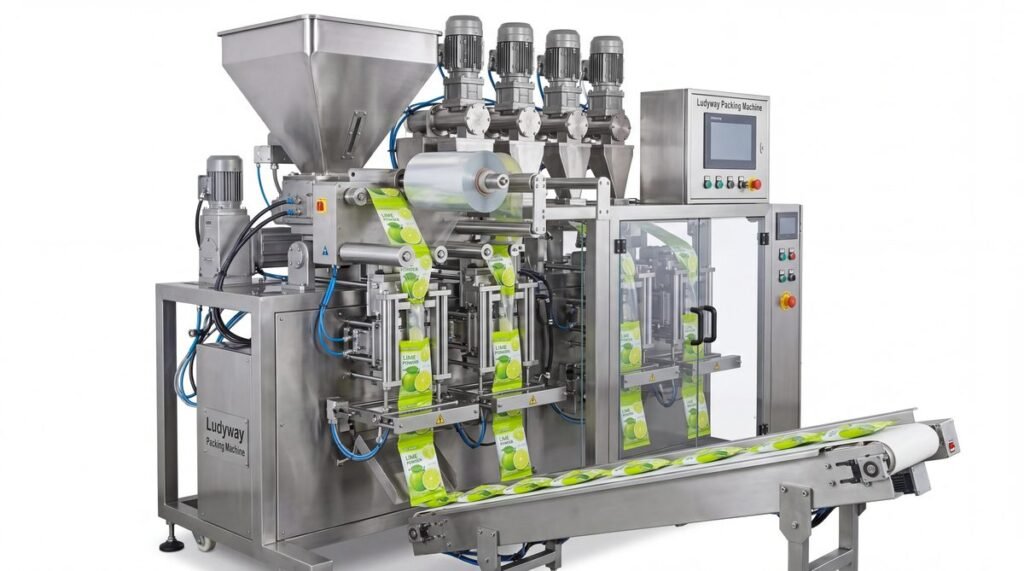
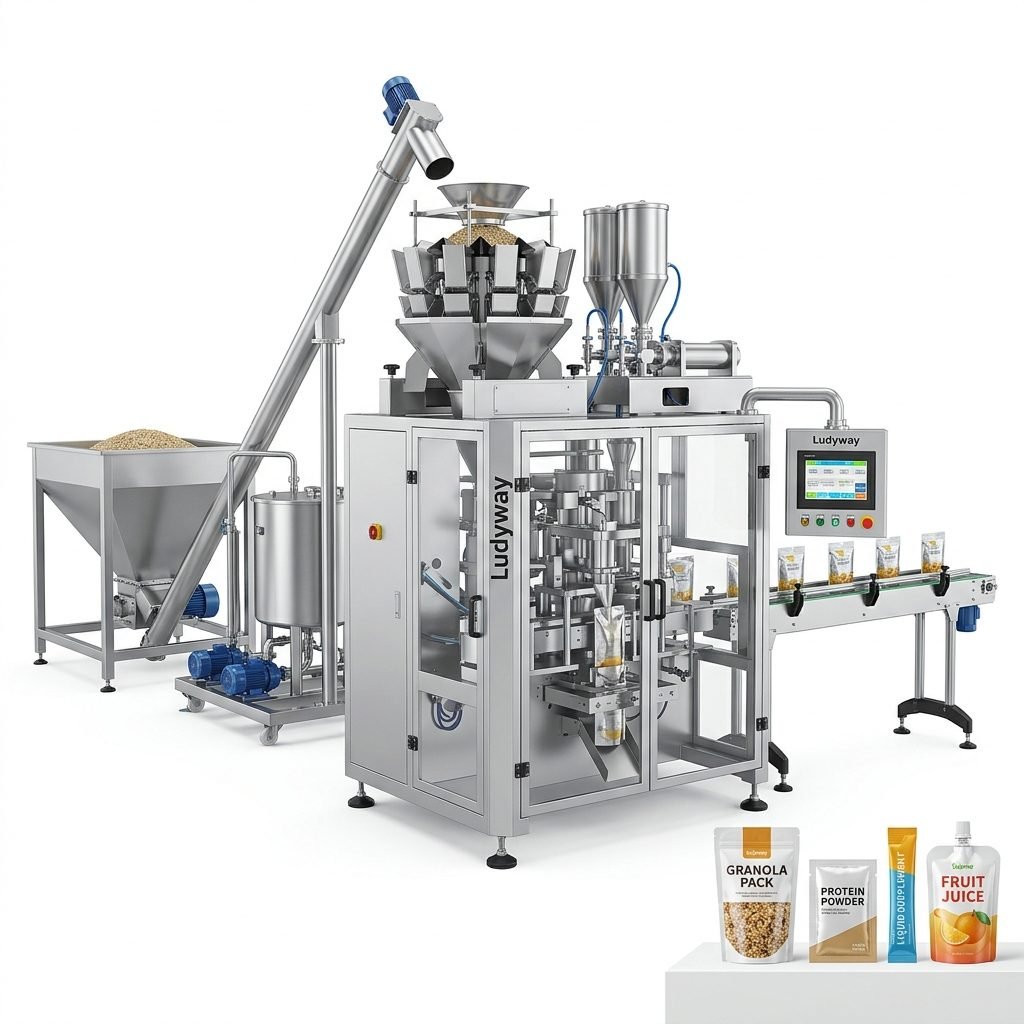
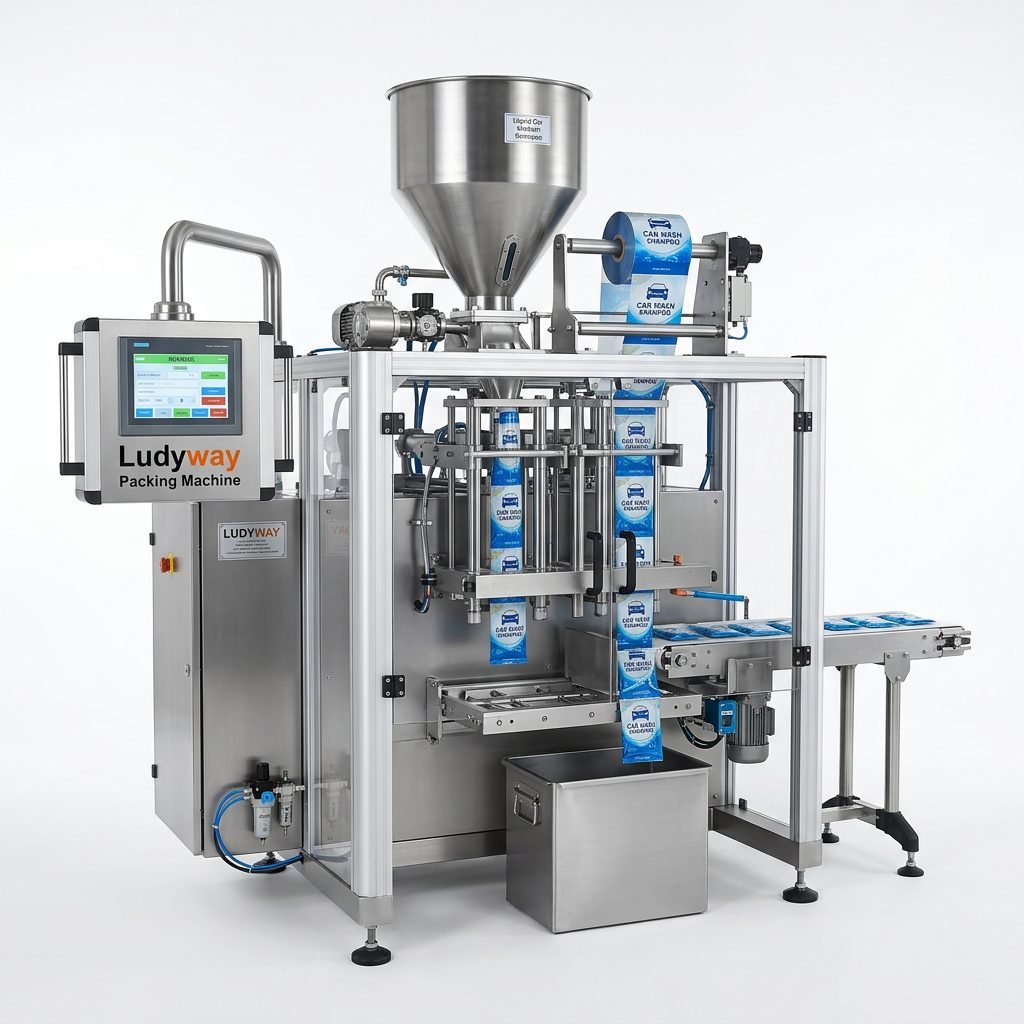
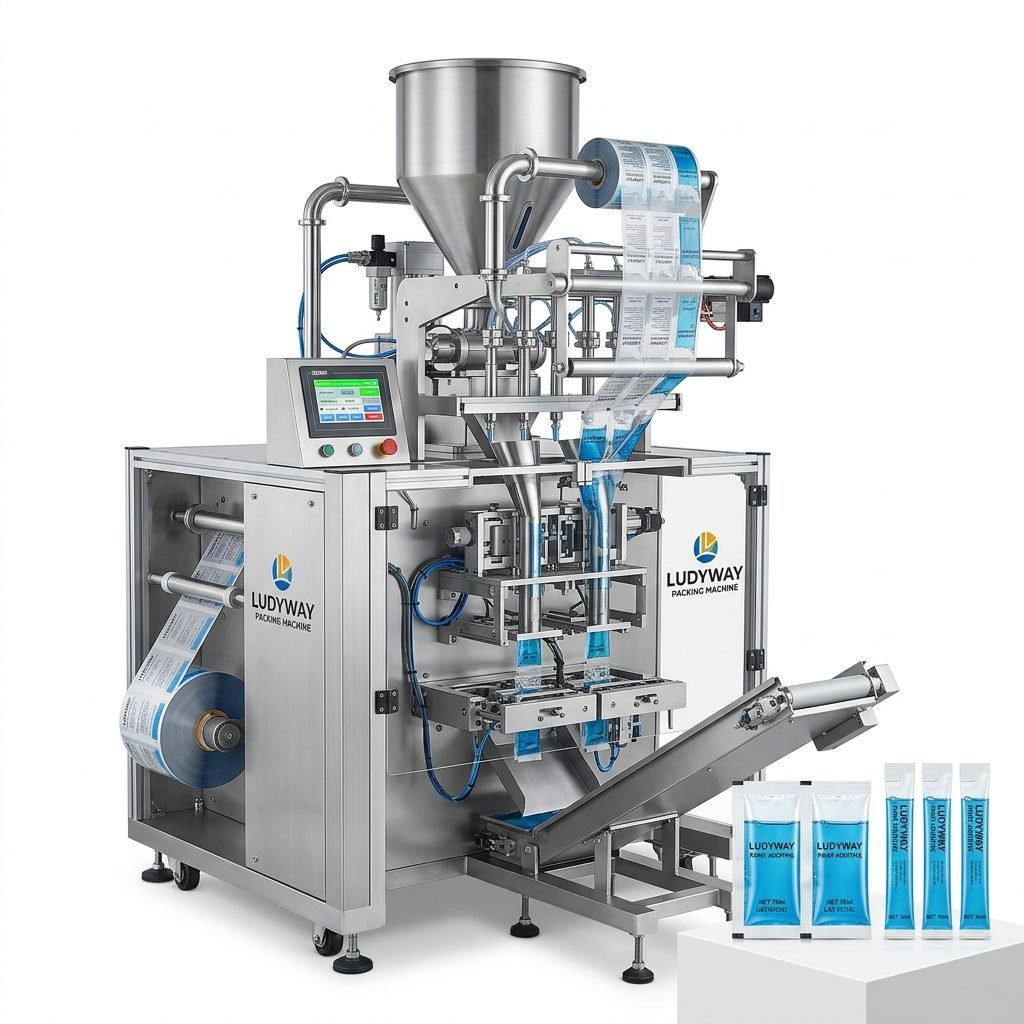
For manufacturers seeking to capitalize on these opportunities, partnering with an experienced supplier is crucial. Companies like Ludyway Packing Machine offer tailored solutions, leveraging deep industry knowledge to help clients navigate these dynamic segments. Exploring their range of packaging machinery can provide insights into adaptable and efficient automation options.
Future Outlook and Strategic Imperatives
The future of the automated beverage carton packaging machinery market is one of intelligent, sustainable, and flexible automation. We can expect a deeper convergence of digital and physical systems, with AI playing a larger role in quality control and production optimization. Sustainability will transition from a feature to a fundamental design principle, influencing every aspect of machine development.
For machinery manufacturers and beverage producers alike, the strategic imperatives are clear: invest in digital integration capabilities, prioritize flexibility and modularity in equipment design, and embed sustainable practices into the core of product development and operations. Success will belong to those who can deliver machinery that not only packages products efficiently but also enables brands to meet their environmental, social, and governance (ESG) commitments. Understanding a supplier’s company history and expertise is a vital step in forming a strategic partnership for this future.
Frequently Asked Questions (FAQs)
Q1: What are the main benefits of automating beverage carton packaging lines?
Automation significantly increases production speed and output consistency, reduces labor costs and human error, enhances hygiene and food safety through closed systems, and improves overall operational efficiency with data-driven insights.
Q2: How important is sustainability in new packaging machinery purchases?
Extremely important. Modern buyers prioritize machinery that reduces material waste, handles eco-friendly substrates, and consumes less energy and water. This is often a key decision-making factor alongside cost and performance.
Q3: Can one machine handle different types of beverages and carton sizes?
Yes, many contemporary machines are designed for flexibility. With modular components and quick-changeover features, a single line can often be configured to package various products, from thin juices to viscous yogurts, in multiple carton formats.
Q4: What should I look for when choosing a machinery supplier?
Key factors include the supplier’s industry experience and technical support capabilities, the machine’s reliability and after-sales service, its compatibility with your desired materials, and its capacity for future upgrades or integration with plant systems.
Q5: Is aseptic packaging machinery very different from standard filling machines?
Yes. Aseptic machines incorporate a sterile zone and additional sterilization steps (for both the packaging material and the product) to achieve a shelf-stable product. They are more complex and require stricter operational controls but offer significant distribution and shelf-life advantages.