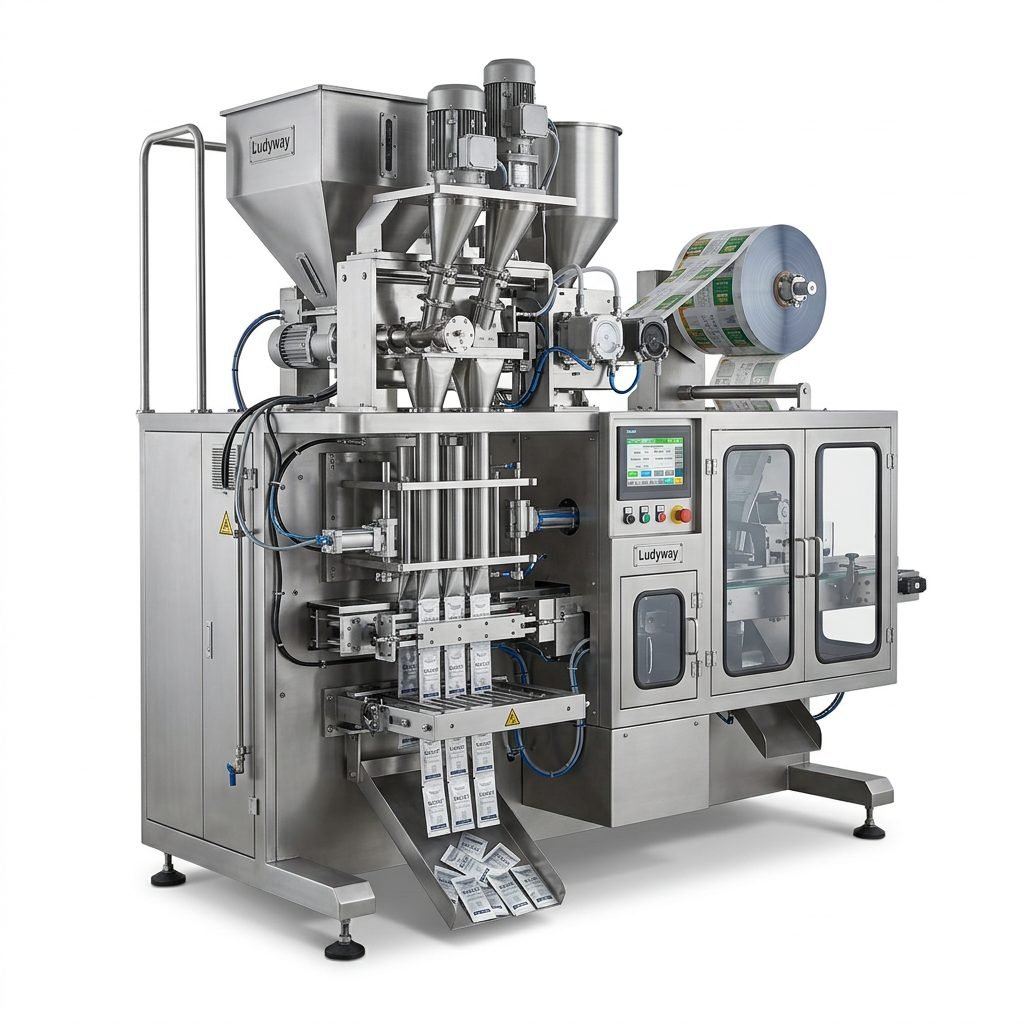
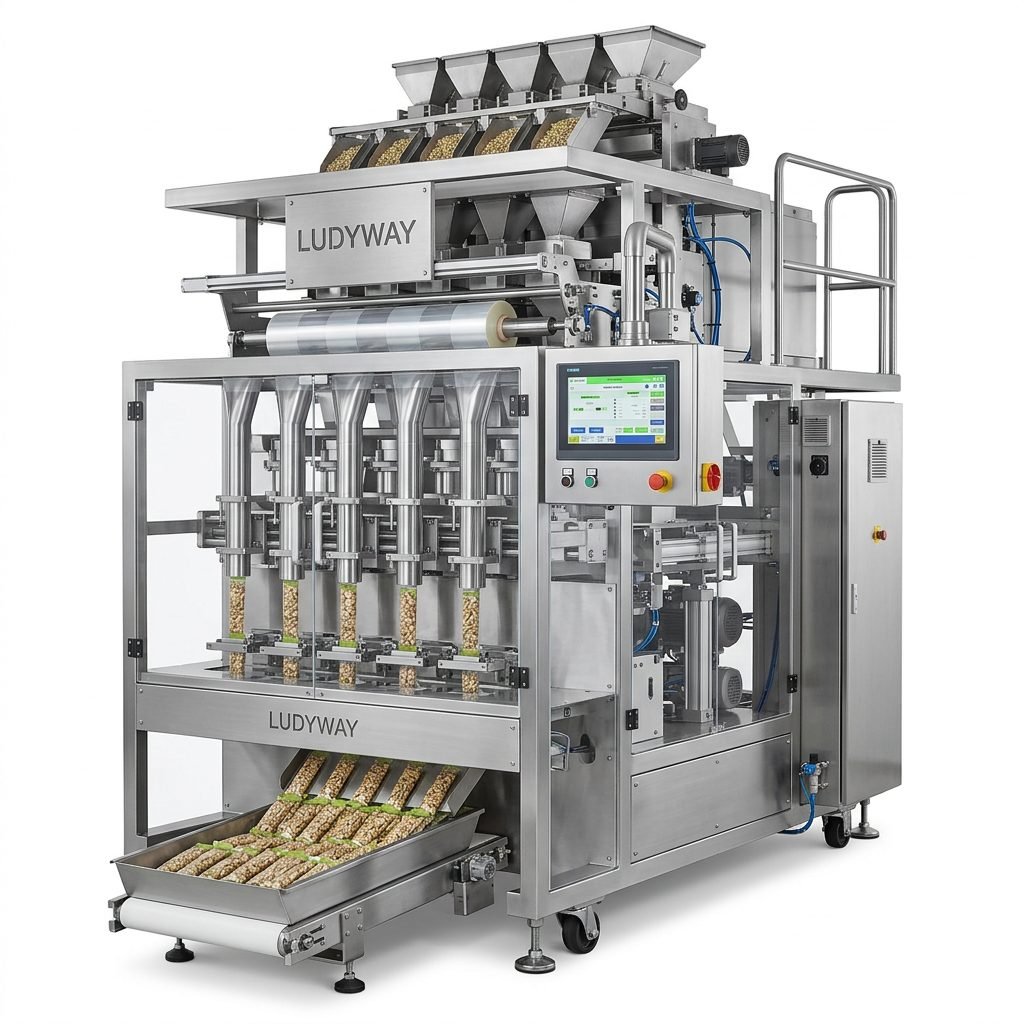
Tea packaging machine price can vary widely, and the lowest quote is not always the best deal.
For tea brands, contract packers, and growing beverage businesses, the right machine should balance
budget, packaging format, output, accuracy, reliability, and future expansion.
If you choose only by price, you may end up paying more later through downtime, waste, labor costs, or limited production capacity.
In this guide, you will learn what affects tea packaging machine cost, what machine types are available,
and how to compare options so you can make a smart buying decision for your business.
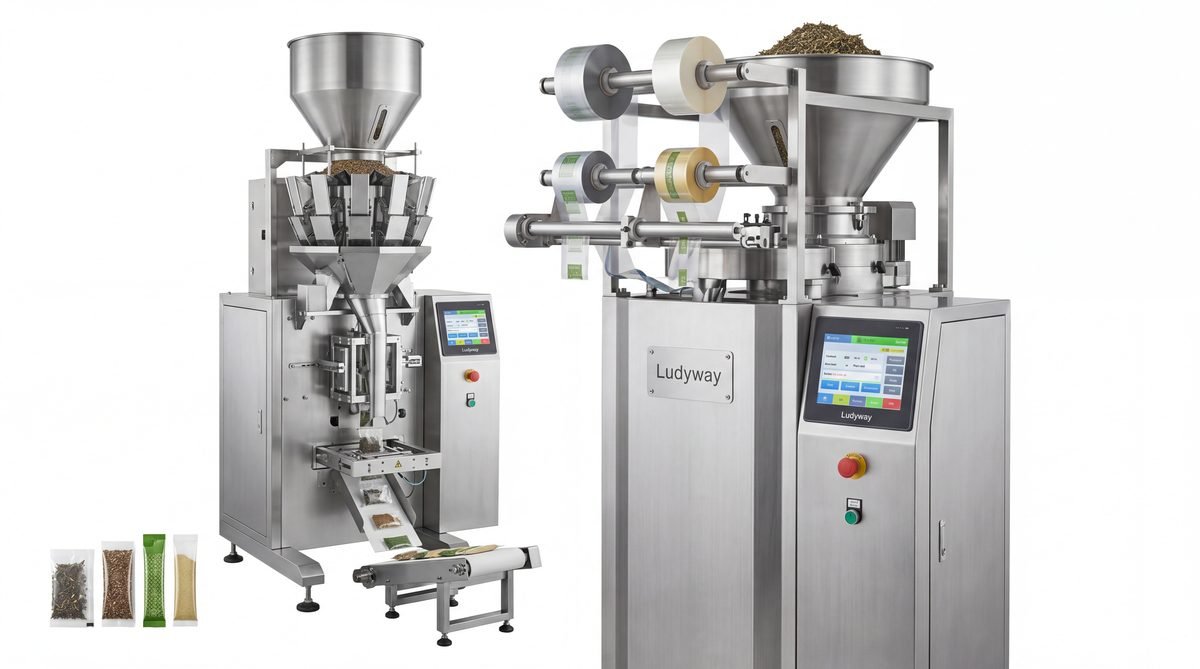
What Determines Tea Packaging Machine Price?
The price of a tea packaging machine depends on much more than the machine body itself. Manufacturers
usually price equipment based on configuration, automation level, filling method, packaging material compatibility,
speed, and customization requirements.
- Tea type: loose leaf tea, tea powder, granules, herbal blends, or instant tea all require different feeding and dosing systems.
- Package format: tea bags, sachets, stick packs, pouches, or pillow bags influence sealing structure and machine design.
- Output speed: higher speed machines cost more but reduce unit packaging cost over time.
- Automation level: semi-automatic machines are cheaper upfront, while automatic systems save labor and improve consistency.
- Material and component quality: PLC, servo motors, sensors, touch screens, and stainless-steel construction all affect cost.
- Optional functions: nitrogen flushing, date coding, checkweighing, cartoning, and case packing add to total investment.
- Customization: unique bag sizes, special tea blends, or integrated turnkey lines often require tailored engineering.
Typical Tea Packaging Machine Price Ranges
Prices vary by supplier, country, technical standard, and final specification, but the table below gives a useful
general reference for buyers comparing different machine categories.
| Machine Type | Suitable Tea Product | Estimated Price Range | Best For |
|---|---|---|---|
| Semi-automatic tea bag machine | Loose leaf tea, herbal tea | US$3,000–10,000 | Startups, low-volume production |
| Automatic tea bag packaging machine | Tea bags with thread, tag, envelope | US$10,000–40,000 | Retail tea brands |
| Vertical form fill seal machine | Tea granules, tea powder, loose tea | US$8,000–35,000 | Flexible pouch or sachet packing |
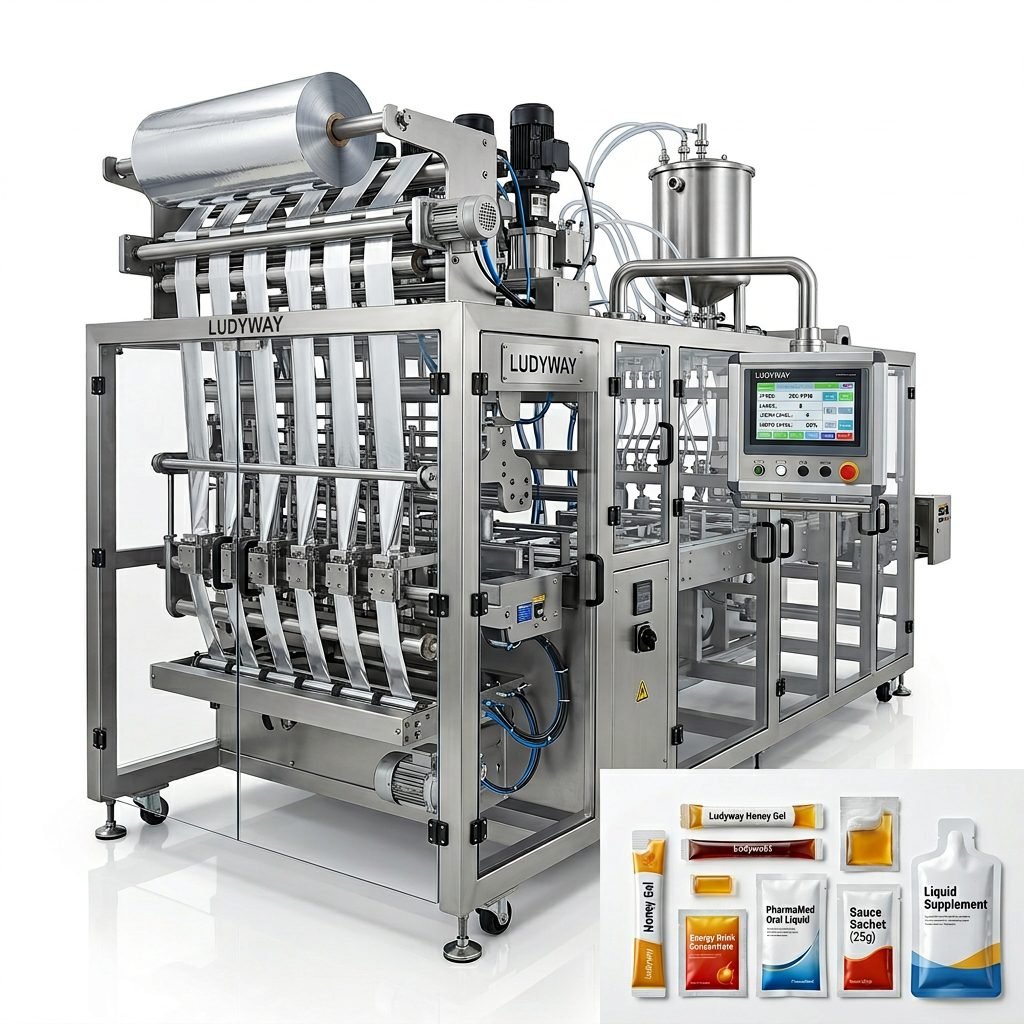
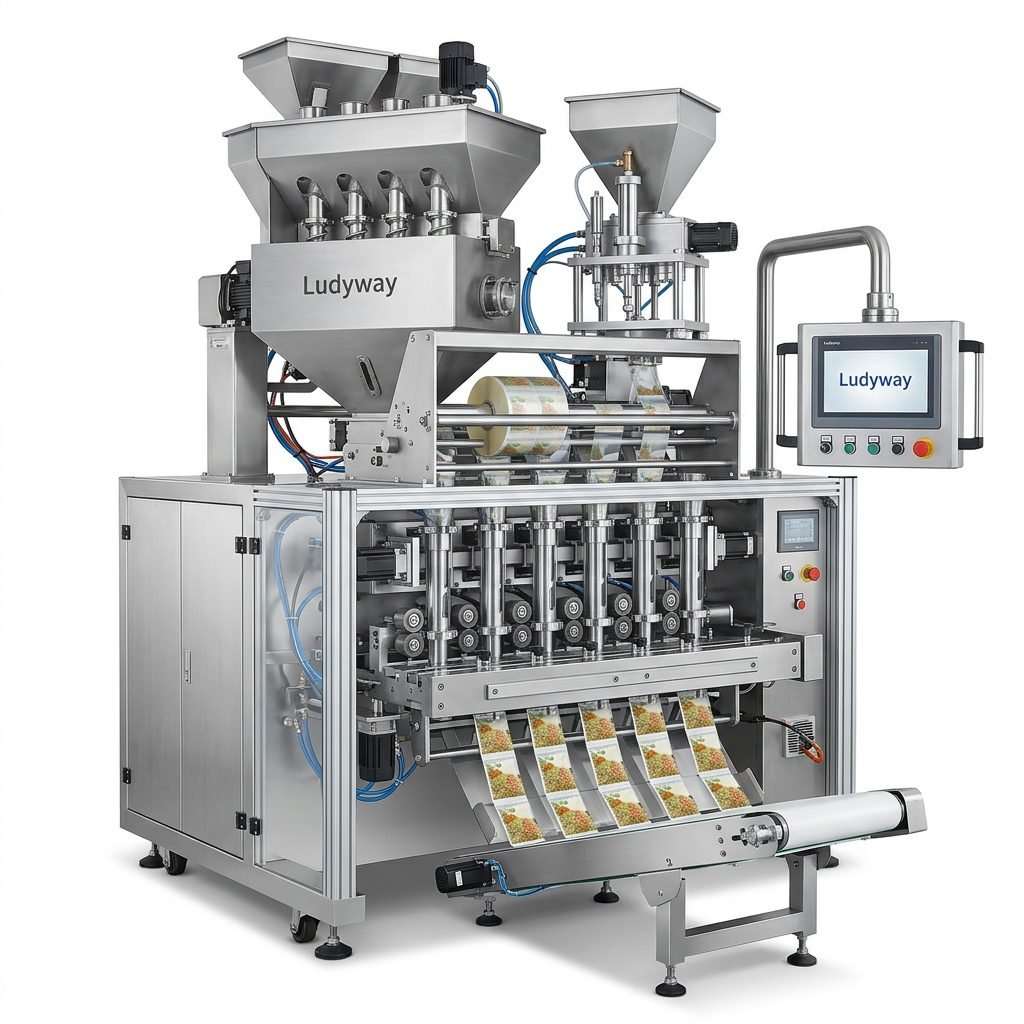
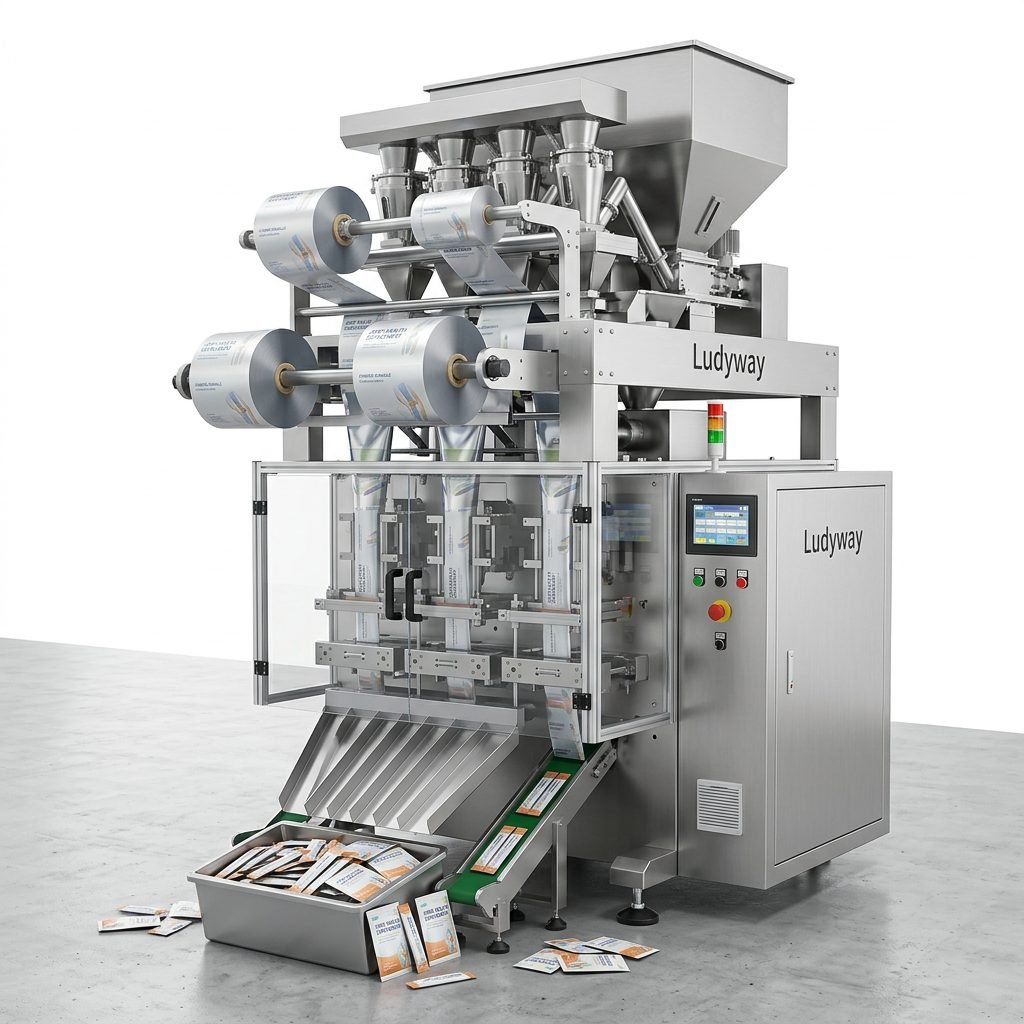
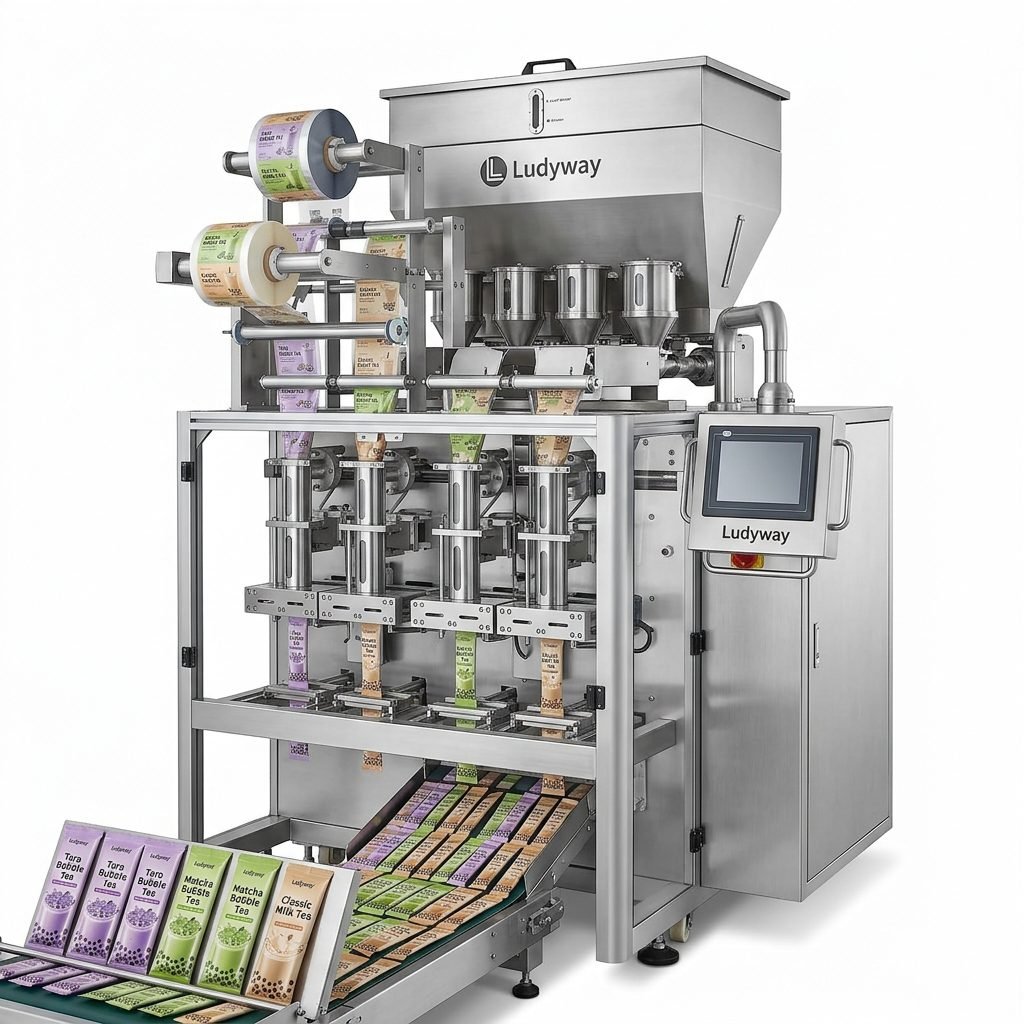
| Multi-lane stick pack machine | Instant tea powder, milk tea, matcha | US$25,000–120,000+ | High-volume single-serve packaging |
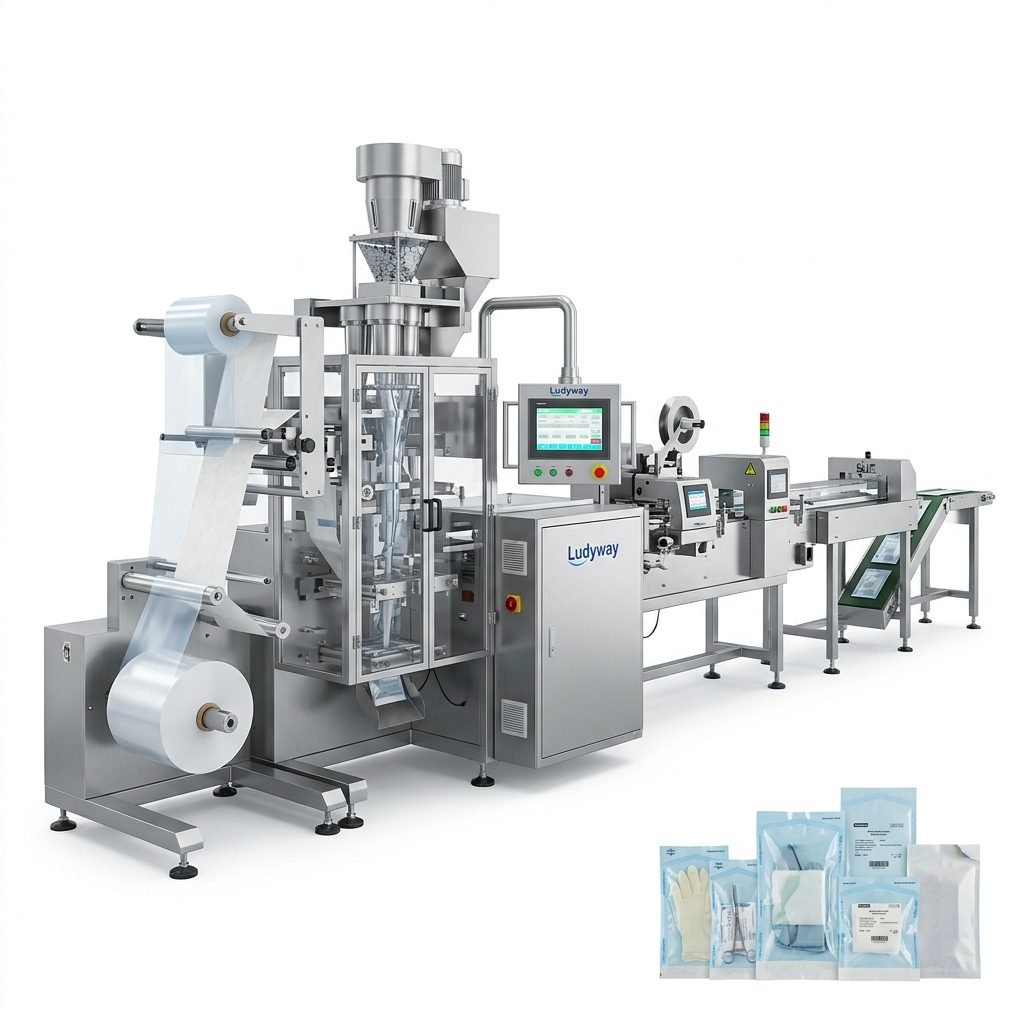
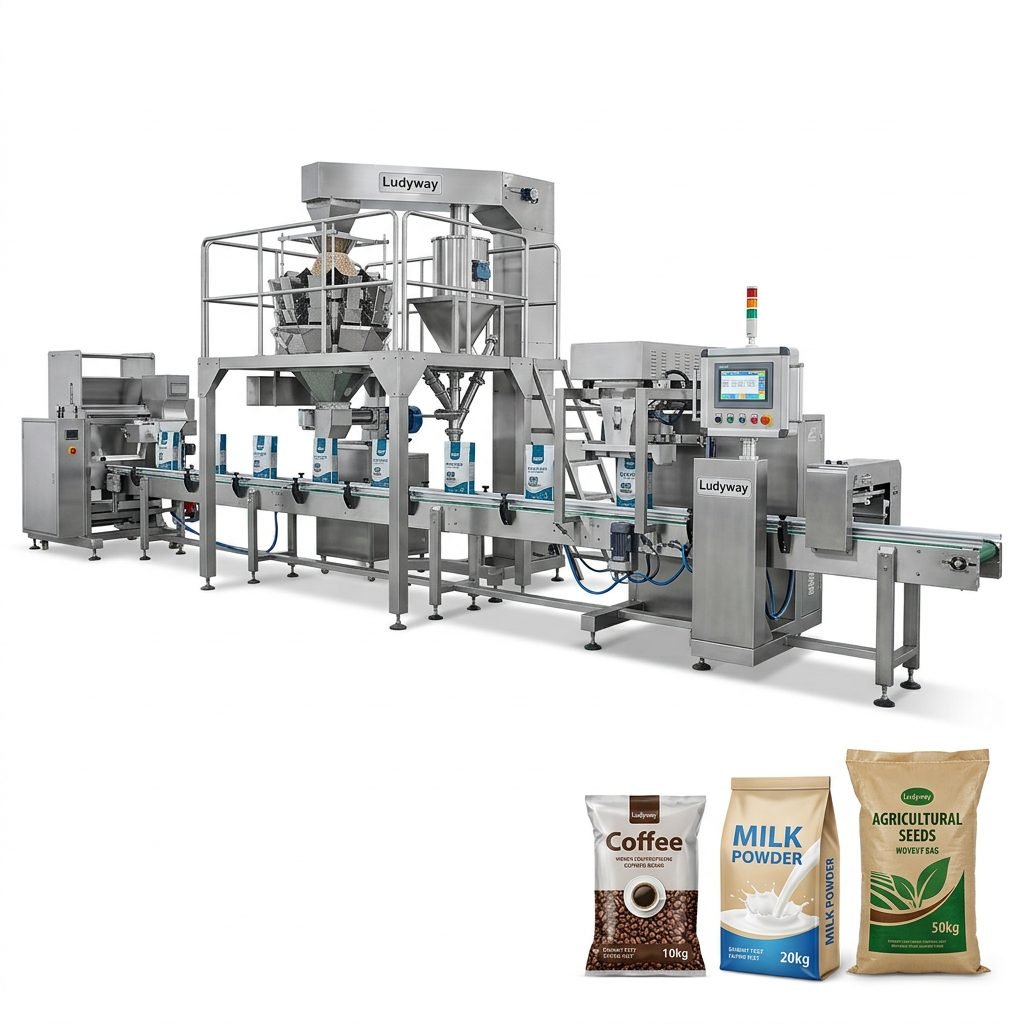
| Turnkey tea packaging line | Complete tea product range | US$50,000–300,000+ | Factories scaling automation |
Important: shipping, installation, tooling, spare parts, and after-sales support may or may not be included in the quoted price.
Always confirm the complete scope before comparing suppliers.
How to Choose the Right Tea Packaging Machine for Your Business
1. Start with Your Tea Product Type
Tea is not a single product category. The packaging solution for orthodox loose leaf tea is different from that for
instant tea powder, milk tea blend, herbal mix, or functional beverage powder.
- Loose leaf tea often needs gentle handling to protect leaf shape and appearance.
- Tea powder and matcha require precise auger filling and good dust control.
- Granulated instant tea may use volumetric cups or weighing systems.
- Herbal blends may need stronger sealing performance because of irregular particle size.
If your product range includes multiple tea formats, a more flexible machine may offer better long-term value than a cheaper single-purpose model.
2. Match the Machine to Your Packaging Format
Your preferred package style directly affects both machine selection and total cost. Common tea packaging formats include:
- Tea bags: ideal for classic retail tea products.
- Outer envelope tea bags: improve hygiene and shelf appeal.
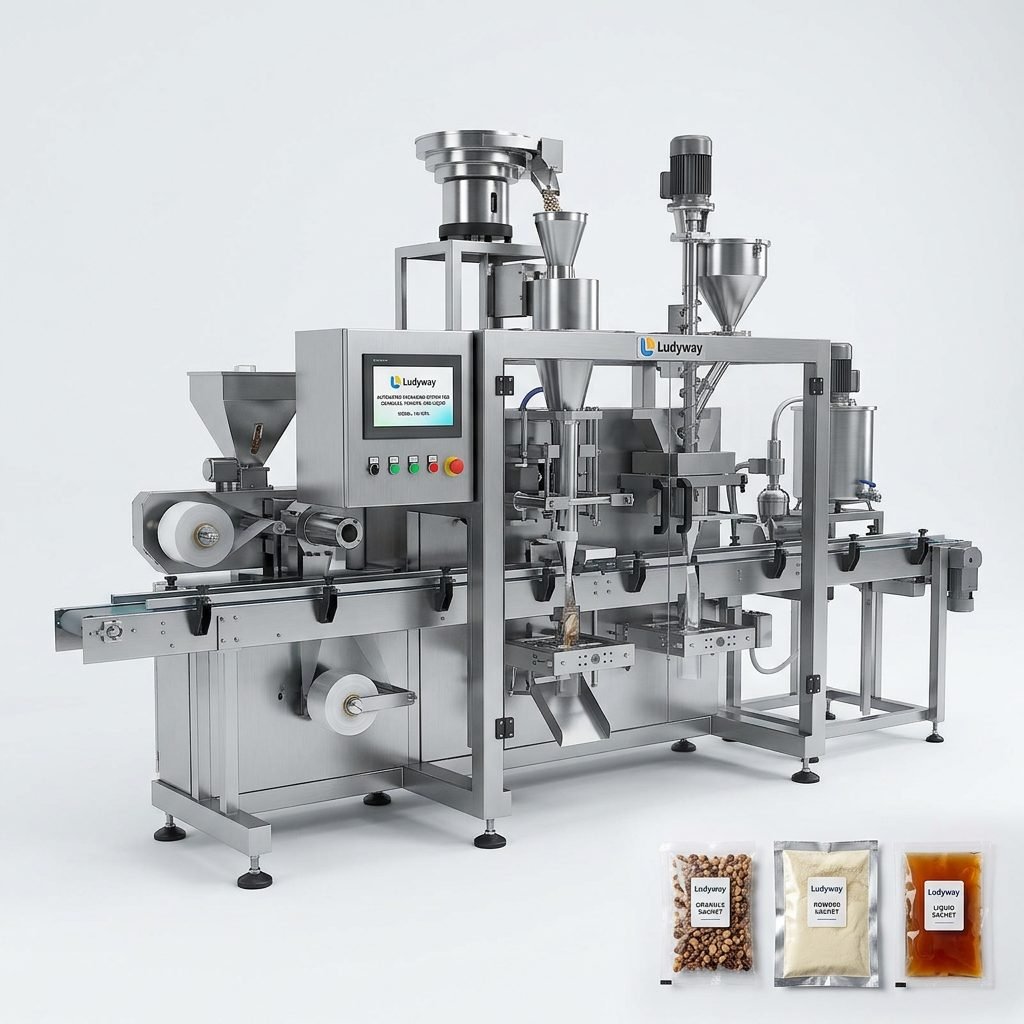
- Sachets: good for tea powder, herbal blends, and instant drinks.
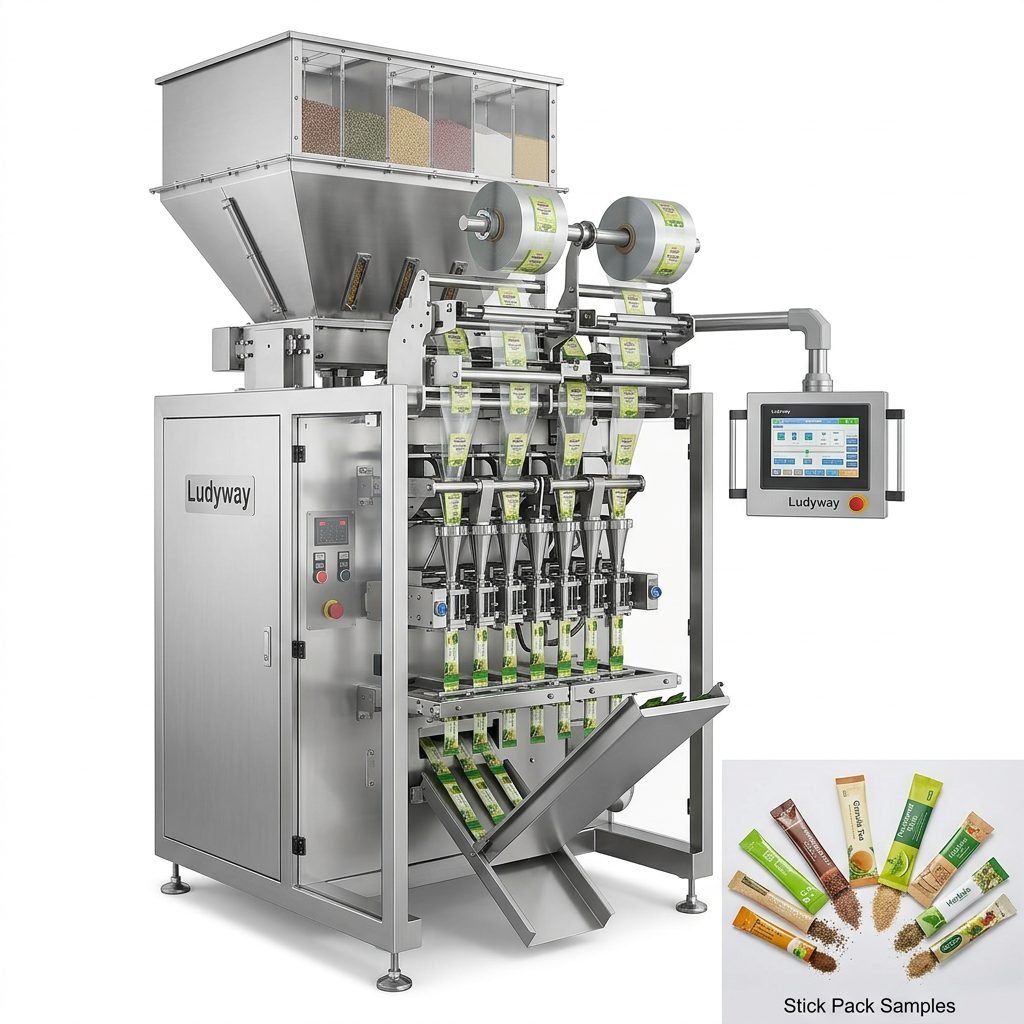
- Stick packs: popular for on-the-go use and premium single servings.
- Pouches: suitable for larger retail or refill packs.
If branding, convenience, and retail presentation are priorities, paying more for a machine with better sealing quality and more consistent bag appearance can be worthwhile.
3. Estimate Real Production Capacity
Many buyers either overbuy or underbuy. A machine that is too small may slow down your growth, while an oversized system
can increase capital pressure and operating complexity.
Ask these questions:
- How many packs do you need per hour, shift, and month?
- Do you supply retail, wholesale, e-commerce, or OEM clients?
- Is demand seasonal?
- Will you launch new SKUs within the next 12 to 24 months?
A practical rule is to choose a system that meets current production needs while leaving room for moderate growth.
Scalability often matters more than the lowest initial price.
4. Compare Filling Accuracy and Waste Control
In tea packaging, small filling errors can create significant losses over time. Underfilling creates compliance and customer issues,
while overfilling silently increases product giveaway.
A machine with higher dosing accuracy may cost more upfront, but it can reduce raw material waste and improve package consistency.
This matters especially for premium teas, matcha, organic blends, and export products.
5. Evaluate Automation and Labor Savings
Semi-automatic equipment may look attractive because of its lower price, but businesses with rising labor costs often benefit from
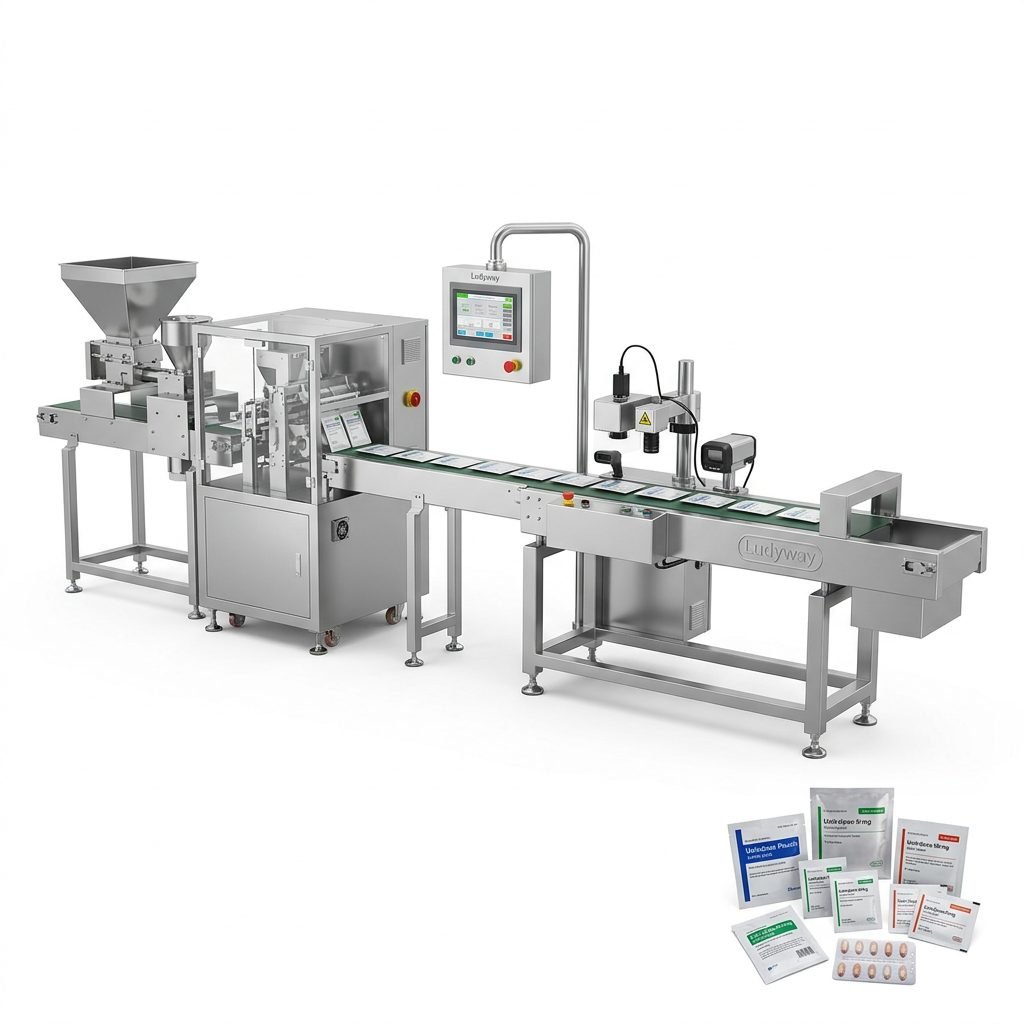
automatic feeding, filling, sealing, coding, counting, and cartoning.
| Factor | Semi-Automatic Machine | Automatic Machine |
|---|---|---|
| Initial investment | Lower | Higher |
| Labor requirement | Higher | Lower |
| Production speed | Moderate | High |
| Consistency | Operator dependent | More stable |
| Best use case | Pilot or small batch production | Commercial scale growth |
6. Check Material Compatibility
Tea brands often use different packaging films depending on shelf life, sustainability goals, and market positioning.
Before buying a machine, confirm it can work with your chosen materials, such as:
- Laminated films
- Filter paper for tea bags
- Biodegradable materials
- Aluminum foil structures
- Paper-plastic composite films
Some low-cost machines perform poorly with specialty films, leading to bad seals, wrinkles, or unstable running speed.
7. Look Beyond the Machine Price: Calculate Total Cost of Ownership
Smart buyers do not compare only the quotation amount. They compare the full cost over the machine’s working life.
Include these cost factors in your evaluation:
- Machine purchase price
- Shipping and customs fees
- Installation and commissioning
- Operator training
- Maintenance and spare parts
- Downtime risk
- Film waste and product loss
- Future upgrade potential
Sometimes a machine with a higher upfront price becomes the cheaper option over 3 to 5 years because it runs faster, wastes less material, and needs fewer repairs.
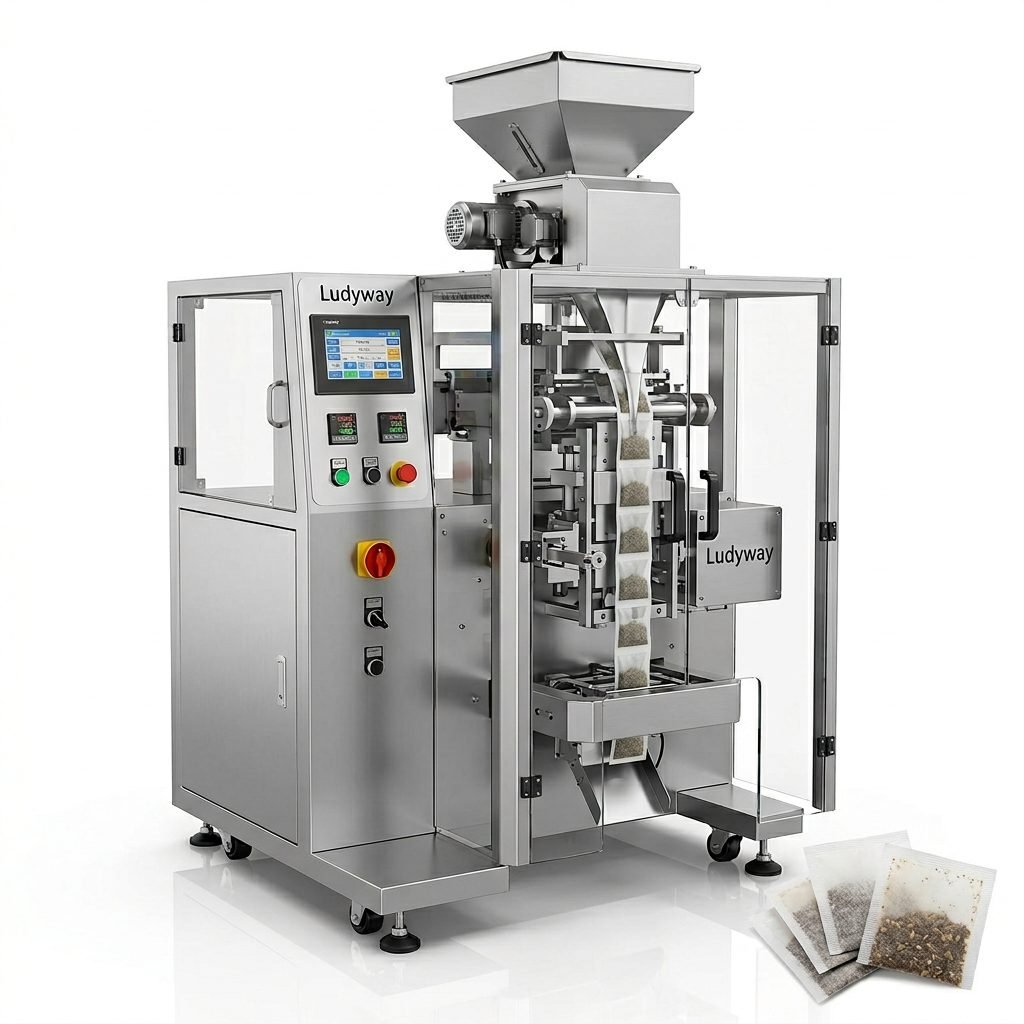
Key Features Worth Paying More For
Not every extra feature is necessary, but some upgrades create clear operational advantages.
- Servo-driven control: better stability, precision, and easier adjustment.
- Touchscreen PLC system: simpler operation and faster parameter changes.
- Nitrogen flushing: useful for freshness-sensitive tea products.
- Date coding integration: improves compliance and traceability.
- Quick changeover design: ideal for businesses handling multiple SKUs.
- Dust collection or sealing optimization: important for tea powder and matcha.
- Remote technical support: reduces service delays.
Common Mistakes When Buying a Tea Packaging Machine
- Choosing based only on the cheapest quote
- Ignoring future production expansion
- Not testing actual tea samples before ordering
- Overlooking after-sales service and spare parts availability
- Failing to confirm packaging film compatibility
- Not asking about lead time, installation, and training
- Buying a machine that cannot support multiple bag sizes or product types
How to Compare Tea Packaging Machine Suppliers
A reliable supplier should do more than send a price list. They should understand your product, recommend the right solution,
and support your production after delivery.
When evaluating suppliers, look for:
- Proven experience in tea, powder, granule, or sachet packaging
- Sample testing capability
- Clear machine specifications and video proof
- Ability to customize for your packaging format
- Spare parts support and technical response time
- Experience in exporting to your region
- Capability to provide standalone machines or full lines
For buyers looking for an experienced manufacturer,
tea packaging machine solutions from Ludyway
can be worth evaluating. Founded in 1993, the company is recognized as one of China’s leading packaging machine and turnkey packaging line manufacturers,
with over 30 years of industry experience, a factory covering more than 20,000 square meters, and exports to more than 100 countries and regions.
Which Machine Is Best for Different Tea Businesses?
For startups
A semi-automatic or entry-level automatic machine may be enough if your volumes are low and you need tight cost control.
For growing retail brands
An automatic tea bag or sachet machine with reliable coding and better sealing consistency is often the best balance between price and scalability.
For instant tea and milk tea manufacturers
Multi-lane stick pack machines are usually the better choice because they offer high output, strong dosing accuracy, and attractive single-serve packaging.
For large factories or OEM packers
A complete turnkey packaging line with feeding, filling, sealing, coding, inspection, cartoning, and end-of-line automation may provide the lowest unit cost over time.
Questions to Ask Before Requesting a Quote
- What tea product will be packed?
- What is the target pack size and bag style?
- What speed do you need per minute or per hour?
- What packaging film will be used?
- Do you need nitrogen flushing, coding, cartoning, or checkweighing?
- Do you need one machine or a complete line?
- What is your budget range?
- Can the supplier test your sample product?
- What after-sales service is included?
- How long is the lead time?
Final Buying Advice
The best tea packaging machine is not simply the cheapest or the most advanced. It is the one that fits your tea type, packaging format, output target, labor plan, and long-term business goals.
If you want to choose wisely, compare machines based on performance, reliability, flexibility, and lifetime operating cost rather than headline price alone.
That approach will help you avoid expensive mistakes and invest in a machine that supports sustainable growth.