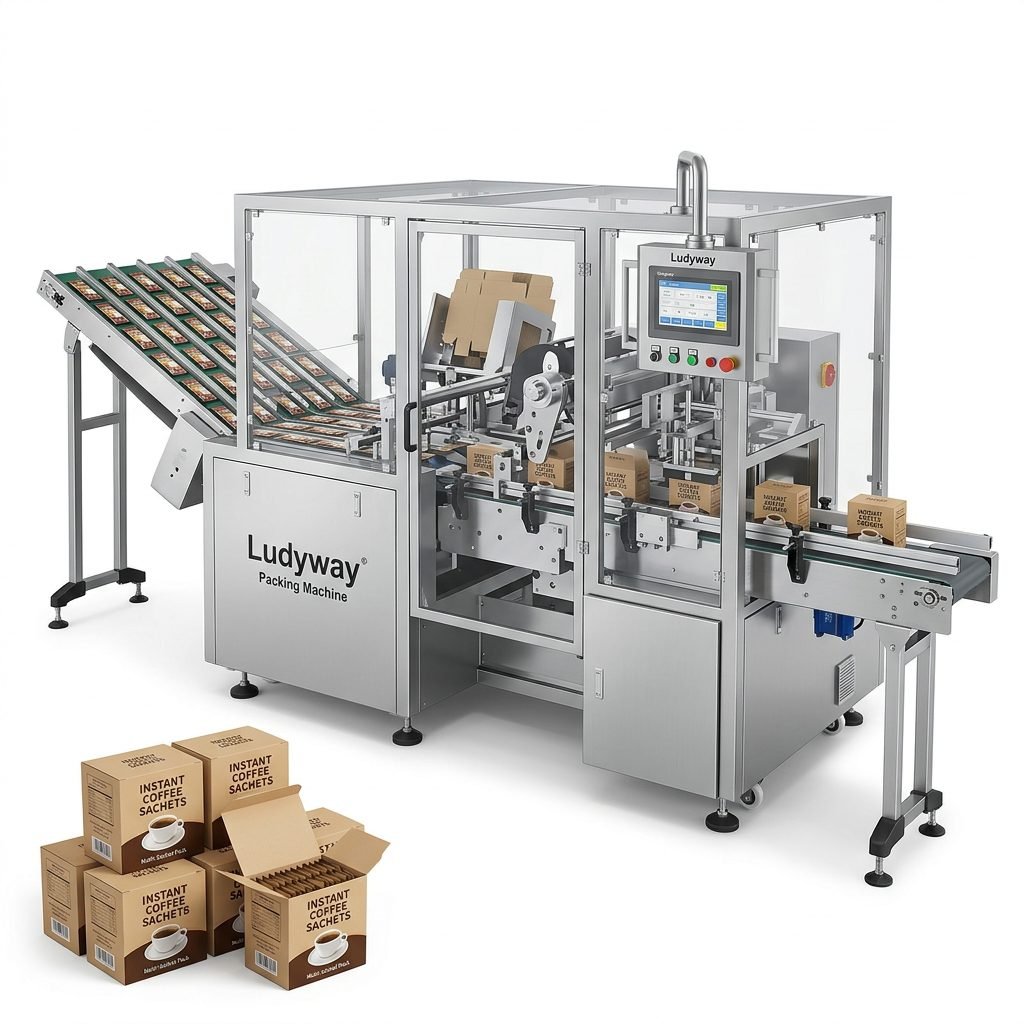
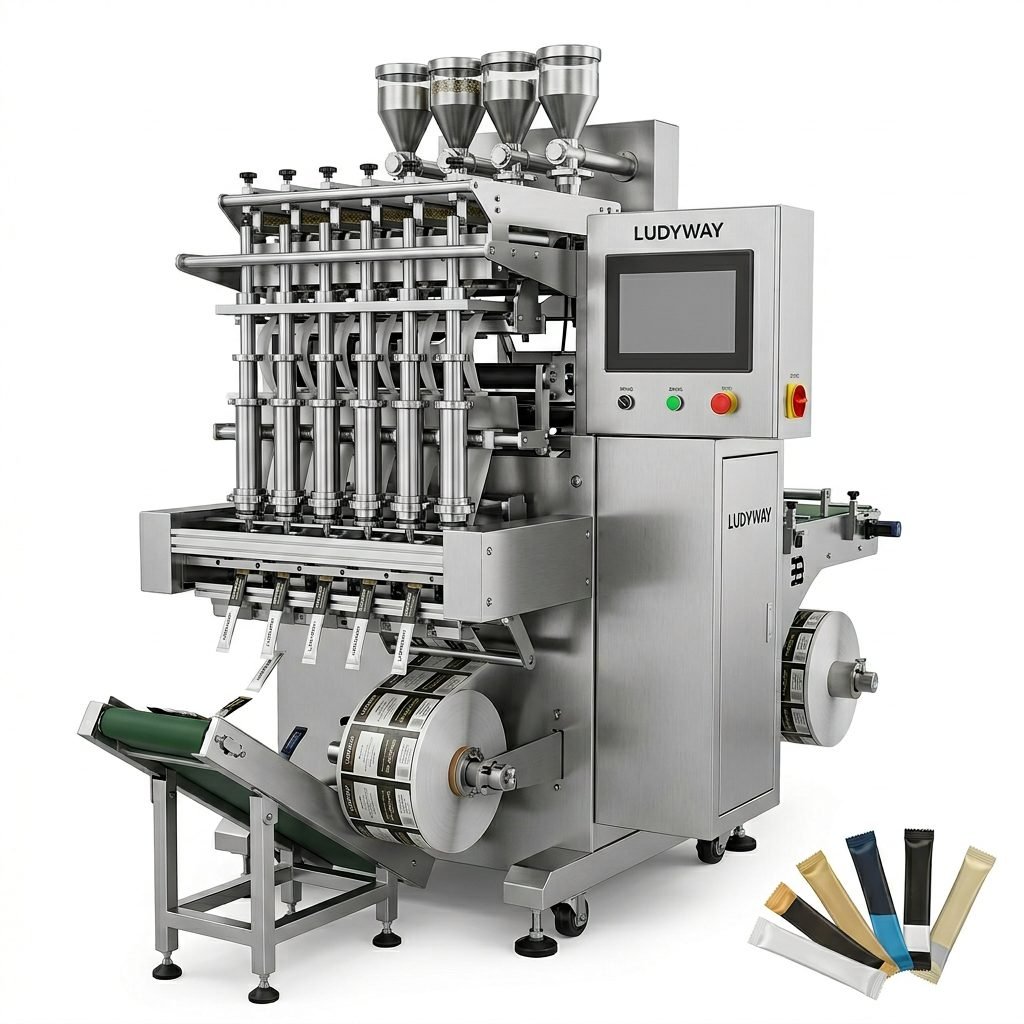
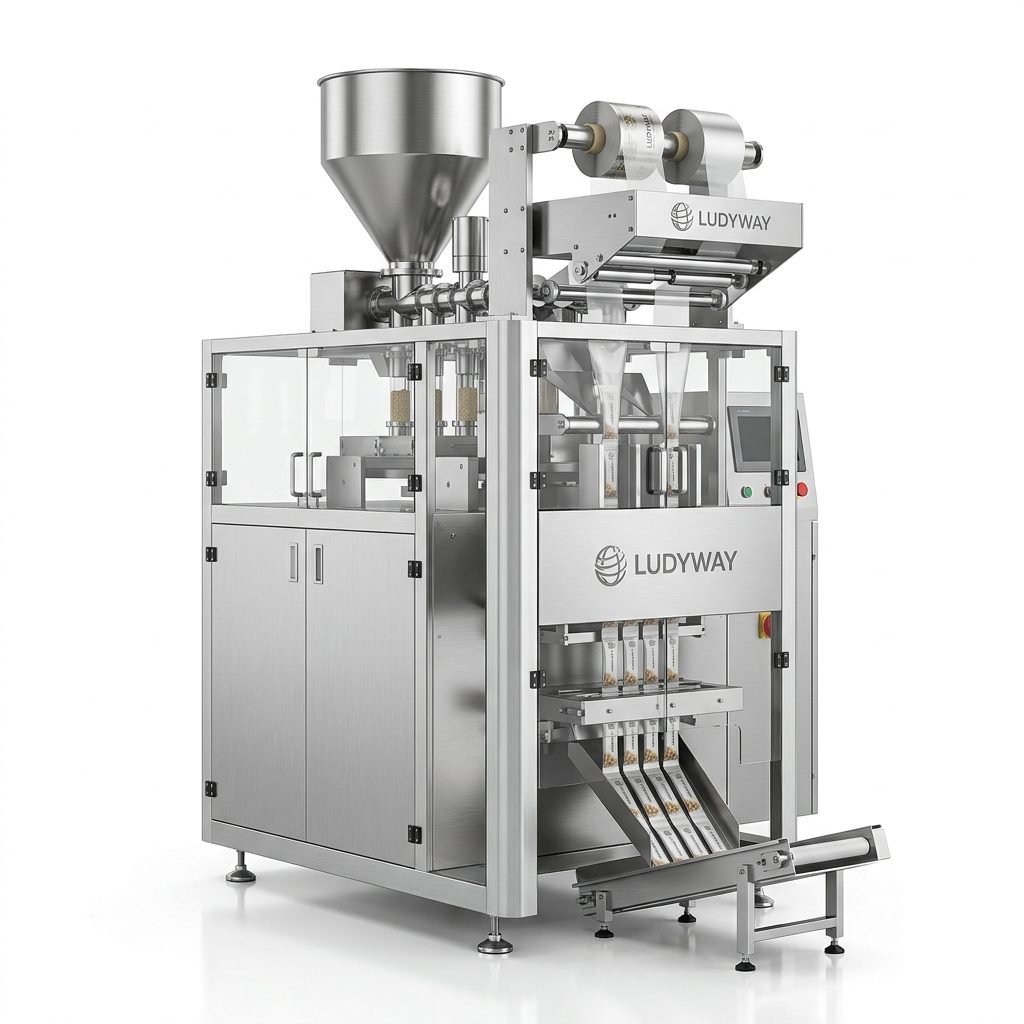
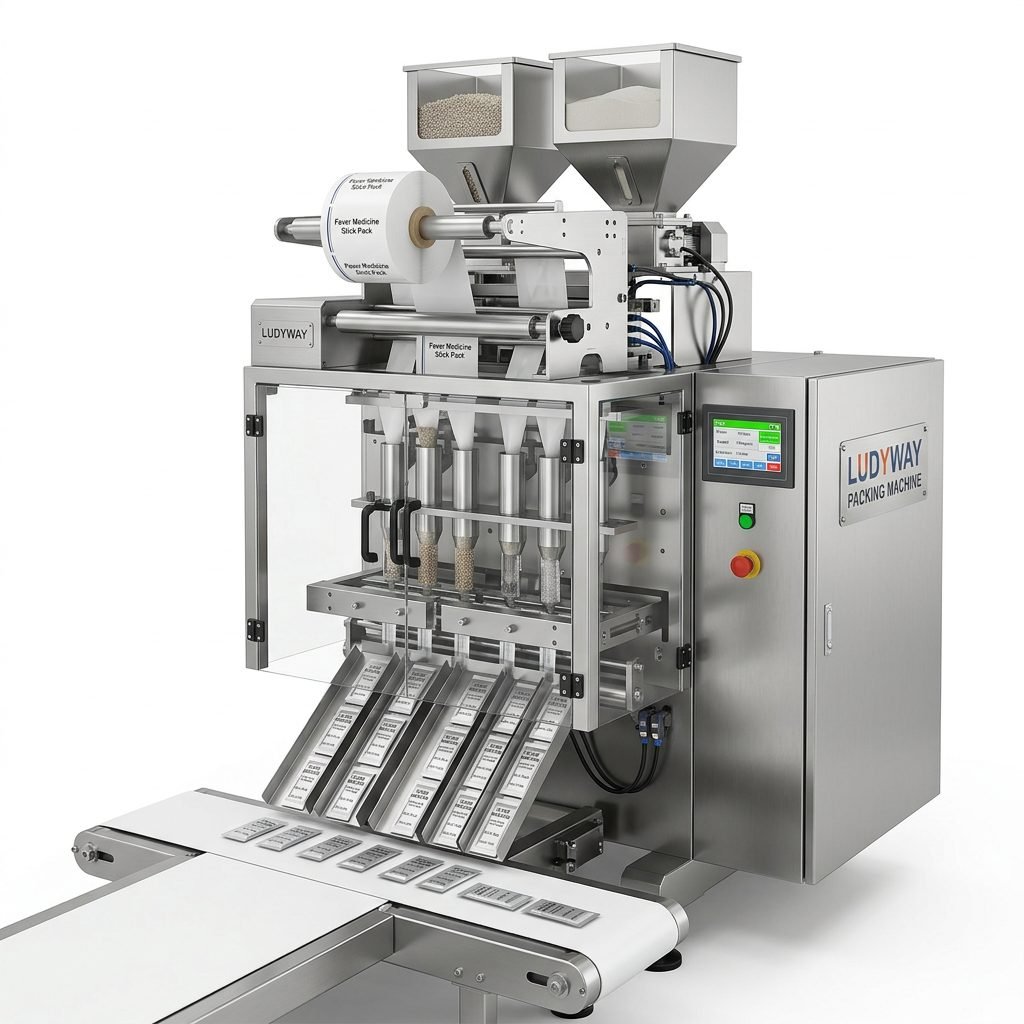
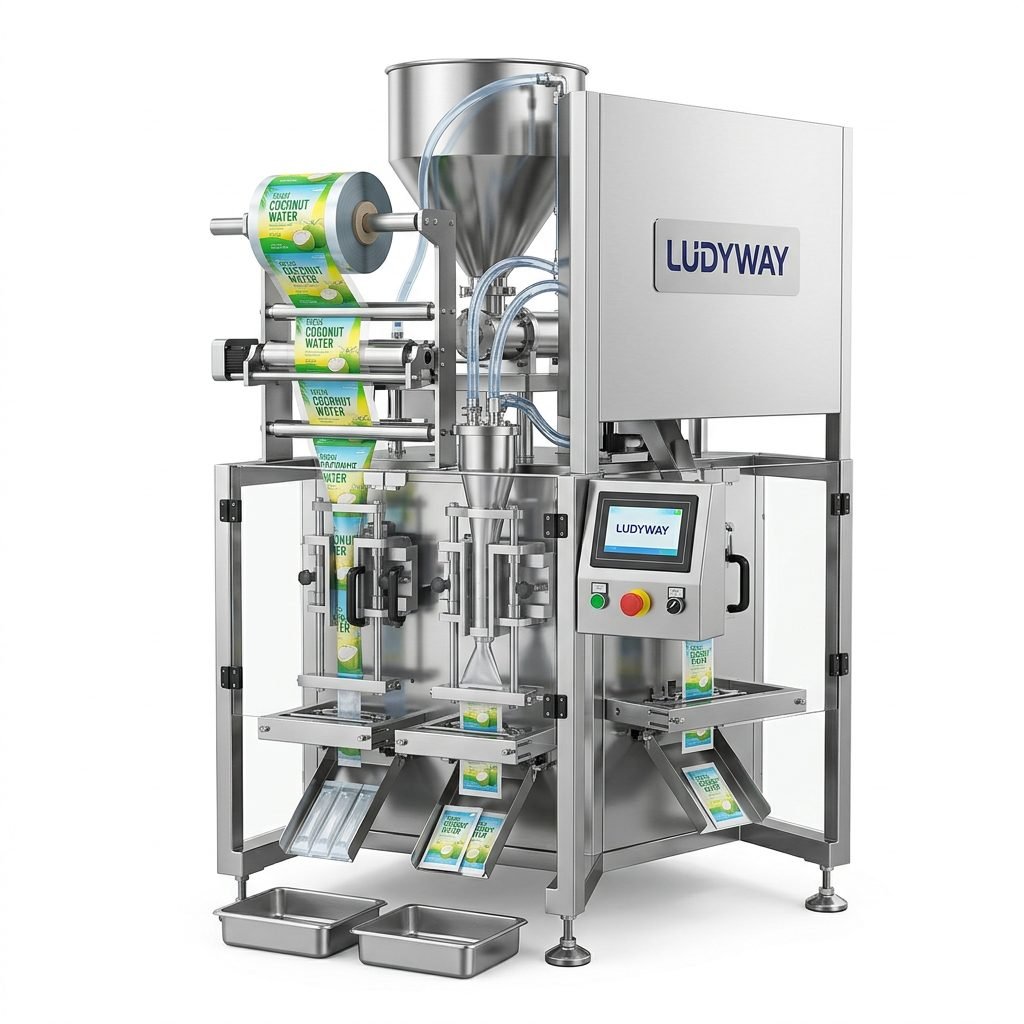
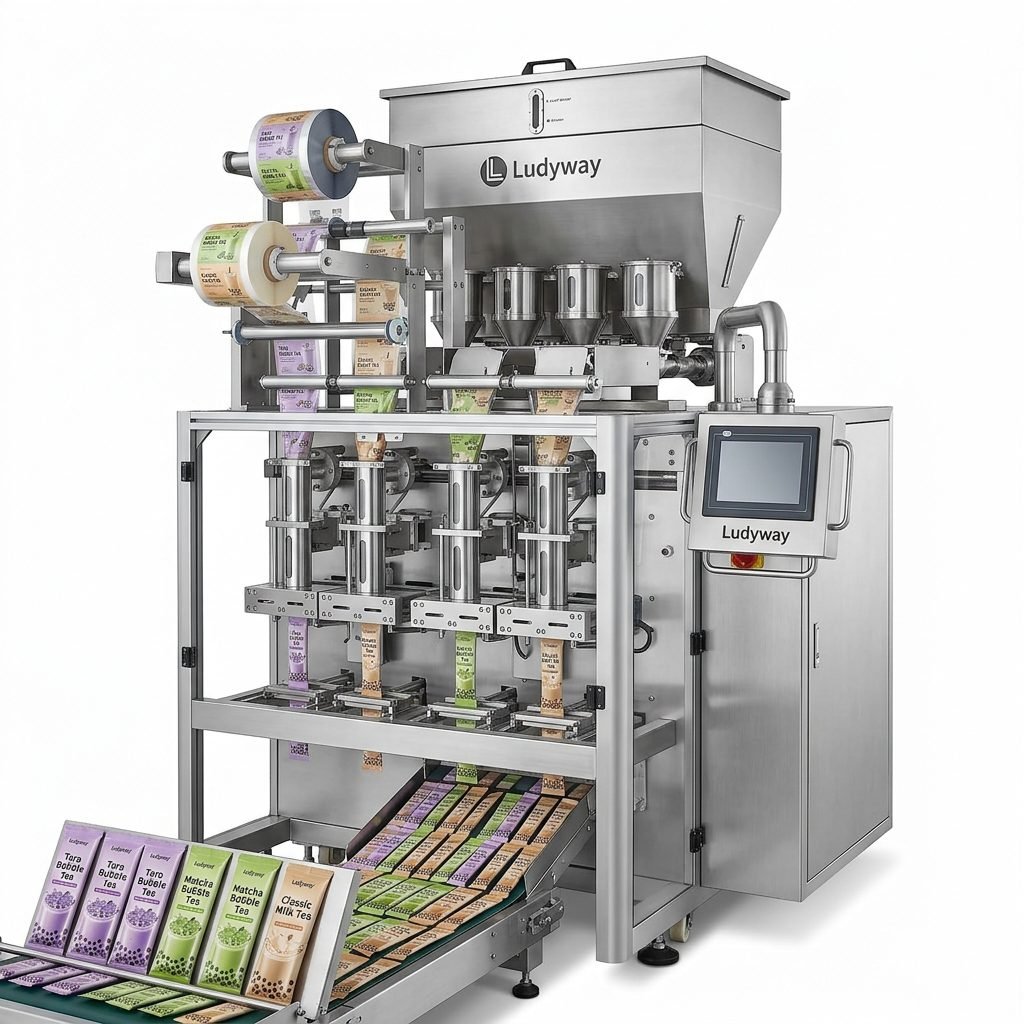
In the fast-paced world of product manufacturing and distribution, efficient packaging is not just a final step—it’s a critical component of brand presentation, product protection, and operational efficiency. Shrink packaging machinery plays a pivotal role in this process, offering a versatile and professional finish for a vast array of goods. From consumer electronics and food items to pharmaceuticals and multi-packs, shrink wrapping provides a tight, tamper-evident seal that enhances shelf appeal and ensures product integrity.
Understanding Shrink Packaging Machinery
At its core, shrink packaging involves placing a product or a bundle of products inside a loose sleeve or pouch of plastic film. This film is then heated, causing it to contract tightly around the contours of the product. The machinery automates this process, handling tasks from film feeding and sealing to heating and cooling. The result is a tight, durable, and clear package that protects against dust, moisture, and handling damage.
Key Benefit: Shrink packaging is renowned for its excellent product visibility and superior tamper evidence, making it a favorite in retail environments.
Primary Types of Shrink Packaging Systems
The market offers several types of shrink wrappers, each designed for specific production volumes, product types, and automation levels. Choosing the right type is the first step toward an optimized packaging line.
1. L-Bar Sealers (Manual & Semi-Automatic)
Ideal for low to medium-volume operations, L-bar sealers are a common entry point. An operator places the product on the machine’s bed. An “L”-shaped sealing bar descends to create a sealed pouch around the product, which is then conveyed manually or automatically into a shrink tunnel. They offer a great balance of affordability and efficiency for businesses that are not yet ready for full automation.
2. Fully Automatic Sleeve Wrappers
For high-speed, high-volume production, fully automatic sleeve wrappers are the industry standard. These systems automatically form a film tube around the product, make a longitudinal seal, cut the film, and then seal the ends before sending the package through the tunnel. They are integral to streamlined production lines in industries like beverages and canned goods.
3. Shrink Tunnels (Heat Tunnels)
The shrink tunnel is the component that applies heat to the polyolefin or PVC film, causing it to shrink. They come in various sizes and heating configurations (hot air, steam, or infrared). The choice of tunnel depends on the film type, package size, and required speed. A well-matched tunnel is crucial for achieving a wrinkle-free, tight seal.
4. Shrink Bundlers and Multi-Packers
This specialized machinery is designed to group multiple primary packages (like bottles, cans, or boxes) together into a single retail unit. Bundling improves handling efficiency, offers promotional opportunities (e.g., “6-packs”), and can reduce material use compared to boxing. They are a cornerstone of efficient bulk packaging solutions.
Core Applications and Industry Uses
Shrink packaging’s versatility makes it indispensable across numerous sectors. Its ability to conform to irregular shapes and provide a clear view of the product inside drives its widespread adoption.
🎯 Food & Beverage:
Used for bundling bottles, cans, wrapping food trays, bakery items, and frozen foods. It provides a hygienic barrier and can include ventilation holes for fresh produce.
📦 Consumer Goods:
Perfect for boxing toys, tools, software, and hardware. The tight wrap prevents box opening and keeps promotional inserts in place.
💊 Pharmaceuticals & Healthcare:
Provides tamper-evident seals for medicine bottles, medical device kits, and sanitized product bundles, ensuring safety and compliance.
📚 Publishing & Media:
Commonly used to wrap books, magazines, and software packages, protecting them from scuffing and moisture during shipping.
How to Choose the Best Shrink Packaging System for Your Needs
Selecting the right machinery is a strategic decision that impacts your operational cost, output quality, and scalability. Here is a structured guide to help you evaluate your options.
Step 1: Analyze Your Product and Output Requirements
Product Dimensions & Shape: Measure the maximum and minimum sizes of your products. Irregular shapes may require a wider tunnel or specific film types.
Production Speed (PPM/Units per Minute): Calculate your current and projected future output. A semi-automatic L-sealer might handle 5-15 packs per minute, while a full-auto sleeve wrapper can exceed 60 packs per minute.
Film Type: The most common films are Polyolefin (POF) and PVC. POF is clearer, stronger, and more eco-friendly, while PVC is often less expensive. Your machine must be compatible with your chosen film.
Step 2: Evaluate Automation Level and Labor
Consider your available labor and desired level of automation. A manual system has a lower upfront cost but higher ongoing labor costs. A fully integrated automatic system, like those developed with years of engineering expertise, requires a higher initial investment but drastically reduces labor, increases consistency, and boosts overall line efficiency.
Pro Tip: Consider Future Growth
When choosing a system, think about your business in 3-5 years. Investing in a slightly more capable machine or a modular system that can be upgraded can save you from a costly replacement down the line. Partnering with a supplier known for innovation and reliable support is crucial for long-term success.
Step 3: Assess Key Machine Features and Support
Sealing Quality: Look for durable sealing bars (often Teflon-coated) that ensure consistent, strong seals without film burn-through.
Tunnel Performance: Check for even heat distribution, adjustable temperature zones, and a robust conveyor system. This is vital for a perfect finish.
Ease of Use & Changeover: Quick-change features for different product sizes minimize downtime and are essential for lines running multiple SKUs.
After-Sales Service & Parts: This is non-negotiable. Ensure your supplier offers comprehensive technical support, training, and readily available spare parts to minimize production stoppages.
Frequently Asked Questions (FAQs)
Q1: What is the main difference between a stretch wrapper and a shrink wrapper?
A: A stretch wrapper uses stretch film (like pallet wrap) that is elastic and clings to itself without heat. A shrink wrapper uses heat-sensitive film that shrinks tightly when heated. Stretch wrapping is typically for unitizing pallets, while shrink wrapping is for creating primary or secondary consumer packages.
Q2: Is shrink packaging environmentally friendly?
A: It depends on the film material. Traditional PVC film is less eco-friendly. Modern Polyolefin (POF) films are recyclable (where facilities exist), produce less smoke when incinerated, and use fewer raw materials per pack due to their strength, making them a more sustainable choice.
Q3: Can one machine handle vastly different product sizes?
A: Many machines are designed for quick changeover. However, there are practical limits. A machine built for small cosmetic boxes may not physically accommodate large board games. It’s critical to discuss your full product range with your supplier to ensure the machine’s flexibility meets your needs.
Q4: How much maintenance does a shrink packaging system require?
A: Regular maintenance is key to longevity and consistent performance. Daily tasks include cleaning sealing bars and tunnel interiors. Periodic maintenance involves checking electrical connections, lubricating moving parts, and inspecting heating elements. A good supplier will provide a clear maintenance schedule.
Q5: What are the hidden costs associated with shrink packaging?
A: Beyond the machine purchase price, consider: ongoing film cost, energy consumption of the heater and motors, maintenance parts/labor, potential costs for custom film printing, and floor space requirements. A thorough total cost of ownership (TCO) analysis with your supplier will reveal the true investment.