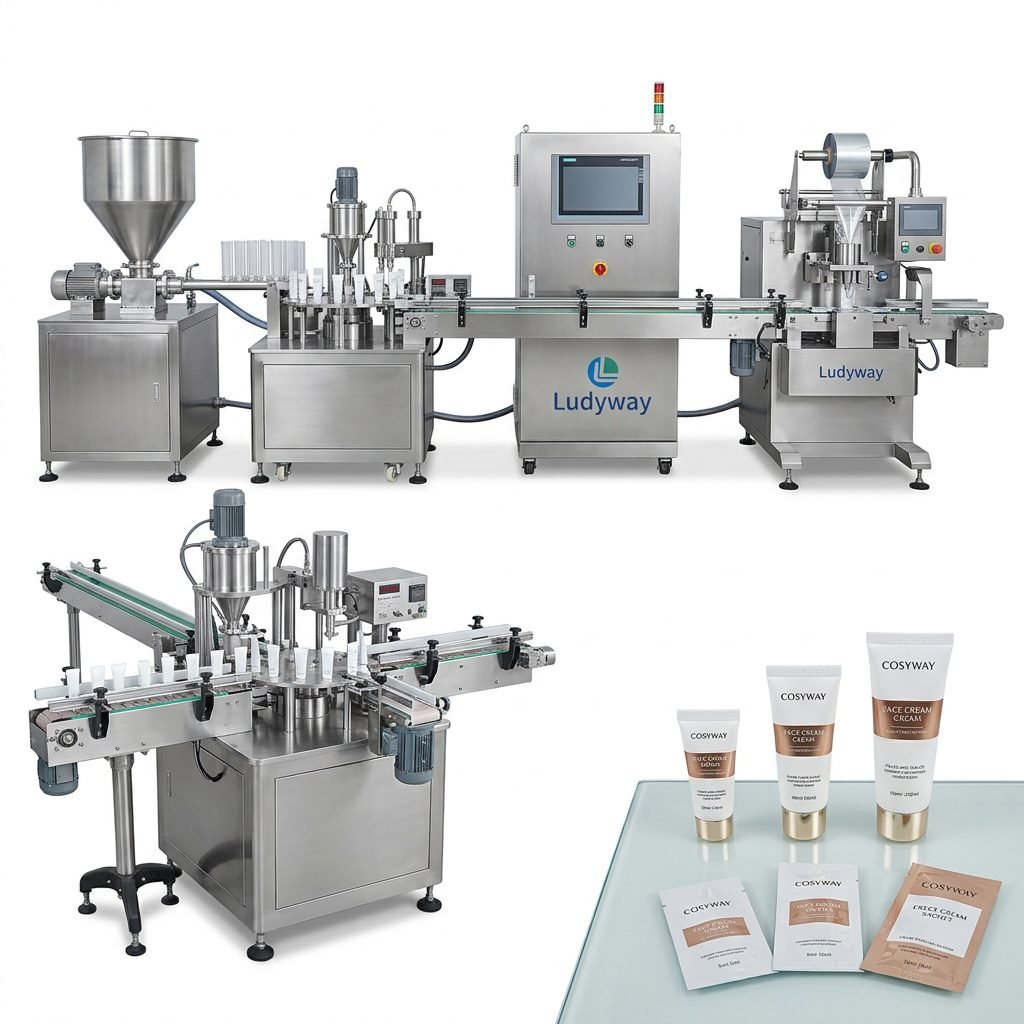
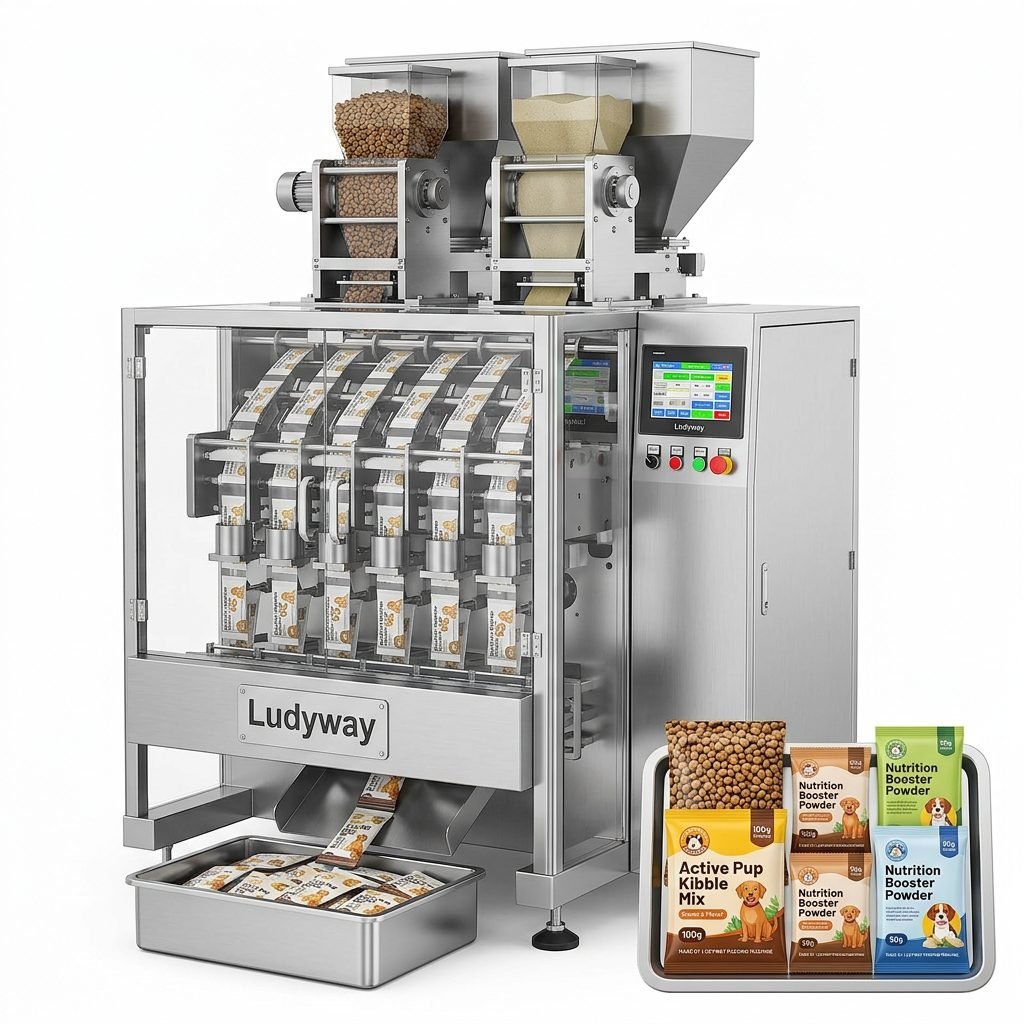
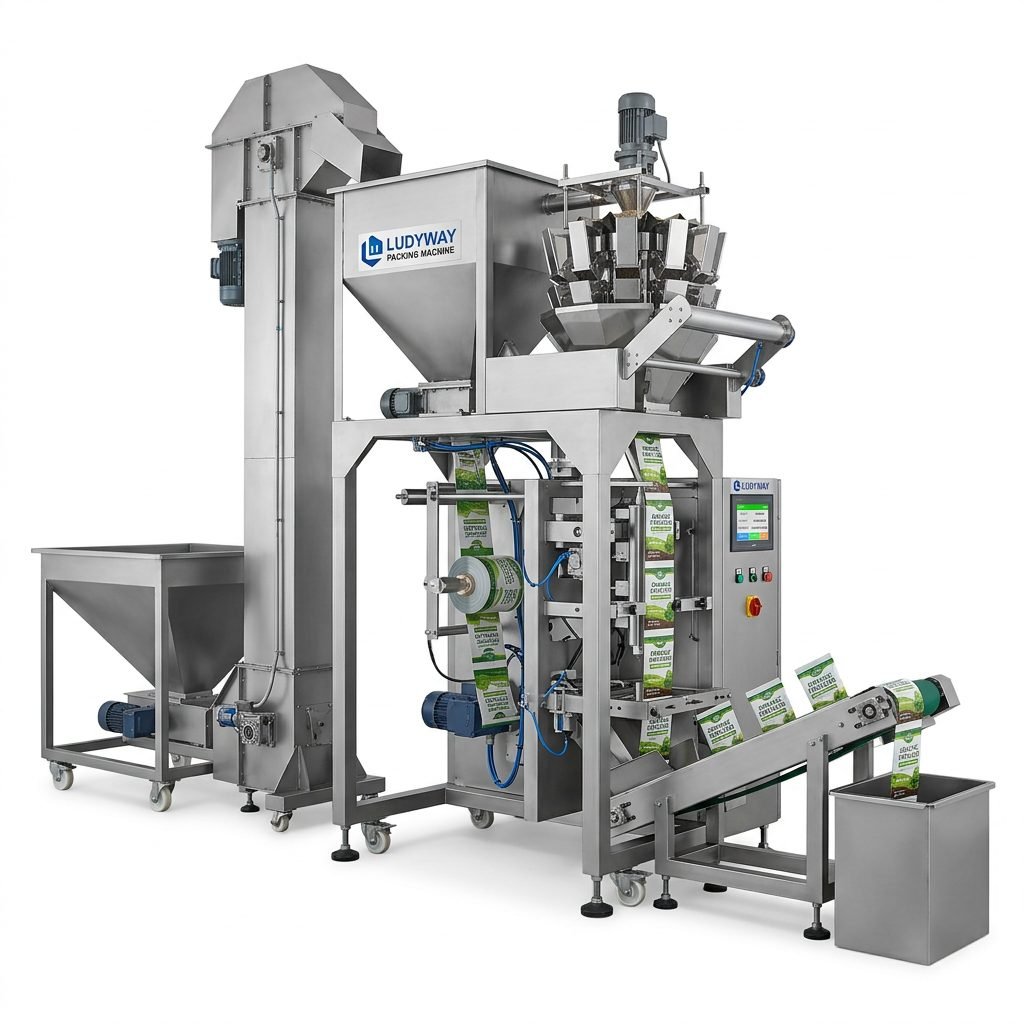
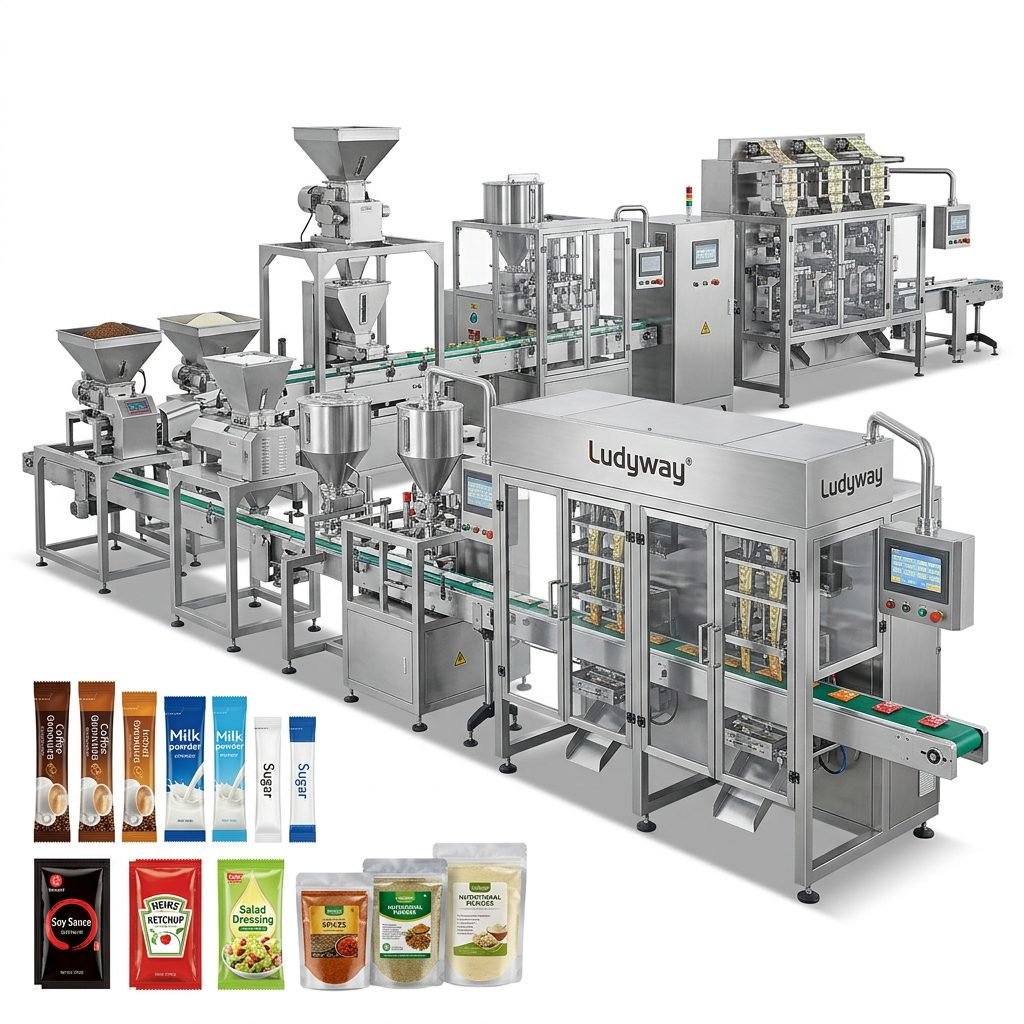
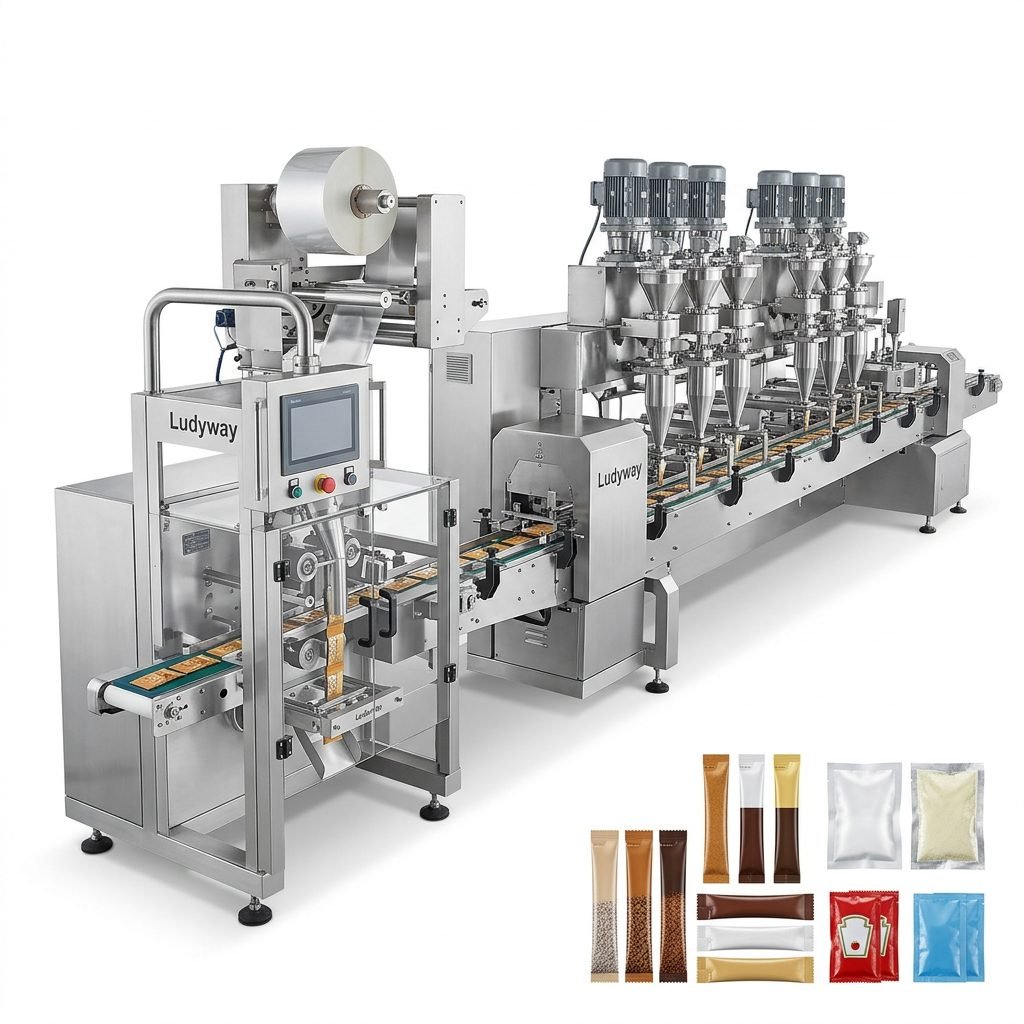
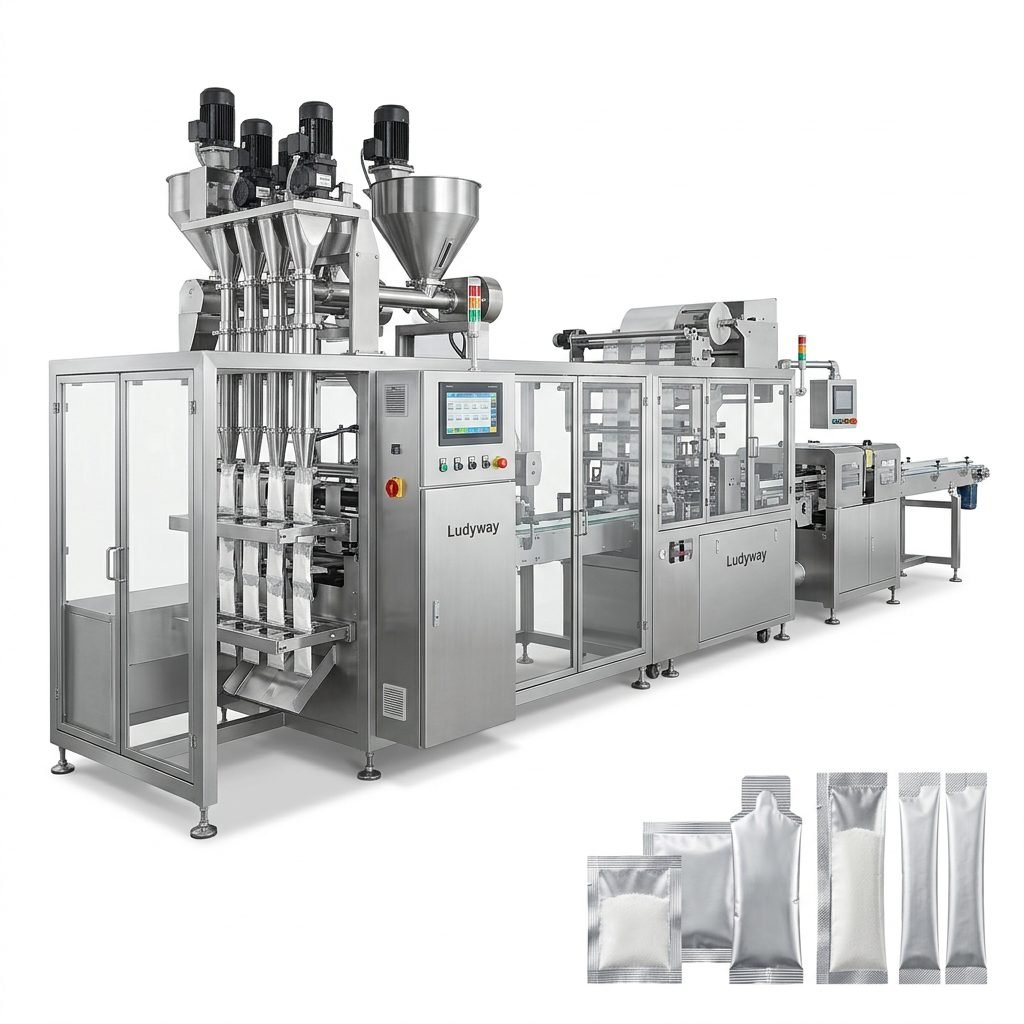
For spice brands, local seasoning startups, contract packers, and family-run food businesses, finding a masala packing machine at a low price is often one of the most important early investment decisions. Affordable equipment can help small businesses move from manual filling to cleaner, faster, and more consistent packaging without overstretching cash flow.
Whether you pack curry powder, chili powder, turmeric, garam masala, cumin blends, coriander powder, or mixed seasoning sachets, the right machine should balance cost, accuracy, hygiene, and scalability. A lower upfront price is valuable, but the real goal is to reduce product waste, improve output, and create professional packaging that supports brand growth.
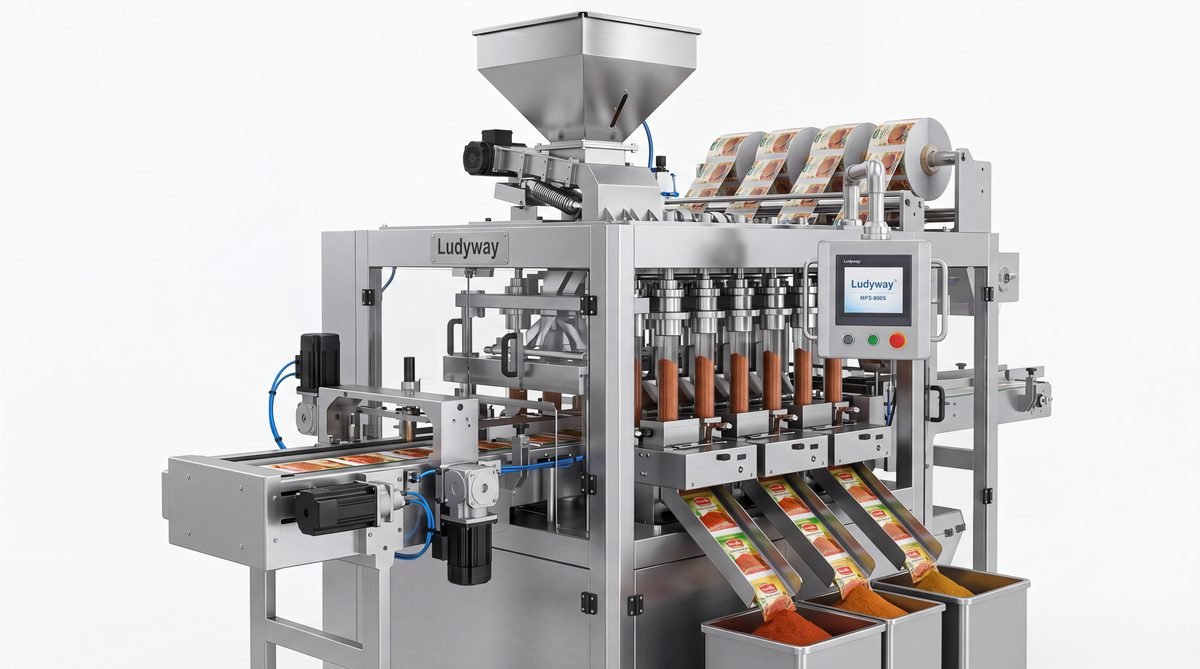
Why Small Spice Businesses Need Affordable Automation
Manual packing works in the beginning, but it quickly creates limitations. Different operators may fill inconsistent weights, sealing quality may vary, and production speed may remain too low for wholesale or retail expansion. An affordable masala packing machine helps solve these issues by providing:
- More accurate filling for powdered and blended spices
- Better package appearance for shelves, online sales, and distributors
- Lower labor dependency during repetitive filling and sealing tasks
- Improved hygiene and reduced dust contamination
- Higher output for seasonal or fast-growing orders
For small businesses, this does not always mean buying the largest or fastest line. In many cases, a compact, entry-level machine is the most practical choice because it offers a lower investment threshold while still creating measurable gains in efficiency.
What “Low Price” Really Means in Packaging Equipment
A low-price masala packing machine should not be judged by the sticker price alone. Smart buyers compare the total operating value of the machine, including maintenance, downtime risk, filling accuracy, operator training, and spare parts availability.
A truly affordable machine should offer:
- Stable sealing quality
- Acceptable filling accuracy for fine spice powders
- Easy cleaning and changeover
- Simple controls for new operators
- Compatibility with common pouch or sachet formats
- Reliable after-sales support
When these basics are in place, even a lower-cost machine can create strong long-term returns for a small spice packaging business.
Common Masala Products That Can Be Packed
Affordable spice packaging solutions are suitable for many powdered and granulated food products. Depending on the machine type, common applications include:
| Product Type | Typical Packaging Format | Packaging Challenge |
|---|---|---|
| Turmeric powder | Sachets, pillow pouches, stick packs | Fine dust and strong color transfer |
| Chili powder | Small retail packs, sachets | Airborne powder and seal cleanliness |
| Garam masala | Retail pouches, multi-pack sachets | Blend consistency and dosing accuracy |
| Curry powder | Stick packs, sachets, pouches | Powder flow variation |
| Cumin and coriander powder | Sachets and small pouches | Fine dosing at low gram weights |
| Mixed seasoning blends | Single-use packs, retail refill pouches | Uniform distribution of mixed ingredients |
Best Low-Cost Machine Types for Masala Packaging
Different spice businesses need different machine structures. The best option depends on powder characteristics, target pack size, and expected production volume.
1. Semi-Automatic Powder Filling Machines
These are often the most budget-friendly entry point for startups. Operators place bags or containers manually while the machine controls filling quantity. They are suitable for businesses with limited capital and moderate daily output.
Best for:
- Homegrown spice brands moving beyond manual filling
- Custom spice blending workshops
- Low to medium daily production
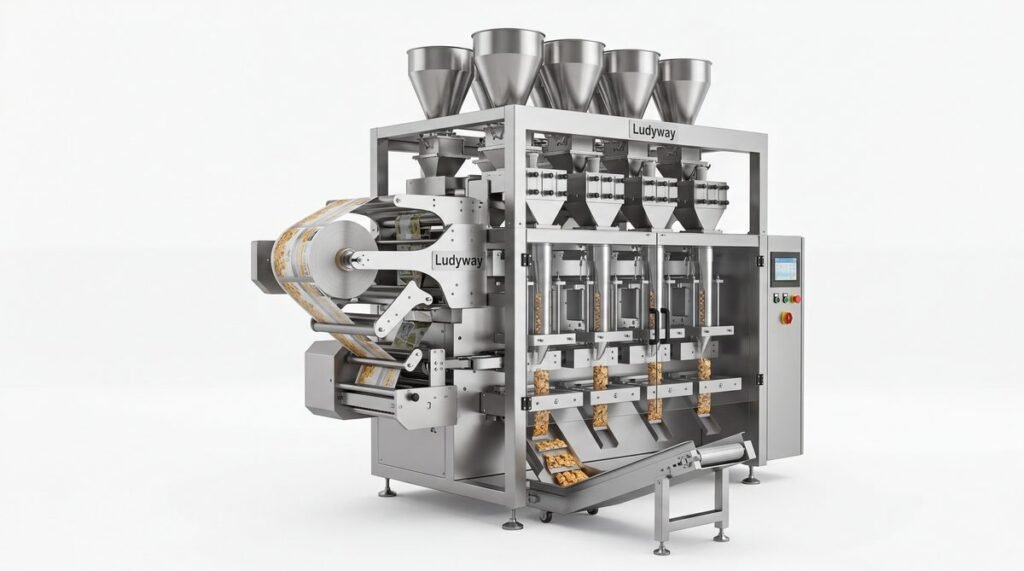
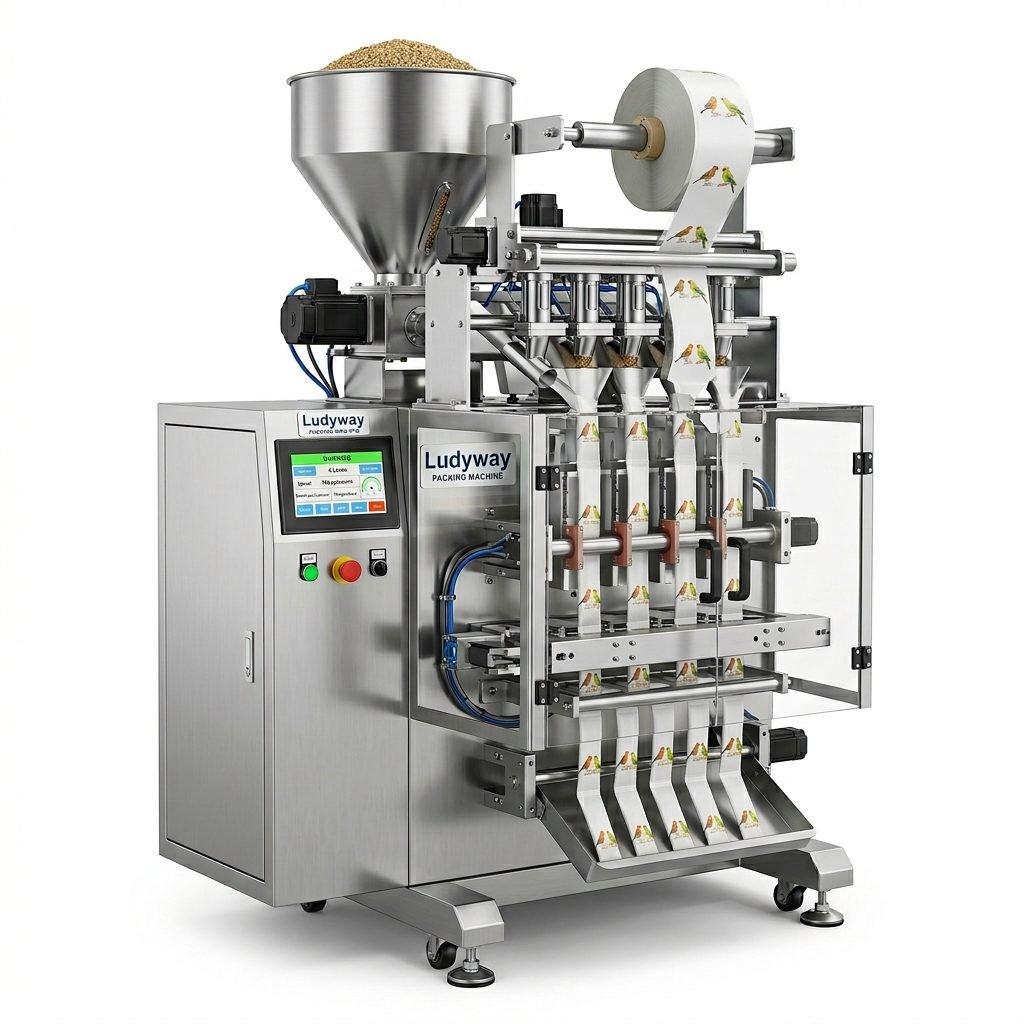
2. Vertical Form Fill Seal Machines
VFFS machines automatically form the pouch from film, fill it with masala, and seal it. They are popular because they combine efficiency and reasonable cost. For many small and medium businesses, this is the ideal step toward automation.
Best for:
- Retail pouch packaging
- Growing spice brands
- Businesses wanting a cleaner and more professional presentation
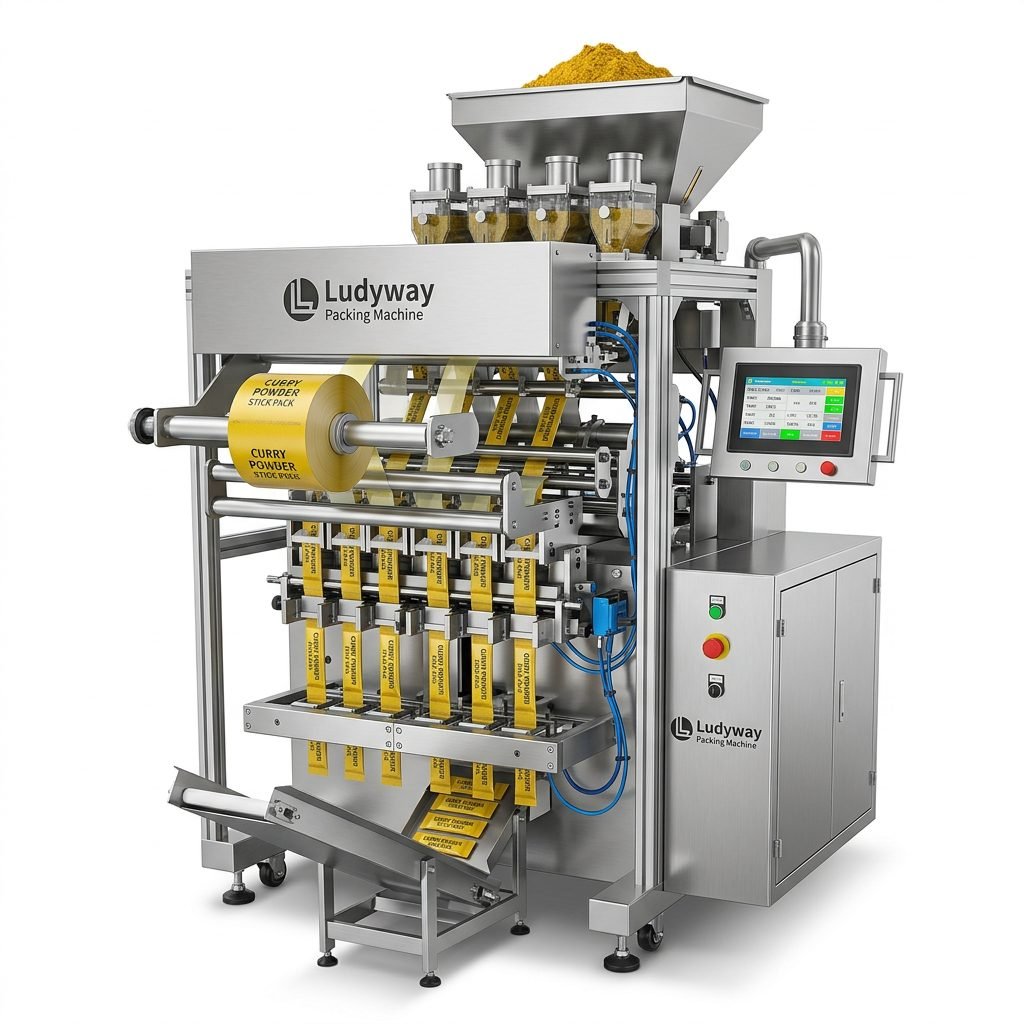
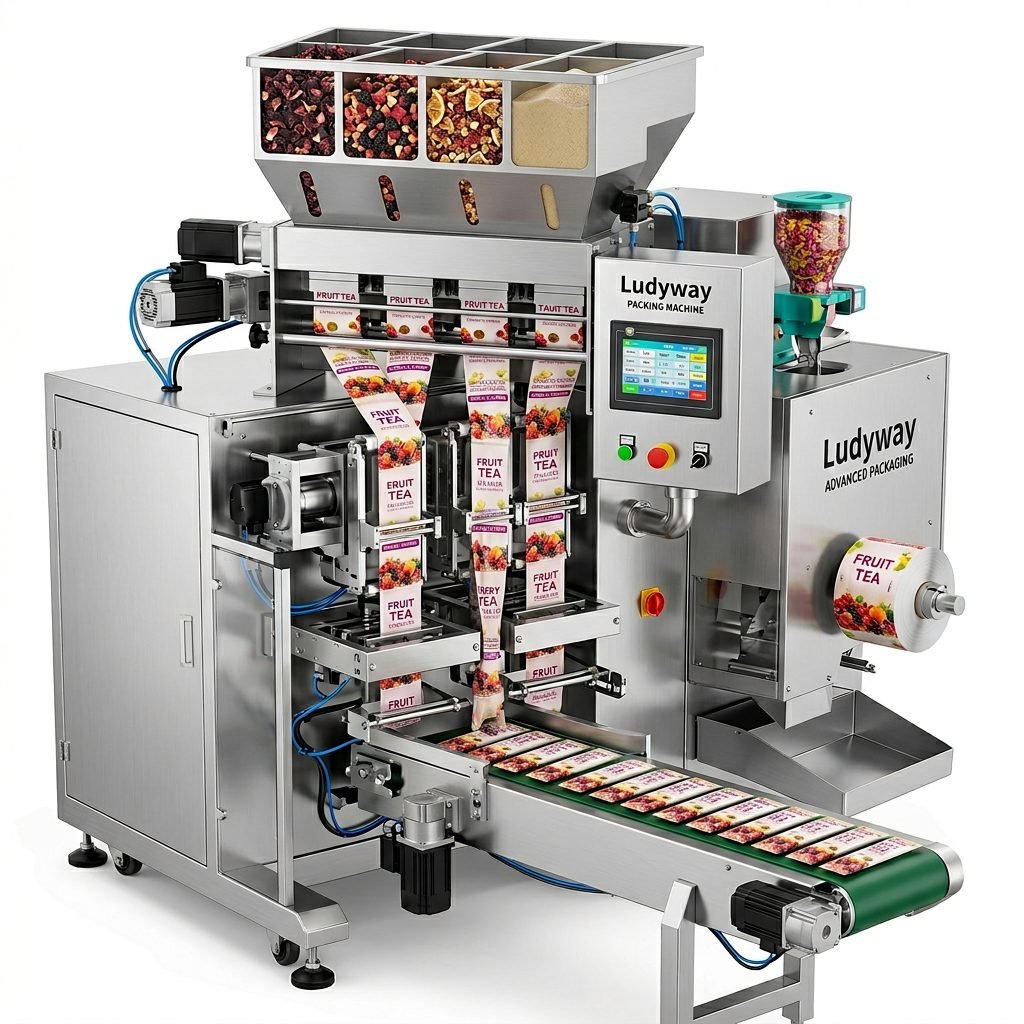
3. Sachet and Stick Pack Machines
These machines are excellent for single-use seasoning packs, foodservice kits, and sample-size products. They work especially well for brands targeting convenience stores, restaurants, meal kits, or export markets that prefer compact pack formats.
Best for:
- Small gram masala packaging
- Travel-size or trial packs
- Private label seasoning businesses
How to Choose the Right Affordable Masala Packing Machine
Buying the cheapest machine available online can create more problems than savings. It is better to match the machine to your actual product and business stage.
Check these key factors before purchase:
| Factor | Why It Matters | Small Business Tip |
|---|---|---|
| Powder flowability | Fine or sticky powders affect dosing performance | Send product samples before ordering |
| Pack size range | Machine should support your current and future SKU sizes | Choose a flexible filling range |
| Production speed | Too slow limits growth; too fast may exceed your needs | Buy for the next 2–3 years, not just today |
| Sealing quality | Poor seals cause leakage, returns, and shelf-life problems | Ask for sample packs and sealing videos |
| Cleaning convenience | Spices leave residue and cross-flavor risks | Prefer accessible contact parts |
| After-sales support | Support reduces downtime and setup mistakes | Confirm manuals, training, and spare parts access |
Low Price vs. Long-Term Value
The most affordable spice packaging solution is often the one that produces the lowest cost per finished pack over time. A very cheap machine may require frequent adjustments, create inconsistent weights, or lead to film waste. That hidden cost can be much higher than a slightly better machine with stronger reliability.
For small businesses, a good strategy is to invest in a machine that delivers:
- Stable output for your main SKUs
- Expandable production potential
- Reasonable maintenance needs
- Simple operator learning curve
- Consistent seals and accurate fill weights
Ideal Packaging Formats for Masala Products
Affordable machines can support several packaging styles. The right choice depends on your sales channel and customer expectations.
Popular options include:
- Sachets for trial sizes, convenience packs, and wholesale bundling
- Stick packs for single-use seasoning portions
- Pillow pouches for everyday retail spice sales
- Small stand-up pouches for premium-looking branded products
If your business serves restaurants, catering companies, or instant food manufacturers, single-dose sachets can be especially cost-effective. If you focus on retail shelves or e-commerce, pouches with stronger visual presence may be better.
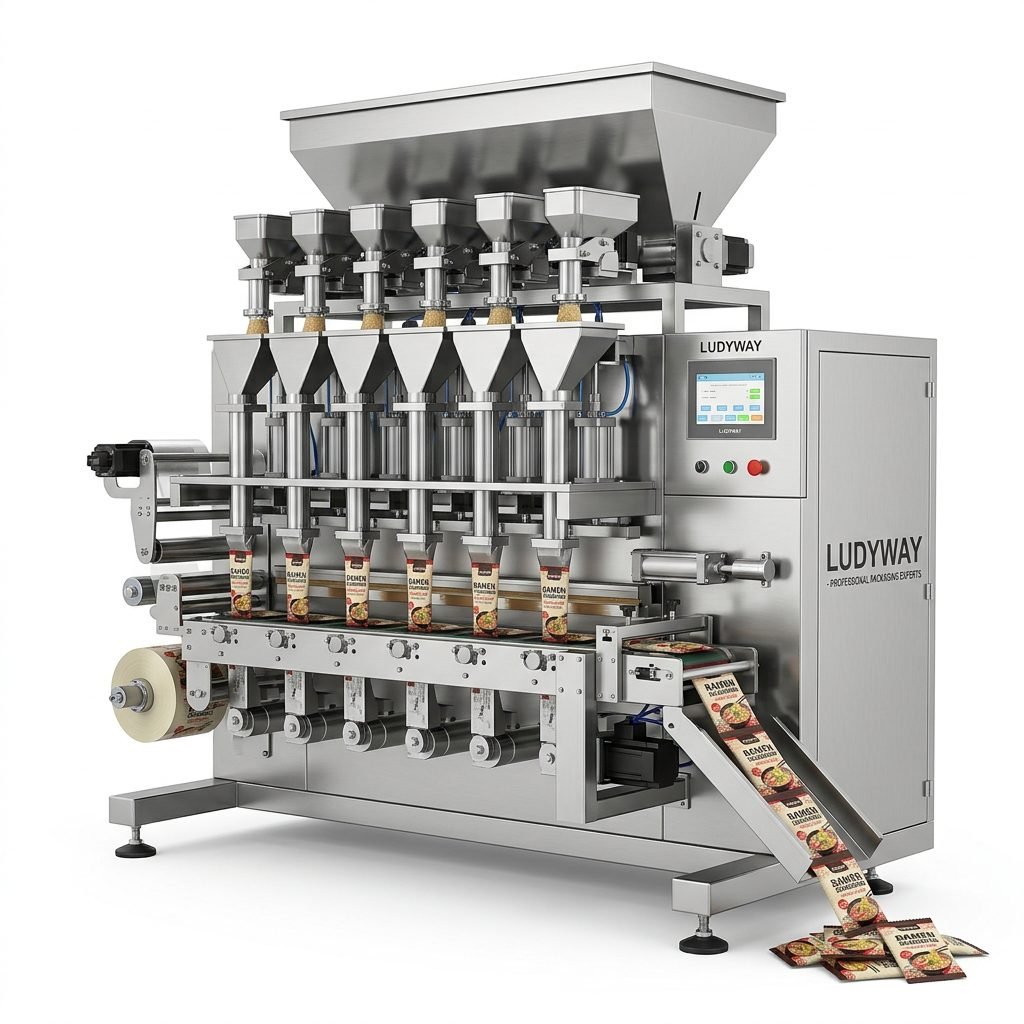
Features Worth Paying For Even on a Budget
Even when cost is a priority, some features should not be ignored. These functions can make a big difference in actual production results.
Recommended features:
- Accurate auger or dosing system for powder control
- Dust-control friendly design for cleaner operation
- Reliable heat sealing unit for stronger pouch integrity
- Touchscreen or easy control panel for quick adjustments
- Stainless steel contact parts for food hygiene
- Quick changeover capability for multiple spice SKUs
These features usually support better consistency and lower waste, which matters greatly for companies operating with tight margins.
Who Should Buy an Entry-Level Masala Packing Machine?
Low-price spice packing equipment is especially suitable for:
- New spice brands entering local retail markets
- Small contract packers handling seasoning products
- Food processing workshops expanding from hand packing
- E-commerce sellers building private-label masala lines
- Regional distributors launching house-brand seasoning packs
These businesses usually need a machine that is practical, compact, and scalable rather than highly complex. The right machine can support growth without creating unnecessary financial pressure.
Questions to Ask a Supplier Before Buying
Before choosing a machine, ask detailed questions to avoid surprises after installation.
Important questions include:
- Can the machine handle my exact masala powder sample?
- What filling accuracy can be expected at my target gram weight?
- Which bag styles and sizes are supported?
- What output rate is realistic in normal production conditions?
- How easy is the machine to clean between spice varieties?
- Are training, manuals, and remote support available?
- What spare parts should I stock from the start?
These questions help reveal whether the machine is truly suited to your business, not just attractive in a quotation.
Choosing a Manufacturer with Practical Experience
For growing spice businesses, buying from an experienced manufacturer can reduce technical risk. Ludyway masala packing machine solutions come from one of China’s leading packaging machine and turnkey packaging line manufacturers, with more than 30 years of industry experience, a factory of over 20,000 square meters, and broad export coverage across Europe, North America, the Middle East, South America, Africa, and Southeast Asia.
That kind of manufacturing depth can be helpful for small businesses that want not only an affordable machine, but also dependable technical guidance as they scale production.
Final Buying Advice for Small Businesses
If you are searching for a masala packing machine at a low price, focus on finding the best match between budget, product type, pack style, and growth plan. A compact and affordable machine can dramatically improve packaging quality and output, but only if it is designed for your spice characteristics and production goals.
Start with your current best-selling SKU, confirm your target pack size and production volume, test your powder samples, and choose a machine that gives you room to grow. For many small spice companies, this is the most effective way to move from manual packing to a stronger, more competitive packaging operation.