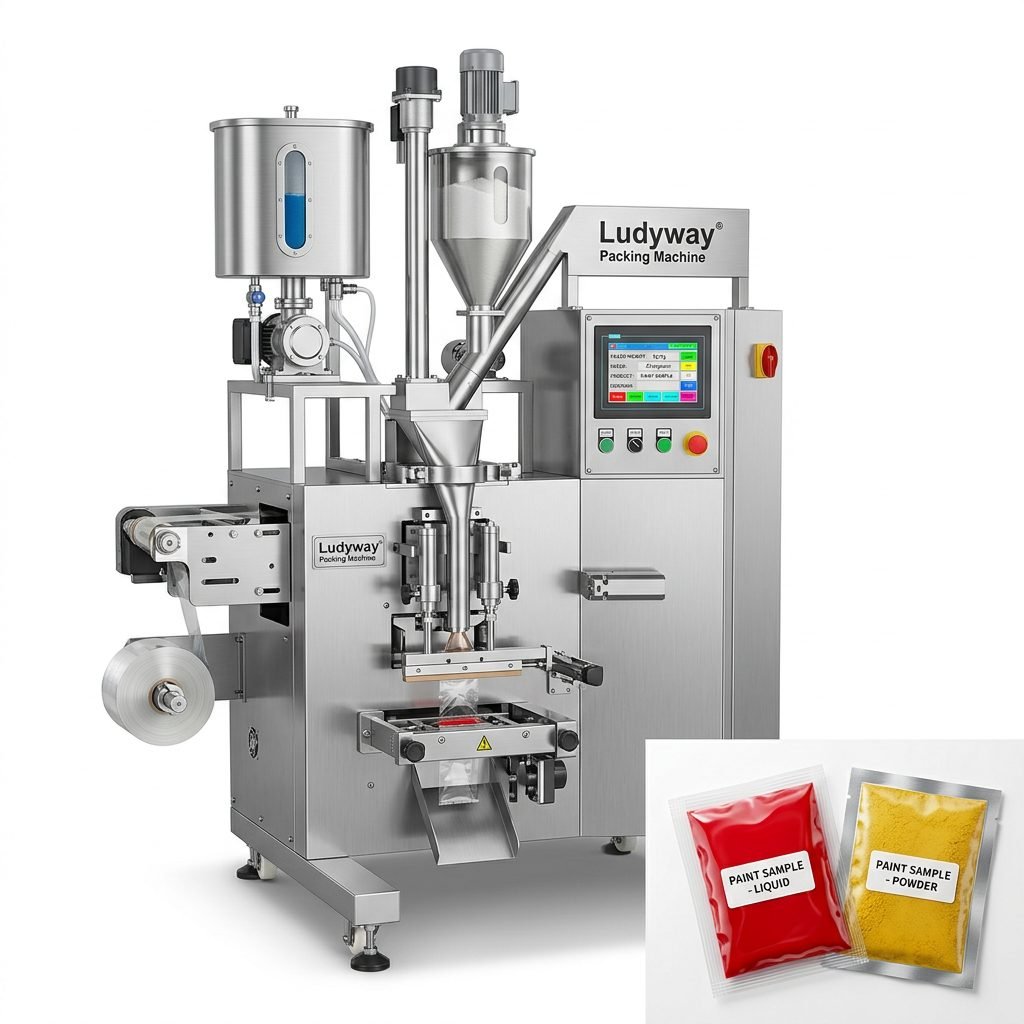
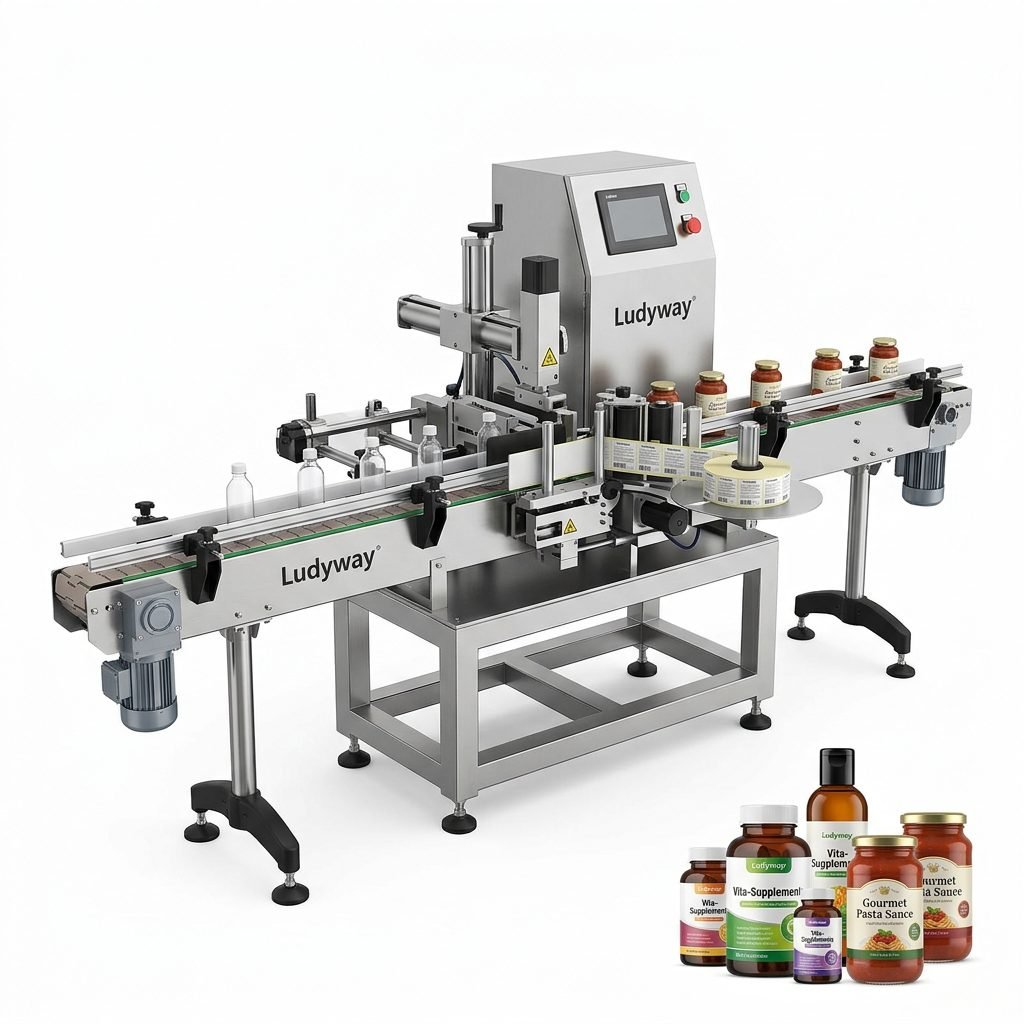
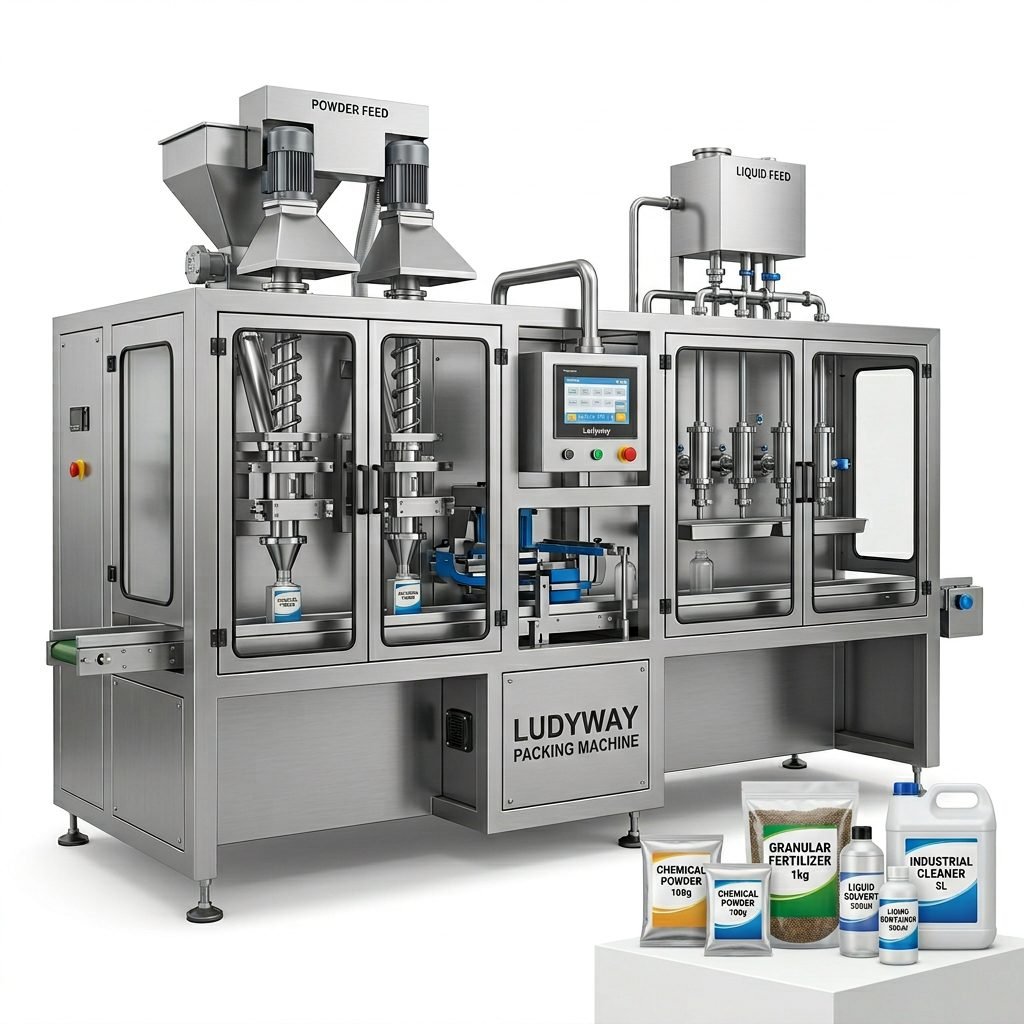
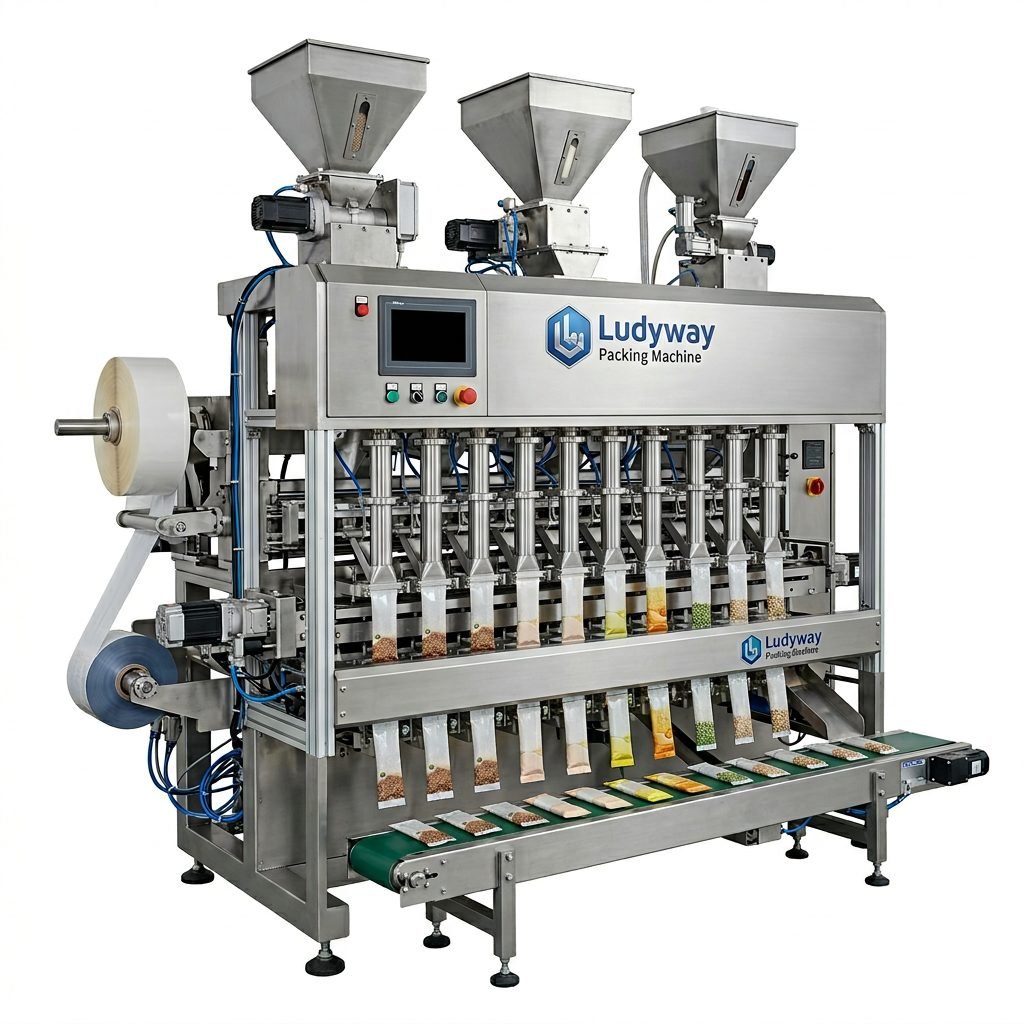
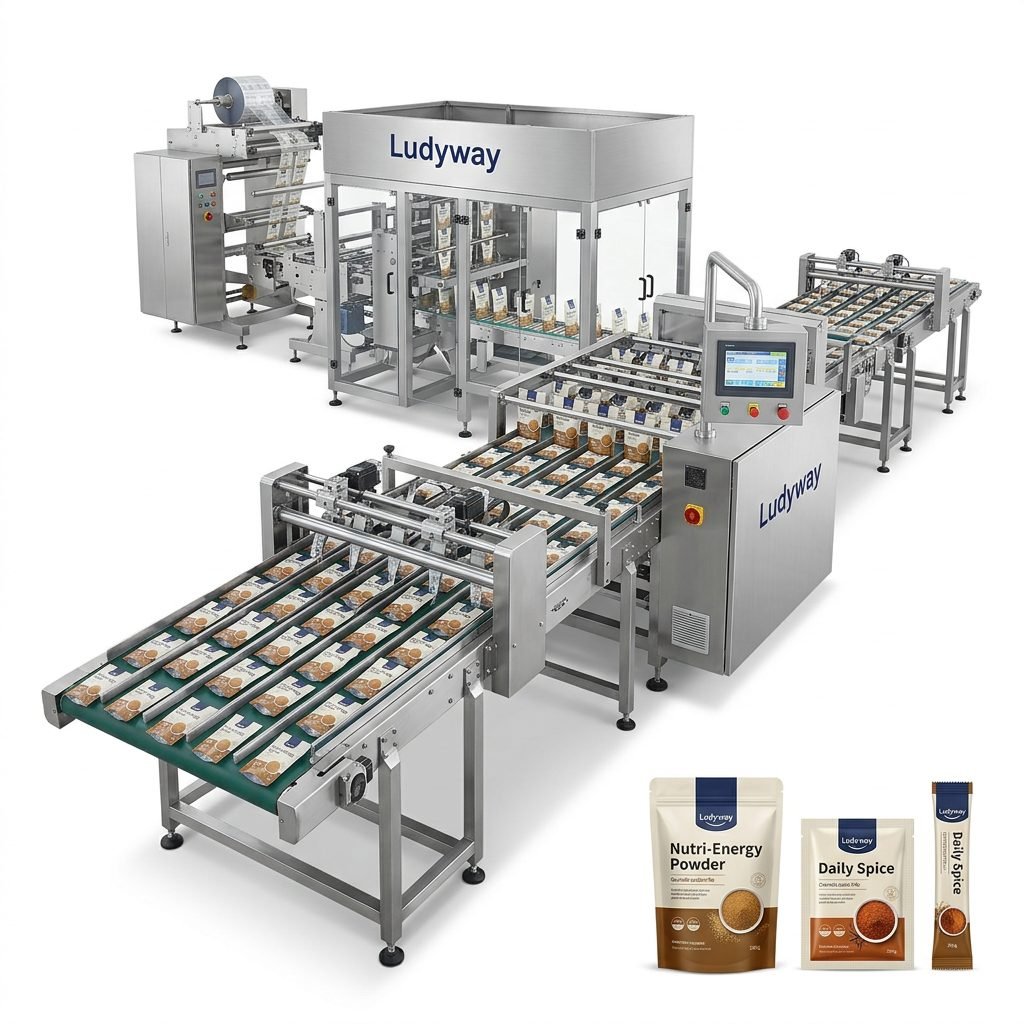
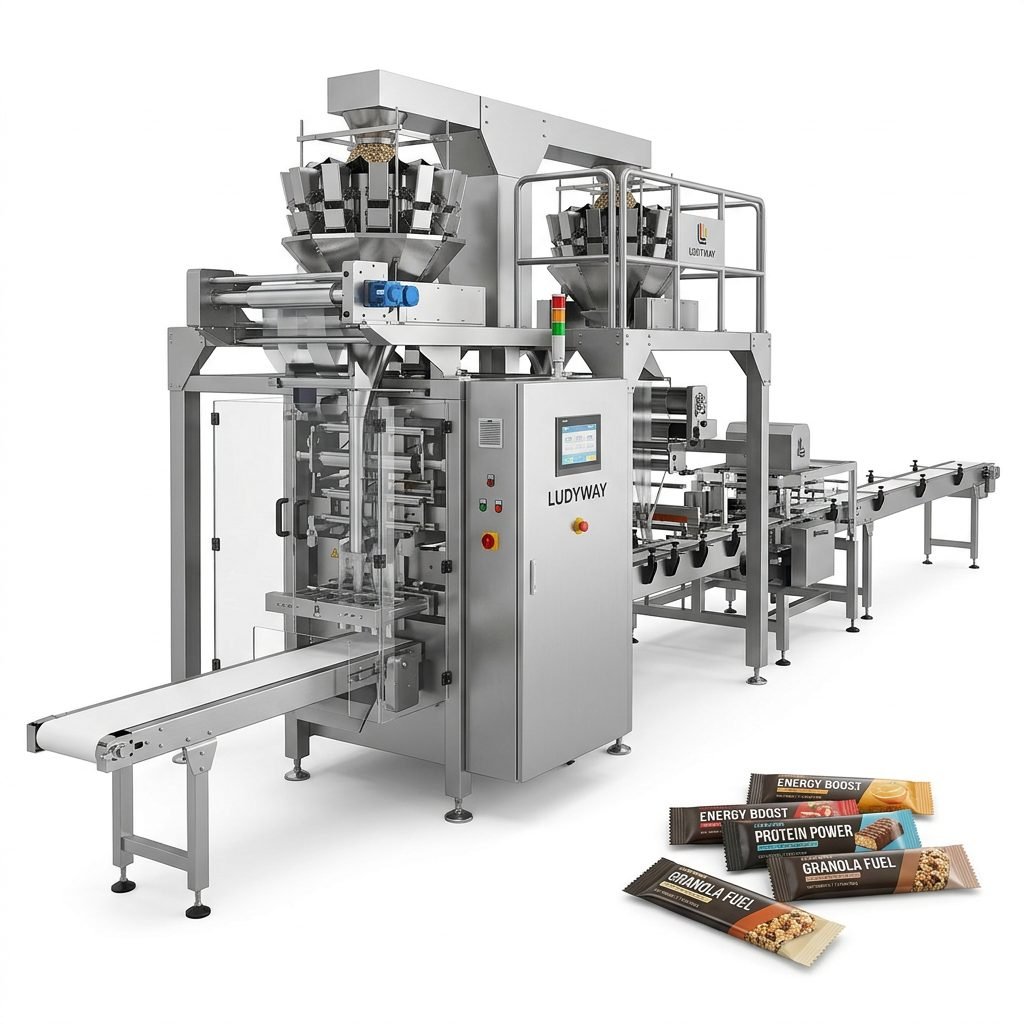
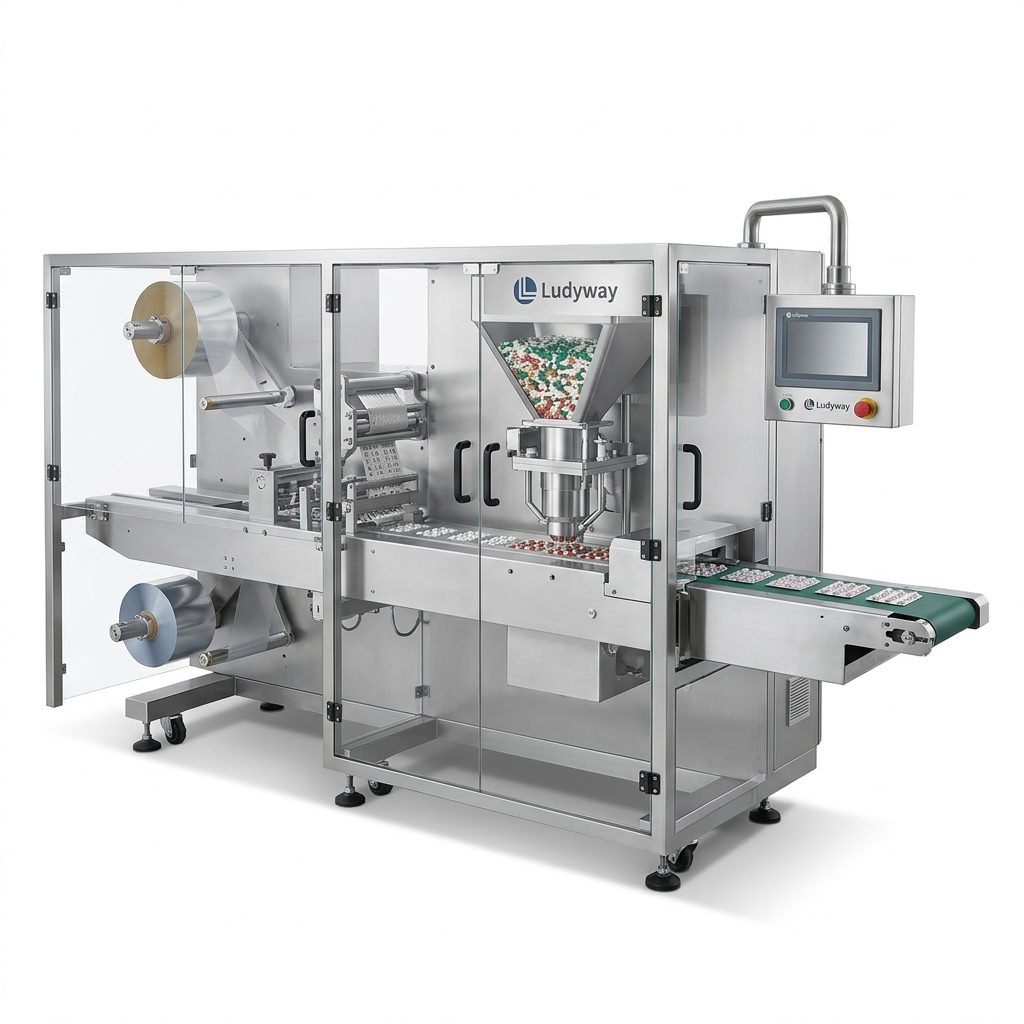
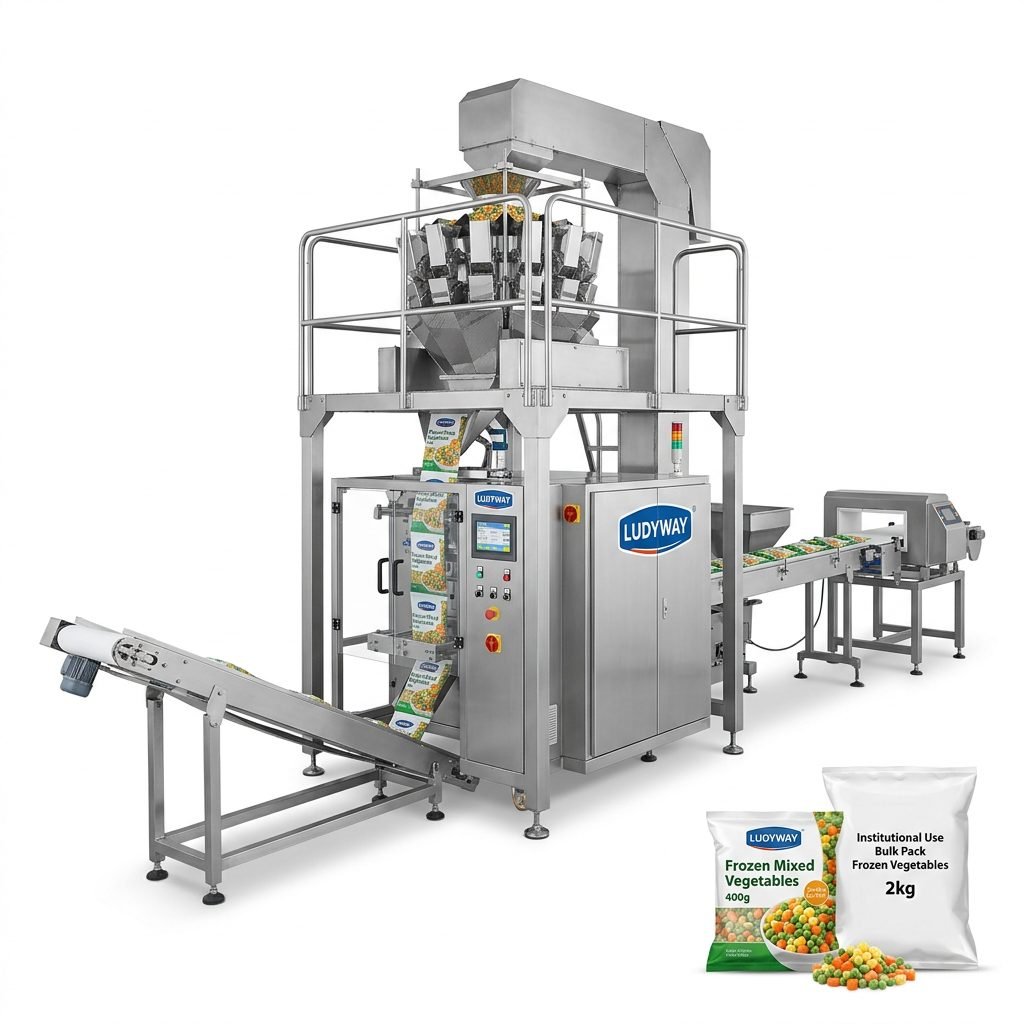
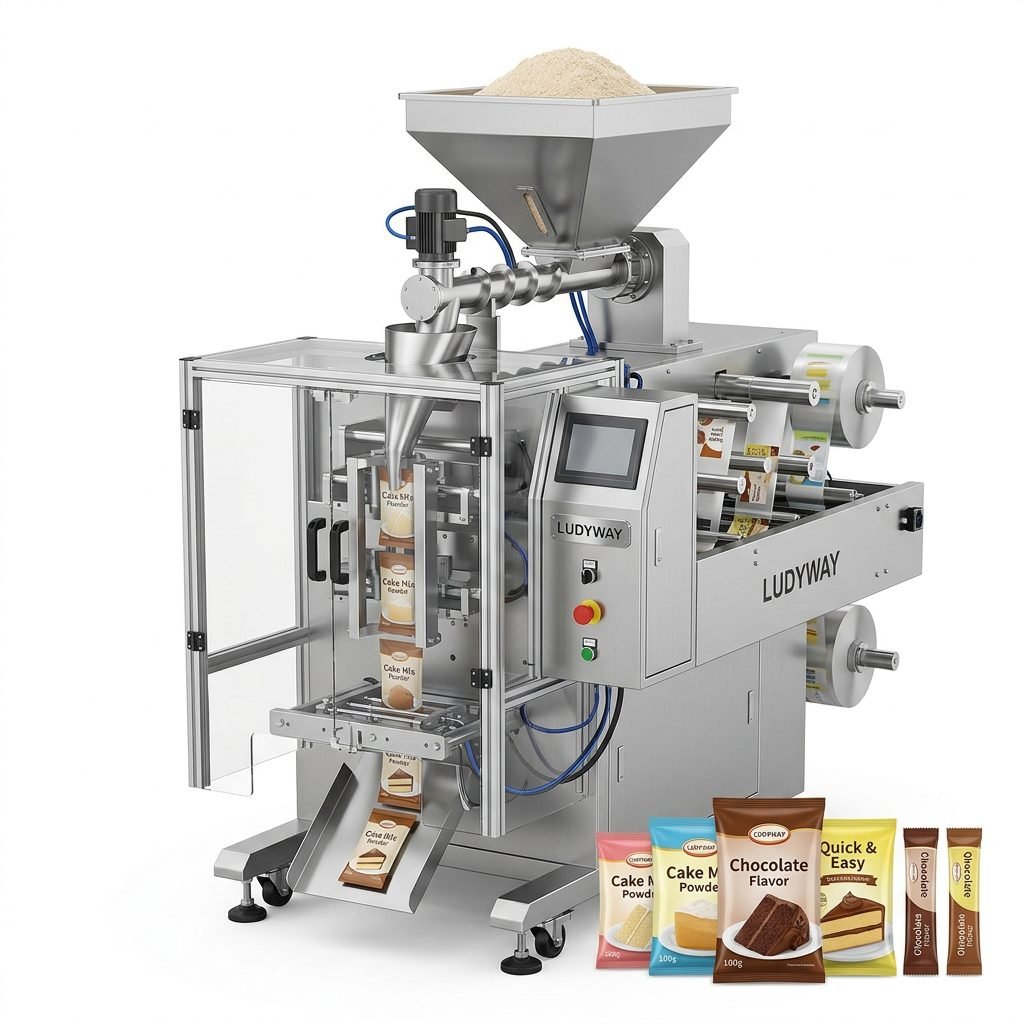
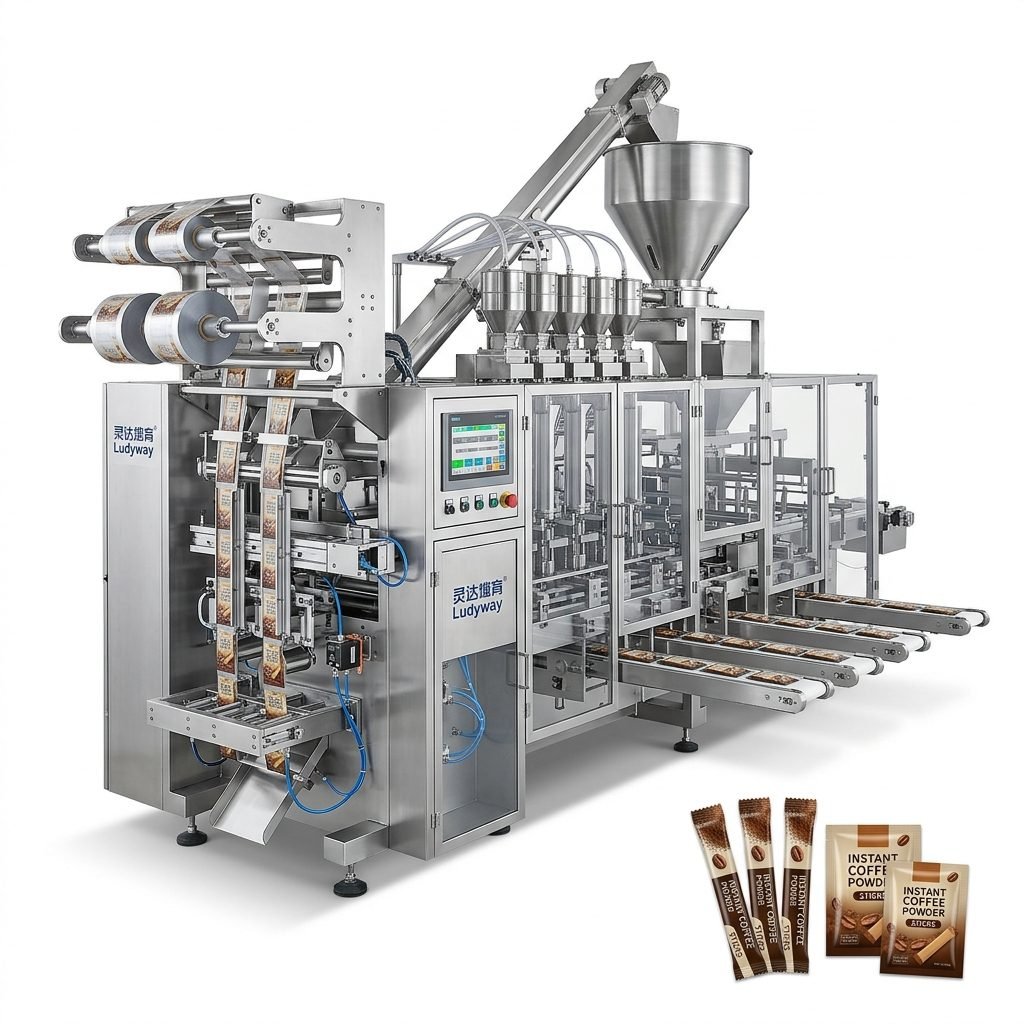
Food manufacturers today face growing pressure to deliver freshness, safety, speed, and consistent pack quality at the same time. A modern plastic packing machine for food products helps solve these challenges by automating filling, sealing, weighing, coding, and packaging processes for a wide range of foods, from powders and granules to liquids and sauces.
Whether you produce snacks, seasonings, coffee, sugar, frozen foods, or ready-to-use liquid products, the right packaging system can reduce waste, improve hygiene control, and support scalable production. For brands that want stable output and flexible automation, working with an experienced manufacturer such as plastic packing machine for food products supplier Ludyway can make a measurable difference in production efficiency.

Why Plastic Packaging Remains Essential in Food Processing
Plastic packaging continues to play a major role in the food industry because it offers excellent barrier properties, flexible format options, and cost-effective logistics. In many applications, it helps manufacturers protect food from moisture, oxygen, contamination, and physical damage during transportation and storage.
- Extended shelf life through better sealing and barrier protection
- Lower material weight compared with rigid alternatives
- Compatibility with sachets, stick packs, pouches, vacuum bags, and film wraps
- Improved product presentation and brand visibility
- Support for automated high-speed packaging lines
For many food processors, plastic packaging is not just about appearance. It is part of a broader food safety strategy that includes contamination prevention, dosage consistency, leak-proof sealing, and traceable coding.
What Is a Plastic Packing Machine for Food Products?
A plastic packing machine for food products is an automated or semi-automated system designed to package food into plastic-based materials such as laminated film, sachet film, stick pack film, premade pouches, or plastic bags. These machines can handle different food forms, including:
- Powders such as milk powder, coffee powder, protein powder, and seasoning powder
- Granules such as sugar, salt, seeds, snacks, and freeze-dried foods
- Liquids such as oils, sauces, syrups, juices, and condiments
- Pastes such as ketchup, honey, peanut butter, and cream-based food products
Depending on the product type, the machine may include auger filling, volumetric cup filling, multihead weighing, pump filling, piston filling, heat sealing, date coding, checkweighing, and final cartoning integration.
Main Benefits of Using Automated Food Packing Machines
| Benefit | How It Helps Food Manufacturers |
|---|---|
| Improved hygiene | Reduces manual contact and supports cleaner production environments |
| Higher efficiency | Increases output speed and lowers labor dependence |
| Accurate filling | Minimizes giveaway and improves batch consistency |
| Reliable sealing | Protects freshness and helps prevent leakage or spoilage |
| Flexible packaging formats | Supports multiple SKUs, sizes, and packaging styles |
| Scalable automation | Allows easy expansion from standalone machines to turnkey lines |
Common Types of Plastic Packing Machines for Food Products
Vertical Form Fill Seal Machines
VFFS machines are widely used for packaging granules, powders, and small solids into pillow bags, gusset bags, or other bag styles. They are suitable for products such as rice, nuts, snack foods, coffee, and frozen ingredients.
Sachet Packing Machines
Sachet machines produce compact single-use or multi-use packs for products like seasoning powder, sauce, sugar, cream, or nutrition supplements. They are ideal when precise dosage and retail convenience are important.
Stick Pack Machines
Stick pack machines are often selected for powdered drink mixes, coffee, sweeteners, and instant food applications. Their narrow package format is highly practical for travel-friendly and portion-controlled food products.
Liquid and Paste Filling Sealing Machines
These systems are designed for sauces, oils, ketchup, dressings, honey, and other viscous food products. They ensure clean filling, strong sealing, and reduced dripping during production.
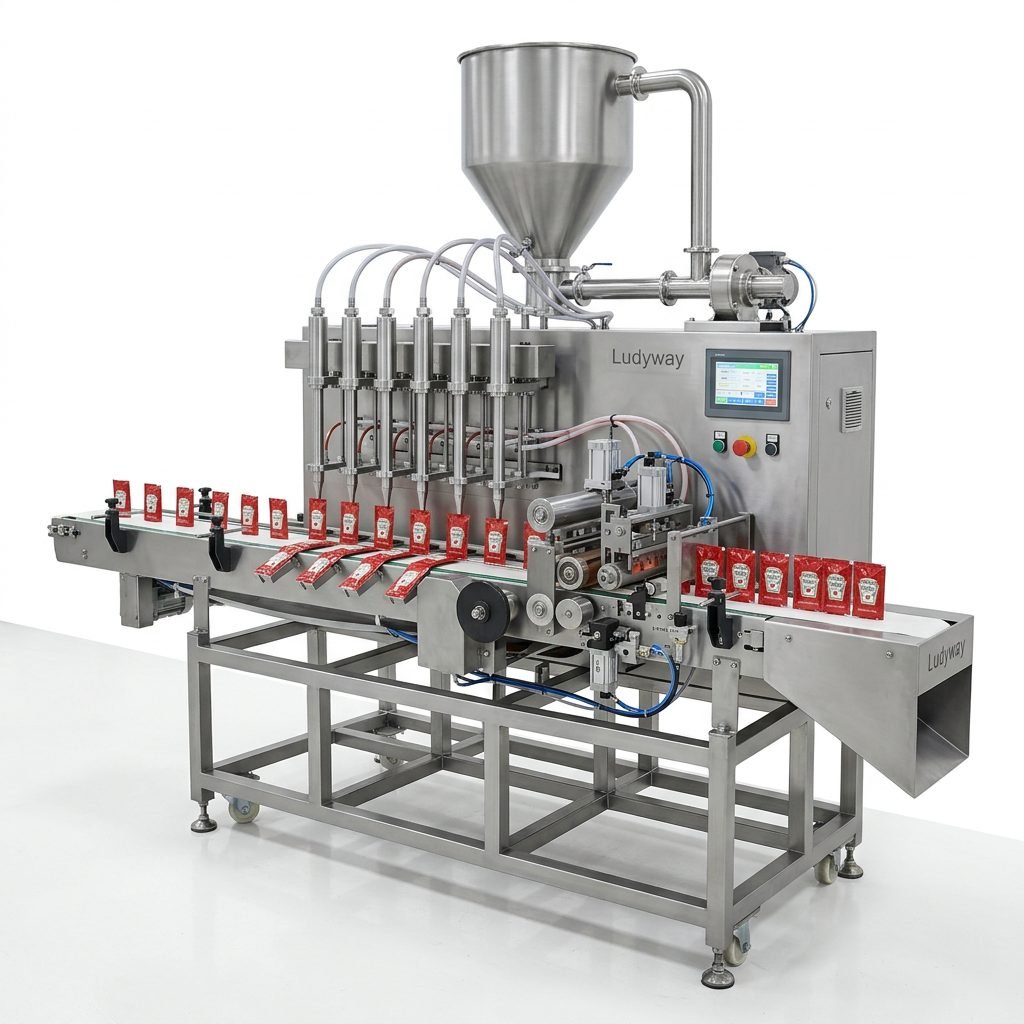
Key Features to Look for in a Food Packaging Machine
Not every packaging machine is suitable for every food product. The right equipment should match both your current production needs and your future expansion plans.
- Food-grade contact parts for hygiene and compliance
- Stable filling accuracy across different product densities
- Consistent sealing strength for shelf-life protection
- Easy cleaning and maintenance access
- Quick changeover for different pack sizes
- Integration with conveyors, elevators, coding, and inspection systems
- Touchscreen controls for user-friendly operation
- Optional nitrogen flushing for oxygen-sensitive foods
If your business handles multiple SKUs, choosing a machine with modular design and simple parameter adjustment can save significant downtime over the long term.
How Packaging Machines Protect Freshness and Food Safety
Freshness and safety are two of the biggest reasons food producers invest in automated packaging. A well-designed plastic packing machine supports both by creating a more controlled process from filling to final sealing.
Freshness Protection
- Prevents excessive air exposure
- Reduces moisture entry
- Maintains aroma and flavor stability
- Supports longer distribution cycles
Safety Protection
- Reduces contamination caused by manual handling
- Helps standardize seal integrity
- Supports batch coding and traceability
- Improves packaging consistency for regulatory and customer requirements
For sensitive products such as powdered beverages, instant seasonings, and liquid condiments, sealing quality and dosing accuracy are especially critical. Even minor variations can affect product stability, retail appearance, and consumer trust.
Food Products Commonly Packed in Plastic Formats
| Food Category | Typical Packaging Format | Suitable Machine Type |
|---|---|---|
| Coffee, milk powder, protein powder | Sachets, stick packs, pouches | Powder sachet or stick pack machine |
| Sugar, salt, grains, seeds | Pouches, sticks, bags | Granule packing machine or VFFS system |
| Sauces, ketchup, oils, syrups | Sachets, pouches | Liquid or paste filling sealing machine |
| Snacks, nuts, dried fruit | Pouches, pillow bags | VFFS machine with weighing system |
| Frozen food portions | Plastic bags or pouches | Automated multi-lane or VFFS packaging line |
Choosing the Right Machine for Your Production Line
Before buying a plastic packing machine for food products, it is important to evaluate more than just speed. The best choice depends on product characteristics, packaging style, plant layout, and long-term business goals.
Questions to Ask Before Purchase
- What product form do you pack: powder, granule, liquid, or paste?
- What bag style do you need: sachet, stick pack, pouch, or pillow bag?
- What filling accuracy is required?
- What hourly or daily output do you need?
- Do you need coding, cartoning, checkweighing, or palletizing integration?
- Will the machine handle multiple product formats in the future?
A machine that performs well in real production should balance speed, flexibility, hygiene, and ease of maintenance. High theoretical speed means little if changeovers are slow or sealing performance is unstable.
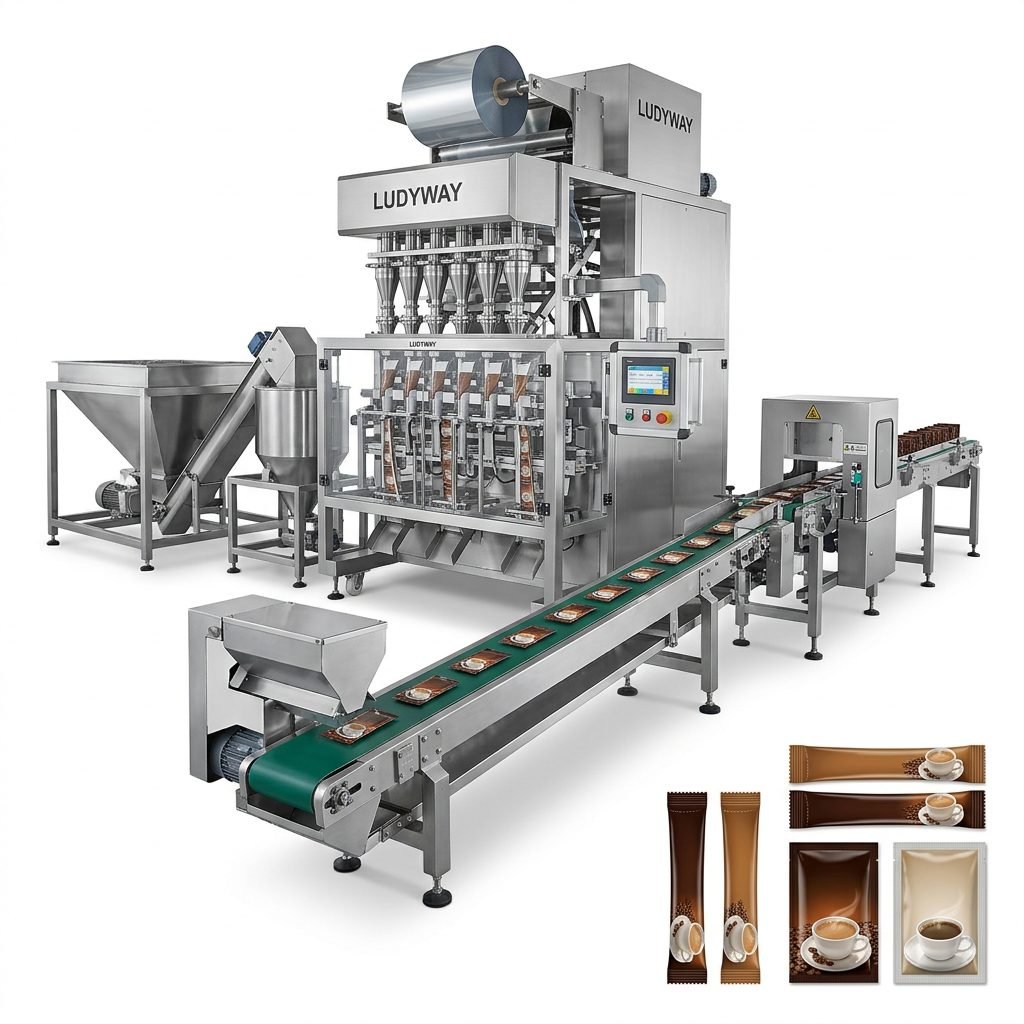
Efficiency Gains from Turnkey Packaging Solutions
Many food businesses are moving beyond standalone machines and investing in complete packaging lines. A turnkey solution may include feeding systems, fillers, packaging machines, conveyors, metal detectors, checkweighers, printers, cartoners, and final case packing equipment.
This integrated approach creates several operational advantages:
- Better synchronization between process steps
- Less manual product transfer
- Higher line stability
- Improved labor efficiency
- Centralized quality control
- More scalable production planning
For manufacturers planning to expand exports or launch multiple SKUs, turnkey systems often provide better long-term value than piecing together separate machines from different vendors.
Maintenance and Hygiene Best Practices
Even the best packaging machine needs proper maintenance to stay efficient and food-safe. Regular cleaning and inspection help prevent unexpected downtime and support product quality.
Recommended Practices
- Clean contact parts according to product type and sanitation schedule
- Check sealing jaws and temperature settings frequently
- Inspect dosing components for wear and calibration drift
- Monitor film alignment and cutting accuracy
- Train operators on changeover and troubleshooting procedures
- Keep spare parts ready for high-wear components
A clean, well-maintained machine not only protects food safety but also improves seal consistency, package appearance, and equipment lifespan.
Trends Shaping the Future of Food Plastic Packaging
The food packaging market continues to evolve, and machine selection is increasingly influenced by flexibility, intelligence, and sustainability goals.
- Smarter controls with touchscreen recipes and data monitoring
- Faster changeovers for multi-product production
- Improved compatibility with recyclable and lighter films
- More integrated inspection and coding systems
- Higher demand for compact lines in space-limited factories
As consumer expectations rise, food manufacturers increasingly need packaging systems that combine attractive presentation with reliable product protection.
Final Considerations for Food Manufacturers
A plastic packing machine for food products is more than a piece of equipment. It is a production investment that directly affects freshness, food safety, labor efficiency, packaging consistency, and brand reputation. Choosing the right system can help businesses reduce waste, improve shelf appeal, and maintain stable output across growing product lines.
For food processors handling powders, granules, liquids, or mixed product formats, the best solution is usually one that combines reliable sealing, precise filling, hygienic construction, and scalable automation. With the right machine configuration, packaging becomes a competitive advantage rather than a production bottleneck.