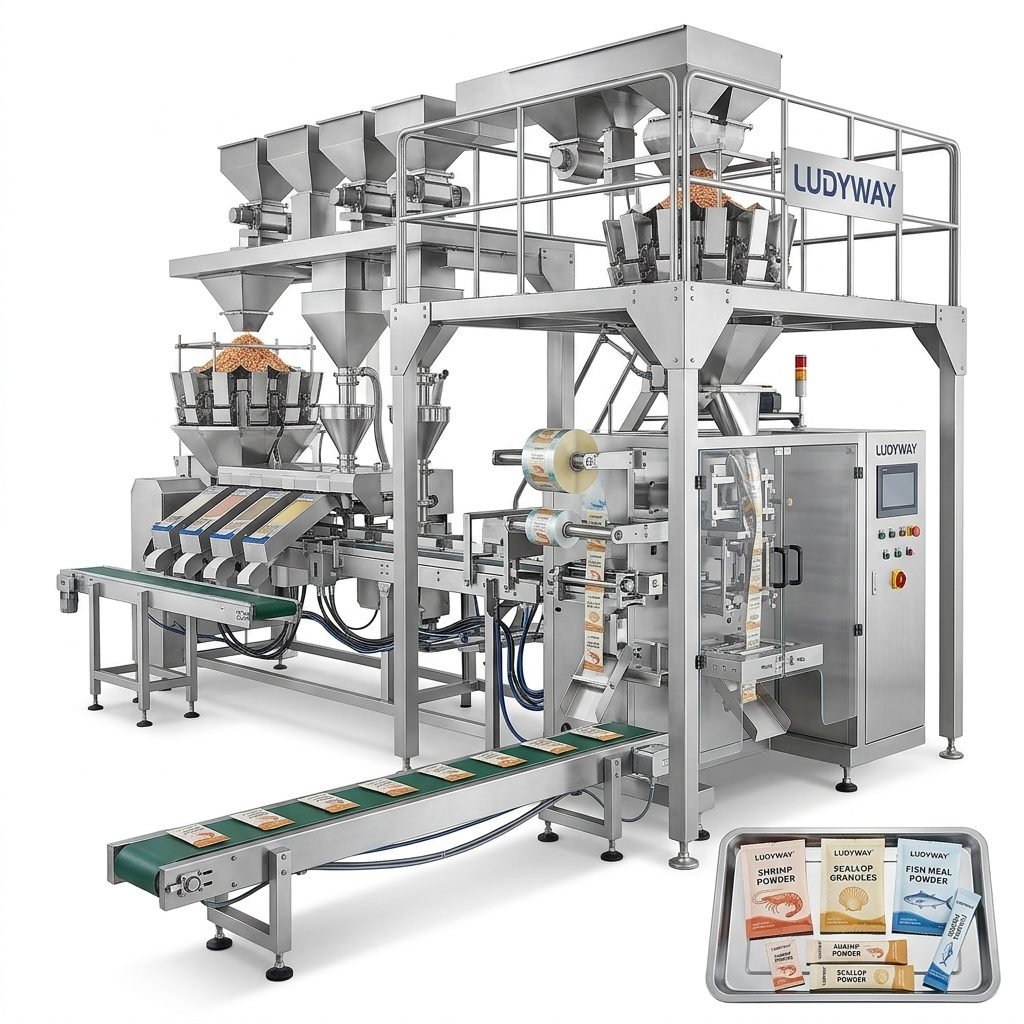
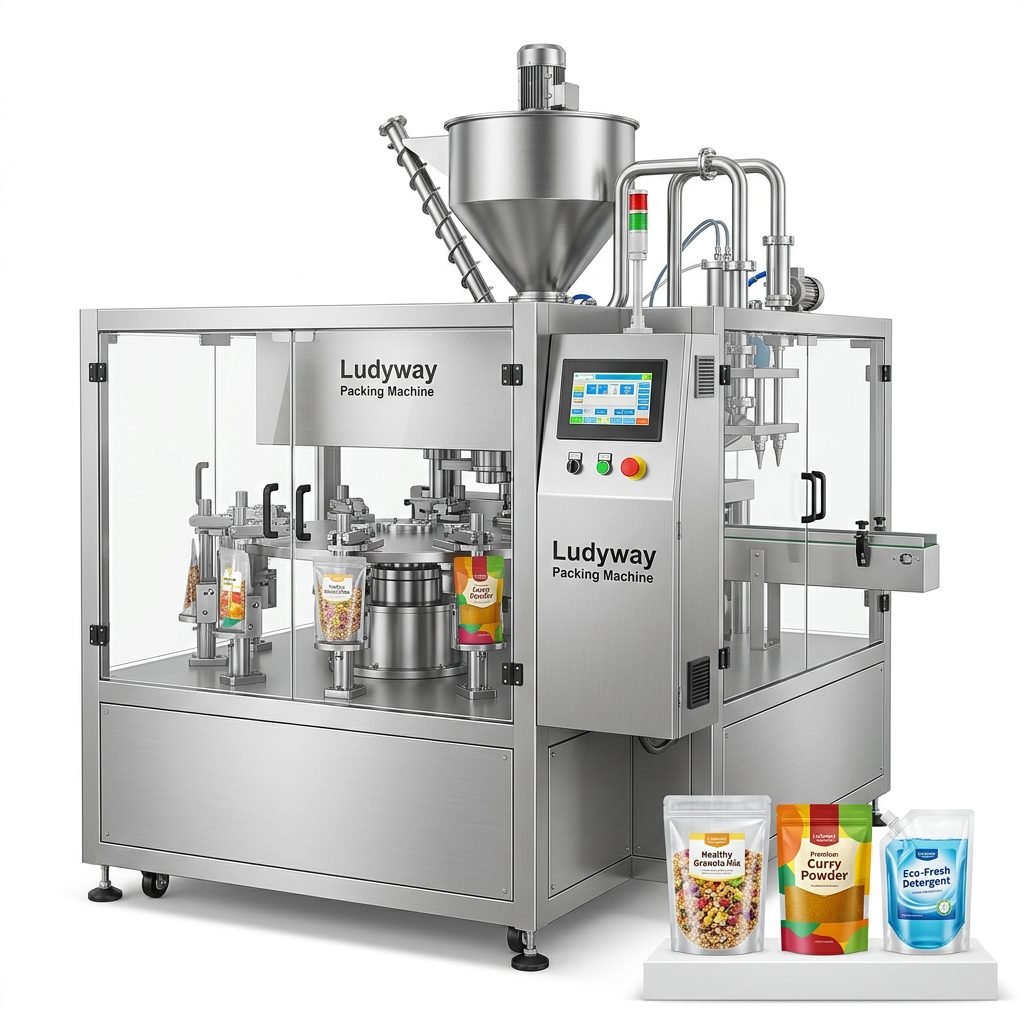
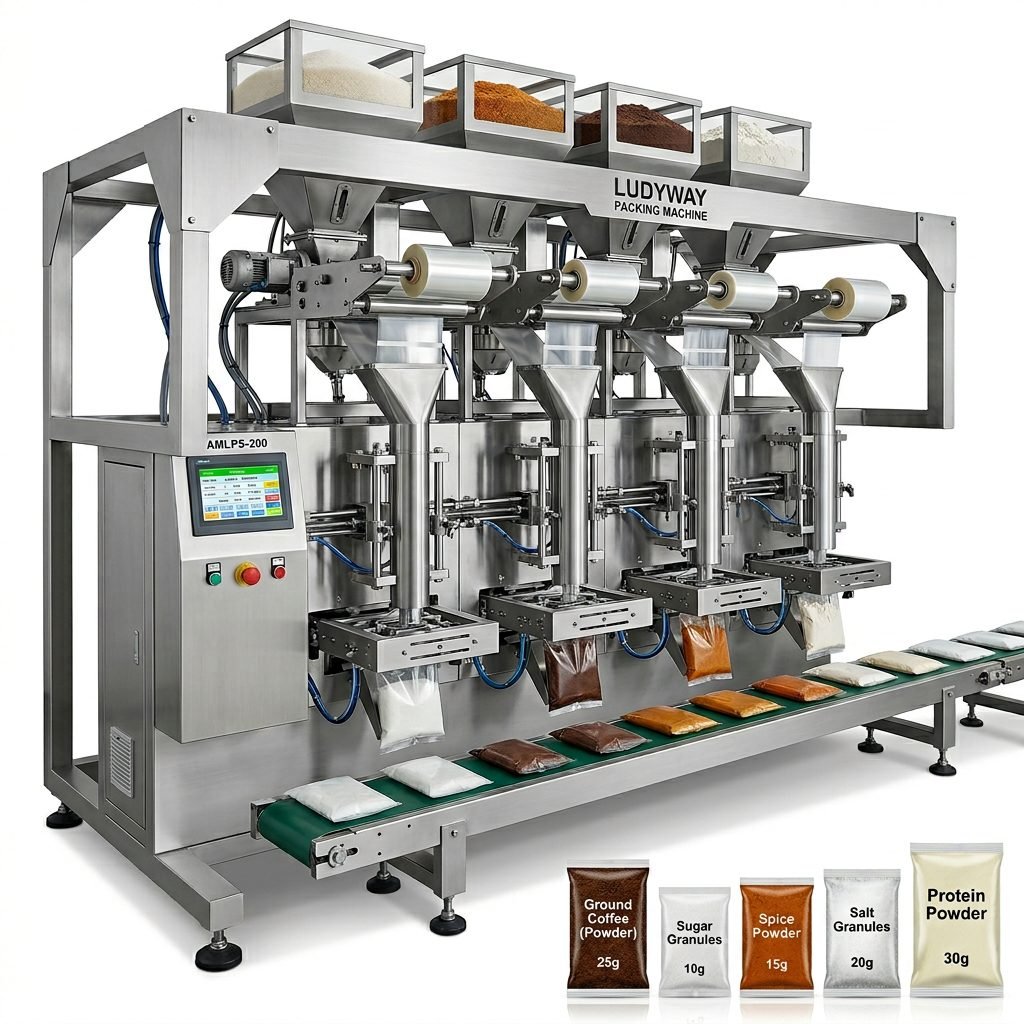
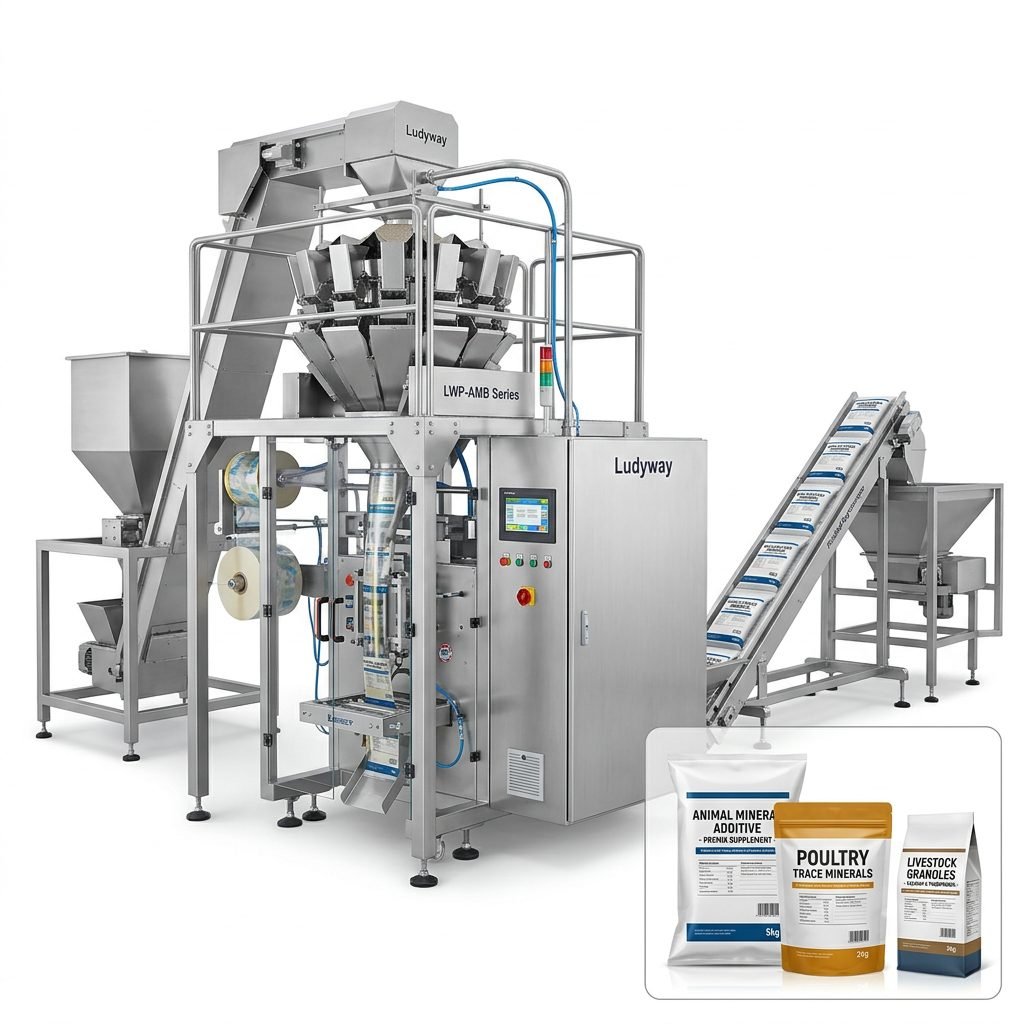
A tin can packaging machine is an automated system used to fill, seal, label, code, inspect, and sometimes carton metal cans for food, beverage, chemical, and specialty products. It helps manufacturers improve output, reduce waste, and maintain more consistent packaging quality. Whether you pack powdered beverages, sauces, granules, pet food, or industrial materials, understanding how this equipment works is essential before investing.
What Is a Tin Can Packaging Machine?
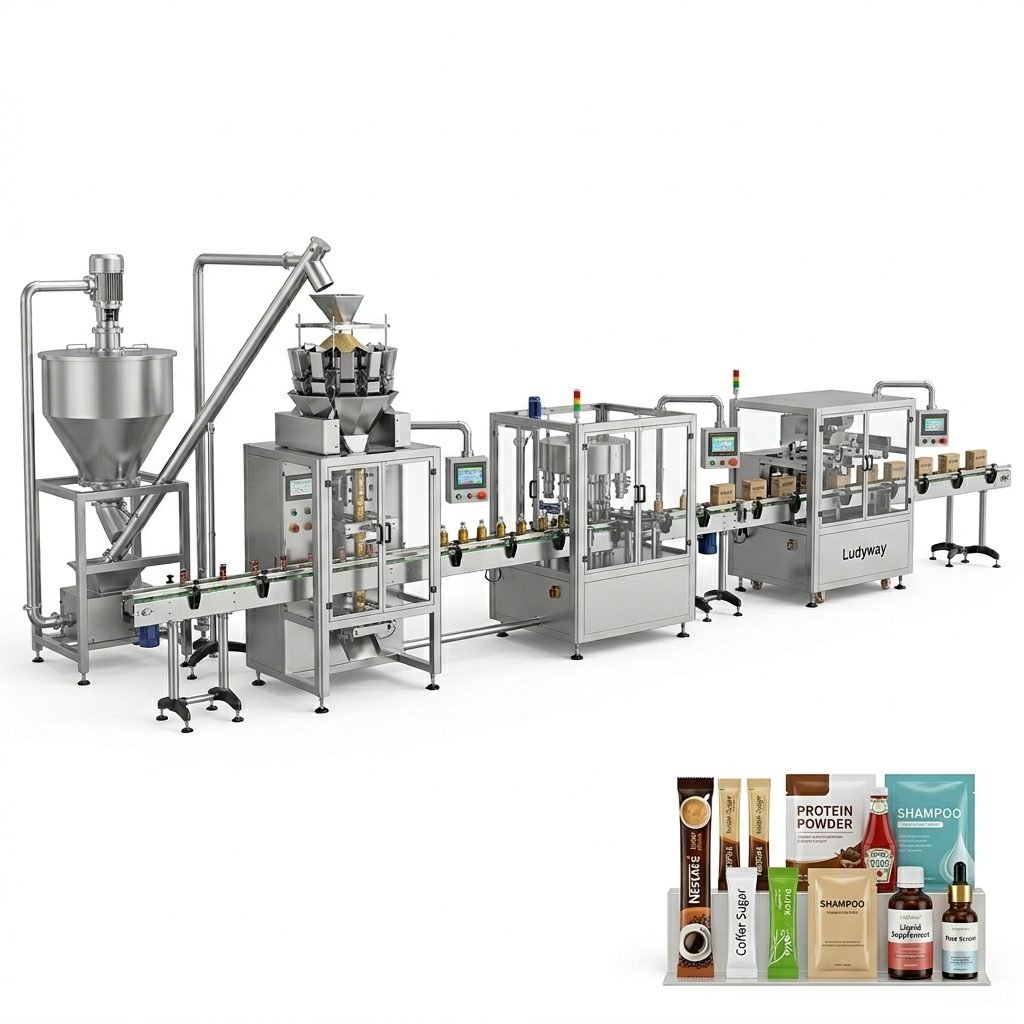
A tin can packaging machine is not always a single standalone unit. In many factories, it is a complete integrated line made up of multiple machines working together. Depending on the product and production target, the line may include:
- Can unscrambler or empty can feeder
- Dust removal or air cleaning unit
- Volumetric, auger, piston, or multihead weighing filler
- Lid placing system
- Can seamer or sealing machine
- Nitrogen flushing or vacuum system
- Checkweigher and metal detector
- Inkjet coder or laser marking machine
- Labeling machine
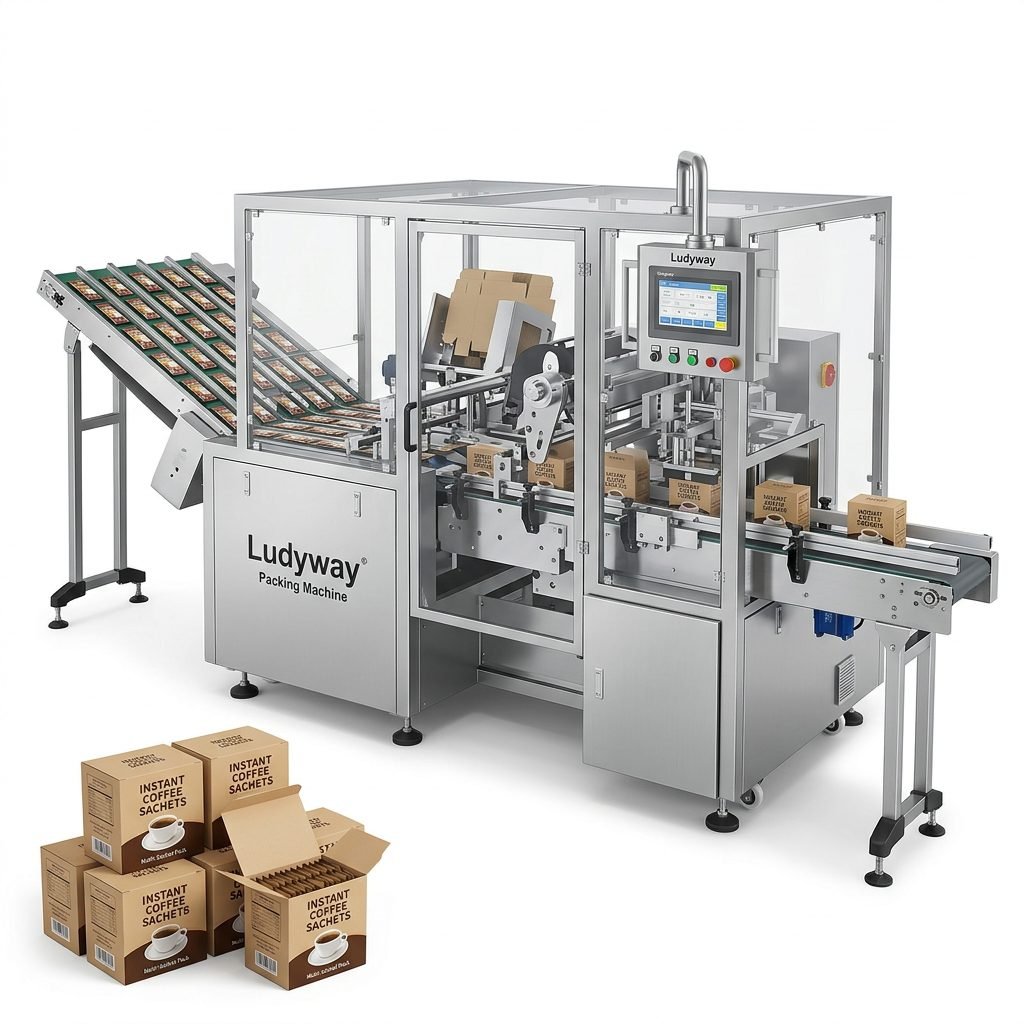
- Cartoning, case packing, and palletizing equipment
The exact configuration depends on the material being packed, such as powder, granules, paste, liquid, tablets, candies, or nutritional products.
How a Tin Can Packaging Machine Works
Although different industries use different filling technologies, the general workflow follows a clear sequence. Below is a typical process for an automatic tin can packaging line.
1. Empty Can Feeding
Empty cans are loaded manually or automatically into the infeed system. A conveyor moves them into position. In high-speed lines, can orienting and spacing are controlled automatically to ensure stable movement.
2. Can Cleaning
Before filling, cans may pass through an air rinsing or vacuum cleaning station. This step is especially important for food, pharmaceutical, and health supplement applications where dust or foreign particles must be minimized.
3. Product Filling
The filling method depends on the product type:
| Product Type | Common Filling Method | Typical Use |
|---|---|---|
| Powder | Auger filling | Milk powder, protein powder, seasoning |
| Granules | Cup filler or weigher | Snacks, seeds, candies, coffee |
| Liquid | Piston or flowmeter filling | Sauces, oils, drinks |
| Paste | Servo piston filling | Creams, thick condiments |
| Tablets/Capsules | Counting filling | Pharma and nutraceutical products |
4. Lid Feeding and Placement
Once the correct amount of product is filled, the machine places lids onto the cans. Lid feeding systems are designed to match the lid shape, can diameter, and production speed.
5. Sealing or Seaming
The cans then move into the sealing station. The seaming mechanism securely joins the can body and lid to create an airtight closure. For oxygen-sensitive products, nitrogen flushing may be added before sealing to improve shelf life.
6. Inspection and Quality Control
After sealing, inspection systems check package quality. These may include:
- Seal integrity checks
- Weight verification
- Metal detection
- Vision inspection for lid placement and coding
- Leak testing for sensitive products
7. Coding, Labeling, and Secondary Packaging
The final stage may include date coding, batch printing, sleeve or sticker labeling, shrink wrapping, carton packing, and palletizing for warehouse or shipping preparation.
Main Types of Tin Can Packaging Machines
Automatic Powder Can Filling and Sealing Machines
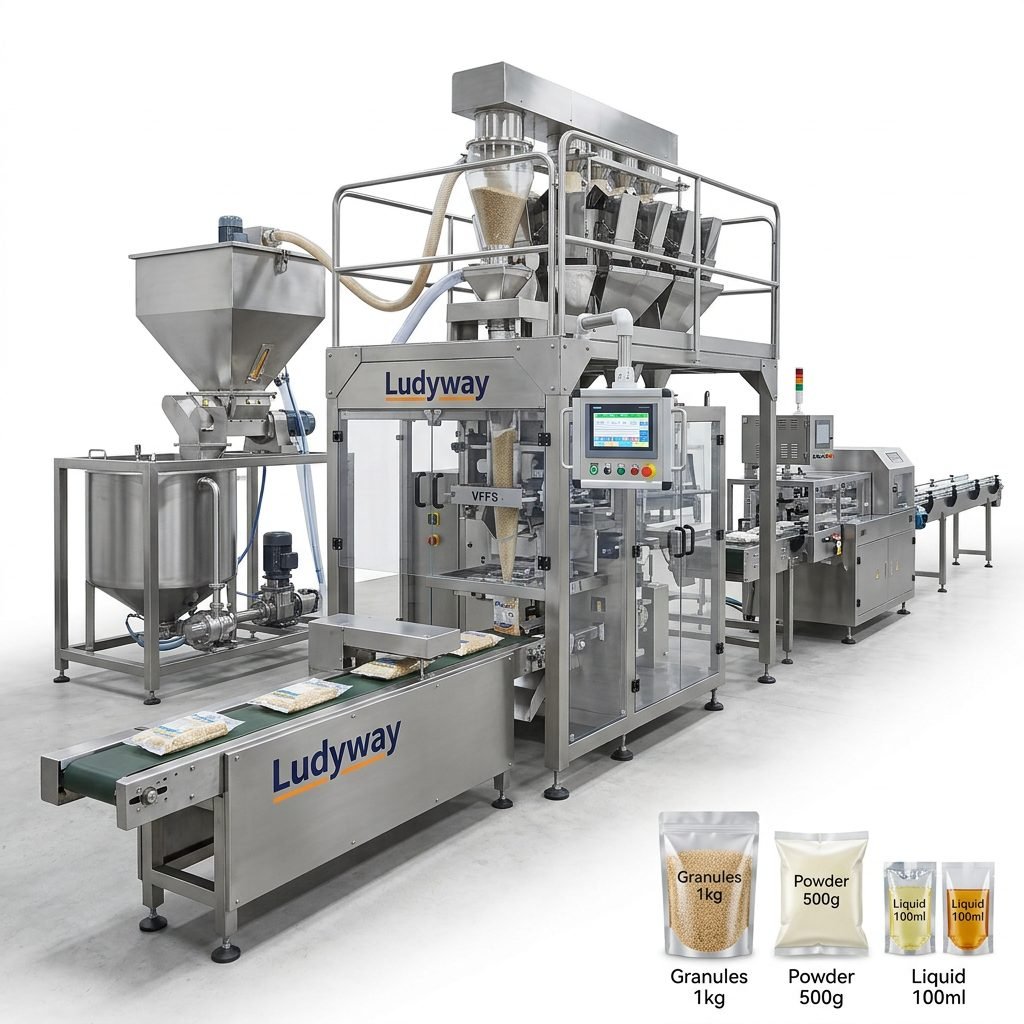
These are commonly used for milk powder, coffee powder, collagen, protein powder, spices, and pharmaceutical powders. They usually combine auger filling, dust collection, lid feeding, and can seaming.
Granule Tin Can Packaging Machines
Suitable for tea, snacks, sugar, pet food, seeds, and supplement granules. They often use multihead weighers or cup filling systems for accurate dosing.
Liquid and Paste Can Packaging Machines
Used for sauces, syrups, oils, or semi-fluid products. These machines often require anti-drip filling nozzles, CIP-friendly design, and reliable sealing performance.
Can Packaging Lines with End-of-Line Automation
Larger operations usually need full automation beyond filling and sealing. This includes conveyors, checkweighers, labelers, case packers, palletizers, and data-tracking systems.
Industries That Use Tin Can Packaging Machines
- Food processing
- Beverage manufacturing
- Nutraceutical and supplement production
- Pharmaceutical packaging
- Pet food and feed production
- Chemical and industrial materials
Tin can packaging remains popular because metal packaging offers strong barrier protection, solid shelf presence, and excellent stackability for logistics.
Key Benefits of Using a Tin Can Packaging Machine
Higher Production Efficiency
Automation reduces manual handling and increases output per shift. This is especially valuable for factories managing seasonal demand or multiple SKUs.
Improved Filling Accuracy
Accurate filling reduces giveaway and helps maintain product consistency. For high-value powders or regulated products, this directly impacts profitability and compliance.
Better Seal Reliability
A stable sealing system lowers the risk of leaks, contamination, moisture ingress, and product spoilage.
Reduced Labor Costs
An automated line can replace multiple manual positions while also making production planning more predictable.
Enhanced Product Safety
Integrated inspection systems help manufacturers maintain quality standards and reduce recalls or customer complaints.
Scalable Production
Many modern systems can be upgraded with additional feeding, labeling, coding, or cartoning modules as output requirements grow.
What to Consider Before Buying
Choosing the right machine is not just about speed. A poor match between product and equipment can create long-term operating issues. Focus on the points below.
| Buying Factor | Why It Matters |
|---|---|
| Product characteristics | Powder, granule, liquid, viscosity, flowability, and dust level determine the filling system |
| Can size range | Affects changeover flexibility and tooling requirements |
| Capacity target | Helps determine machine speed, number of heads, and conveyor design |
| Packaging accuracy | Critical for cost control and compliance |
| Hygiene standard | Important for food, pharma, and health products |
| Automation level | Determines labor savings and future expansion potential |
| Maintenance access | Affects downtime and service efficiency |
| Supplier capability | Strong engineering and after-sales support reduce project risk |
Questions to Ask a Supplier
- What products has this machine already been tested with?
- What filling accuracy can be achieved in real production?
- How long does a can size changeover take?
- Can the line include nitrogen flushing, checkweighing, or labeling?
- What spare parts are recommended for the first year?
- Is remote technical support available?
- Can the supplier provide FAT videos or customer case references?
Common Mistakes Buyers Should Avoid
- Choosing based only on the lowest price
- Ignoring product flowability and filling behavior
- Underestimating future capacity growth
- Not checking compatibility with can sizes and lid types
- Overlooking cleaning and maintenance requirements
- Buying a standalone machine when a complete line is actually needed
How to Match the Machine to Your Product
The best tin can packaging solution starts with a careful product analysis. For example:
- Dusty powders: need auger filling, dust extraction, and good sealing protection
- Fragile granules: need gentle feeding to avoid breakage
- Sticky pastes: require anti-drip nozzles and easy-clean contact parts
- Oxygen-sensitive products: benefit from nitrogen flushing or vacuum sealing
- Multiple can formats: require fast changeover and modular tooling
Stand-Alone Machine vs. Turnkey Can Packaging Line
A stand-alone machine may be enough for small production or pilot runs. But many growing manufacturers eventually need a turnkey solution that integrates filling, sealing, inspection, labeling, and end-of-line handling.
If your factory wants one supplier capable of both individual machines and integrated systems, tin can packaging machine solutions from Ludyway are worth evaluating, especially for food, pharmaceutical, health supplement, and customized automation projects.
Signs of a Reliable Manufacturer
- Long industry experience and stable export history
- Ability to customize for different product forms
- In-house engineering and assembly capability
- Clear testing procedures before shipment
- Technical support for installation and commissioning
- Availability of spare parts and after-sales service
Maintenance Tips for Long-Term Performance
Even a high-quality machine needs proper upkeep. Daily and scheduled maintenance can prevent costly downtime.
- Clean product contact parts regularly
- Check sealing rollers and seams for wear
- Inspect sensors, conveyors, and pneumatic components
- Calibrate weighing or filling systems on schedule
- Keep critical spare parts in stock
- Train operators on startup, changeover, and troubleshooting
Is a Tin Can Packaging Machine Worth the Investment?
For most medium and high-volume manufacturers, the answer is yes. A properly selected machine can deliver measurable returns through higher speed, lower labor input, better filling consistency, and improved package quality. The real value comes from choosing a machine that fits your product, output goals, and long-term automation plan.
Final Buying Checklist
- Confirm your product type and filling method
- List all can and lid sizes
- Define target speed per minute
- Check required accuracy and hygiene standards
- Decide if you need coding, labeling, cartoning, or palletizing
- Review machine test results and support capability
- Compare total lifecycle value, not just purchase price
With the right equipment partner and a well-matched configuration, a tin can packaging machine can become a dependable core asset in your production line for years to come.