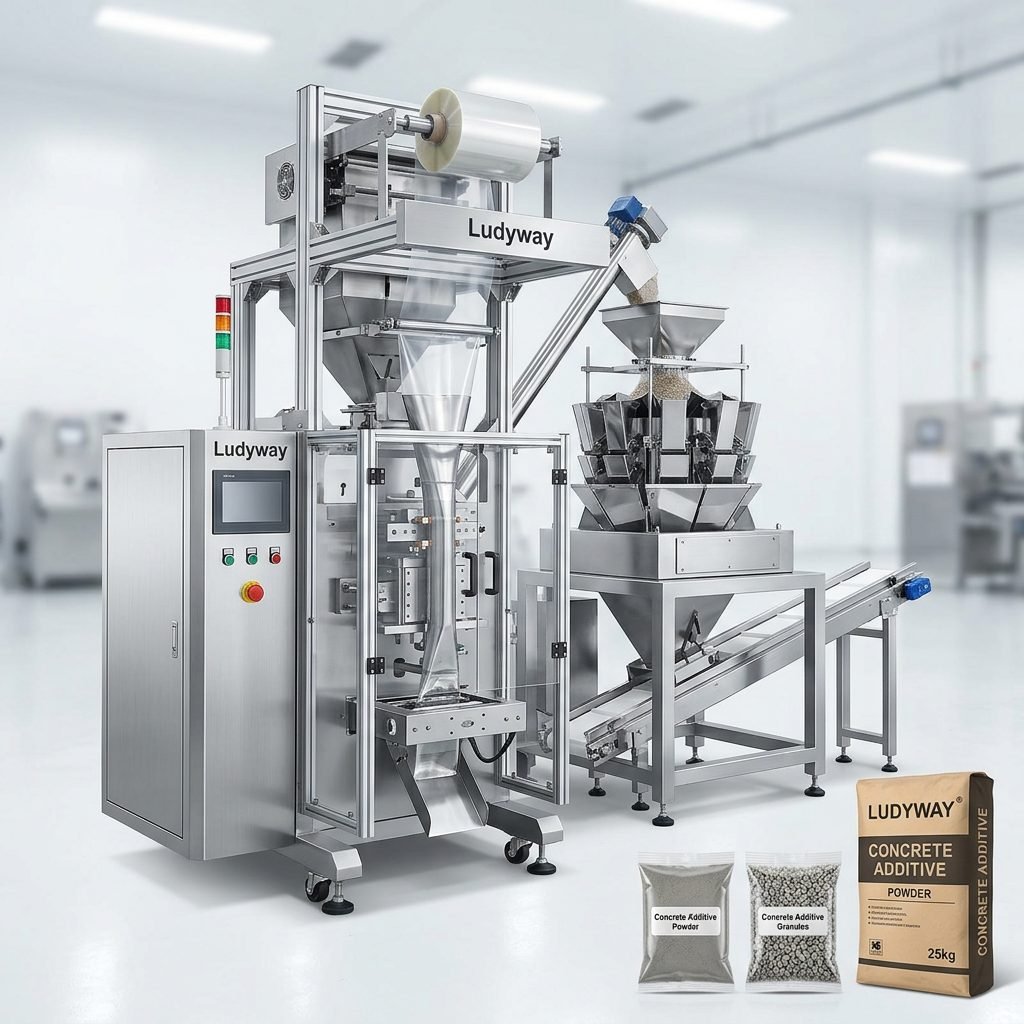
Packaging waste is no longer just an environmental issue—it is a cost, efficiency, and brand reputation issue as well. Businesses across food, pharmaceutical, cosmetic, chemical, and consumer goods sectors are under increasing pressure to reduce unnecessary materials while keeping products protected, compliant, and attractive. Consumers are also paying closer attention to how much packaging they bring into their homes and how easily it can be reused, recycled, or avoided.
The good news is that reducing packaging material waste does not always require a complete redesign. In many cases, smarter purchasing, better packaging formats, improved automation, and clearer recycling practices can deliver measurable results quickly. Below are practical strategies for both businesses and consumers to cut waste without sacrificing product safety or convenience.
Why Packaging Material Waste Matters
Excess packaging creates a chain of avoidable problems. It increases raw material costs, shipping weight, storage needs, disposal fees, and carbon emissions. For consumers, it creates clutter and frustration. For companies, it can damage sustainability claims and reduce operational efficiency.
- Higher packaging procurement costs
- More warehouse space required for materials
- Increased transport and fuel expenses
- Greater landfill contribution and recycling complexity
- Lower customer satisfaction when packaging feels excessive
In short, cutting waste is not only good for the planet—it is often good for margins and customer loyalty.
Practical Tips for Businesses to Reduce Packaging Waste
1. Right-Size Packaging
One of the most effective ways to reduce waste is to use the correct pack size for the product. Oversized boxes, pouches, or trays often require extra fillers, inserts, and sealing materials. Right-sizing helps reduce material consumption while improving packing density during shipping.
- Review product dimensions regularly
- Reduce void space in cartons and pouches
- Standardize pack sizes where possible
- Use test runs to confirm protection levels before mass production
2. Simplify Packaging Structure
Many products use multiple layers of packaging that do not add real value. Businesses can often remove unnecessary sleeves, inserts, plastic windows, or secondary wraps without affecting performance. A simpler structure also makes recycling easier.
Ask a simple question during packaging review: does each layer serve a real protective, legal, or usability purpose?
3. Switch to Recyclable or Reusable Materials
Waste reduction is not only about using less; it is also about using better. Recyclable mono-materials, reusable containers, and paper-based solutions can help reduce the environmental burden of packaging after use.
| Packaging Choice | Waste Reduction Benefit | Best Use Case |
|---|---|---|
| Mono-material pouches | Improves recyclability | Food, health supplements, household products |
| Recycled paperboard | Reduces virgin material usage | Cartons, retail boxes, sleeves |
| Refill packs | Cuts rigid container waste | Cosmetics, detergents, personal care |
| Reusable transit packaging | Lowers ongoing shipping waste | B2B logistics and internal transfers |
4. Improve Packaging Line Accuracy
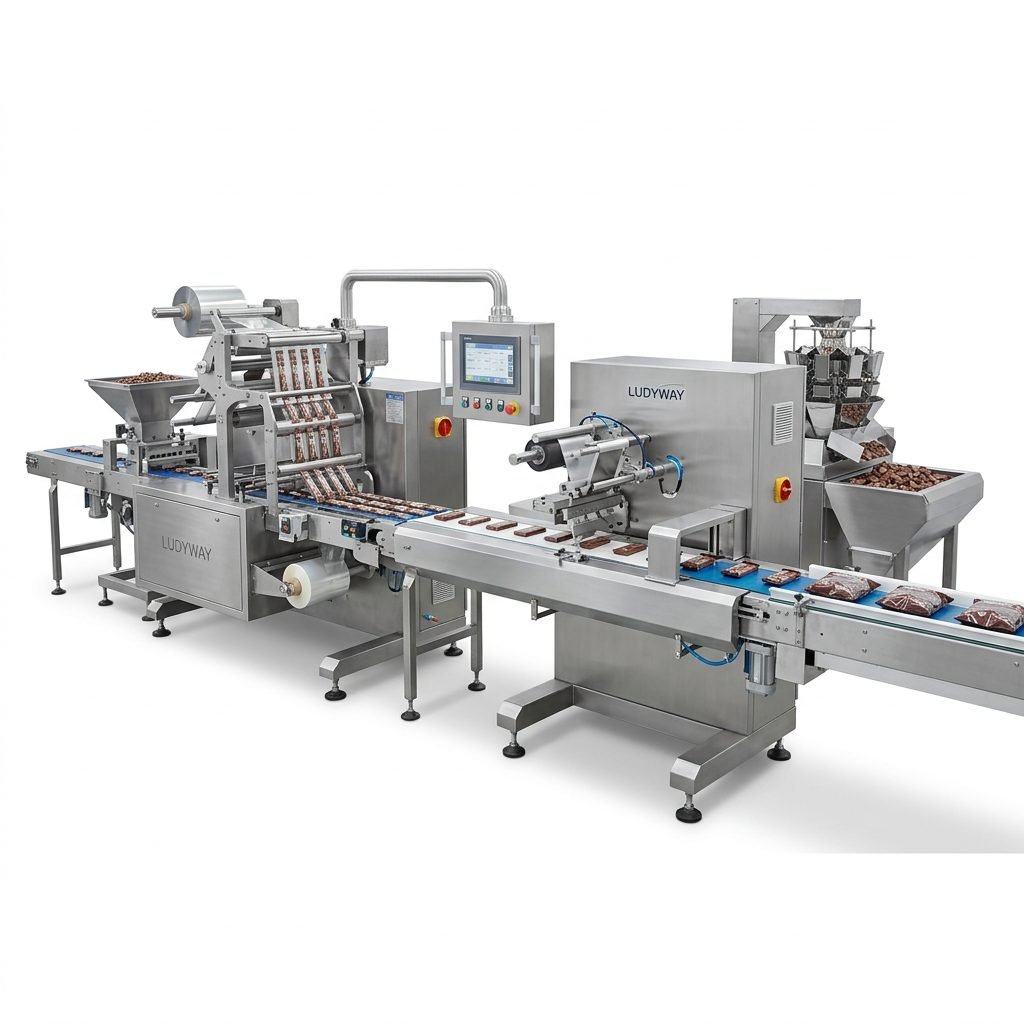
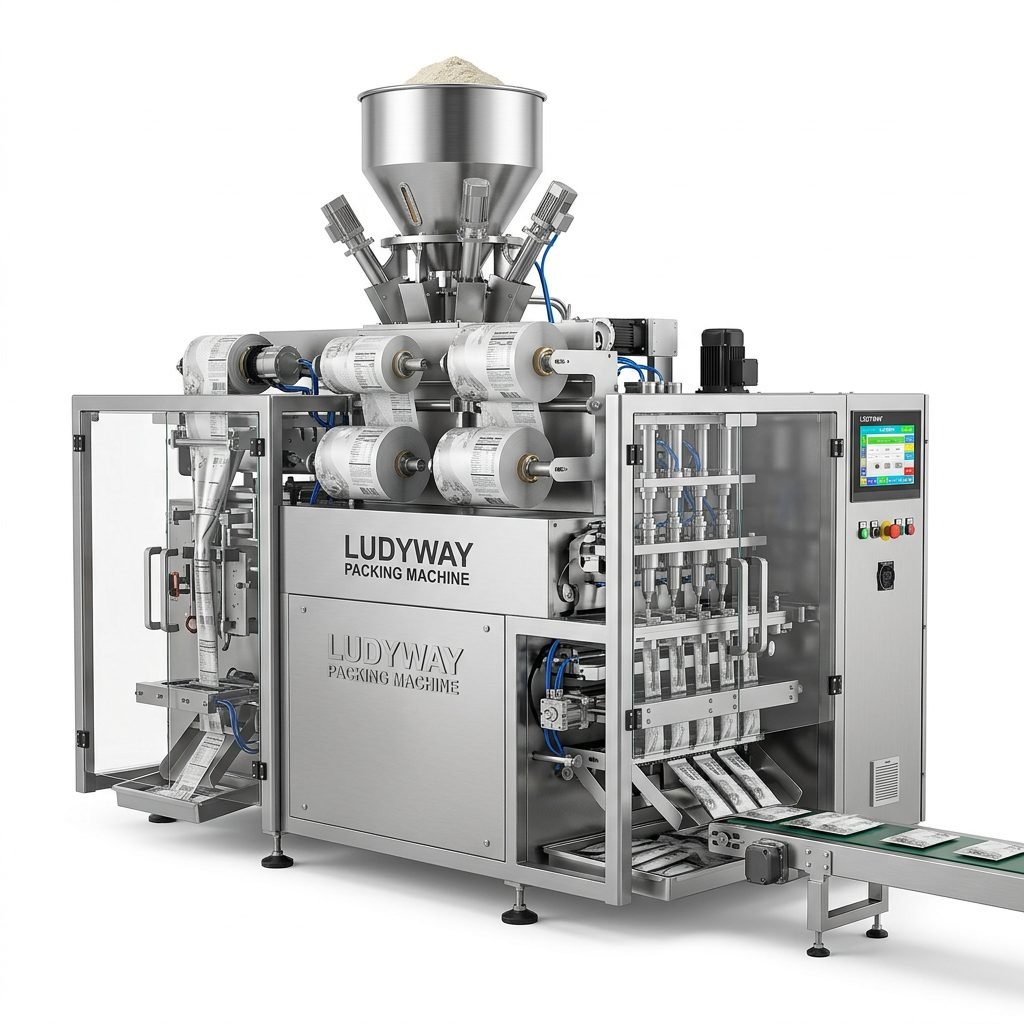
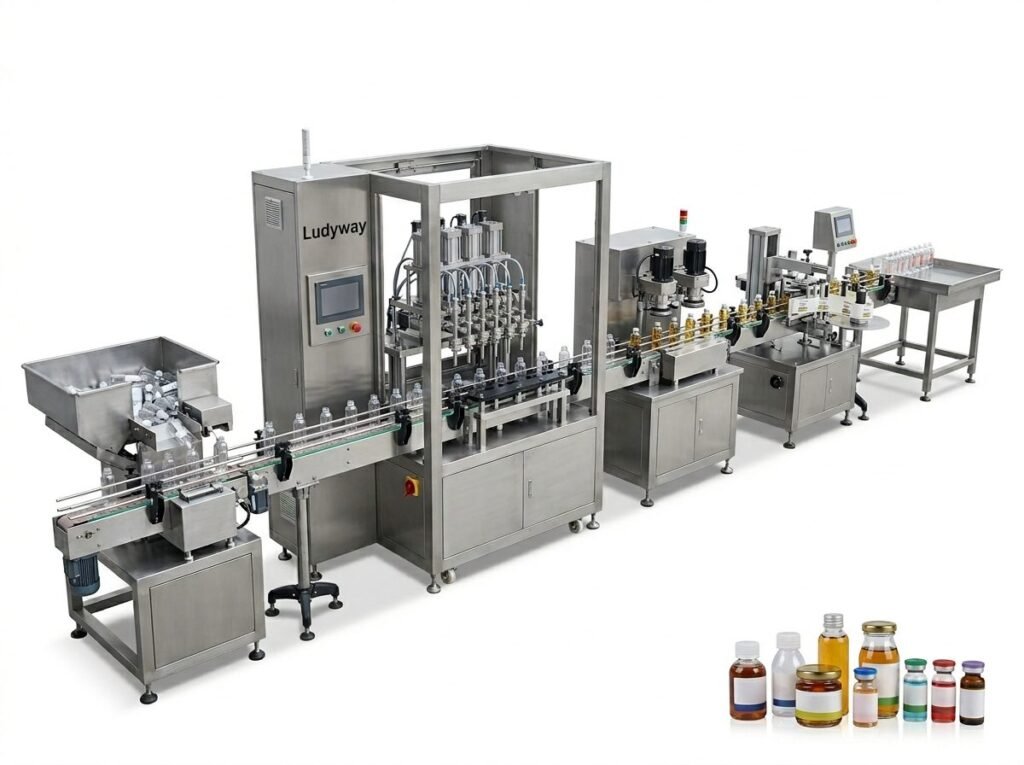
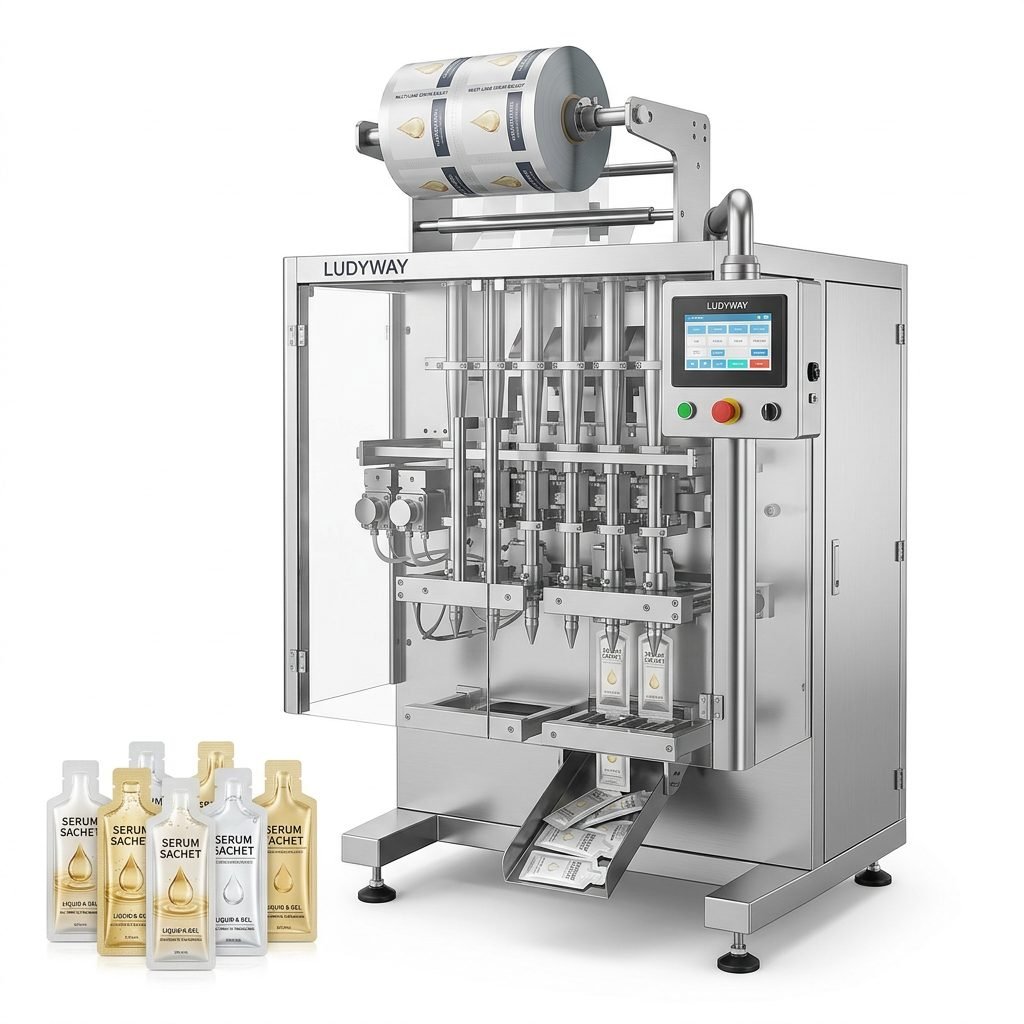
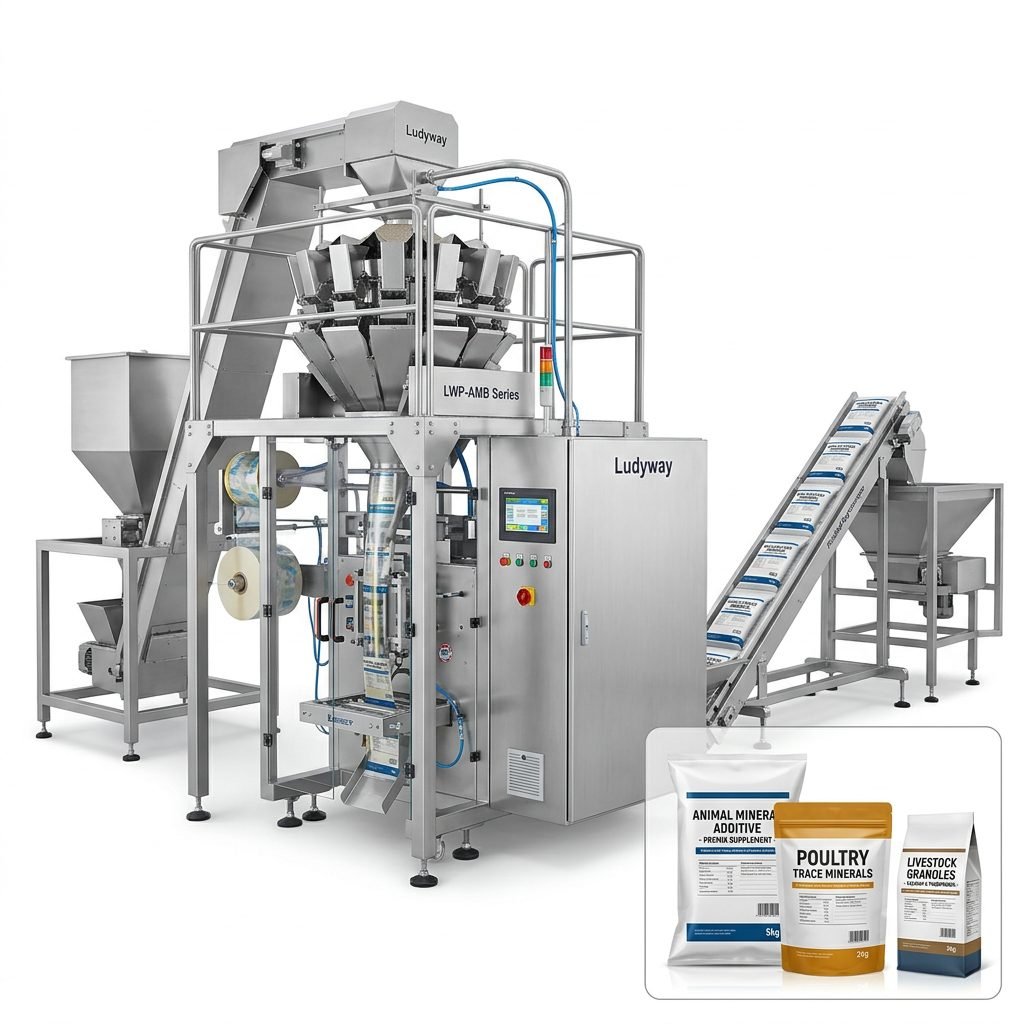
Waste often happens during production, not just after the package reaches the customer. Misaligned seals, overfilled pouches, rejected packs, and damaged film rolls all increase scrap. Automated systems with better dosing, sealing, and inspection can significantly reduce these losses.
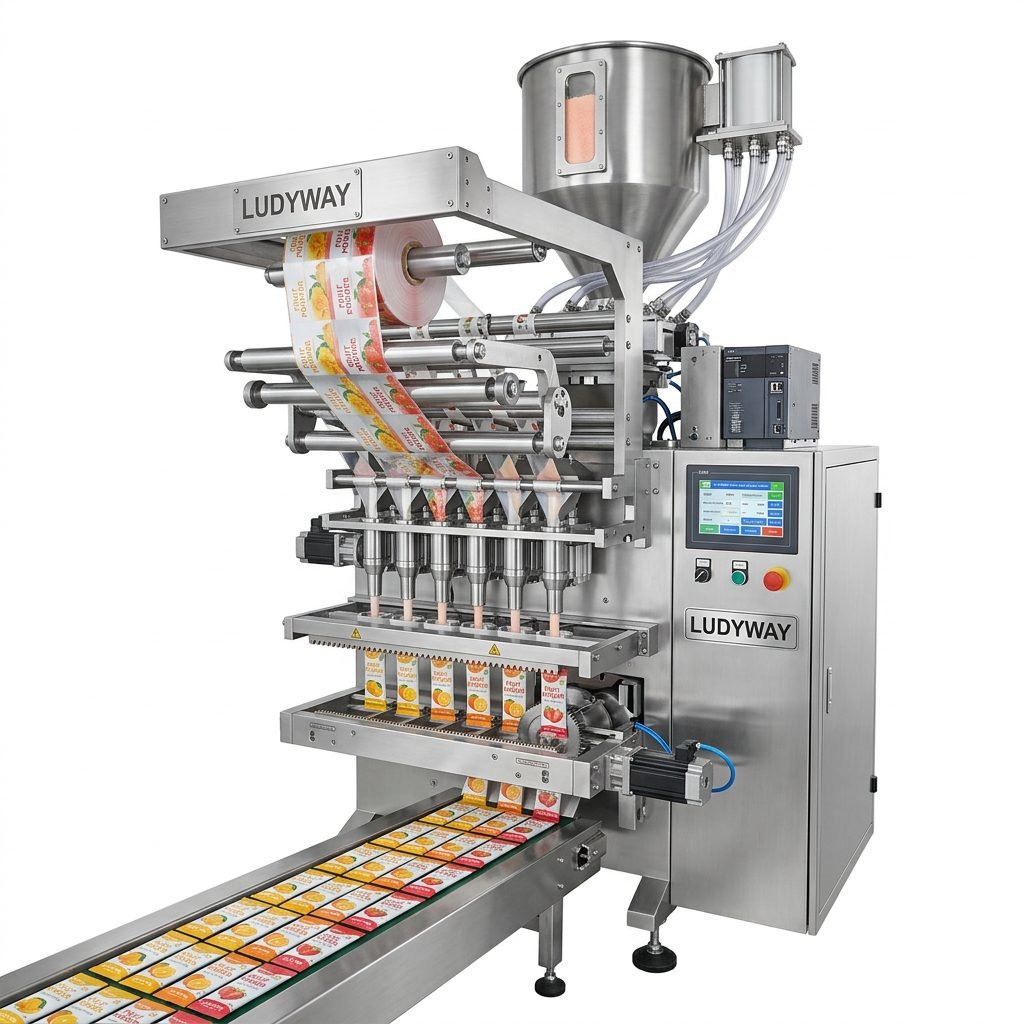
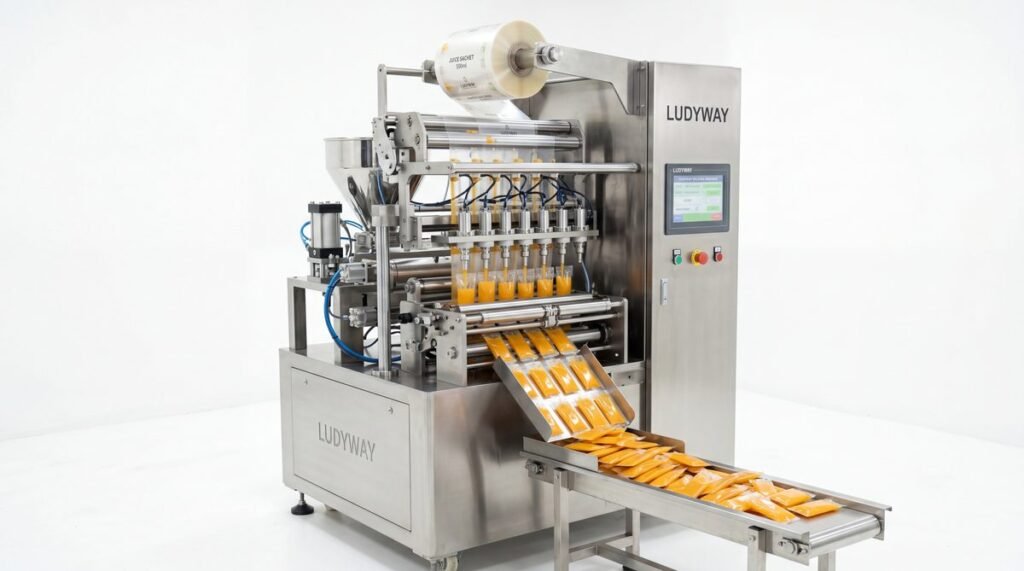
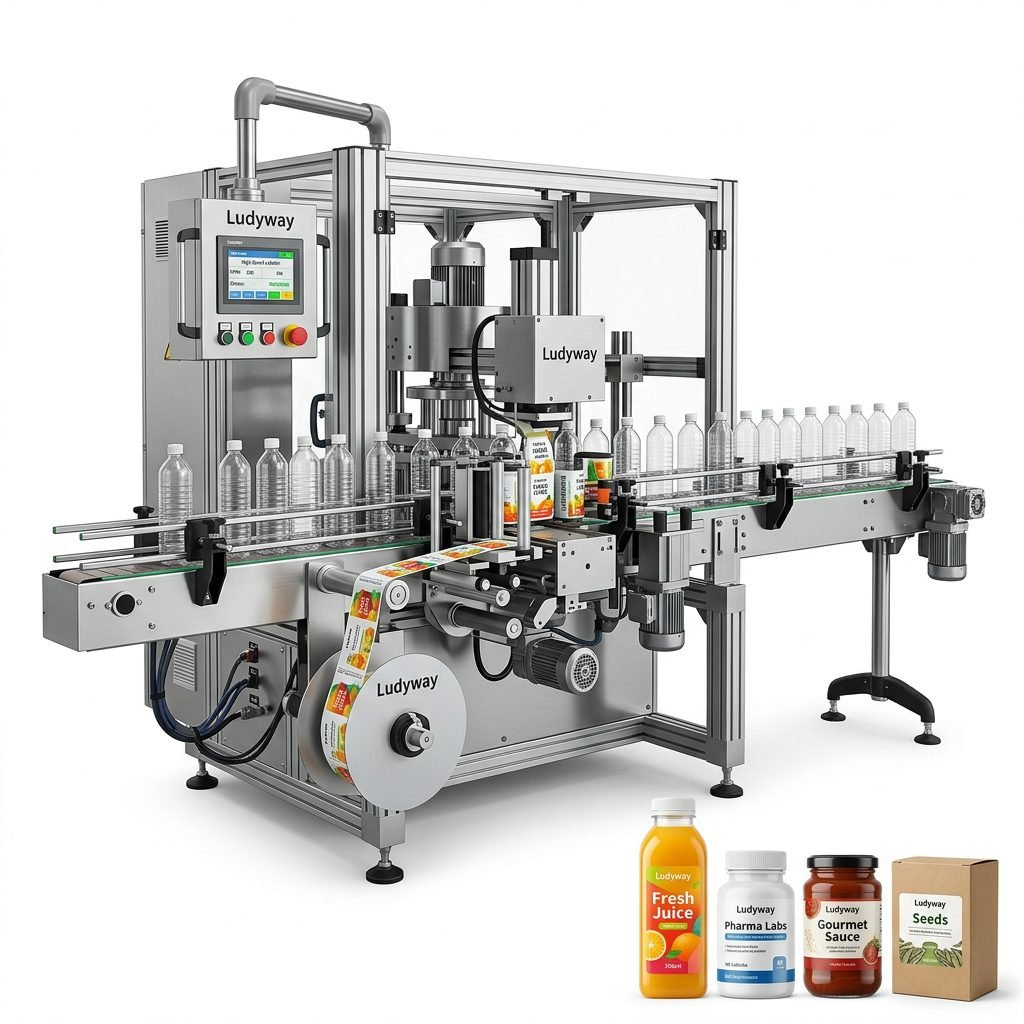
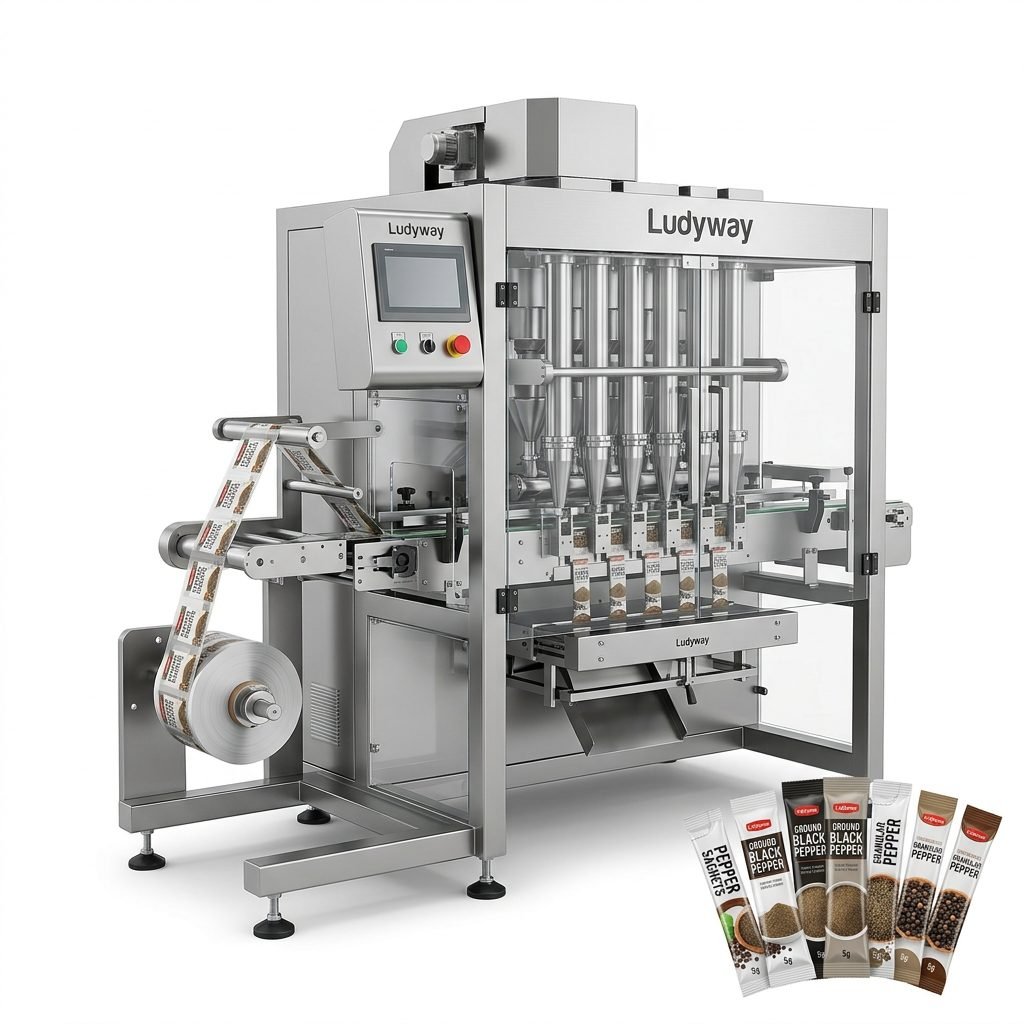
Companies that invest in reliable equipment and integrated line design often achieve lower material waste through tighter process control. Manufacturers such as Ludyway packaging machine solutions support businesses looking to improve packaging efficiency and reduce material overuse through automated and turnkey systems.
5. Reduce Secondary and Tertiary Packaging
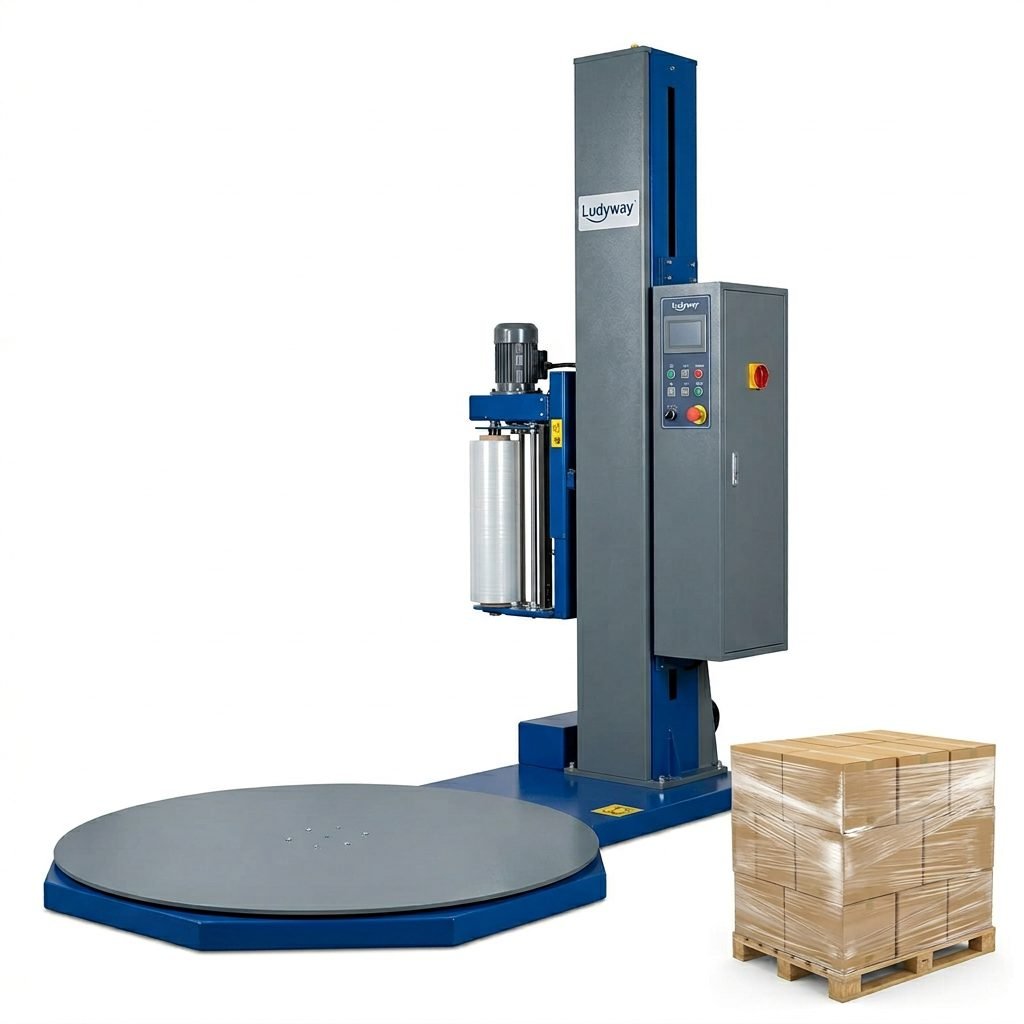
Primary packaging gets most of the attention, but secondary and tertiary packaging can generate major waste volumes. Review your use of:
- Outer cartons
- Shrink film
- Pallet wrap
- Protective fillers
- Transport trays
Better stacking patterns, stronger corrugated grades, and more stable palletizing can often reduce the need for excessive protective materials.
6. Design for Transportation Efficiency
Packaging that travels inefficiently usually creates hidden waste. Lightweight, stackable, and transport-optimized designs can reduce both material use and freight emissions. If a packaging format wastes truck or container space, the environmental cost increases even if the material itself is recyclable.
- Optimize case dimensions for pallet configuration
- Use flat-pack or compact formats where suitable
- Minimize dead air in e-commerce shipping
- Test packaging durability before adding extra protective layers
7. Use Data to Track Packaging Waste
You cannot reduce what you do not measure. Businesses should monitor packaging waste at each stage of operation, including material purchasing, machine scrap, rejected packs, warehouse damage, and customer returns.
| Metric | Why It Matters | Action Trigger |
|---|---|---|
| Material used per unit | Shows packaging efficiency | Redesign if usage rises |
| Production scrap rate | Identifies line losses | Adjust machine settings or materials |
| Damage return rate | Balances reduction with protection | Improve structural design if too high |
| Recyclability percentage | Measures end-of-life performance | Replace difficult-to-recycle components |
8. Train Teams Across Purchasing, Design, and Operations
Packaging waste reduction works best when departments collaborate. Procurement teams may focus on unit price, while operations focus on speed and marketing focuses on appearance. A balanced approach helps avoid costly decisions that look good in one area but create waste elsewhere.
Build internal guidelines covering:
- Approved low-waste materials
- Standard pack dimensions
- Recyclability targets
- Machine compatibility requirements
- Supplier sustainability criteria
Practical Tips for Consumers to Reduce Packaging Waste
Buy in Concentrated or Refill Formats
Refill pouches, concentrated cleaners, and bulk staples usually use less packaging per use. This is especially useful for personal care items, detergents, pantry products, and household cleaners.
Choose Products with Minimal Packaging
When comparing similar products, choose the option that avoids unnecessary plastic trays, oversized boxes, and decorative wrapping. Consumer demand strongly influences brand behavior over time.
Reuse Before Recycling
Reusing jars, boxes, and durable pouches extends the value of the material and delays disposal. While not every package can be reused, many can serve practical purposes in storage, organization, or shipping.
Recycle Correctly
Poor recycling habits turn recyclable packaging into waste. Consumers should check local collection rules, rinse containers when required, and separate mixed materials when possible. Clear disposal habits are a simple but important part of reducing packaging waste.
Support Brands That Use Smarter Packaging
Brands pay attention to customer preferences. Buying from companies that use recyclable materials, refill models, or reduced packaging sends a direct market signal. Over time, this can reshape product design across whole categories.
Common Mistakes That Increase Packaging Waste
- Using oversized packaging “just in case”
- Adding layers for visual appeal without function
- Choosing difficult-to-recycle mixed materials
- Ignoring machine inefficiencies and production scrap
- Failing to test transport durability scientifically
- Not giving customers clear disposal guidance
A Simple Waste Reduction Checklist for Businesses
- Audit current packaging materials and usage rates
- Identify the top three waste sources in production and logistics
- Test reduced-material designs without compromising protection
- Improve line precision to lower rejects and scrap
- Shift toward recyclable or refill-friendly formats
- Measure results monthly and adjust continuously
Final Thought
Reducing packaging material waste is a practical goal that benefits both businesses and consumers. For companies, it lowers costs, improves operational performance, and strengthens sustainability credibility. For consumers, it reduces clutter and supports more responsible buying habits. The most effective approach is usually a combination of better design, smarter materials, efficient automation, and everyday decision-making.
Small improvements, repeated consistently, can lead to major long-term reductions in packaging waste.