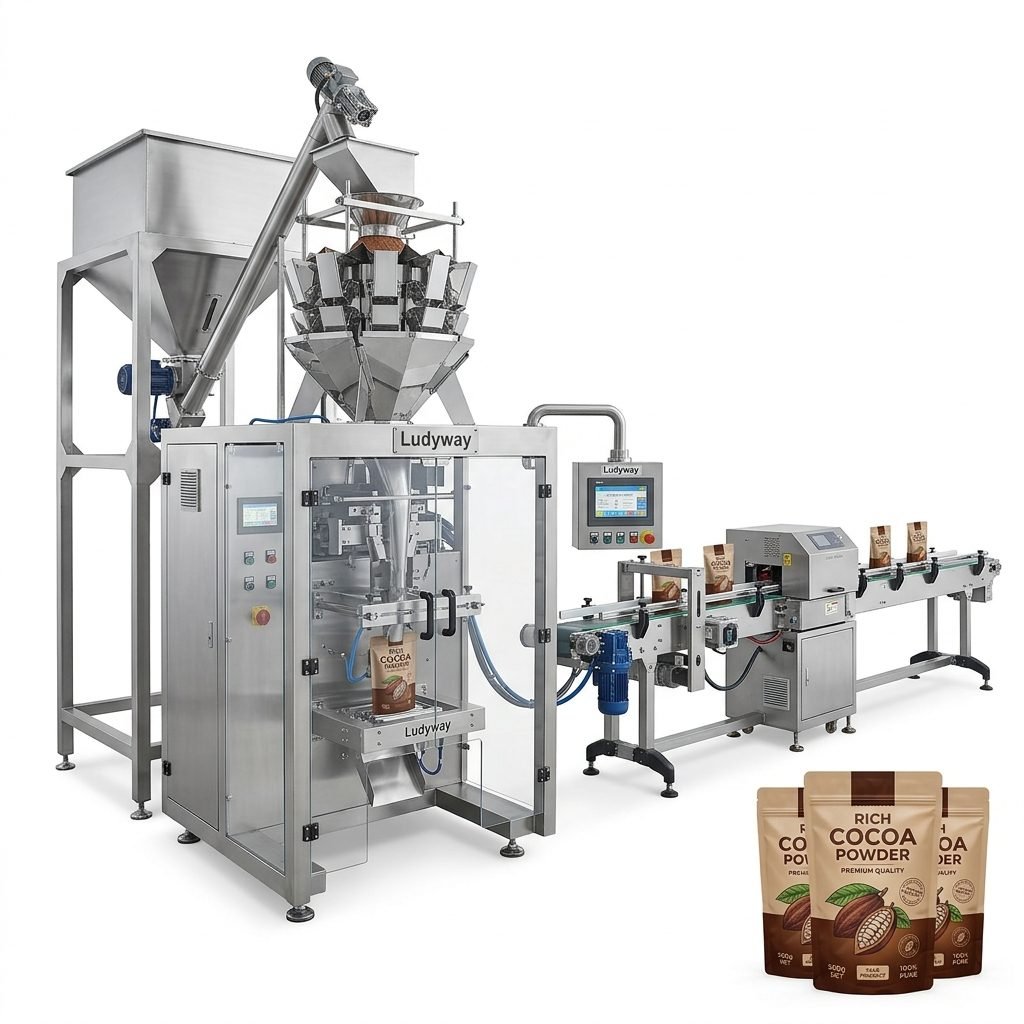
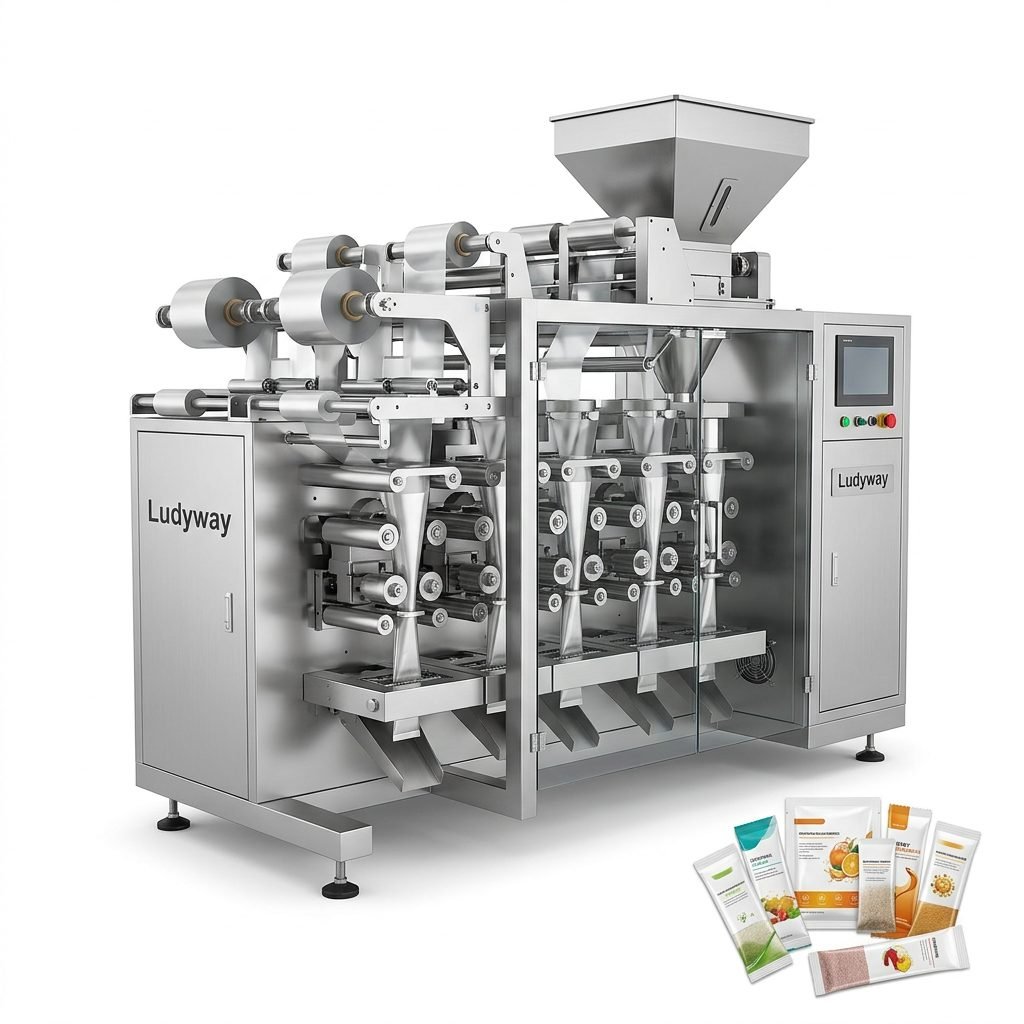
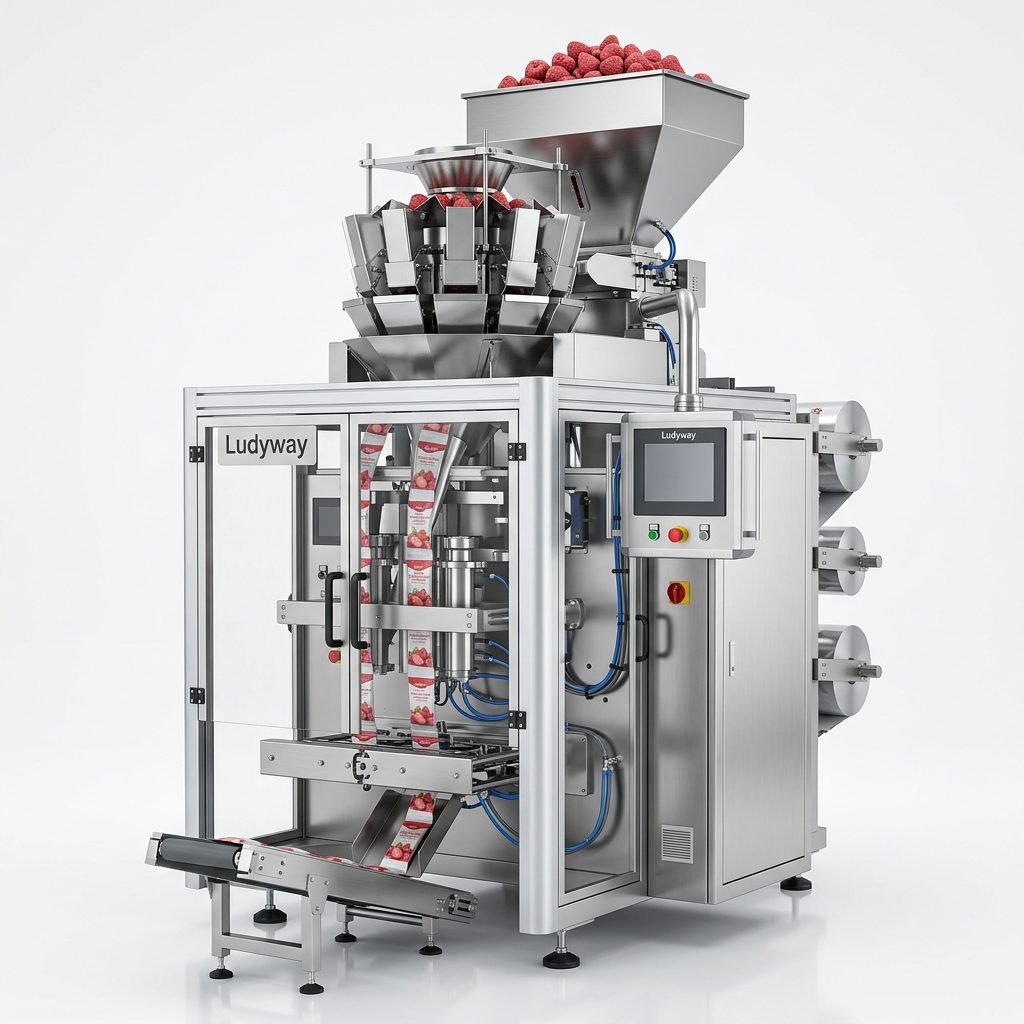
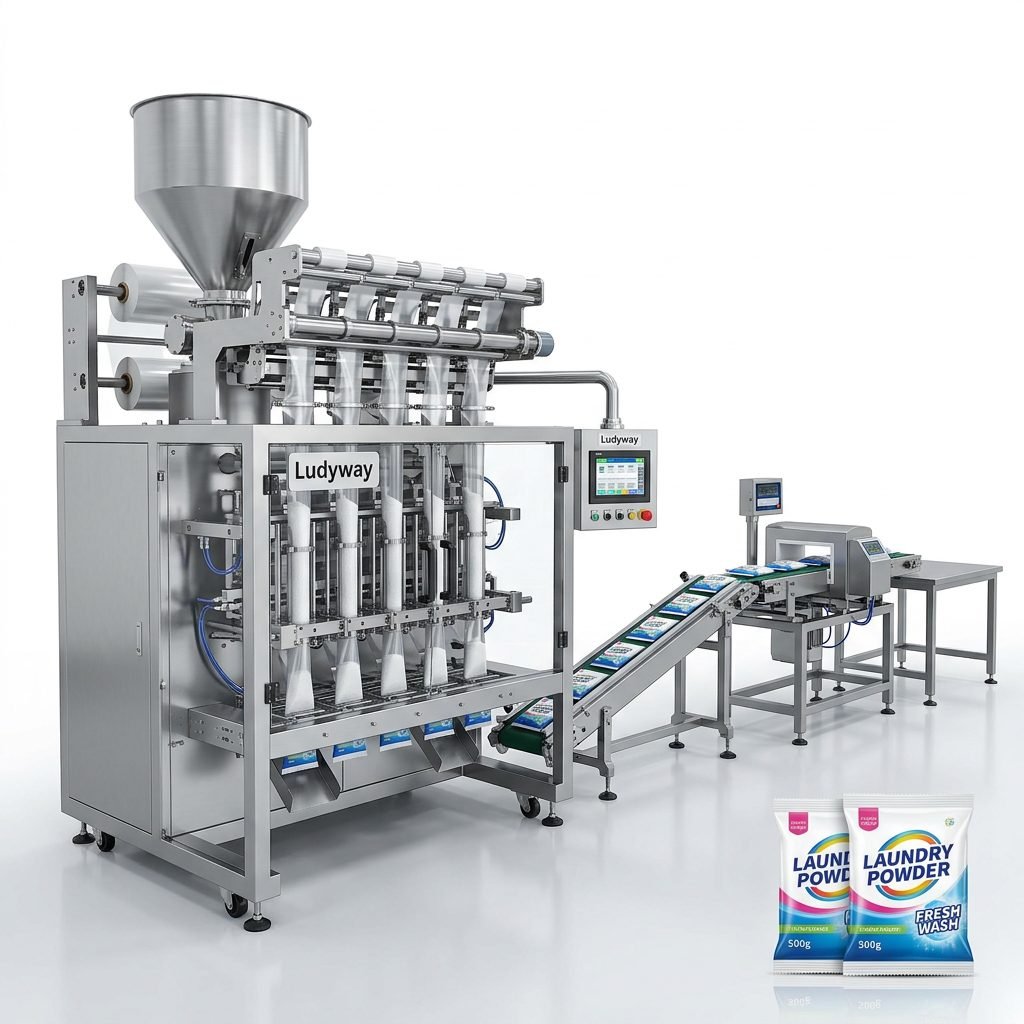
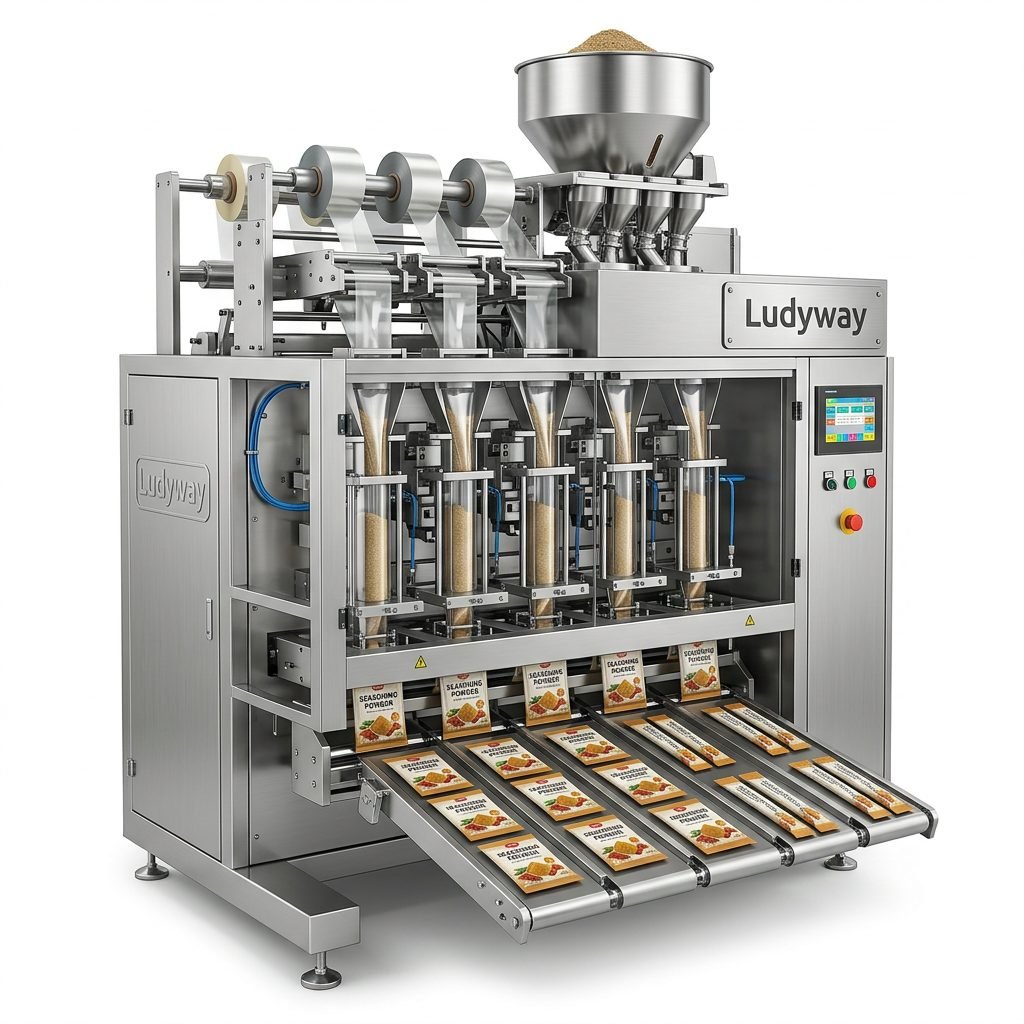
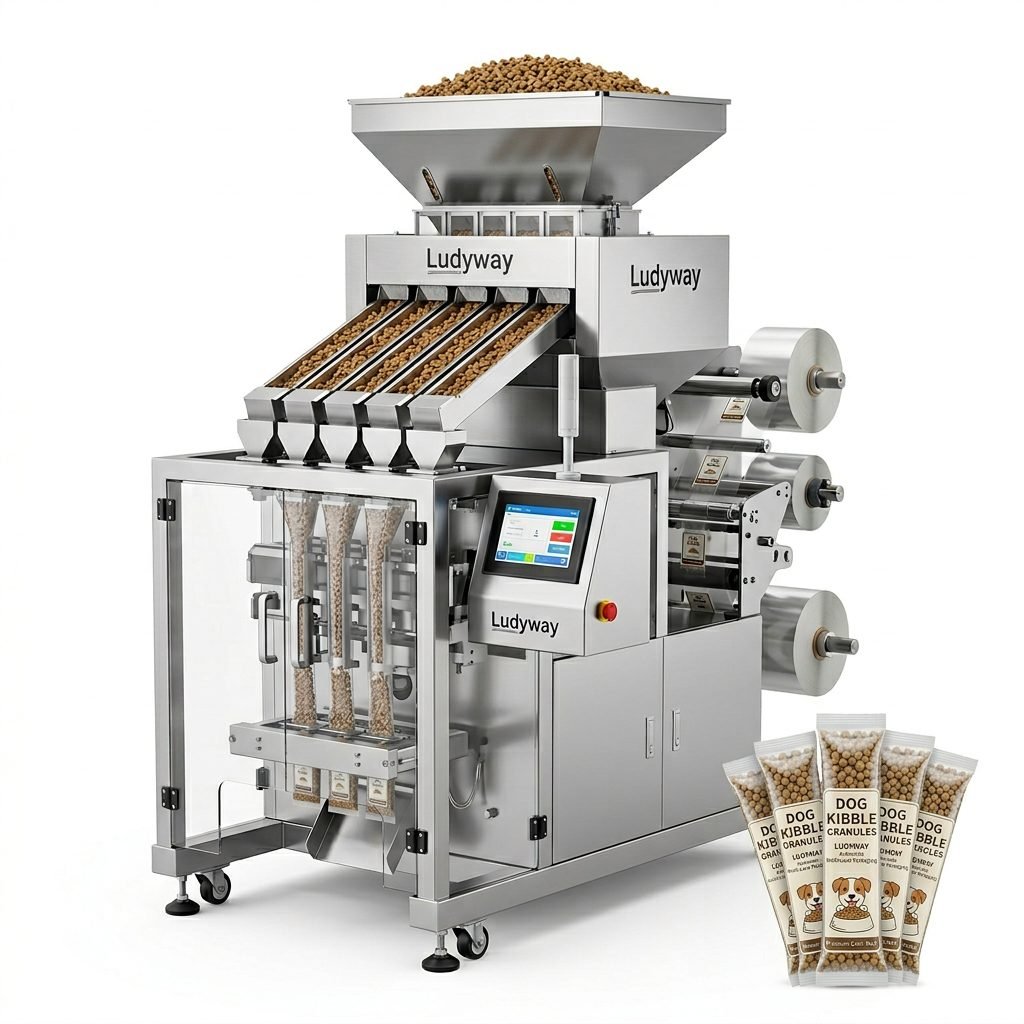
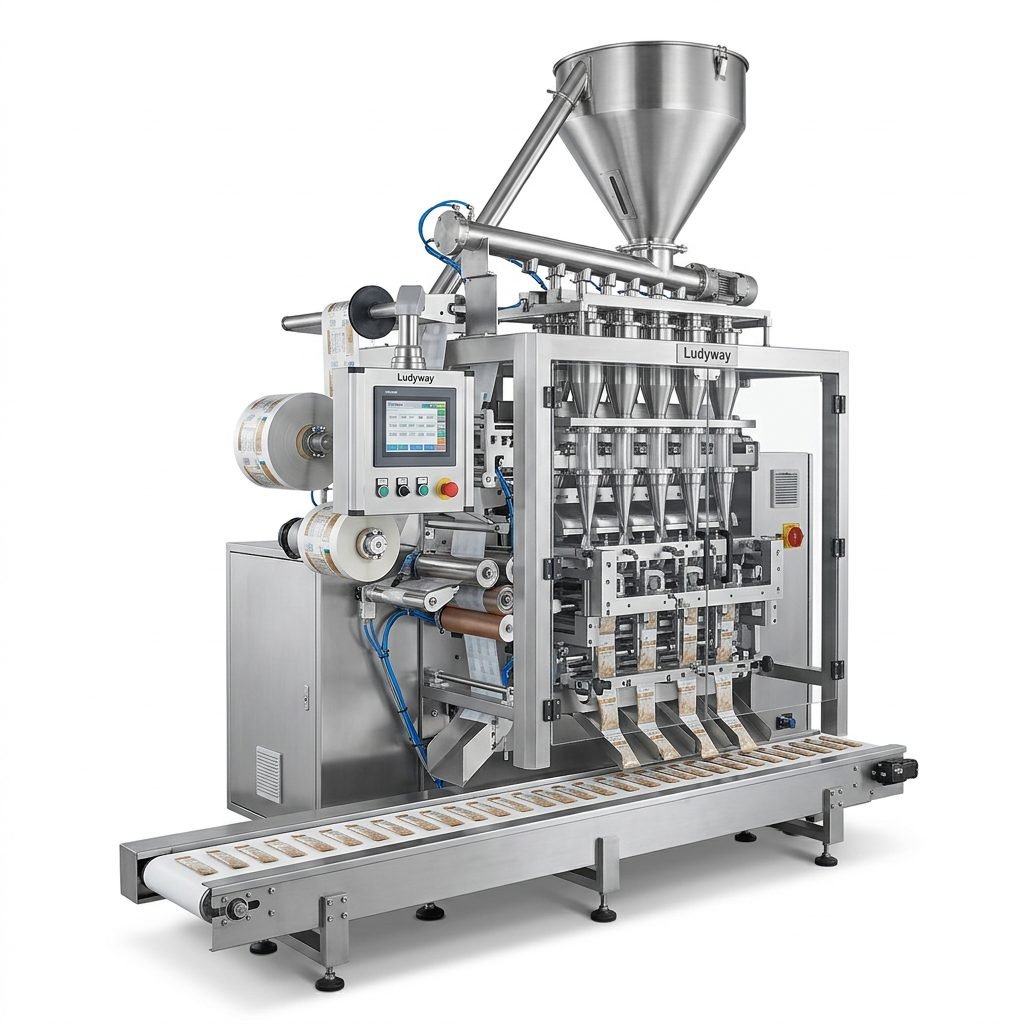
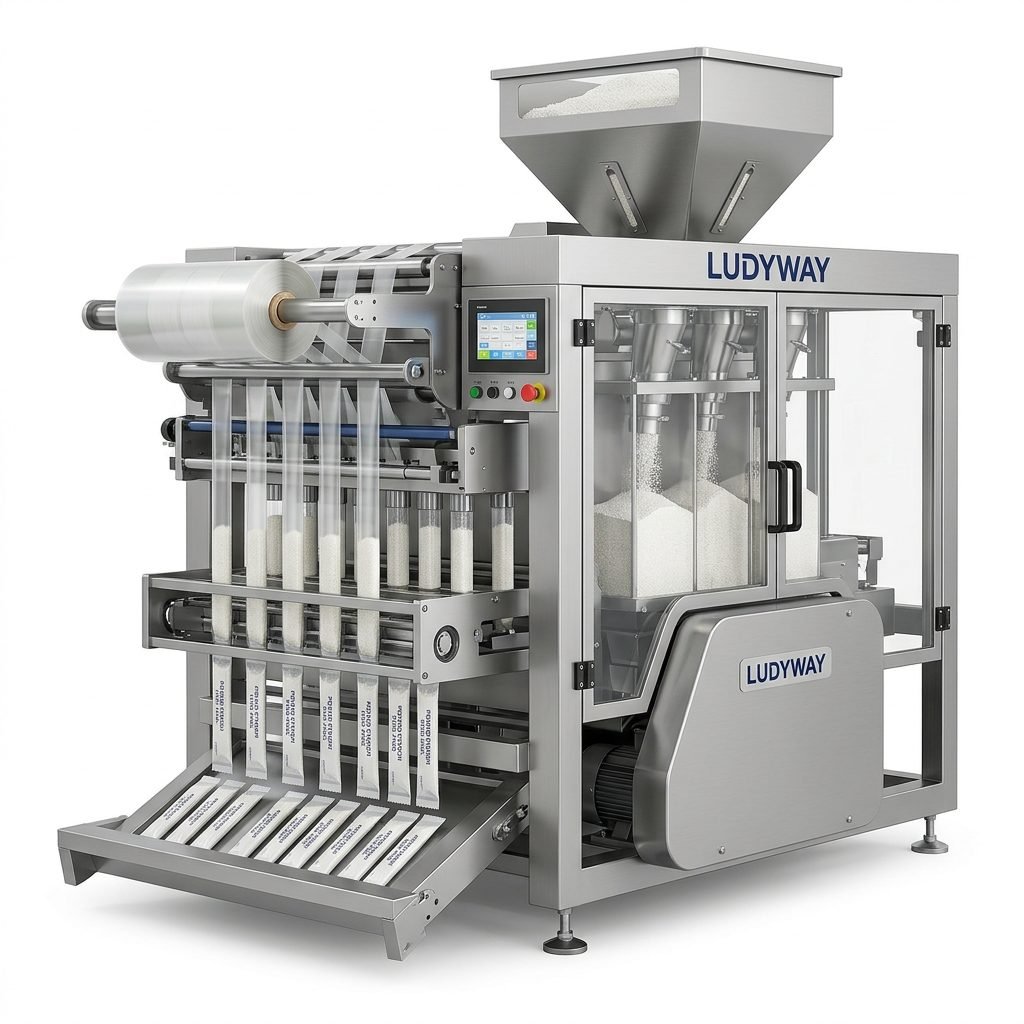
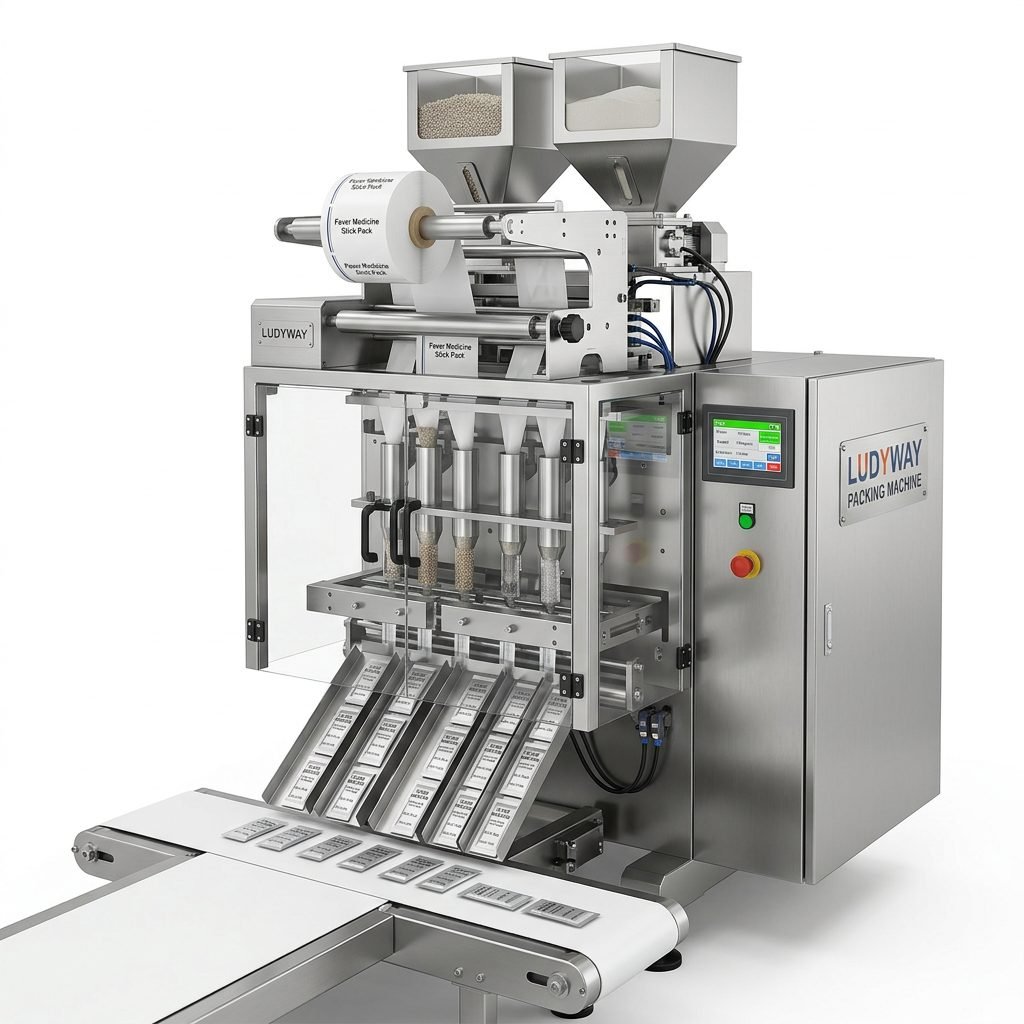
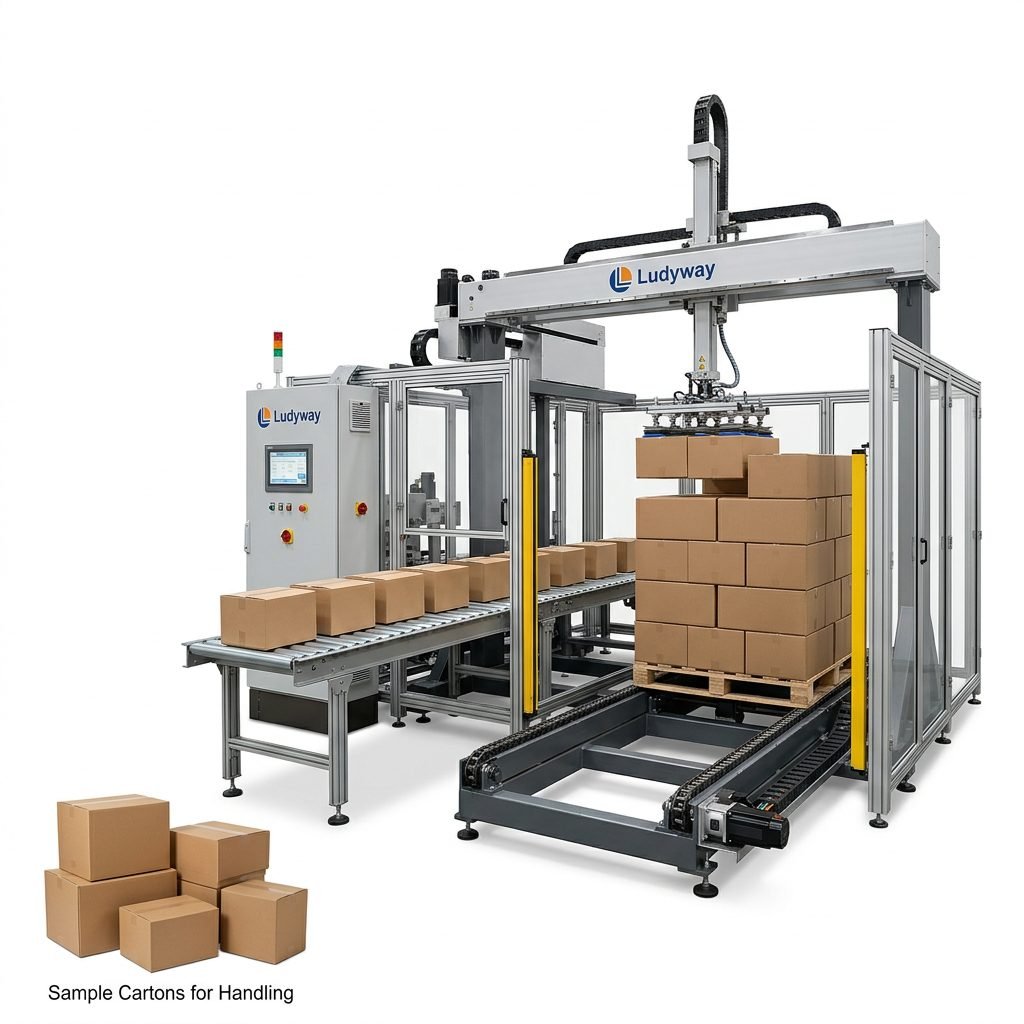
In modern pasta production, a spaghetti packaging machine plays a vital role in delivering speed, accuracy, and hygiene from the end of the production line to the final retail-ready pack. For manufacturers handling dry long-cut pasta, efficient packaging is not just about wrapping products—it is about protecting product integrity, controlling weight, improving shelf appeal, and supporting high-volume distribution with less labor and less waste.
Whether you produce classic spaghetti, linguine, vermicelli, or other long pasta formats, the right packaging solution helps maintain straight alignment, prevent breakage, and ensure every bag, pouch, or carton meets quality standards consistently.
Why Spaghetti Packaging Requires Specialized Equipment
Spaghetti is different from many other food products because it is long, fragile, and shape-sensitive. Standard packaging equipment may not be suitable for handling bundles of pasta without causing breakage, uneven loading, or poor sealing performance.
- Long product length requires stable feeding and alignment
- Dry pasta can crack under improper handling pressure
- Accurate counting or weighing is necessary for retail compliance
- Dust control and sealed contact areas are important for hygiene
- Pack appearance must remain neat for supermarket presentation
A dedicated spaghetti packaging machine is designed to solve these issues through automated feeding, measured dosing, precise bag making, sealing technology, and optional downstream equipment such as checkweighers, coding units, cartoners, and case packers.
Core Benefits of an Efficient Spaghetti Packaging Machine
Fast Throughput for Growing Demand
High-output pasta factories need packaging systems that can keep pace with upstream extrusion and drying lines. Automated packaging reduces manual bottlenecks and supports continuous production, helping manufacturers meet supermarket, wholesale, and export orders more efficiently.
Accurate Weight Control
Modern systems use precision weighing or counting mechanisms to maintain consistent pack weights. This minimizes underfilling, overfilling, and raw material loss while supporting compliance with retail and food labeling requirements.
Improved Hygiene Standards
Food-grade contact parts, enclosed structures, and easy-clean machine designs help reduce contamination risks. Hygienic packaging is especially important for brands supplying large retailers, foodservice channels, and export markets.
Reduced Product Damage
Proper conveying, bundle forming, and transfer control significantly reduce spaghetti breakage. Less product damage means lower waste, better consumer satisfaction, and a cleaner-looking final package.
Better Labor Efficiency
Packaging automation lowers dependence on manual packing teams and helps factories stabilize output, especially during peak production seasons or labor shortages.
Key Features to Look For
| Feature | Why It Matters |
|---|---|
| Automatic bundle feeding | Keeps spaghetti aligned and reduces breakage during loading |
| Precision weighing/counting | Ensures pack consistency and reduces giveaway |
| Servo-driven control | Improves positioning, speed, and sealing precision |
| HMI touchscreen | Makes operation, recipe changes, and troubleshooting easier |
| Food-grade stainless steel contact parts | Supports hygienic production and easy cleaning |
| Date coding and labeling integration | Adds traceability and retail-ready identification |
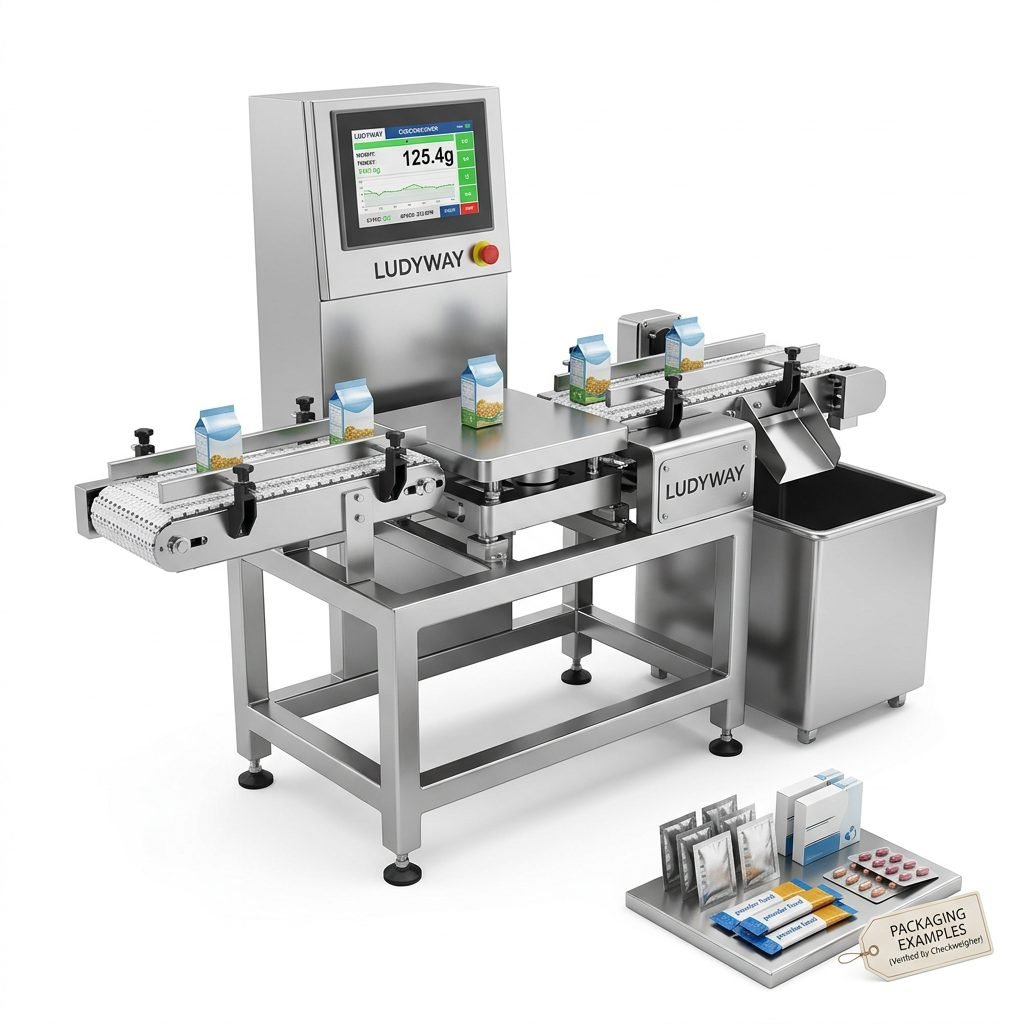
| Checkweigher compatibility | Helps verify each pack before shipment |
Common Packaging Formats for Spaghetti
Different brands and markets require different pack styles. A flexible spaghetti packaging system should support a range of formats based on product positioning, retail channel, and shipping needs.
- Plastic pillow bags for economical high-volume retail packaging
- BOPP or laminated film packs for better barrier protection and presentation
- Paper-based outer packs for eco-focused branding strategies
- Cartoned spaghetti packs for premium shelf appeal and stronger product protection
- Bundled multi-packs for wholesale and club-store sales
Choosing the correct material and format depends on product fragility, target shelf life, branding goals, transport conditions, and local market preferences.
How Automation Improves Pasta Packaging Lines
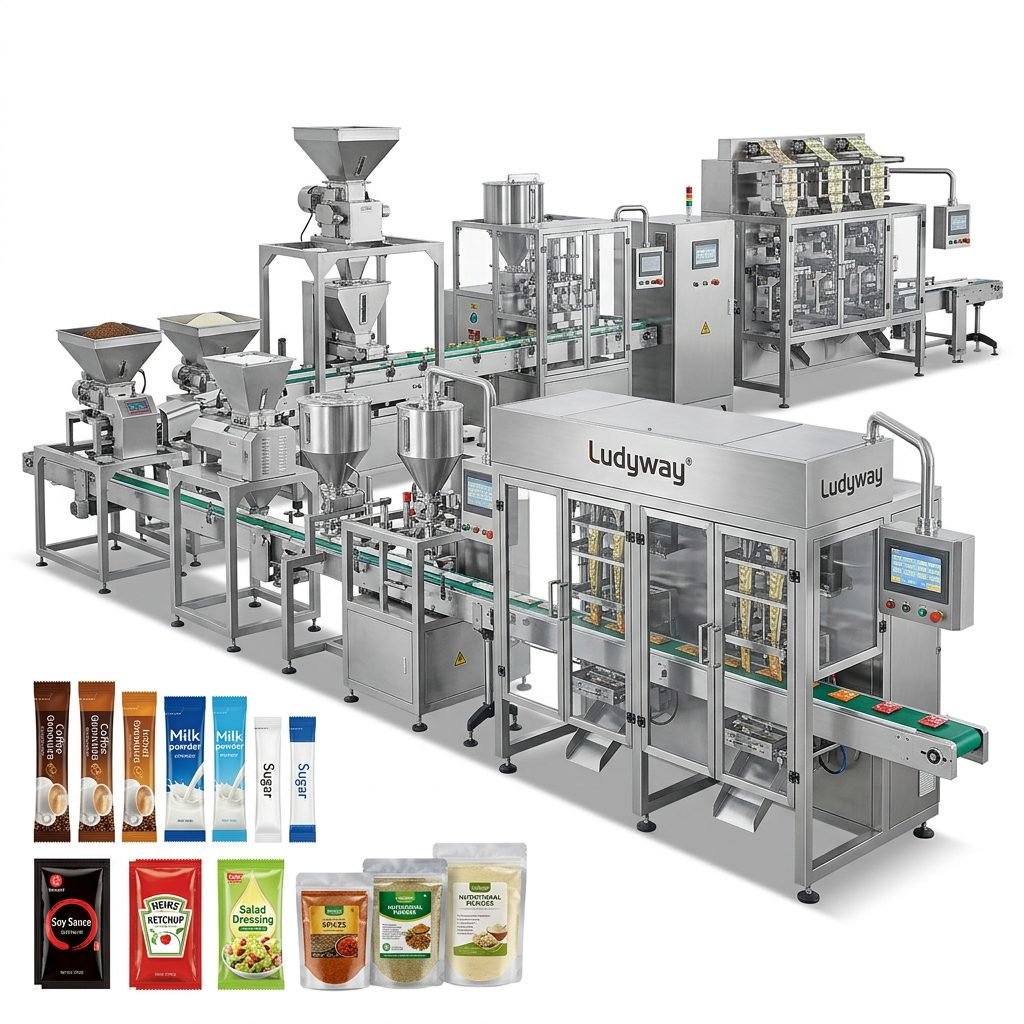
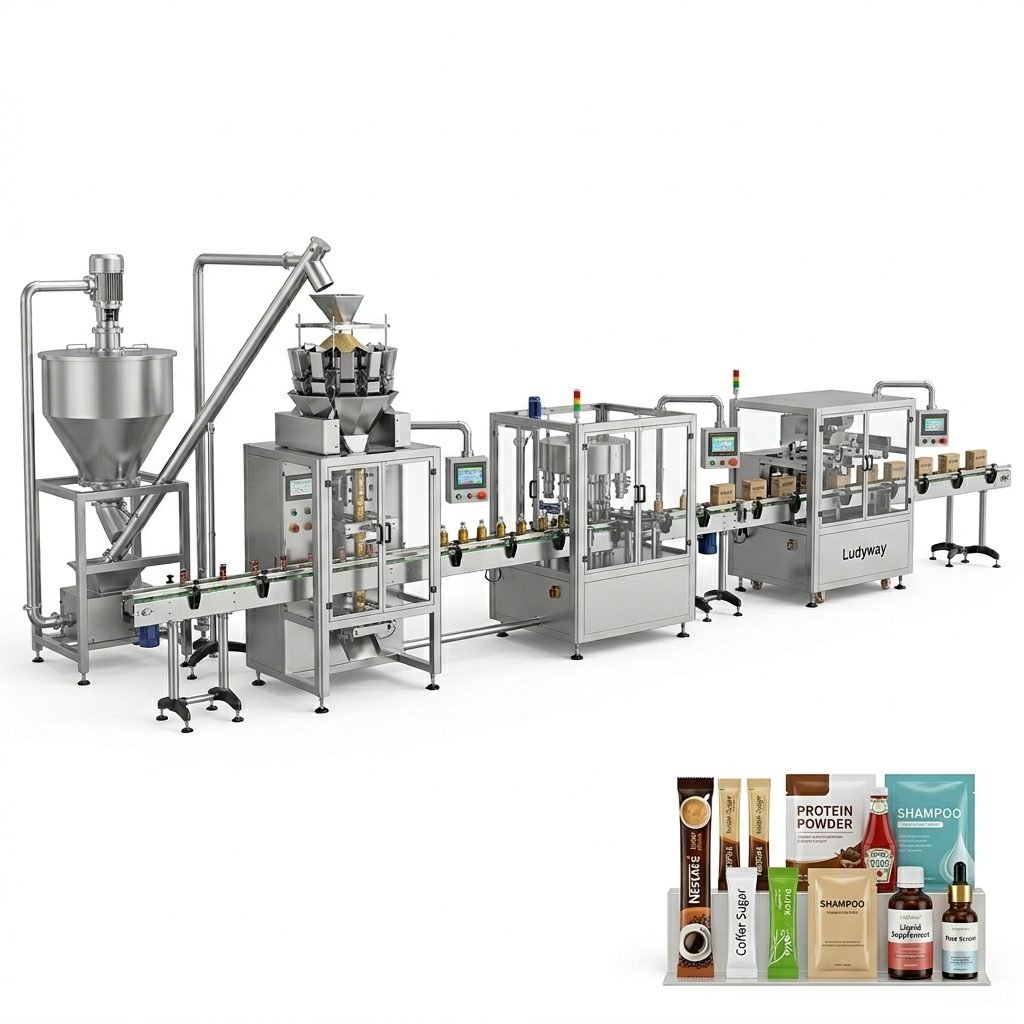
A standalone machine can be effective, but many manufacturers gain greater value from a more integrated solution. A complete packaging line can include:
- Infeed conveyor from pasta processing or cooling section
- Product aligning and grouping unit
- Automatic weighing or counting system
- Bagging or pouch forming and sealing machine
- Metal detection and checkweighing
- Inkjet coding or thermal transfer printing
- Cartoning, case packing, and palletizing modules
Integrated lines create smoother product flow, reduce manual handling, improve overall equipment efficiency, and support large-scale production planning.
Important Hygiene Considerations
In food packaging, hygiene is not optional. A high-quality spaghetti packaging machine should be designed with sanitation in mind. This includes smooth machine surfaces, reduced dust accumulation areas, safe guarding, and quick-access components for cleaning and maintenance.
Hygienic design is especially valuable for plants that must meet retailer audits, export standards, or internal HACCP requirements. Reliable sealing and clean product handling also help extend shelf stability and maintain customer trust.
Hygiene-focused machine design usually includes:
- Stainless steel structures and food-contact parts
- Easy-clean conveyors and guides
- Low-dust operation design
- Protected electrical layouts
- Minimal dead corners where food particles can collect
How to Choose the Right Spaghetti Packaging Machine
The best machine is not simply the fastest one. It should match your product dimensions, target output, packaging material, factory layout, and long-term business goals.
| Selection Factor | Questions to Ask |
|---|---|
| Pasta size | What are the length, diameter, and bundle characteristics? |
| Output target | How many packs per minute are needed now and later? |
| Pack format | Do you need pillow bags, pouches, or cartons? |
| Material type | Will you use PE, laminated film, BOPP, or paper-based packaging? |
| Factory space | Can the machine fit your production line layout efficiently? |
| Automation level | Do you need a single machine or a complete turnkey line? |
| After-sales support | Is technical service, spare parts, and training available? |
Ideal Applications
Spaghetti packaging systems are suitable for a wide range of businesses across the food industry:
- Pasta manufacturers with medium to large output
- Private-label food producers
- Export-oriented dry pasta processors
- Brands launching premium retail pasta products
- Factories upgrading from semi-automatic to automatic lines
Why Turnkey Capability Matters
Many buyers prefer working with a manufacturer that can supply not only the packaging machine itself, but also related conveying, weighing, coding, inspection, and end-of-line systems. This improves compatibility between equipment and reduces coordination risks across multiple suppliers.
For businesses seeking scalable automation, spaghetti packaging machine solutions from Ludyway can be part of a broader turnkey packaging approach covering food, pharmaceutical, and related packaging applications.
Final Considerations for Long-Term Investment
Investing in the right spaghetti packaging machine can improve much more than packaging speed. It can strengthen product consistency, reduce breakage, elevate hygiene performance, and support future line expansion. The best solution should combine mechanical stability, precise dosing, clean sealing, and easy integration with upstream and downstream equipment.
As competition in packaged pasta continues to grow, efficient and reliable automation becomes a key advantage. Manufacturers that adopt fast, accurate, and hygienic packaging systems are better positioned to improve operational efficiency, protect brand quality, and serve domestic and international markets with confidence.