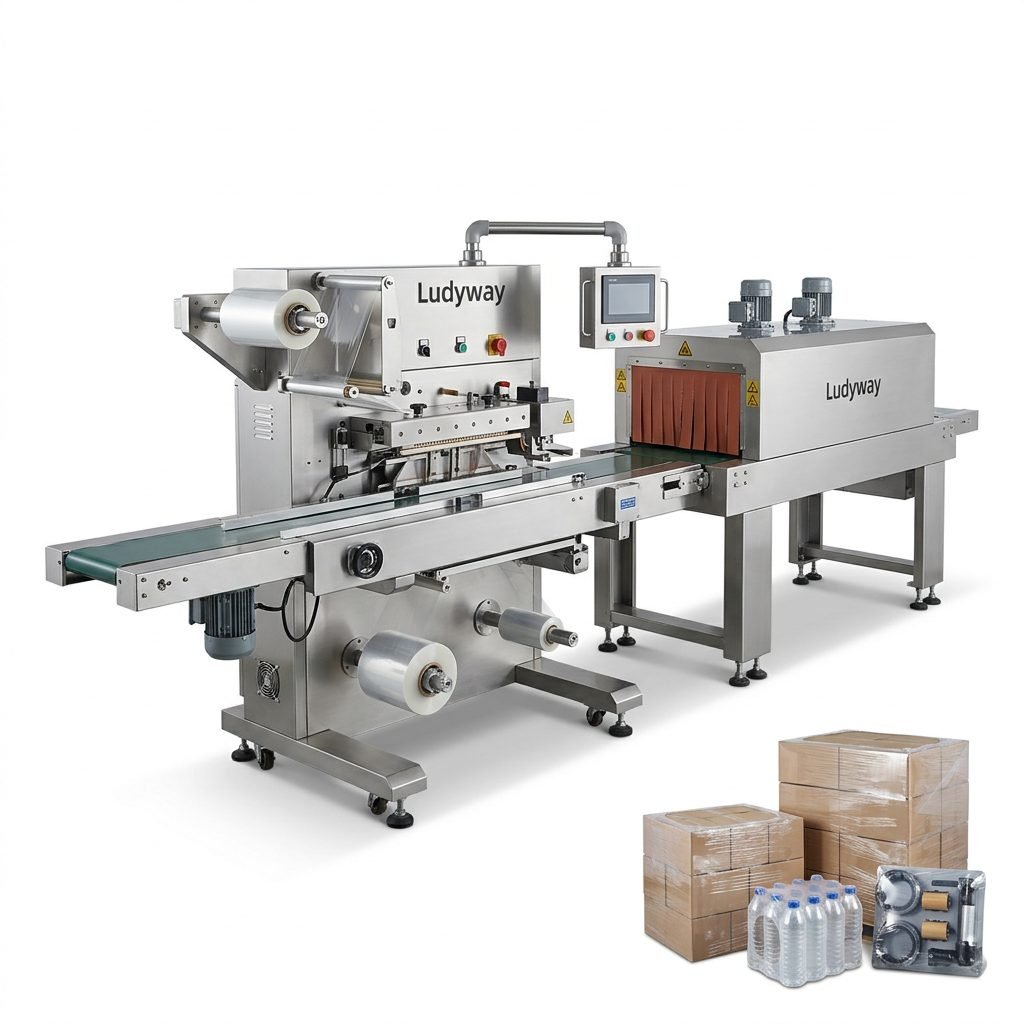
Efficient packaging is no longer just about putting a product into a bag, pouch, bottle, or sachet. It is about building a production process that improves speed, protects product quality, reduces waste, supports compliance, and keeps output consistent as demand grows. The right packaging equipment solution helps manufacturers move from manual bottlenecks to a more reliable, scalable, and cost-effective operation.
Whether you produce food, pharmaceuticals, health supplements, cosmetics, chemicals, or pet products, choosing the right system starts with understanding your product characteristics, package format, production target, and long-term automation goals. A well-matched machine delivers more than throughput—it supports uptime, repeatability, hygiene, and easier line management.
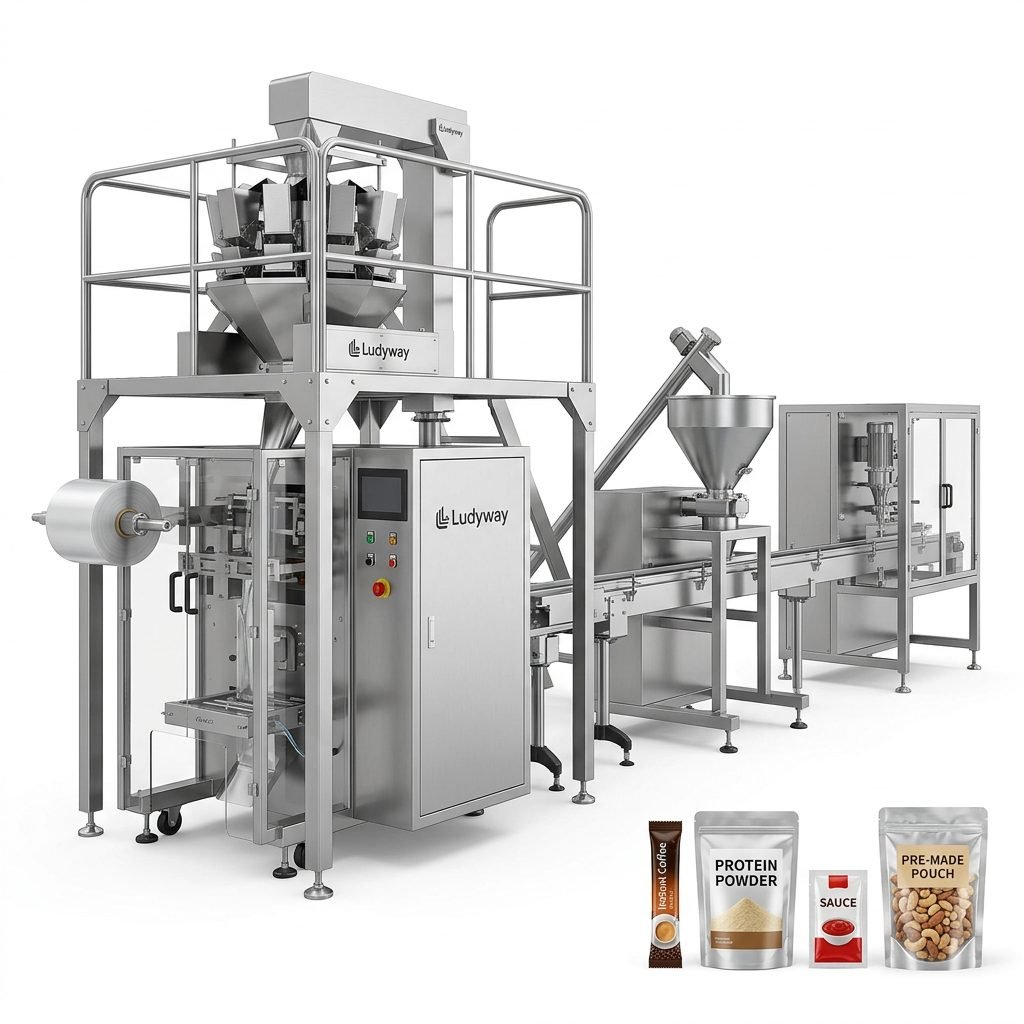
Why Packaging Equipment Selection Matters
Many packaging problems begin with a mismatch between the product and the machine. For example, a powder with poor flow characteristics may require a different feeding and dosing method than free-flowing granules. A liquid with high viscosity needs a filling system different from a low-viscosity beverage. Small sachets designed for retail sampling demand very different packaging technology from large-volume industrial bagging.
The right equipment choice helps businesses:
- Increase line efficiency by reducing downtime and cycle delays
- Maintain fill accuracy for better product consistency and lower giveaway
- Improve sealing quality to protect shelf life and prevent leakage
- Support compliance in food, pharma, and hygiene-sensitive sectors
- Lower labor dependence through automation and integrated conveying
- Scale production without rebuilding the entire packaging workflow
Core Types of Packaging Equipment Solutions
Packaging equipment can range from standalone filling units to fully integrated turnkey lines. The most suitable option depends on the complexity of your product and the output level you need.
| Equipment Type | Best For | Key Advantage |
|---|---|---|
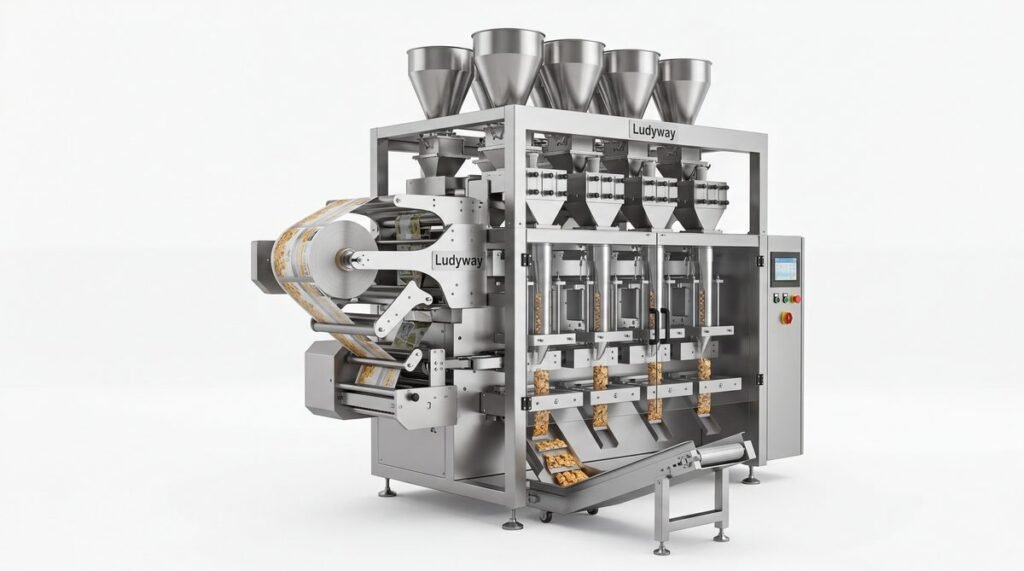
| Vertical form fill seal machines | Powders, granules, snacks, dry products | Compact footprint and versatile bag formats |
| Sachet packing machines | Single-dose powders, liquids, gels, creams | Precise small-dose packaging |
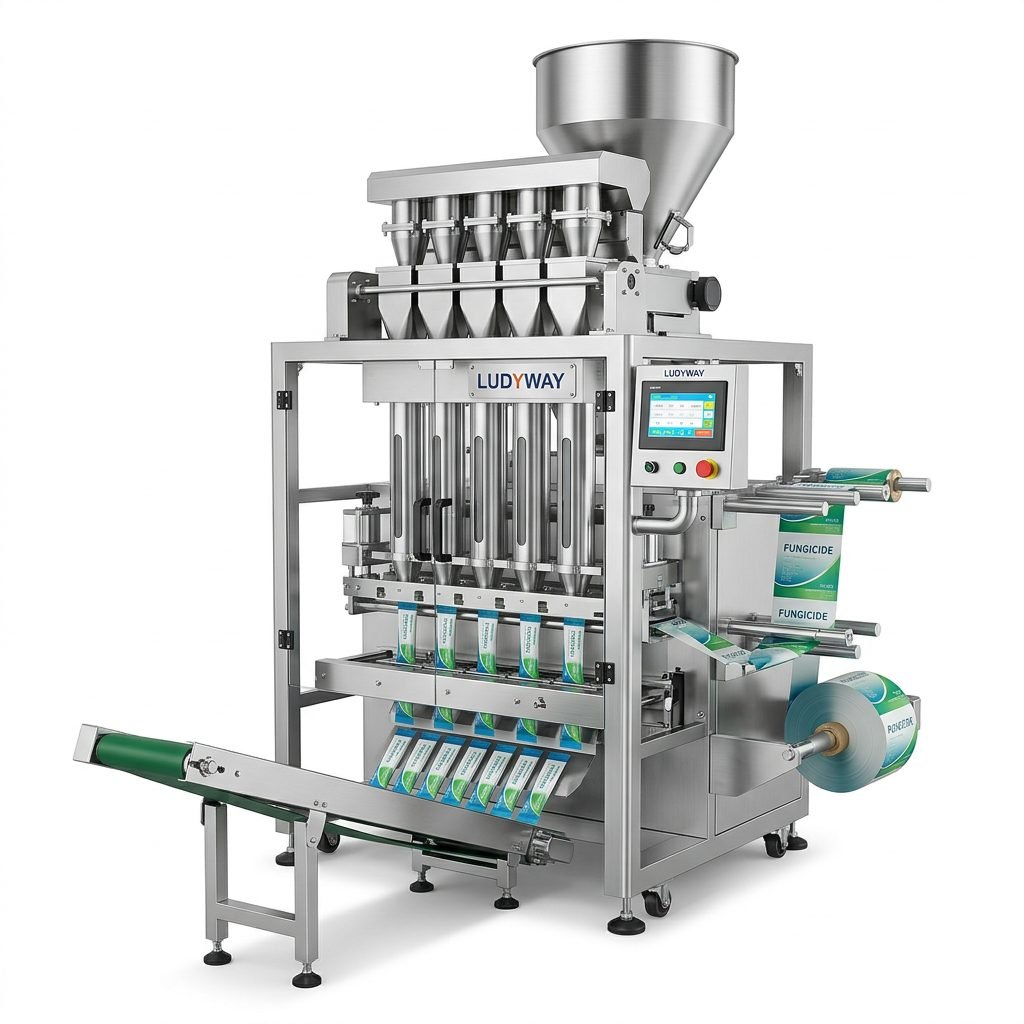
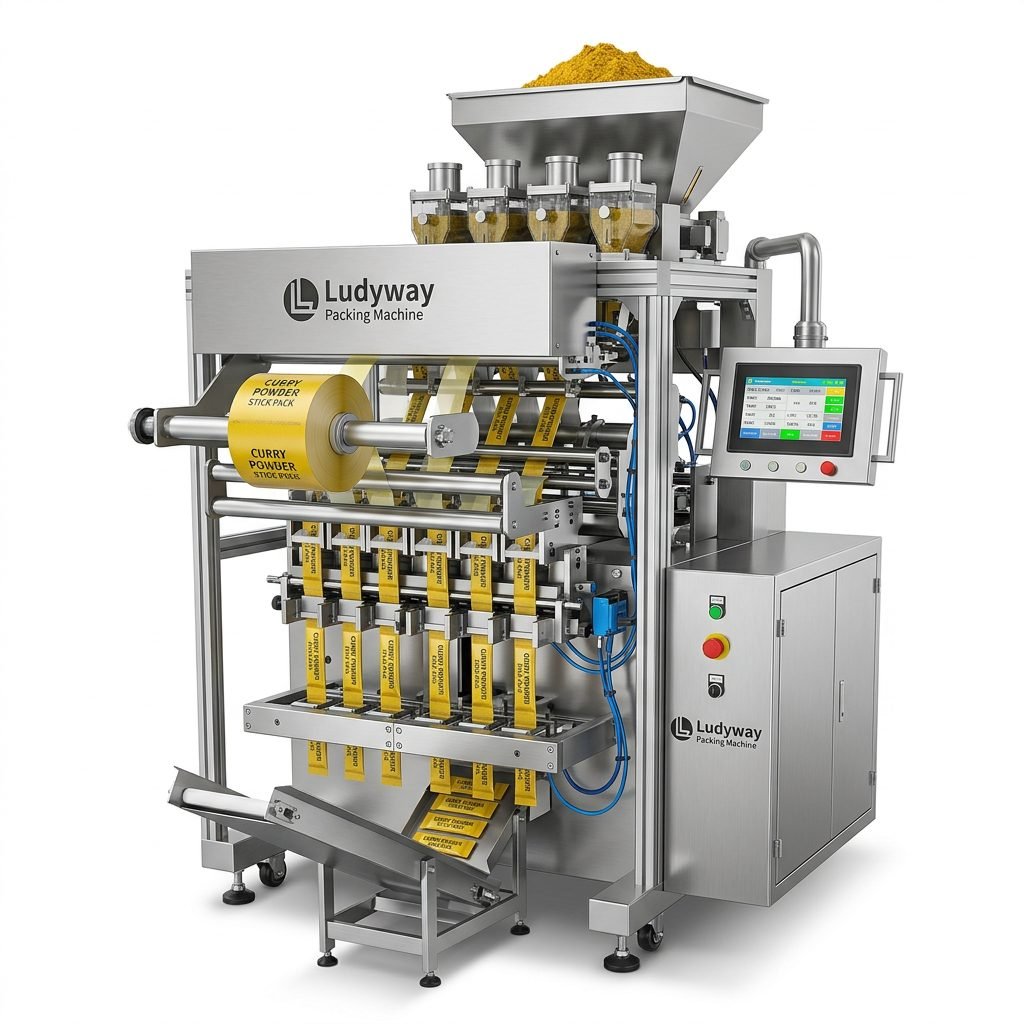
| Stick pack machines | Drink powders, supplements, sugar, coffee | High-speed multi-lane production |
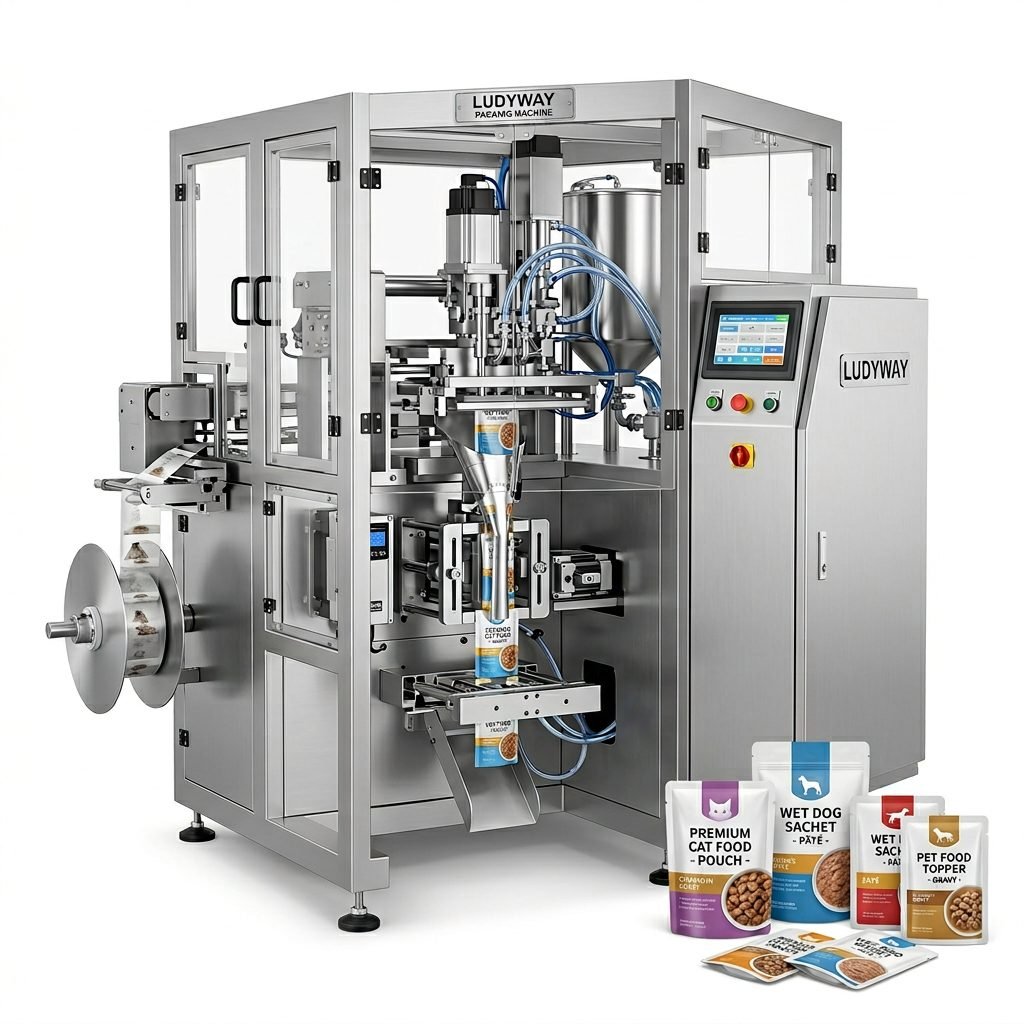
| Premade pouch filling systems | Premium retail packs, liquids, pet food | Attractive pack presentation |
| Bottle filling and capping lines | Pharma liquids, syrups, cosmetics | Clean and stable container handling |
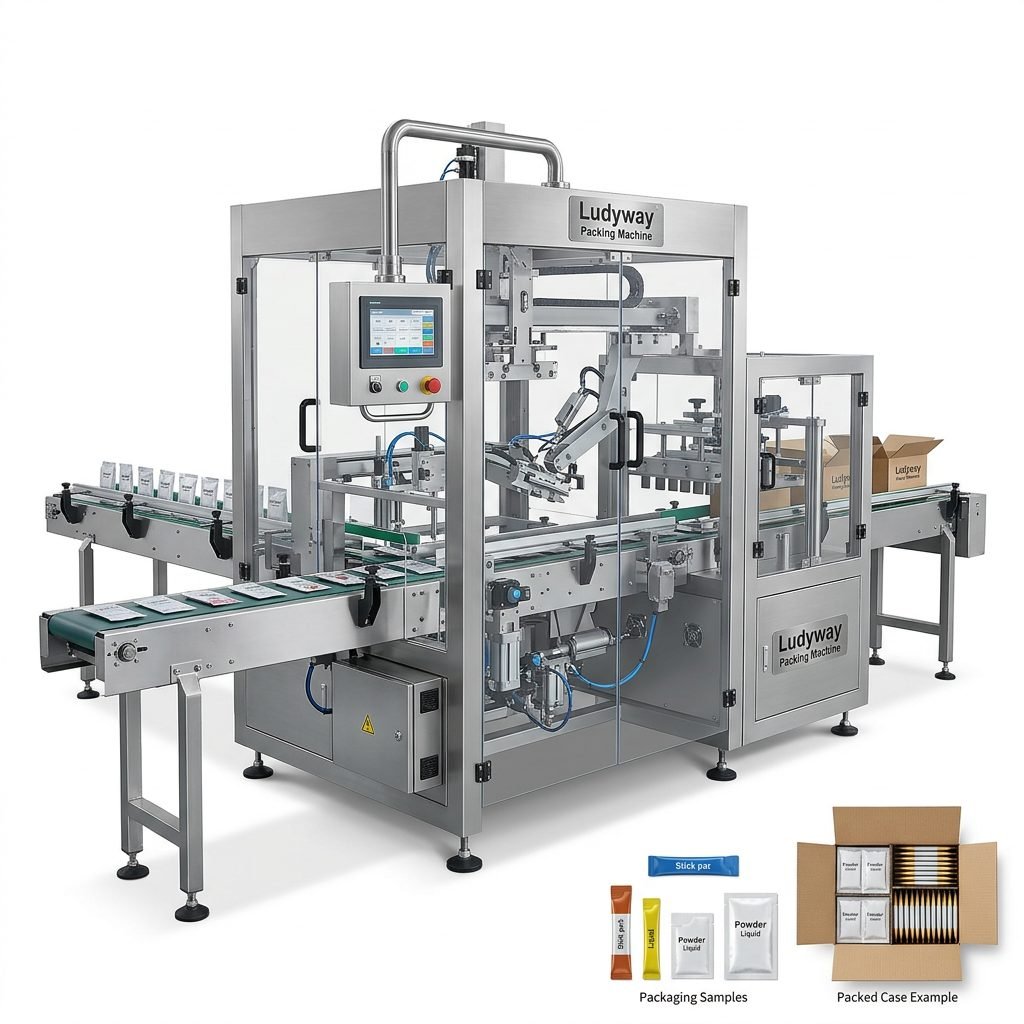
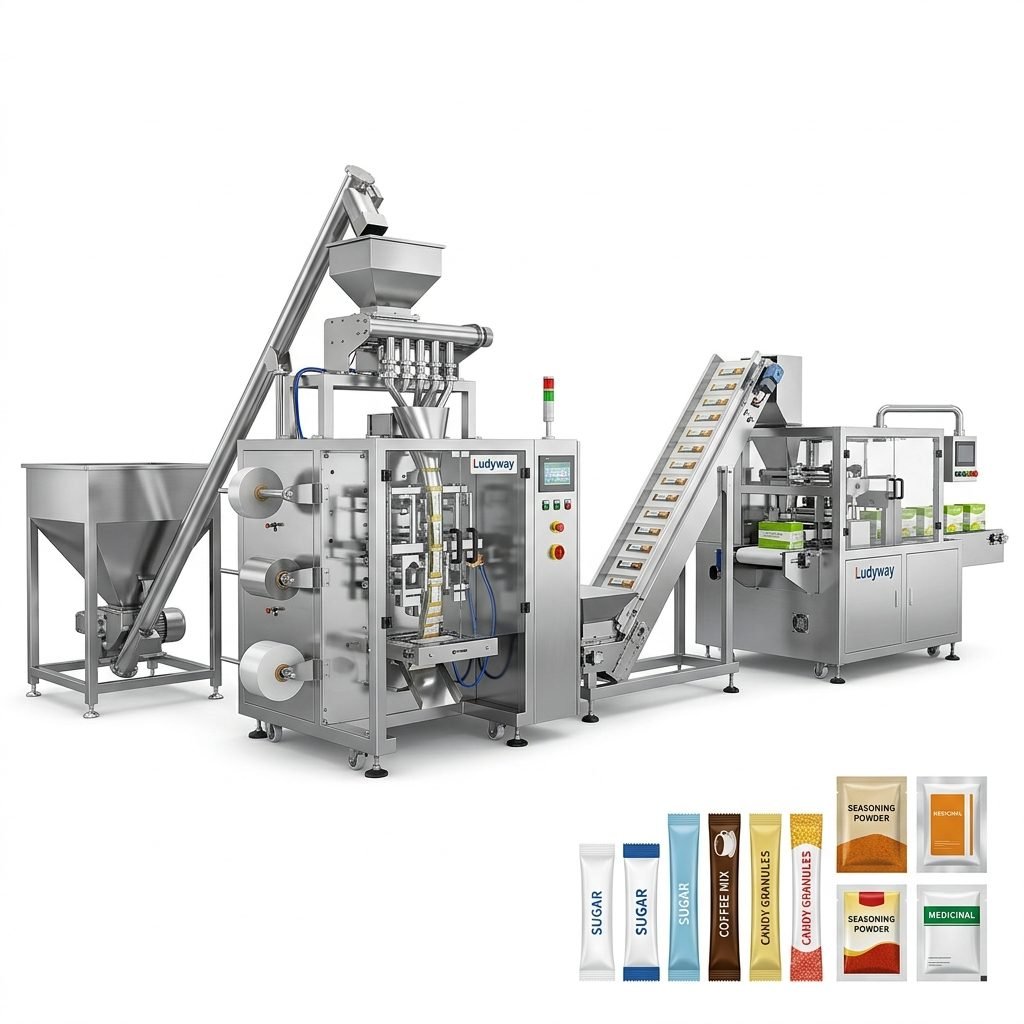
| Turnkey packaging lines | Growing factories and multi-step automation | Integrated efficiency from feeding to final packing |
Match the Machine to the Product
Powders
Powders vary widely in density, flowability, dust generation, and moisture sensitivity. Fine pharmaceutical powders and nutrition blends often need accurate auger filling, dust control, and stable sealing performance. Food powders such as coffee, milk powder, spices, or protein blends may also require nitrogen flushing or multi-lane speed optimization.
Granules
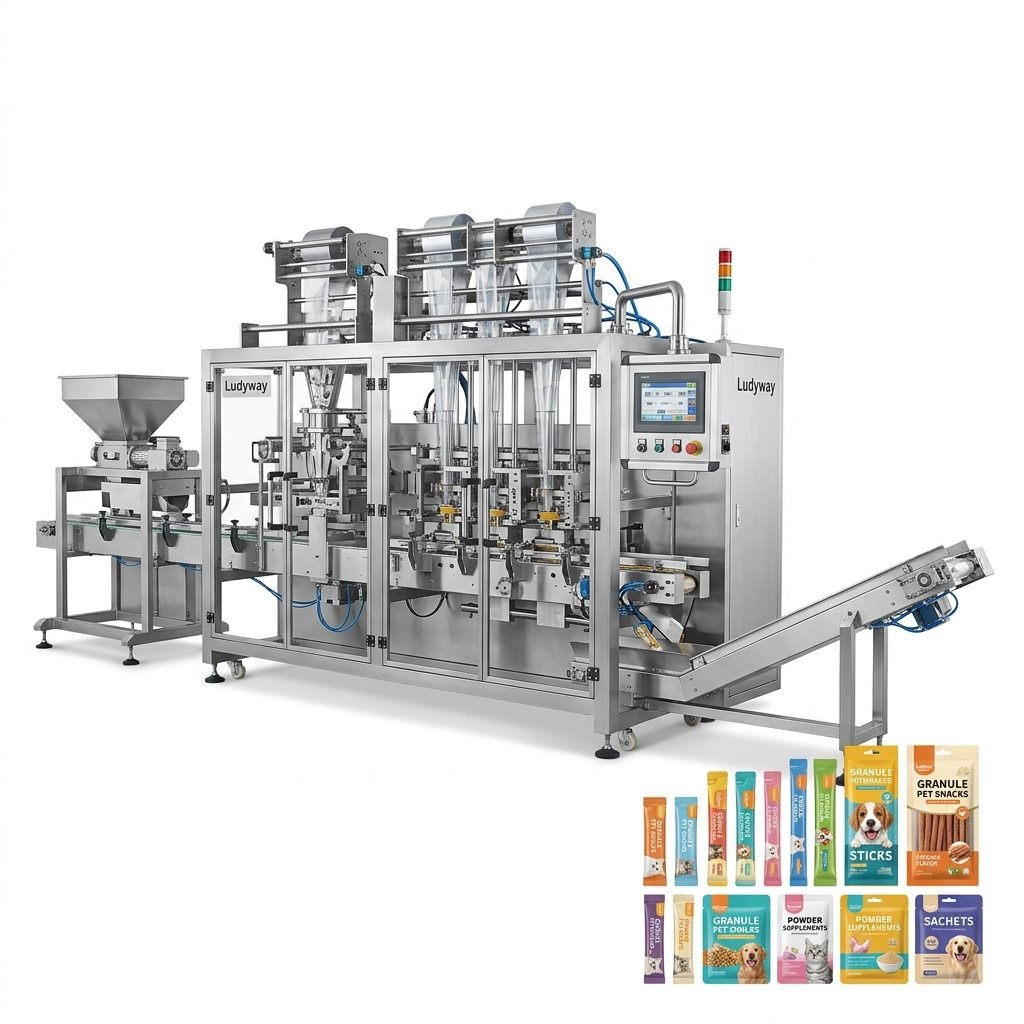
Granular products such as sugar, seeds, seasoning, pet food, and pellets are often suitable for cup fillers, weighers, or linear weighing systems. The right setup depends on particle size, fragility, and target speed. If the product is irregular or fragile, gentle handling becomes especially important.
Liquids and Pastes
Liquid packaging systems must handle viscosity, foaming behavior, filling temperature, and sanitation needs. Thin liquids may use pump filling systems, while thicker creams, sauces, and gels may require piston or servo-controlled filling. Seal integrity is critical to avoid leakage during storage and transport.
Pouch-Based or Specialty Products
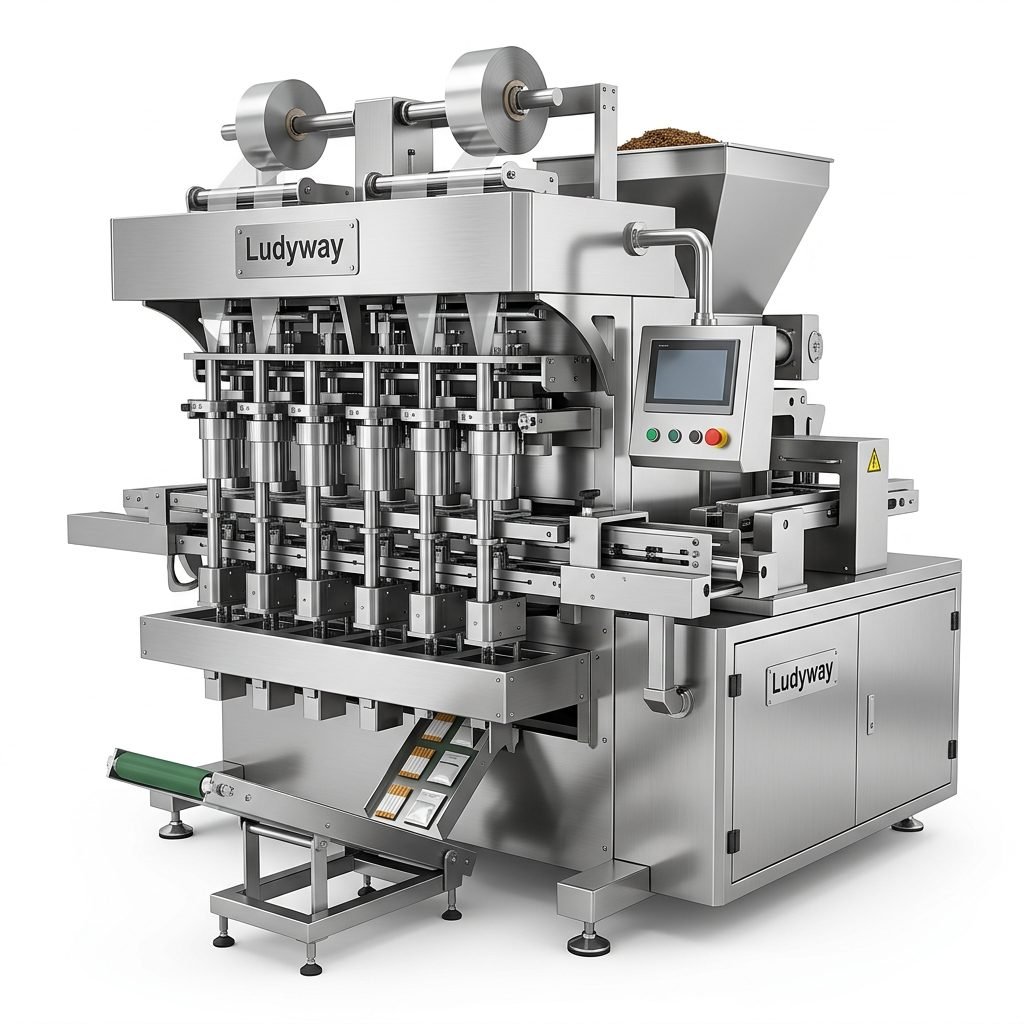
Some applications, such as nicotine pouches, medical sachets, or cosmetic single-use products, require highly specialized structures. In these cases, it is important to choose a supplier capable of customizing lane configuration, dosing system, material compatibility, and downstream handling.
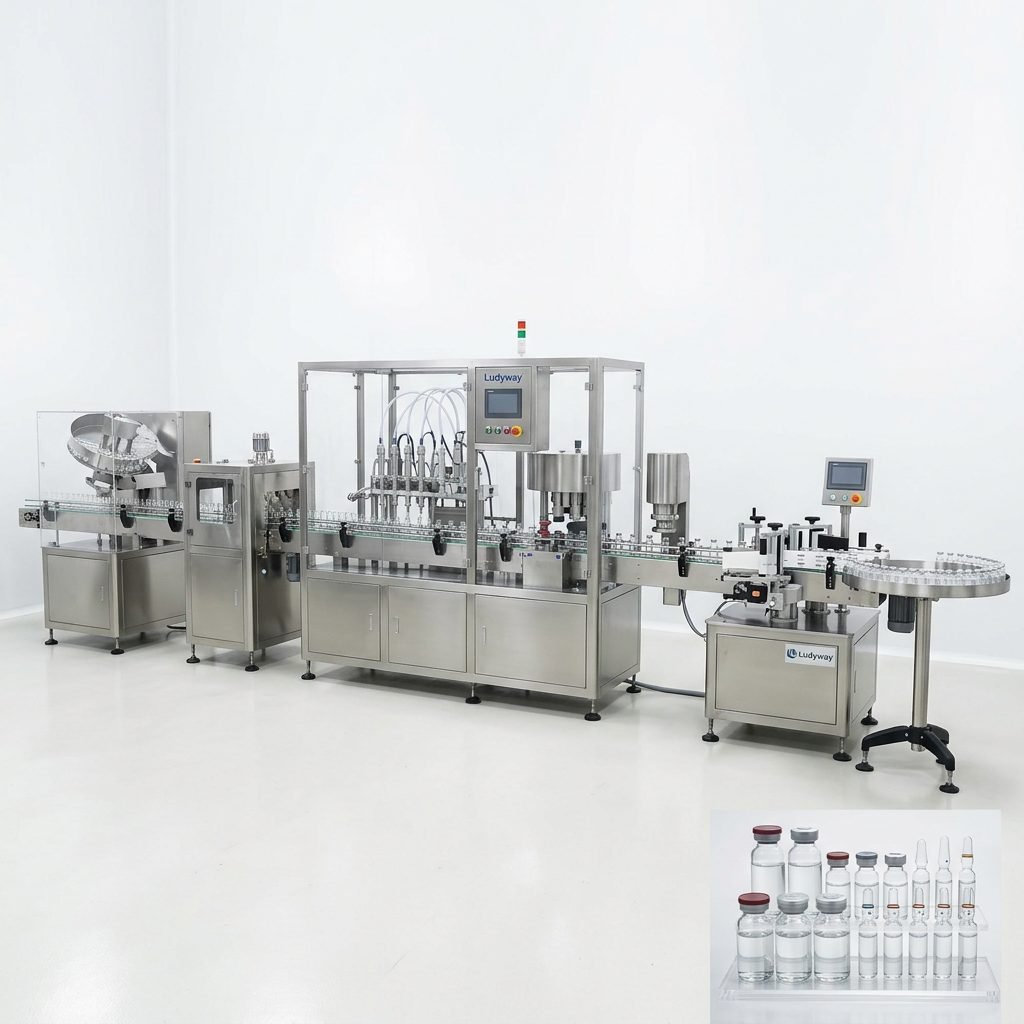
Key Factors to Consider Before Buying
1. Packaging Format
Start with the final pack style you want to deliver to the market. Sachets, stick packs, pouches, bottles, and cartons all require different machine platforms. Also think about whether the format may change in the future. A modular system offers more flexibility if your product range expands.
2. Production Speed
A machine should fit your actual output target, not just the highest advertised speed. Overbuying can lead to unnecessary cost and complexity. Underbuying can create bottlenecks and expensive upgrades later. Compare your current demand with realistic growth over the next three to five years.
3. Accuracy and Repeatability
If you package high-value ingredients or regulated products, fill accuracy becomes a major cost and compliance factor. Consistent dosing improves product quality while reducing waste, rework, and customer complaints.
4. Material Compatibility
Packaging film, pouch material, laminate structure, and seal layer all affect machine selection. A good packaging system should work reliably with your chosen packaging material while maintaining stable sealing strength and visual quality.
5. Cleaning and Maintenance
Hygiene-sensitive industries need machines designed for quick cleaning and minimal contamination risk. Easy-access components, fewer dead corners, and practical changeover design can significantly reduce maintenance time and improve daily productivity.
6. Integration Capability
A standalone machine may solve one task, but complete efficiency often comes from integrating feeding, weighing, filling, sealing, coding, inspection, cartoning, and palletizing. For larger operations, line-level planning matters just as much as machine-level performance.
Standalone Machines vs. Turnkey Packaging Lines
Some manufacturers only need one machine to replace a manual process. Others need a coordinated line to connect multiple stages. The decision usually depends on output, labor costs, product variety, and how much process control is required.
| Option | When It Fits Best | Consideration |
|---|---|---|
| Standalone equipment | Small to mid-size operations, focused packaging tasks | May need manual transfer between steps |
| Semi-automated line | Factories transitioning from manual to automated production | Balanced investment with moderate labor support |
| Fully turnkey line | High-volume production and long-term automation strategy | Higher initial planning requirement, stronger long-term return |
Industries That Benefit Most from Advanced Packaging Systems
- Food – powders, snacks, grains, sauces, coffee, seasonings, dairy products
- Pharmaceutical – granules, oral liquids, powders, medical sachets, sterile products
- Health supplements – collagen, probiotics, protein powders, vitamins, hydration mixes
- Cosmetics and personal care – serum, lotion, cream, shampoo, cleanser, wipes
- Chemicals – detergents, cleaning agents, additives, industrial powders and liquids
- Animal nutrition and pet products – feed premix, pet food, supplements, treats
Signs Your Current Packaging Setup Needs an Upgrade
- Frequent downtime or inconsistent output
- Excessive product giveaway due to poor filling accuracy
- Seal failures, leakage, or damaged packs
- High labor intensity for repetitive packing tasks
- Difficulty meeting hygiene or regulatory requirements
- Slow format changeovers
- Limited scalability as order volume grows
If several of these issues are already affecting production, upgrading to a more suitable packaging system can quickly improve efficiency and operating confidence.
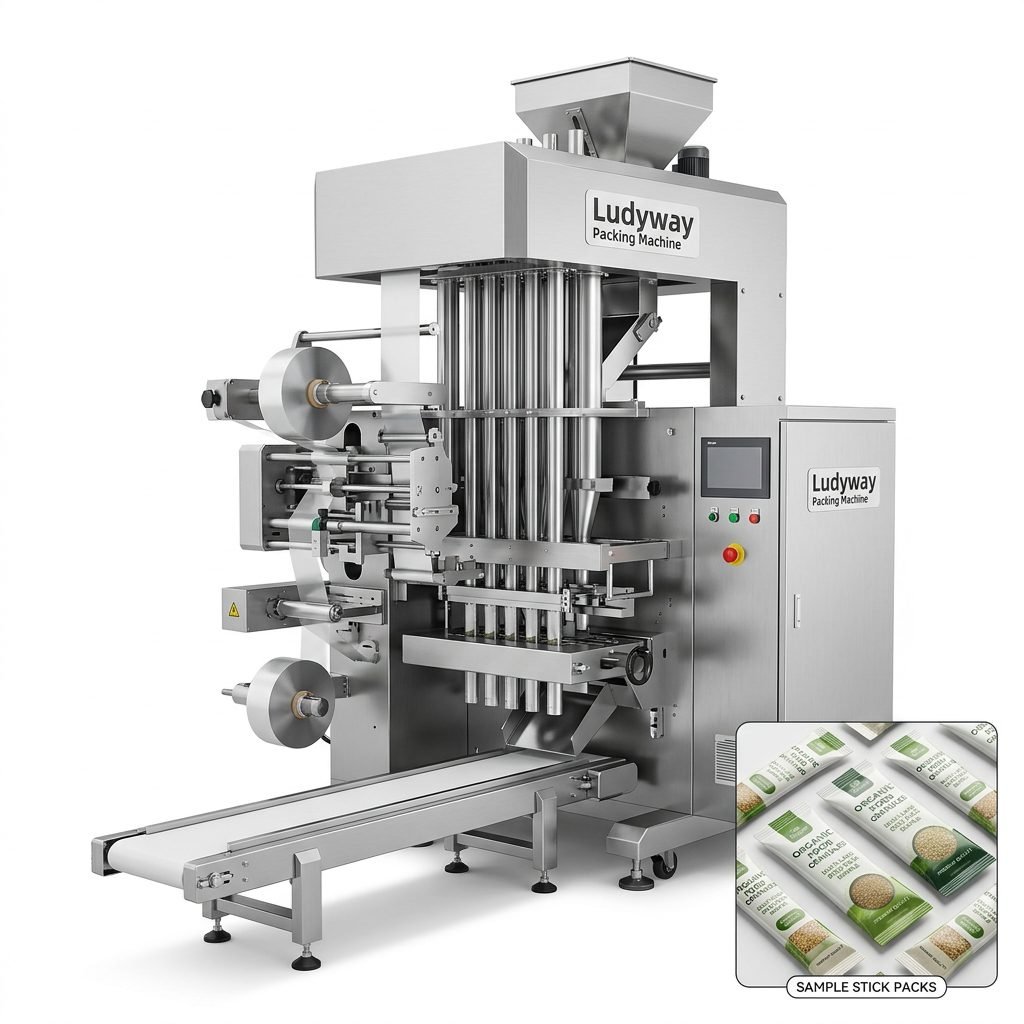
How to Evaluate a Packaging Equipment Supplier
Equipment capability matters, but supplier capability matters just as much. A reliable manufacturer should understand product application, line integration, and long-term service requirements. Buyers should look beyond price and examine engineering strength, export experience, customization ability, and support responsiveness.
Important supplier criteria include:
- Experience in your target industry and packaging format
- Ability to provide both standard models and custom solutions
- Factory scale and manufacturing consistency
- Clear quality inspection procedures
- Technical documentation, testing, and commissioning support
- After-sales service and spare parts availability
For businesses seeking scalable automation, packaging equipment solutions from Ludyway can be relevant when evaluating suppliers with broad experience in food, pharmaceutical, health supplement, cosmetic, chemical, and turnkey packaging line applications. Founded in 1993, the company operates a manufacturing facility of over 20,000 square meters and has developed a wide portfolio of packaging machines and integrated line systems for global markets.
Questions to Ask Before Finalizing Your Equipment Choice
- What packaging format will best support my market positioning?
- What is my required output per minute, hour, and shift?
- How difficult is my product to feed, dose, or seal?
- Do I need future expansion for more SKUs or larger volumes?
- Will this machine integrate smoothly with coding, inspection, and cartoning?
- How easy is it to clean, maintain, and change over?
- What technical support will be available after installation?
Final Selection Strategy for Efficient, Reliable Packaging
The best packaging equipment solution is not simply the fastest or most advanced machine on the market. It is the one that fits your product, packaging style, operational goals, and growth plan with the fewest compromises. Smart buyers focus on product compatibility, reliability, integration, and long-term performance rather than upfront cost alone.
When equipment is chosen strategically, packaging becomes a competitive advantage. It helps protect product quality, improve consistency, control operating costs, and support sustainable production growth. For manufacturers planning new projects or upgrading existing lines, a well-designed packaging system can deliver measurable gains across the entire production process.