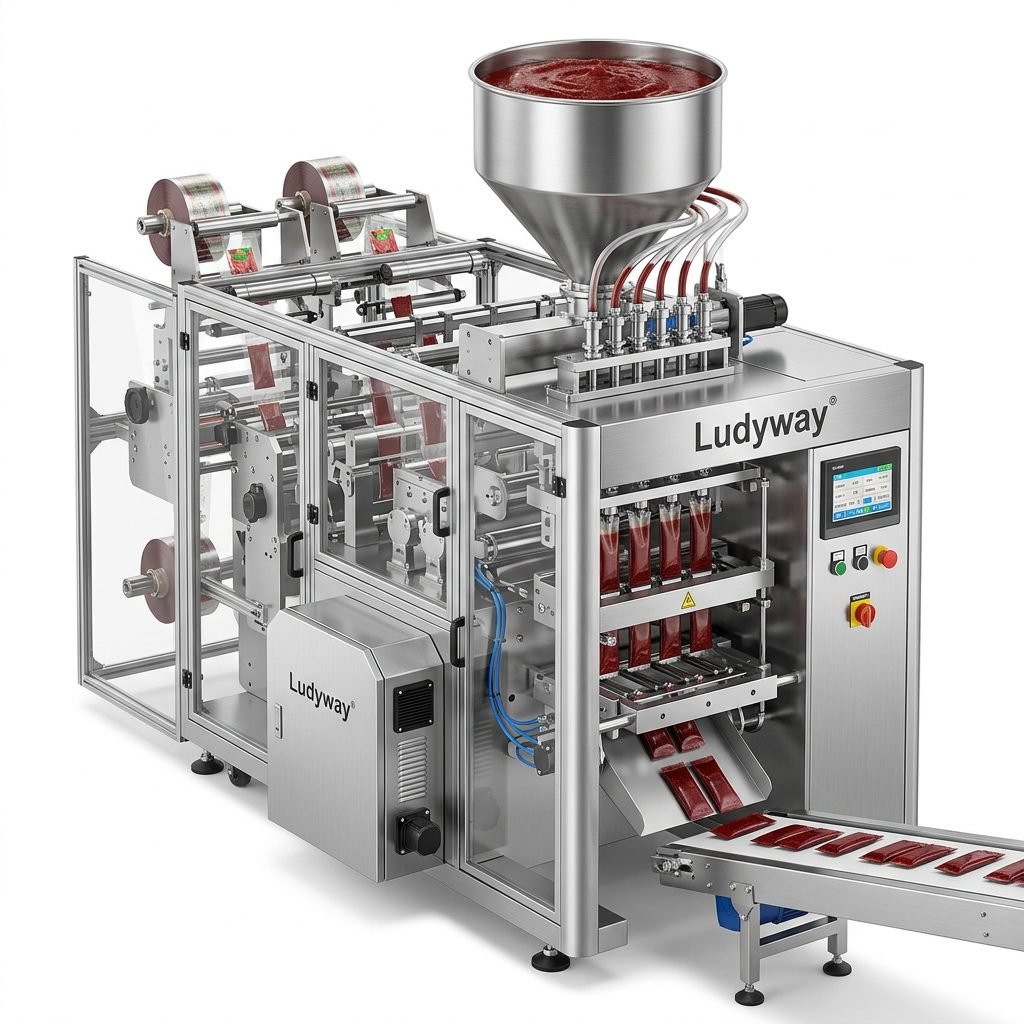
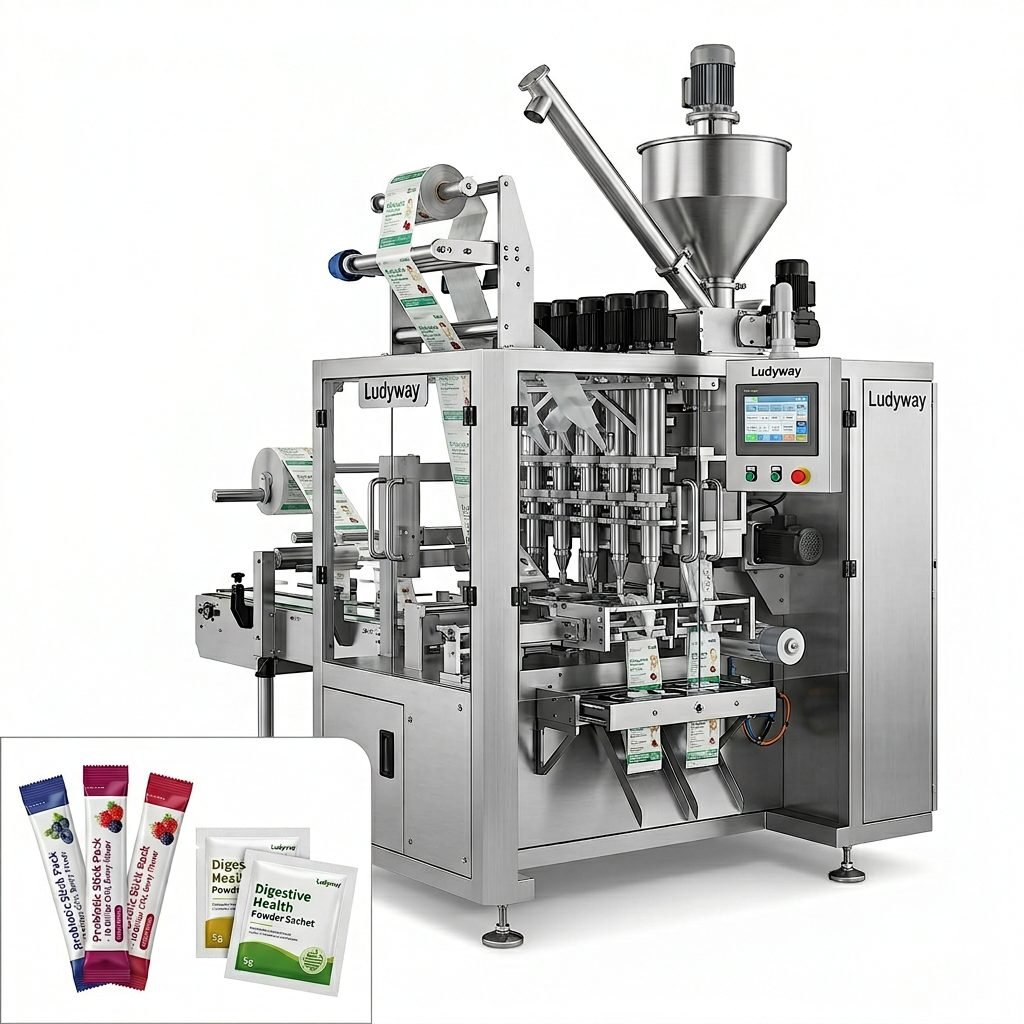
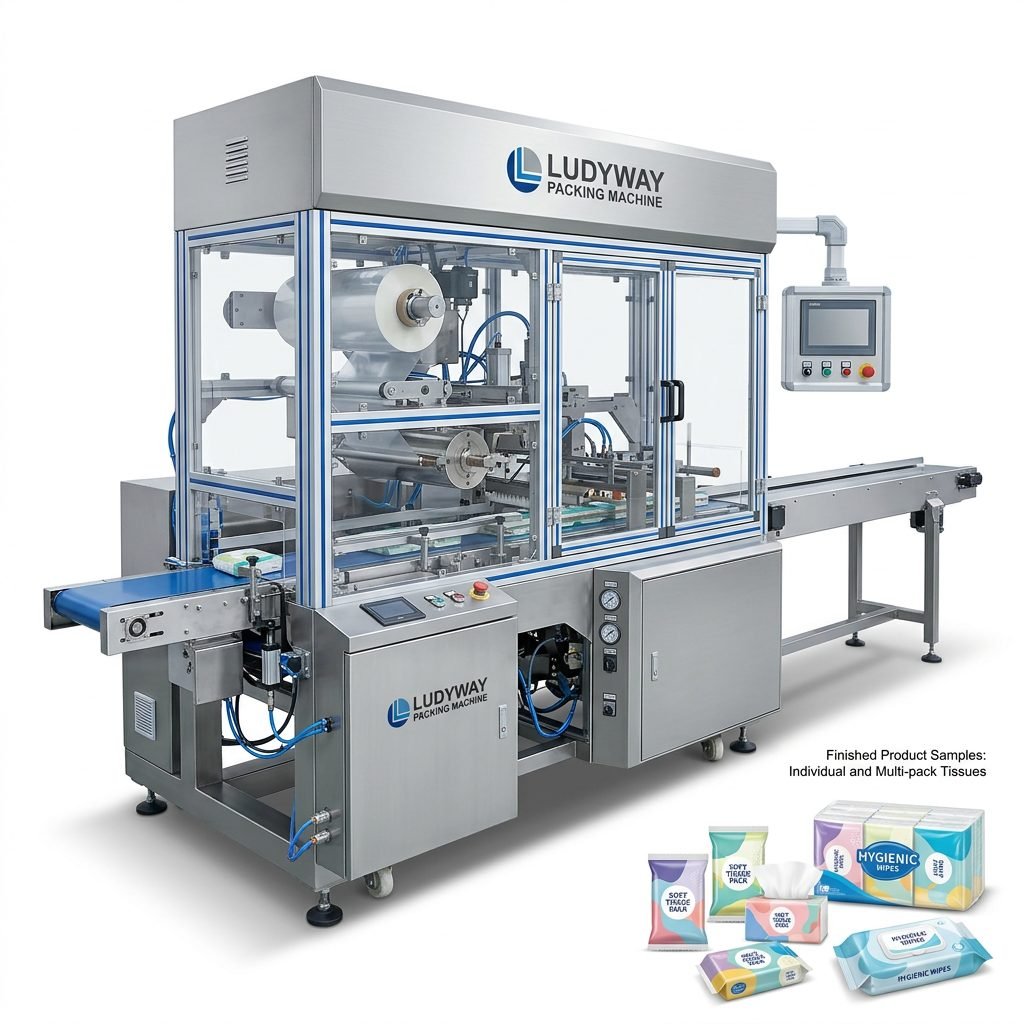
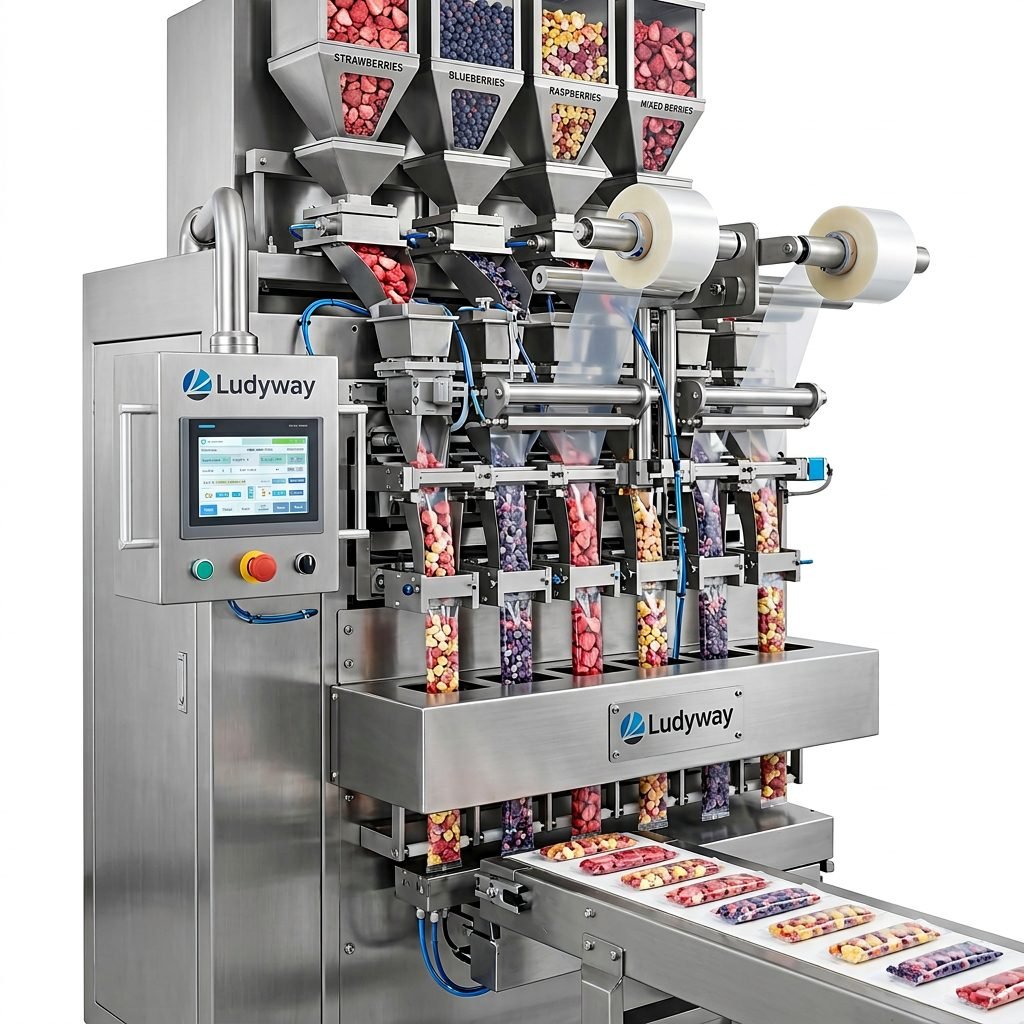
Flow wrap packing machines are widely used in modern packaging because they deliver fast, consistent, and attractive wrapping for a broad range of products. From bakery items and confectionery to medical supplies, hardware, and daily-use goods, these machines help manufacturers improve output while protecting products during transport, storage, and retail display.
For businesses planning to scale automation, understanding how a flow wrap system works is essential. The right machine can reduce labor dependency, improve sealing quality, lower material waste, and support a more professional product presentation.
What Is a Flow Wrap Packing Machine?
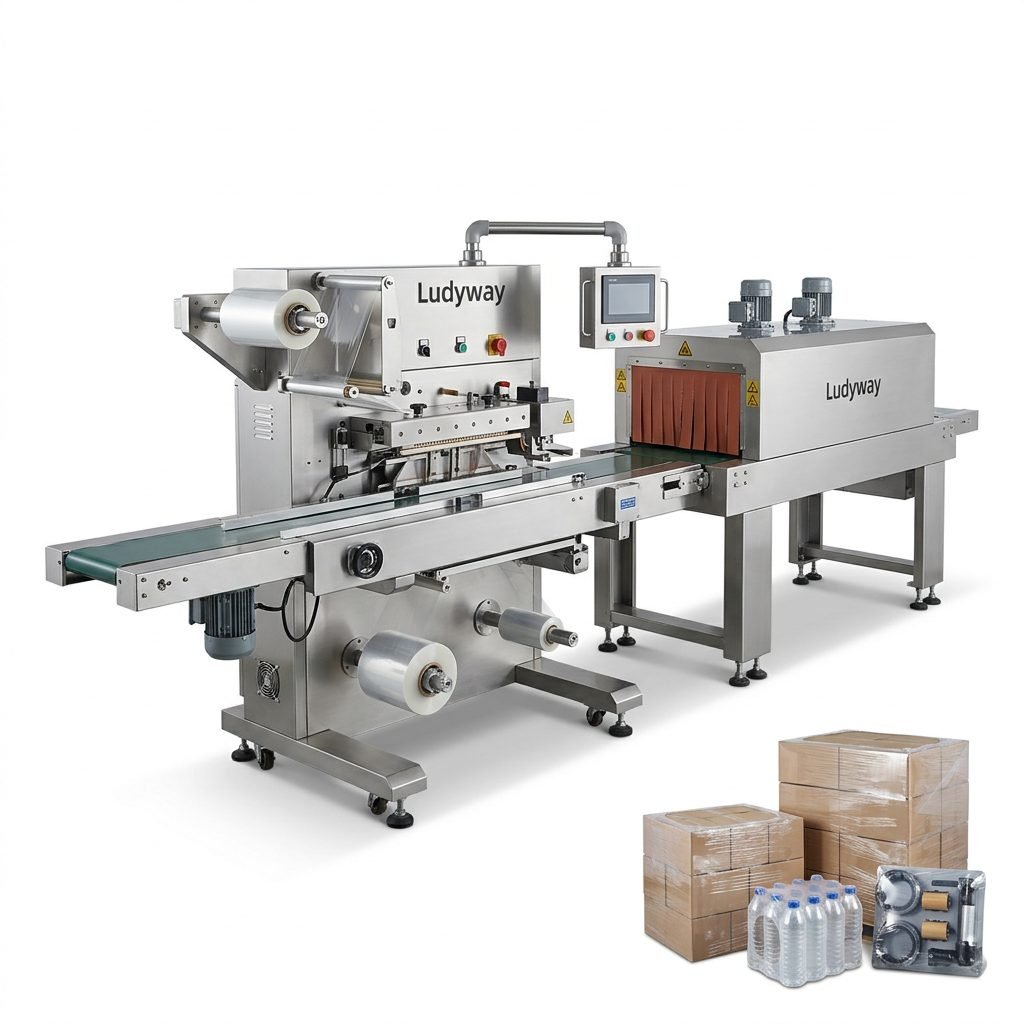
A flow wrap packing machine, also called a horizontal flow wrapper or HFFS machine, is a packaging system that wraps products in a continuous roll of film. The product moves horizontally through the machine, where the film is formed around it, sealed, and cut into individual packs.
This packaging style is commonly used for:
- Biscuits, bread, cakes, and snacks
- Chocolate bars and candy
- Soap, tissues, and wipes
- Medical and pharmaceutical items
- Stationery, hardware, and consumer goods
The result is a sealed pillow pack or fin-seal pack that offers both product protection and shelf appeal.
How Does a Flow Wrap Machine Work?
The working principle is straightforward, but high-quality flow wrappers rely on precise synchronization between feeding, film transport, sealing, and cutting.
- Product infeed: Items enter the machine manually or through an automatic feeding conveyor.
- Film forming: Packaging film is pulled from a roll and shaped around the product.
- Longitudinal sealing: The film is sealed along the length to create the back or bottom fin seal.
- End sealing: Rotary or crimp sealing jaws create the cross seals at both ends.
- Cutting: The sealed package is cut into individual units.
- Discharge: Finished packs move to collection, cartoning, or downstream handling.
Advanced systems can also integrate date coding, labeling, checkweighing, metal detection, and cartoning functions for a more complete packaging line.
Main Features of a Flow Wrap Packing Machine
While machine configurations vary by product and output target, most modern flow wrapping systems offer the following core features:
| Feature | Description | Benefit |
|---|---|---|
| Servo control | Independent motor control for feeding, film pulling, and sealing | Higher accuracy and easier adjustment |
| Touchscreen HMI | User-friendly interface for parameter setting | Simplifies operation and changeovers |
| Photoelectric tracking | Detects printed registration marks on film | Improves print alignment and pack appearance |
| Adjustable forming box | Supports different product sizes and film widths | Increases flexibility |
| Automatic fault alarm | Shows errors and diagnostic messages | Reduces downtime |
| No-product-no-pack function | Prevents empty bags or wasted film | Cuts material waste |
Key Benefits of Using a Flow Wrap Packaging Machine
1. Higher Packaging Speed
Flow wrapping is ideal for medium- to high-volume production. Compared with manual packing, it can dramatically improve throughput and consistency. This is especially important for manufacturers supplying retail, wholesale, or export markets.
2. Better Product Protection
Properly sealed packs help shield products from dust, moisture, tampering, and handling damage. For food and healthcare products, this can also support hygiene and compliance goals.
3. Improved Shelf Presentation
Flow-wrapped products often look cleaner and more professional. With printed film and neat seal lines, brands can create a strong visual impact on store shelves and in e-commerce fulfillment.
4. Reduced Labor Costs
Automation lowers dependence on manual wrapping, helping businesses stabilize output and reduce repetitive labor tasks.
5. Flexible Packaging Capability
Many flow wrappers can handle a variety of product lengths, widths, and packaging films. This makes them suitable for businesses with multiple SKUs or seasonal product changes.
6. Consistent Sealing Quality
Consistent seal temperature, pressure, and timing are critical. A reliable machine helps reduce pack defects such as weak seals, wrinkles, and misalignment.
Common Applications of Flow Wrap Machines
Flow wrapping is used in many industries because it adapts well to both solid products and grouped items.
Food Industry
- Cookies and biscuits
- Chocolate and candy bars
- Bread, cakes, and pastries
- Instant noodles and snack packs
- Frozen foods and portioned products
Pharmaceutical and Medical
- Medical devices
- Syringes and test kits
- Bandages and dressing materials
- Single-use sterile products
Personal Care and Household
- Soap bars
- Wet wipes and tissue packs
- Cosmetic kits and sample packs
- Cleaning product refills
Industrial and Consumer Goods
- Hardware parts
- Stationery
- Electronic accessories
- Small tools and components
Types of Flow Wrap Packing Machines
Choosing the right machine depends on product shape, speed requirement, pack style, and line integration level.
| Type | Best For | Notes |
|---|---|---|
| Standard horizontal flow wrapper | Regular solid products | Most common choice |
| High-speed flow wrapper | Large-scale production lines | Suitable for high output factories |
| Modified atmosphere flow wrapper | Fresh food and shelf-life sensitive items | Can add gas flushing |
| Automatic feeding flow wrapper | Products needing line synchronization | Reduces manual loading |
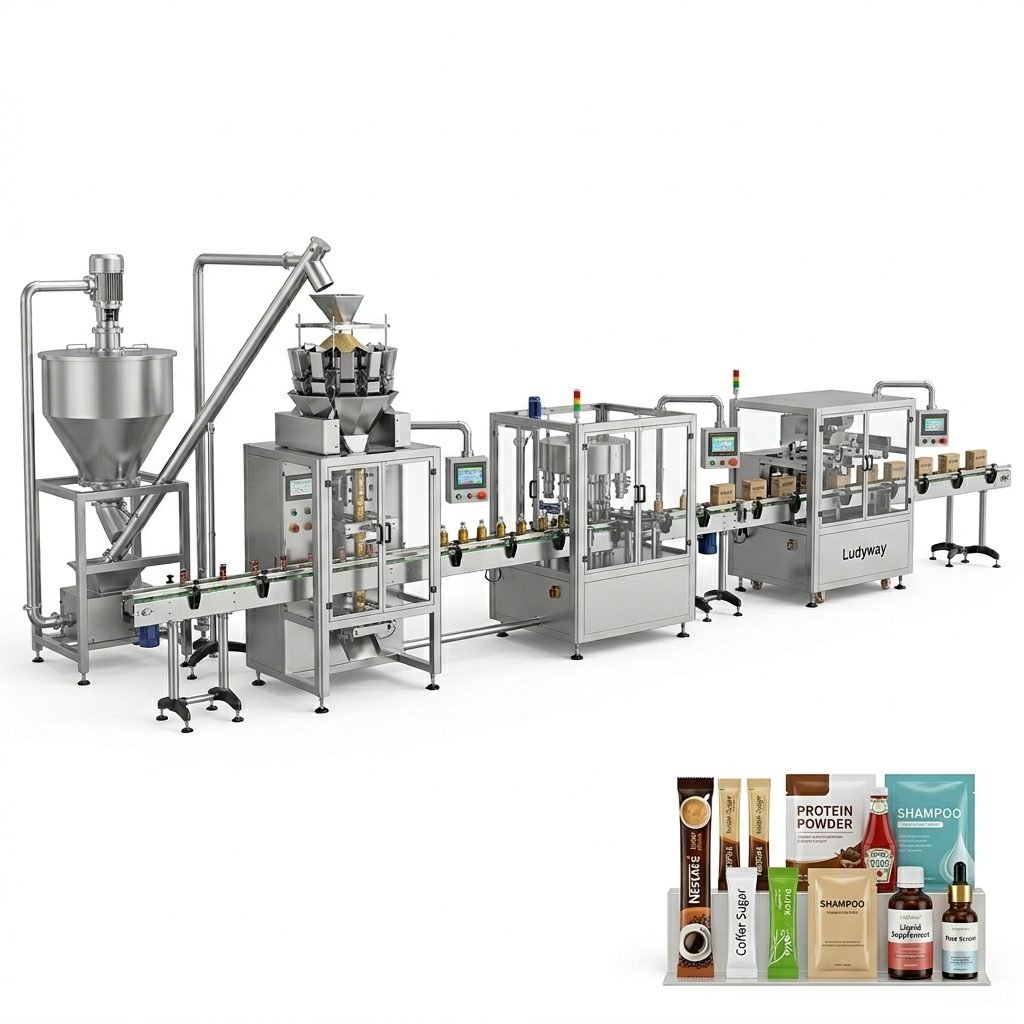
| Customized integrated line | Turnkey packaging projects | Includes conveyors, coding, cartoning, inspection |
How to Choose the Right Flow Wrap Packing Machine
Before buying, evaluate both current production needs and long-term expansion plans.
Product Characteristics
Consider size, shape, fragility, surface condition, and whether the product is single-packed or grouped. Fragile bakery goods, for example, may need gentle infeed handling.
Packaging Film Type
Different machines support different materials, such as laminated films, BOPP, PE, or recyclable packaging films. Make sure the machine matches your sustainability and sealing requirements.
Production Speed
Choose a speed range that fits your actual output target. Overspecifying can increase investment cost, while underspecifying can limit future growth.
Automation Level
Some manufacturers only need a standalone wrapper, while others require a complete automated line with feeders, printers, checkweighers, metal detectors, cartoners, and case packers.
Changeover Convenience
If you run multiple SKUs, fast changeover is critical. Servo-driven settings and recipe memory can help reduce adjustment time.
After-Sales Support
Reliable technical support, spare parts availability, and commissioning guidance are important for stable long-term operation.
Important Technical Factors to Review
- Pack size range and maximum film width
- Speed capacity in packs per minute
- Seal type and seal quality consistency
- Material compatibility with your packaging film
- Machine structure such as stainless steel for food or pharma environments
- Cleaning and maintenance access
- Integration capability with upstream and downstream equipment
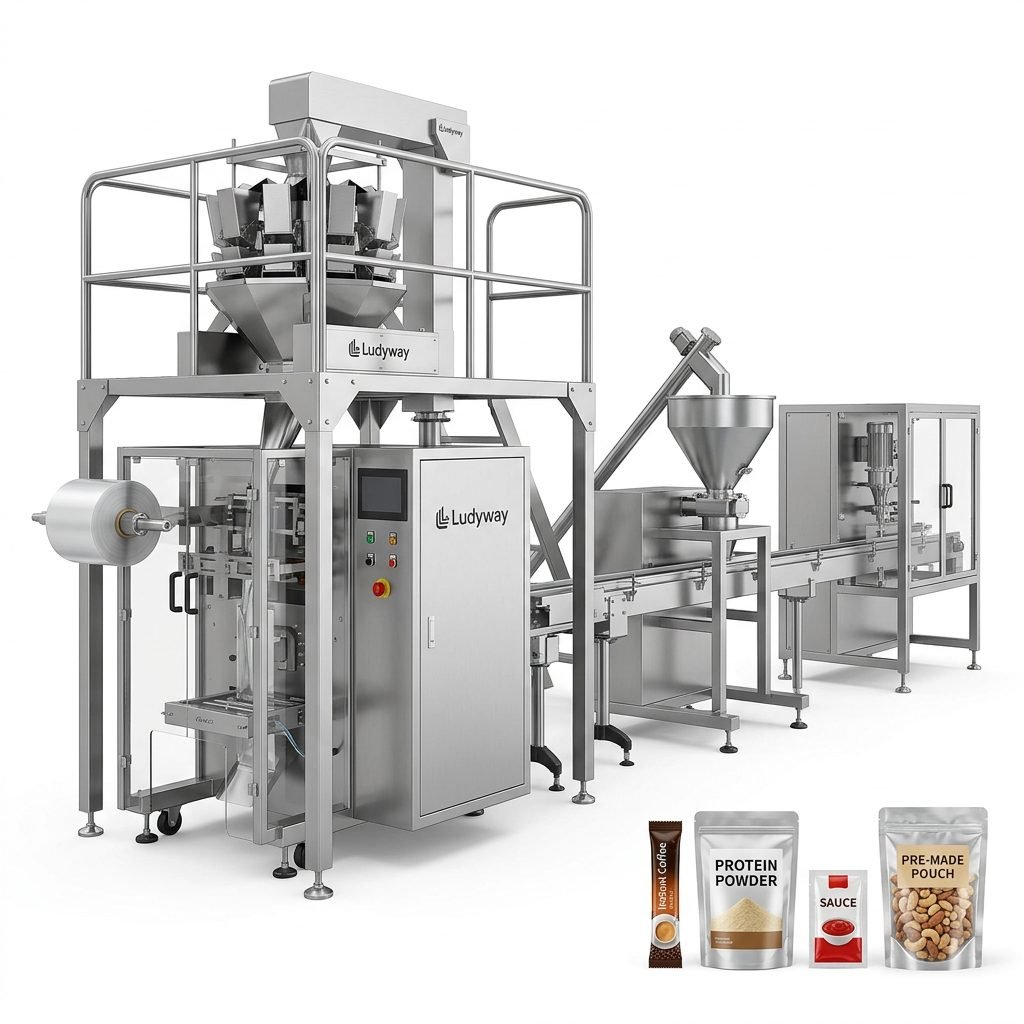
Advantages of Turnkey Flow Wrap Packaging Lines
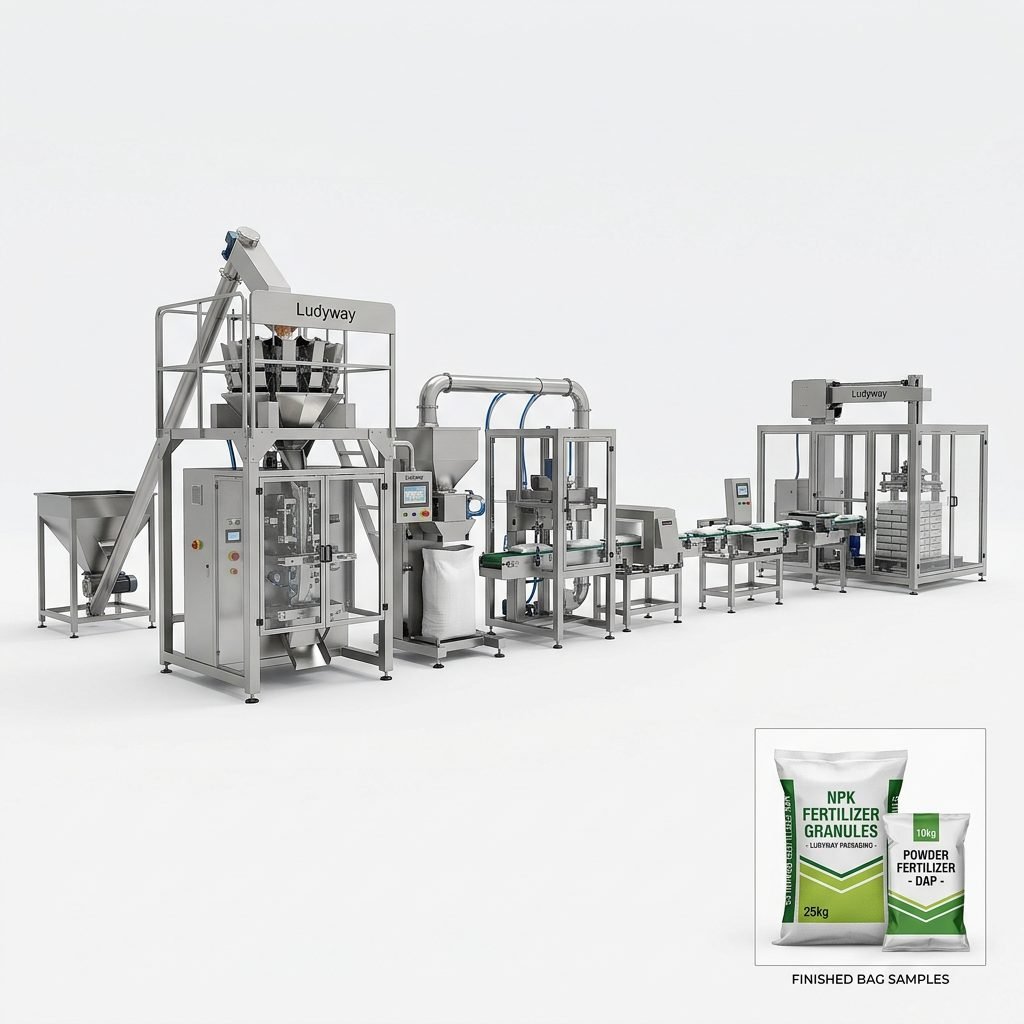
Many growing manufacturers now prefer integrated packaging lines instead of standalone machines. A turnkey system can combine:
- Automatic product feeding
- Flow wrapping
- Date coding and printing
- Weight checking and inspection
- Cartoning or case packing
- Palletizing and end-of-line automation
This approach improves line coordination, reduces manual intervention, and supports more predictable production management. Companies sourcing from experienced suppliers often benefit from easier project planning and better compatibility across all equipment modules.
Maintenance Tips for Long-Term Performance
Proper maintenance extends machine life and protects packaging quality.
- Clean sealing areas and film path regularly
- Inspect cutters and sealing jaws for wear
- Check belt tension, chain condition, and drive systems
- Calibrate sensors and registration tracking devices
- Lubricate moving parts according to the manual
- Keep spare parts for consumable wear items
- Train operators on startup, shutdown, and troubleshooting procedures
Who Should Invest in a Flow Wrap Machine?
A flow wrap packing machine is a smart investment for businesses that:
- Need faster packaging speed
- Want better pack appearance and stronger branding
- Require improved hygiene and product protection
- Plan to reduce labor costs
- Need scalable automation for future expansion
It is especially suitable for medium and large manufacturers, contract packers, and brands entering competitive retail channels where packaging consistency matters.
Choosing a Reliable Packaging Equipment Partner
When selecting a supplier, buyers should look beyond the machine itself. Engineering capability, customization experience, export background, and service responsiveness all matter. For businesses seeking integrated automation, working with an established manufacturer can reduce project risk.
As one of China’s leading packaging machine and turnkey packaging line manufacturers, flow wrap packaging solutions from Ludyway are often considered by buyers who need scalable systems for food, pharmaceutical, health supplement, and related industries.
Final Buying Checklist
| Checklist Item | Why It Matters |
|---|---|
| Product samples tested | Confirms wrapping quality and speed |
| Machine speed matched to output goals | Prevents undercapacity or overspending |
| Film compatibility verified | Ensures stable sealing and material efficiency |
| Layout and footprint reviewed | Avoids installation issues |
| Spare parts and service confirmed | Supports long-term uptime |
| Future automation expansion considered | Makes the investment more scalable |
A well-chosen flow wrap packing machine can transform packaging efficiency, product protection, and market presentation. For manufacturers focused on quality, speed, and automation, it remains one of the most practical packaging technologies available today.