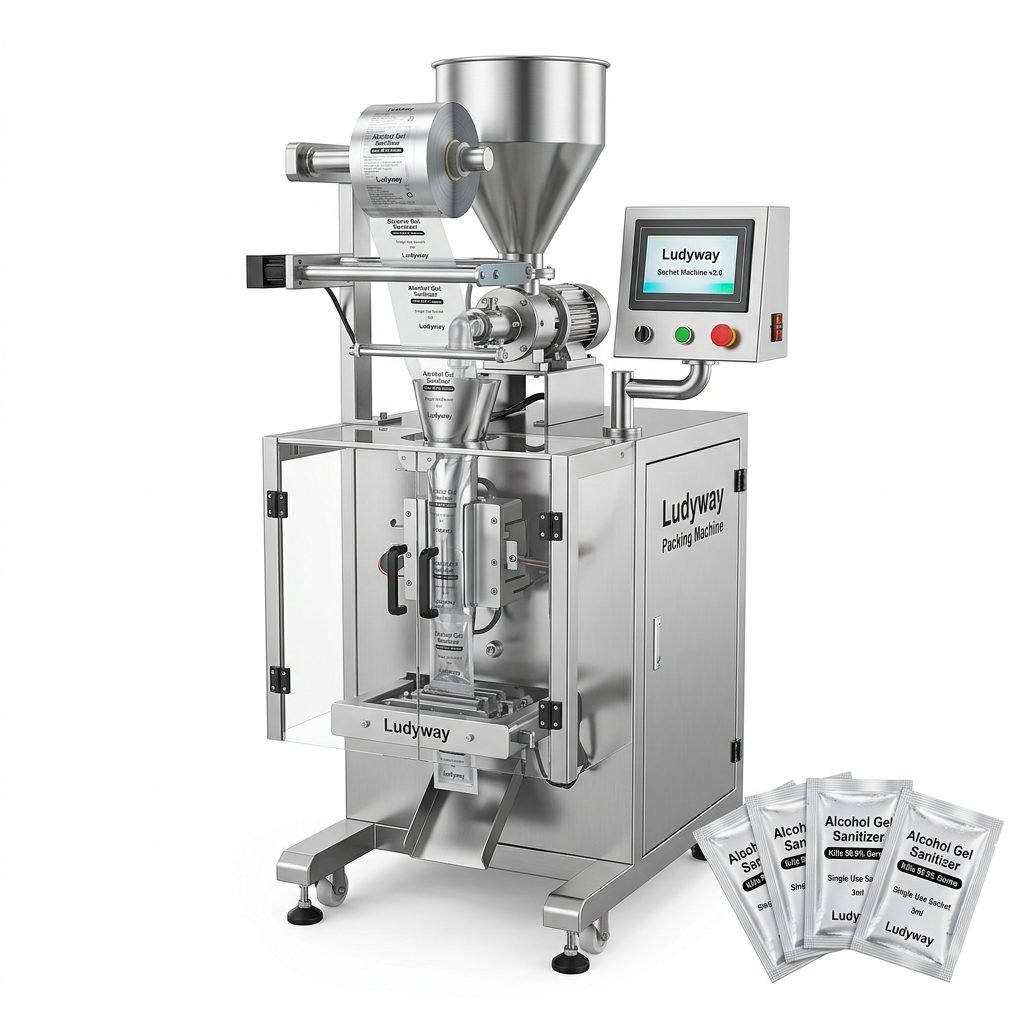
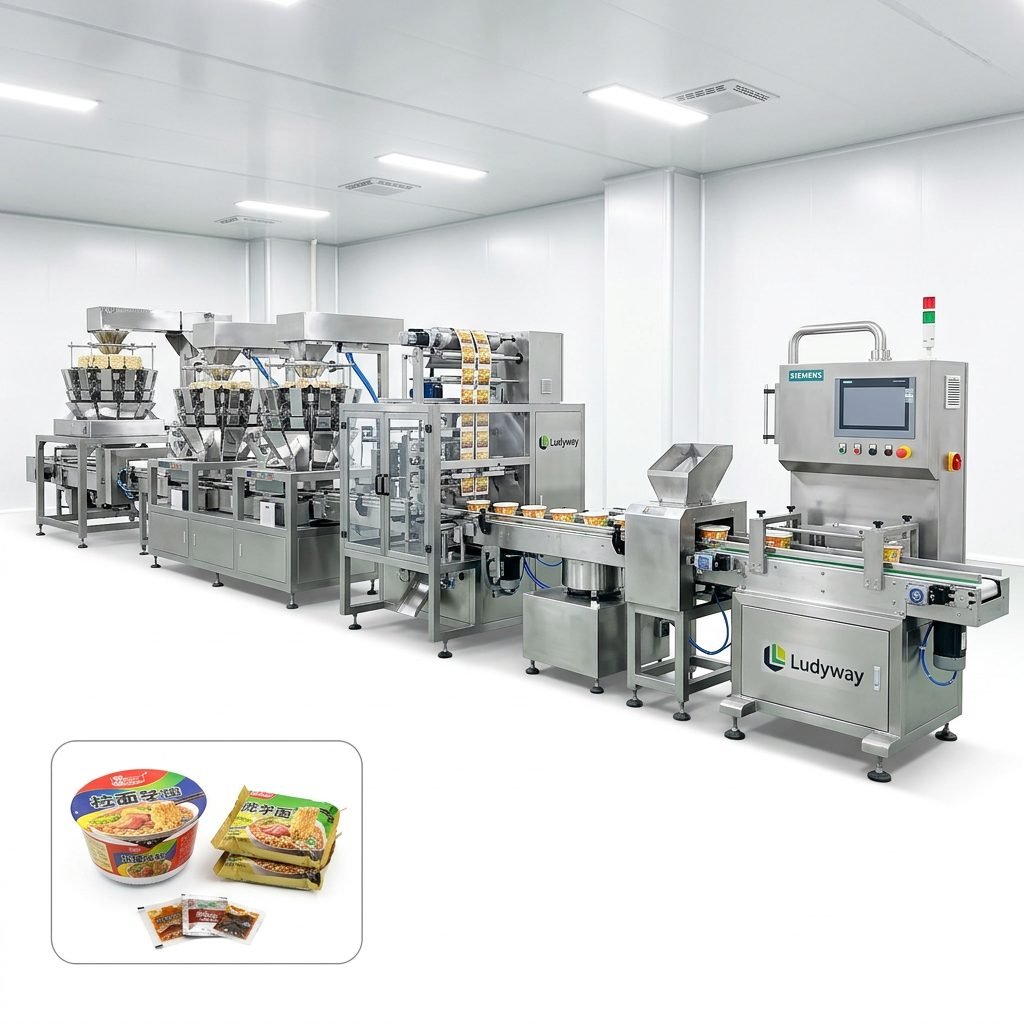
Packaging machines are essential for modern manufacturing because they improve speed, consistency, product safety, and presentation. Whether you package powders, granules, liquids, pastes, pouches, bottles, cartons, or bulk bags, the right machine can directly affect production efficiency and long-term operating cost.
This guide explains the main packaging machine types, their advantages, and the most practical factors to consider before making a buying decision.
What Is a Packaging Machine?
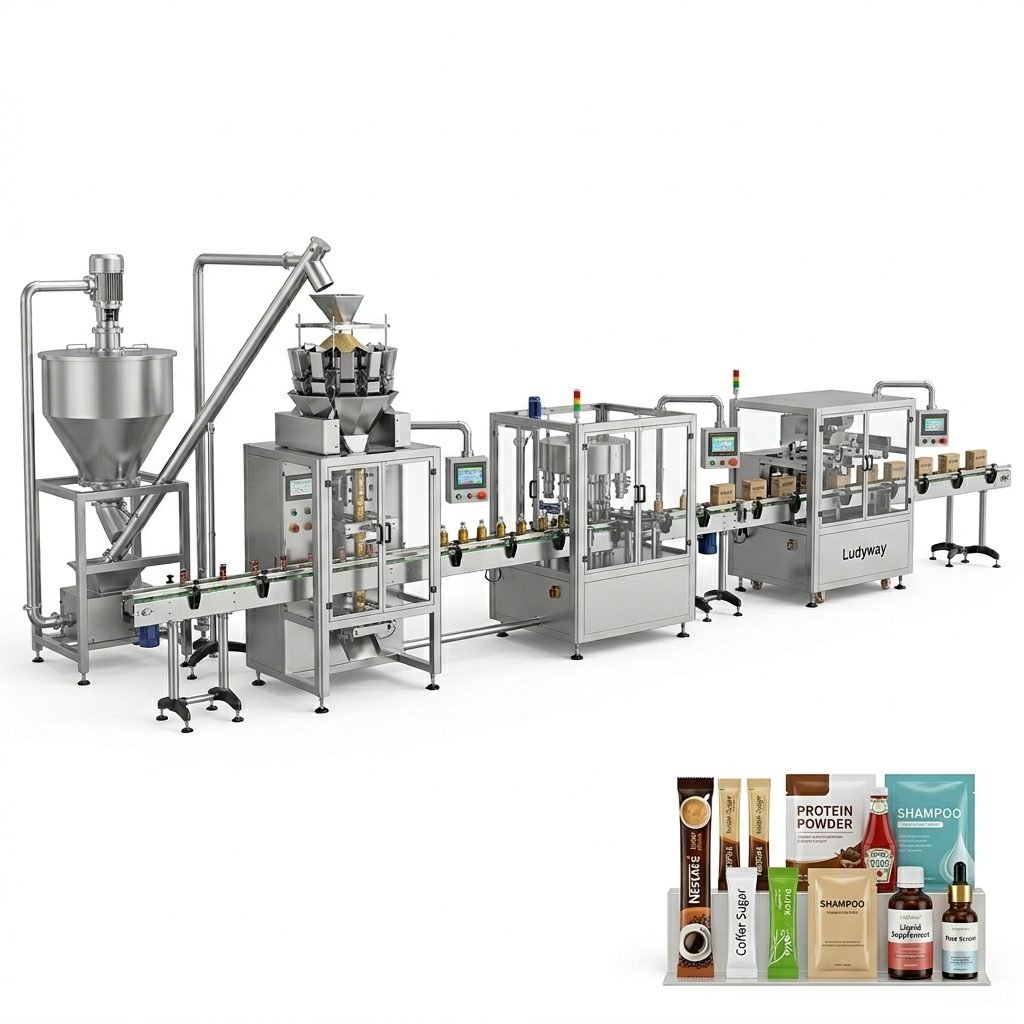
A packaging machine is equipment designed to automate one or more stages of packaging, such as feeding, weighing, filling, sealing, labeling, coding, cartoning, inspection, and palletizing. It can operate as a standalone unit or as part of a fully integrated packaging line.
These machines are widely used in industries such as:
- Food and beverage
- Pharmaceuticals
- Health supplements
- Cosmetics and personal care
- Chemicals
- Pet food and animal feed
- Industrial materials
Main Types of Packaging Machines
1. Form Fill Seal Machines
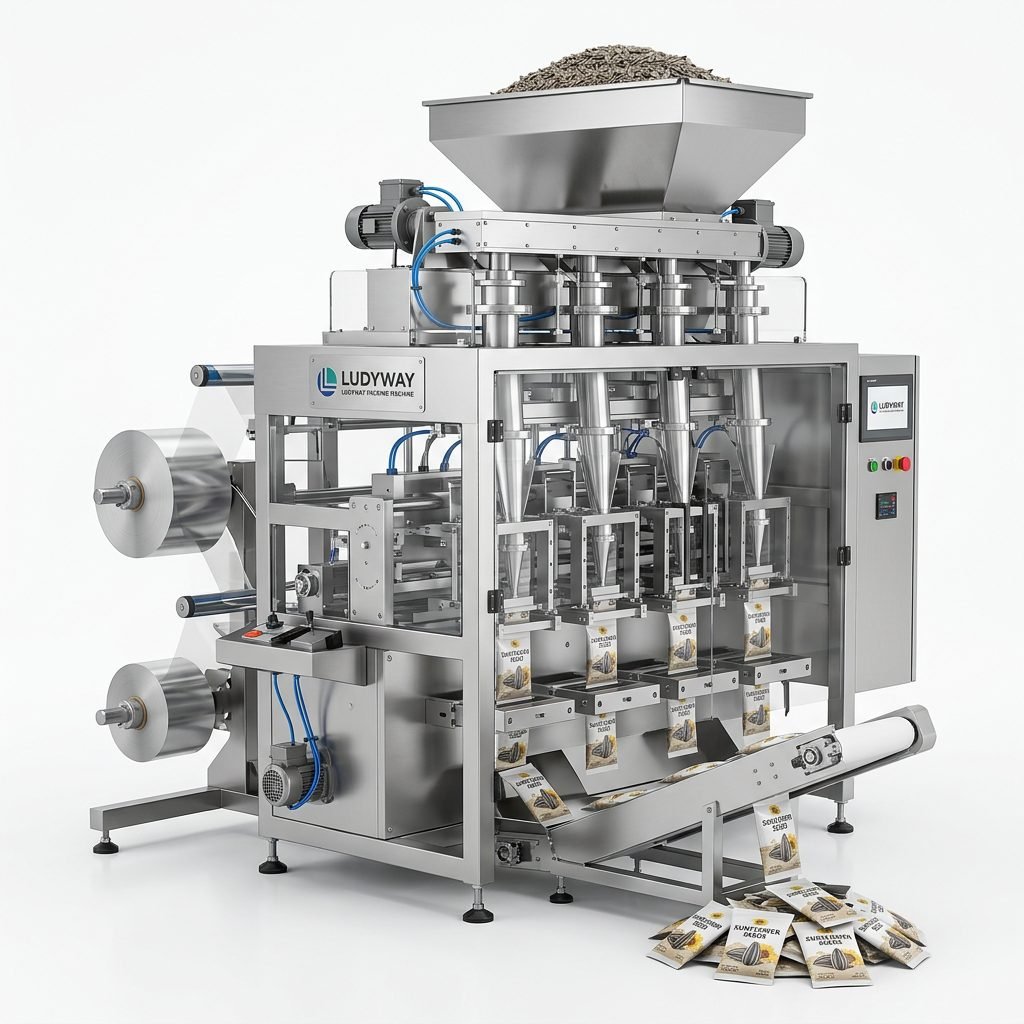
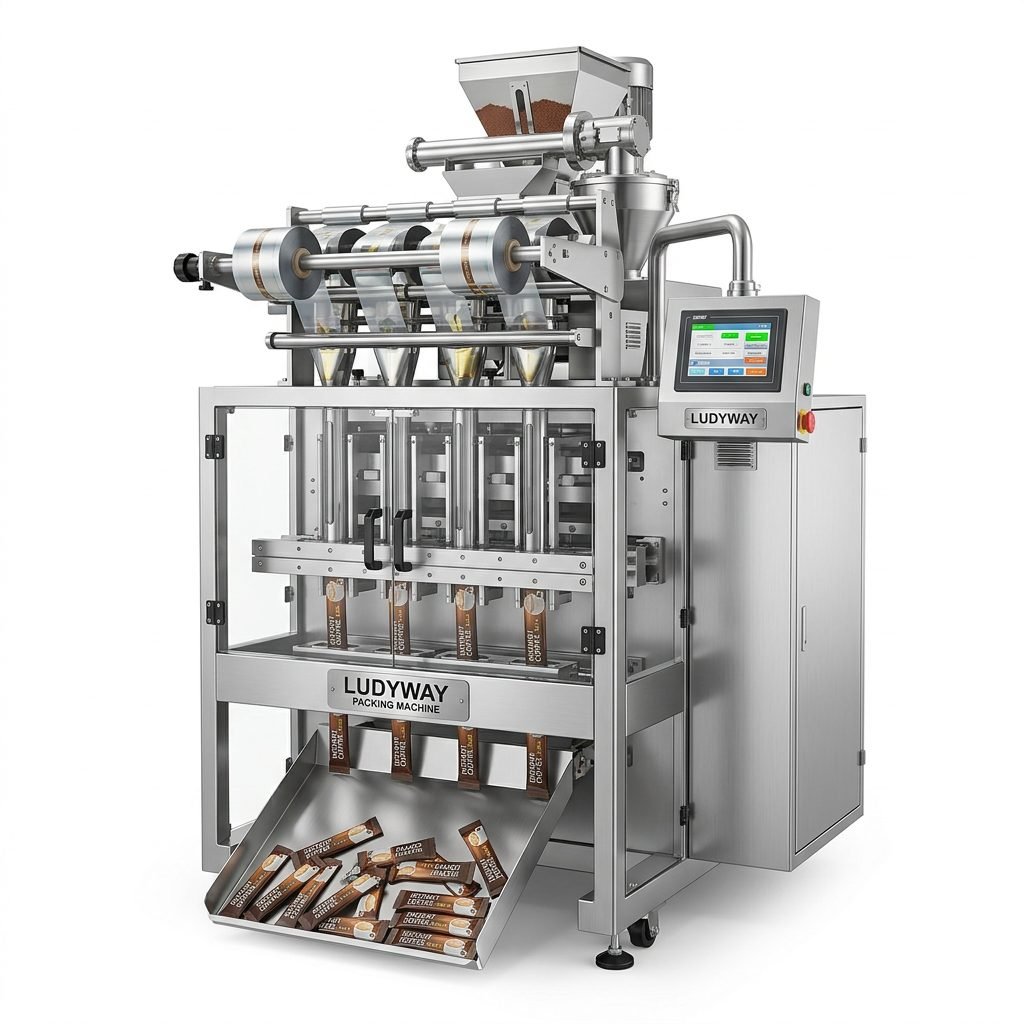
Form fill seal equipment creates the package from roll film, fills it with product, and seals it in one continuous process. This category includes vertical form fill seal and horizontal form fill seal systems.
- Suitable for powders, granules, liquids, and pastes
- Common formats: sachets, stick packs, pouches, pillow bags
- Ideal for medium to high-speed automated production
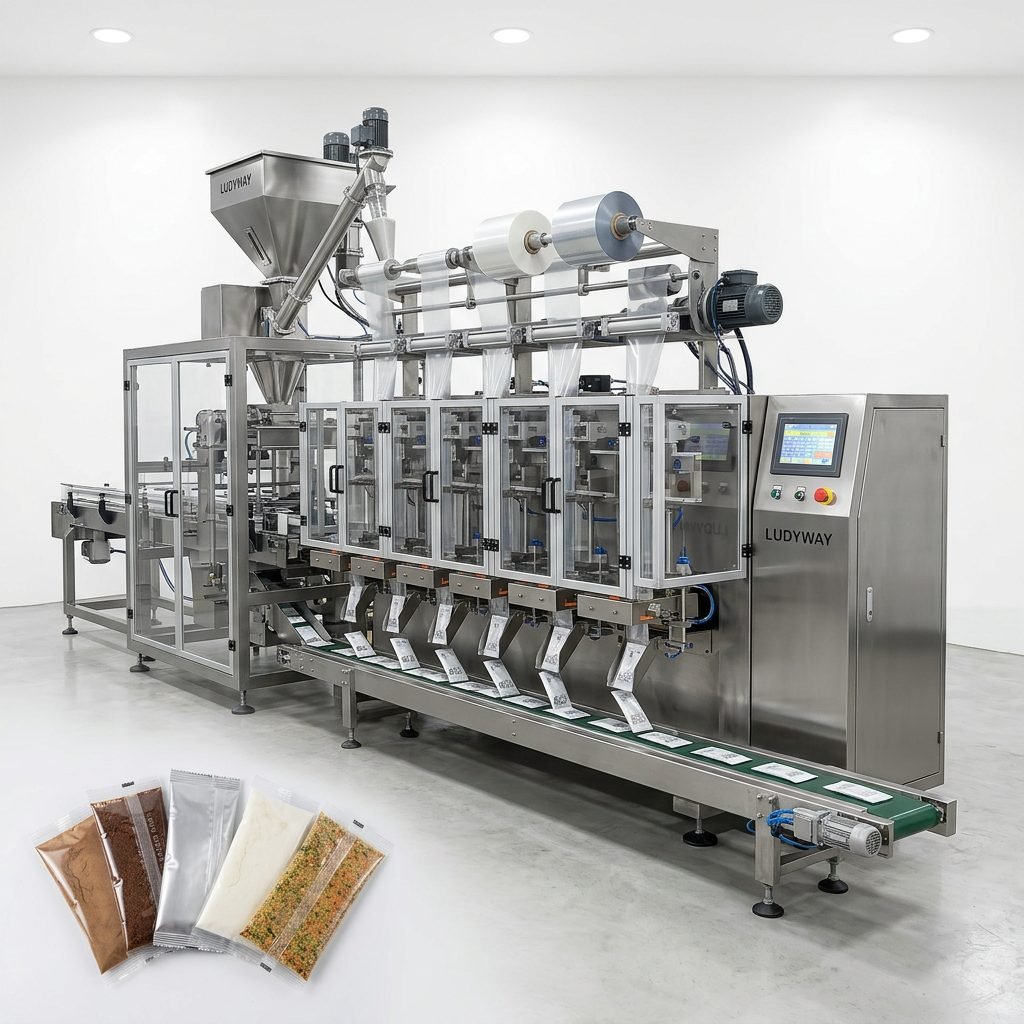
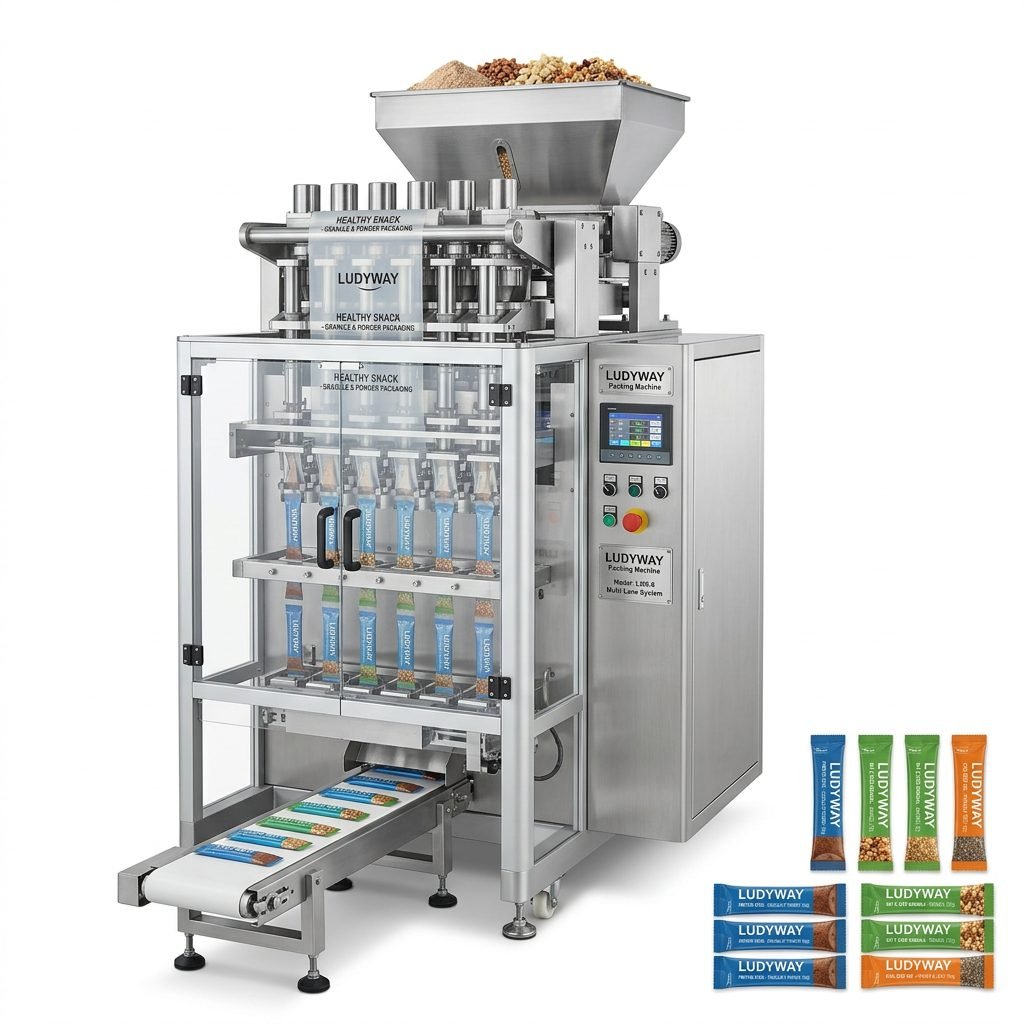
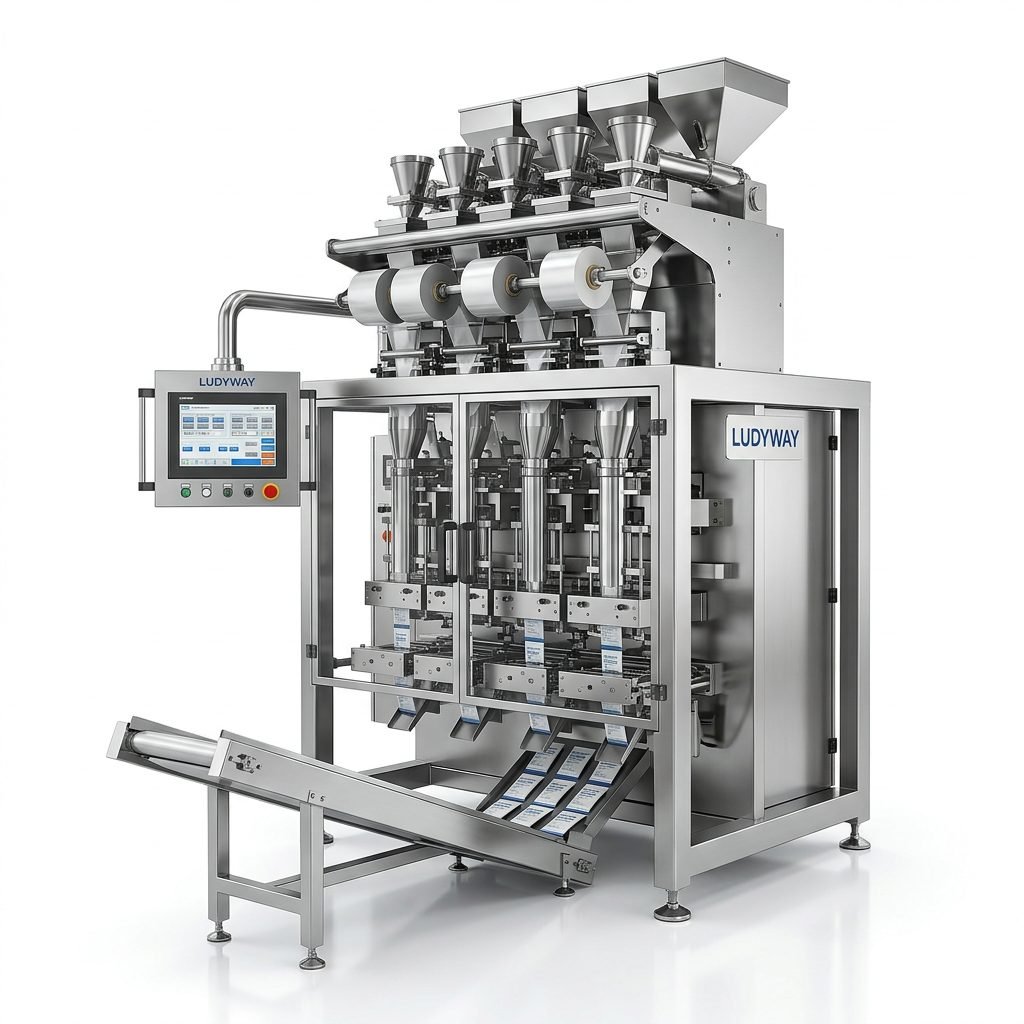
2. Sachet and Stick Pack Machines
These machines are used for small-dose packaging and are especially popular in food, pharmaceutical, and nutraceutical applications. They are commonly used for coffee powder, sugar, seasoning, collagen, electrolyte powder, sauces, gels, and health products.
- Compact single-dose packaging
- Multi-lane options for higher output
- Excellent for retail-ready and travel-size products
3. Pouch Packaging Machines
Pouch packaging machines handle premade pouches or form pouches from film. They can be used with zipper pouches, stand-up pouches, flat pouches, and special-shaped pouches.
- Great shelf appeal
- Good for snacks, powders, liquids, and pet products
- Supports premium flexible packaging formats
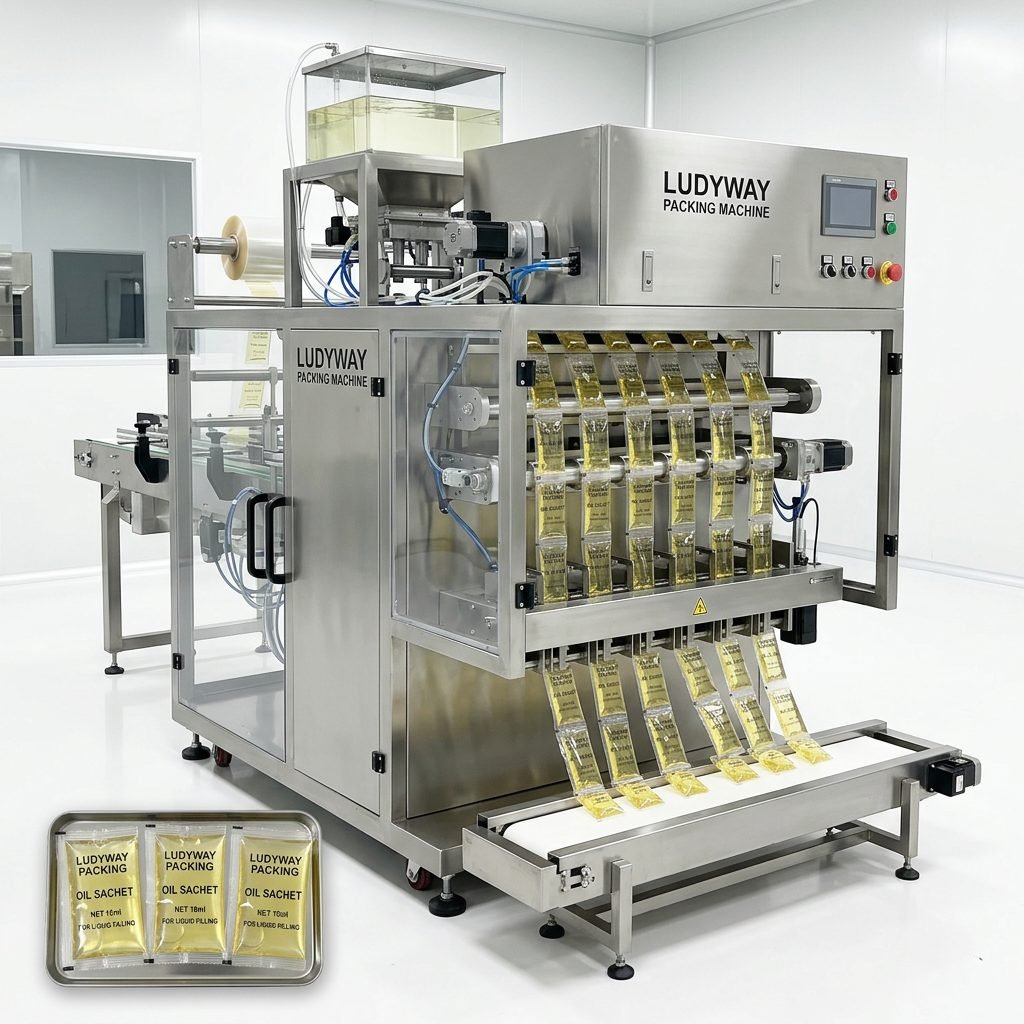
4. Liquid Filling and Sealing Machines
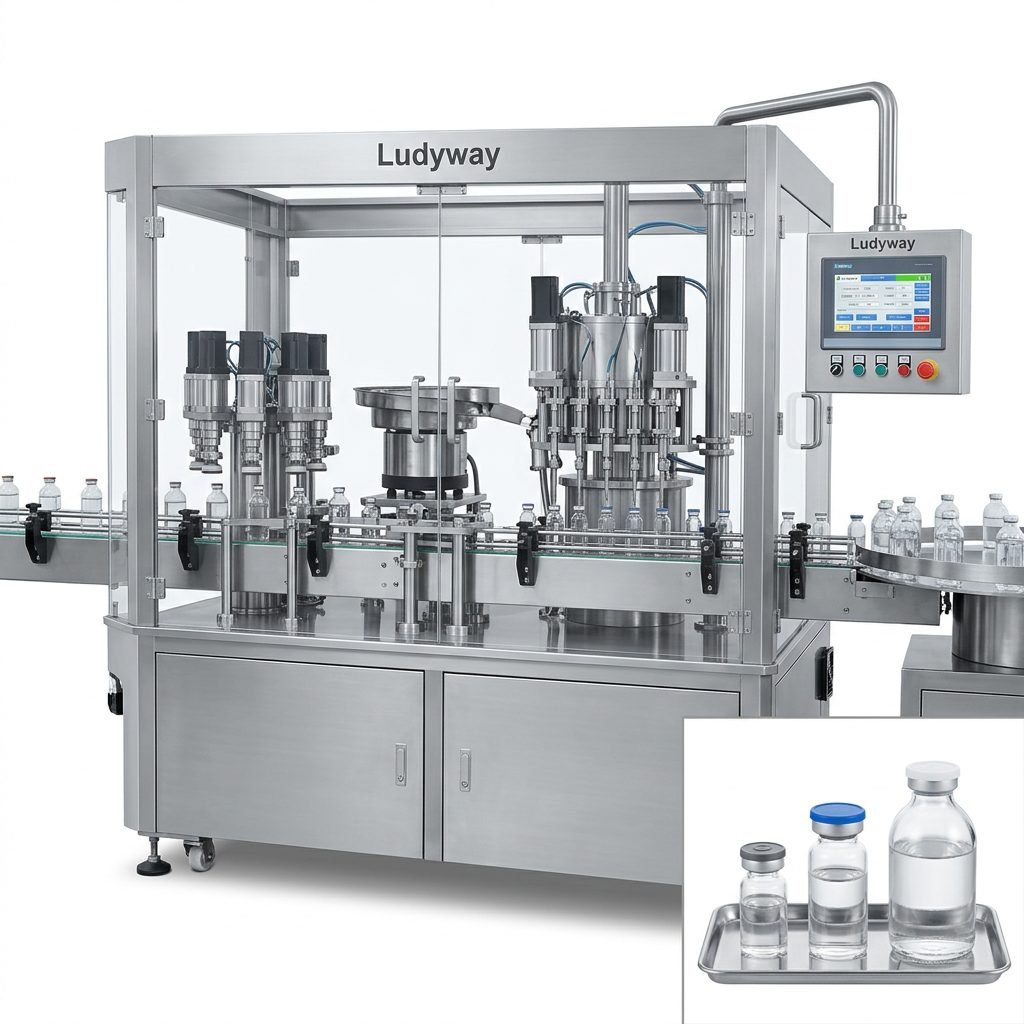
These systems are designed for free-flowing or viscous liquids such as oils, syrups, sauces, lotions, shampoo, and disinfectants. Depending on the product, they may use piston filling, pump filling, or gravity filling.
- Suitable for sachets, bottles, tubes, and pouches
- Helps maintain filling accuracy
- Can include capping, sealing, and coding functions
5. Powder Packaging Machines
Powder packaging machines are typically equipped with auger fillers or other dosing systems for fine or dusty materials. They are commonly used for milk powder, spices, protein powder, pharmaceutical powders, and chemical powders.
- Designed for precision dosing
- Can include dust control systems
- Useful for both small sachets and larger bags
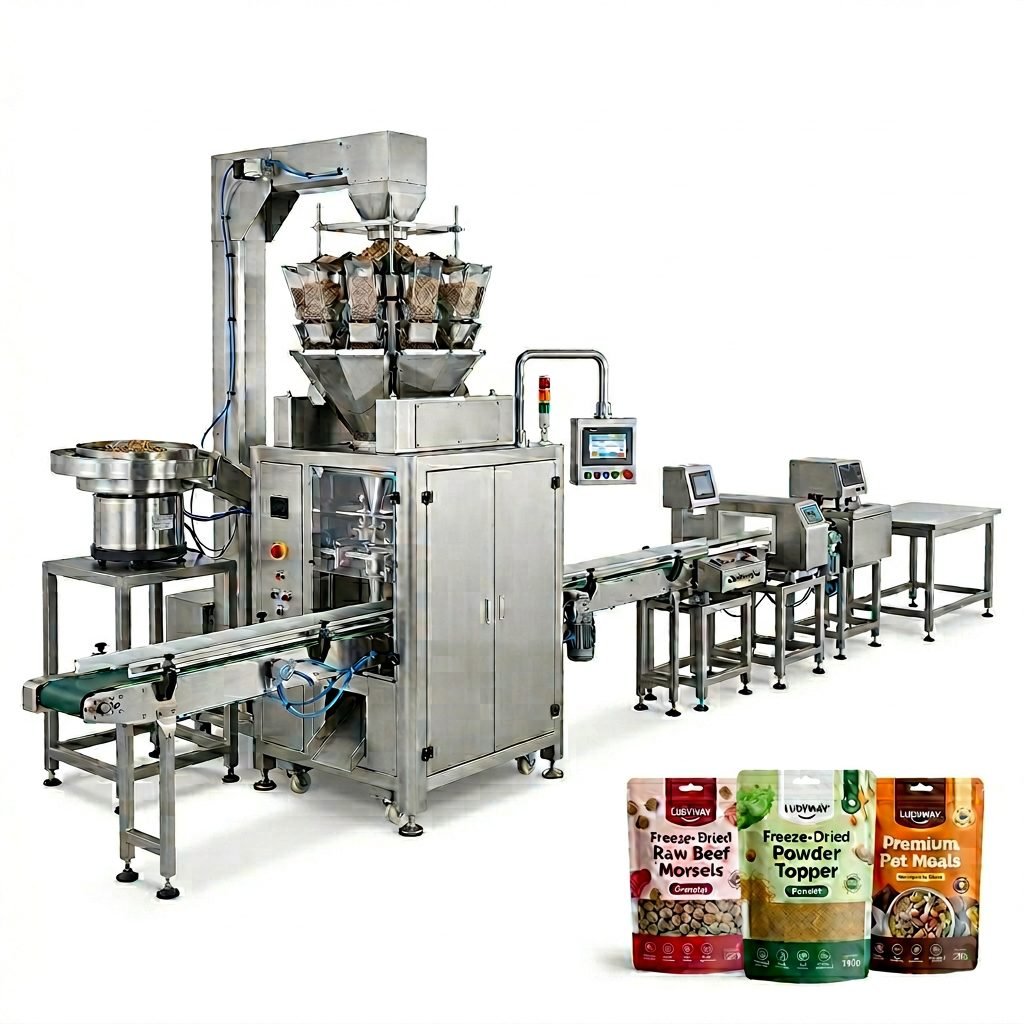
6. Granule Packaging Machines
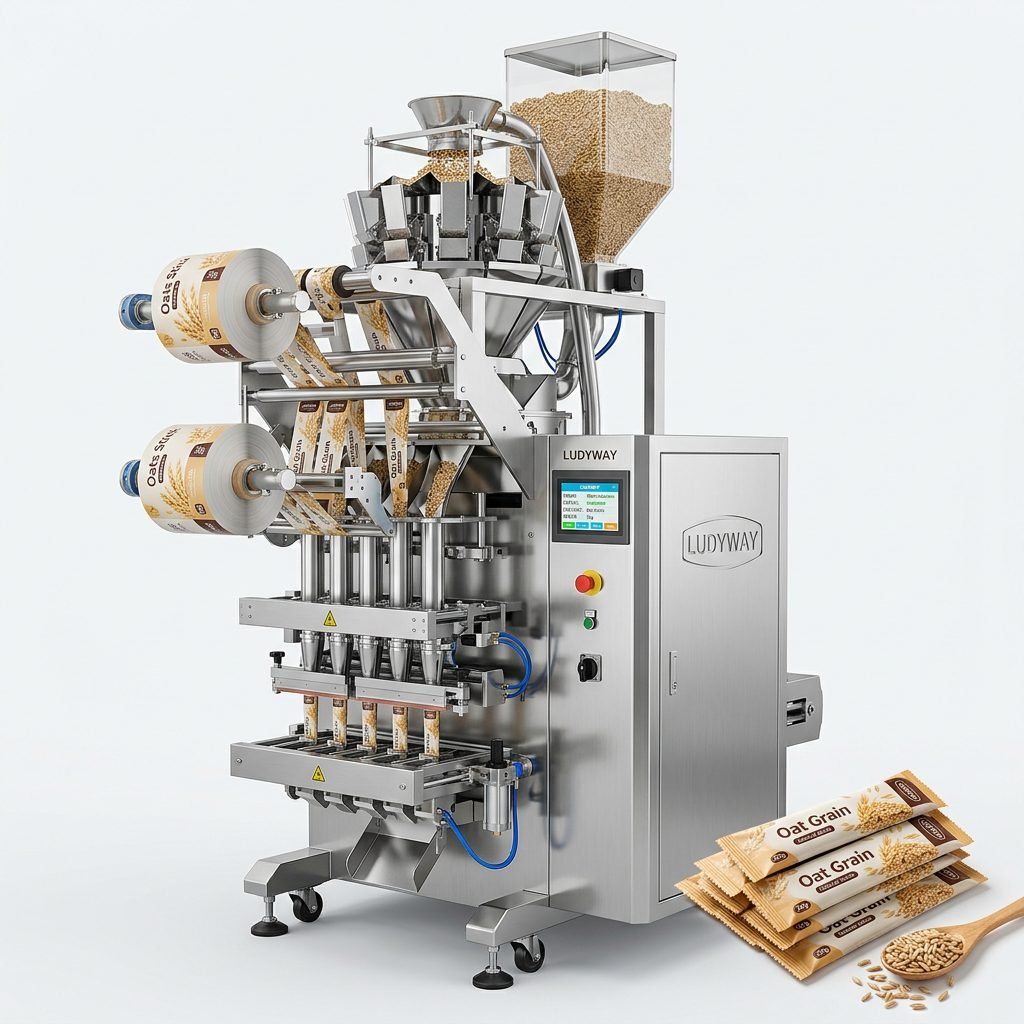
Granule packaging systems often use multi-head weighers, cup fillers, or linear weighers. They are suitable for rice, sugar, seeds, nuts, feed pellets, candies, and similar products.
- Good for free-flowing products
- Supports accurate weight control
- Works with small packs and bulk bags
7. Vacuum Packaging Machines
Vacuum packaging removes air from the package before sealing, helping extend shelf life and protect product quality. This type is widely used in food and selected pharmaceutical applications.
- Improves preservation
- Reduces oxidation risk
- Useful for high-value or sensitive products
8. Cartoning, Case Packing, and Palletizing Equipment
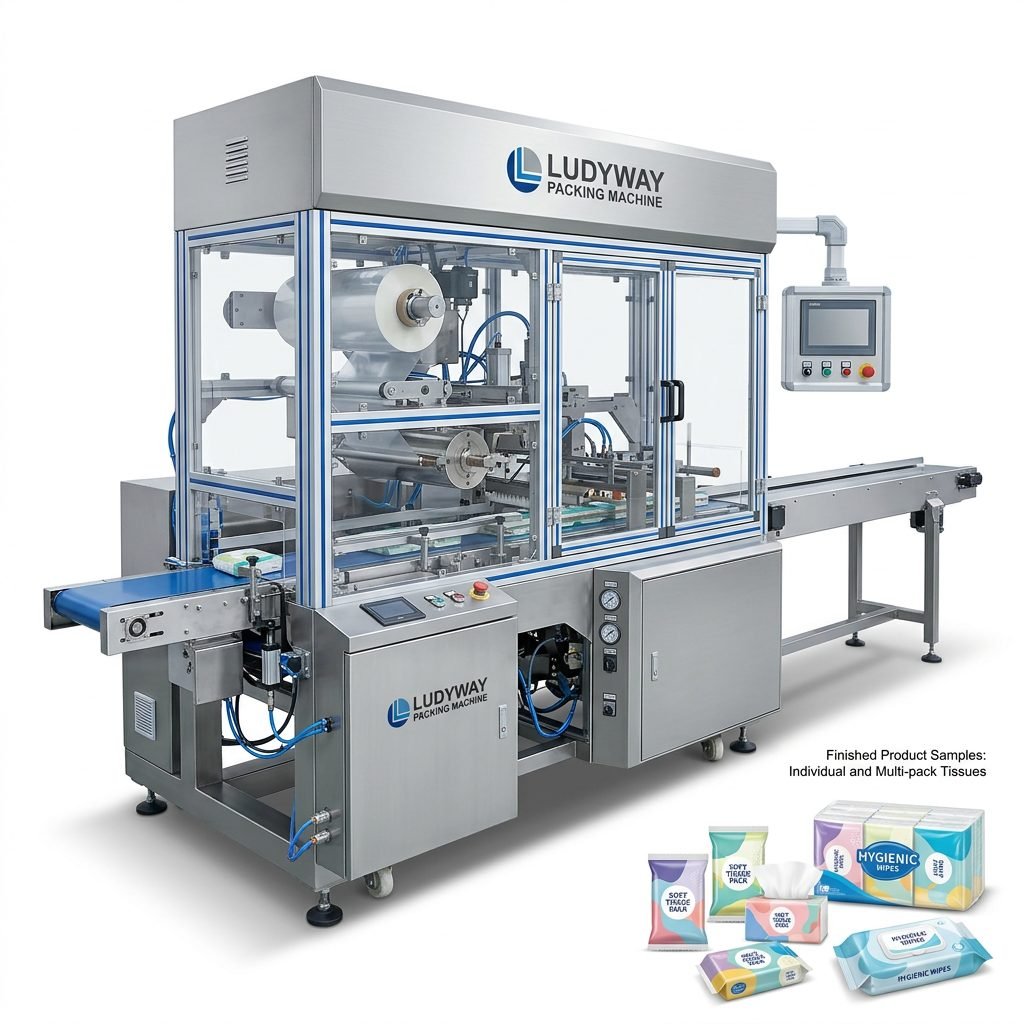
End-of-line packaging equipment automates secondary and tertiary packaging tasks. This includes cartoners, case packers, carton sealers, labeling machines, checkweighers, metal detectors, and robotic palletizers.
- Improves line automation
- Reduces labor intensity
- Creates a smoother factory workflow
Packaging Machine Types at a Glance
| Machine Type | Best For | Typical Packaging Format |
|---|---|---|
| Form Fill Seal Machine | Powders, granules, liquids | Sachets, pouches, stick packs |
| Sachet/Stick Pack Machine | Single-dose products | Small sachets, stick packs |
| Pouch Packaging Machine | Retail flexible packaging | Premade or formed pouches |
| Liquid Filling Machine | Oils, sauces, cosmetics, chemicals | Sachets, bottles, tubes |
| Powder Packaging Machine | Fine powders and dusty materials | Sachets, bags, pouches |
| Granule Packaging Machine | Rice, sugar, seeds, snacks | Bags, pouches, sachets |
| Vacuum Packaging Machine | Shelf-life-sensitive products | Vacuum bags, sealed pouches |
| Cartoning/Palletizing Equipment | End-of-line automation | Cartons, cases, pallet loads |
Key Benefits of Packaging Machines
Higher Production Efficiency
Automation significantly increases output compared with manual packaging. It also shortens production cycles and supports continuous operation.
Better Consistency
Accurate filling, sealing, and cutting help maintain uniform package quality. This is especially important for regulated industries and branded consumer products.
Lower Labor Dependence
A properly selected machine reduces repetitive manual work and helps manufacturers manage labor shortages more effectively.
Improved Product Safety
Automated handling reduces human contact, lowering contamination risks and supporting hygiene standards in food and pharmaceutical production.
Reduced Material Waste
Precise dosing and stable sealing reduce overfill, underfill, film waste, and rework. Over time, this can produce noticeable cost savings.
Scalability
Many packaging systems are modular, allowing businesses to expand from a single machine to a complete turnkey line as production demand grows.
How to Choose the Right Packaging Machine
Understand Your Product Characteristics
The first step is to define the nature of your product. Ask these questions:
- Is it a powder, granule, liquid, paste, tablet, capsule, or solid item?
- Is it free-flowing, sticky, dusty, fragile, or corrosive?
- Does it require hygienic or sterile packaging conditions?
Define the Packaging Format
Your ideal machine should match the package type you plan to sell:
- Sachet
- Stick pack
- Pouch
- Bottle
- Jar
- Tube
- Carton
- Bulk bag
Estimate Required Production Speed
Choose equipment based on your target output per minute or per hour. For fast-growing businesses, it is often wise to select a machine with some capacity margin for future expansion.
Check Accuracy and Quality Requirements
For industries like pharmaceuticals, health supplements, and premium food products, filling precision and seal integrity are critical. In these cases, machine stability matters as much as speed.
Evaluate Automation Level
You may need a semi-automatic machine for smaller operations or a fully automatic line with feeders, conveyors, cartoning, and palletizing for large-scale production.
Consider Factory Space and Layout
The machine should fit your current facility while leaving room for maintenance access, material feeding, and future line integration.
Review Compliance and Industry Standards
Food, pharma, and chemical packaging often require specific standards for safety, hygiene, traceability, and validation. Make sure the equipment can meet your target market requirements.
Look at Maintenance and Technical Support
A machine is only valuable if it remains productive over the long term. Spare parts availability, operator training, remote support, and after-sales service should all be part of the buying decision.
Practical Buying Checklist
| Selection Factor | Why It Matters |
|---|---|
| Product type | Determines filling method and machine design |
| Pack format | Affects machine structure and sealing method |
| Output speed | Impacts productivity and ROI |
| Filling accuracy | Reduces waste and supports quality control |
| Automation level | Determines labor savings and line integration |
| Factory space | Ensures practical installation and workflow |
| Compliance needs | Essential for food, pharma, and export markets |
| After-sales service | Supports uptime and long-term operation |
Common Mistakes to Avoid
- Choosing a machine based only on price
- Ignoring future production growth
- Overlooking product flowability and filling behavior
- Not testing packaging materials in advance
- Forgetting maintenance access and spare parts planning
- Selecting equipment without adequate technical support
When Does a Turnkey Packaging Line Make More Sense?
If your project involves multiple production stages, a turnkey line may be a better investment than buying separate machines from different suppliers. A complete system can include feeding, dosing, packaging, coding, inspection, cartoning, case packing, and palletizing.
This approach often offers:
- Better compatibility between machines
- More efficient installation and commissioning
- Simplified technical support
- Improved production line coordination
For manufacturers seeking scalable automation in food, pharma, health supplement, cosmetic, chemical, or feed applications, Ludyway packaging machine solutions are often considered for both standalone equipment and turnkey packaging lines.
Final Thoughts for Buyers
The right packaging machine should match your product, package type, speed target, compliance requirements, and long-term growth plan. A well-chosen system does more than package products—it improves efficiency, protects quality, reduces labor pressure, and strengthens your competitiveness in the market.
Before buying, always request technical consultation, sample testing, and a clear understanding of service support. That combination will help you choose equipment that delivers reliable value over time.