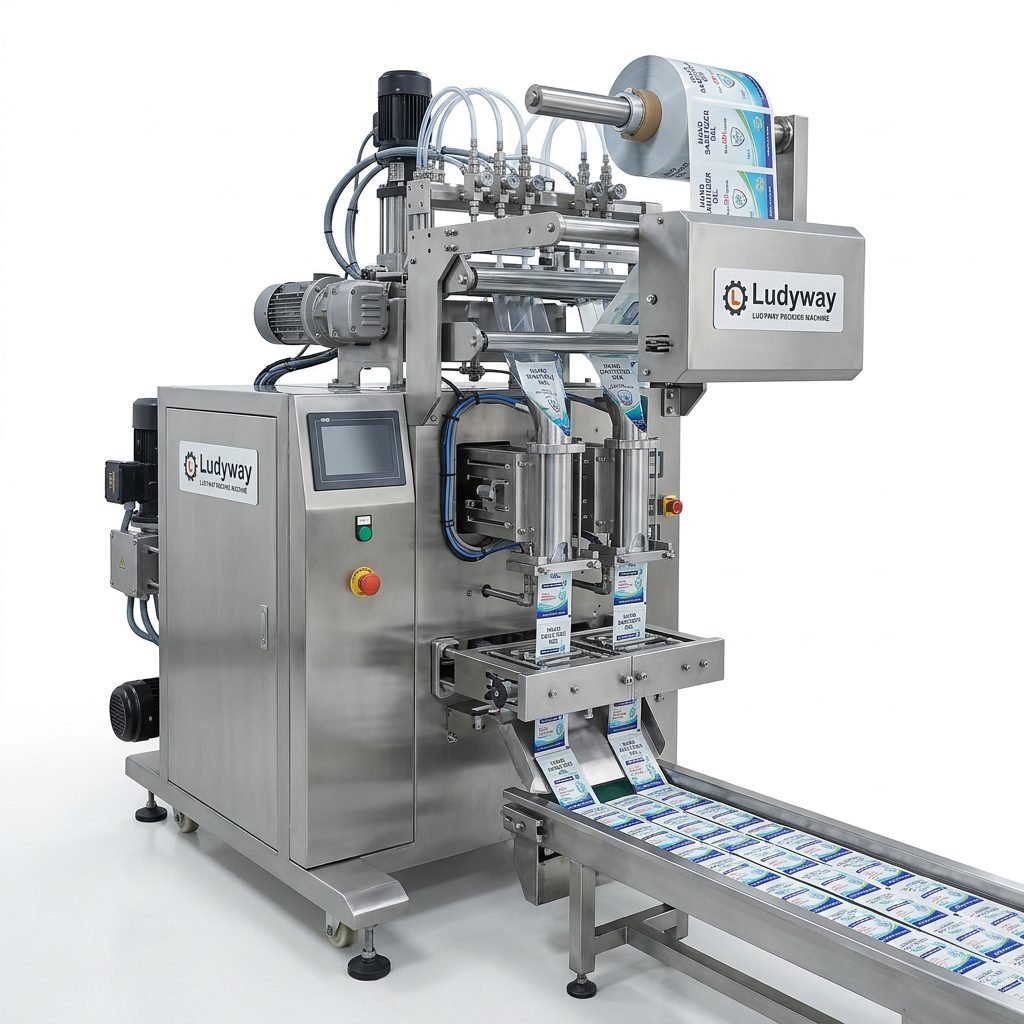
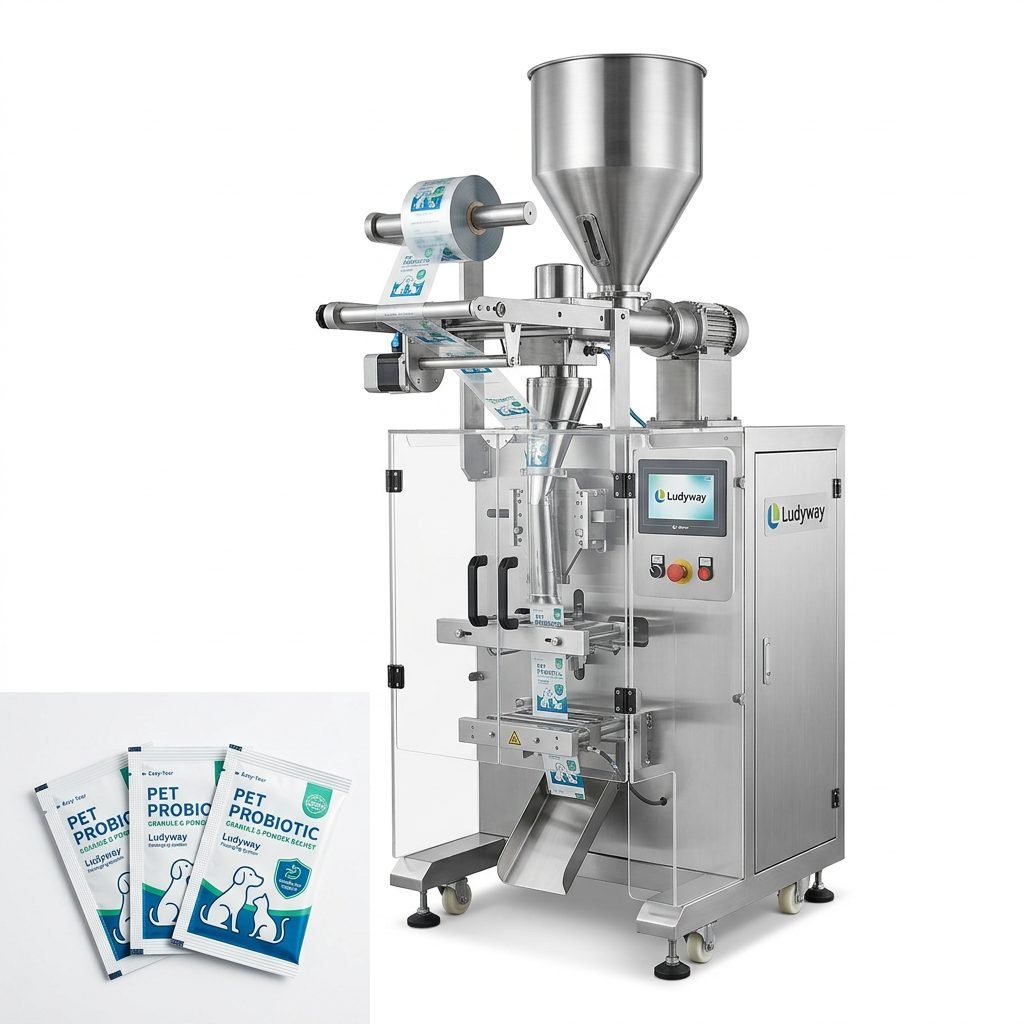
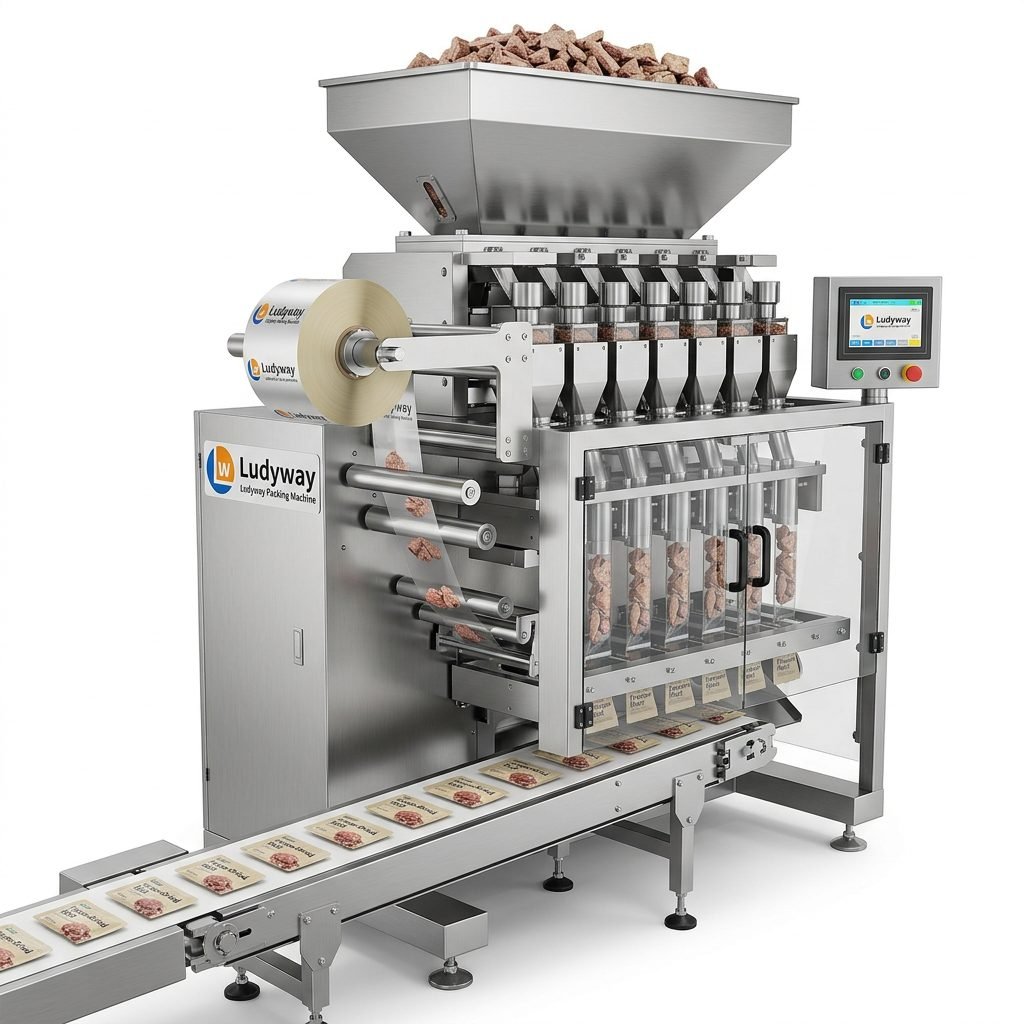
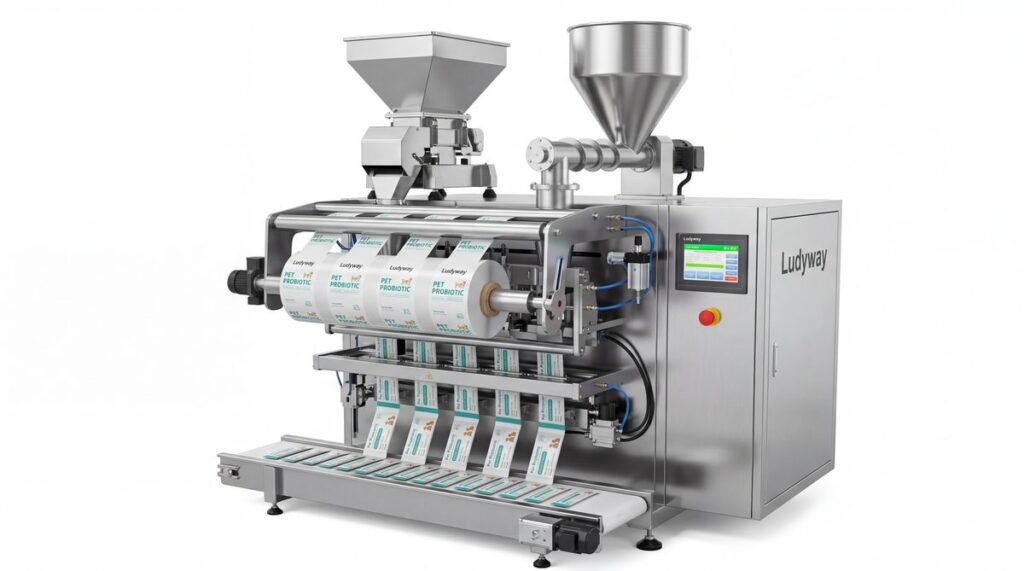
Liquid filling packaging machinery is a cornerstone of modern production lines across numerous industries, enabling precise, hygienic, and high-speed packaging of liquids. From beverages and pharmaceuticals to cosmetics and chemicals, the right filling equipment is crucial for efficiency, product integrity, and cost-effectiveness. This guide delves into the various types of machinery, their applications, and essential factors to consider when making an investment.
Understanding Liquid Filling Machinery
At its core, liquid filling machinery automates the process of dispensing a measured volume of liquid product into containers such as bottles, vials, pouches, or cans. This automation replaces manual filling, which is slow, inconsistent, and prone to contamination. Modern machines integrate seamlessly with capping, sealing, and labeling systems to form complete packaging lines.
Key Advantage: The primary benefit of automated liquid fillers is the remarkable combination of speed, accuracy, and hygiene. They drastically increase output while minimizing product giveaway and ensuring every container meets strict quality standards, which is non-negotiable in sectors like pharmaceuticals and food.
Major Types of Liquid Filling Machines
The choice of filler depends heavily on the liquid’s properties (viscosity, foaming tendency, acidity) and the container type. Here are the most common technologies:
1. Volumetric Fillers
These machines dispense a pre-set volume of liquid. They are ideal for free-flowing, non-foamy liquids.
- Piston Fillers: Highly accurate and versatile, suitable for a wide range of viscosities from thin oils to thick pastes. A piston draws a precise volume from a product cylinder and then pushes it into the container.
- Diaphragm Fillers: Similar to piston fillers but use a flexible diaphragm. They are excellent for sterile applications or handling aggressive chemicals, as the product only contacts the diaphragm and valves.
2. Gravity Fillers
Simple and cost-effective, these rely on gravity to fill containers. The liquid reservoir is positioned above the nozzles, and filling stops when the liquid level in the container reaches the nozzle tip. Best for thin, non-aerated liquids like water or juice.
3. Pressure Fillers
Used for carbonated beverages or foamy products. The container and product tank are pressurized equally. The liquid is pushed into the container without losing carbonation or creating excessive foam.
4. Vacuum Fillers
These create a vacuum inside the container, which draws the liquid in from a non-pressurized reservoir. Excellent for fragile containers and precise filling of small vials, commonly used in pharmaceutical labs.
5. Pump Fillers
Utilize rotary lobe, peristaltic, or other pumps to move product. Highly controllable and good for a variety of viscosities. Peristaltic pumps are perfect for sterile applications as the product only touches the disposable tubing.
Technology Comparison Snapshot
For High-Viscosity Products (e.g., sauces, creams): Piston or Pump Fillers are the top choices.
For Carbonated Drinks: Pressure Fillers are mandatory to preserve fizz.
For Sterile Pharmaceutical Liquids: Diaphragm or Peristaltic Pump Fillers offer the required cleanliness.
Core Applications Across Industries
The application of liquid filling machinery is vast, tailoring functionality to specific sector needs.
Food & Beverage Industry
This sector demands speed, hygiene, and versatility. Machines fill everything from water and cooking oil to ketchup and yogurt. Aseptic filling lines are critical for dairy and juice products to ensure long shelf life without refrigeration.
Pharmaceutical & Healthcare
Precision and sterility are paramount. Machines used for syrups, eye drops, injectables, and disinfectants must comply with strict regulations like cGMP. Features like clean-in-place (CIP) systems and isolated filling zones are standard. For more on specialized solutions, explore our pharmaceutical packaging capabilities.
Cosmetics & Personal Care
Filling lotions, shampoos, serums, and perfumes often requires aesthetic precision to avoid drips and ensure perfect presentation. Pump and piston fillers are prevalent here, handling products from runny to highly viscous.
Chemicals & Household Products
This includes detergents, lubricants, and solvents. Equipment must be corrosion-resistant and capable of handling aggressive or hazardous materials safely. Diaphragm fillers are often specified for their contained product path.
Essential Buying Tips for Your Business
Selecting the right machine is a significant investment. Here are critical factors to guide your decision.
1. Analyze Your Product Characteristics
This is the first and most crucial step. Define your product’s viscosity, acidity, particulate content, foaming nature, and sensitivity (to air, light, heat). This will immediately narrow down the suitable filling technology.
2. Determine Production Requirements
Calculate your required output speed (containers per minute/hour). Consider your container types, sizes, and materials (glass, plastic, pouch). Will you need quick changeover capabilities for different products or container sizes? Future scalability should also be part of the conversation.
3. Prioritize Hygiene and Compliance
For food, pharma, or cosmetic applications, the machine’s hygienic design is non-negotiable. Look for stainless steel (grade 304 or 316) contact parts, smooth welds, and easy disassembly for cleaning. Ensure the supplier understands relevant industry standards.
4. Evaluate Automation and Integration
Will the filler stand alone or integrate into a full line with cappers, labelers, and coders? Consider the control system (PLC vs. PC-based), user interface, and data recording capabilities for traceability. Turnkey solutions from a single provider can simplify integration and support.
5. Assess Supplier Expertise and Support
The machine is only as good as the company behind it. Look for a supplier with proven experience in your specific industry. Evaluate their after-sales service, availability of spare parts, training programs, and technical support. A reliable partner like Ludyway Machinery, with over 30 years of industry experience and a portfolio of over 50 machine models, can provide not just equipment but a long-term production solution.
📌 Checklist for Your Next Purchase
- Product Test: Always conduct a live product test with your actual containers.
- Total Cost of Ownership: Look beyond the purchase price to include energy consumption, maintenance, and part replacement costs.
- Footprint: Verify the machine fits your available factory space, including access for maintenance.
- Warranty & Service Contract: Understand the terms and response time for service calls.
Frequently Asked Questions (FAQs)
1. What is the most accurate type of liquid filling machine?
For most applications, piston fillers are considered the gold standard for volumetric accuracy across a wide viscosity range. For ultra-precise, small-volume filling (like in pharmaceuticals), peristaltic pump or time-pressure fillers can offer exceptional precision.
2. How do I choose between a semi-automatic and fully automatic filler?
Semi-automatic machines require an operator to place and remove containers, making them suitable for low to medium production volumes, R&D, or pilot plants. Fully automatic machines are integrated into conveyor lines for high-speed, hands-off production, ideal for large-scale manufacturing.
3. What maintenance does a liquid filling machine require?
Daily cleaning and sanitization are critical. Regular maintenance includes lubricating moving parts, inspecting seals and O-rings for wear, and calibrating the filling volume. Always follow the manufacturer’s preventative maintenance schedule to avoid downtime.
4. Can one machine handle different container sizes and shapes?
Yes, many machines are designed with quick-changeover features. This may involve interchangeable nozzle sizes, adjustable height platforms, and tool-less changes to container guides. However, significant shape differences (e.g., from bottles to pouches) typically require a different machine or a major conversion kit.
5. Why is supplier experience important when buying filling equipment?
An experienced supplier doesn’t just sell a machine; they provide a solution. They can advise on the best technology for your specific product, help with line integration, offer reliable after-sales support, and ensure you comply with industry regulations. Their expertise can prevent costly mistakes and ensure your packaging line runs efficiently for years.