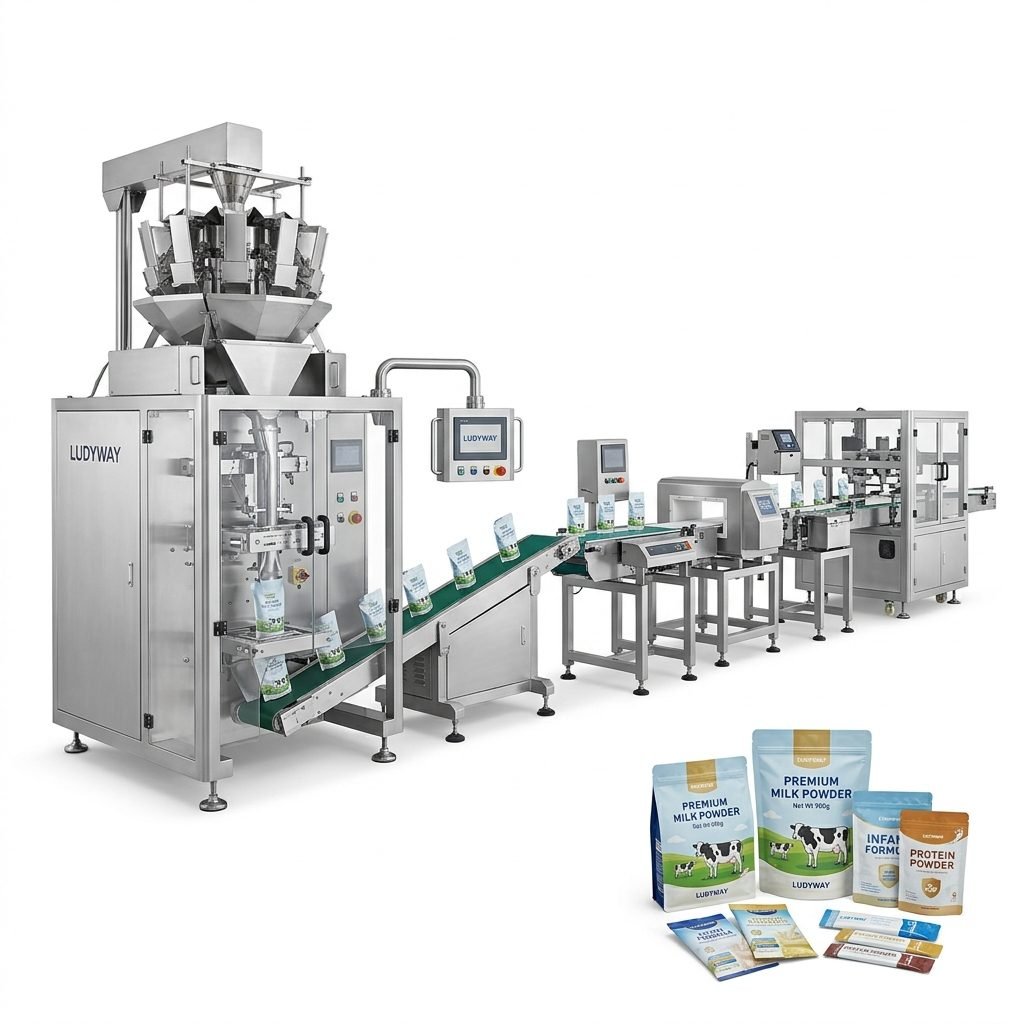
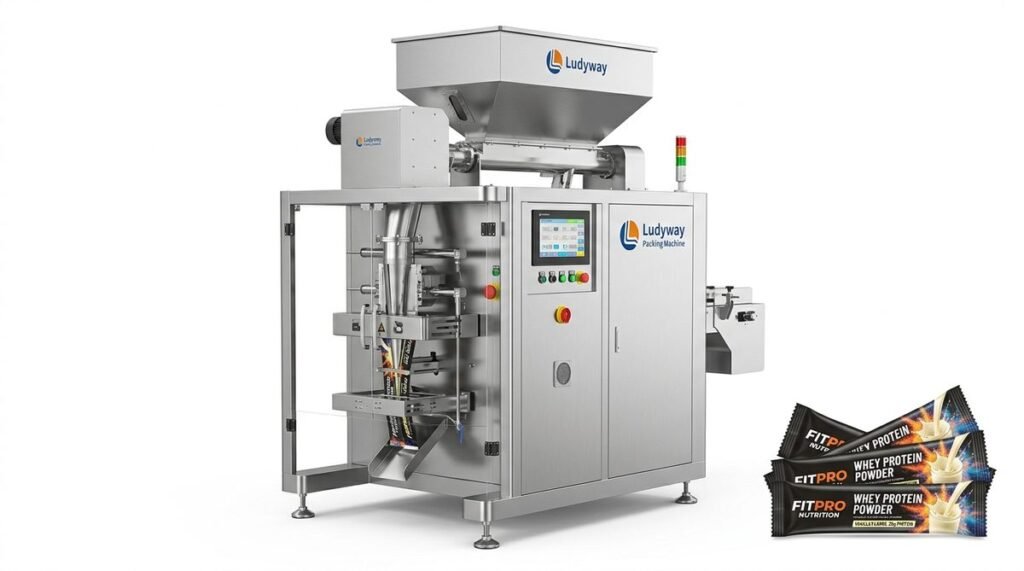
When buyers search for a pillow packing machine, the first question is usually simple: How much does it cost? The real answer depends on much more than the machine itself. Capacity, automation level, packaging material, product type, customization, and after-sales support all influence the final investment.
If you want the best value instead of just the lowest quote, you need to compare total performance, long-term operating cost, and production suitability. A cheaper machine can become expensive if it creates waste, downtime, sealing problems, or low output.
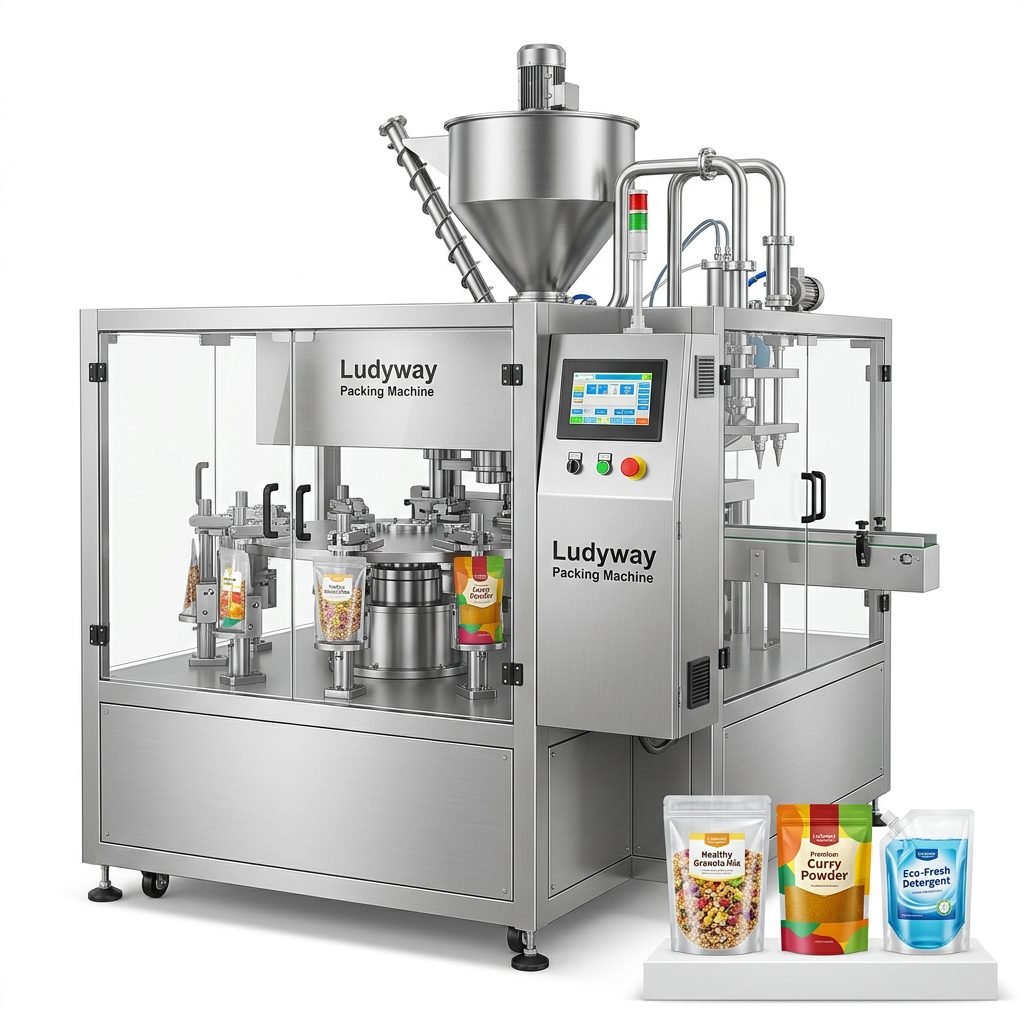
What Is a Pillow Packing Machine?
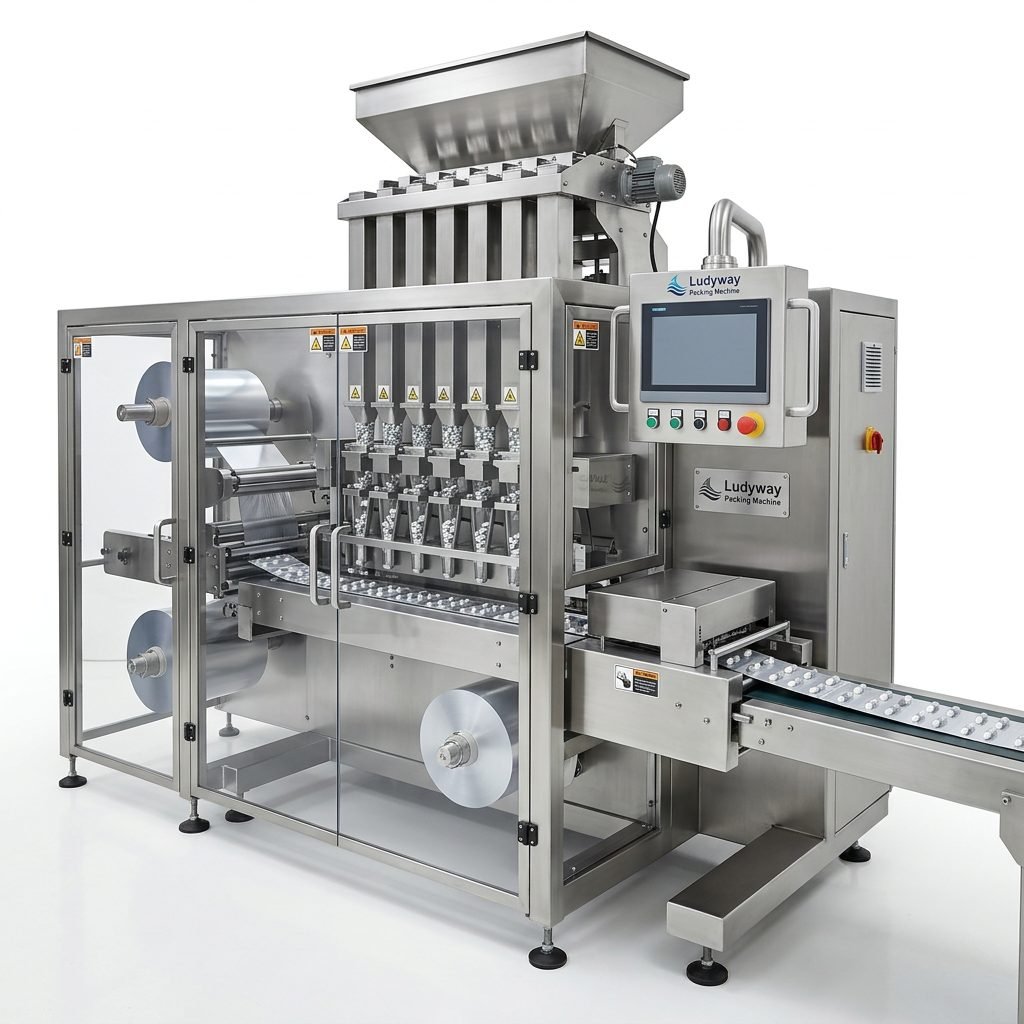
A pillow packing machine is packaging equipment that forms a bag with a pillow-like shape, fills the product, and seals it. It is widely used in food, pharmaceuticals, cosmetics, daily chemicals, hardware, and many other industries. Depending on the product, the machine may handle powders, granules, liquids, pastes, or solid items.
Common applications include:
- Snacks, coffee, sugar, seasoning, and instant powder
- Wet wipes, face masks, and personal care sachets
- Medical and pharmaceutical unit packs
- Chemical powders, additives, and detergents
- Pet food, supplements, and feed products
Typical Pillow Packing Machine Price Range
Prices vary significantly by configuration. The ranges below are general market estimates for reference only.
| Machine Type | Estimated Price Range | Suitable For |
|---|---|---|
| Entry-level semi-automatic models | US$3,000 – US$8,000 | Small factories, pilot production, low output |
| Standard automatic pillow packing machines | US$8,000 – US$25,000 | Mainstream food, daily chemical, and industrial packaging |
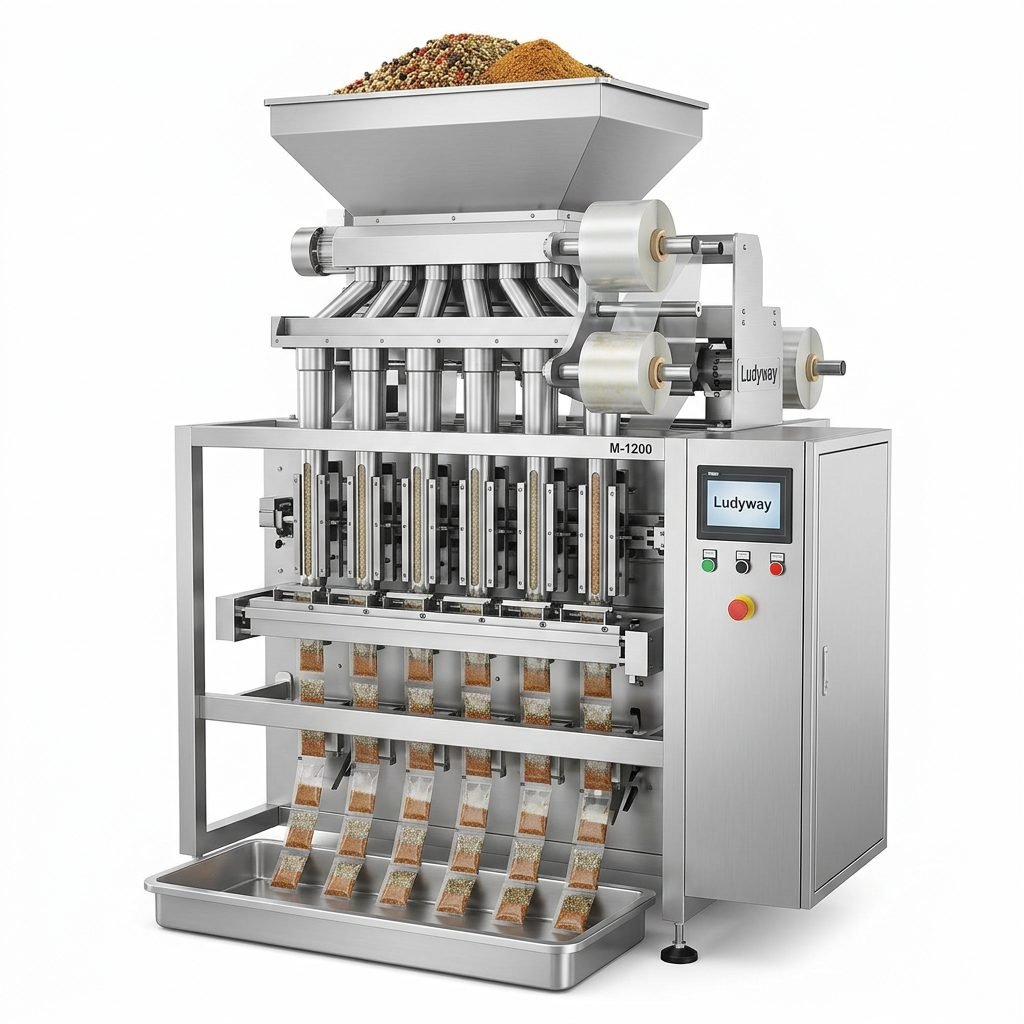
| High-speed or multi-lane systems | US$25,000 – US$80,000+ | Large-scale production, high-volume brands, contract packers |
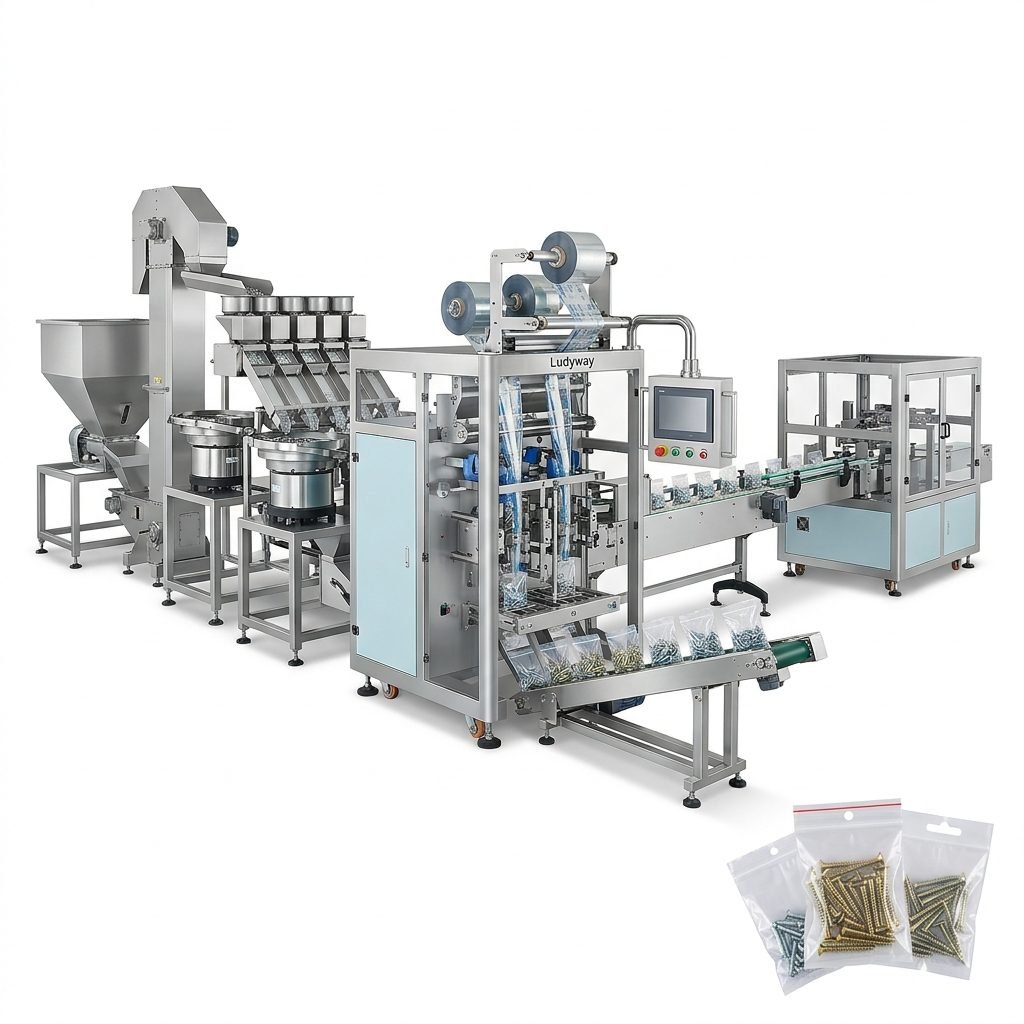
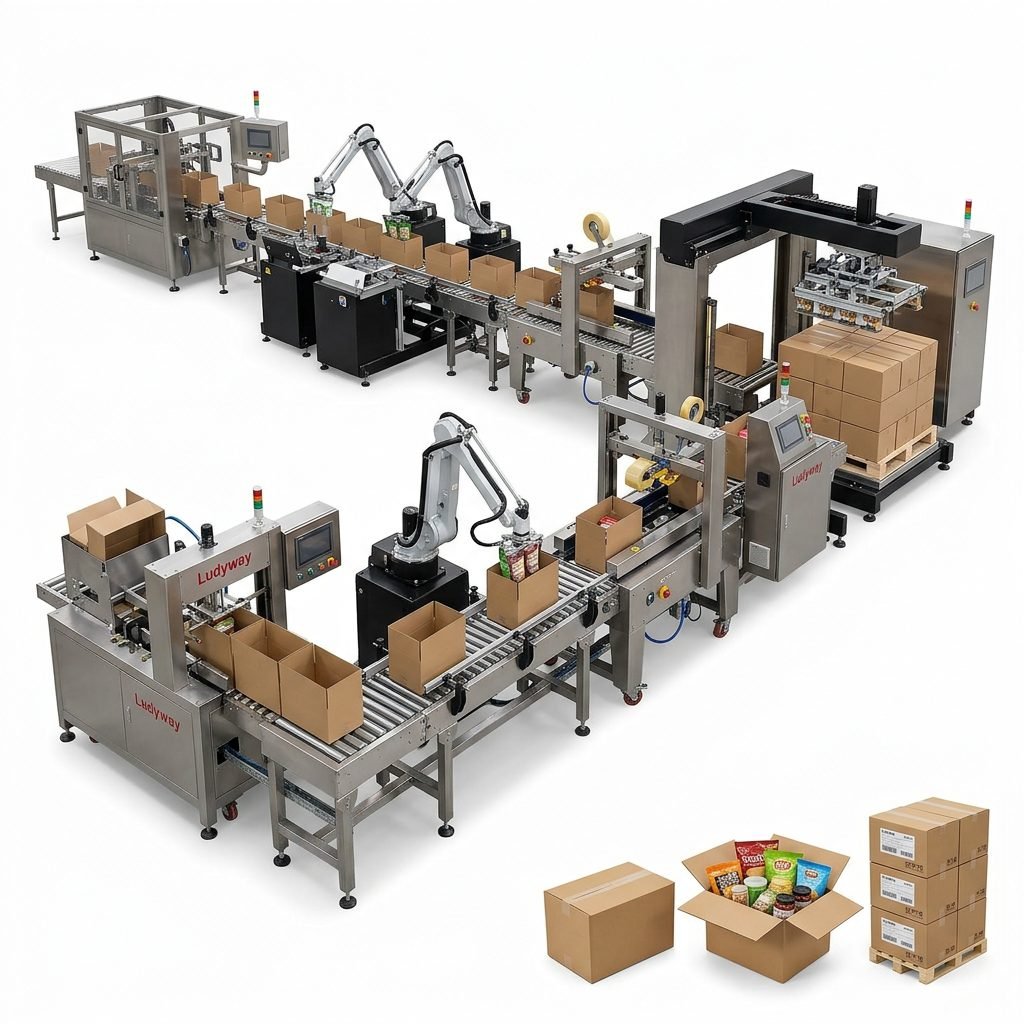
| Turnkey integrated packaging lines | US$80,000 – US$300,000+ | Automated feeding, filling, sealing, coding, cartoning, and end-of-line solutions |
A very low quote may only include the base machine and exclude feeders, dosing systems, date coding, nitrogen flushing, checkweighing, conveyors, or spare parts. Always confirm what is included in the final offer.
What Factors Affect the Price?
1. Product Type
Powders, granules, liquids, and pastes require different filling systems. For example, powder packaging may need auger filling and dust control, while liquids often need pumps, anti-drip design, and stronger sealing systems. More complex products usually mean a higher machine cost.
2. Packaging Speed
Higher speed normally requires better servo systems, more precise motion control, and more stable temperature management. Machines designed for continuous high-output production are more expensive, but they often provide better unit economics over time.
3. Film and Bag Requirements
Different materials such as laminated film, aluminum foil, PE, or composite structures need different sealing performance. If your packaging includes special shapes, easy-tear notches, euro holes, or printing registration, the machine price may increase.
4. Automation Level
A standalone machine costs less than a complete automated line. But if your factory wants automatic feeding, weighing, coding, inspection, cartoning, and case packing, the total investment rises while labor cost falls.
5. Customization
Custom machine frames, special contact materials, explosion-proof design, GMP structure, or unique pouch dimensions all affect pricing. Industries with strict hygiene or compliance demands often require additional engineering.
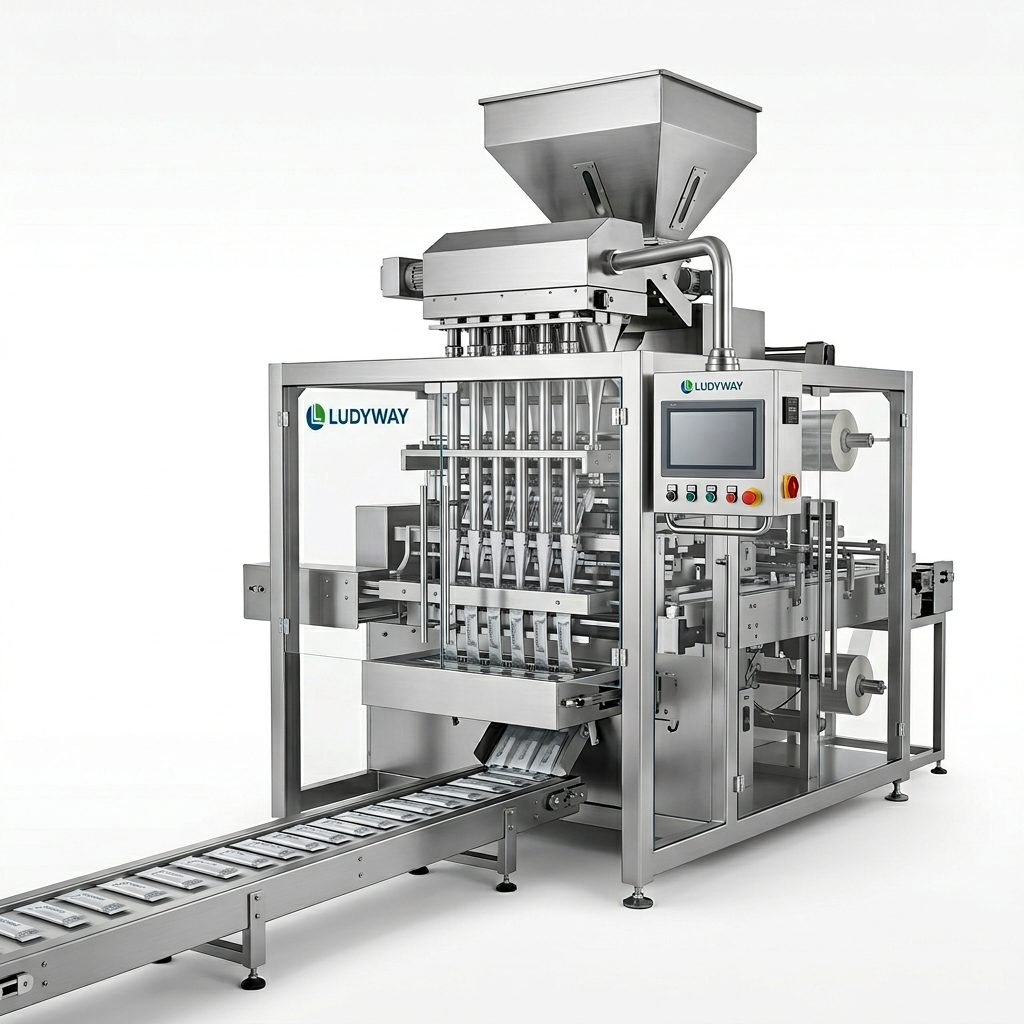
How to Judge Best Value Instead of Lowest Price
A smart buyer should compare machines using total value, not just the purchase amount. The following checklist helps avoid costly mistakes.
| Evaluation Point | Why It Matters | Buyer Tip |
|---|---|---|
| Output stability | Directly impacts daily production | Ask for running videos and real-case references |
| Filling accuracy | Reduces material waste and complaints | Request tolerance data based on your product |
| Sealing quality | Prevents leakage and returns | Send sample film for testing before ordering |
| Changeover time | Important for multi-SKU operations | Check whether recipes and adjustments are easy to save |
| Maintenance cost | Affects long-term ownership cost | Confirm spare part availability and service response time |
| Expandability | Supports future growth | Choose machines that can connect to a full packaging line later |
Questions to Ask Before Requesting a Quote
To get an accurate and useful quotation, prepare the following details:
- What product are you packaging?
- Is it powder, granule, liquid, paste, or mixed material?
- What bag size and filling weight do you need?
- What output per minute or per hour is required?
- What packaging film will be used?
- Do you need date coding, nitrogen flushing, checkweighing, or cartoning?
- Is your factory voltage or certification standard special?
- Do you need a standalone machine or a complete line?
The more precise your requirements, the easier it is to compare suppliers fairly and avoid hidden costs.
Hidden Costs Many Buyers Overlook
Some buyers focus only on FOB price and later face unexpected expenses. Watch for these common hidden costs:
- Tooling and format parts for different bag sizes
- Freight, customs, and local installation
- Spare parts packages for the first year
- Operator training and commissioning
- Film waste during setup and changeover
- Downtime caused by poor support
In many cases, a slightly higher-quality machine from a reliable manufacturer delivers lower total cost over three to five years.
Who Usually Gets the Best Return on Investment?
The best-value pillow packing machine is not the same for every factory. ROI depends on business model and production goals.
For small businesses
A compact automatic machine with simple changeover and stable output is often the smartest choice. It keeps capital investment reasonable while improving consistency.
For growing brands
A machine with upgrade potential is usually better than the cheapest model. As SKU count and order volume grow, flexibility becomes very valuable.
For contract packers
Fast changeover, broad material compatibility, and high uptime matter more than headline price. Operational efficiency determines profit.
For large industrial plants
Turnkey line integration often creates the best long-term return because labor reduction, process control, and throughput gains are much larger.
Why Supplier Strength Matters in Pricing
Machine price should always be considered together with supplier capability. An experienced manufacturer can provide better engineering, testing, customization, and after-sales service. This reduces risk during installation and daily operation.
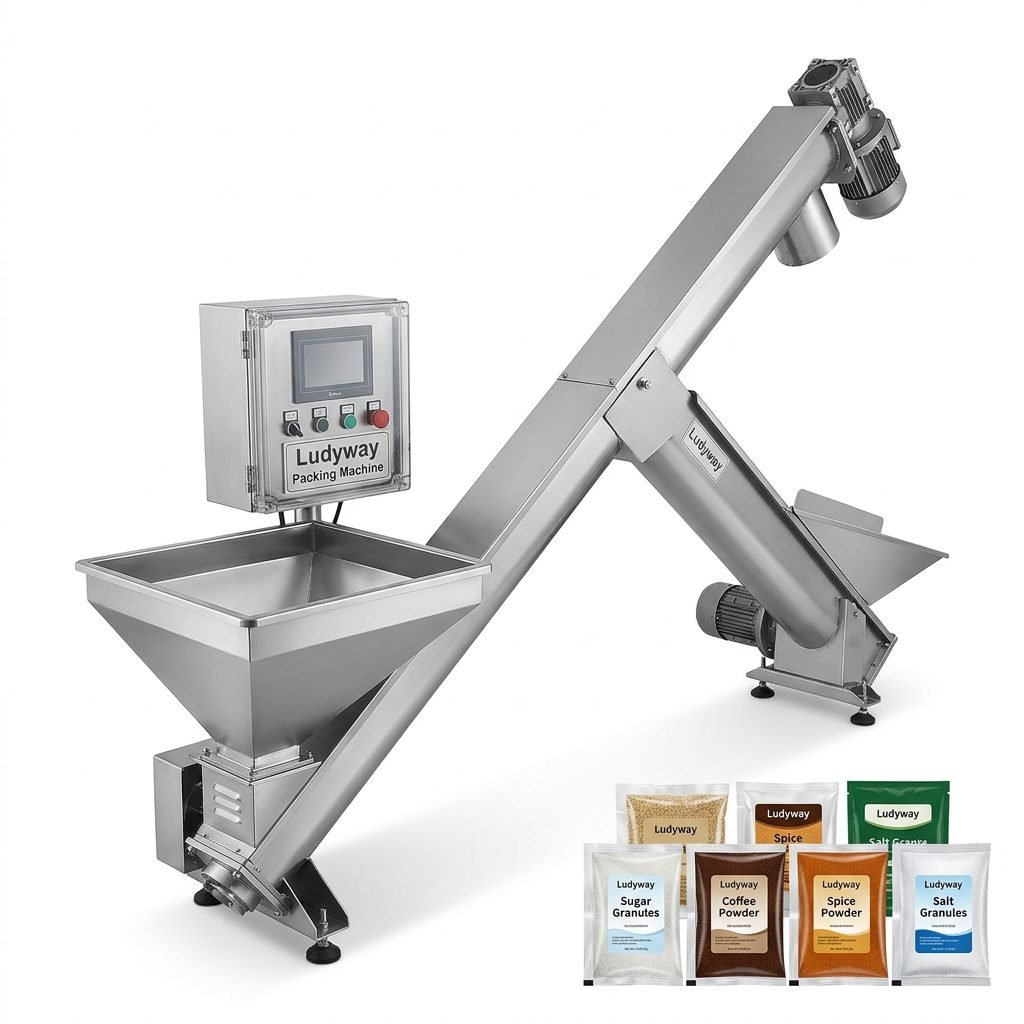
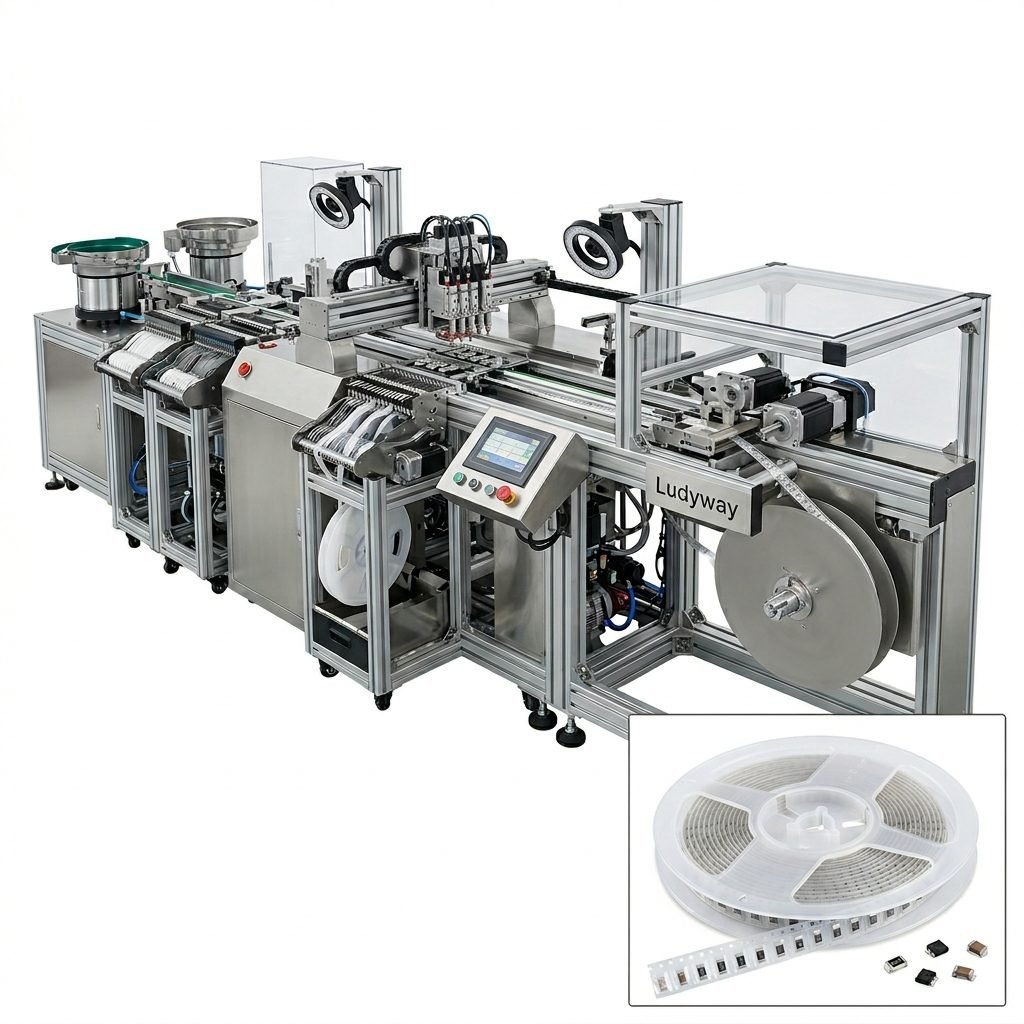
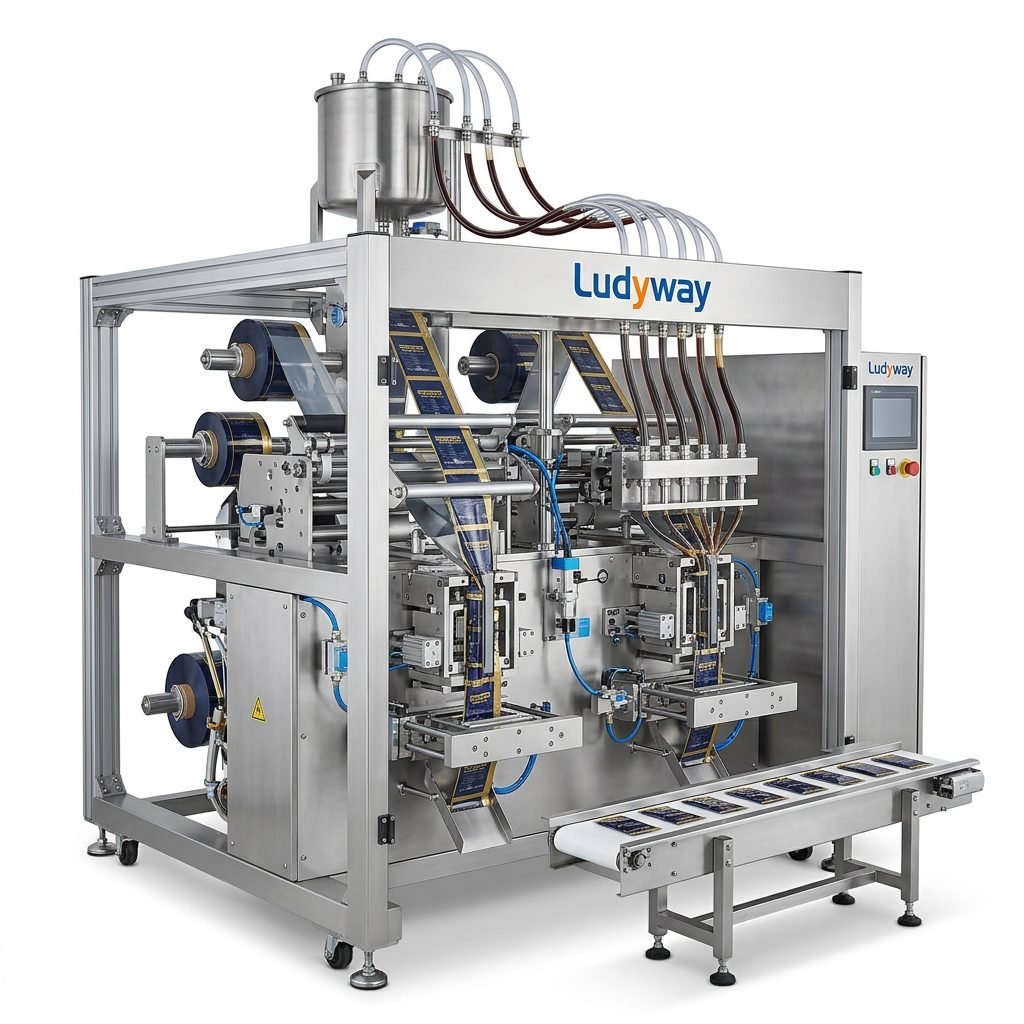
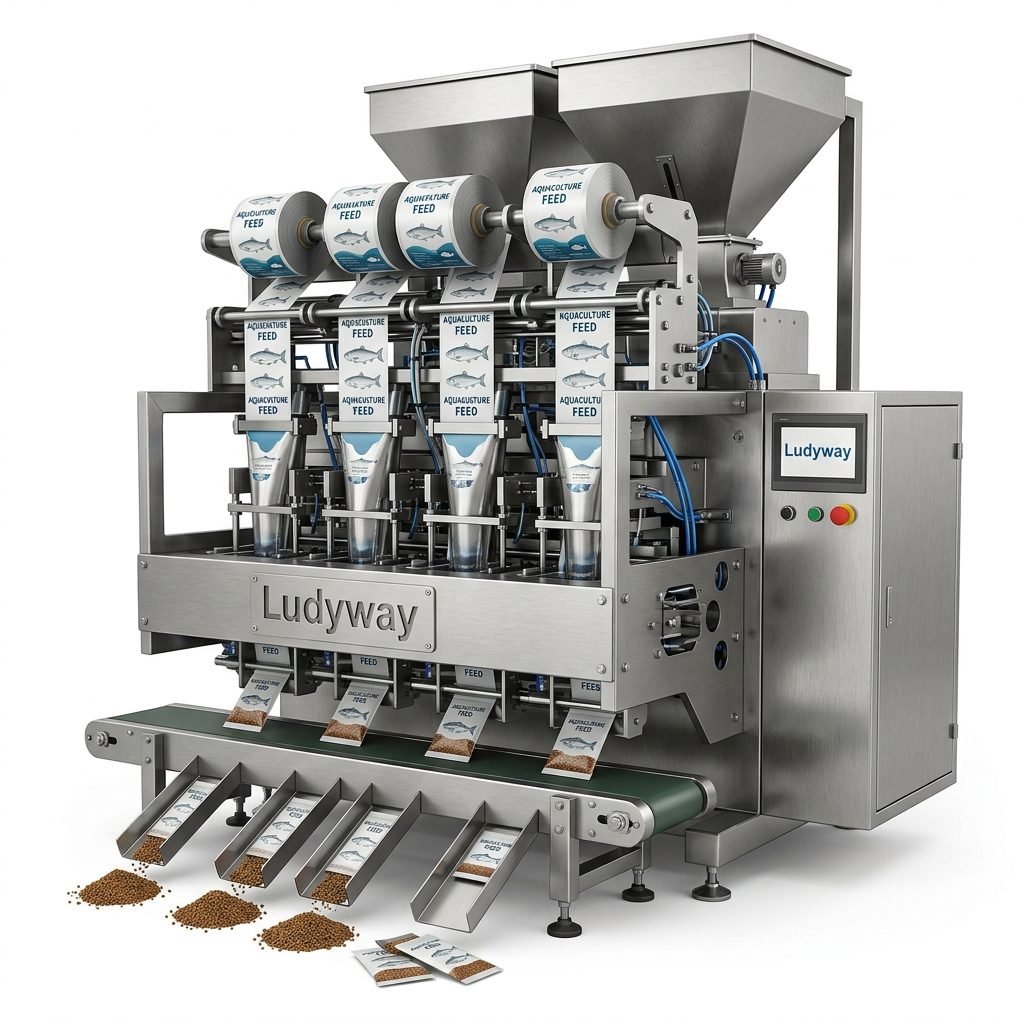
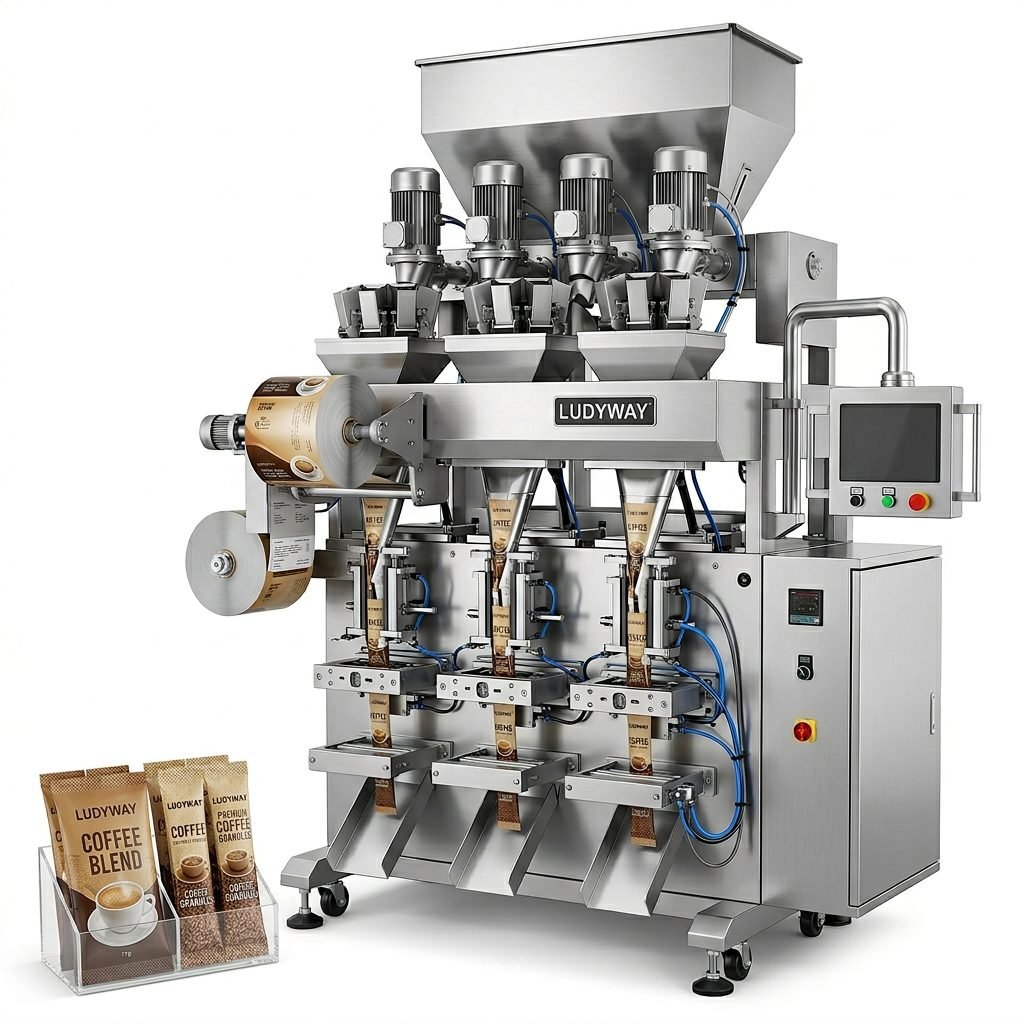
For buyers looking for scalable packaging equipment, pillow packing machine solutions from Ludyway are often considered for projects that require standalone equipment or complete turnkey packaging lines across food, pharmaceutical, cosmetic, chemical, and related industries.
Signs You Are Getting a Competitive Offer
- The quotation clearly lists machine configuration and optional functions
- Sample testing is available with your own product and film
- The supplier can share project cases in similar industries
- Core components and electrical brands are transparent
- Lead time, warranty, and after-sales support are defined in writing
- The machine can meet your current needs and future expansion plans
Final Buying Tips for Best Value
To find the right pillow packing machine price for your business, remember these practical rules:
- Do not compare quotes without comparing configurations
- Test the machine using real product samples whenever possible
- Focus on output stability, accuracy, and sealing quality
- Estimate total ownership cost, not just initial purchase cost
- Choose a supplier that can support growth and customization
In short, the best pillow packing machine price is the one that gives you reliable performance, acceptable maintenance cost, strong production efficiency, and room to scale. Buying purely on the lowest number often leads to higher costs later. Buying for value leads to better packaging results and stronger long-term returns.