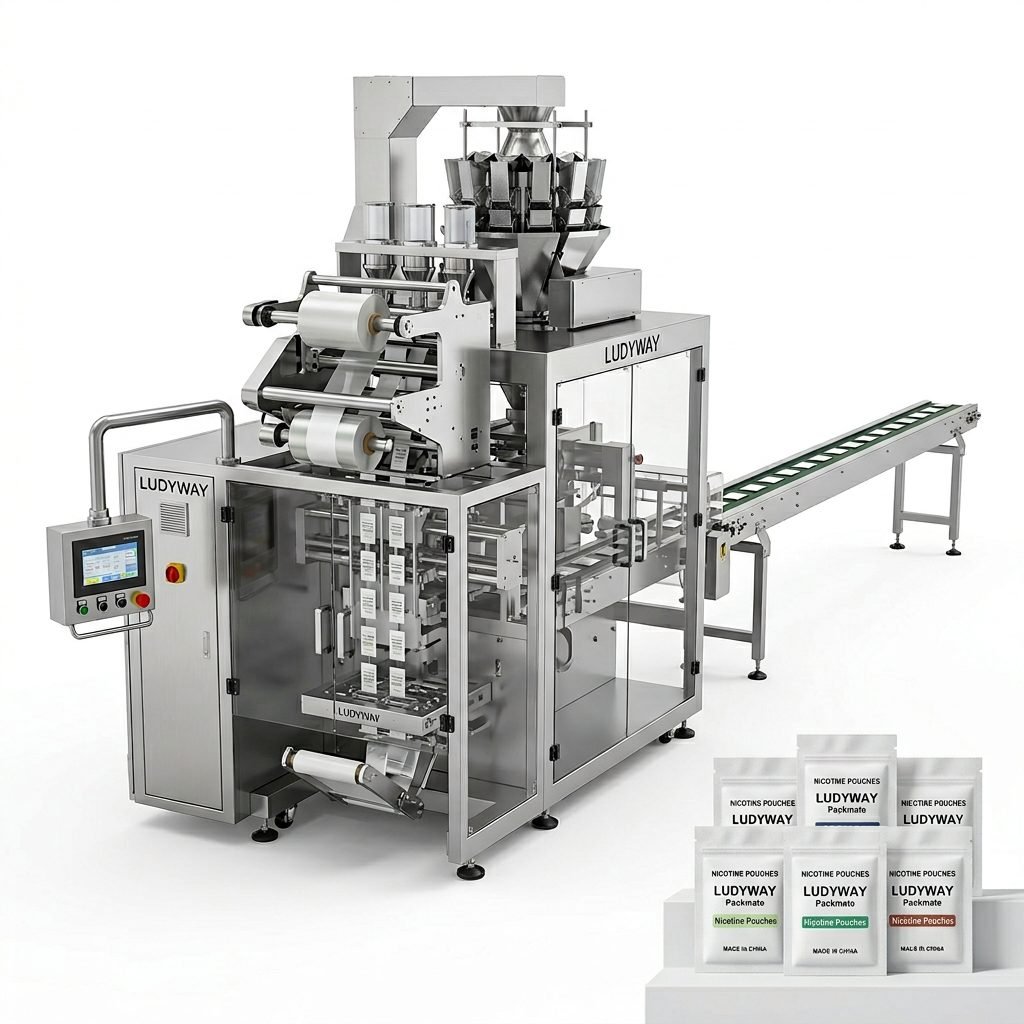
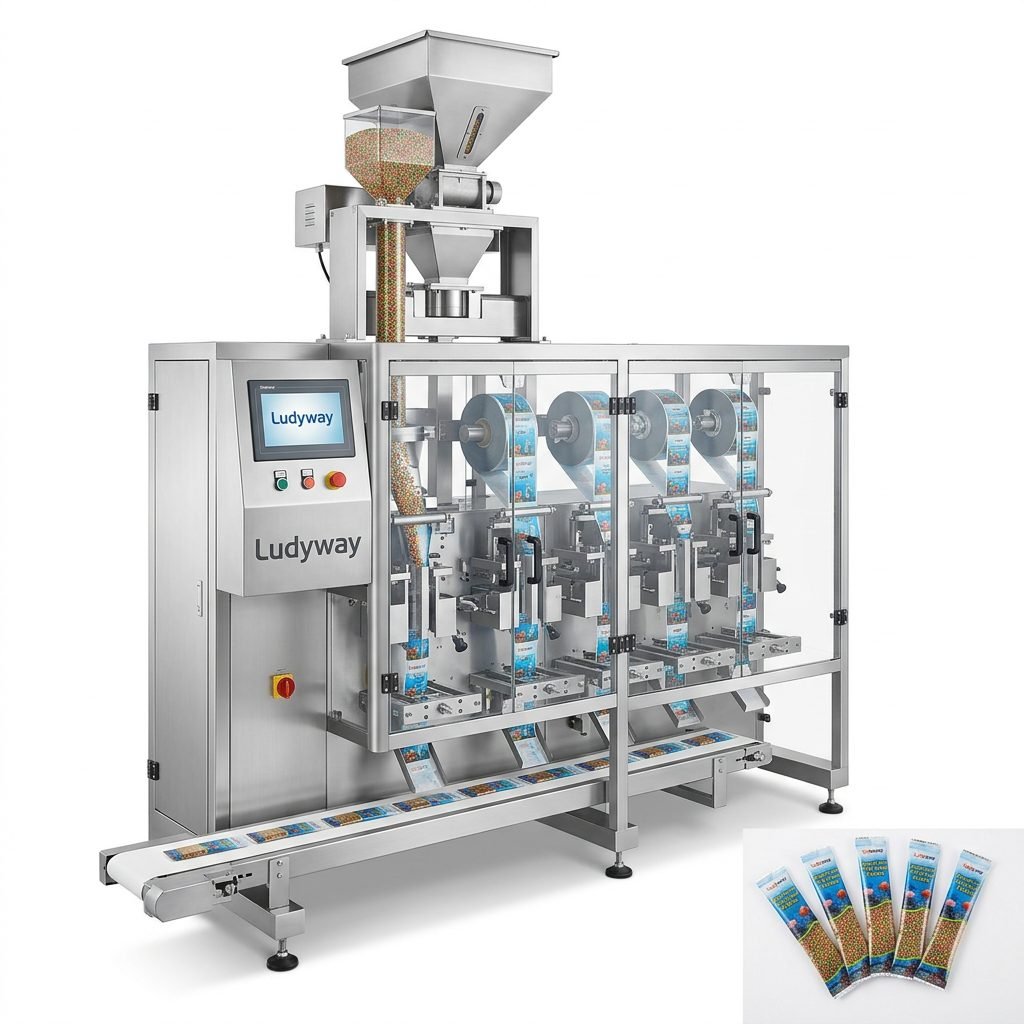
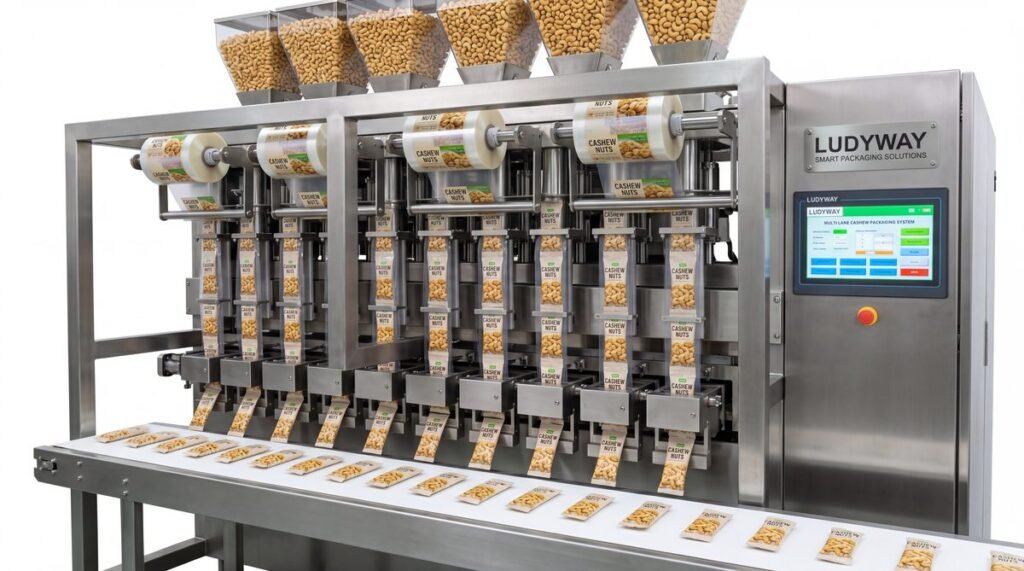
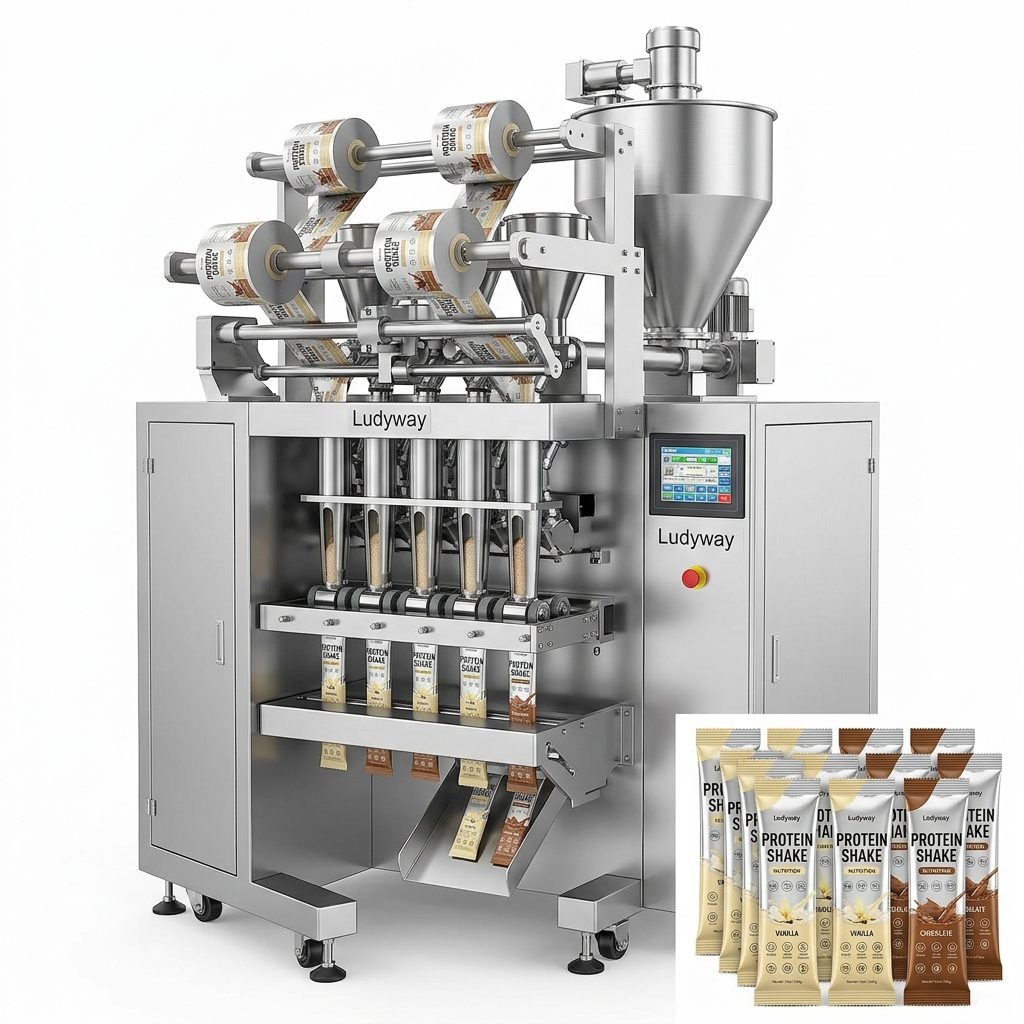
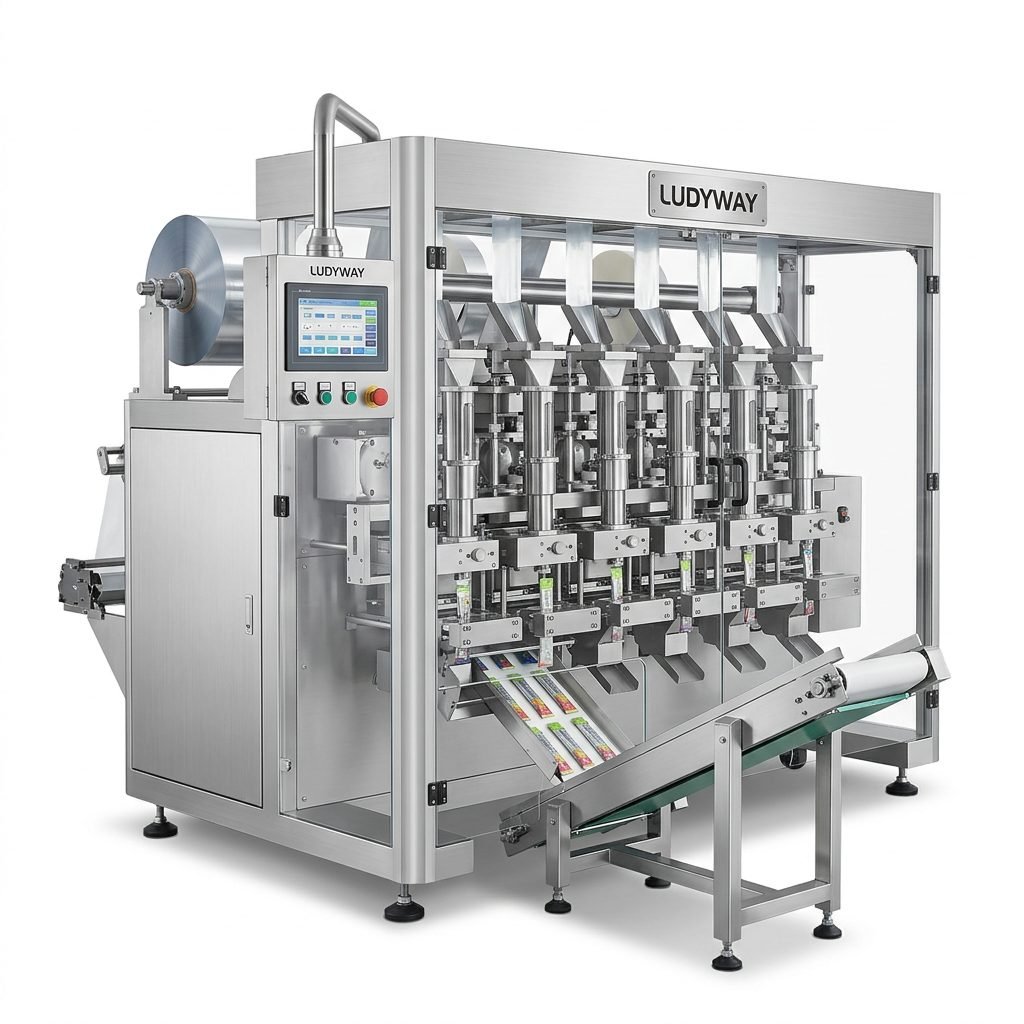
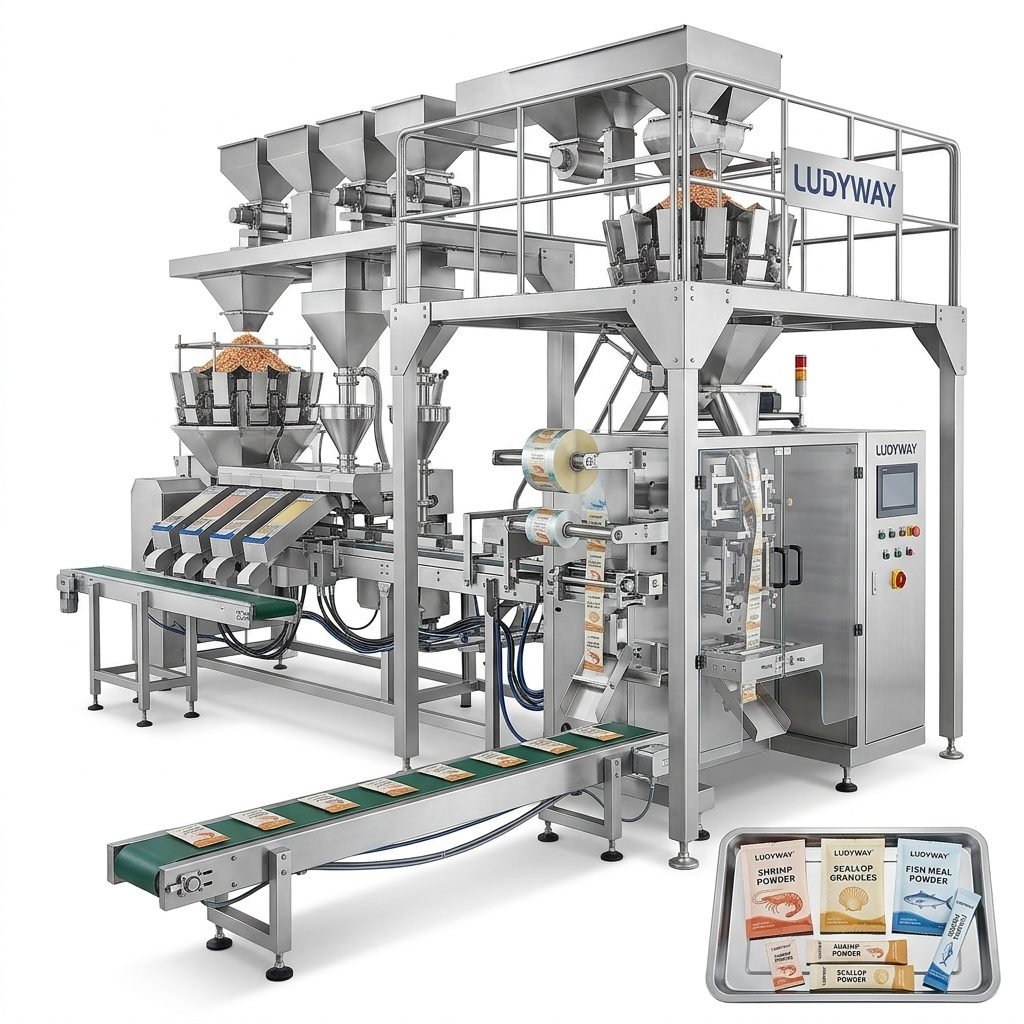
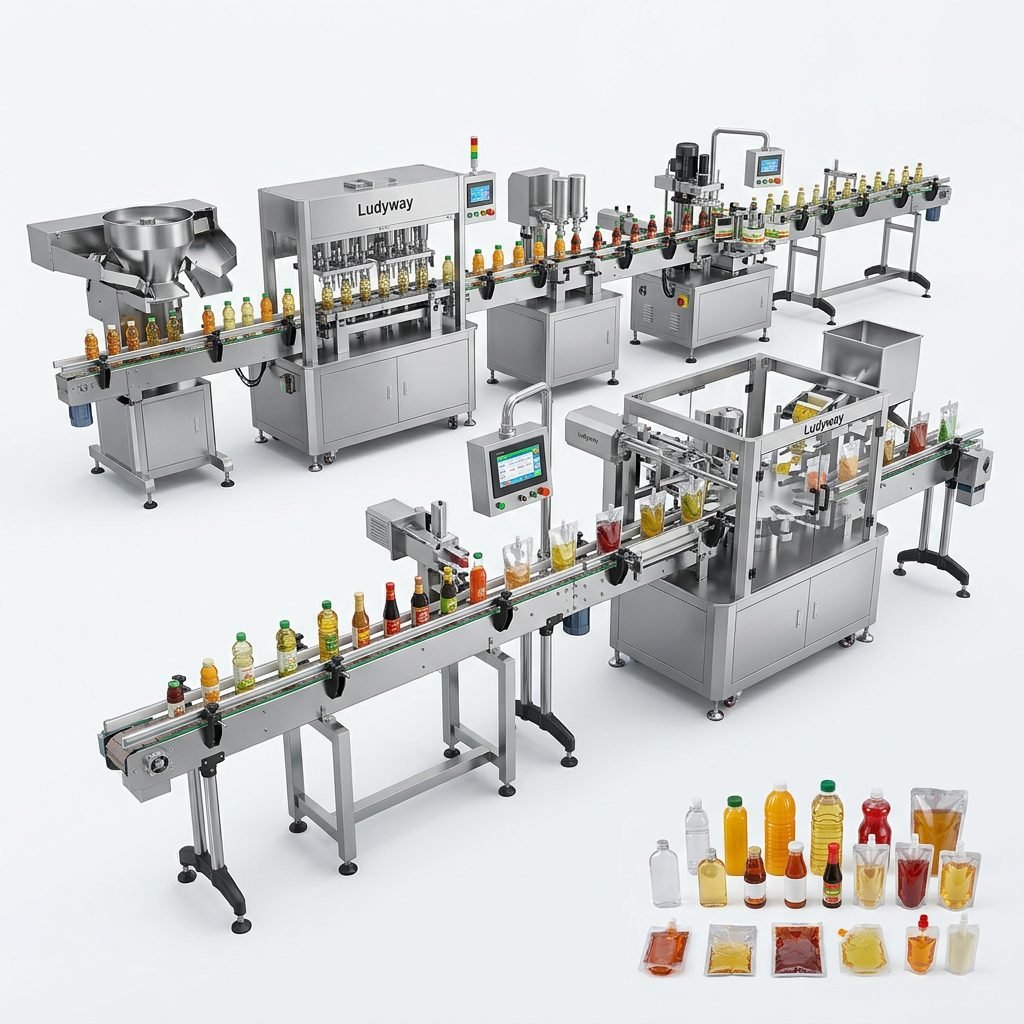
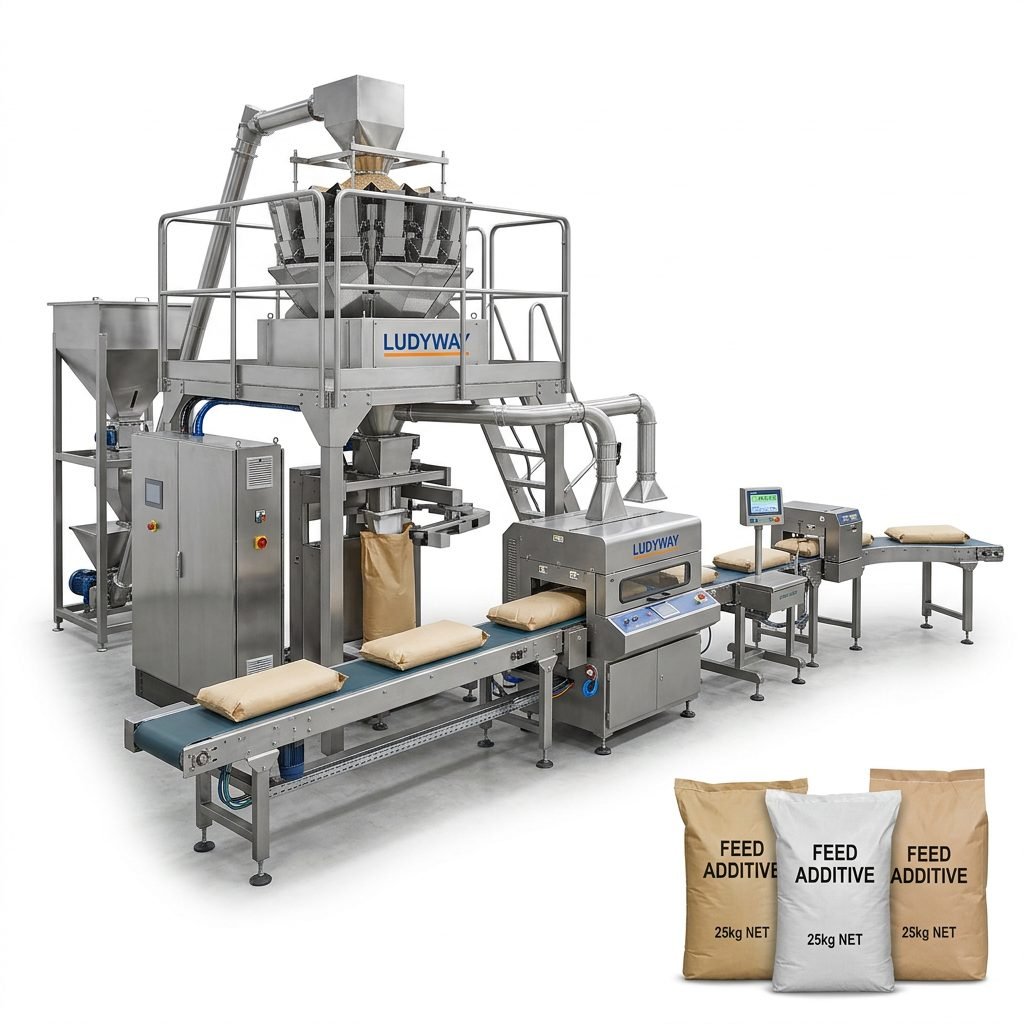
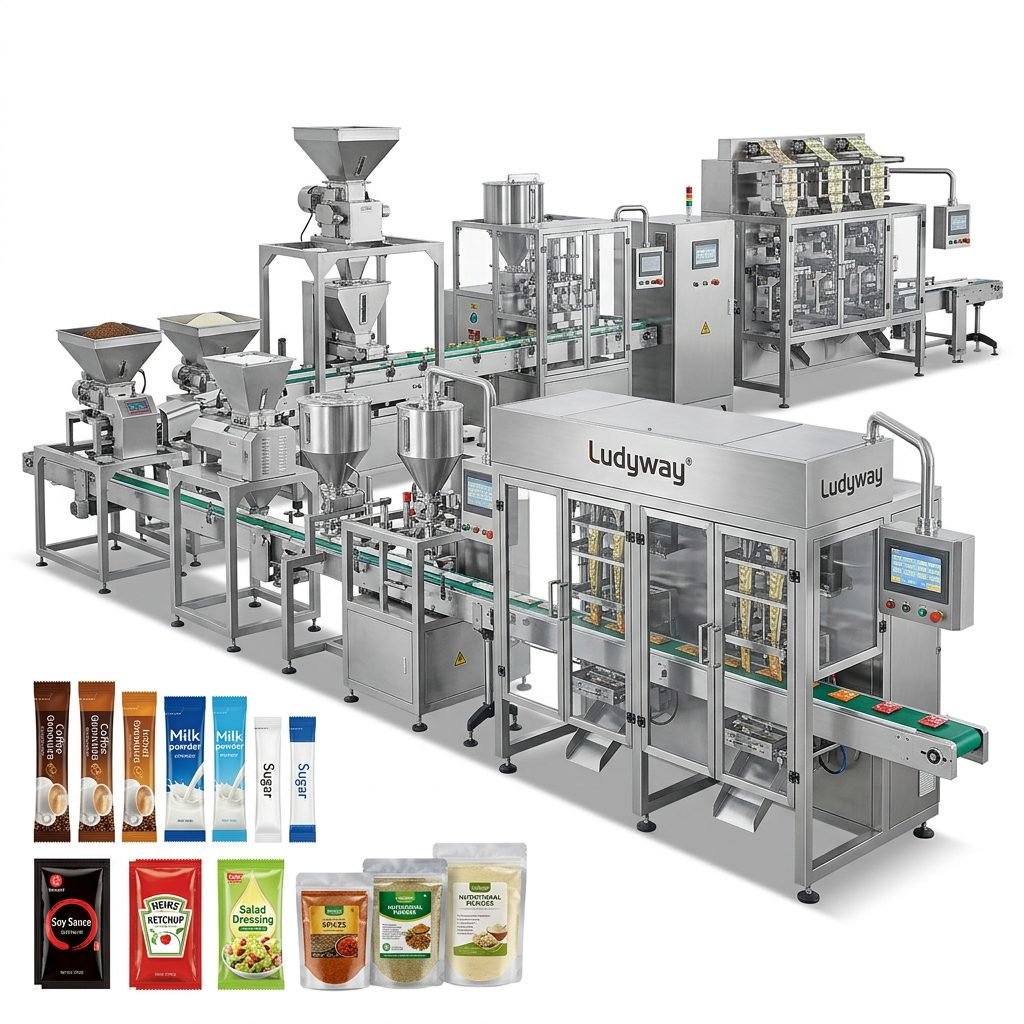
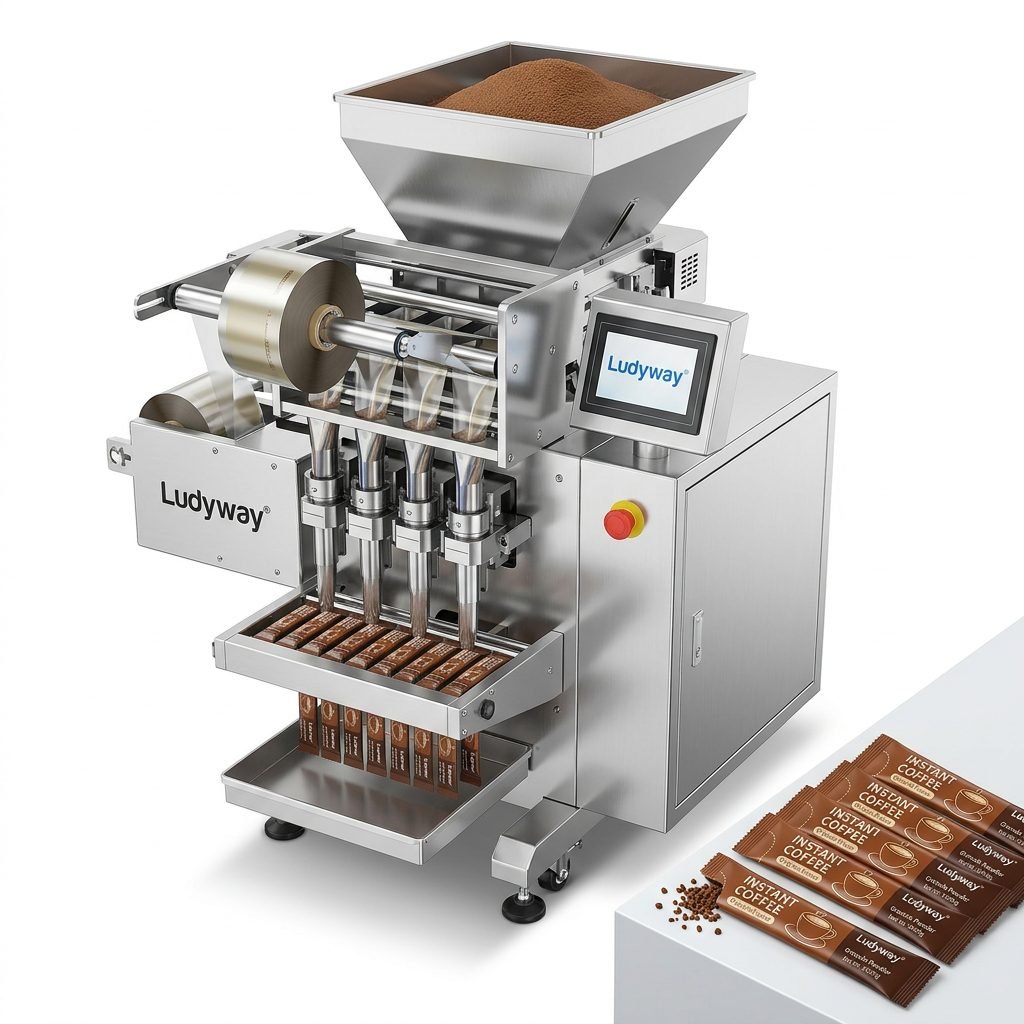
In modern manufacturing, an auto carton packing machine is no longer just a productivity upgrade—it is a core part of building a faster, more accurate, and more scalable packaging operation. Whether you pack sachets, stick packs, pouches, bottles, blisters, or small boxed products, automated cartoning helps reduce manual handling, improve consistency, and support high-volume output with less downtime.
For food, pharmaceutical, health supplement, cosmetic, and daily chemical manufacturers, carton automation plays a critical role at the final stage of packaging. It bridges primary packaging and logistics by organizing products neatly into cartons, improving presentation, traceability, transport safety, and downstream warehousing efficiency.
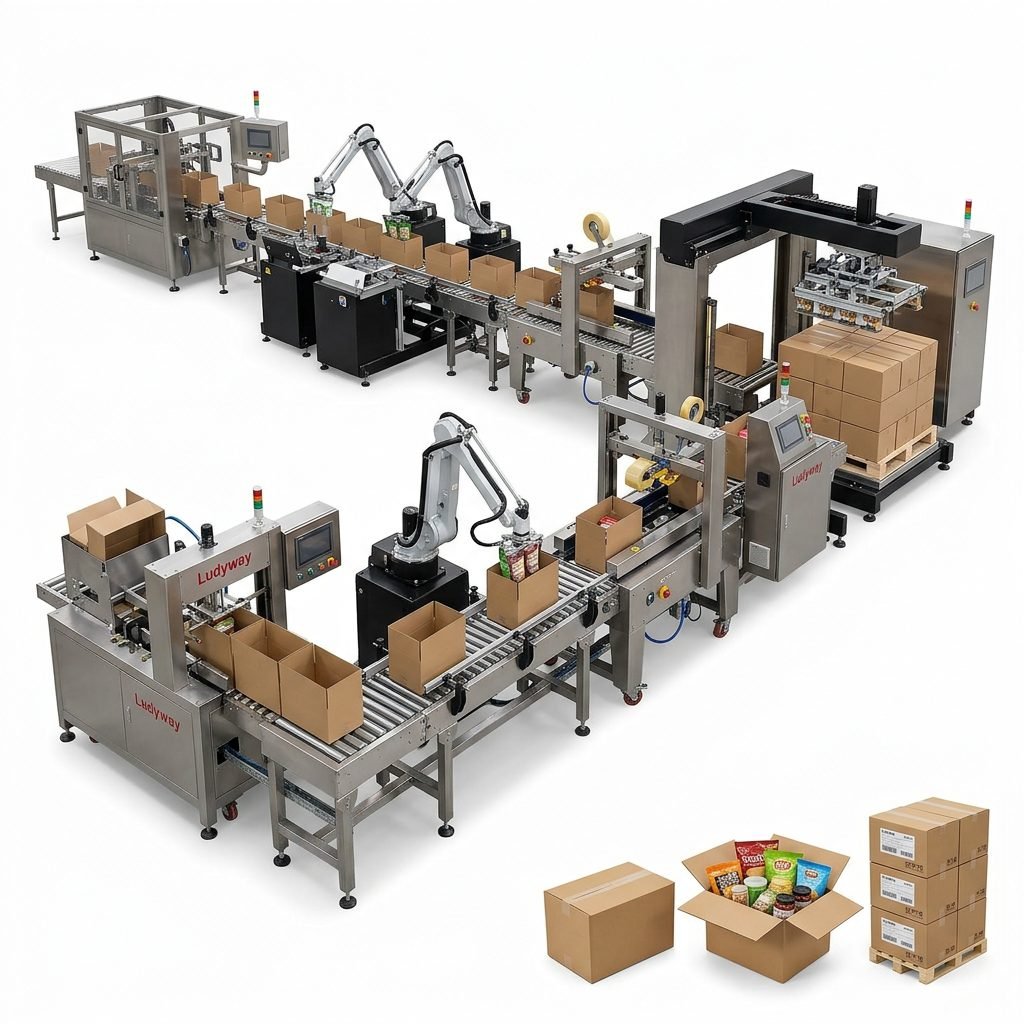
What Is an Auto Carton Packing Machine?
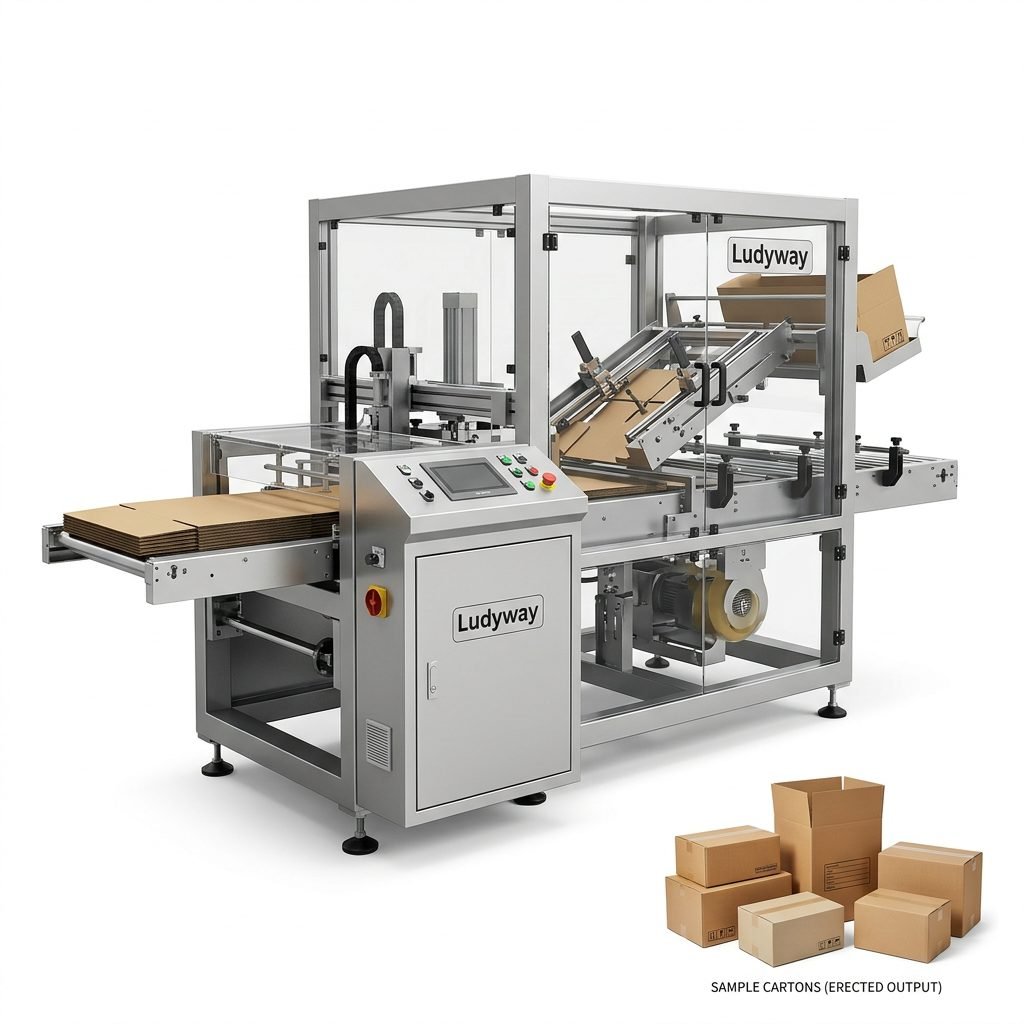
An auto carton packing machine is an automated system designed to load products into pre-formed cartons or erect cartons from flat blanks, insert products in the required arrangement, and complete closing or sealing operations. Depending on the production target, the machine may work as a standalone cartoner or as part of a fully integrated packaging line with conveyors, checkweighers, coding units, sealers, case packers, and palletizing systems.
These machines are commonly used for:
- Single sachet or multi-sachet carton loading
- Stick pack grouping and cartoning
- Bottle, vial, or tube carton insertion
- Blister pack cartoning for pharmaceutical products
- Pouch-to-carton secondary packaging
- Retail-ready and transport-ready box packing
Why Businesses Are Moving to Automated Carton Packing
Manual carton loading often creates bottlenecks, especially when upstream filling and sealing equipment runs at high speed. An automatic cartoning system allows manufacturers to match the pace of modern packaging lines while improving pack quality and labor efficiency.
| Key Benefit | Operational Impact |
|---|---|
| Higher throughput | Keeps pace with high-speed filling and primary packaging equipment |
| Reduced labor dependency | Minimizes repetitive manual loading and lowers staffing pressure |
| Consistent carton quality | Improves alignment, insertion accuracy, and sealing uniformity |
| Better product protection | Reduces handling damage during secondary packaging |
| Smarter line integration | Connects easily with coding, inspection, case packing, and palletizing |
Industries That Benefit Most
Auto carton packing machines are especially valuable in industries where output volume, hygiene, precision, and packaging appearance all matter. In these sectors, automation supports both production efficiency and brand presentation.
Food and Beverage
Granules, powders, seasoning sachets, instant coffee sticks, nutritional drink packs, and snack products often require neat grouping before retail distribution. Cartoning improves pack organization and shelf appeal while supporting fast changeovers between SKU formats.
Pharmaceutical and Nutraceutical
In pharma packaging, consistency and traceability are essential. Auto cartoners can handle blister packs, sachets, and medical packs with better accuracy, and they can be integrated with coding, inspection, and rejection systems for stricter process control.
Cosmetics and Personal Care
Cream sachets, serum packs, sample sticks, and tube products often need compact, attractive cartons. Automated cartoning helps maintain a premium look while reducing product handling and operator variability.
Daily Chemicals and Household Products
Detergent packs, cleaning sachets, wipes, and other consumer products benefit from stable, high-output carton loading, especially for export-ready packaging and multi-pack arrangements.
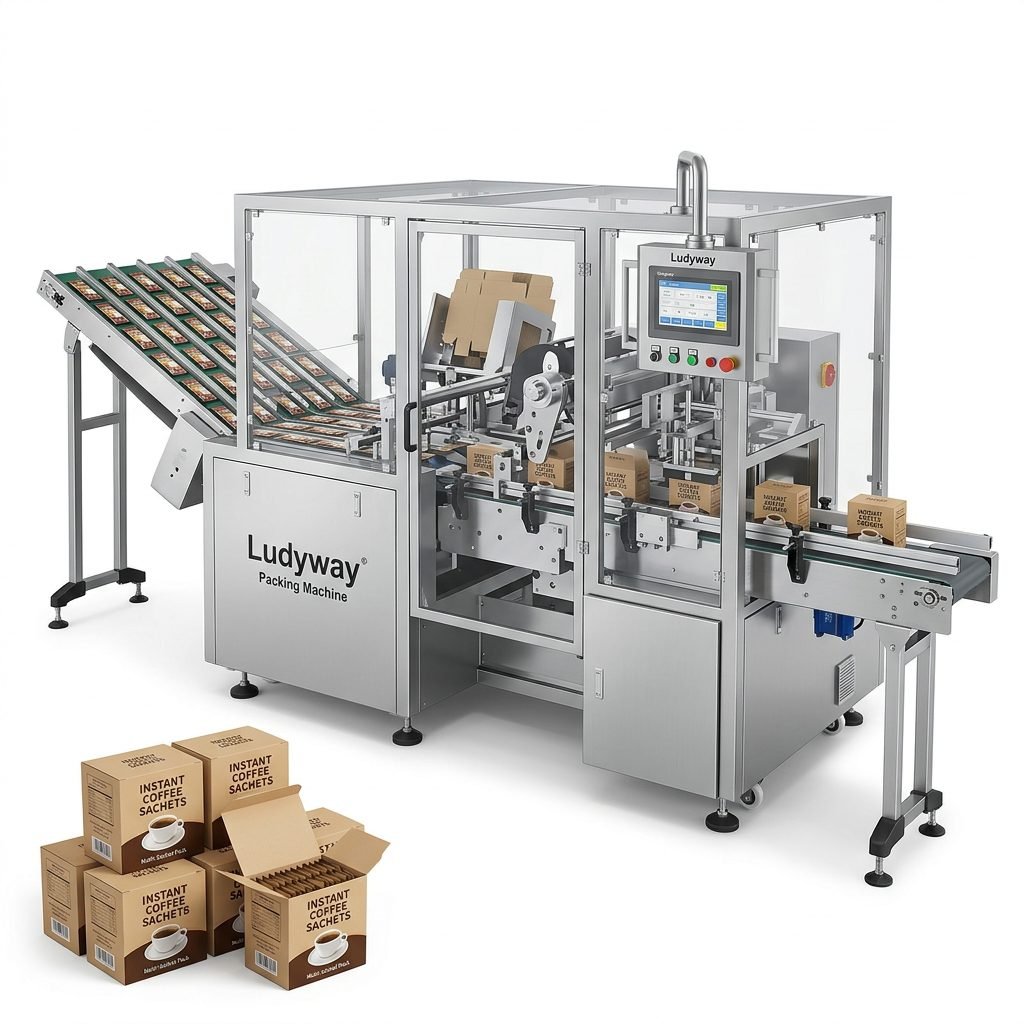
Core Functions of a Modern Carton Packing System
A high-performance system is more than a carton loader. Today’s smart packaging lines are designed for coordination, visibility, and adaptability across multiple product types.
- Automatic carton erecting for fast setup from flat carton blanks
- Precise product collation for ordered grouping before insertion
- Automatic insertion for sachets, pouches, bottles, or other packs
- Leaflet insertion where regulatory or promotional materials are required
- Carton closing or sealing with tuck-in or adhesive options
- Code printing and inspection for batch, date, and traceability support
- Reject handling for missing product, open carton, or coding errors
Features to Look for When Choosing the Right Machine
Not every auto carton packing machine is suitable for every product. The ideal solution depends on product format, target speed, carton dimensions, available floor space, and future expansion plans.
| Selection Factor | Why It Matters |
|---|---|
| Product format | Different feeding systems are needed for sachets, bottles, pouches, or blisters |
| Output speed | The cartoner must match upstream packaging capacity |
| Carton size range | Wider adjustability supports multiple SKUs and future product launches |
| Changeover efficiency | Fast changeover reduces downtime in multi-product production |
| Integration capability | Essential for coding, inspection, case packing, and factory automation |
| Machine stability | Stable operation lowers waste, rework, and maintenance frequency |
How Auto Carton Packing Improves ROI
Investment decisions in packaging equipment are usually driven by measurable returns. A well-designed cartoning machine supports ROI not only through labor savings but also through smoother overall line performance.
- Reduces repetitive manual carton loading tasks
- Increases output consistency across shifts
- Decreases product damage and packaging errors
- Improves sealing quality and presentation for retail markets
- Supports line automation and data-driven production management
- Allows easier scaling as demand grows
In many factories, the biggest gain comes from eliminating the mismatch between fast primary packaging and slow secondary packing. Once cartoning is automated, the entire line becomes more balanced and easier to manage.
Standalone Machine or Turnkey Packaging Line?
Some manufacturers only need a single cartoning unit to upgrade an existing line. Others benefit more from a complete integrated solution that connects product feeding, primary packaging, cartoning, case packing, palletizing, and inspection into one coordinated system.
For businesses planning long-term automation, turnkey integration often creates better performance than connecting unrelated machines from different sources. It simplifies communication, shortens commissioning time, and improves compatibility across the full process.
Manufacturers looking for scalable automation can explore solutions from Ludyway auto carton packing machine solutions, backed by more than 30 years of experience in packaging machinery and turnkey packaging lines for food, pharmaceutical, health supplement, and related industries.
Signs Your Factory Needs an Auto Carton Packing Machine
- Manual workers cannot keep up with filling or sealing speed
- Carton quality varies between operators or shifts
- Frequent packaging bottlenecks delay shipments
- Labor cost and staffing shortages are affecting output
- You need cleaner, more professional retail-ready packaging
- You plan to expand exports and need more standardized packing
- You want better compatibility with case packing and palletizing systems
Best Practices for Successful Implementation
To get the best performance from an automated cartoning system, manufacturers should evaluate the full packaging flow rather than only the machine itself.
Map the Full Process
Review upstream product discharge, accumulation, orientation, and conveyor stability. Cartoning efficiency depends heavily on how consistently products arrive at the infeed.
Plan for SKU Flexibility
If your business handles frequent product updates or promotional formats, choose equipment with practical changeover design and adaptable carton size ranges.
Include Inspection Points
Adding code verification, missing-product detection, weight control, and reject systems can prevent small packaging issues from becoming large shipment problems.
Think Beyond Today’s Capacity
A machine that only fits current output may become a limitation within a short time. It is often smarter to select a system that supports future growth, line upgrades, and integrated automation.
Conclusion
An auto carton packing machine delivers more than faster box loading. It helps manufacturers create a smarter packaging workflow with better speed, consistency, product protection, and operational control. For companies aiming to reduce manual handling, improve final pack quality, and build a scalable production line, automated cartoning has become an essential investment.
As packaging demands continue to rise across food, pharma, supplements, cosmetics, and chemical sectors, businesses that adopt efficient carton automation are better positioned to meet delivery timelines, control costs, and maintain a competitive edge in global markets.