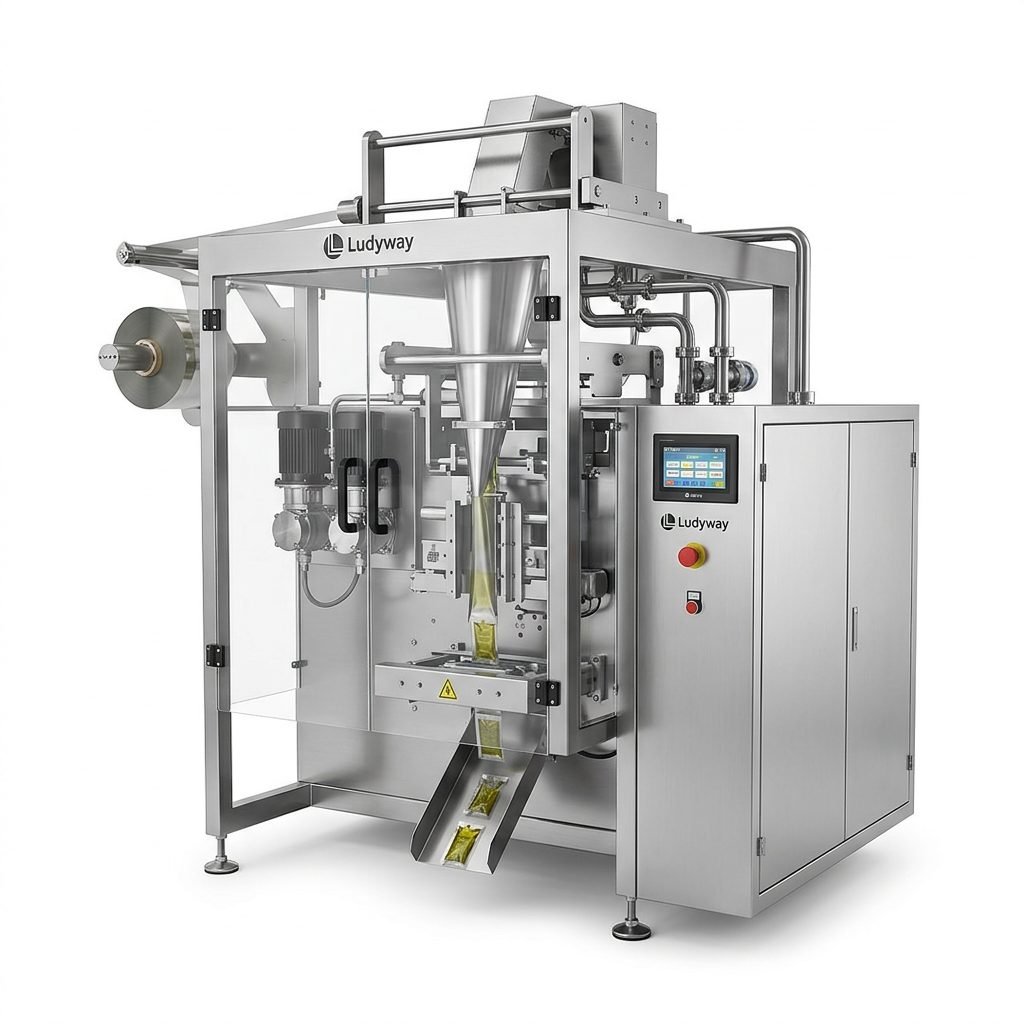
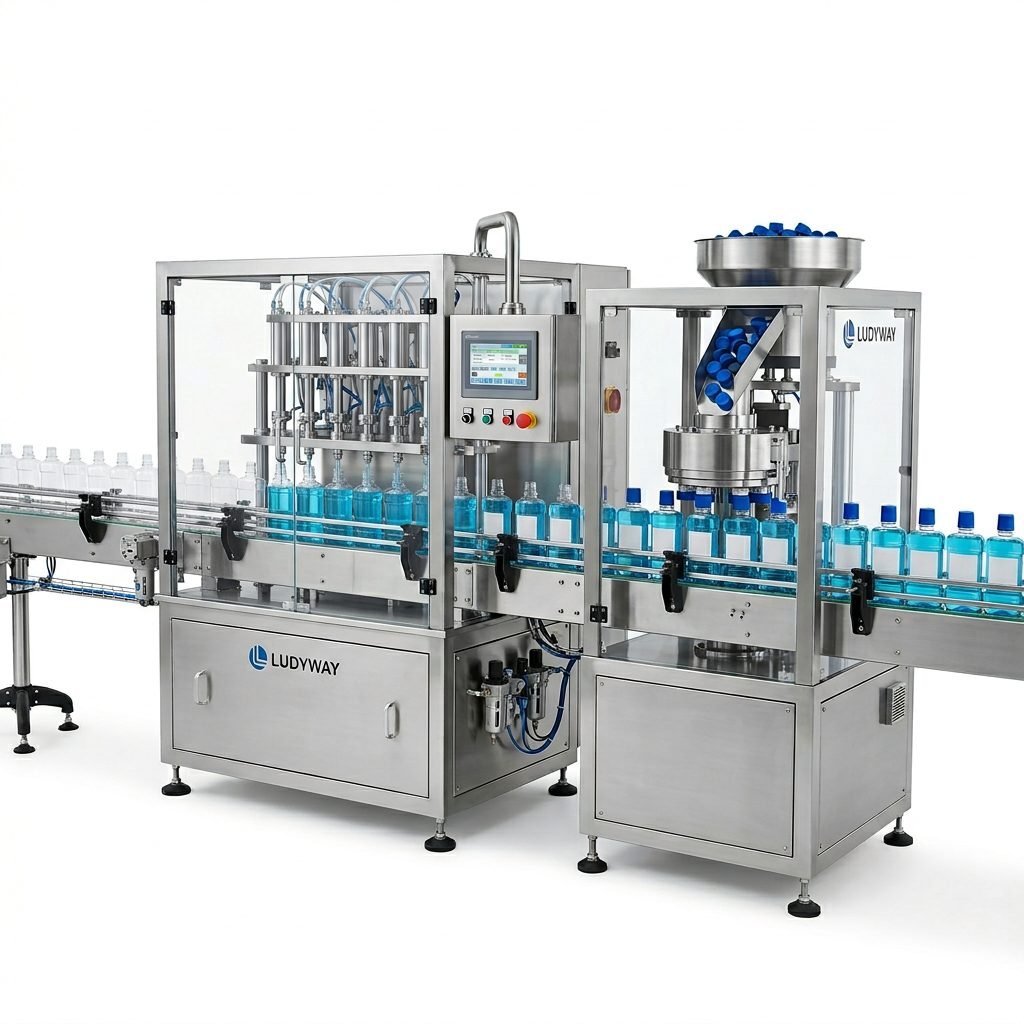
Garment packing machines are designed to automate the final stage of apparel production by folding, counting, bagging, sealing, labeling, and preparing garments for shipment. For manufacturers, exporters, e-commerce sellers, laundries, and contract packing facilities, these machines help reduce manual handling while improving consistency, speed, and packaging quality.
Whether you pack T-shirts, shirts, uniforms, underwear, knitwear, baby clothes, or fashion items, the right system can make a major difference in productivity and presentation. In modern apparel operations, packaging is no longer just a finishing step—it is part of brand image, labor efficiency, and order accuracy.
What Is a Garment Packing Machine?
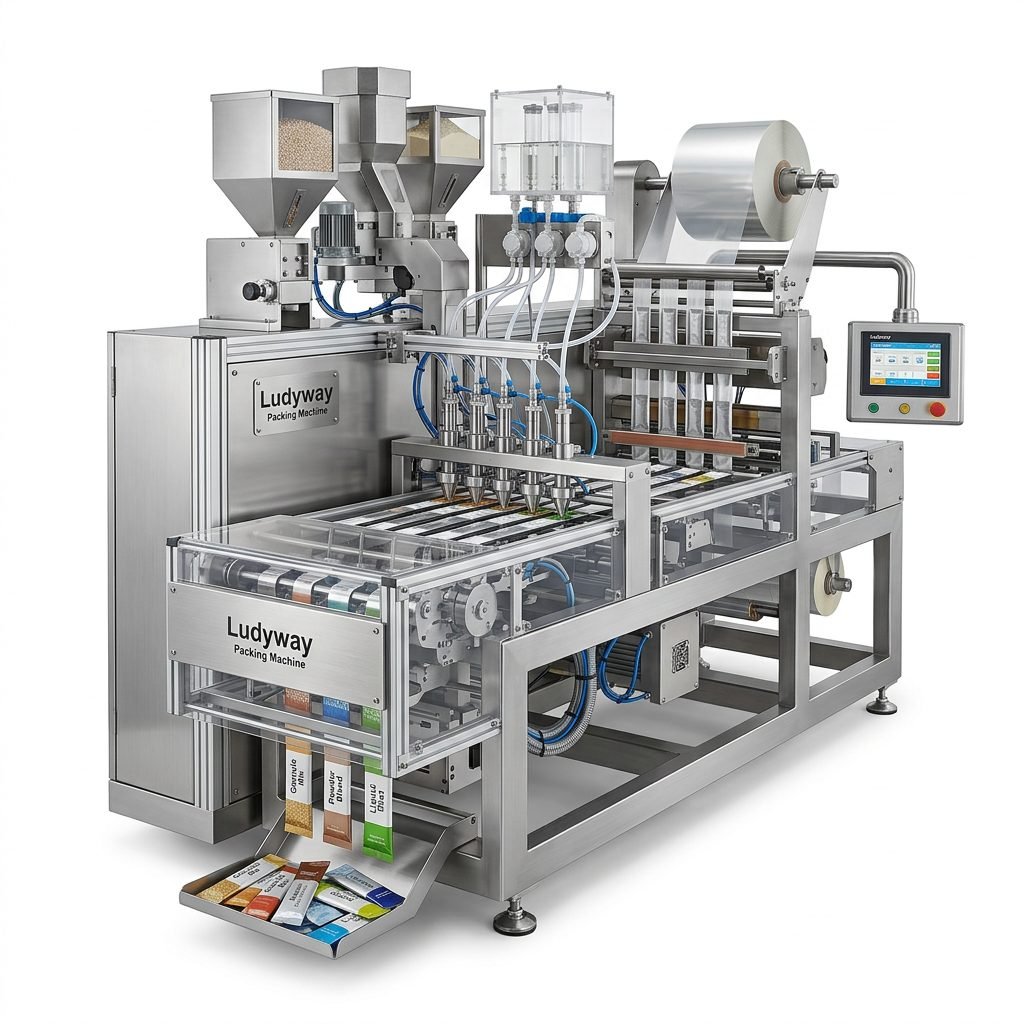
A garment packing machine is a packaging system used to place finished clothing items into protective packaging automatically or semi-automatically. Depending on the production setup, the machine may perform one or more of the following functions:
- Automatic garment feeding
- Folding and stacking
- Counting and sorting by quantity or size
- Bag making or bag loading
- Poly bag insertion
- Sealing and trimming
- Barcode, date, or batch coding
- Cartoning or case packing integration
These machines are widely used in:
- Garment factories
- Textile export companies
- Private label clothing brands
- E-commerce fulfillment centers
- Uniform suppliers
- Laundry and hospitality textile operations
How a Garment Packing Machine Works
The exact workflow depends on the machine type, but most garment packing systems follow a clear sequence. Automation levels can range from simple bag sealing units to fully integrated lines.
1. Garment Input
Operators or upstream conveyors place garments onto the infeed section. Some systems are manual-assist, while others use automatic feeding devices for continuous operation.
2. Folding and Positioning
The machine folds each garment according to preset dimensions. This is important for creating a uniform retail look and ensuring the item fits the selected bag size. Adjustable guides allow different clothing sizes and styles to run on the same machine.
3. Counting or Stacking
If the application requires multi-piece packing, the machine can count and stack garments before packaging. This is useful for uniforms, socks, underwear, and bulk apparel sets.
4. Bagging
The folded garment is inserted into a pre-made poly bag or a bag formed from roll film. Some systems also support self-adhesive bags, resealable bags, or vent-hole bags for apparel packaging.
5. Sealing
The package is sealed by heat sealing, adhesive closure, or flap closing, depending on the packaging material and product requirements. A clean seal protects the garment from dust, moisture, and handling damage during transport.
6. Coding and Labeling
Many garment packing machines can integrate with printers or label applicators for SKU labels, barcodes, lot codes, or customer-specific shipping information.
7. Final Discharge
Finished packs are discharged to a conveyor, collection table, carton packing station, or warehouse transfer system.
Main Types of Garment Packing Machines
Different garment products require different machine structures. Choosing the correct type starts with understanding your packaging format and production target.
| Machine Type | Best For | Key Features |
|---|---|---|
| Semi-automatic bagging machine | Small and medium clothing workshops | Lower cost, operator-assisted loading, flexible product changeover |
| Automatic folding and bagging machine | T-shirts, polos, knitwear, uniforms | Consistent folding, automatic insertion, higher output |
| Garment sealing machine | Pre-bagged clothing products | Heat seal or flap seal, simple operation, compact footprint |
| Counting and packing system | Multi-piece apparel packs | Piece control, reduced packaging errors, batch packing efficiency |
| Integrated packing line | Large apparel factories and export lines | Conveyors, coding, labeling, cartoning, end-of-line automation |
Key Benefits of Using a Garment Packing Machine
Higher Packing Speed
Manual garment packing is labor-intensive and often inconsistent during high-volume runs. An automated system can process garments much faster, especially during peak order periods.
Better Packaging Consistency
Uniform folding and sealing improve retail presentation and create a more professional brand image. This is especially important for export shipments and branded apparel.
Lower Labor Dependency
One of the biggest advantages is reducing repetitive manual work. This helps factories handle labor shortages, improve line stability, and reassign workers to higher-value tasks.
Reduced Product Damage and Contamination
Automated bagging limits direct contact with garments, helping maintain cleanliness and reducing wrinkles, dust exposure, and handling marks.
Improved Order Accuracy
When counting, sorting, and labeling are integrated into the line, the risk of quantity errors and SKU mix-ups becomes much lower.
Scalability for Growing Brands
As order volume grows, a garment packing machine makes it easier to scale output without expanding packaging labor at the same rate.
Applications Across the Apparel Industry
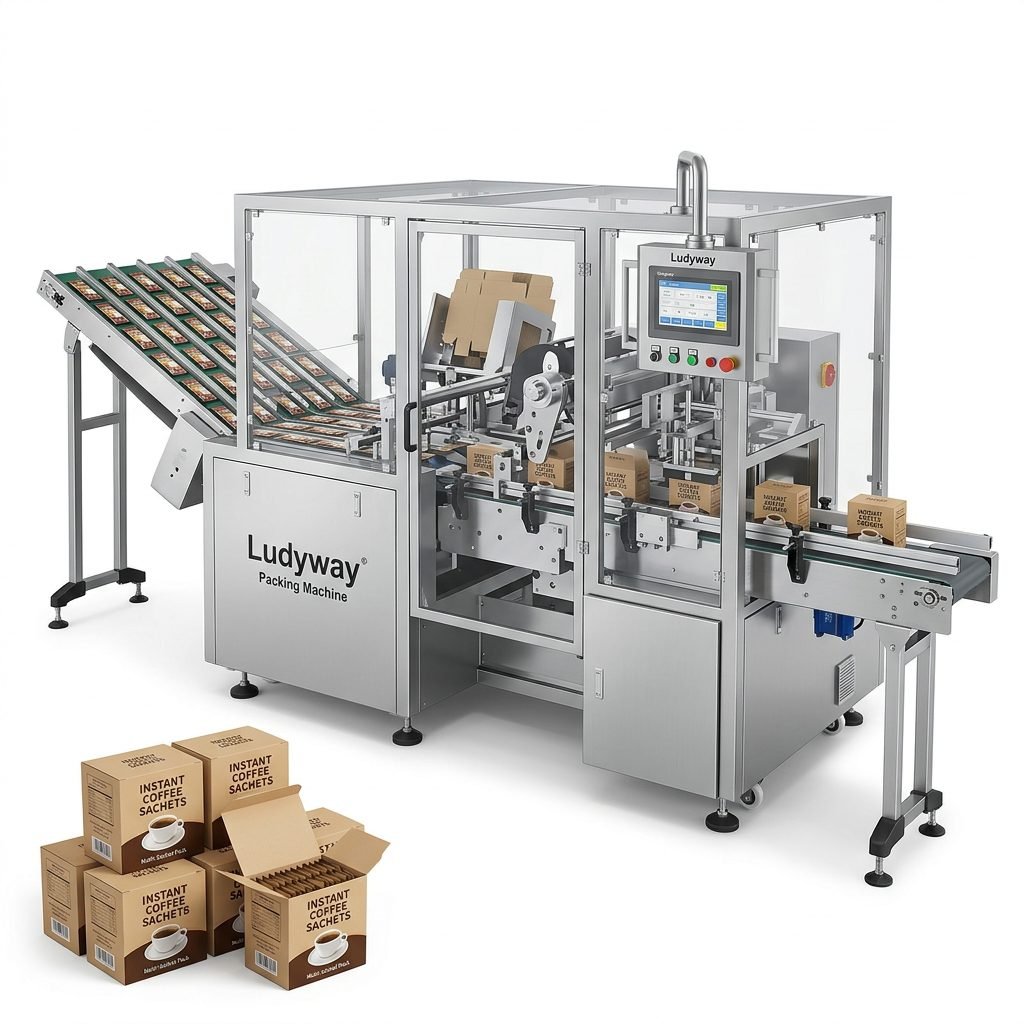
Garment packing machines are not limited to one product category. Their flexibility makes them useful across many apparel and textile sectors.
- T-shirts and polo shirts for retail and promotional orders
- Dress shirts requiring clean folds and neat presentation
- Underwear and socks in counted or bundled packaging
- Baby garments where hygiene and neat appearance are essential
- School and work uniforms packed by set, size, or department
- Sportswear for branded retail packaging
- Laundry and hotel textiles requiring clean protective packing
Important Features to Look For
Not all garment packing machines deliver the same performance. Before buying, review the machine’s design against your actual packaging environment.
Adjustable Format Range
The machine should handle different garment sizes, folds, and bag dimensions without complicated changeover.
Stable Feeding System
Smooth feeding is critical for soft textile products. Poor feeding can lead to misalignment, jams, or poor bag insertion.
Reliable Sealing Quality
Seals should be neat, secure, and suitable for your bag material. Weak or uneven seals can affect both product protection and presentation.
Easy Operation Interface
A user-friendly touchscreen and recipe storage make it easier for operators to switch between garment styles and reduce setup time.
Integration Capability
If you plan to connect coding, labeling, checkweighing, cartoning, or conveyor systems later, make sure the machine supports future upgrades.
Maintenance Accessibility
Choose a design that allows fast cleaning, easy replacement of wear parts, and simple access to critical components.
How to Choose the Right Garment Packing Machine
Selecting the right system means balancing product type, packaging format, output goal, labor cost, and expansion plans. A machine that is too small may slow growth, while one that is too complex may increase unnecessary costs.
| Selection Factor | Questions to Ask |
|---|---|
| Garment type | Are you packing T-shirts, shirts, uniforms, underwear, or mixed products? |
| Bag style | Do you use pre-made bags, roll film, adhesive flap bags, or custom printed packaging? |
| Output target | How many pieces per hour or per shift do you need? |
| Automation level | Do you need semi-automatic assistance or full automatic packing? |
| Factory space | Is there enough room for standalone equipment or a complete packing line? |
| Customization | Will the machine need special folding, labeling, or multi-SKU packing functions? |
| After-sales support | Can the supplier provide installation, spare parts, training, and technical assistance? |
Common Mistakes Buyers Should Avoid
- Choosing only by price and ignoring long-term operating stability
- Not testing actual garment samples before purchase
- Overlooking changeover time for different sizes and styles
- Ignoring packaging material compatibility
- Buying a standalone unit when future line integration is already planned
- Failing to confirm local voltage, compliance, and service requirements
Semi-Automatic vs Fully Automatic: Which Is Better?
The answer depends on your production volume and labor strategy.
Semi-Automatic Machines
- Lower upfront investment
- Suitable for smaller batches and mixed orders
- More operator involvement
- Good for startups and flexible workshops
Fully Automatic Machines
- Higher throughput
- More consistent output quality
- Lower labor cost per unit over time
- Better for export-scale and continuous production
If your operation handles frequent large orders, a fully automatic garment packing line often delivers better long-term value.
Why Turnkey Integration Matters
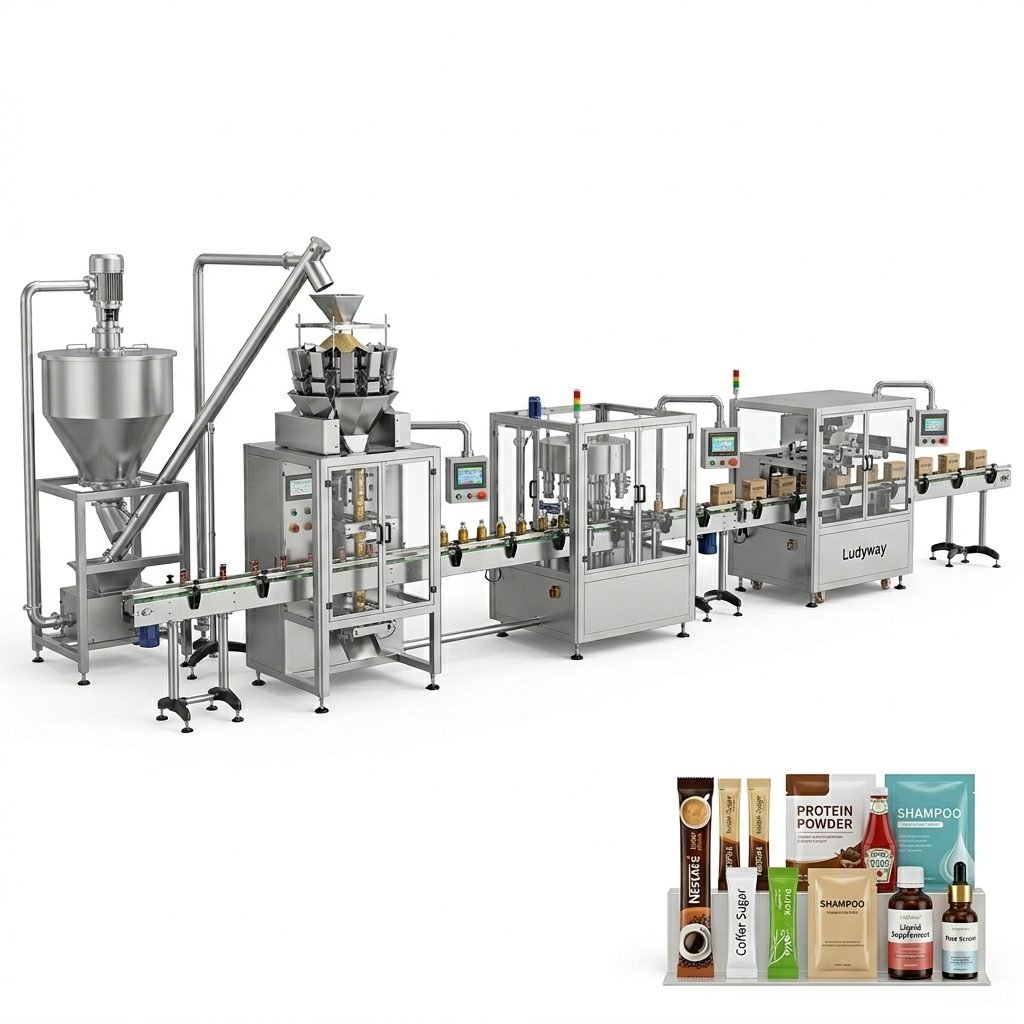
For growing factories, the real advantage often comes from connecting the garment packing machine with other packaging and handling equipment. A well-designed turnkey line can combine:
- Infeed conveyors
- Automatic folding modules
- Bagging and sealing stations
- Inkjet or thermal transfer coding
- Labeling systems
- Carton packing equipment
- Palletizing and warehouse transfer systems
This type of integrated approach reduces bottlenecks and makes production planning easier. Companies looking for scalable automation often prefer suppliers with broader engineering and line-integration capabilities, such as garment packing machine and turnkey packaging line expertise from Ludyway.
Maintenance Tips for Long-Term Performance
Even the best machine needs proper maintenance to keep packaging quality stable.
- Clean feeding and sealing sections regularly
- Check moving parts for wear and alignment
- Inspect heating elements and sealing surfaces
- Monitor sensors and PLC alarms
- Use the correct packaging materials recommended for the machine
- Train operators on startup, changeover, and troubleshooting procedures
Routine preventive maintenance can significantly reduce downtime and extend equipment life.
Who Should Invest in a Garment Packing Machine?
A garment packing machine is a strong investment for businesses that:
- Pack large quantities of apparel daily
- Need cleaner and more consistent product presentation
- Face rising labor costs
- Handle export orders with strict packing standards
- Want to improve throughput without sacrificing packaging quality
- Plan to build a more automated end-of-line process
Final Buying Checklist
Before making your final decision, confirm the following:
- Garment samples tested on the machine
- Output speed matches your real production demand
- Bag material and size are fully compatible
- Changeover process is practical for your team
- Machine footprint fits your workshop
- Technical support and spare parts are available
- Future automation upgrades are possible
With the right selection process, a garment packing machine can help apparel businesses achieve faster packaging, cleaner presentation, lower labor costs, and a more professional shipping workflow.