In today’s fast-paced manufacturing world, packaging machinery and equipment are the backbone of efficient, consistent, and profitable production. From food and pharmaceuticals to cosmetics and chemicals, the right packaging system ensures product integrity, enhances brand presentation, and optimizes operational costs. This comprehensive guide explores the various types of packaging machinery, their key benefits, and provides a detailed framework to help you select the perfect system for your specific needs.
Understanding the Core Types of Packaging Machinery
The landscape of packaging equipment is diverse, with each type designed for a specific form, function, and production scale. Knowing the primary categories is the first step in making an informed decision.
Filling and Sealing Machines
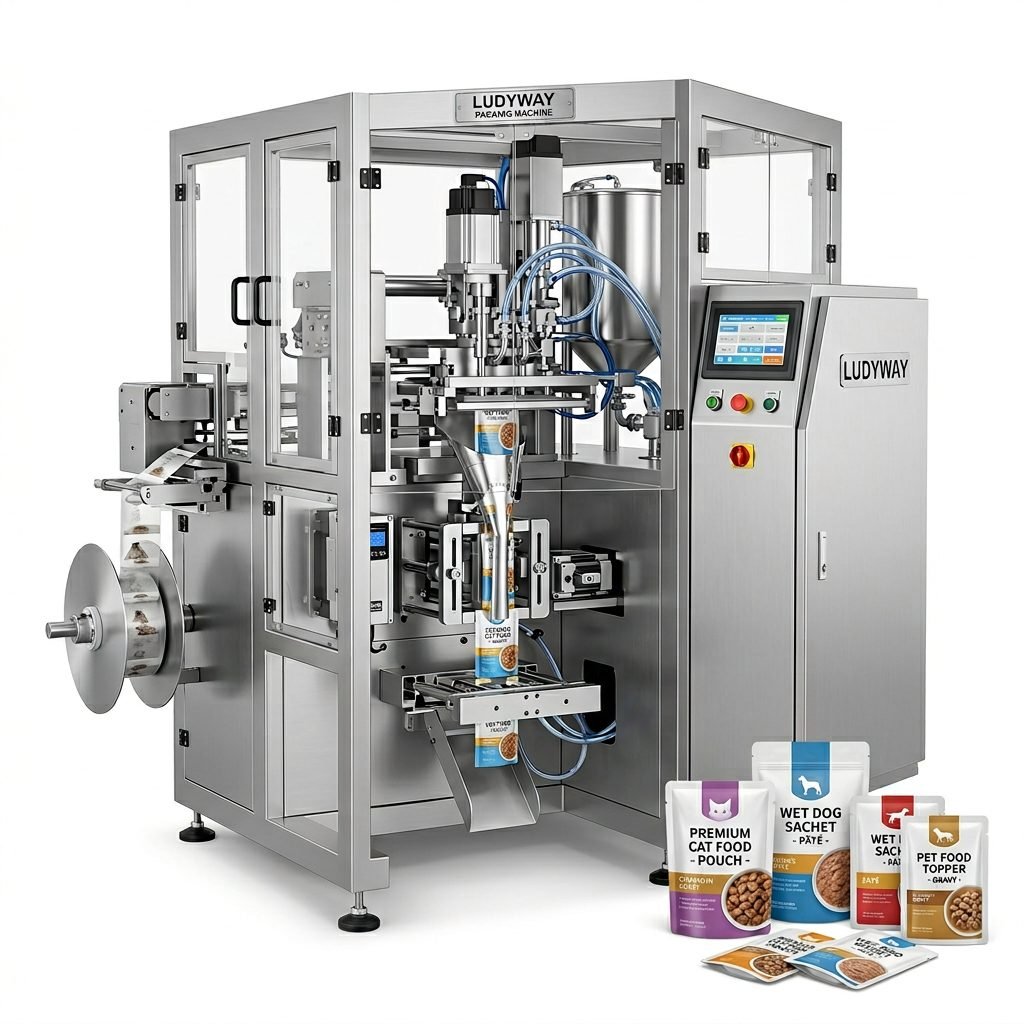
These are fundamental for primary packaging, handling the task of accurately dosing a product into its container and then hermetically sealing it. They are highly specialized based on product type:
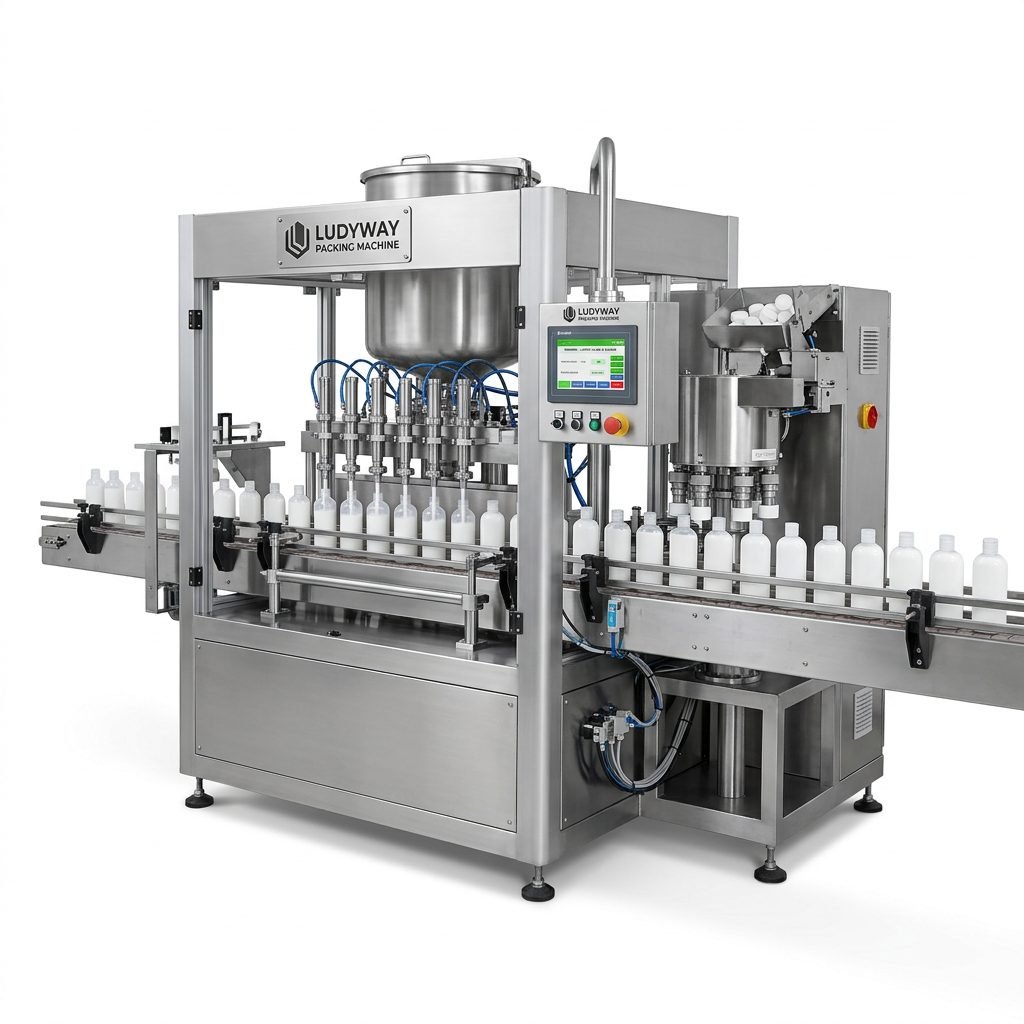
Liquid Fillers: Ideal for beverages, oils, sauces, and chemicals. They range from simple gravity fillers to sophisticated volumetric piston or flow meter fillers for high accuracy.
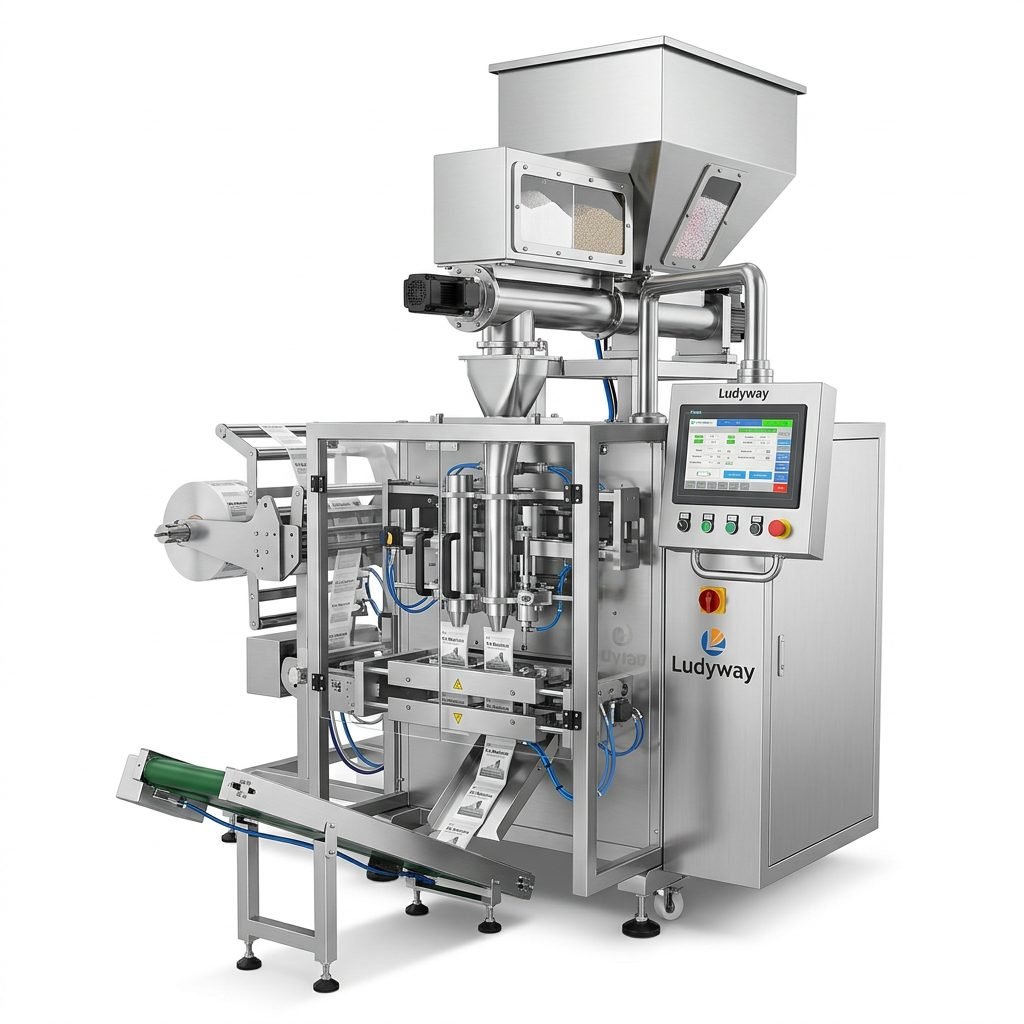
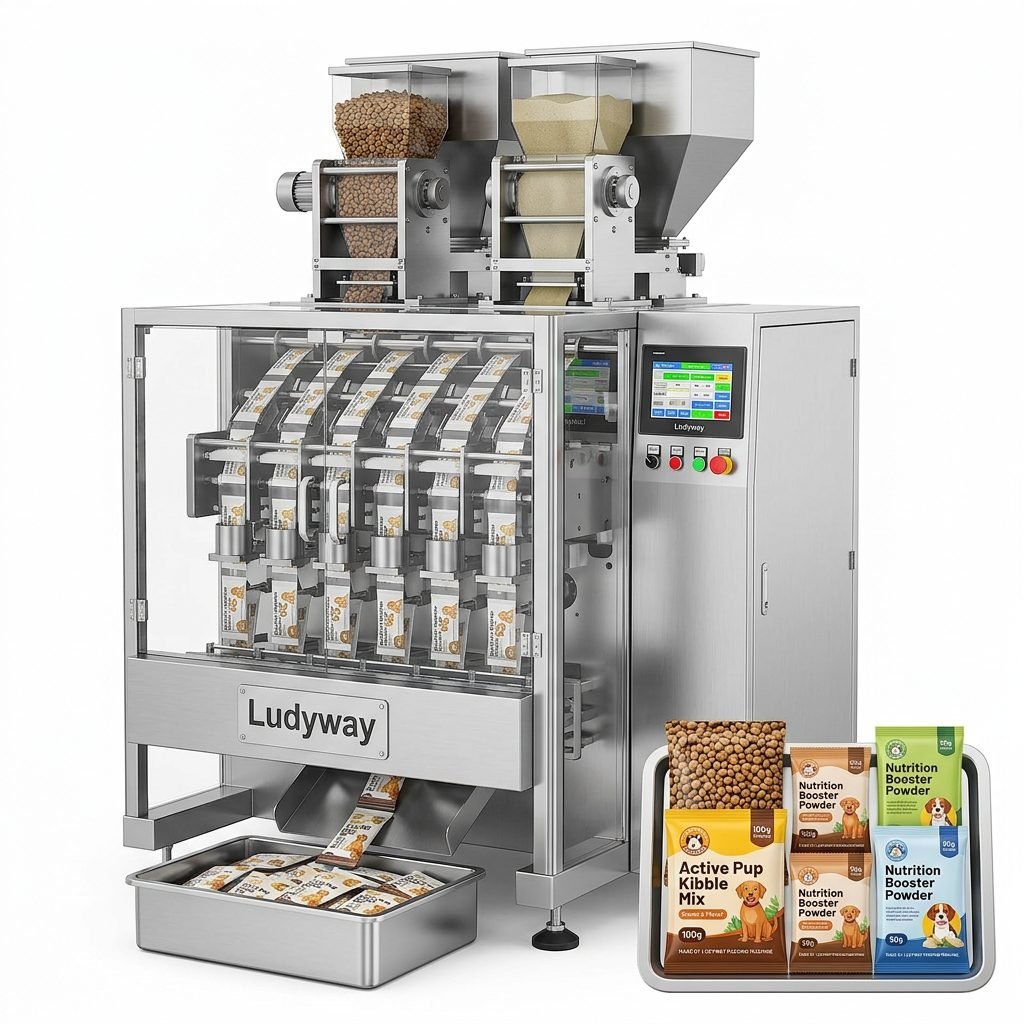
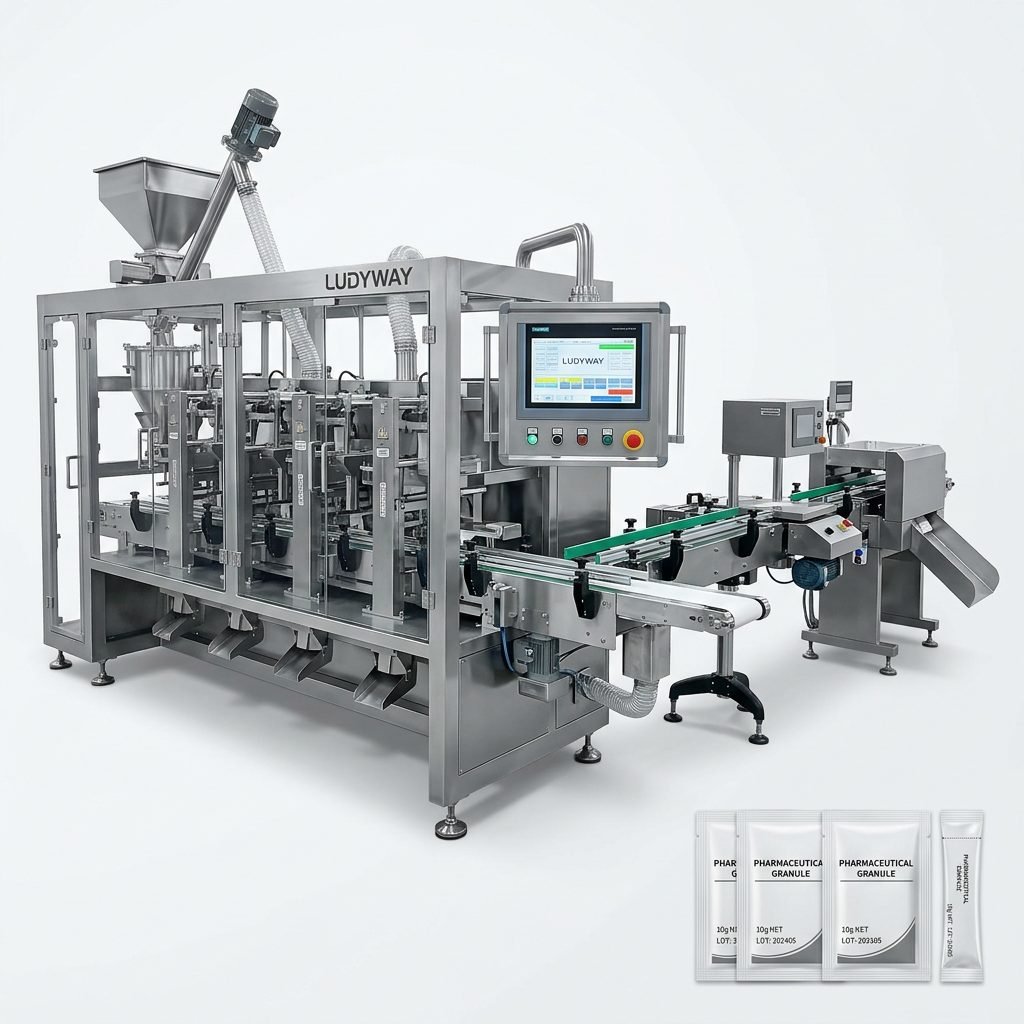
Powder & Granule Fillers: Used for coffee, spices, pharmaceuticals, and detergents. Auger fillers are the most common, using a screw mechanism for precise measurement. Net weight scales offer the highest precision for valuable products.
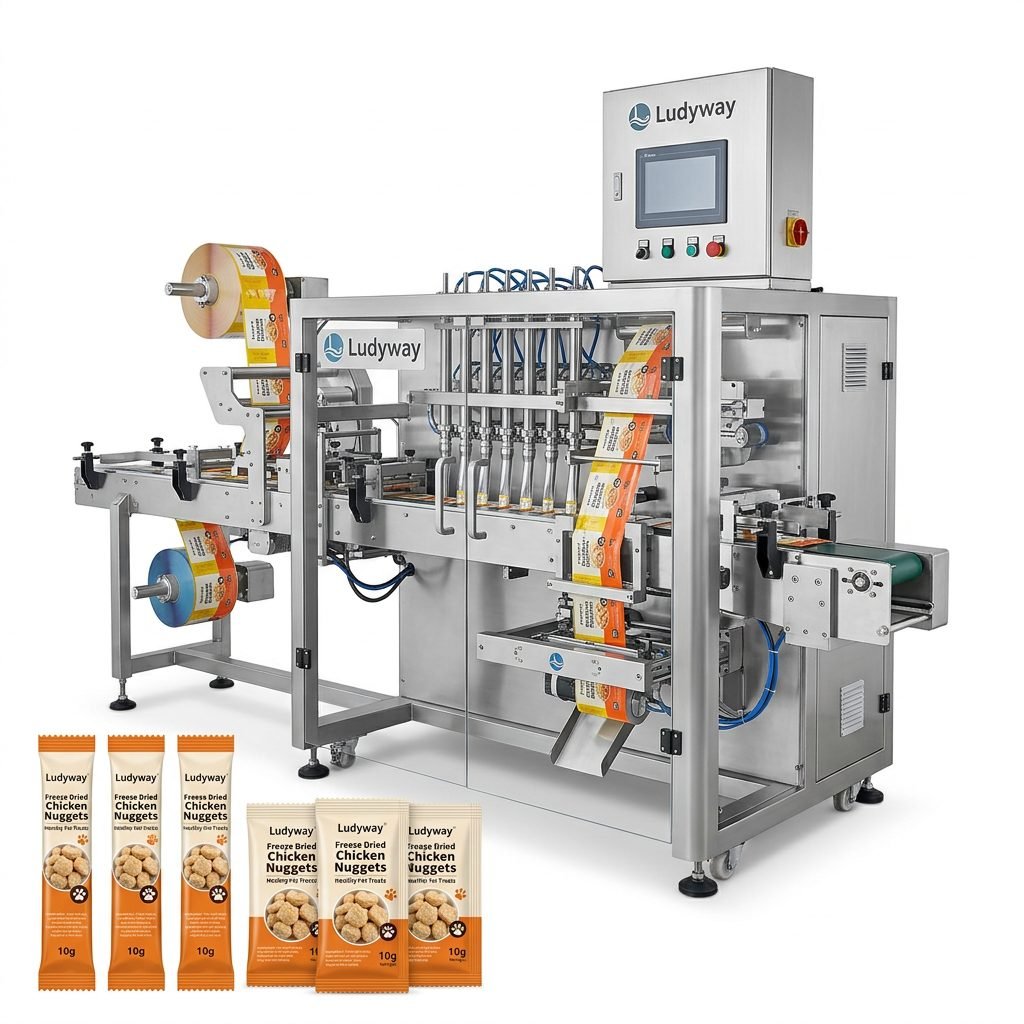
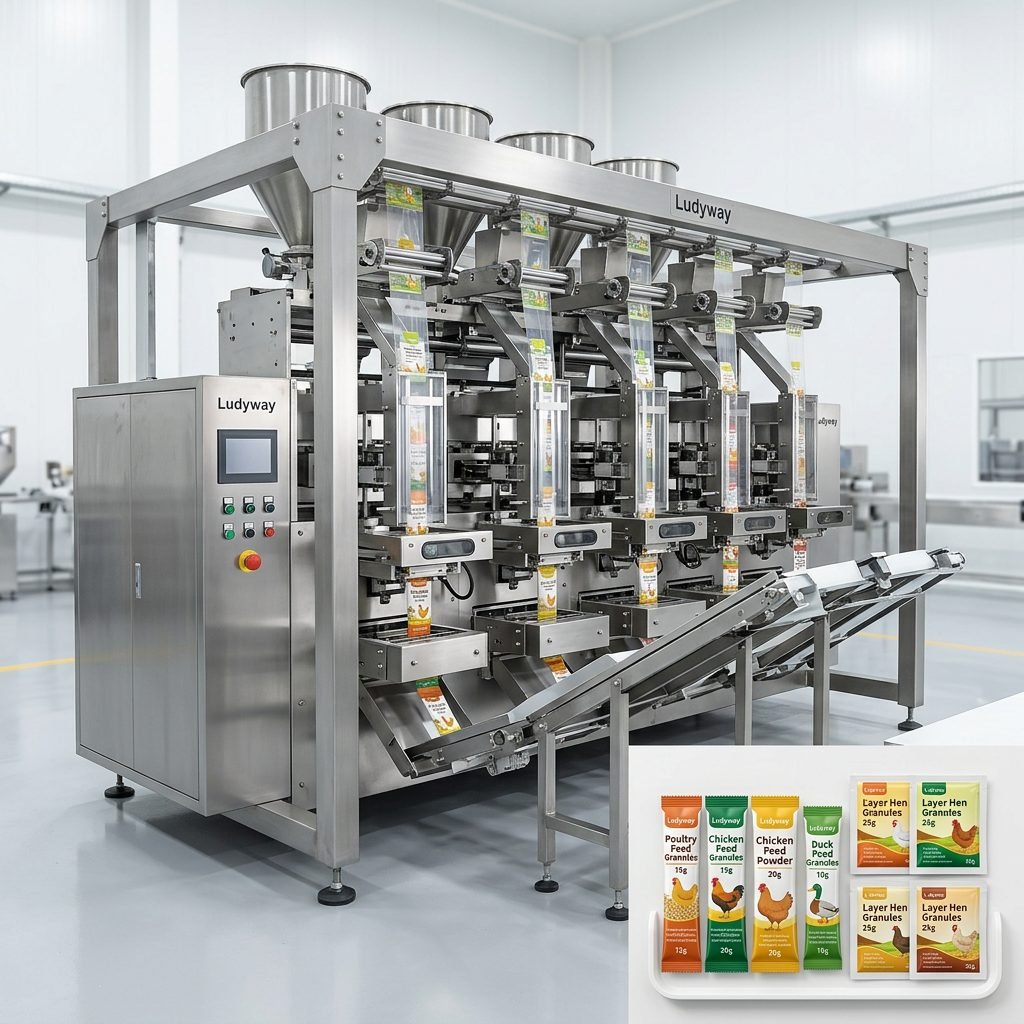
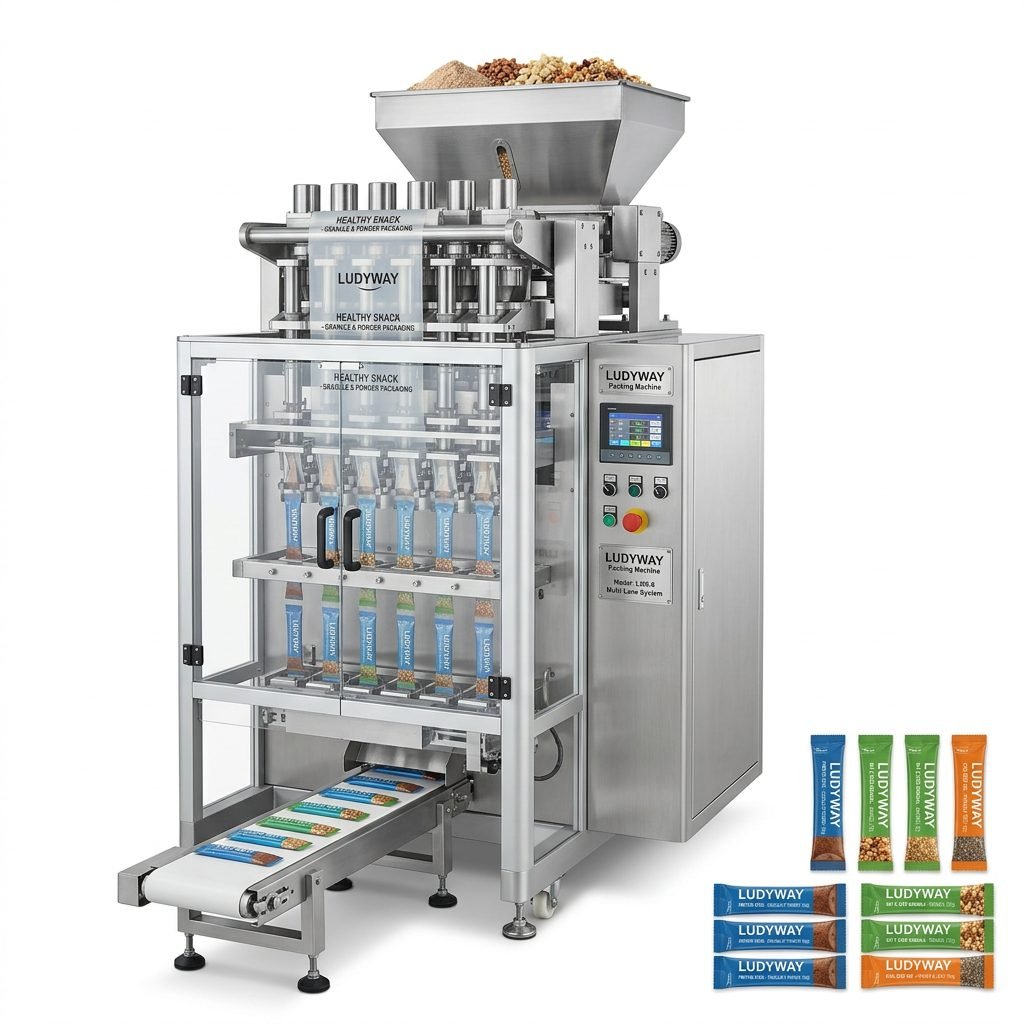
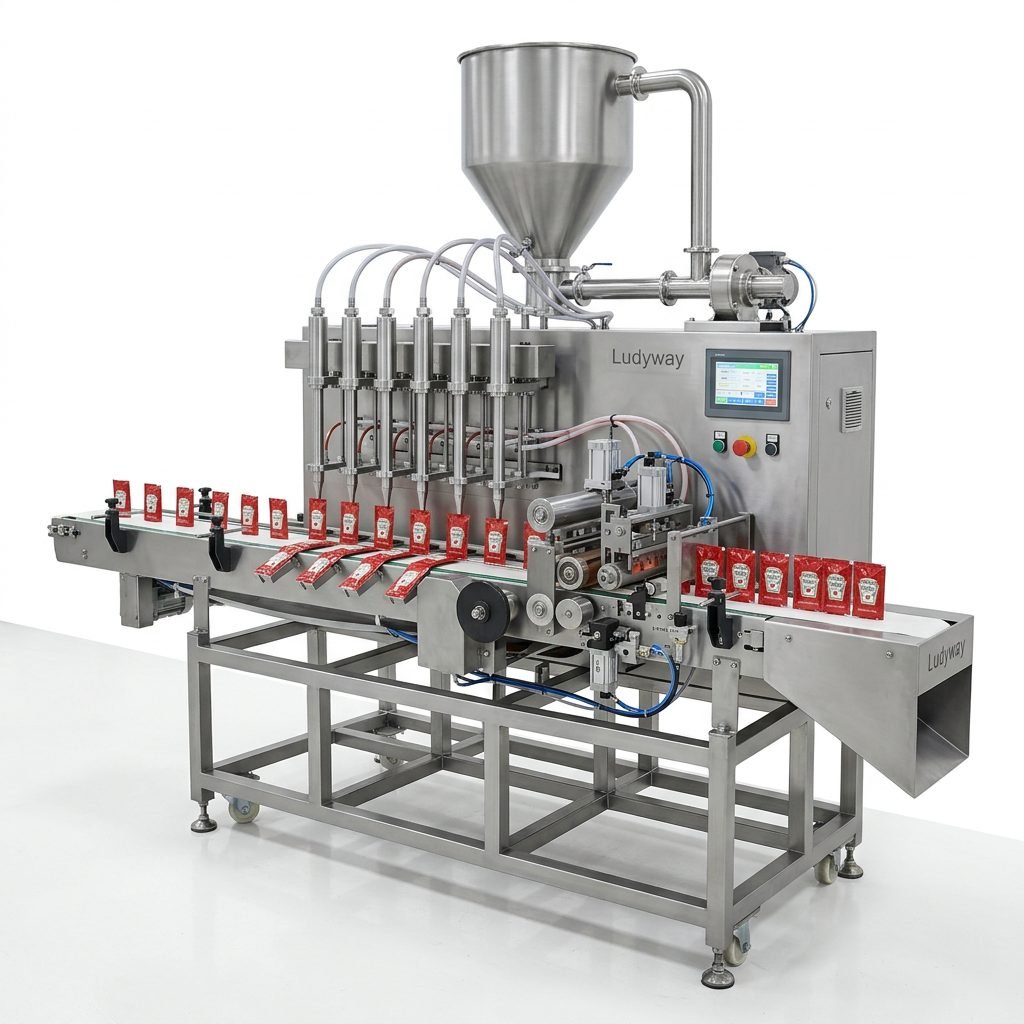
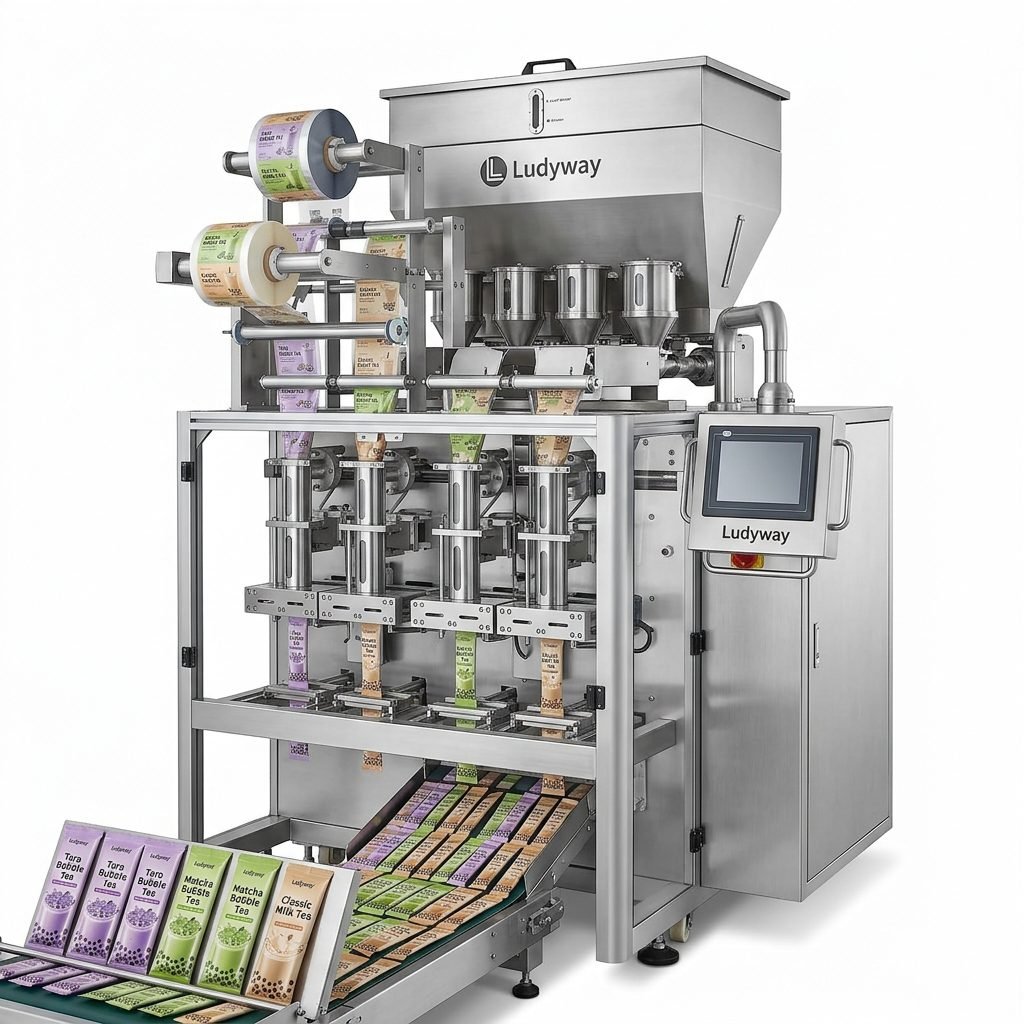
Stick Pack & Sachet Machines: These machines form, fill, and seal single-serve packages from a roll of film. They are incredibly popular for condiments, instant beverages, pharmaceutical powders, and cosmetic samples due to their convenience and low material cost.
Labeling and Coding Equipment
Once a product is packaged, it needs identification. This category includes:
- Pressure-Sensitive Labelers: Apply pre-printed labels with adhesive backing onto bottles, boxes, or pouches.
- Print & Apply Systems: Integrate a printer to generate variable information (like batch codes or expiry dates) and immediately apply the label.
- Inkjet and Laser Coders: Directly print dates, lot codes, barcodes, and other information onto packaging surfaces without labels.
Cartoning and Case Packing Systems
These handle secondary packaging, organizing primary packages into larger units for shipment and retail display.
Cartoners: Automatically erect cartons, insert products (like multiple sachets or bottles), and close them. They can be vertical or horizontal depending on the product loading direction.
Case Packers & Sealers: Group finished cartons or primary packages into shipping cases and then seal the cases with tape or glue. Robotic case packers offer high flexibility for mixed-SKU palletizing.
The Tangible Benefits of Automated Packaging Systems
Investing in automated packaging machinery delivers a significant return on investment across multiple facets of your operation.
Dramatically Increased Efficiency and Output
Machines operate at consistent speeds 24/7, far surpassing manual capabilities. A multi-lane stick pack machine, for example, can produce hundreds of packs per minute, enabling you to scale production to meet market demand without proportionally increasing labor costs.
Unmatched Consistency and Quality Control
Automation eliminates human error in filling weights, seal integrity, and label placement. Every package is identical, which is critical for brand reputation, regulatory compliance (especially in pharmaceuticals and food), and customer satisfaction. Consistent seals also extend product shelf life by preventing contamination.
Significant Reduction in Material Waste and Costs
Precision filling minimizes product giveaway. Advanced machines optimize film usage in pouch packaging, and accurate labeling reduces misprint waste. Over time, these savings directly improve your bottom line.
Enhanced Workplace Safety and Hygiene
Machines handle repetitive, heavy, or hazardous tasks, reducing the risk of worker injury. In food and pharmaceutical environments, closed automated systems minimize human contact with the product, ensuring higher hygiene standards.
How to Choose the Right Packaging System: A Step-by-Step Guide
Selecting equipment is a strategic decision. Follow this framework to ensure your investment aligns with your business goals.
Step 1: Define Your Product and Packaging Specifications
This is the most critical step. Be precise about:
- Product Characteristics: Is it a liquid, viscous paste, free-flowing powder, or granular solid? What is its density and abrasiveness?
- Packaging Format & Material: Bottle, can, pouch, stick pack, or sachet? What type of film or laminate is required for barrier properties?
- Desired Output Speed (Packages Per Minute): Calculate based on current and projected future demand.
Step 2: Evaluate Your Production Environment and Integration Needs
Consider the space available (footprint), utilities (power, compressed air), and how the new machine will connect to your upstream and downstream processes. Will you need a standalone machine or a complete turnkey production line?
Step 3: Analyze Total Cost of Ownership (TCO)
Look beyond the initial purchase price. Factor in:
➤ Operational Costs: Energy consumption, required consumables (film, labels, coding ink).
➤ Maintenance & Spare Parts: Availability and cost of service support.
➤ Flexibility Cost: How expensive and time-consuming is a changeover to a different package size or product?
Step 4: Assess Supplier Credibility and Support
Your machinery partner is as important as the machine itself. Choose a supplier with:
Proven Experience: Look for a company with a track record in your specific industry. For instance, Ludyway Machinery brings over a decade of focused expertise in packaging solutions for food, pharmaceutical, and health industries.
Comprehensive Support: Ensure they offer installation, training, readily available spare parts, and responsive technical service. A supplier with a global support network is crucial for international operations.
Testing and Validation: Always insist on a live production test using your actual product and packaging materials before finalizing the purchase.
Conclusion
The journey to selecting the ideal packaging machinery involves a careful balance of technical requirements, production goals, and strategic partnership. By thoroughly understanding your product needs, clearly defining the benefits you seek, and meticulously following a selection process that emphasizes both machine capability and supplier reliability, you can invest in a system that drives efficiency, quality, and growth for years to come. Partnering with an experienced provider like Ludyway can give you access to tailored solutions and the engineering support necessary to navigate this complex landscape successfully.
Frequently Asked Questions (FAQs)
1. What is the typical lead time for a new packaging machine?
Lead times vary significantly based on machine complexity and customization. Standard models may ship in 8-12 weeks, while fully custom turnkey lines can take 20-30 weeks or more. Always confirm timelines with your supplier during the quotation process.
2. How do I ensure the machine will work with my specific product?
A reputable supplier will always offer a product sample test at their facility. You send your exact product and packaging materials, and they run a test on the proposed machine, providing you with video evidence and a report on performance, speed, and accuracy.
3. What are the key maintenance requirements for packaging equipment?
Daily cleaning and visual inspection are essential. Regular maintenance typically involves lubricating moving parts, checking seal jaw temperatures, replacing wear items like gaskets and cutting blades, and calibrating weighing systems. Your supplier should provide a detailed maintenance schedule.
4. Can one machine handle multiple different package sizes?
Yes, most modern machines are designed with changeover capabilities. However, the ease and speed of changeover differ. Look for machines with quick-change parts or servo-driven adjustments that allow size changes to be made digitally in minutes, minimizing downtime.
5. What training is provided for our operators and maintenance staff?
Professional suppliers include comprehensive training as part of the installation and commissioning process. This covers safe operation, routine maintenance, basic troubleshooting, and changeover procedures. Ensure this training is documented and that your team is fully confident before the supplier’s engineers leave your site.