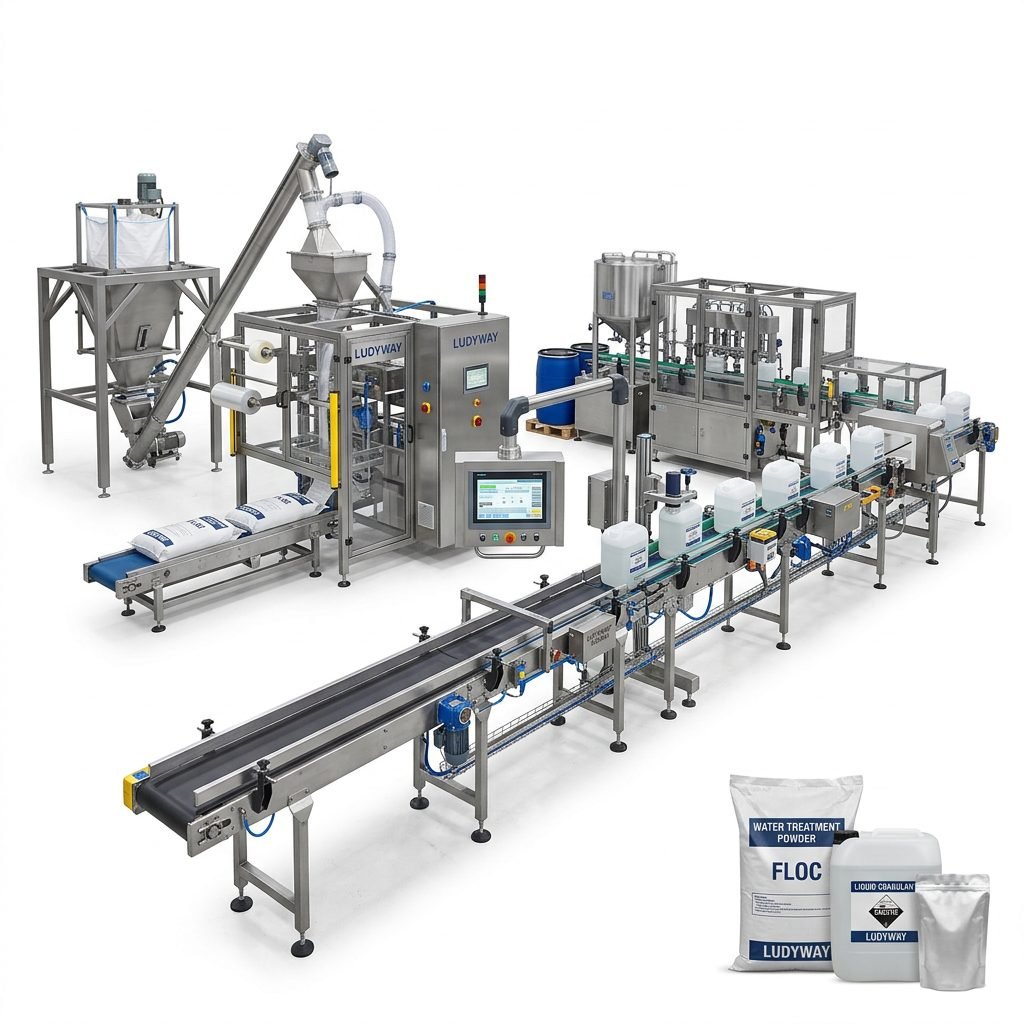
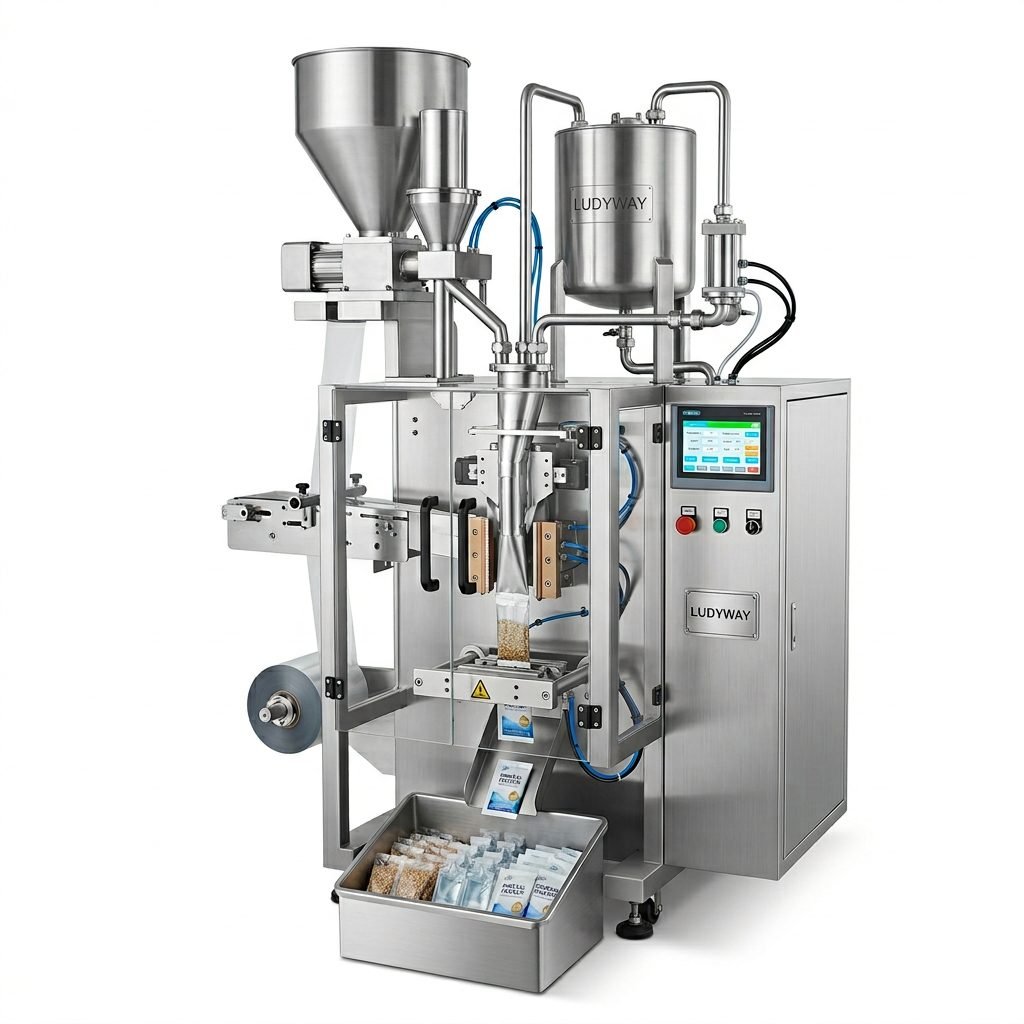
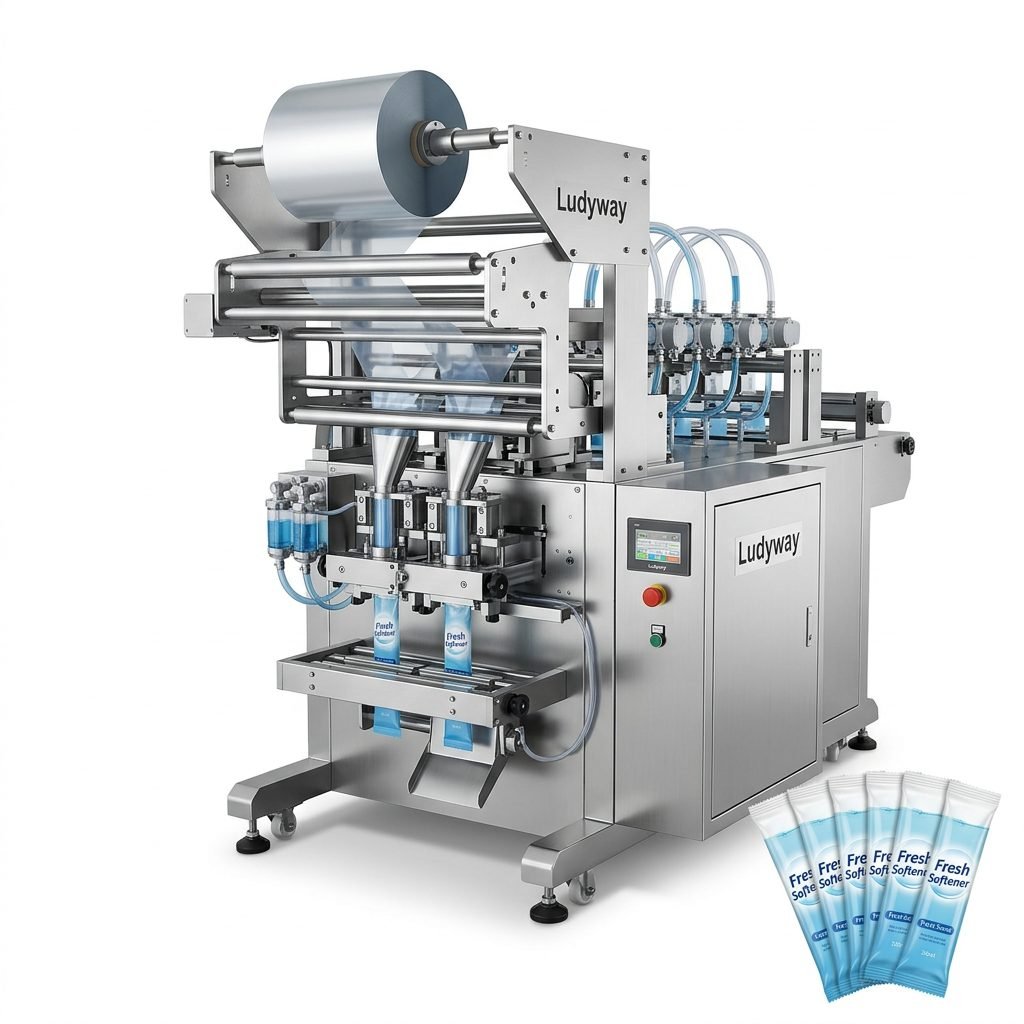
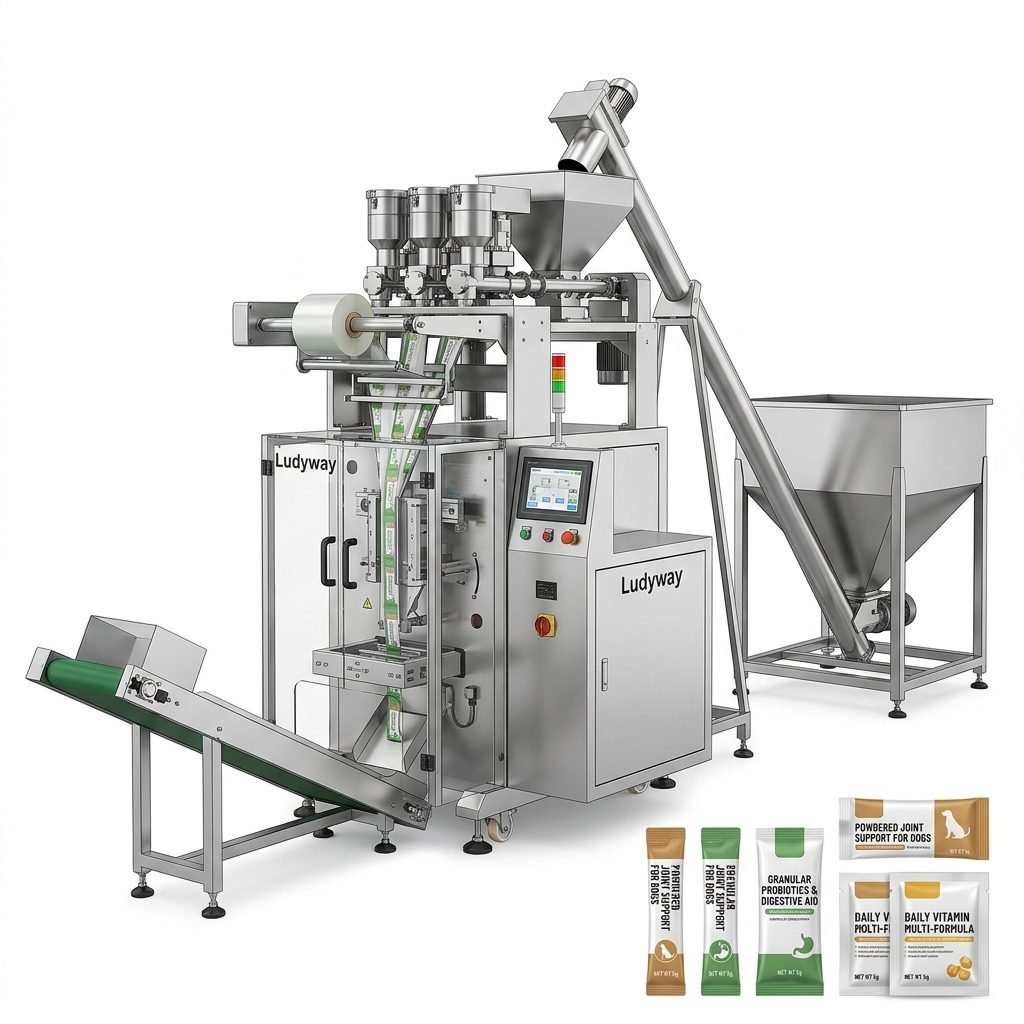
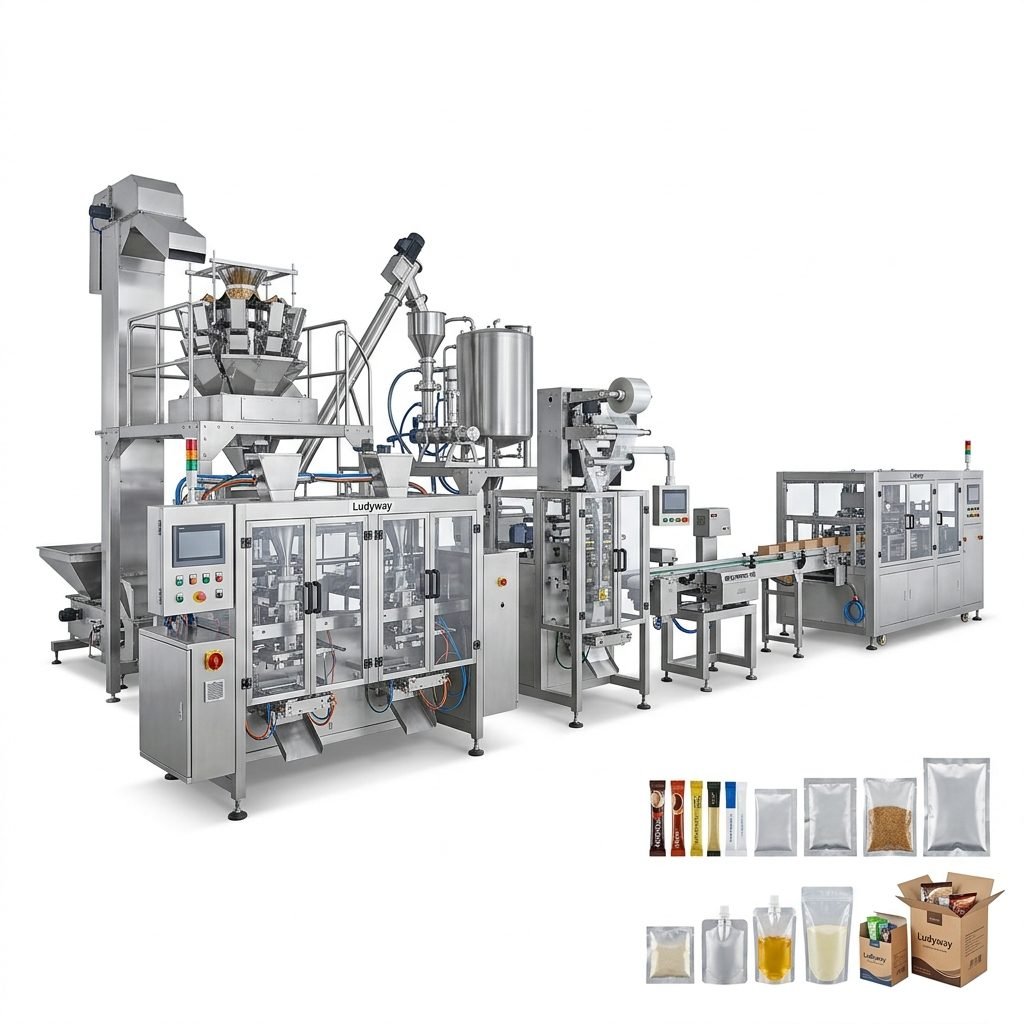
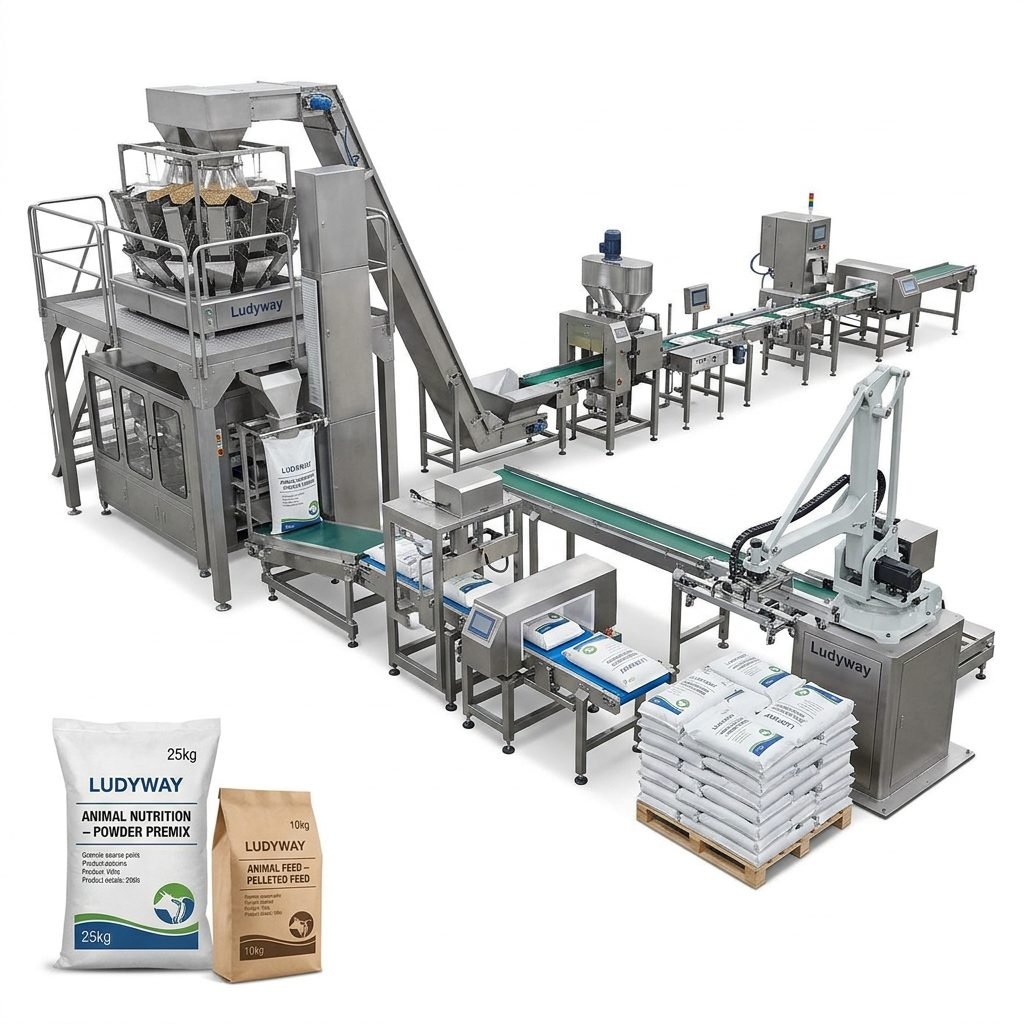
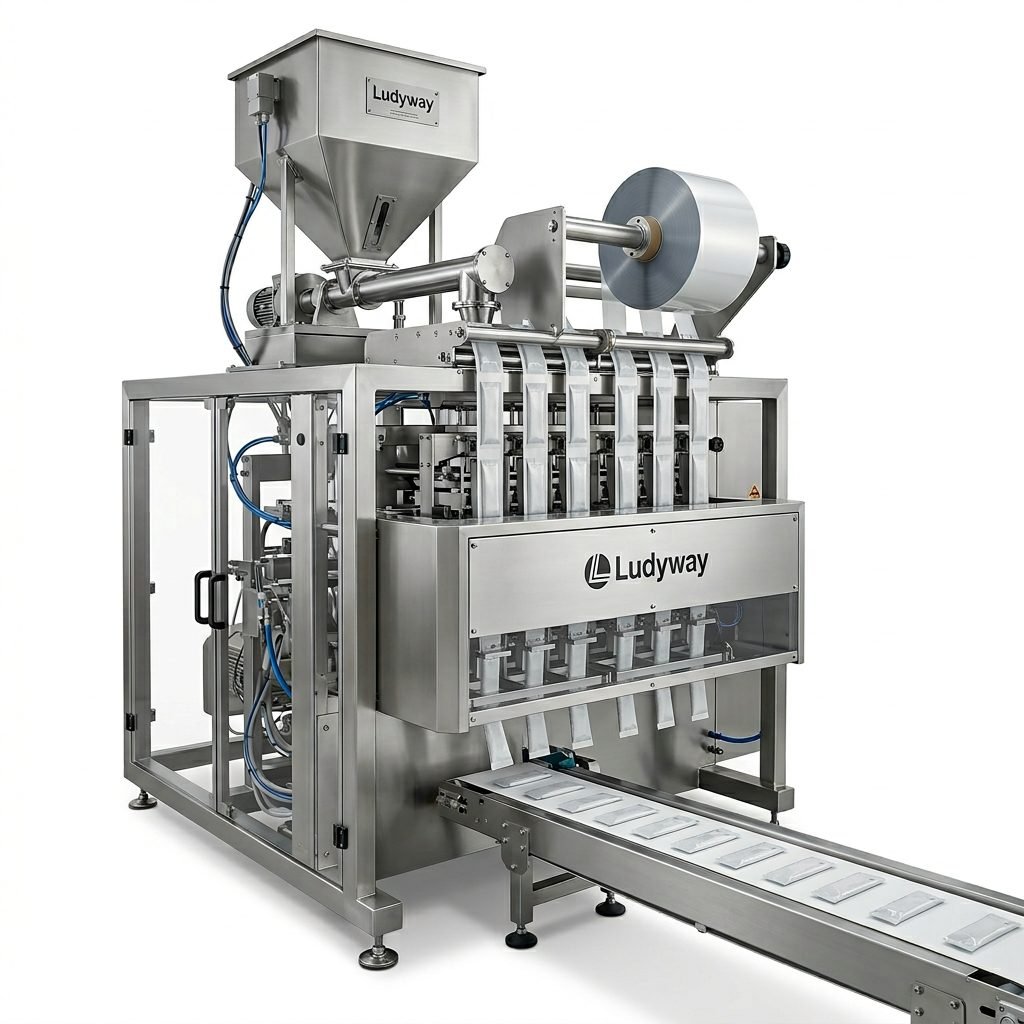
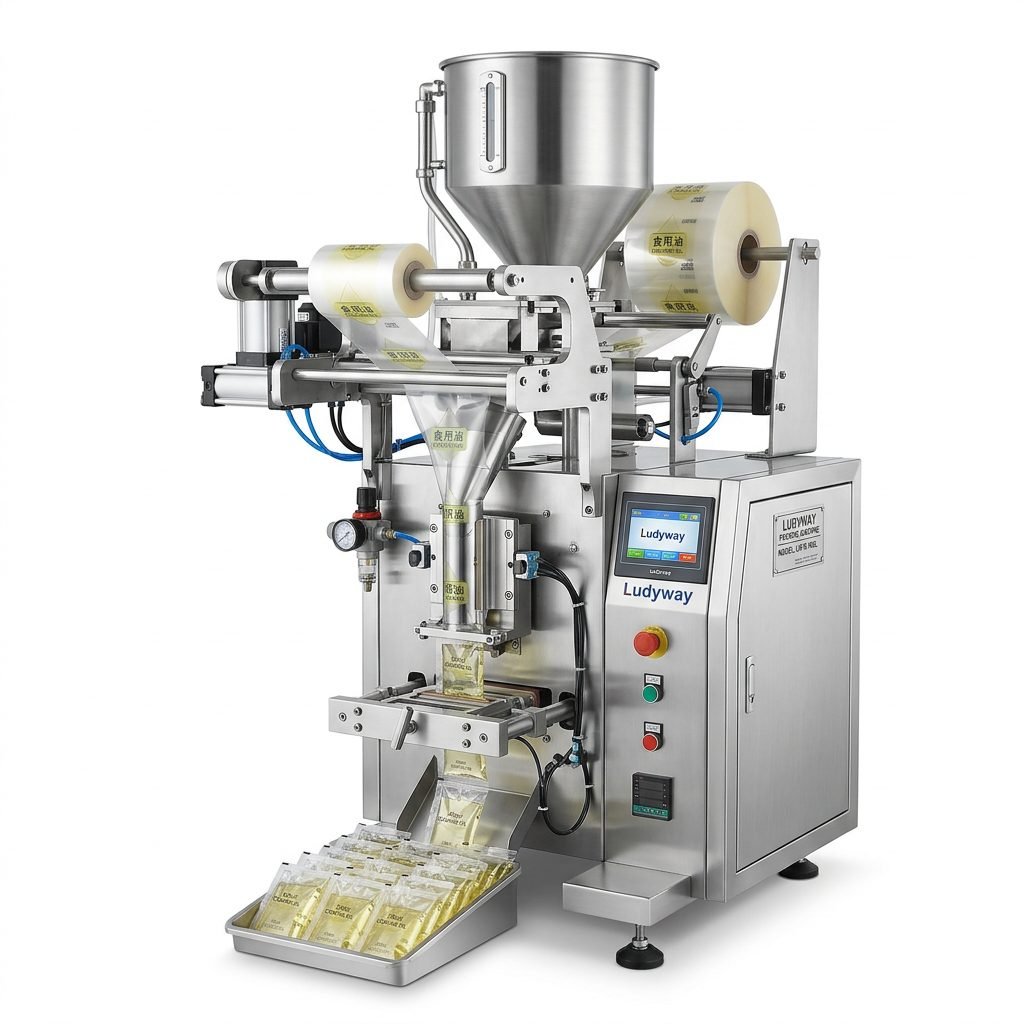
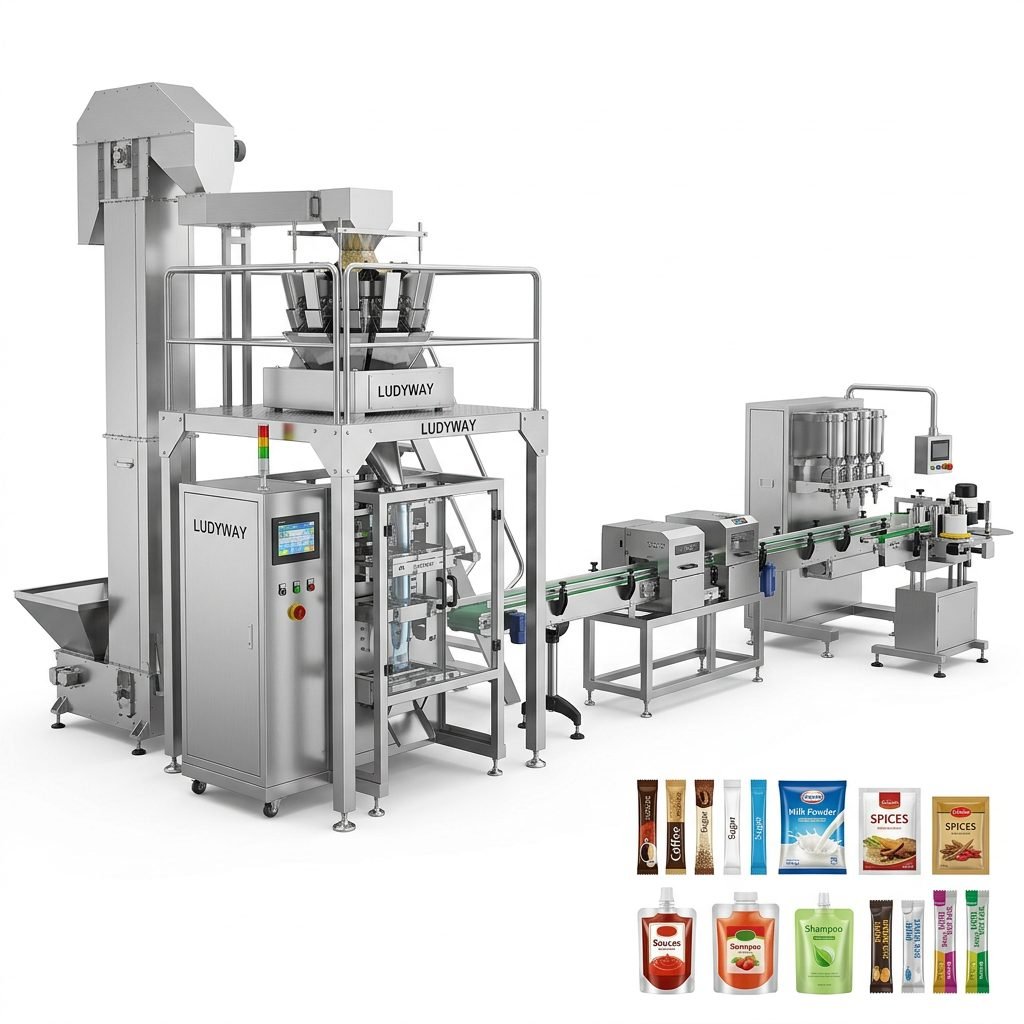
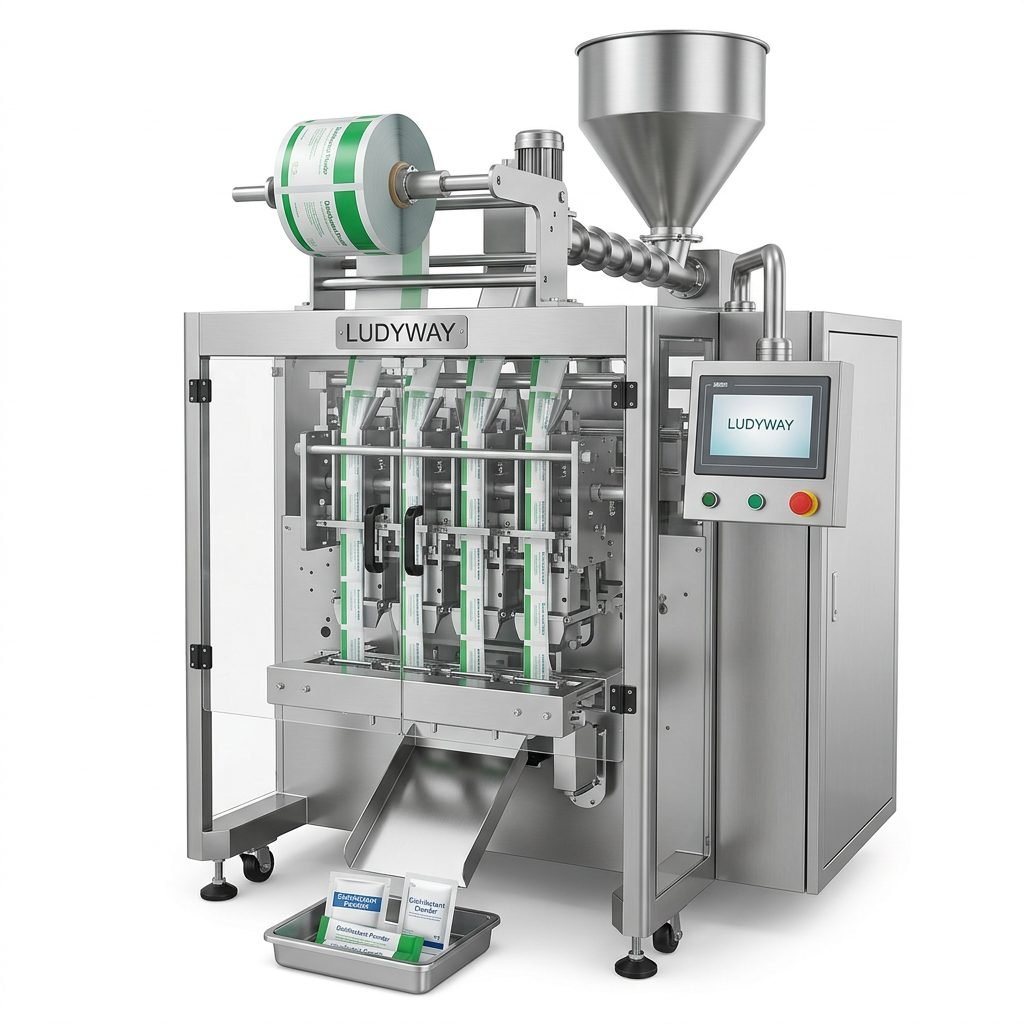
A small water packing machine is an ideal choice for businesses that need a compact, reliable, and cost-effective solution for bottle filling and sealing. Whether you run a startup bottled water brand, a regional beverage plant, or a contract packaging operation, the right equipment can improve output, reduce waste, and maintain stable packaging quality.
Modern small-scale systems are designed to handle purified water, mineral water, flavored water, and similar low-viscosity liquids with high consistency. They are especially valuable for companies that want to begin with a smaller footprint while keeping room for future expansion.
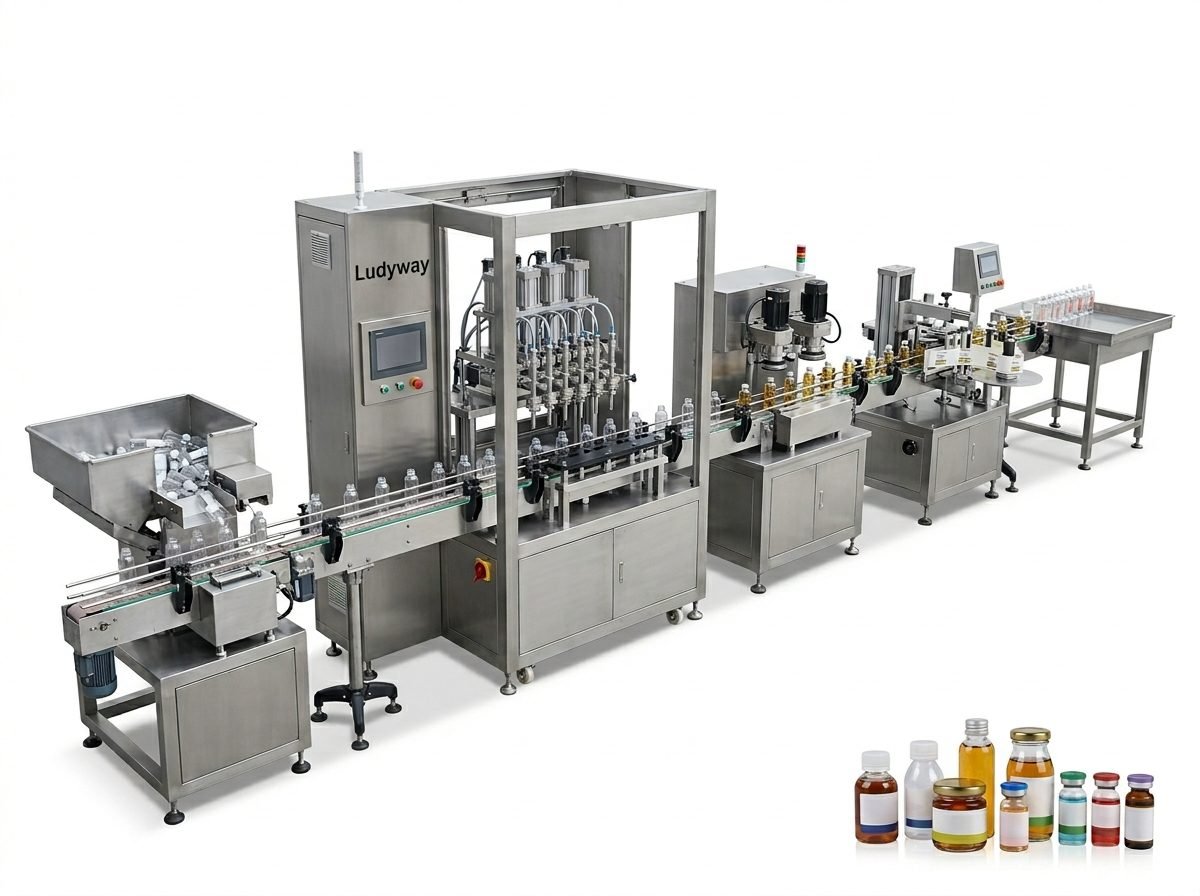
What Is a Small Water Packing Machine?
A small water packing machine is a compact packaging system built to fill, cap, seal, and sometimes label water bottles in an efficient production flow. Depending on the model, it may include:
- Automatic bottle feeding
- Precision liquid filling heads
- Cap sorting and cap placement
- Torque-controlled capping
- Sealing and leak-check support
- Optional labeling and coding integration
These machines are commonly used for PET bottles in small and medium production environments where space, labor efficiency, and flexibility matter.
Why Compact Bottle Filling Equipment Matters
In today’s beverage market, packaging speed alone is not enough. Producers also need equipment that is easy to operate, simple to clean, and adaptable to multiple bottle formats. A compact water bottling machine helps manufacturers solve several practical challenges at once.
- Space saving: Fits smaller workshops and growing production sites.
- Lower investment: Suitable for brands entering the bottled water market.
- Reduced labor demand: Automates repetitive filling and sealing steps.
- Consistent quality: Helps maintain stable fill volumes and secure sealing.
- Scalable production: Allows gradual expansion as demand increases.
Core Features of a Small Water Bottle Filling and Sealing Machine
Not all compact systems deliver the same performance. When selecting a small water bottle filling machine, buyers should evaluate key features that directly affect uptime and packaging quality.
| Feature | Benefit |
|---|---|
| Compact machine structure | Saves floor space and supports flexible plant layout |
| Accurate filling control | Reduces underfill and overfill |
| Automatic capping | Improves sealing consistency and production speed |
| Hygienic contact parts | Supports food-grade water packaging requirements |
| Bottle size adaptability | Handles different bottle capacities with easier changeover |
| Touchscreen control | Simplifies operation and parameter adjustment |
Applications Across Different Water Packaging Needs
A small water packing machine is not limited to one product type. With proper configuration, it can support several packaging applications:
- Purified drinking water
- Mineral water
- Spring water
- Functional water
- Electrolyte drinks with water-like flow characteristics
- Trial runs and pilot production for new beverage brands
How the Bottle Filling and Sealing Process Works
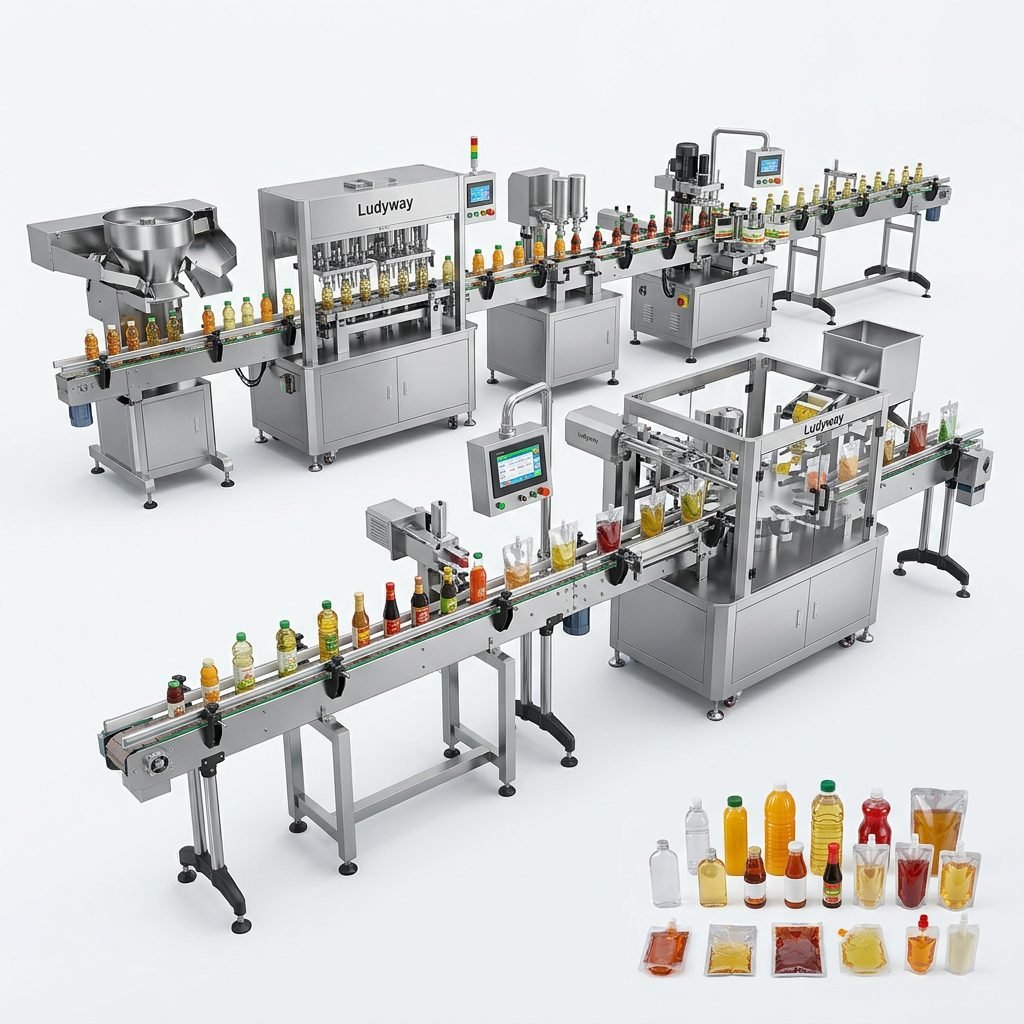
Understanding the workflow helps buyers choose a machine that matches their production goals. A typical compact water bottling line follows these steps:
1. Bottle Infeed
Empty bottles are placed manually or automatically onto the conveyor. The machine positions each bottle for stable filling.
2. Filling
The water is dosed into each bottle using gravity filling, flow-meter filling, or other suitable methods, depending on speed and precision requirements.
3. Cap Feeding and Capping
Caps are sorted and delivered to the capping station, where they are tightened with controlled torque to ensure seal integrity.
4. Sealing and Inspection
The sealed bottle passes through inspection points to confirm fill level, cap position, and packaging stability.
5. Optional Coding and Labeling
Date coding, batch printing, and labeling can be added to create a more complete small water bottling line.
Key Buying Considerations Before Choosing a Machine
To avoid costly mismatches, buyers should review more than just output speed. A good machine should support both current operations and future growth.
| Selection Factor | What to Check |
|---|---|
| Bottle size range | Compatible bottle volume, neck size, and shape |
| Production speed | Bottles per hour under real operating conditions |
| Filling accuracy | Stable volume control and low product loss |
| Material quality | Food-grade contact parts and durable frame construction |
| Ease of maintenance | Cleaning access, spare parts, and service support |
| Upgrade potential | Integration with labeling, coding, cartoning, or conveyors |
Benefits for Small and Medium Beverage Producers
For many businesses, a small water packing machine delivers the best balance between investment and productivity. It is especially useful for:
- New bottled water brands entering the market
- Factories adding a secondary water packaging line
- Private label beverage manufacturers
- Companies testing local or export demand
- Plants with limited floor space
Instead of overinvesting in oversized systems, companies can begin with a compact solution and later expand into a more integrated turnkey line.
Hygiene, Safety, and Packaging Stability
Because bottled water is a food-grade product, packaging machinery must support hygienic handling throughout production. Reliable systems are typically designed with smooth surfaces, easy-clean structures, and stable liquid contact components.
Important operational priorities include:
- Reducing contamination risk during filling
- Maintaining secure sealing to avoid leakage
- Supporting repeatable bottle positioning
- Improving line cleanliness and operator safety
Tip: For bottled water operations, stable sealing and accurate fill level control are just as important as production speed.
Can a Small Water Packing Machine Be Customized?
Yes. Many manufacturers offer customization based on bottle design, cap type, plant layout, and target output. This is important because water packaging requirements differ from one project to another.
Customization options may include:
- Single-head or multi-head filling
- Different capping systems
- Linear or rotary arrangements
- Integration with conveyors and labelers
- Optional date coding and inspection devices
- Turnkey line expansion support
Choosing a Reliable Packaging Machine Manufacturer
Supplier experience matters when buying bottle filling and sealing equipment. A manufacturer with strong engineering capacity can help match the machine to your product, output target, and factory conditions.
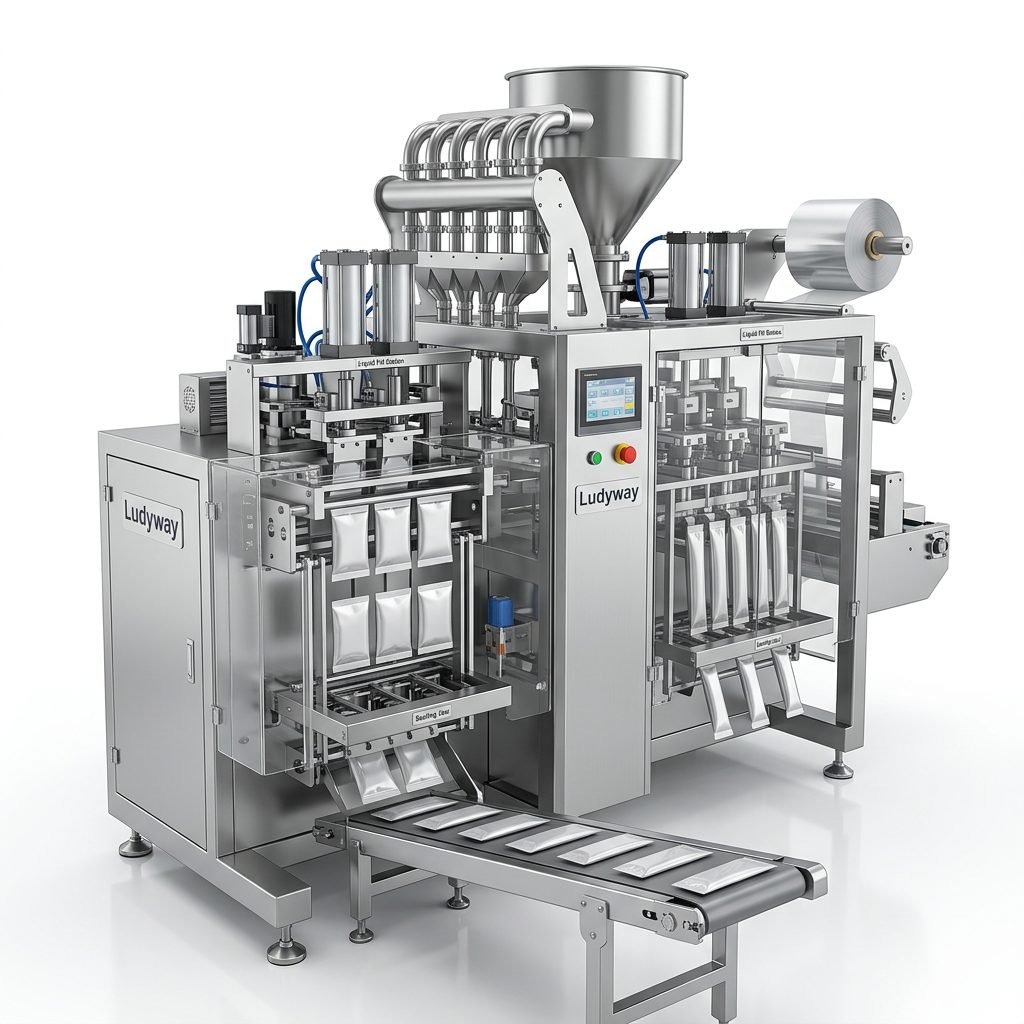
Buyers looking for scalable packaging machinery solutions can explore Ludyway small water packing machine and packaging line solutions. As one of China’s leading packaging machine and turnkey packaging line manufacturers, the company is recognized for broad equipment coverage, customization capability, and long-term manufacturing experience.
When Is It Time to Upgrade to a Larger Line?
A compact system is ideal for many operations, but there are signs that an upgrade may be needed:
- Demand regularly exceeds current hourly output
- Labor costs remain too high despite automation
- Frequent bottle format changes slow production
- You need full integration with labeling, coding, and cartoning
- Export orders require greater consistency and traceability
Starting with a well-designed small machine can make this transition much easier, especially if the initial system is built with expansion in mind.
Final Buying Checklist
Before making a purchase decision, review the following points:
- Product type: purified water, mineral water, or flavored water
- Bottle specification: size, material, and cap type
- Required speed: realistic bottles per hour target
- Automation level: semi-automatic or fully automatic
- Available space: layout compatibility with your workshop
- After-sales support: spare parts, commissioning, and technical guidance
Conclusion
A small water packing machine offers a practical path to efficient bottled water production without requiring a large factory footprint or oversized investment. For businesses focused on compact design, stable filling performance, and dependable sealing quality, it is a smart solution that supports both current production needs and long-term growth.
By selecting a machine with the right filling accuracy, hygienic design, bottle compatibility, and upgrade flexibility, manufacturers can build a more competitive and efficient packaging process from day one.