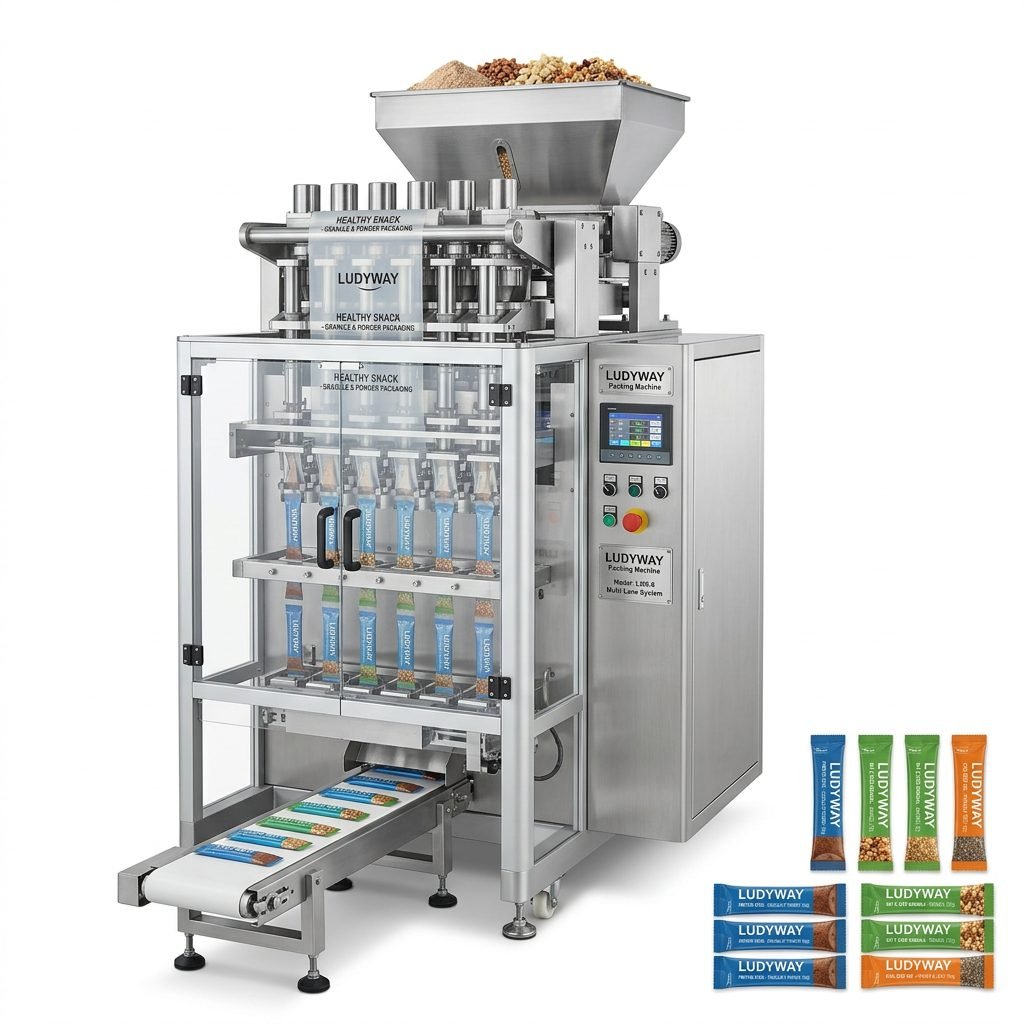
In poultry processing, packaging is more than the final production step. It directly affects food safety, shelf life, transport efficiency, brand image, and regulatory compliance. Whether you pack fresh chicken cuts, marinated poultry, frozen portions, or value-added ready-to-cook products, the right poultry packaging machine can help reduce waste, improve line speed, and maintain hygienic standards from plant to retail shelf.
Choosing the right solution requires a clear understanding of your product type, packaging material, production target, sanitation requirements, and future expansion plans. This guide explains what buyers should evaluate before investing in a poultry packaging system and how to select equipment that supports both efficiency and hygiene.
Why the Right Poultry Packaging Machine Matters
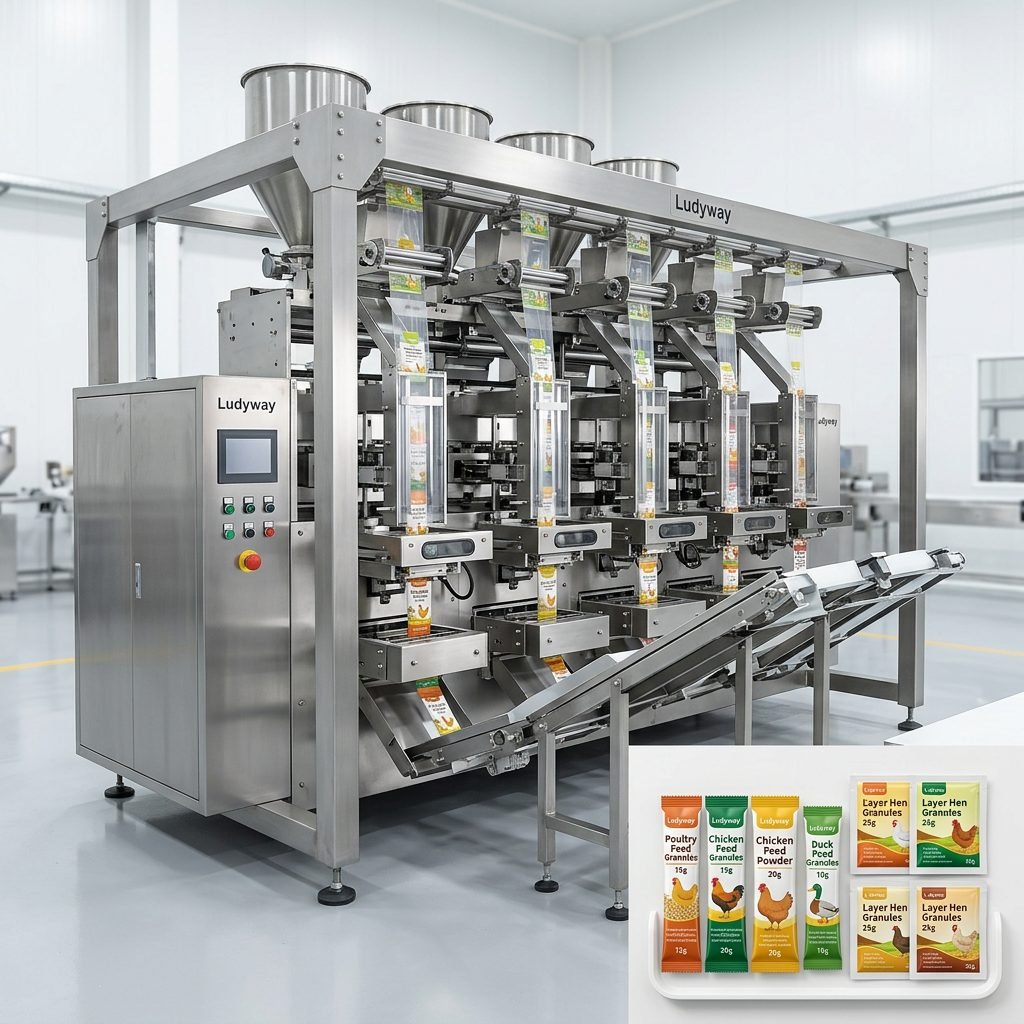
Poultry products are highly sensitive to contamination, temperature changes, and seal failure. A poorly matched machine can lead to inconsistent pack weights, leaking seals, excessive film waste, unplanned downtime, and sanitation risks. By contrast, a well-designed machine helps processors achieve:
- Stable pack quality across high-volume production runs
- Better hygiene control with washdown-friendly construction
- Lower labor dependency through automation
- Improved shelf life with reliable sealing or vacuum/MAP options
- Reduced giveaway and waste through accurate dosing and pack control
- Easier compliance with food packaging and traceability requirements
Start with the Poultry Product You Need to Pack
The first step is to define the exact poultry application. Packaging requirements differ significantly between raw, cooked, frozen, and processed poultry products. Machine selection should always begin with product characteristics.
| Product Type | Typical Packaging Format | Key Machine Considerations |
|---|---|---|
| Fresh chicken cuts | Tray sealing, vacuum skin pack, MAP | Seal integrity, hygiene design, temperature compatibility |
| Frozen poultry portions | Bags, pouches, bulk sacks | Robust feeding, accurate weighing, moisture resistance |
| Marinated or seasoned poultry | Pouches, thermoformed packs, trays | Liquid handling, anti-drip design, corrosion resistance |
| Cooked or ready-to-eat poultry | Vacuum packs, stand-up pouches, flow packs | High seal consistency, coding, secondary packaging integration |
| Poultry by-products or bulk feed-use items | Large bags or industrial bulk packaging | Heavy-duty structure, weighing control, conveyor compatibility |
Choose the Right Packaging Format for Your Market
Packaging format should match both your product and your target sales channel. Retail supermarkets, foodservice suppliers, wholesalers, and export markets often require different pack styles. Common poultry packaging formats include:
1. Tray Sealing
Ideal for fresh poultry displayed in retail cabinets. Tray sealers can support modified atmosphere packaging to improve freshness and appearance.
2. Vacuum Packaging
Suitable for extending shelf life and minimizing oxidation. It is commonly used for chilled or processed poultry products.
3. Thermoforming Packaging
A good choice for larger processors seeking integrated forming, filling, vacuuming, gas flushing, and sealing in one line.
4. Premade Pouches or Bags
Useful for marinated poultry, frozen pieces, or value-added products. These formats offer branding flexibility and consumer convenience.
5. Bulk Bag Packaging
Best for large-volume industrial or foodservice distribution where speed and filling accuracy are key priorities.
Hygiene Design Should Never Be an Afterthought
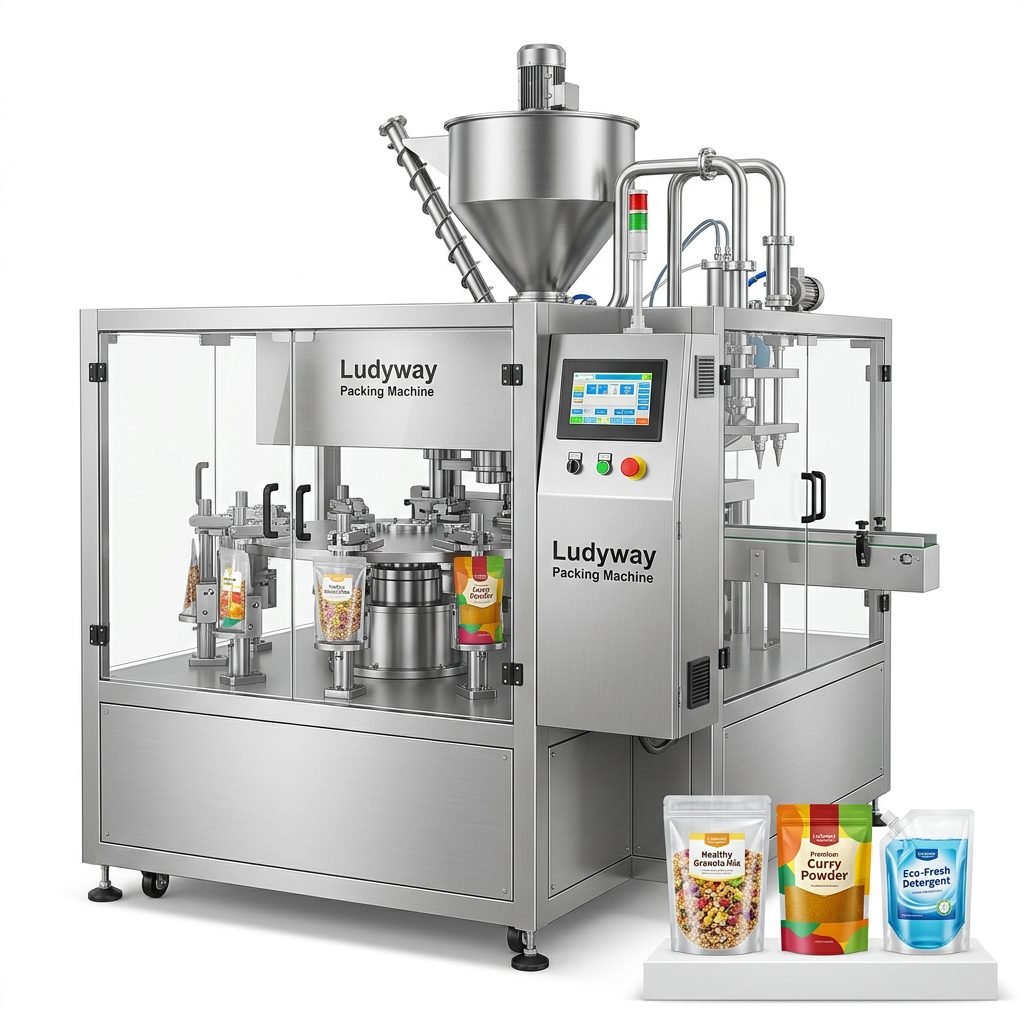
Poultry packaging environments require strict sanitation controls. Machines should be designed to support fast and effective cleaning while minimizing contamination risks. When comparing suppliers, look for the following hygienic features:
- Food-grade stainless steel contact parts
- Smooth surfaces with minimal dead corners
- Open-frame or easy-access structure for cleaning
- Washdown-capable components where required
- Moisture-resistant electrical protection
- Separation of product zone and drive zone
- Quick-release parts for tool-free sanitation
If your line handles raw poultry, prioritize machines that make cleaning easier between shifts and product changes. A machine that is fast to sanitize is often more valuable than one that is only fast to run.
Production Speed vs. Real Operating Efficiency
Many buyers focus too heavily on nominal speed. However, the better metric is real operating efficiency under actual plant conditions. A poultry packaging machine should maintain stable output despite variable product size, moisture, temperature, or line interruptions.
Ask suppliers these practical questions:
- What is the actual stable speed for my product type?
- How does the machine perform with different weights or irregular cuts?
- What is the expected downtime for cleaning and changeover?
- How much packaging film or bag waste is typical?
- Can the machine integrate with upstream weighing, conveying, and downstream labeling or cartoning?
Key Technical Factors to Compare Before Buying
| Selection Factor | Why It Matters | What to Check |
|---|---|---|
| Material compatibility | Packaging film and tray materials affect sealing quality | Supported film structures, thickness, sealing temperature range |
| Weight accuracy | Reduces giveaway and improves consistency | Weighing tolerance, rejection system, calibration method |
| Seal performance | Critical for hygiene, leakage prevention, and shelf life | Seal strength, contamination control, vacuum/MAP capability |
| Automation level | Impacts labor cost and line coordination | Auto feeding, coding, labeling, checkweighing, case packing |
| Changeover flexibility | Supports multiple SKUs and seasonal demand | Recipe storage, tooling replacement time, HMI usability |
| Maintenance accessibility | Reduces downtime and service cost | Access doors, spare parts availability, remote support options |
Consider the Full Packaging Line, Not Just One Machine
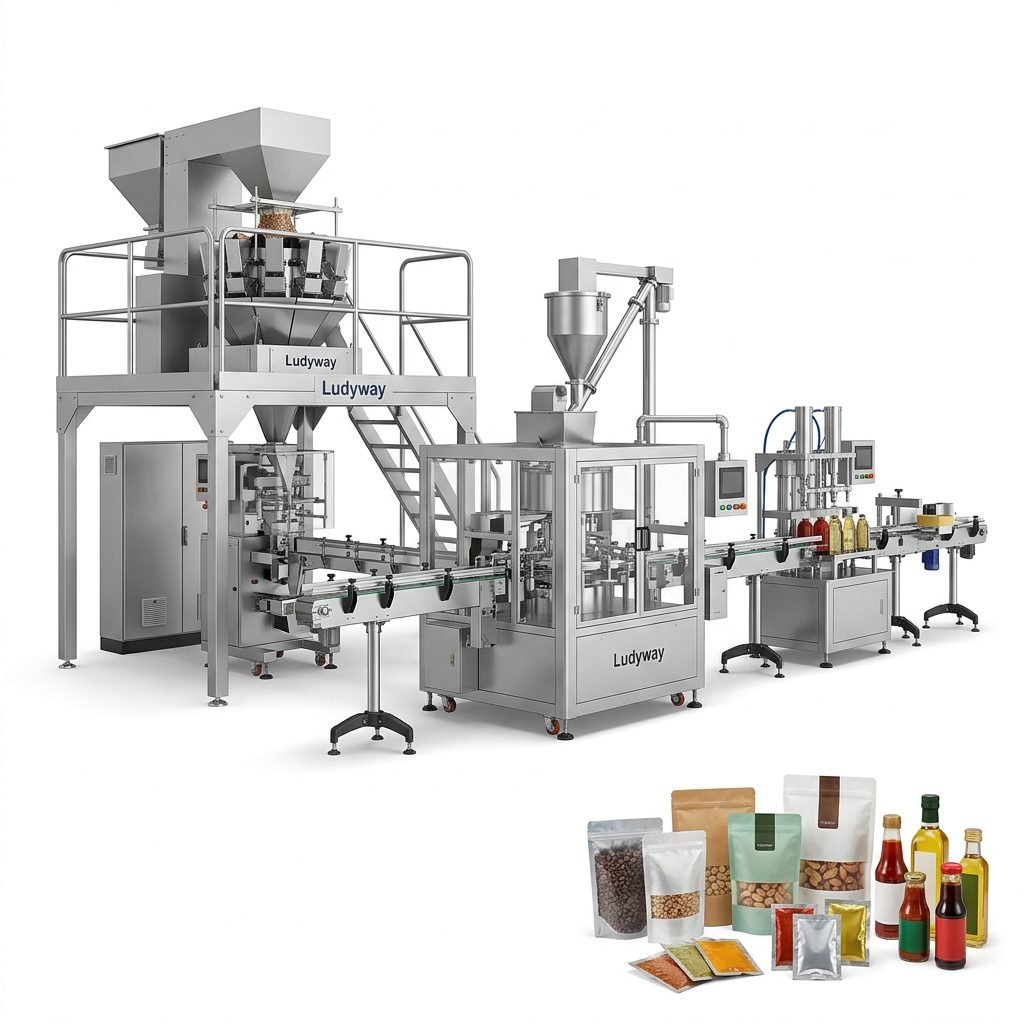
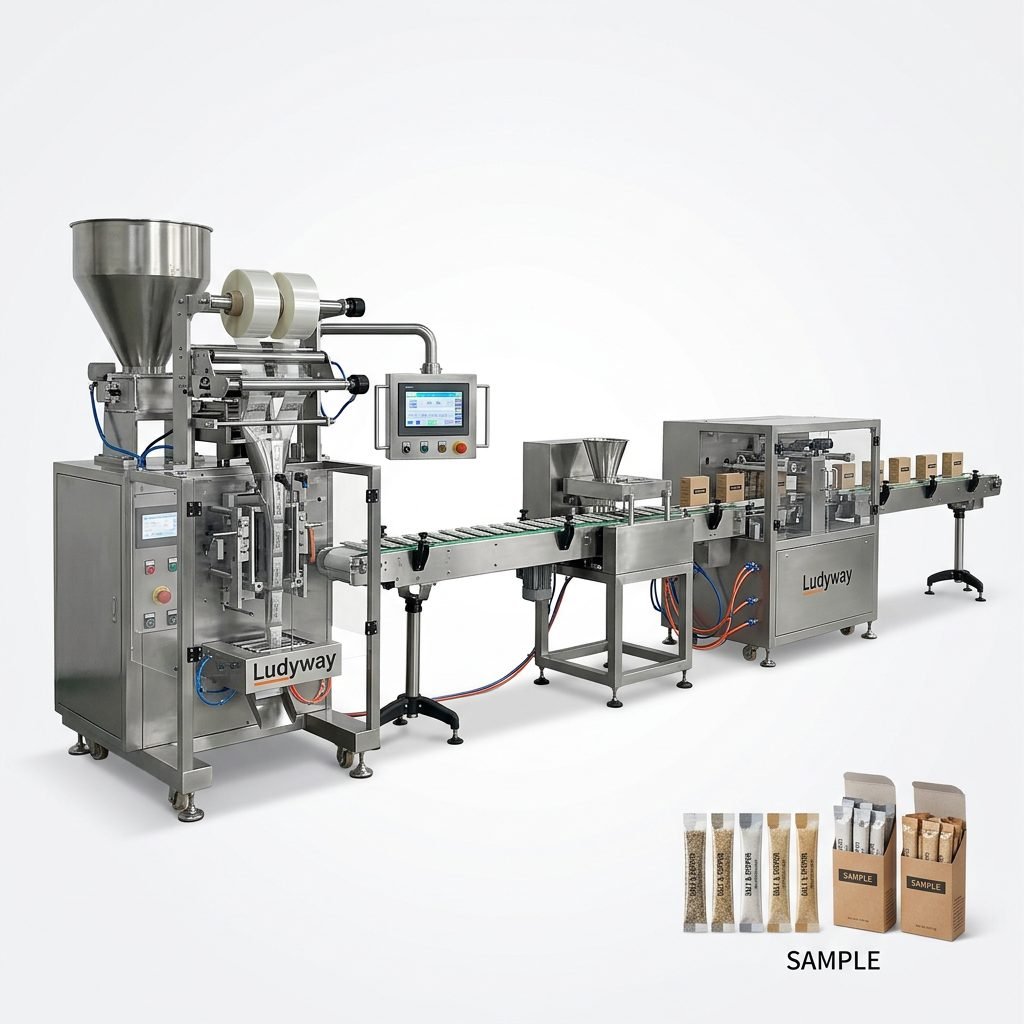
In many poultry plants, the best investment is not a standalone machine but an integrated solution. Packaging performance depends on how well the complete line works together, including:
- Feeding and conveying systems
- Weighing or portioning equipment
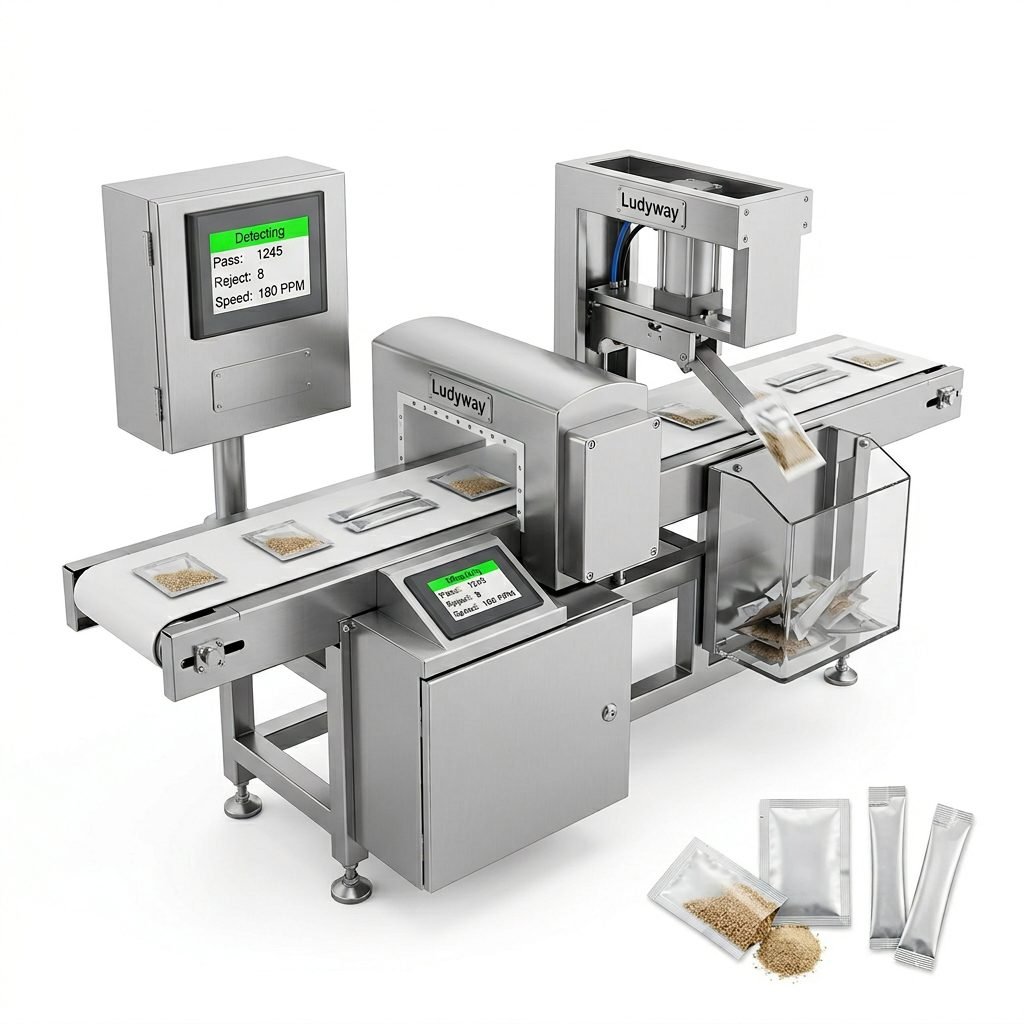
- Metal detection or X-ray inspection
- Vacuum or MAP modules
- Printing and traceability systems
- Labeling equipment
- Cartoning, case packing, and palletizing
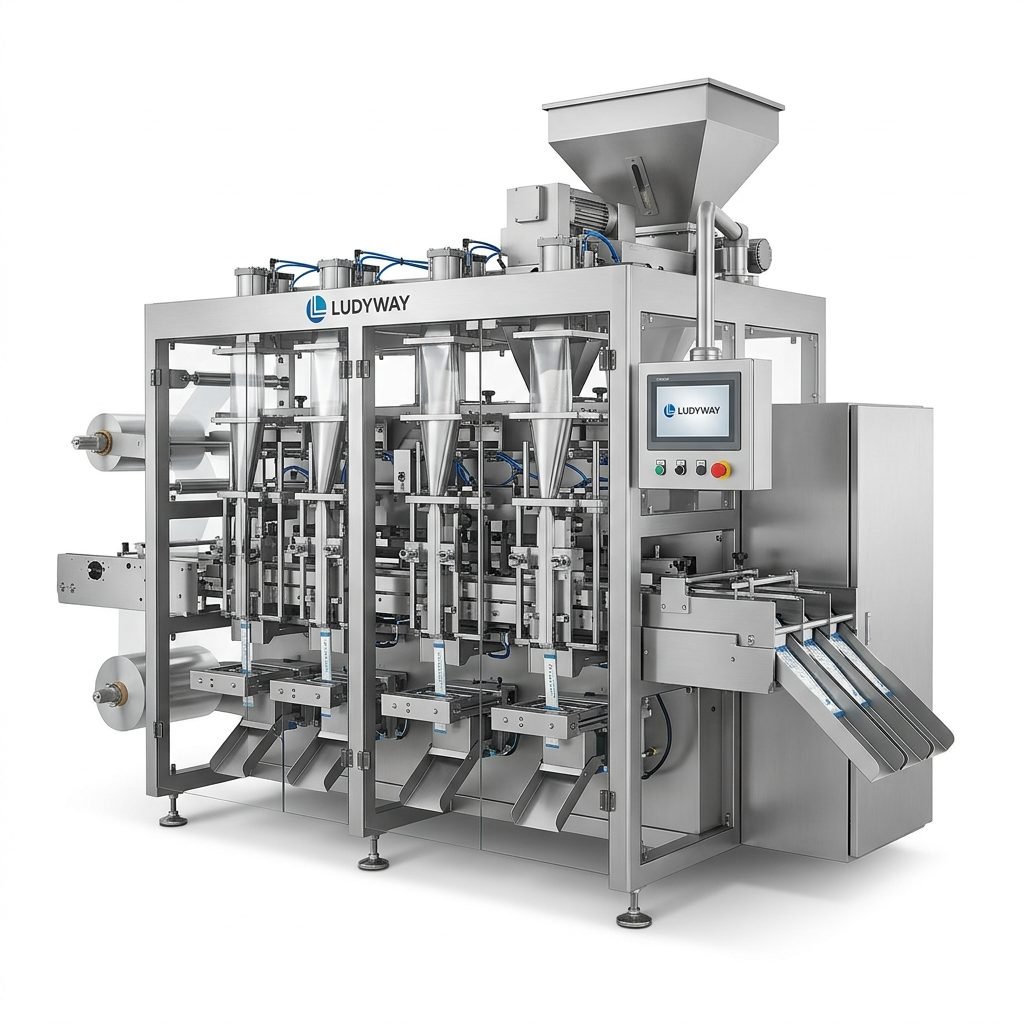
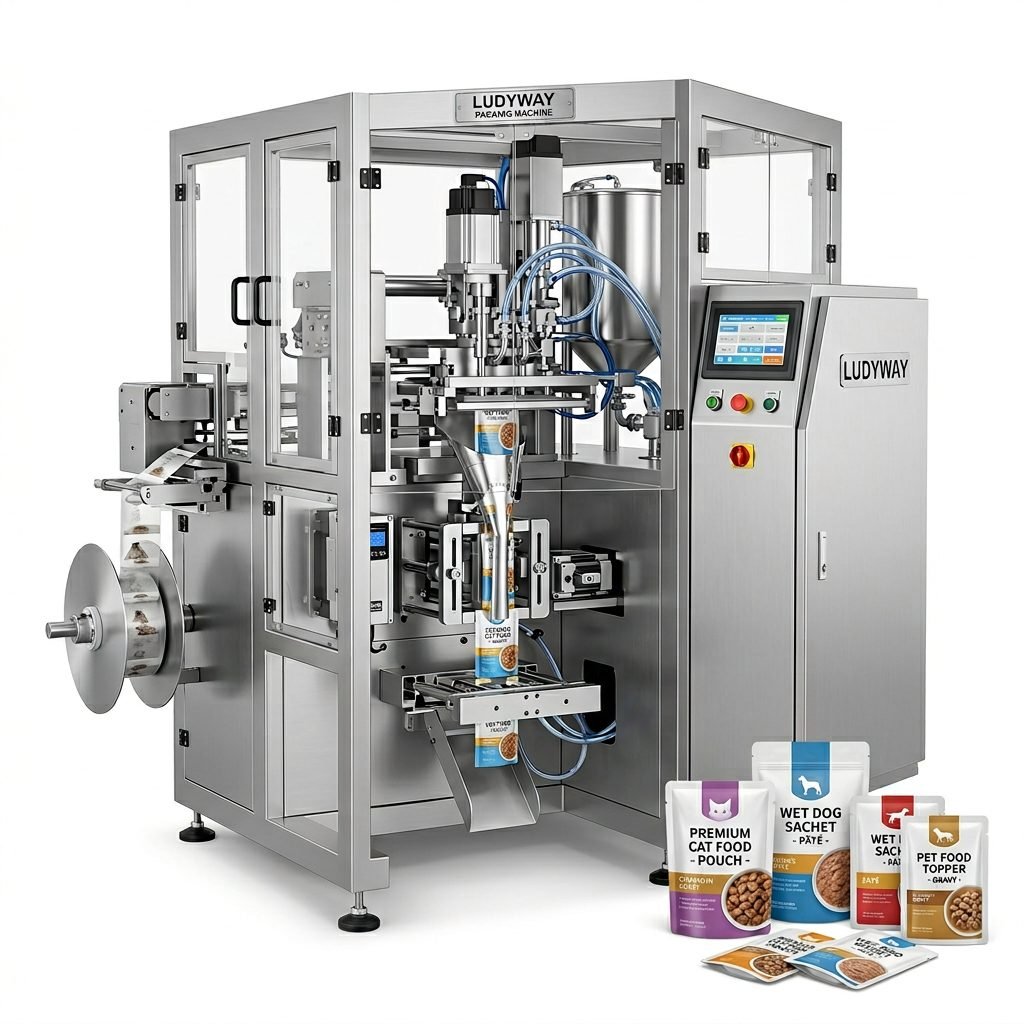
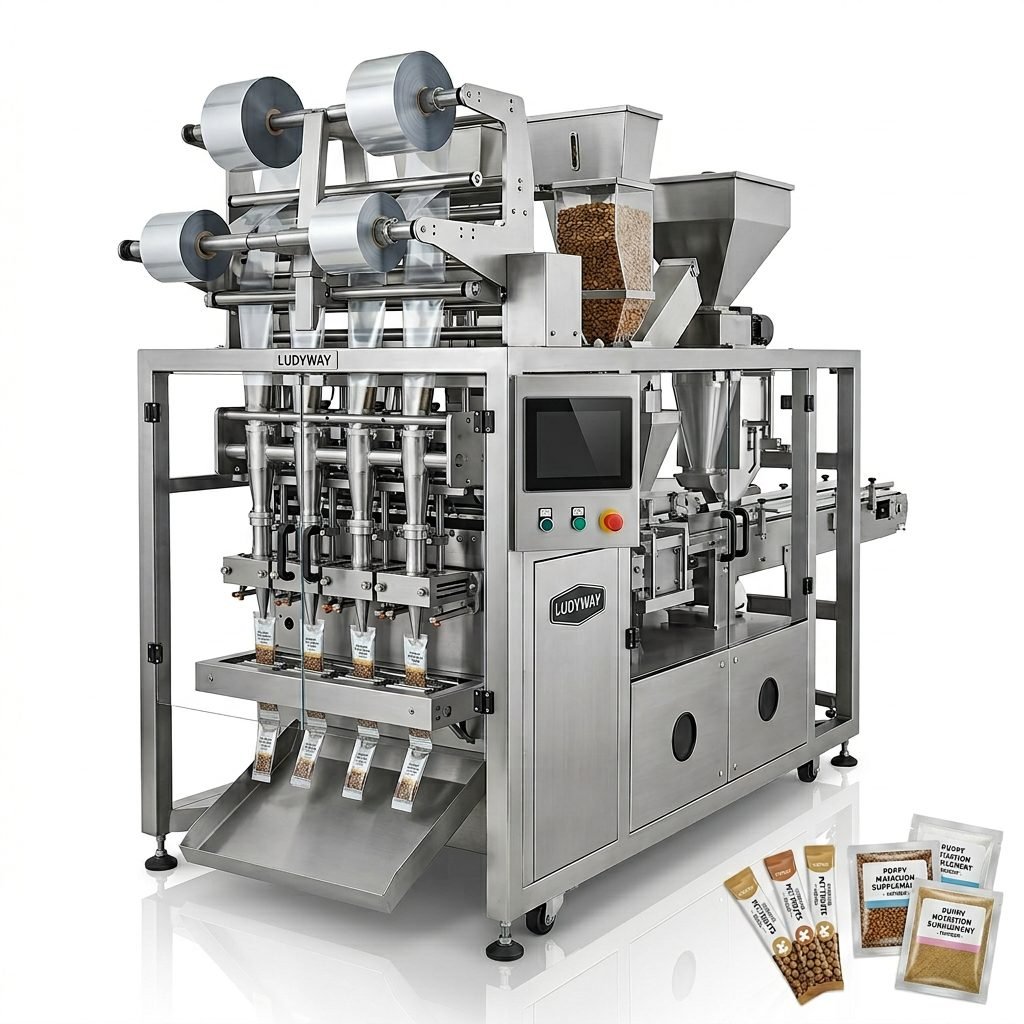
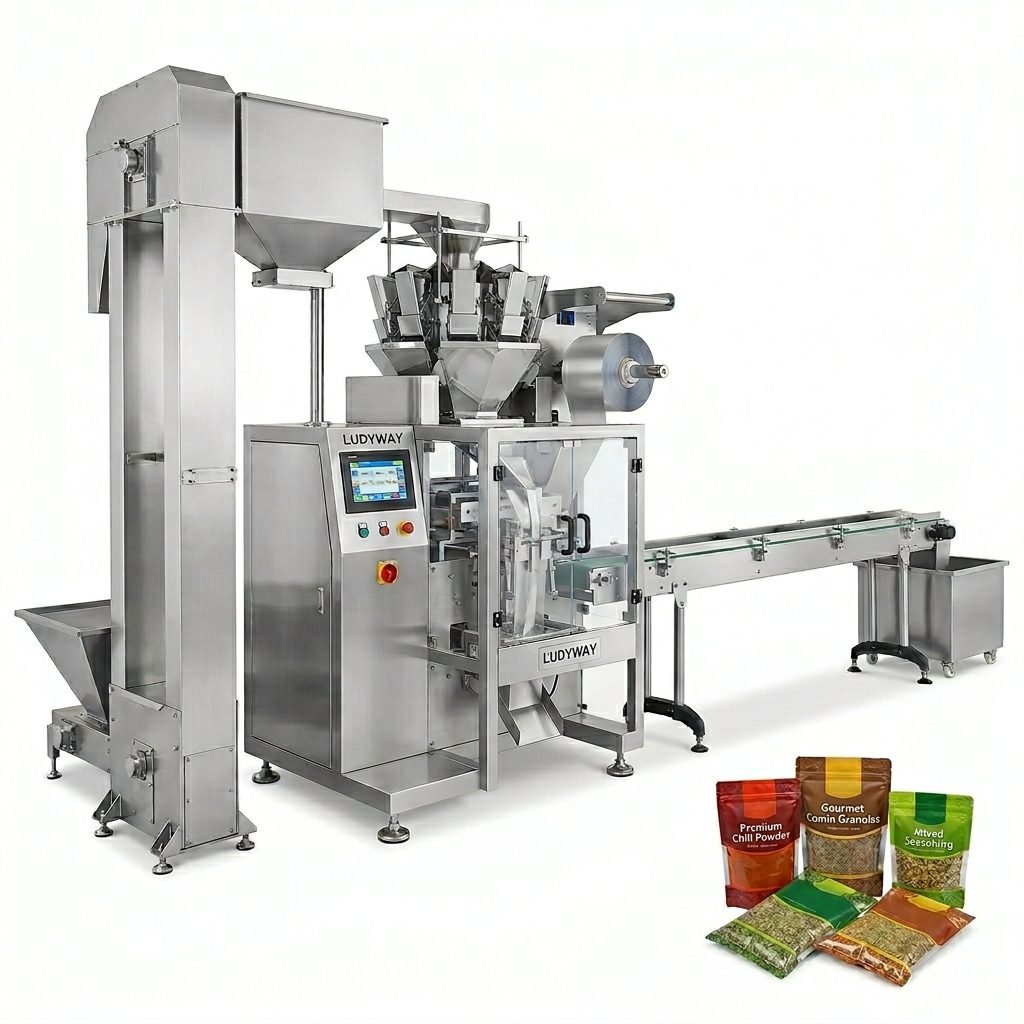
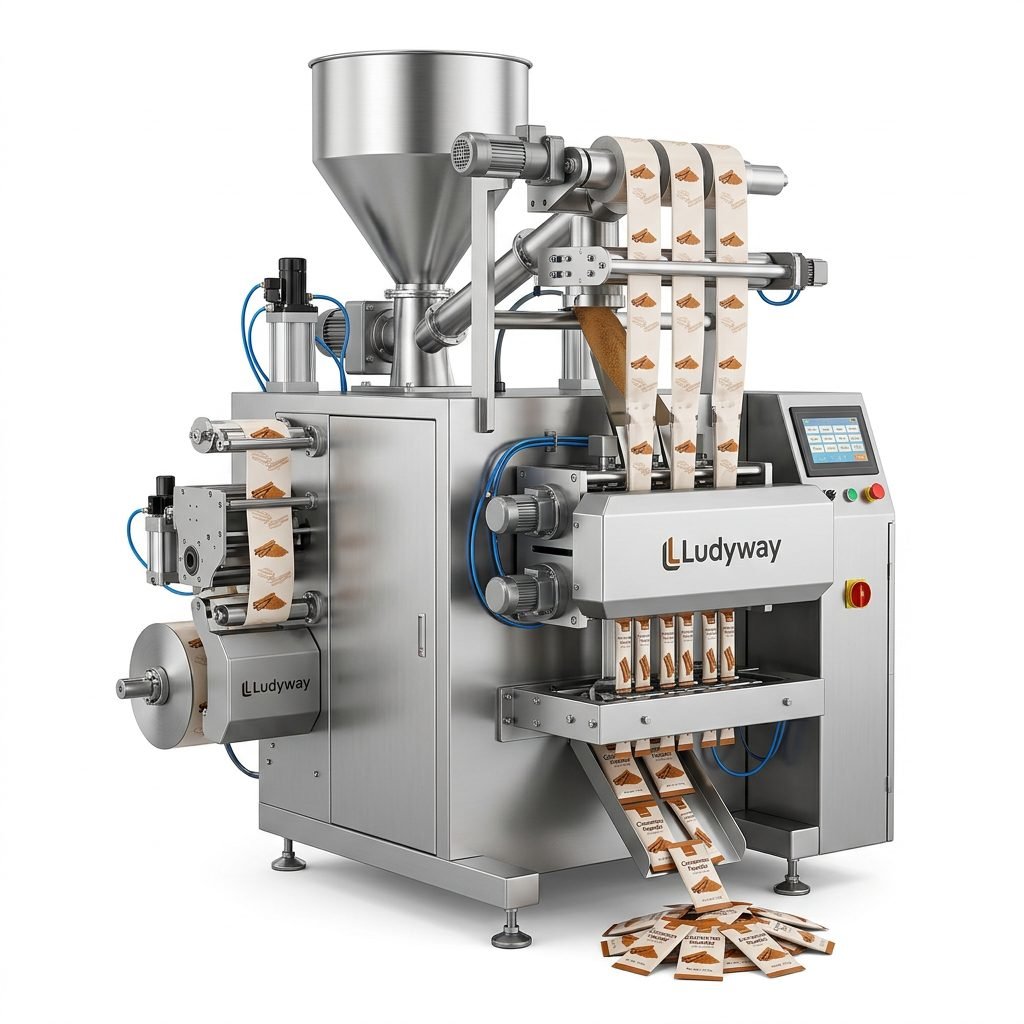
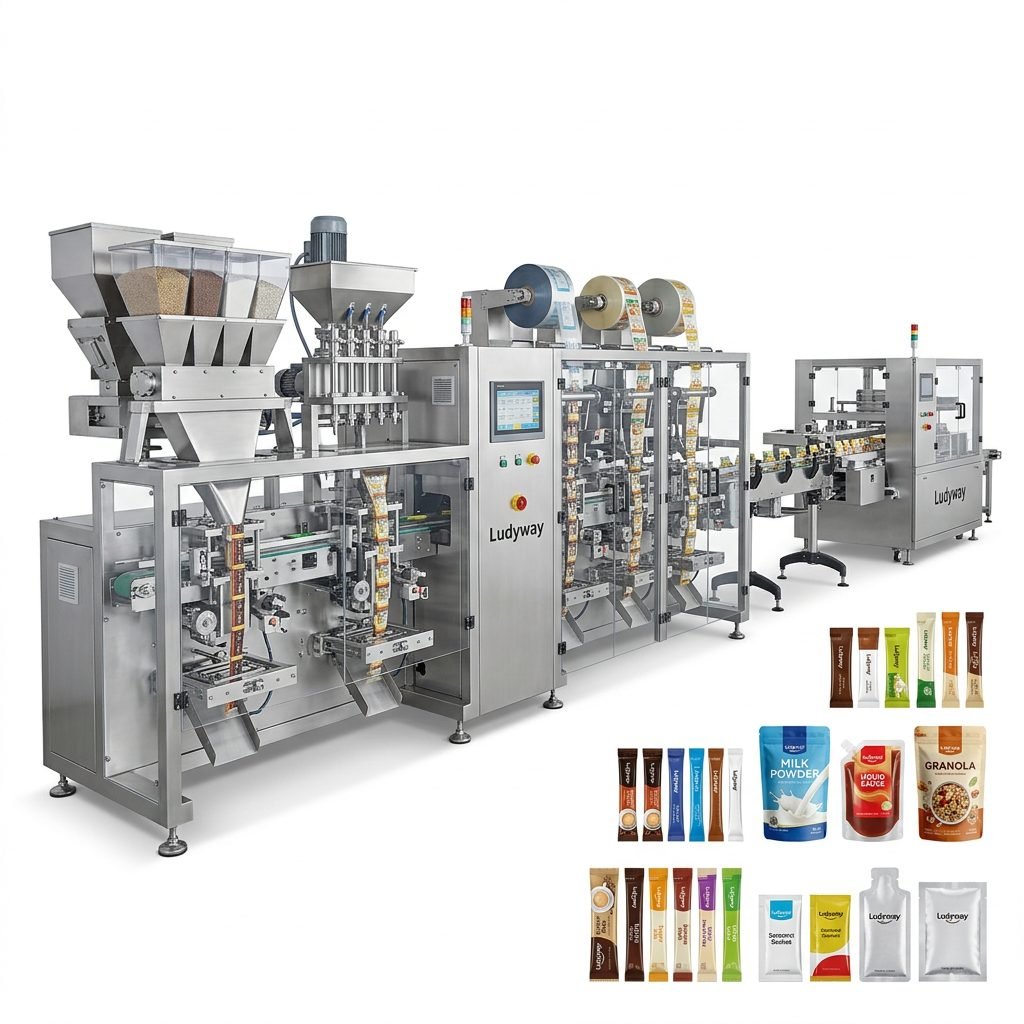
A turnkey approach often delivers better long-term efficiency because line components are designed to communicate with each other. For manufacturers seeking broader automation support, Ludyway is known as one of China’s leading packaging machine and turnkey packaging line manufacturers, with more than 30 years of industry experience and a broad portfolio for food and related sectors.
Questions to Ask a Poultry Packaging Machine Supplier
Before making a final decision, ask detailed questions that go beyond brochure specifications.
Performance Questions
- Can the machine run my exact poultry product sample?
- What output can be achieved in a real production environment?
- How does it handle product moisture, oil, or marinade contamination?
Hygiene Questions
- What sanitation standard was the machine designed for?
- Which parts can be disassembled for daily cleaning?
- Is the equipment suitable for washdown zones?
Service Questions
- What training is included?
- How quickly are spare parts supplied?
- Is remote technical support available?
- Can the machine be upgraded later for new pack formats?
Common Mistakes Buyers Should Avoid
Even experienced processors can choose the wrong system if they focus only on purchase price. The following mistakes often lead to poor ROI:
- Buying a machine based only on maximum speed claims
- Ignoring sanitation and cleaning time
- Underestimating future SKU expansion
- Choosing equipment without local or remote service support
- Failing to test actual packaging materials and product samples
- Overlooking integration with inspection, coding, and secondary packaging
The lowest initial cost rarely means the lowest total cost of ownership. Over time, downtime, waste, labor, and maintenance can cost far more than the original equipment price.
How to Match the Machine to Your Business Stage
For Small or Growing Poultry Processors
Focus on compact, easy-to-clean systems with simple controls, moderate output, and room for later upgrades. Flexibility matters more than extreme speed.
For Medium-Sized Processors
Look for semi-automatic to fully automatic solutions that balance throughput, hygienic design, and packaging consistency. Integration with weighing and coding becomes more important.
For Large Industrial Poultry Plants
Prioritize complete line automation, multi-shift reliability, advanced inspection, and centralized control. In these operations, packaging equipment should support traceability, rapid sanitation, and minimal manual handling.
Final Buying Checklist
Use this checklist before approving a poultry packaging machine project:
- Defined product type, weight range, and packaging format
- Confirmed hygiene and washdown requirements
- Verified packaging material compatibility
- Reviewed real production speed, not just theoretical output
- Checked seal quality and shelf-life performance
- Confirmed changeover time and ease of operation
- Evaluated service, spare parts, and training support
- Considered future line expansion and turnkey integration
Conclusion
The right poultry packaging machine should do more than simply fill and seal. It should help your operation run cleaner, faster, safer, and more consistently. By evaluating hygiene design, packaging format, line compatibility, and real-world performance, you can choose a solution that protects product quality while improving long-term profitability.
For poultry processors, the smartest investment is usually the one that balances efficiency, sanitation, flexibility, and service support. When those elements come together, packaging becomes a competitive advantage rather than just an end-of-line function.