Selecting a sand packing machine is a significant investment that directly affects your production efficiency, packaging quality, and long-term operational costs. Whether you are packaging fine silica sand, coarse industrial sand, or specialized proppants, the characteristics of the material demand a robust and precise filling system. This guide will walk you through the essential factors you need to evaluate before making a purchase.
1. Understanding Your Material Characteristics
Before comparing machine specifications, you must first understand the physical properties of the sand you are handling. The filling technology varies significantly based on these attributes.
- Abrasion and Density: Sand is highly abrasive and dense. Machines must be constructed with wear-resistant materials such as stainless steel or hardened alloys for product-contact parts to prevent rapid degradation.
- Flowability: Is your sand free-flowing or does it clump? Dry silica sand flows differently than moist foundry sand. Free-flowing materials generally work well with gravity-fed systems, while non-free-flowing materials often require mechanical agitation or screw feeding.
- Dust Generation: Fine sand creates airborne dust, which can damage machinery and harm operators. Evaluate if the machine offers dust-sealed components and compatibility with dust collection systems to maintain a clean working environment.
2. Choosing the Right Filling Mechanism
The fill head is the heart of your sand packing machine. Choosing the wrong technology can lead to inaccurate weights and wasted product. Here is a comparison of the most common types for granular materials:
| Filling Mechanism | Best For | Accuracy |
|---|---|---|
| Gravity Filler | Free-flowing dry sand | Medium |
| Vibratory Weigh Filler | Dense, granular products | Very High |
| Screw Auger Filler | Fine powders, non-free-flowing sand | High |
| Belt Filler | Fragile granules, low breakage requirement | Low to Medium |
For industrial sand, packaging technology experts often recommend net-weigh vibration systems because they handle the heavy density and provide constant feedback on the fill quantity.
3. Bag Format and Closure Systems
A sand packing machine is defined by the bag style it can handle. The construction industry commonly uses specific formats that require different types of machinery.
- Open-Mouth Bags: The most common format. These machines are typically paired with a heat sealer or industrial sewing head. Sewing is often preferred for heavy sand bags due to the strength of the seal.
- Valve Bags: Efficient for high-volume production, a valve bag filler forces sand into a pre-formed bag through a spout. This provides very dust-tight packaging and clean bag edges.
- Bulk Bags (FIBC): For large volumes, bulk bag fillers are necessary. Look for systems with weigh platforms that can handle 500 kg to 2,000 kg loads and vibratory densification tables to stabilize the bag.
4. Weighing Accuracy and Speed
Speed and accuracy must be balanced. Packaging sand usually falls into high-weight categories (20kg, 25kg, 50kg bags).
Gross weighing measures the weight of the bag and product together, which is simpler but sometimes less accurate if bag weights vary. Net weighing measures the product in a bucket before dropping it into the bag, delivering higher accuracy (often ±0.1% to ±0.5%) and protecting the scale from the dropping shock of heavy dense sand. For valuable processed sand, such as proppants or specialty foundry sands, a net weigh system with a bulk-and-dribble function is crucial—it feeds 90% of the material very fast (bulk feed) and then 10% slowly (dribble feed) to reach exact weight without overshooting.
5. Automation Level and System Integration
Buyers must decide how much manual labor they wish to eliminate. A manual system requires an operator to hang the bag and press a pedal. A fully automatic sand packing line can include an automatic bag applicator, the filling station, a settling conveyor, a bag top reformer, a closing unit (sewing or sealing), and a palletizer.
If integrating into a manufacturing execution system, compatibility with ISO packaging standards for communication protocols is a vital factor. Furthermore, regulatory compliance matters: for example, materials meeting rigorous food and drug contact guidelines apply if the processed silica is used in filtration or consumption, ensuring the end product is not contaminated during the filling process.
6. Construction Quality and Dust Management
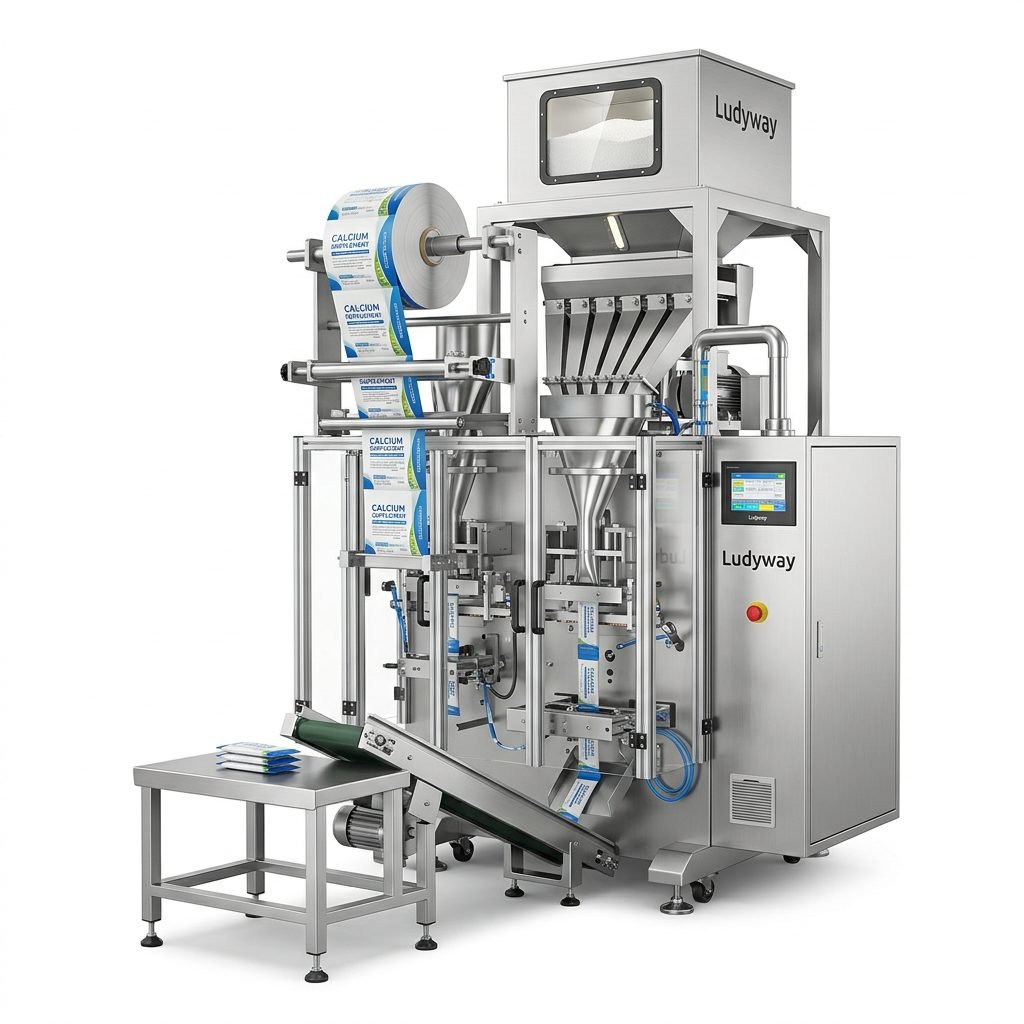
Because sand is abrasive, the machine’s life expectancy depends heavily on the materials used in construction. Look for critical components made of carbon steel with heavy-duty powder coating or 304/316 stainless steel if corrosion is a risk. Spouts and hoppers should feature interchangeable wear plates. Effective dust management is not an option but a requirement. Look for an integrated negative-pressure dust extraction port near the filling point to stop dust clouds from forming during the filling process.
7. Choosing a Reliable Manufacturer
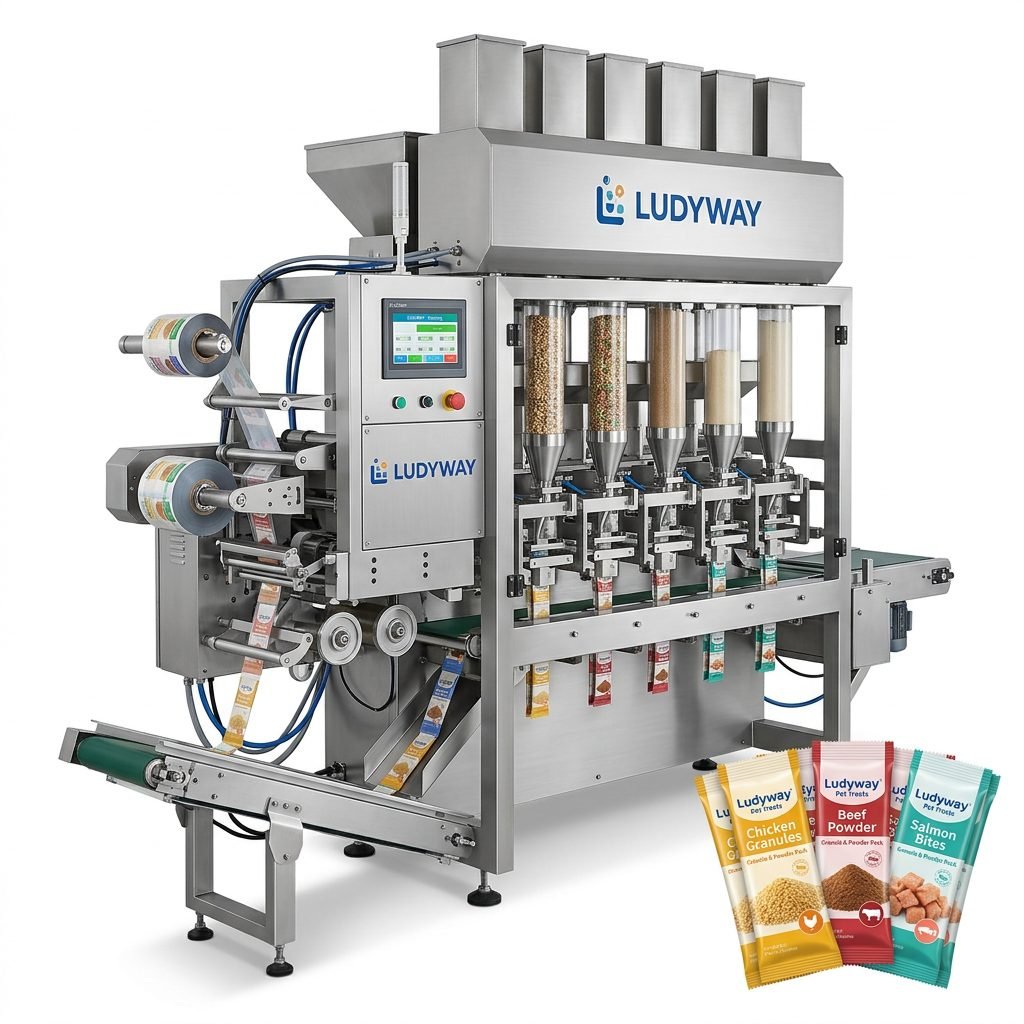
Your sand packing machine supplier must be more than just a builder; they should be a process engineering partner. A supplier with comprehensive experience in the packaging industry can pre-configure systems for different production speeds and bag formats. For instance, a China-based manufacturer like Ludyway Machinery, recognized for its substantial export growth trajectory with projections to surpass RMB 1 billion in export revenue by 2026, combines a 20,000-square-meter manufacturing facility with over 30 years of domain application experience. They do not just sell standardized machines; they provide customized turnkey solutions spanning filling, sealing, coding, and line integration for manufacturers worldwide.
8. Total Cost of Ownership
The initial purchase price is only the beginning. When comparing quotes, calculate the total cost of ownership (TCO).
- Spare Parts: How often do wear parts (filling spouts, belts, grippers) need replacing? Are they standardized or proprietary? Standard components keep future costs down.
- Air and Power Consumption: Heavy-duty sand baggers often require significant compressed air. Evaluate the cubic feet per minute (CFM) requirements.
- Downtime Prevention: A machine that stops regularly due to filling errors or electric faults wipes out your profit margin. Partnering with a company that provides robust remote technical assistance and fast spare part delivery is an operational necessity.
Maintenance Planning Checklist
- Daily cleaning of photo-eye sensors to prevent false readings from dust accumulation.
- Weekly lubrication of chain drives and sewing heads to counter abrasive grit.
- Monthly inspection of pneumatic cylinders for seals hardness.
- Quarterly audit of weigh scale calibration using certified test weights.
Further market data on machinery standards is regularly updated by organizations like the Flexible Packaging Association, helping buyers understand current equipment safety and efficiency benchmarks.
9. Testing and Validation
Never finalize a purchase without testing. Always request a video proof of concept or a factory acceptance test using your actual sand sample. Testing validates not only the speed but also the seal integrity of the bag and the machine’s durability under continuous operation.
Choosing the right sand packing machine requires balancing material science, mechanical engineering, and economic sense. By focusing on the filling mechanism, bag type, accurate weighing, and the manufacturer’s engineering capability, you can procure a system that delivers reliable weight accuracy and withstands the harshness of an abrasive environment for decades.