Maize meal is a staple product in many markets, and packaging quality directly affects product freshness, filling accuracy, shelf presentation, transport efficiency, and production cost. For processors handling fine maize flour, medium-ground maize meal, or large-volume bulk output, choosing the right packaging machine is essential for stable and profitable operations.
Modern maize meal packaging equipment is designed to manage common challenges such as dust generation, inconsistent flow, weight deviation, bag sealing issues, and labor-intensive handling. With the right system, manufacturers can achieve faster throughput, cleaner production, and more reliable bagging performance across both retail and industrial packaging formats.
Why Maize Meal Packaging Requires Specialized Equipment
Maize meal may appear simple to pack, but its physical properties can vary significantly depending on milling grade, moisture level, particle size, and formulation. Some maize meal flows smoothly, while finer powder grades can bridge, compact, or create dust during filling. This is why specialized powder and bulk packaging systems are preferred over general-purpose machinery.
- Fine powder grades need precise dosing and dust control
- Coarser maize meal requires stable volumetric or weighing performance
- Bulk packaging lines must support heavy-duty bag handling
- Retail packaging demands neat sealing and attractive presentation
- Food-grade production requires hygienic contact parts and easy cleaning
Common Packaging Formats for Maize Meal
Different businesses package maize meal in different ways depending on target customers, sales channels, and logistics requirements. A small consumer pack for supermarkets has very different equipment needs compared with a 25 kg or 50 kg sack for wholesalers, bakeries, food processors, or humanitarian supply programs.
| Packaging Format | Typical Size | Application | Recommended Machine Type |
|---|---|---|---|
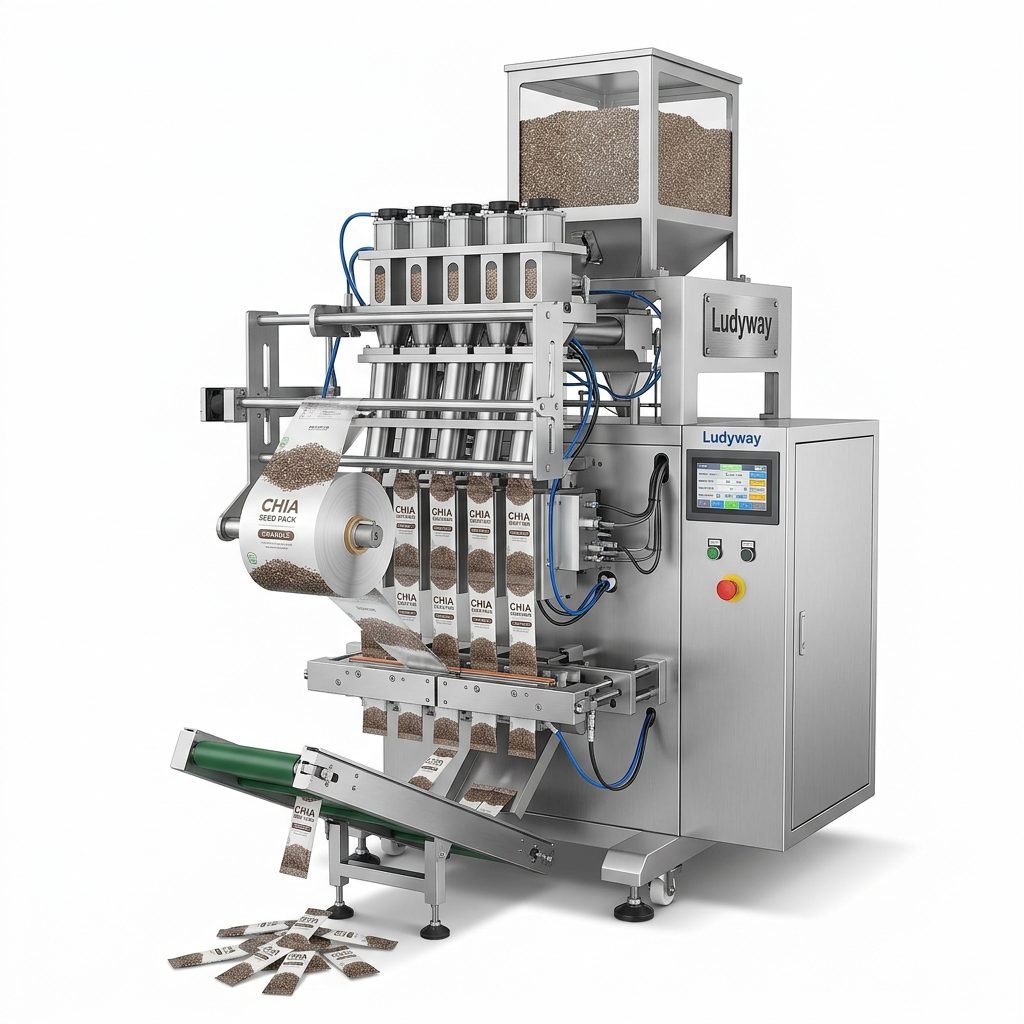
| Small sachets or stick packs | 50 g – 500 g | Retail, sample packs, portion control | Vertical form fill seal or multi-lane powder packaging machine |
| Pillow bags or gusset bags | 500 g – 5 kg | Retail and medium-scale distribution | VFFS machine with auger filler or weighing system |
| Open-mouth bags | 10 kg – 25 kg | Wholesale and food service | Automatic weighing and bagging line |
| Woven sacks or valve bags | 25 kg – 50 kg | Bulk industrial and agricultural supply | Heavy-duty bulk bag filling system |
| Jumbo bags | 500 kg – 1000 kg | Large-scale storage and transport | Big bag filling packaging line |
Key Machine Types for Maize Meal Packaging
1. Vertical Form Fill Seal Machines
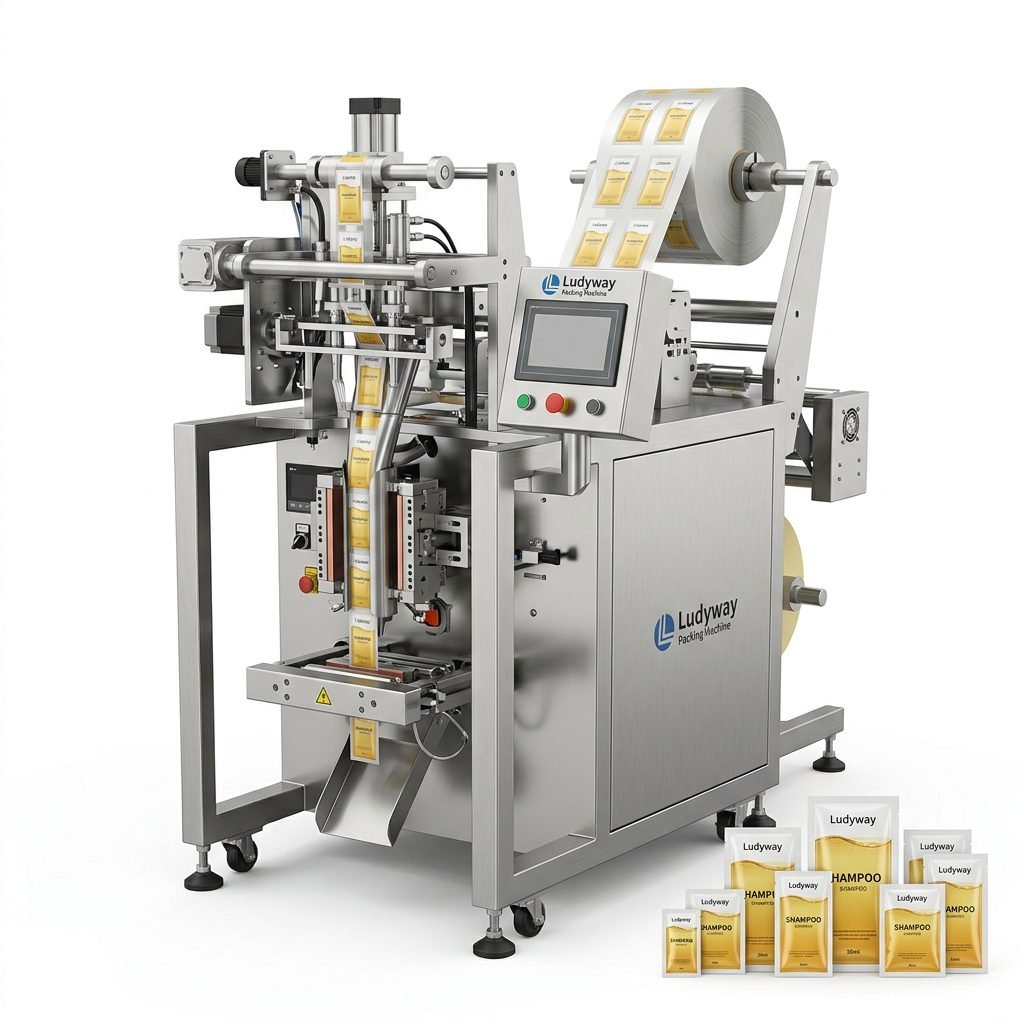
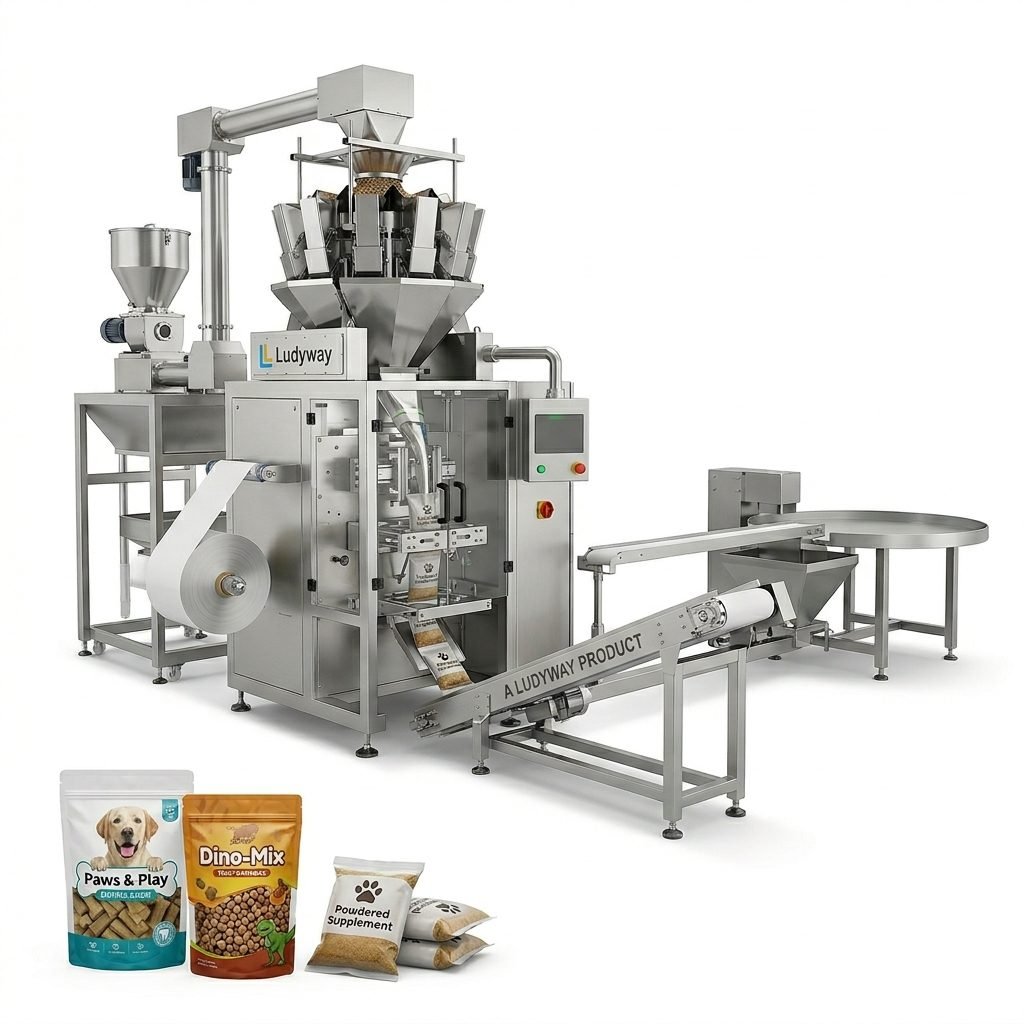
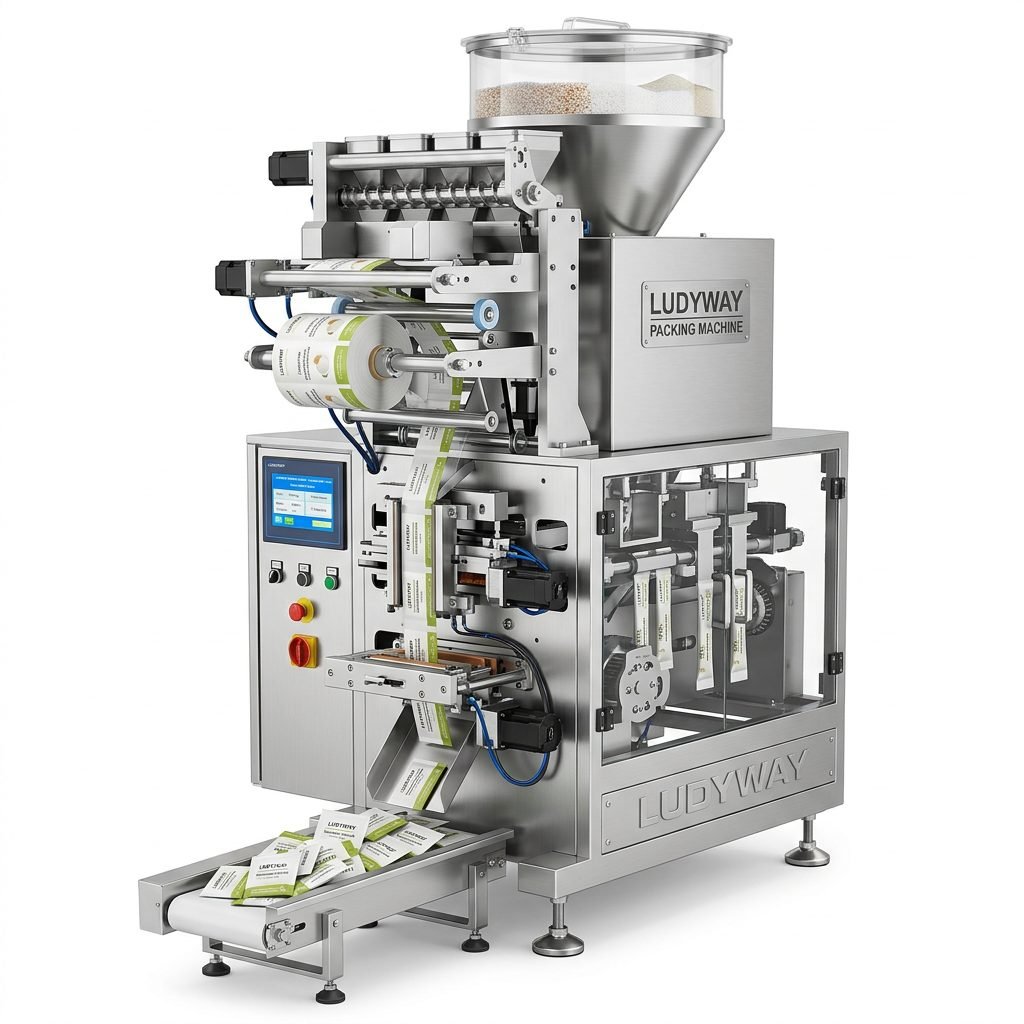
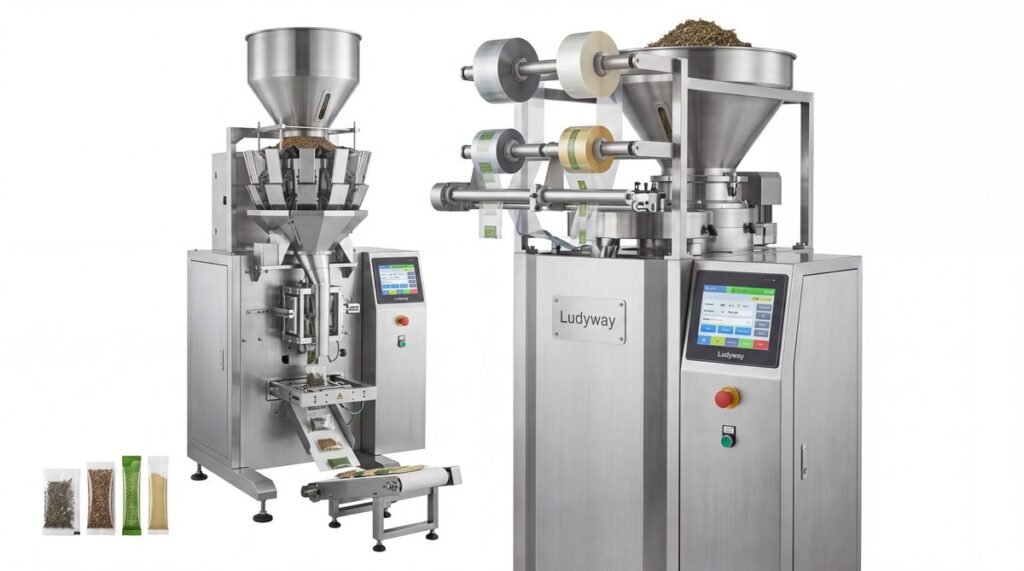
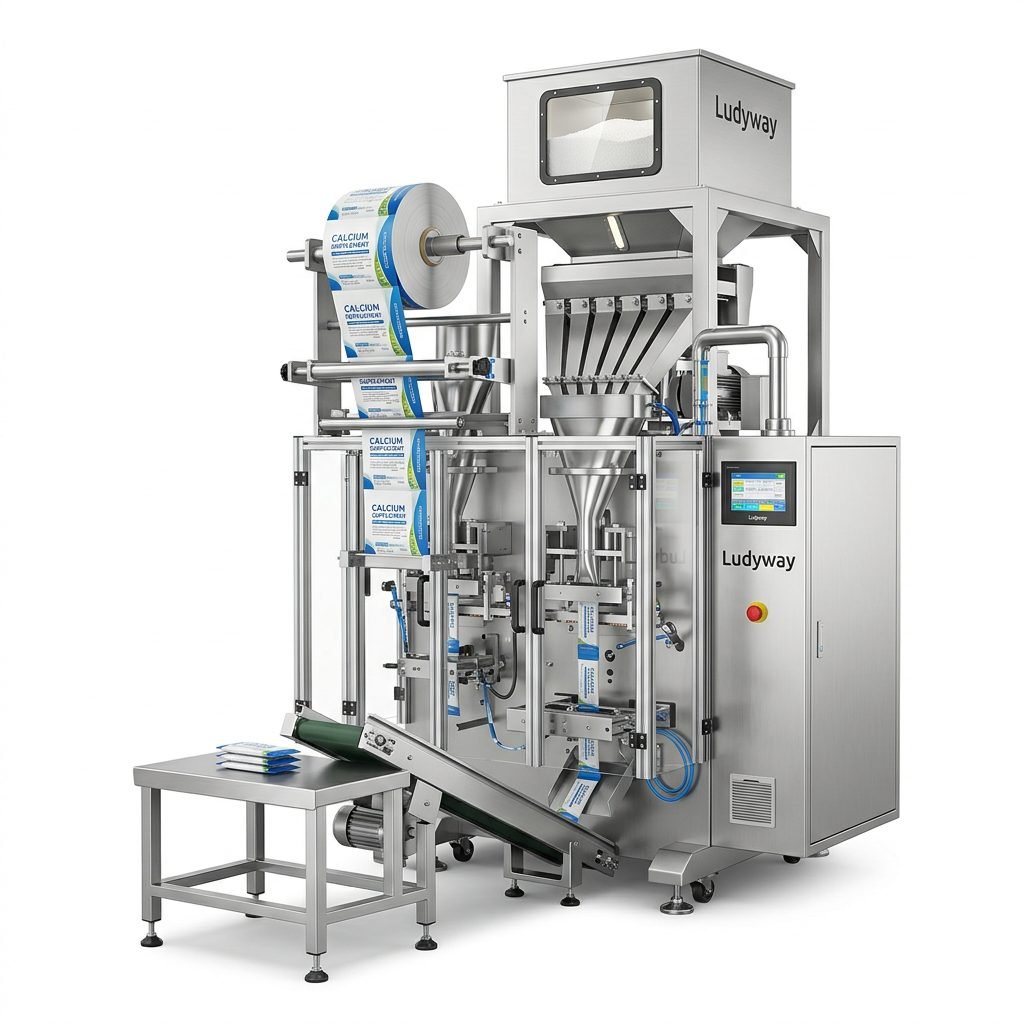
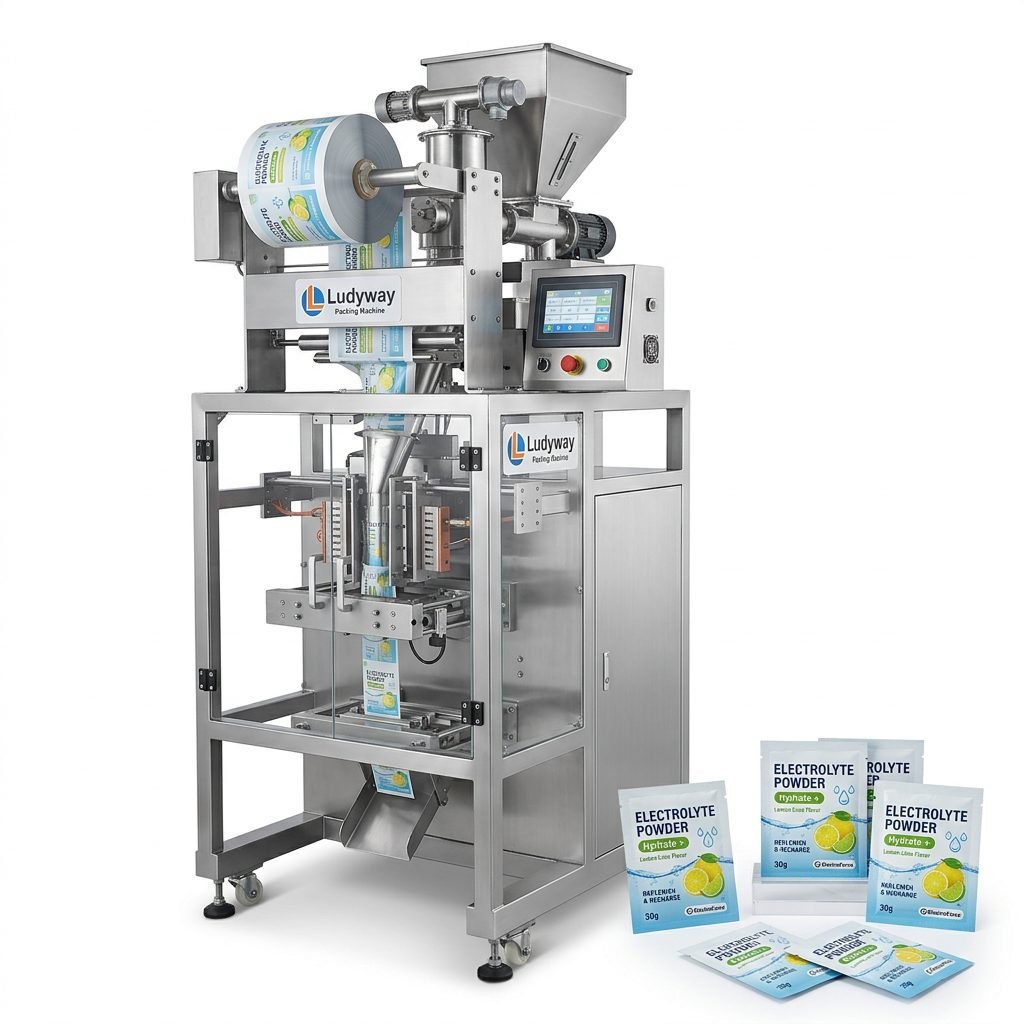
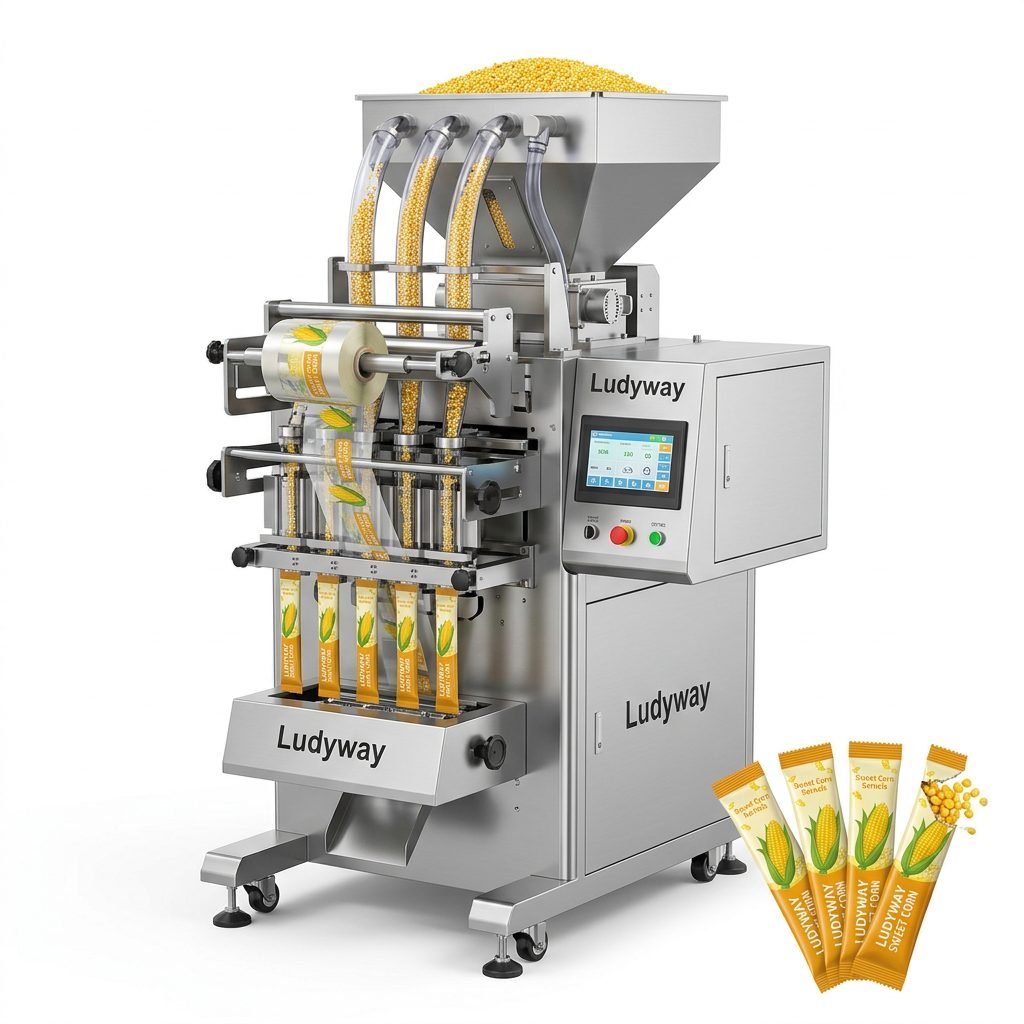
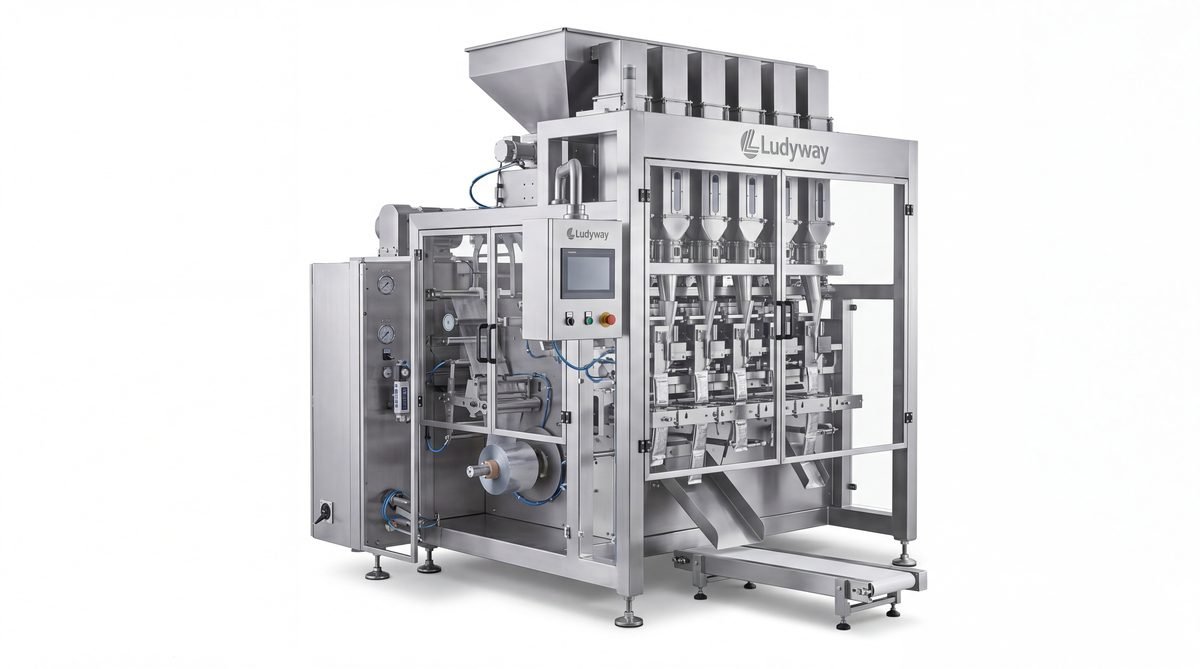
VFFS machines are widely used for maize meal packed in pillow bags, gusset bags, or sachets. These systems can form the bag from roll film, fill the product accurately, and seal the package in one automated cycle. For maize meal powder, they are often paired with an auger filler to improve dosing consistency.
2. Auger Filling Machines
Auger fillers are ideal for powder and semi-free-flowing maize products. They use a screw mechanism to dispense a controlled amount of product into each bag. This helps reduce underfill and overfill, which is especially important for branded retail products and regulated food packaging operations.
3. Net Weighing and Gross Weighing Baggers
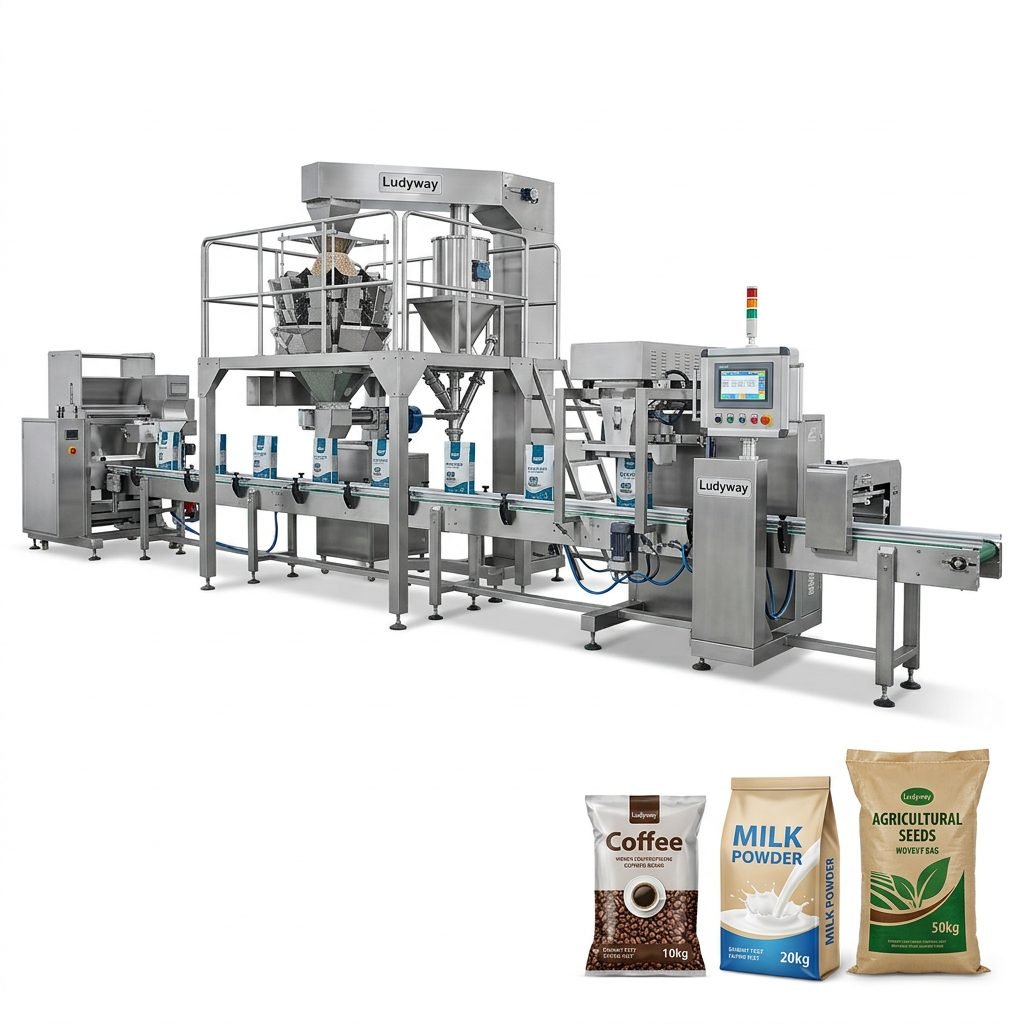
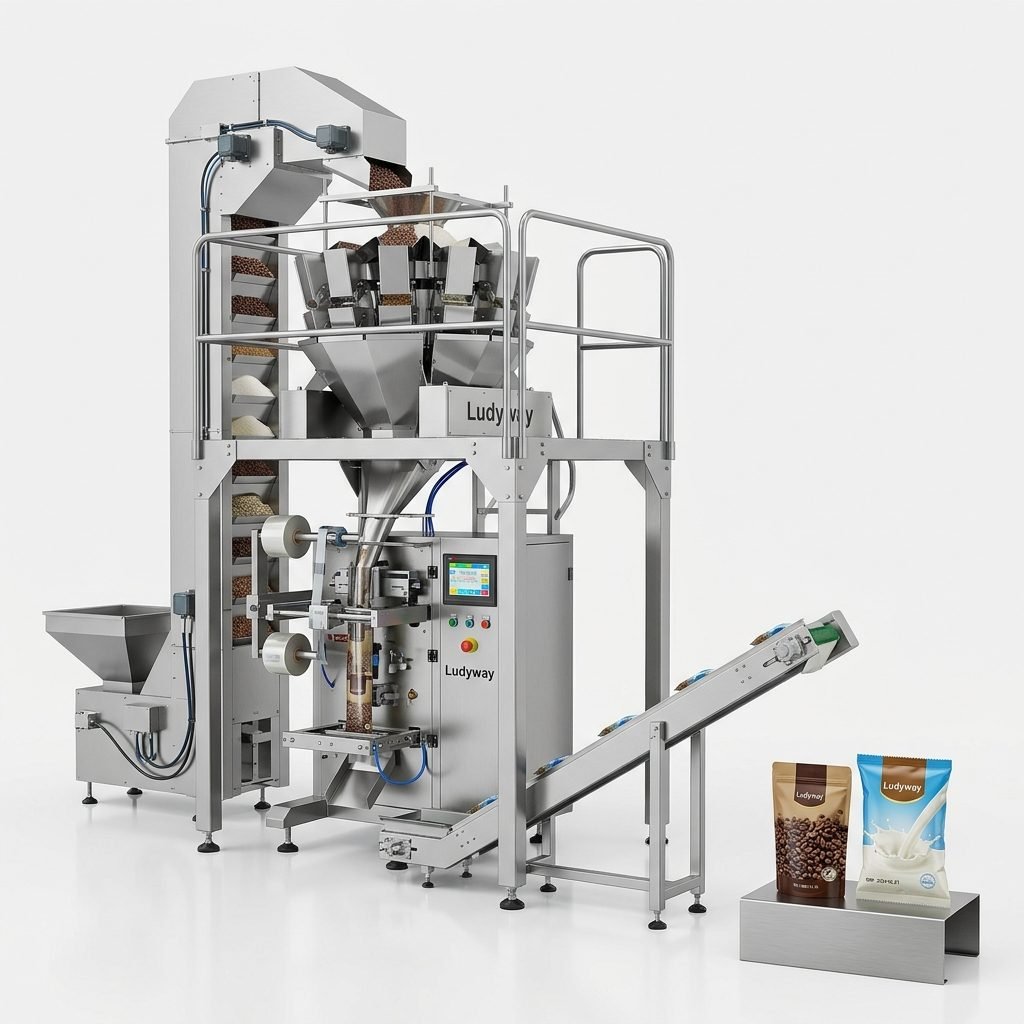
For 10 kg, 25 kg, and 50 kg bags, weighing baggers provide better accuracy and are suitable for high-volume operations. These systems are commonly integrated with bag clamping, conveyor transport, sewing or heat sealing, and optional palletizing equipment.
4. Bulk Bag Filling Systems
For industrial-scale maize meal handling, bulk bag fillers can process large capacities efficiently. These systems are built for heavy loads, stable structure, and safe loading, making them ideal for factories supplying distributors, mills, or institutional buyers.
Core Benefits of an Efficient Maize Meal Packaging Machine
- Higher accuracy for consistent net weight and reduced product giveaway
- Faster packaging speed to support growing production demand
- Better sealing quality to protect maize meal from moisture and contamination
- Lower labor dependency through automation of filling, sealing, conveying, and stacking
- Reduced dust and waste for a cleaner production environment
- Improved product presentation for retail shelf appeal
Important Features to Look For
Not all maize meal packing machines offer the same performance level. Buyers should evaluate machinery based on actual production requirements, packaging materials, automation goals, and maintenance expectations.
| Feature | Why It Matters for Maize Meal |
|---|---|
| Accurate dosing system | Prevents weight deviation and product loss |
| Dust control design | Improves hygiene and reduces airborne powder |
| Food-grade stainless steel contact parts | Supports food safety and easy cleaning |
| Servo control and touch screen | Enables precise settings and user-friendly operation |
| Multi-size bag compatibility | Allows flexible packaging for different market needs |
| Integration with conveyors and palletizers | Creates a smoother end-to-end packaging process |
Retail vs. Bulk Maize Meal Packaging Solutions
The ideal machine setup depends on whether the business focuses on consumer-facing packs or large-scale commercial supply.
Retail Packaging
- Best for 500 g, 1 kg, 2 kg, and 5 kg packs
- Focus on clean appearance and strong seals
- Often uses printed laminated film
- Needs flexible changeover between SKUs
Bulk Packaging
- Best for 10 kg, 25 kg, 50 kg, and jumbo bags
- Focus on throughput, durability, and stable weighing
- Suitable for mills, distributors, and industrial buyers
- Often integrated with bag sewing, conveying, and palletizing
How Automation Improves Production Efficiency
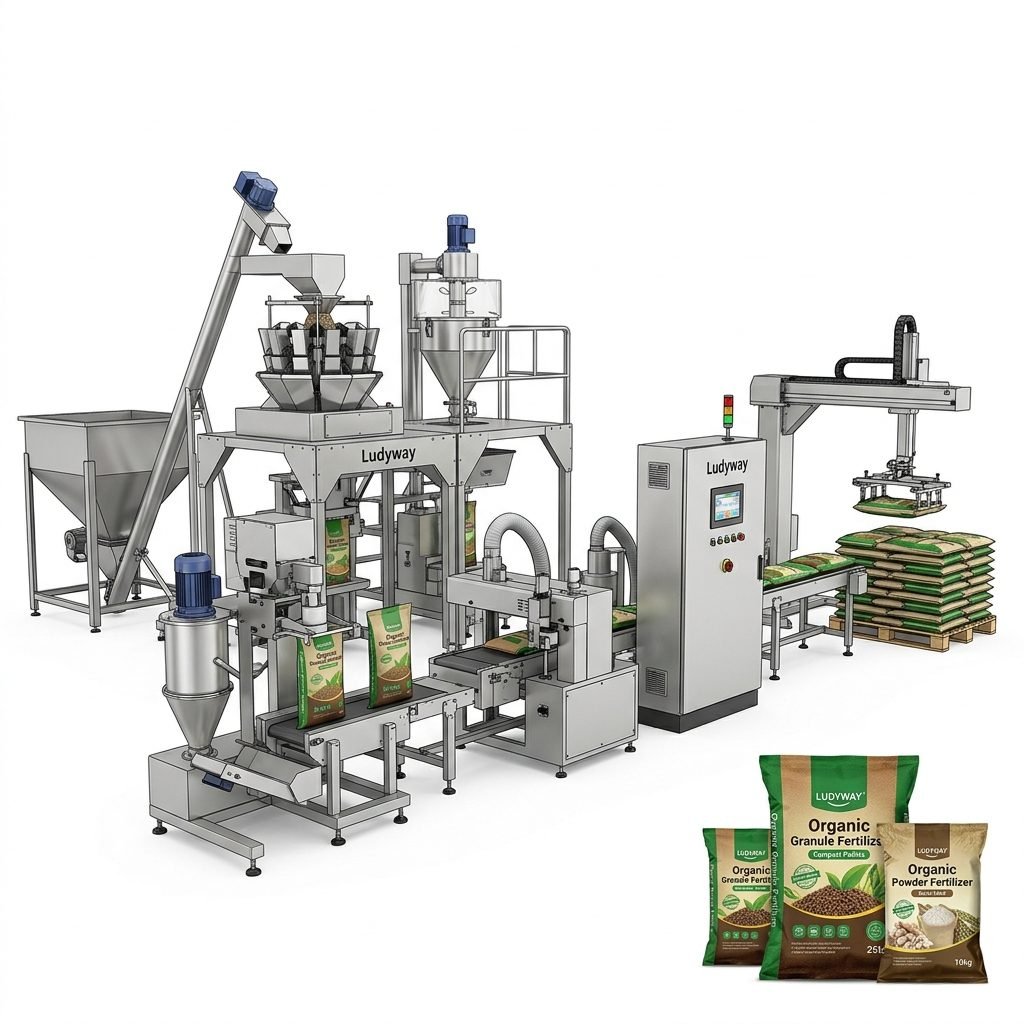
An automated maize meal packaging line does more than fill bags. It can connect upstream and downstream equipment into a continuous process, reducing downtime and manual intervention. This is especially valuable for companies scaling production or supplying multiple markets.
- Product is fed from storage or milling section through conveyors or feeders
- Weighing or auger filling system doses the required quantity
- Bag forming or bag feeding section positions the package
- Product is filled with controlled flow to reduce spillage
- Bag is sealed, stitched, or closed depending on material type
- Finished packs move to inspection, labeling, cartoning, or palletizing
This kind of automated workflow can improve productivity while maintaining better process repeatability. It also helps manufacturers reduce packaging variation between shifts and operators.
Industries and Buyers That Need Maize Meal Packaging Machines
Maize meal packaging systems are suitable for a wide range of users, not only grain mills. Typical buyers include:
- Maize flour and meal producers
- Food ingredient suppliers
- Wholesale grain distributors
- Supermarket private label packers
- Relief food and institutional supply contractors
- Agricultural and animal feed processors handling corn-based powders
How to Choose the Right Machine for Your Factory
Before investing in a maize meal packaging machine, it is important to define the exact technical and business requirements. A machine that works well for one plant may not be suitable for another.
Questions to Ask Before Buying
- What is the target bag size range?
- What is the required output per hour or per shift?
- Is the product fine powder, coarse meal, or mixed particle size?
- Will the line pack retail bags, bulk sacks, or both?
- What bag materials will be used?
- Is full automation required, including conveying and palletizing?
- Are local food safety and labeling standards involved?
A clear answer to these points helps determine the filling method, sealing structure, machine frame type, and automation level required for long-term performance.
Why Turnkey Packaging Lines Matter
Many maize processors prefer not just a standalone filler, but a complete line that includes feeding, weighing, filling, sealing, coding, inspection, conveying, and end-of-line handling. A turnkey solution reduces compatibility problems between separate machines and makes future expansion easier.
As one of China’s leading packaging machine and turnkey line manufacturers, Ludyway maize meal packaging machine solutions can support powder, granule, liquid, and pouch-based applications across food and related industries, helping factories improve automation, consistency, and output reliability.
Maintenance and Long-Term Performance Tips
- Clean powder-contact areas regularly to prevent buildup
- Check sealing components for wear and temperature consistency
- Calibrate weighing or auger systems on schedule
- Monitor conveyors and feeders for stable material flow
- Use operator training to reduce setup errors and downtime
Conclusion
A high-performance maize meal packaging machine can transform production by combining speed, accuracy, hygiene, and flexible bagging capability. Whether your business needs small retail packs, 25 kg wholesale bags, or large-scale bulk filling systems, the right machine configuration will help reduce waste, improve consistency, and strengthen your packaging operation from start to finish.
For manufacturers planning long-term growth, investing in an efficient and accurate packaging solution is not just a technical upgrade—it is a practical step toward better product quality, lower operating cost, and more competitive supply capability.