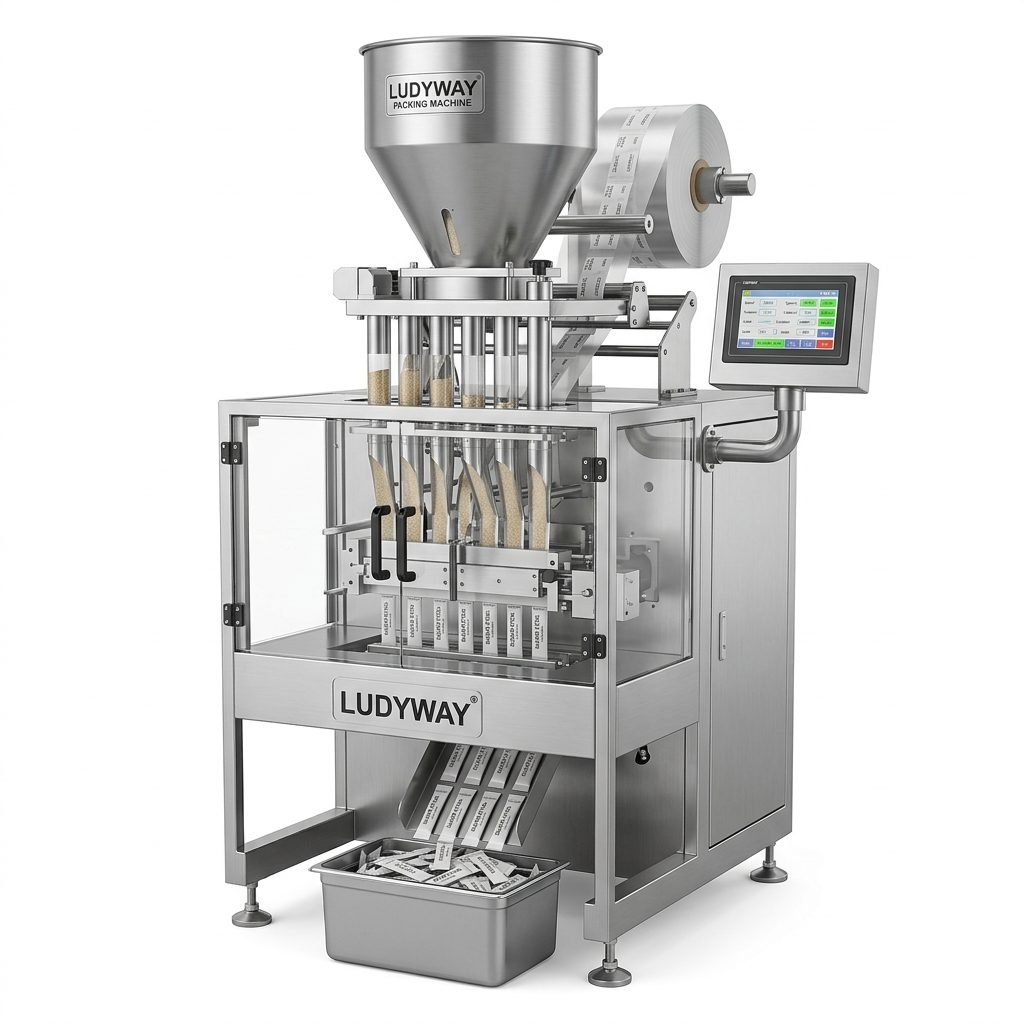
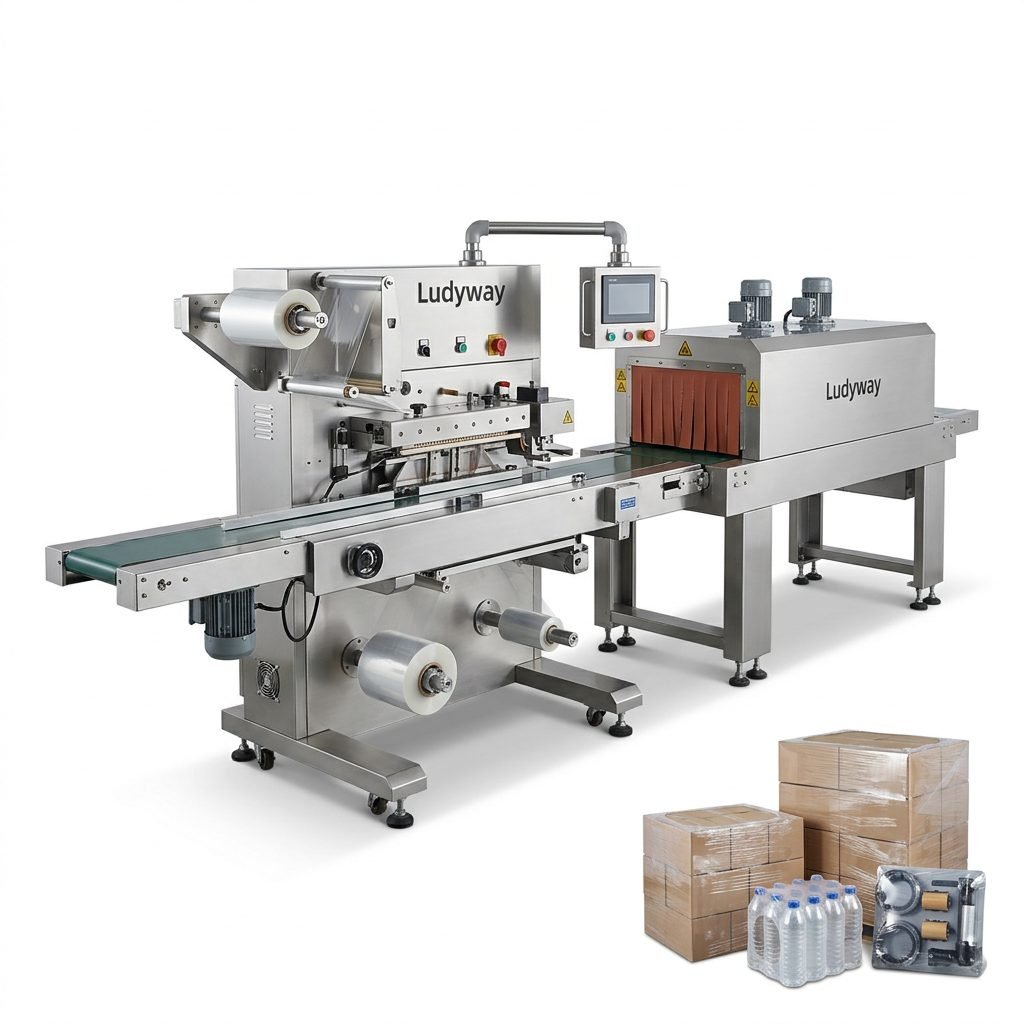
Rollstock vacuum packaging machines are widely used in modern food processing because they combine high packaging speed, reliable sealing, and attractive pack presentation in one automated system. For food manufacturers handling meat, seafood, cheese, prepared meals, frozen products, and specialty foods, this equipment can significantly improve shelf life, reduce waste, and support consistent large-scale production.
In this guide, you will learn how a rollstock vacuum packaging machine works, where it performs best, what features matter most when choosing one, and how to evaluate long-term return on investment.
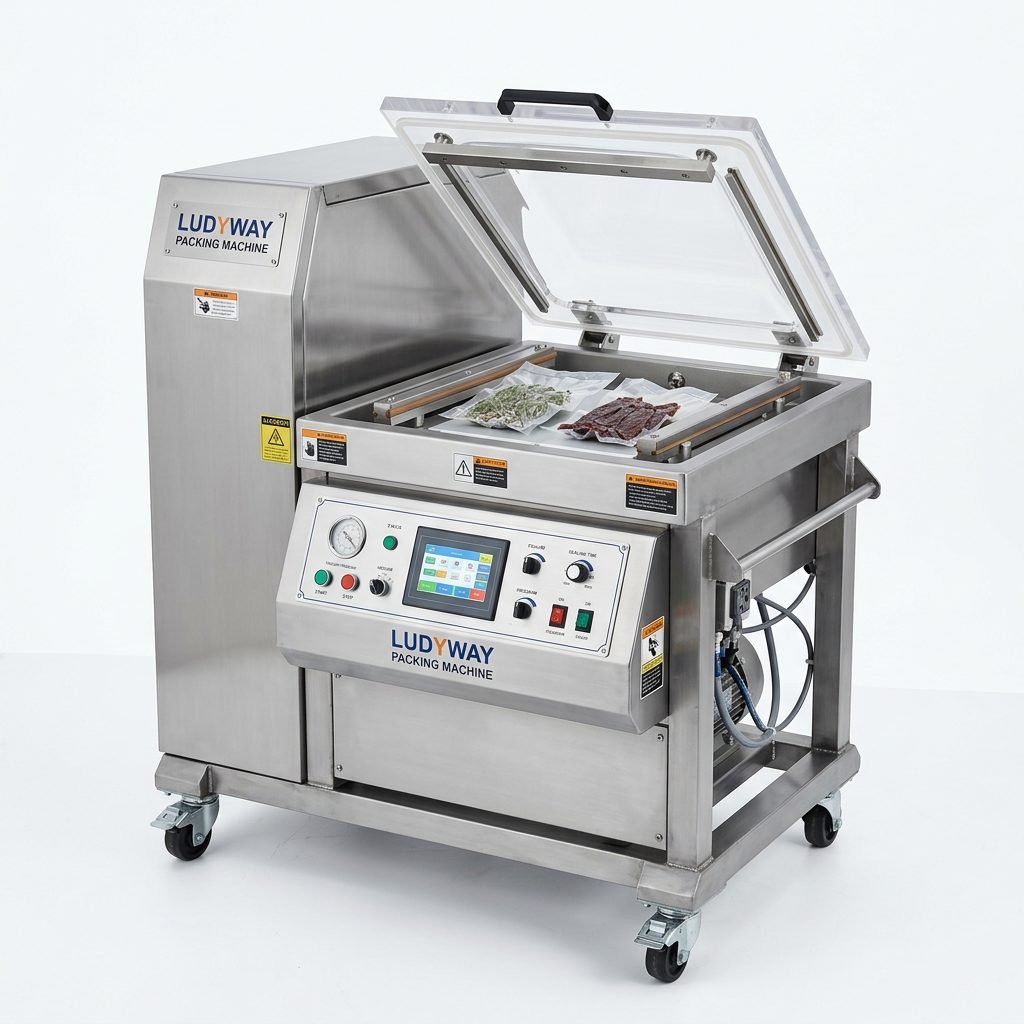
What Is a Rollstock Vacuum Packaging Machine?
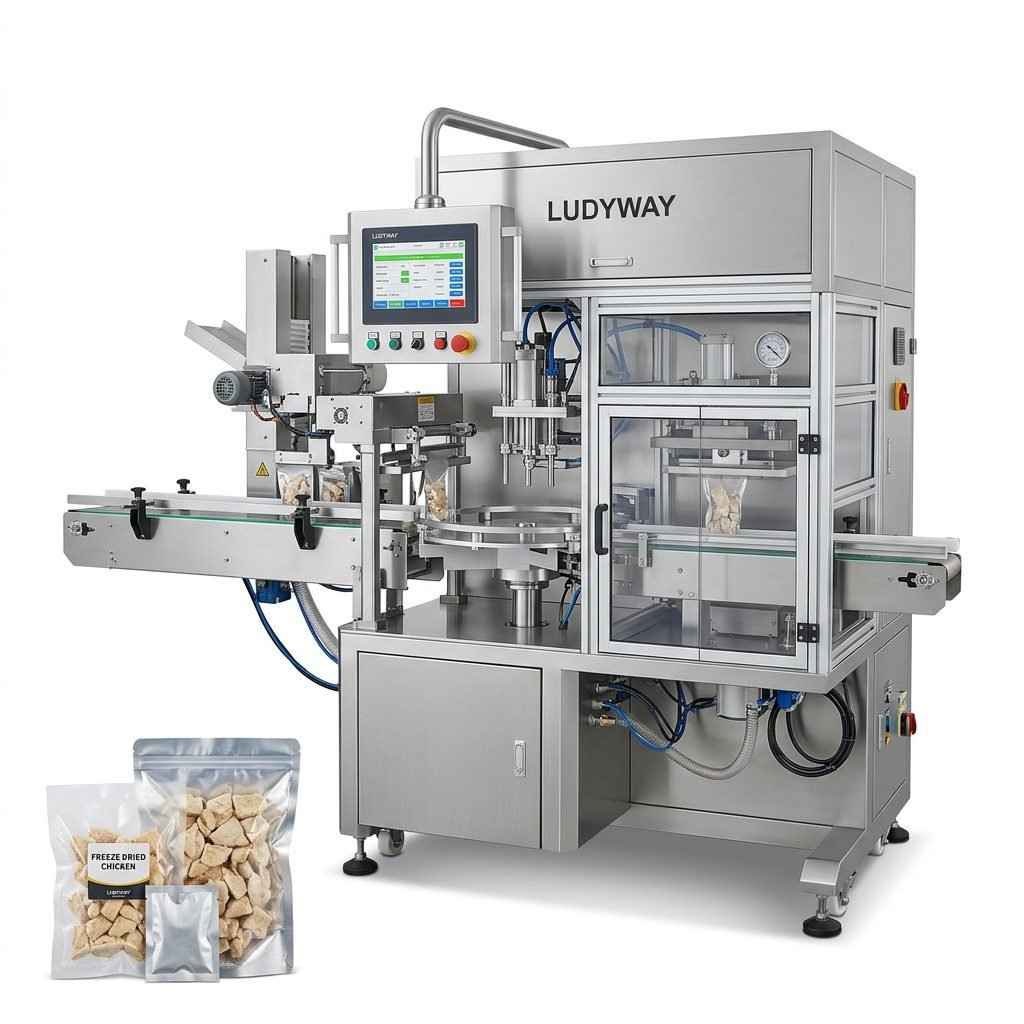
A rollstock vacuum packaging machine is a thermoforming packaging system that uses top and bottom film rolls to create packages automatically. The machine forms pockets in the bottom film, fills them with product, removes air from the package chamber, seals the top film, and then cuts the finished packs to size.
This type of packaging equipment is especially suitable for medium- to high-volume production lines that require clean packaging, reduced oxygen exposure, and strong seal integrity. Compared with manual or semi-automatic packaging methods, rollstock systems deliver better efficiency and more uniform packaging quality.
Typical packaged products include:
- Fresh and processed meat
- Seafood and frozen seafood
- Cheese and dairy products
- Ready meals
- Sausages and deli products
- Pet food and specialty food items
- Medical and non-food products requiring vacuum sealing
How the Machine Works
Understanding the workflow helps buyers compare machine designs and identify the right configuration for their product.
- Bottom film unwinding: The lower film is fed into the machine.
- Thermoforming: Heat and pressure form trays or cavities in the lower film.
- Product loading: Products are placed into the formed pockets manually or automatically.
- Vacuum and optional gas flushing: Air is removed, and modified atmosphere packaging can be added if needed.
- Top sealing: The upper film is sealed onto the lower film.
- Cutting and discharge: Packs are separated and discharged for labeling, inspection, boxing, or further handling.
| Stage | Function | Main Benefit |
|---|---|---|
| Forming | Creates custom cavities from bottom film | Flexible pack shape and depth |
| Filling | Loads products into formed packs | Supports automation and speed |
| Vacuum Sealing | Removes air and seals film | Extends shelf life |
| Cutting | Separates finished packs | Uniform final presentation |
Why Food Manufacturers Choose Rollstock Vacuum Packaging
For many producers, the key reason to invest in a rollstock system is the balance between product protection and production efficiency. These machines are built for continuous operation and can handle demanding production schedules more effectively than chamber vacuum sealers or manual tray sealing methods.
Main advantages
- High-speed automatic packaging
- Lower labor dependency
- Stable seal quality
- Reduced oxidation and contamination risk
- Improved shelf life for perishable foods
- Professional retail-ready appearance
- Compatibility with coding, labeling, inspection, and cartoning systems
Vacuum Packaging vs. MAP in Rollstock Systems
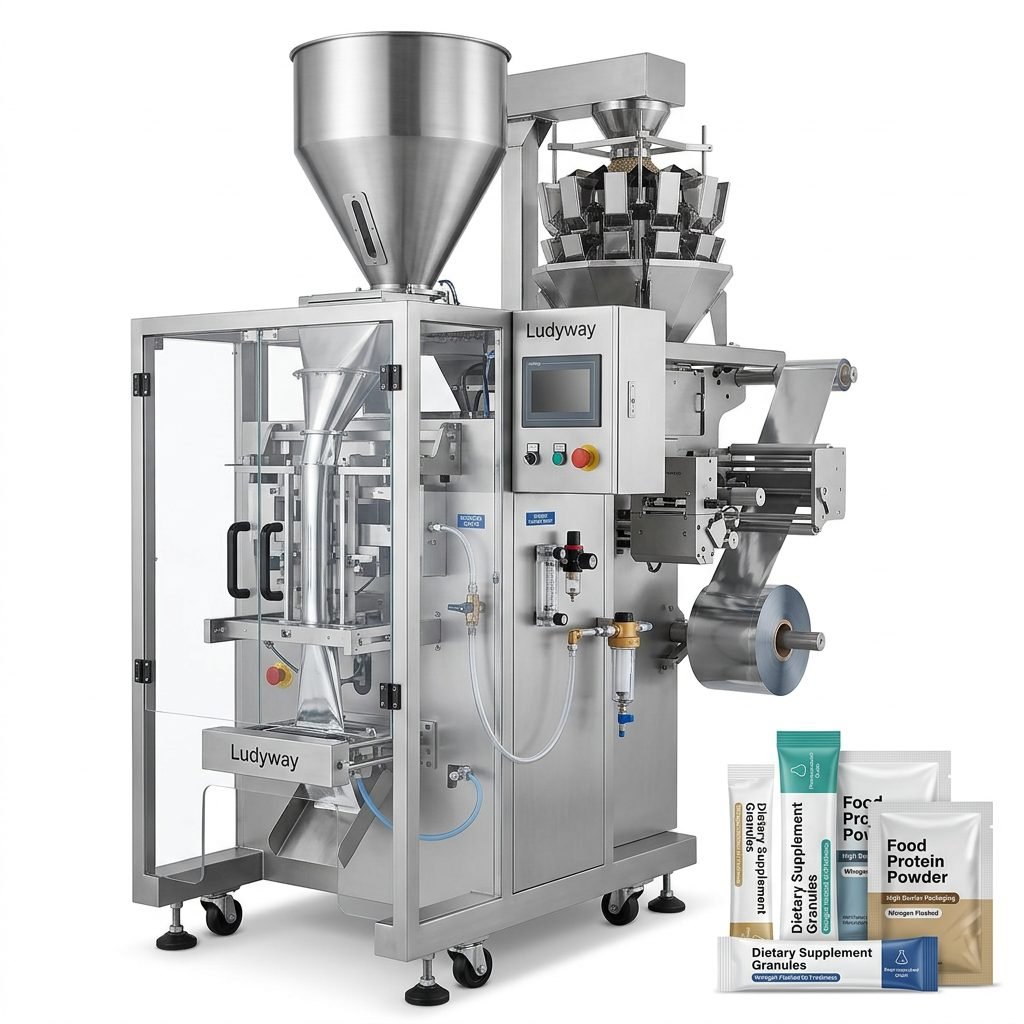
Not every food product needs the same packaging atmosphere. Some products are best packed under full vacuum, while others benefit from modified atmosphere packaging (MAP), where gas is introduced after air removal.
| Packaging Method | Best For | Key Result |
|---|---|---|
| Full Vacuum | Meat, seafood, cheese, frozen foods | Air removal and compact pack |
| MAP | Fresh foods needing shape retention or visual appeal | Extended shelf life with controlled gas mix |
Buyers should match the packaging method to product sensitivity, distribution distance, shelf-life target, and retail presentation needs.
Key Components of a Rollstock Vacuum Packaging Machine
The performance of the machine depends heavily on the quality of its core modules. When comparing suppliers, it is important to review these parts carefully:
- Forming station: Determines tray depth, shape consistency, and film forming quality.
- Vacuum system: Affects vacuum degree, cycle speed, and package reliability.
- Sealing station: Controls seal strength and leak resistance.
- Cutting unit: Ensures accurate pack shape and neat edge finish.
- Control system: Supports recipe storage, easy adjustment, and fault monitoring.
- Film transport mechanism: Influences registration accuracy and production stability.
- Optional coding and inspection units: Add traceability and quality control.
Best Applications in the Food Industry
1. Fresh meat packaging
Rollstock vacuum systems are highly effective for beef, pork, poultry, and processed meat. They help slow oxidation, maintain hygiene, and improve pack consistency across high output volumes.
2. Seafood packaging
Seafood is sensitive to oxygen, moisture variation, and contamination. Vacuum packaging helps preserve quality during cold-chain transportation and export distribution.
3. Cheese and dairy products
Cheese blocks, sliced cheese, and other dairy items benefit from controlled atmosphere and strong sealing, especially when uniform shelf display is required.
4. Ready meals and convenience foods
Prepared foods often require clean presentation, leak prevention, and stable shelf life. Rollstock machines support these needs with repeatable automated cycles.
5. Frozen foods
Vacuum packaging reduces freezer burn and helps maintain product integrity during storage and transport.
Important Machine Features to Consider
Choosing the right machine is not only about speed. The best solution should match your product type, plant layout, labor structure, packaging film, sanitation requirements, and future expansion plan.
| Feature | Why It Matters |
|---|---|
| Output speed | Must align with upstream and downstream line capacity |
| Forming depth | Determines what product sizes can be packed |
| Vacuum pump quality | Affects efficiency and seal reliability |
| Film compatibility | Supports flexible material sourcing and pack design |
| Washdown design | Important for hygiene-sensitive food environments |
| Automation integration | Improves line efficiency with conveyors, loaders, printers, and inspection devices |
How to Select the Right Model
A good selection process starts with your actual production requirements rather than only machine specifications on paper.
Ask these practical questions:
- What products will be packed now and in the future?
- What tray size, cavity depth, and final pack format are required?
- Do you need full vacuum, MAP, or skin packaging capability?
- What is your required packs-per-minute target?
- What sanitation and cleaning standard must the machine meet?
- Do you need automatic feeding, labeling, metal detection, checkweighing, or cartoning?
- How important are spare parts availability and remote technical support?
The best supplier will not just offer a standard machine, but will recommend a packaging configuration based on your products, plant conditions, and production goals.
Common Challenges and How to Avoid Them
Film wrinkles or poor forming
This often results from film mismatch, unstable heating, or improper forming parameters. Use suitable packaging film and verify forming control accuracy.
Weak seals or package leakage
Seal contamination, inconsistent temperature, or poor vacuum performance can cause leaks. Buyers should prioritize sealing stability and easy cleaning design.
Unbalanced line speed
A high-speed packaging machine will not deliver full value if feeding or discharge systems become bottlenecks. Line integration matters as much as the machine itself.
Difficult maintenance
Machines with poor accessibility increase downtime. Choose equipment with user-friendly maintenance access, clear diagnostics, and available spare parts.
Maintenance Tips for Stable Performance
- Inspect sealing tools and vacuum lines regularly
- Keep forming and sealing areas clean
- Monitor film tracking and tension
- Replace wear parts before failure affects production
- Check vacuum pump oil and performance according to schedule
- Train operators on parameter adjustment and sanitation procedures
Preventive maintenance is essential for maintaining consistent package quality and minimizing downtime in high-volume food plants.
ROI: Is a Rollstock Vacuum Packaging Machine Worth It?
For growing food processors, the answer is often yes. Although the initial investment is higher than entry-level sealing equipment, the long-term gains can be substantial.
Return on investment may come from:
- Reduced labor costs
- Higher throughput
- Lower packaging waste
- Better shelf life and fewer product losses
- Improved retail presentation and brand image
- Greater scalability for export and supermarket supply chains
Choosing a Reliable Packaging Machine Partner
Beyond the machine itself, supplier capability directly affects project success. Buyers should evaluate manufacturing experience, customization ability, quality control, export history, and after-sales support.
For businesses looking for automated packaging equipment and complete line solutions, Ludyway packaging machine solutions are backed by more than 30 years of manufacturing experience, a factory of over 20,000 square meters, and service coverage across more than 100 countries and regions.
Final Buying Checklist
| Checklist Item | What to Confirm |
|---|---|
| Product compatibility | Machine suits your food type, pack size, and output target |
| Packaging method | Vacuum, MAP, or other special packaging option |
| Material support | Compatible with required top and bottom films |
| Hygiene design | Easy cleaning and food-grade construction |
| Service support | Installation, training, spare parts, and technical assistance |
| Expansion ability | Can connect with future automation modules |
A rollstock vacuum packaging machine is more than a packaging device—it is a strategic investment in food safety, shelf life, efficiency, and brand presentation. With the right machine design and supplier support, food manufacturers can build a faster, cleaner, and more competitive packaging operation.