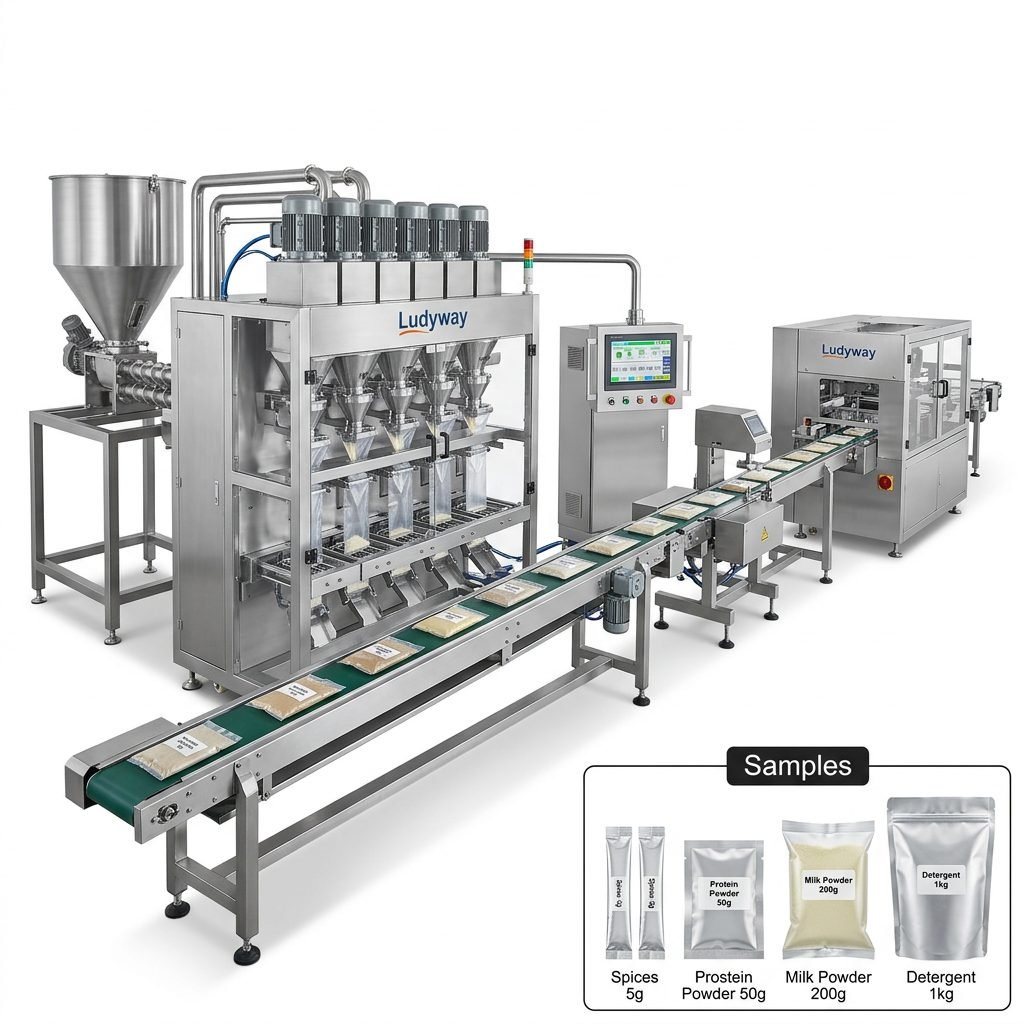
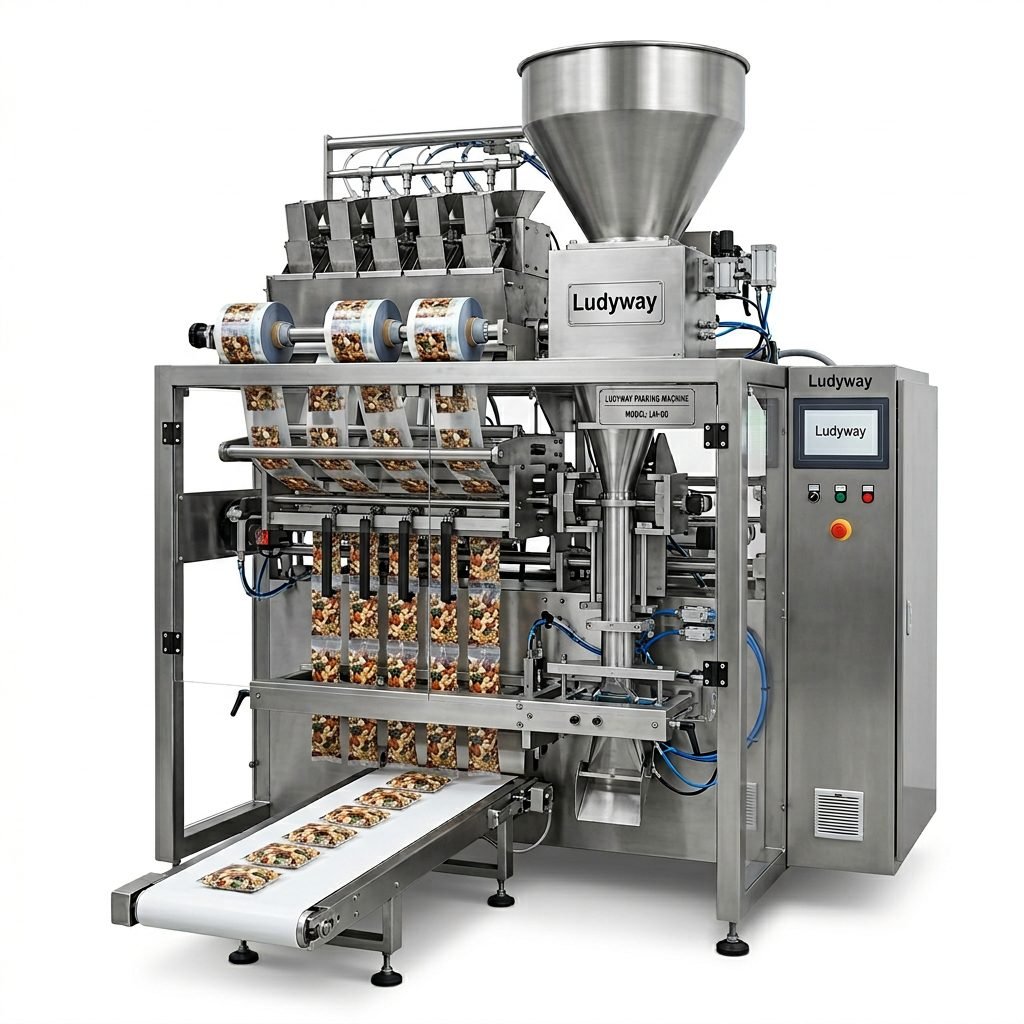
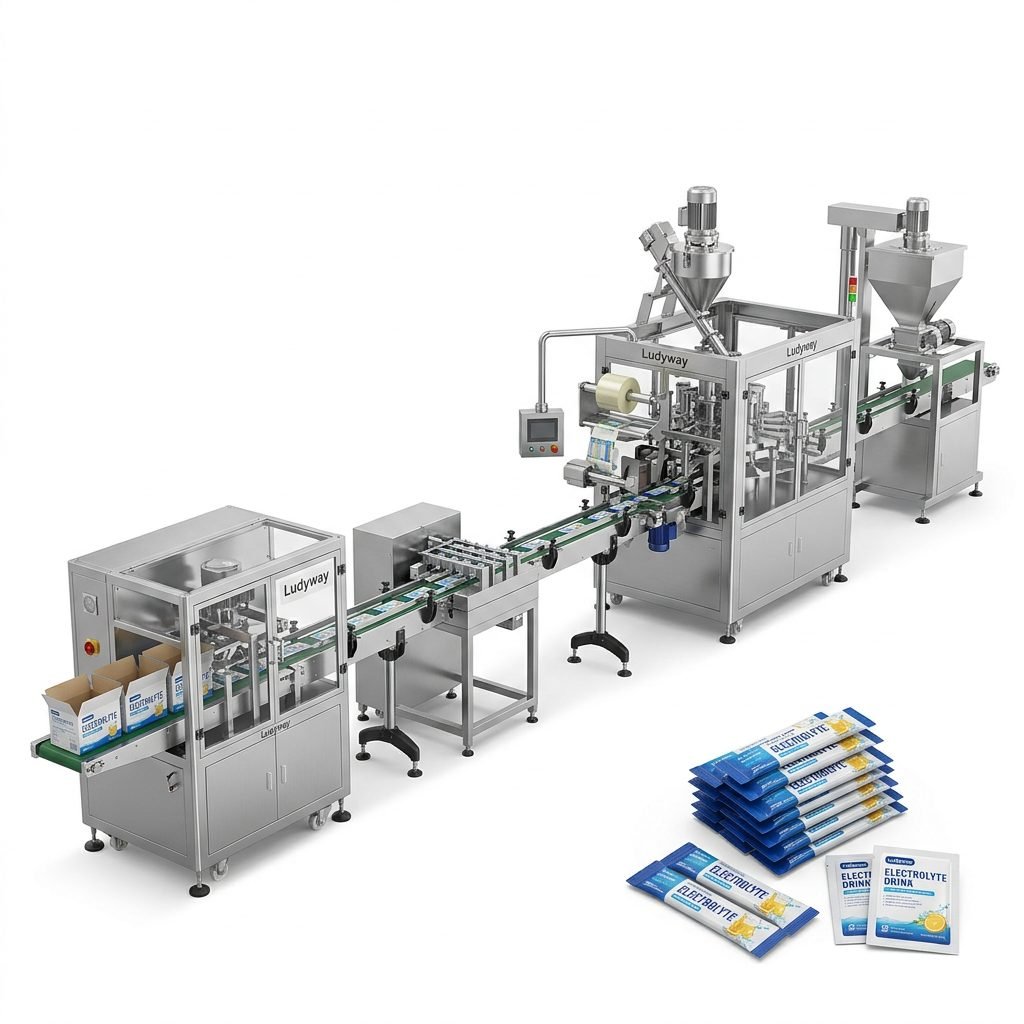
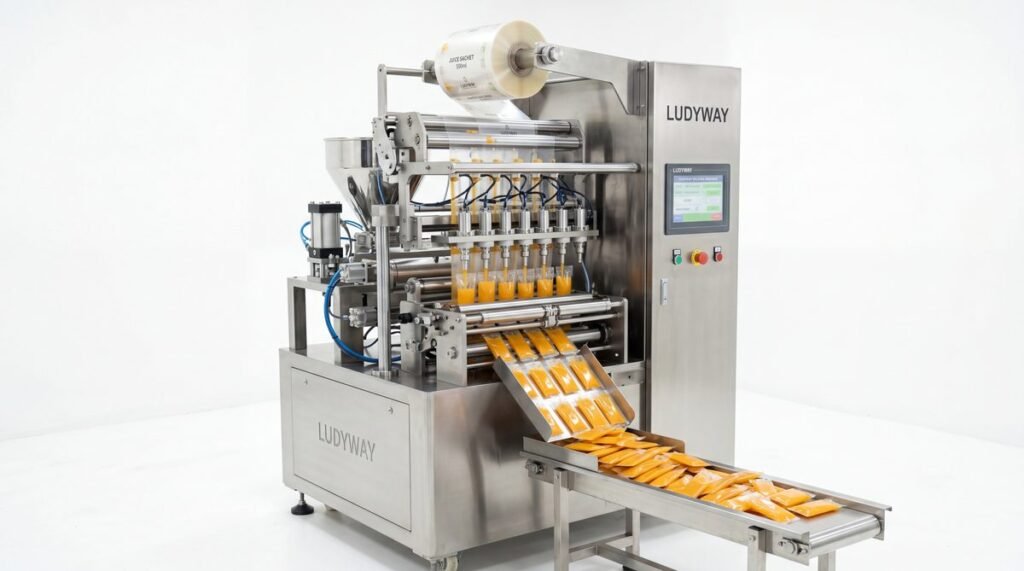
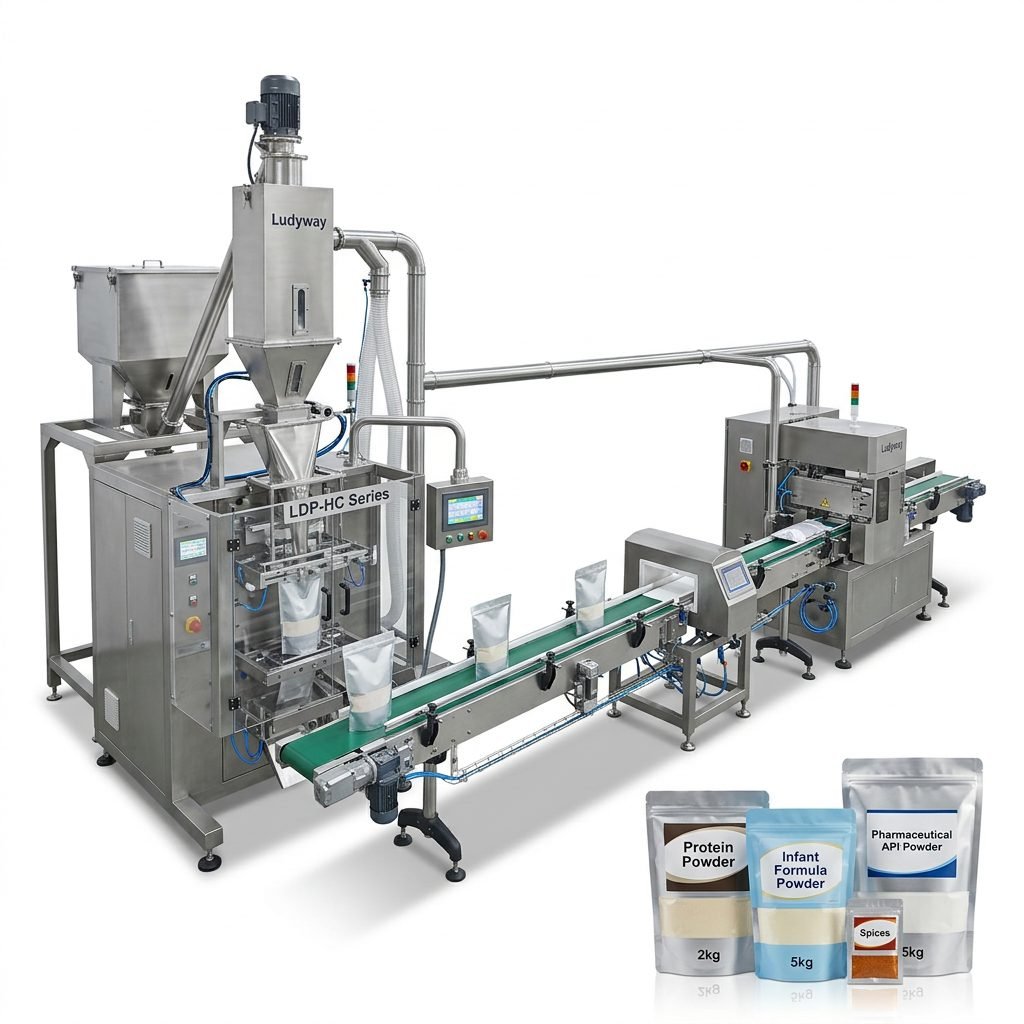
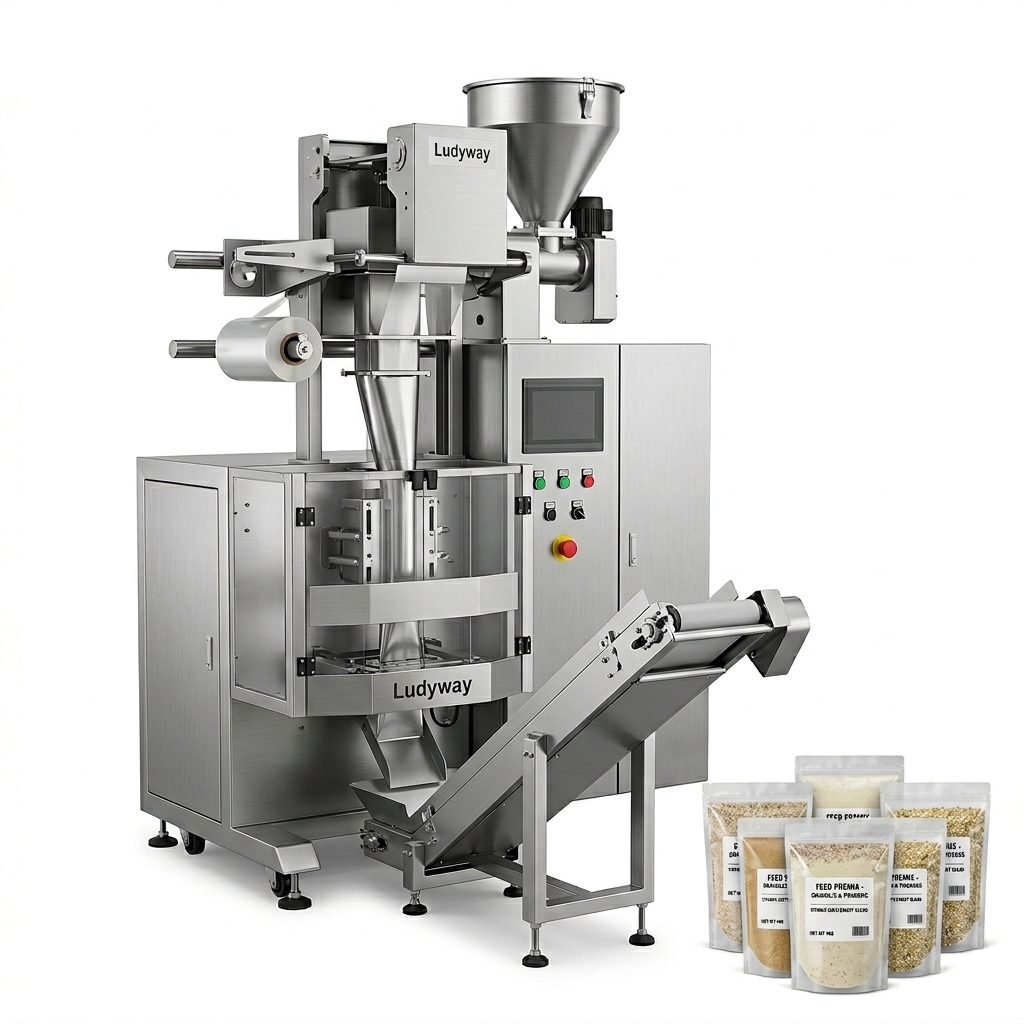
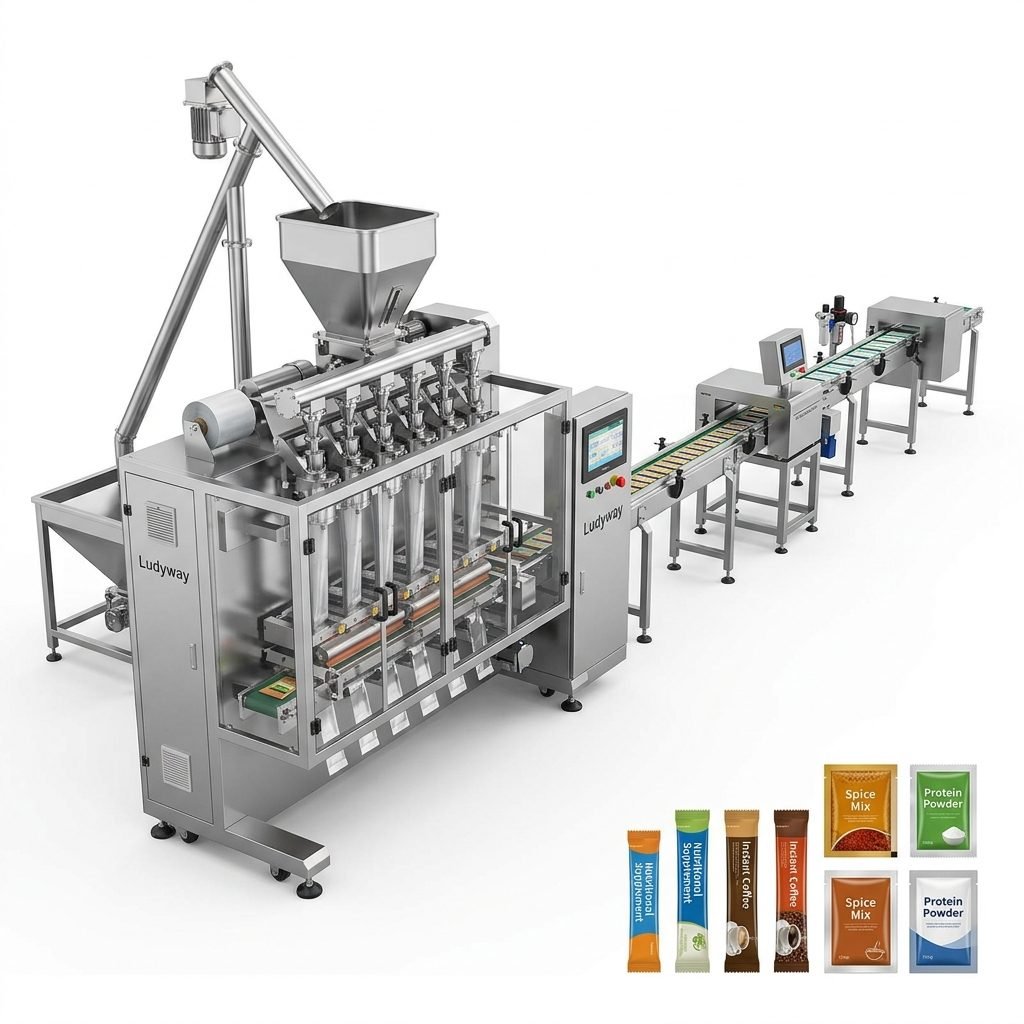
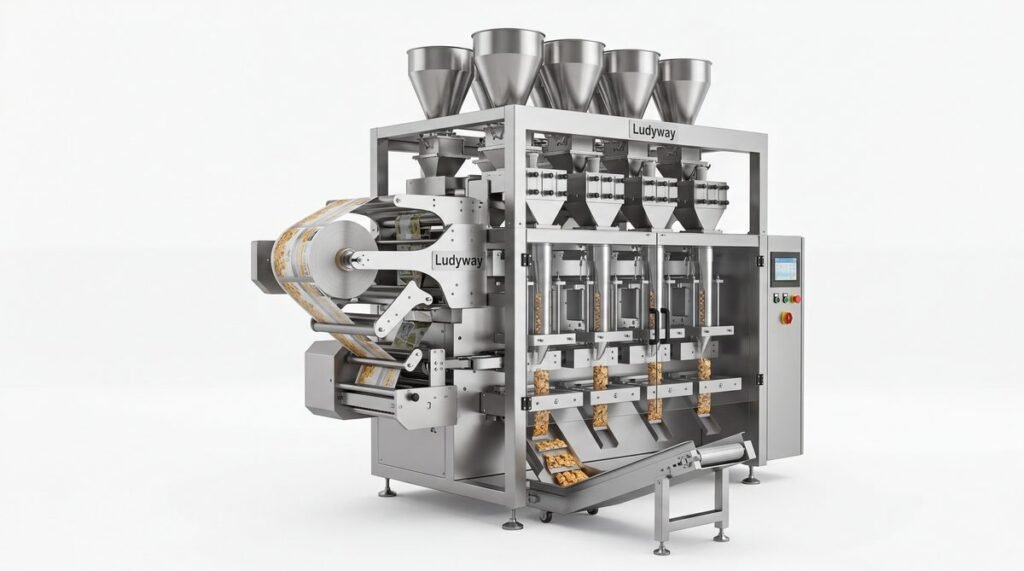
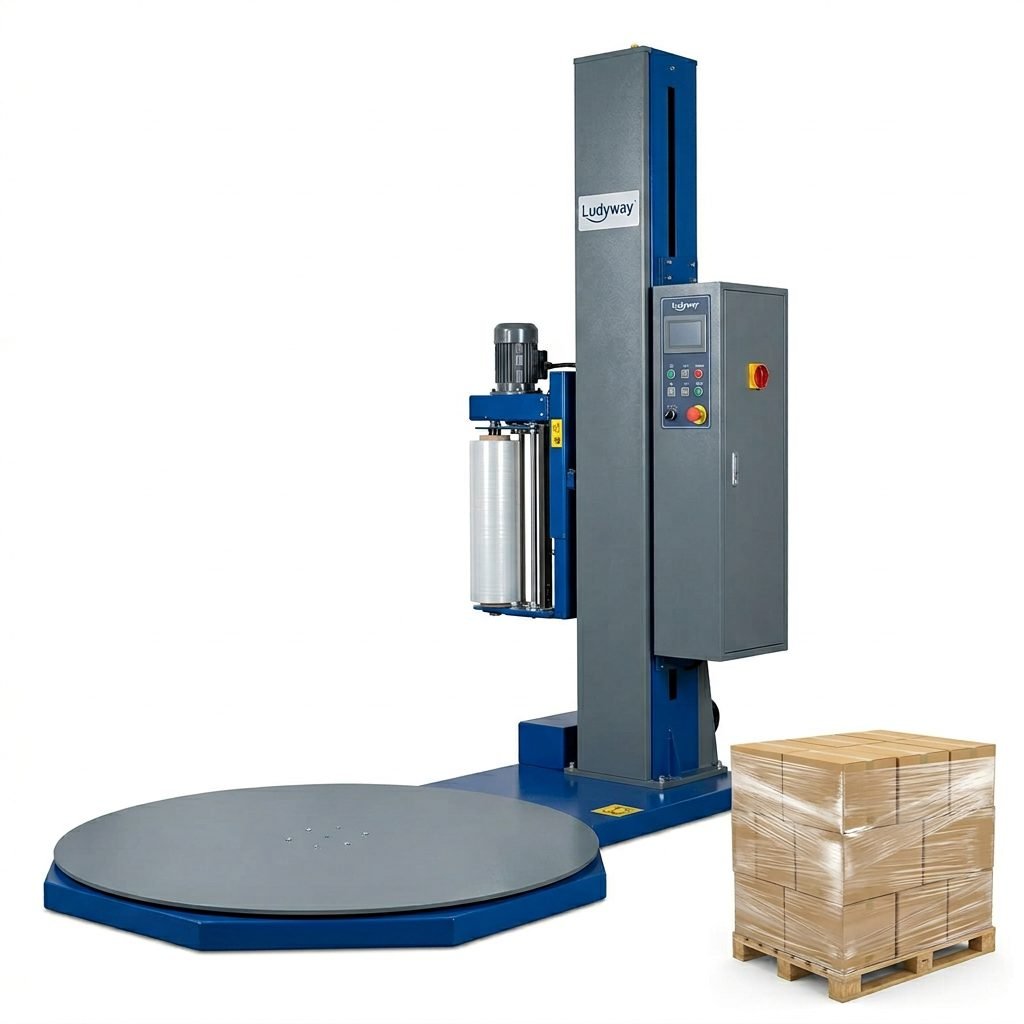
Cold seal packaging is widely used for products that are sensitive to heat, require fast wrapping speeds, or need a clean and efficient sealing process. In industries such as confectionery, medical supplies, personal care, and selected food applications, a cold seal packaging machine can improve both productivity and package integrity without exposing the product to high temperatures.
If you are evaluating cold seal packaging equipment for your production line, it is important to understand how the process works, where it performs best, and what machine features matter most before making an investment.
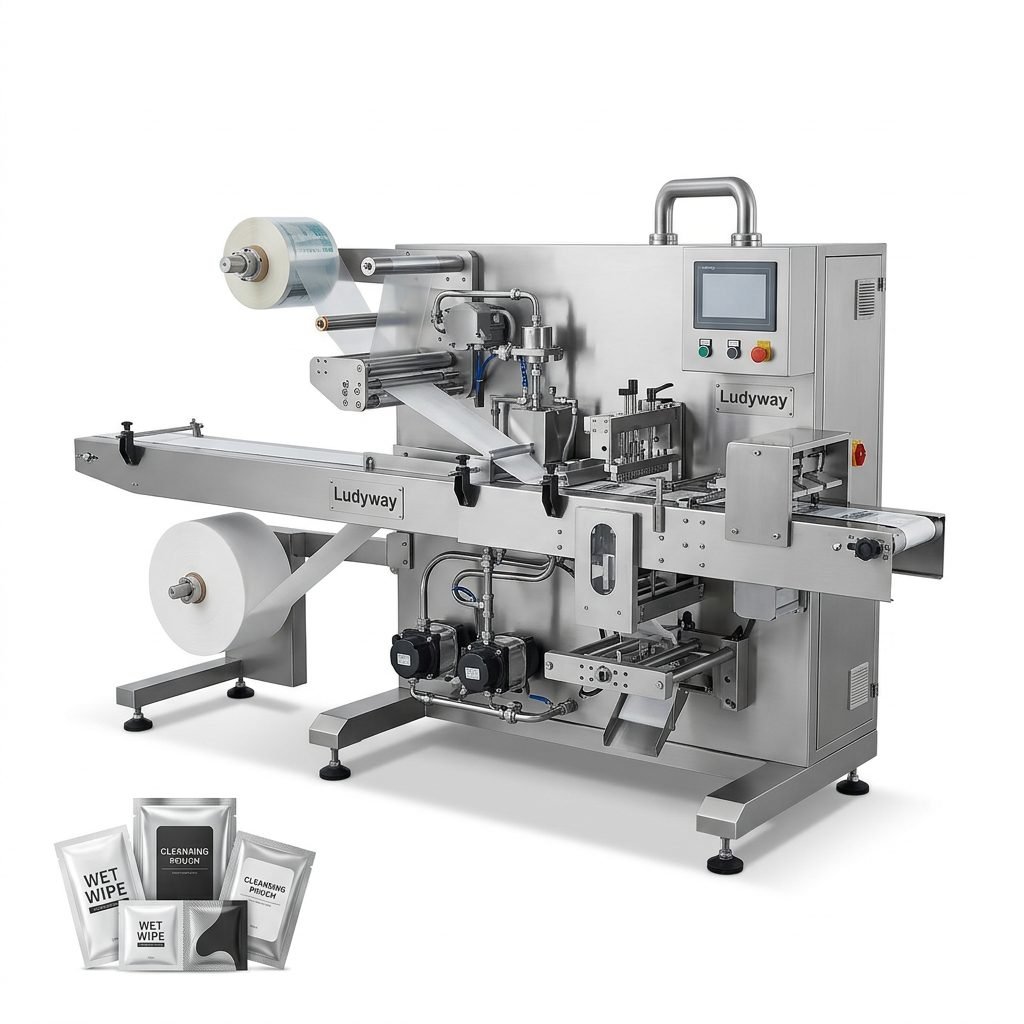
What Is Cold Seal Packaging?
Cold seal packaging is a packaging method that uses pressure-sensitive cohesive material instead of heat to create a seal. The adhesive is applied to the packaging film in specific seal areas. When those coated areas meet under pressure, they bond to each other and form a closed package.
Unlike heat seal systems, cold seal packaging does not rely on heated jaws or sealing bars. This makes it especially suitable for products that may melt, deform, lose aroma, or become damaged when exposed to heat.
- Common in chocolate and candy wrapping
- Suitable for heat-sensitive products
- Supports high-speed horizontal flow wrapping
- Helps reduce thermal impact on product quality
How Does a Cold Seal Packaging Machine Work?
A cold seal packaging machine forms, fills, and closes a package using pre-coated cold seal film. The machine is designed to control film movement, product feeding, pressure application, and final package cutting with high consistency.
Step-by-Step Working Principle
- Film unwinding: The machine pulls the cold seal film from a roll with controlled tension.
- Product infeed: Items are transferred into the wrapping zone through a feeding conveyor or timing system.
- Film forming: The film is guided around the product in the required pack format.
- Pressure sealing: The adhesive-coated surfaces are pressed together to create longitudinal and end seals.
- Cutting and discharge: Individual packs are separated and discharged for collection, cartoning, or downstream handling.
The key difference is that pressure replaces heat. Because of this, machine setup must match the characteristics of the cold seal material, product dimensions, line speed, and required seal performance.
Core Machine Components
| Component | Function |
|---|---|
| Film unwinder | Feeds cold seal film smoothly with stable tension |
| Product feeder | Positions products accurately for wrapping |
| Forming section | Shapes the film around the product |
| Pressure rollers / sealing unit | Activates the seal by pressing coated surfaces together |
| Cutting system | Separates individual packages cleanly |
| Control system | Manages speed, synchronization, alarms, and recipe settings |
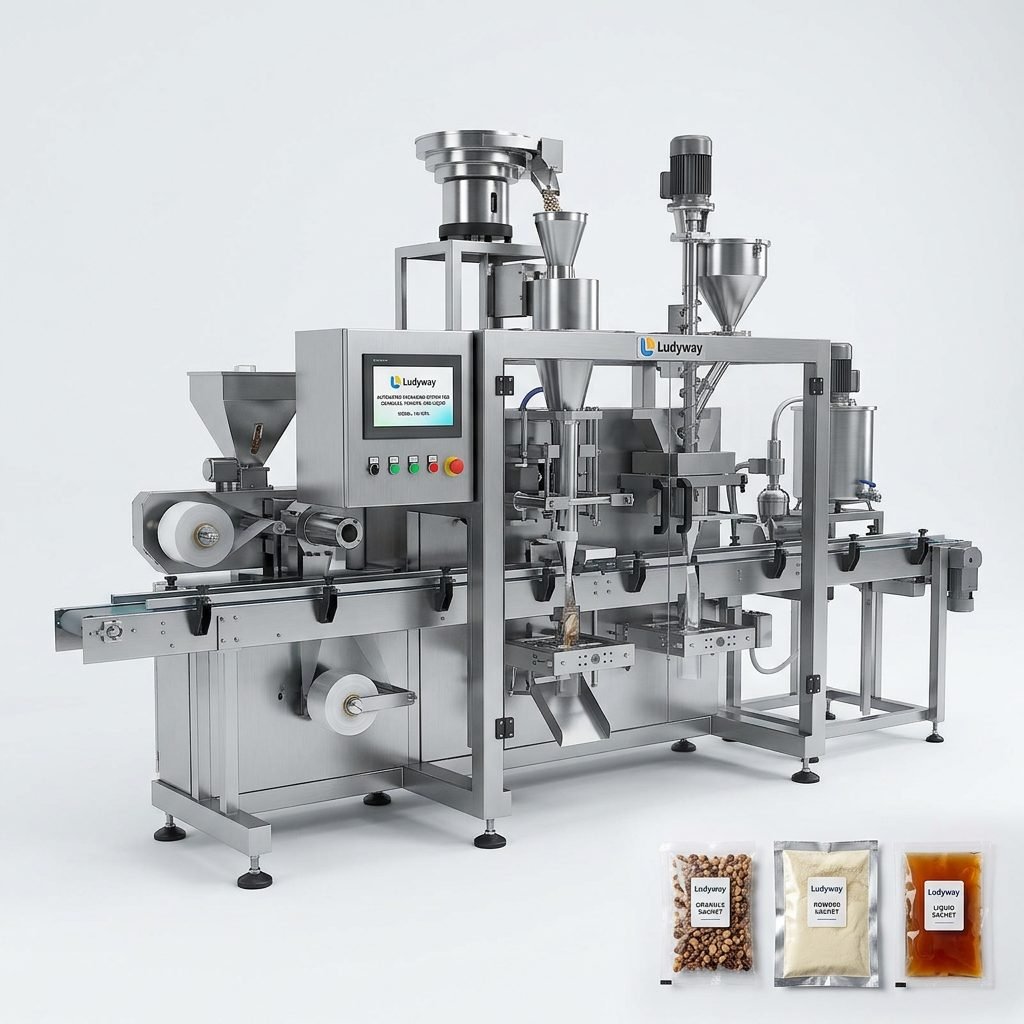
Main Benefits of Cold Seal Packaging Machines
For the right products, cold seal packaging can offer significant operational and commercial advantages.
1. Ideal for Heat-Sensitive Products
Products such as chocolate, coated confectionery, protein bars with delicate coatings, and some pharmaceutical or medical items can be affected by heat. Cold seal packaging helps preserve appearance, texture, and product stability.
2. Higher Packaging Speed
Because there is no heat-up or cool-down sealing cycle, cold seal machines can often run at very high speeds. This is one reason they are common in mass production environments where wrapping speed directly affects output.
3. Lower Thermal Energy Use
Eliminating heated sealing systems may reduce energy consumption related to sealing. While total energy savings depend on machine design and line configuration, the process itself avoids constant heat generation.
4. Better Product Protection
Cold seal packaging can reduce product stress during wrapping. This is especially useful when appearance and surface condition are critical for retail presentation.
5. Efficient Line Integration
Many cold seal machines can be integrated with feeders, vision inspection, coding systems, cartoners, and case packing equipment, making them suitable for modern automated production lines.
| Benefit | Practical Value |
|---|---|
| No heat sealing | Protects sensitive products |
| Fast operation | Increases throughput |
| Consistent sealing | Improves package quality when film is matched properly |
| Reduced product damage | Supports better retail appearance |
| Automation friendly | Works well in turnkey packaging lines |
Typical Applications of Cold Seal Packaging
Cold seal packaging is not universal for every product, but it is highly effective in specific packaging scenarios.
- Chocolate bars and coated confectionery
- Biscuits and bakery snacks with temperature sensitivity
- Ice cream novelties in selected applications
- Medical and hygiene products
- Personal care wipes and similar disposable items
- Selected pharmaceutical and health-related unit packs
The most suitable application depends on the required barrier properties, product shape, package format, film structure, and shelf-life expectations.
Cold Seal vs Heat Seal Packaging
Many buyers compare cold seal packaging machines with heat seal packaging equipment. The right choice depends on product sensitivity, film type, production speed, and package performance requirements.
| Factor | Cold Seal | Heat Seal |
|---|---|---|
| Sealing method | Pressure-based cohesive bonding | Heat and pressure |
| Best for | Heat-sensitive products | General packaging applications |
| Speed potential | Often very high | High, depending on machine design |
| Film requirement | Needs cold seal coated film | Uses heat-sealable film |
| Thermal impact | Minimal | Present |
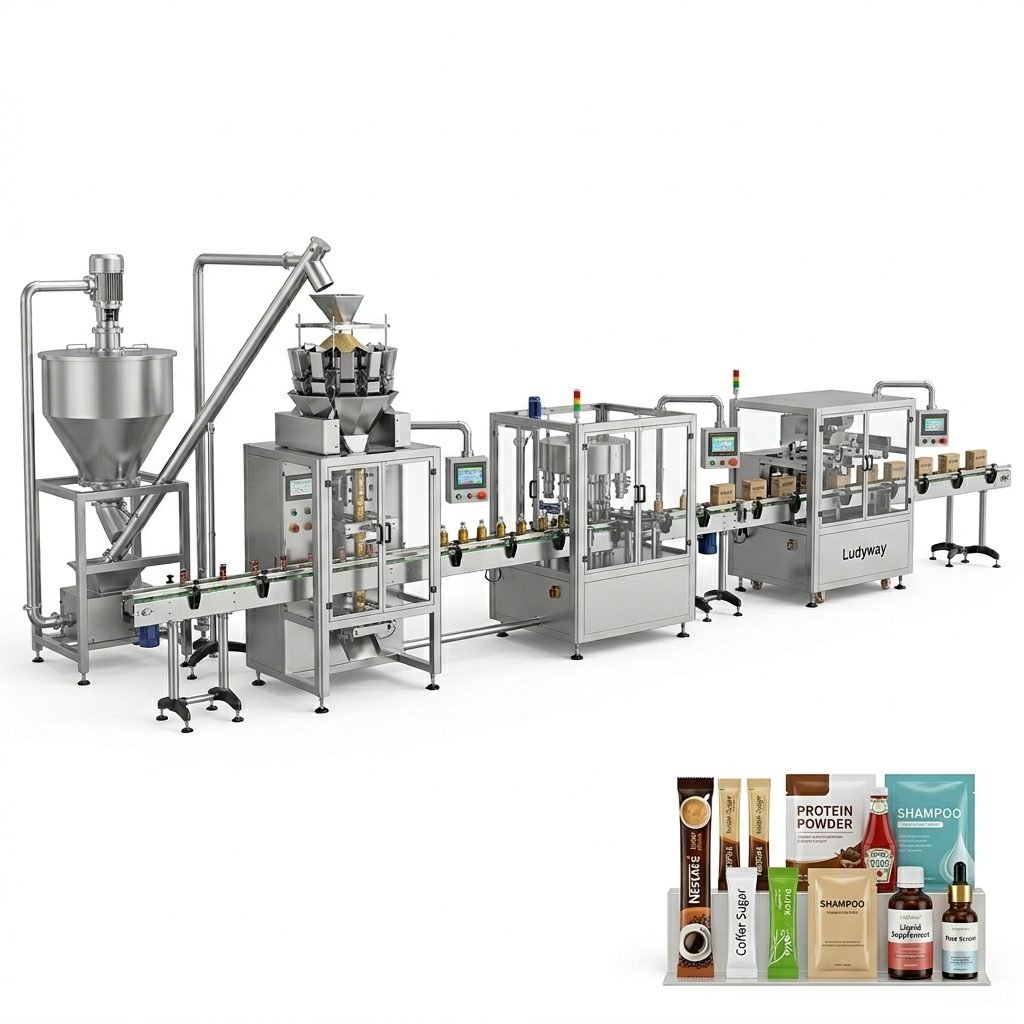
How to Choose the Right Cold Seal Packaging Machine
Choosing the right system requires more than comparing speed alone. A machine should match your product characteristics, packaging material, output target, and future expansion plan.
1. Define Your Product Type Clearly
Check whether your product is fragile, sticky, temperature-sensitive, irregular in shape, or prone to movement during feeding. These factors influence infeed design, film control, and sealing stability.
2. Confirm Film Compatibility
Cold seal packaging requires the right film structure and coating pattern. Always verify that the machine can handle your chosen film width, roll diameter, material thickness, registration marks, and coating specifications.
3. Evaluate Required Output
Your target packs per minute should align with actual production needs, not just peak theoretical speed. It is also important to consider product changeover frequency and available labor support.
4. Check Seal Quality Control
The machine should provide steady pressure application, precise tracking, and stable tension control. Poor pressure consistency can reduce seal reliability even when the film itself is correct.
5. Consider Automation and Line Integration
If your factory is planning to scale, choose a machine that can connect with upstream feeders and downstream inspection, coding, cartoning, and palletizing systems.
6. Review Maintenance and Support
Spare parts availability, remote support, operator training, and documentation are important for long-term reliability. Buyers often underestimate the value of after-sales technical service.
Buyer Checklist
- Product size, shape, and sensitivity
- Required package format and film type
- Production speed and daily output
- Accuracy of product feeding and spacing
- Seal consistency requirements
- Ease of cleaning and maintenance
- Future upgrade potential
- Technical support from supplier
Common Challenges in Cold Seal Packaging
Although cold seal packaging offers clear advantages, the process also requires attention to detail.
- Film sticking issues: Incorrect storage or handling of cold seal film may affect performance.
- Seal inconsistency: Uneven pressure or misalignment can reduce bonding quality.
- Product timing errors: Inaccurate feeding can cause poor wraps or cut-off defects.
- Material waste: Improper setup can lead to film waste during startup and changeovers.
Working with an experienced packaging equipment supplier can help minimize these risks through correct machine design, testing, and commissioning.
Who Should Invest in a Cold Seal Packaging Machine?
A cold seal packaging machine is a strong choice for manufacturers that need fast, gentle, and reliable wrapping for products that should not be exposed to heat. It is especially relevant for businesses with high-volume retail packaging and strict appearance standards.
If your packaging operation includes product automation goals, frequent output demands, and heat-sensitive materials, a cold seal system may deliver better long-term value than a traditional heat seal format.
Finding a Reliable Packaging Machine Partner
When sourcing packaging equipment, it is wise to look beyond the machine itself and evaluate the supplier’s engineering capabilities, export experience, and ability to support complete line integration. Ludyway packaging machine solutions are often considered by buyers looking for scalable equipment, customized automation, and turnkey packaging line support across food, pharmaceutical, health supplement, and related industries.
Final Selection Tips
Before placing an order, ask the supplier to review your product samples, packaging materials, layout requirements, and output targets. A proper technical evaluation should include film testing, package samples, machine configuration details, and integration recommendations.
The best cold seal packaging machine is not simply the fastest model. It is the one that gives you stable performance, consistent seals, easy operation, and room to grow as your production demands increase.