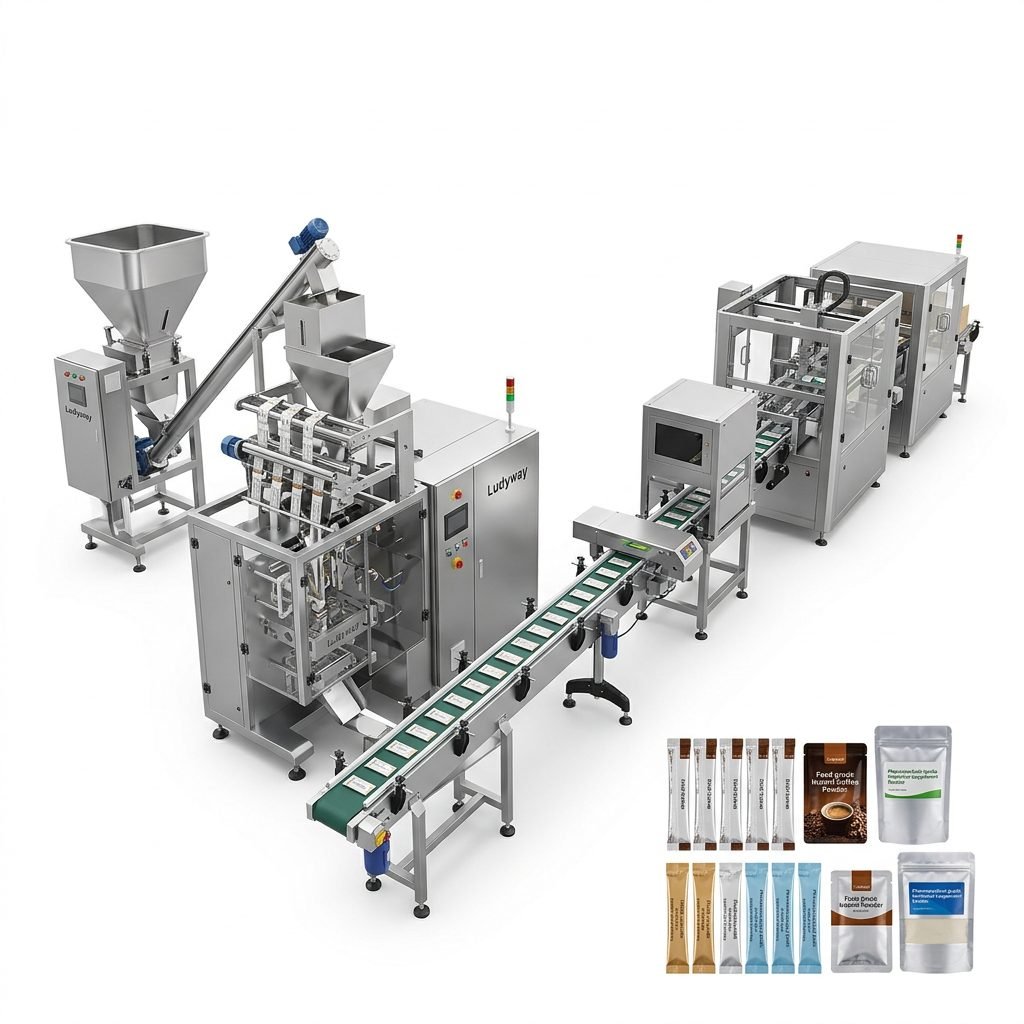
In modern manufacturing, packaging is no longer just the final step of production. It directly affects speed, product consistency, labor efficiency, hygiene control, and customer satisfaction. For food, pharmaceutical, cosmetic, chemical, and health supplement businesses, choosing the right packaging equipment can make the difference between smooth scaling and costly bottlenecks.
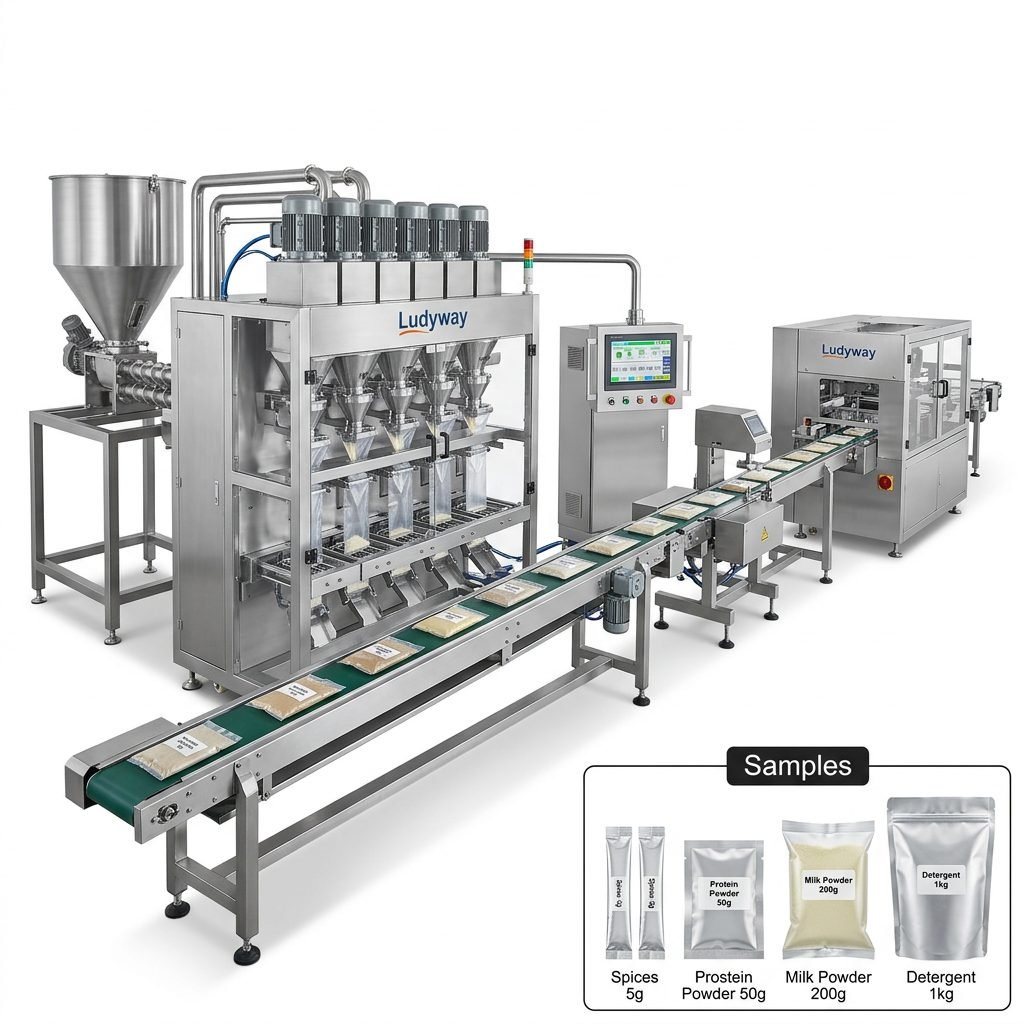
Ludyway packaging machine solutions are built for companies that need dependable performance, flexible application options, and long-term production value. From standalone systems to complete turnkey lines, reliable machinery helps brands improve output while maintaining packaging quality across different product types.
Why Reliable Packaging Machines Matter
Manufacturers today face rising labor costs, stricter quality requirements, and increasing pressure to deliver faster. A reliable packaging machine reduces manual intervention and supports a more predictable production workflow. This is especially important when packaging powders, granules, liquids, pastes, and pouch products at scale.
- Stable output for continuous production
- More accurate filling and sealing performance
- Lower product waste and fewer packaging defects
- Improved hygiene and traceability
- Reduced labor dependency
- Better flexibility for multiple pack formats
For manufacturers operating in competitive sectors, equipment reliability also supports stronger planning. When machine downtime is minimized, delivery schedules become easier to maintain and customer trust improves.
Key Packaging Challenges Businesses Need to Solve
Before selecting a machine, companies should evaluate the packaging issues that most affect their operations. Many businesses upgrade machinery not only to increase speed, but also to solve quality and workflow problems that slow down growth.
| Common Challenge | Impact on Production | Packaging Solution |
|---|---|---|
| Inconsistent filling weight | Product loss, complaints, compliance risk | Precision dosing and filling systems |
| Slow manual packing | Low output and high labor cost | Automatic multi-lane or vertical packaging machines |
| Seal failure | Leakage, contamination, returns | Advanced sealing control and inspection |
| Frequent changeovers | Downtime between SKUs | Flexible machine configurations and quick adjustment design |
| Disconnected equipment | Inefficient material flow | Integrated turnkey packaging lines |
Packaging Solutions for Different Product Types
Different materials require different packaging approaches. Reliable equipment should match the product’s physical characteristics, target pack style, and production capacity. This is why many industrial buyers prefer a supplier with broad application experience.
Powder Packaging
Powders such as milk powder, protein powder, seasoning blends, pharmaceutical powders, and nutrition supplements require accurate dosing and strong dust control. Well-designed powder packaging systems help avoid contamination and keep weight consistency stable across high-speed runs.
Granule Packaging
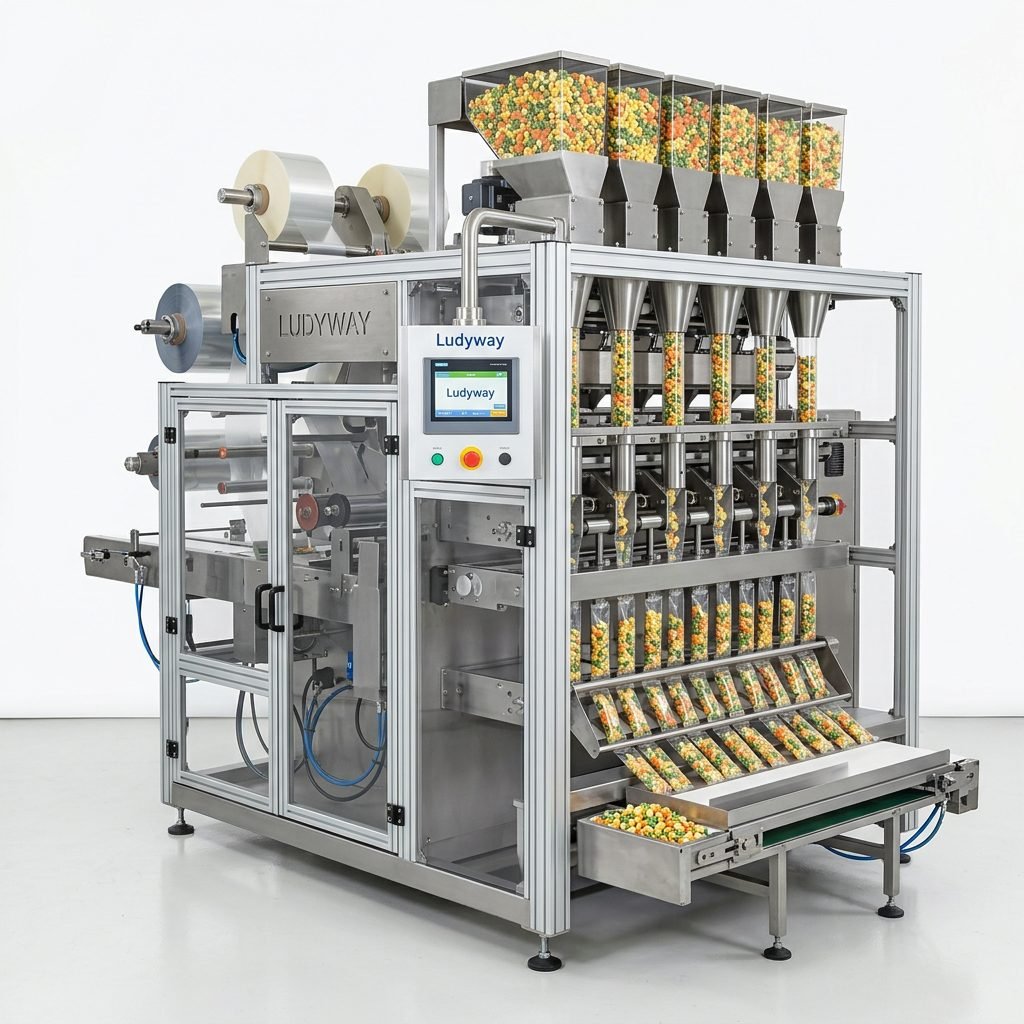
Granules such as sugar, salt, seeds, coffee, snacks, and pet food need reliable feeding, weighing, and sealing. Consistent granule flow is essential to prevent jams and maintain package uniformity.
Liquid and Paste Packaging
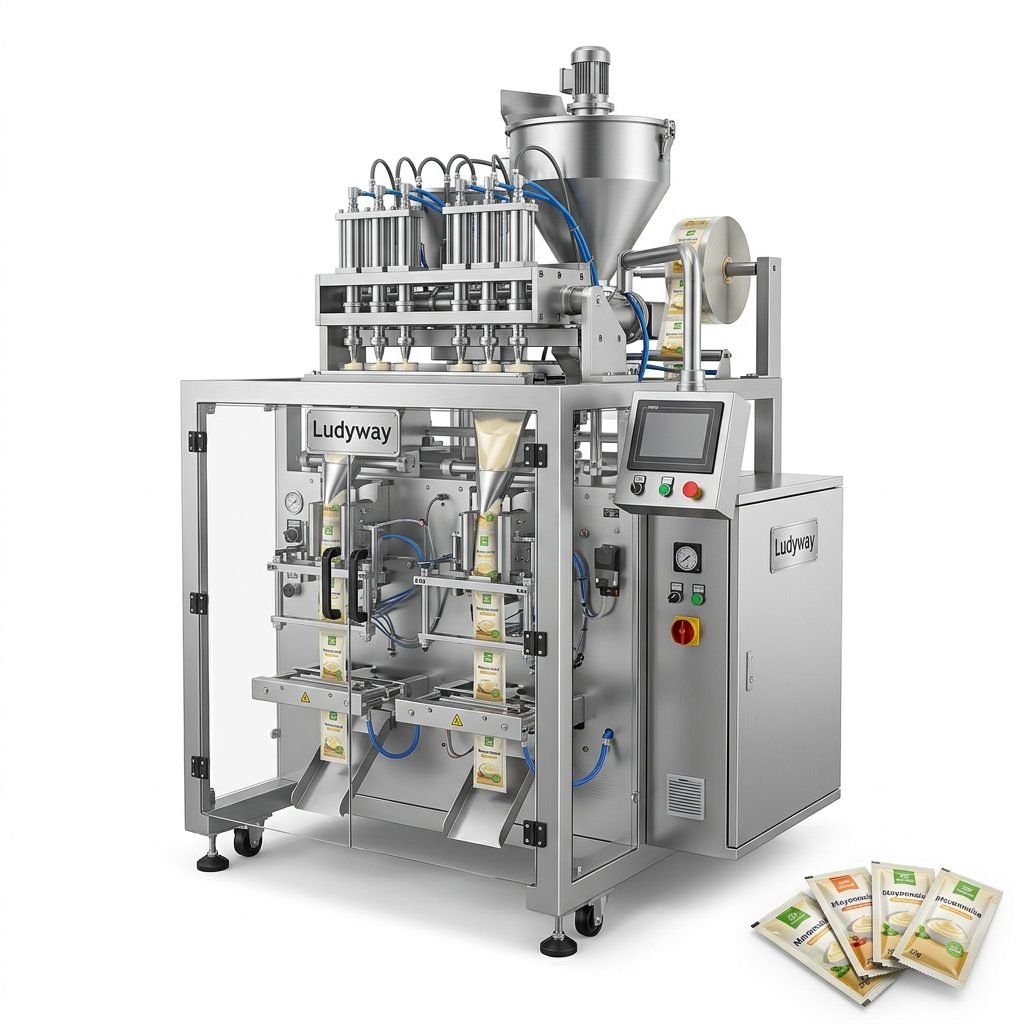
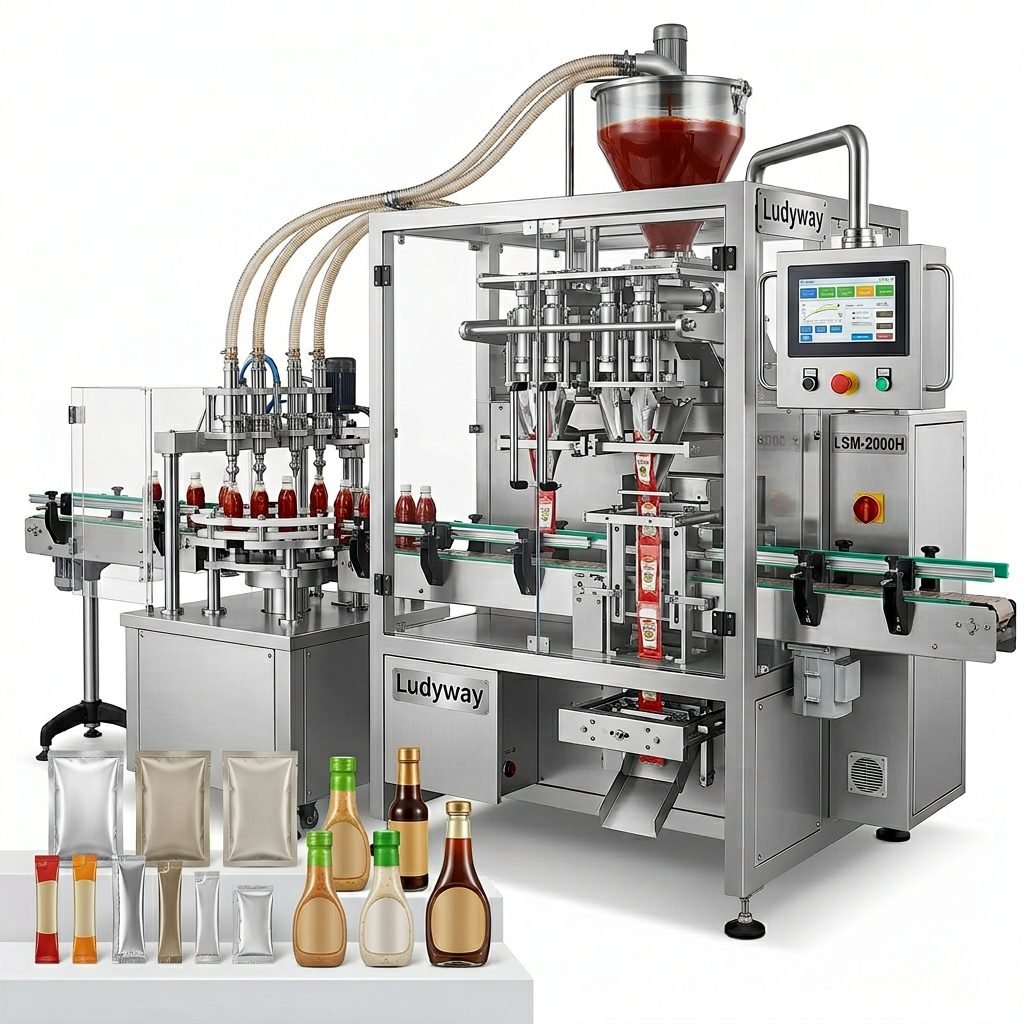
Liquids and pastes such as sauces, oils, detergents, lotions, oral liquids, and creams require efficient filling systems with strong seal integrity. For these applications, leak prevention and clean filling are critical.
Machine Types That Improve Packaging Efficiency
Efficient production often depends on selecting the correct machine type for both the product and the business model. A packaging line for a growing supplement brand may differ significantly from a high-volume food factory or a pharmaceutical production facility.
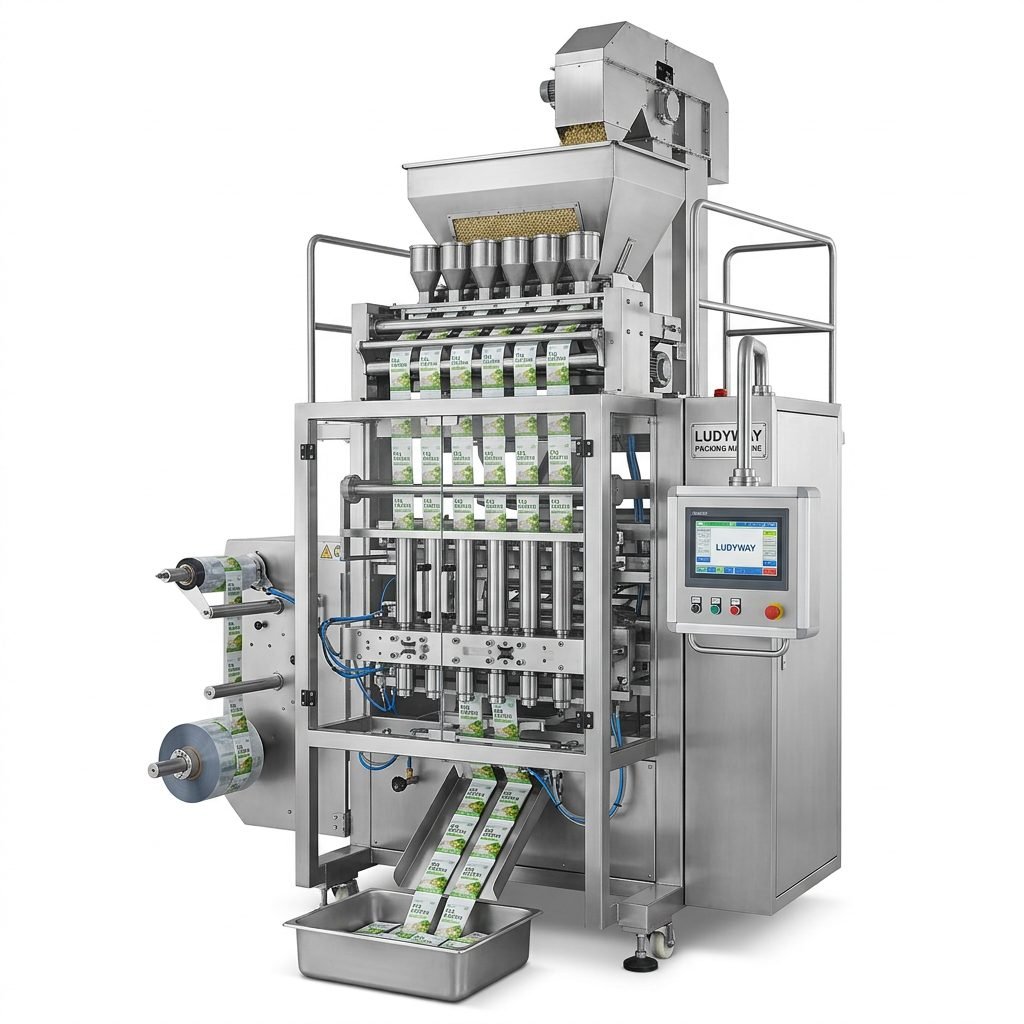
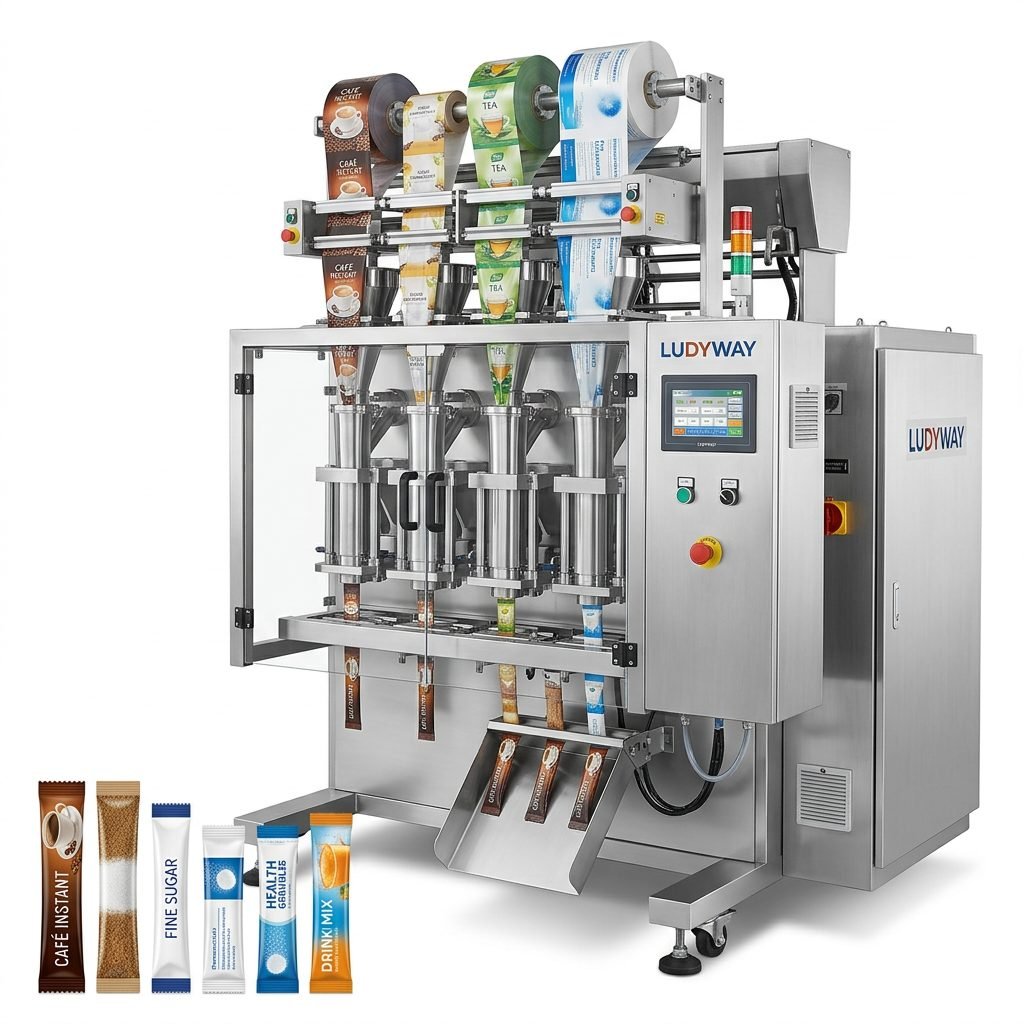
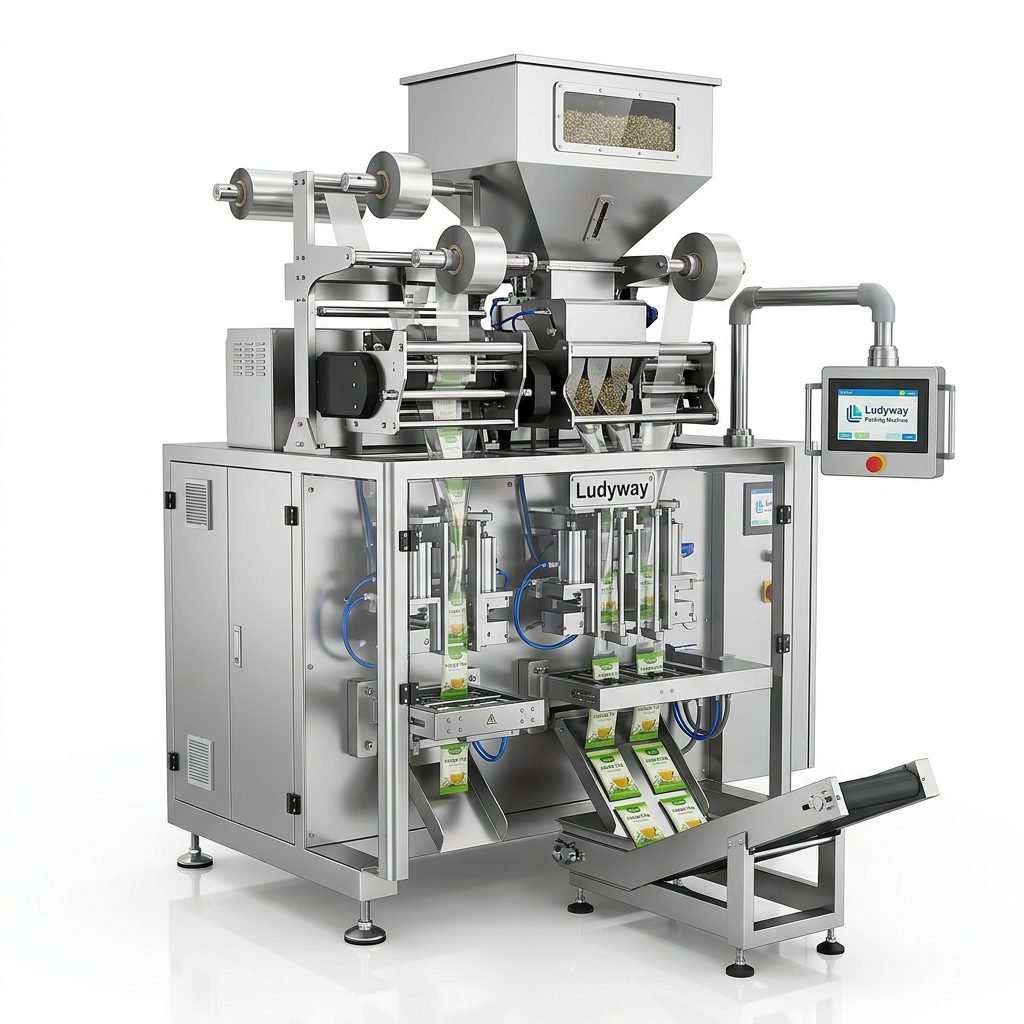
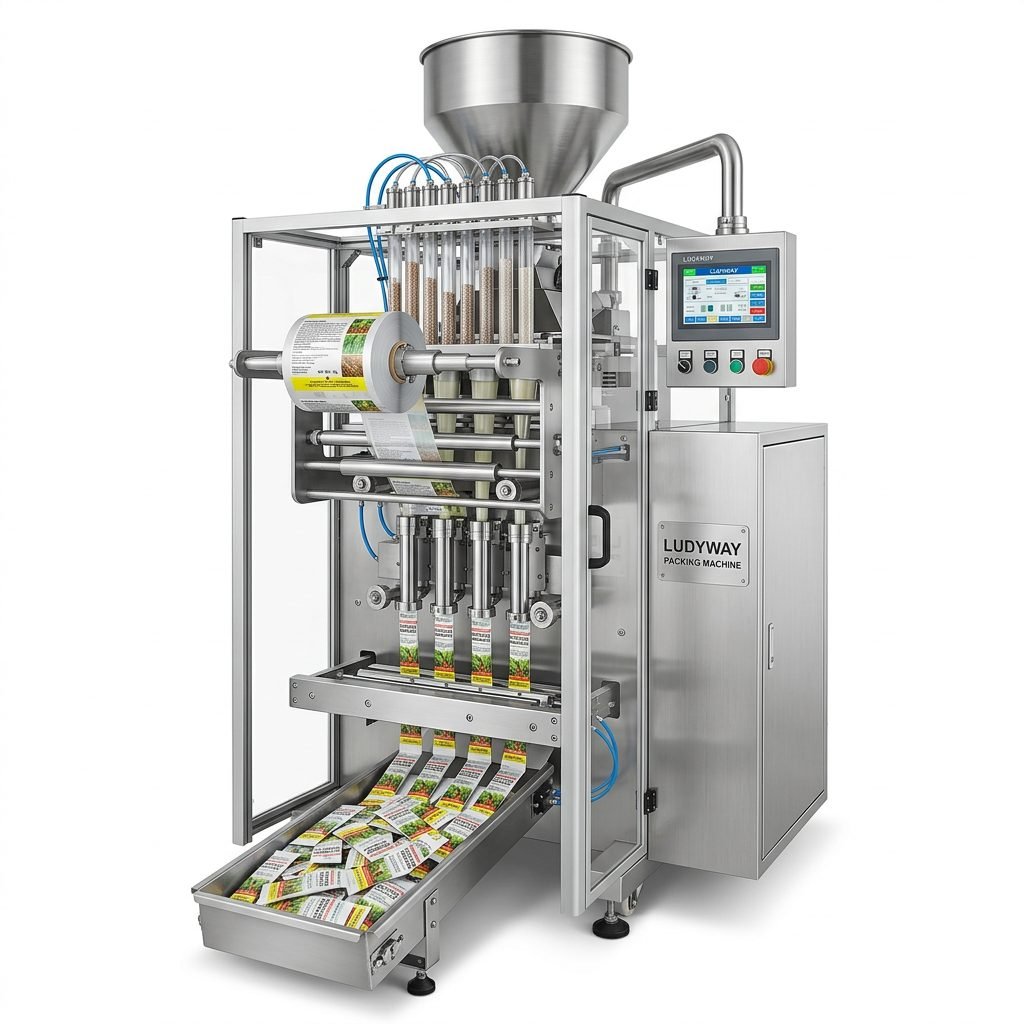
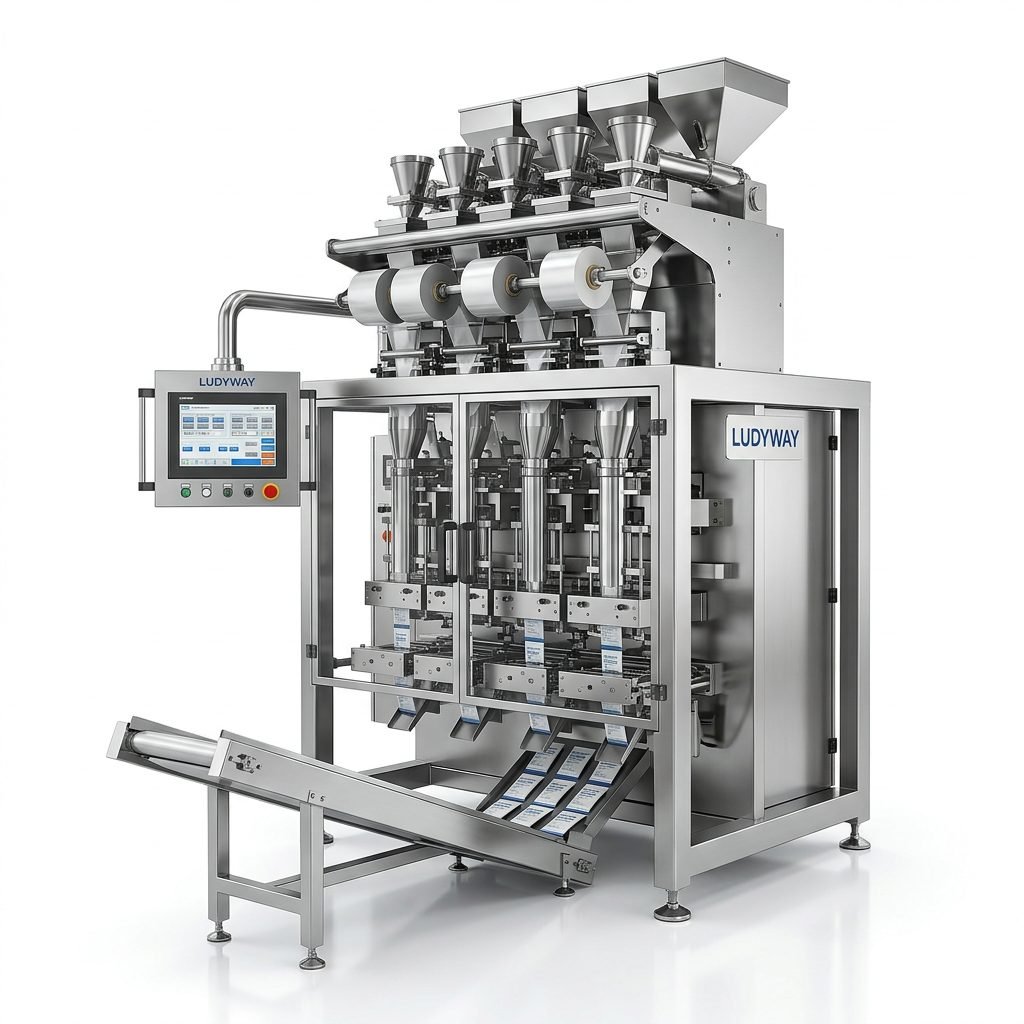
- Multi-lane stick pack machines for high-output single-dose packaging
- Sachet packing machines for flexible pack formats in food, pharma, and personal care
- Vertical packaging machines for powders, granules, and small-format pouch products
- Liquid filling and sealing machines for sauces, oils, gels, and detergents
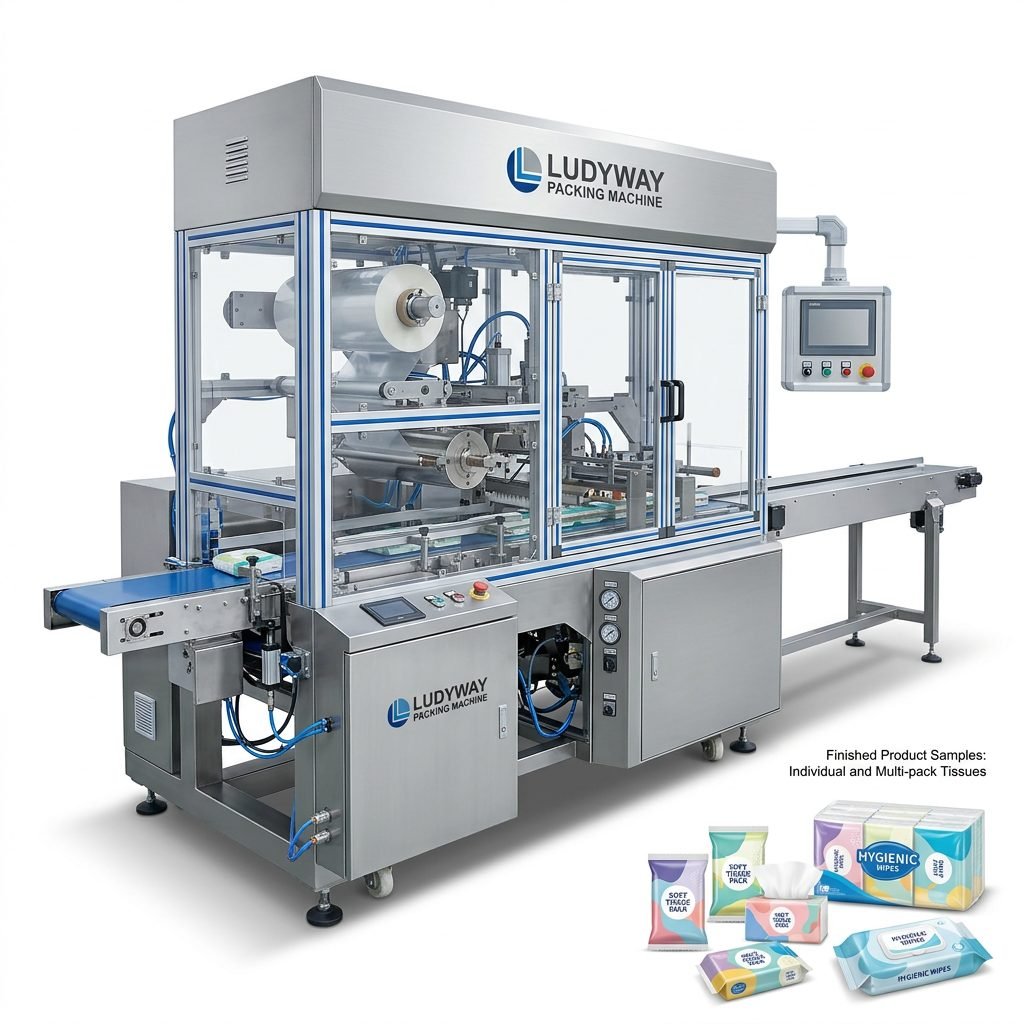
- Cartoning and end-of-line systems for higher automation and cleaner product presentation
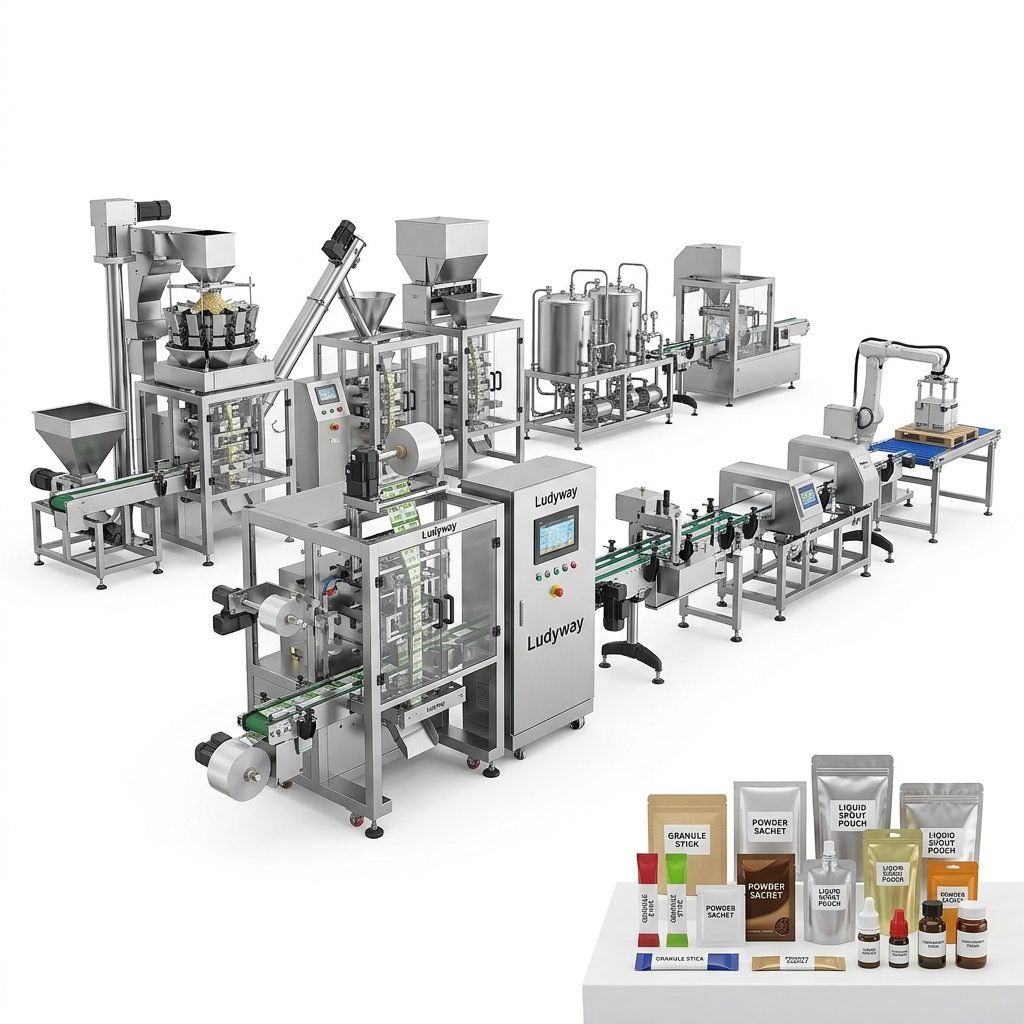
- Turnkey packaging lines for complete integrated production efficiency
Benefits of Turnkey Packaging Line Integration
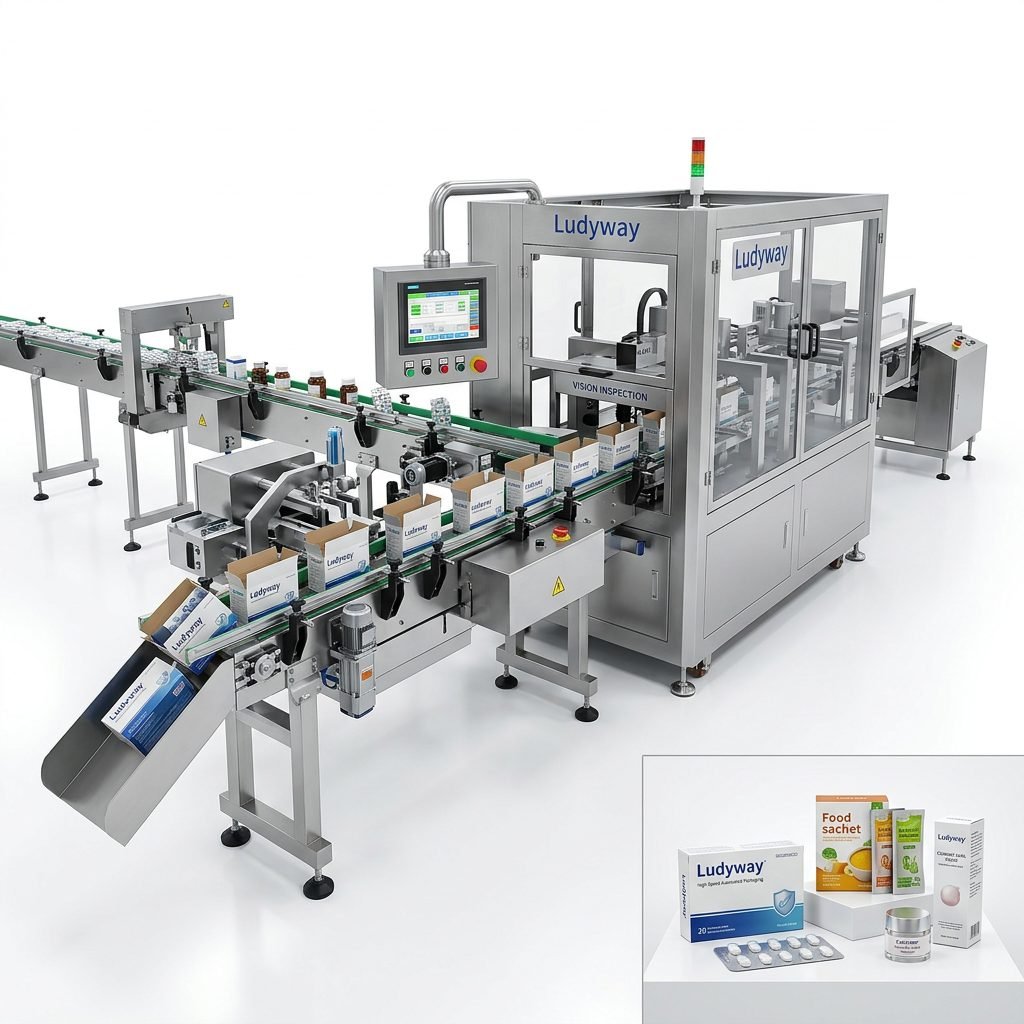
For many growing manufacturers, a single machine is only part of the answer. Full efficiency often comes from integrating feeding, dosing, packaging, inspection, coding, cartoning, conveying, and palletizing into one coordinated workflow.
Turnkey packaging lines can deliver stronger operational advantages than standalone units, especially for medium and large production environments.
- Less manual product transfer between steps
- Improved synchronization across production stages
- Lower risk of human error
- Cleaner plant layout and smoother material handling
- Higher total line efficiency
- Easier expansion as demand grows
This approach is particularly useful for brands managing multiple SKUs, export orders, or strict compliance standards in regulated sectors.
What to Look for in a Packaging Machine Manufacturer
Choosing a machine is important, but choosing the right manufacturing partner is equally critical. Buyers should focus on more than just quoted speed or price. Long-term value comes from engineering capability, machine stability, after-sales support, and customization capacity.
| Selection Factor | Why It Matters |
|---|---|
| Industry experience | Supports better application understanding and machine reliability |
| Product range | Makes it easier to match equipment to current and future needs |
| Customization ability | Helps fit unique products, packaging materials, and line layouts |
| Quality control process | Reduces installation and operation risks |
| Technical support | Improves uptime and long-term maintenance confidence |
| Export experience | Important for global compliance, shipping, and remote service coordination |
Industries That Benefit from Efficient Packaging Equipment
Modern packaging systems are used across a wide range of sectors. Companies in these industries often seek higher automation to improve consistency, lower operating costs, and support faster order fulfillment.
Food and Beverage
Common applications include coffee, sugar, snacks, sauces, powdered drinks, spices, baking mixes, and dairy-related products. Efficiency here often means fast output, sanitary design, and precise fill control.
Pharmaceutical and Health Supplement
These sectors require stronger focus on clean operation, dosage precision, seal reliability, and traceability. Sachets, stick packs, blister packs, and bottle filling systems all play important roles.
Cosmetics and Personal Care
Lotions, serums, creams, face masks, shampoos, and beauty samples often use sachet and stick pack formats for retail, travel, and promotional packaging. Attractive presentation and leak-free sealing are essential.
Chemical and Daily-Use Products
Detergents, cleaners, lubricants, adhesives, and industrial powders require dependable filling and robust packaging performance under demanding production conditions.
How Efficient Packaging Supports Business Growth
As product demand increases, businesses need packaging equipment that can scale with them. Reliable machinery supports growth by making production more predictable and easier to manage.
- Helps launch new SKUs faster
- Supports export packaging requirements
- Improves factory output without proportional labor increases
- Enhances packaging consistency for stronger brand image
- Reduces downtime and maintenance-related disruption
For companies moving from semi-automatic operations to more advanced production, packaging automation is often one of the most profitable investments. It improves both short-term efficiency and long-term operational stability.
Why Palace Packaging Machines Are a Practical Choice
When buyers search for Palace packaging machines, they are typically looking for dependable, efficient, and scalable packaging solutions. The best equipment in this category should combine durability, precision, automation, and versatility across different products and industries.
A practical solution should offer:
- Consistent performance across long production hours
- Compatibility with multiple product forms and packaging styles
- Flexible machine configurations for customized applications
- Room for future integration into complete production lines
- Reliable technical support after installation
Final Buying Considerations
Before investing in packaging equipment, businesses should clearly define production goals, material characteristics, pack format, target capacity, and future expansion plans. A machine should not only meet today’s output expectations, but also remain suitable as production scales.
The right packaging machine is not simply a piece of equipment; it is a productivity asset that affects operating cost, product quality, and market competitiveness. Reliable solutions help manufacturers package faster, waste less, and grow with greater confidence.
Recommended evaluation checklist
- Product type: powder, granule, liquid, paste, pouch, or mixed applications
- Required packaging speed and daily output
- Desired level of automation
- Need for standalone equipment or turnkey line integration
- Service, spare parts, and long-term technical support
For manufacturers focused on efficient product packaging, investing in reliable automation is one of the smartest ways to strengthen operational performance and prepare for future growth.