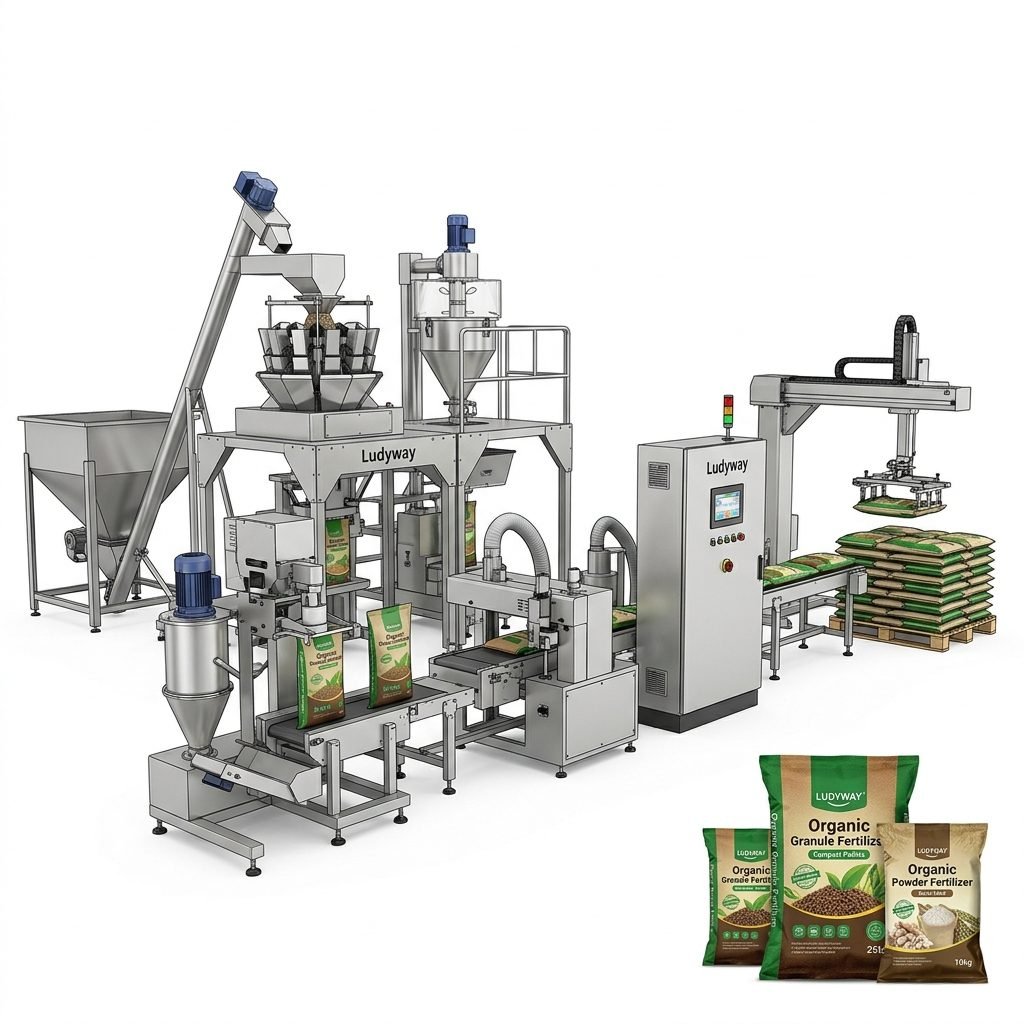
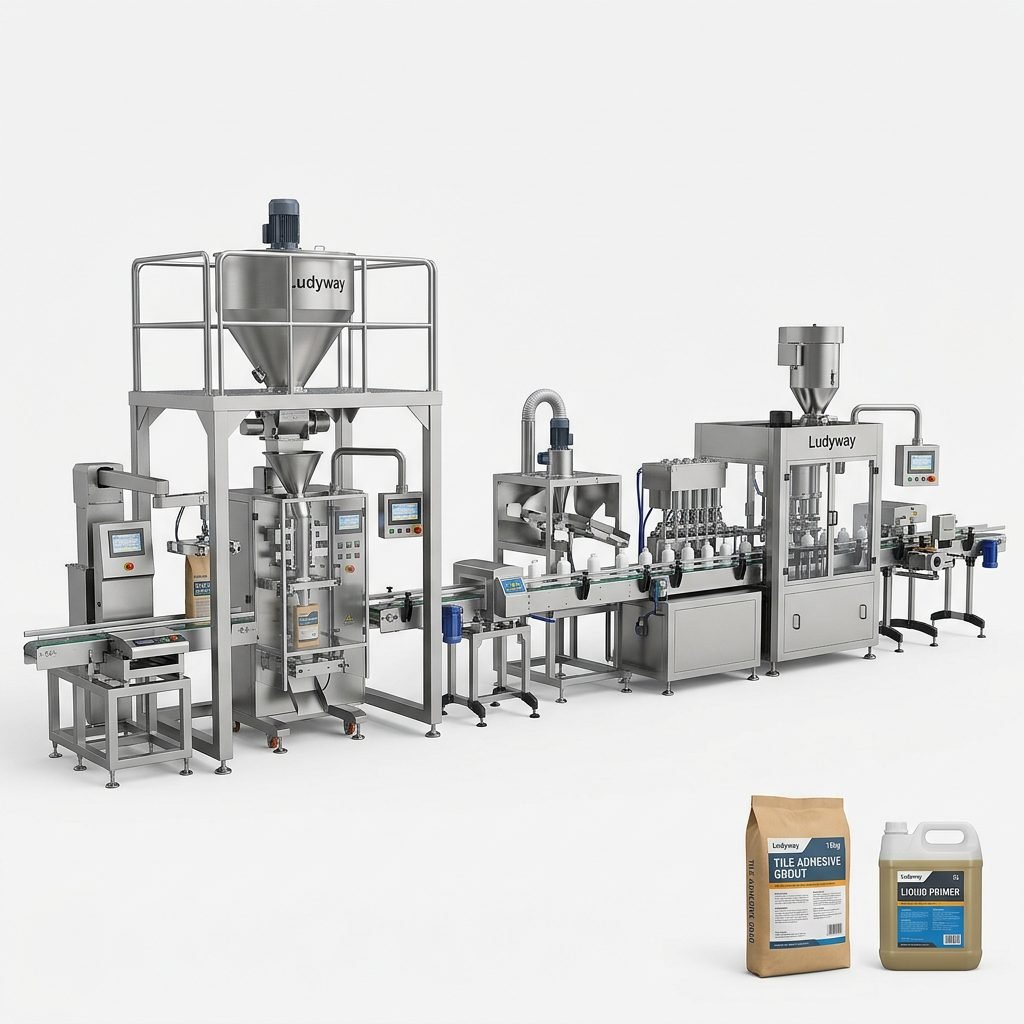
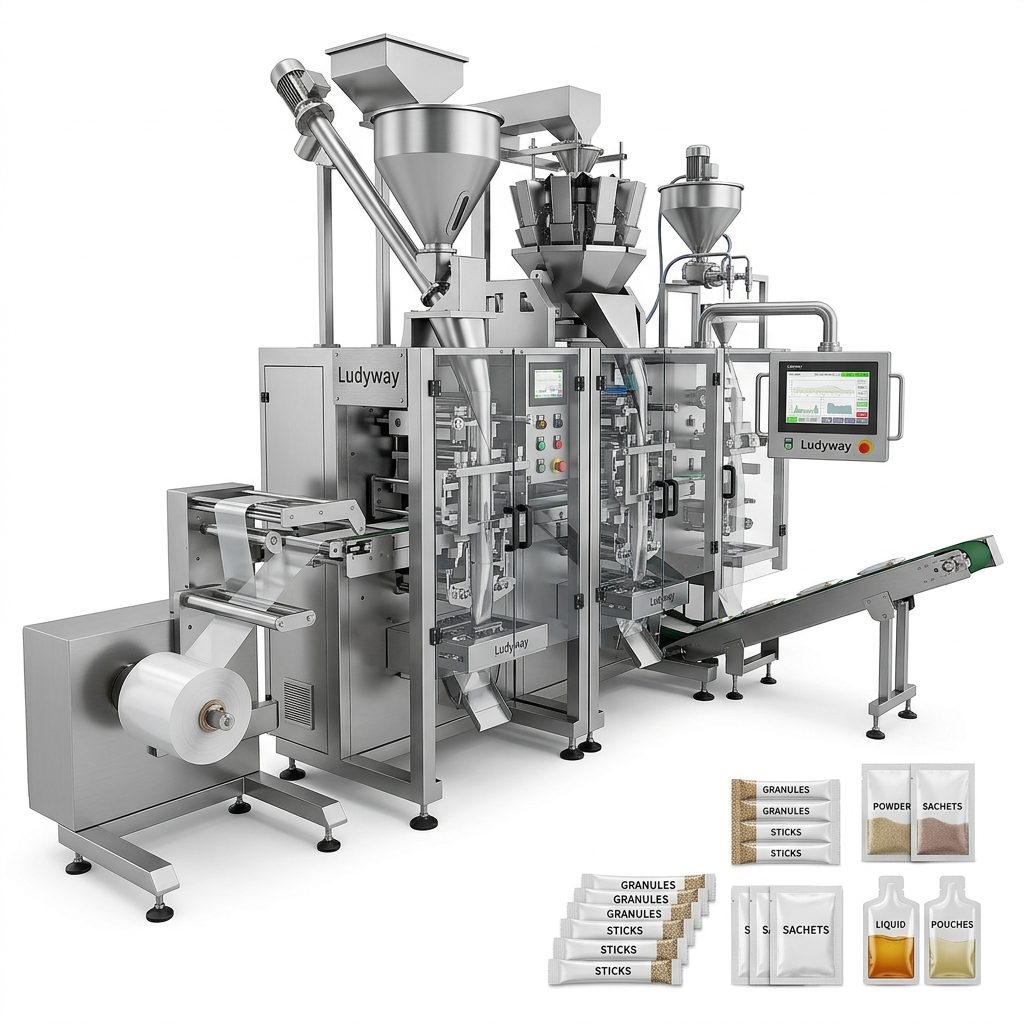
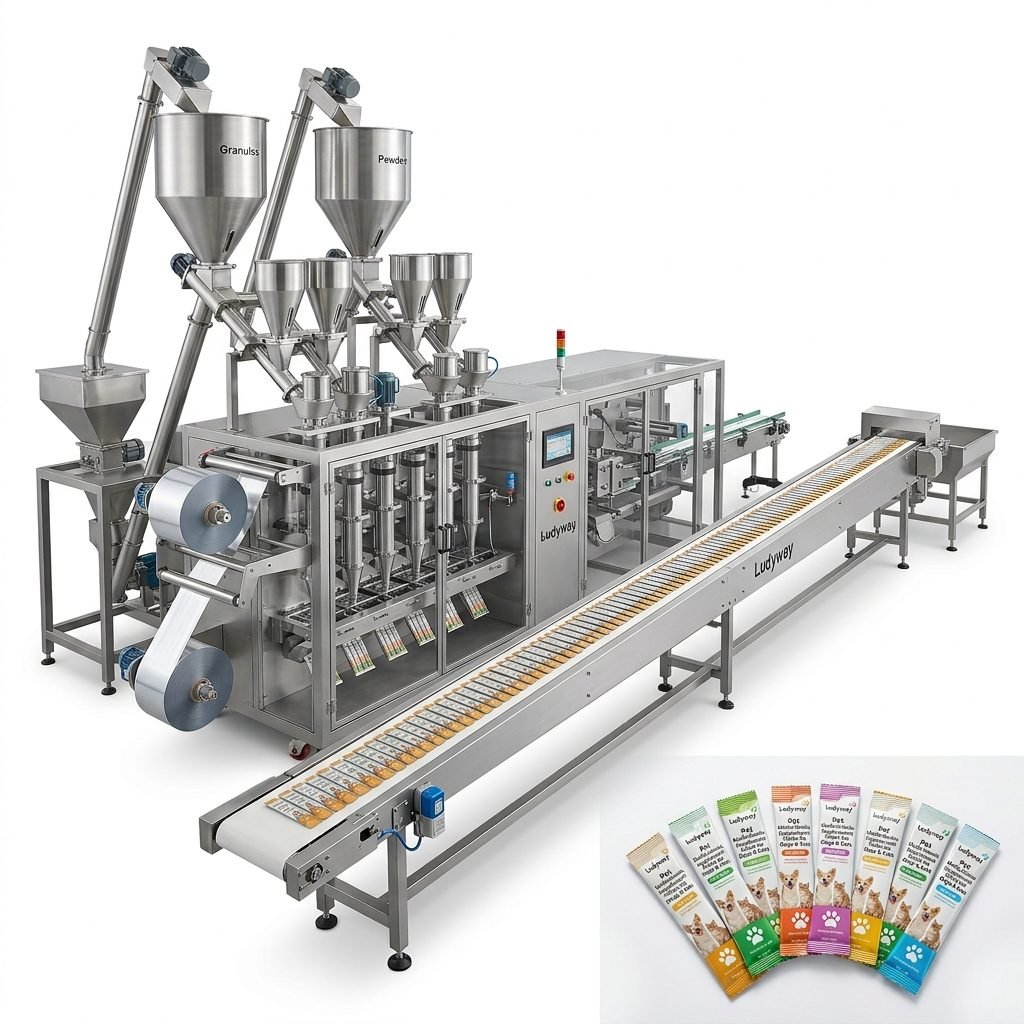
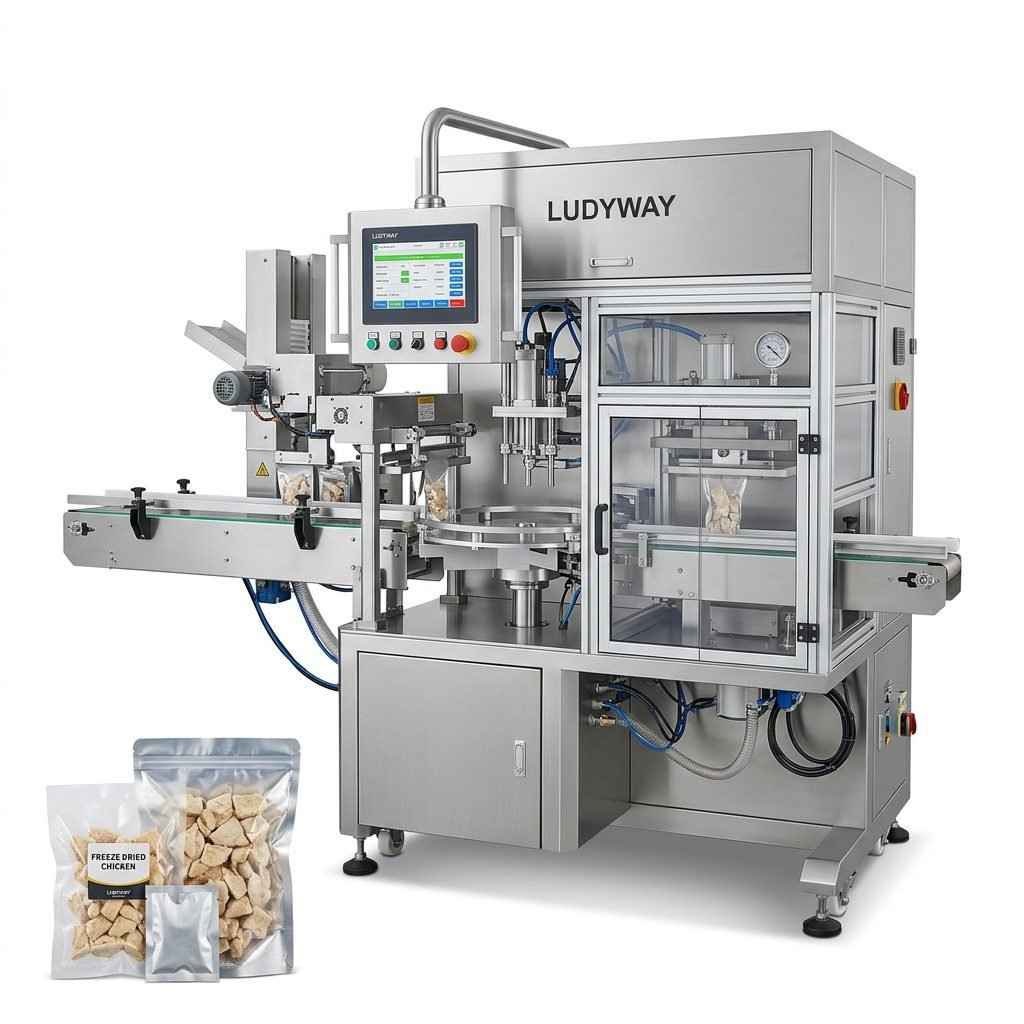
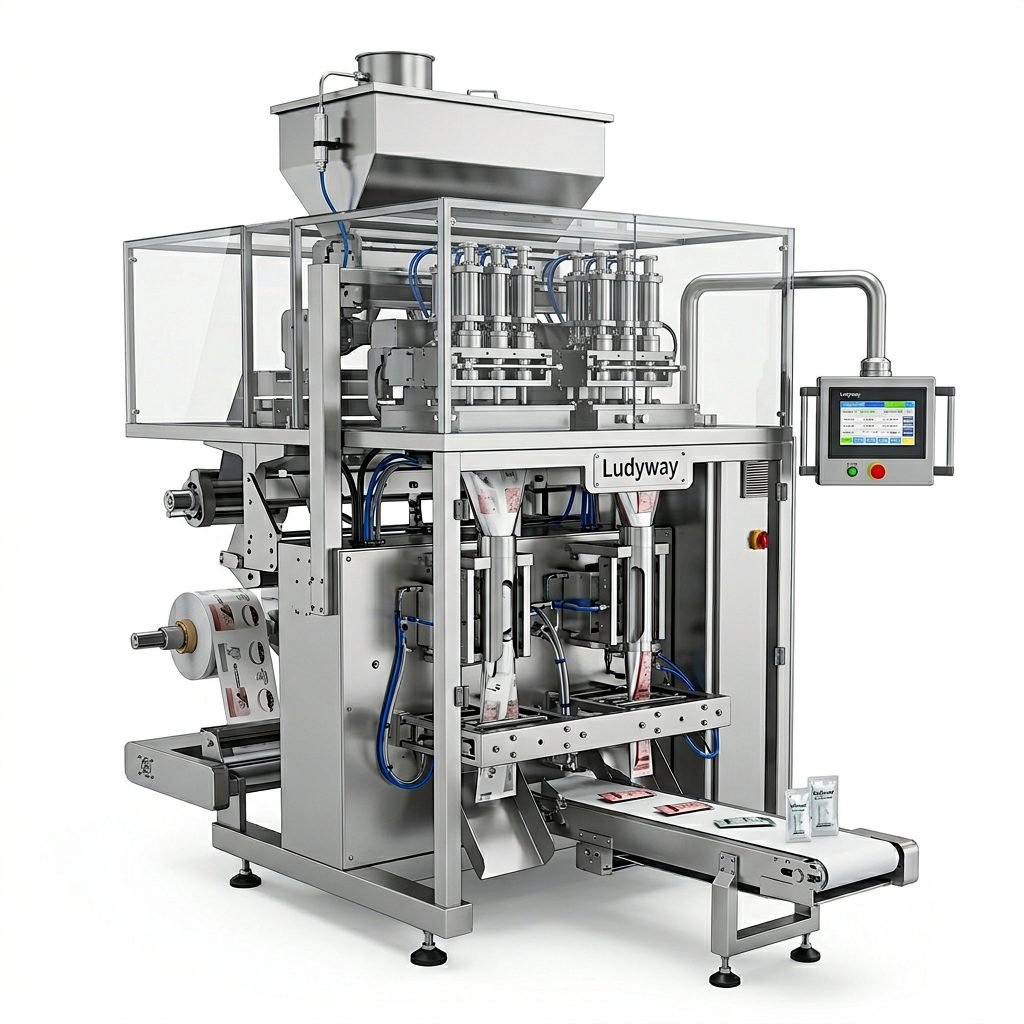
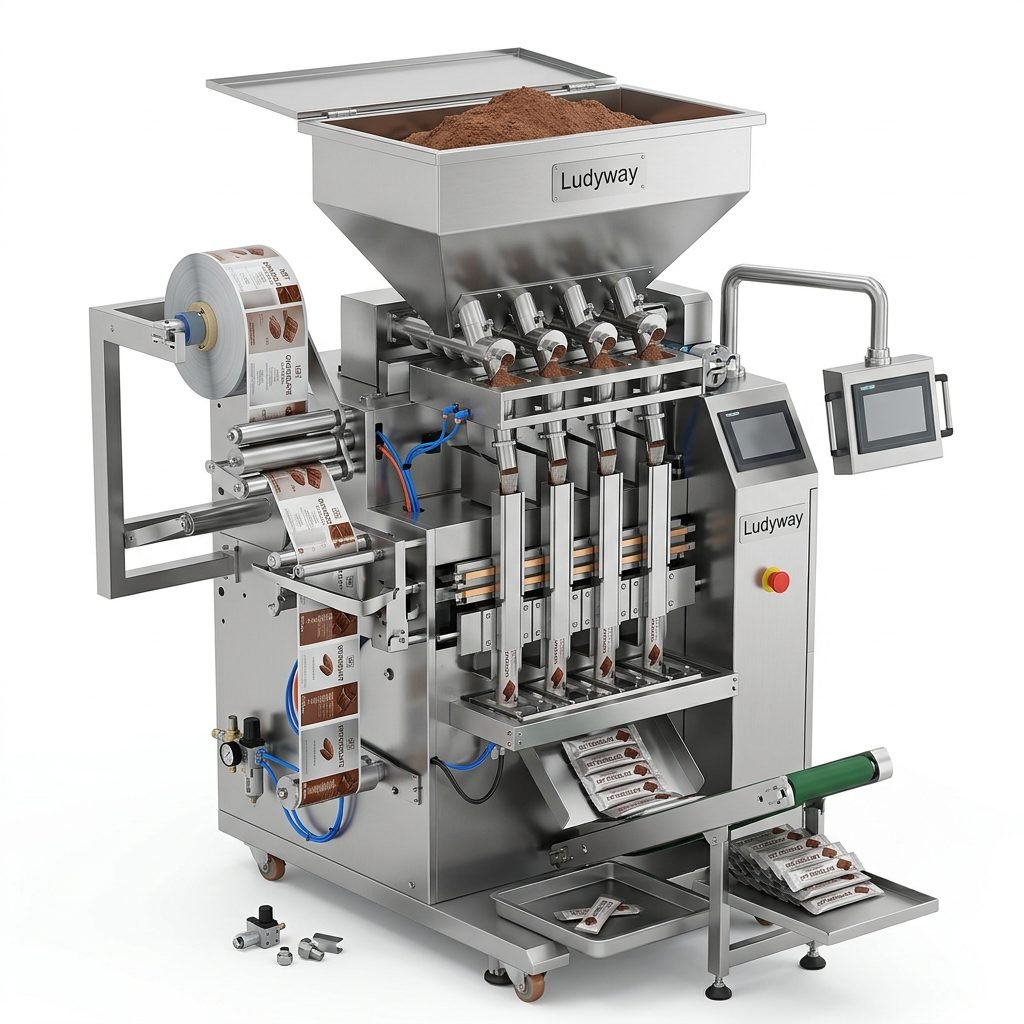
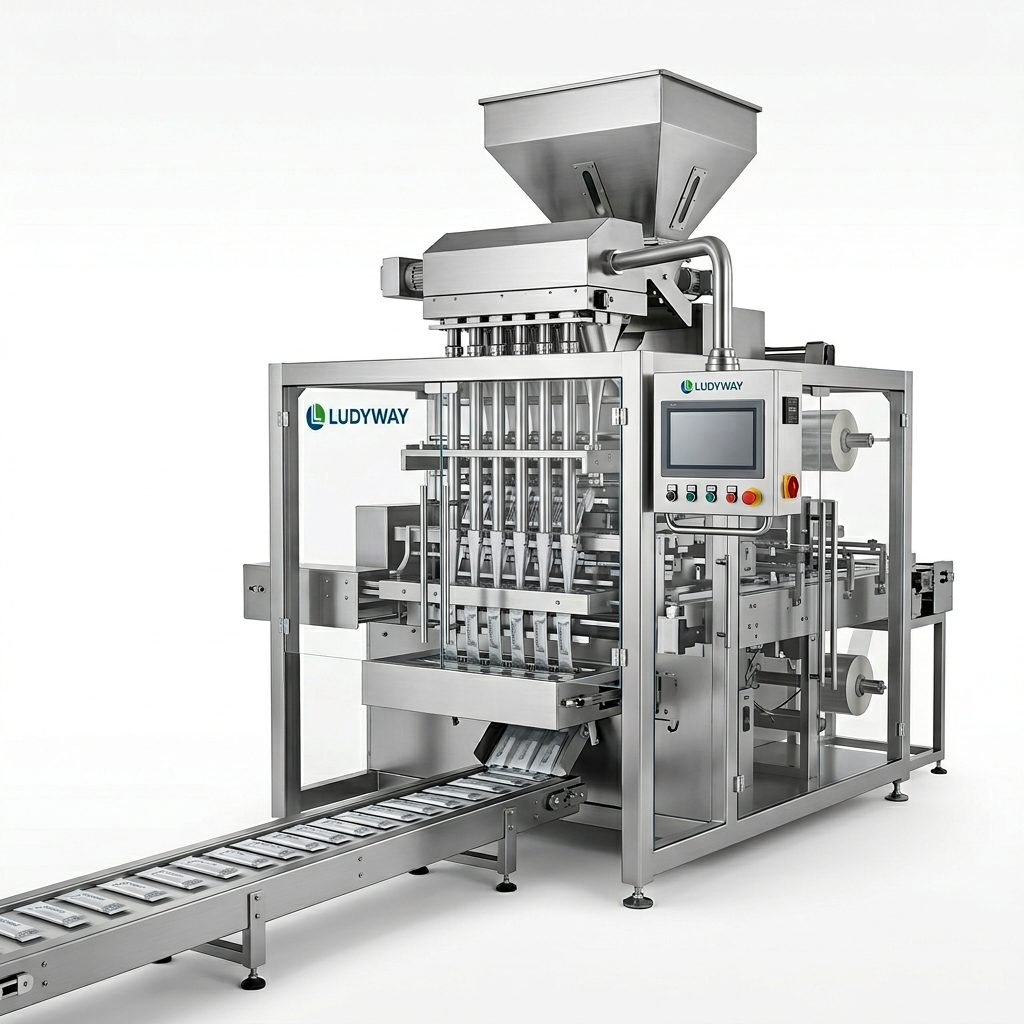
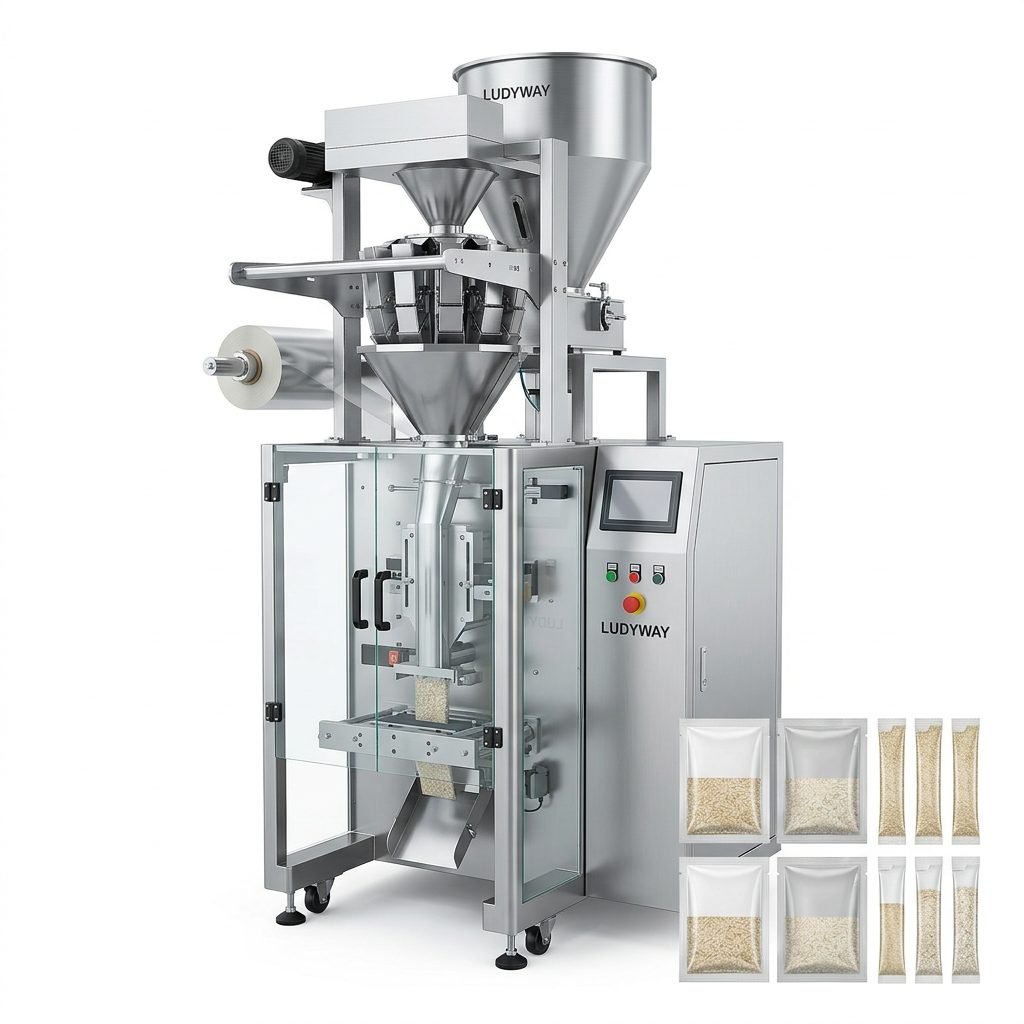
Selecting the right pillow packaging machine manufacturer is a critical decision that directly impacts your production efficiency, product quality, and long-term operational costs. This guide will explore the top manufacturers in the industry and provide a comprehensive framework for choosing the supplier that best aligns with your specific needs.
Understanding Pillow Packaging Machines
Pillow packaging machines are a cornerstone of modern production lines, creating the familiar sealed pouch with a “pillow” shape around the product. They are renowned for their speed, versatility, and efficient use of packaging film. These machines are essential for a vast range of products, from food items like snacks and pasta to hardware components and pharmaceuticals.
Key Industries That Rely on This Technology
The application of pillow packaging is nearly universal. In the food and beverage sector, they ensure freshness and extend shelf life. The pharmaceutical industry uses them for unit-dose packaging with high integrity. For consumer goods and hardware, they provide clear, tamper-evident, and cost-effective packaging solutions.
Core Advantage:
The primary strength of pillow packaging lies in its excellent product-to-package ratio, minimizing material waste while maximizing protection and presentation. This makes it both an economically and environmentally conscious choice for high-volume production.
Evaluating Top-Tier Manufacturers
The market features a spectrum of manufacturers, from global giants to specialized innovators. Leading companies are typically characterized by their extensive R&D investment, robust global service networks, and a proven track record across diverse industries.
Hallmarks of a Leading Manufacturer
- Engineering Expertise & Innovation: Continuous development of faster, more precise, and smarter machines with features like advanced servo control and IoT connectivity.
- Build Quality & Durability: Use of high-grade materials (e.g., stainless steel contact parts) and precision engineering for 24/7 operation with minimal downtime.
- Product Range & Customization: Offering a wide array of models (single lane to multi-lane) and the ability to tailor solutions to unique product shapes, sizes, and materials.
- Global Compliance & Standards: Machines built to meet international safety and hygiene standards (e.g., CE, FDA, GMP) for seamless market entry.
How to Choose the Right Supplier: A Strategic Framework
Beyond the machine specifications, the partnership with your supplier is paramount. A reliable supplier acts as a long-term partner in your production success.
1. Deeply Analyze Your Production Requirements
Begin with a thorough internal audit. Define your required speed (packages per minute), product dimensions, film material type, and desired bag style. Consider future scalability—will you need to handle different products or higher volumes? Clarity here prevents overbuying or under-specifying.
2. Scrutinize Technical Support & Service Capabilities
The quality of after-sales support can outweigh the initial purchase price. Investigate the supplier’s service infrastructure:
✓ Do they have local or regional technicians?
✓ What is the average response time for spare parts?
✓ Is comprehensive training for your operators provided?
A supplier like Ludyway Packing Machine, with decades of experience, often structures its entire operation around proactive customer support and technical partnership.
3. Assess Manufacturing Integrity & Company History
Research the supplier’s background. A company with a long history, such as one founded in 2010 and growing through continuous innovation and practical industry experience, demonstrates stability and commitment. Visit their facility if possible, or review virtual tours to assess their manufacturing processes, quality control, and technological capabilities firsthand.
Critical Due Diligence Checkpoint:
Always request a live or recorded product test using your actual product and packaging materials. This is the only way to verify machine performance, seal integrity, and speed claims. Review detailed case studies or ask for references from clients in your specific industry.
4. Compare Value, Not Just Price
The lowest upfront cost can lead to higher total cost of ownership due to maintenance, downtime, and inefficiency. Evaluate the total value proposition: machine reliability, energy efficiency, ease of maintenance, warranty terms, and the supplier’s reputation for standing behind their equipment. Investing in a robust machine from a trusted partner like Ludyway Machinery often yields a superior return on investment through years of trouble-free operation.
5. Review Customization and Future-Proofing
Your needs will evolve. Can the machine be easily upgraded or reconfigured? Does the supplier offer complete turnkey production line solutions that can integrate with other equipment? A forward-thinking supplier designs with flexibility in mind, protecting your investment against future changes in packaging trends or regulations.
Why Partnership Matters: Beyond the Transaction
The best supplier relationships are collaborative. A partner invested in your success will provide insights on packaging material trends, efficiency optimizations, and preventive maintenance schedules. They view each project through the lens of long-term cooperation and innovation, ensuring their solutions drive your competitive advantage.
Companies that have built their legacy on serving global markets understand these nuances. They develop over 50 intelligent packaging machine models not just to have a broad catalog, but to provide a precise fit for diverse international production needs, backed by professional service and quality-focused manufacturing.
Frequently Asked Questions (FAQs)
1. What is the typical lead time for a new pillow packaging machine?
Lead times vary significantly based on complexity and customization. For standard models from established suppliers, expect 8-16 weeks. Fully customized or high-speed turnkey lines may require 20 weeks or more. Always confirm timelines early in the planning process.
2. How do I ensure the machine meets my country’s safety and regulatory standards?
Reputable manufacturers design machines to comply with major international standards (CE, UL, FDA for food contact, etc.). Clearly communicate your target market’s requirements during the quotation phase. The supplier should provide all necessary documentation and certification.
3. What are the most common maintenance requirements?
Regular maintenance includes daily cleaning of sealing jaws and film paths, lubrication of moving parts as per the manual, and periodic inspection of wear components like cutting blades and seals. A good supplier will provide a detailed preventive maintenance schedule and training.
4. Can one machine handle multiple different product sizes?
Yes, most modern machines are designed for quick changeover. Look for features like servo-driven adjustments, recipe storage (where settings for different products are saved digitally), and tool-less change parts to minimize downtime when switching products.
5. What kind of training and support can I expect after purchase?
Comprehensive training should be standard. This includes on-site installation and commissioning, hands-on operation and maintenance training for your team, and detailed manuals. Ongoing support typically includes access to technical helpdesks, online spare parts portals, and service contracts. Explore the company’s commitment to service to understand their support model.