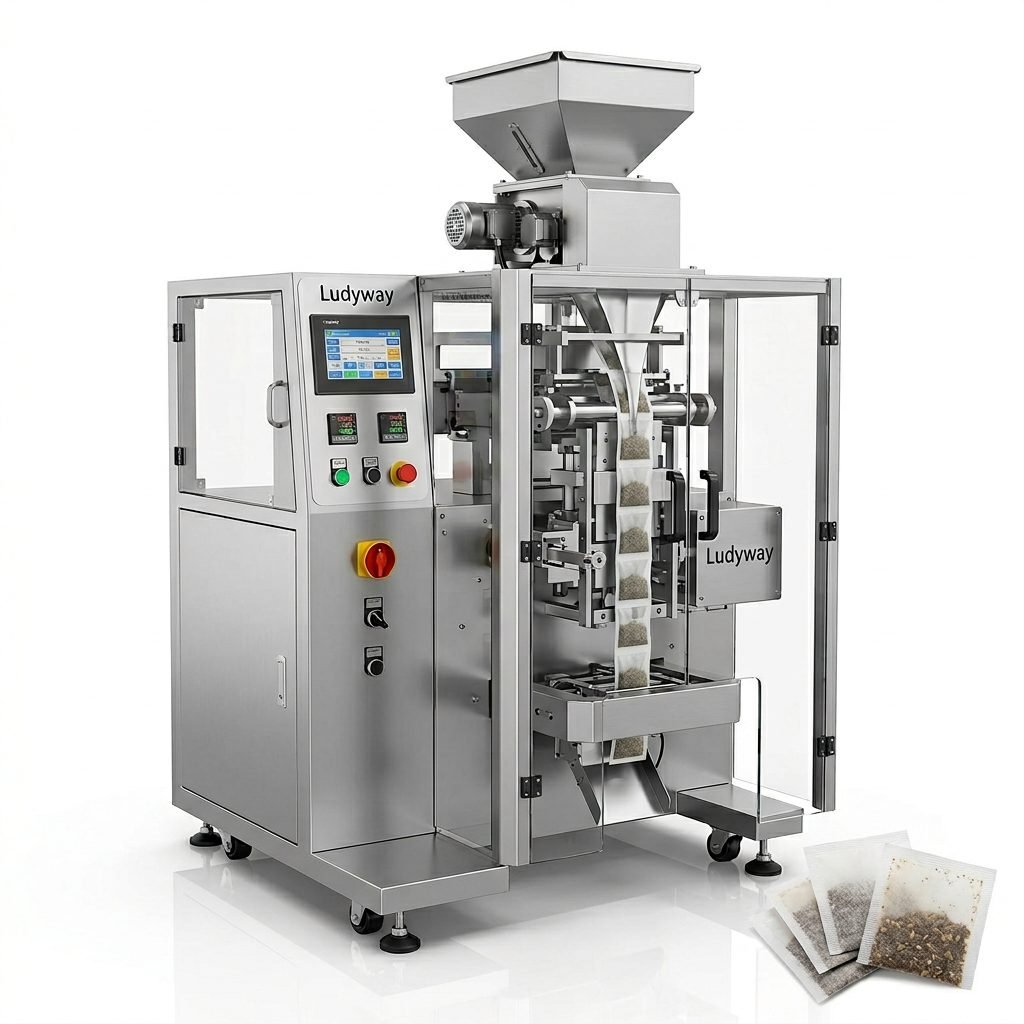
When buyers search for an automatic packaging machine, the first question is usually simple: How much does it cost? The better question is: what are you actually paying for? Machine price is only one part of the investment. Speed, automation level, material compatibility, filling accuracy, maintenance, spare parts, and after-sales support all affect the real value.
If you compare suppliers using price alone, you may end up with a machine that looks affordable at first but becomes expensive through downtime, waste, labor dependence, or limited scalability. A smarter comparison focuses on total cost, production fit, and long-term return.
What Is the Typical Automatic Packaging Machine Price Range?
Automatic packaging machine prices vary widely because different machines solve very different production tasks. A compact single-function unit will not cost the same as a high-speed integrated packaging line with feeders, conveyors, coding, inspection, cartoning, and case packing.
| Machine Type | Typical Price Range | Best For |
|---|---|---|
| Semi-automatic filling/sealing equipment | US$3,000–US$15,000 | Small batch production, startups, manual support operations |
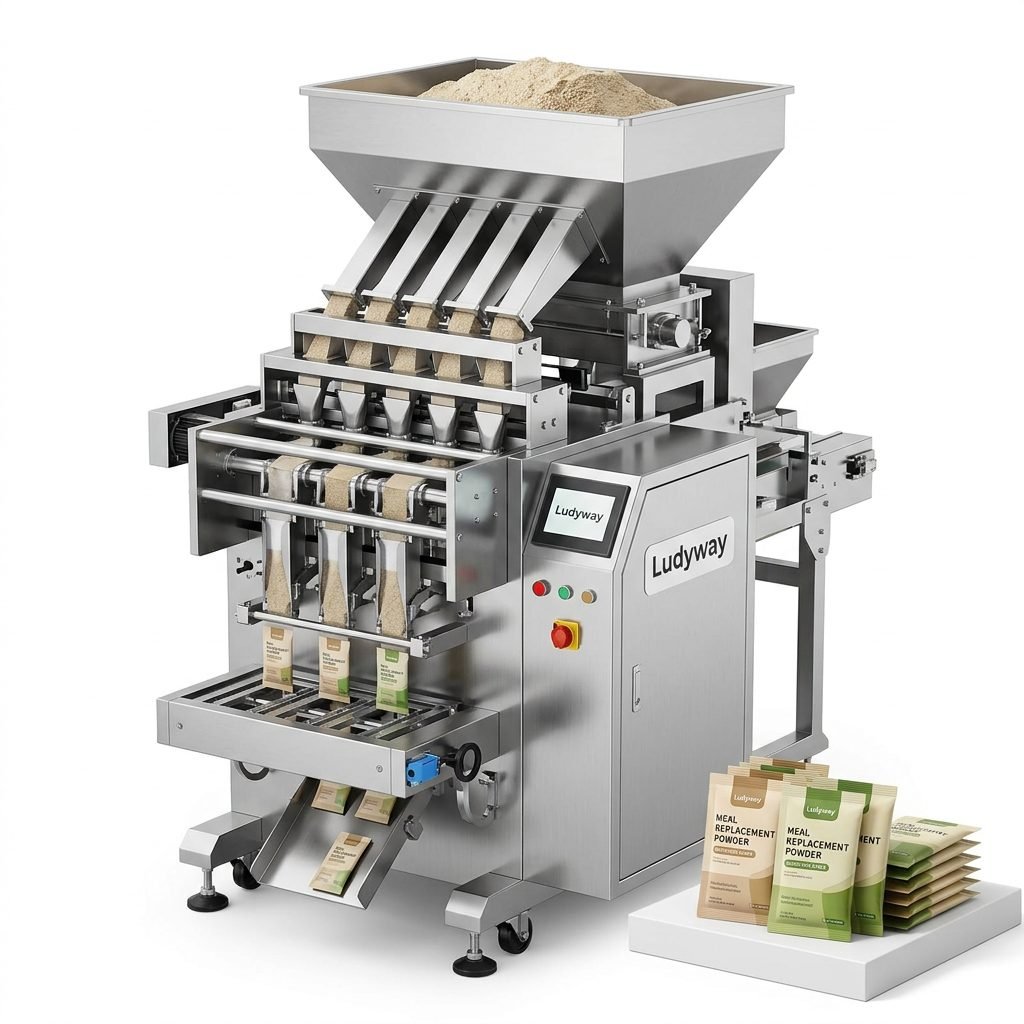
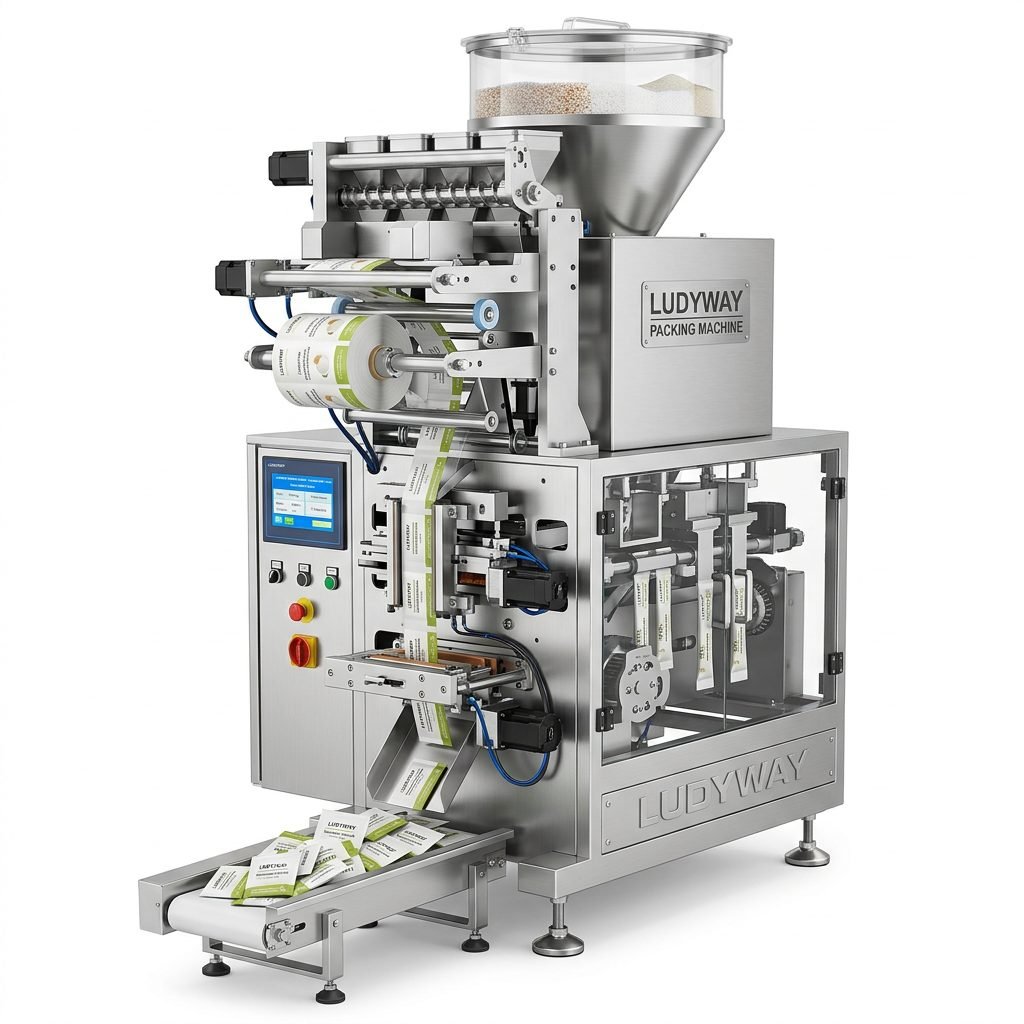
| Standard automatic sachet or pouch packing machine | US$10,000–US$40,000 | Food, powder, granule, liquid entry-to-mid-level automation |
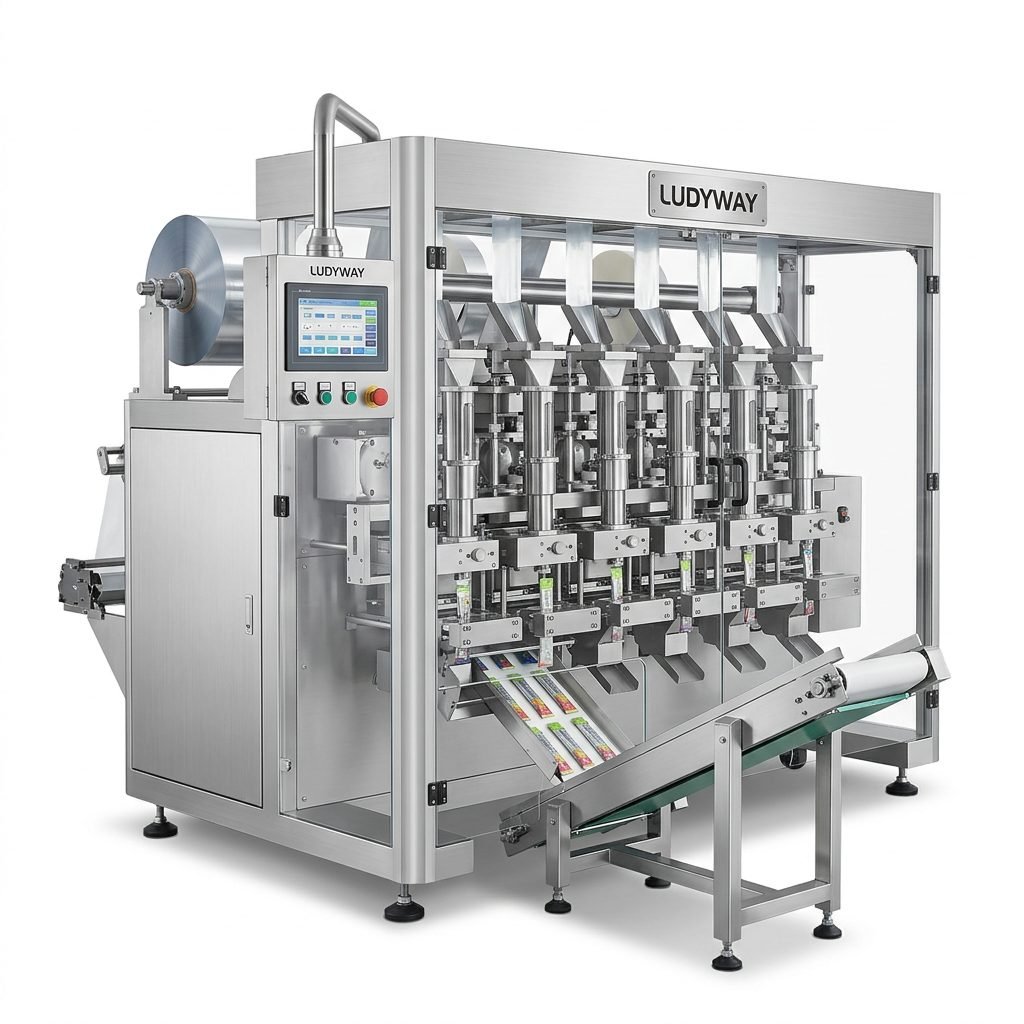
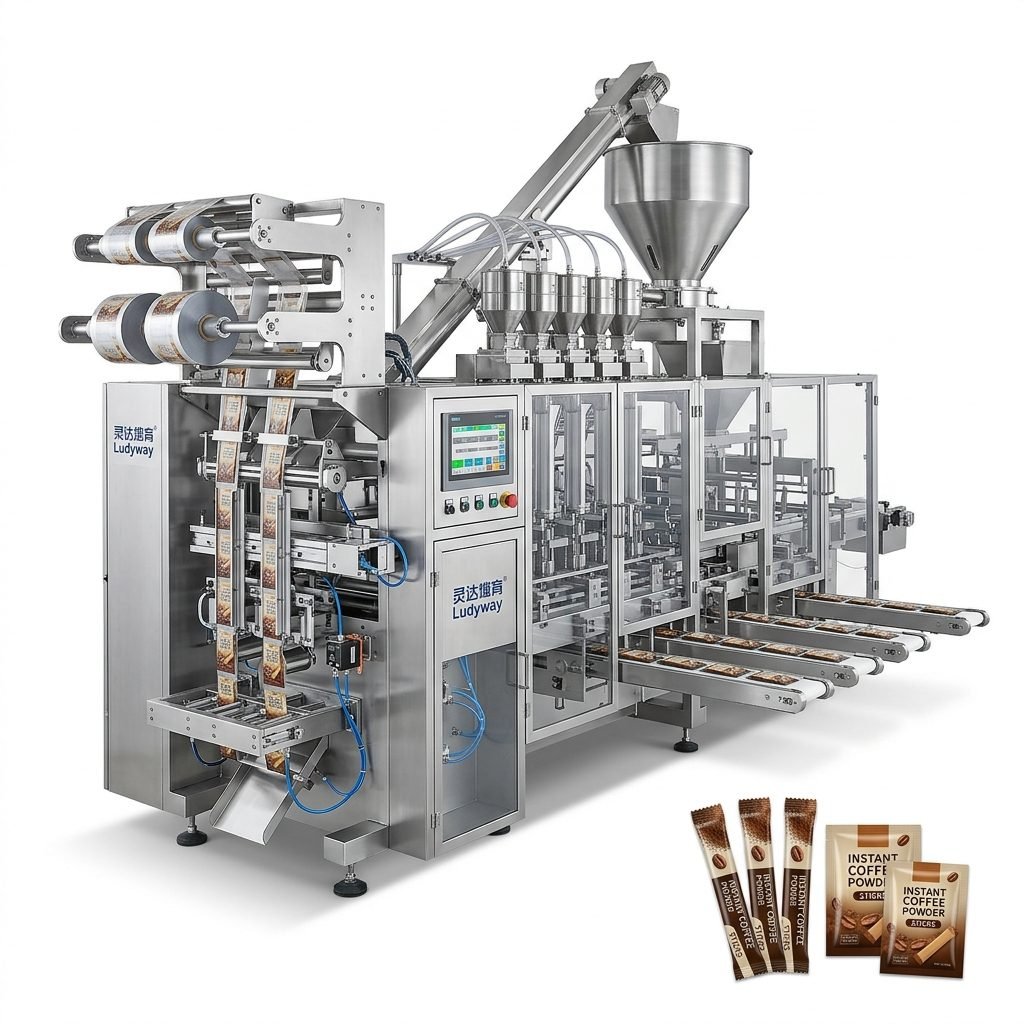
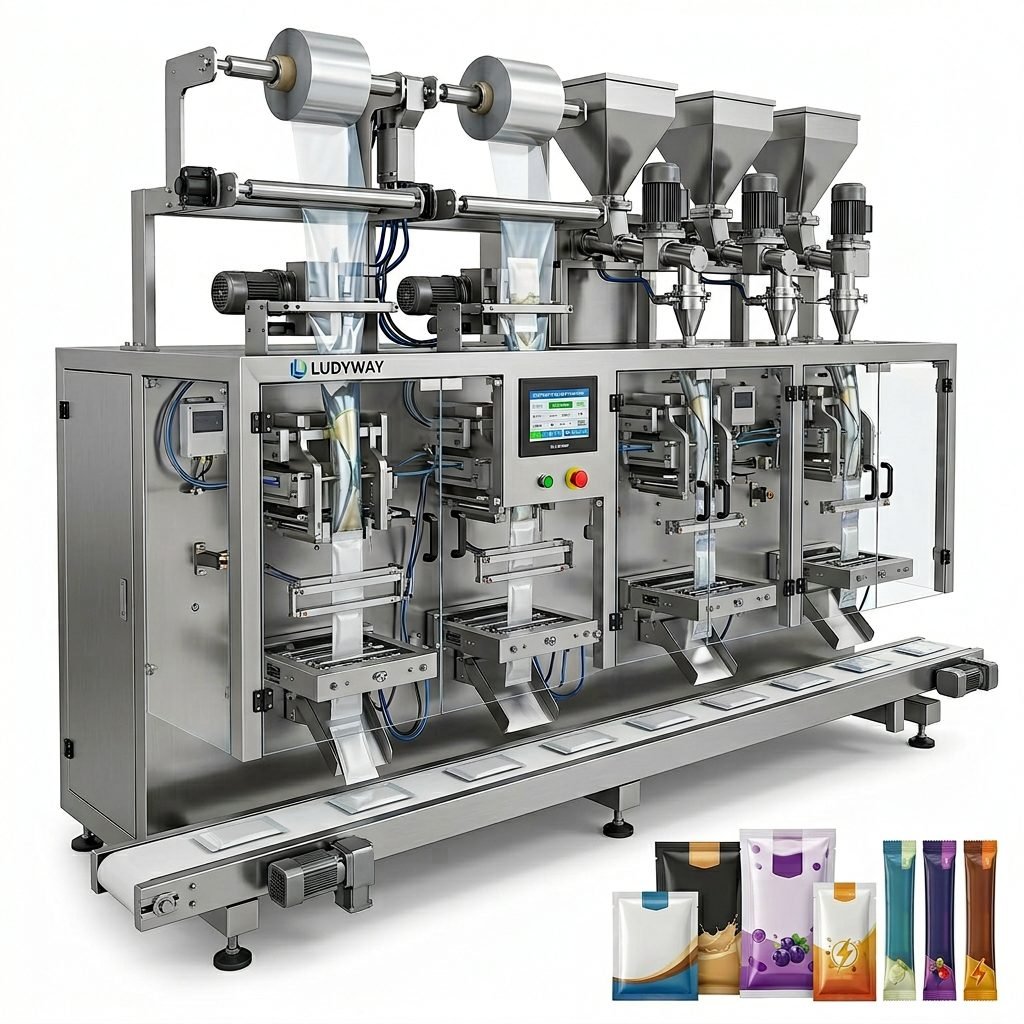
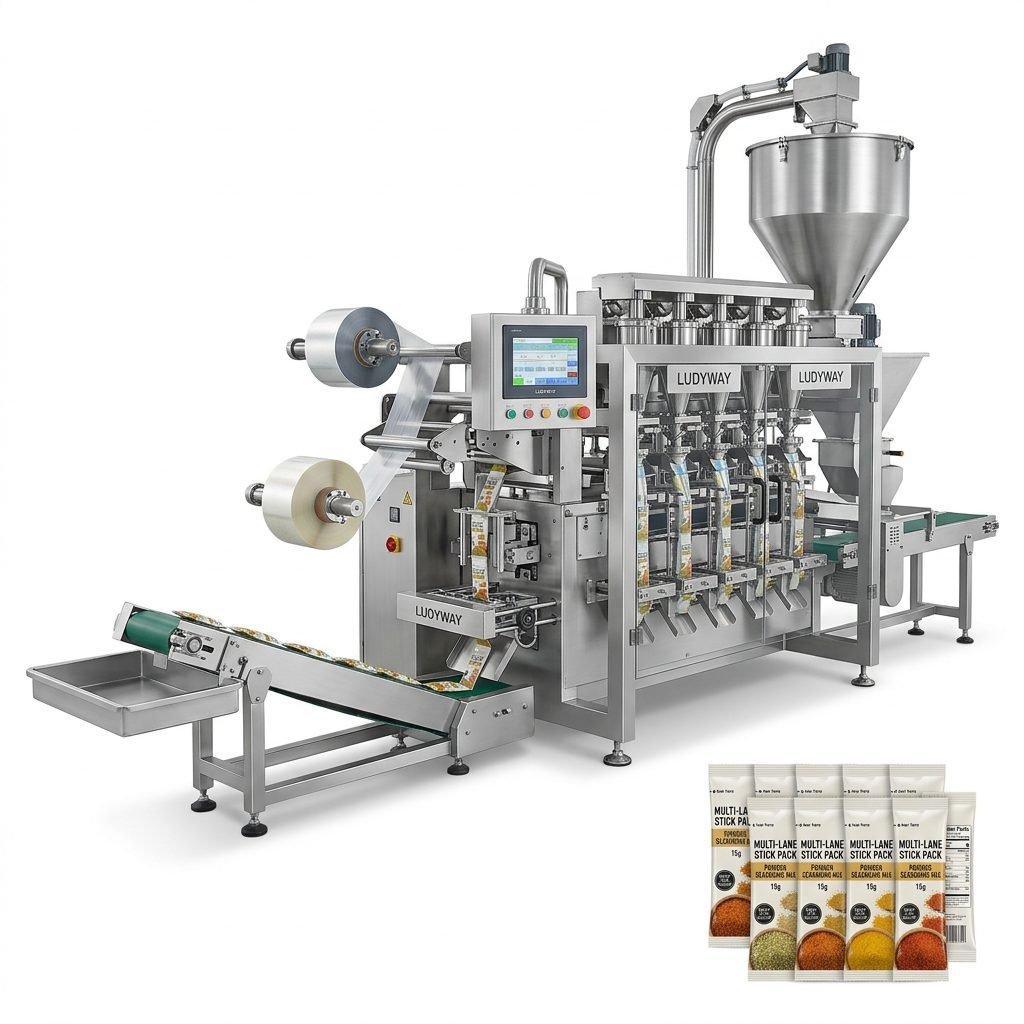
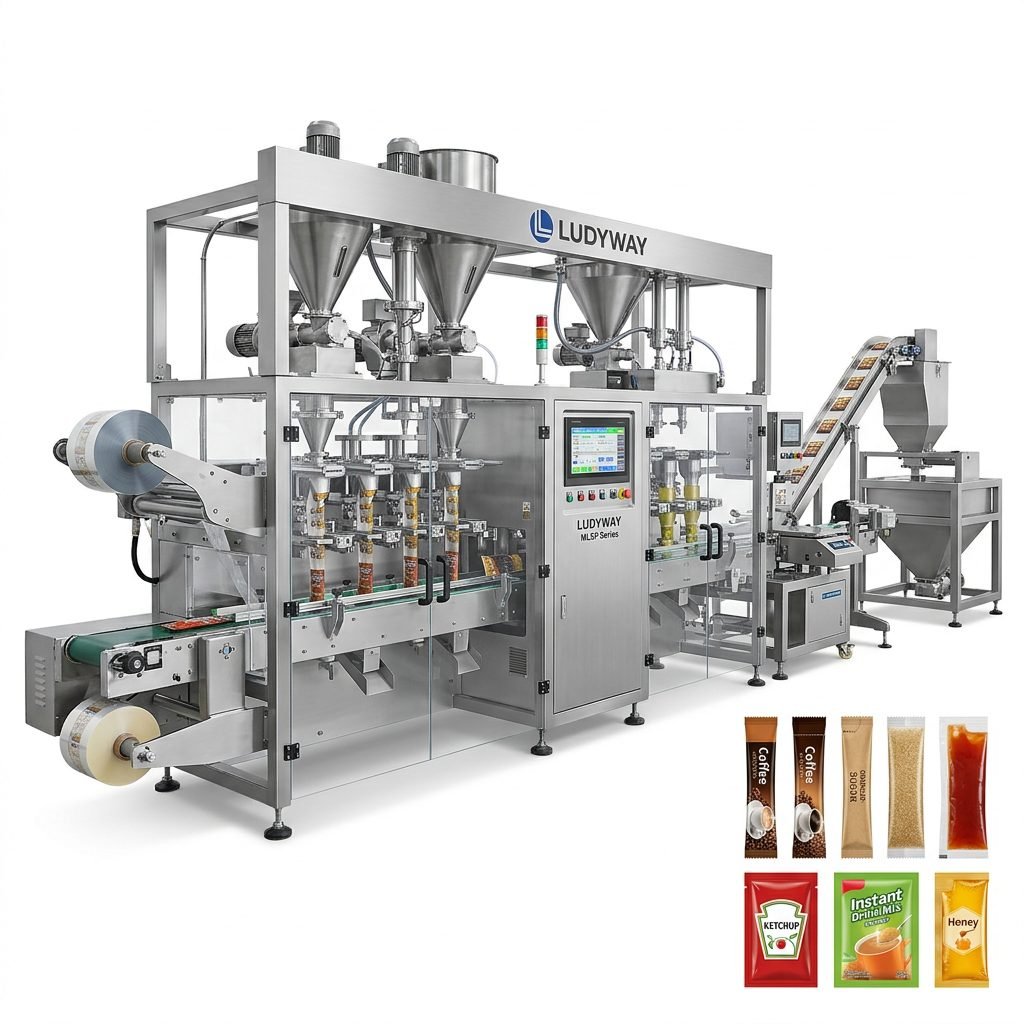
| Multi-lane stick pack or sachet machine | US$25,000–US$120,000+ | High-output powder, granule, pharmaceutical, supplement packaging |
| Premade pouch packing system | US$20,000–US$80,000+ | Flexible bag formats, premium retail packaging |
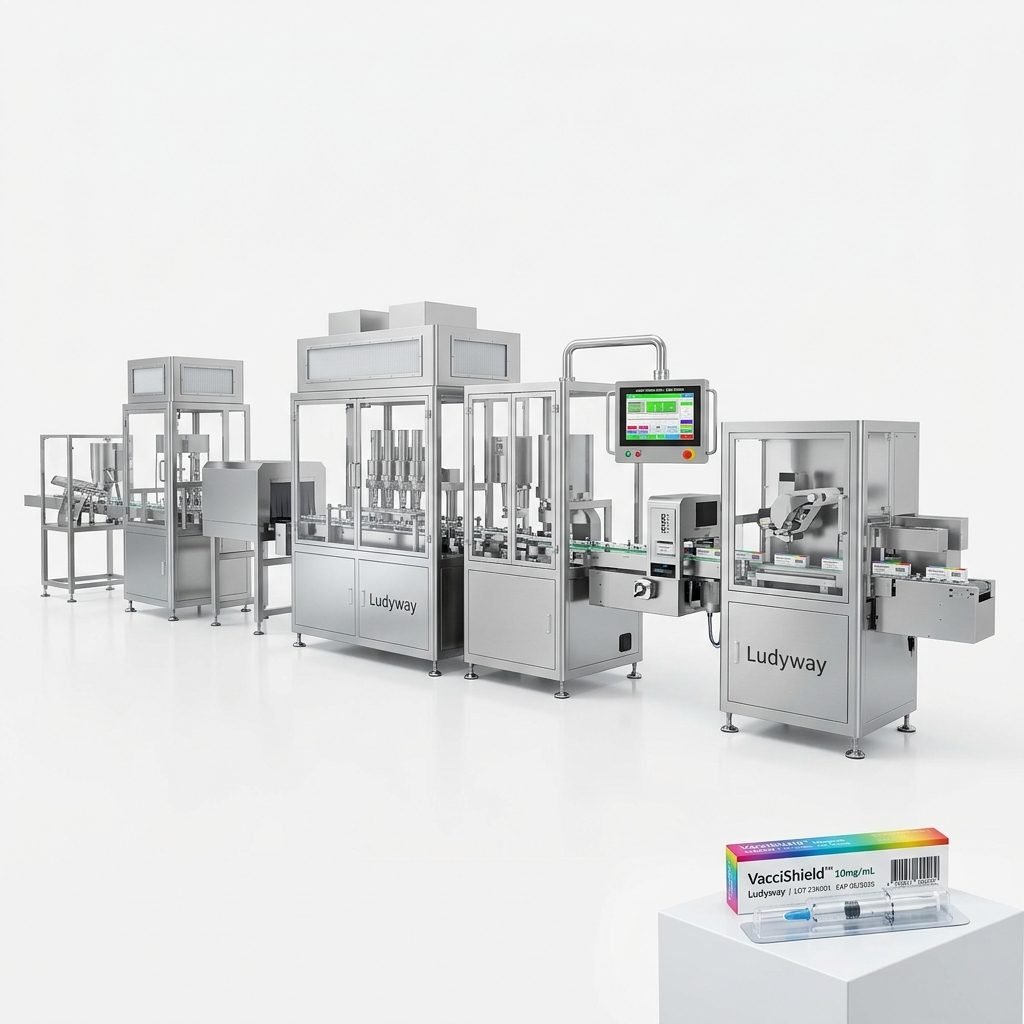
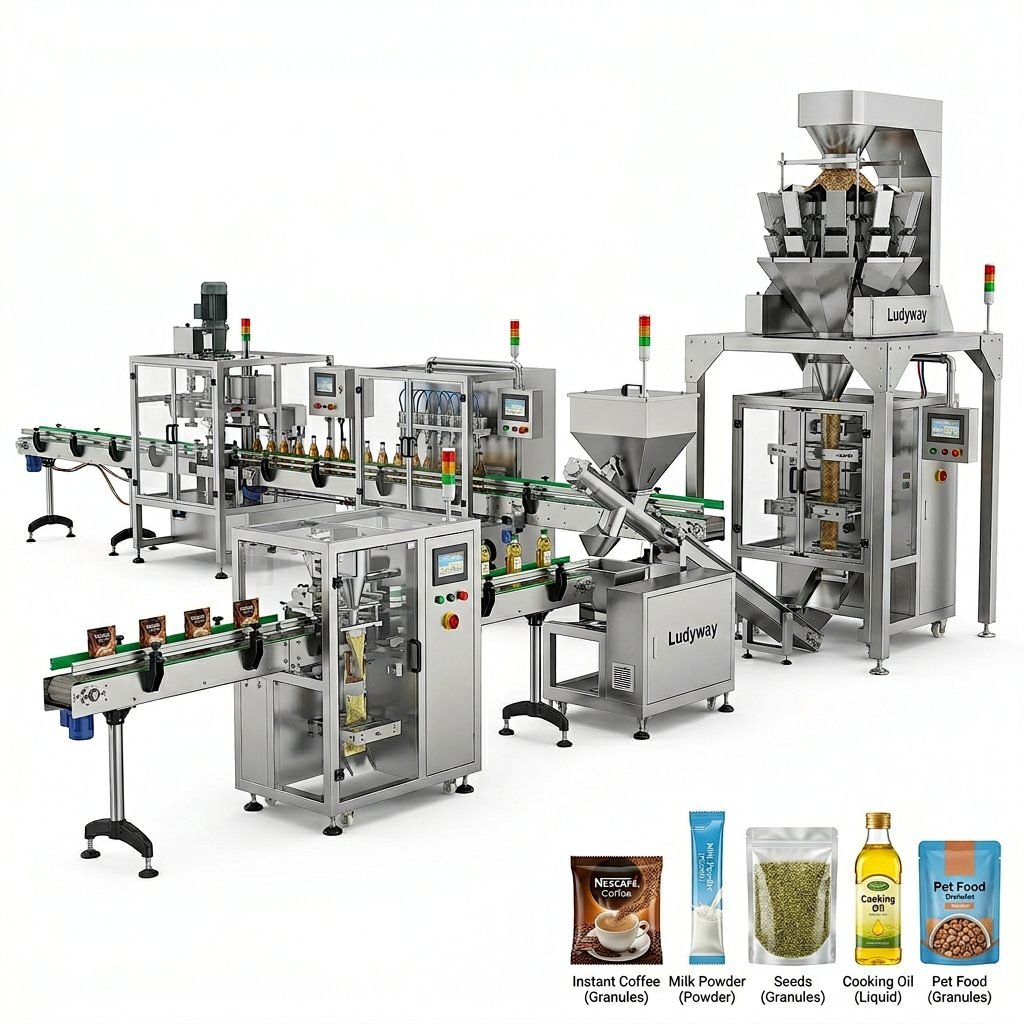
| Fully integrated automatic packaging line | US$80,000–US$500,000+ | Large factories, turnkey automation, multiple downstream processes |
These ranges are broad because machine price depends on product type, packaging format, output target, automation scope, compliance requirements, and customization.
The Main Factors That Change Packaging Machine Cost
A supplier quotation often includes much more than the main machine frame. To compare offers properly, break the price into the following cost drivers:
1. Product Characteristics
- Powder, granule, liquid, paste, tablets, capsules, or mixed materials
- Free-flowing vs. non-free-flowing products
- Dusty, sticky, corrosive, or heat-sensitive materials
- Need for hygienic or pharmaceutical-grade contact parts
For example, a simple granule product is usually easier and cheaper to package than a fine powder requiring dust control and precise metering.
2. Packaging Format
- Sachets
- Stick packs
- Pouches
- Bottles
- Bags or sacks
- Cartons and secondary packaging
More complex packaging formats generally require more tooling, more motion control, and tighter film-handling accuracy.
3. Speed and Output Requirements
Higher speed means stronger servo systems, better controls, more stable filling systems, and often more lanes or stations. A machine designed for 30 packs per minute is very different from one designed for 300 packs per minute.
4. Automation Level
Do you only need forming, filling, and sealing? Or do you also need:
- Automatic feeding
- Product conveying
- Checkweighing
- Metal detection
- Date coding
- Cartoning
- Case packing
- Palletizing
The more complete the line, the higher the capital cost—but also the greater the labor savings and process consistency.
5. Material and Build Quality
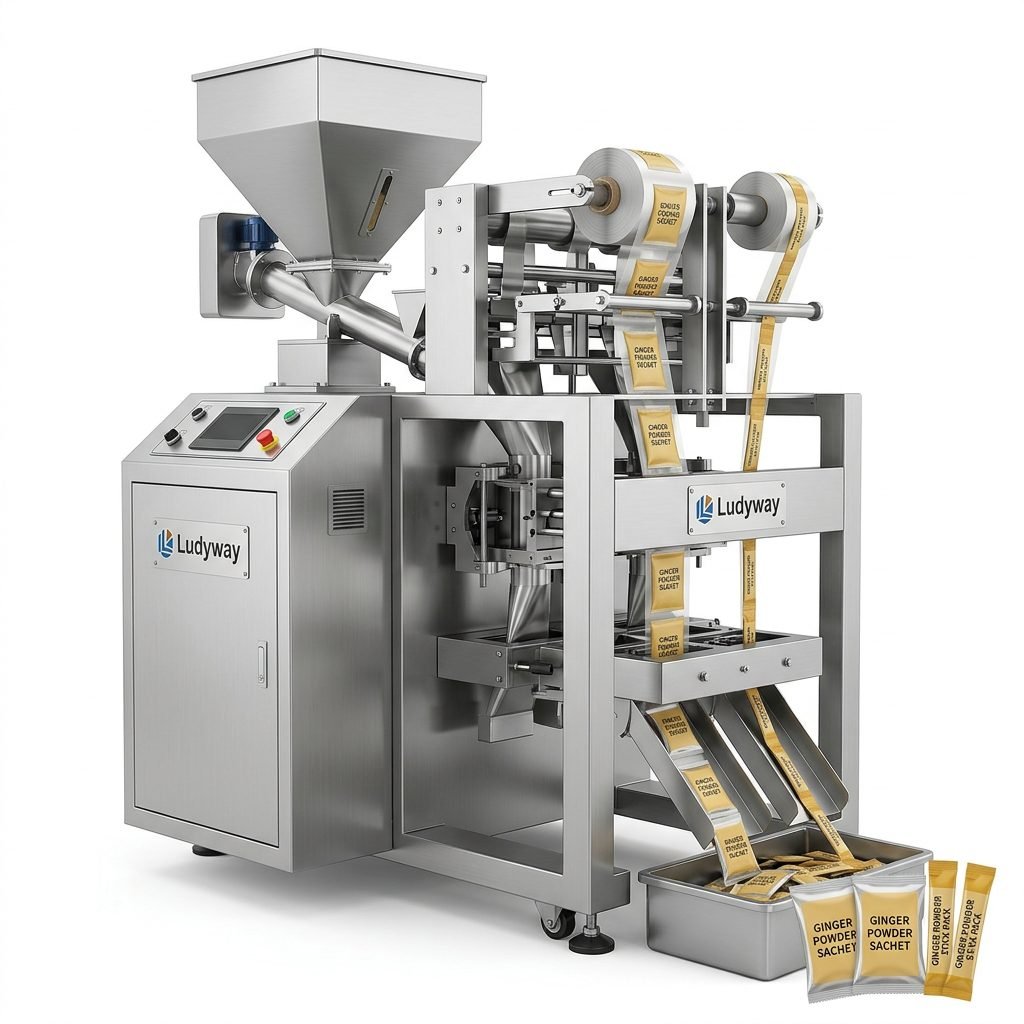
Stainless steel structure, sanitary design, branded electrical components, servo motors, PLC systems, and safety systems influence both price and machine life. A lower-cost machine may reduce cost by using lower-grade parts, which can increase risk later.
6. Customization
Non-standard bags, multiple SKUs, special dosing systems, space limitations, local voltage, multilingual interface, and compliance requirements all add engineering work.
7. Certification and Compliance
For food, pharmaceutical, medical, or export markets, requirements such as CE-oriented design, GMP-friendly construction, validation support, or documentation packages may influence price significantly.
How to Compare Costs the Right Way
When reviewing quotations, ask every supplier to provide a breakdown using the same structure. This makes the comparison much more accurate.
| Comparison Item | Questions to Ask |
|---|---|
| Machine base price | What exactly is included in the quoted model? |
| Tooling and change parts | Are extra bag sizes or product formats included? |
| Feeding system | Is the feeder, elevator, or conveyor part of the package? |
| Coding and inspection | Are printer, checkweigher, or detection systems optional or included? |
| Installation and training | Is commissioning included? Is remote support available? |
| Spare parts package | What wear parts come with the machine? |
| Warranty | How long is it, and what does it cover? |
| Delivery terms | Is shipping, export packing, or insurance included? |
A quote that appears cheaper may exclude critical items. In many projects, the lowest quotation is not the lowest final cost.
Features That Add Real Value
Not every feature is worth paying extra for. The best value comes from features that improve uptime, consistency, labor efficiency, and future flexibility.
High-Value Features Worth Comparing
- Servo-driven control for stable motion and more accurate bag length control
- Fast changeover design for multiple products or pack sizes
- Accurate dosing systems such as auger, volumetric cup, multi-head weighing, or liquid pump fillers
- User-friendly HMI and PLC for easier operation and troubleshooting
- Remote diagnostics support to reduce downtime
- Quality sealing system for fewer leaks and rejects
- Modular expansion capability for adding printers, conveyors, cartoners, or case packers later
These features may raise the initial machine price, but they often reduce waste, service calls, labor dependence, and output inconsistency over time.
Price vs. Value: A Simple Buyer Mindset
A practical way to compare suppliers is to think in terms of cost per usable pack produced, not just machine purchase price.
A more valuable machine usually delivers:
- Higher operating uptime
- Better filling accuracy
- Lower product waste
- Lower labor input
- More stable sealing quality
- Easier maintenance
- Better support and spare parts availability
If a machine costs 20% more but improves usable output by 35% and reduces labor by two operators per shift, it may deliver much better ROI than a lower-priced alternative.
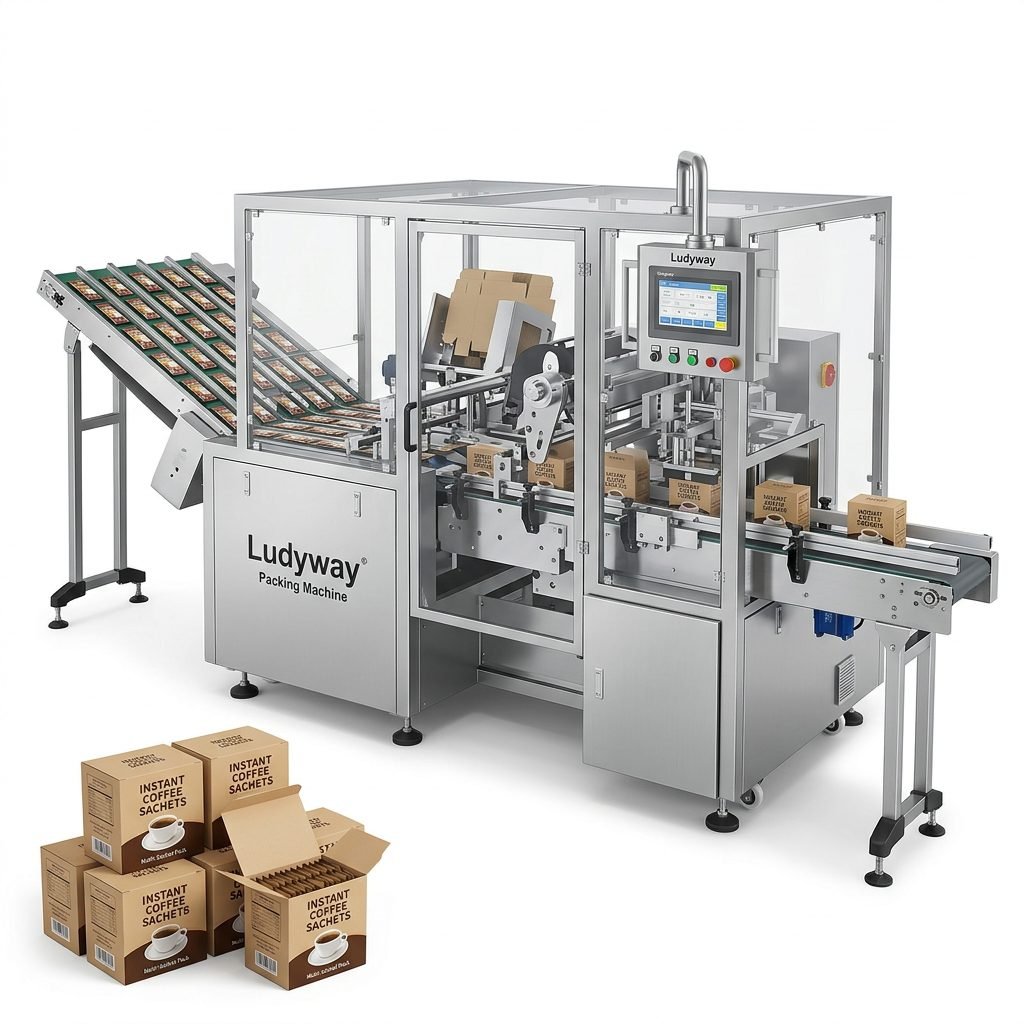
The Hidden Costs Many Buyers Miss
Before making a decision, include these hidden or indirect costs in your evaluation:
- Installation and commissioning
- Operator training time
- Film or packaging material waste during setup
- Unplanned downtime
- Maintenance frequency
- Spare parts replacement cycle
- Energy consumption
- Floor space use
- Product giveaway due to low dosing accuracy
- Future upgrade limitations
For powder, granule, and liquid applications, filling accuracy and sealing stability often have a major financial impact. Small deviations repeated across thousands of packs per day can create large annual losses.
How Different Industries Compare Packaging Machine Investments
Food Industry
Food manufacturers usually prioritize speed, sealing quality, hygiene, product protection, and packaging flexibility. Snack powders, spices, coffee, nuts, grains, sauces, and instant drink mixes often need different dosing methods, which directly affects price.
Pharmaceutical and Health Supplement Industry
These buyers often focus on traceability, dosing precision, cleanliness, validation documents, and reliable long-term performance. Pricing is usually higher because compliance expectations are higher.
Cosmetic and Personal Care Industry
Creams, serums, gels, shampoos, lotions, and sachet samples require accurate liquid or paste filling and attractive pack presentation. Price depends heavily on viscosity, pack format, and appearance requirements.
Chemical and Industrial Industry
Chemical projects may require anti-corrosion design, dust control, explosion-conscious engineering, or heavy-duty bagging systems. These technical adaptations increase cost but are essential for safe operation.
Questions to Ask Before Accepting a Quote
- What products has this machine already run successfully?
- What output was achieved in actual factory conditions?
- What is the filling accuracy range?
- How long does product changeover take?
- Which core electrical and pneumatic brands are used?
- What maintenance tasks are needed weekly and monthly?
- How quickly can spare parts be supplied?
- What remote or on-site after-sales support is available?
- Can the machine be upgraded into a fuller line later?
- Can the supplier provide videos, case references, or test samples?
Strong suppliers can answer these clearly and with evidence.
How to Judge a Packaging Machine Supplier, Not Just the Machine
A machine is only as reliable as the company behind it. Supplier capability affects delivery quality, engineering accuracy, documentation, support speed, and long-term parts availability.
When evaluating manufacturers, look at:
- Years of industry experience
- Factory scale and production capability
- Export experience
- Industry specialization
- Customization ability
- Installation and service support
- Case studies and customer references
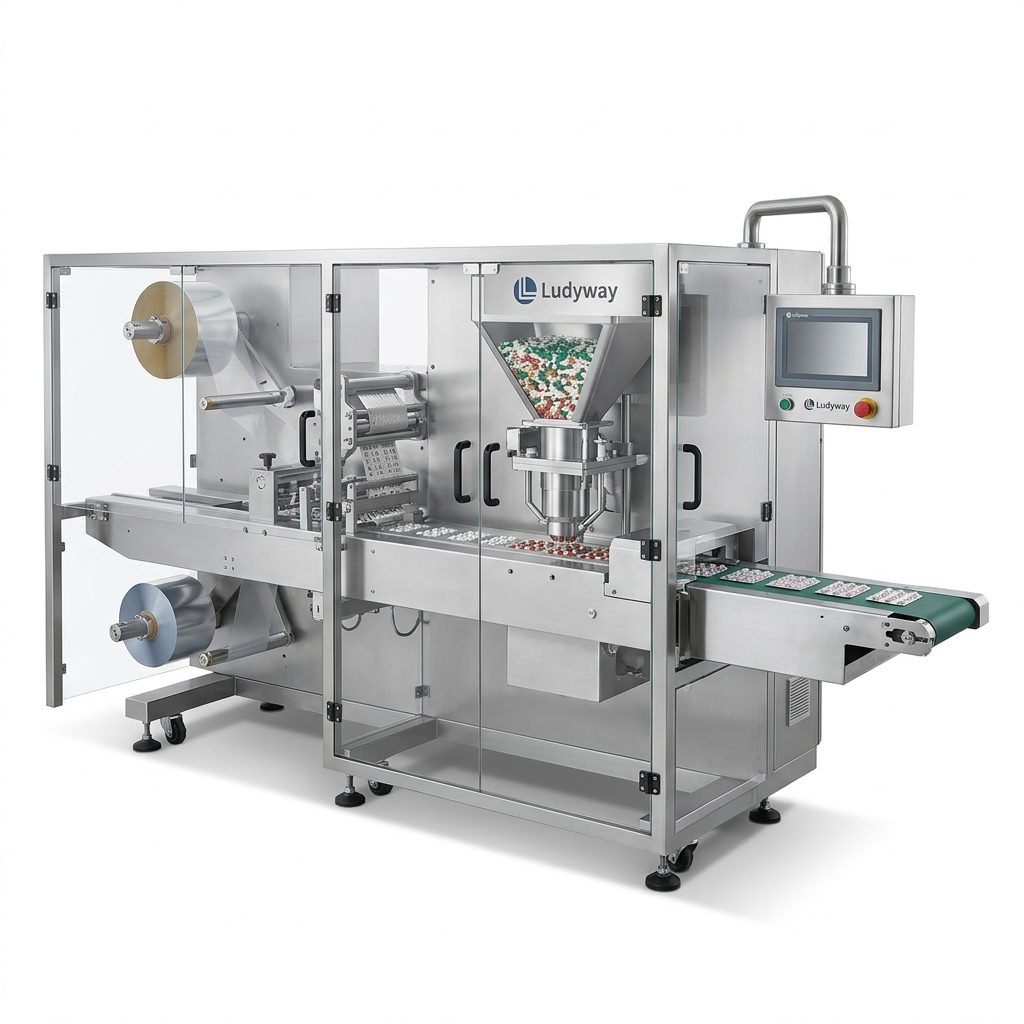
For buyers seeking scalable automatic packaging solutions, Ludyway automatic packaging machine solutions are often considered for food, pharmaceutical, health supplement, chemical, and pouch-based applications because of the company’s broad machine portfolio, over 30 years of manufacturing experience, and ability to supply both standalone equipment and turnkey packaging lines.
A Practical Formula for Comparing Value
You can use a simple scorecard to compare suppliers more objectively.
| Evaluation Factor | Suggested Weight | Why It Matters |
|---|---|---|
| Purchase price | 20% | Important, but not the full story |
| Machine performance | 25% | Affects output and consistency |
| Build quality and components | 15% | Impacts reliability and lifespan |
| Operating cost | 15% | Includes labor, waste, downtime, maintenance |
| After-sales support | 15% | Critical for long-term operation |
| Scalability and customization | 10% | Supports future growth |
This method prevents buyers from making decisions based only on the initial number in the quotation.
When a Higher-Priced Machine Is the Better Deal
Paying more can make sense if the machine offers one or more of the following:
- Substantially higher throughput
- Better accuracy for expensive products
- Lower reject rate
- Less manual labor
- Cleaner and faster changeovers
- Better support and parts access
- Longer service life
- Ability to integrate into a future turnkey line
In competitive manufacturing environments, even small efficiency improvements often repay the difference faster than expected.
Final Buying Advice for Comparing Automatic Packaging Machine Prices
The smartest way to compare automatic packaging machine prices is to evaluate cost, features, operating efficiency, and supplier capability together. Ask for matched quotations, review included components carefully, and focus on total lifecycle value rather than headline price alone.
A good machine should fit your product, your packaging format, your output target, your compliance requirements, and your growth plan. When those factors align, the best-priced machine is not necessarily the cheapest one—it is the one that delivers the strongest long-term return.