The snack food industry in Africa is experiencing unprecedented growth, driven by rapid urbanization, a rising middle class, and shifting consumer preferences toward convenience foods. Among these, potato chips have emerged as one of the fastest-growing snack categories across the continent. For entrepreneurs and established food manufacturers alike, setting up a potato chip packaging machine production line in Africa presents a significant business opportunity — but it requires careful planning, the right equipment, and a deep understanding of local market conditions.
This comprehensive guide walks you through every stage of establishing a potato chip packaging operation in Africa, from initial feasibility assessment to full-scale production. Whether you are targeting local retail markets, regional distribution, or export opportunities, this resource will help you make informed decisions and avoid costly mistakes.
Understanding the African Potato Chip Market Landscape
Before investing in packaging machinery, it is essential to understand the market dynamics that will shape your production requirements. The African snack market is projected to grow at a CAGR of over 7% through 2030, with potato chips accounting for a significant share of this expansion. Key markets include Nigeria, South Africa, Kenya, Egypt, Ghana, and Ethiopia, each with distinct consumer preferences and regulatory frameworks.
Consumer trends point toward increasing demand for:
- Small-format packaging for affordability and convenience in retail settings
- Multi-pack formats for family consumption in urban centers
- Locally sourced ingredients and flavors tailored to regional tastes
- Extended shelf life to accommodate complex distribution networks
- Attractive, high-quality packaging that competes with imported brands
According to industry data from the PMMI State of the Industry Report, packaging machinery demand in emerging markets continues to outpace mature markets, reflecting the ongoing industrialization of food processing in regions like Africa.
Step 1: Assessing Production Capacity and Facility Requirements
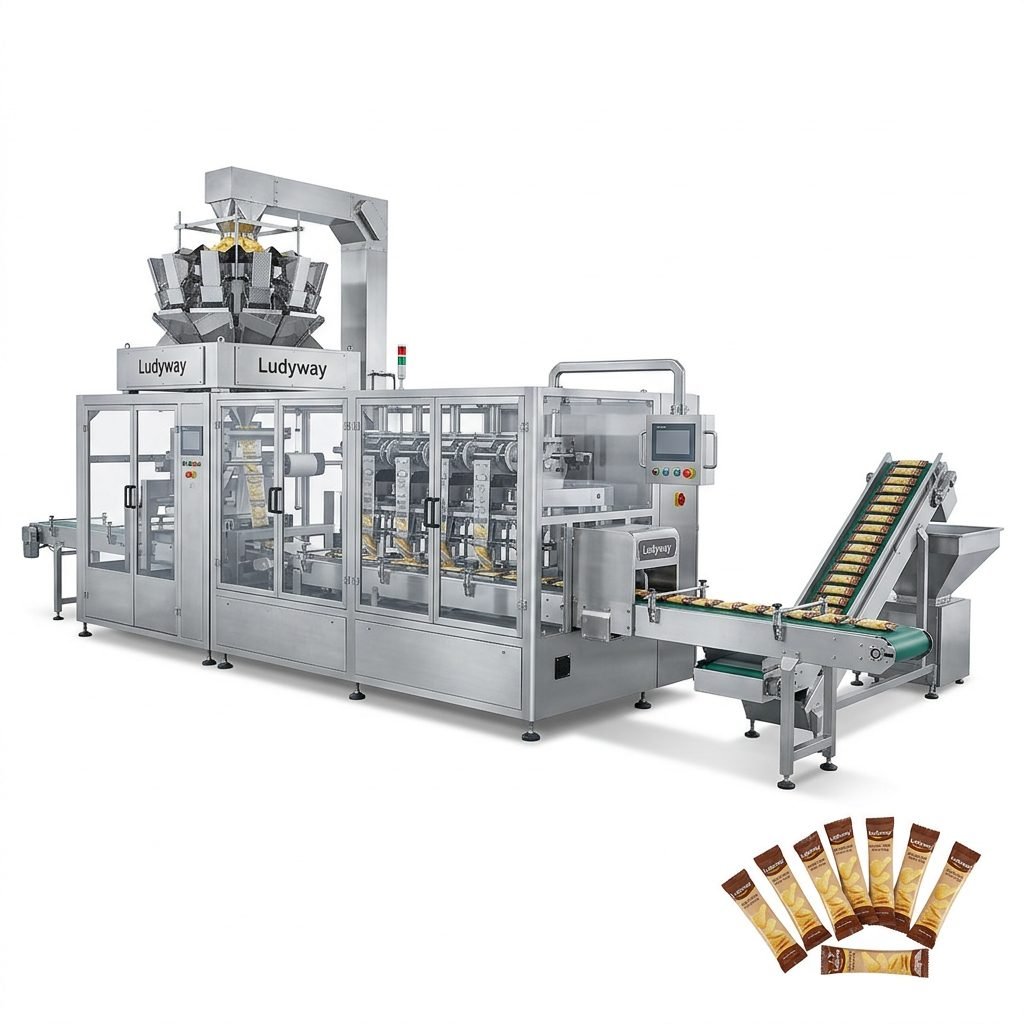
Your choice of packaging machinery should be guided by realistic production volume projections. Start by estimating your target output — measured in packs per minute or tons per month — and then work backward to determine the appropriate automation level.
Key Production Metrics to Define
- Pack sizes — Common formats range from 18g single-serve sachets to 200g family packs
- Packaging material — Metallized film, laminated pouches, or paper-based laminates
- Production hours per day — Single shift (8 hours) versus continuous operation
- Peak season demand — Factoring in holiday surges and promotional periods
- Future scalability — Planning for capacity expansion within 3–5 years
| Production Tier | Monthly Output | Recommended Automation | Estimated Facility Size |
|---|---|---|---|
| Small-Scale | 5–15 tons | Semi-automatic single-lane | 150–300 m² |
| Mid-Scale | 15–50 tons | Automatic multi-lane (4–6 lanes) | 300–600 m² |
| Large-Scale | 50+ tons | Fully automatic 8–12 lane systems | 600–1,500 m² |
Facility considerations for African operations should also account for reliable power supply, climate control for raw material storage, and compliance with local food safety regulations. The FDA food packaging guidelines provide useful reference standards, even for manufacturers targeting regional rather than export markets.
Step 2: Selecting the Right Potato Chip Packaging Machine
The heart of your production line is the packaging machine itself. Potato chips present unique packaging challenges — they are fragile, irregularly shaped, and sensitive to moisture and oxygen. Selecting equipment that handles these characteristics while maintaining speed and seal integrity is critical to product quality and shelf life.
Types of Packaging Machines for Potato Chips
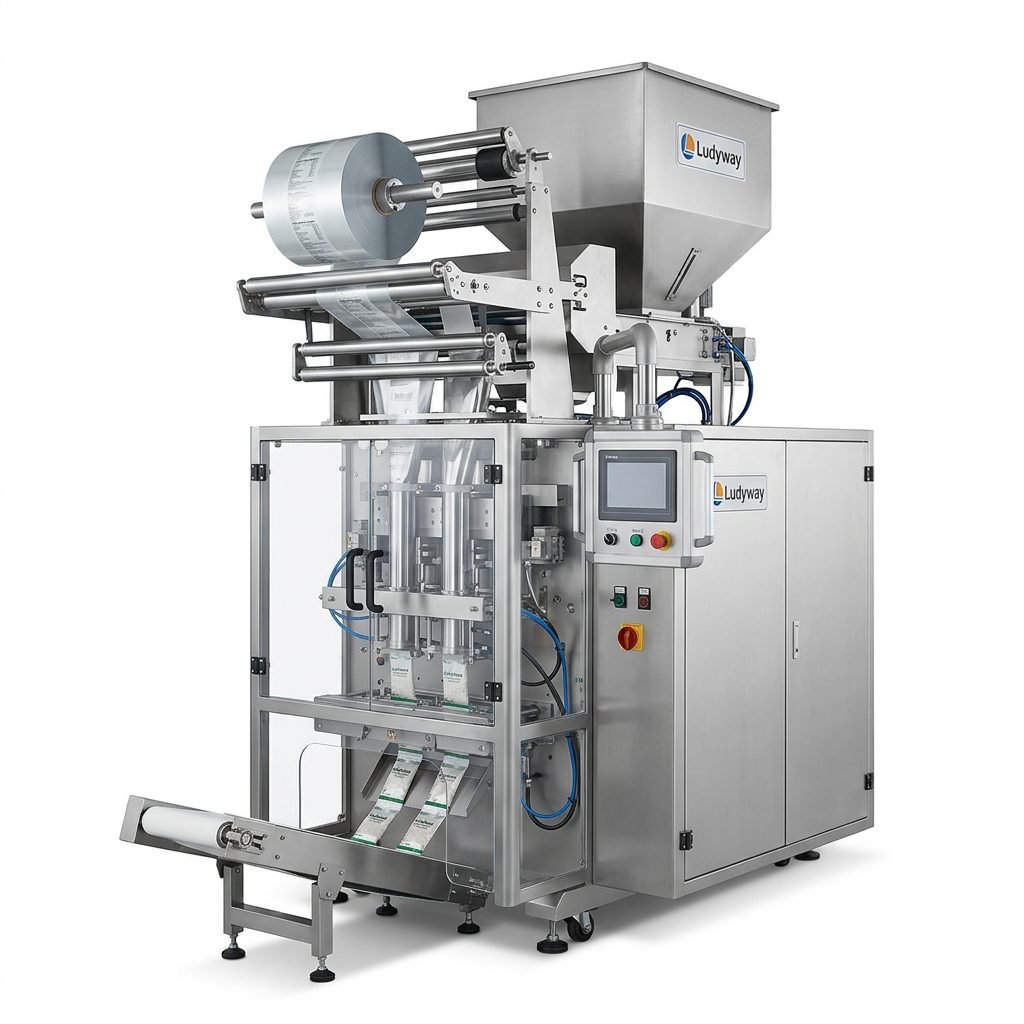
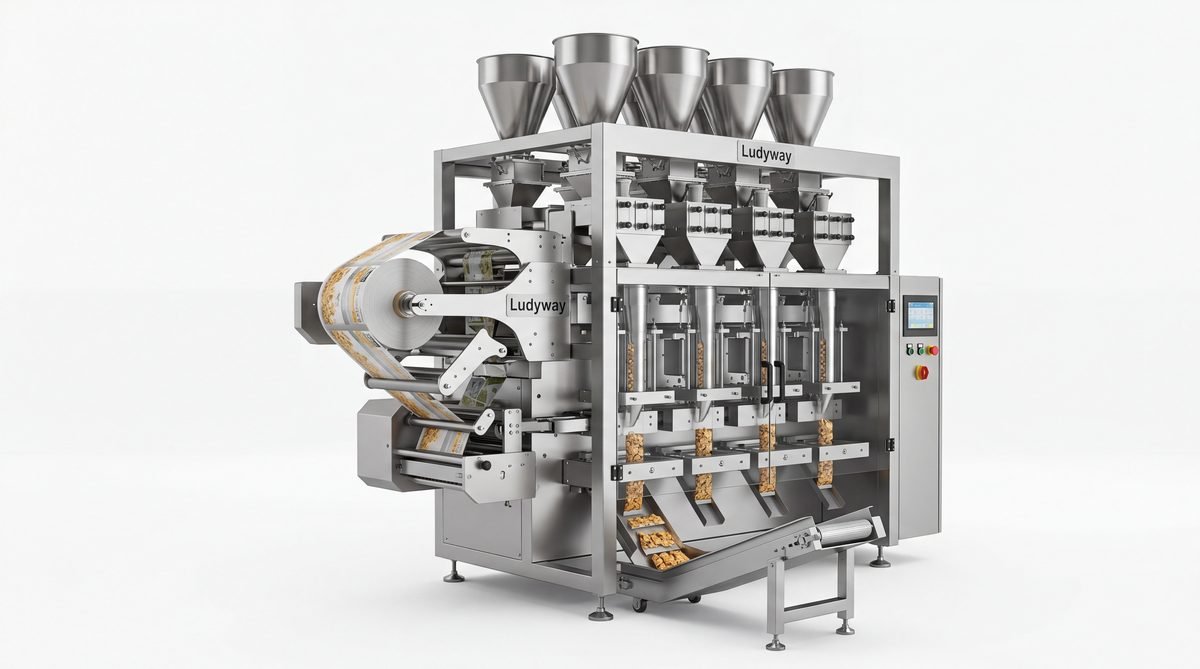
- Vertical Form Fill Seal (VFFS) Machines — Most common for pillow bags and gusseted pouches; well-suited for nitrogen-flushed packaging
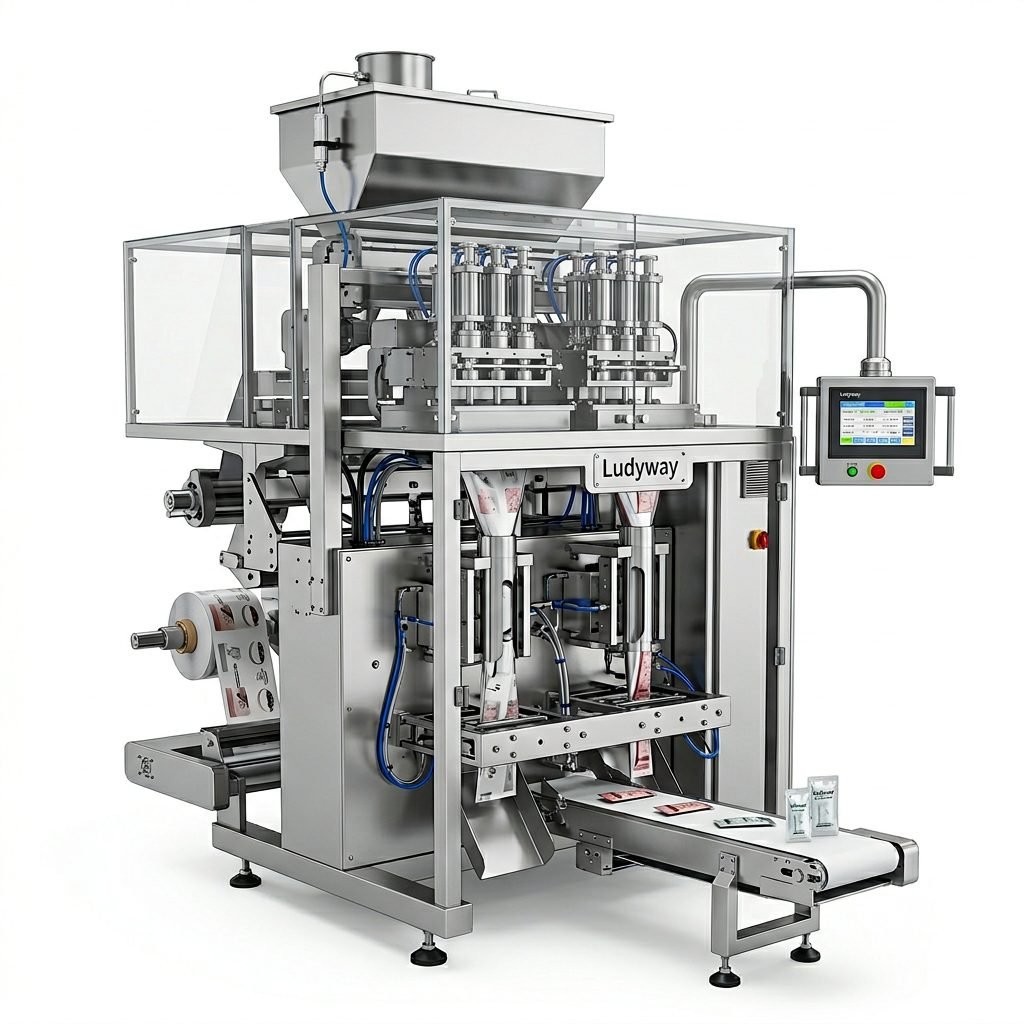
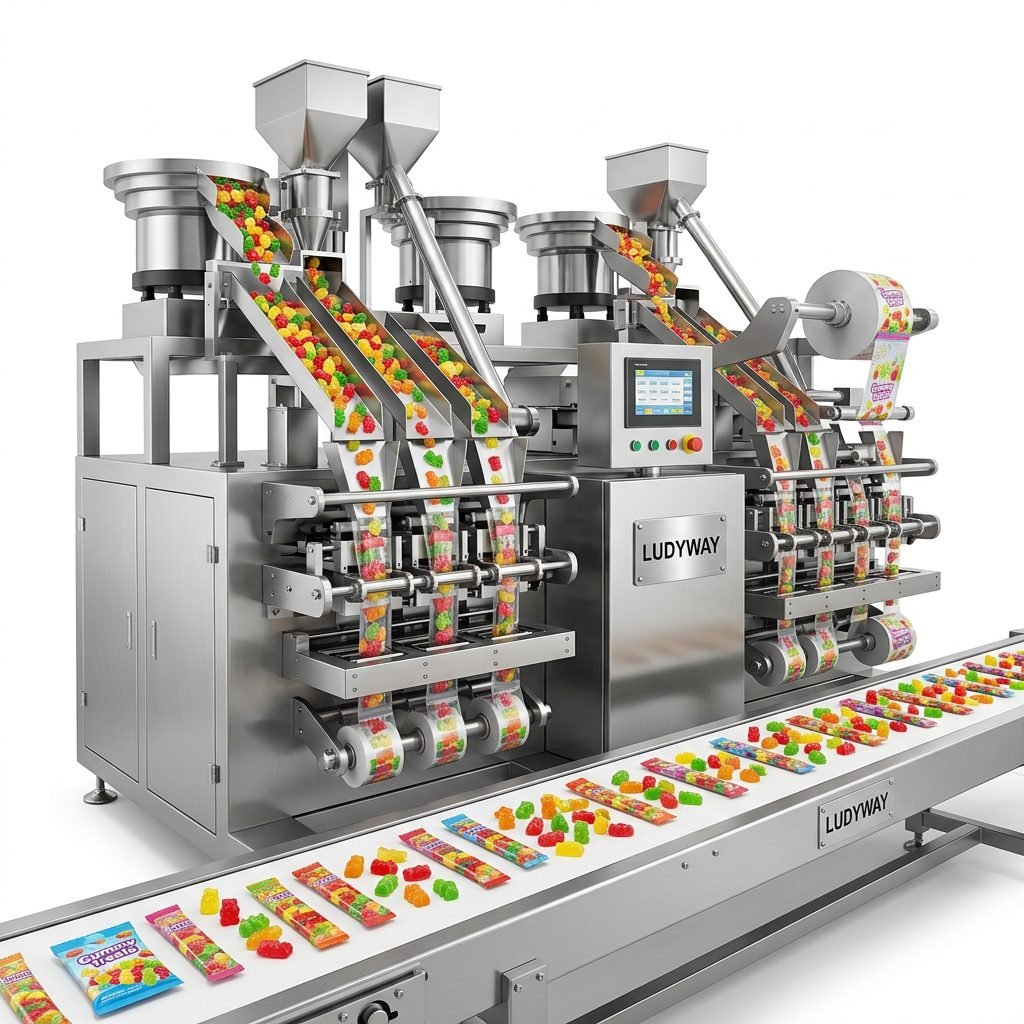
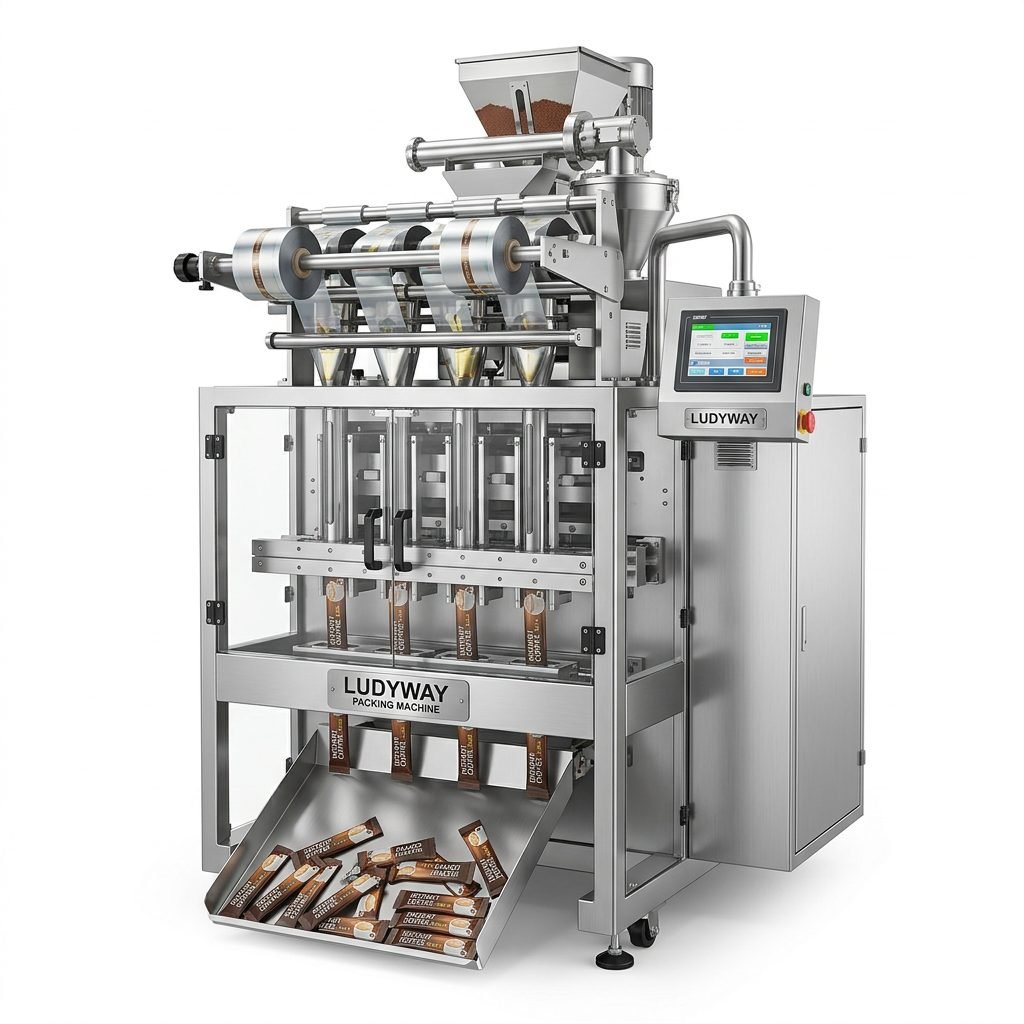
- Multi-Lane Stick Pack Machines — Ideal for single-serve portions; 4–12 lanes running simultaneously for high output
- Pre-Made Pouch Filling & Sealing Machines — Best for stand-up pouches and premium packaging formats
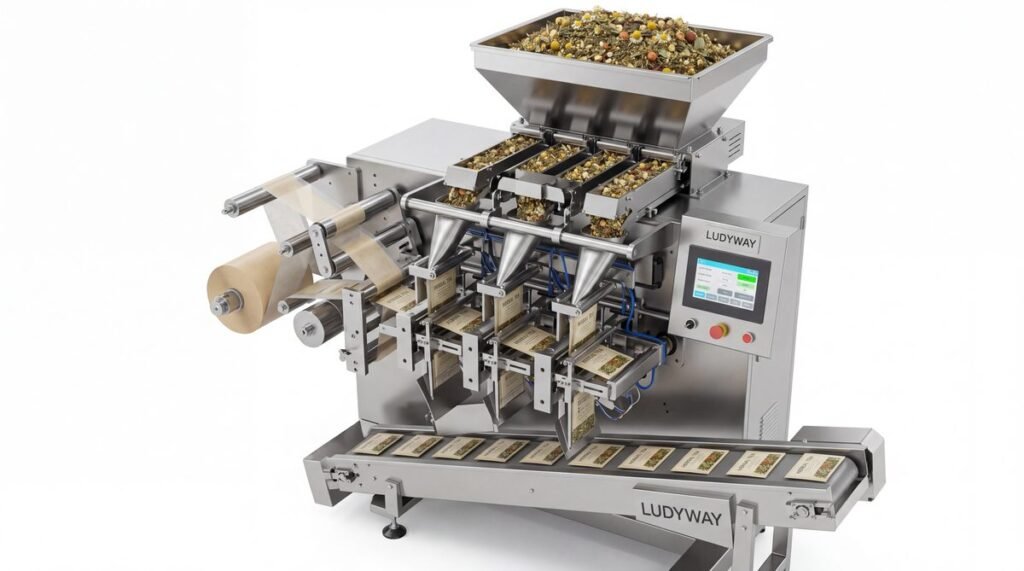
- Multi-Head Weigher Systems — Essential for accurate portioning of irregularly shaped chips
For most African market applications, a multi-lane sachet or stick pack system paired with a multi-head weigher delivers the best balance of speed, accuracy, and cost-effectiveness. These systems can produce 40–120 packs per minute per lane, depending on the configuration.
Critical Features to Look For
- Nitrogen gas flushing capability — Extends shelf life by reducing oxidation
- Servo-driven sealing jaws — Ensures consistent seal integrity at high speeds
- Easy-clean design — Reduces downtime during product changeovers
- Dust-resistant construction — Critical in environments with seasoning and salt dust
- Modular architecture — Allows for future upgrades and lane additions
Step 3: Building the Complete Production Line
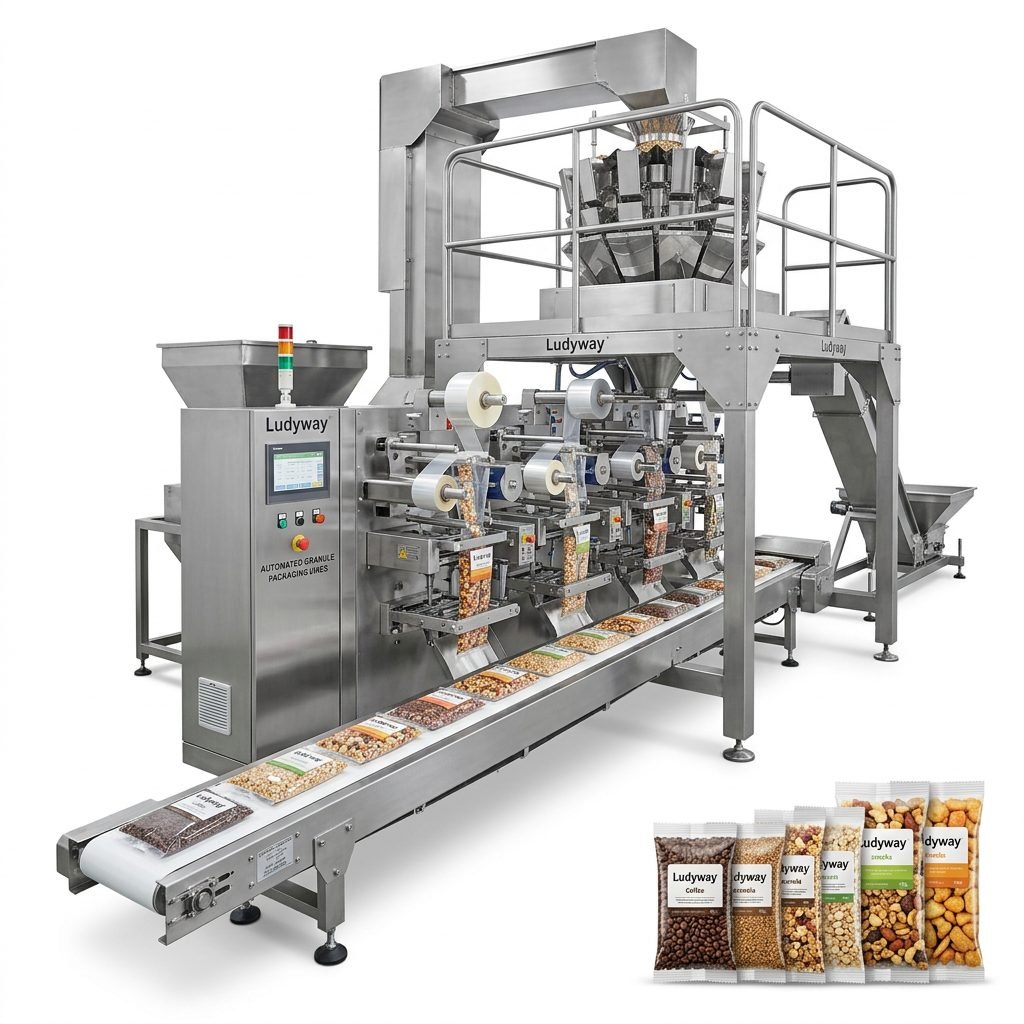
A fully functional potato chip packaging line involves more than just the primary packaging machine. Integrating upstream and downstream equipment into a cohesive, automated system maximizes efficiency and minimizes labor costs — an important consideration in African markets where skilled operators may be scarce.
Essential Line Components
| Component | Function | Selection Criteria |
|---|---|---|
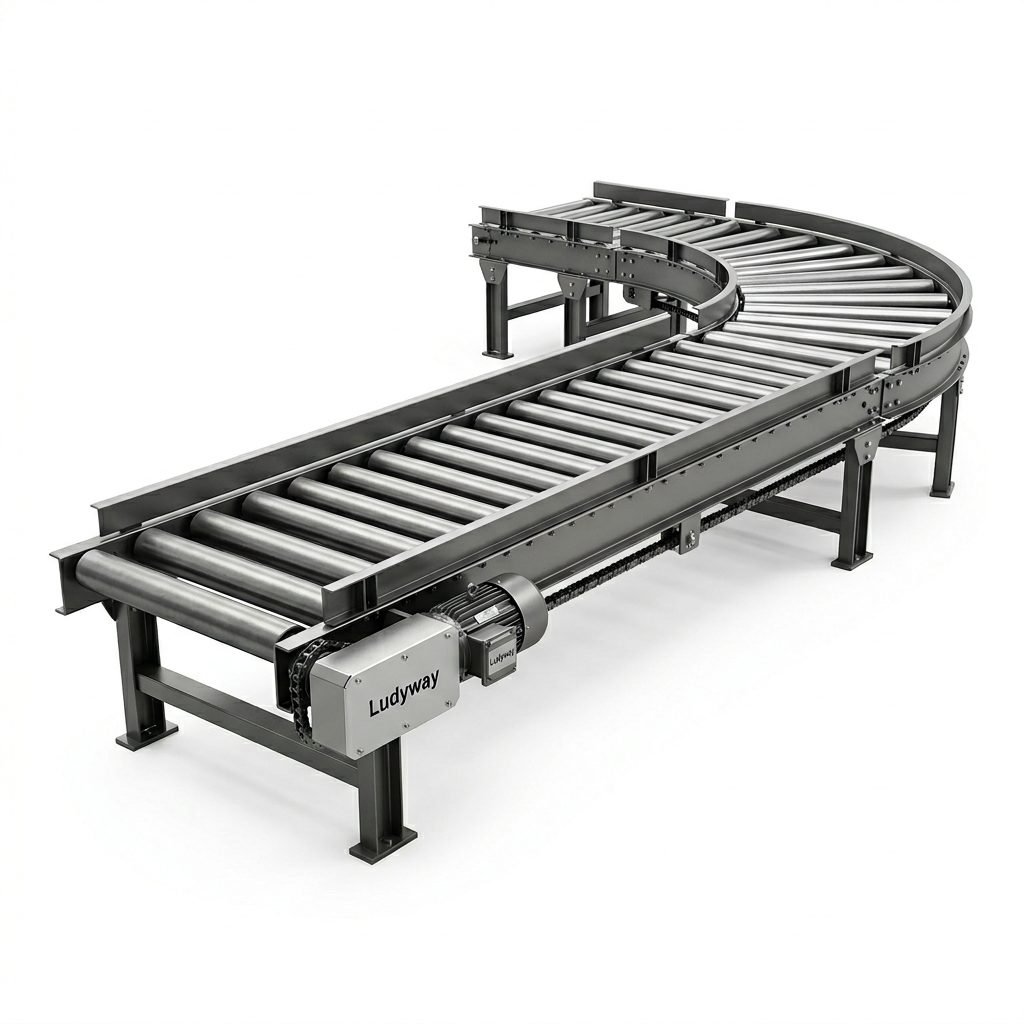
| Inclined Conveyor / Bucket Elevator | Transports chips from fryer/cooling to weigher without breakage | Gentle handling, adjustable speed, easy sanitation |
| Multi-Head Weigher | Accurate portion control for each pack | 10–14 head configuration, ±1g accuracy |
| Primary Packaging Machine | Forms, fills, and seals the sachet or pouch | Multi-lane, nitrogen flushing, servo-driven |
| Checkweigher | Verifies pack weight and rejects under/overweight units | High-speed dynamic weighing, feedback to weigher |
| Metal Detector | Food safety: detects metal contaminants | Ferrous and non-ferrous detection, auto-reject |
| Cartoning / Case Packing | Groups individual packs into retail or wholesale cartons | Modular design, adaptable to carton sizes |
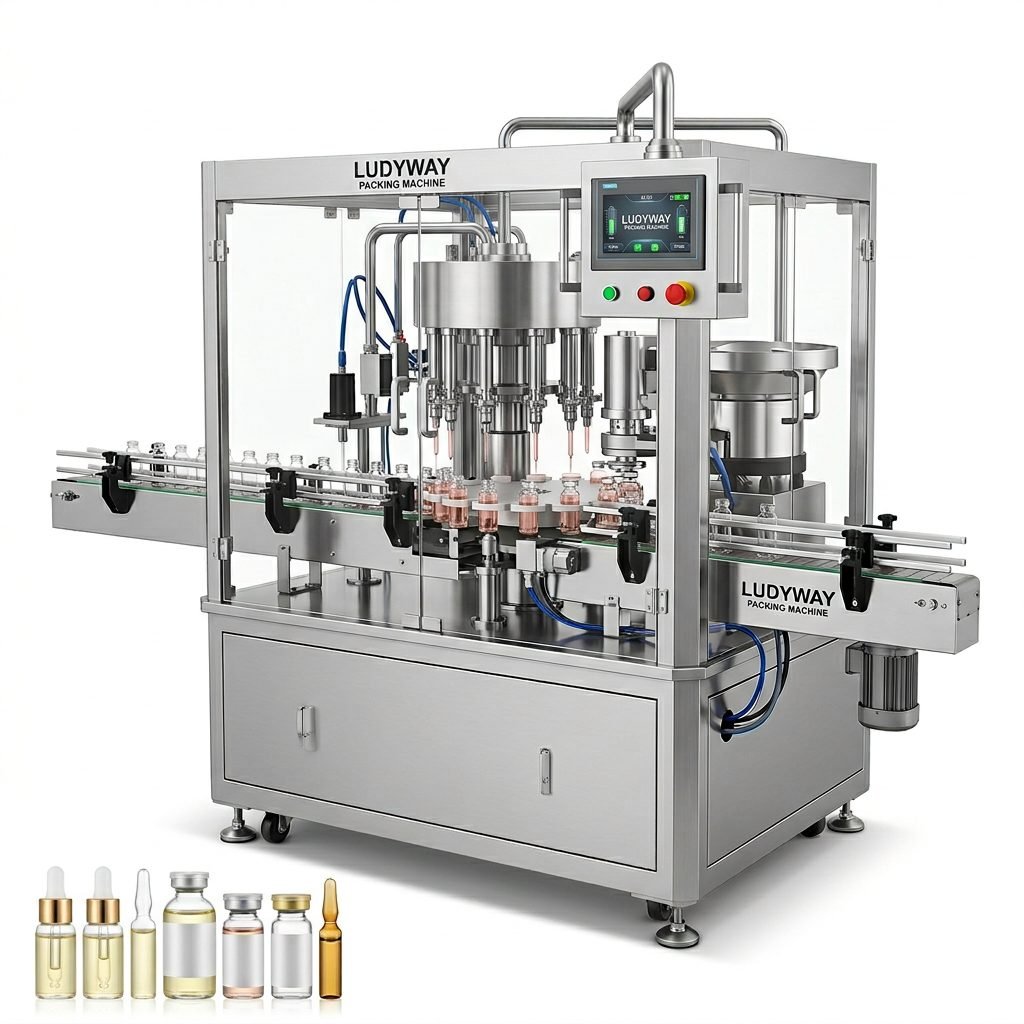
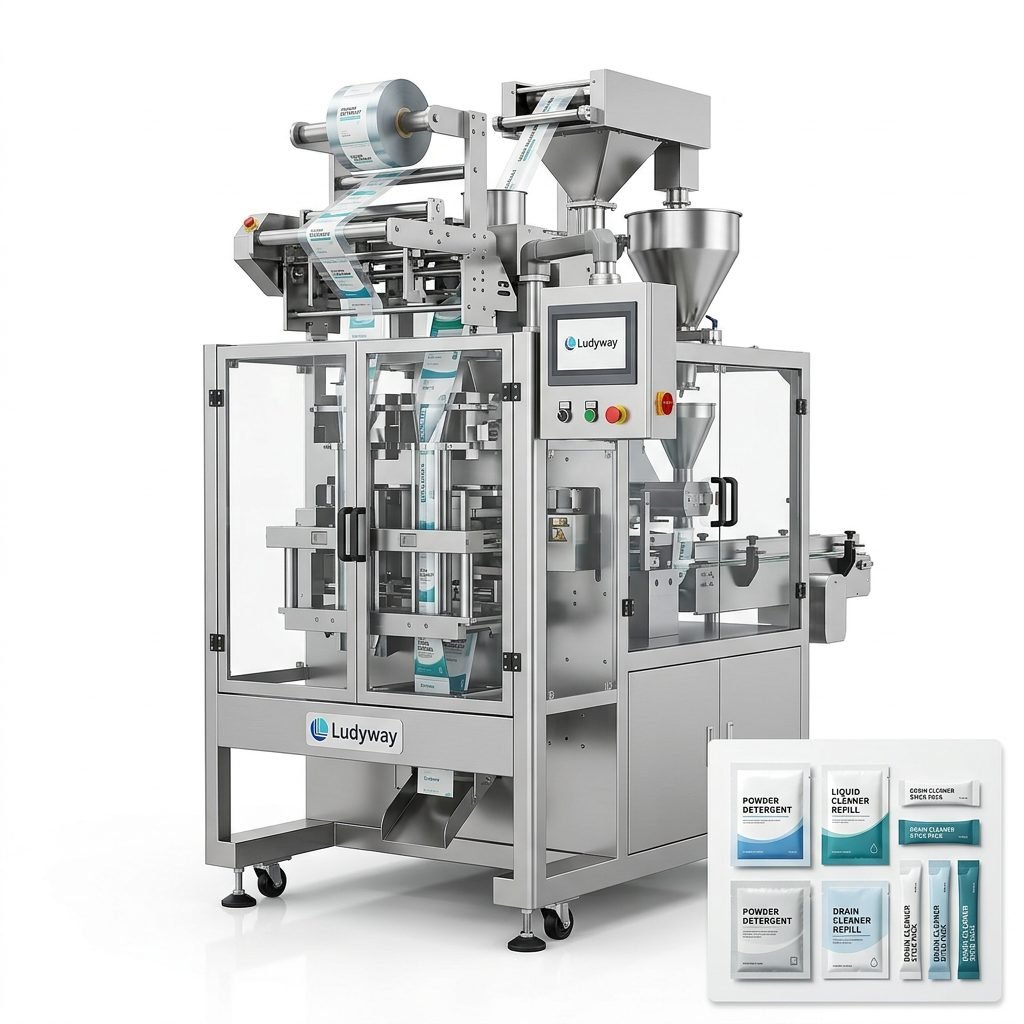
For companies seeking a single-source solution, Ludyway offers integrated turnkey packaging lines that include all components from feeding to cartoning, backed by over 30 years of industry expertise and a modern 20,000㎡ manufacturing facility. With more than 50 intelligent packaging machine models, they provide customized solutions for granule, powder, and solid snack applications including potato chips.
Step 4: Installation, Commissioning, and Training
Proper installation and commissioning are critical success factors that are often underestimated when setting up packaging lines in Africa. Remote locations, limited access to specialized technicians, and supply chain constraints make thorough planning essential.
Pre-Installation Checklist
- Site preparation — Level flooring, adequate lighting, proper ventilation
- Utility connections — Stable power supply (consider voltage stabilizers), compressed air, nitrogen supply
- Spare parts inventory — Critical components stocked locally to avoid extended downtime
- Operator recruitment — Identify candidates for training before equipment arrives
- Documentation — Ensure manuals and schematics are available in appropriate languages
Engage with your equipment supplier early to arrange for on-site support during installation. Many manufacturers offer remote video assistance as a supplement to in-person commissioning, which can be valuable for troubleshooting after the initial setup period. Reference resources from ISO packaging standards can help establish quality benchmarks for your packaging operations.
Step 5: Regulatory Compliance and Food Safety
African countries have been strengthening their food safety regulations, with many aligning with Codex Alimentarius standards. Packaging operations must comply with local requirements as well as any standards applicable to your target export markets.
Key Compliance Areas
- Food contact materials — Packaging films must be certified food-grade
- Labeling requirements — Ingredient lists, nutritional information, and expiry dates per local regulations
- Traceability systems — Batch coding and date marking on every pack
- HACCP implementation — Hazard analysis and critical control points for packaging processes
- Halal certification — Important for many African markets with significant Muslim populations
The Flexible Packaging Association provides extensive resources on packaging material compliance and sustainability that are relevant to African operations looking to meet international standards.

Step 6: Maintenance and Spare Parts Management
In many African markets, equipment downtime can be exceptionally costly due to limited local technical support and long lead times for replacement parts. A proactive maintenance strategy is essential for consistent production output.
Preventive Maintenance Schedule
| Frequency | Task | Responsible Party |
|---|---|---|
| Daily | Clean sealing jaws, inspect film path, check gas levels | Operator |
| Weekly | Lubricate moving parts, inspect belts, clean sensors | Maintenance Technician |
| Monthly | Calibrate weigher, test metal detector, check pneumatics | Senior Technician |
| Quarterly | Replace wear parts, full system diagnostics, software updates | Manufacturer Support |
Maintain an inventory of high-wear components including sealing jaws, Teflon tape, cutting blades, belts, and sensors. Establish relationships with local industrial suppliers for generic parts, while sourcing specialized components directly from your equipment manufacturer.
Step 7: Cost Analysis and ROI Projections
Understanding the total cost of ownership for your packaging line is crucial for making sound investment decisions. While initial equipment prices vary widely, the long-term operating costs — including labor, consumables, maintenance, and energy — often have a greater impact on profitability.
Typical Cost Breakdown for a Mid-Scale Line
- Equipment investment — Approximately $80,000–$250,000 depending on automation level and lane configuration
- Packaging material — $0.02–$0.06 per sachet (film cost varies by specification and supplier)
- Nitrogen supply — $500–$2,000 per month depending on consumption and local pricing
- Labor — 3–8 operators per shift, with wages varying significantly by country
- Maintenance — Budget 3–5% of equipment value annually for parts and service
- Energy — $800–$3,000 per month depending on local electricity rates and production hours
Most well-planned potato chip packaging lines in Africa achieve positive ROI within 18–36 months, with faster payback periods in larger markets where volume drives efficiency. The PMMI Business Intelligence Library offers valuable benchmarking data for packaging machinery investments in emerging markets.
Common Challenges and How to Overcome Them
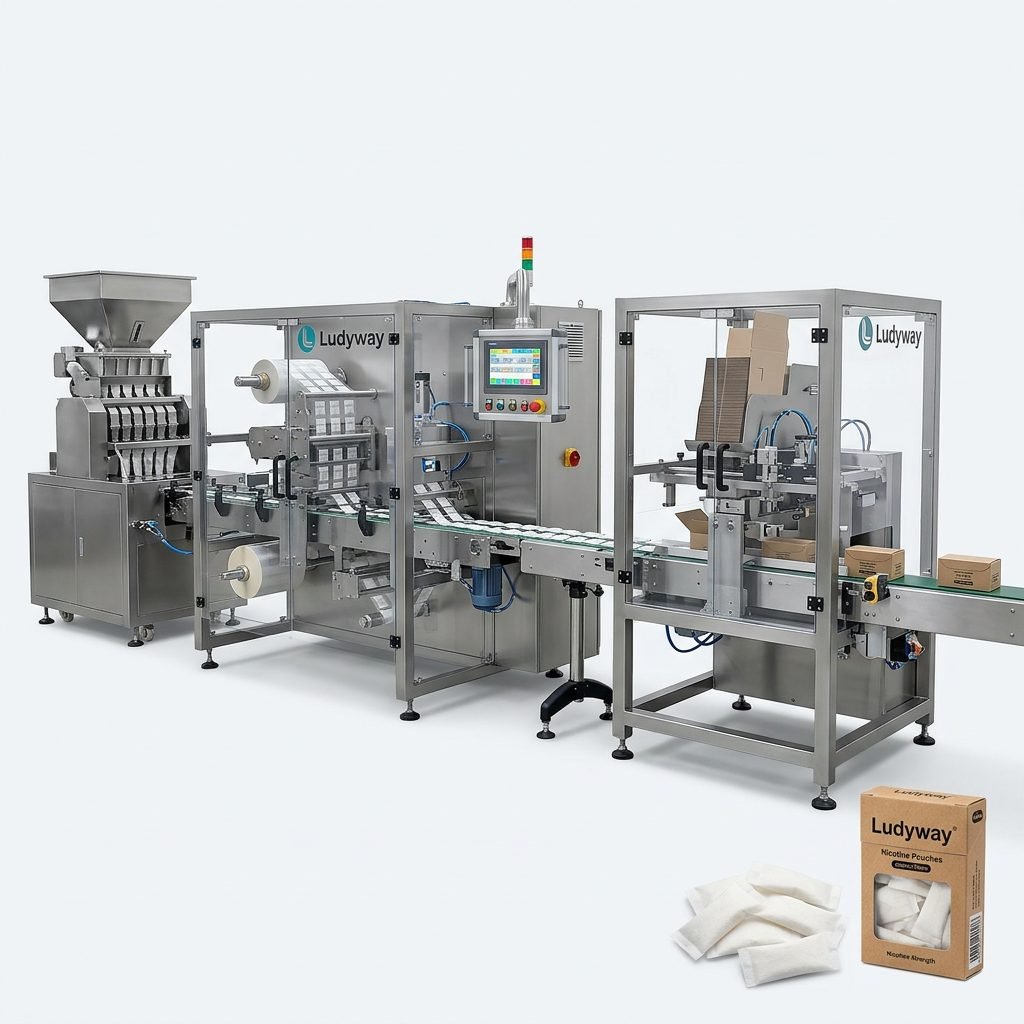
Operating a packaging line in Africa comes with unique challenges that require practical, locally-adapted solutions. Anticipating these issues during the planning phase can significantly reduce startup delays and ongoing operational disruptions.
Challenge 1: Unstable Power Supply
Solution: Invest in a properly sized backup generator and voltage stabilizers. For critical packaging operations, consider an uninterruptible power supply (UPS) to protect electronic controls and allow for safe shutdown during outages.
Challenge 2: Packaging Material Availability
Solution: Qualify multiple film suppliers — both local and international — and maintain a buffer stock of at least 4–8 weeks of packaging material. Consider flexible packaging industry resources to identify reliable material sources.
Challenge 3: Technical Skill Gaps
Solution: Implement a comprehensive training program that includes both classroom instruction and hands-on practice. Consider bringing trainers from your equipment manufacturer for initial onboarding, and develop standard operating procedures (SOPs) in local languages with visual aids.
Challenge 4: Climate Considerations
Solution: High humidity and temperatures in many African regions can affect both product quality and machine performance. Install climate control for packaging areas and ensure packaging films are stored in appropriate conditions. Nitrogen flushing becomes especially important in humid climates to extend shelf life.
Future-Proofing Your Investment
As the African snack market continues to evolve, your packaging line should be designed with flexibility and scalability in mind. Consider these forward-looking strategies when planning your production line:
- Modular equipment design — Choose machines that allow for lane additions or speed upgrades without complete replacement
- Multi-format capability — Invest in systems that can handle multiple pack sizes and styles to adapt to changing market demands
- Industry 4.0 readiness — Look for equipment with remote monitoring, data collection, and diagnostic capabilities
- Sustainable packaging options — Prepare for increasing regulations and consumer pressure around packaging waste by exploring recyclable and biodegradable film options
- Regional expansion planning — Design your initial line with the capacity to serve neighboring markets as your distribution network grows
Resources from the European Commission on Packaging Waste provide insight into upcoming sustainability requirements that are likely to influence African regulatory frameworks in the coming years.
Conclusion: Turning Opportunity into Reality
Setting up a potato chip packaging machine production line in Africa is a significant undertaking that requires careful planning, the right technology partners, and a thorough understanding of local market conditions. By following the structured approach outlined in this guide — from market assessment and equipment selection to installation, compliance, and ongoing maintenance — you can build a packaging operation that delivers quality products, operational efficiency, and strong returns on investment.
The African snack food industry is poised for sustained growth, and companies that establish modern, efficient packaging capabilities now will be well-positioned to capture market share as consumer demand continues to rise. With the right preparation, your potato chip packaging line can become the foundation of a successful, scalable food manufacturing enterprise.
For more information on turnkey packaging solutions tailored to African market conditions, explore available resources from industry associations and equipment manufacturers who specialize in emerging market deployments. The investment you make in planning today will pay dividends in production reliability and market competitiveness for years to come.