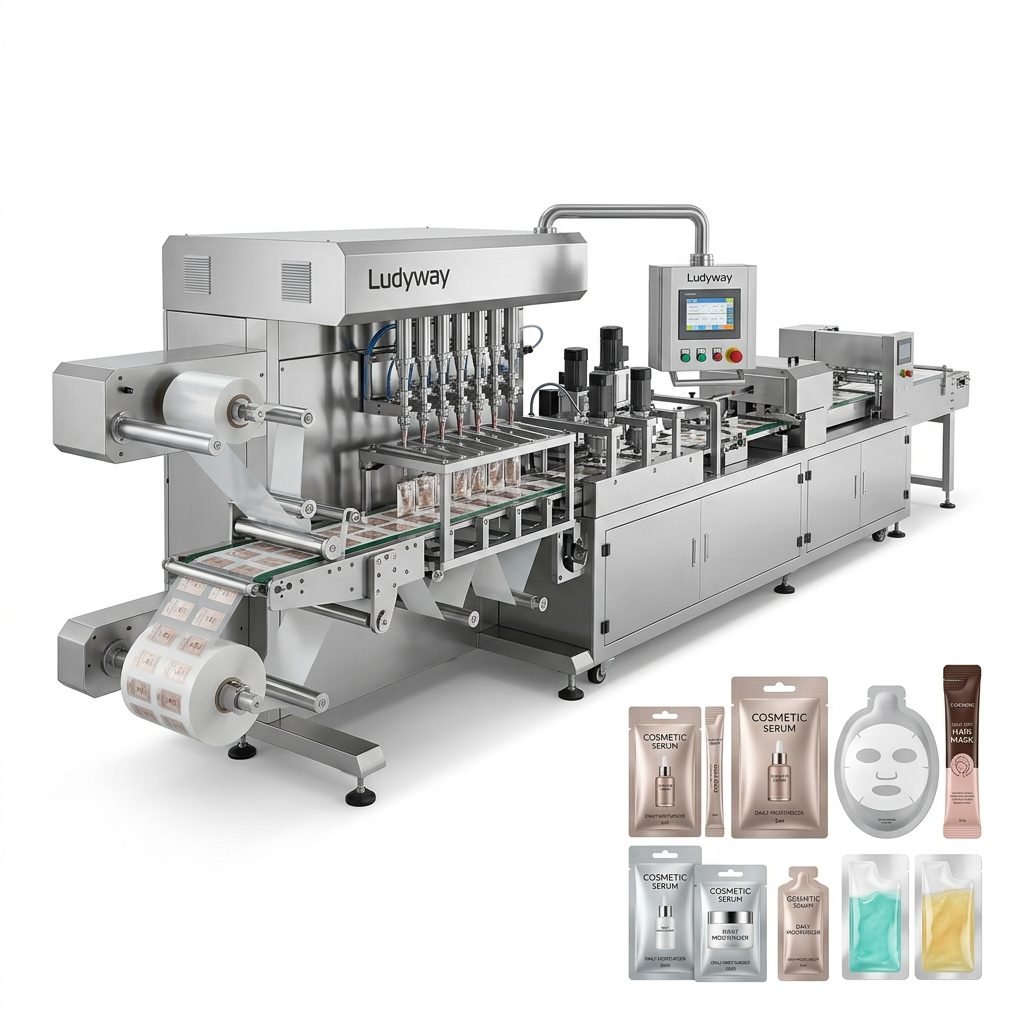
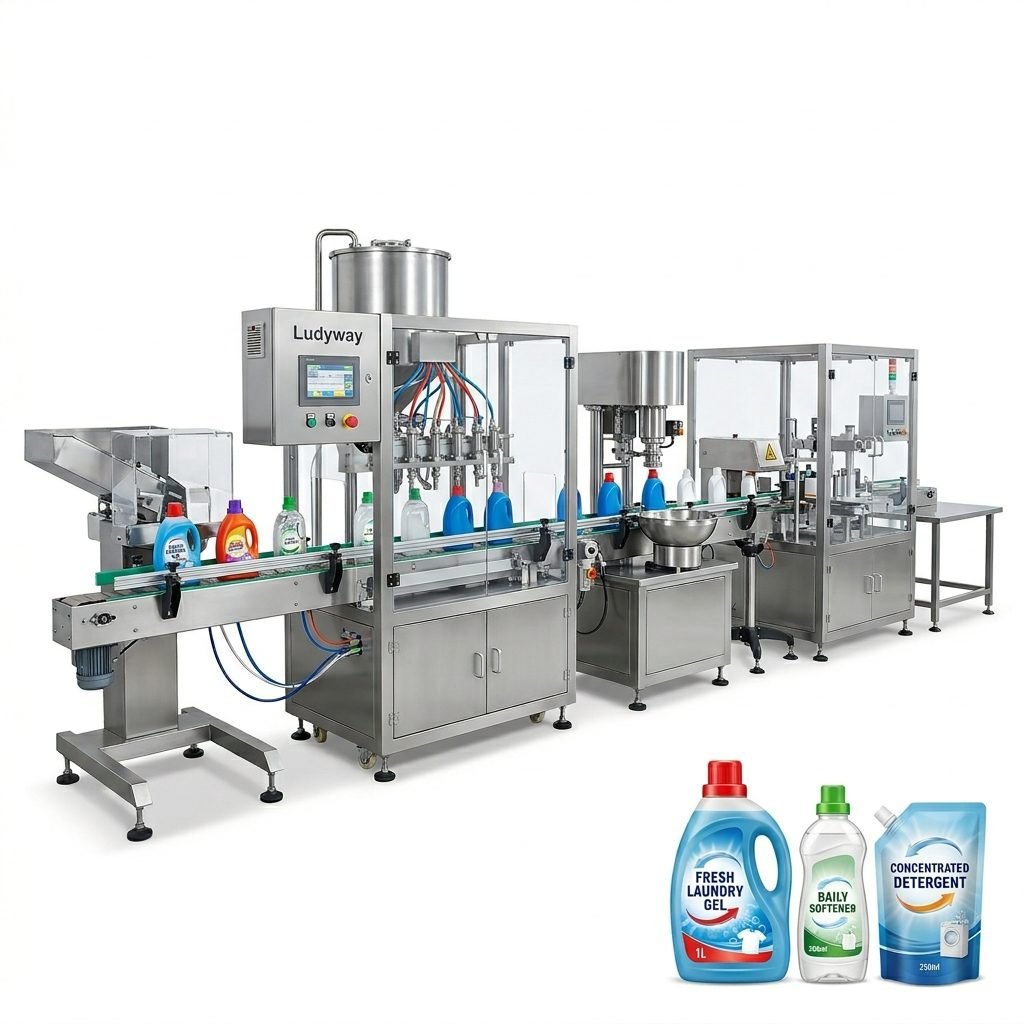
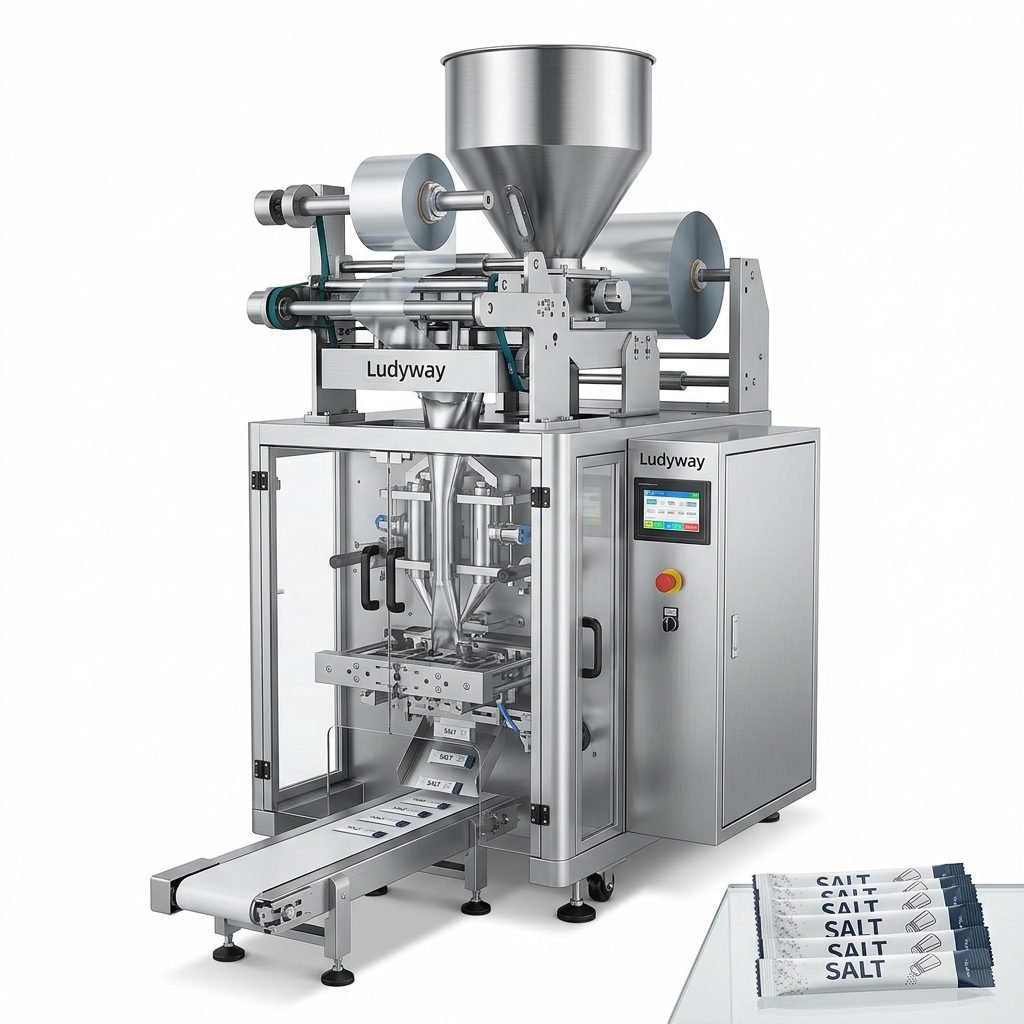
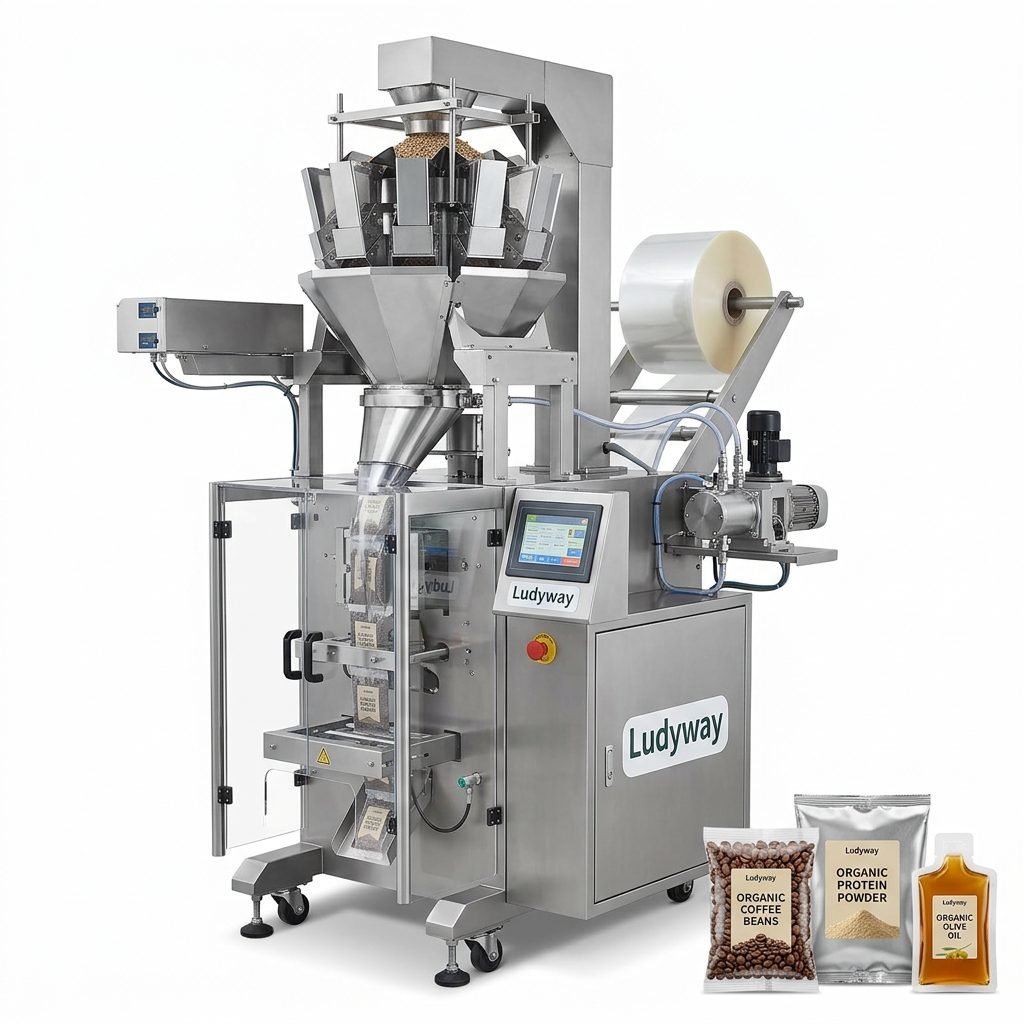
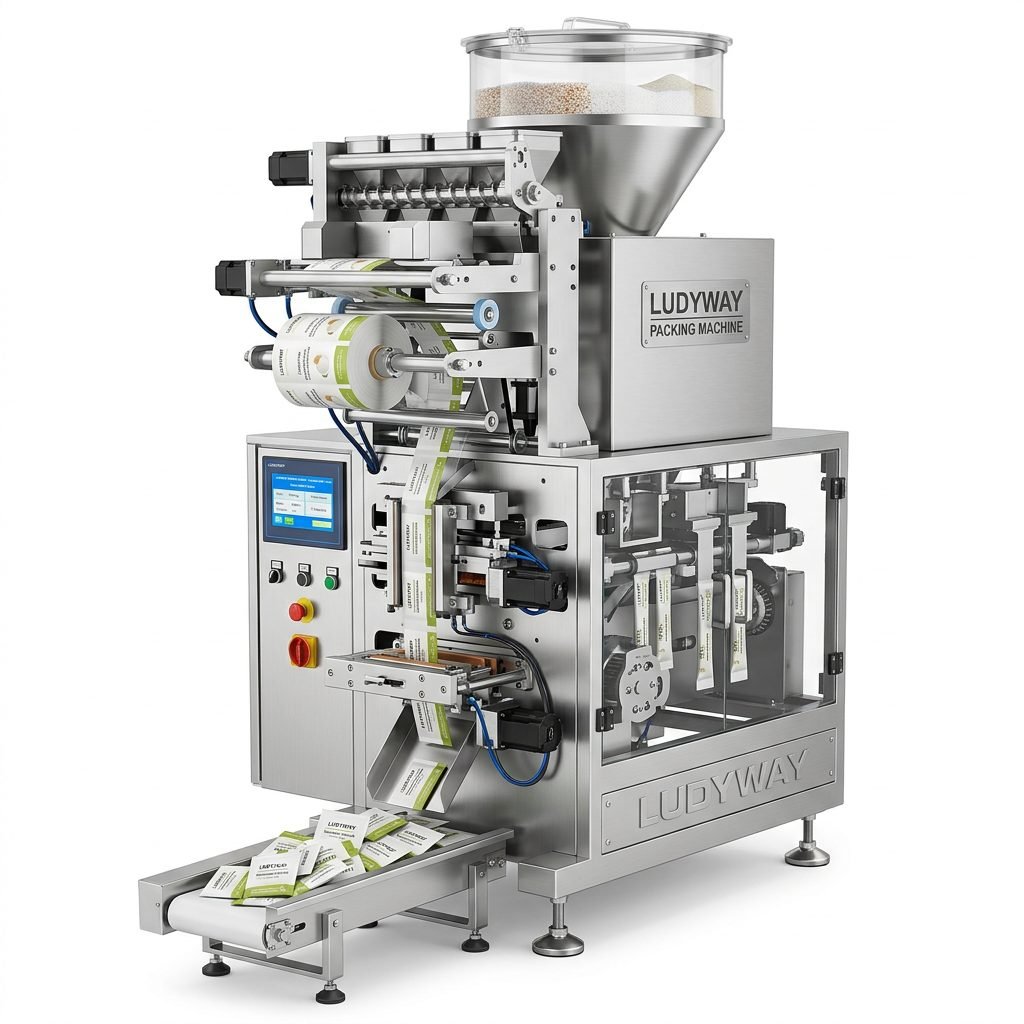
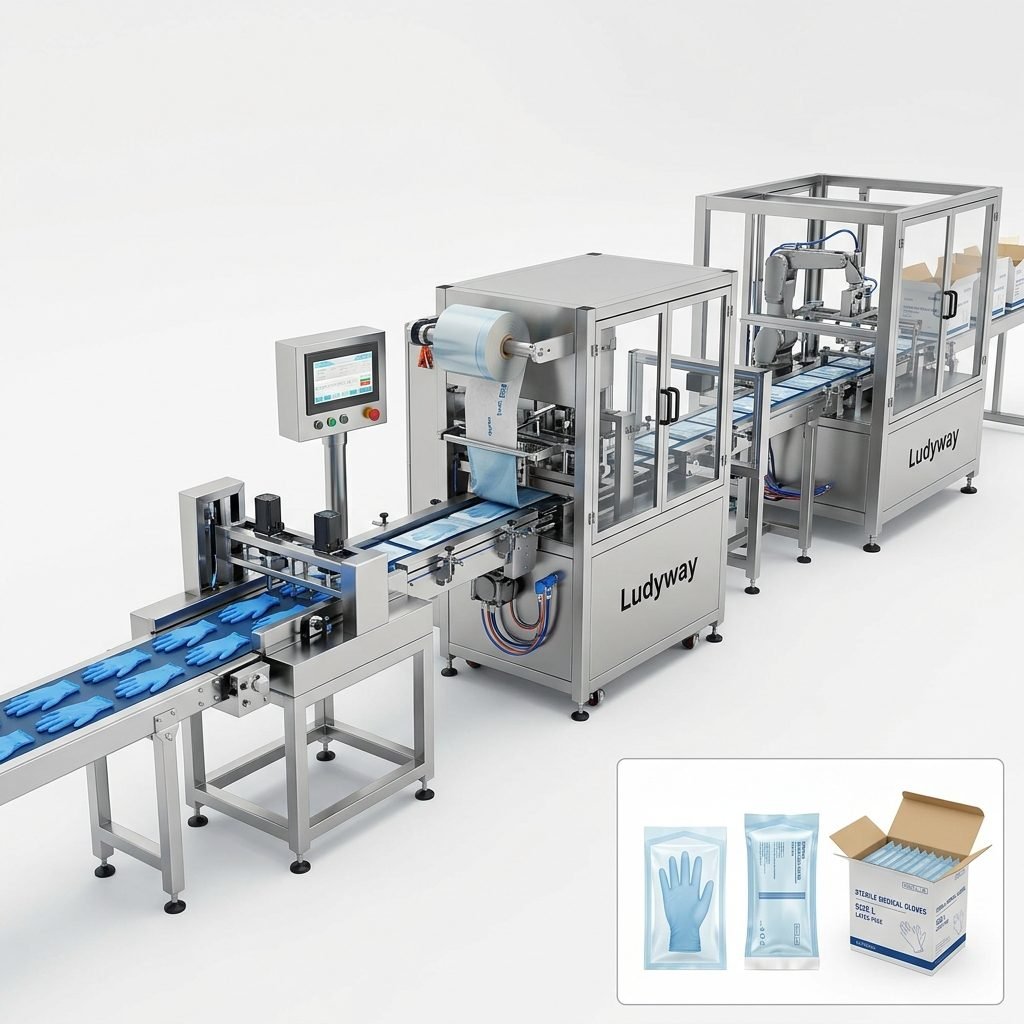
Medical device packaging is far more than a final production step. It is a critical part of product safety, regulatory compliance, sterility assurance, traceability, and distribution performance. Choosing the right packaging machine means balancing patient safety, operational efficiency, cleanroom compatibility, and long-term production flexibility.
Whether you are packaging sterile surgical kits, diagnostic products, catheters, syringes, wound-care items, or single-use medical consumables, the right system should protect the device from contamination while supporting fast, repeatable, and validated production.
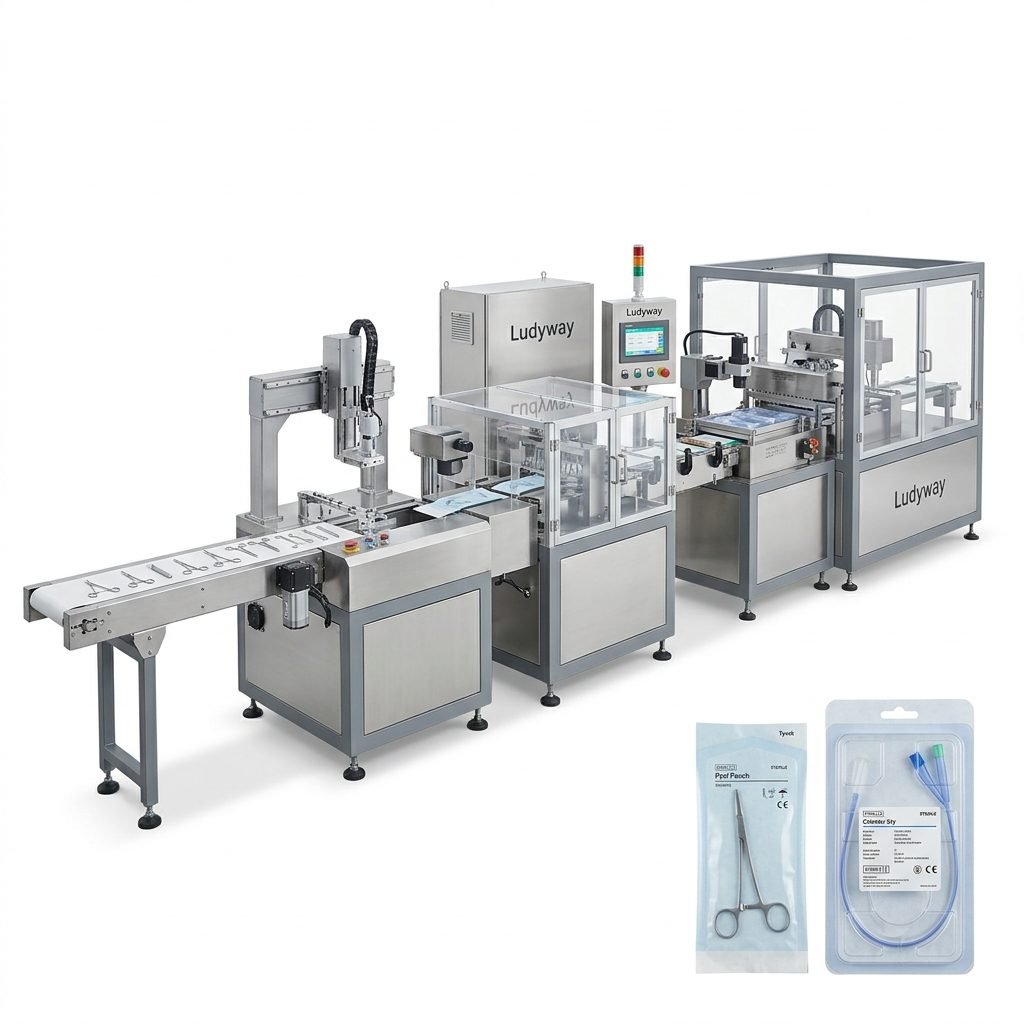
Why Medical Device Packaging Machines Matter
Unlike conventional consumer packaging, medical device packaging must preserve the intended condition of the product until point of use. A packaging failure can lead to compromised sterility, damaged components, rejected batches, or even market recalls. That is why manufacturers must select equipment designed for precision sealing, material compatibility, clean operation, and reliable inspection.
- Sterility protection for devices requiring sterile barrier systems
- Seal consistency across high-volume production runs
- Traceability through coding, labeling, and data integration
- Compliance support for validation and documented process control
- Operational efficiency with automation and reduced manual handling
Common Medical Devices That Require Specialized Packaging
Packaging requirements vary by product shape, fragility, sterility level, and final shipping conditions. A machine suitable for flat wound dressings may not be ideal for rigid trays holding surgical instruments or diagnostic kits.
| Medical Product Type | Typical Packaging Format | Key Packaging Concern |
|---|---|---|
| Syringes and catheters | Pouches, thermoformed trays | Sterile seal integrity and product positioning |
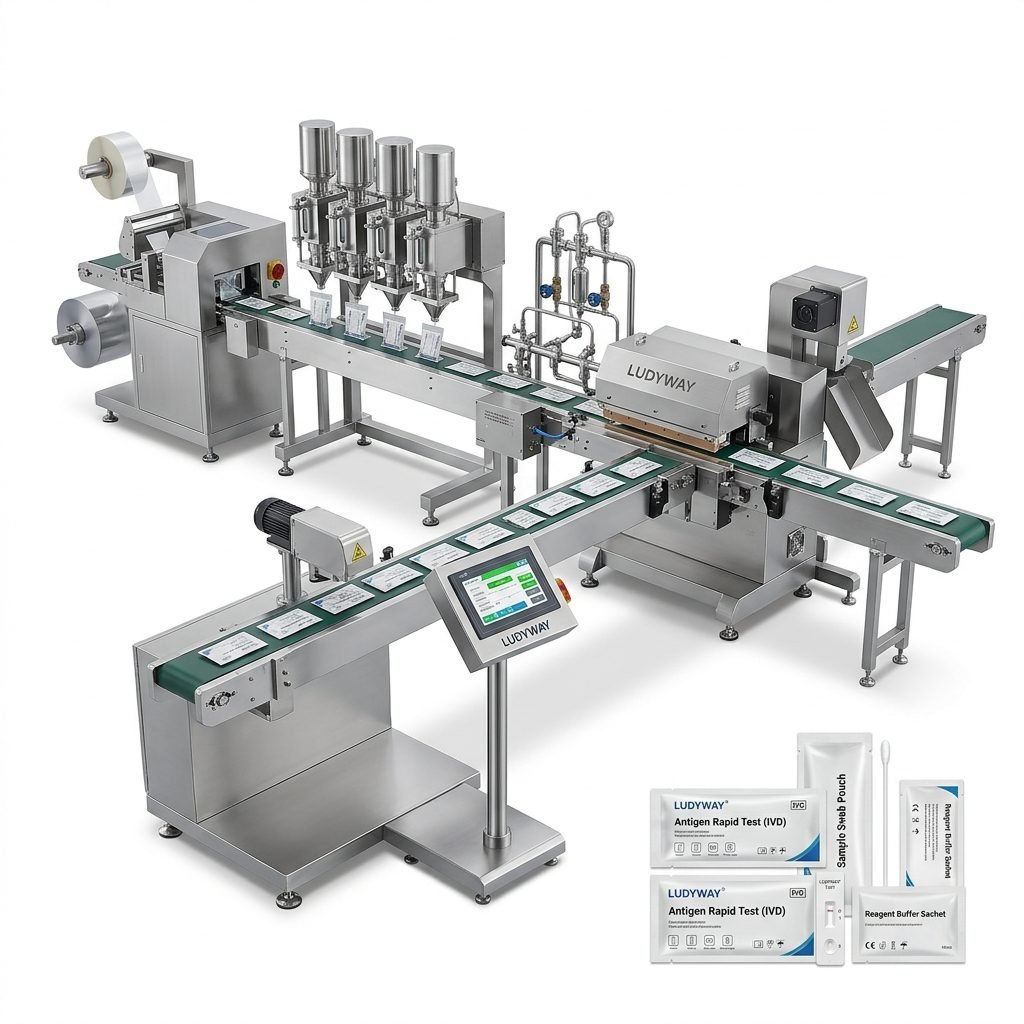
| Diagnostic test kits | Pouches, cartons, kit assemblies | Component count accuracy and labeling |
| Surgical instruments | Rigid trays with lidding | Mechanical protection and sterile barrier performance |
| Bandages and dressings | Medical pouches, sachets | Clean sealing and contamination control |
| Gloves and disposable consumables | Bags, pouches, cartons | High-speed throughput and pack consistency |
Main Types of Medical Device Packaging Machines
Pouch Packaging Machines
These systems are widely used for sterile and non-sterile medical devices. They can handle paper-film, Tyvek-based, foil, or multilayer medical materials depending on the application. Pouch machines are suitable for products like dressings, tubing sets, swabs, and smaller kits.
Thermoforming Packaging Machines
Thermoforming machines create shaped cavities from rollstock material, place products into the formed trays, and seal them with a top web. They are ideal for medical products requiring better support, visibility, or precise positioning.
Tray Sealing Machines
Tray sealers work with preformed trays and are often used for higher-value or more delicate devices. They can support sterile barrier packaging where consistent seal pressure and temperature control are essential.
Flow Wrapping and Overwrapping Systems
These systems are usually used for secondary packaging or for products that do not require a sterile barrier. They are valuable when speed, grouping, and presentation matter.
Cartoning and End-of-Line Automation
After primary packaging, many manufacturers need automatic cartoning, labeling, case packing, palletizing, and inspection. Integrated end-of-line solutions reduce labor and improve traceability.
Key Factors to Consider When Choosing a Packaging Solution
1. Product Characteristics
Start with the device itself. Consider size, weight, shape, sharp edges, fragility, orientation requirements, and whether the product must remain sterile. These factors directly influence machine type, feeding method, sealing technology, and packaging material selection.
2. Packaging Material Compatibility
Medical packaging often uses highly specialized materials. The machine must match the barrier properties, peel strength, sealing window, and sterilization compatibility of the selected substrate. Incompatible sealing equipment can cause channel leaks, weak seals, or package distortion.
3. Sterility and Cleanroom Requirements
If your product is packaged in a controlled environment, equipment design should support easy cleaning, low particle generation, and stable operation inside cleanroom conditions. Smooth surfaces, stainless steel contact areas, and reduced contamination points can significantly improve hygienic performance.
4. Seal Quality and Validation
One of the most important machine capabilities is repeatable seal quality. Temperature, pressure, and dwell time must be tightly controlled. For many medical applications, this is not just a technical issue but a validation requirement.
- Stable sealing parameters
- Recipe storage for different SKUs
- Alarm systems for parameter deviation
- Support for process validation documentation
5. Automation Level
Manual or semi-automatic packaging may be suitable for low-volume or highly customized production. However, growing medical manufacturers increasingly choose automatic systems to improve throughput, reduce handling risk, and lower dependence on labor.
| Automation Level | Best For | Advantages |
|---|---|---|
| Manual | Small batches, pilot runs | Low investment, flexibility |
| Semi-automatic | Medium production volumes | Balanced cost and efficiency |
| Fully automatic | Large-scale production | High speed, consistency, lower labor input |
6. Inspection and Traceability
Modern medical packaging lines increasingly include vision inspection, print verification, reject systems, barcode control, and data recording. These functions help reduce packaging defects and support quality assurance.
7. Scalability for Future Growth
Many businesses purchase based on current demand and later regret not planning for future expansion. A scalable solution should allow format changes, modular upgrades, and integration with upstream and downstream equipment.
How to Match the Right Machine to Your Packaging Needs
The best choice depends on aligning your packaging goals with machine capability. A simple framework can help:
- Define the medical device and packaging format
- Identify sterility and barrier requirements
- Estimate target output per shift or per hour
- Confirm material structure and sealing range
- Assess cleanroom and compliance needs
- Determine whether single-machine or turnkey integration is required
- Plan for validation, maintenance, and after-sales support
Benefits of Investing in the Right Medical Device Packaging Machine
A well-matched packaging system does more than improve output. It creates measurable business value across production, quality, and customer satisfaction.
- Lower defect rates through controlled sealing and inspection
- Better labor efficiency with reduced manual handling
- More consistent pack quality across long production runs
- Faster order fulfillment with higher packaging throughput
- Improved compliance readiness through stable process control
- Stronger brand trust thanks to safe and professional packaging presentation

When a Turnkey Packaging Line Makes More Sense
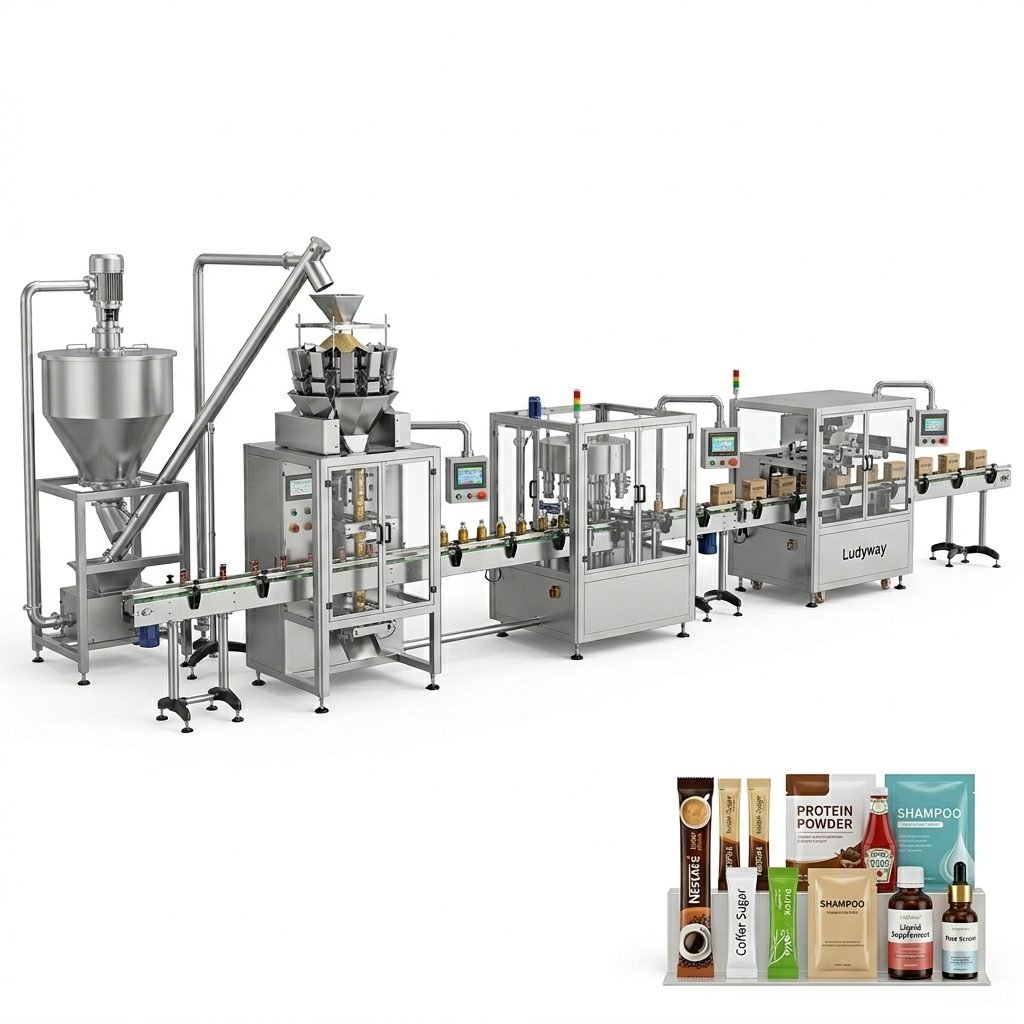
In many cases, buying a standalone machine is not enough. Medical manufacturers often need integrated systems that connect feeding, pouch or tray packaging, sealing, coding, inspection, cartoning, and final case packing. A turnkey line reduces interface risks between multiple suppliers and simplifies project management.
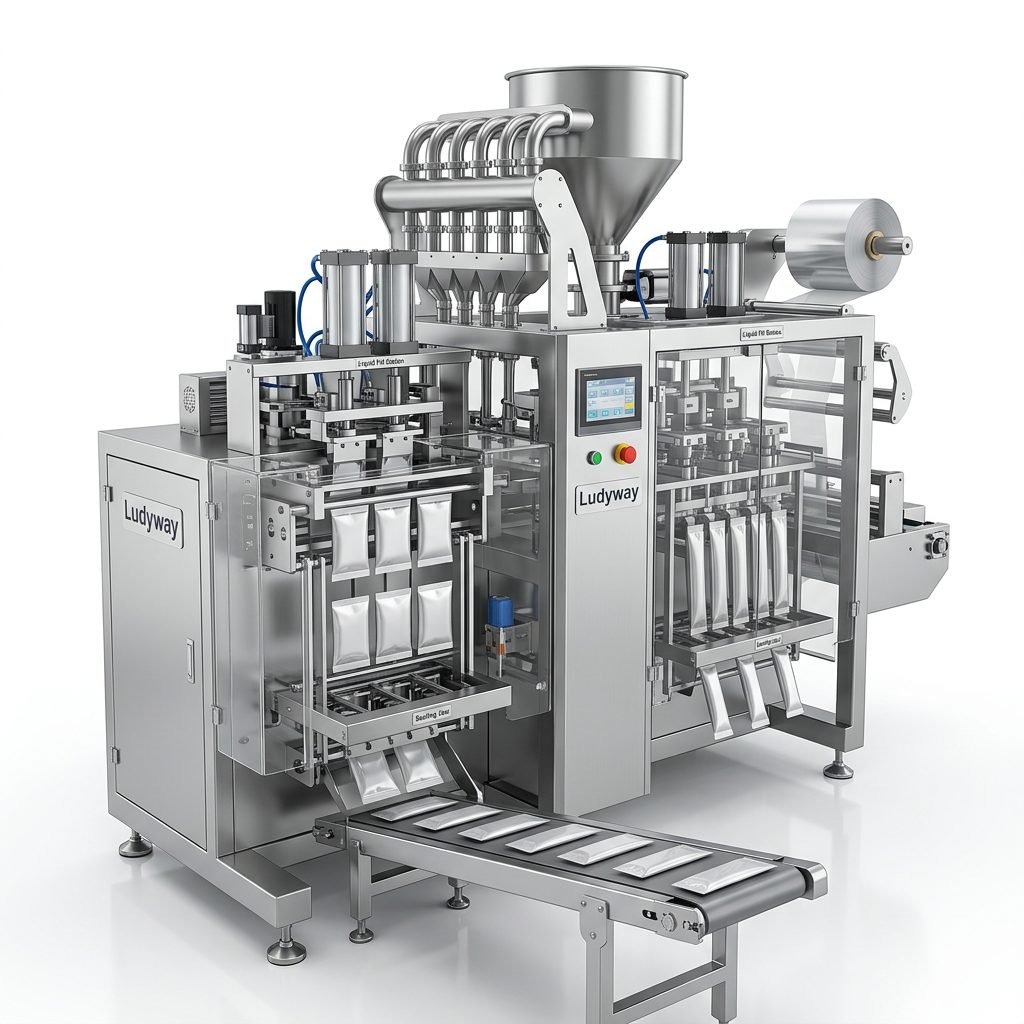
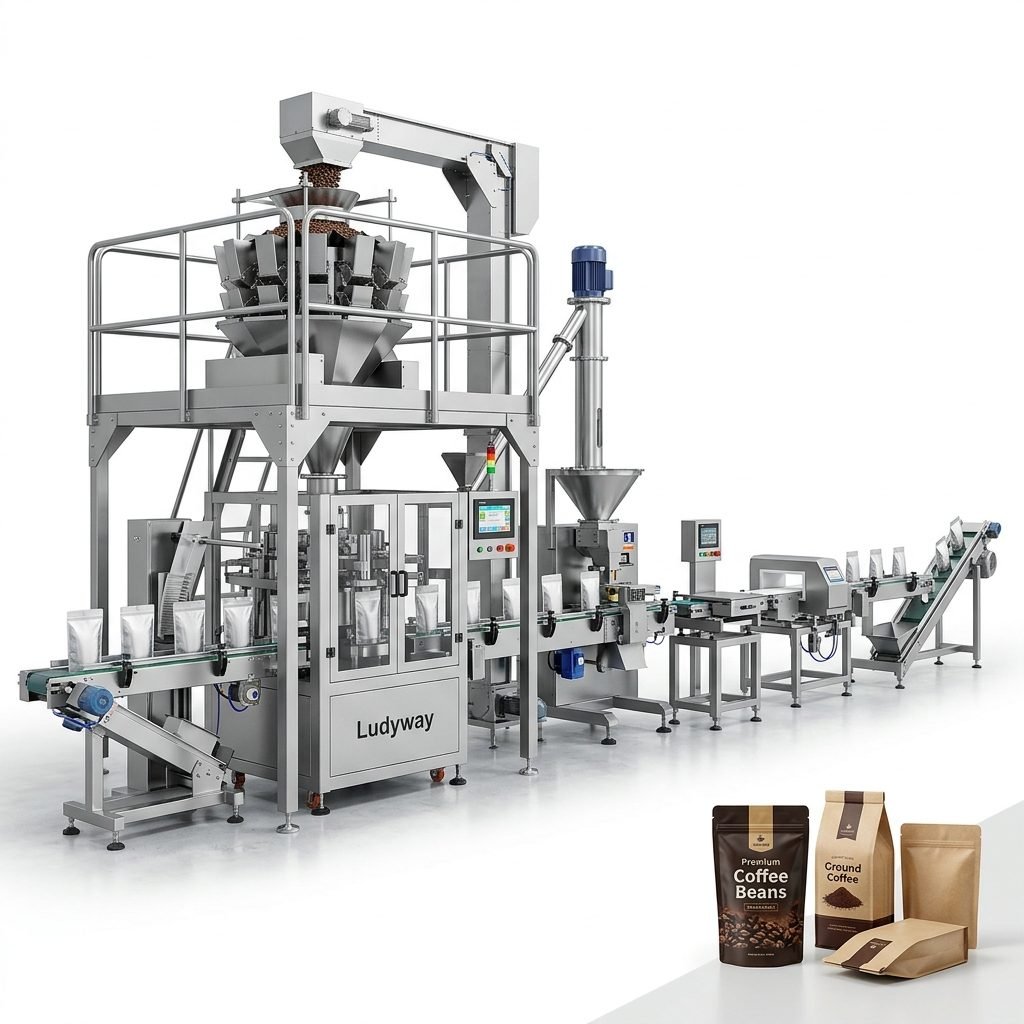
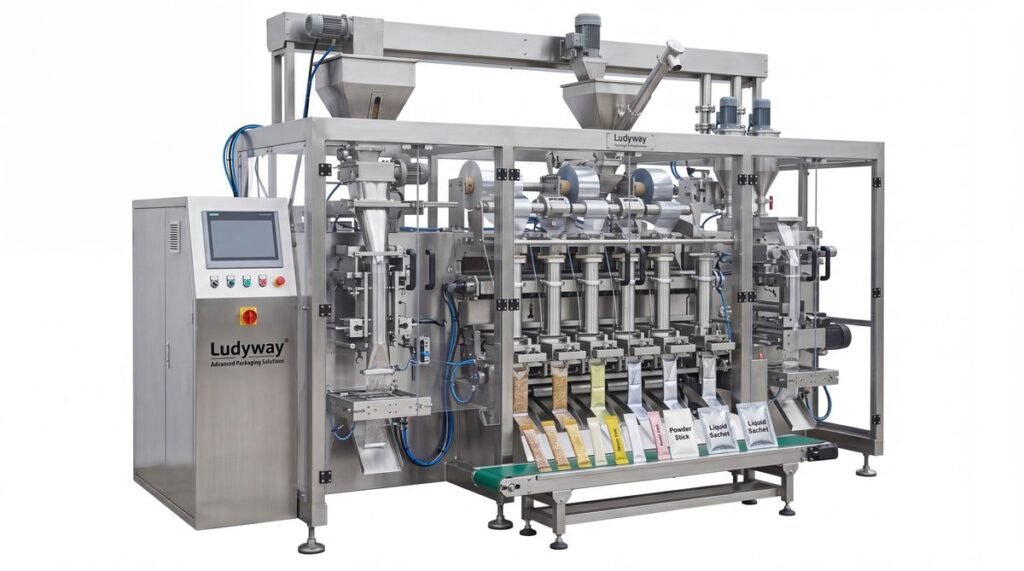
For manufacturers looking for integrated automation support, medical device packaging machines from Ludyway can be considered as part of broader turnkey packaging line planning, especially for businesses seeking customized automation, scalable production layouts, and long-term manufacturing support.
Questions to Ask Before You Buy
- What packaging formats can the machine handle today and in the future?
- How stable are the sealing and process-control parameters?
- Can the machine support validation and documentation needs?
- What inspection and rejection functions are included?
- How easy is cleaning, maintenance, and changeover?
- Is the system suitable for your required cleanroom level?
- Can the supplier provide installation, training, and technical support?
Final Buying Insight
Choosing the right medical device packaging solution is ultimately about risk control and production confidence. The ideal machine should fit your product, your compliance pathway, your packaging material, and your growth plans. When these factors are properly aligned, packaging becomes a strategic advantage rather than a bottleneck.
Companies that invest in the right system typically gain safer packaging performance, stronger consistency, and more efficient operations over time. In a market where quality is non-negotiable, the right packaging machine is an essential part of delivering reliable medical products to healthcare providers and patients.