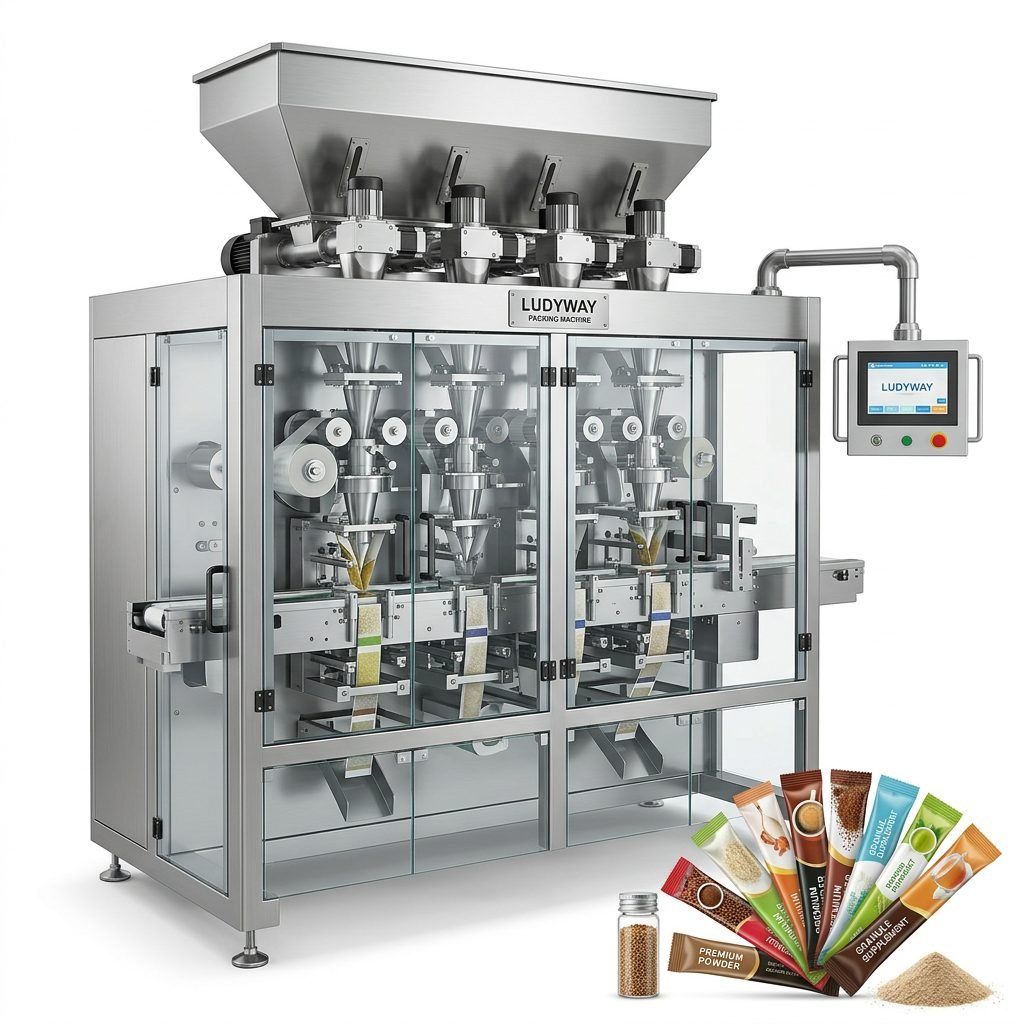
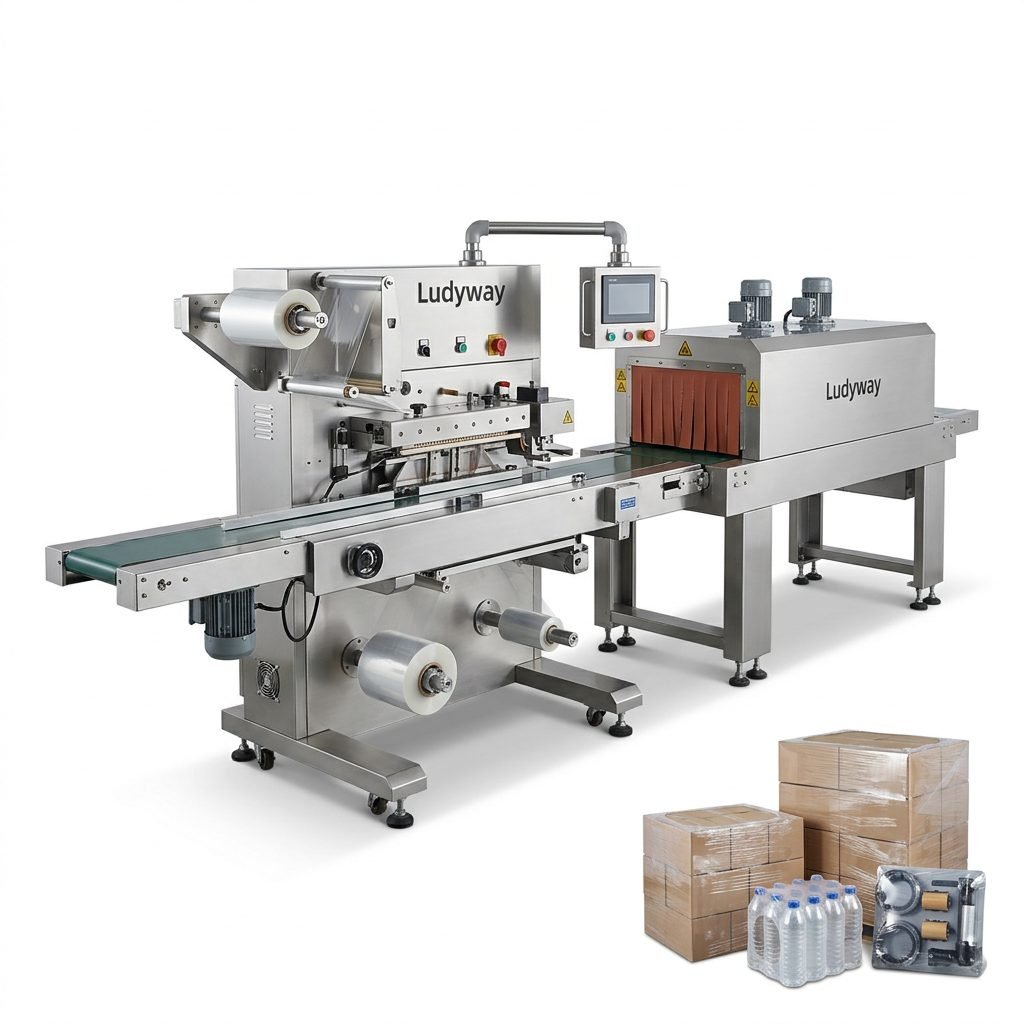
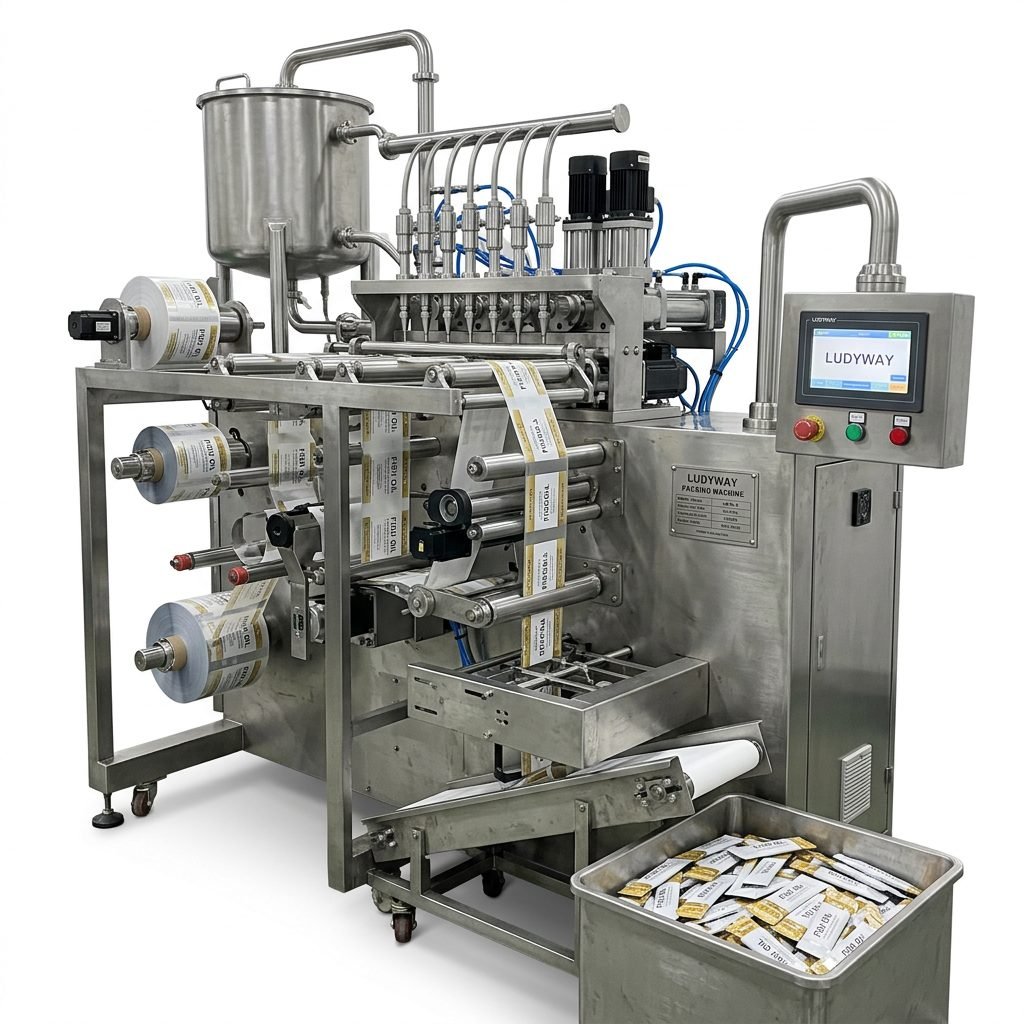
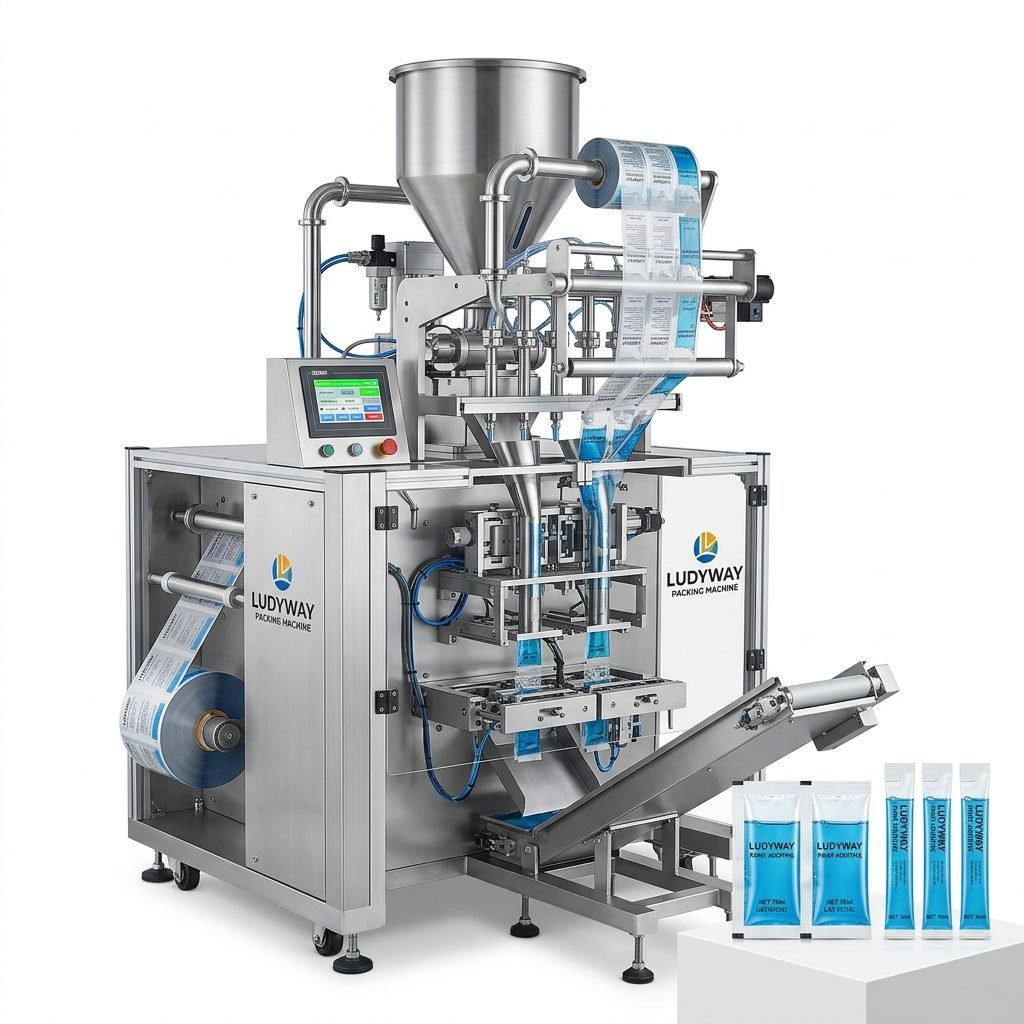
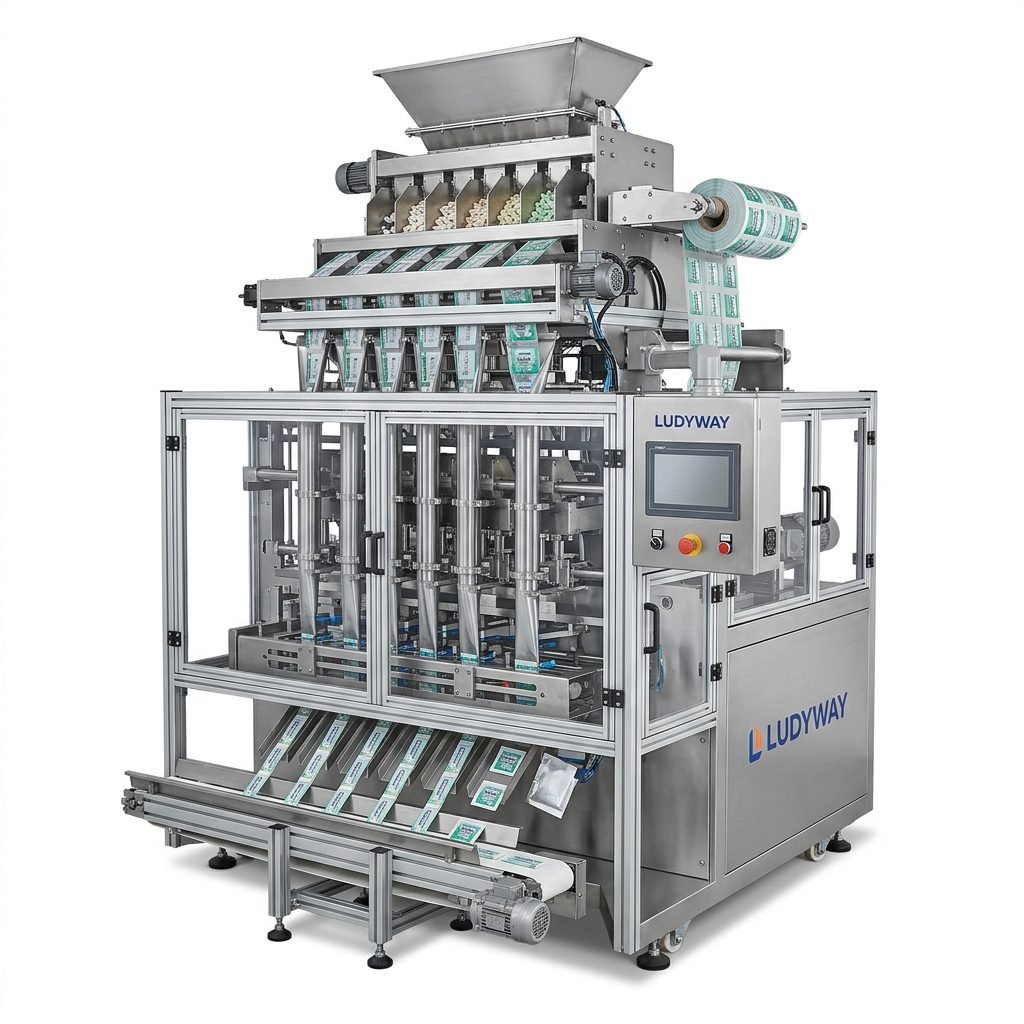
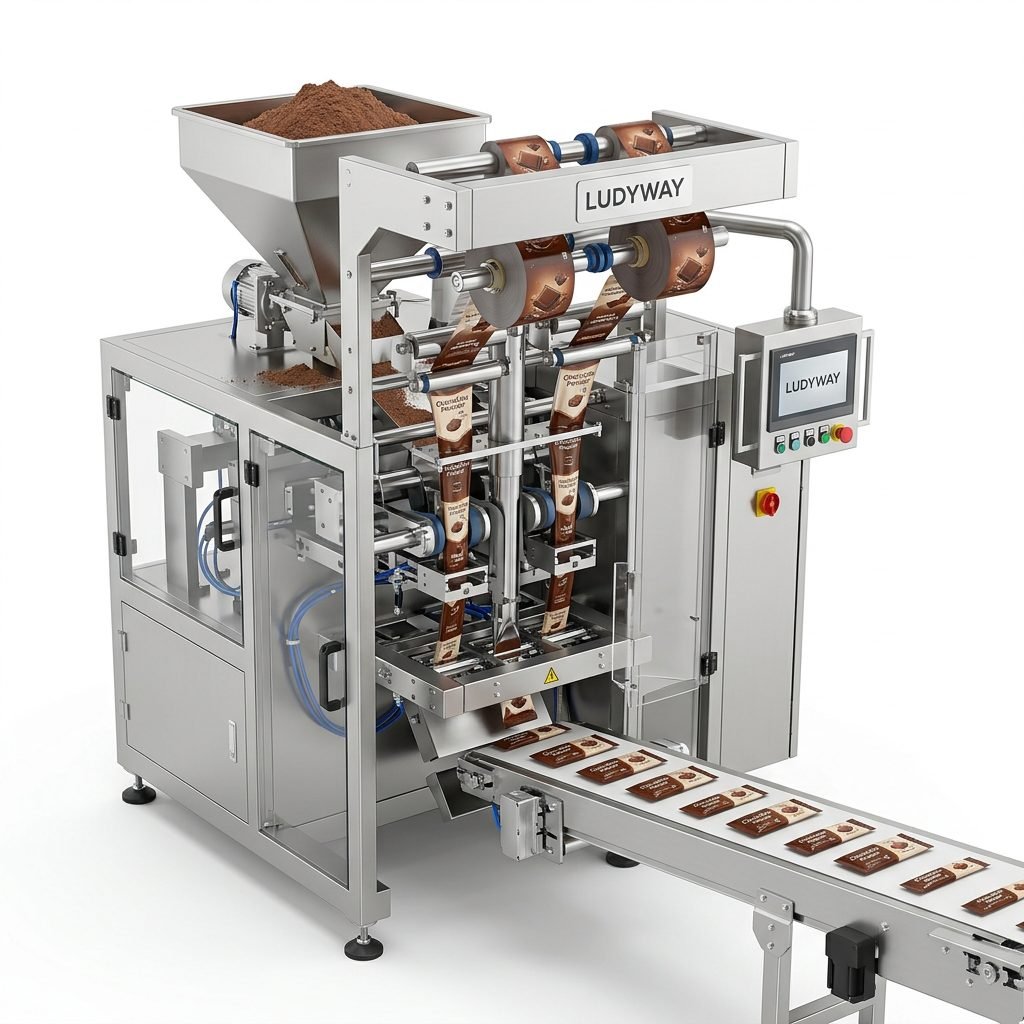
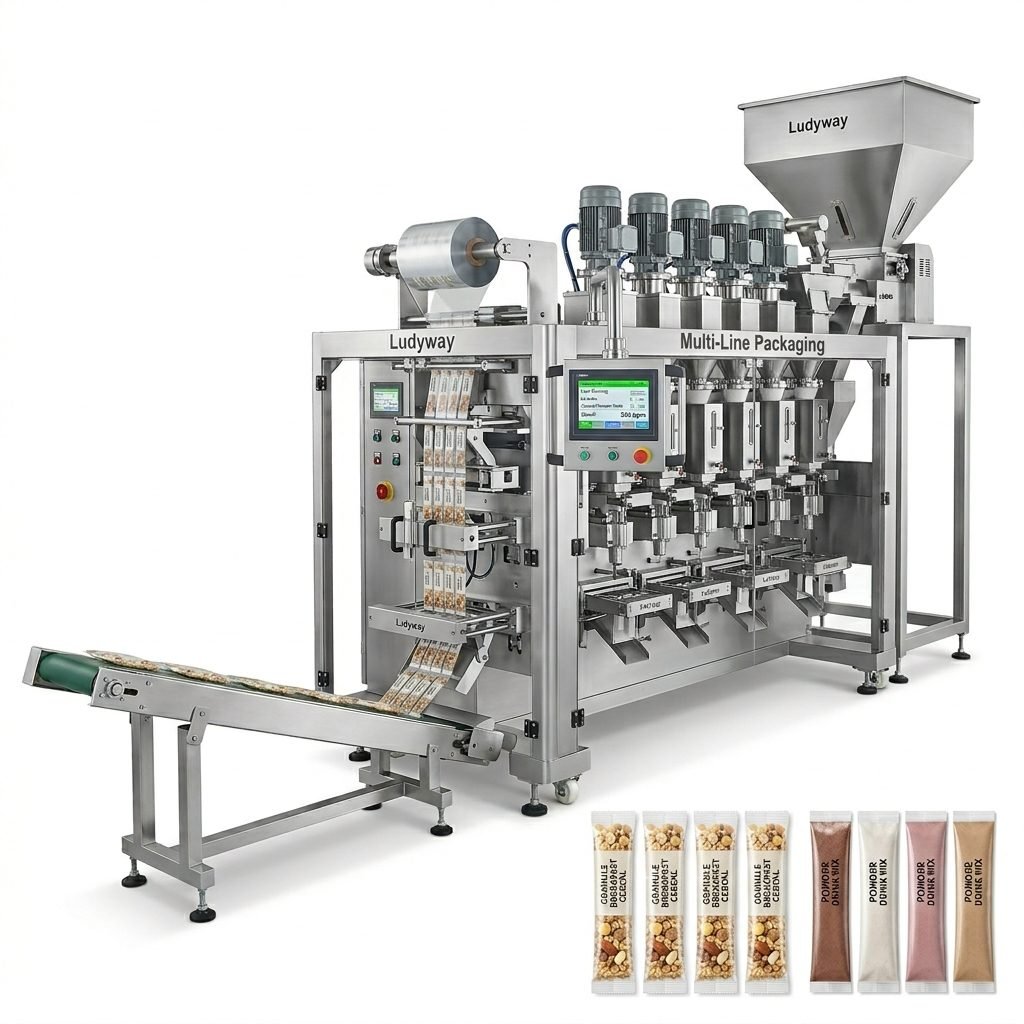
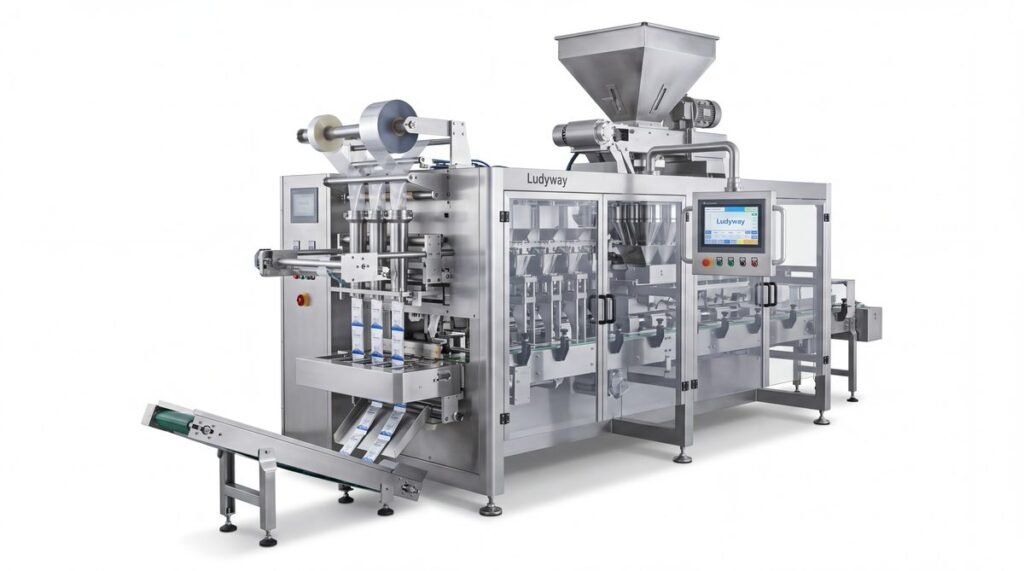
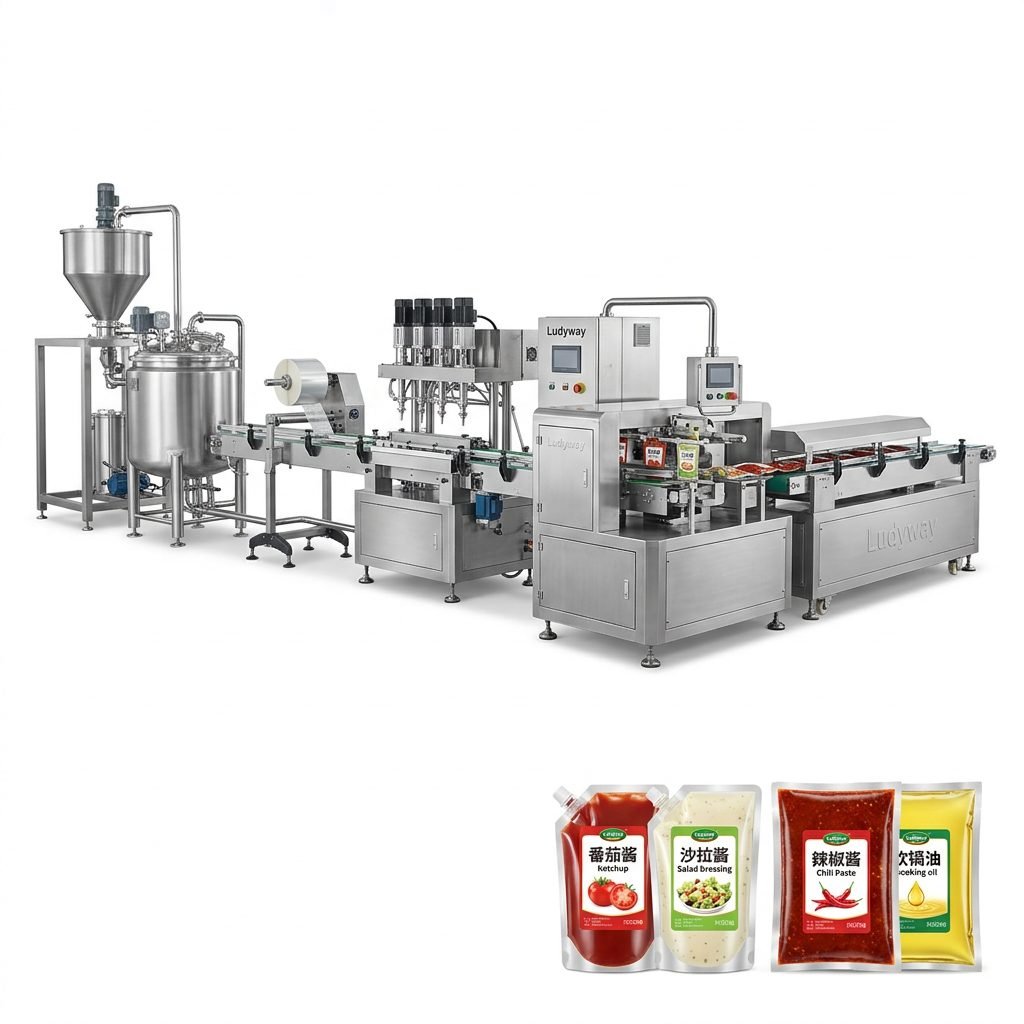
A liquid pouch filling machine is automated packaging equipment designed to fill liquid or semi-liquid products into pouches, then seal them accurately and efficiently. These machines are widely used in food, beverage, pharmaceutical, cosmetic, and chemical industries because they help manufacturers improve output, reduce waste, and maintain consistent package quality.
Whether you package sauces, juices, oils, detergents, lotions, gels, or health products, choosing the right liquid pouch filling system can directly affect production speed, sealing quality, product shelf life, and operating costs.
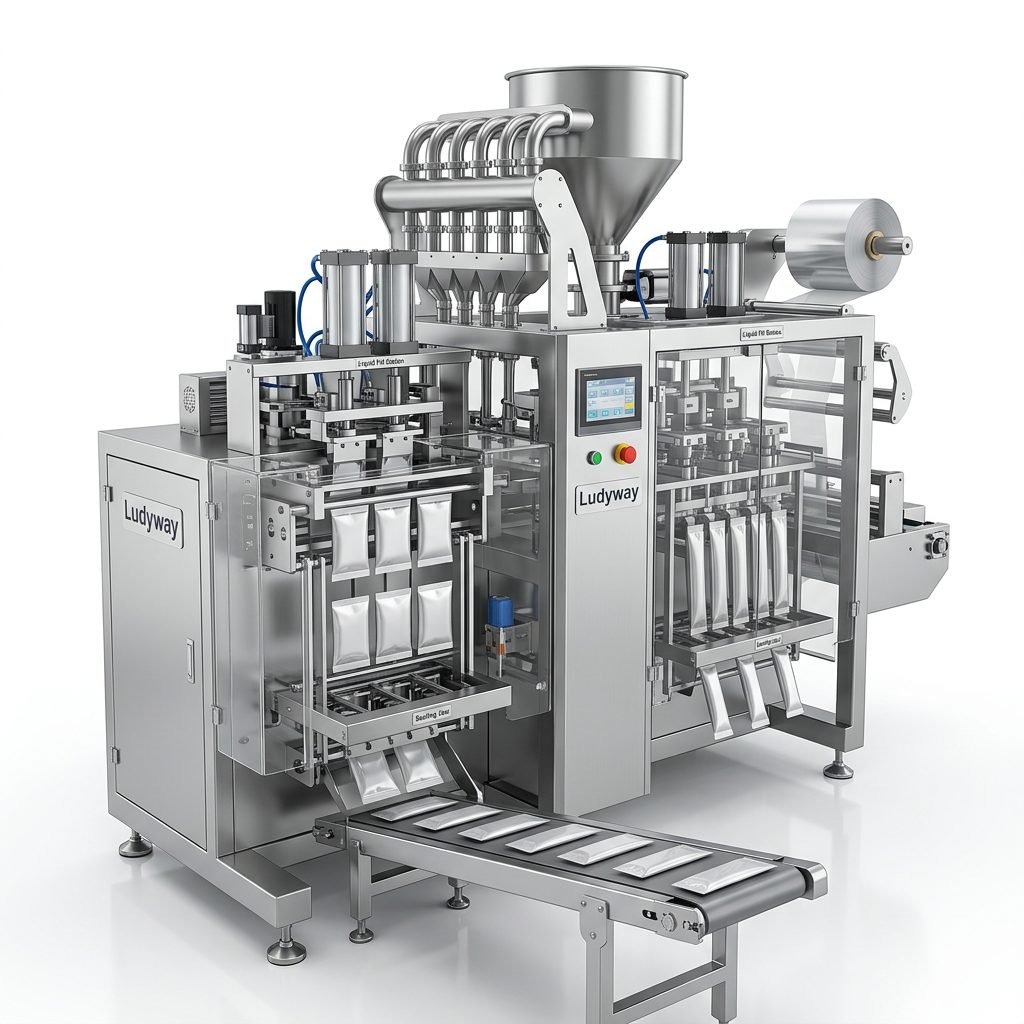
What Does a Liquid Pouch Filling Machine Do?
The main function of a liquid pouch filling machine is simple: it forms or feeds pouches, fills liquid product, and seals the package. However, modern machines do much more than basic filling. Depending on the model, they may also handle:
- Automatic pouch feeding or pouch forming
- Precise volumetric or piston filling
- Heat sealing
- Date coding or batch printing
- Cap or spout insertion
- Leak detection
- Check weighing
- Cartoning and end-of-line integration
These machines are especially valuable for products that require clean packaging, accurate dosing, and attractive retail presentation.
How a Liquid Pouch Filling Machine Works
- Pouch preparation: The machine either forms the pouch from roll film or picks up a premade pouch.
- Product feeding: Liquid is transferred from a hopper or storage tank into the filling system.
- Measured filling: The machine dispenses the required volume into each pouch.
- Air control or settling: Some systems remove excess air to improve seal quality.
- Sealing: Heat or ultrasonic sealing closes the pouch securely.
- Optional finishing: Coding, cutting, spout capping, inspection, and discharge are completed.
Main Types of Liquid Pouch Filling Machines
1. Form-Fill-Seal Liquid Pouch Machines
These machines create pouches directly from a roll of film, fill them with liquid, and seal them in one continuous process. They are ideal for high-volume production and flexible pouch shapes.
- Suitable for sachets, stick packs, and pillow pouches
- Efficient for large production runs
- Often used for sauces, shampoos, beverages, and gels
2. Premade Pouch Filling Machines
These systems use ready-made pouches. The machine opens the pouch, fills it, and seals it. This is a strong option for brands that want premium pouch designs such as stand-up pouches, zipper pouches, or spouted pouches.
- Excellent package appearance
- Good for product variety and frequent SKU changes
- Common in sauces, juices, baby food, and detergents
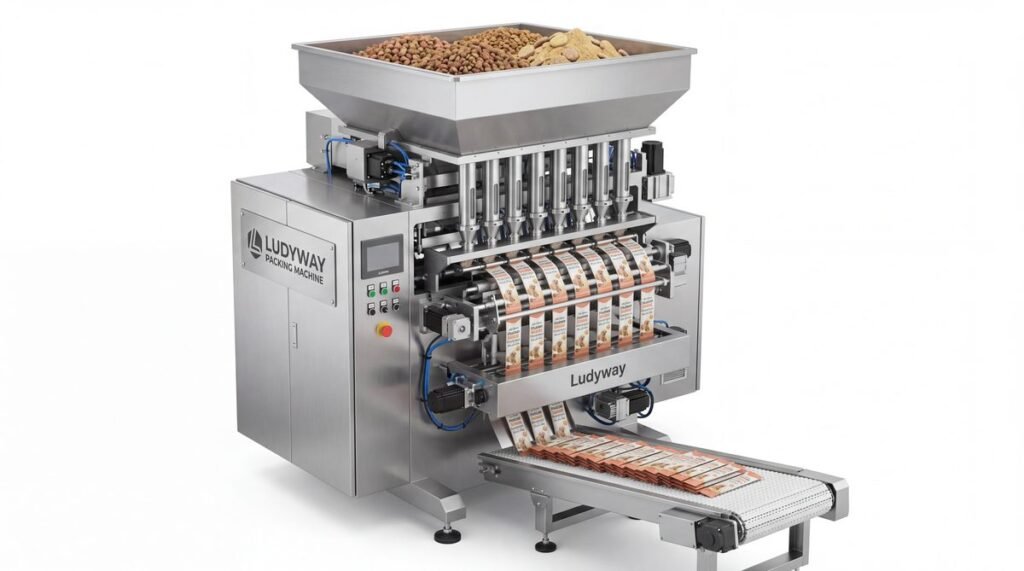
3. Multi-Lane Liquid Sachet Machines
Multi-lane machines are designed for high-speed small-dose packaging. They can fill multiple sachets or stick packs simultaneously, making them ideal for single-serve products.
- Best for sample packs and retail single-dose packaging
- Used for honey, oral liquid, energy gel, shampoo, and cream
- High output with compact floor use
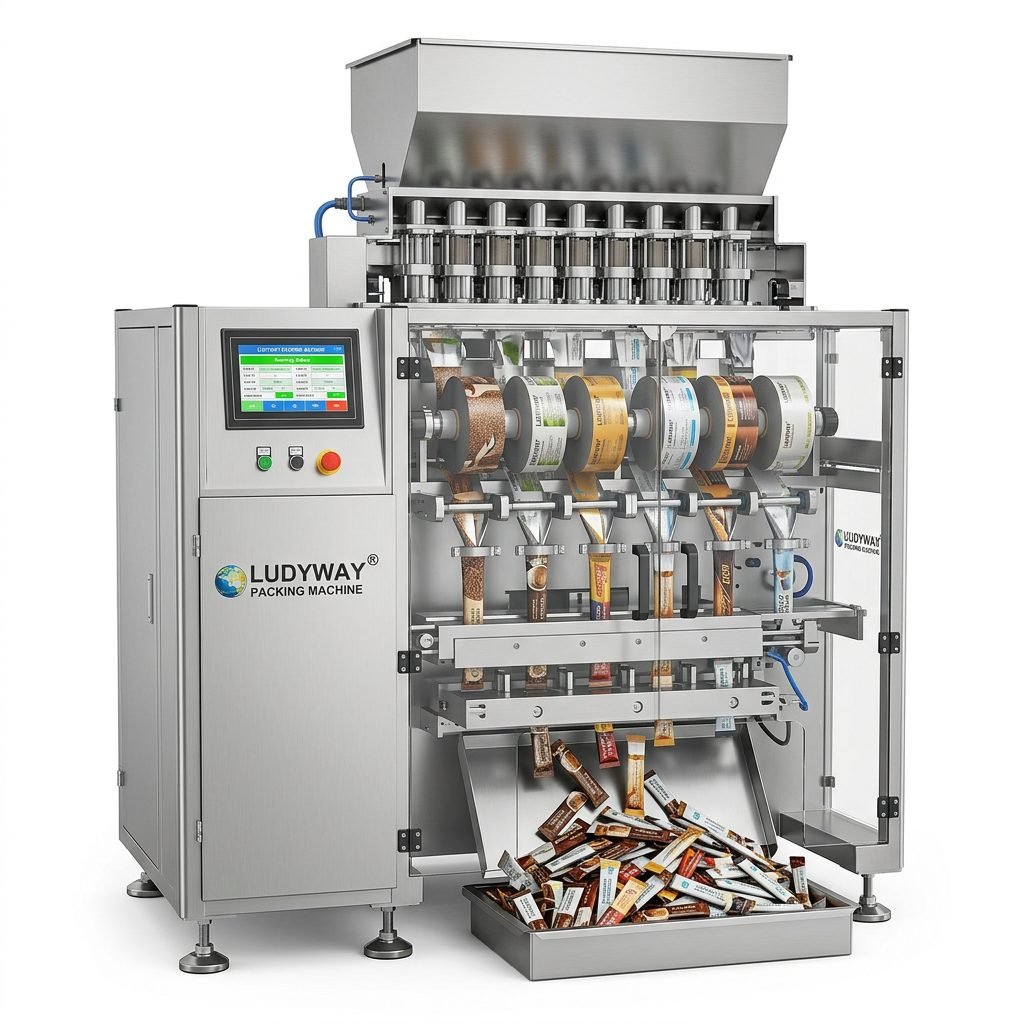
4. Spouted Pouch Filling Machines
These machines fill pouches with built-in spouts and often apply caps. They are commonly used for beverages, puree, detergent, and refill products.
5. Rotary Liquid Pouch Filling Machines
Rotary models use a circular indexing design to move pouches through multiple stations. They are known for stable operation, high efficiency, and suitability for medium to high output.
Products Commonly Packed in Liquid Pouches
| Industry | Typical Products | Common Pouch Types |
|---|---|---|
| Food | Sauce, ketchup, mayonnaise, oil, soup base, honey | Sachet, stick pack, stand-up pouch |
| Beverage | Juice concentrate, liquid coffee, electrolyte gel, nutrition drinks | Spouted pouch, sachet, stick pack |
| Pharmaceutical | Oral liquid, medical gel, antiseptic liquid | Sterile sachet, dose pouch |
| Cosmetic | Serum, lotion, shampoo, conditioner, face cream | Sachet, sample pouch, stand-up pouch |
| Chemical | Detergent, cleaner, lubricant, liquid additive | Pouch, sachet, refill pouch |
Key Benefits of Using a Liquid Pouch Filling Machine
Higher Packaging Efficiency
Automated machines can run much faster than manual filling, especially in multi-lane or rotary configurations. This helps manufacturers meet growing demand while keeping labor requirements lower.
Accurate Fill Volume
Consistent dosing improves customer trust and helps reduce costly product giveaway. Precision is particularly important for pharmaceuticals, nutritional liquids, and premium personal care products.
Better Seal Quality
A strong seal protects product freshness, reduces leakage risk, and supports transport safety. This is critical for retail and export packaging.
Lower Material Waste
Modern pouch packaging uses less material than many rigid containers, which can reduce packaging costs and logistics burden.
Flexible Product Range
Many machines can handle thin liquids, viscous liquids, and even semi-pastes with the right filling system and configuration.
Improved Branding
Pouches offer excellent shelf appearance and print area. Stand-up pouches and custom-shaped sachets can make products more attractive in competitive markets.
Important: The right machine is not just about speed. It must match your liquid viscosity, pouch type, hygiene standard, and future production goals.
How to Choose the Right Liquid Pouch Filling Machine
1. Understand Your Product Characteristics
Ask whether your product is free-flowing, foamy, sticky, hot-filled, corrosive, or particulate-containing. Liquid behavior affects filling accuracy, pump type, nozzle design, and sealing method.
2. Define Pouch Format
Decide whether you need sachets, stick packs, flat pouches, stand-up pouches, or spouted pouches. The machine architecture depends heavily on pouch style.
3. Estimate Output Requirements
Production volume determines whether a single-lane, multi-lane, linear, or rotary solution makes more sense. Overbuying can waste capital, while underbuying can create bottlenecks.
4. Check Hygiene and Compliance Needs
Food and pharmaceutical applications may require stainless steel contact parts, CIP compatibility, sanitary design, and validation support.
5. Consider Integration
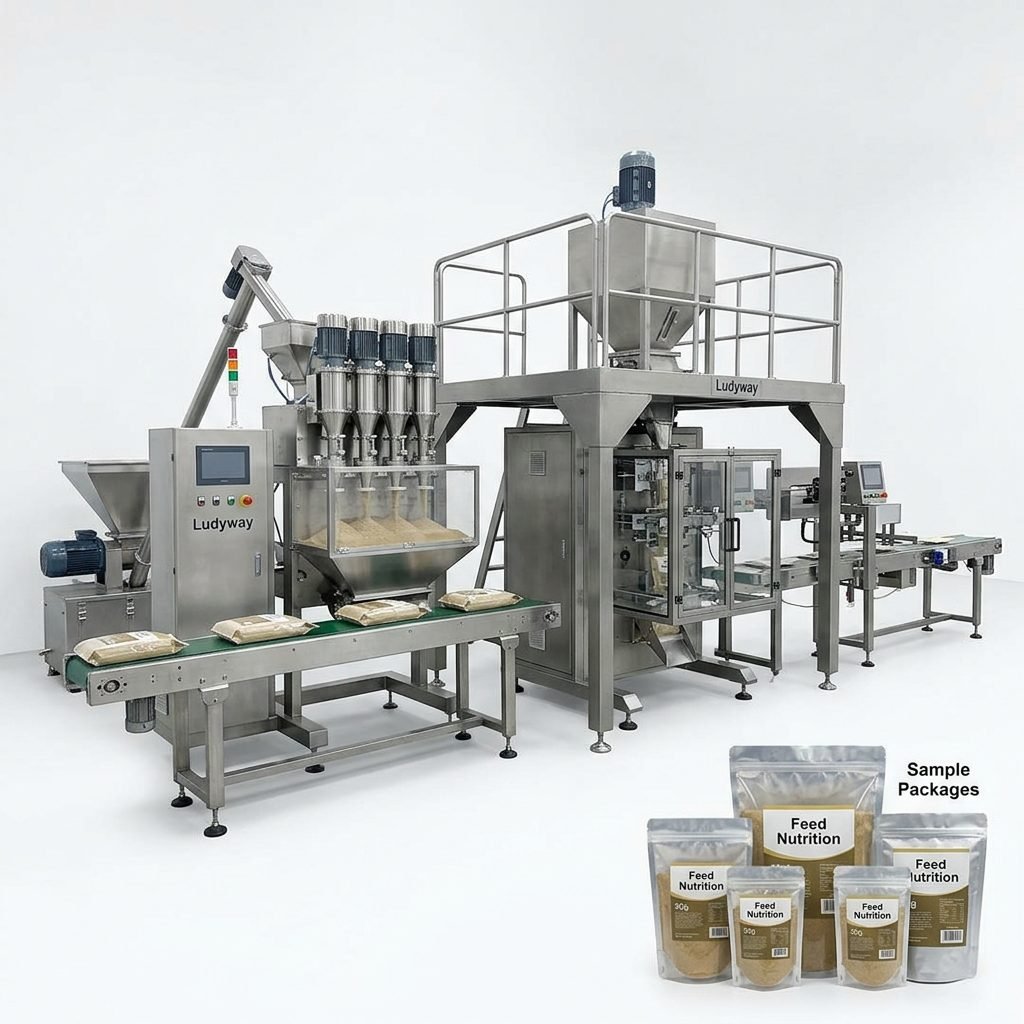
A pouch filler often works best as part of a complete packaging line with conveyors, coding systems, checkweighers, cartoners, and palletizing equipment.
6. Evaluate Service and Customization
Reliable technical support, spare parts access, and machine customization are important for long-term operation. For manufacturers seeking scalable systems, liquid pouch filling machine solutions from Ludyway can be considered for both standalone equipment and turnkey packaging line projects.
Liquid Pouch Filling Machine vs Bottle Filling Machine
| Feature | Liquid Pouch Filling Machine | Bottle Filling Machine |
|---|---|---|
| Packaging Cost | Usually lower | Usually higher |
| Storage & Transport | Space-saving and lightweight | Bulkier and heavier |
| Shelf Appearance | Modern and flexible | Rigid premium look |
| Format Flexibility | High | Moderate |
| Refill Packaging | Excellent | Less ideal |
Industries That Benefit Most
Food and Beverage
Brands increasingly use pouches for convenience, portion control, and lower logistics costs. Single-serve and refill packaging are especially popular.
Pharmaceutical and Health Products
Accurate filling and sealed dose packaging make pouches suitable for oral liquids, gel products, and supplement applications.
Personal Care and Cosmetics
Sachets and sample pouches are widely used for trial-size products, travel packs, and retail promotions.
Home Care and Industrial Chemicals
Detergents, cleaners, lubricants, and additives often benefit from pouch-based refill systems that reduce rigid plastic use.
Features to Look for in a Modern Machine
- PLC and touchscreen control for simple operation
- Servo-driven film pulling or pouch indexing
- Anti-drip filling nozzles
- Quick changeover for different pouch sizes
- Temperature-controlled sealing system
- Stainless steel contact parts
- Automatic alarm and fault detection
- Compatibility with coding and inspection systems
- Optional nitrogen flushing for sensitive products
Common Buying Mistakes to Avoid
- Choosing a machine based only on price
- Ignoring product viscosity and foaming behavior
- Underestimating future production growth
- Not checking seal quality on real pouch material
- Overlooking cleaning and maintenance requirements
- Buying a standalone machine without line integration planning
Maintenance Tips for Long-Term Performance
To keep a liquid pouch filling machine running efficiently, regular maintenance is essential. Good maintenance helps reduce downtime, protects filling accuracy, and extends service life.
- Clean product-contact parts on schedule
- Inspect seals, nozzles, and pumps regularly
- Check pouch feeding and alignment systems
- Calibrate filling volume periodically
- Monitor sealing temperature and pressure
- Keep spare wear parts in stock
Frequently Asked Questions
Can one machine handle different liquid products?
Yes, many machines can handle multiple products, but compatibility depends on viscosity, sanitation needs, and filling system design. Some products may require dedicated pumps or change parts.
Is a liquid pouch filling machine suitable for hot filling?
Some models are designed for hot-fill applications, but the machine, seal structure, and pouch material must all be matched correctly.
What is the difference between sachet and pouch packaging?
Sachets are usually smaller, flat, and designed for single-use portions. Pouches can be larger and may include features like zippers, gussets, or spouts.
How accurate are these machines?
Accuracy varies by machine type, liquid characteristics, and dosing system, but high-quality systems are built for precise and repeatable filling.
Conclusion
A liquid pouch filling machine is a smart solution for companies that need efficient, accurate, and flexible liquid packaging. From small sachets to stand-up pouches and spouted refill packs, these machines support a wide range of applications across food, pharma, cosmetics, and chemical sectors.
The best choice depends on your product type, pouch format, production target, hygiene standard, and automation plan. By selecting the right equipment from the start, manufacturers can improve packaging consistency, lower operating costs, and build a more scalable production system.