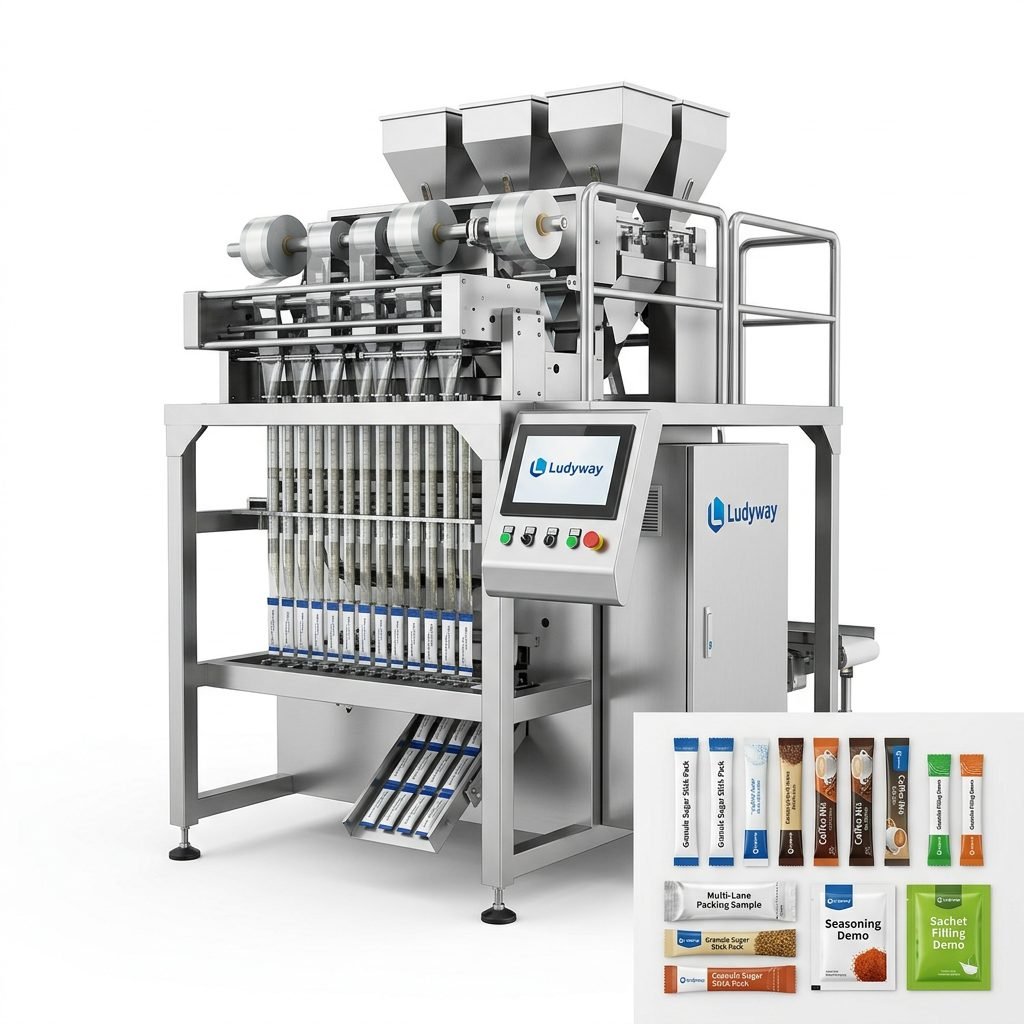
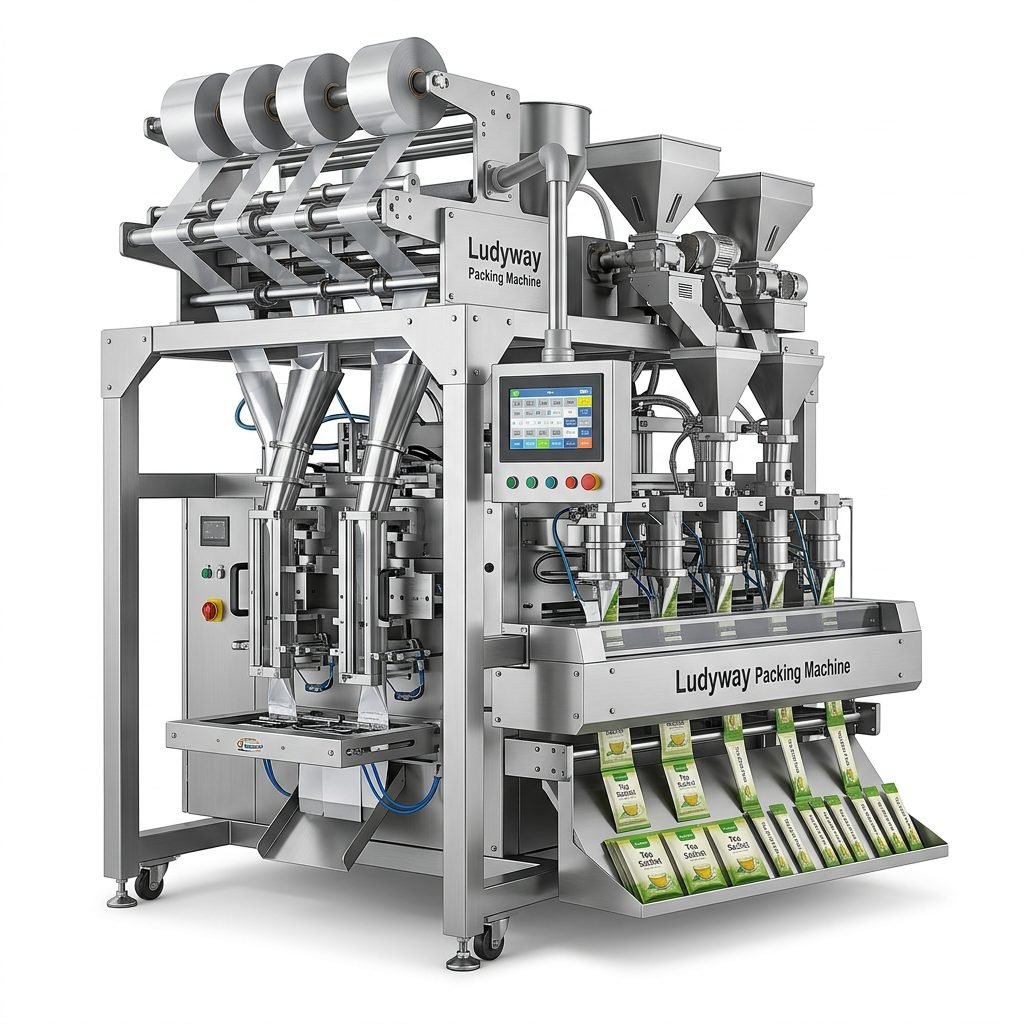
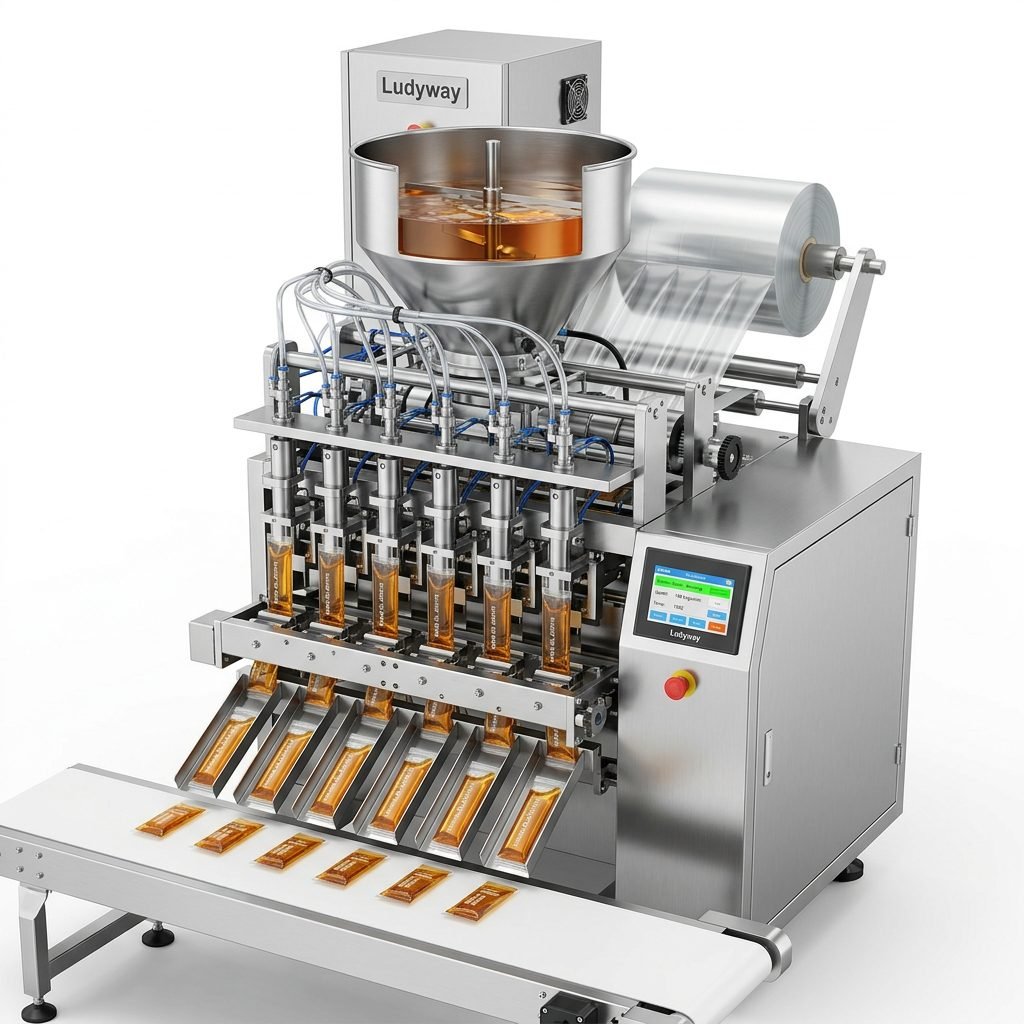
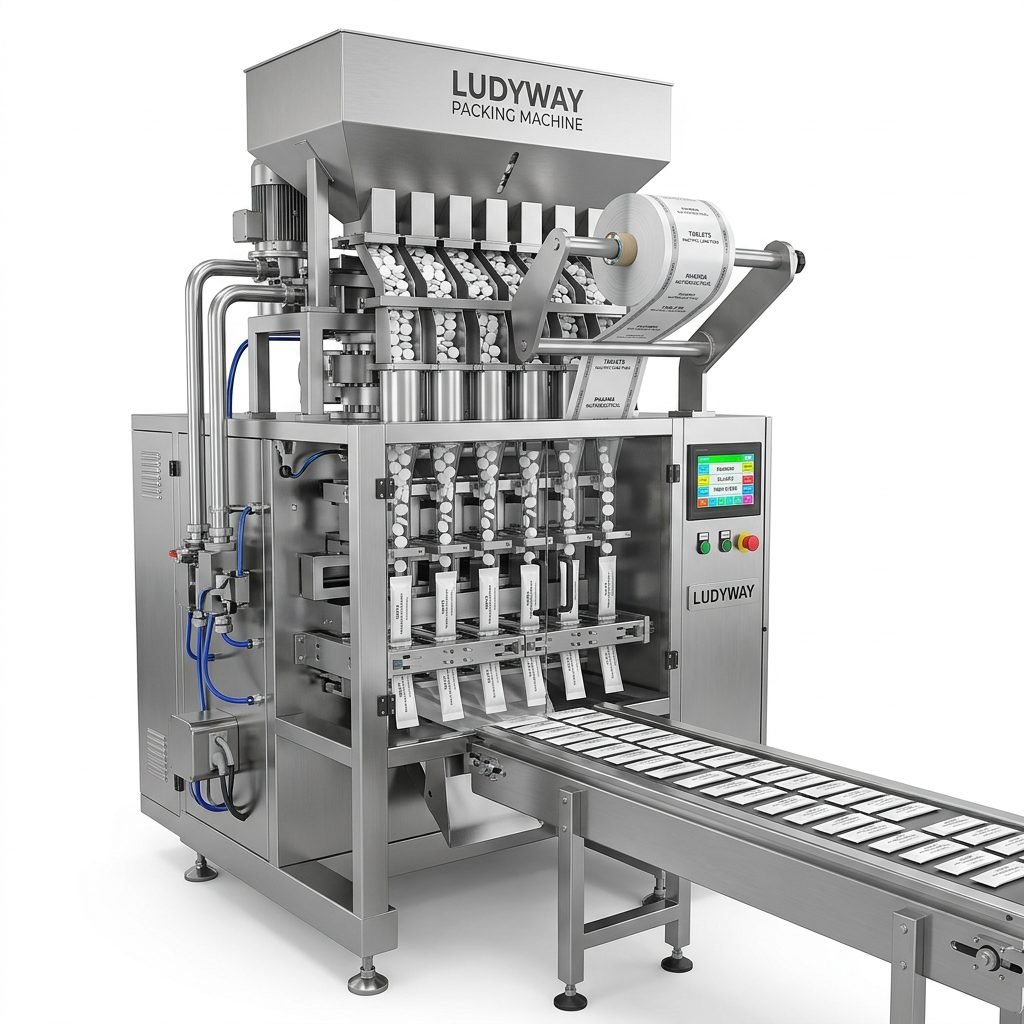
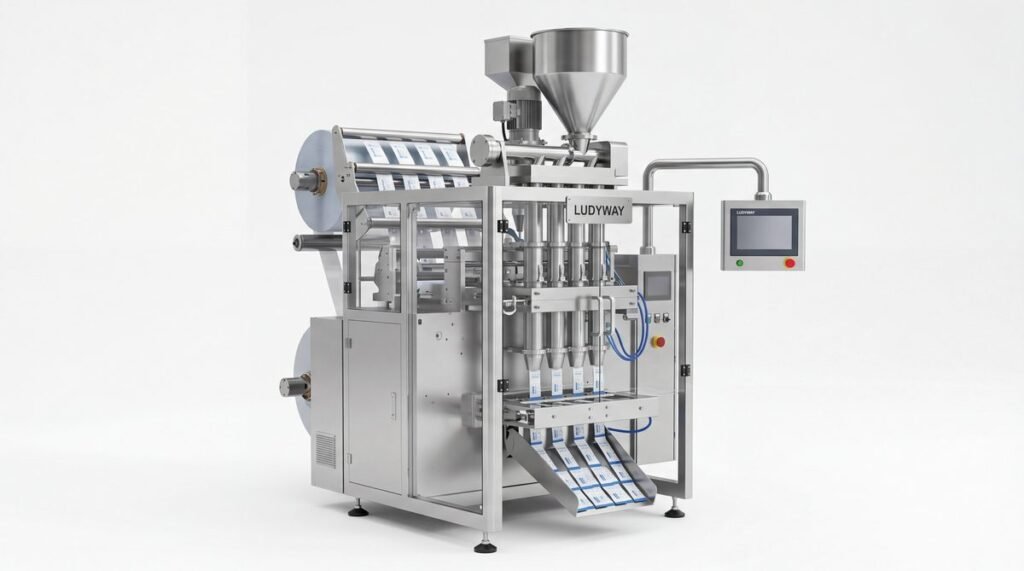
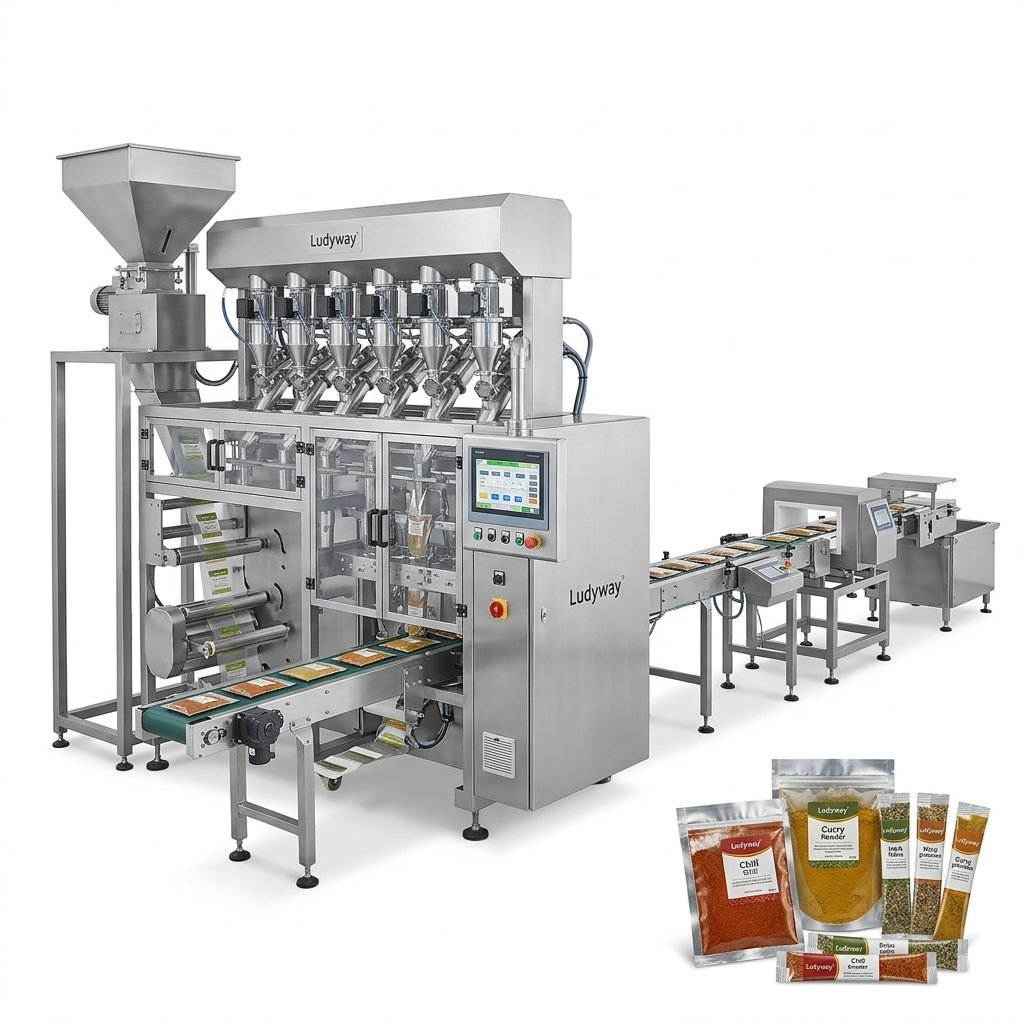
Choosing the right bottle seal packing machine is not only about closing a cap or applying a foil layer. It directly affects product safety, leak prevention, tamper evidence, shelf life, packaging speed, and overall operating cost. For manufacturers in food, pharmaceutical, health supplement, cosmetic, and chemical sectors, a well-matched sealing solution can reduce waste, improve line efficiency, and protect brand reputation.
Whether you are packaging tablets, powders, liquids, syrups, oils, capsules, or nutrition products, the ideal solution depends on your bottle type, closure method, production volume, compliance needs, and future automation goals.
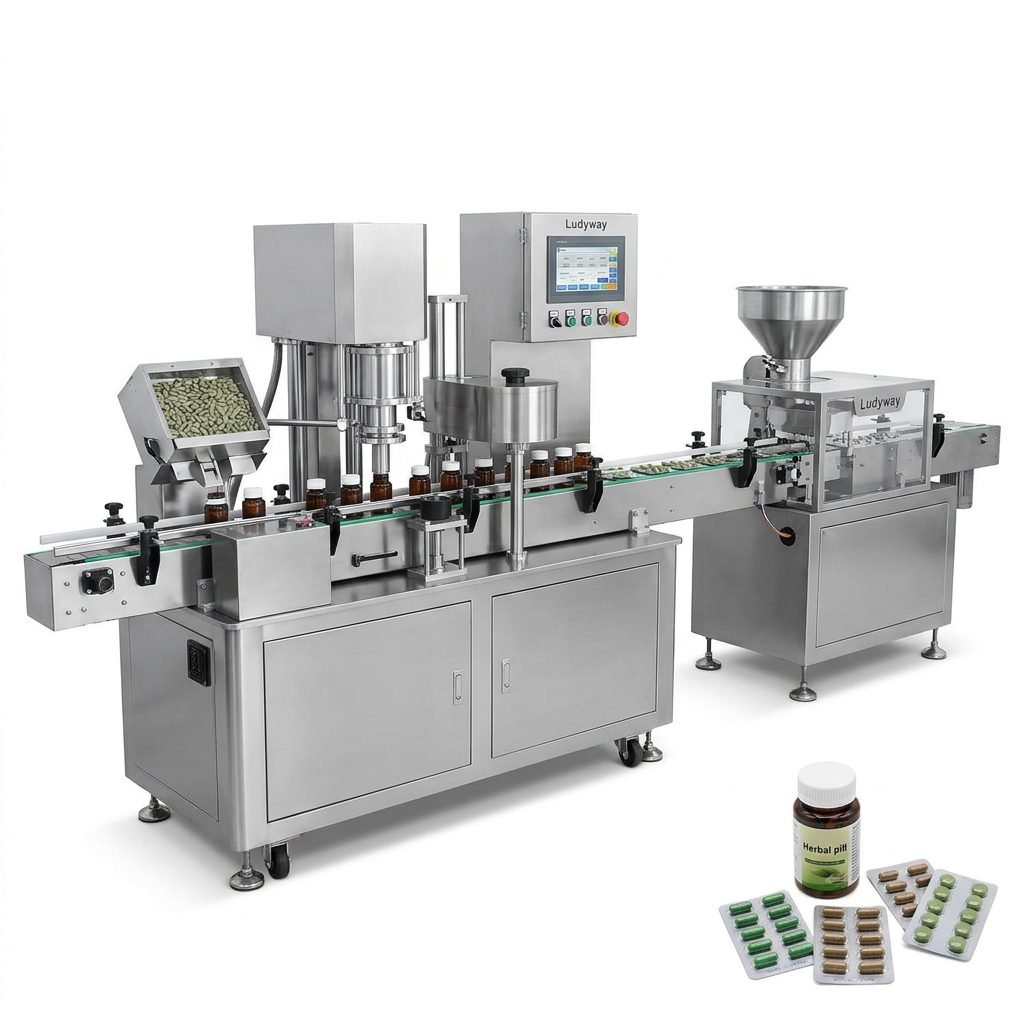
Why bottle sealing matters more than many buyers expect
A bottle may look properly packed from the outside, but poor sealing can cause hidden problems during storage, transport, and end use. In many industries, even a small sealing defect can lead to product returns, contamination risk, or regulatory issues.
- Leak prevention: essential for liquids, oils, syrups, and chemical products.
- Tamper evidence: important for pharmaceuticals, supplements, and premium foods.
- Barrier protection: helps reduce moisture, oxygen, and external contamination.
- Brand trust: secure packaging improves the customer’s perception of quality.
- Production stability: reliable sealing lowers rework and downtime.
What is a bottle seal packing machine?
A bottle seal packing machine is a packaging system designed to secure bottles after filling. Depending on the product and package design, this may include:
- Cap sealing or capping
- Induction foil sealing
- Heat sealing
- Plug insertion and cap tightening
- Shrink sleeve sealing
- Labeling and coding integrated with bottle closing
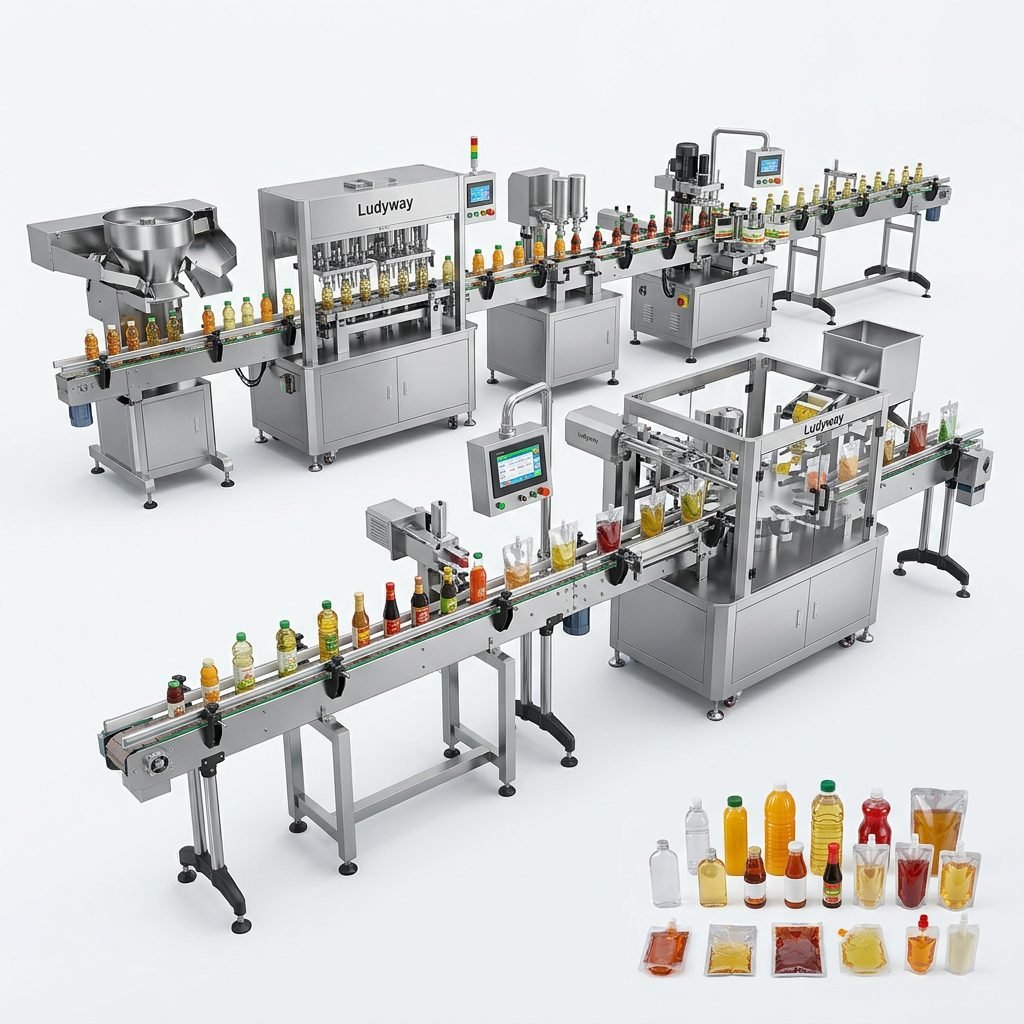
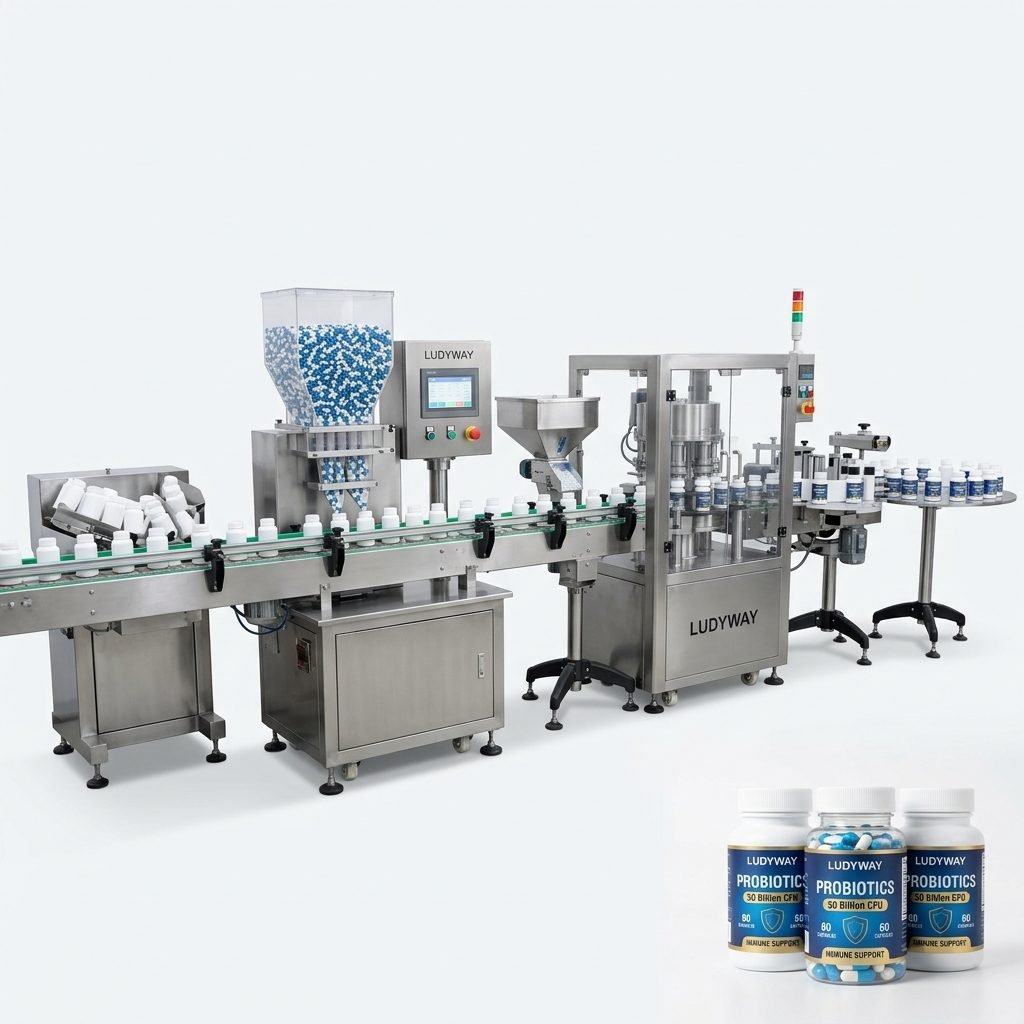
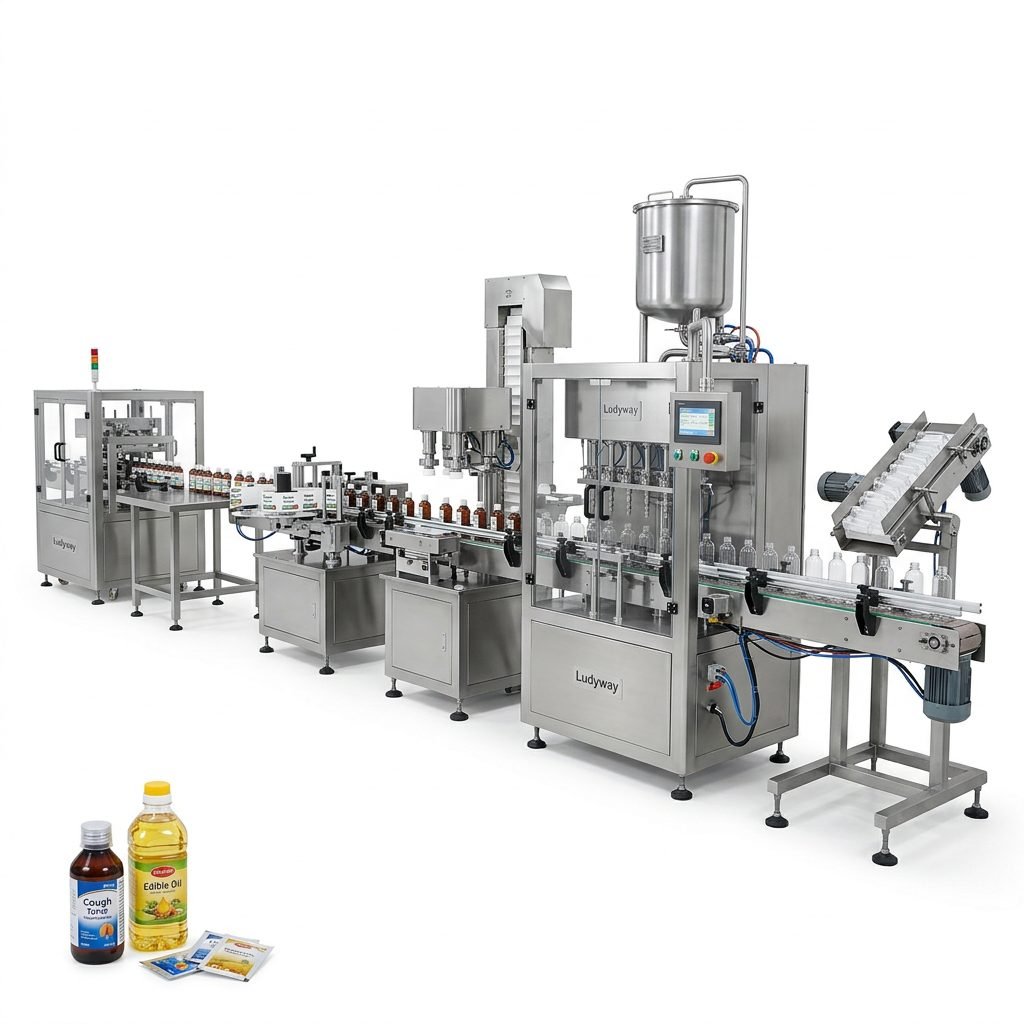
In modern factories, sealing is often part of a larger line that may include bottle unscrambling, filling, capping, induction sealing, labeling, inspection, cartoning, and case packing.
Main types of bottle sealing solutions
1. Induction sealing machines
These machines seal a foil liner onto the bottle mouth through electromagnetic induction. They are widely used for food, pharmaceuticals, supplements, chemicals, and personal care products.
- Provides strong tamper evidence
- Helps reduce leakage
- Suitable for plastic and some glass bottle applications
- Works well for powders, tablets, capsules, and liquids
2. Cap sealing and capping machines
These systems apply and tighten screw caps, press caps, pump caps, or child-resistant caps. They are ideal when torque consistency is critical.
3. Heat sealing systems
Heat sealing is used in specialized bottle or container applications where a membrane or lid must be bonded with controlled temperature and dwell time.
4. Shrink band and sleeve sealing machines
These add an outer tamper-evident band around the cap and neck area. They are often used for beverages, nutraceuticals, sauces, and consumer products.
5. Integrated turnkey bottle packaging lines
For medium and large manufacturers, a standalone machine may not be enough. A complete line can combine filling, sealing, inspection, and end-of-line automation for better consistency and lower labor dependence.
How to choose the right bottle seal packing machine
Understand your product characteristics first
Before comparing machine models, define what exactly you are packing. Product behavior affects sealing performance more than many buyers realize.
| Product Type | Typical Sealing Need | Key Concern |
|---|---|---|
| Tablets / Capsules | Cap + induction seal | Tamper evidence, moisture protection |
| Powders / Granules | Cap + foil seal | Dust control, accurate closure |
| Liquids / Syrups | Leak-proof cap + liner seal | Leak prevention, hygiene |
| Oils / Viscous products | Torque-controlled capping + induction sealing | Seal integrity, residue management |
| Chemical products | Corrosion-resistant sealing system | Material compatibility, safety |
Match the machine to your bottle and cap format
A sealing machine must fit your packaging dimensions and materials. Ask suppliers to confirm:
- Bottle material: PET, HDPE, glass, or other plastics
- Bottle neck diameter and height range
- Cap type: screw cap, flip-top, press-on, child-resistant, pump, or trigger
- Liner material and foil structure
- Whether multiple bottle sizes need quick changeover
Calculate your real output requirement
Do not choose only by the maximum speed shown in a catalog. Instead, compare actual line performance under normal production conditions. Consider:
- Bottles per minute under stable operation
- Changeover time between SKUs
- Reject rate and sealing consistency
- Operator workload
- Future capacity expansion plans
A machine rated at a higher speed is not always the best investment if your line upstream or downstream cannot keep up.
Check sealing quality control features
For secure and efficient sealing, machine intelligence matters. Useful features may include:
- Torque monitoring
- No bottle, no seal logic
- Foil detection
- Automatic rejection of defective bottles
- Temperature or power adjustment controls
- HMI recipe storage for different products
Think about compliance and industry standards
In pharmaceutical, nutraceutical, and food applications, compliance is often a deciding factor. Your bottle seal packaging equipment should align with your market requirements for hygiene, traceability, and validation.
Typical areas to review include cleanability, contact materials, documentation, qualification support, and coding or serialization compatibility.
Key buying questions to ask a supplier
| Question | Why It Matters |
|---|---|
| Can the machine handle all my bottle and cap sizes? | Avoids extra investment in separate systems |
| What is the actual stable production speed? | Helps compare real throughput, not just theoretical speed |
| How fast is changeover? | Important for multi-SKU factories |
| What inspection and rejection functions are included? | Improves quality assurance |
| Can the machine integrate with a full bottling line? | Supports future automation and expansion |
| What after-sales and spare parts support is available? | Reduces downtime risk |
Common mistakes when selecting a bottle sealing machine
- Choosing by price only instead of total lifecycle cost
- Ignoring bottle and cap tolerance variations
- Buying a machine with no room for future SKU expansion
- Overlooking validation and regulatory documentation needs
- Not testing sealing performance with real product samples
- Separating sealing equipment from the rest of the packaging line plan
When a standalone machine is enough—and when you need a full line
Standalone machine is often suitable if:
- You have a limited number of products
- Your output is relatively low to medium
- You already have existing filling and labeling equipment
- Your operation is semi-automatic or in transition to automation
A turnkey packaging line is often better if:
- You need higher throughput
- You want better synchronization from filling to final packing
- You are scaling exports or multi-shift production
- You need labor savings and more consistent quality
- You want one supplier responsible for integration and support
Industries that benefit most from the right bottle sealing solution
Food and beverage
Sauces, powders, condiments, edible oils, nutrition products, and dry mixes need stable seals for freshness and transport safety.
Pharmaceutical and nutraceutical
Tablets, capsules, oral liquids, and health supplements require tamper evidence, traceability, and dependable sealing consistency.
Cosmetics and personal care
Serums, lotions, essential oils, and beauty supplements need secure packaging to prevent leakage and preserve product quality.
Chemical and household products
Cleaners, industrial liquids, and specialty chemicals often need sealing systems designed for safety, chemical compatibility, and spill control.
What to look for in a manufacturing partner
Beyond machine specifications, the supplier’s engineering strength and project support are critical. A capable partner should understand not just sealing, but the full packaging workflow.
- Experience across multiple industries
- Ability to customize for your bottle and closure formats
- Strong export and technical support experience
- Factory capacity for scalable production
- Integration capability for turnkey lines
For buyers seeking an experienced packaging machinery manufacturer, bottle seal packing machine solutions from Ludyway can be considered as part of a broader packaging automation strategy. Established in 1993, the company is recognized as one of China’s leading packaging machine and turnkey packaging line manufacturers, serving global markets with a wide range of equipment for food, pharmaceutical, health supplement, and related industries.
Final selection checklist
| Checklist Item | Status to Confirm |
|---|---|
| Product type and sealing requirement defined | Yes / No |
| Bottle, cap, and liner compatibility verified | Yes / No |
| Stable production speed confirmed | Yes / No |
| Inspection and reject functions reviewed | Yes / No |
| Compliance documentation available | Yes / No |
| Future line integration possible | Yes / No |
| After-sales support and spare parts plan confirmed | Yes / No |
The best bottle seal packing machine is the one that fits your actual production environment, product risk level, and business growth plan. By focusing on seal integrity, machine compatibility, output stability, and integration potential, you can choose a packaging solution that delivers secure, efficient, and scalable performance over the long term.