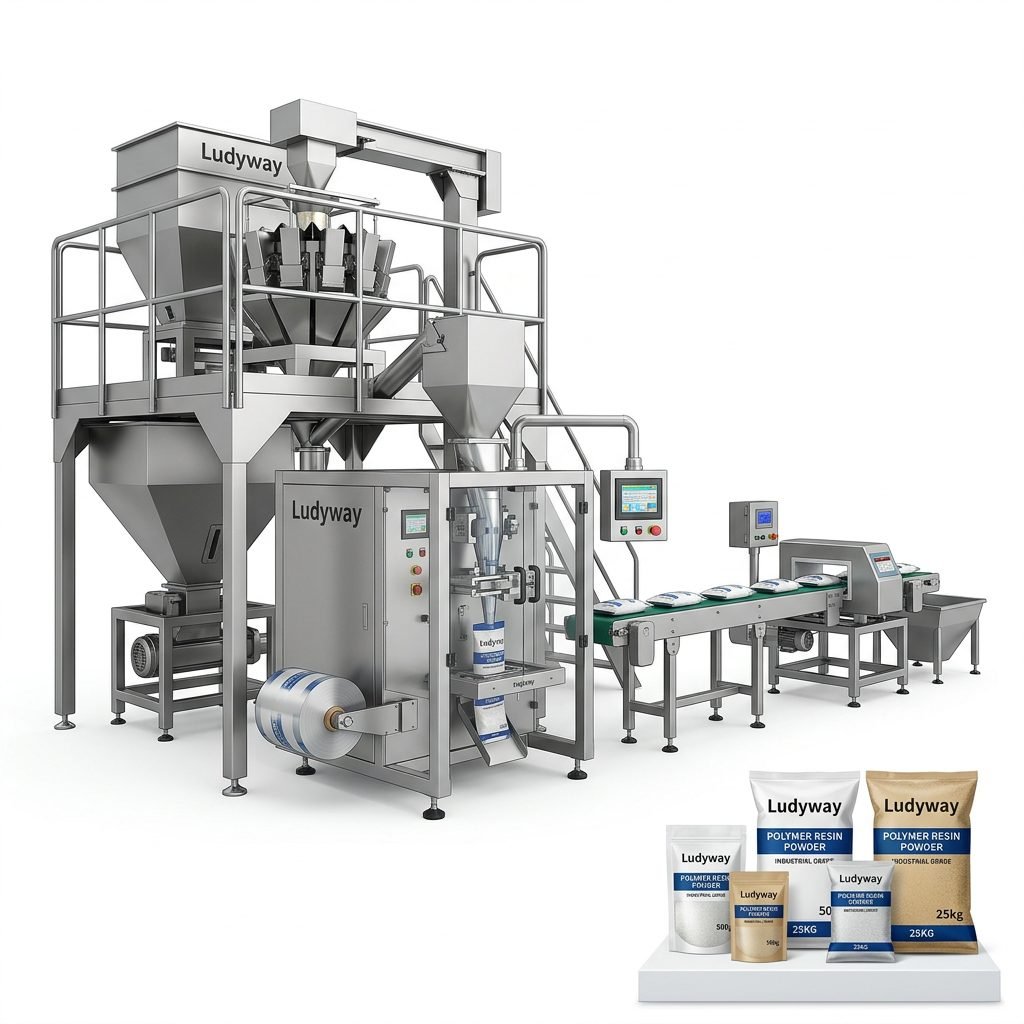
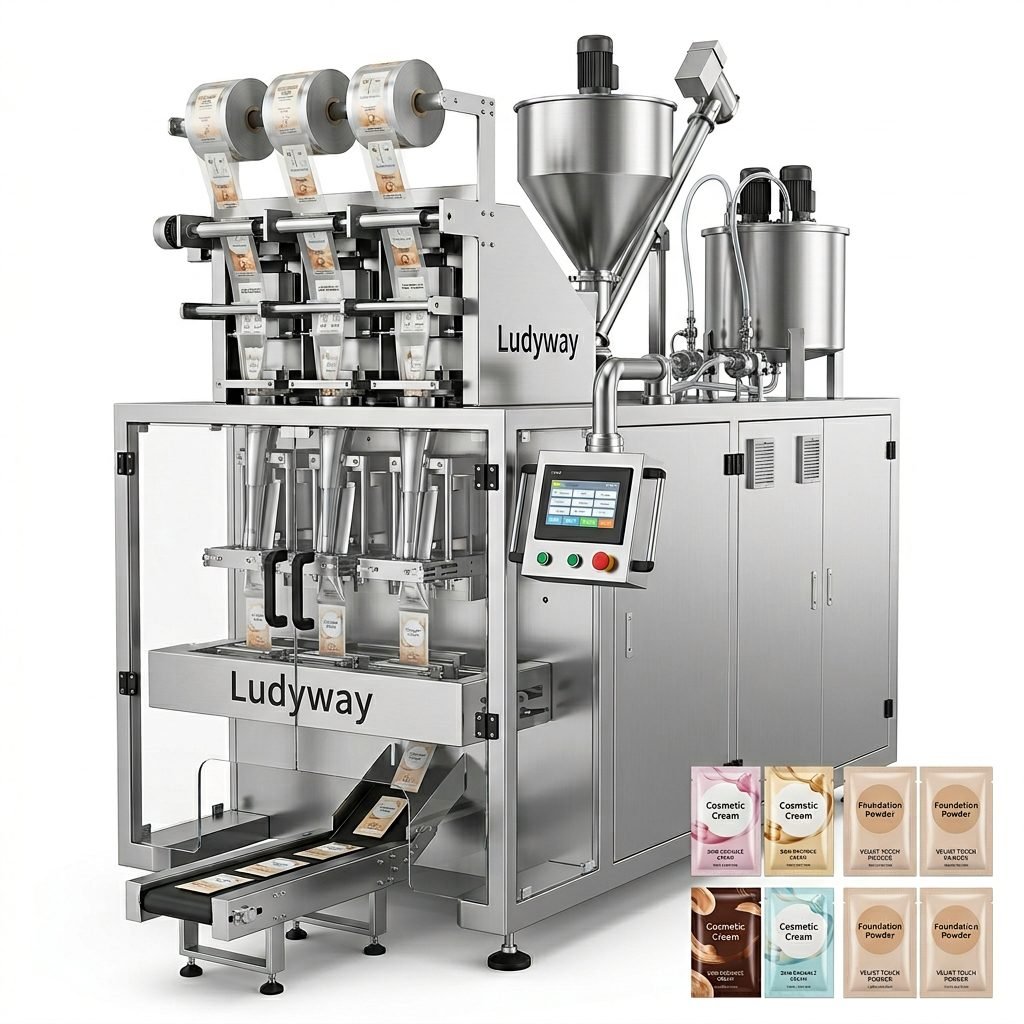
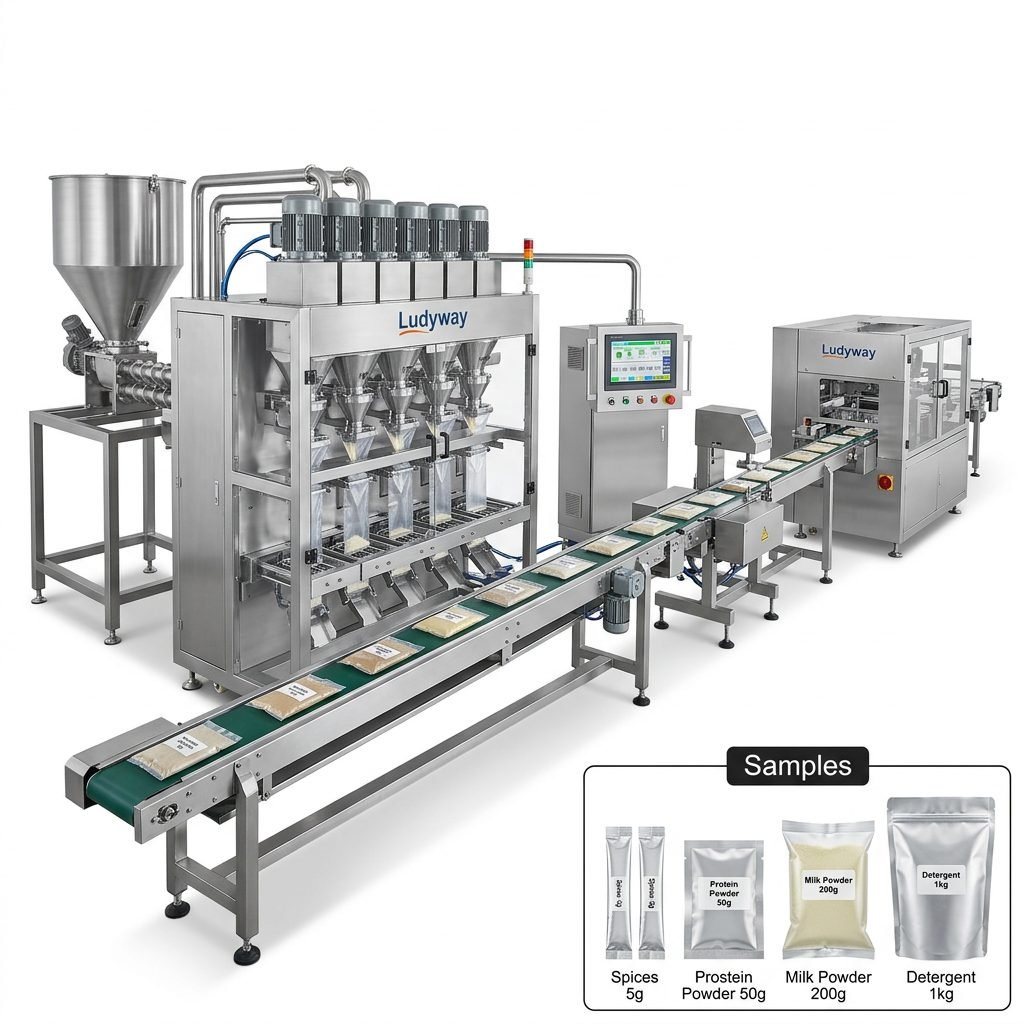
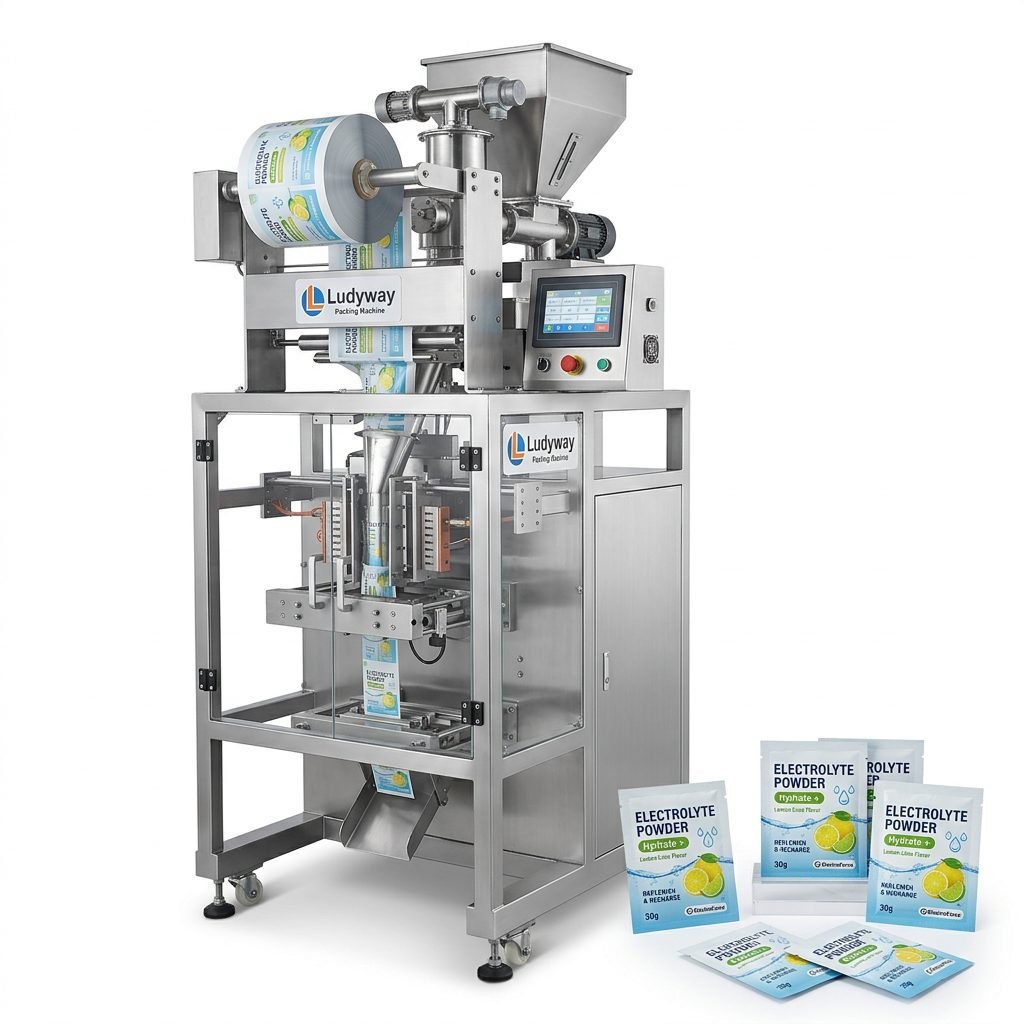
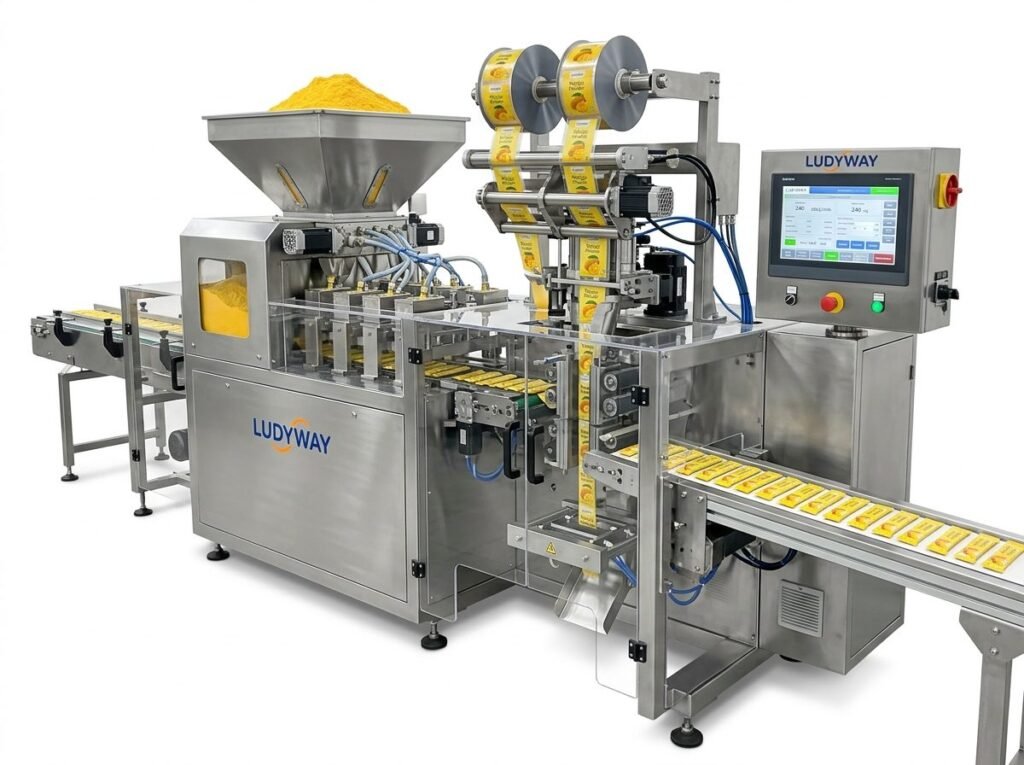
Investing in a four side seal packaging machine is a significant decision for any manufacturer dealing with powders, granules, liquids, or other products requiring flexible packaging. Unlike three-side seal or center-seal formats, four side seal pouches deliver a symmetrical, premium appearance with enhanced barrier protection — making them the go-to choice for industries such as pharmaceuticals, nutraceuticals, food and beverage, cosmetics, and chemicals. However, with so many configurations, lane options, and technical specifications available, selecting the right equipment requires careful evaluation.
This comprehensive buyer’s guide walks you through every critical factor to consider before purchasing a four side seal packaging machine, helping you avoid costly mistakes and ensure your investment aligns with your production goals.
Understanding Four Side Seal Packaging Technology
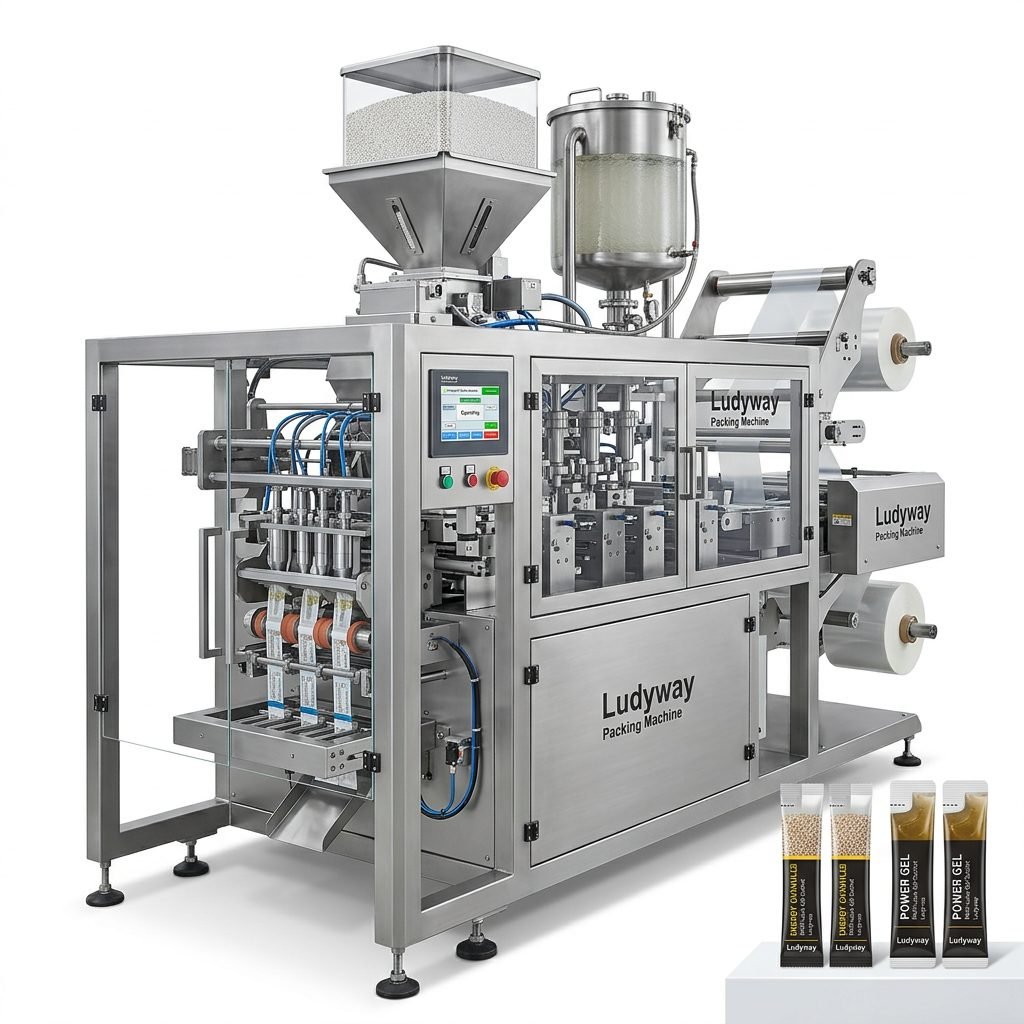
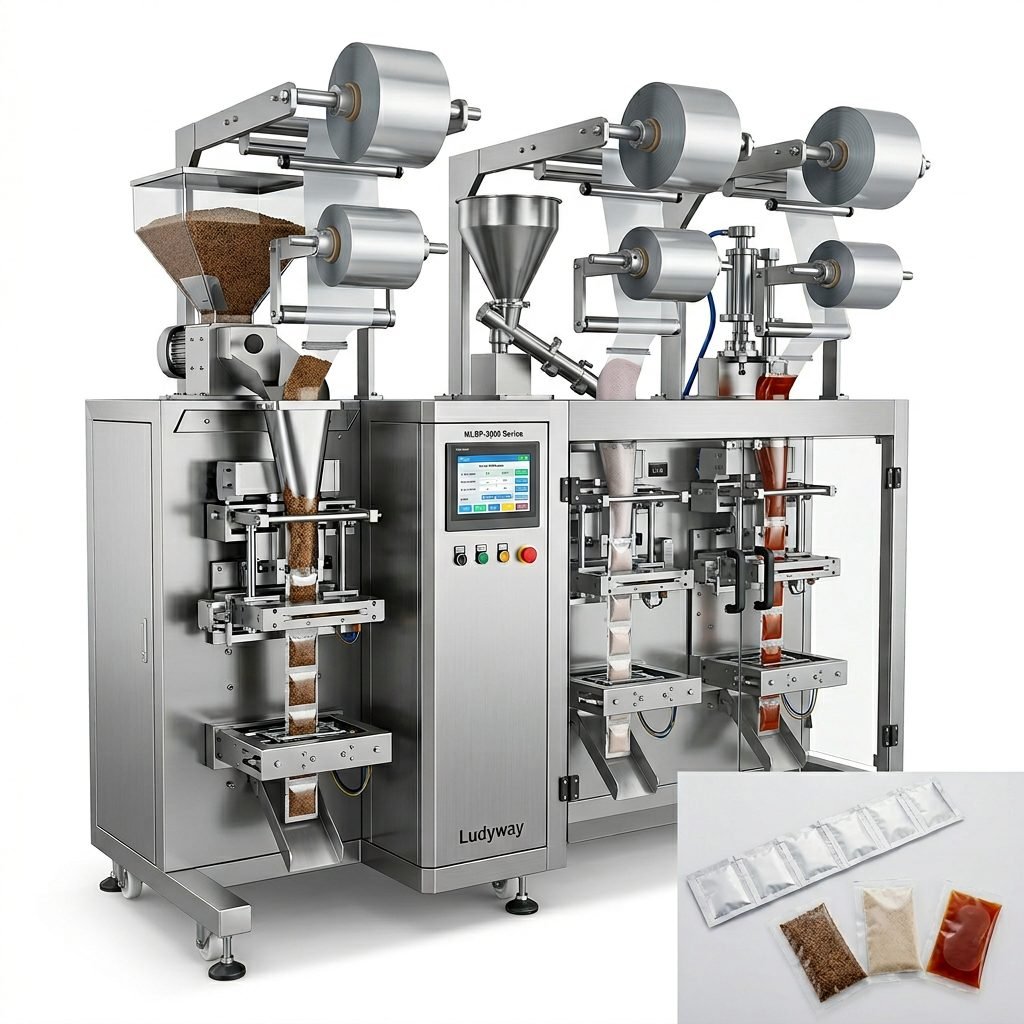
A four side seal (4SS) packaging machine creates pouches by sealing all four edges of the package. This format is widely used for single-dose sachets, stick packs, sample packets, and portion-controlled packaging. The primary advantage lies in its symmetrical seal structure, which provides superior burst strength, leak resistance, and an attractive presentation that enhances brand perception on retail shelves.
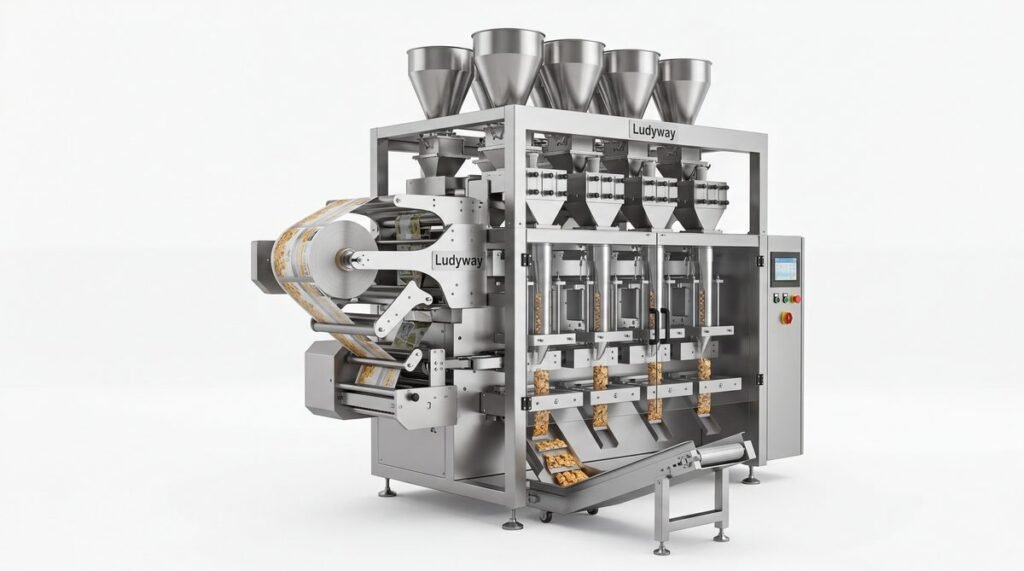
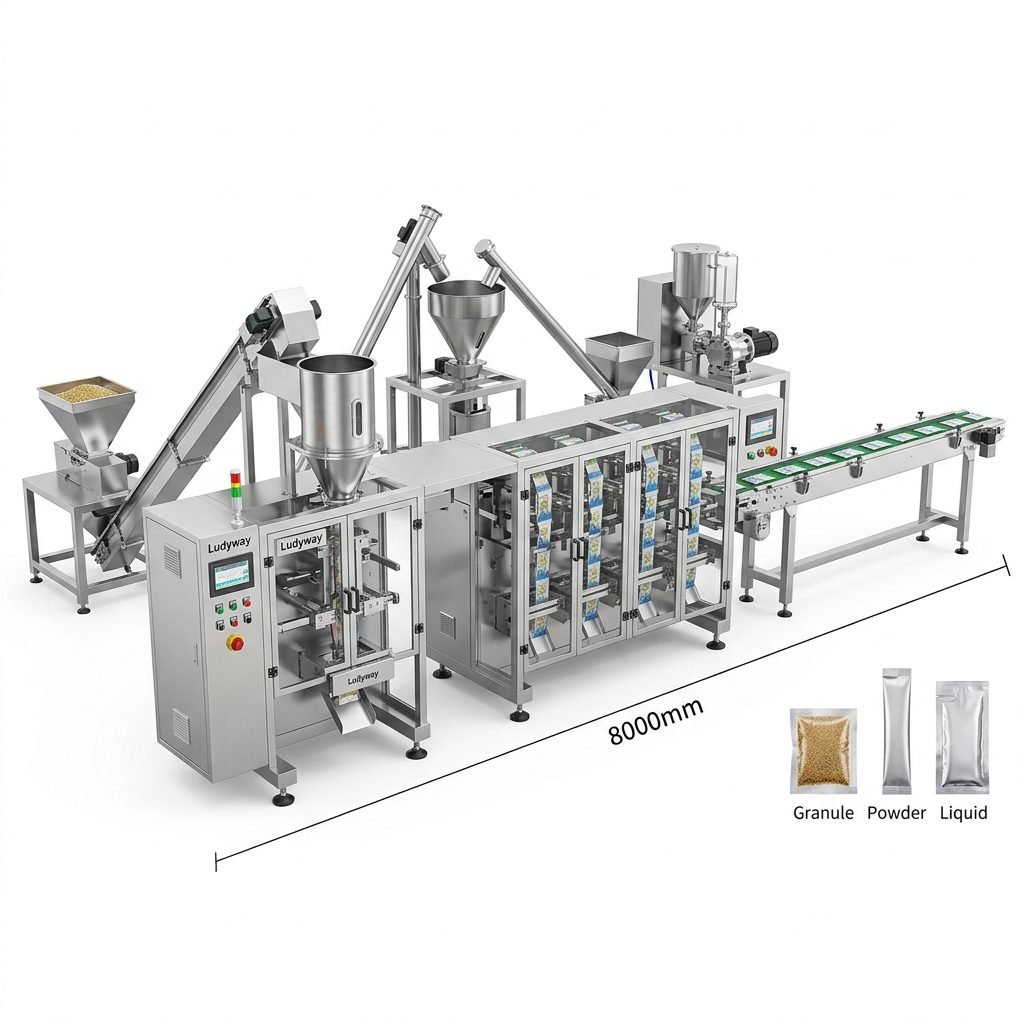
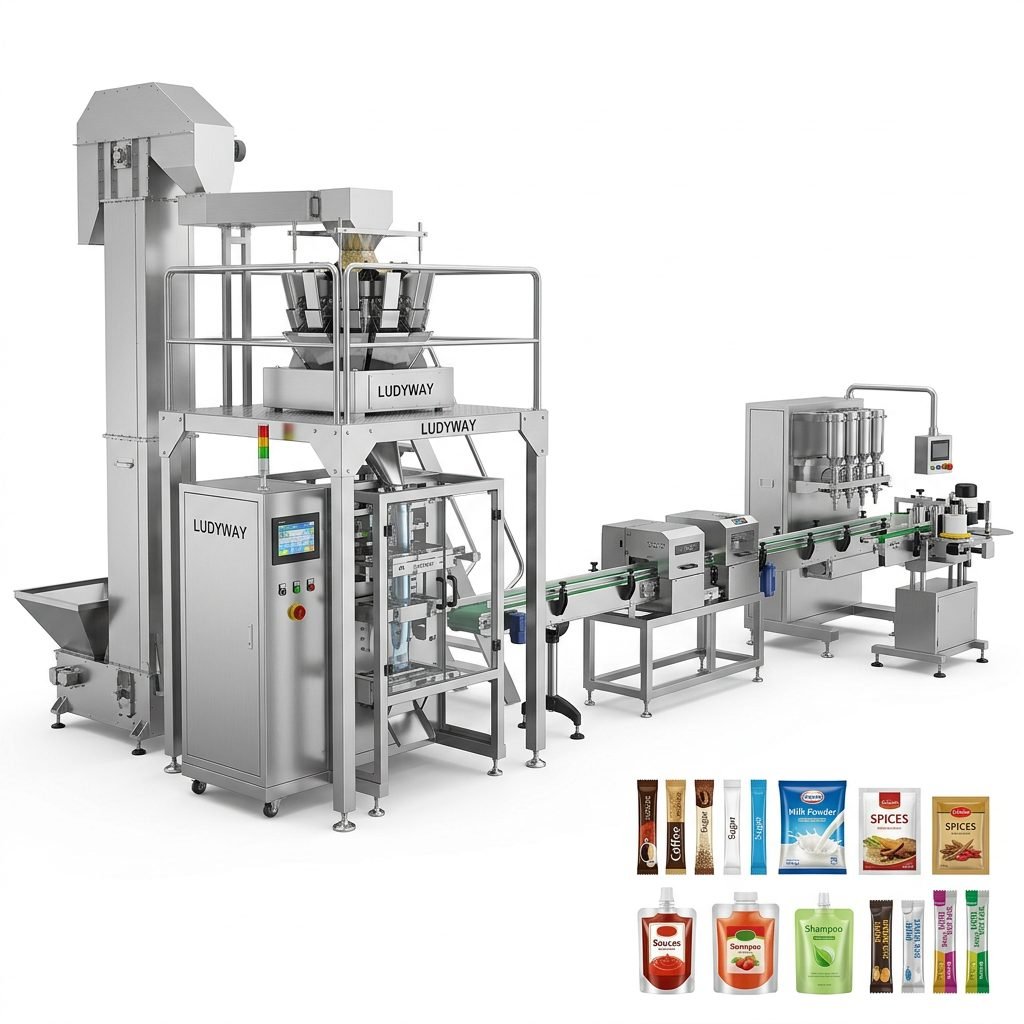
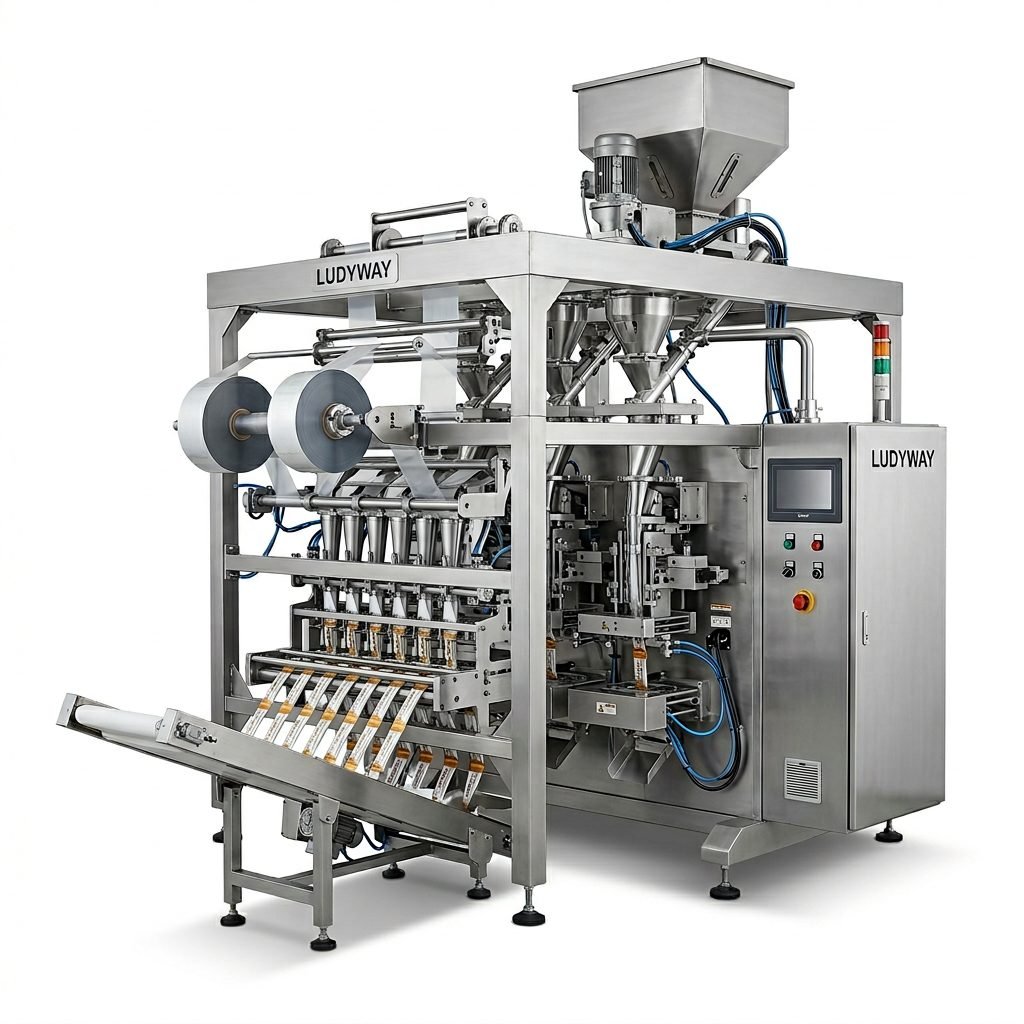
These machines can be configured as single-lane or multi-lane systems, with multi-lane configurations dramatically increasing output by producing multiple pouches simultaneously. Modern four side seal machines often integrate with automated packaging line components including feeding systems, dosing units, coding printers, and cartoning equipment for fully integrated production.
Key Advantages of Four Side Seal Pouches
- Excellent barrier properties — all four sides are hermetically sealed, protecting contents from moisture, oxygen, and contaminants
- Premium shelf appeal — symmetrical shape allows for consistent branding and attractive retail display
- Tamper-evident packaging — ideal for pharmaceutical and food safety compliance
- Efficient material usage — optimized film consumption compared to other pouch formats
- Versatile size range — from tiny 1-gram sample sachets to larger 50-gram+ stick packs
Critical Factors to Evaluate Before Purchasing
Selecting the right four side seal packaging machine involves more than comparing speed specifications. The following factors will directly impact your production efficiency, operational costs, and long-term ROI.
1. Product Characteristics and Compatibility
Your product’s physical properties dictate the dosing system and machine configuration you need. Free-flowing powders require different handling than cohesive powders or sticky granules. Similarly, liquid products with varying viscosities demand specialized filling systems. Key product parameters to assess include:
- Bulk density and flowability characteristics
- Particle size distribution and uniformity
- Moisture sensitivity and hygroscopic behavior
- Temperature sensitivity during the sealing process
- Chemical compatibility with packaging film materials
- Dust generation potential and explosion risks
Always conduct product trials with your actual materials before finalizing a machine selection. What works in theory may not perform optimally with your specific formulation.
2. Production Speed and Lane Configuration
Four side seal machines are available in single-lane, dual-lane, 4-lane, 6-lane, 8-lane, 10-lane, 12-lane, and even higher multi-lane configurations. Your required throughput determines the optimal lane count. A single-lane machine producing 40-60 pouches per minute may be sufficient for small-batch or startup operations, while high-volume manufacturers often need multi-lane systems capable of 400-1,200+ pouches per minute.
When calculating required speed, factor in not just current demand but projected growth over the next 3-5 years. Undersizing your machine can create costly bottlenecks, while oversizing leads to unnecessary capital expenditure and underutilization.
3. Pouch Dimensions and Format Flexibility
Four side seal machines accommodate a range of pouch widths and lengths, but each model has specific minimum and maximum dimensions. Consider whether you need a dedicated machine for a single product format or a flexible system capable of producing multiple pouch sizes with quick changeover. Key dimensional considerations include:
- Minimum and maximum pouch width (typically 16mm to 160mm+ depending on lane configuration)
- Pouch length range (commonly 40mm to 250mm+)
- Fill volume per pouch (from 0.5g to 50g+ for stick packs)
- Film roll width and core diameter compatibility
4. Dosing and Filling System Selection
The dosing mechanism is the heart of any four side seal packaging machine. Selecting the wrong filling system leads to inaccurate fill weights, product waste, and inconsistent quality. Common dosing technologies include:
| Dosing Type | Best For | Accuracy Range | Typical Speed |
|---|---|---|---|
| Auger Filler | Powders, fine granules | ±0.5% – ±2% | Up to 120 fills/min per lane |
| Volumetric Cup Filler | Free-flowing granules | ±1% – ±3% | Up to 150 fills/min per lane |
| Piston Filler | Liquids, pastes, creams | ±0.5% – ±1% | Up to 80 fills/min per lane |
| Multi-Head Weigher | Granules, snacks, solids | ±0.2% – ±1% | Up to 100 fills/min per lane |
| Peristaltic Pump | Sterile liquids, serums | ±0.5% – ±1% | Up to 60 fills/min per lane |
5. Packaging Film and Material Compatibility
Four side seal machines work with a variety of flexible packaging materials, but not all machines handle every film type equally well. Common materials include laminated foils, PET/AL/PE, paper/PE/AL/PE, BOPP/CPP, and various multi-layer barrier films. When evaluating machines, verify compatibility with:
- Heat-sealable films with different seal initiation temperatures
- Cold-seal materials for heat-sensitive products
- Biodegradable and recyclable film structures (increasingly important for sustainable flexible packaging initiatives)
- Foil-containing laminates requiring precise temperature control
- High-barrier films for pharmaceutical and medical applications
The machine’s sealing system — whether constant-heat, impulse, or ultrasonic — significantly impacts which materials you can run effectively.
Machine Construction and Build Quality
The structural integrity of a four side seal packaging machine directly affects its longevity, maintenance requirements, and output consistency. Premium machines feature:
- Stainless steel frames and product contact parts — essential for food-grade and pharmaceutical compliance
- Precision-machined sealing jaws with uniform temperature distribution
- Hardened tool steel cutting blades for clean, consistent pouch separation
- Industrial-grade servo motors with closed-loop feedback control
- Dust-proof and washdown-ready designs for hygienic production environments
Machines built with heavier-gauge materials and premium components typically cost more upfront but deliver significantly lower total cost of ownership through reduced downtime, fewer replacement parts, and more consistent output over years of operation. For manufacturers requiring cGMP, FDA, or CE compliance, construction materials and design must meet regulatory standards including ISO packaging standards relevant to your target markets.
Automation and Control System Capabilities
Modern four side seal packaging machines incorporate advanced automation features that dramatically improve operational efficiency, quality control, and data traceability. When comparing machines, evaluate the following automation capabilities:
PLC and HMI Systems
The programmable logic controller (PLC) serves as the machine’s brain, while the human-machine interface (HMI) provides operators with intuitive control. Look for systems offering multi-language support, recipe storage for quick product changeovers, and real-time production data monitoring. Leading brands like Siemens, Allen-Bradley, Mitsubishi, and Omron are commonly specified in high-quality equipment.
Servo-Driven Precision
Full servo-driven systems provide independent control over film feeding, sealing jaw movement, cutting, and pouch transfer. This enables precise synchronization, reduces mechanical wear, and allows for rapid parameter adjustments without physical tooling changes. Machines using servo technology typically achieve higher speeds with better pouch quality compared to mechanically cam-driven alternatives.
Integrated Quality Control Features
- Automatic registration and print mark sensors for precise film positioning
- Checkweigher integration for real-time fill weight verification and rejection
- Metal detection and X-ray inspection compatibility for contaminant detection
- Vision inspection systems for seal integrity, print quality, and pouch dimensions
- Data logging and batch traceability for regulatory compliance
Evaluating Suppliers and Manufacturers
Choosing the right equipment partner is as important as selecting the right machine specifications. A reliable four side seal packaging machine manufacturer should demonstrate:
Engineering and Manufacturing Capabilities
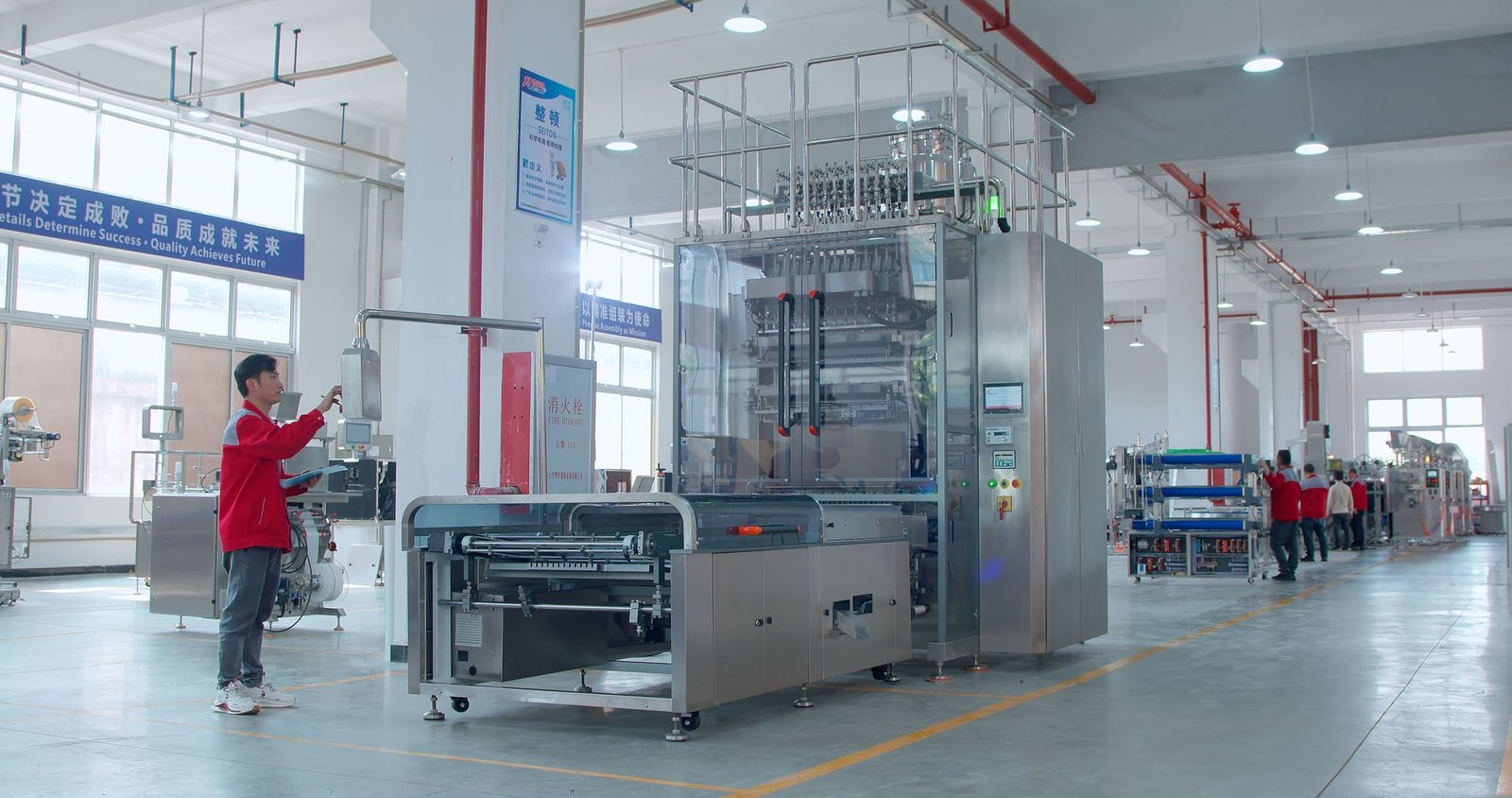
Look for manufacturers with in-house engineering teams, dedicated manufacturing facilities, and a proven track record in your industry segment. Companies that maintain their own production facilities typically offer better quality control, faster lead times, and more responsive customization capabilities. For example, Ludyway Machinery operates a 20,000-square-meter manufacturing facility with over 130 professionals and more than 50 packaging machine models, combining in-house manufacturing with engineering and automation expertise.
Industry Experience and References
- Number of installations in your specific industry (pharma, food, cosmetics, chemicals)
- Client references and willingness to provide testimonials or site visits
- Experience with relevant product types similar to yours
- Knowledge of regulatory requirements for your target markets
- Participation in industry associations such as PMMI packaging industry resources
After-Sales Support and Service
Packaging machinery is a long-term investment. The quality of after-sales support directly impacts your uptime and operational reliability. Evaluate potential suppliers on:
- Availability of remote technical support and troubleshooting
- Spare parts inventory and delivery lead times
- Installation, commissioning, and operator training services
- Warranty terms and extended service agreements
- Presence of local service technicians or distributor networks in your region
Total Cost of Ownership Analysis
The purchase price of a four side seal packaging machine represents only a portion of its true cost over its operational lifetime. Conduct a thorough total cost of ownership (TCO) analysis that includes:
| Cost Category | Considerations | Estimated % of TCO |
|---|---|---|
| Initial Equipment Cost | Machine, dosing units, conveyors, installation | 35-45% |
| Packaging Materials | Film, foil, laminated roll stock | 25-35% |
| Maintenance & Spare Parts | Sealing jaws, cutting blades, belts, sensors | 8-12% |
| Energy Consumption | Electricity, compressed air, cooling systems | 3-5% |
| Labor & Training | Operator wages, ongoing training, supervision | 10-15% |
| Downtime & Lost Production | Unscheduled stoppages, changeover time | 2-5% |
Machines with higher initial purchase prices but lower material waste rates, faster changeovers, and better reliability often deliver superior long-term value. An appropriate selection of packaging machinery aligned with industry benchmarks ensures your investment remains competitive over its service life.
Common Pitfalls to Avoid
Even experienced buyers can make costly mistakes when selecting a four side seal packaging machine. Be aware of these common pitfalls:
- Underestimating future capacity needs — a machine that barely meets current demand leaves no room for growth
- Overlooking film waste rates — poor web handling and registration can waste 3-8% of expensive packaging materials
- Ignoring changeover complexity — frequent product changes require quick, tool-free changeover capabilities
- Skipping product trials — always test your actual product on the proposed machine configuration
- Focusing solely on price — the cheapest machine often becomes the most expensive one to operate
- Neglecting facility requirements — verify power supply, compressed air capacity, ceiling height, and floor loading
- Inadequate operator training investment — even the best machine underperforms with untrained operators
Regulatory and Compliance Considerations
Depending on your industry and target markets, your four side seal packaging machine may need to comply with various regulatory frameworks. Pharmaceutical applications typically require machines designed for cGMP compliance with validated processes, while food packaging must meet FDA or EU food contact material regulations. Key standards and frameworks to consider include:
- FDA food packaging and food contact substances regulations
- ISO 11607 standards for terminally sterilized medical device packaging
- EU packaging and packaging waste regulations
- CE marking requirements for machinery sold in European markets
- UL and CSA certification for North American electrical safety compliance
Engage with manufacturers who understand and can document compliance with the specific standards applicable to your products and markets. This due diligence upfront prevents costly regulatory issues after installation.
Making the Final Decision
After evaluating all technical, commercial, and support factors, synthesize your findings into a structured comparison. Create a weighted evaluation matrix that scores each shortlisted machine on criteria important to your specific operation. Consider visiting existing installations, attending packaging industry trade shows like PACK EXPO to see machines in person, and requesting detailed proposals that include all ancillary equipment, installation, and training costs.
A well-chosen four side seal packaging machine becomes a productive asset that drives efficiency, product quality, and brand value for years to come. Take the time to evaluate thoroughly — the effort invested in proper selection pays dividends throughout the machine’s operational life.
Key Takeaways
- Match the machine to your product — conduct trials with your actual materials before purchasing
- Plan for growth — size your machine for projected demand over the next several years
- Evaluate TCO, not just purchase price — consider materials, maintenance, energy, and labor costs
- Choose a manufacturer with relevant industry experience and strong after-sales support capabilities
- Verify regulatory compliance for your specific products and target markets
- Invest in operator training to maximize machine performance and longevity