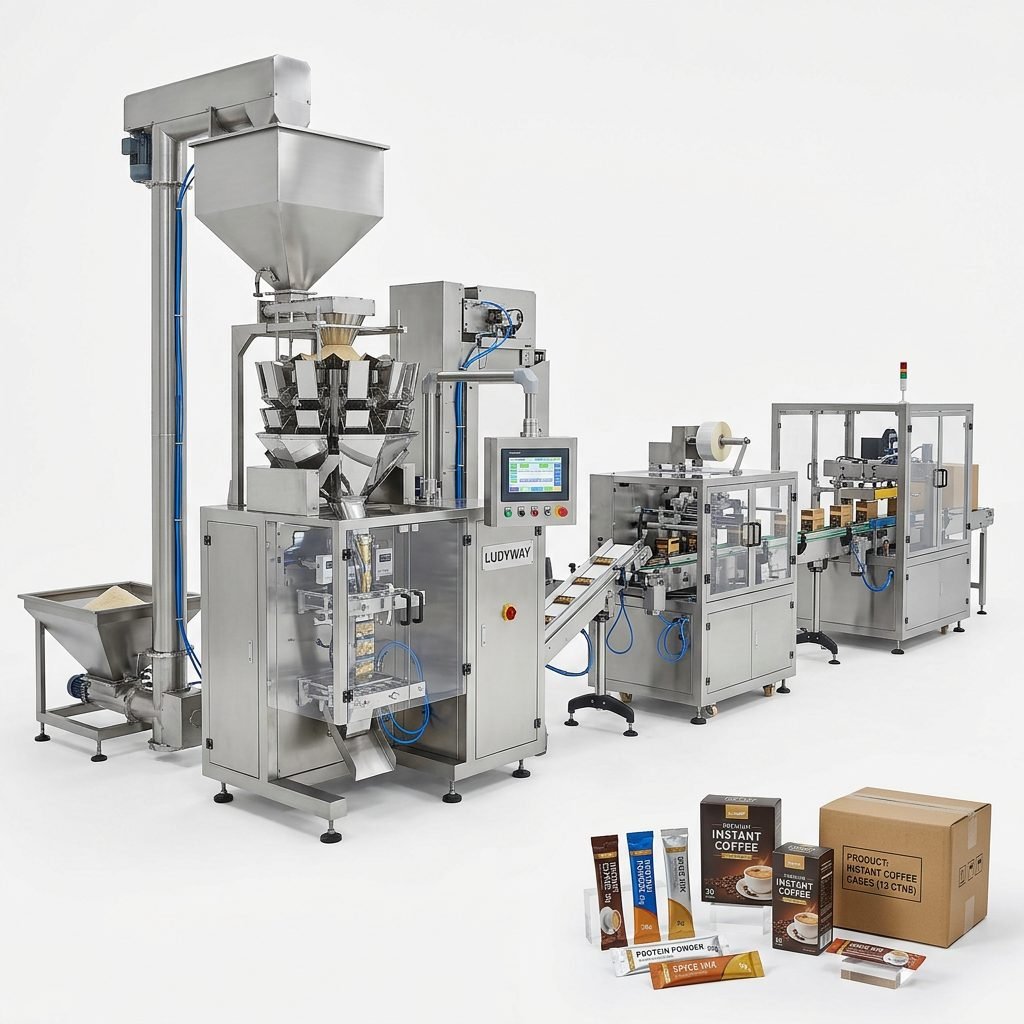
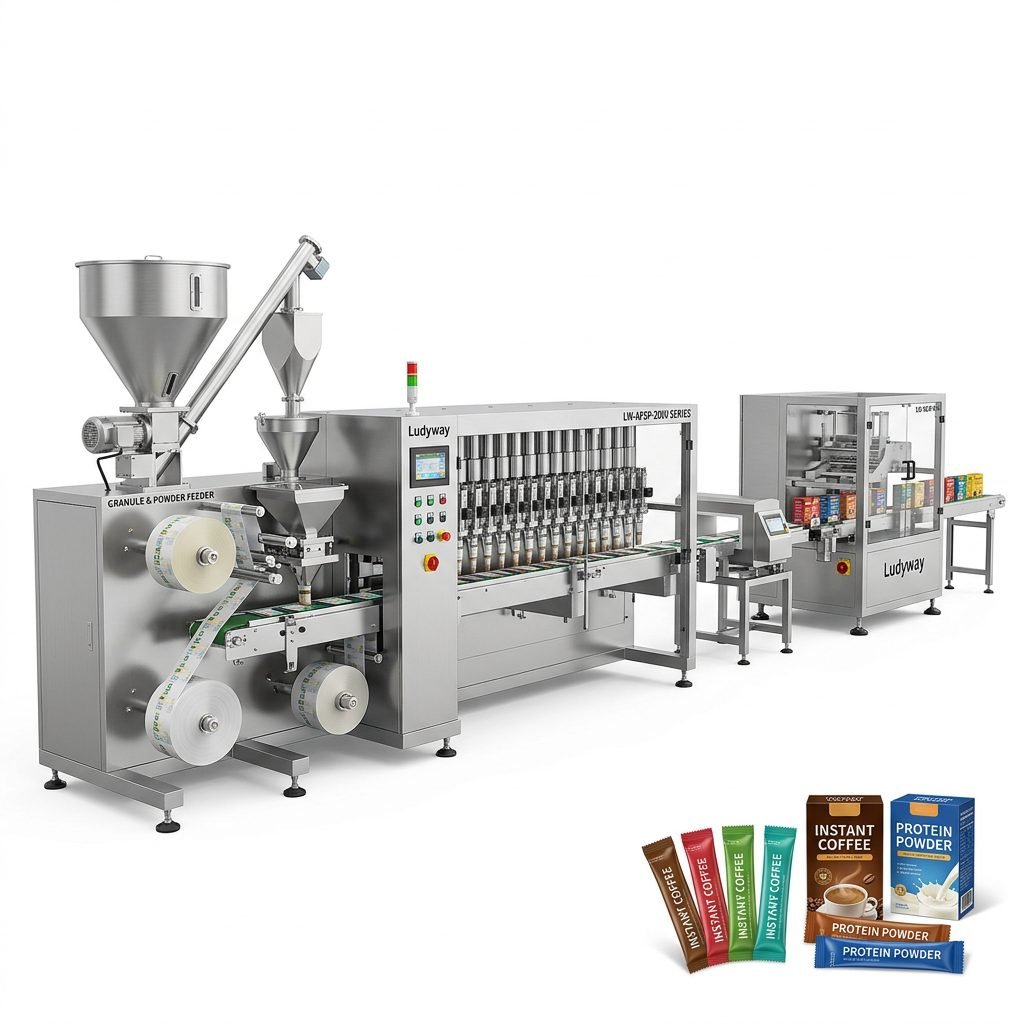
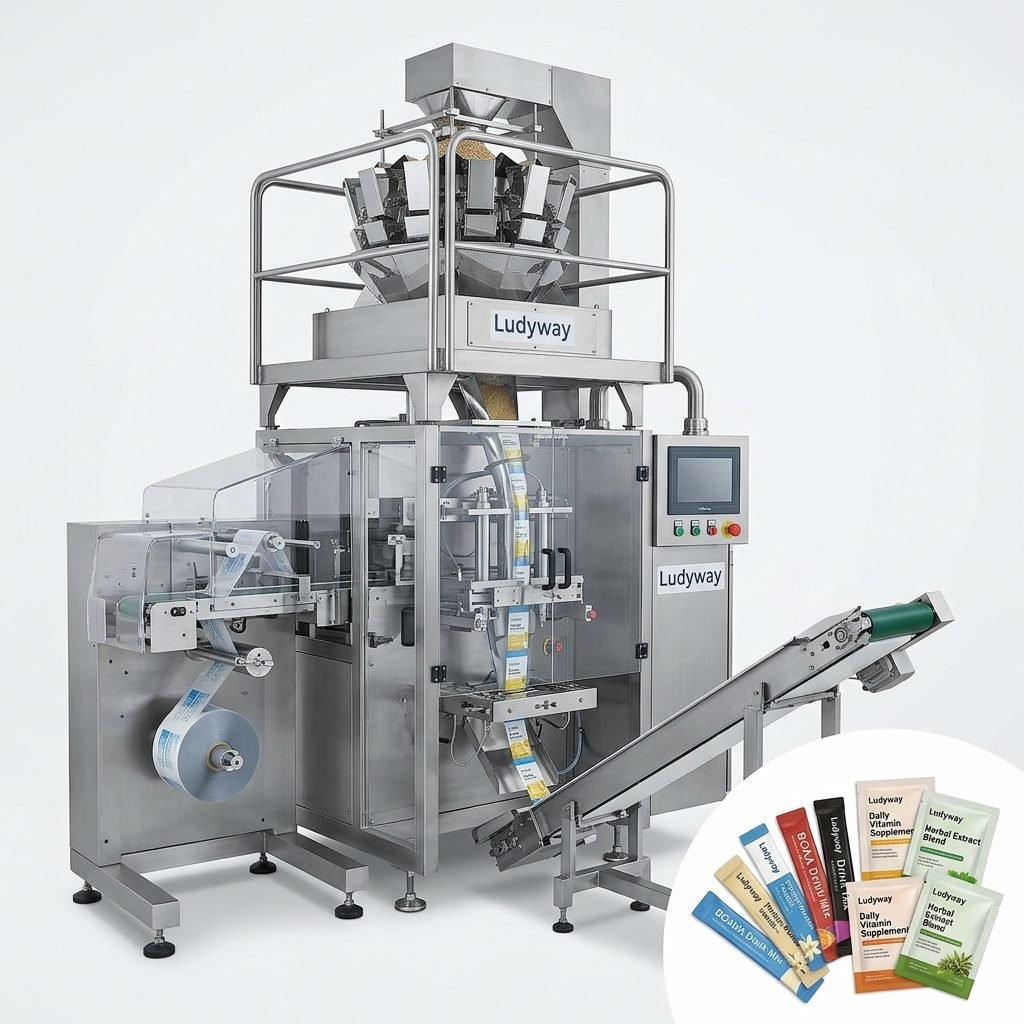
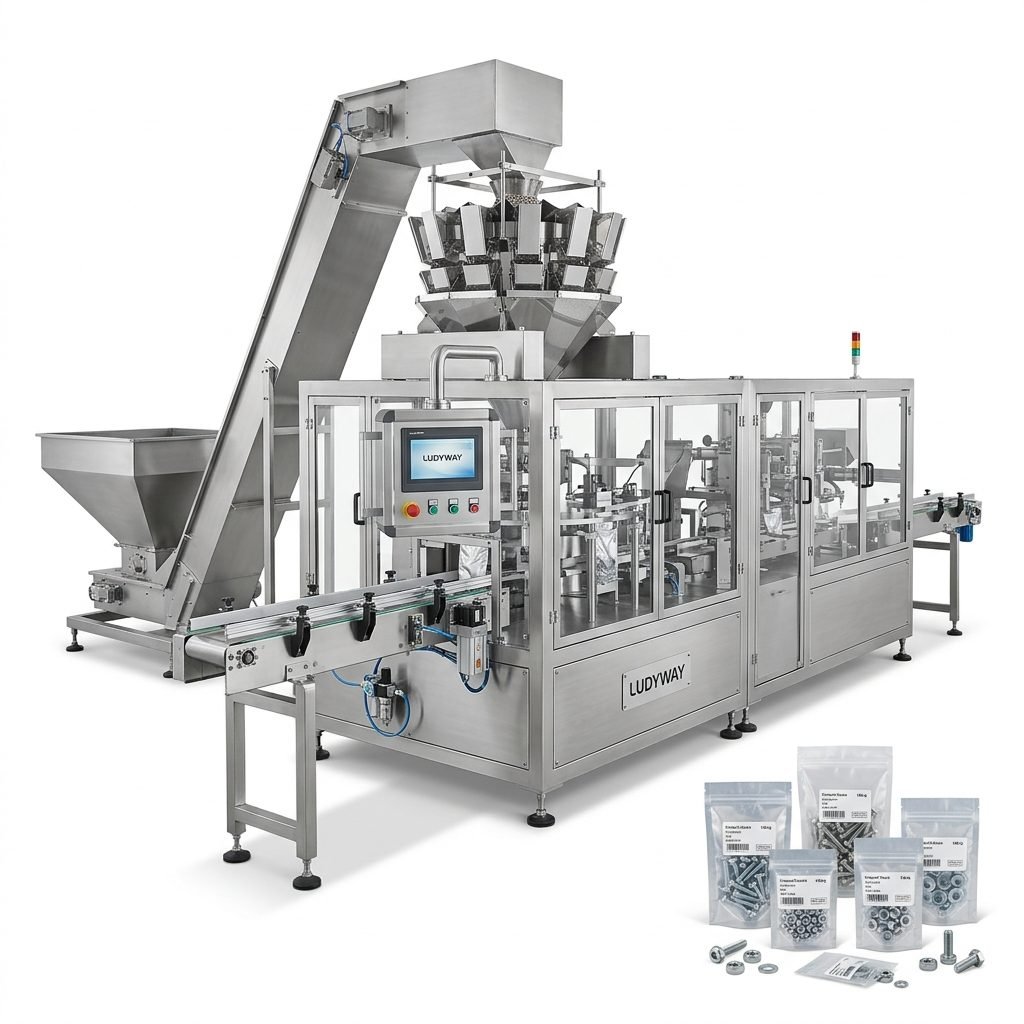
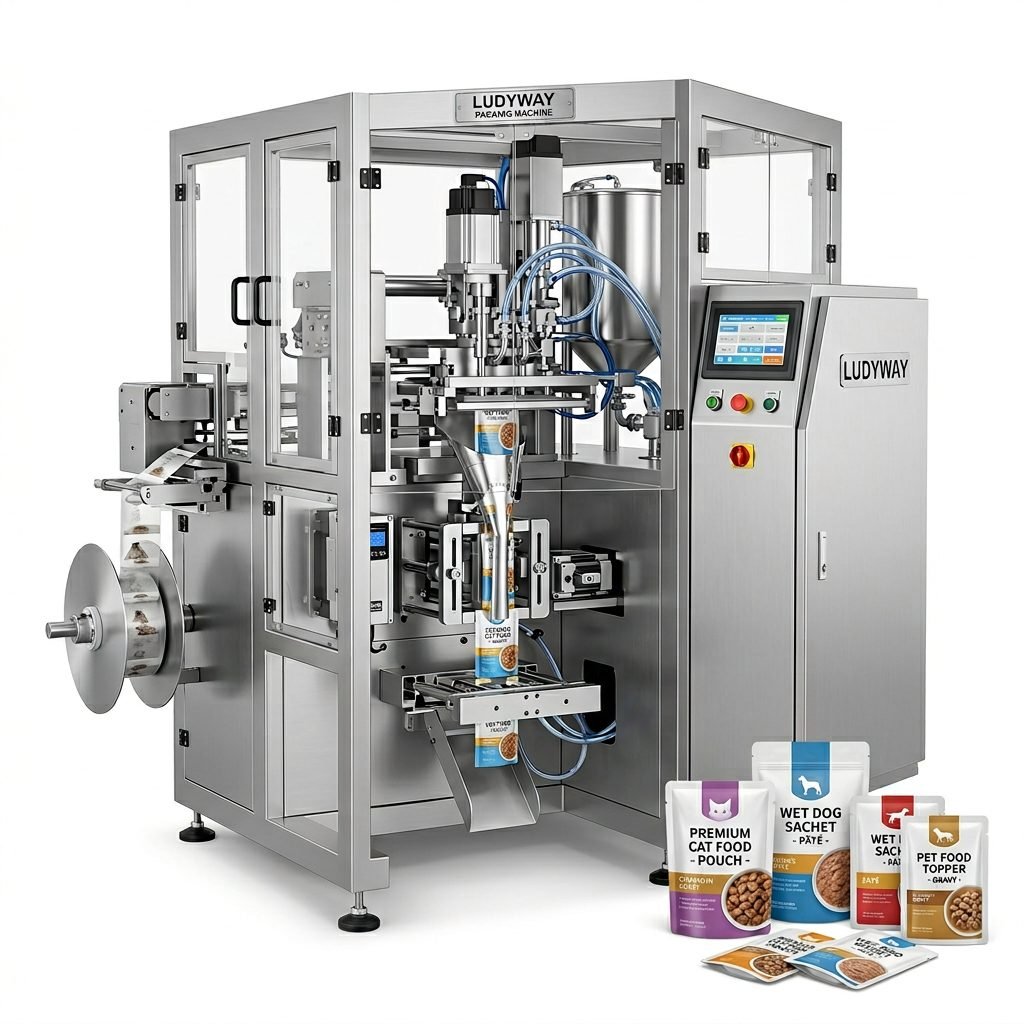
Packaging equipment and machinery play a critical role in modern manufacturing. From food and pharmaceuticals to cosmetics, chemicals, pet products, and daily-use goods, the right packaging system helps businesses improve speed, consistency, product protection, and overall operational efficiency. Whether you are packing powders, granules, liquids, pastes, pouches, sachets, cartons, or bulk bags, choosing the correct machine setup can directly affect your production costs and market competitiveness.
This guide explains the major types of packaging machinery, their common uses, the benefits they offer, and what buyers should evaluate before investing in a new system.
What Is Packaging Equipment and Machinery?
Packaging equipment and machinery refer to the machines used to prepare, fill, seal, label, code, inspect, bundle, cartoning, and palletize products for sale, storage, or transport. These systems range from simple standalone units to fully automated turnkey production lines.
Depending on the product and package format, packaging machinery may include:
- Feeding and conveying systems
- Weighing and dosing equipment
- Filling machines
- Form-fill-seal machines
- Capping and sealing machines
- Labeling and coding machines
- Inspection systems
- Cartoning, case packing, and palletizing equipment
Main Types of Packaging Equipment and Machinery
1. Filling Machines
Filling machines are designed to dispense a specific amount of product into a package. They are among the most widely used packaging systems across industries.
Common product types handled:
- Powders such as milk powder, spices, protein powder, coffee, and supplements
- Granules such as sugar, salt, seeds, pet food, rice, and snacks
- Liquids such as sauces, oils, detergents, syrups, and beverages
- Pastes and creams such as cosmetics, gels, ointments, and condiments
Popular filling technologies:
- Auger filling for powders
- Volumetric cup filling for free-flowing granules
- Multihead weighing for snacks and irregular solids
- Piston filling for viscous liquids and pastes
- Liquid pump filling for low- to medium-viscosity fluids
2. Form-Fill-Seal Machines
Form-fill-seal machinery creates the package from roll film, fills it with product, and seals it in one continuous automated process. This is a highly efficient solution for companies seeking high-speed, labor-saving production.
Typical machine categories:
- Vertical form-fill-seal (VFFS) machines
- Horizontal form-fill-seal (HFFS) machines
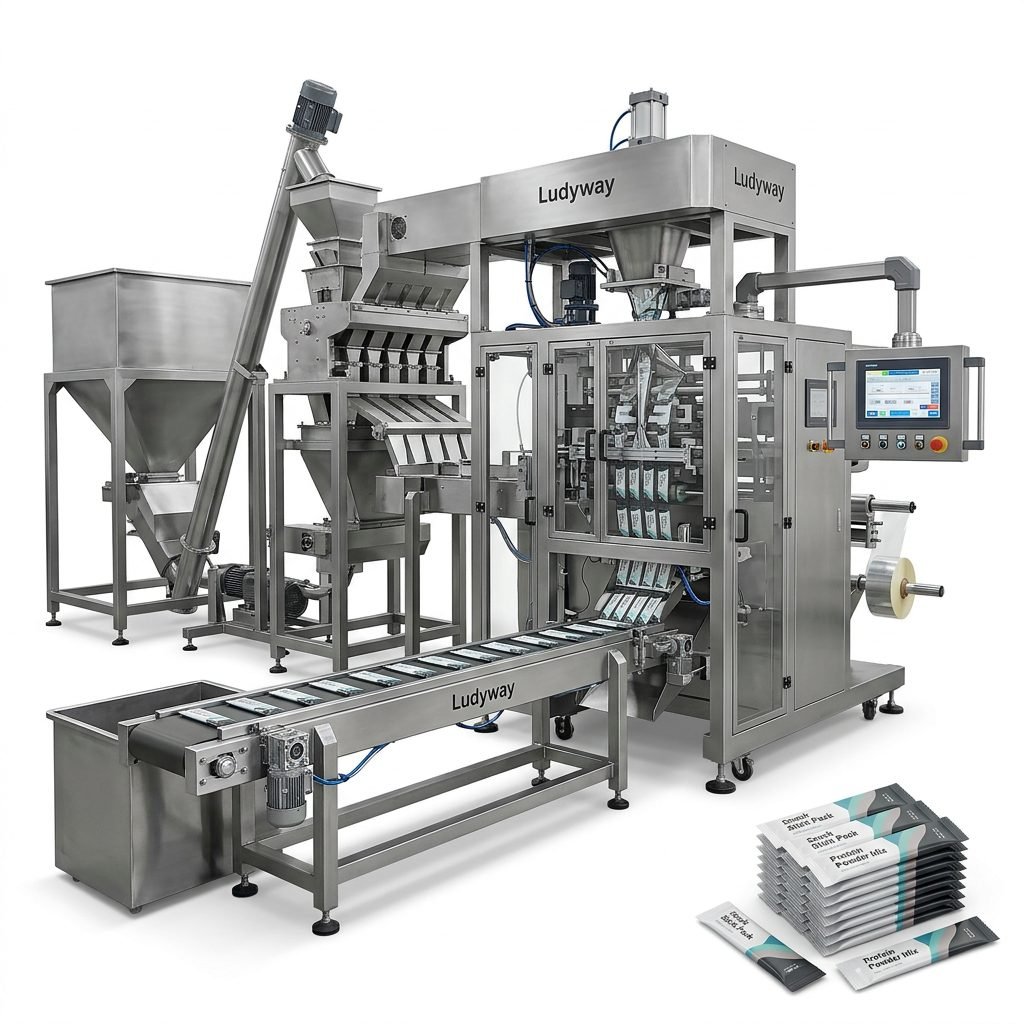
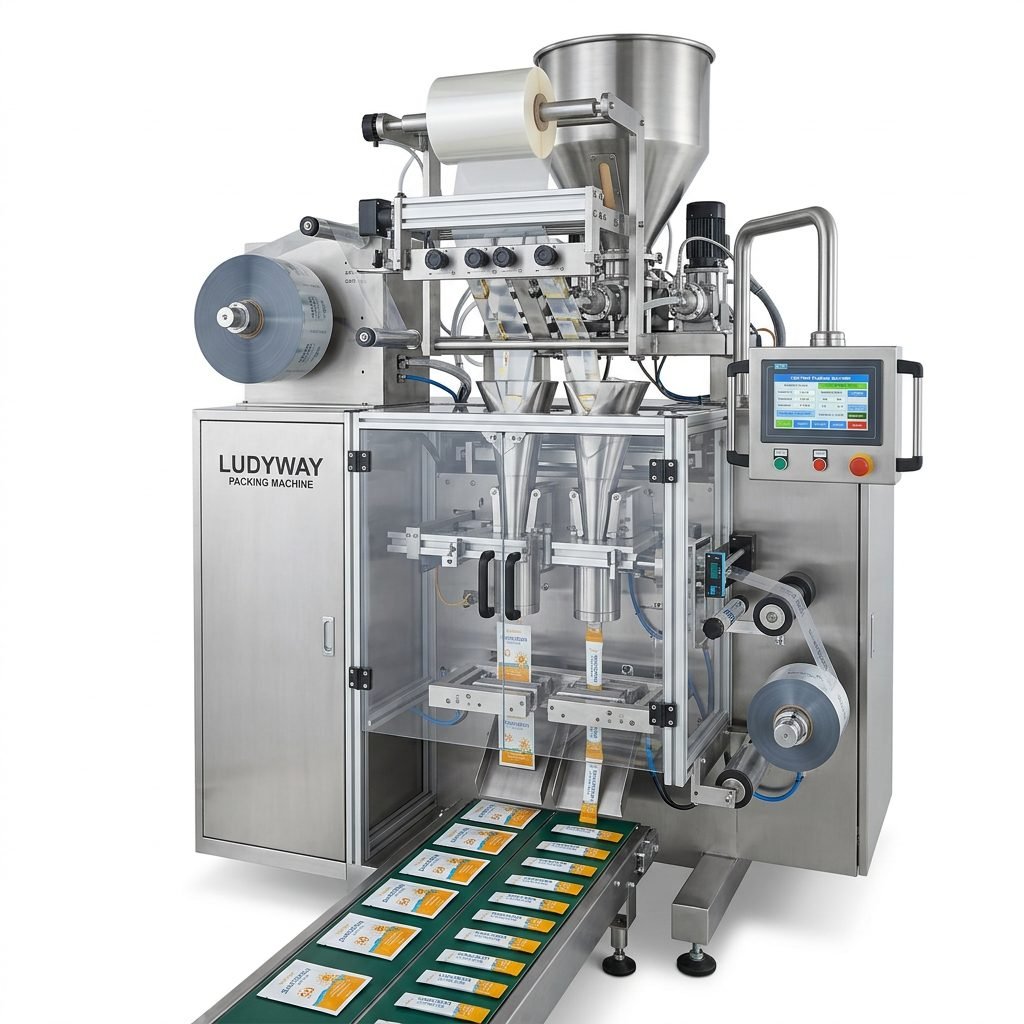
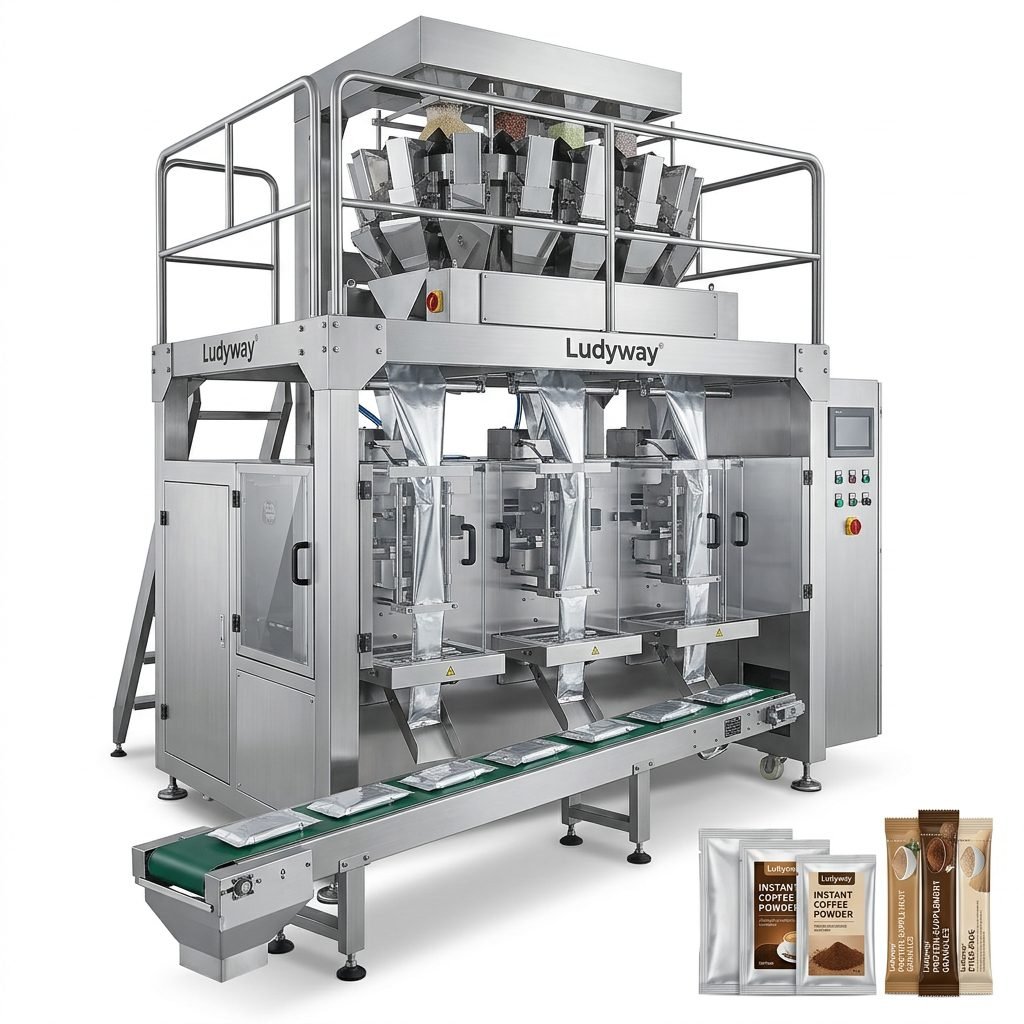
- Multi-lane sachet packaging machines
- Multi-lane stick pack machines
These machines are commonly used for seasoning powders, instant drink mixes, sugar sticks, oral rehydration salts, cosmetics samples, pharmaceutical granules, and single-dose liquid products.
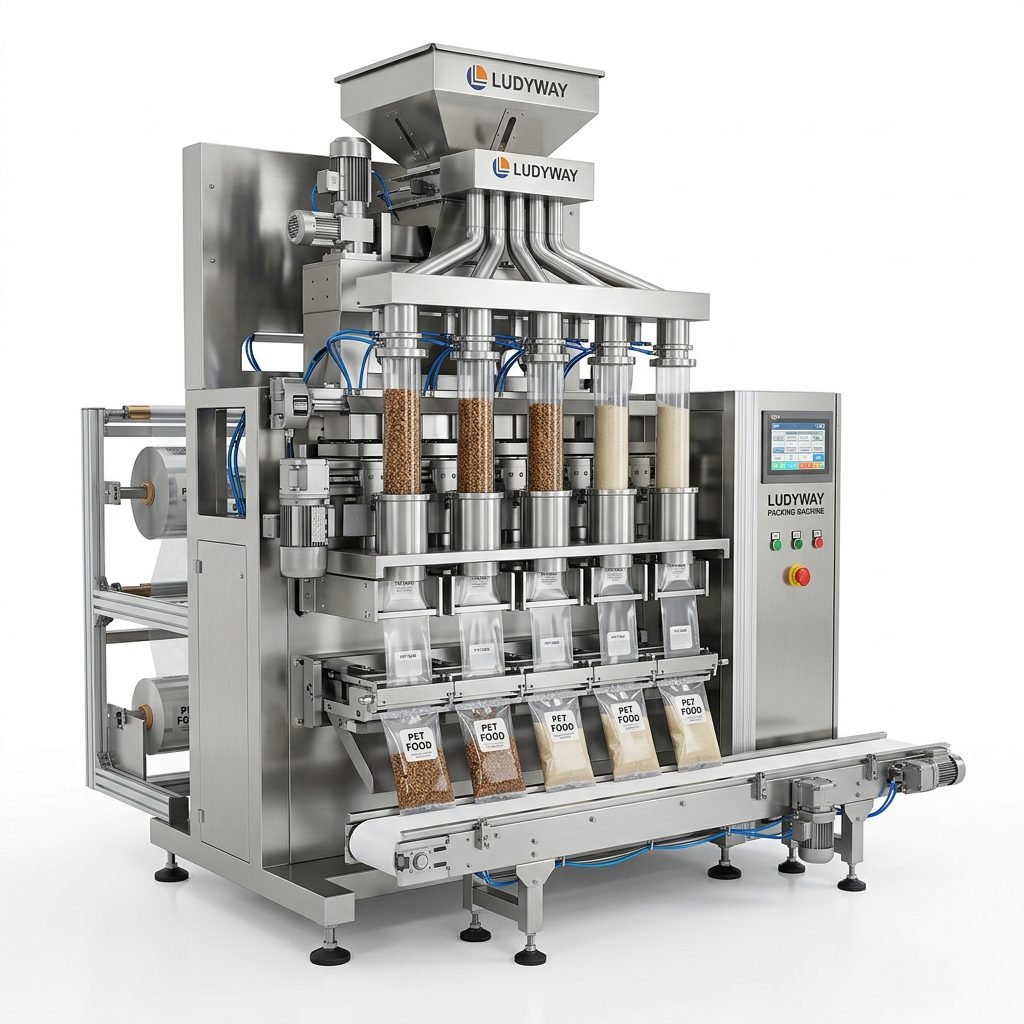
3. Premade Pouch Packaging Machines
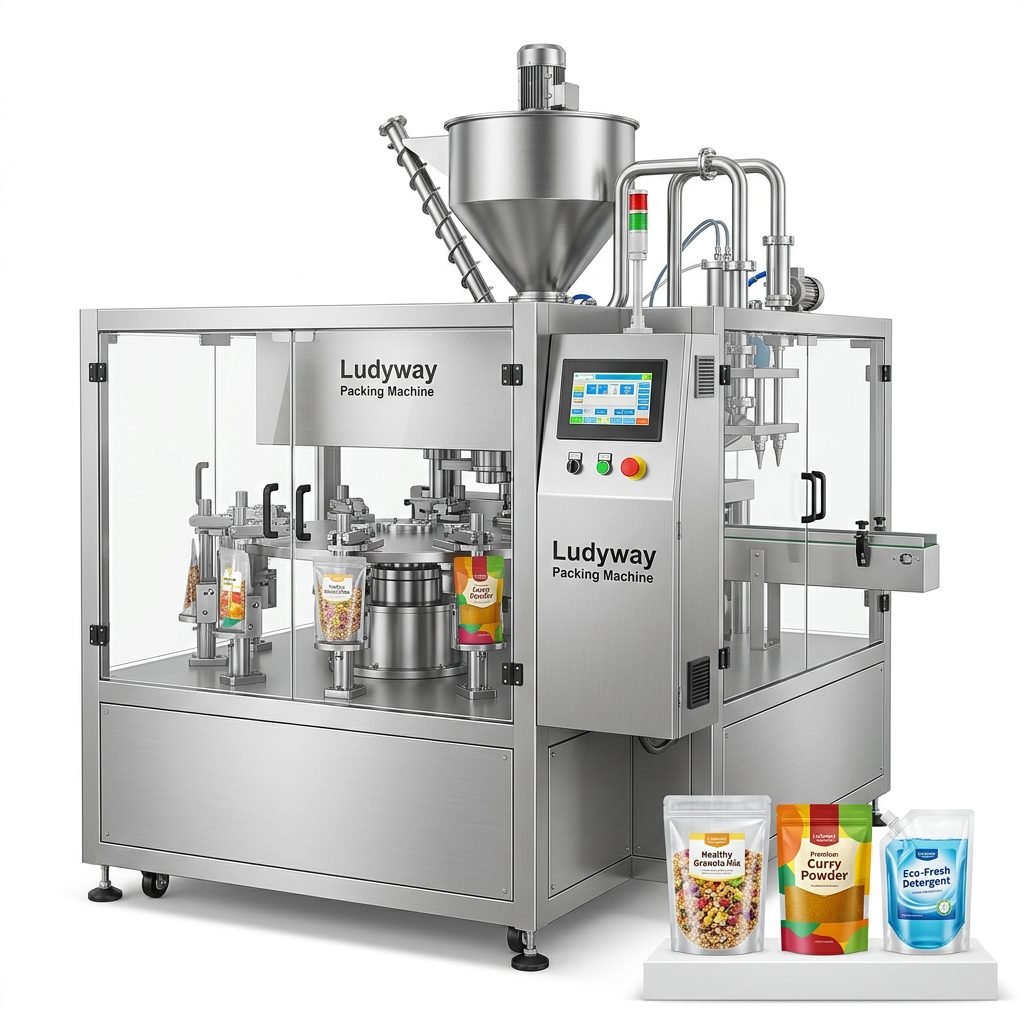
Premade pouch packing machines fill and seal ready-made pouches rather than forming the bag from film. They are ideal for brands that want a premium package appearance or special pouch structures such as zipper pouches, stand-up pouches, and shaped pouches.
Common applications include:
- Pet food and pet treats
- Coffee and tea
- Nutritional supplements
- Detergents and household chemicals
- Sauces and liquid condiments
4. Sealing Machines
Sealing equipment closes packages securely to preserve product integrity and shelf life. The correct sealing method depends on packaging material, product sensitivity, and output targets.
Examples include:
- Heat sealing machines
- Induction sealers
- Vacuum sealing machines
- Nitrogen flushing and modified atmosphere packaging systems
- Cap sealing and bottle closing equipment
5. Labeling and Coding Machines
After filling and sealing, many products require identification, traceability, and branding. Labeling and coding systems print or apply essential packaging data.
They may add:
- Batch numbers
- Manufacturing dates
- Expiry dates
- Barcodes and QR codes
- Brand labels and compliance markings
6. Inspection and Quality Control Equipment
Inspection systems help manufacturers maintain product consistency and reduce costly recalls. They are especially important in food, pharmaceutical, and medical sectors.
Typical equipment includes:
- Checkweighers
- Metal detectors
- X-ray inspection systems
- Vision inspection systems
- Reject systems for defective packs
7. Secondary and End-of-Line Packaging Machinery
Primary packaging protects the product directly, but secondary and end-of-line systems prepare it for retail display and logistics.
- Cartoning machines
- Case packers
- Carton erectors and sealers
- Shrink wrapping machines
- Bundling machines
- Palletizers and stretch wrappers
Packaging Machinery by Product Type
| Product Type | Recommended Equipment | Typical Applications |
|---|---|---|
| Powders | Auger fillers, sachet machines, stick pack machines, VFFS machines | Protein powder, spices, coffee, pharmaceuticals |
| Granules | Cup fillers, linear weighers, multihead weighers, pouch packers | Sugar, salt, seeds, snacks, pet food |
| Liquids | Pump fillers, piston fillers, liquid sachet machines, bottle filling lines | Sauces, detergents, oils, syrups, cosmetics |
| Pastes & Creams | Piston fillers, tube fillers, sachet filling machines | Creams, gels, ointments, peanut butter, lotions |
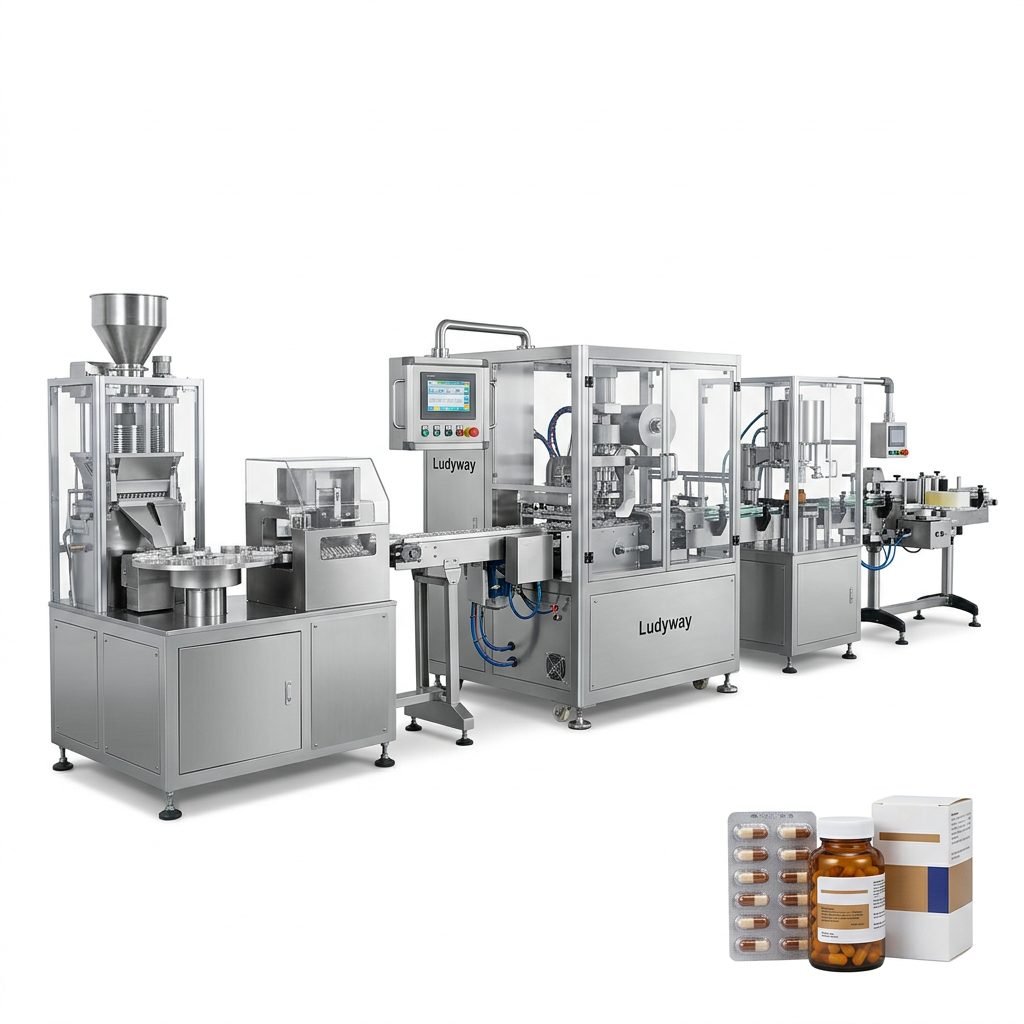
| Tablets & Capsules | Blister packers, bottle filling lines, cartoning systems | Pharmaceutical and nutraceutical products |
Industries That Use Packaging Equipment
Food Industry
Food producers rely on packaging equipment for hygiene, freshness, efficient throughput, and shelf appeal. Applications cover snacks, spices, coffee, tea, sauces, dairy powders, grains, frozen foods, confectionery, and ready-to-eat products.
Pharmaceutical Industry
In pharma, packaging machinery must meet strict demands for dosing accuracy, cleanliness, traceability, and compliance. Common solutions include sachet packing machines, blister packers, bottle lines, and sterile sealing systems.
Cosmetics and Personal Care
Beauty and personal care brands use packaging machinery for cream sachets, shampoo pouches, serum ampoules, wipes, tubes, and bottles. Machine accuracy is especially important for premium products where appearance and filling consistency affect customer trust.
Chemical Industry
Chemical products may require corrosion-resistant contact parts, secure sealing, and dust or vapor control. Packaging machinery is widely used for detergents, industrial powders, fertilizers, cleaning agents, and specialty additives.
Pet Food and Animal Feed
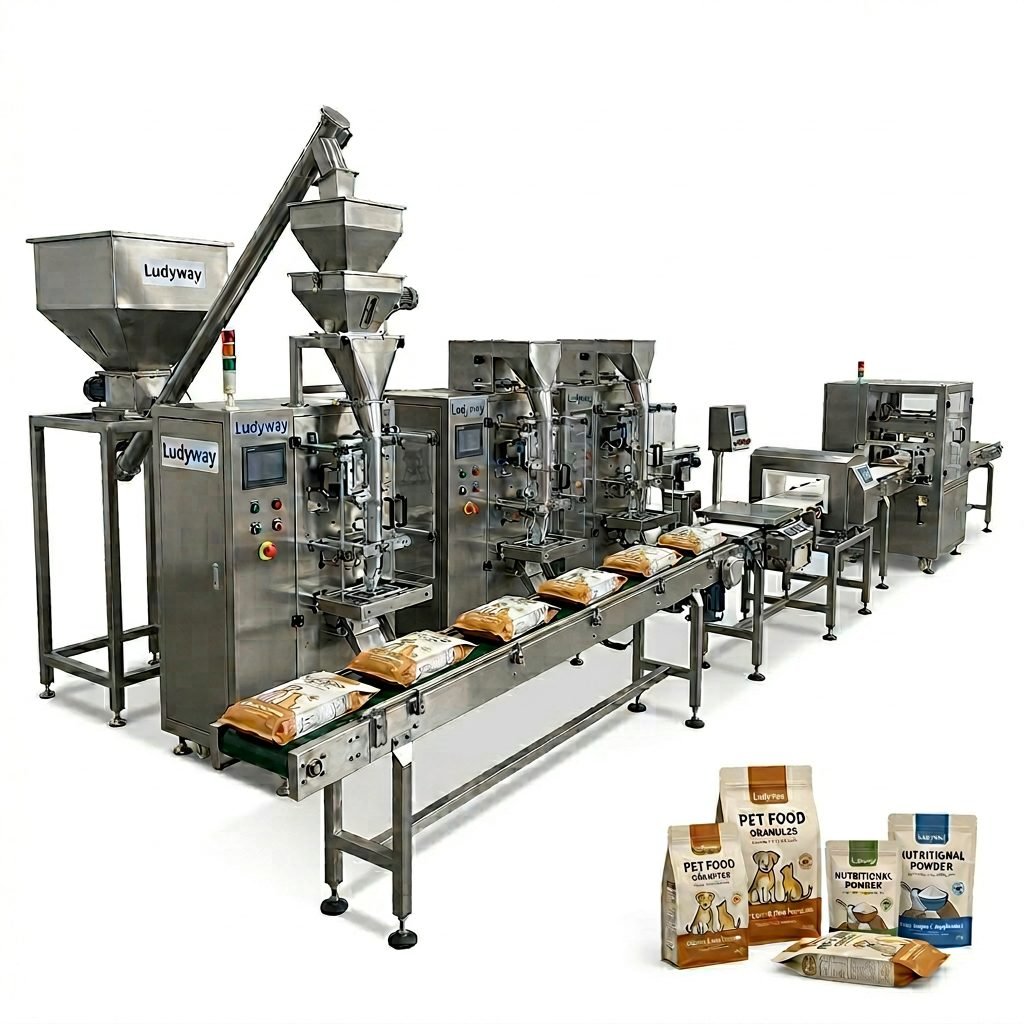
Packaging systems in this sector handle dry kibble, feed pellets, supplements, treats, and powders. Solutions often include weighing, feeding, sealing, coding, and bag handling systems to support both retail and bulk formats.
Key Benefits of Modern Packaging Machinery
- Higher production efficiency through continuous and automated operation
- Improved filling accuracy for reduced giveaway and better consistency
- Lower labor dependence and better workforce allocation
- Better product protection during storage and transportation
- Stronger hygiene and safety control for regulated industries
- Scalable output for growing production demands
- Enhanced packaging appearance for stronger retail presentation
- Better integration with coding, inspection, cartoning, and palletizing systems
Automatic vs Semi-Automatic Packaging Machinery
| Type | Best For | Advantages |
|---|---|---|
| Semi-Automatic | Startups, smaller factories, limited budgets | Lower initial cost, easier setup, flexible operation |
| Fully Automatic | Medium to large-scale manufacturing | Higher speed, less labor, stronger consistency, line integration |
How to Choose the Right Packaging Equipment
Selecting the right machine is not only about price. A packaging line should match your product behavior, target capacity, packaging style, and future business growth.
Important selection factors:
- Product characteristics
Is the product free-flowing, dusty, sticky, fragile, corrosive, or viscous? - Package format
Do you need sachets, stick packs, pouches, bottles, jars, cartons, or bulk bags? - Production speed
Calculate packs per minute, shifts per day, and seasonal peaks. - Accuracy requirements
This is especially important for pharmaceutical, nutraceutical, and high-value products. - Automation level
Choose between standalone machines and integrated turnkey lines. - Material compatibility
The machine should fit your packaging film, pouch material, or bottle type. - Factory layout
Consider space, utilities, operator flow, and future expansion. - After-sales support
Technical training, spare parts, commissioning, and troubleshooting matter long after installation.
Standalone Machines vs Turnkey Packaging Lines
Some manufacturers only need one machine, while others need a complete integrated solution from feeding to final palletizing.
Standalone machines are suitable when:
- You are upgrading one step of an existing line
- You have lower production volume
- You need flexible operation for different SKUs
Turnkey packaging lines are suitable when:
- You want end-to-end automation
- You need consistent line communication and control
- You want to reduce manual transfer points
- You need higher output and better line efficiency
For businesses seeking scalable automation across food, pharma, health supplements, cosmetics, chemicals, pet food, and pouch-based products, Ludyway packaging equipment and machinery solutions are often considered for both standalone machines and complete turnkey lines.
Common Packaging Machinery Applications
| Application | Typical Machine Solution |
|---|---|
| Coffee sachets and stick packs | Multi-lane powder sachet or stick pack machine |
| Spices and seasonings | Auger filler with VFFS or sachet system |
| Liquid detergent | Liquid filling and sealing machine |
| Pet food and feed pellets | Weighing, filling, bagging, and sealing line |
| Pharmaceutical granules | High-precision sachet or stick pack machine with coding and inspection |
| Cosmetic cream samples | Cream sachet filling and sealing system |
Trends in Packaging Equipment and Machinery
- More intelligent PLC and touchscreen control systems
- Greater use of servo-driven motion for precision and speed
- Integration with ERP and production monitoring systems
- Tool-free changeovers for faster SKU switching
- Improved sanitation design for food and pharma environments
- Energy-saving and material-saving operating modes
- Higher demand for customized turnkey packaging lines
Final Thoughts on Packaging Machinery Investment
The best packaging equipment is the one that fits your actual production needs, product characteristics, compliance requirements, and growth plan. A well-chosen machine can improve output, reduce waste, stabilize pack quality, and strengthen your overall manufacturing efficiency.
Whether you need a compact filling machine, a multi-lane sachet system, a pouch packing solution, or a complete automated packaging line, understanding the machine types, uses, and benefits is the first step toward making a smart long-term investment.