Choosing the right packaging material machine is not only about buying equipment that can fill or seal a product. It is about building an efficient packaging process that matches your product type, output goals, packaging material, labor plan, compliance needs, and future growth. A smart selection can reduce downtime, improve consistency, lower waste, and help your business stay competitive in fast-moving markets.
Whether you package powders, granules, liquids, pastes, sachets, stick packs, pouches, bottles, or cartons, the machine you choose will directly affect daily productivity and long-term operating cost.

Why the Right Packaging Material Machine Matters
Packaging equipment does more than wrap a product. It supports product protection, shelf appeal, transport stability, traceability, and user convenience. The wrong machine can create frequent stoppages, sealing defects, inaccurate dosing, material incompatibility, and unnecessary maintenance costs.
- Higher efficiency: faster cycle times and reduced manual handling
- Better quality: consistent seals, weights, and package appearance
- Lower waste: less film loss, fewer rejected packs, more stable filling
- Scalability: easier expansion from semi-automatic to fully automatic lines
- Compliance: better suitability for food, pharmaceutical, and regulated production
Start with Your Product Characteristics
The first step is understanding what you are packaging. Different products behave differently during feeding, dosing, filling, sealing, and discharge. A machine that works perfectly for free-flowing granules may perform poorly with sticky paste or fine powder.
Key product factors to evaluate
- Product form: powder, granule, liquid, cream, gel, paste, tablet, capsule, or pouch item
- Flowability: does the product move easily or bridge inside hoppers?
- Density and particle size: this affects filling accuracy and machine choice
- Moisture sensitivity: some products need high-barrier materials and reliable sealing
- Hygiene level: food and pharma products often need sanitary designs and easy cleaning
- Fragility: brittle products need gentle handling to avoid damage
For example, protein powders, seasonings, and pharmaceutical blends usually require precise auger or servo dosing. Sauces, shampoos, and gels often need liquid or paste filling systems with anti-drip control. Snacks, nuts, and granules may pair better with weighing or volumetric systems.
Match the Machine to the Packaging Material
Packaging performance depends heavily on the relationship between the machine and the packaging material. If your material is difficult to seal, tears easily, or behaves inconsistently under heat and tension, line efficiency will suffer.
Common packaging materials
- Plastic film laminates
- Aluminum foil composite films
- Paper-plastic structures
- PE, PET, OPP, CPP, and multilayer barrier materials
- Premade pouches
- Bottles, tubes, jars, cartons, and bags
Ask these questions before choosing equipment:
- Is the material heat-sealable?
- What sealing temperature range is required?
- Does the film run smoothly at high speed?
- Will the material wrinkle, stretch, or slip?
- Do you need zipper pouches, easy-tear notches, or special shapes?
| Packaging Material | Best-Suited Machine Types | Key Considerations |
|---|---|---|
| Roll film | VFFS, stick pack, sachet machines | Tension control, seal quality, speed stability |
| Premade pouches | Rotary pouch machines, pouch filling lines | Pouch pickup accuracy, zipper handling, sealing precision |
| Bottles/jars | Liquid fillers, powder fillers, capping lines | Container indexing, filling accuracy, cap compatibility |
| Tubes | Tube filling and sealing machines | Viscosity, seal strength, clean filling |
Choose the Right Machine Type for Your Format
The best equipment depends on your final package style and production target. Below are common machine categories used across food, pharmaceutical, cosmetic, chemical, and supplement applications.
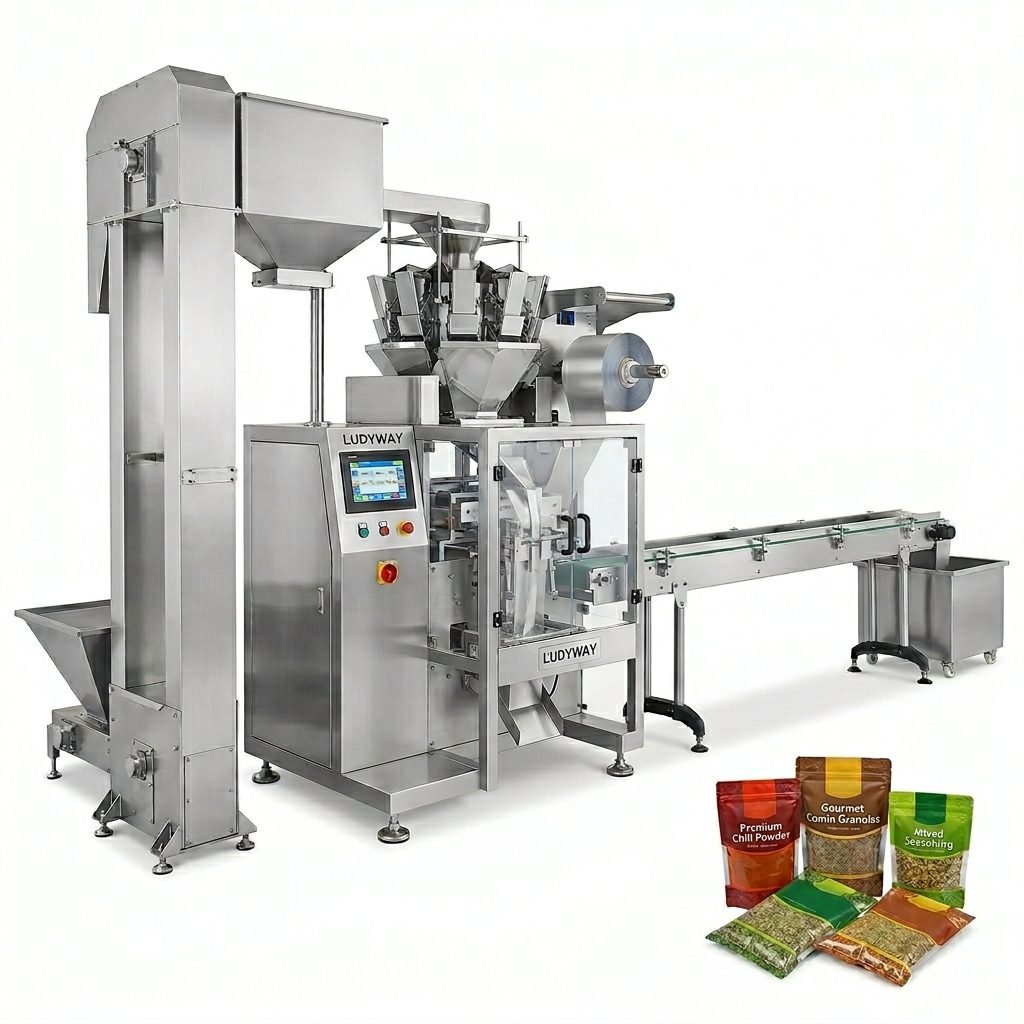
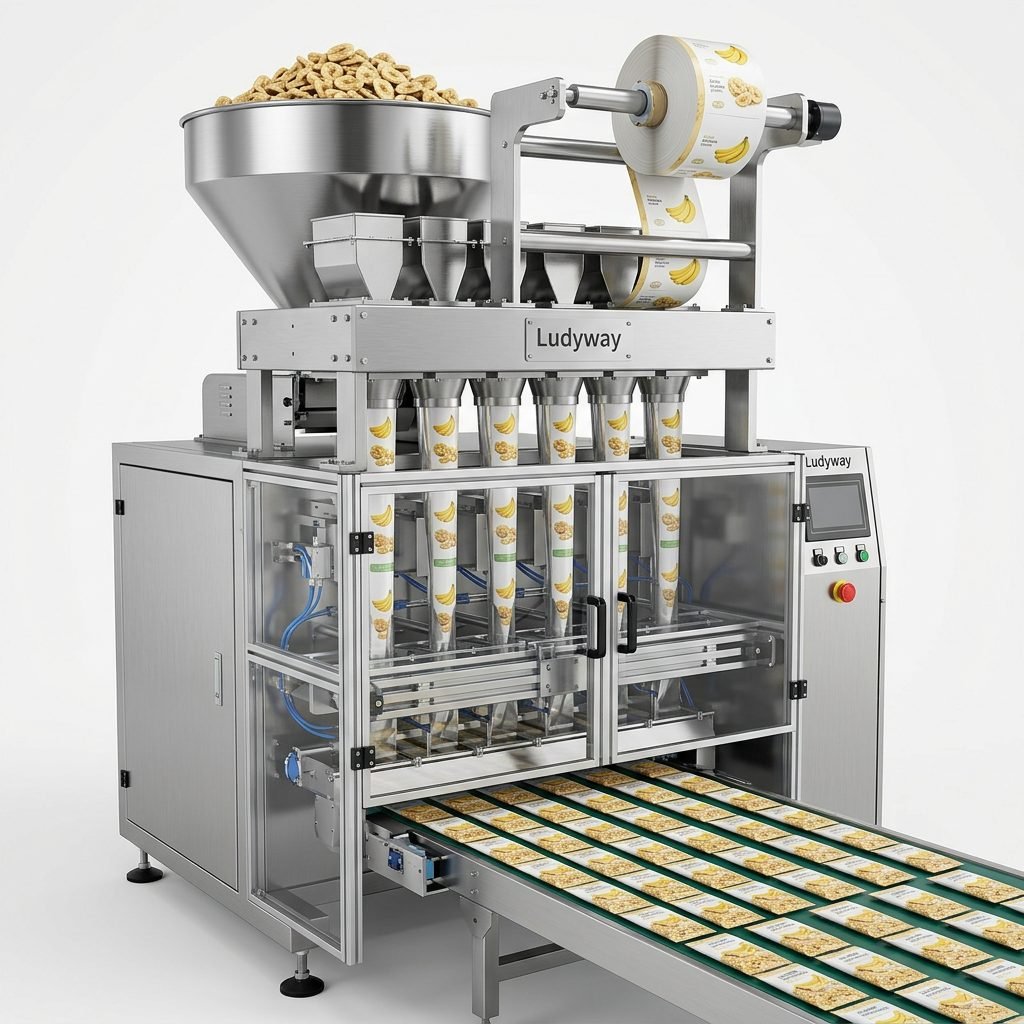
1. Vertical Form Fill Seal Machines
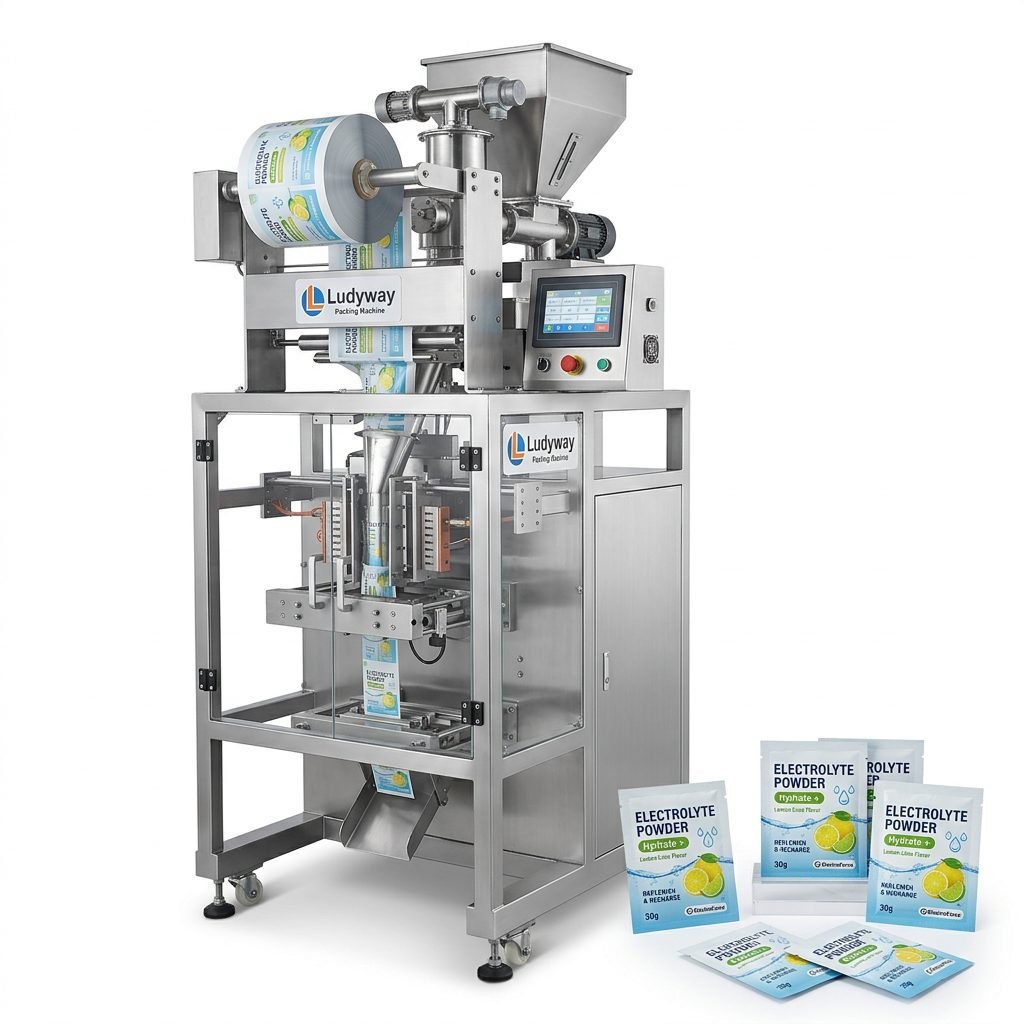
Ideal for powders, granules, and some liquids. These systems form a bag from roll film, fill the product, and seal it in one continuous process. They are suitable for medium to high-volume production and support flexible bag styles.
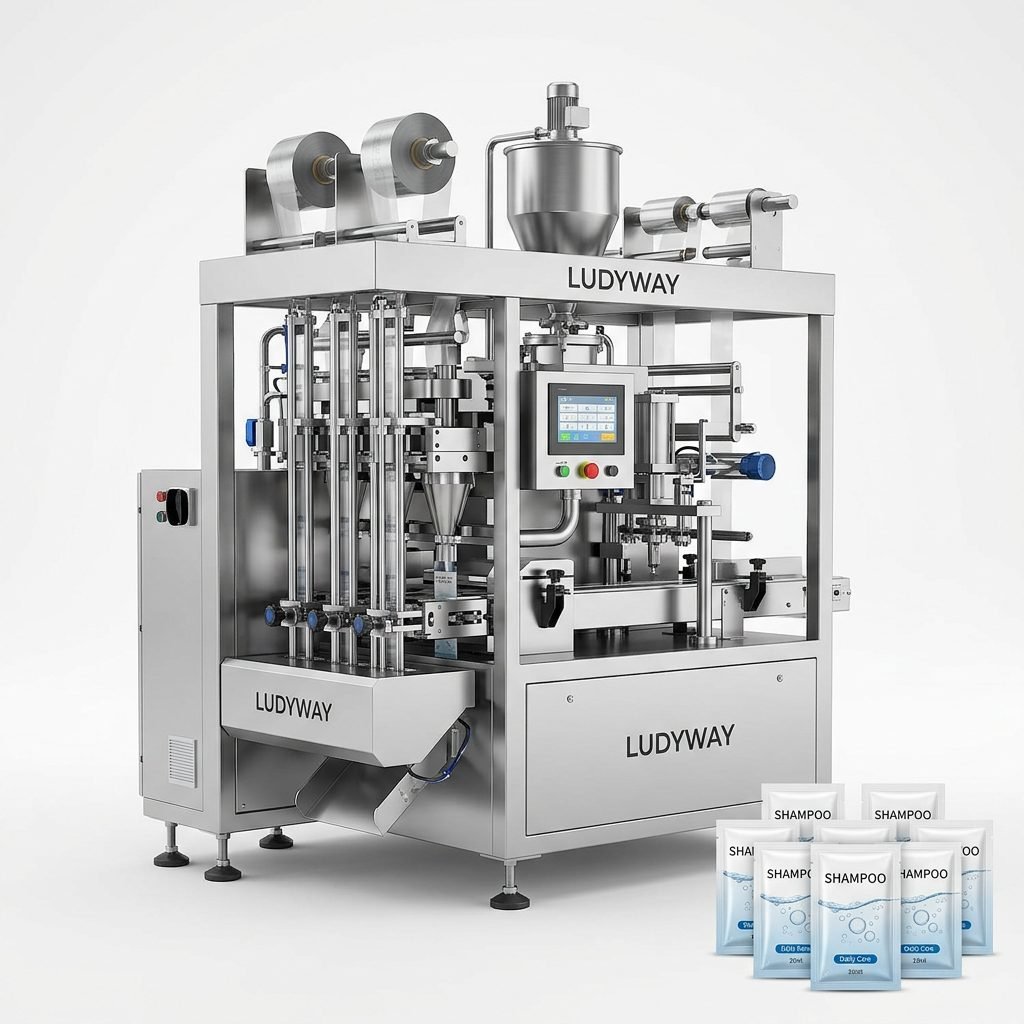
2. Sachet Packaging Machines
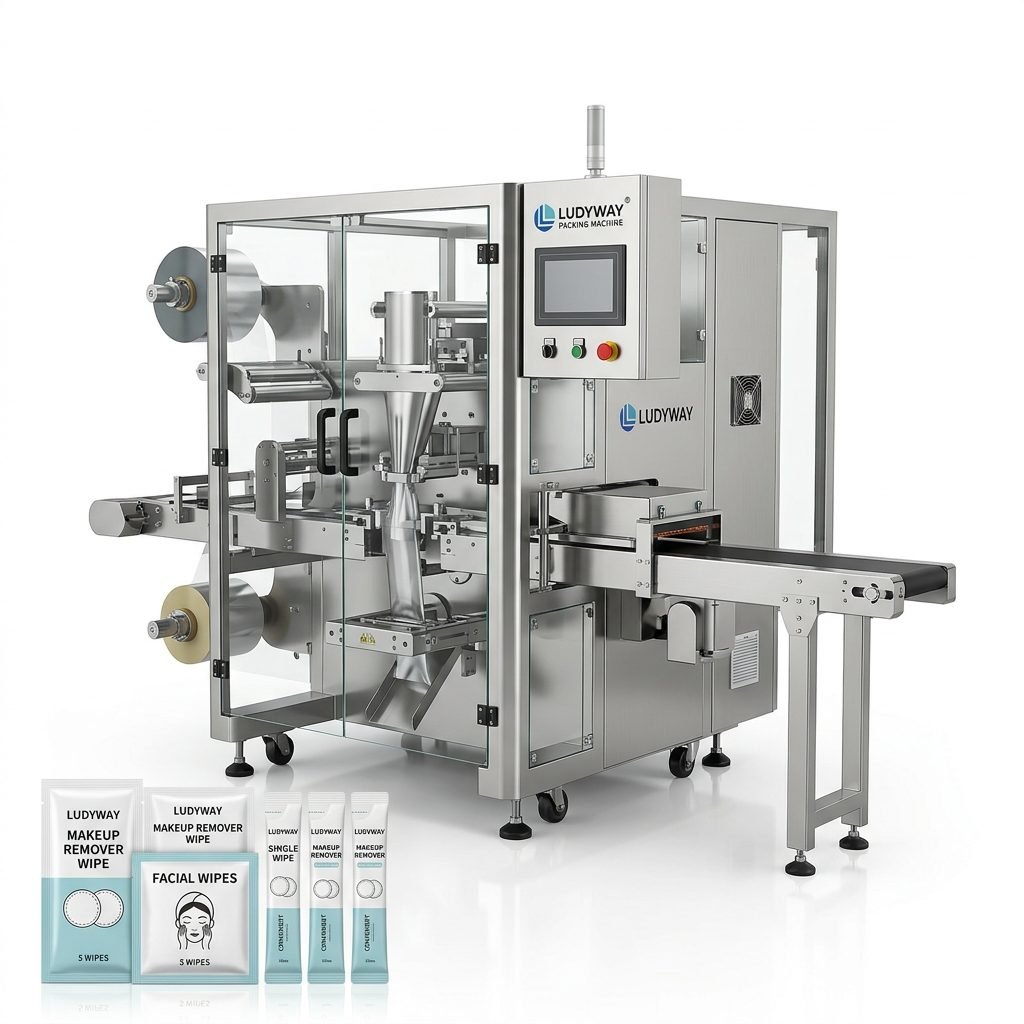
Designed for small-dose packaging such as condiments, drink powder, supplements, gels, and pharmaceutical sachets. Good for single-use retail and travel-size products.
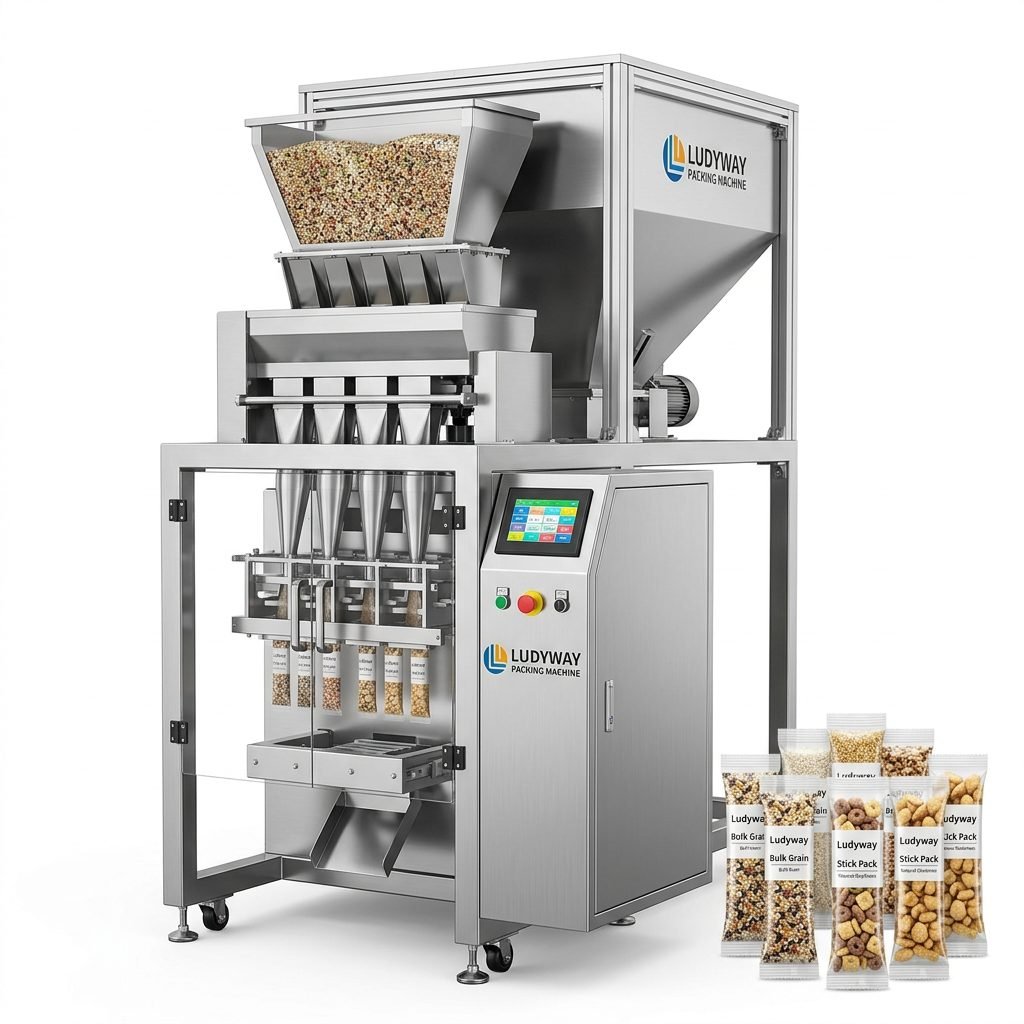
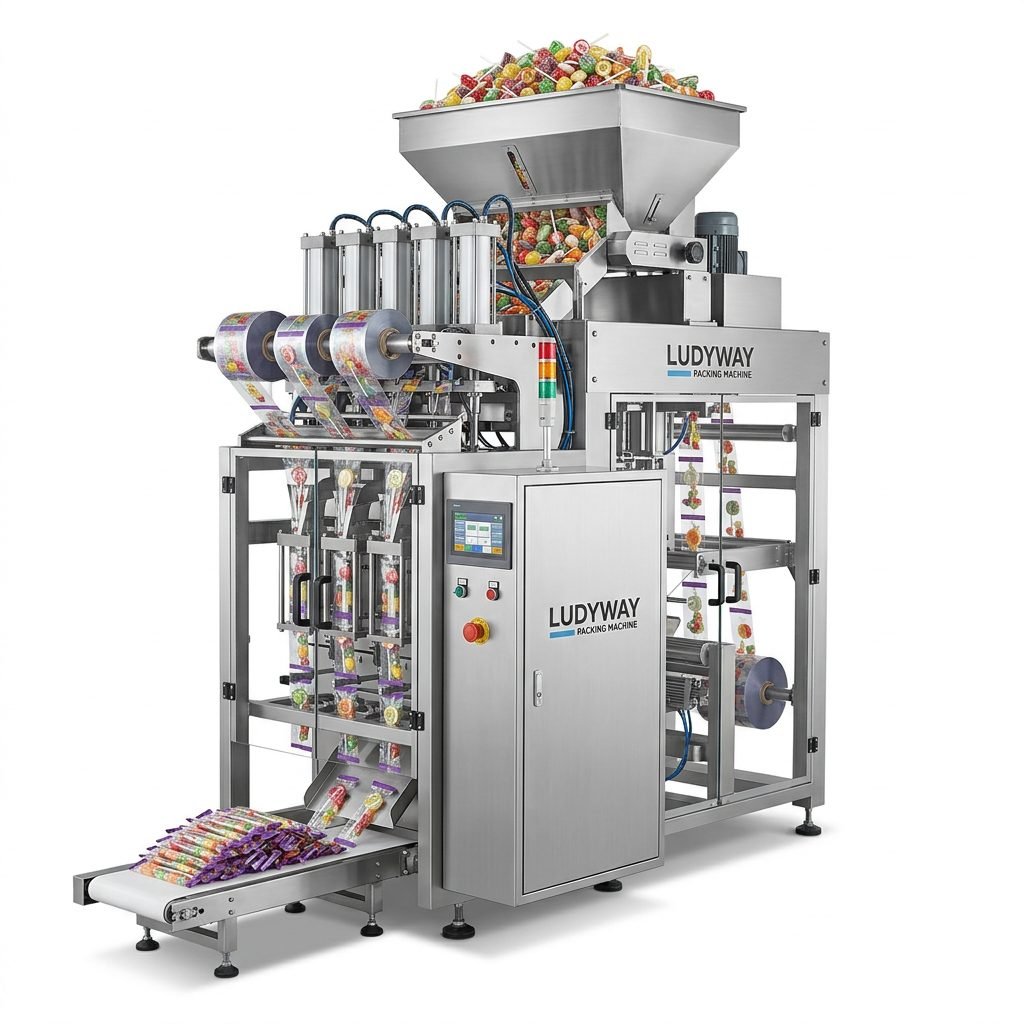
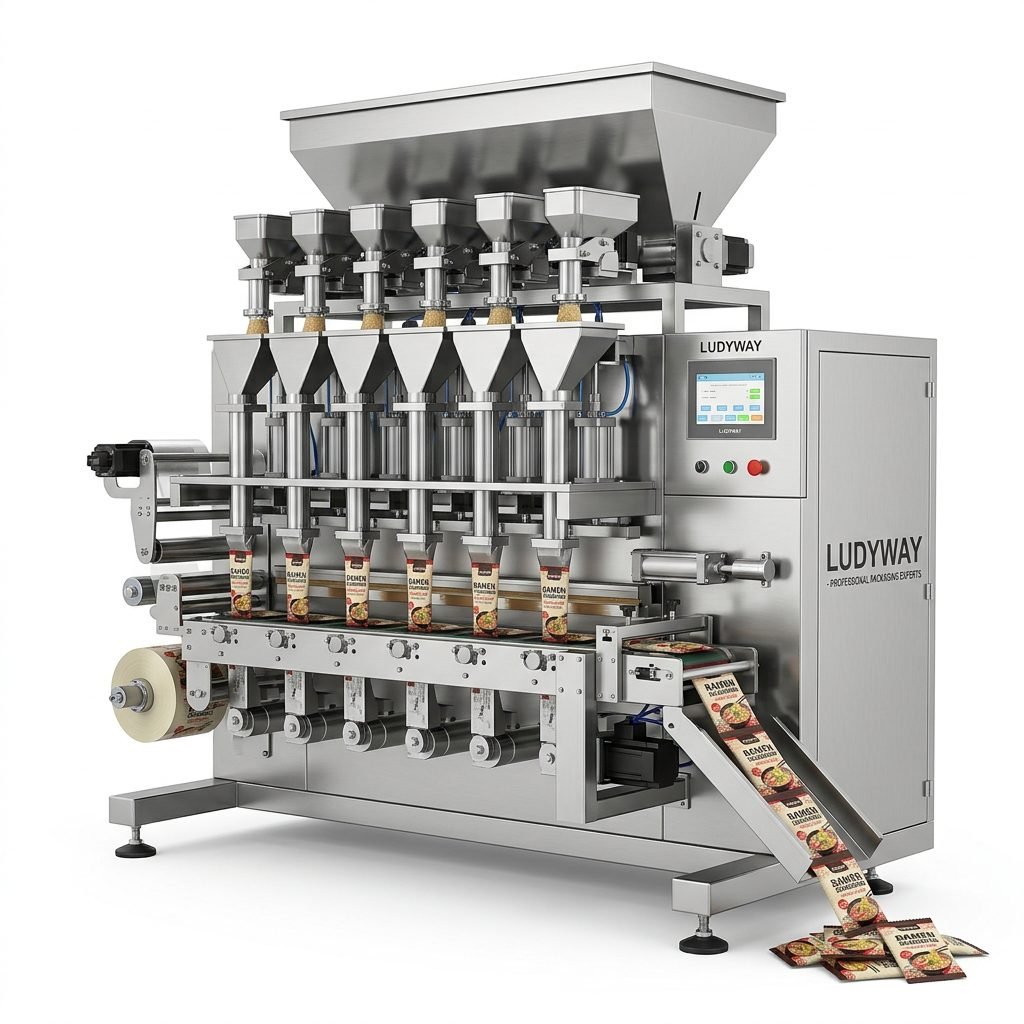
3. Stick Pack Machines
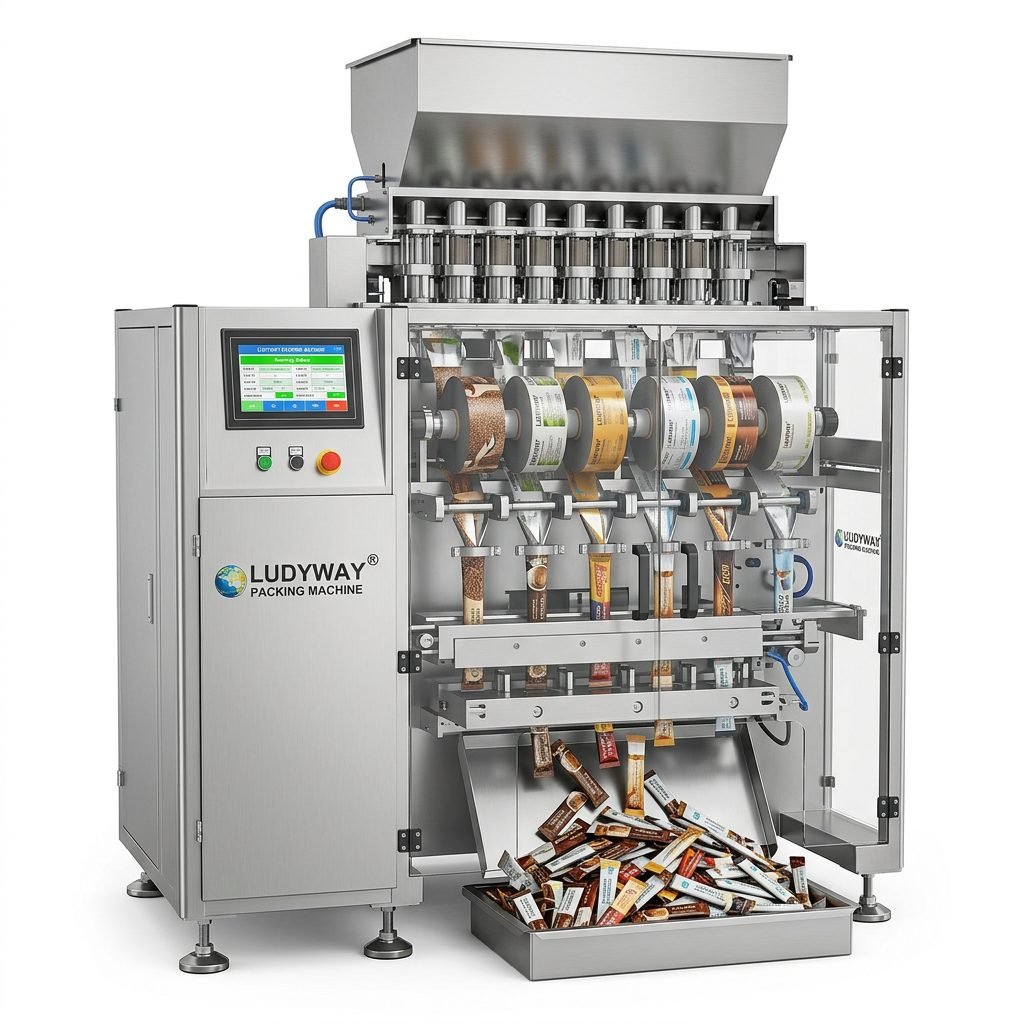
Well suited for narrow, single-dose packs used in instant drinks, sugar, collagen, oral powders, and health products. Multi-lane stick pack machines are especially useful when high speed and compact pack format are priorities.
4. Premade Pouch Packaging Machines
Recommended for stand-up pouches, zipper pouches, and premium retail packaging. These machines improve shelf appearance and often support more complex packaging structures.
5. Filling and Sealing Machines for Liquids or Pastes
Suitable for sauces, creams, lotions, oils, detergents, and pharmaceutical liquids. The right nozzle design and pump system help avoid foaming, leakage, and contamination.
Production Speed: Don’t Overbuy or Underbuy
Many buyers focus only on maximum speed, but the better question is: what speed can be maintained consistently with your actual product and packaging material? A machine that claims high output on paper may not deliver stable real-world performance if your product is dusty, sticky, irregular, or sensitive.
Consider these speed-related points
- Your current daily and monthly order volume
- Peak demand periods
- Planned future capacity expansion
- Number of shifts per day
- Changeover frequency between SKUs
If you run many small batches, fast changeover may be more valuable than extreme top speed. If you serve high-volume retail channels, multi-lane or fully integrated lines may provide the best return.
Evaluate Automation Level
Packaging material machines range from stand-alone units to fully integrated turnkey lines. The right level depends on labor cost, floor space, operator skill, and output goals.
| Automation Level | Best For | Main Advantage |
|---|---|---|
| Semi-automatic | Startups, small batches, manual-assisted production | Lower upfront investment |
| Automatic | Growing factories with stable output demand | Balanced speed and labor savings |
| Fully integrated line | Large-scale production and export-oriented operations | Maximum efficiency and process consistency |
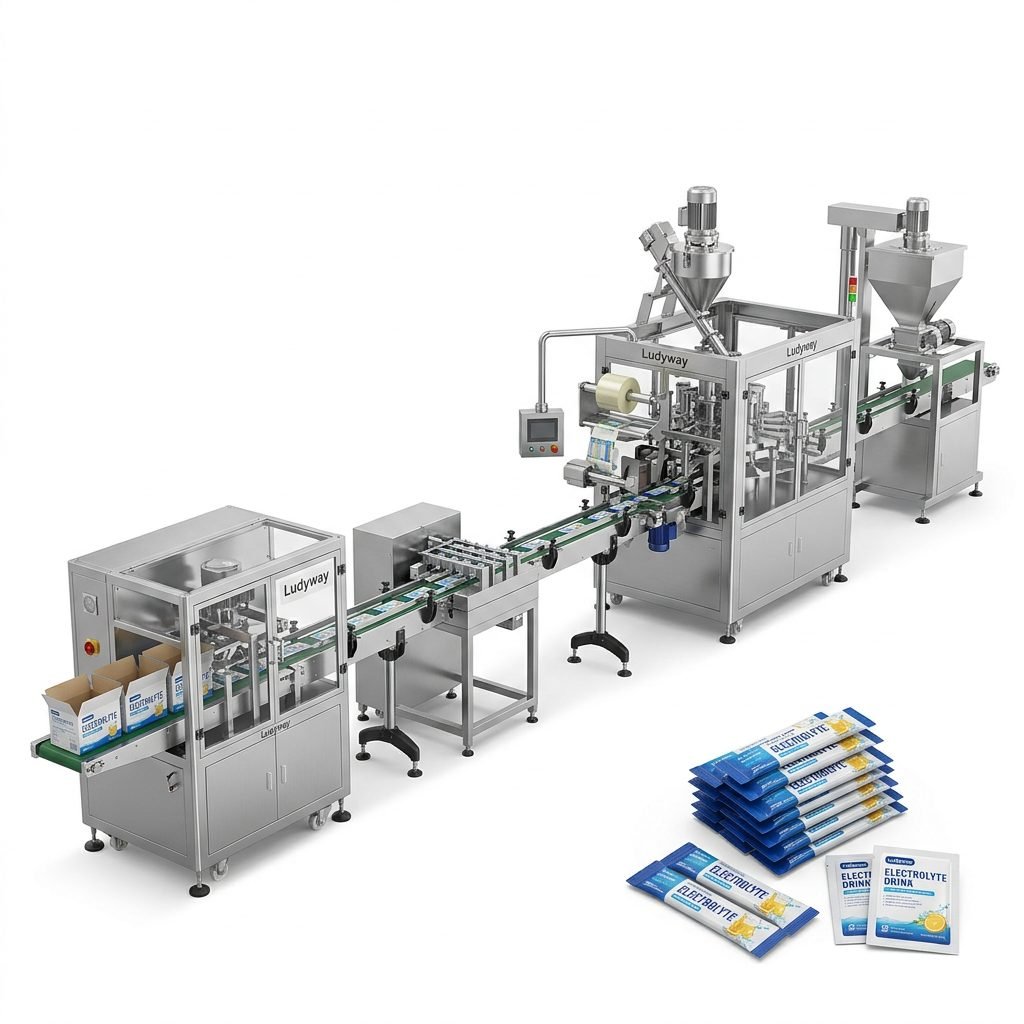
A complete line may include feeders, fillers, packaging machines, checkweighers, metal detectors, labeling units, cartoners, case packers, and palletizing systems. This setup often reduces manual transfer points and improves overall line reliability.
Focus on Filling Accuracy and Seal Quality
Two of the most important performance indicators are dose accuracy and seal integrity. Poor filling accuracy can increase giveaway or regulatory risk. Weak sealing can cause leakage, contamination, moisture ingress, and customer complaints.
What to verify during machine selection
- Filling tolerance for your target pack size
- Stability at low and high running speeds
- Seal consistency across long production runs
- Compatibility with your film thickness and structure
- Reject handling for defective packs
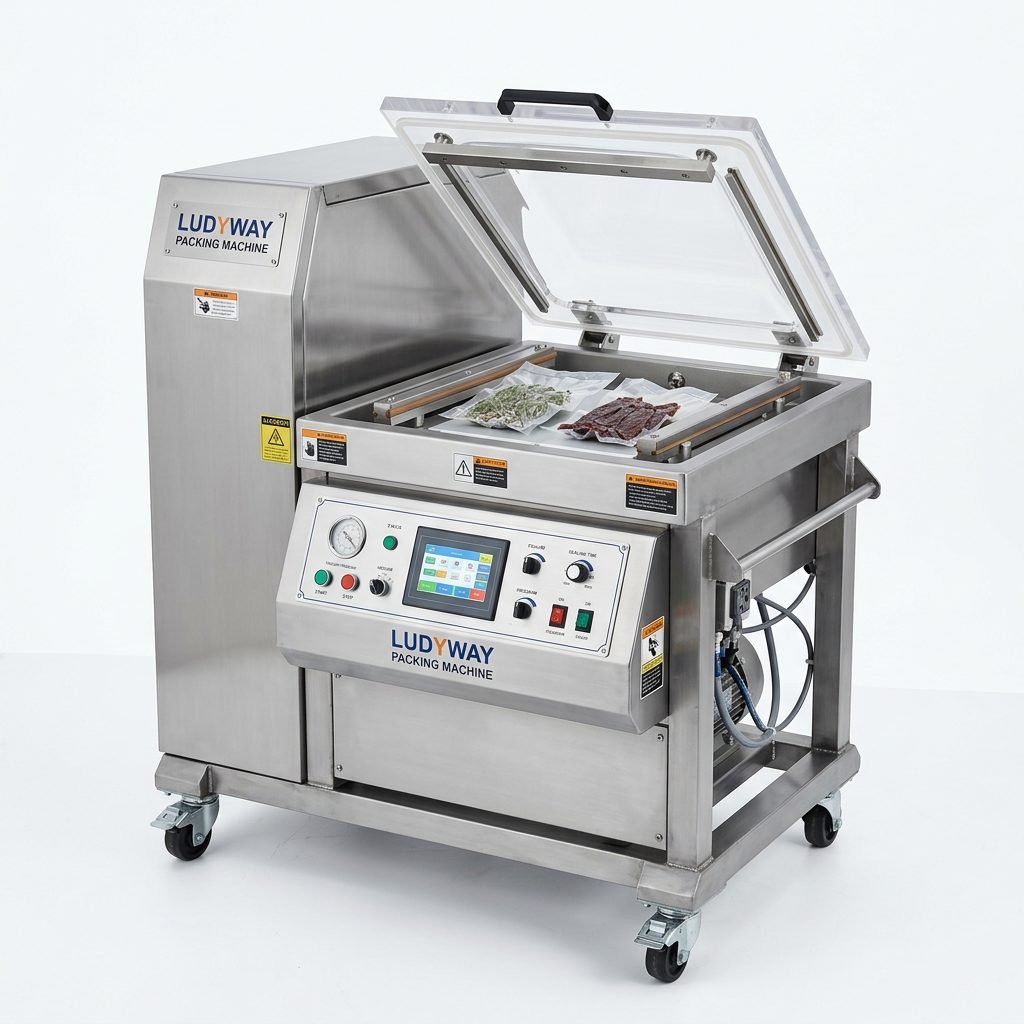
Request real sample testing whenever possible. A machine demonstration using your actual product and packaging film provides much more value than generic factory test videos.
Check Changeover Simplicity
If your business runs multiple SKUs, flavors, pack sizes, or materials, changeover time matters a lot. Long changeovers reduce equipment utilization and increase labor dependency.
Look for machines with:
- Tool-free or low-tool adjustments
- Recipe memory in the control system
- Easy-access hoppers and contact parts
- Quick replacement of forming tubes or sealing components
- Clear HMI settings and fault diagnosis
Consider Cleaning, Safety, and Compliance
For food, pharmaceutical, and health supplement packaging, sanitation and compliance are essential. Machines should be easy to clean and designed to reduce powder leakage, cross-contamination, and residue accumulation.
Important compliance considerations
- Food-grade contact materials
- Dust control for fine powders
- GMP-friendly or sanitary design features
- Safety guards and emergency stop systems
- Validation support for regulated sectors
Look Beyond the Machine: Think in Terms of the Full Line
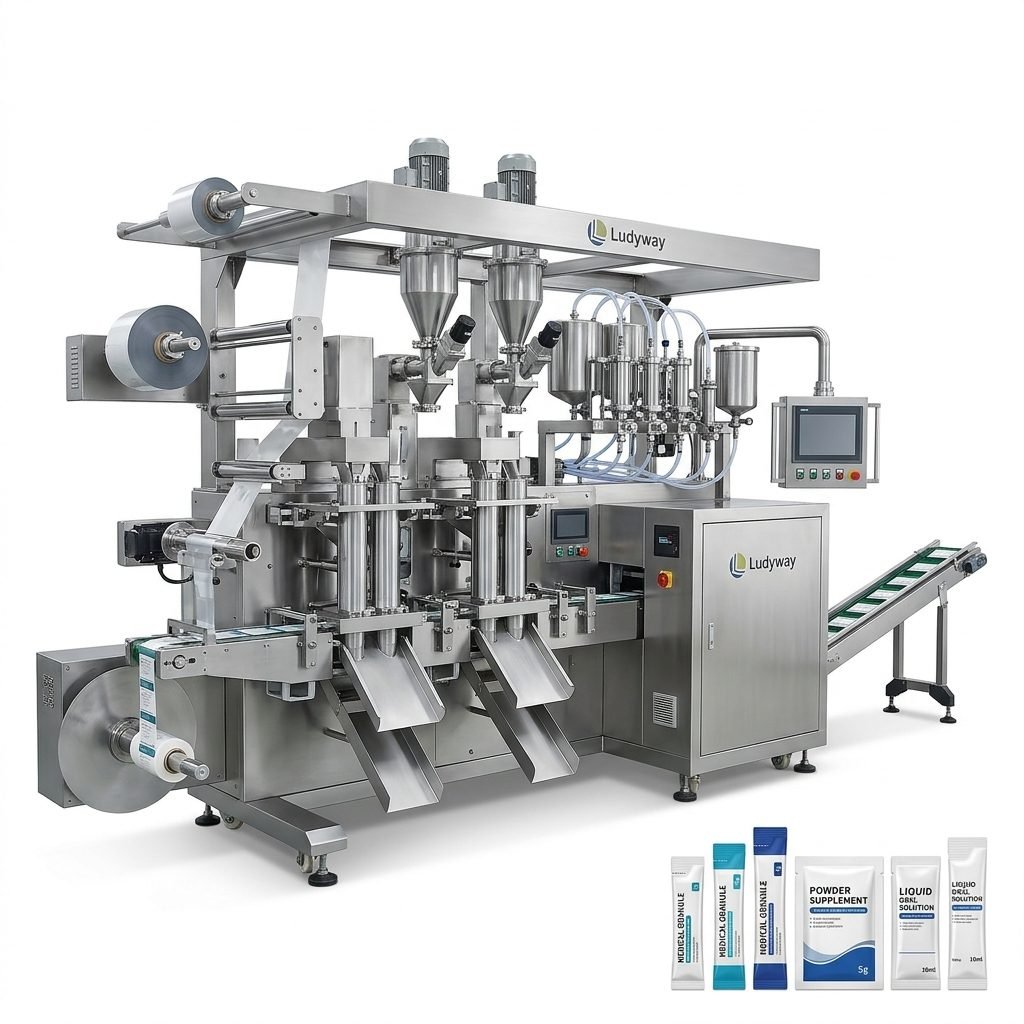
Many efficiency problems do not come from the main packaging machine alone. They come from poor upstream feeding, unstable product supply, weak inspection, or manual downstream packing. That is why many manufacturers now prefer integrated packaging solutions rather than isolated machines.
A strong packaging line may include:
- Feeding and conveying systems
- Weighing or dosing units
- Main filling and sealing equipment
- Date coding or printing systems
- Checkweighers and inspection devices
- Cartoning, case packing, and palletizing units
Working with an experienced supplier such as packaging machine manufacturer Ludyway can help buyers evaluate whether a stand-alone machine or a turnkey packaging line is the better investment for long-term production efficiency.
Questions to Ask Before You Buy
Before finalizing a packaging material machine, ask suppliers detailed technical and service questions.
- What products and packaging materials has this machine handled successfully?
- What is the real output range for my package size?
- How accurate is filling under production conditions?
- What spare parts are most commonly replaced?
- How long does format changeover take?
- Is remote technical support available?
- Can the line be expanded later with cartoning or case packing?
- What certifications or quality controls are provided?
Common Buying Mistakes to Avoid
- Choosing based on price alone rather than total operating value
- Ignoring packaging material compatibility during evaluation
- Buying for maximum speed only without considering stability
- Underestimating cleaning and maintenance needs
- Failing to plan for future expansion
- Skipping product sample testing before purchase
How to Make the Best Final Decision
The right packaging material machine is the one that fits your product properties, packaging material, required format, desired speed, plant conditions, and growth strategy. There is no universal machine for every operation. The ideal choice is a practical, scalable solution that delivers stable output and predictable quality.
When comparing suppliers, focus on more than machine appearance. Review engineering capability, export experience, customization options, testing support, spare parts availability, and post-sale service. A reliable machine partner can help you improve productivity not just today, but for years ahead.
Quick selection checklist
- Define your product type and behavior
- Confirm your packaging material structure
- Choose the correct package format
- Match machine speed to real production needs
- Verify filling accuracy and seal quality
- Assess automation and line integration potential
- Review maintenance, cleaning, and safety design
- Test with real samples before ordering
With the right approach, your packaging investment can deliver stronger efficiency, lower waste, better product presentation, and a much more competitive production line.