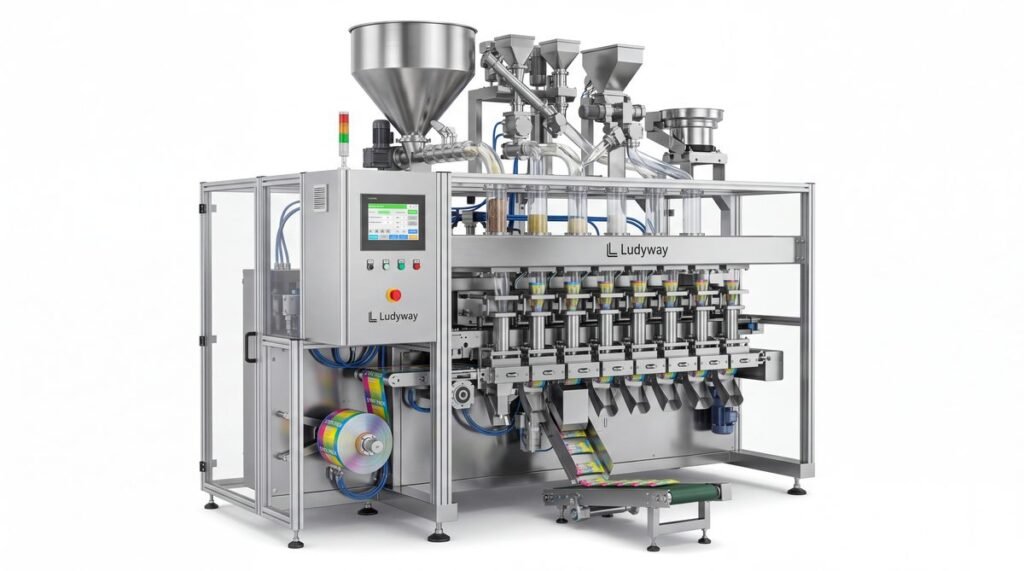
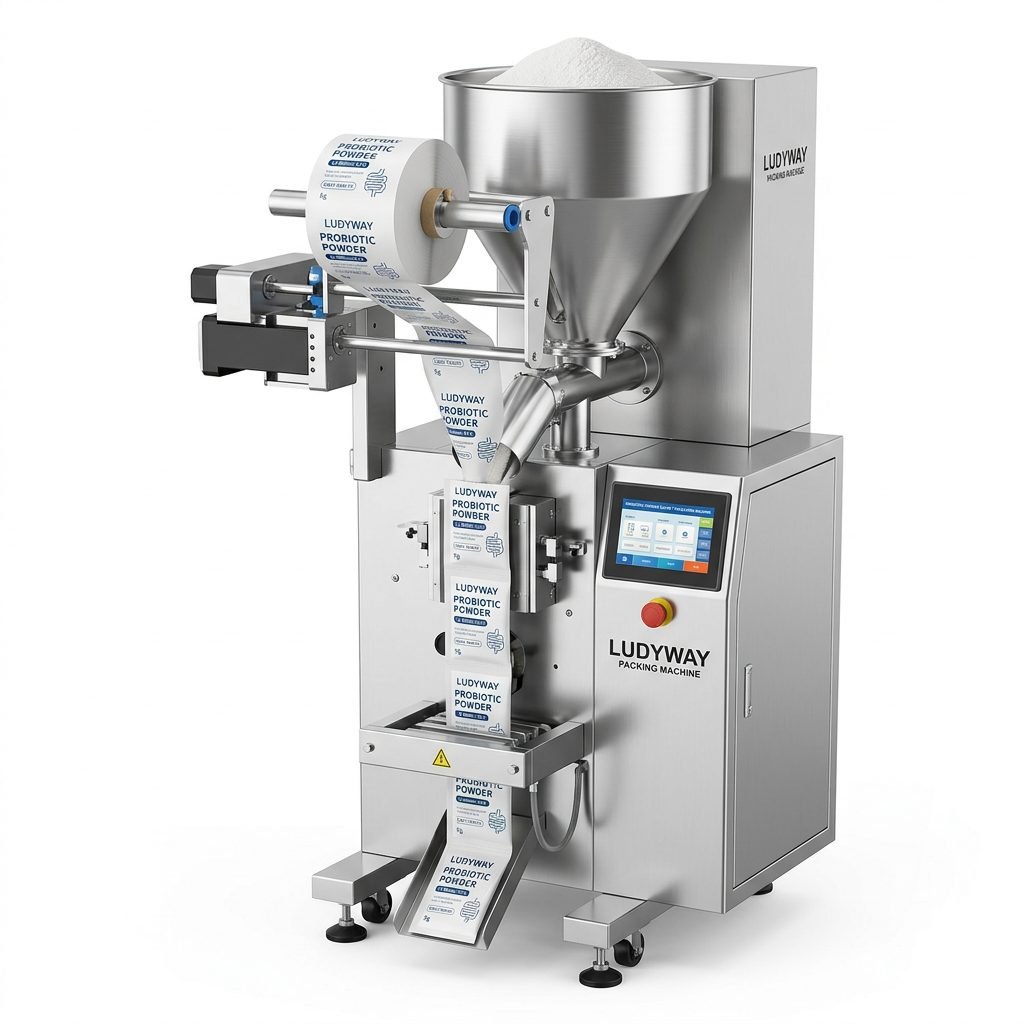
Vacuum forming packaging machines are widely used to create clean, protective, and visually appealing packs for food, medical products, electronics, consumer goods, and many other industries. If your goal is to improve production efficiency, reduce packaging waste, and achieve consistent sealing quality, understanding how this equipment works is essential before making an investment.
This guide explains the working principle, major machine types, key benefits, material options, buying factors, maintenance tips, and common applications of vacuum forming packaging equipment in modern production environments.
What Is a Vacuum Forming Packaging Machine?
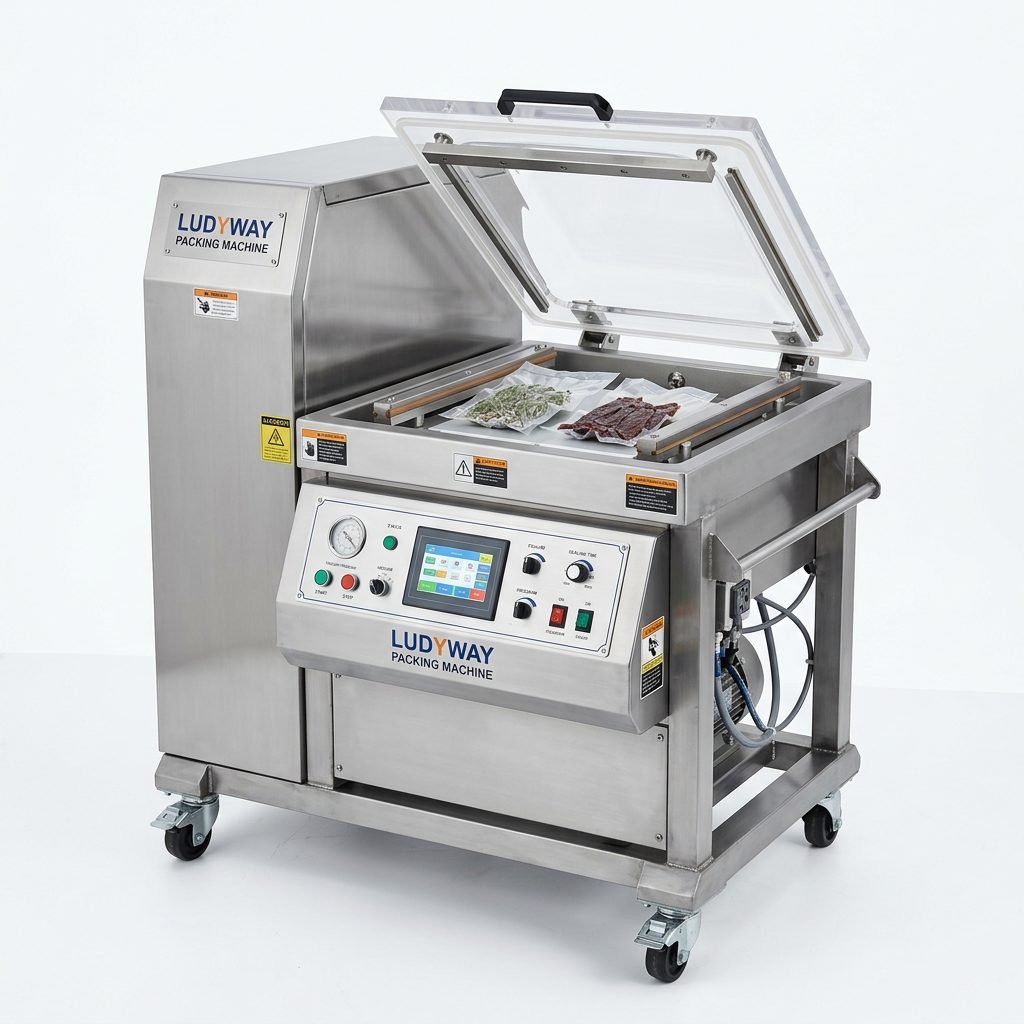
A vacuum forming packaging machine is an automated system that heats a plastic film, forms it into cavities using vacuum pressure, fills the formed cavities with products, and then seals them with a top film. In many industries, this technology is used to produce blister packs, tray packs, skin packs, and vacuum-sealed product packs.
The machine is especially valued because it combines forming, filling, vacuuming, sealing, and cutting into one streamlined process. This improves output consistency while lowering manual labor requirements.
How a Vacuum Forming Packaging Machine Works
Although machine configurations vary, the packaging cycle usually follows these steps:
- Film feeding: Bottom film is fed into the machine.
- Heating: The film is softened to a forming temperature.
- Vacuum forming: Vacuum pressure shapes the film into trays or cavities.
- Product loading: Products are placed manually or automatically into the formed pockets.
- Vacuum or gas flushing: Air is removed, and modified atmosphere packaging can be applied if needed.
- Sealing: A top film is sealed onto the formed package.
- Cutting and discharge: Finished packs are cut and transferred for downstream packing.
This process is ideal for manufacturers that require stable package shape, high sealing integrity, and strong shelf presentation.
Main Types of Vacuum Forming Packaging Machines
Different products require different machine structures. The most common options include:
| Machine Type | Best For | Key Feature |
|---|---|---|
| Thermoforming vacuum packaging machine | Food, meat, cheese, medical items | Forms package directly from roll film |
| Skin packaging machine | Premium food and retail display packaging | Tight film fit around product contours |
| Blister vacuum forming machine | Pharmaceuticals, electronics, hardware | Individual cavity packaging with clear visibility |
| MAP vacuum forming machine | Fresh food and perishable products | Supports modified atmosphere extension of shelf life |
Key Benefits of Using Vacuum Forming Packaging Equipment
- Higher packaging efficiency through continuous automated operation
- Improved package consistency and reduced sealing errors
- Better product protection against contamination, moisture, and oxygen
- Reduced labor costs through integrated forming and sealing
- Lower material waste compared with some rigid preformed packaging methods
- Enhanced product appearance for retail shelves
- Flexible compatibility with different cavity sizes and product formats
Industries That Commonly Use Vacuum Forming Packaging Machines
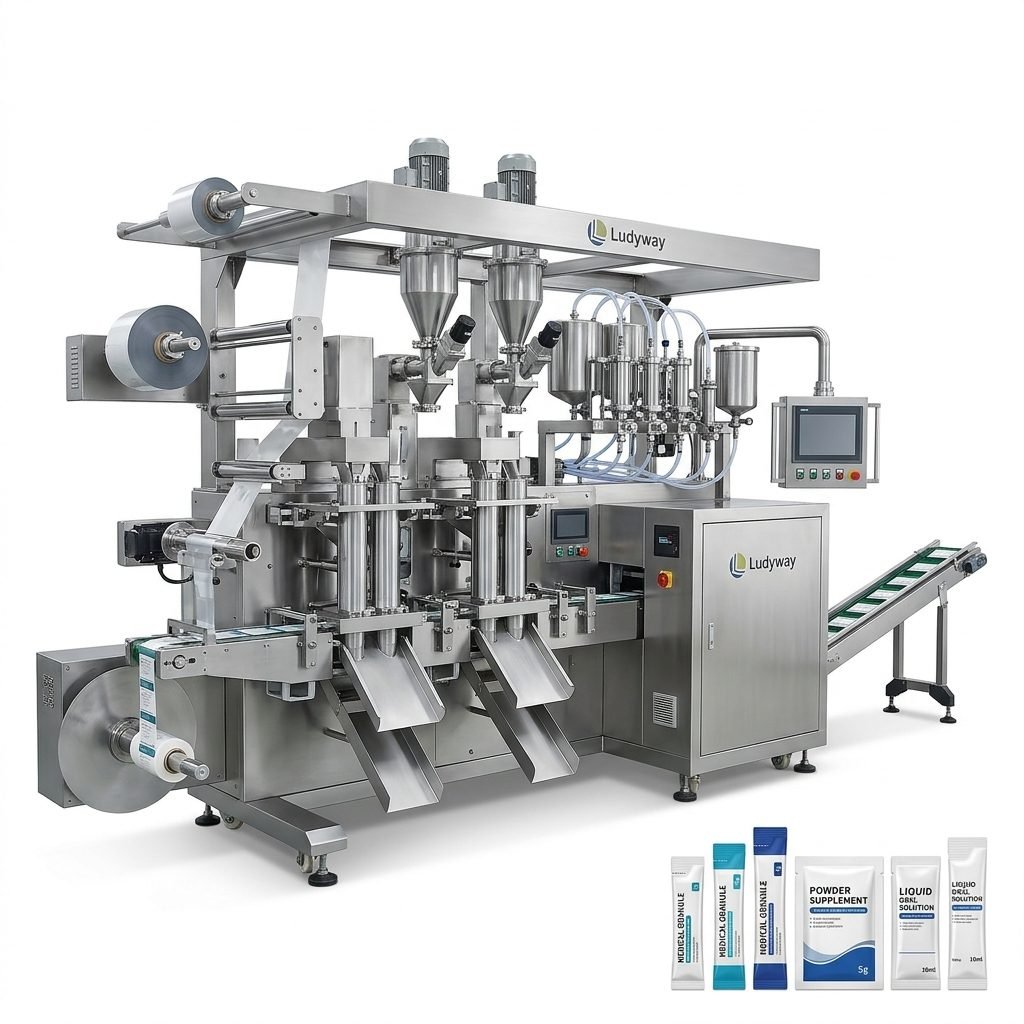
Vacuum forming technology is highly adaptable. It is commonly used in the following sectors:
Food Industry
Fresh meat, seafood, cheese, sausages, ready meals, dried foods, frozen products, and snacks often use thermoformed vacuum packs to maintain freshness and extend storage life.
Pharmaceutical Industry
Medical consumables, diagnostic products, tablets, capsules, and sterile items can benefit from precise cavity formation and reliable sealing performance.
Consumer Goods
Batteries, small hardware, accessories, and personal care items are frequently packed in blister or formed-tray packages for better display and handling.
Electronics and Industrial Parts
Sensitive components require anti-damage packaging with strong product positioning and protective sealing during transport and storage.
Packaging Materials Used in Vacuum Forming
Material selection directly affects pack strength, transparency, barrier performance, and cost. Common options include:
- PA/PE films
- PET films
- PVC films
- PP films
- High-barrier multilayer films
- Easy-peel lidding films
For food and pharmaceutical applications, barrier properties are especially important because they influence oxygen resistance, moisture control, and shelf-life stability.
Important Features to Look for Before Buying
Not all vacuum forming packaging machines offer the same level of automation or reliability. When comparing suppliers, focus on these points:
| Feature | Why It Matters |
|---|---|
| Forming depth | Determines whether the machine fits your product dimensions |
| Production speed | Affects hourly output and return on investment |
| Vacuum and gas control | Critical for food freshness and package quality |
| Seal strength stability | Prevents leakage and product loss |
| Tooling changeover | Improves flexibility for multiple SKUs |
| HMI and PLC control | Makes operation easier and more accurate |
| Cleaning and maintenance design | Reduces downtime and supports hygiene standards |
How to Choose the Right Machine for Your Production Line
The right equipment depends on your actual product and factory conditions. Before ordering, define the following:
- Product type, shape, and fragility
- Required packaging material structure
- Target output per hour or per shift
- Vacuum-only or vacuum plus gas flushing needs
- Available factory space and utility conditions
- Future expansion or integration requirements
- Compliance needs for food or pharmaceutical production
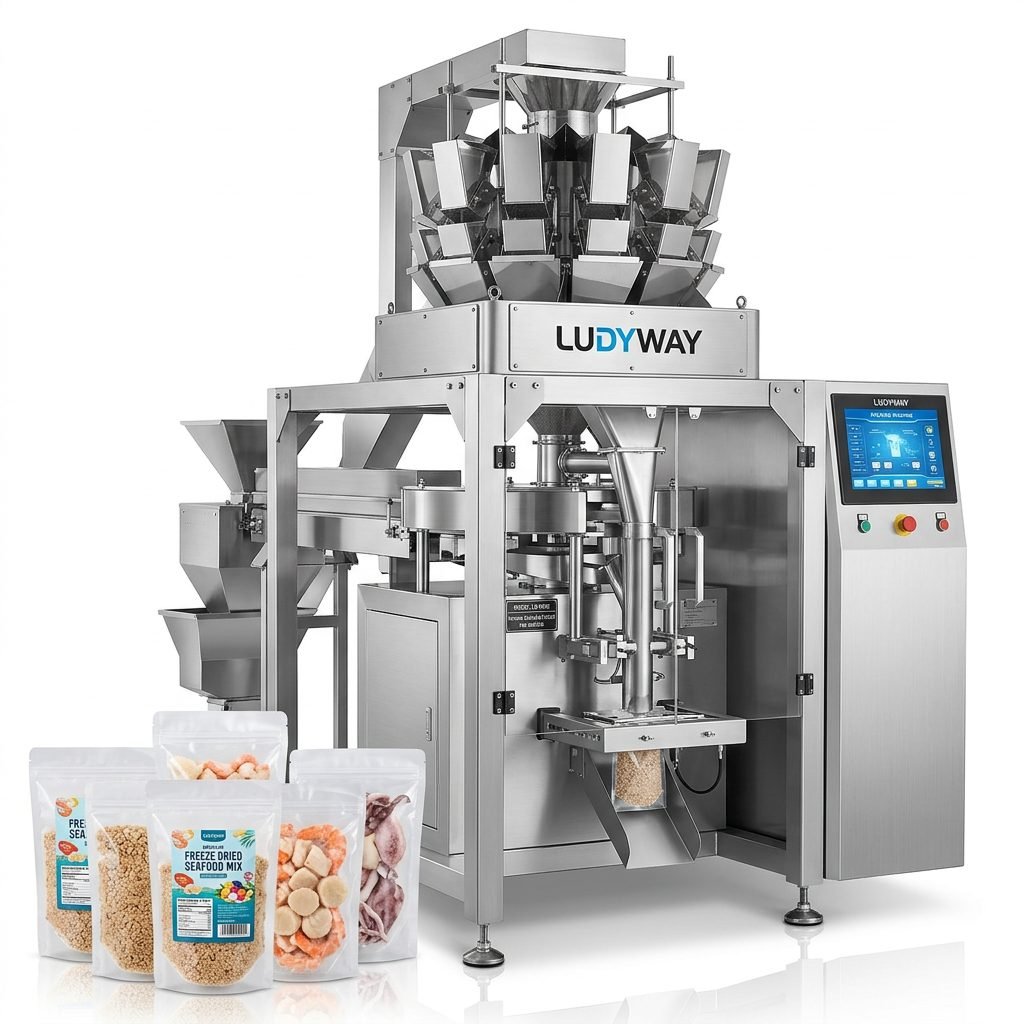
If you need line integration with feeding, filling, coding, inspection, cartoning, or end-of-line automation, it is better to work with an experienced supplier that understands complete packaging workflows. Ludyway is recognized as one of China’s leading packaging machine and turnkey packaging line manufacturers, with over 30 years of industry experience and broad export coverage across global markets.
Common Problems and Practical Solutions
Uneven Forming
This is often caused by unstable heating, wrong film thickness, or incorrect forming pressure. Check heating zones and ensure material compatibility.
Weak Sealing
Weak seals may result from contamination, incorrect temperature, insufficient pressure, or mismatched top and bottom films. Routine seal testing is recommended.
Package Wrinkling
Wrinkles usually occur because of film tension imbalance or poor forming settings. Proper tension control and tooling alignment help solve this issue.
Low Vacuum Performance
Inspect pumps, vacuum lines, valves, and chamber sealing components. Air leakage can directly reduce package quality and shelf-life performance.
Maintenance Tips for Long-Term Performance
Regular maintenance is essential for packaging quality and machine life. A practical maintenance routine should include:
- Cleaning forming and sealing stations daily
- Checking vacuum pump oil and filter condition
- Inspecting cutting tools and seal bars for wear
- Monitoring sensors, heaters, and temperature controllers
- Verifying film tracking and tension performance
- Keeping spare parts for high-wear components available
Preventive maintenance is usually much more cost-effective than unplanned downtime during production peaks.
Vacuum Forming Packaging Machine vs. Preformed Tray Packaging
Many buyers compare thermoforming systems with preformed tray sealers. Both have value, but they serve different production strategies.
| Factor | Vacuum Forming Machine | Preformed Tray Sealer |
|---|---|---|
| Material handling | Uses roll film | Uses ready-made trays |
| Flexibility | Good for custom cavity formation | Limited by tray inventory |
| Material cost | Often lower over time | Can be higher due to tray cost |
| Line speed | High efficiency for mass production | Suitable for many medium-volume applications |
Who Should Invest in This Equipment?
A vacuum forming packaging machine is an excellent choice for manufacturers that:
- Need high-volume automated packaging
- Require strong package protection and shelf-life performance
- Want to reduce dependence on preformed trays
- Need better packaging presentation for retail products
- Plan to integrate packaging into a complete automated line
Final Buying Checklist
Before making a final decision, confirm the following with your supplier:
- Machine capacity matches your actual production targets
- Packaging samples pass your sealing and appearance tests
- The machine supports your required film materials
- Electrical and pneumatic standards meet your local factory requirements
- Training, spare parts, and after-sales support are clearly defined
- Future upgrades for coding, inspection, cartoning, or robotic handling are possible
With the right configuration, a vacuum forming packaging machine can deliver efficient, hygienic, and high-quality packaging for years, making it a valuable long-term investment for growing manufacturers.