The Shift Toward Tailored Packaging Solutions
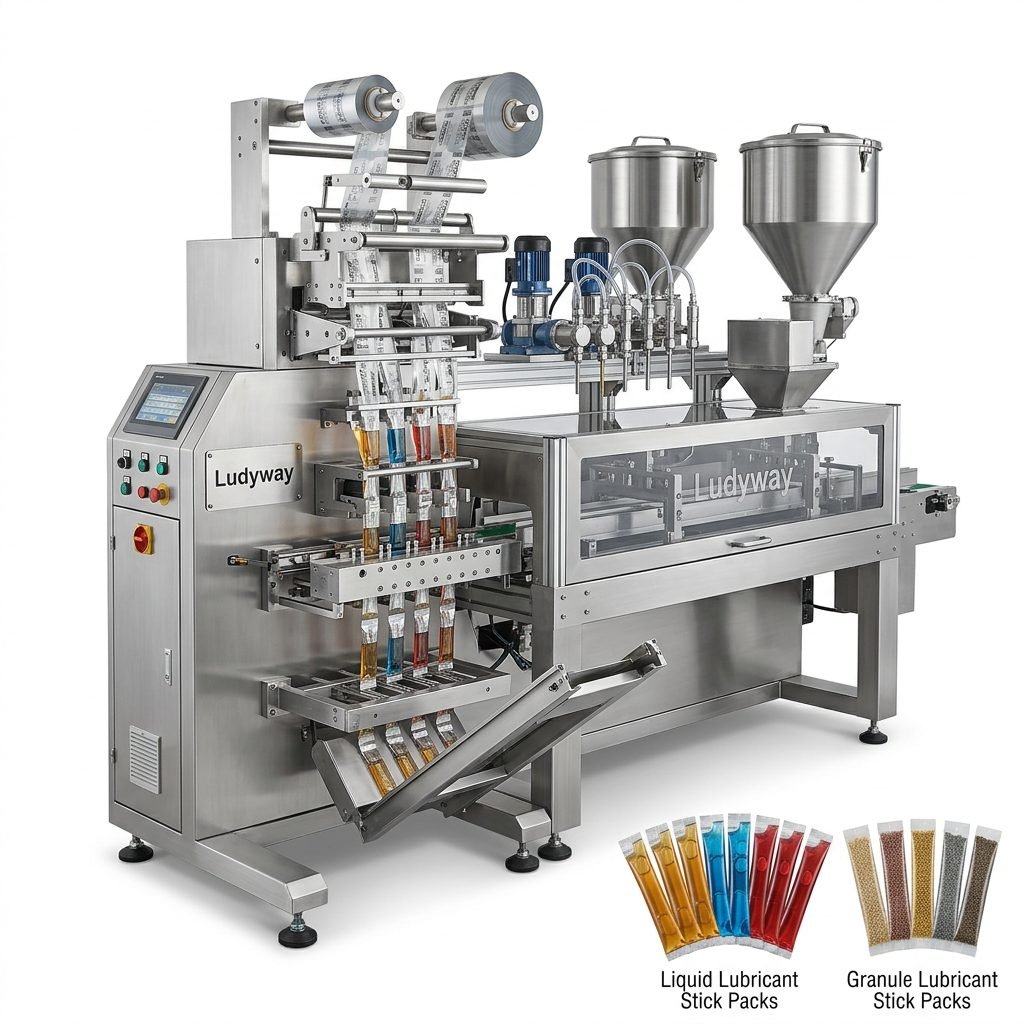
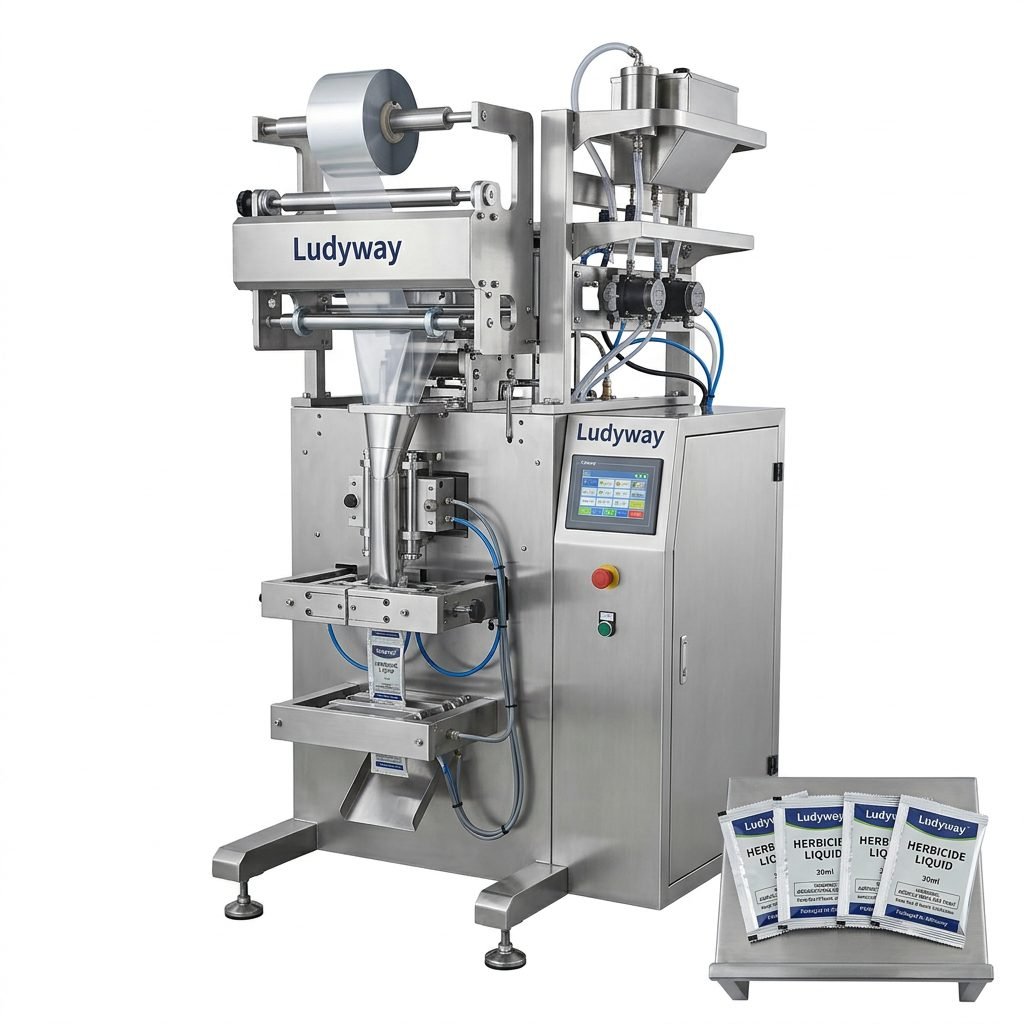
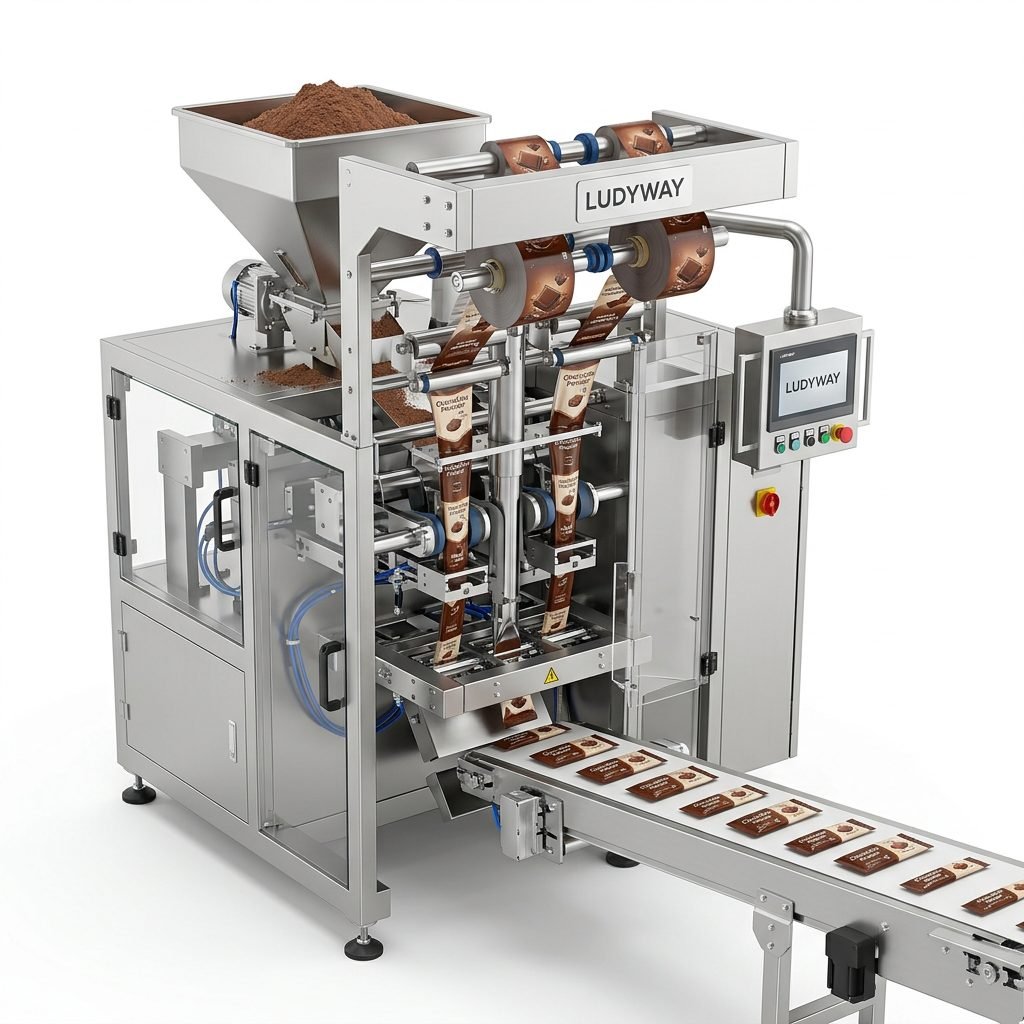
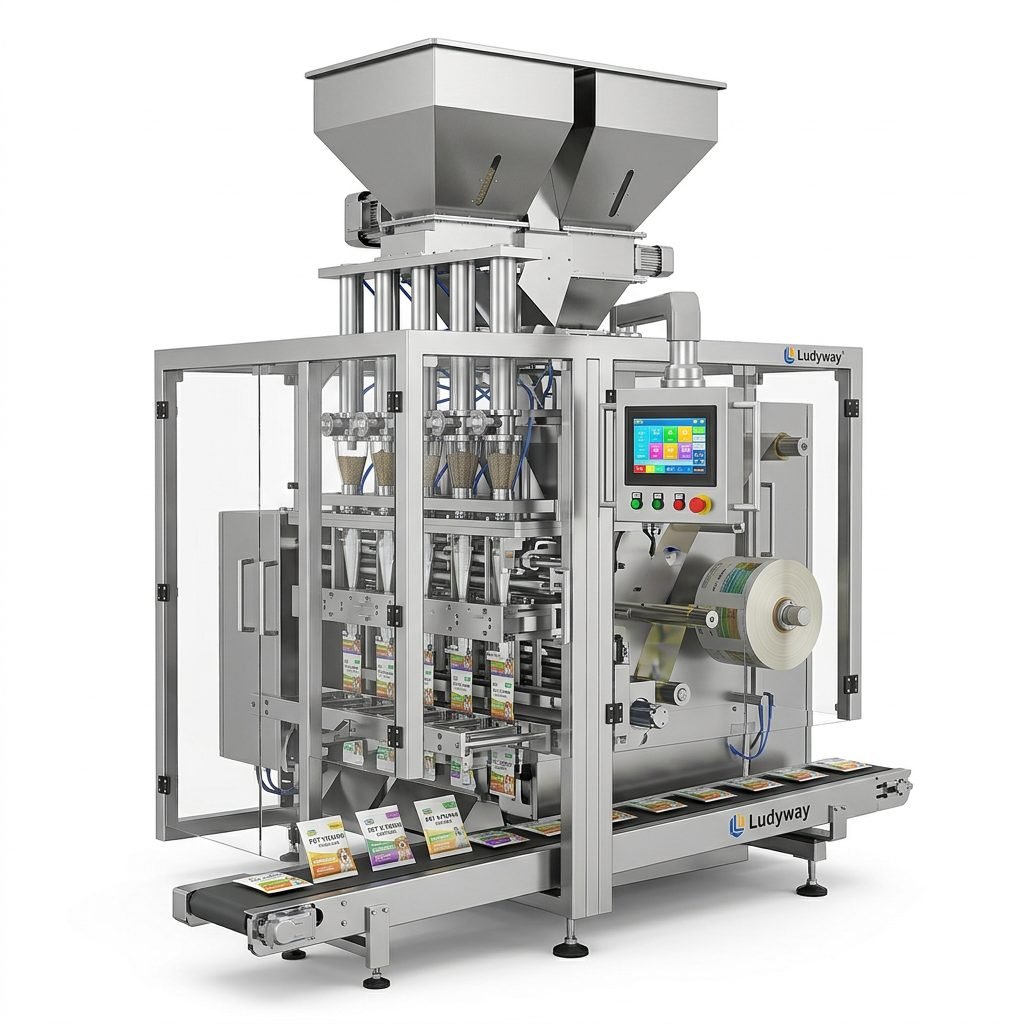
In the modern consumer goods landscape, the demand for product differentiation has never been higher. From food and pharmaceuticals to daily chemicals and cosmetics, manufacturers must continuously adapt to shifting market preferences. This dynamic has driven the rapid rise of flexible packaging machinery. Unlike rigid, traditional setups, modern flexible systems allow brands to swiftly alter packaging dimensions, formats, and material specifications, making customization an achievable operational standard rather than a costly logistical hurdle.
The acceleration of e-commerce, combined with a growing preference for single-serve and travel-friendly formats, has forced production facilities to rethink their layout. Heavy, single-purpose packaging lines are increasingly being replaced or augmented by agile systems capable of handling powders, liquids, granules, and pastes on the same factory floor. This transition ensures that businesses can test new product variations in the market without facing astronomical capital expenditures.
Understanding the Core Benefits of Flexible Automation
Implementing agile packaging systems yields immediate operational advantages. When production lines are engineered to accommodate multiple variables, manufacturers experience reduced downtime, optimized material usage, and enhanced product safety. Key advantages include:
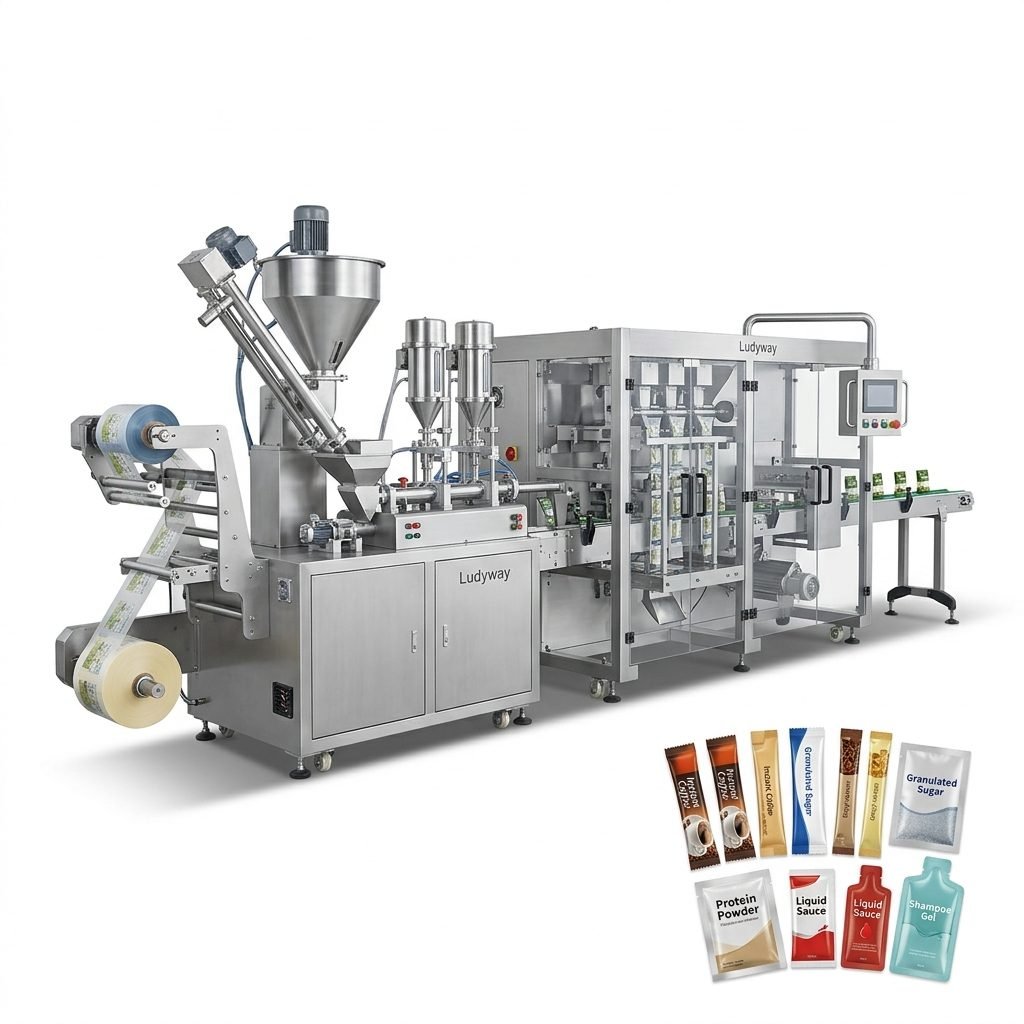
- Rapid Format Changeovers: Advanced machinery features modular parts and toolless adjustments, allowing operators to switch between different sachet sizes or stick pack widths in minutes.
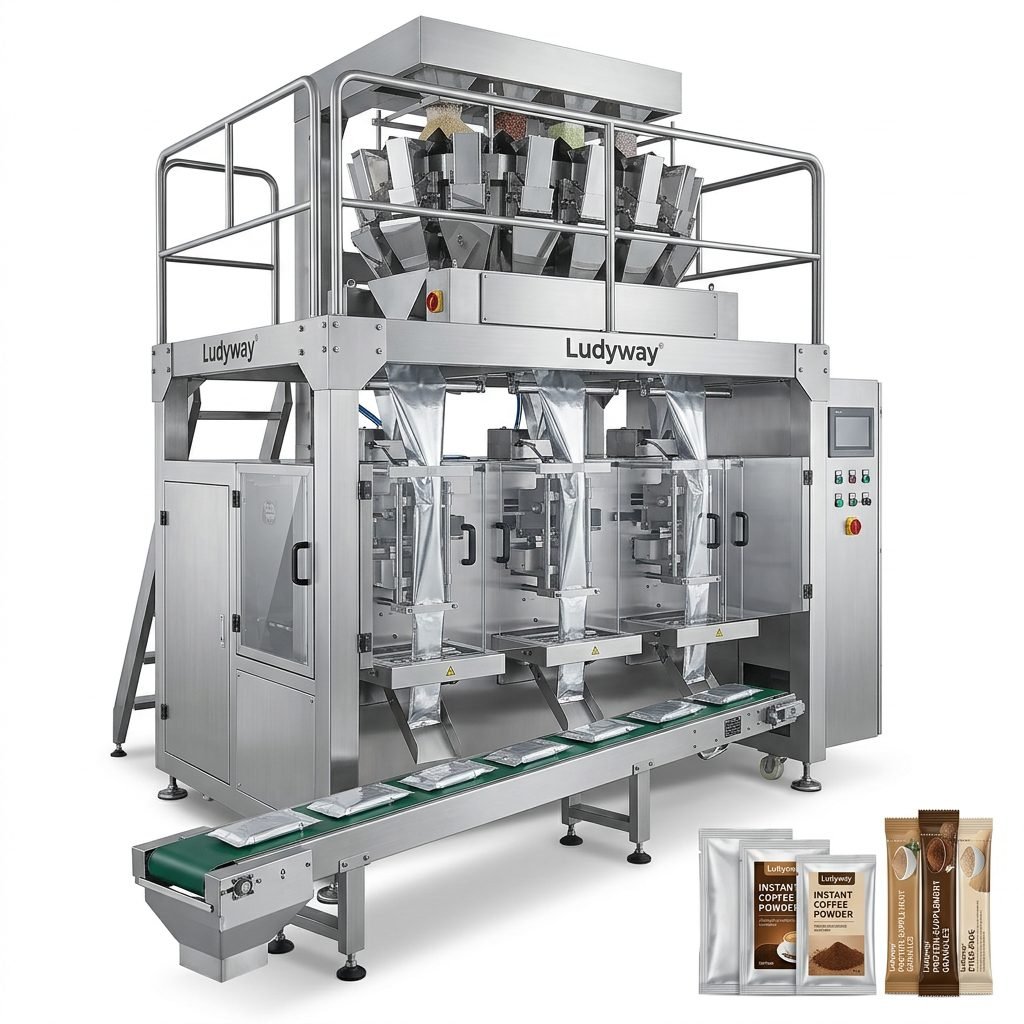
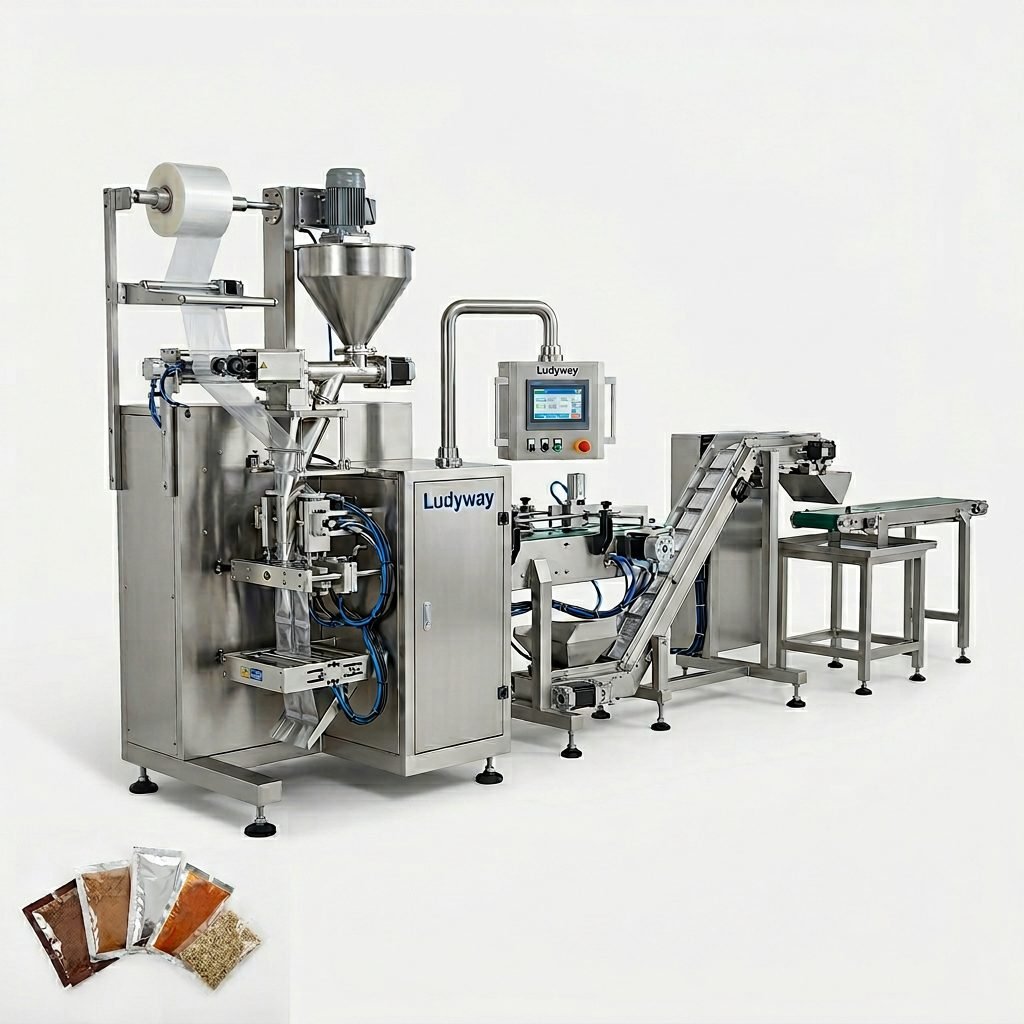
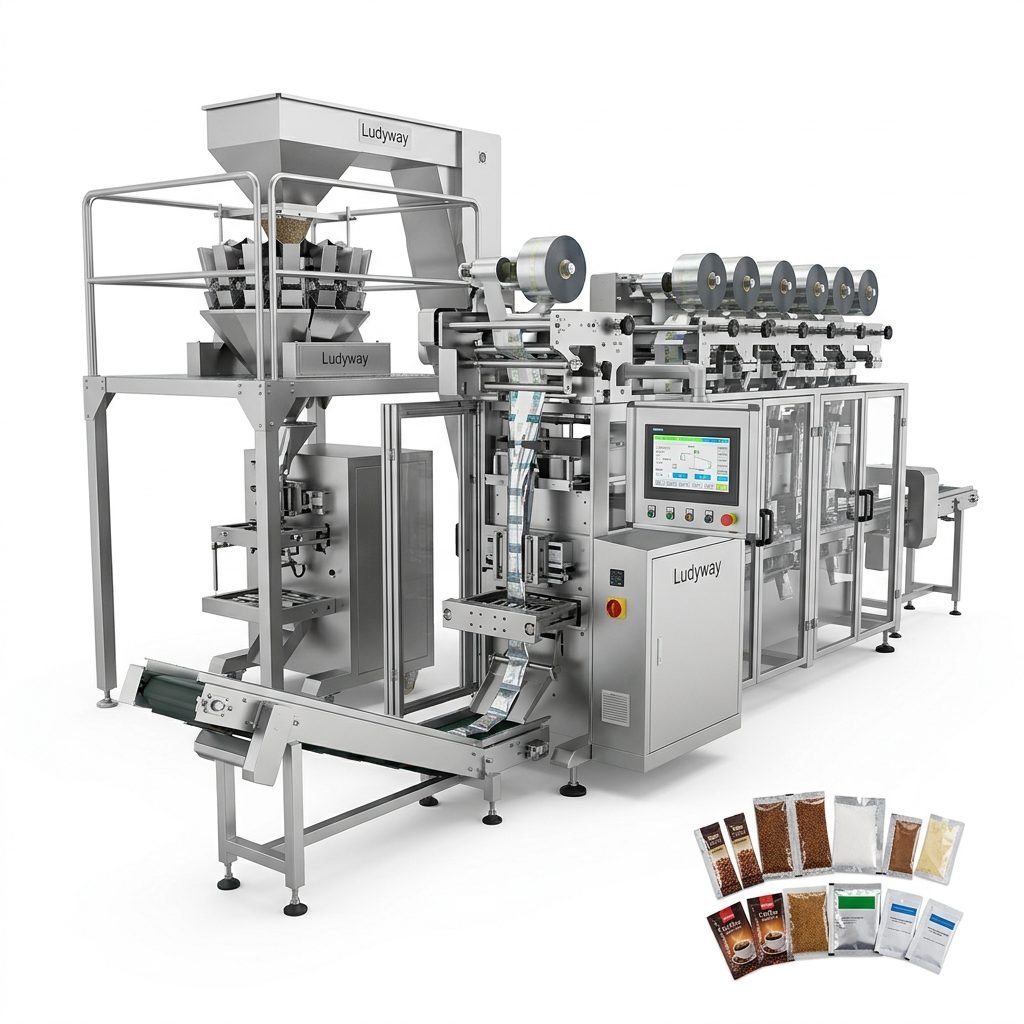
- Precise Dosing Mechanisms: Whether dealing with free-flowing sugar granules or viscous cosmetic serums, automated dosing pumps ensure consistent fill weights and minimize product waste.
- Space Optimization: Modern multi-lane systems pack high-volume output capability into a remarkably compact footprint, making them ideal for facilities with limited floor space.
- Material Compatibility: These systems easily transition between traditional plastics, recyclable films, and paper-based barriers to meet emerging sustainability mandates.
Strategic Turnkey Integration
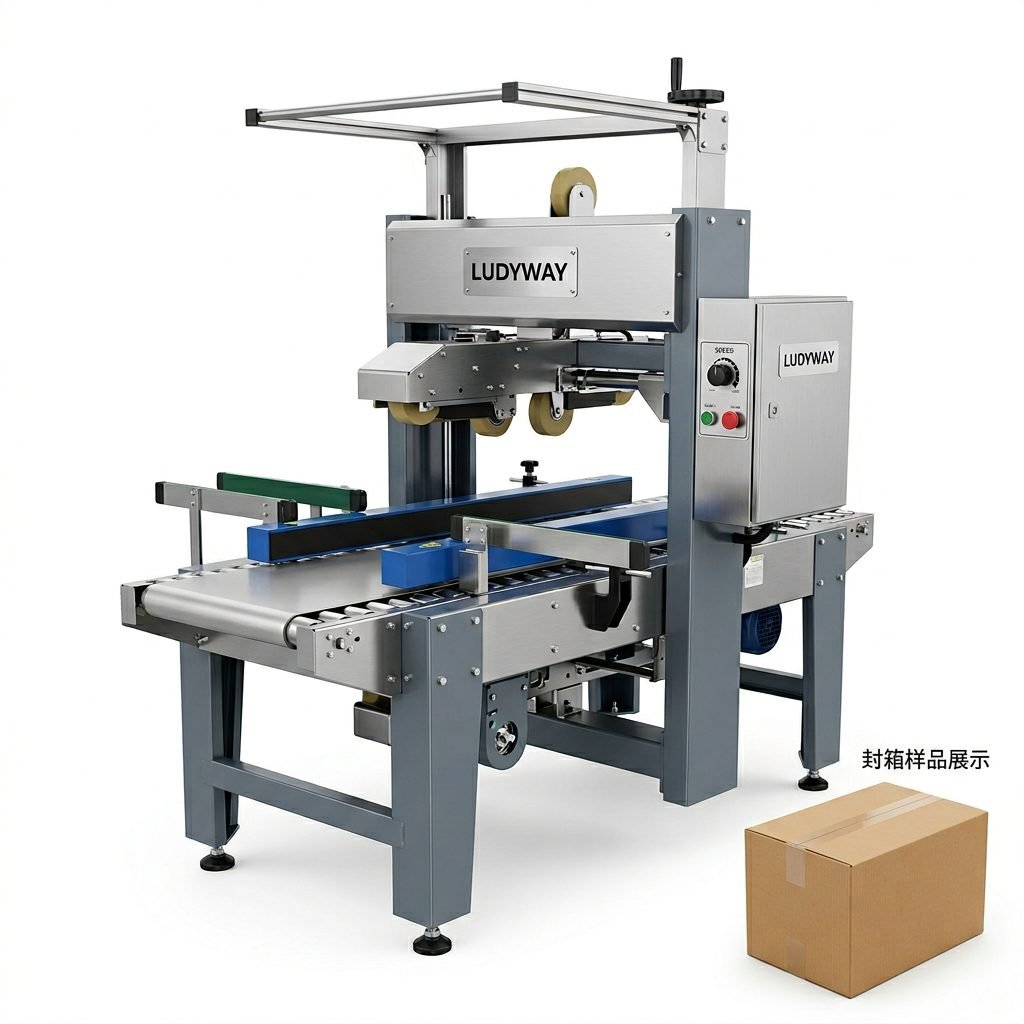
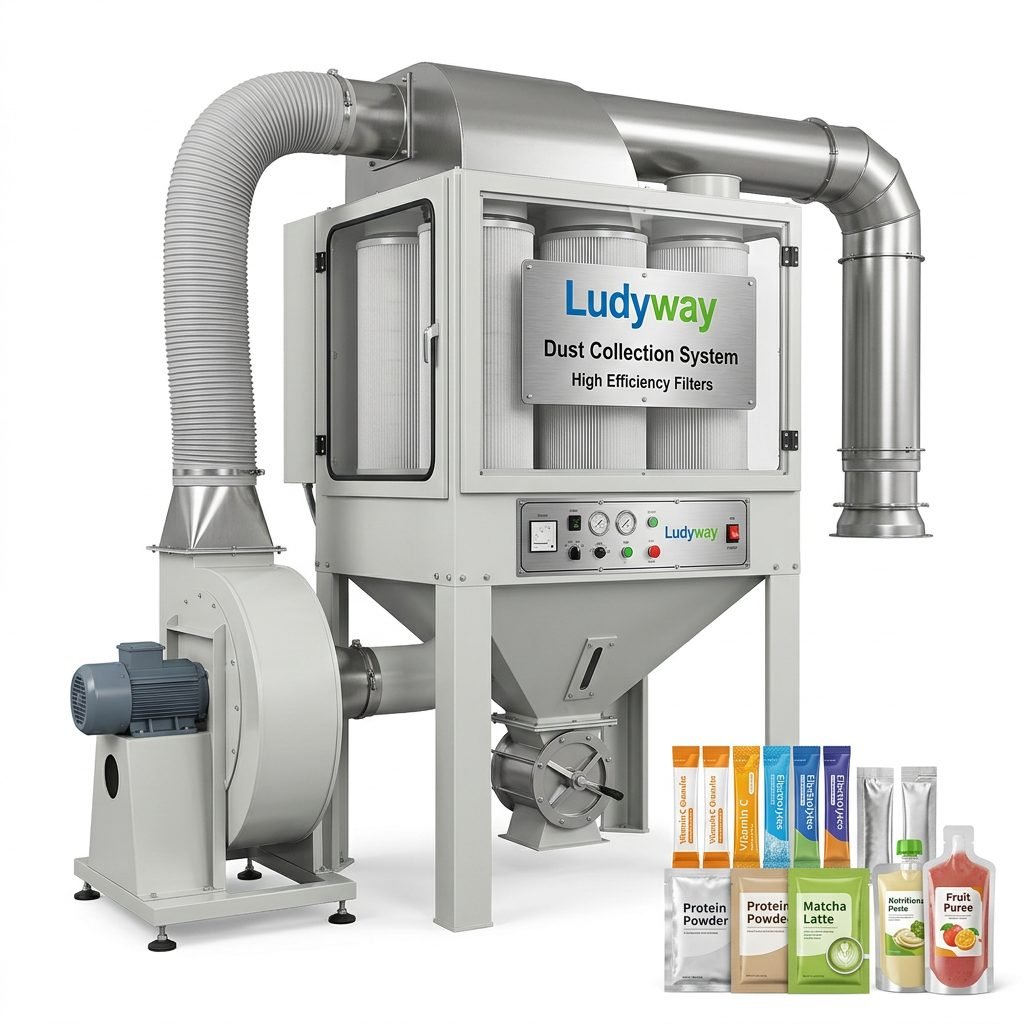
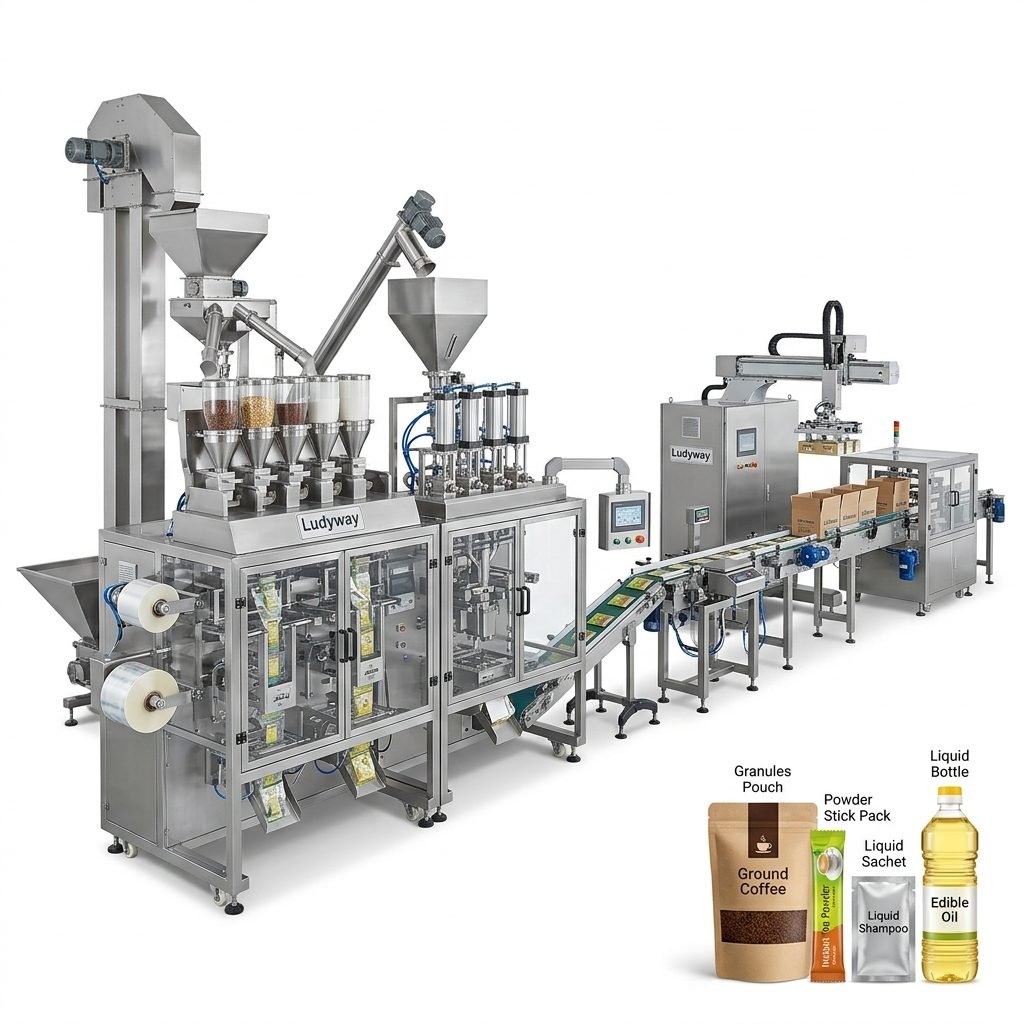
For operations aiming to scale up production without coordinating with multiple individual equipment vendors, turnkey integration has become the preferred path. A fully synchronized packaging line integrates raw material feeding, precise multi-lane dosing, vertical form-fill-seal functions, quality inspection, and secondary cartoning into a single, cohesive workflow. This end-to-end approach eliminates compatibility issues between different machines, streamlines maintenance, and establishes a single point of operational control.
When selecting a manufacturing partner for these complex systems, experience and engineering depth are paramount. Ludyway, one of China’s leading packaging machine and turnkey packaging line manufacturers, has spent over three decades developing automated systems that cater to global standards. Their extensive facility and engineering expertise allow them to design customized packaging setups that directly address specific challenges in product handling, sealing integrity, and high-speed throughput for diverse markets across Europe, North America, and beyond.
Flexible Packaging Capabilities: Standard vs. Customized Lines
To highlight the operational differences between fixed setups and flexible systems, the table below outlines key parameters that impact production agility:
| Feature / Parameter | Standard Packaging Line | Customized Flexible Packaging Line |
|---|---|---|
| Product Phase Compatibility | Single format (e.g., only dry powder) | Multi-phase (liquids, pastes, powders, granules) |
| Changeover Time | Several hours (requires mechanical reconstruction) | Under 30 minutes (modular components & touchscreen presets) |
| Lane Configuration | Fixed single or dual-lane | Scalable multi-lane (up to 10+ lanes for high volume) |
| Packaging Design Formats | Standard pillows or pre-made pouches only | Stick packs, sachets, custom shapes, shaped seals |
Cross-Industry Applications
The versatility of customizable packaging machinery is demonstrated by its successful adoption across a variety of demanding commercial sectors:
1. Food and Beverage
From instant coffee granules and sugar sticks to liquid honey and ketchup sachets, the food sector requires high throughput coupled with strict hygiene controls. Flexible systems utilize stainless steel contact parts and gas flushing technology to preserve product freshness and extend shelf life.
2. Pharmaceuticals and Supplements
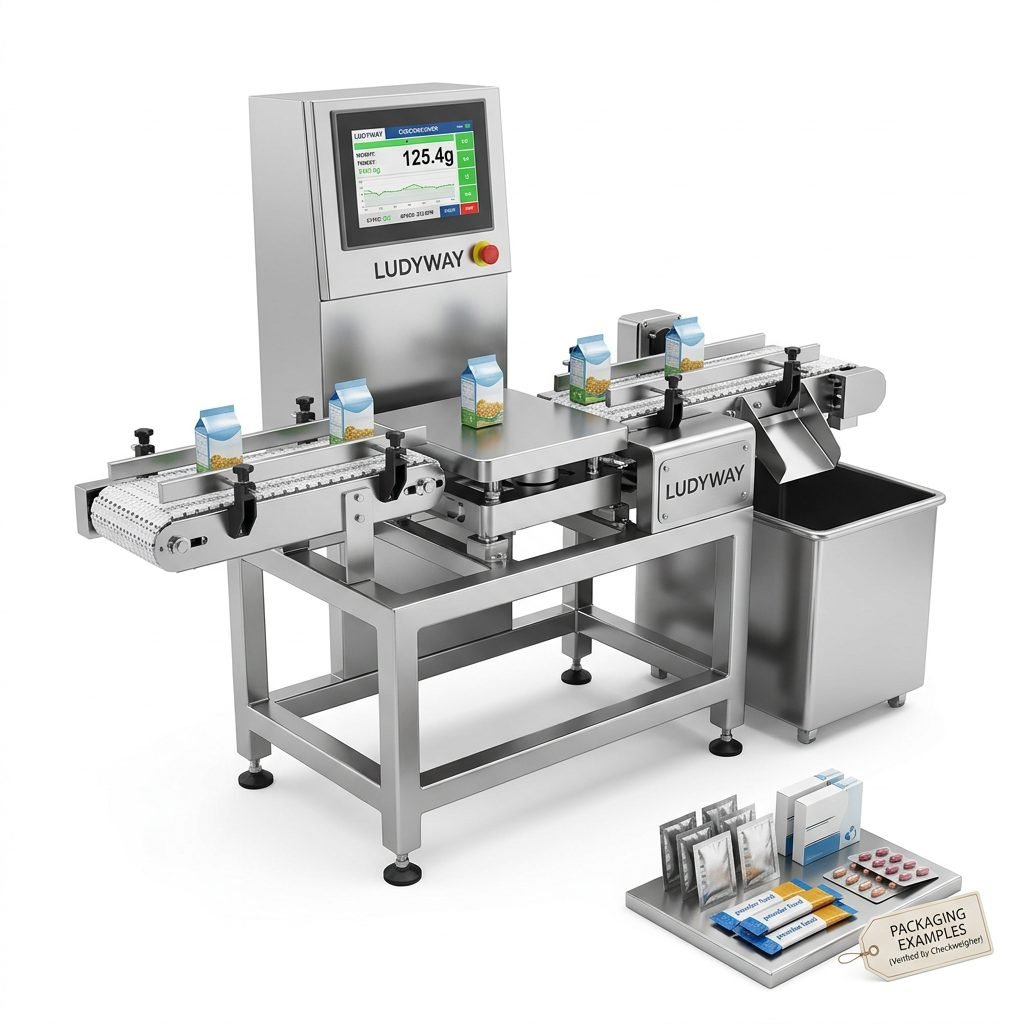
Accuracy is critical when packaging medical powders, tablets, or liquid supplements. Advanced packaging equipment integrates precision weight checkers, vision inspection systems, and coding systems to print batch numbers and expiration dates directly onto each packet, ensuring full compliance with international safety regulations.
3. Cosmetics and Personal Care
Sample-size shampoo sachets, facial mask packets, and skin cream stick packs demand flawless visual presentation. Flexible machinery ensures clean cuts, precise tear notches, and aesthetic sealing patterns that align with cosmetic brand standards.
Embracing Intelligent Manufacturing for Future Success
As industry standards evolve toward more localized production, sustainability, and dynamic inventory management, having an adaptable packaging system is a core competitive advantage. Investing in flexible packaging machinery allows businesses to protect themselves against future market fluctuations, quickly pivot packaging styles, and maintain consistent output. By implementing modular, intelligent machinery, global manufacturers can confidently meet diverse customization demands with ease, efficiency, and long-term reliability.