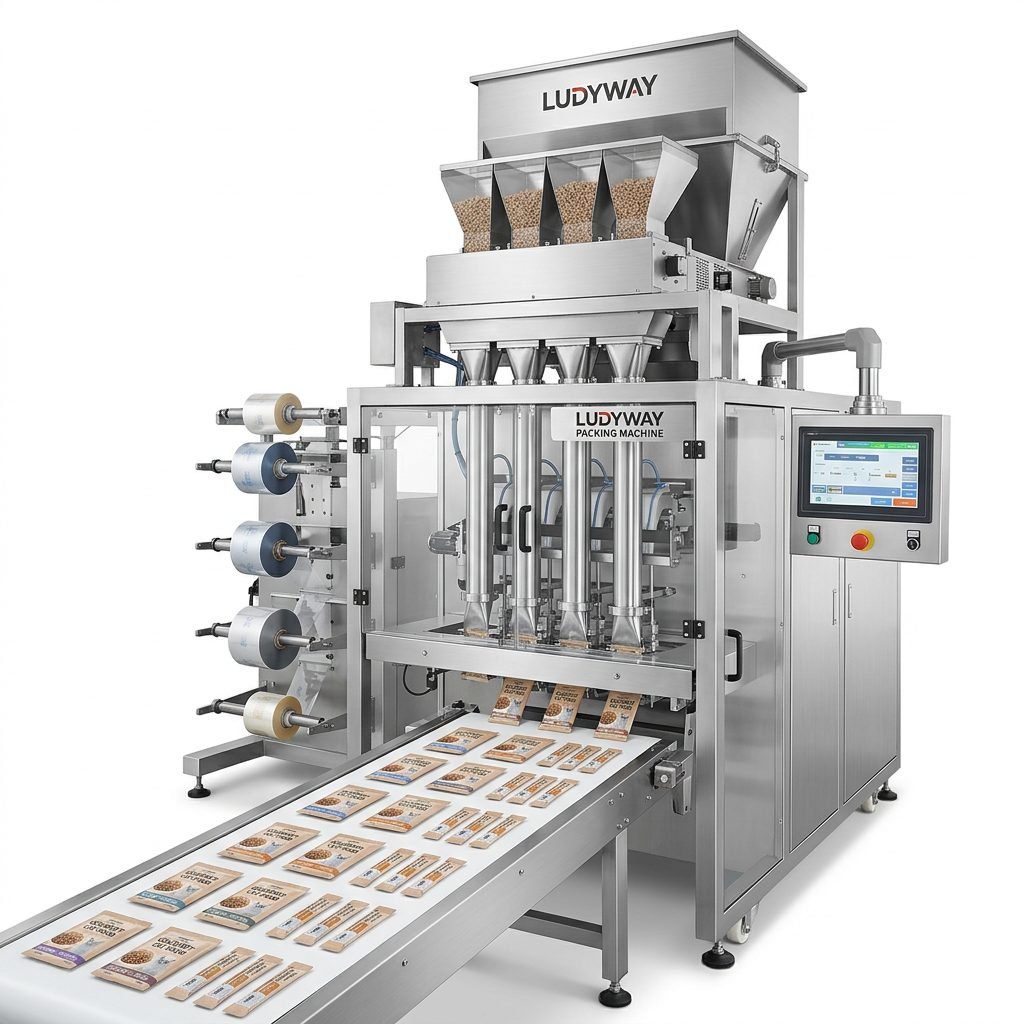
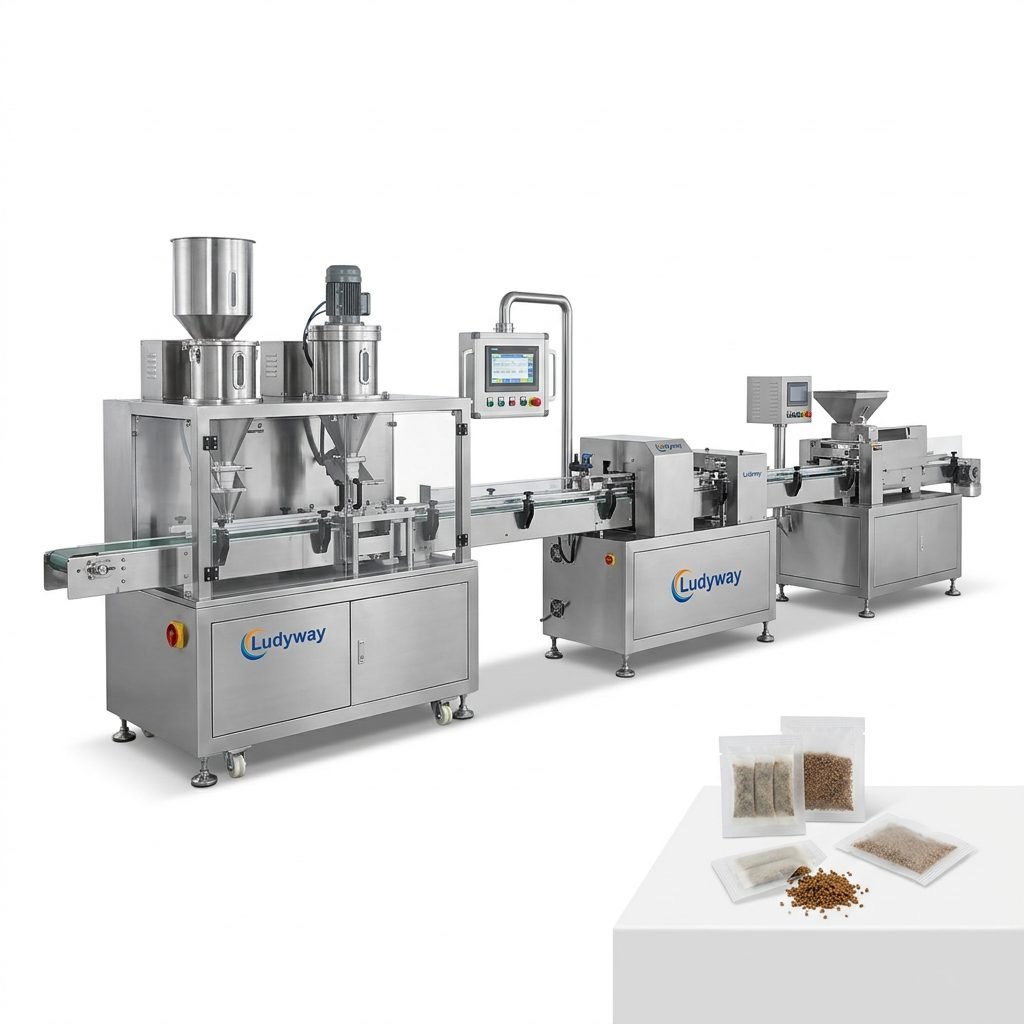
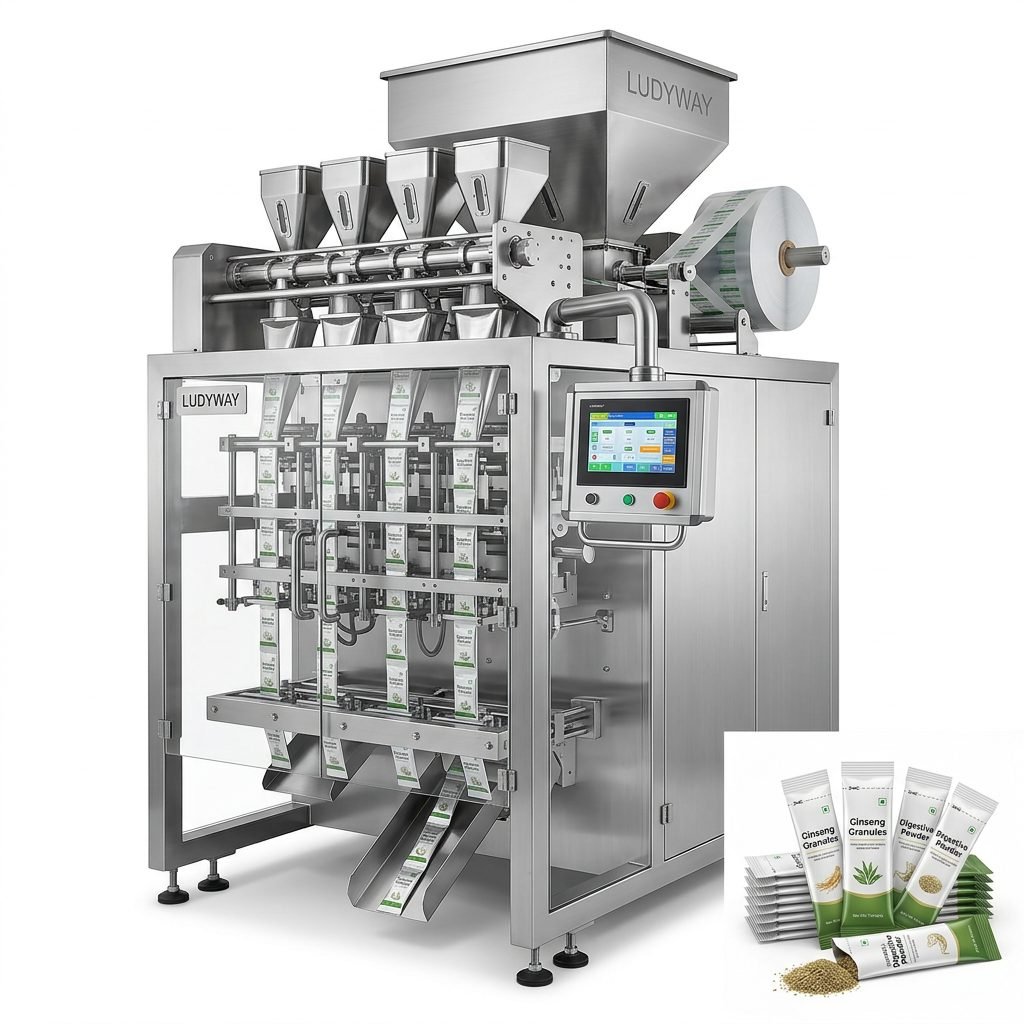
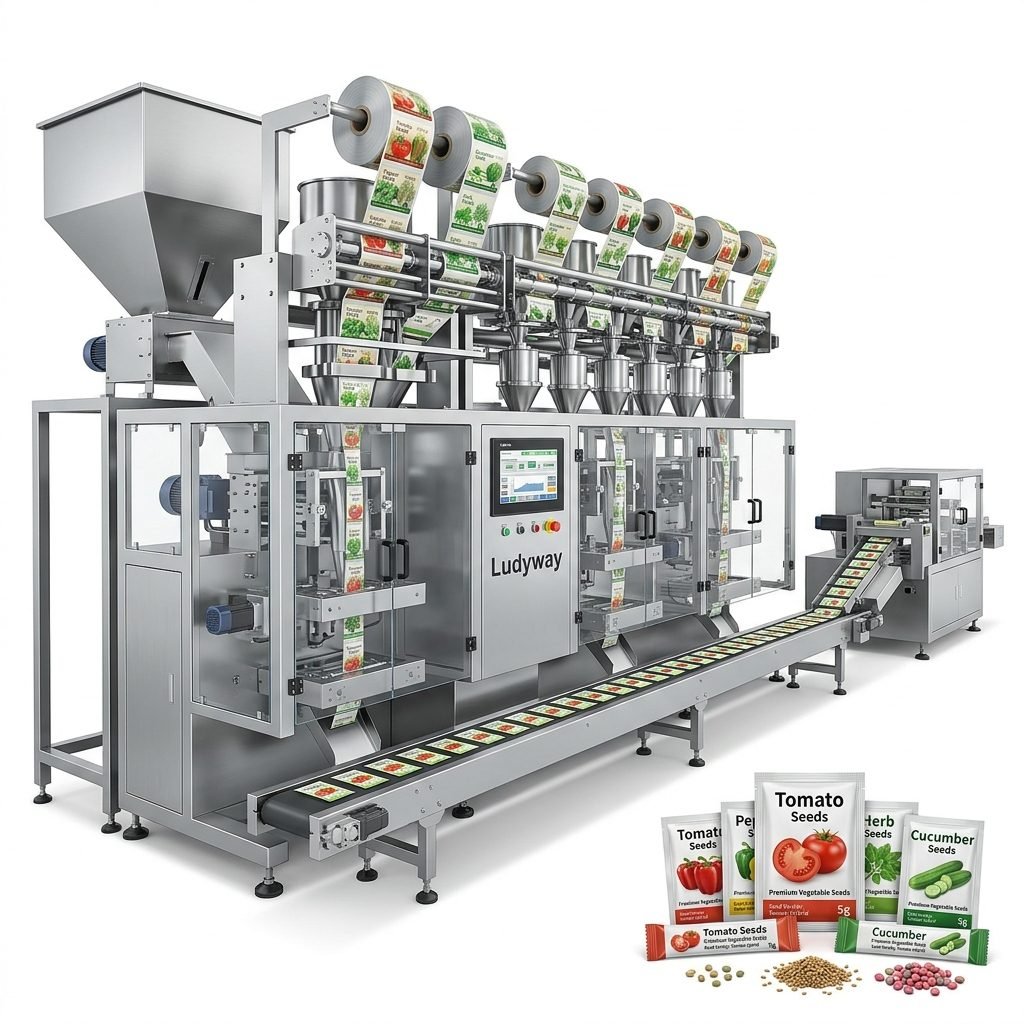
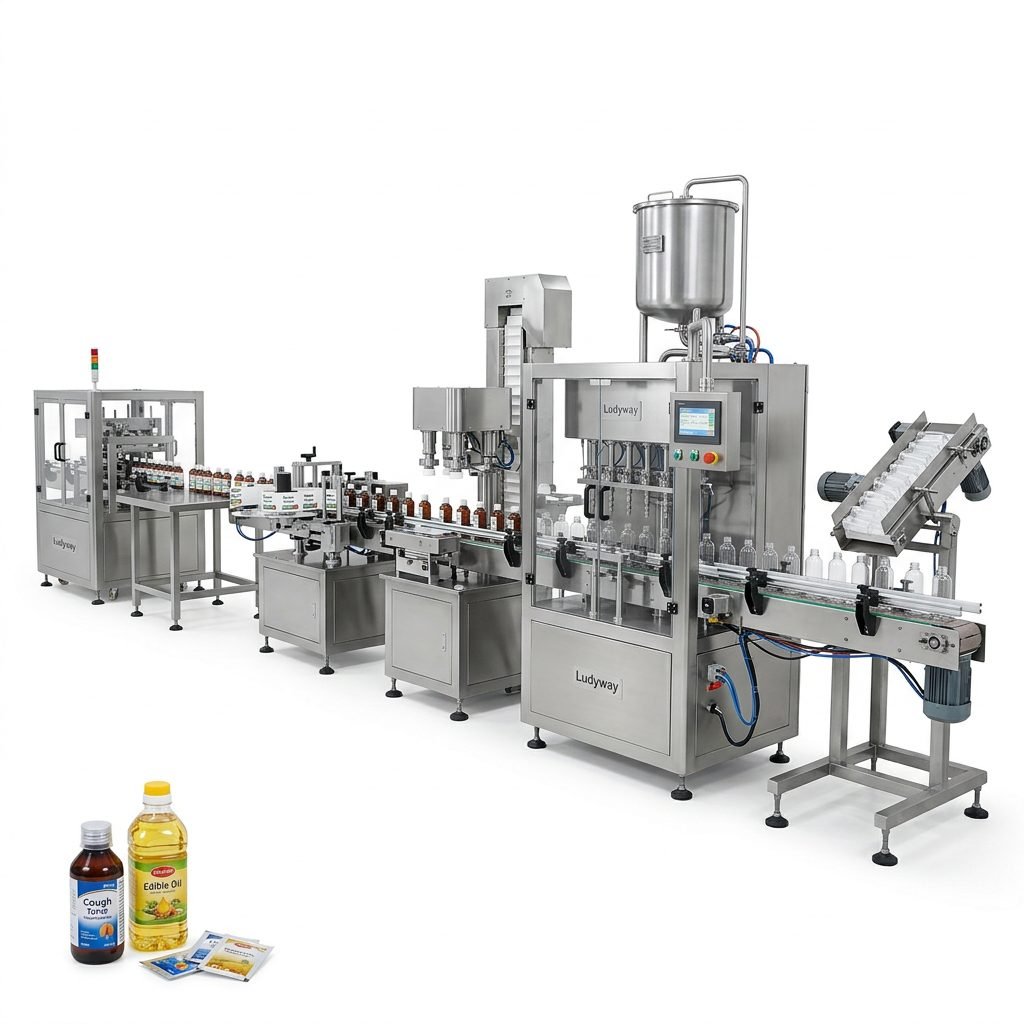
In the rapidly evolving landscape of global manufacturing, floor space has transitioned from a basic facility metric to a premium operational asset. Across industries such as food processing, pharmaceuticals, cosmetics, and fine chemicals, production managers face the constant challenge of expanding output capacity within existing physical boundaries. Building new facilities or expanding cleanroom footprints is often cost-prohibitive and time-consuming. Consequently, the machinery manufacturing sector has shifted its focus toward extreme spatial optimization. Among the most significant advancements in this area is the integrated open-load-seal-packaging machine, an innovative design concept engineered specifically to address the constraints of ultra-compact production environments.
The Challenge of the Conventional Linear Footprint
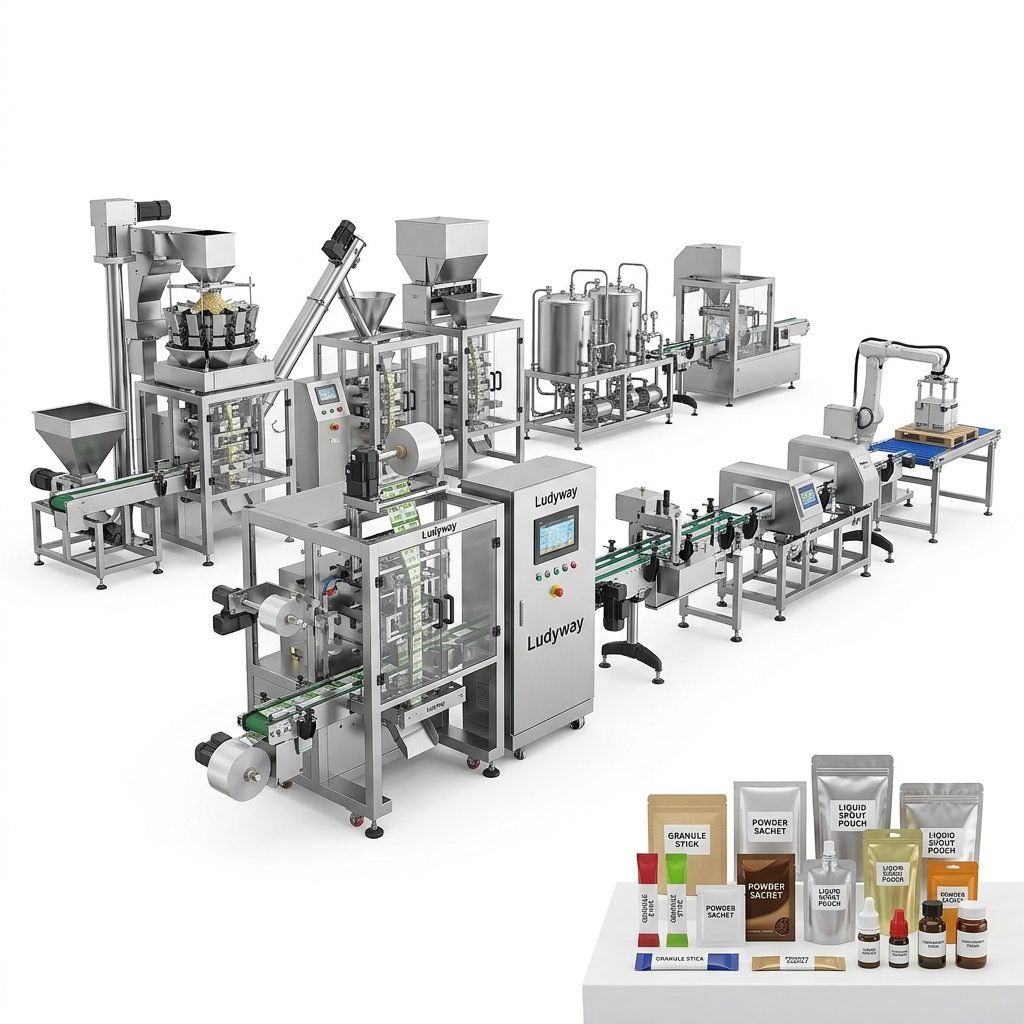
Traditionally, packaging lines are configured as a series of standalone machines linked by extensive conveyor systems. A typical layout requires separate stations for pouch feeding, bag opening, product dosing, sealing, and output discharge. While functional, this linear configuration introduces several operational inefficiencies:
- Excessive Floor Space: Long intermediate conveyors are required to transport packages between independent processing stations, consuming valuable square footage.
- Complex Synchronization: Multiple independent motors and sensors must be continually calibrated to match speeds, increasing the likelihood of timing errors.
- High Cleanroom Costs: In sterile pharmaceutical or food environments, every additional square meter of machine footprint significantly escalates HVAC maintenance and air filtration costs.
By consolidating these individual phases into a single, unified machine chassis, engineers have successfully eliminated the physical gaps and transport mechanisms that traditionally bloated the packaging line footprint.
Deconstructing the Open-Load-Seal Integration
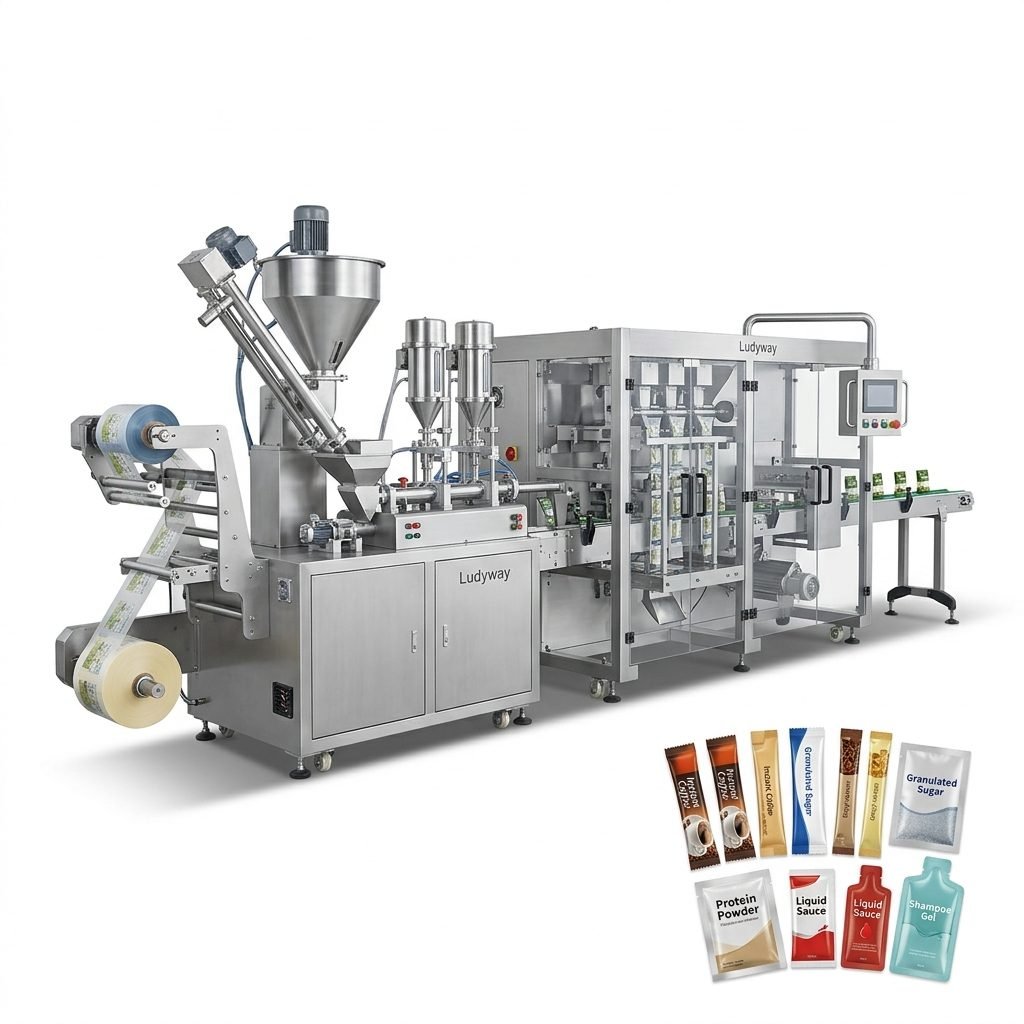
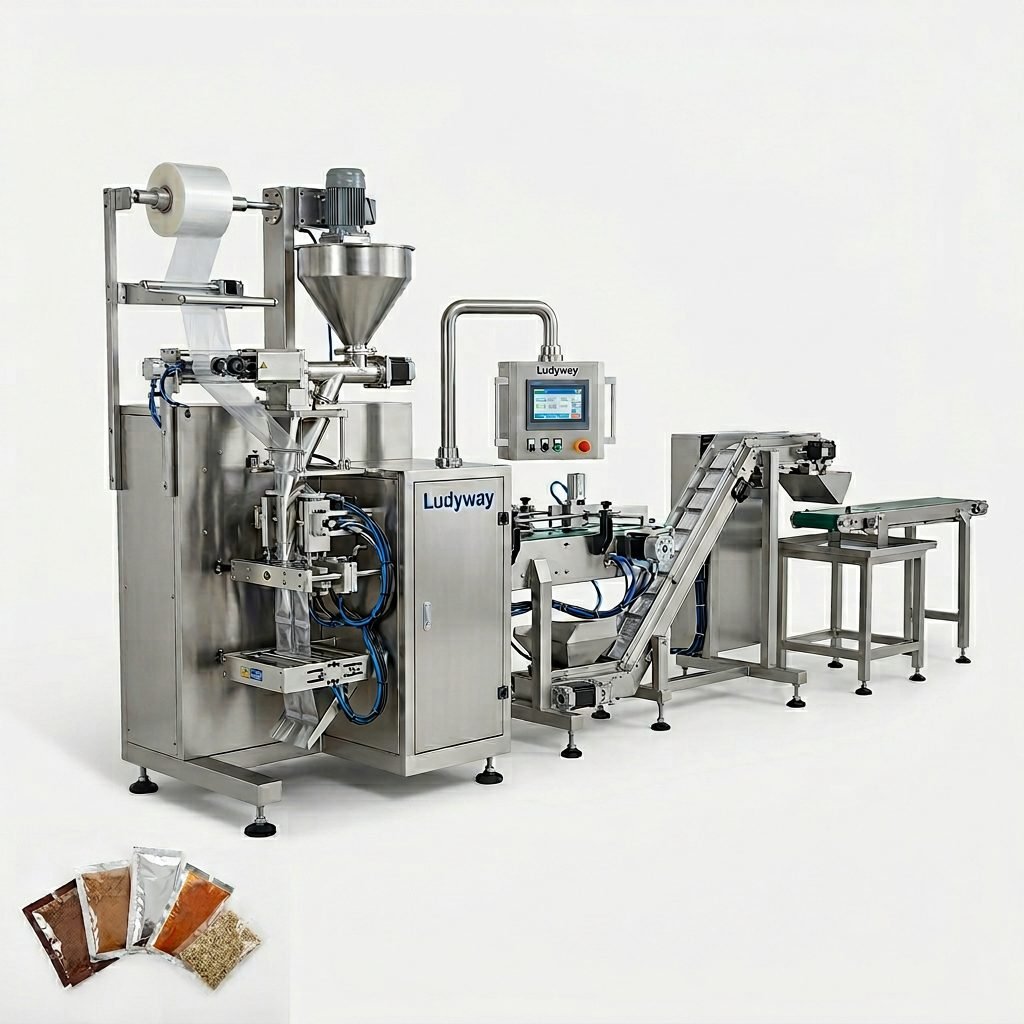
The integrated open-load-seal system operates on a synchronized, cyclic process within a highly compact circular or modular matrix. Rather than transferring the packaging material across meters of conveyor belts, the pouch remains within a controlled, localized indexing mechanism throughout its entire lifecycle. The process is divided into three highly coordinated phases executed in rapid succession:
1. Precision Bag Opening
Using localized vacuum cups and mechanical opening claws, the machine extracts a pre-made pouch or forms a sachet from roll stock, opening the mouth of the package with absolute precision. Because this occurs within the main indexing wheel, no external handling equipment is needed.
2. Direct-Drop Loading
The dosing system—whether utilizing an auger filler for powders, a volumetric cup filler for granules, or a piston pump for liquids—is positioned directly above the open pouch. This vertical alignment allows the product to drop straight into the packaging container without passing through long transfer chutes, minimizing product degradation and dust generation.
3. Instantaneous Sealing
Immediately following the loading phase, the package moves to the sealing station. Using constant heat, impulse heat, or ultrasonic sealing bars, the pouch is hermetically sealed and prepared for final discharge. By keeping the seal station adjacent to the fill zone, the risk of product contamination in the seal area is significantly reduced.
Comparative Analysis: Traditional vs. Integrated Compact Systems
To illustrate the efficiency gains achieved by integrating these processes, the table below compares the performance metrics of a standard linear packaging line against an integrated open-load-seal machine operating in the same industrial application.
| Performance Indicator | Traditional Linear Layout | Integrated Open-Load-Seal Machine |
|---|---|---|
| Required Floor Space | Large (typically 12 – 18 square meters) | Ultra-Compact (under 4 square meters) |
| Energy Consumption | High (multiple independent drive motors) | Optimized (centralized servo system) |
| Changeover Duration | 30 to 60 minutes (multi-station adjustment) | Under 15 minutes (toolless modular parts) |
| Maintenance Intensity | High (frequent conveyor wear and tear) | Low (enclosed, direct-drive mechanisms) |
Engineering Innovations Driving Compact Solutions
Achieving this level of consolidation requires advanced engineering techniques. Manufacturers of these modern systems utilize several key technological design principles to ensure high performance within restricted physical dimensions:
- Monolithic Frame Engineering: Building the dosing, filling, and sealing modules onto a single heavy-duty stainless steel frame eliminates alignment issues and reduces vibration.
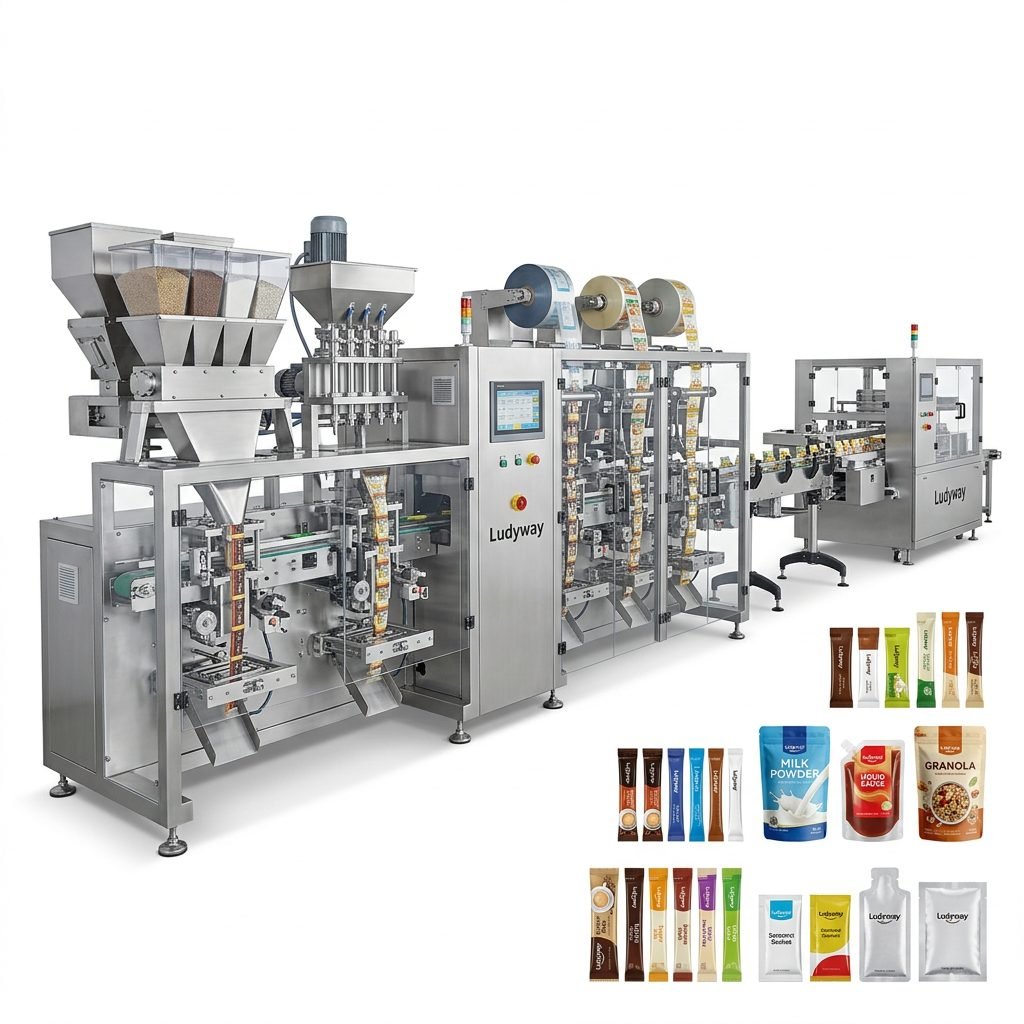
- Multi-Lane Synchronicity: Operating multiple lanes in parallel within a narrow chassis multiplies production speed without extending the machine’s length.
- Enclosed Sanitary Design: Minimizing exposed moving parts makes these machines ideal for dust-sensitive and washdown-heavy environments, such as baby formula or API pharmaceutical packaging.
Industry Adaptability and Global Impact
The transition toward compact integrated packaging machinery is a global phenomenon. In highly populated urban industrial centers across Europe, North America, and Southeast Asia, warehouse space is at a premium. As a result, factory operators are actively replacing legacy machinery with centralized, high-efficiency systems.
For businesses seeking to implement these space-saving designs, partnering with an experienced manufacturer is essential. Ludyway, one of China’s leading packaging machine and turnkey packaging line manufacturers, has been at the forefront of this technological shift. Established in 1993 and backed by over 30 years of industry experience, the company specializes in manufacturing intelligent, small-footprint packaging solutions that serve customers in over 100 countries. Their expertise in turnkey engineering allows plants to seamlessly integrate feeding, filling, and sealing into highly restricted floor layouts, unlocking new levels of throughput without facility expansion.
Conclusion: The Path Forward for Modern Packaging
The challenge of ultra-compact space is not merely a spatial constraint; it is a direct driver of industrial innovation. The integrated open-load-seal-packaging machine demonstrates that efficiency does not require expansion. By combining mechanical actions, utilizing vertical loading heights, and removing unnecessary transport links, modern packaging lines can achieve higher speeds, greater product safety, and improved resource conservation. As global manufacturing demands continue to rise, compact, integrated automation will remain the cornerstone of sustainable, cost-effective factory operations.