
Strategic Value of Automated Bagging Integration
A truly smart packaging line functions as an orchestrated ecosystem where raw bulk handling, precision dosing, primary pouch forming/filling, and end-of-line secondary handling communicate seamlessly through a unified central control system.
Core System Performance Metrics:
- Throughput Maximization: Speeds ranging from 40 to 600+ bags per minute.
- Weight Tolerance Control: High-precision load cells ensuring ±0.1g accuracy.
- OEE Enhancement: Minimizing unplanned downtime and rapid product changeovers.
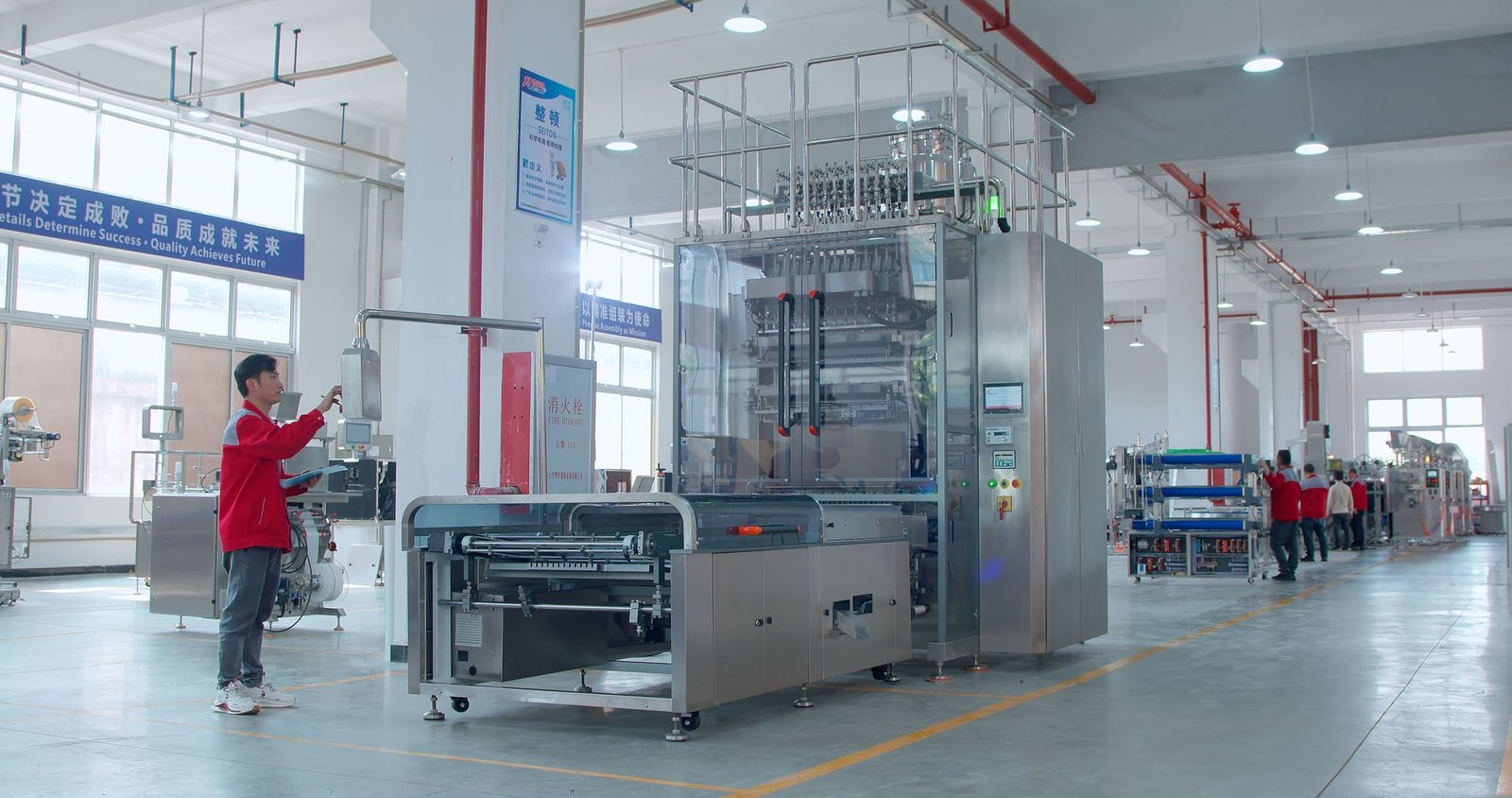
6 Phases to Successfully Commission an Automatic Bagging Line
Follow this structured, step-by-step engineering roadmap to minimize risk, avoid footprint misalignment, and ensure smooth line integration.
Material & Bag Analysis
Identify product characteristics: bulk density, flowability, moisture content, and particle breakdown. Determine package style—sachets, stick packs, premade pouches, or open-mouth bulk bags.
Dosing System Selection
Match raw materials to the right dosing technology: multi-head weighers for solid granules, precision auger screws for non-free-flowing powders, or piston/servo pumps for liquids and gels.
Primary Machinery Setup
Select Form-Fill-Seal (VFFS/HFFS) or Rotary Premade Pouch filling systems. Ensure film feed tracking, dynamic tension rollers, and nitrogen gas flushing systems are properly sized.
Material Conveyance Flow
Integrate Z-type bucket elevators, vacuum transfer systems, or heavy-duty screw conveyors to maintain continuous feeding while avoiding aeration or product degradation.
Quality Assurance Control
Position dynamic high-speed checkweighers, inline industrial metal detectors, and vision/X-ray inspection systems to automatically isolate off-spec units without halting line velocity.
Secondary Line & Palletizing
Deploy carton erectors, sachet counters, case packers, and robotic palletizers to create a continuous, touchless stream from raw ingredient to finished shipping pallet.
Dosing & Packaging Mechanism Selection Matrix
Selecting the correct mechanical configuration is essential for maximizing yield and preventing machine jamming.
| Product Category | Primary Feeding/Dosing | Recommended Line Architecture | Target Speed (BPM) | Accuracy Rating |
|---|---|---|---|---|
| Fine Powders (Flour, Milk, Protein) | Servo Auger Filler + Vacuum Lifter | Multi-Lane Sachet / VFFS Vertical System | 80 – 450 BPM | ±0.5% – 1.0% |
| Granules / Pellets (Coffee, Seeds, Sugar) | Multi-Head Computer Weigher / Volumetric Cups | Rotary Pouch Packer / Multi-Lane Stick Line | 60 – 500 BPM | ±0.1g – 0.5g |
| Viscous Liquids (Sauce, Shampoo, Gels) | Multi-Piston Servo Positive Pump | Liquid Form-Fill-Seal Multi-Lane Machine | 50 – 350 BPM | ±0.2ml |
| Bulk Commodities (Animal Feed, Fertilizer) | Gross/Net Weight Electronic Scale | Open-Mouth / Heavy-Duty Bagging Line | 15 – 35 BPM | ±10g – 25g |
Key Turnkey Modules for High-Speed Bagging Lines
Select tested, high-yield primary equipment built to scale industrial line performance.
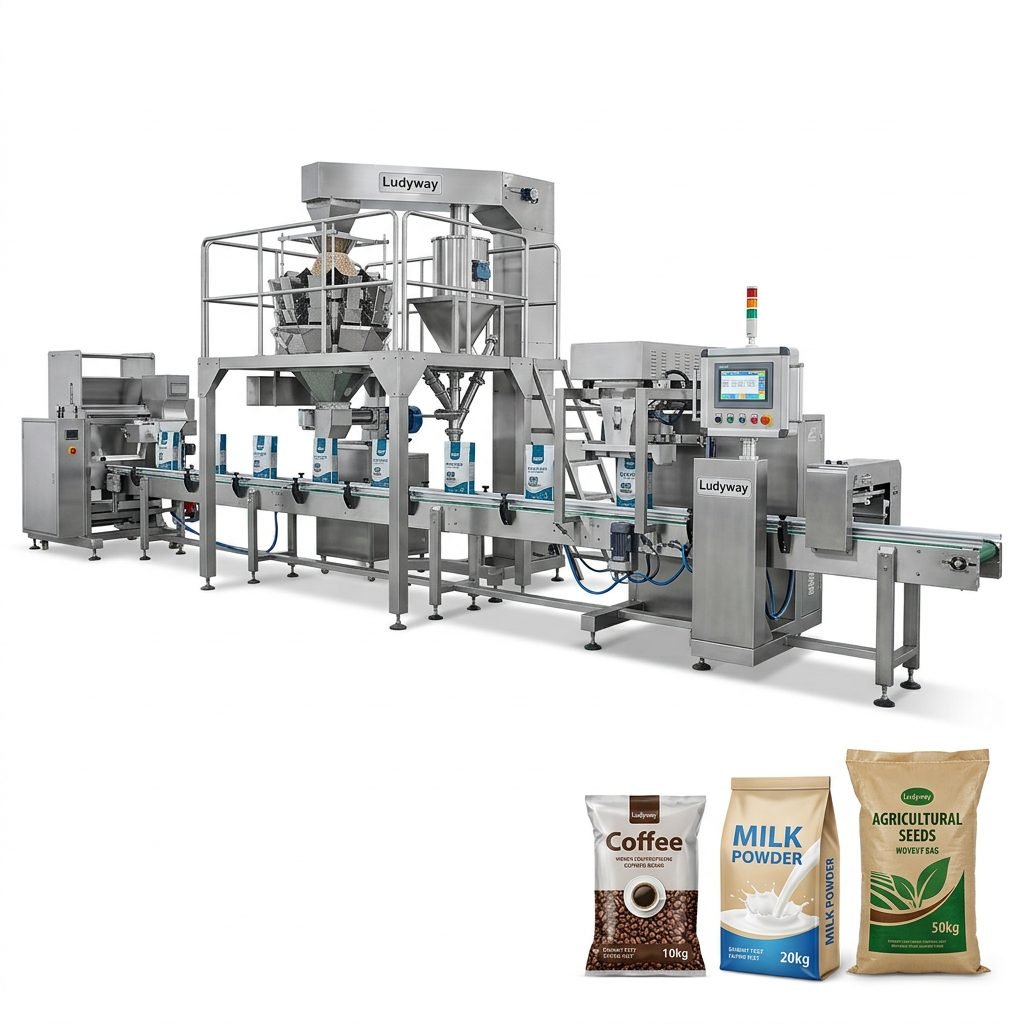
Open Mouth Bag Packaging Lines for Granule & Powder Automated Filling
View Machine Specs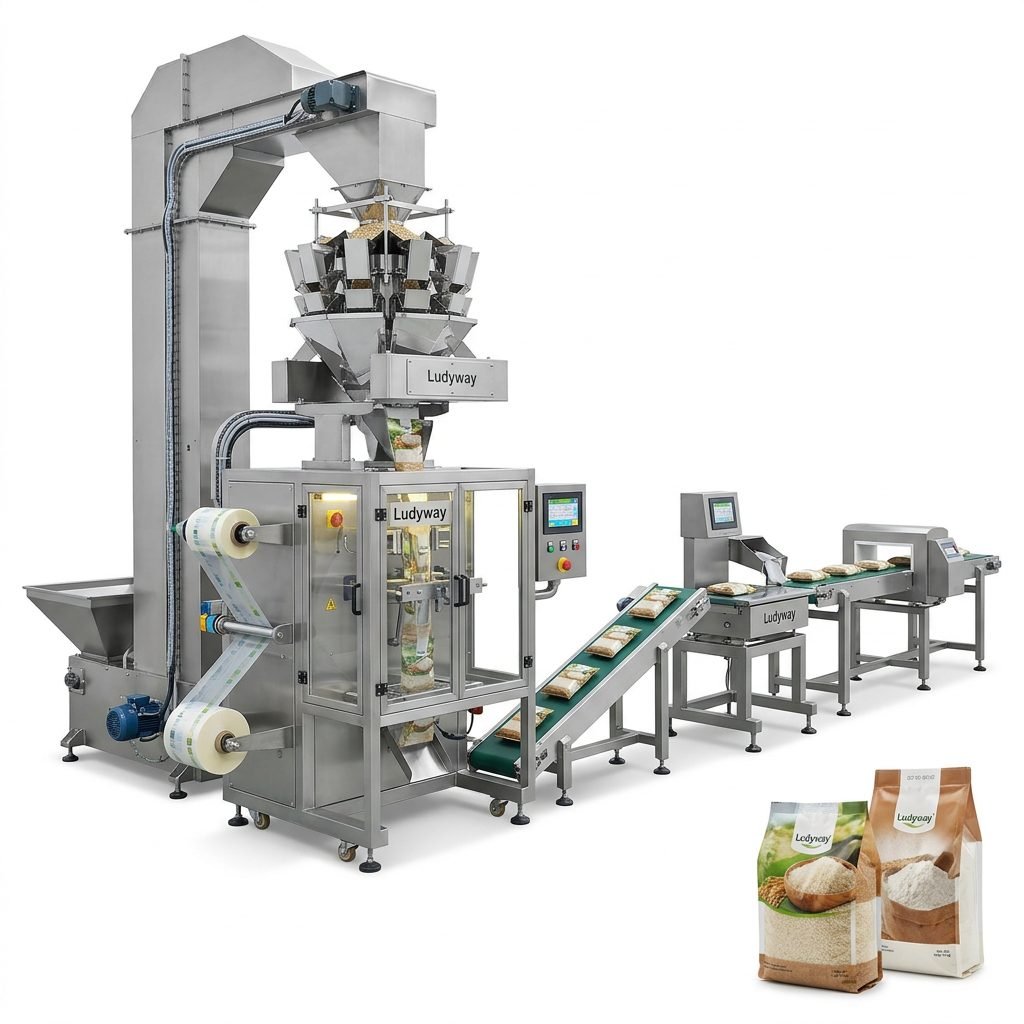
High-Speed Bulk Material Packaging Systems for Granules and Powder
View Machine Specs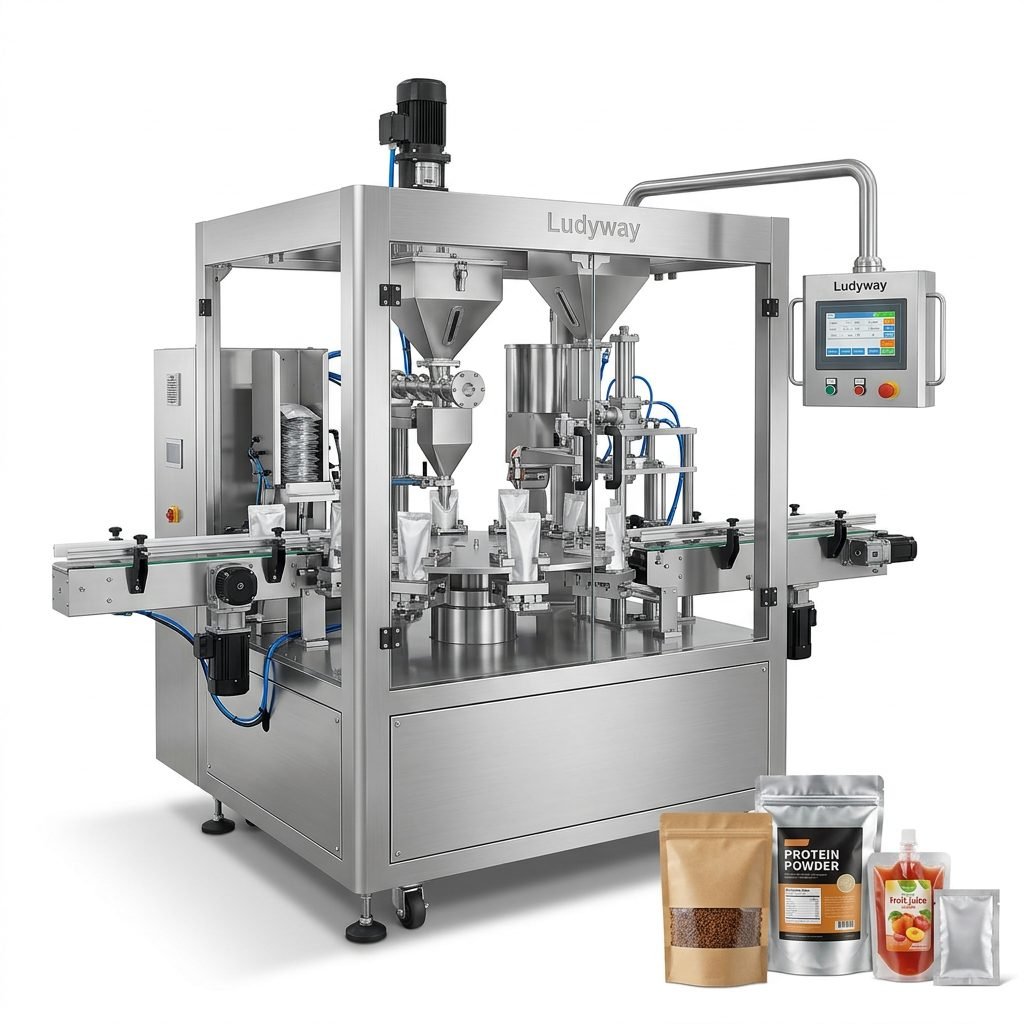
Premade Pouch Packaging Machine for Granules, Powder & Liquids
View Machine Specs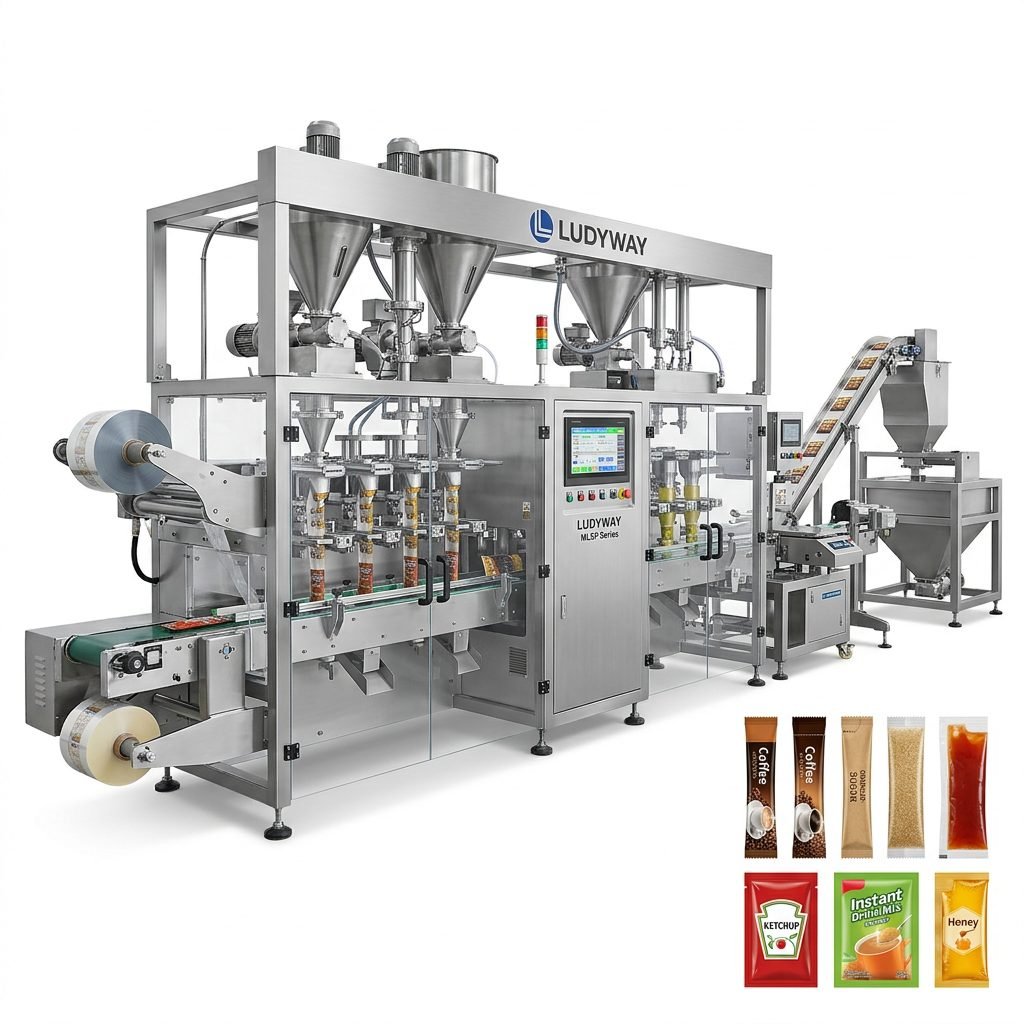
Multi-Lane Packaging Lines for Sachet & Stick Pack Automation
View Machine Specs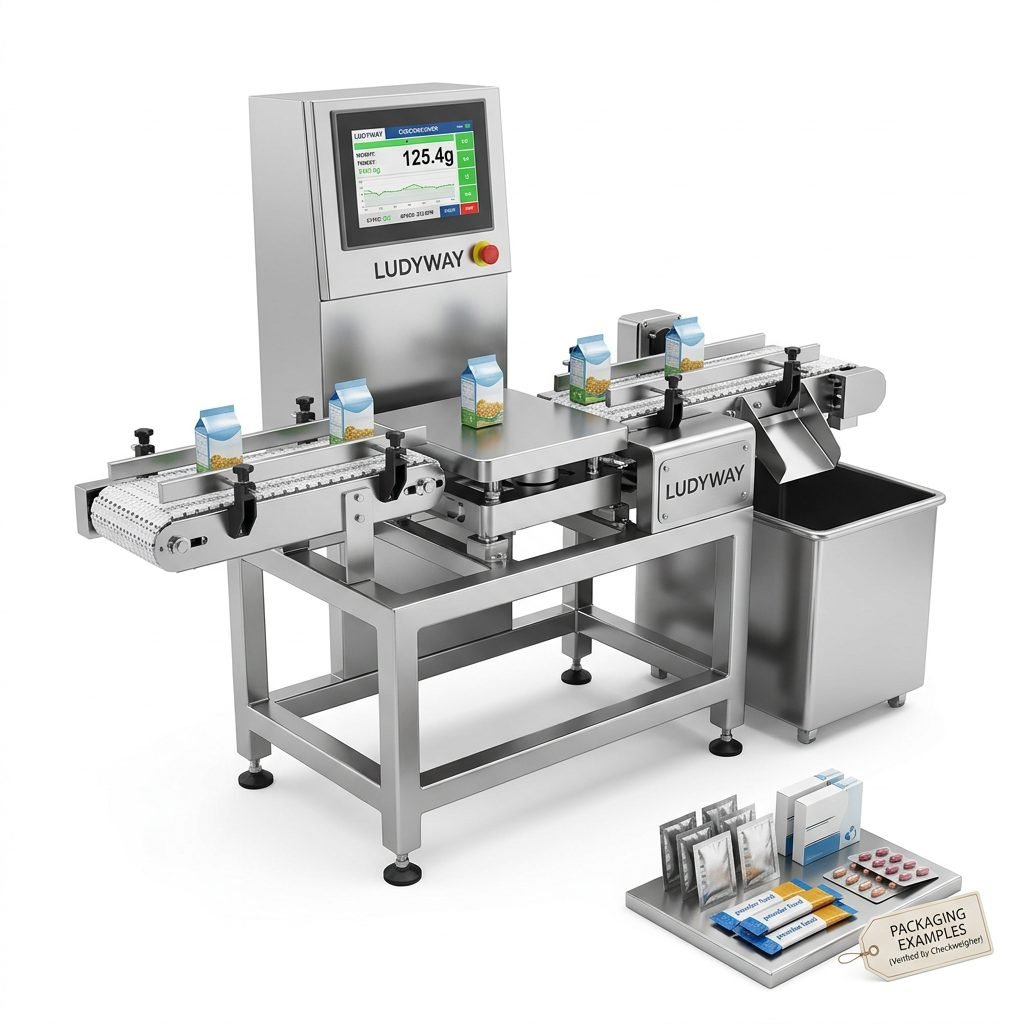
High-Precision Dynamic Checkweigher for In-Line Quality Verification
View Machine Specs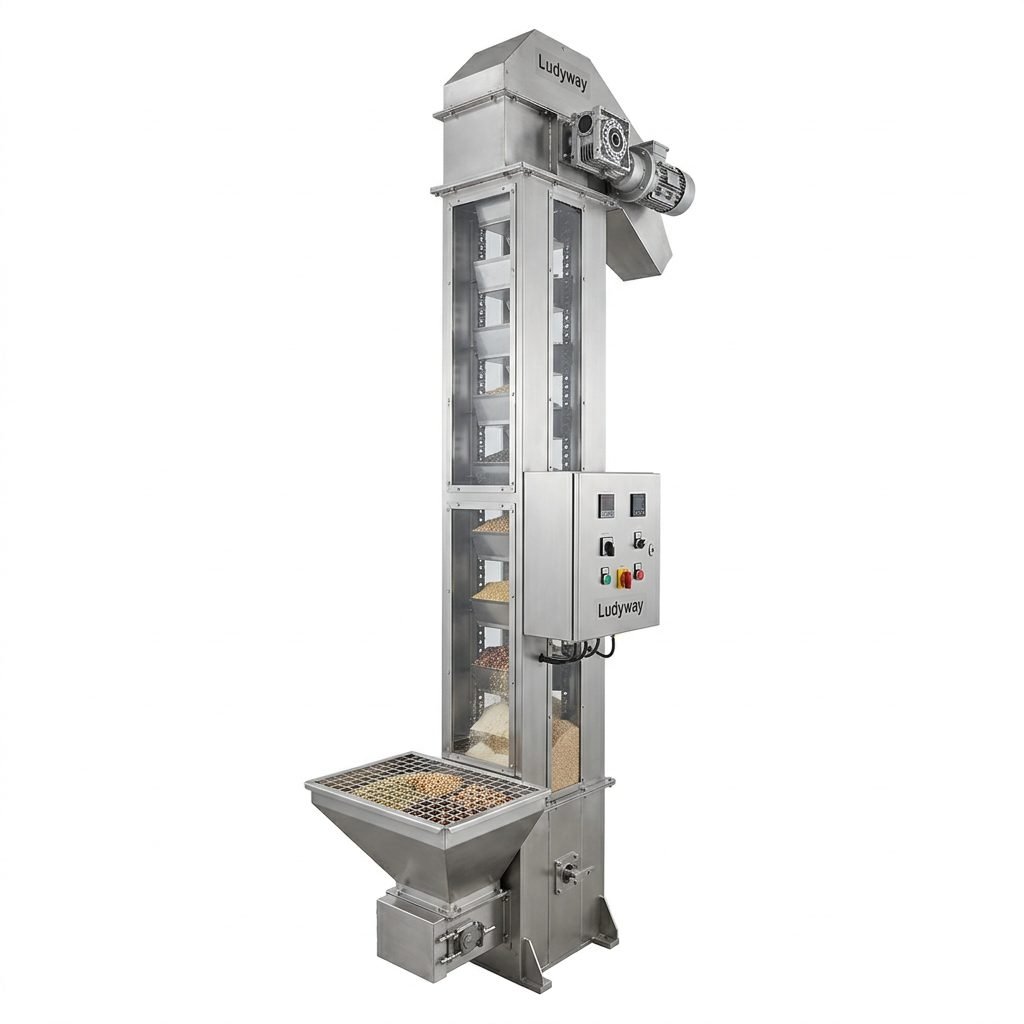
Vertical Bucket Elevator for Granules & Powders High-Capacity Feeding
View Machine Specs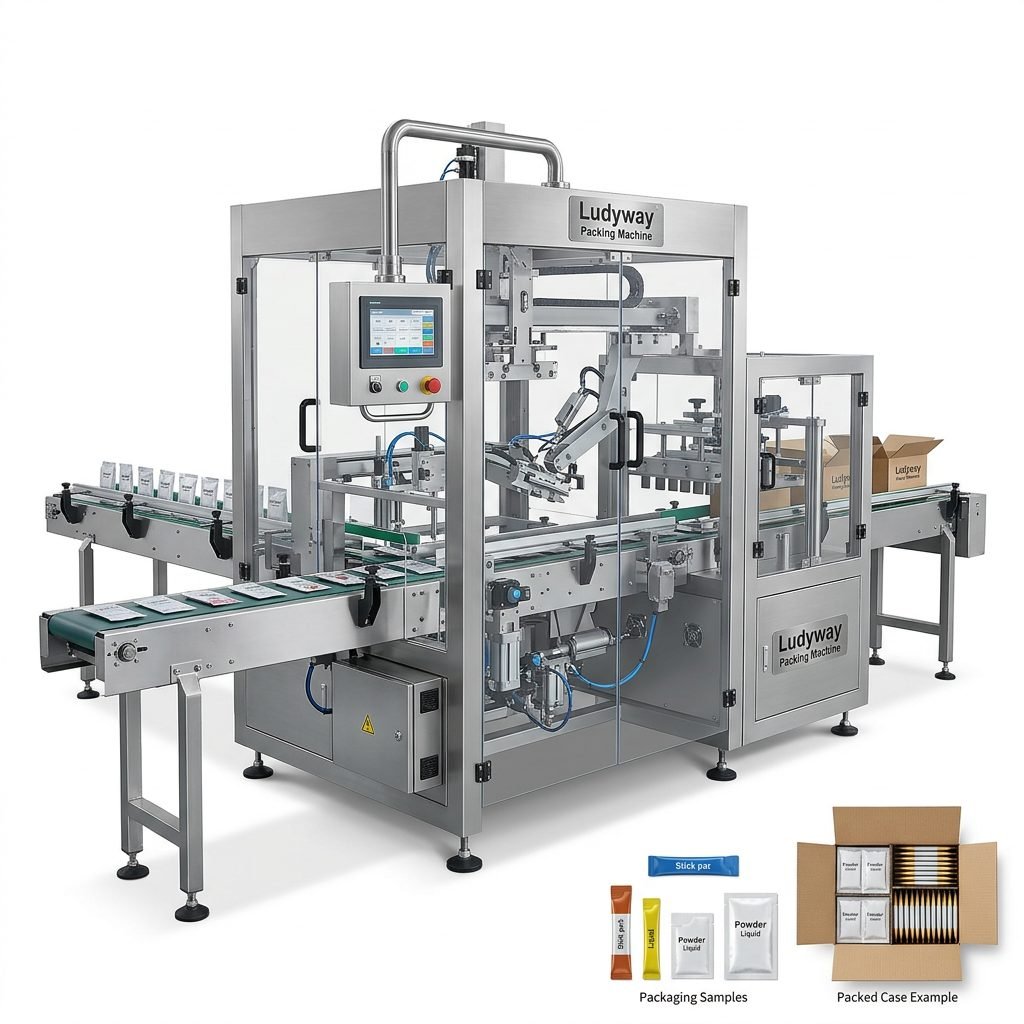
High-Speed Automatic Case Packer for Secondary Pouch Boxing
View Machine Specs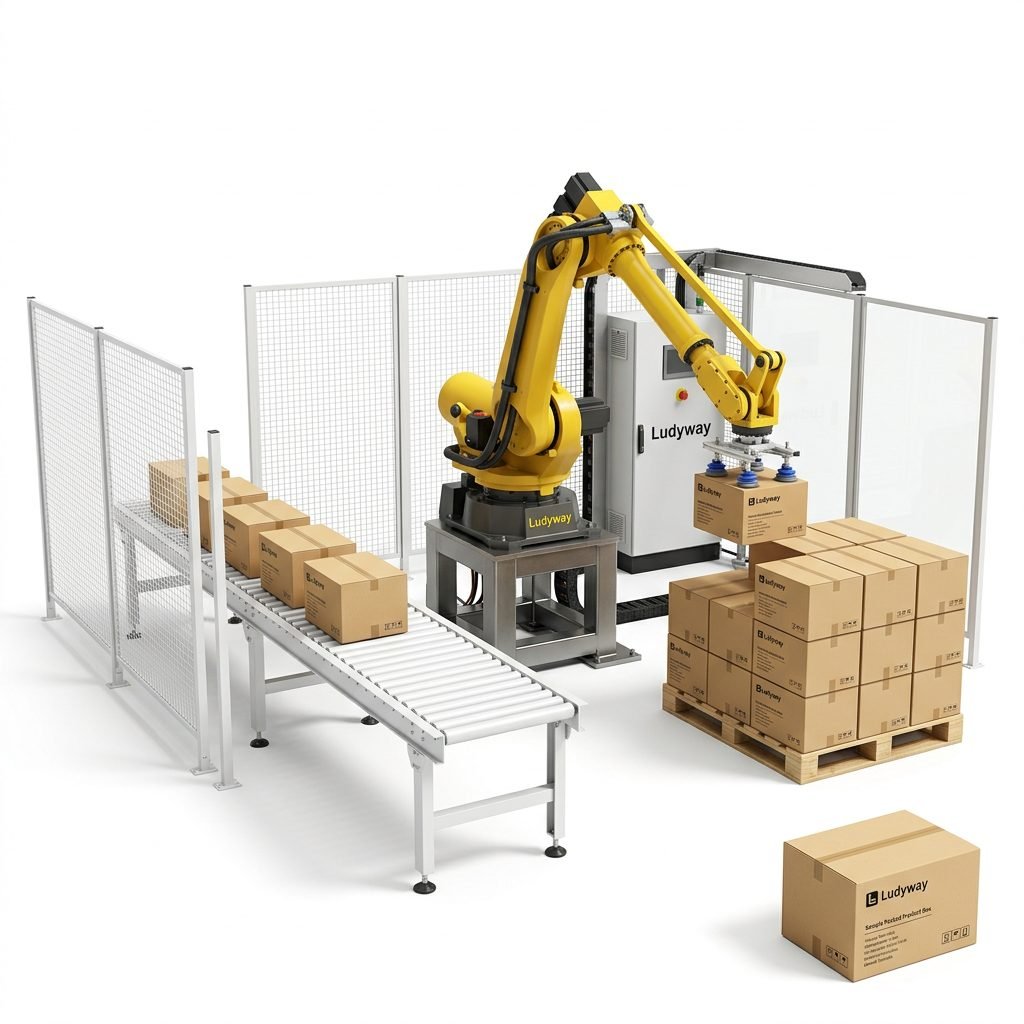
Robotic Palletizing System for Automated End-of-Line Material Handling
View Machine SpecsCalibration, Commissioning & Optimization Best Practices
Critical mechanical and electronic adjustments required to reach rated line capacity during commissioning.
■ Pneumatics & Clean Air
Ensure dry, oil-free compressed air supplies operating at continuous 0.6–0.8 MPa. Low pressure fluctuations disrupt bag-opening suction cups, seal actuation, and pneumatic ejectors.
■ Dynamic Heat Sealing
Calibrate temperature controller PID loops to match the packaging film (BOPP, PET/AL/PE, Kraft paper). Inconsistent heat dissipation causes leaky pouches or material burn-through.
■ PLC & Sensor Synchronization
Fine-tune photocell registration marks, optical eye sensors, and encoder pulses. Real-time synchronization guarantees crisp film cutting and zero pouch-print drift.
World-Class Packaging Machine Manufacturer
Ludyway Packing Machine is a premier manufacturer specializing in advanced packaging equipment and complete turnkey production solutions for food, chemical, animal feed, and pharmaceutical industries worldwide.
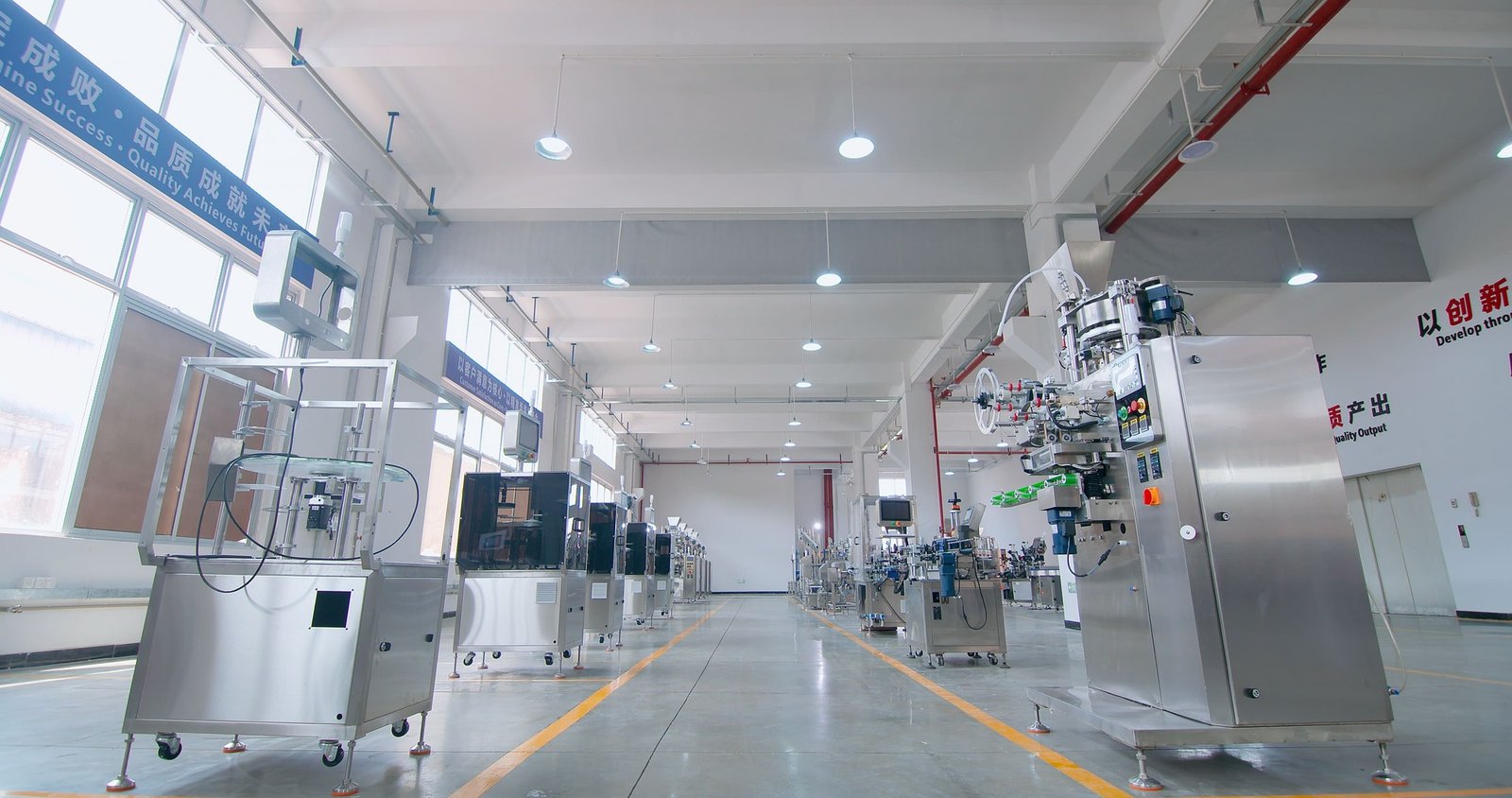
With over three decades of engineering expertise, a 20,000㎡ precision manufacturing facility, and customers in over 100 countries, we design customized automated bagging solutions that ensure long-term stability and unmatched packaging efficiency.
Frequently Asked Questions About Automatic Bagging Lines
How much factory floor space is needed for a full bagging line?
A compact multi-lane sachet line requires approximately 15–25 m², whereas a complete bulk open-mouth line with checkweighers, cartoners, and robotic palletizers typically needs 60–120 m².
Can one automated line handle different bag dimensions and weights?
Yes. High-performance lines feature toolless forming tube changes, recipe-driven HMI setups, and motorized bag magazine adjustments for quick product changeovers under 15 minutes.
How does an automatic bagging system reduce product giveaway?
By pairing high-resolution multi-head weighers or servo augers with continuous feedback checkweighers, target dosing self-corrects in real time, cutting giveaway down to fractions of a gram.
What international safety and hygiene standards apply?
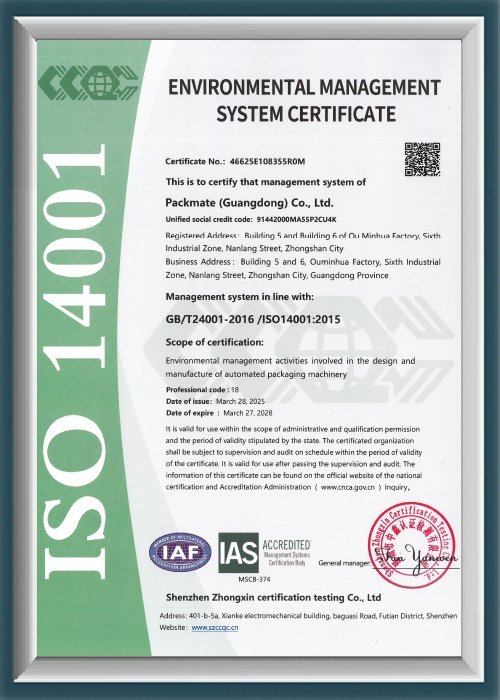
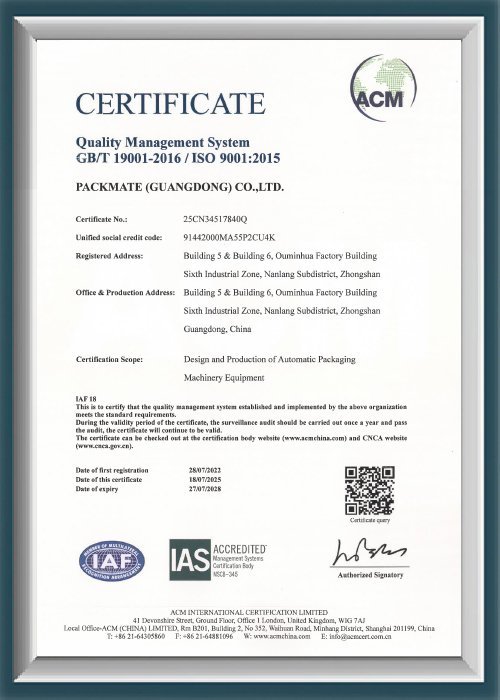
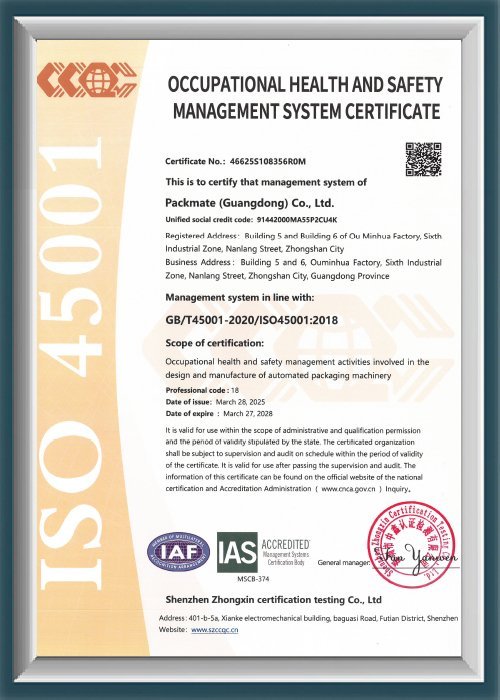
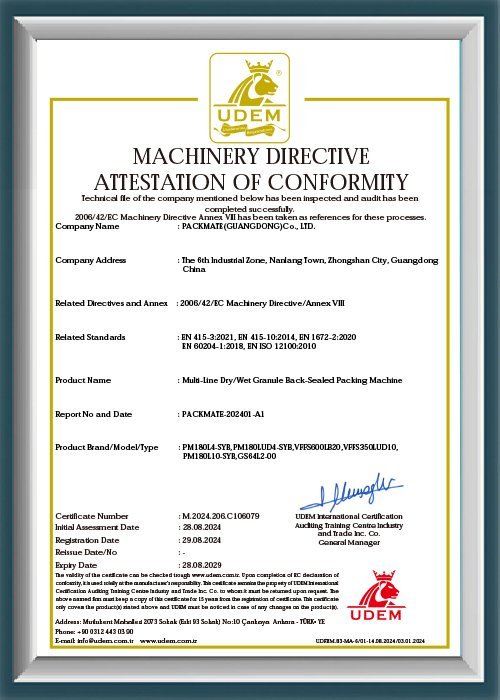
Industrial lines comply with CE machinery directives, ISO 9001 standards, and food/pharma cGMP design norms, featuring SUS304/SUS316 contact surfaces and IP65 washdown protection.
Ready to Automate Your Bagging Operations?
Contact Ludyway’s engineering team today for customized line layouts, capacity modeling, and a detailed equipment quote tailored to your facility.
