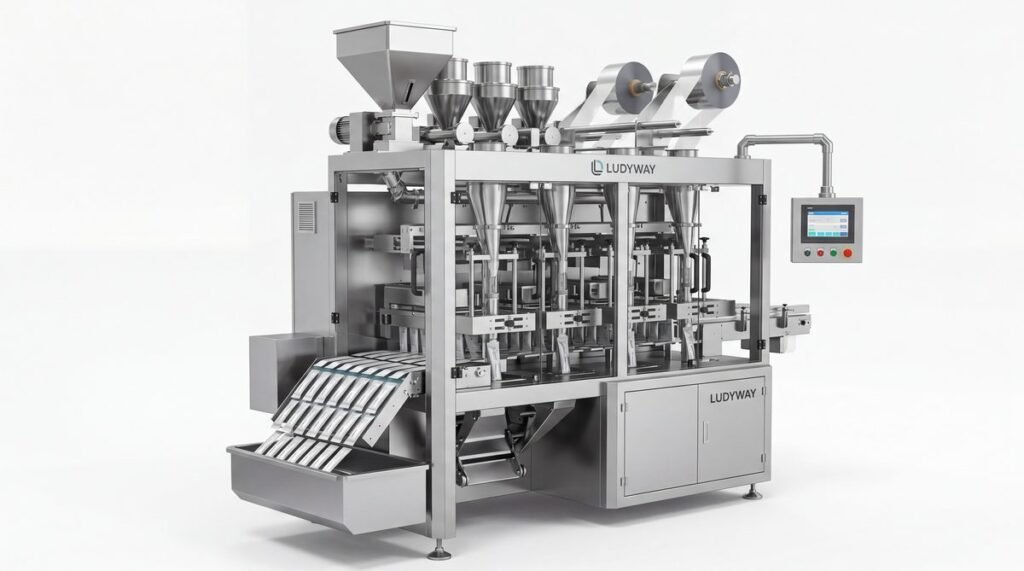
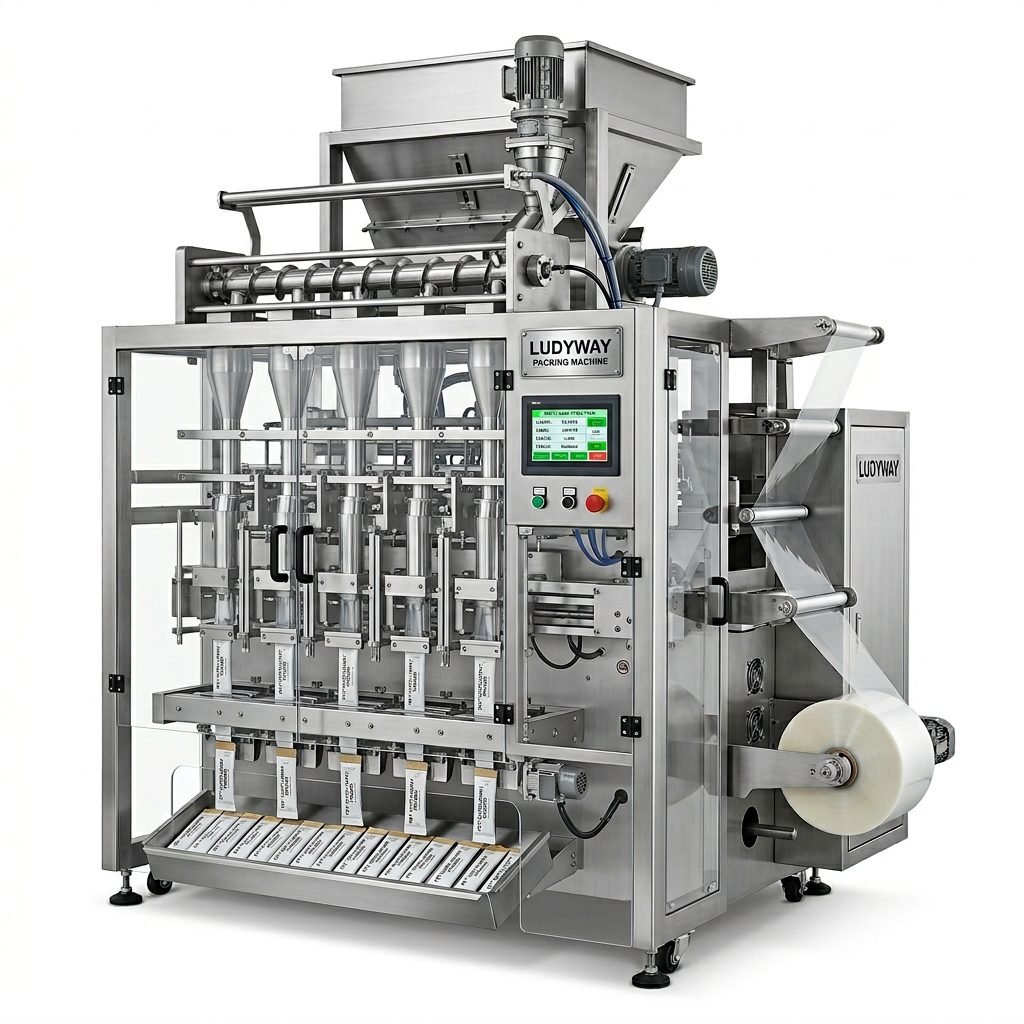
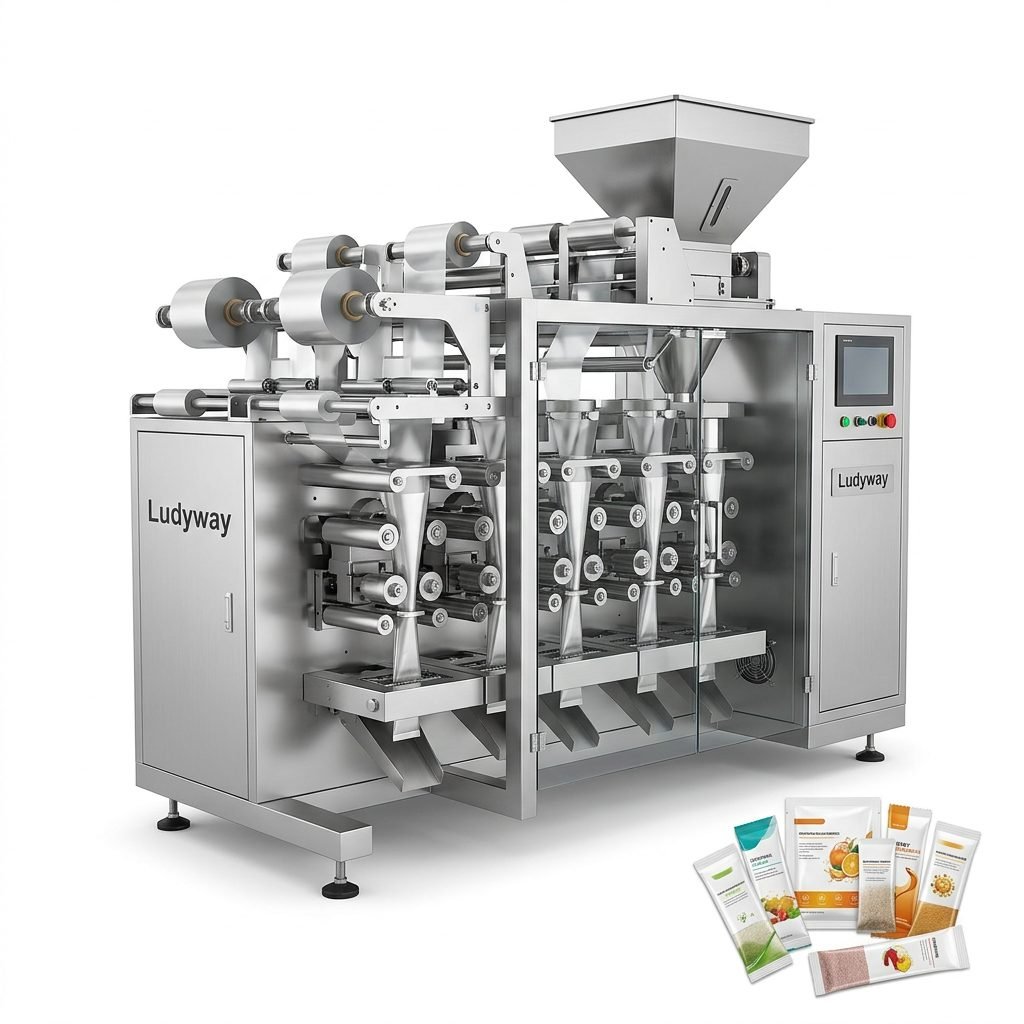
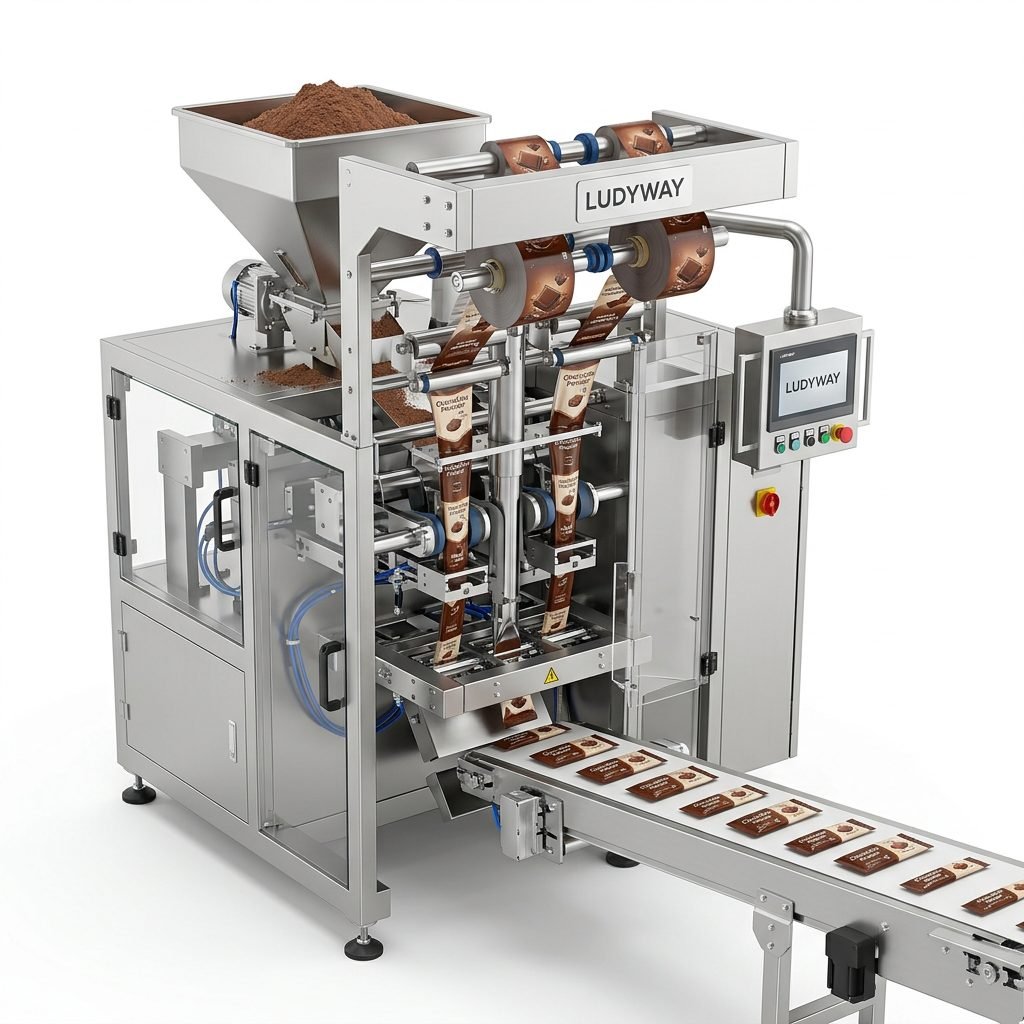
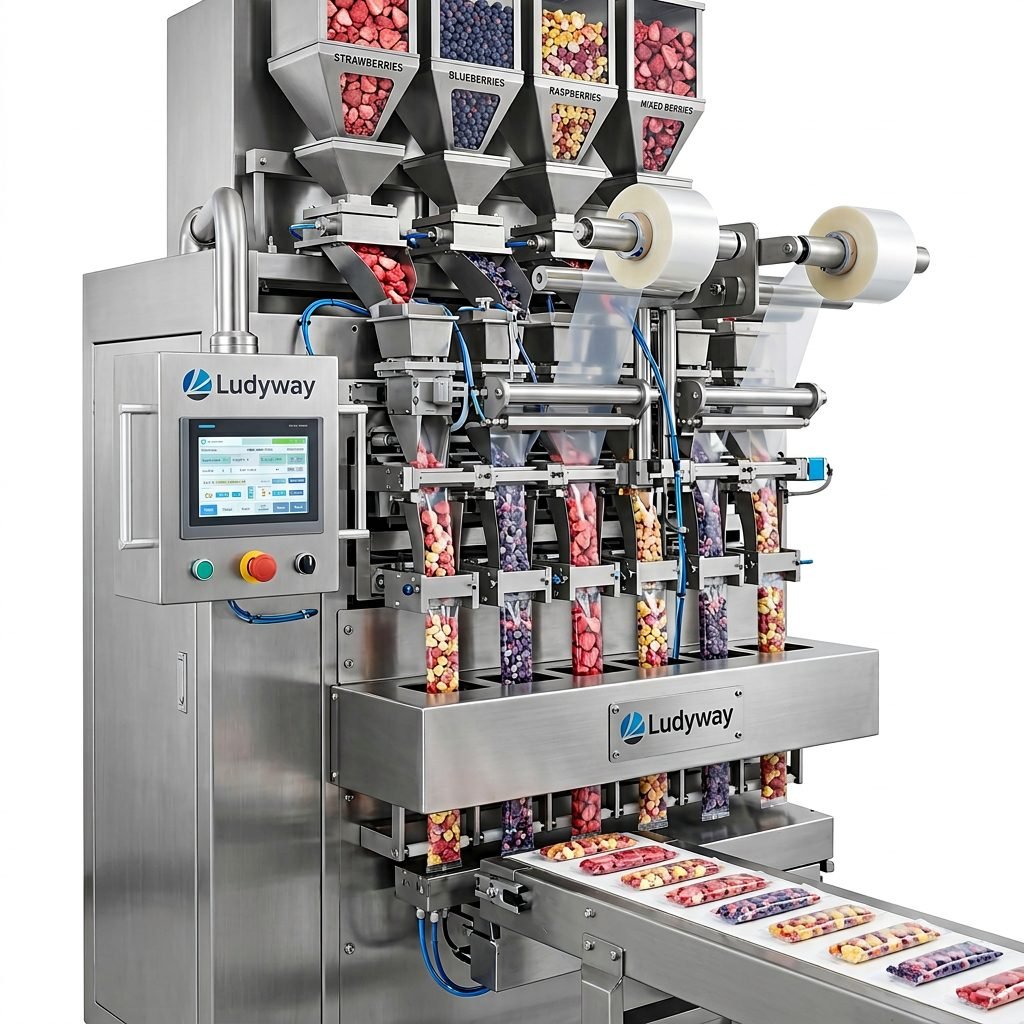
Selecting a packaging machine in the USA is not just an equipment purchase; it is a production strategy decision that affects labor cost, output consistency, compliance, material waste, product quality, and long-term scalability. Whether you package food, beverages, pharmaceuticals, nutraceuticals, cosmetics, chemicals, pet food, or industrial products, the right machine should match your product characteristics, packaging format, speed requirements, facility layout, and return-on-investment goals.
For manufacturers comparing automatic packaging machines, the best choice is usually the machine that balances performance, flexibility, compliance, service support, and total ownership cost—not simply the lowest purchase price.
Start With Your Product Characteristics
Before comparing machine models, define the product you need to package. Product behavior determines the filling system, sealing method, feeding mechanism, weighing technology, and sanitation requirements. A machine suitable for free-flowing rice or sugar may not work for sticky sauces, dusty powders, fragile snacks, or viscous cosmetic creams.
- Powders: milk powder, protein powder, spices, flour, pharmaceuticals, detergent powder, and nutraceutical blends may require auger filling, dust control, anti-static design, and accurate dosing.
- Granules: coffee beans, sugar, salt, seeds, grains, pet food, nuts, and feed pellets often use volumetric cups or multi-head weighing systems.
- Liquids and pastes: sauces, gels, shampoos, creams, oils, honey, and detergents require piston pumps, servo pumps, or liquid filling systems with anti-drip control.
- Solids and pieces: wipes, tablets, hardware parts, medical consumables, and snacks may need counting, sorting, feeding, or flow wrapping technologies.
If your product has special requirements such as hygroscopic behavior, foaming, corrosiveness, high viscosity, fragility, or strict hygiene standards, those details should be discussed early with the equipment supplier.
Choose the Right Packaging Format
The packaging format directly affects machine type, film structure, sealing design, production speed, and shelf presentation. In the USA, many brands are moving toward convenient, lightweight, portion-controlled, and flexible packaging formats because they can reduce material usage and improve consumer experience.
| Packaging Format | Best For | Common Machine Type |
|---|---|---|
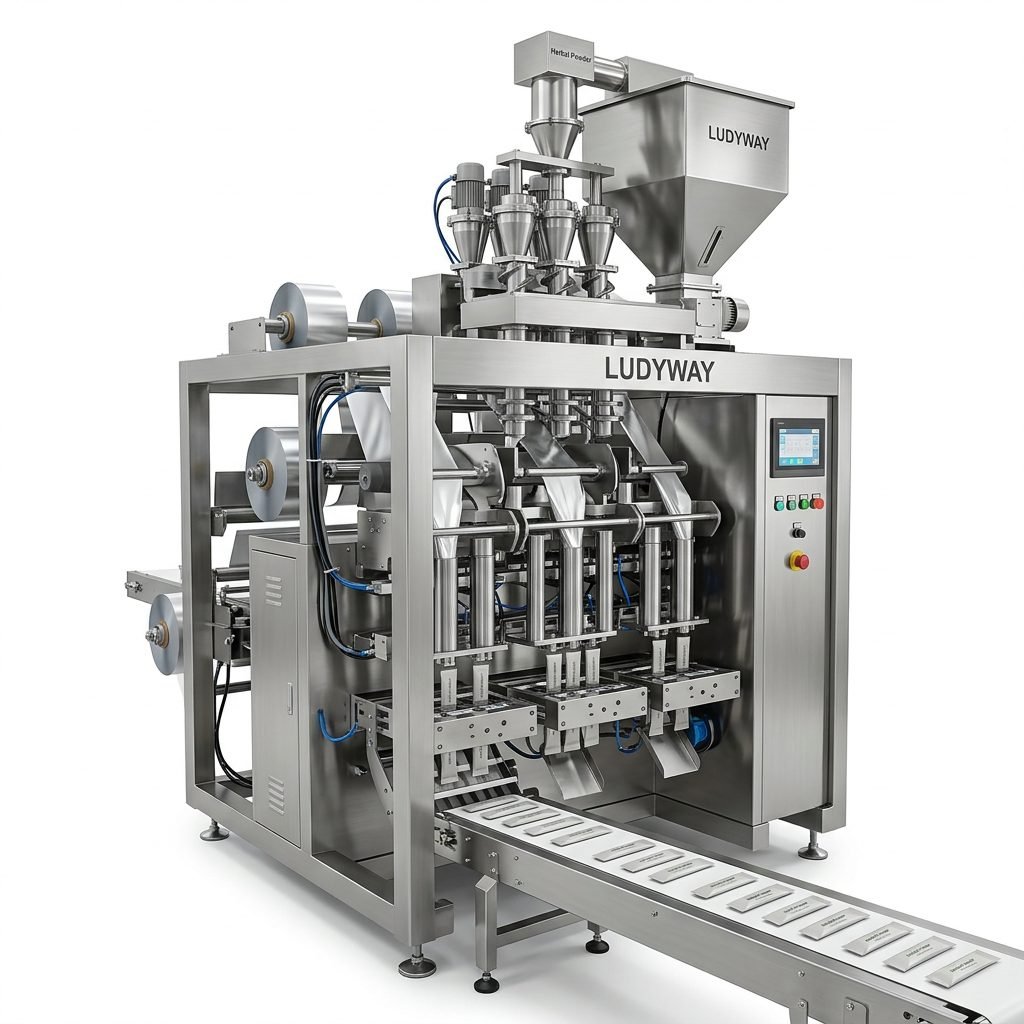
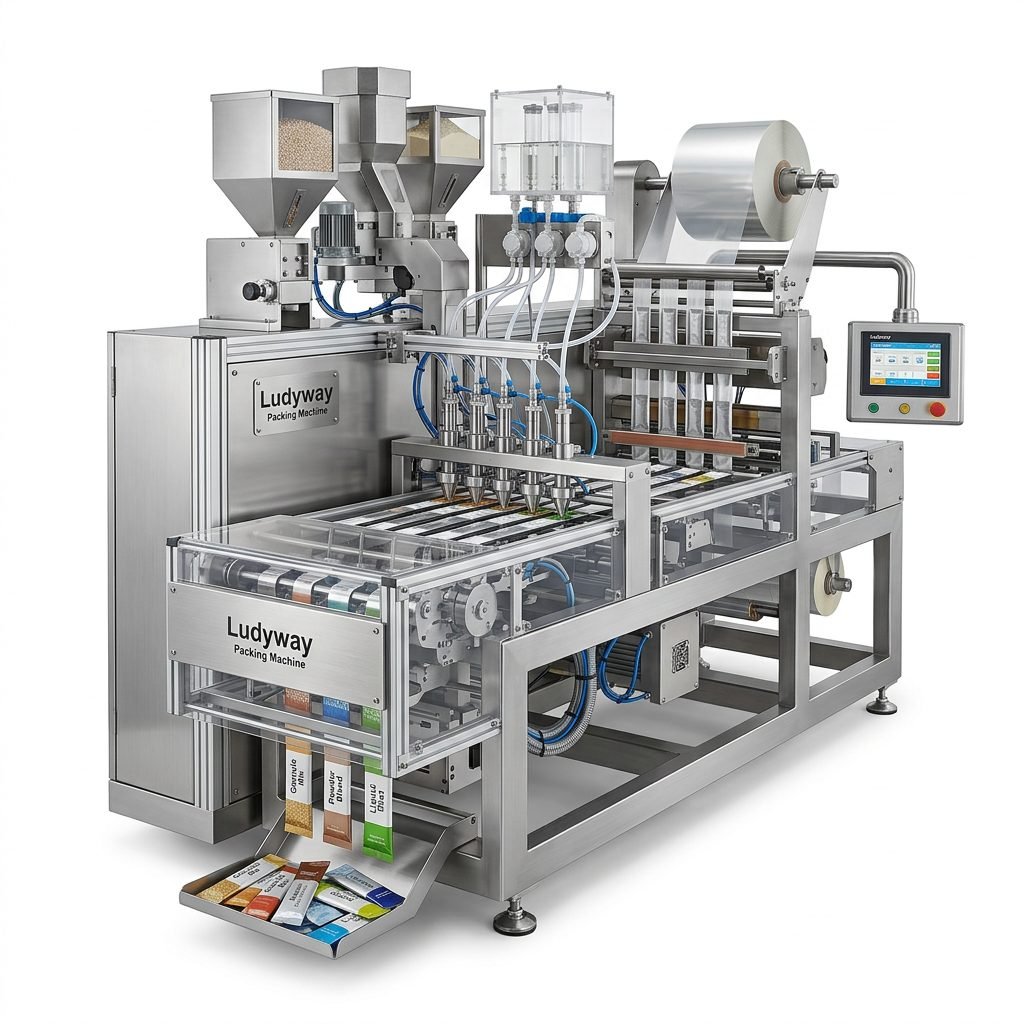
| Stick Pack | Powders, granules, drink mixes, supplements, coffee | Multi-lane stick pack machine |
| Sachet | Sauces, powders, cosmetics, medical products, condiments | Sachet packaging machine |
| Premade Pouch | Premium foods, pet food, snacks, powders, liquids | Rotary pouch packing machine |
| Bottle or Vial | Liquids, pharmaceuticals, cosmetics, health products | Liquid filling and capping line |
| Bulk Bag | Fertilizer, chemicals, feed, grains, industrial powders | Bagging and weighing line |
For flexible packaging applications, reviewing resources from the Flexible Packaging Association can help businesses understand market trends, sustainability topics, and flexible packaging adoption in the U.S. market.
Match Machine Speed With Real Production Demand
One of the most common mistakes is buying a machine based only on maximum rated speed. In real production, speed depends on product flow, filling accuracy, bag size, film quality, sealing temperature, operator skill, maintenance condition, and downstream equipment capacity.
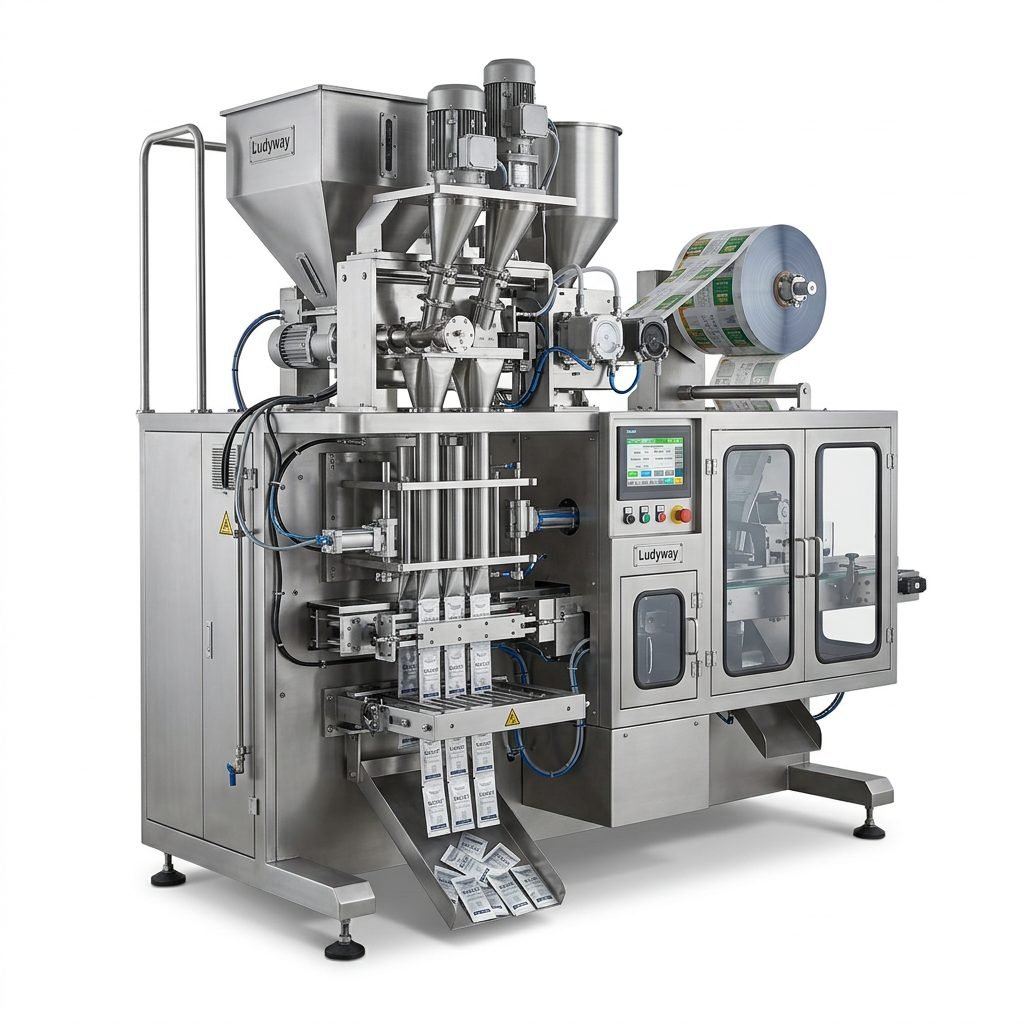
Ask suppliers for both maximum speed and stable operating speed. A machine advertised at 120 packs per minute may run best at 80–100 packs per minute depending on your product and package size. For high-volume plants, consider multi-lane packaging lines to increase output without sacrificing accuracy.
Questions to Ask About Speed
- What is the expected stable speed for my exact product and package size?
- How does speed change when bag width or filling weight changes?
- Can the machine integrate with upstream feeders and downstream cartoners?
- What is the recommended speed for maintaining sealing quality?
- Can the system be upgraded later with more lanes or automation modules?
Consider Compliance Requirements in the USA
Packaging machinery used in the USA may need to support food safety, pharmaceutical validation, electrical safety, sanitation, traceability, and workplace safety requirements. The exact standards depend on the product category and plant environment.
Food and beverage manufacturers should review FDA guidance on food packaging and food contact substances. Pharmaceutical and medical device manufacturers may need stricter documentation, validation support, clean design, inspection systems, and controlled packaging conditions.
| Industry | Key Packaging Concerns |
|---|---|
| Food & Beverage | Hygiene, food-contact materials, sealing integrity, shelf life, allergen control |
| Pharmaceuticals | Accuracy, validation, batch traceability, cleanability, inspection systems |
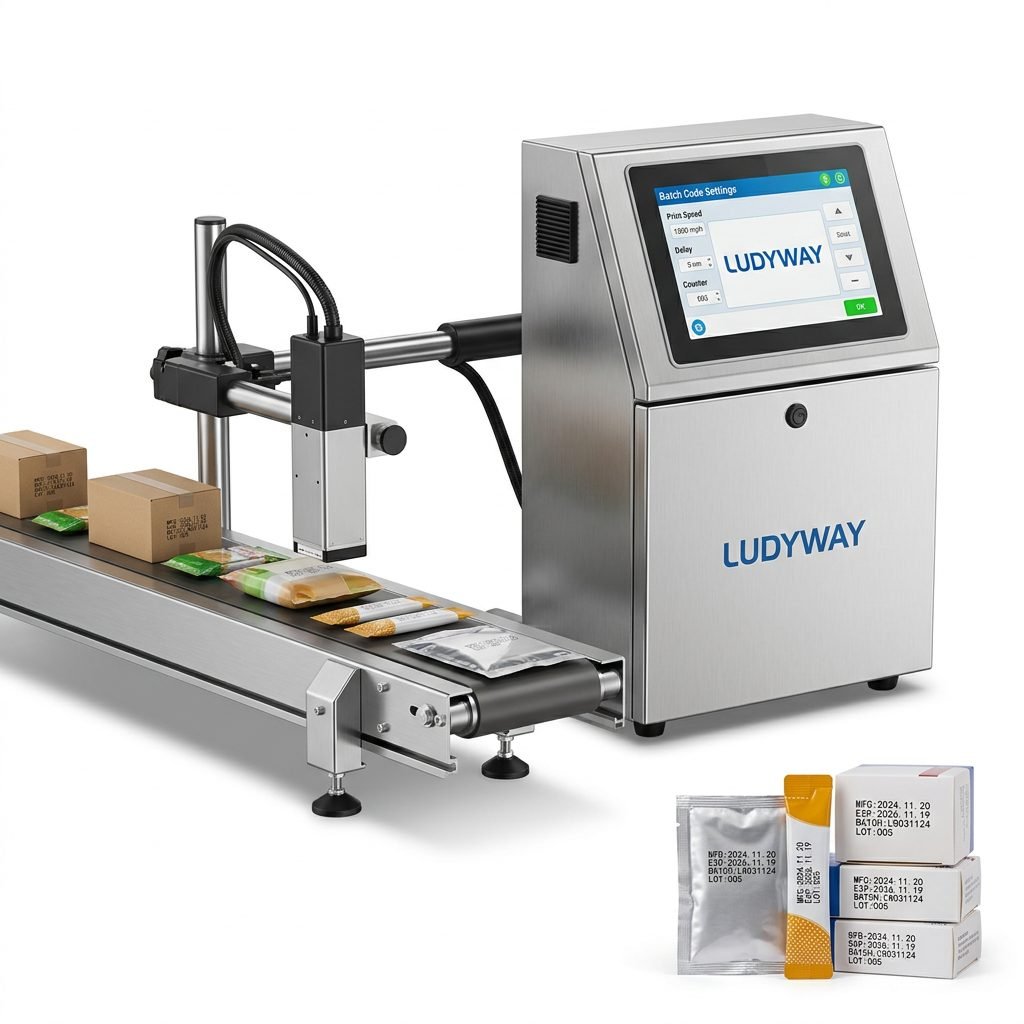
| Cosmetics | Viscosity handling, appearance, leakage prevention, batch coding |
| Chemicals | Corrosion resistance, dust control, safety protection, accurate dosing |
| Pet Food & Feed | Bulk handling, weighing accuracy, durability, easy cleaning |
Evaluate Automation Level and Labor Savings
Labor availability and rising operating costs are major reasons U.S. manufacturers invest in automated packaging. However, automation should be selected according to your production stage. A startup may need a compact semi-automatic solution, while an established plant may require a fully integrated turnkey line.
- Semi-automatic machines: lower investment, suitable for small batches or product testing.
- Automatic packaging machines: better for consistent production, reduced labor dependency, and improved output.
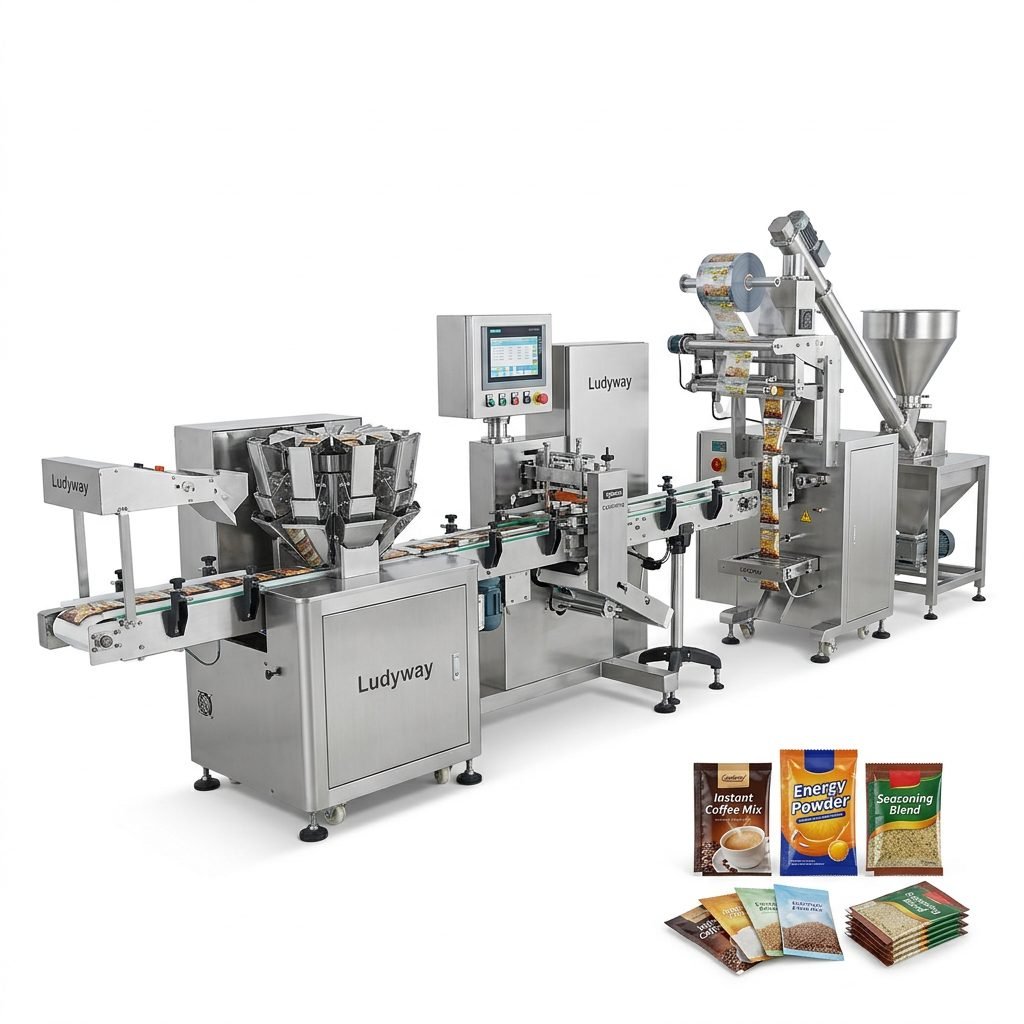
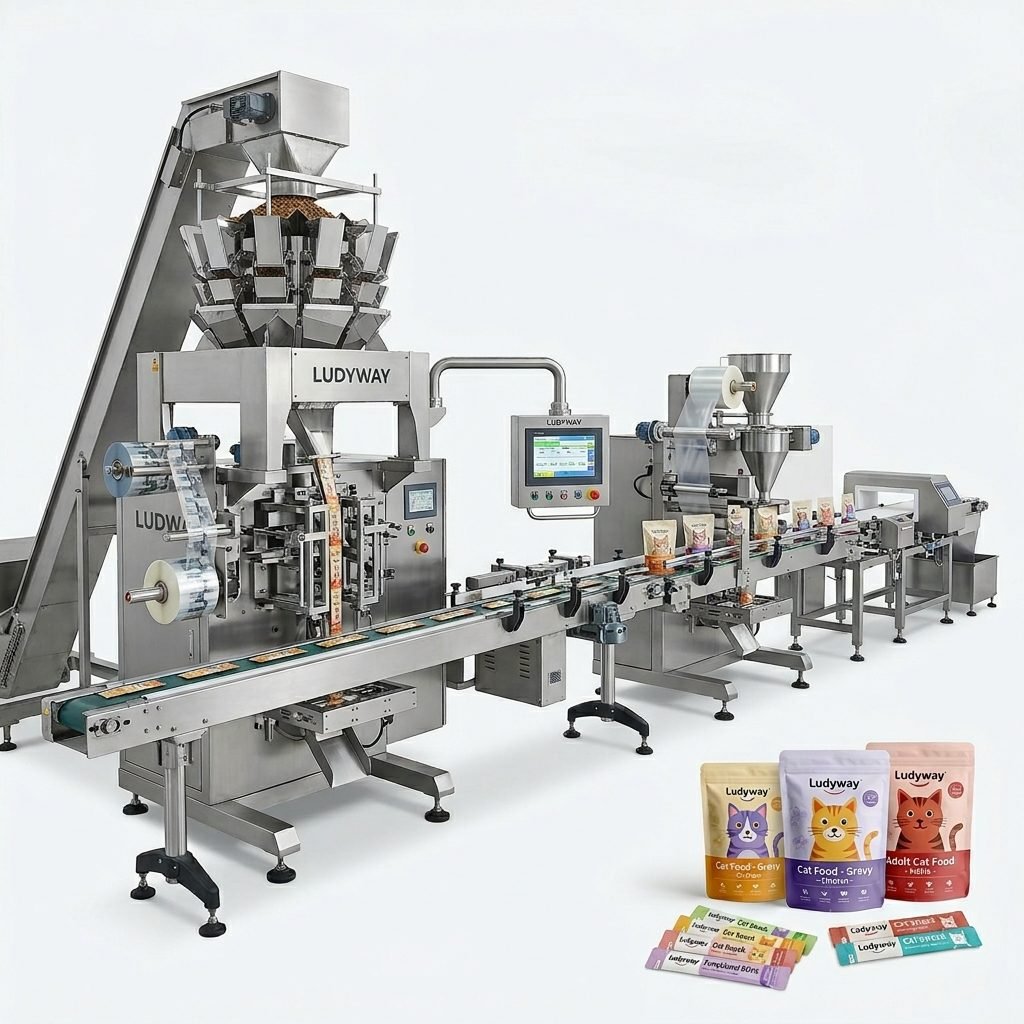
- Integrated packaging lines: connect feeding, dosing, filling, sealing, coding, inspection, cartoning, case packing, and palletizing.
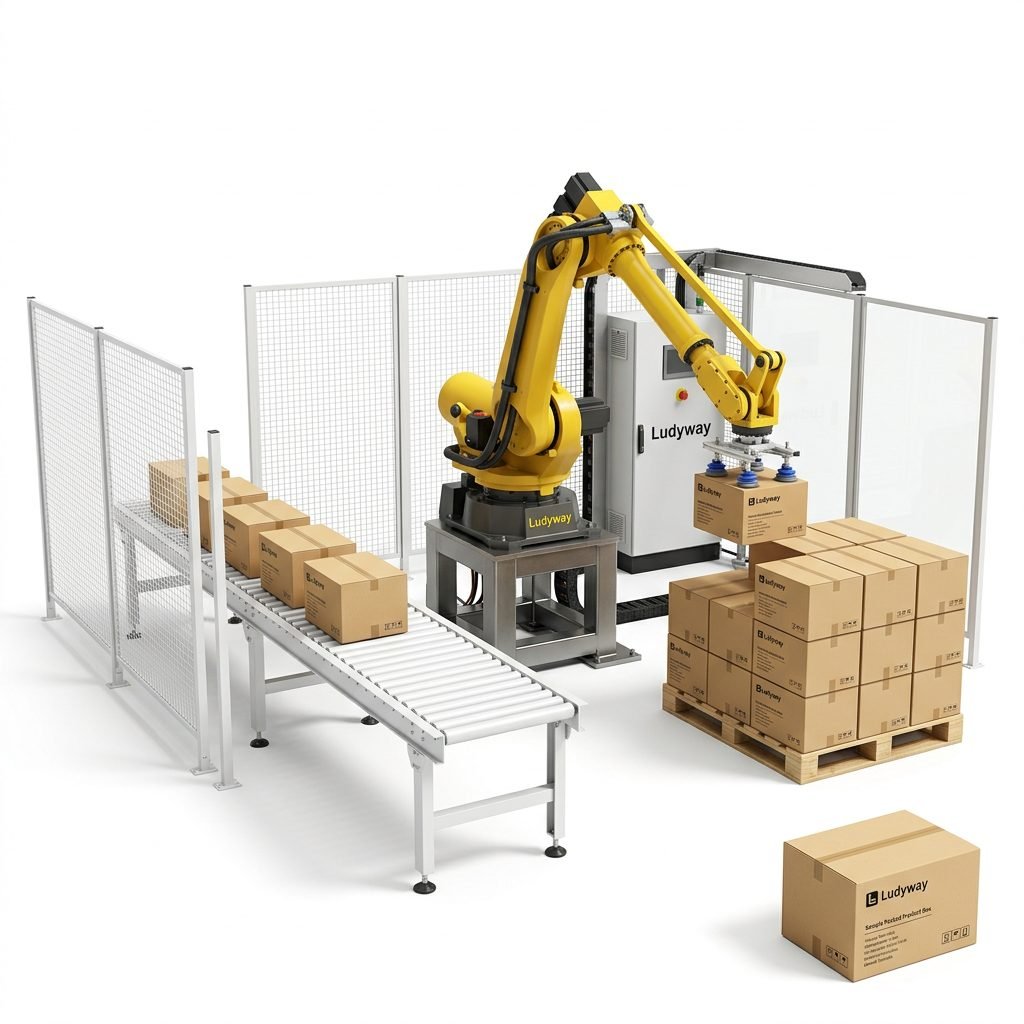
- Robotic automation: useful for high-speed sorting, case packing, palletizing, and warehouse integration.
Look Beyond Purchase Price: Calculate Total Cost of Ownership
The cheapest machine is not always the most economical. A low-cost machine can become expensive if it causes downtime, film waste, poor sealing, inaccurate filling, excessive maintenance, or slow changeovers. Total cost of ownership should include machine price, installation, spare parts, energy consumption, labor, maintenance, training, packaging material waste, and lost production time.
Key Cost Factors to Compare
- Machine purchase price and shipping cost
- Installation and commissioning expenses
- Spare parts availability and cost
- Expected downtime and maintenance frequency
- Film waste and product giveaway caused by inaccurate filling
- Changeover time for different SKUs
- Operator training and technical support
- Upgrade options for future capacity expansion
Industry resources from PMMI Business Intelligence can also help manufacturers understand broader packaging machinery trends and investment priorities.
Check Machine Flexibility for Multiple SKUs
Many U.S. brands now manage multiple product sizes, flavors, formulas, and seasonal SKUs. If your business runs frequent changeovers, flexibility becomes a major buying factor. The right machine should allow efficient format changes without excessive downtime.
For example, a sachet packaging machine may need to handle different bag widths, filling weights, film structures, and product types. A modular system can make future changes easier than a machine built for only one package size.
Flexibility Checklist
- Can the machine handle multiple bag sizes?
- How long does a product changeover take?
- Are change parts simple to install and adjust?
- Can recipes be stored in the PLC/HMI system?
- Can filling systems be changed for powder, granule, or liquid products?
- Can coding, inspection, and cartoning be added later?
Inspect Build Quality and Core Components
Packaging machines operate under continuous mechanical stress. Build quality directly affects machine stability, safety, accuracy, and service life. When evaluating suppliers, ask about frame material, sealing components, servo systems, PLC brand, pneumatic components, electrical cabinet design, safety guards, and cleaning accessibility.
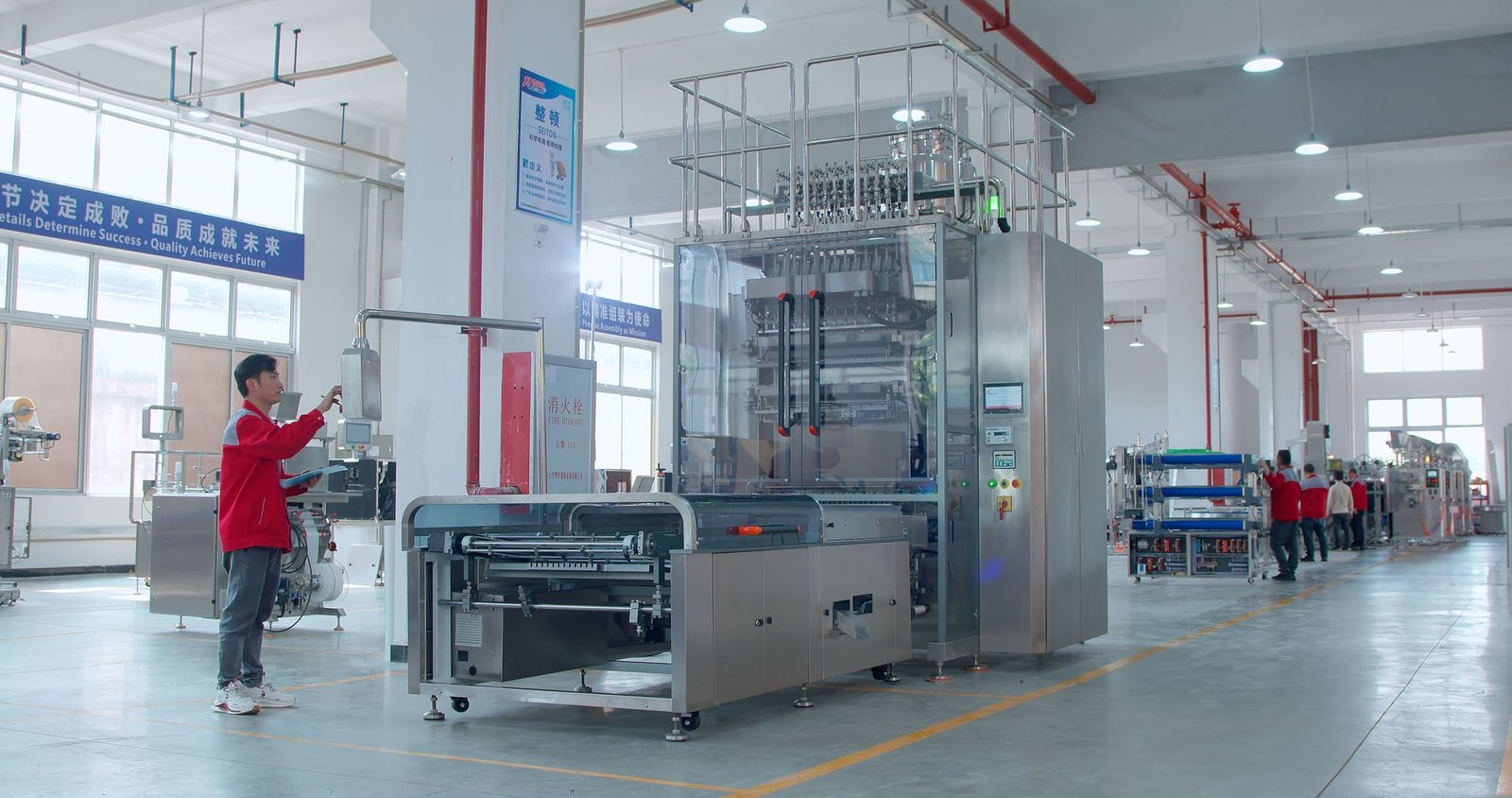
Ludyway Machinery is a China-based packaging machinery manufacturer and turnkey packaging solution provider with more than 30 years of experience, a 20,000-square-meter manufacturing facility, more than 130 professionals, and over 50 packaging machine models for powder, granule, liquid, stick pack, sachet, pouch, and integrated packaging line applications.
Confirm Packaging Material Compatibility
Even a high-quality machine can perform poorly if the packaging film or pouch material is not compatible with the sealing system. Before purchasing equipment, test your actual film structure, including thickness, laminate layers, barrier properties, heat-seal layer, printing quality, and roll dimensions.
Common packaging materials include PET/PE, PET/AL/PE, paper-based laminates, recyclable films, biodegradable films, and high-barrier materials. Sustainable packaging is becoming more important in the U.S. market, so manufacturers should also consider how future material changes may affect machine performance. The U.S. EPA Sustainable Materials Management resources provide useful context for packaging and material reduction strategies.
Request Product Testing Before Final Decision
Product testing is one of the most valuable steps in choosing a packaging machine. Send your real product and packaging material to the supplier for testing. A proper test should evaluate filling accuracy, sealing strength, leakage risk, appearance, speed stability, dust generation, product breakage, and waste rate.
Test Results You Should Request
- Sample finished packages with your actual product
- Filling accuracy report
- Sealing quality evaluation
- Stable running speed estimate
- Video of the test run
- Recommended machine configuration
- Any limitations or required product adjustments
Compare Supplier Support and Spare Parts Availability
After-sales support is especially important when buying packaging machinery for use in the USA. Ask whether the supplier provides remote troubleshooting, installation support, operator training, spare parts lists, maintenance manuals, electrical diagrams, PLC documentation, and preventive maintenance guidance.
A reliable supplier should help you before and after the sale: from machine selection and layout planning to commissioning, training, troubleshooting, and spare parts support.
| Supplier Evaluation Item | Why It Matters |
|---|---|
| Engineering capability | Ensures the machine is configured for your product and production goal. |
| Customization options | Helps match special bag sizes, filling volumes, materials, and layout needs. |
| Technical documentation | Supports maintenance, validation, training, and troubleshooting. |
| Spare parts support | Reduces downtime and protects long-term production continuity. |
| Installation guidance | Improves startup efficiency and operator confidence. |
Plan for Future Expansion
The right packaging machine should support your business not only today but also in the next three to five years. If your product line grows, you may need faster output, more SKUs, additional inspection systems, automated cartoning, case packing, palletizing, or warehouse integration.
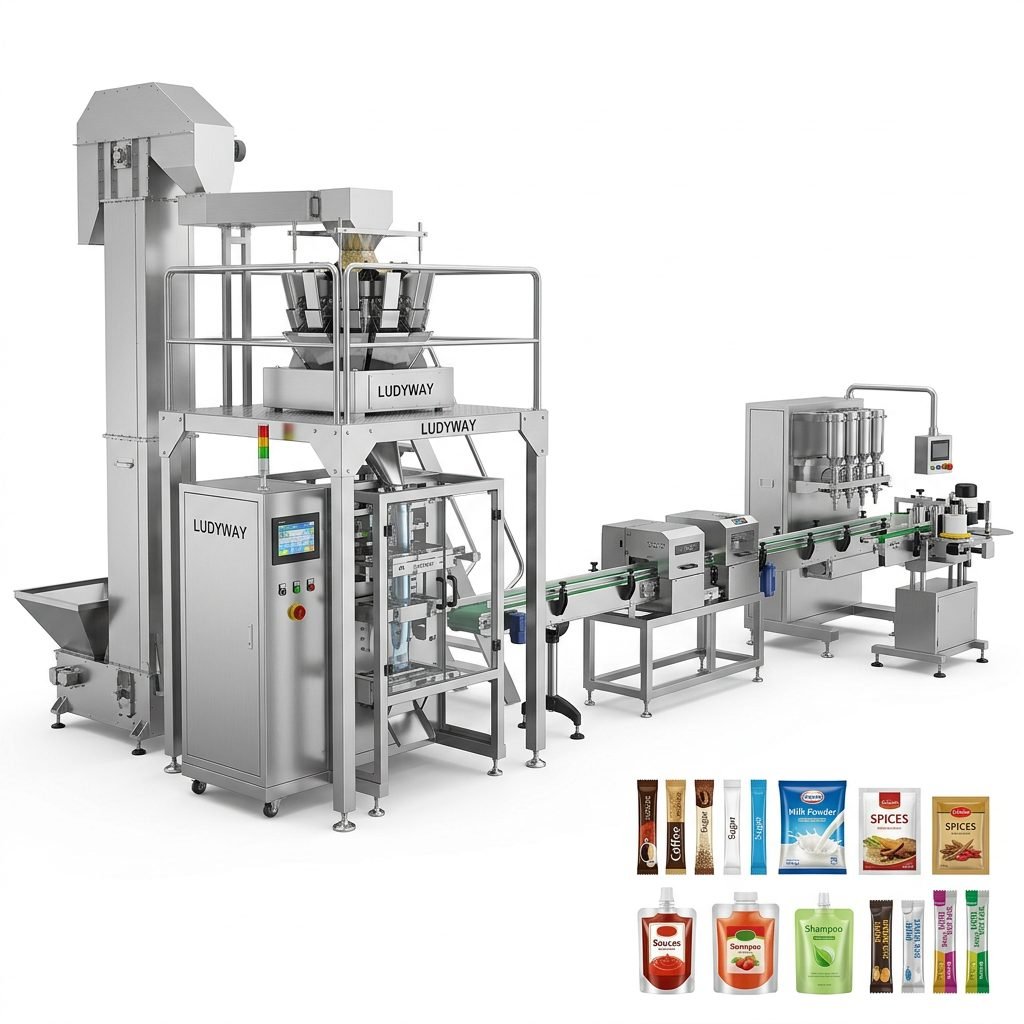
For growing manufacturers, turnkey packaging line solutions can reduce integration risk because one supplier helps coordinate feeding, filling, sealing, coding, inspection, conveying, cartoning, and end-of-line automation.
Final Buying Checklist
Before signing a purchase agreement, review the following checklist to make sure the selected packaging machine fits your business needs.
- Product type, density, flowability, viscosity, and special handling requirements are confirmed.
- Packaging format, bag size, filling volume, and material structure are clearly defined.
- Stable production speed is verified, not just maximum rated speed.
- Compliance requirements for your industry and U.S. market are considered.
- Machine layout fits your facility space, utilities, and workflow.
- Actual product and packaging material testing has been completed.
- Total cost of ownership has been compared, including maintenance and downtime risk.
- Spare parts, documentation, training, and technical support are available.
- The machine can support future product changes or capacity upgrades.
Making the Right Decision
Choosing the right packaging machine in the USA requires a practical evaluation of product behavior, packaging format, production speed, compliance needs, automation level, machine quality, and supplier support. A well-selected machine improves consistency, reduces waste, lowers labor dependency, and helps your business scale with confidence.
Instead of focusing only on price, choose a packaging solution that supports your product, your operators, your quality goals, and your long-term production strategy.