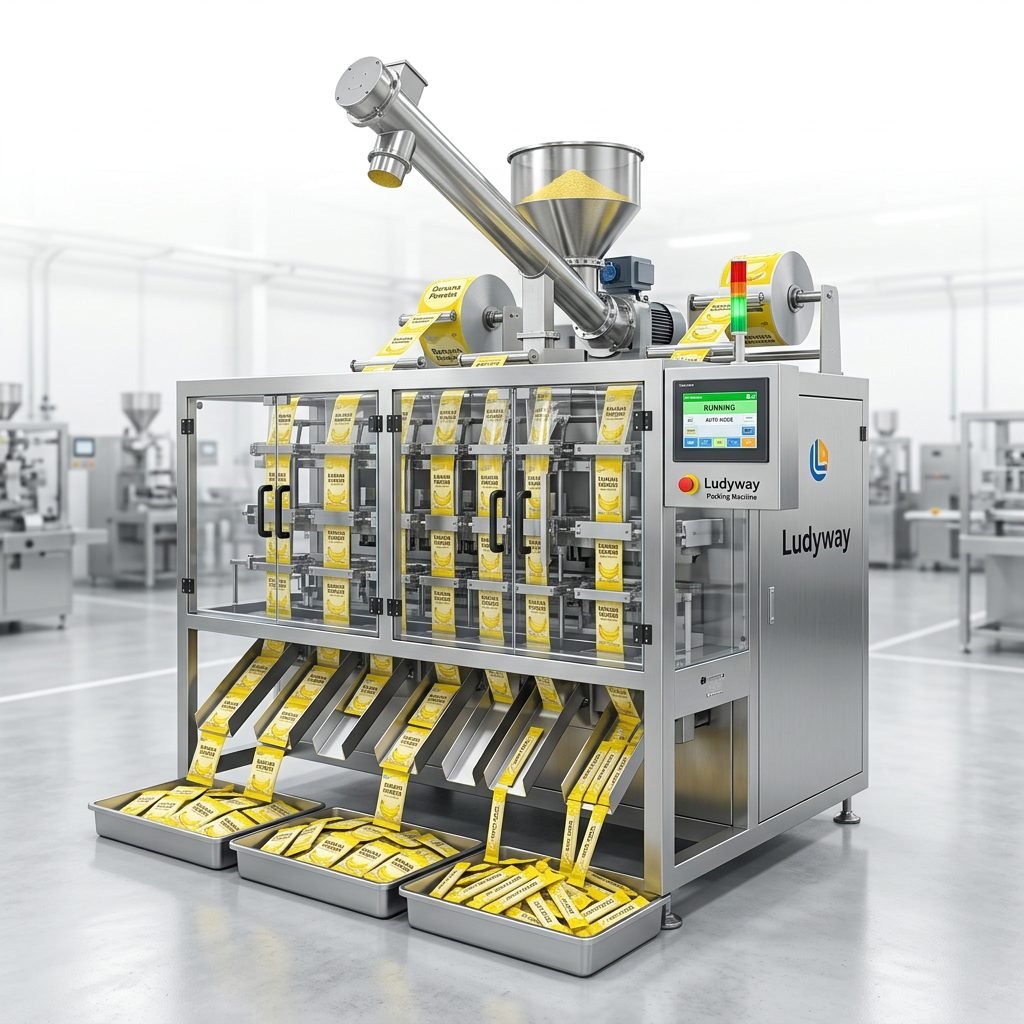
Selecting the right washing powder packaging machine is one of the most critical decisions for detergent manufacturers, contract packagers, and FMCG producers. Whether you are launching a new product line, expanding production capacity, or transitioning from manual to automated packaging, the equipment you choose directly impacts your operational efficiency, product quality, and long-term profitability.
The global packaging machinery market continues to evolve with advances in automation, multi-lane technology, and flexible packaging formats. For washing powder specifically, factors such as powder density, flow characteristics, moisture sensitivity, and packaging format all influence which machine configuration is most suitable. This comprehensive guide walks you through every factor you need to evaluate before making your investment.
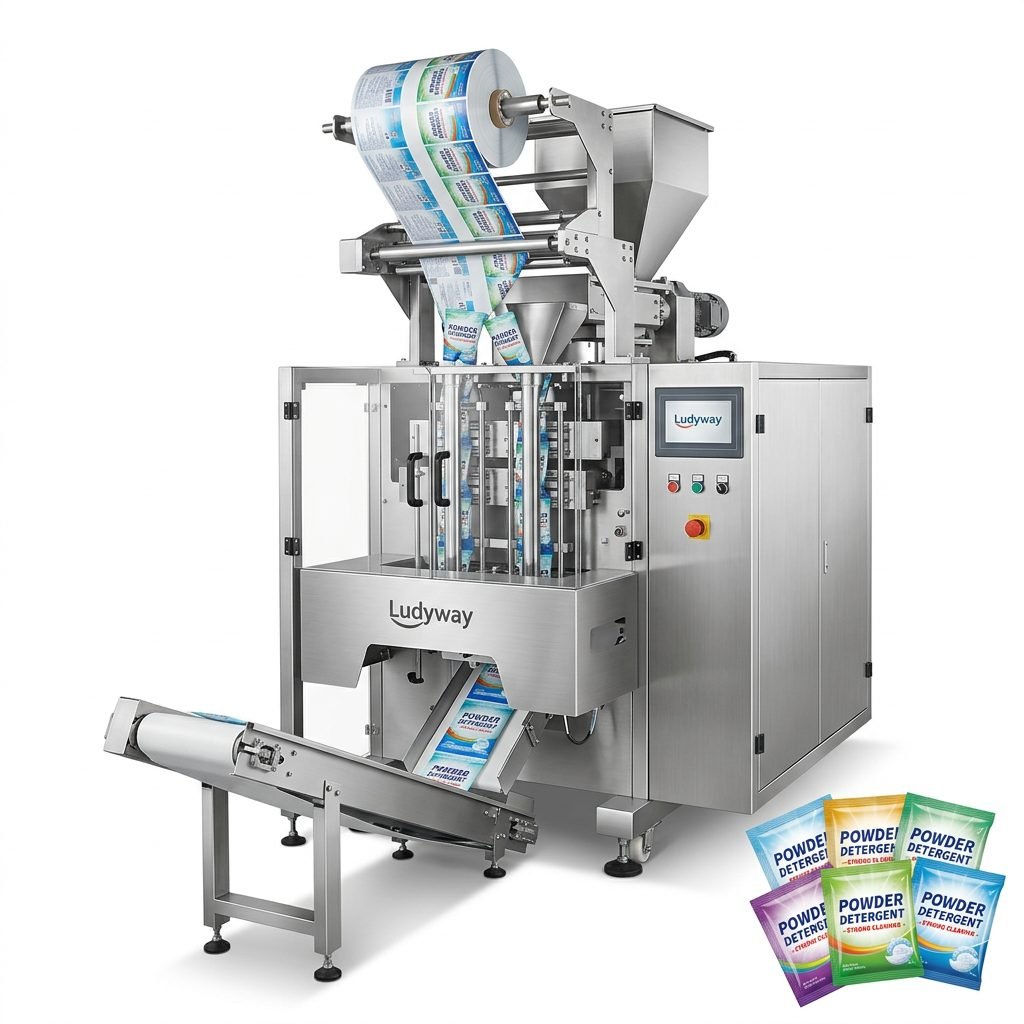
Understanding Your Washing Powder Characteristics
Before evaluating any packaging machine, you must first understand the physical and chemical properties of your washing powder. These characteristics determine which dosing system, filling mechanism, and sealing technology will work reliably with your product.
Powder Density and Flowability
Washing powders vary significantly in bulk density — from light, fluffy formulations to dense, granular mixtures. Free-flowing powders work well with volumetric cup fillers and auger fillers, while cohesive or bridging powders may require specialized agitation systems, vibratory feeders, or vacuum-assisted filling to ensure consistent dosing accuracy.
Moisture Sensitivity and Hygroscopicity
Many washing powder formulations are hygroscopic, meaning they readily absorb moisture from the air. This can cause clumping, caking, and flow problems during packaging. If your powder is moisture-sensitive, your packaging machine should be compatible with humidity-controlled environments, and you may need to consider packaging materials with enhanced barrier properties as recommended by the Flexible Packaging Association.
Dust Generation
Fine washing powders can generate significant dust during the filling process. This not only creates a messy production environment but can also interfere with seal integrity if dust settles in the sealing area. Machines equipped with dust extraction systems and effective powder containment features are essential for dusty formulations.
Types of Washing Powder Packaging Machines
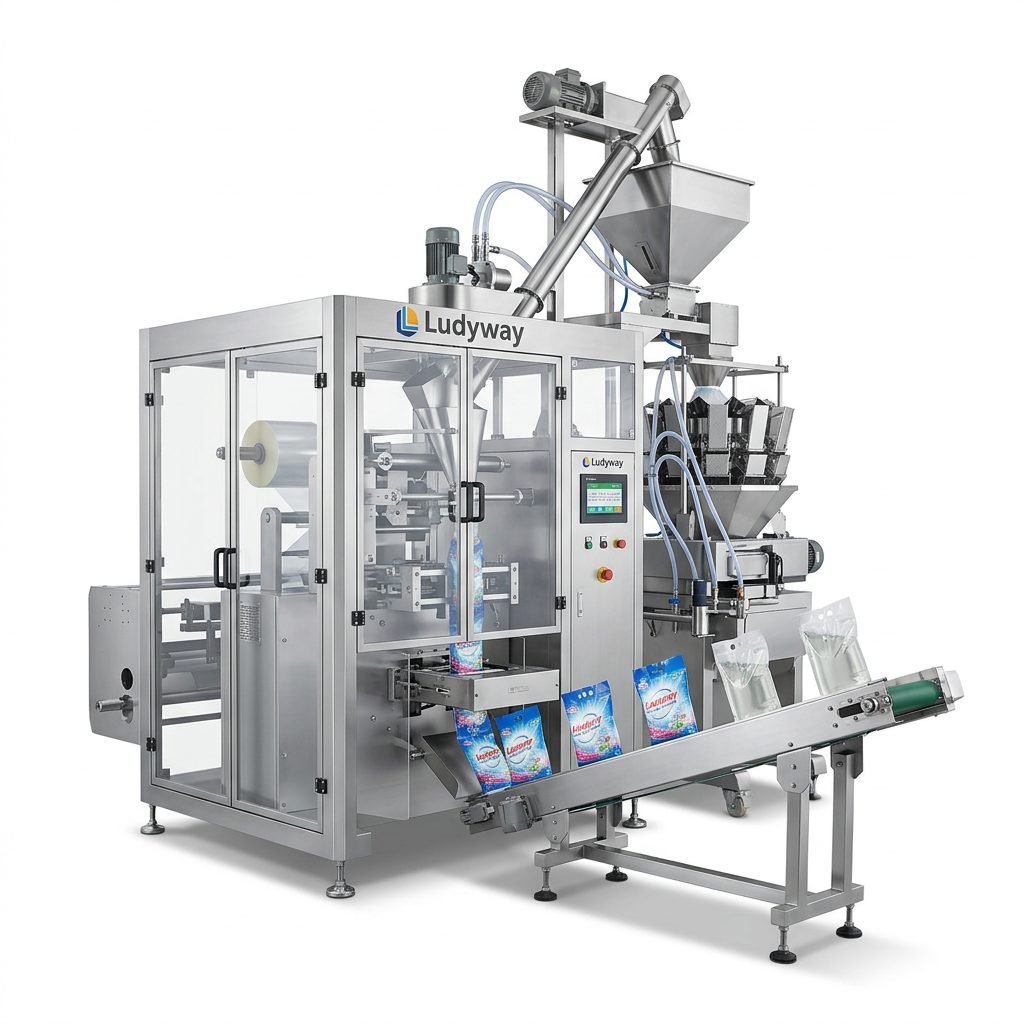
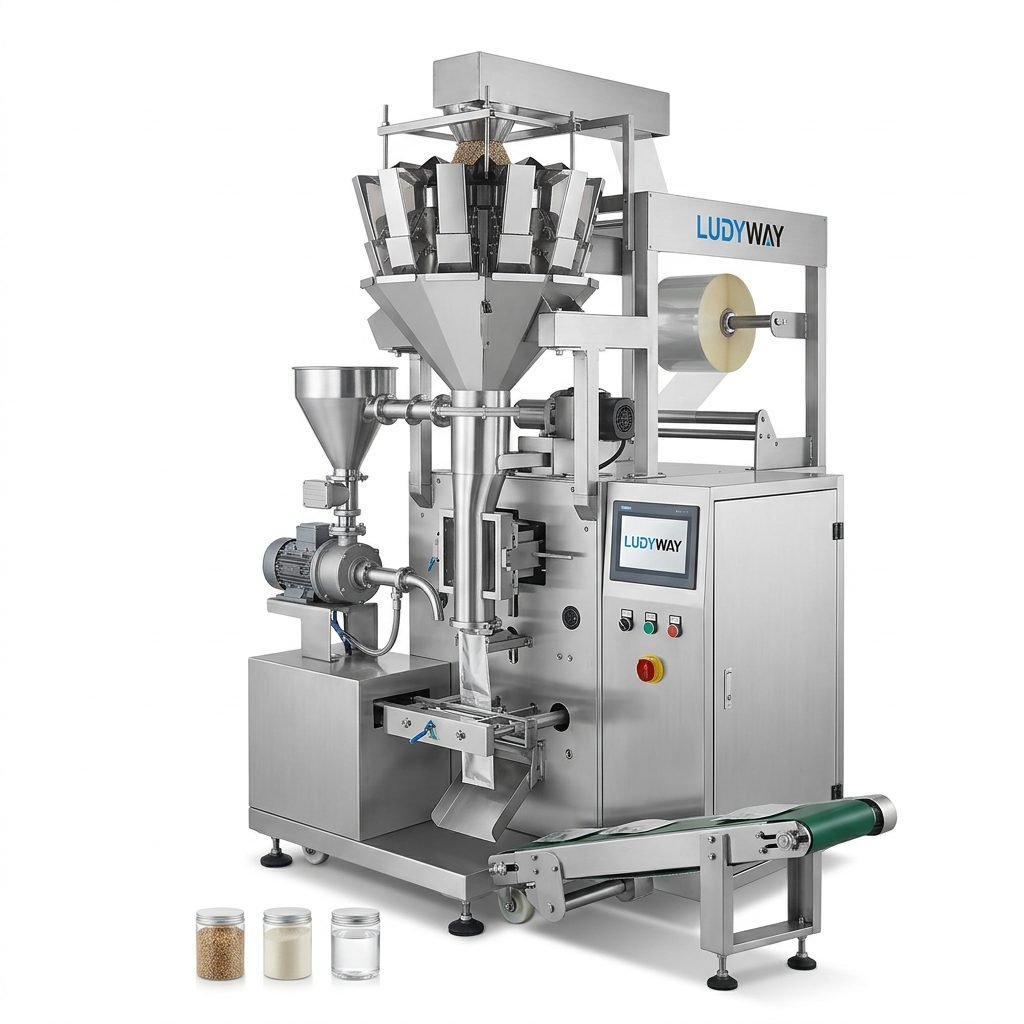
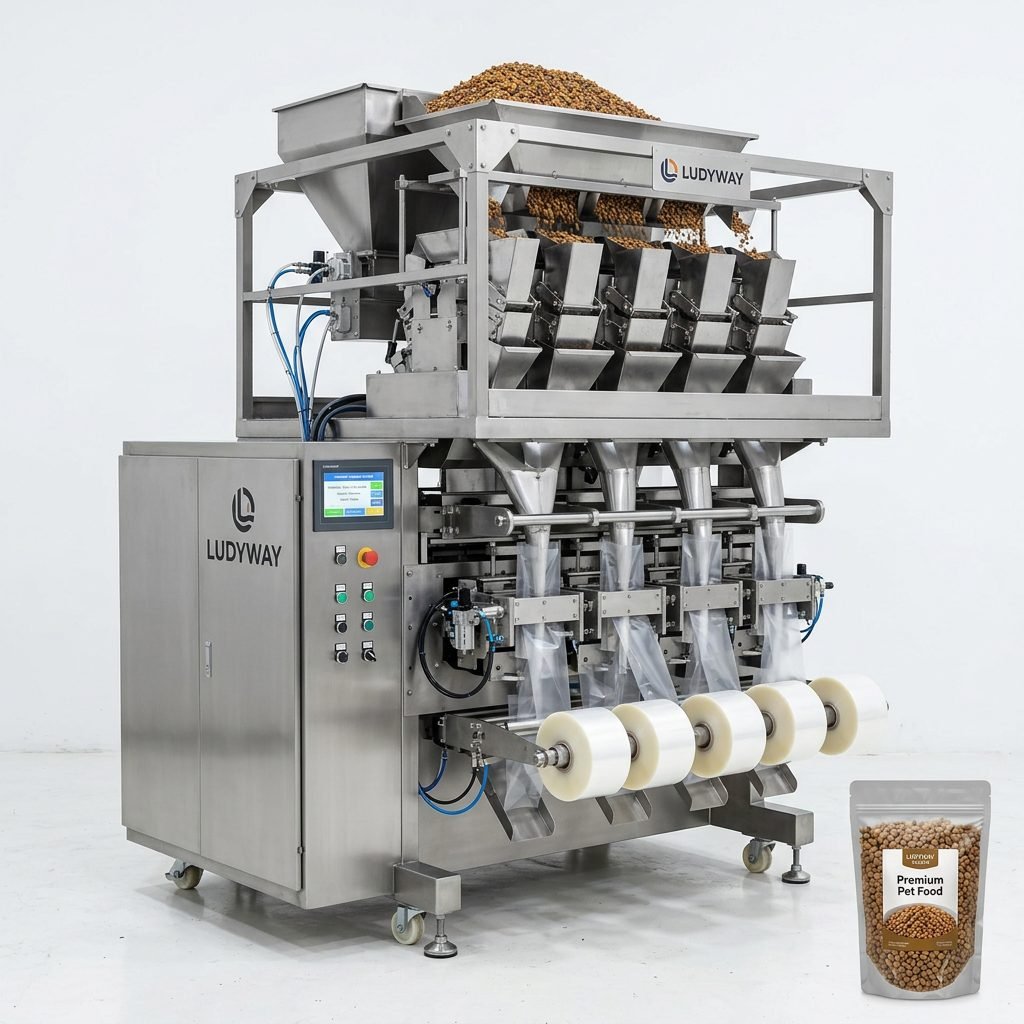
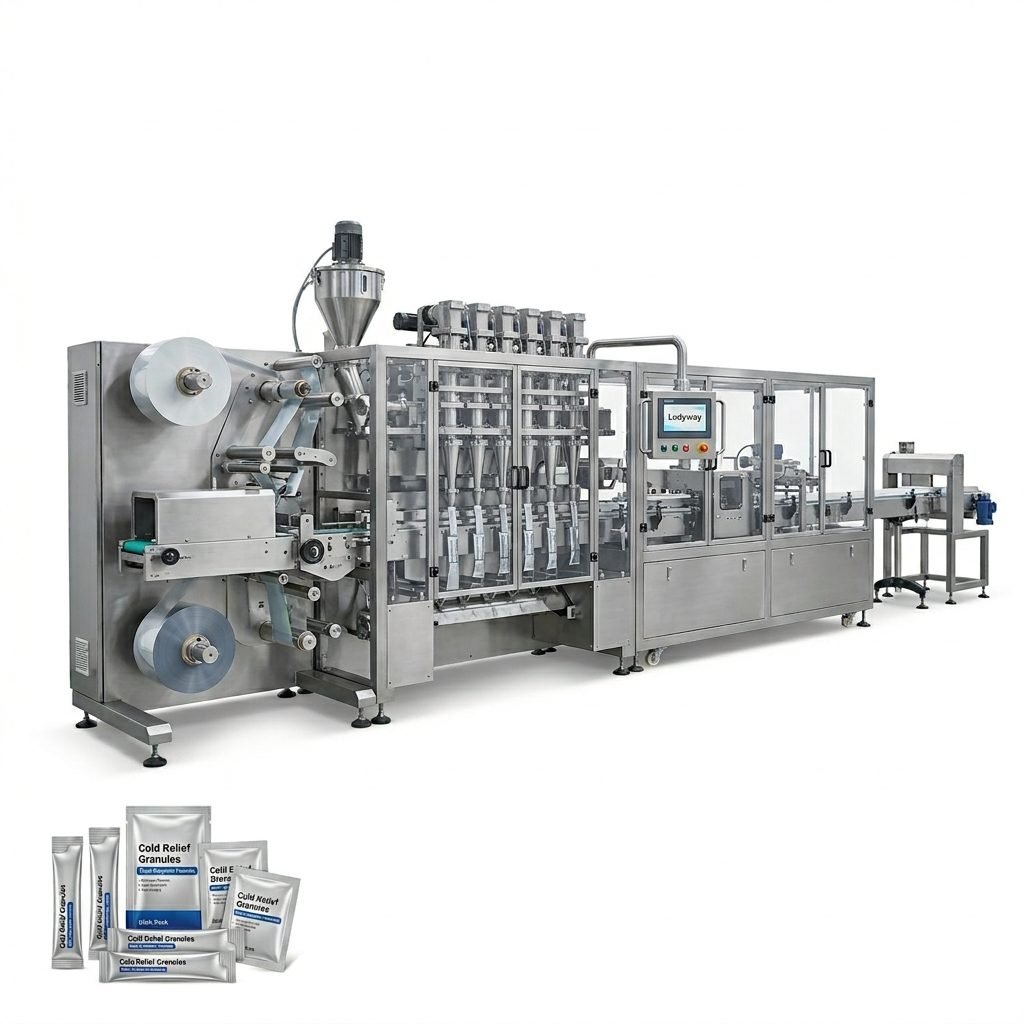
The washing powder packaging machinery landscape includes several distinct machine categories, each suited to different packaging formats, production volumes, and automation levels. The following table provides a comparative overview of the most common machine types:
| Machine Type | Best For | Typical Speed Range | Packaging Format | Automation Level |
|---|---|---|---|---|
| Vertical Form Fill Seal (VFFS) | Medium to high-volume sachet and pouch production | 40–180 packs/min per lane | Pillow pouches, gusseted bags, sachets | Semi-automatic to fully automatic |
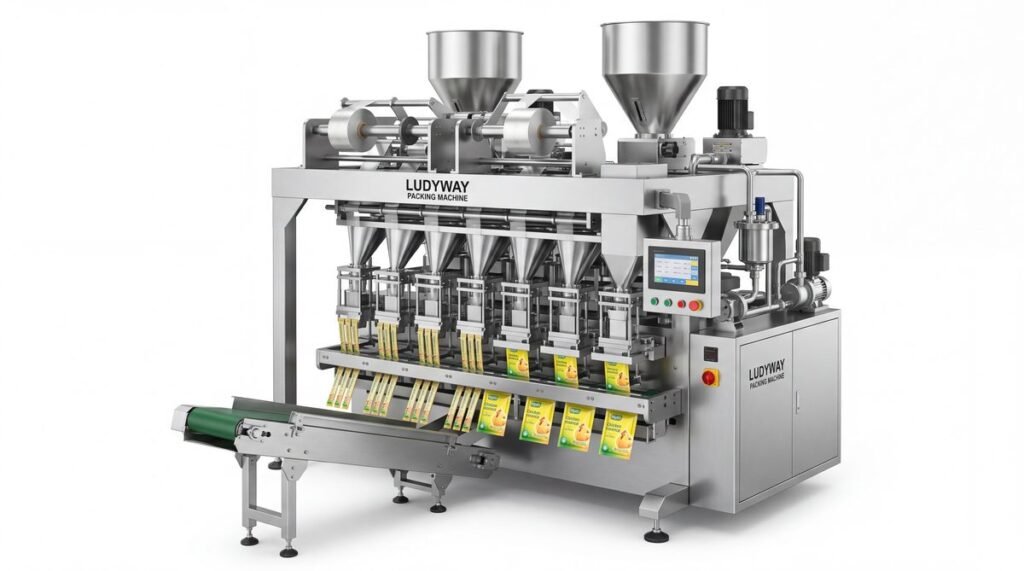
| Multi-Lane Stick Pack Machine | High-speed single-serve stick packs | 200–1,000+ packs/min (multi-lane) | Stick packs, narrow sachets | Fully automatic |
| Premade Pouch Filling & Sealing | Premium stand-up pouches, zipper bags | 25–80 packs/min | Stand-up pouches, flat pouches, quad-seal bags | Semi-automatic to fully automatic |
| Jumbo Bag / Bulk Bag Filling | Industrial bulk packaging, 10–50kg bags | 2–15 bags/min | Open-mouth bags, valve bags, FIBC | Semi-automatic to fully automatic |
| Preformed Bag-in-Box Systems | Large retail or institutional packaging | 5–20 packs/min | Bag-in-box, carton liners | Fully automatic |
For most detergent producers, VFFS machines and multi-lane stick pack systems represent the most popular choices due to their balance of speed, flexibility, and cost-effectiveness. The PMMI State of the Industry reports consistently show growing demand for flexible packaging formats in the detergent sector.
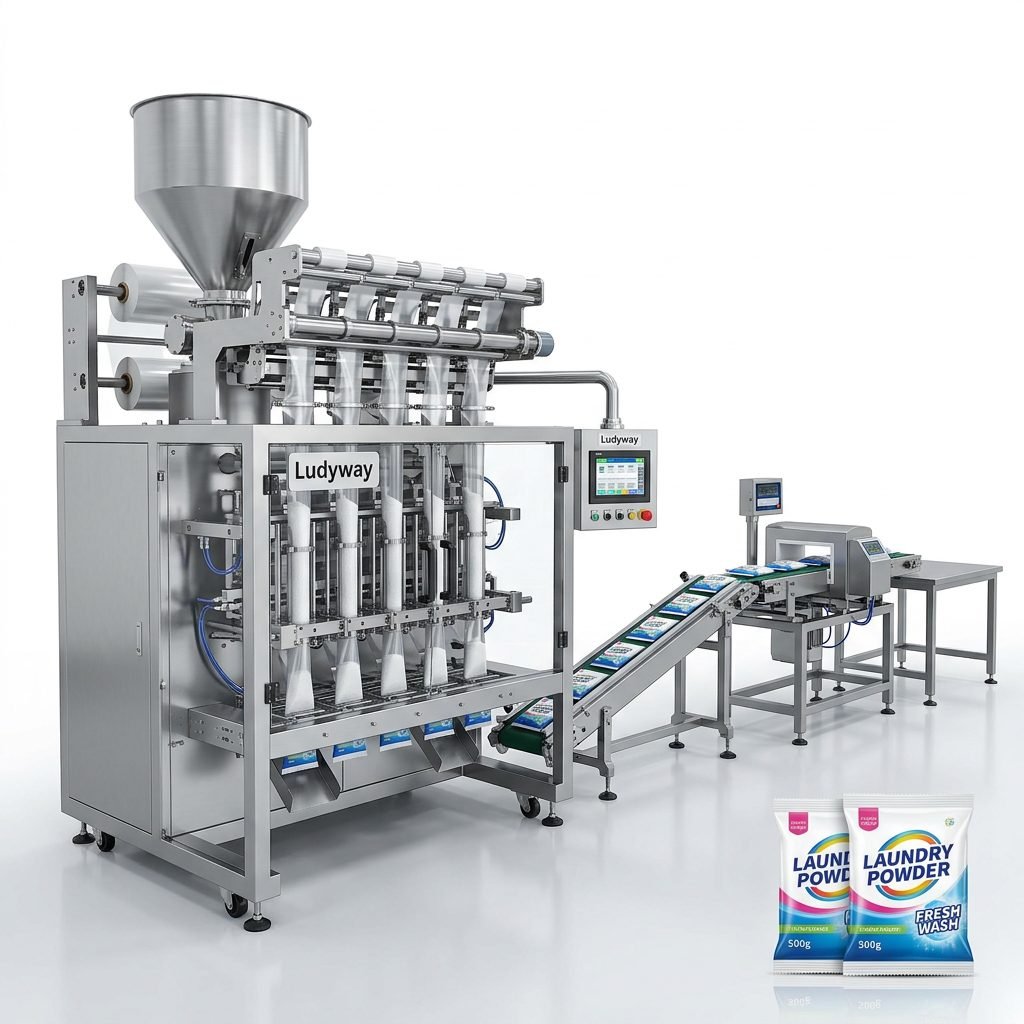
Production Speed and Capacity Requirements
Your current and projected production volumes are fundamental to selecting the right machine. Under-specifying your speed requirements creates bottlenecks and limits growth, while over-specifying leads to unnecessary capital expenditure and potential underutilization.
When calculating required production speed, consider the following factors:
- Current daily or monthly output — Measure actual production volumes, not aspirational targets
- Growth projections — Plan for at least a 3–5 year horizon to avoid outgrowing your equipment too quickly
- Shift patterns — Single-shift operations have different requirements than 24/7 production
- Changeover frequency — Frequent product or format changes reduce effective output and should be factored into capacity calculations
- OEE expectations — Account for downtime, maintenance, and changeovers when calculating net capacity
Automation Level and Integration Capabilities
Modern washing powder packaging lines can range from standalone semi-automatic machines to fully integrated turnkey systems that connect multiple production stages. The right automation level depends on your labor costs, production complexity, and long-term strategy.
Key Automation Features to Evaluate
- Automatic feeding systems — Bulk powder handling equipment that feeds the packaging machine without manual intervention
- Multi-head weighing systems — For precise weight control and minimal product giveaway
- Inline checkweighing — Real-time weight verification with automatic rejection of out-of-spec packs
- Metal detection and X-ray inspection — ISO packaging standards increasingly require contaminant detection systems
- Automated cartoning and case packing — End-of-line automation that reduces manual handling
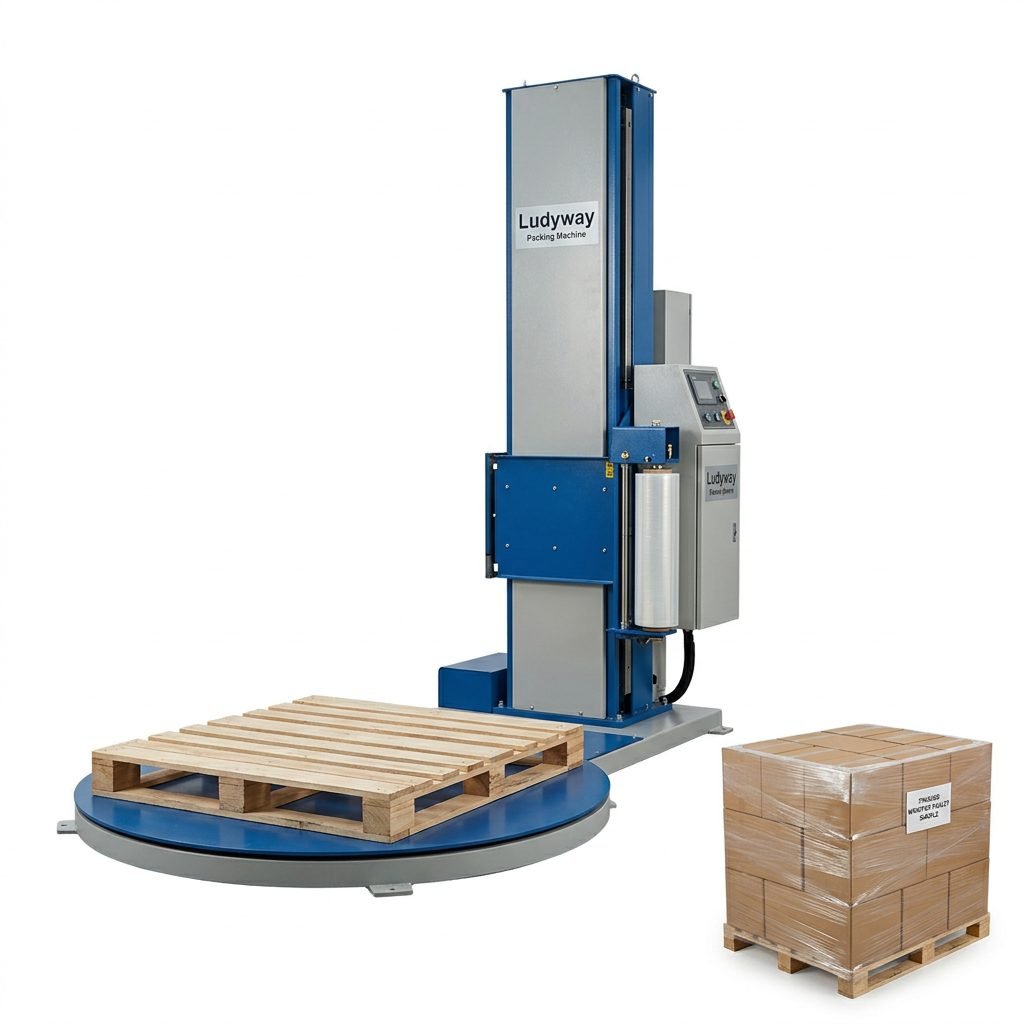
- Palletizing systems — Robotic or conventional palletizers for finished product handling
Budget Considerations and ROI Analysis
Investing in a washing powder packaging machine involves more than just the initial purchase price. A thorough total cost of ownership (TCO) analysis should account for the following cost components:
- Capital equipment cost — The machine purchase price, including any customization
- Installation and commissioning — Site preparation, utility connections, and setup expenses
- Operator training — Initial and ongoing training costs for production staff
- Packaging material costs — Different machines have different film or pouch material requirements and waste rates
- Maintenance and spare parts — Routine maintenance, wear parts replacement, and unexpected repairs
- Energy consumption — Power requirements for the machine and any ancillary equipment
- Product giveaway — Overfilling due to inaccurate dosing represents hidden ongoing costs
A well-selected machine typically achieves ROI within 12–24 months through labor savings, reduced material waste, increased throughput, and improved product consistency.
Packaging Material Compatibility
Your chosen packaging machine must be compatible with the packaging materials you intend to use. Washing powder packaging commonly utilizes multi-layer laminated films that provide moisture barrier, puncture resistance, and printability. Key material considerations include:
- Film thickness and structure — Verify that the machine’s sealing system can handle your specified film gauge and laminate composition
- Heat seal vs. cold seal — Most washing powder applications use heat-seal films, but some specialty formats may require cold-seal compatibility
- Barrier properties — For moisture-sensitive powders, ensure the machine can accommodate high-barrier films without compromising seal integrity
- Sustainability requirements — If using recyclable or compostable films, confirm that the machine can process these materials effectively, as they often have different sealing characteristics
Regulatory Compliance and Quality Standards
Depending on your target markets, your packaging operation may need to comply with various regulatory requirements. For detergent products, relevant standards often include:
- Weights and measures regulations — Ensuring accurate fill quantities as required by local metrology laws
- Labeling requirements — Machines should be compatible with your labeling and coding systems
- Safety standards — CE marking for European markets, UL compliance for North America, and other regional certifications
- GMP compliance — Good Manufacturing Practice requirements for production facilities
Choosing the Right Packaging Machinery Partner
Beyond the technical specifications of the machine itself, the quality and reliability of your equipment supplier significantly influence your long-term success. When evaluating potential partners, consider their industry experience, manufacturing capabilities, customization expertise, and after-sales support infrastructure.
A capable packaging machinery manufacturer should offer comprehensive technical support throughout the project lifecycle — from initial consultation and machine selection through installation, commissioning, operator training, and ongoing maintenance. Companies with in-house manufacturing and engineering teams can typically provide better customization options and faster response times for technical inquiries.
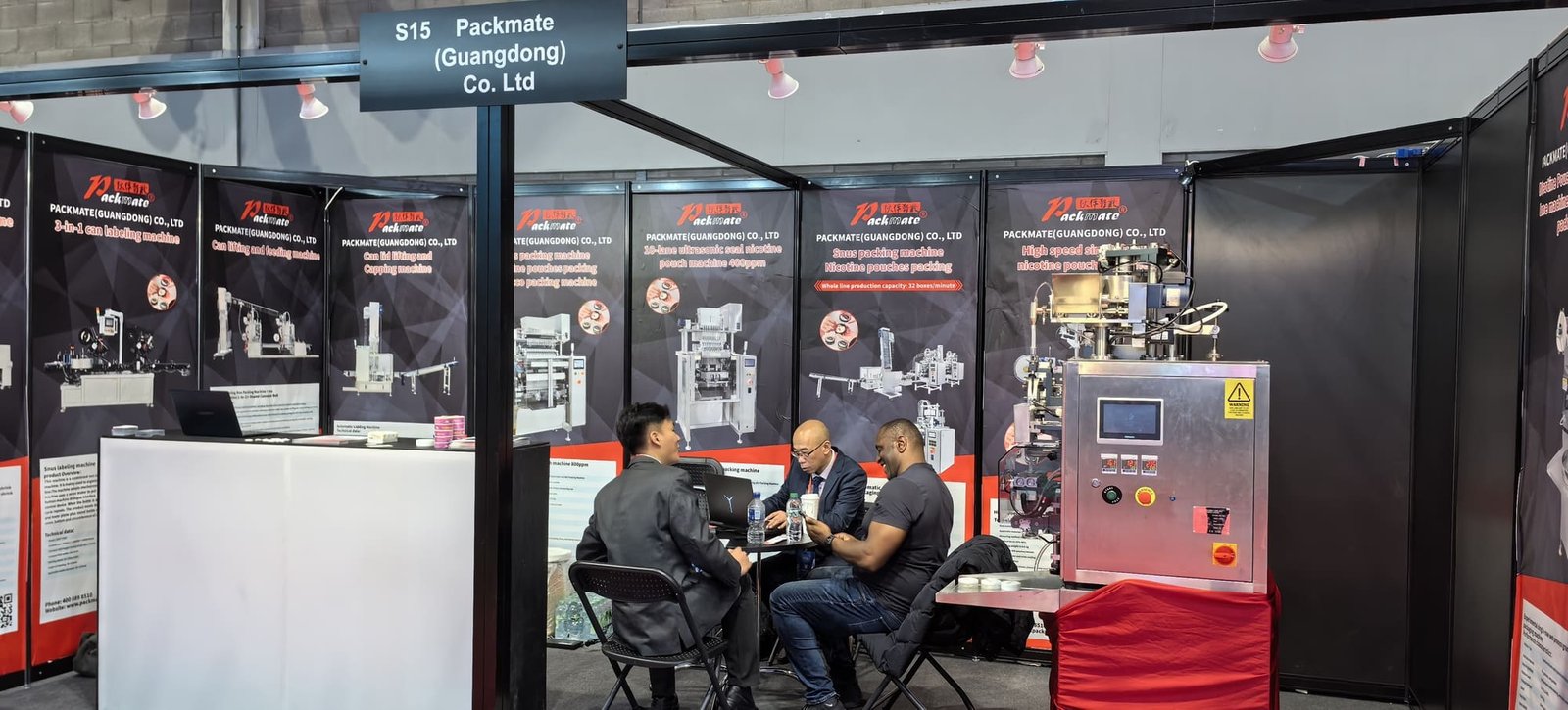
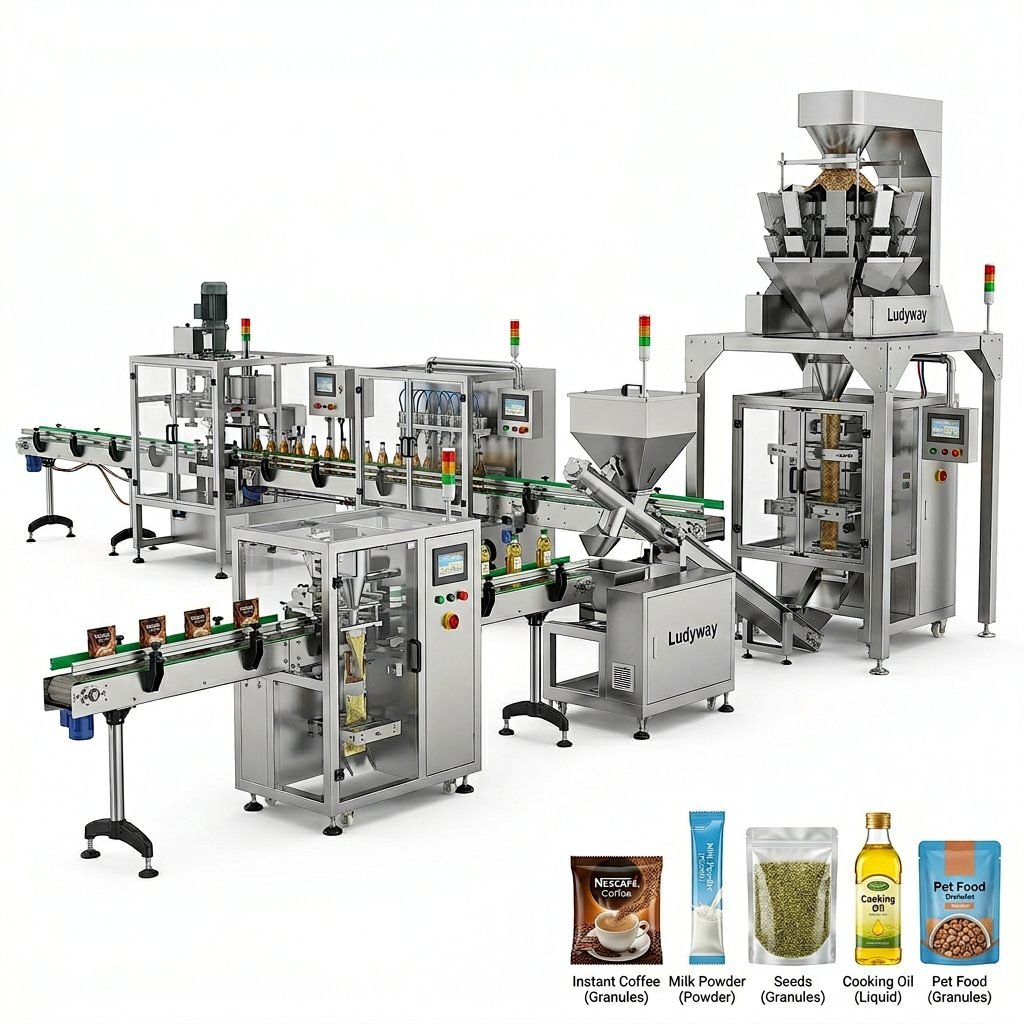
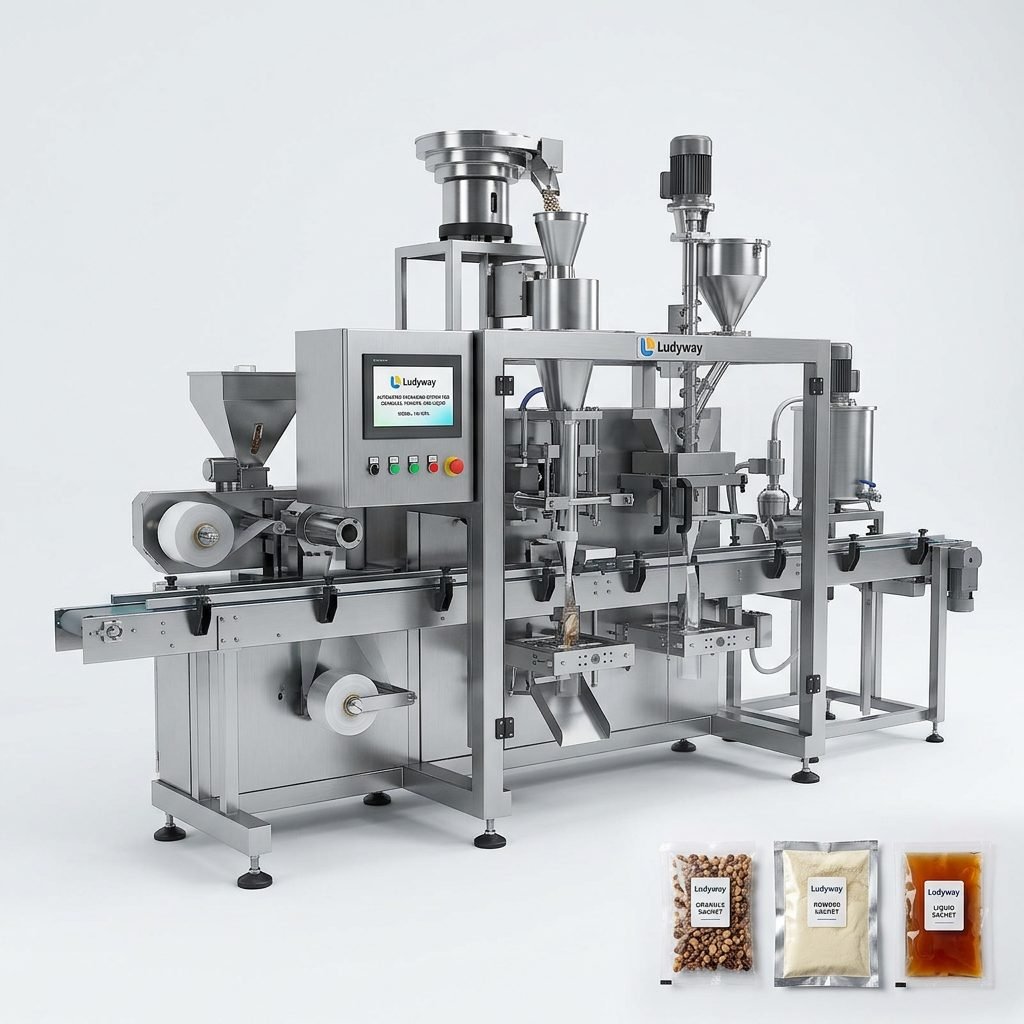
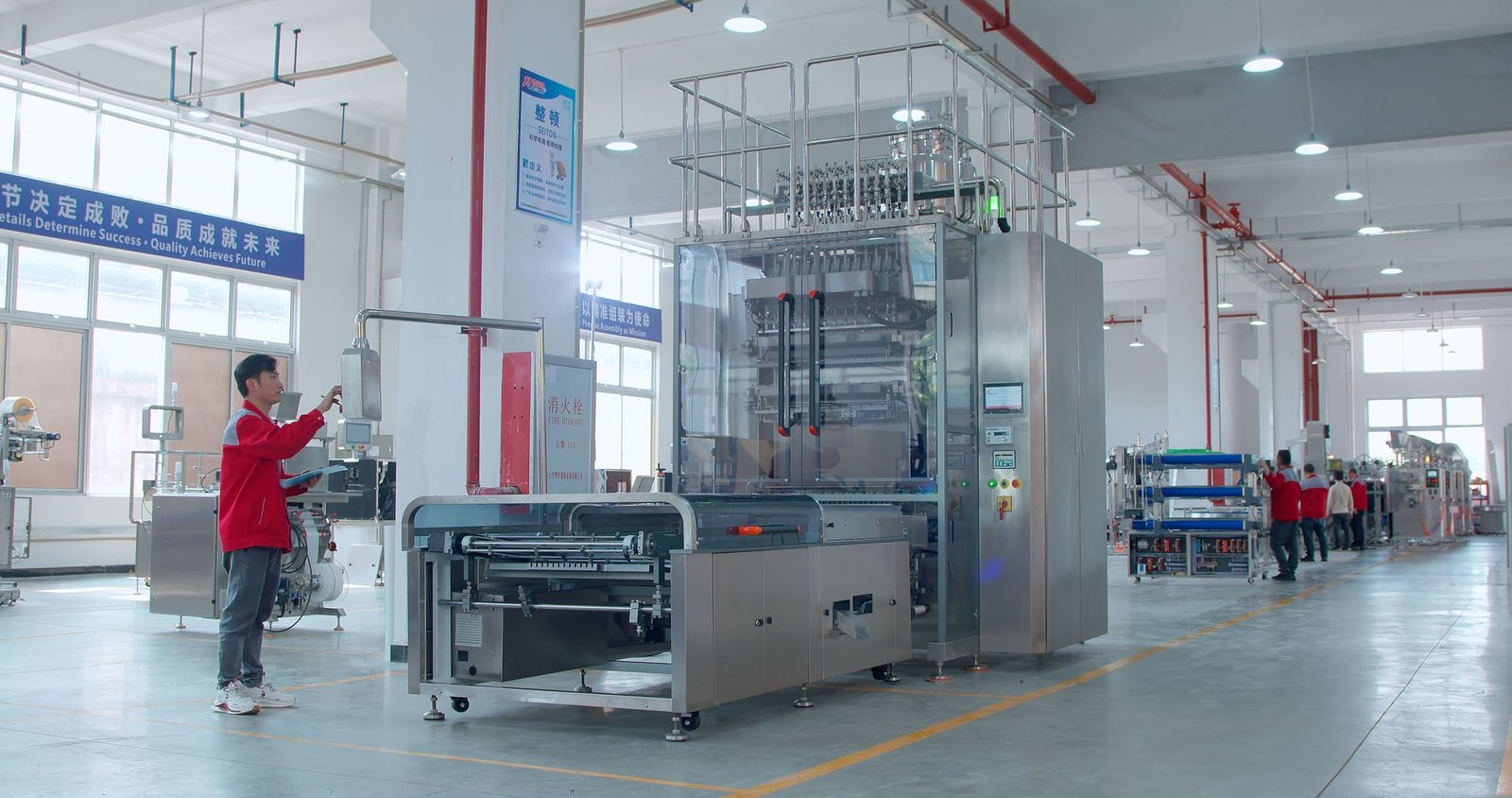
One example is Ludyway Machinery, a China-based packaging machinery manufacturer with over 30 years of experience, a 20,000-square-meter manufacturing facility, and a team of more than 130 professionals serving customers in over 100 countries. With export revenues projected to exceed RMB 500 million in 2025, Ludyway exemplifies the type of established, globally oriented supplier that manufacturers should consider when evaluating long-term packaging equipment partnerships. The company provides a broad portfolio of automatic packaging equipment — from individual machines to complete turnkey packaging lines — designed for powder, granule, liquid, sachet, stick pack, and other flexible packaging applications across food, pharmaceutical, chemical, and consumer product industries.
Key Questions to Ask Before Purchasing
To help consolidate your evaluation process, here is a checklist of essential questions to discuss with any potential equipment supplier:
- Can the machine handle my specific powder density, particle size distribution, and flow characteristics?
- What is the guaranteed output rate with my product and packaging material?
- What is the expected film waste rate during startups and changeovers?
- How quickly can format changes be completed, and what is involved?
- Does the supplier offer factory acceptance testing (FAT) before shipment?
- What is the standard warranty period, and what does it cover?
- Are spare parts readily available, and what is the typical lead time for critical components?
- Does the supplier provide remote technical support for troubleshooting?
- Can the machine be upgraded or expanded in the future to accommodate new packaging formats or higher speeds?
- What documentation and training are included with the equipment purchase?
Conclusion: Making an Informed Decision
Choosing the right washing powder packaging machine is a strategic investment that affects your production efficiency, product quality, and competitive position for years to come. By systematically evaluating your powder characteristics, packaging format requirements, production capacity needs, automation goals, budget constraints, and supplier capabilities, you can select equipment that aligns with both your current operations and your future growth plans.
Take the time to visit supplier facilities, run product trials, speak with reference customers, and compare multiple proposals before making your final decision. A thorough evaluation process — combined with a clear understanding of your own requirements — will help ensure that your packaging machinery investment delivers reliable performance, strong ROI, and long-term operational value.
For further reading on packaging machinery market trends and industry standards, explore resources from the PMMI packaging industry resources and the Flexible Packaging Association, which provide valuable data and guidance for packaging professionals worldwide.