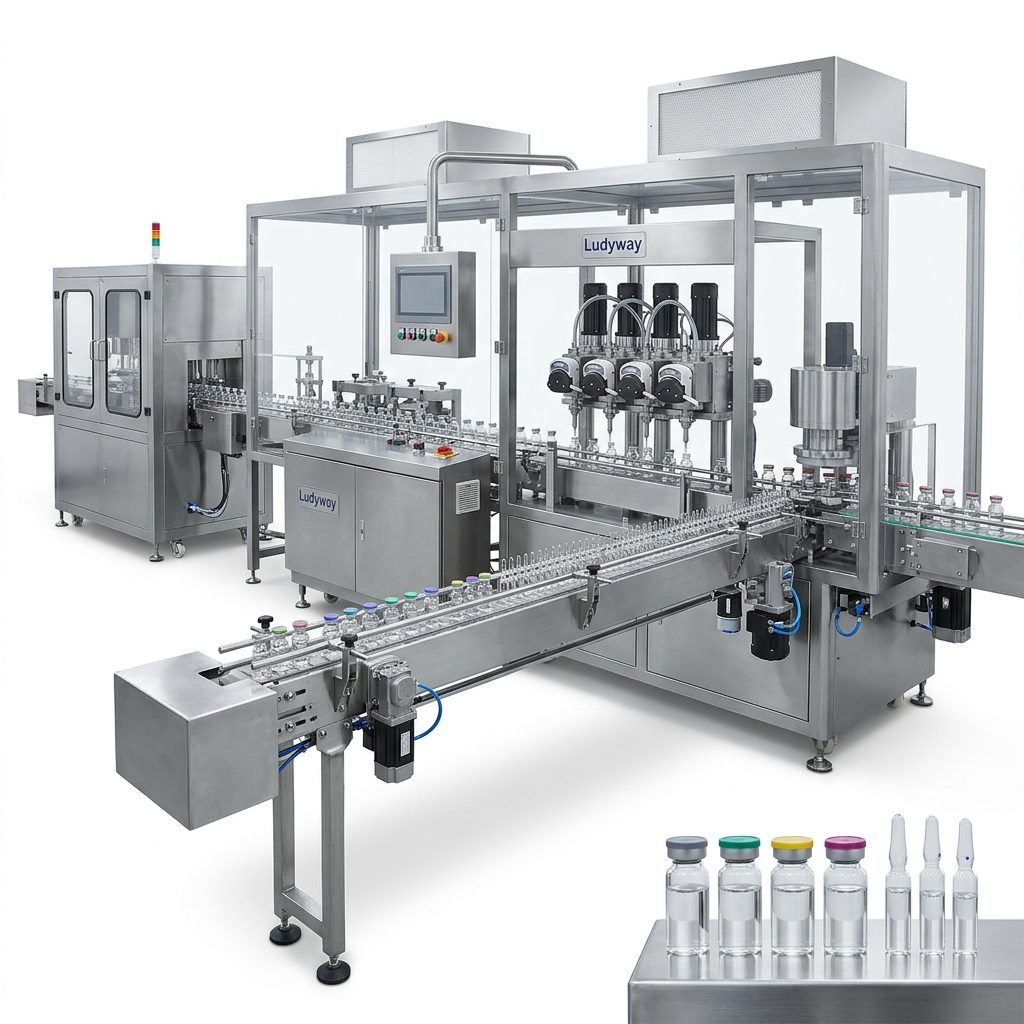
Investing in a small sauce packaging machine is a strategic decision that directly impacts your production efficiency, product quality, and bottom line. Whether you are packing ketchup, chili sauce, soy sauce, mayonnaise, or specialty condiments, choosing the right equipment requires careful evaluation of multiple factors—from your product’s physical characteristics to your long-term scalability needs. This comprehensive guide walks you through every critical consideration to help you make an informed purchase.
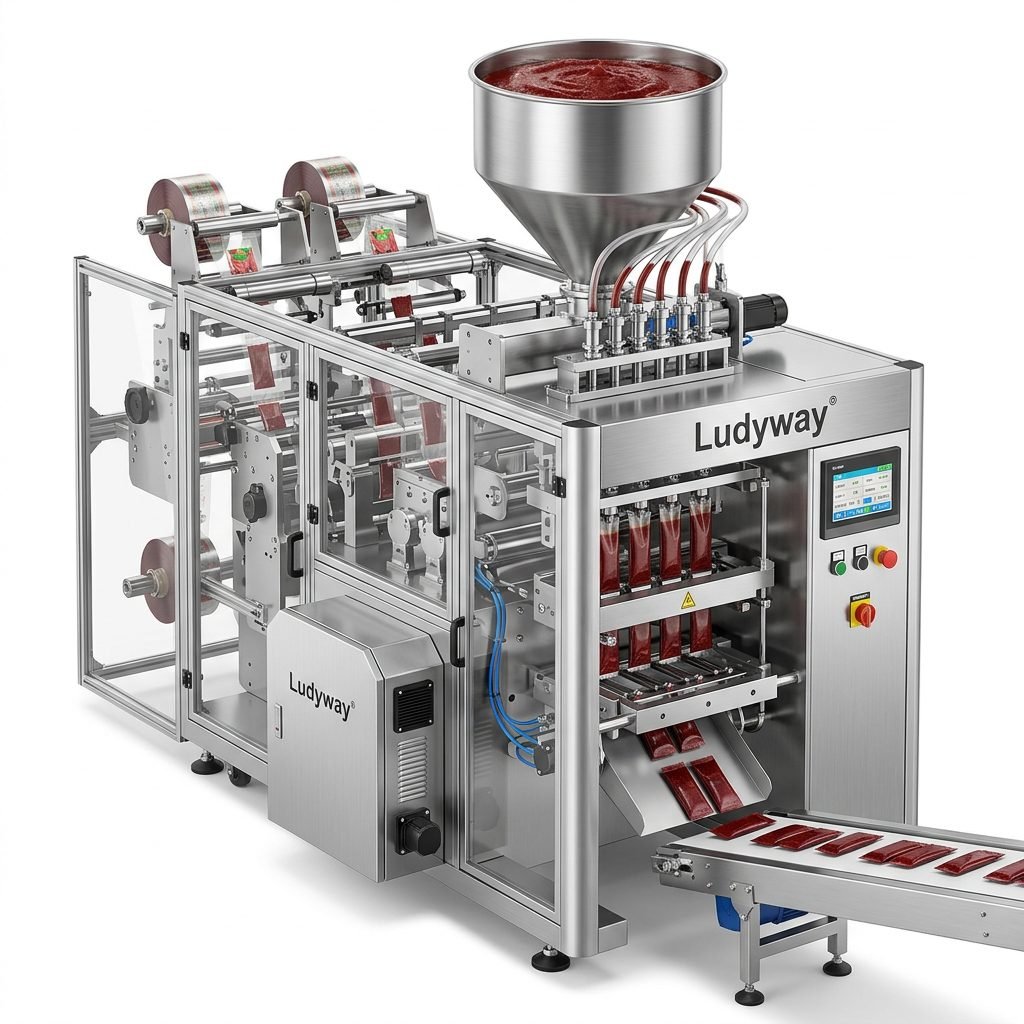
Why Choosing the Right Sauce Packaging Machine Matters
Selecting an underpowered or mismatched machine leads to costly downtime, inconsistent fill weights, product waste, and packaging defects. On the other hand, an over-specified machine strains your capital budget without delivering proportional value. The goal is to find equipment that matches your current production needs while offering flexibility for future growth. According to industry data from the PMMI packaging industry association, manufacturers that align packaging machinery selection with product and market requirements achieve significantly higher overall equipment effectiveness.
Step 1: Understand Your Sauce Product Characteristics
Before comparing machine models, you must thoroughly analyze the physical and chemical properties of the sauce you intend to package. Different formulations demand different filling technologies.
Key Product Parameters to Evaluate
- Viscosity – Is your sauce thin like soy sauce, medium like ketchup, or thick like mayonnaise? Viscosity determines the type of filling system required—piston fillers, gear pumps, or gravity-based systems.
- Particulate Content – Does the sauce contain solid pieces such as chili flakes, herbs, or vegetable chunks? Machines with larger filling nozzles and specialized valves are necessary to handle particulates without clogging.
- Temperature at Filling – Hot-fill sauces require machines built with heat-resistant components and sealing systems that perform reliably at elevated temperatures.
- Chemical Composition – Acidic sauces (vinegar-based, citrus) demand stainless steel contact parts with appropriate corrosion resistance. Oily sauces may require different seal materials.
- Foaming Tendency – Some sauces foam during filling, which can affect fill accuracy and seal integrity. Bottom-up filling or anti-foam nozzles may be needed.
Step 2: Choose the Right Machine Type for Your Packaging Format
Small sauce packaging machines come in several configurations, each suited to different packaging formats and production scales. The table below compares the most common types:
| Machine Type | Best For | Packaging Format | Typical Speed Range |
|---|---|---|---|
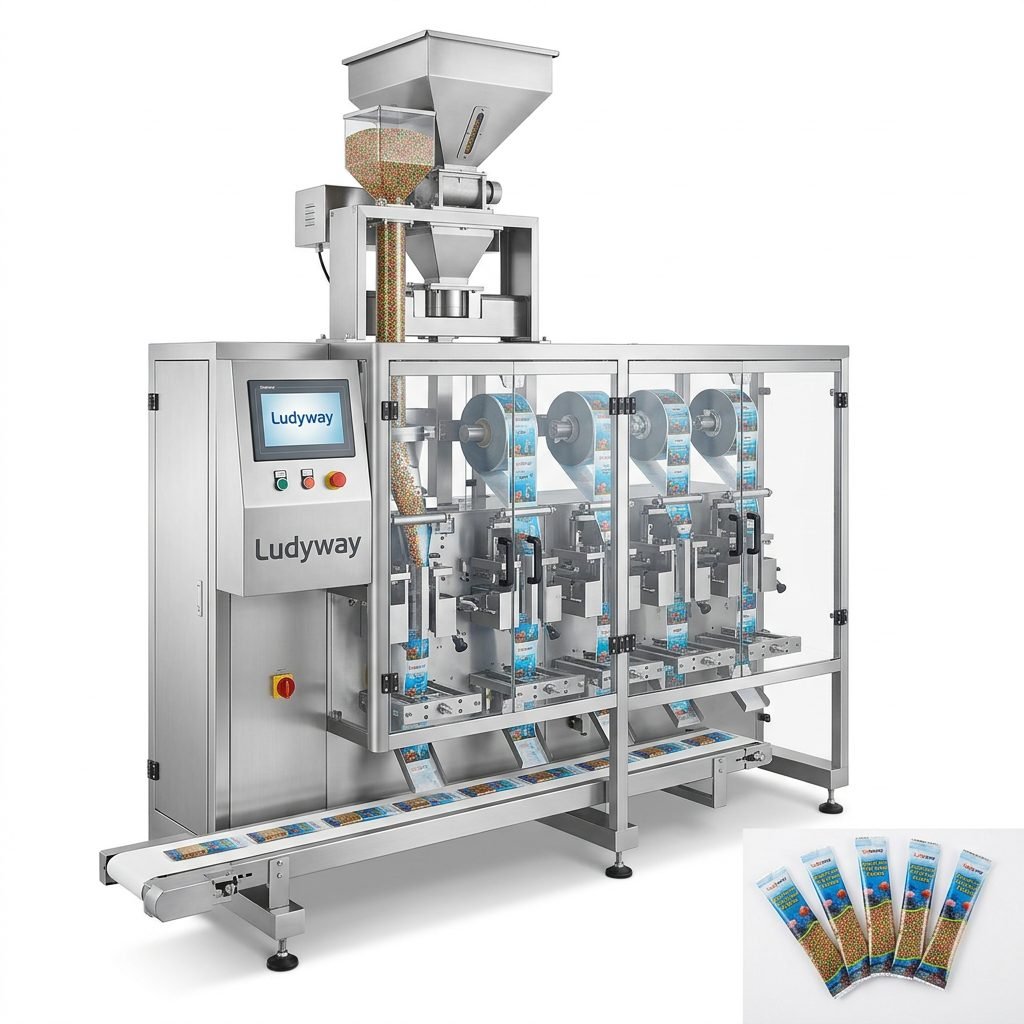
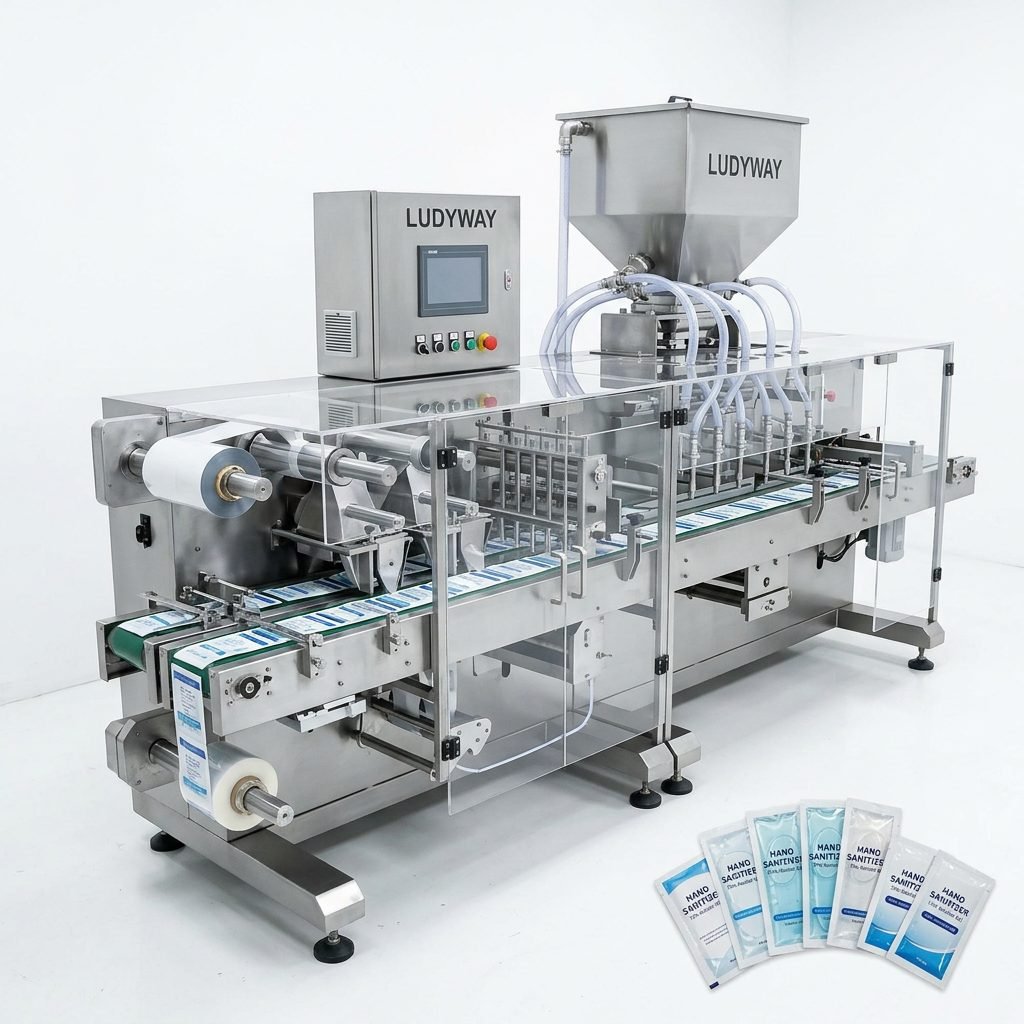
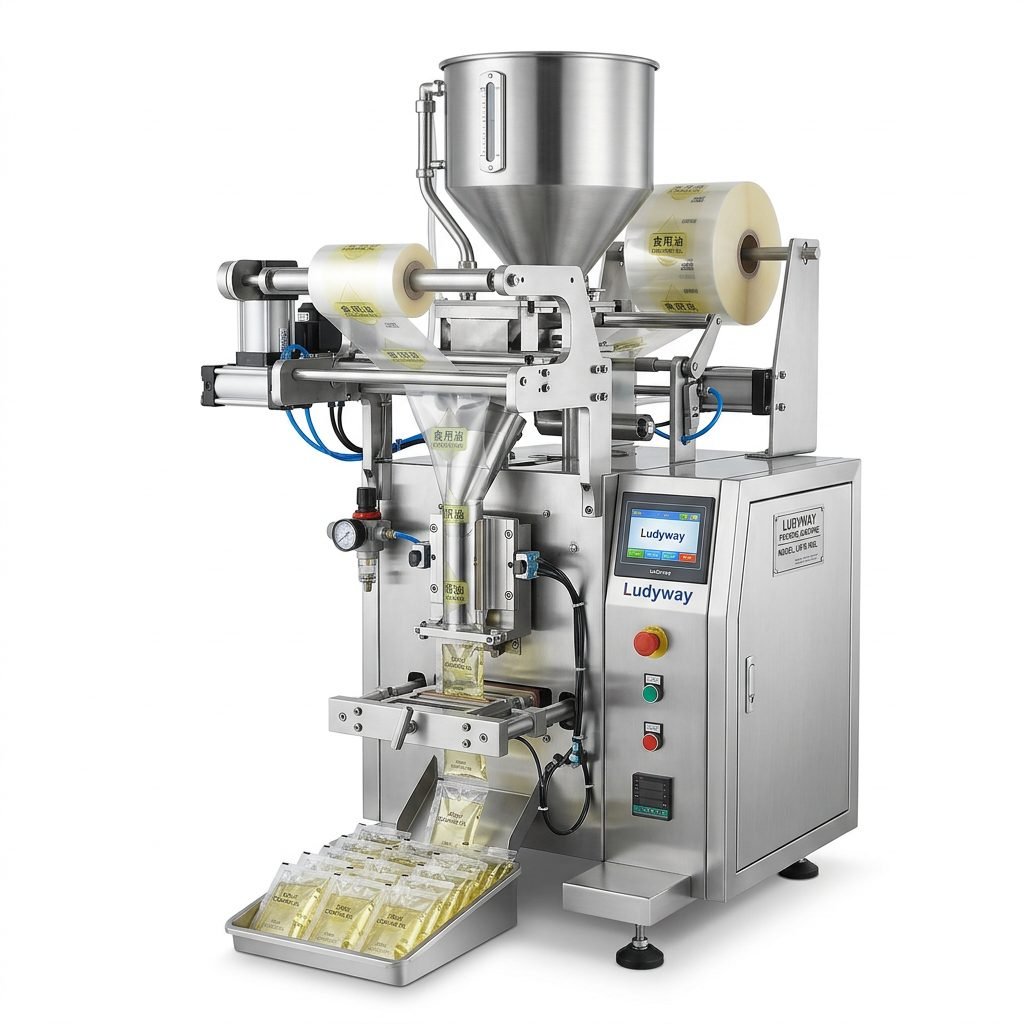
| Single-Lane Sachet Machine | Small businesses, startups, sample production | 3-side seal, 4-side seal sachets | 30–80 packs/min |
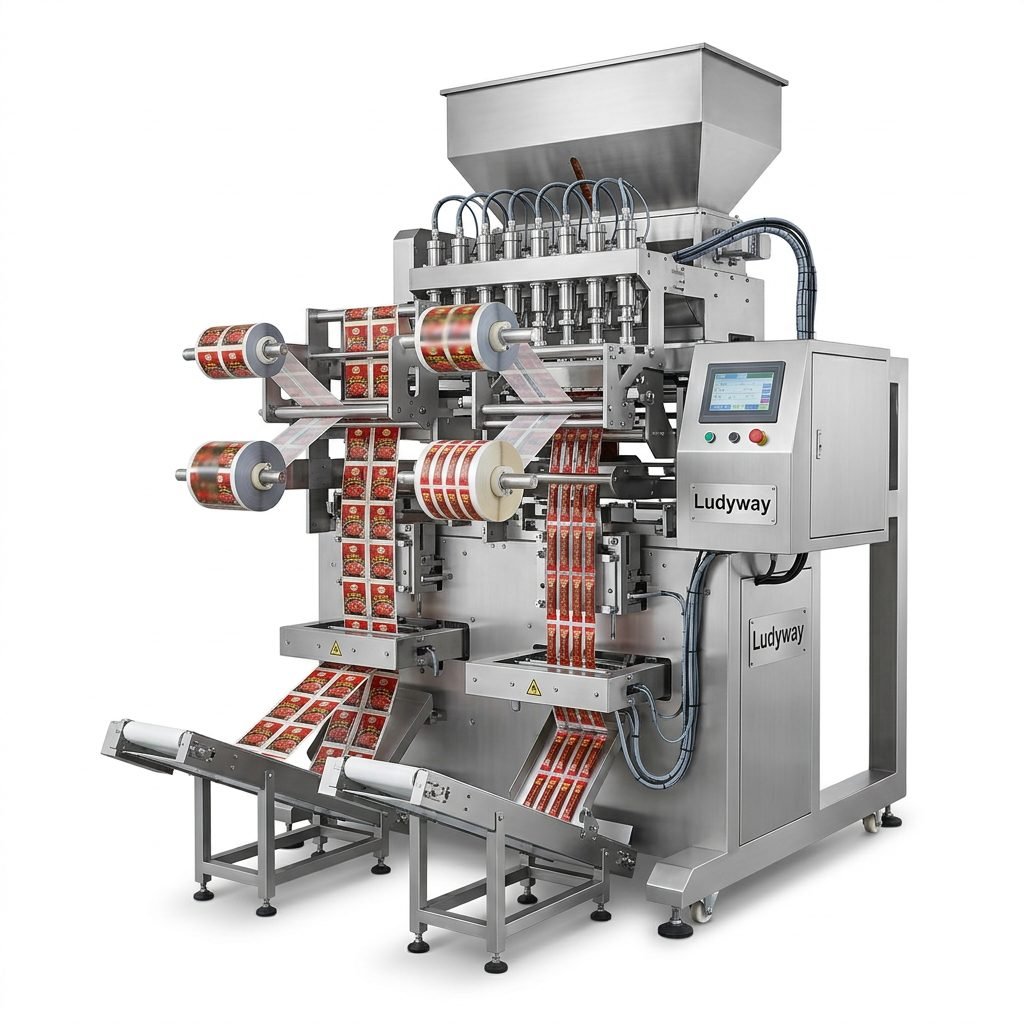
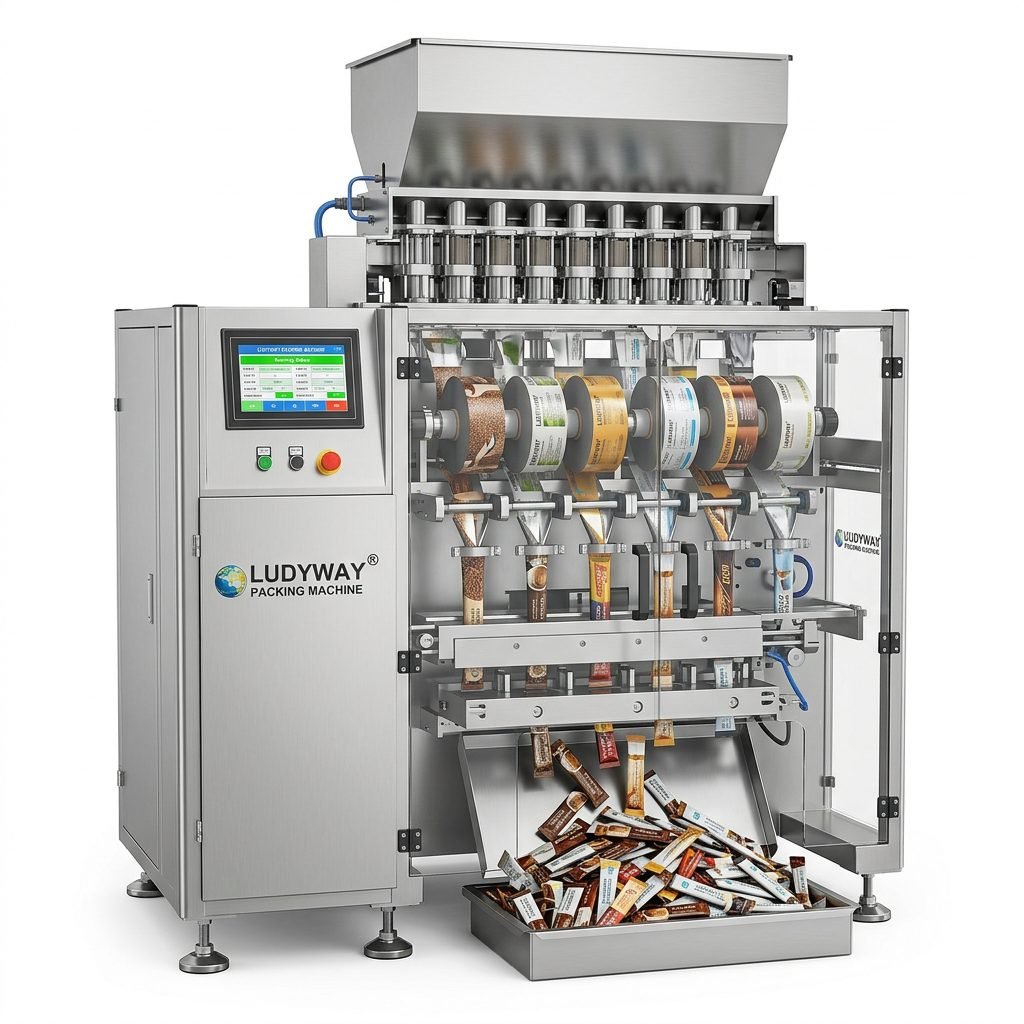
| Multi-Lane Stick Pack Machine | Medium to large-scale production | Stick packs, narrow sachets | 200–600+ packs/min (across all lanes) |
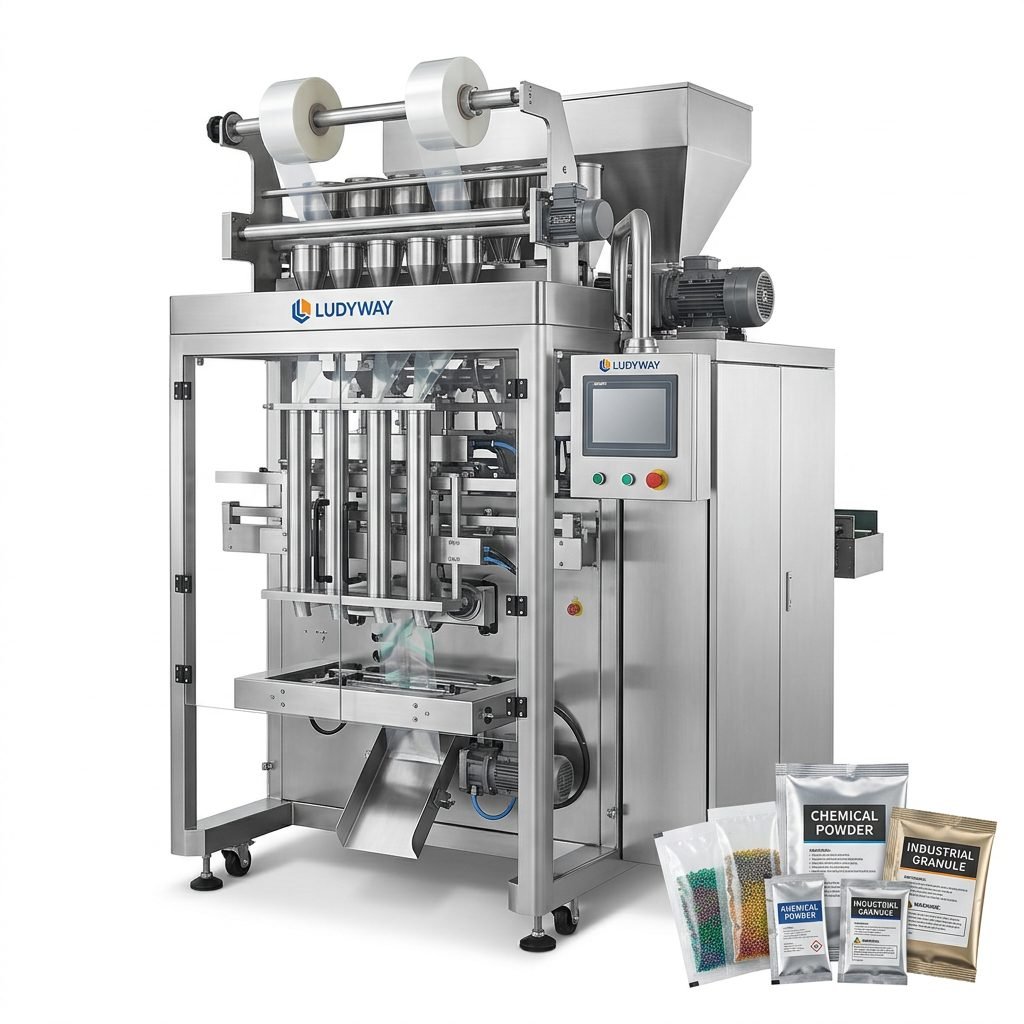
| Multi-Lane Sachet Machine | High-volume sauce producers | Flat sachets, sample pouches | 300–800+ packs/min |
| Premade Pouch Filling Machine | Premium packaging with zippers, spouts | Stand-up pouches, spouted pouches | 40–120 packs/min |
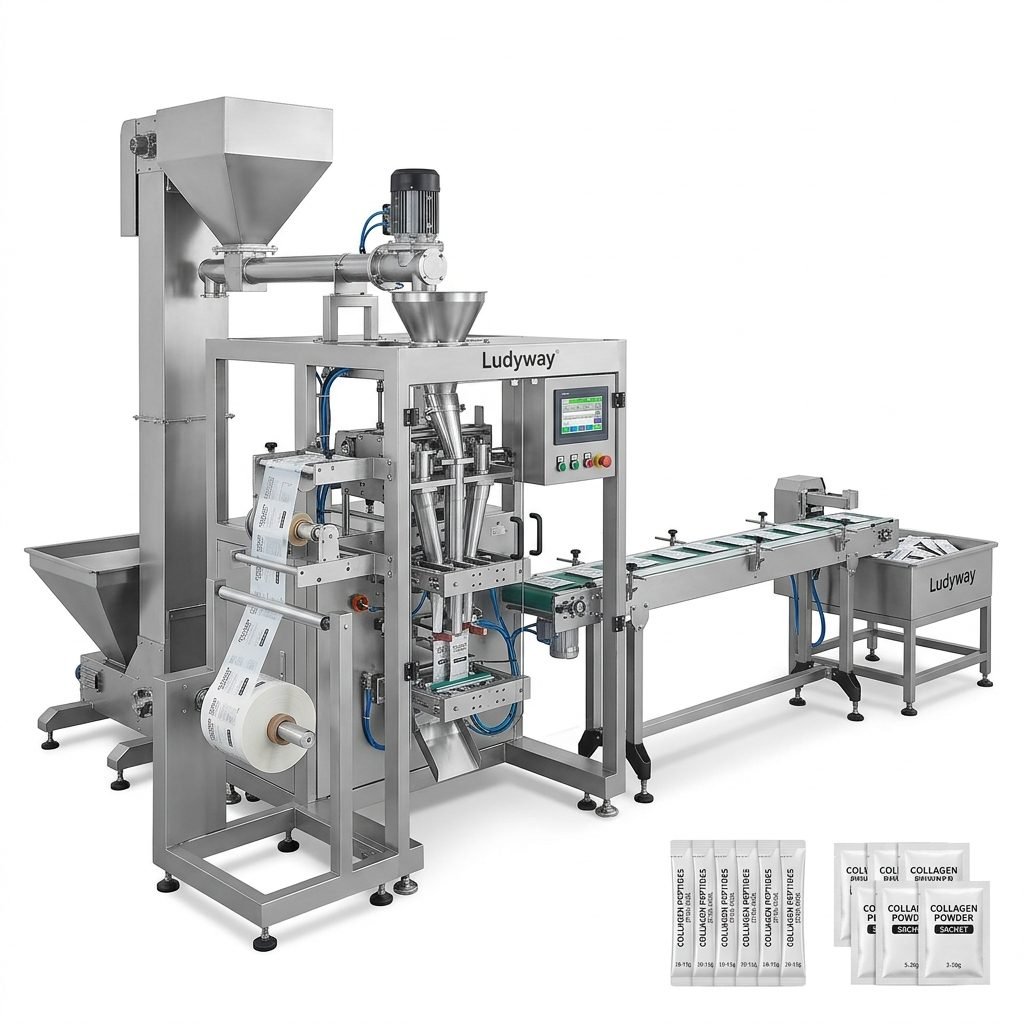
| Vertical Form Fill Seal (VFFS) | Versatile applications, larger pouches | Pillow bags, gusseted bags | 50–150 packs/min |
For small sauce packaging applications, multi-lane sachet and stick pack machines have become the industry standard due to their efficiency, compact footprint, and ability to produce high-quality seals. The Flexible Packaging Association provides additional resources on packaging material compatibility and format trends that can guide your decision.
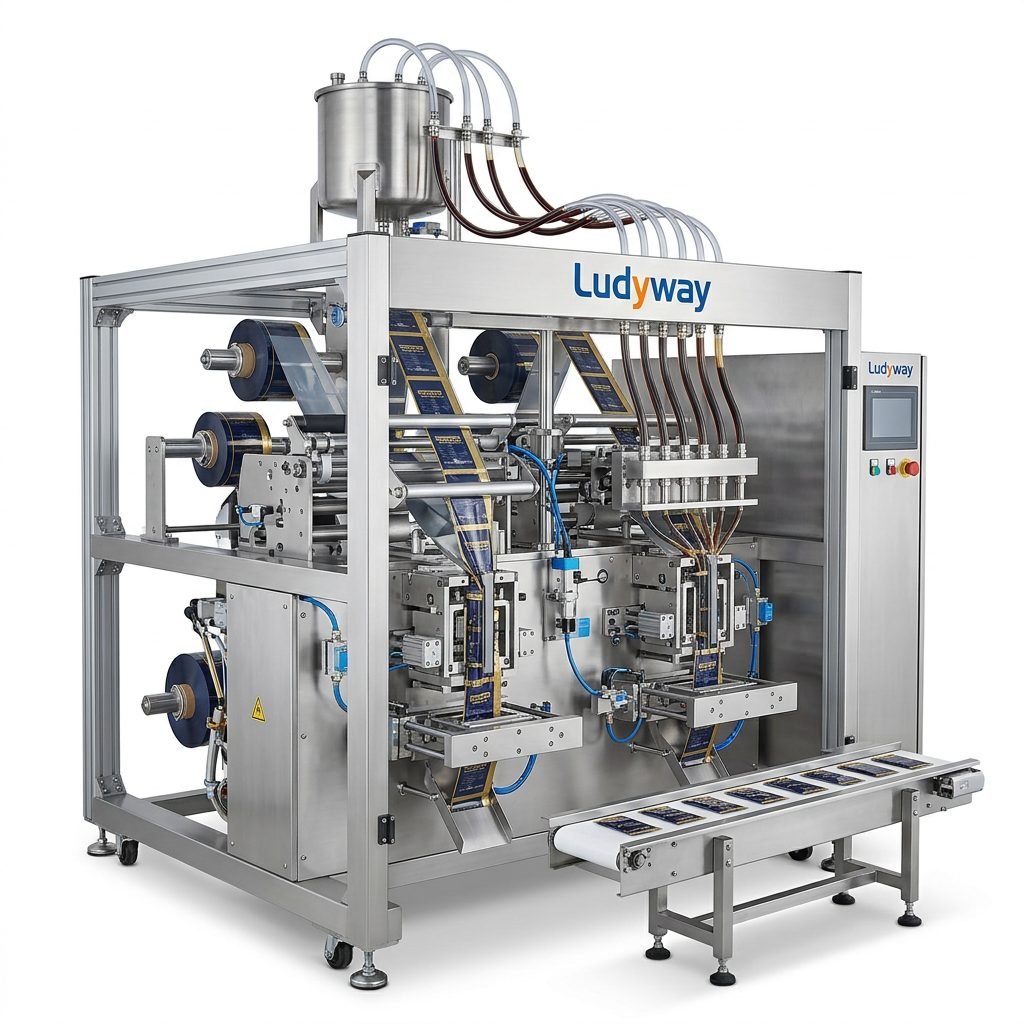
Step 3: Define Your Production Capacity and Speed Requirements
Production capacity is one of the most critical factors in machine selection. Underestimating your speed requirements creates bottlenecks; overestimating leads to unnecessary capital expenditure. Consider the following:
- Current Daily Output – Calculate the number of sachets or stick packs you need per shift.
- Seasonal Demand Fluctuations – If your sales spike during certain months, ensure the machine can handle peak loads without compromising quality.
- Future Growth Projection – A machine purchased today should accommodate at least 3–5 years of projected growth to avoid premature replacement.
- Changeover Frequency – If you package multiple sauce varieties with different viscosities or pack sizes, prioritize machines with quick-change tooling and minimal adjustment time.
Calculating Your Required Machine Speed
Use this formula as a starting point: Required speed (packs/min) = Daily target output ÷ (Operating hours × 60 × Efficiency factor). An efficiency factor of 0.75–0.85 accounts for film splices, cleaning, and minor stoppages. For example, if you need 100,000 sachets per 8-hour shift, you require a machine capable of at least 245–280 packs per minute.
Step 4: Evaluate Filling Accuracy and Dosing Technology
Precise filling is essential for regulatory compliance, cost control, and customer satisfaction. Sauce filling systems typically use one of the following technologies:
- Piston Fillers – Highly accurate for viscous sauces, with volumetric dosing that maintains consistency across production runs.
- Gear Pump Fillers – Suitable for medium-viscosity sauces, offering good accuracy with easy cleaning and maintenance.
- Peristaltic Pump Fillers – Ideal for shear-sensitive sauces, as the product only contacts the tubing, reducing contamination risks.
- Servo-Driven Auger Fillers – Best for sauces with high particulate content, ensuring even distribution of solid pieces in each pack.
Look for machines that offer filling accuracy within ±0.5% to ±1% of target weight. Advanced systems incorporate checkweighers and automatic feedback loops to adjust fill volumes in real time, reducing giveaway and ensuring compliance with FDA food packaging regulations.
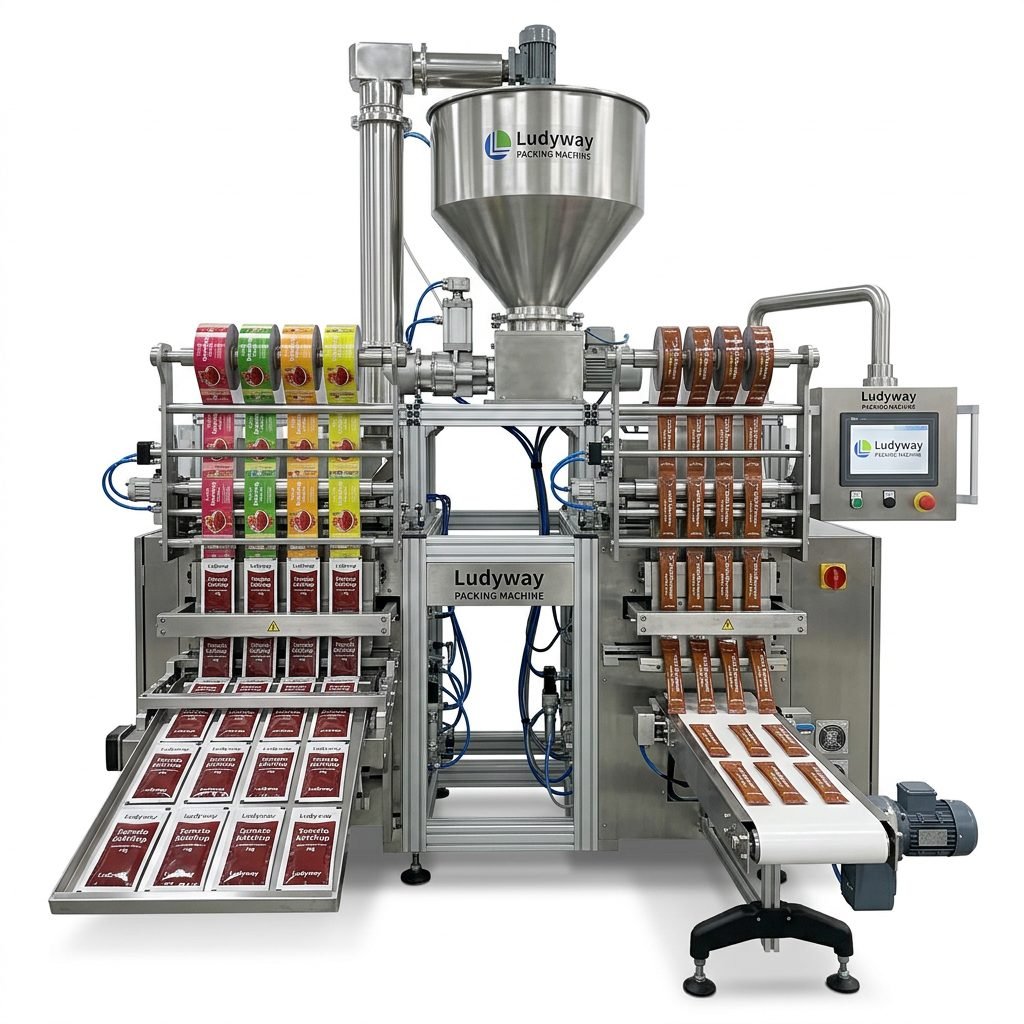
Step 5: Assess Material Compatibility and Seal Quality
Packaging material selection directly affects seal integrity, shelf life, and product protection. Common materials for sauce sachets include:
- PET/AL/PE laminates – Excellent barrier properties for oxygen and moisture, suitable for long shelf life.
- BOPP/CPP films – Cost-effective for short to medium shelf life products.
- Paper/PE/AL/PE structures – Used for stick packs requiring stiffness and printability.
- Biodegradable films – Emerging options for brands prioritizing sustainability, though they require machines with precise heat control and compatible seal jaws.
Verify that the machine’s sealing system is compatible with your chosen film structure. Multi-lane machines with independent temperature control per lane offer superior seal consistency. For more detailed guidance on flexible packaging materials and standards, visit the Flexible Packaging Association knowledge hub.
Step 6: Consider Automation Level and Integration Capabilities
Modern sauce packaging lines can range from semi-automatic to fully integrated turnkey systems. Your choice depends on labor costs, desired throughput, and the complexity of your overall packaging process.
Automation Options to Evaluate
- Manual Loading and Collection – Lowest cost, highest labor dependency; suitable for very small operations.
- Automatic Feeding and Conveying – Integrates with upstream mixers or holding tanks for continuous production.
- In-Line Coding and Marking – Adds batch codes, date stamps, and QR codes without separate handling.
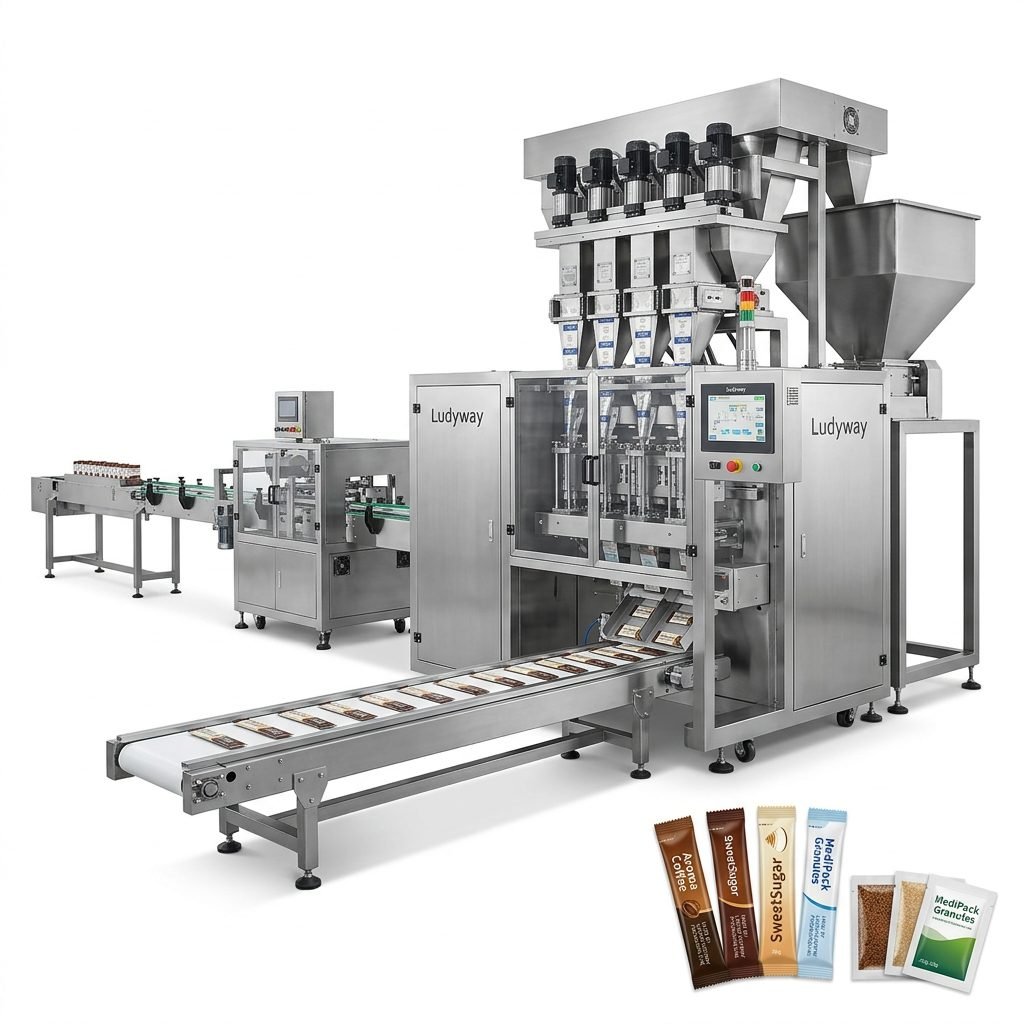
- Automatic Cartoning – Counts and packs finished sachets into cartons, significantly reducing manual labor.
- Robotic Palletizing – Complete end-of-line automation for high-volume operations.
When comparing equipment, consider whether the packaging machinery supplier can provide integrated solutions rather than standalone machines. A single partner for the entire packaging line simplifies project management, installation, and after-sales support.
Step 7: Budget Considerations and Total Cost of Ownership
The purchase price of a small sauce packaging machine is only one component of its total cost. A thorough financial analysis should account for:
- Initial Capital Expenditure – Machine cost including freight, import duties, and installation.
- Operating Costs – Electricity, compressed air, film material waste, and consumable parts.
- Maintenance and Spare Parts – Availability of critical spare parts and the supplier’s service network in your region.
- Labor Requirements – Number of operators needed per shift and their training requirements.
- Downtime Cost – Revenue lost during unplanned stoppages; higher-quality machines typically offer better uptime percentages.
A 5-year total cost of ownership calculation often reveals that a moderately higher upfront investment in a reliable machine results in lower long-term costs due to reduced maintenance, less waste, and fewer production interruptions.
Step 8: Evaluate the Machine Supplier
The quality of your packaging machine supplier is as important as the machine itself. A reliable partner provides not just equipment, but ongoing support throughout the machine’s lifecycle.
Key Supplier Evaluation Criteria
- Industry Experience – How many years has the manufacturer been producing sauce or liquid packaging machinery? Look for a track record in your specific product category.
- Manufacturing Capabilities – Does the supplier have in-house engineering, fabrication, and assembly? Companies with substantial manufacturing facilities can better control quality and lead times.
- Customization Ability – Can they adapt the machine to your unique product, packaging format, and factory layout? Standard machines often require modification for optimal performance.
- International Certifications – Check for CE, ISO, and other relevant certifications that demonstrate commitment to quality and safety standards aligned with ISO packaging standards.
- After-Sales Support – What technical support, operator training, spare parts availability, and warranty terms are offered?
- Global Service Reach – If you export products, a supplier experienced in serving multiple countries and regions can provide better support as you grow.
For example, Ludyway Machinery has over 30 years of packaging industry experience with a 20,000-square-meter manufacturing facility and more than 50 packaging machine models, serving customers across food, pharmaceutical, and consumer goods sectors worldwide. When evaluating suppliers, prioritize those with engineering depth, customization capabilities, and a global support infrastructure.
Step 9: Common Mistakes to Avoid When Buying a Sauce Packaging Machine
Many first-time buyers make avoidable errors that lead to costly rectifications. Here are the most frequent pitfalls:
- Focusing Only on Price – The cheapest machine often costs more over time due to breakdowns, poor seal quality, and higher film waste.
- Ignoring Product Testing – Never purchase a machine without first testing it with your actual sauce product and packaging film. Viscosity, particulates, and film behavior under heat are difficult to predict theoretically.
- Underestimating Utility Requirements – Verify that your facility can supply the required electrical power, compressed air volume and pressure, and any other utilities the machine needs.
- Overlooking Operator Training – Even the most advanced machine underperforms if operators are not properly trained on setup, adjustment, cleaning, and troubleshooting.
- Neglecting Future Expansion – A machine that perfectly meets today’s needs may become a constraint in 18 months. Consider modular designs that allow adding lanes or upgrading components later.

Step 10: Regulatory Compliance and Food Safety Standards
Sauce packaging machinery must comply with food safety regulations in your target markets. Key considerations include:
- Food-Grade Materials – All product contact parts should be made of 304 or 316L stainless steel with appropriate surface finishes to prevent bacterial growth.
- Clean-in-Place (CIP) Compatibility – For operations requiring frequent product changeovers, machines with CIP systems reduce cleaning time and ensure hygiene.
- Seal Integrity Testing – In-line leak detection or seal inspection systems help ensure every sachet reaches the consumer in perfect condition.
- Traceability Systems – Batch coding, date stamping, and serialization capabilities support recall readiness and regulatory compliance.
Refer to FDA food contact substances guidelines and relevant EU packaging regulations for detailed requirements applicable to your target markets. The PMMI packaging standards resources also provide valuable guidance on machinery safety and compliance documentation.
Making Your Final Decision: A Summary Checklist
Before finalizing your purchase, review this checklist to ensure you have covered all critical aspects:
| Category | Key Questions to Confirm |
|---|---|
| Product Compatibility | Has the machine been tested with your actual sauce and packaging film? |
| Production Speed | Does the machine meet your required output with at least 20% headroom? |
| Filling Accuracy | Is the dosing system capable of maintaining the required fill weight tolerance? |
| Seal Quality | Are seal parameters independently adjustable per lane for optimal results? |
| Supplier Credentials | Does the supplier have verifiable experience, certifications, and customer references? |
| After-Sales Support | What training, spare parts availability, and technical support are included? |
| Total Cost of Ownership | Have you calculated 5-year operating costs, not just the purchase price? |
| Scalability | Can the machine accommodate increased production or new formats in the future? |
Conclusion: Invest with Confidence
Choosing the right small sauce packaging machine is a multifaceted decision that extends far beyond comparing technical specifications. By thoroughly evaluating your product characteristics, production requirements, budget, supplier capabilities, and regulatory obligations, you position your business for efficient, scalable, and reliable packaging operations. Take the time to test equipment with your own products, visit supplier facilities when possible, and build a relationship with a packaging machinery partner that can support your growth over the long term. For further reading on packaging industry trends and technology, explore the PMMI state of the industry reports and the Flexible Packaging Association industry data.