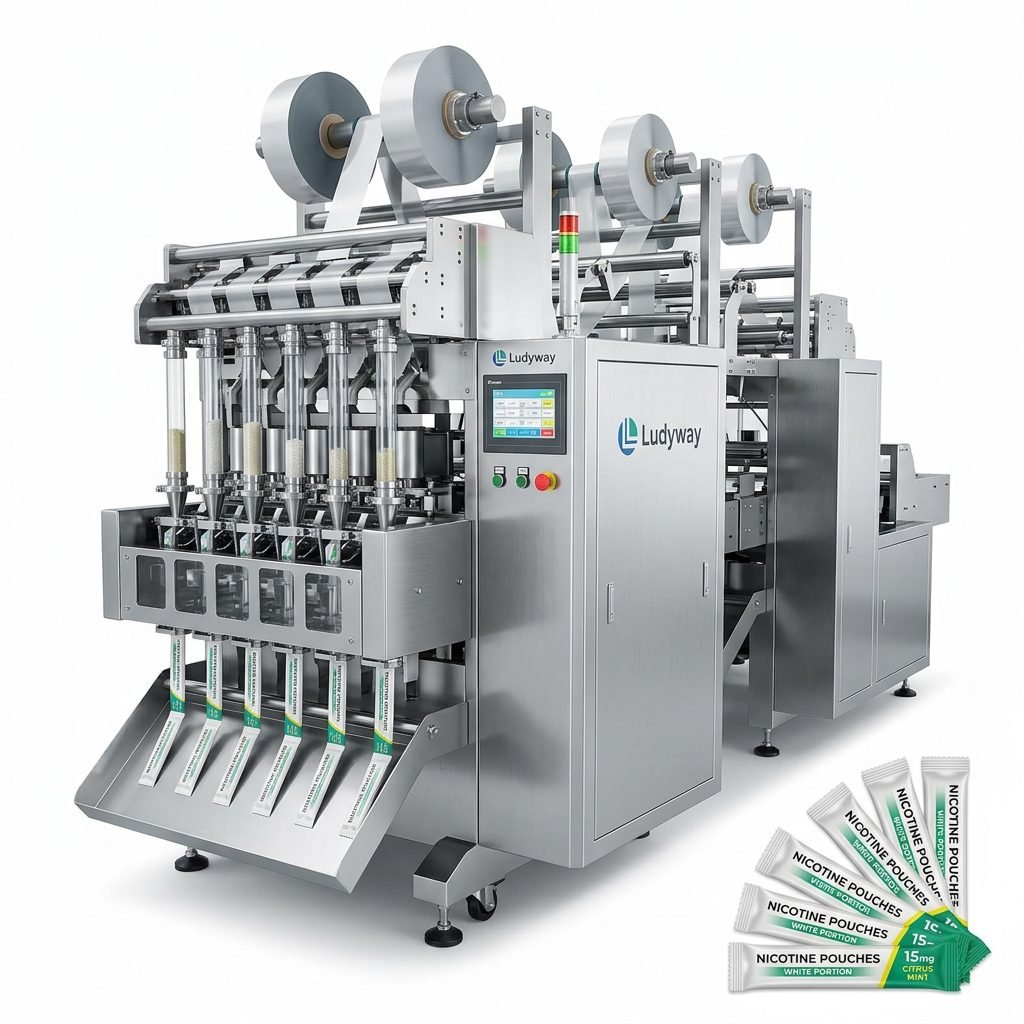
Investing in the right vacuum packing machine is a critical decision for manufacturers in the food, pharmaceutical, and industrial sectors. The correct equipment does more than just remove air from a bag. It safeguards product freshness, prevents contamination, and directly impacts your operational throughput. An ill-fitting machine, however, can become a costly bottleneck. This guide deconstructs the essential technical and operational factors to ensure your selection is perfectly aligned with your production goals, helping you navigate the complexities of packaging machinery selection with confidence.

Understanding the Core Function of Vacuum Packaging
Before diving into specifications, it is vital to appreciate why vacuum packaging is the standard across industries. The process revolves around modifying the internal atmosphere of a package. By extracting oxygen, a vacuum packing machine drastically slows down aerobic bacterial growth and prevents oxidation. This is especially crucial for food preservation, where lipids can go rancid, or for electronic components susceptible to moisture damage. Beyond preservation, vacuum sealing compresses the product volume, optimizing storage space and enhancing the visual appeal of retail goods. Whether you are handling fresh meat, delicate powders, or medical devices, the fundamental chemistry of reduced oxygen packaging remains the same.
Types of Vacuum Packing Machines: A Technical Breakdown
Not all vacuum sealers are created equal. The choice between machine types depends heavily on your production speed, the nature of your product, and your packaging material. Selecting the wrong chamber type can lead to inadequate sealing and wasted material. Below is a comparative analysis of the most common industrial configurations.
| Machine Type | Operational Principle | Best Applications |
|---|---|---|
| Nozzle Vacuum Machine | Uses a retractable nozzle inserted into the bag opening to extract air. | High-speed operations for granular and powdery products in pre-made bags. |
| Single/Double Chamber Machine | The entire product and bag are placed inside a vacuum chamber. | Liquids, marinades, fresh meats, and sous-vide processing. |
| Belt-Driven Continuous Machine | An automated conveyor moves the product through a vacuum cycle seamlessly. | High-volume industrial lines requiring 24/7 production output. |
| Thermoforming Machine | Forms the package from rollstock, fills the product, and seals it under vacuum. | Large-scale processors of hot dogs, cheese blocks, and medical devices. |
Evaluating Pump Technology and Gas Flush Capabilities
The heart of any vacuum packing machine is its pump system. The vacuum pump determines the ultimate pressure level, cycle speed, and maintenance requirements. For dry products like coffee or nuts, a dry-running rotary vane pump or scroll pump often suffices and requires less maintenance. However, for products with high moisture content, such as fresh fish or marinated meats, an oil-lubricated vacuum pump typically offers higher flow rates and deeper vacuum levels, essential to prevent bag ballooning.
Furthermore, a critical feature to consider is Modified Atmosphere Packaging (MAP), often called gas flush. Simple vacuum packing is insufficient for fragile products like potato chips. A gas flush system replaces the oxygen with inert nitrogen (N2) or carbon dioxide (CO2) before sealing. Investing in a MAP-capable vacuum sealer future-proofs your line for a wider range of products.
Critical Factors in Machine Construction
Longevity and hygiene standards are directly linked to build quality. A professional machine must withstand harsh washdown environments, particularly in the food and pharmaceutical industries. Here are the non-negotiable specifications to check:
- Chamber and Frame Material: AISI 304 or 316L stainless steel is mandatory for corrosion resistance. Avoid painted steel frames that will rust over time.
- Seal Bar Integrity: The sealing bar must provide uniform pressure and temperature distribution. Look for individually replaceable Teflon or Viton strips for easy maintenance.
- Control Systems: Precision digital controls allow you to program exact vacuum times, seal times, and gas flush durations. PLC-based systems offer superior consistency to analog timers.
- Sensor Calibration: Machines with absolute pressure sensors are more accurate than those relying solely on time-based vacuum settings, ensuring consistent results regardless of altitude.
Customization and Integration for Turnkey Solutions
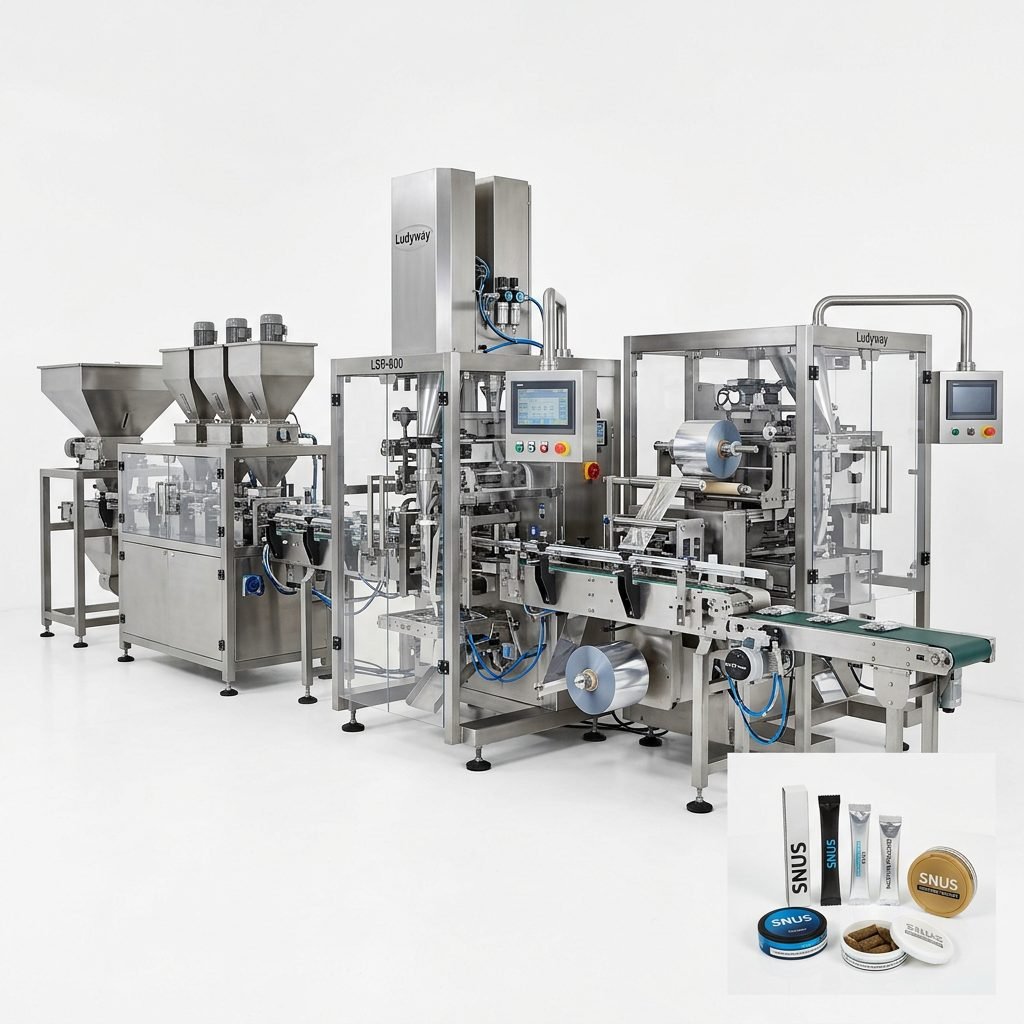
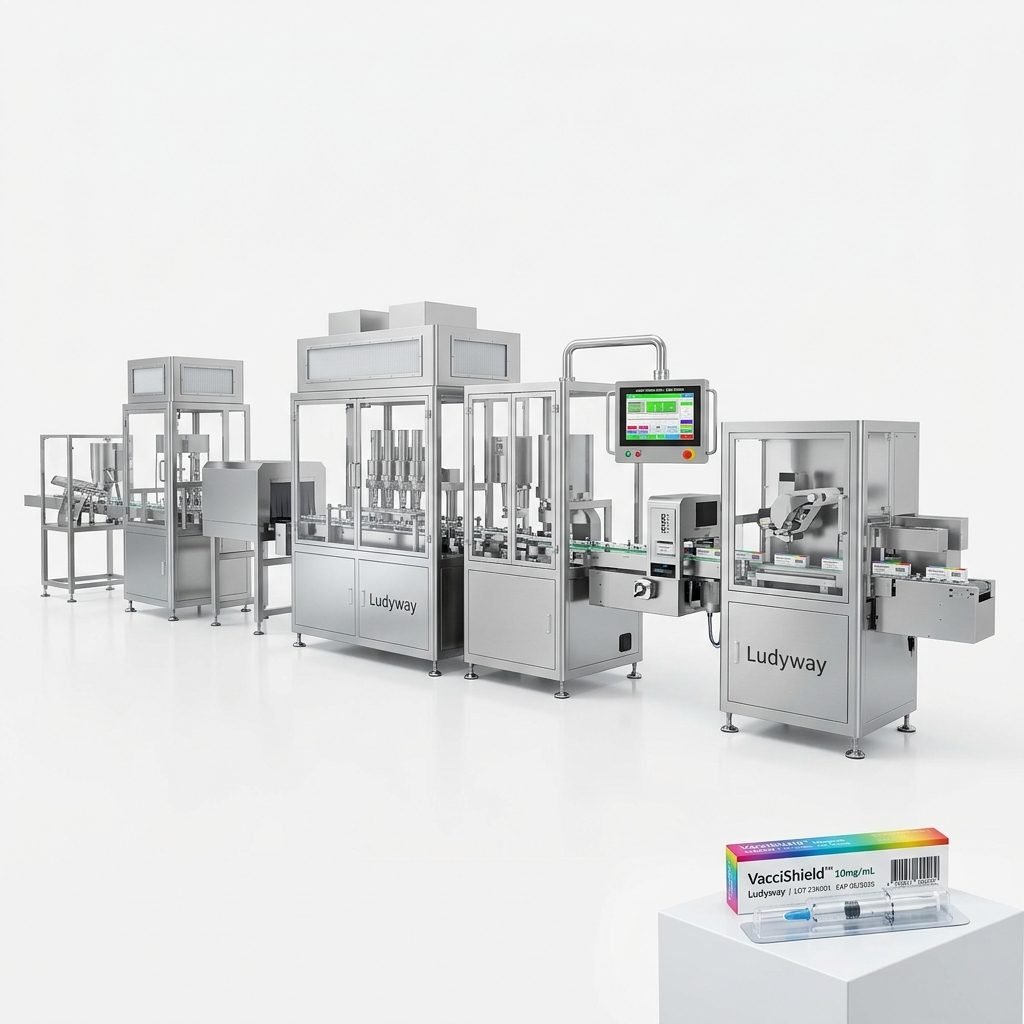
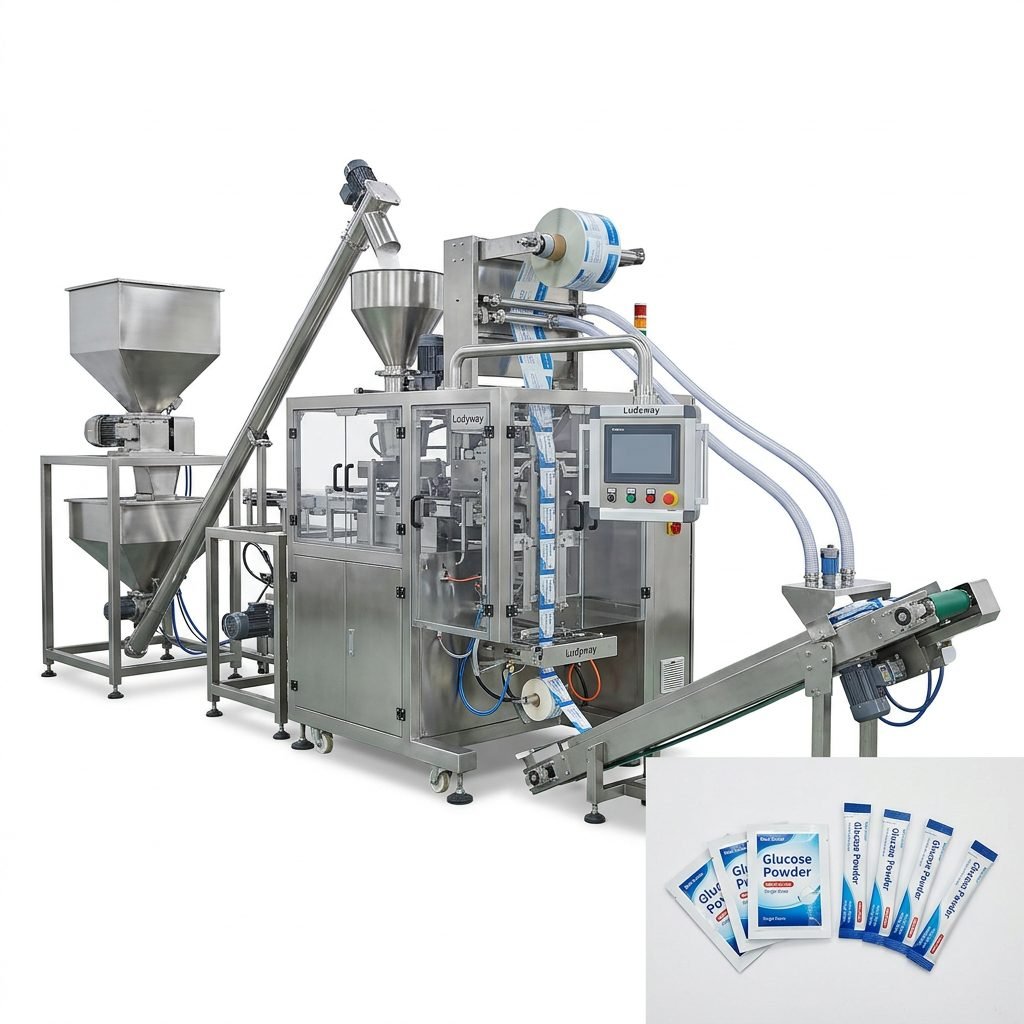
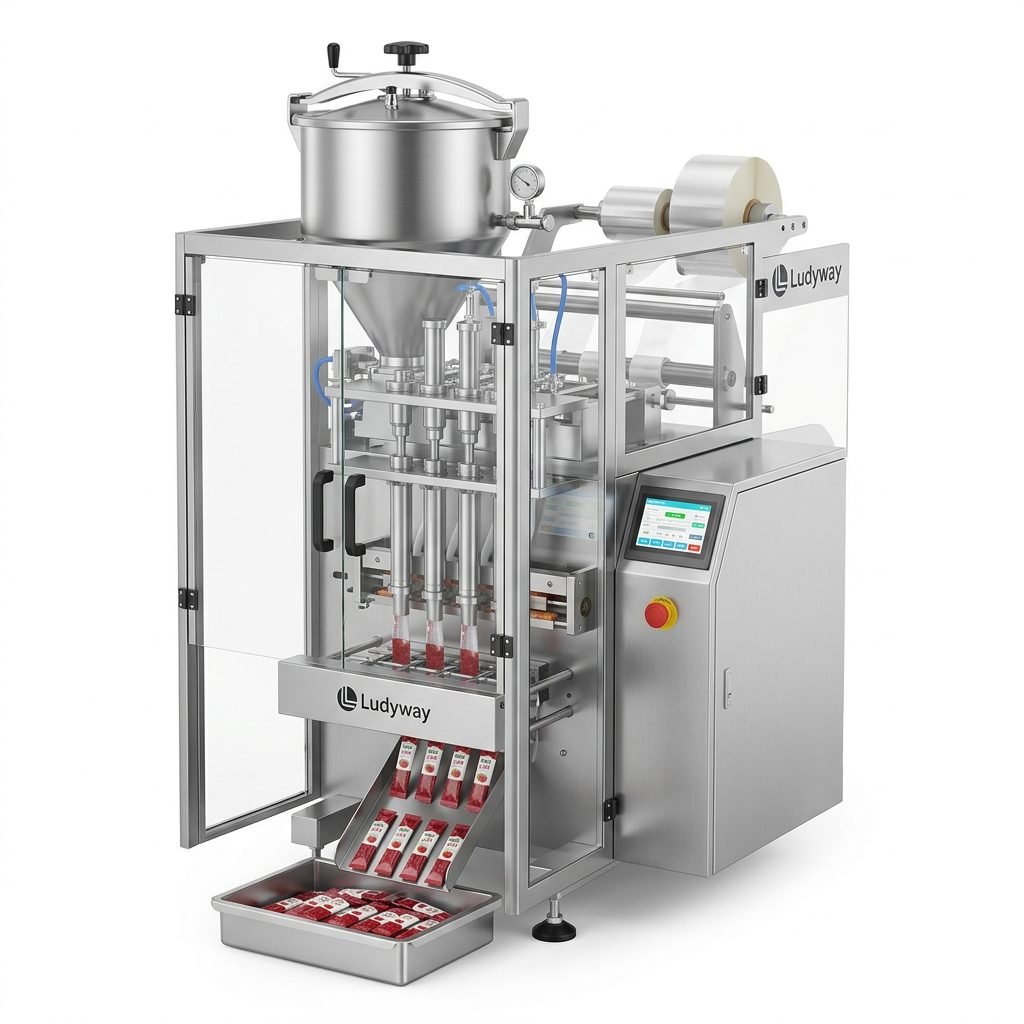
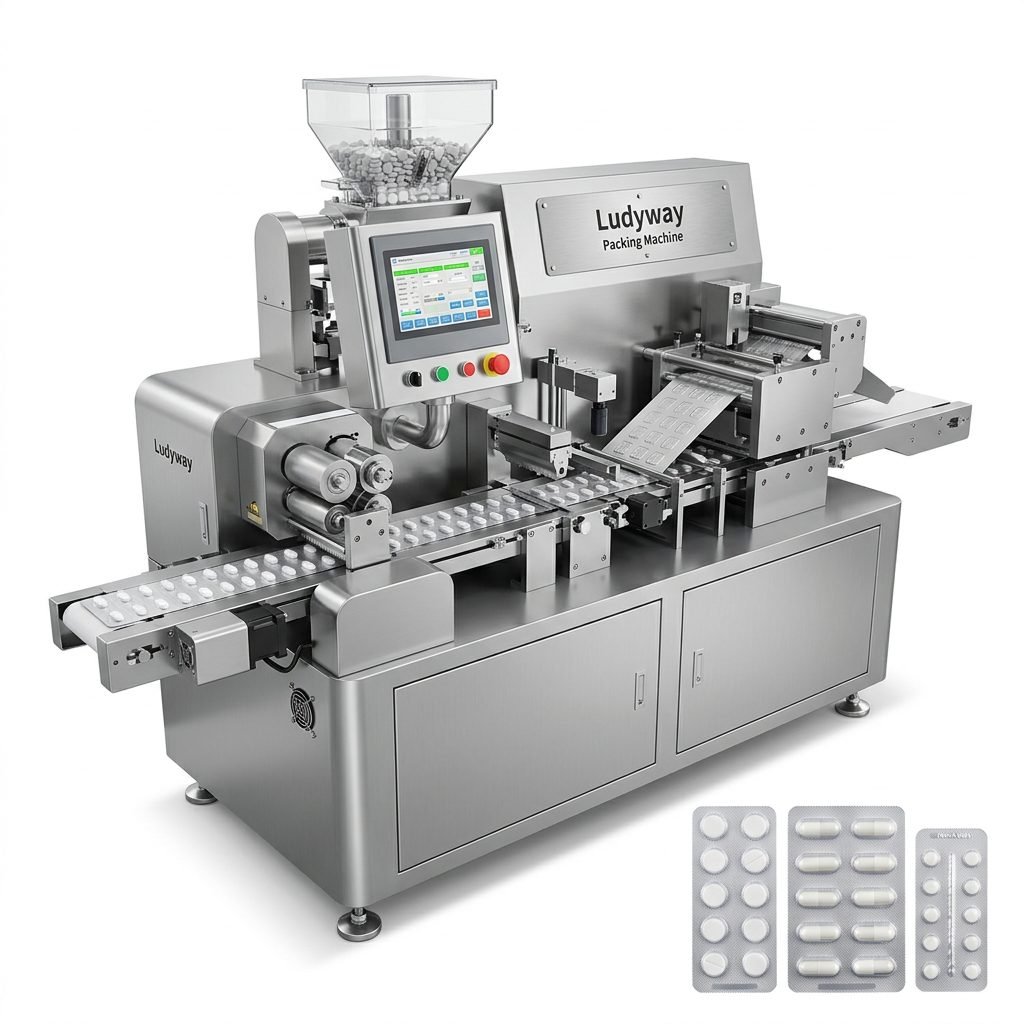
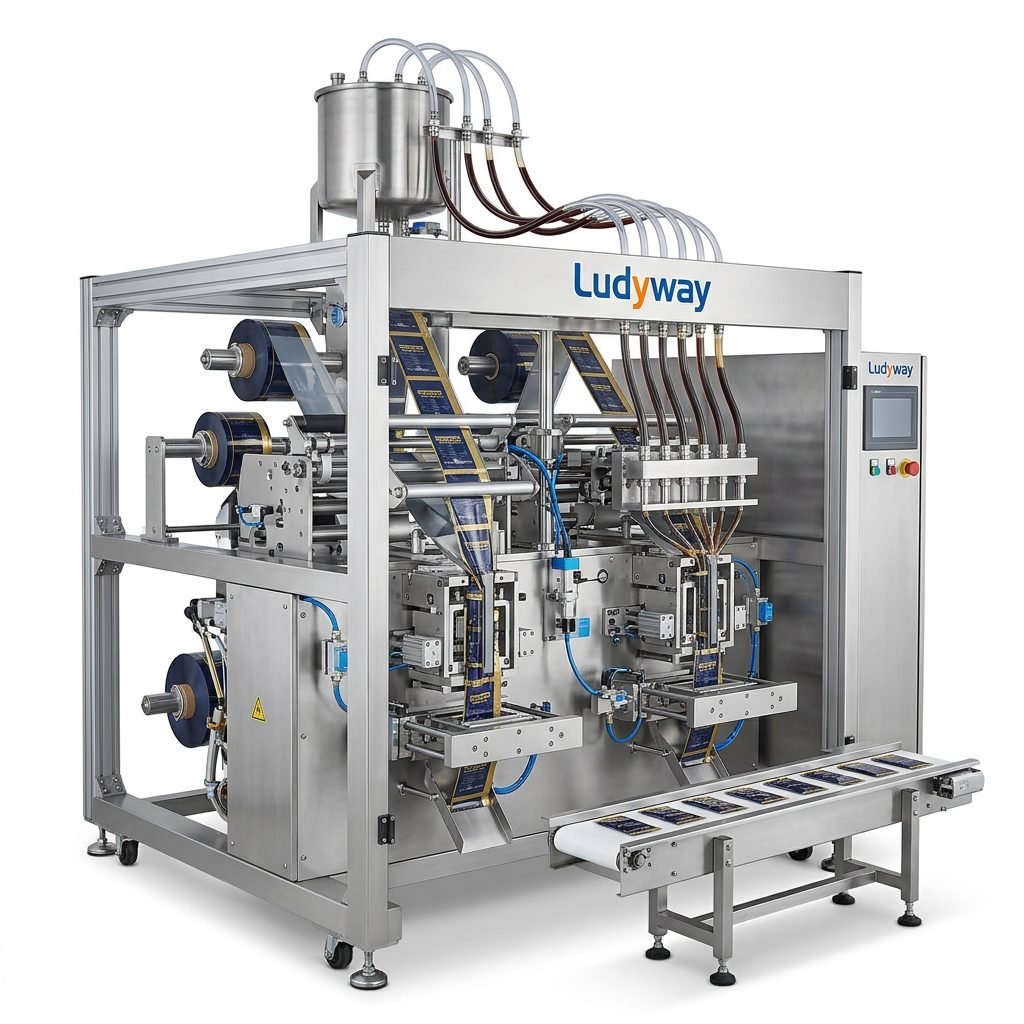
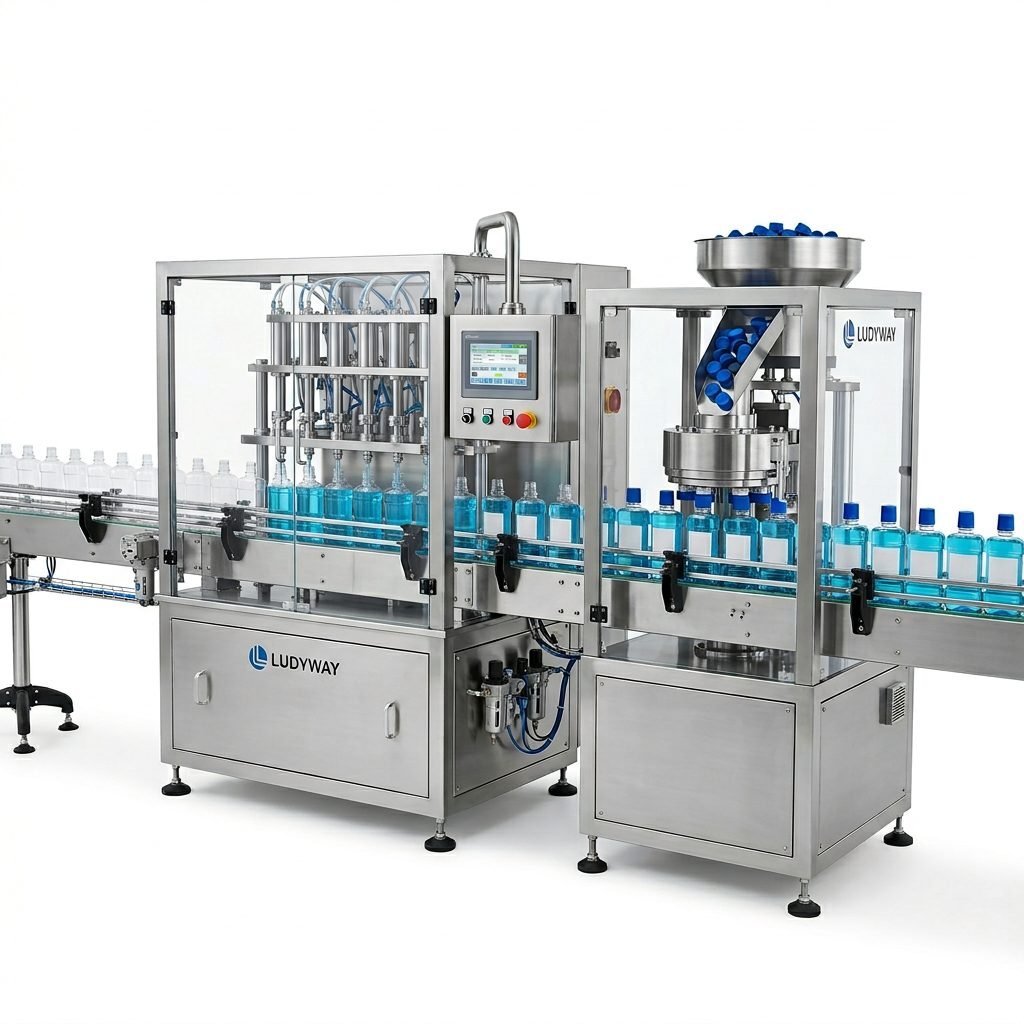
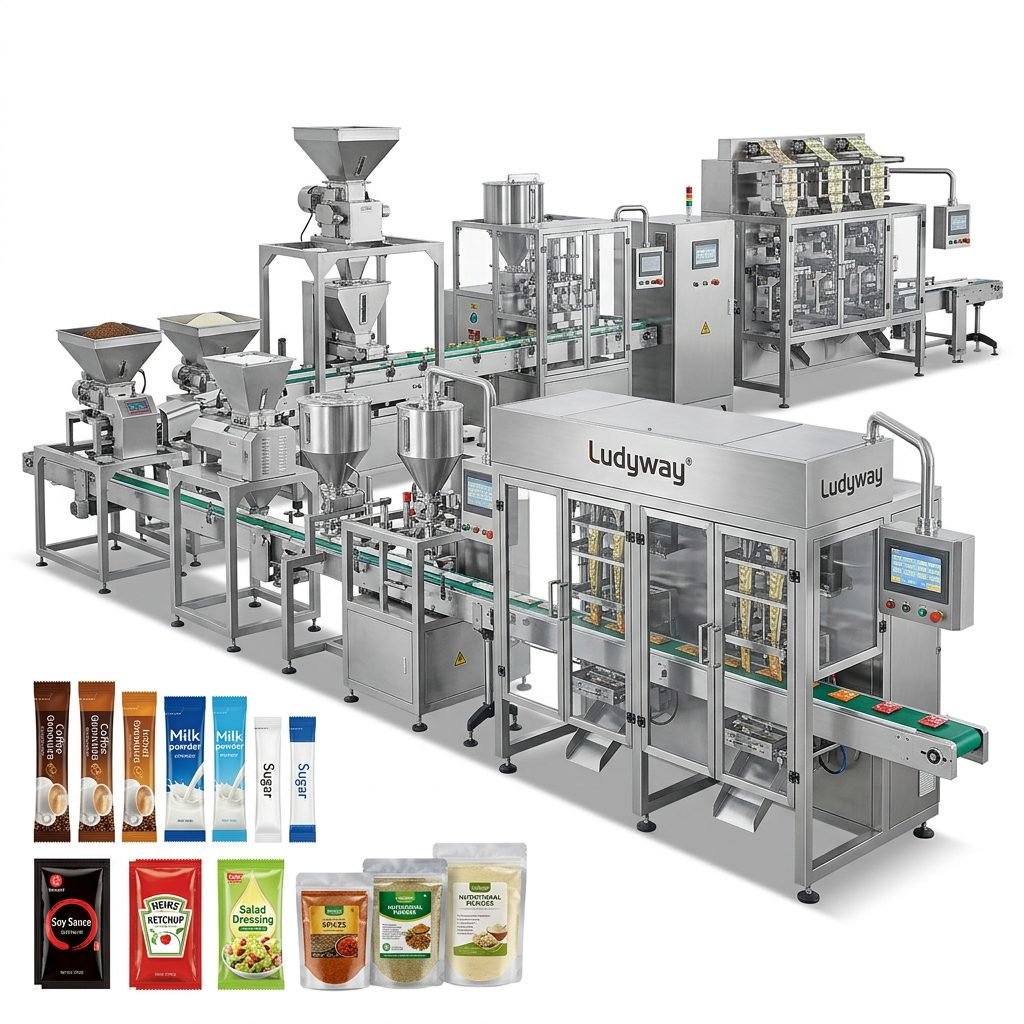
Rarely does a standalone machine solve a complex production challenge. Most packaging lines require upstream weighing, filling, labeling, and case packing integration. When choosing a partner, such as Ludyway Machinery, it is beneficial to look for a supplier who offers turnkey solutions rather than isolated equipment. A manufacturer with the engineering capability to design a complete automated packaging line—from feed-in to palletizing—will ensure seamless compatibility and single-source accountability. This is vital for maintaining strict adherence to packaging machinery standards across every component.
Understanding Compliance and Industry Standards
With global distribution, certification is not optional. Your vacuum packaging process must meet regulatory demands. For food packaging, compliance with FDA food contact substance regulations is a baseline. For the pharmaceutical or medical device sector, validation according to ISO 11607 for terminally sterilized medical devices is a strict requirement. Verify that the machine’s documentation package includes traceable materials certificates and that the design facilitates microbial hygiene. As highlighted by the Flexible Packaging Association, proper regulatory navigation is a shared responsibility between the equipment maker and the user.
Total Cost of Ownership and After-Sales Support
The purchase price is only the tip of the iceberg. A thorough return on investment calculation must account for seal integrity failures, packaging material waste, and downtime. The most expensive component over a decade is often the vacuum pump or the seal bars. Prioritize machines where these wear parts are globally sourced and easily replaceable.
Equally crucial is the manufacturer’s service infrastructure. Responsive technical support determines whether a breakdown lasts two hours or two weeks. You should verify the supplier’s remote diagnostic capabilities, spare parts inventory location, and availability of local field service engineers before signing a purchase order.
Final Steps in Your Machine Selection Process
Before requesting a quote, finalize these specifics to avoid purchasing an over-engineered or insufficient machine:
- Maximum Bag Dimensions: Determine the largest width and length required, plus clearance for product height.
- Target Cycle Speed: Define packs per minute (PPM), not just “fast.” This dictates the pump size and sealing bar configuration.
- Product Sensitivity: Analyze moisture, oil content, and fragility to determine the need for soft-air venting or double-sealing.
- Factory Environment: Confirm available electrical phases and compressed air pressure to match the packaging standards of the machine.
By meticulously matching the vacuum packing machine to these operational realities rather than just budget constraints, you secure a tool that drives product quality and operational efficiency for years to come.