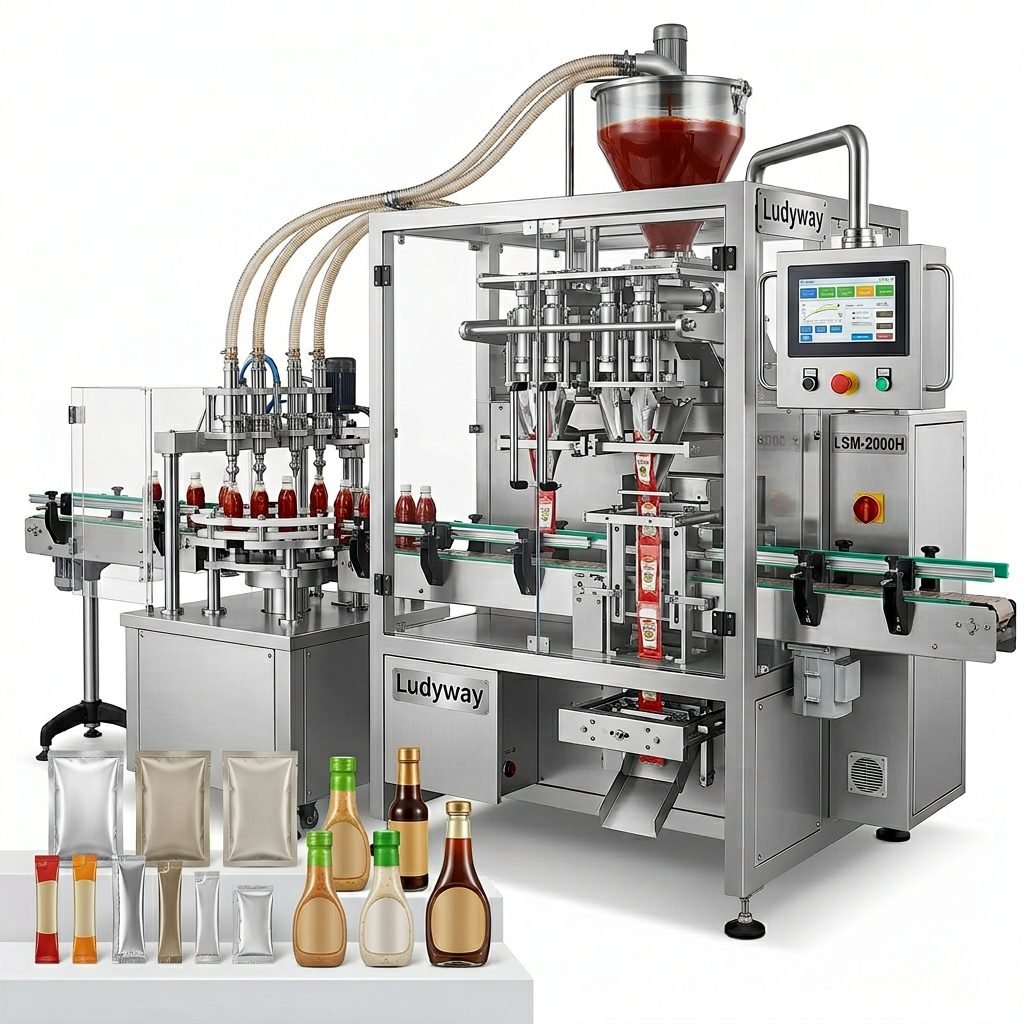
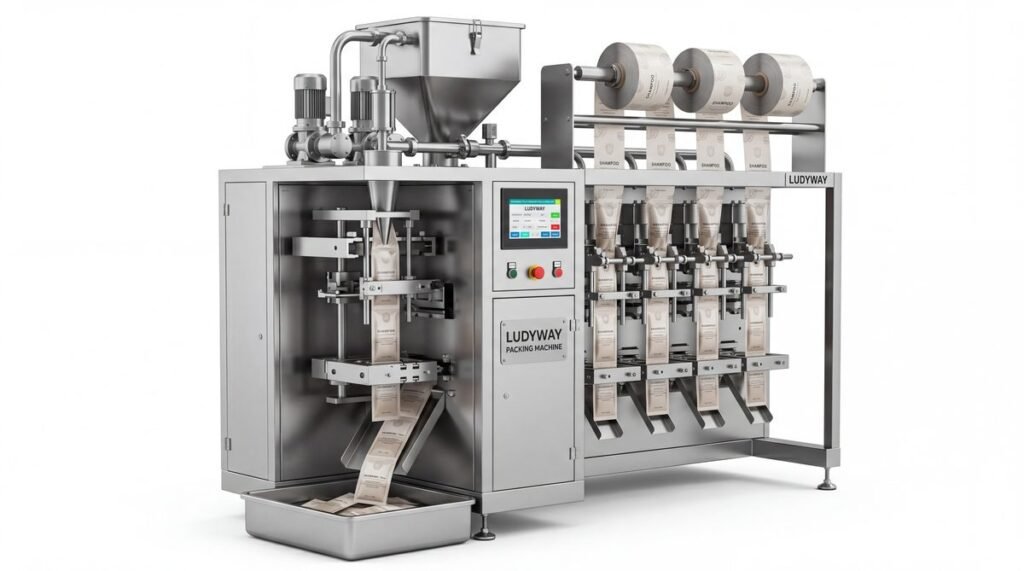
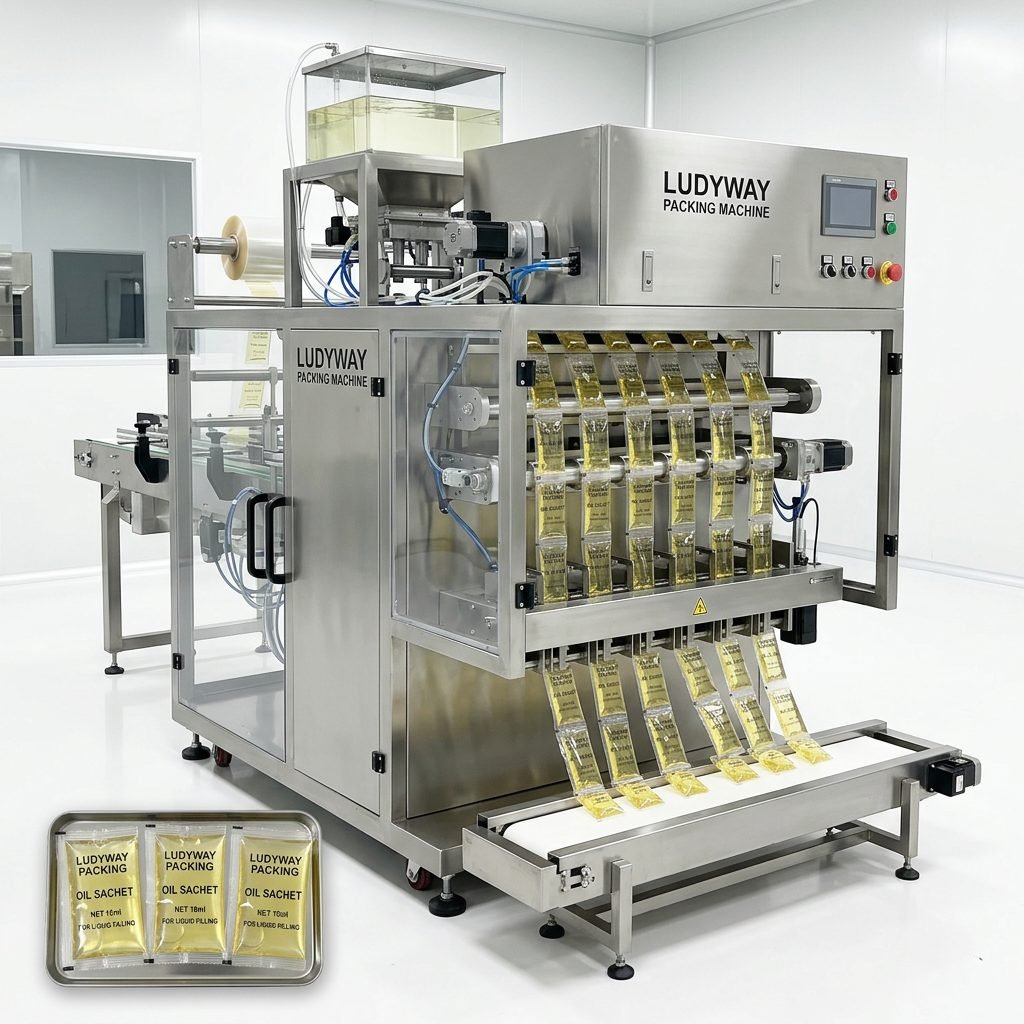
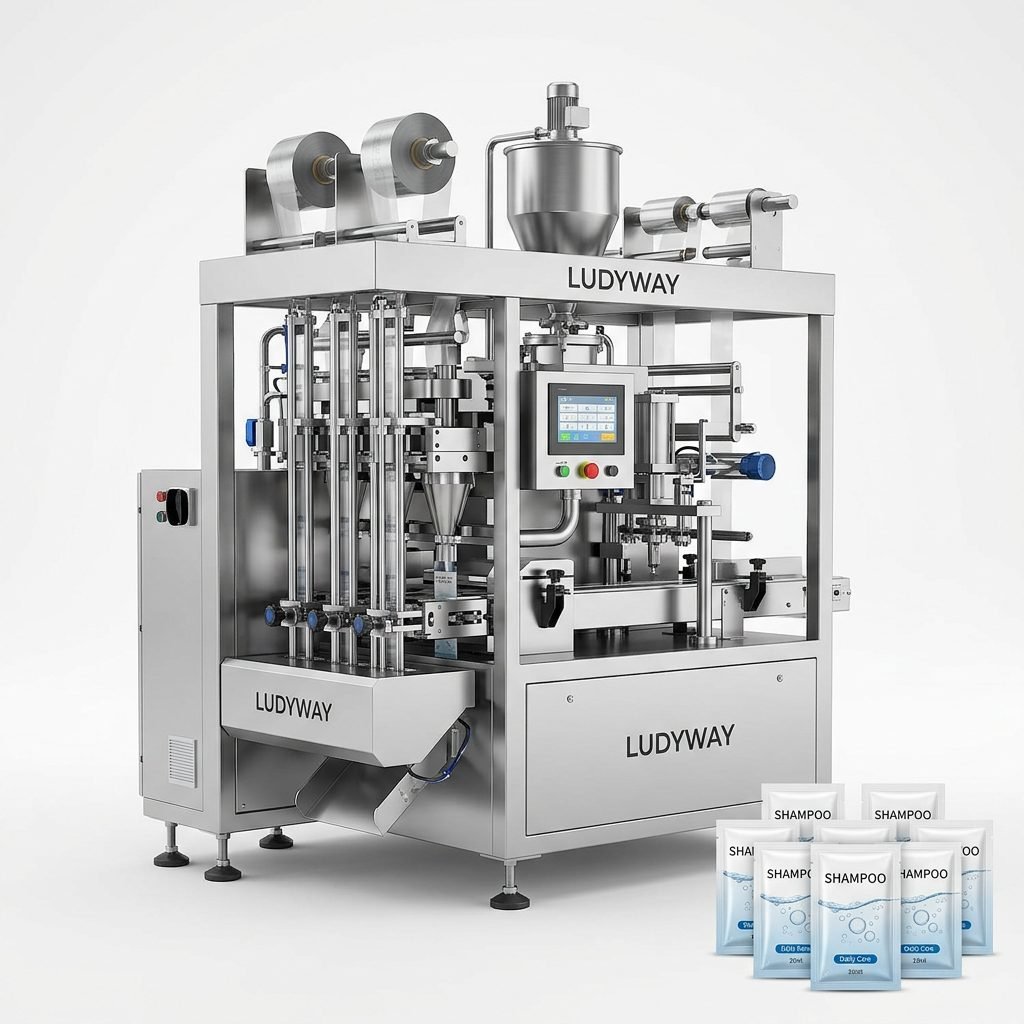
Investing in the right animal food packaging machine is one of the most critical decisions a pet food or animal feed manufacturer can make. Whether you are packaging dry kibble, wet food, treats, supplements, or feed pellets, the efficiency, accuracy, and hygiene of your packaging line directly impact product shelf life, brand reputation, and profitability. This guide walks you through the essential factors to consider, helping you select equipment that matches your production goals without overspending or compromising on quality.
Understand Your Product Characteristics First
Animal food comes in vastly different forms, and each requires specific handling technology. Before comparing machine models, define your product’s physical properties clearly.
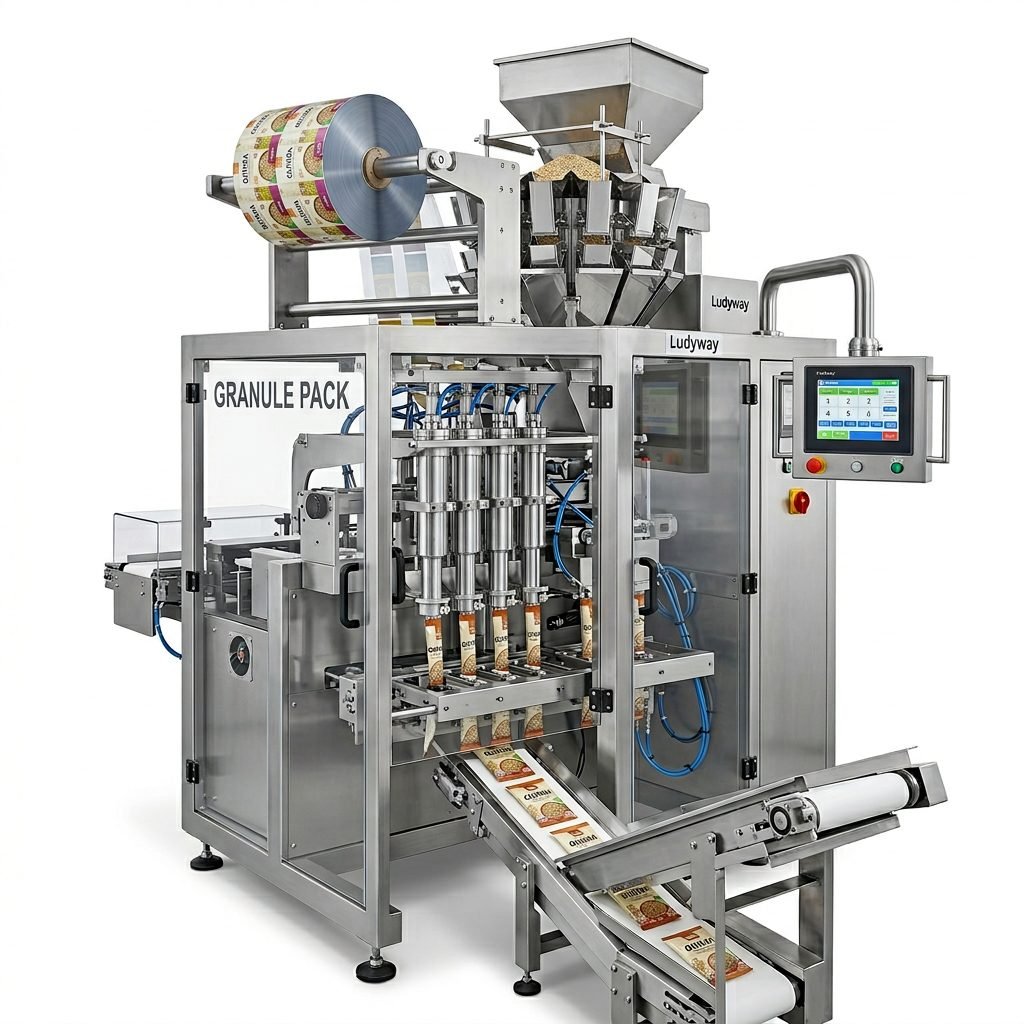
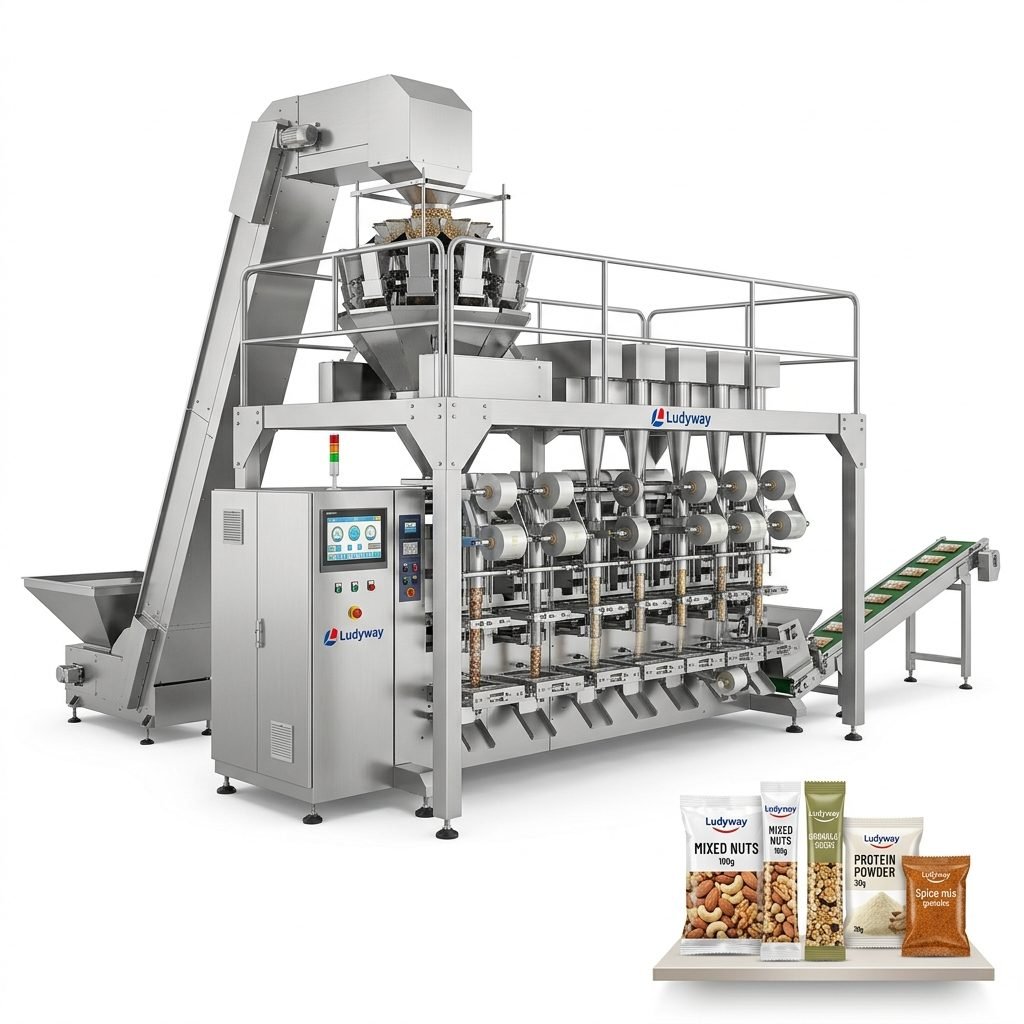
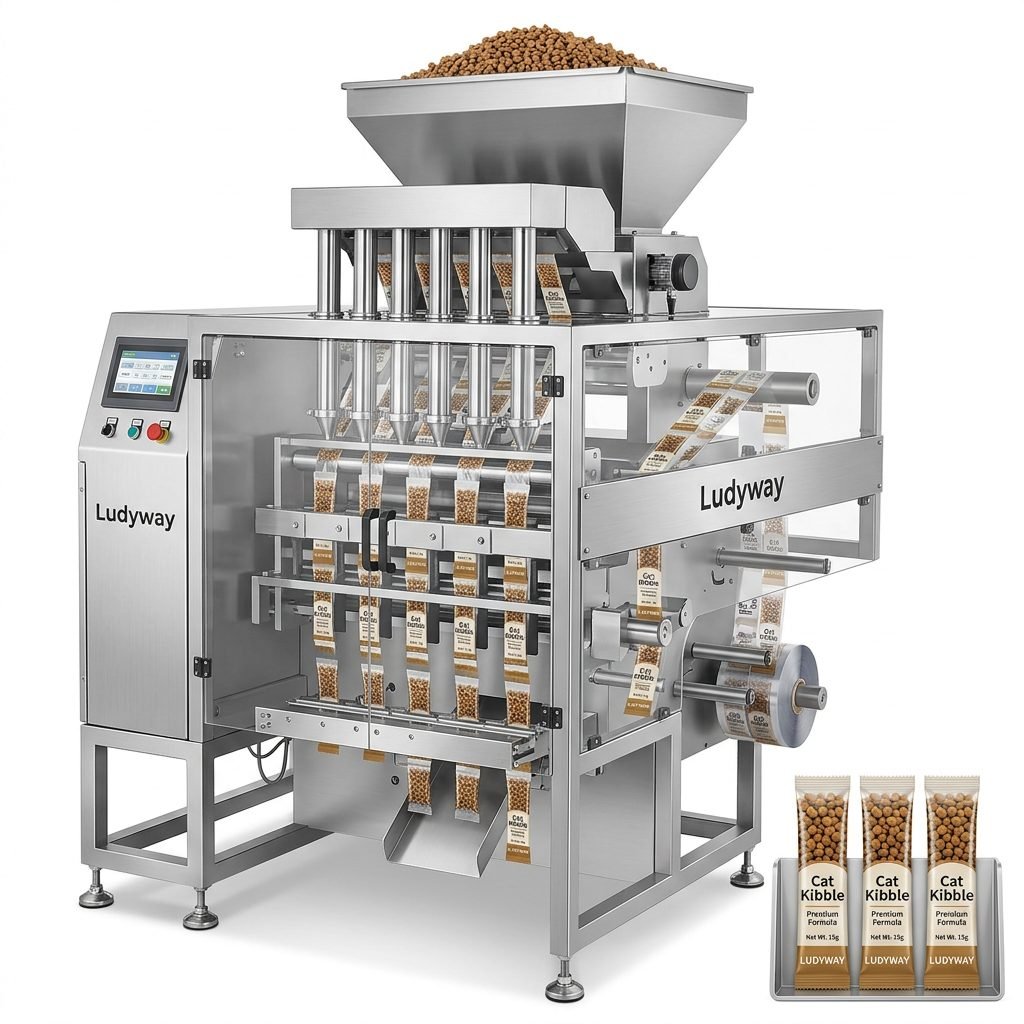
- Granules and Pellets: Cat kibble, dog food pellets, fish feed, and livestock pellets. These require gentle handling to minimize breakage and dust. Multi-head weighers or volumetric cup fillers with minimal drop heights are preferred.
- Powders: Milk replacers, vitamin supplements, minerals, and protein powders. These demand dust-tight sealing, precise auger fillers, and often nitrogen flushing to preserve freshness.
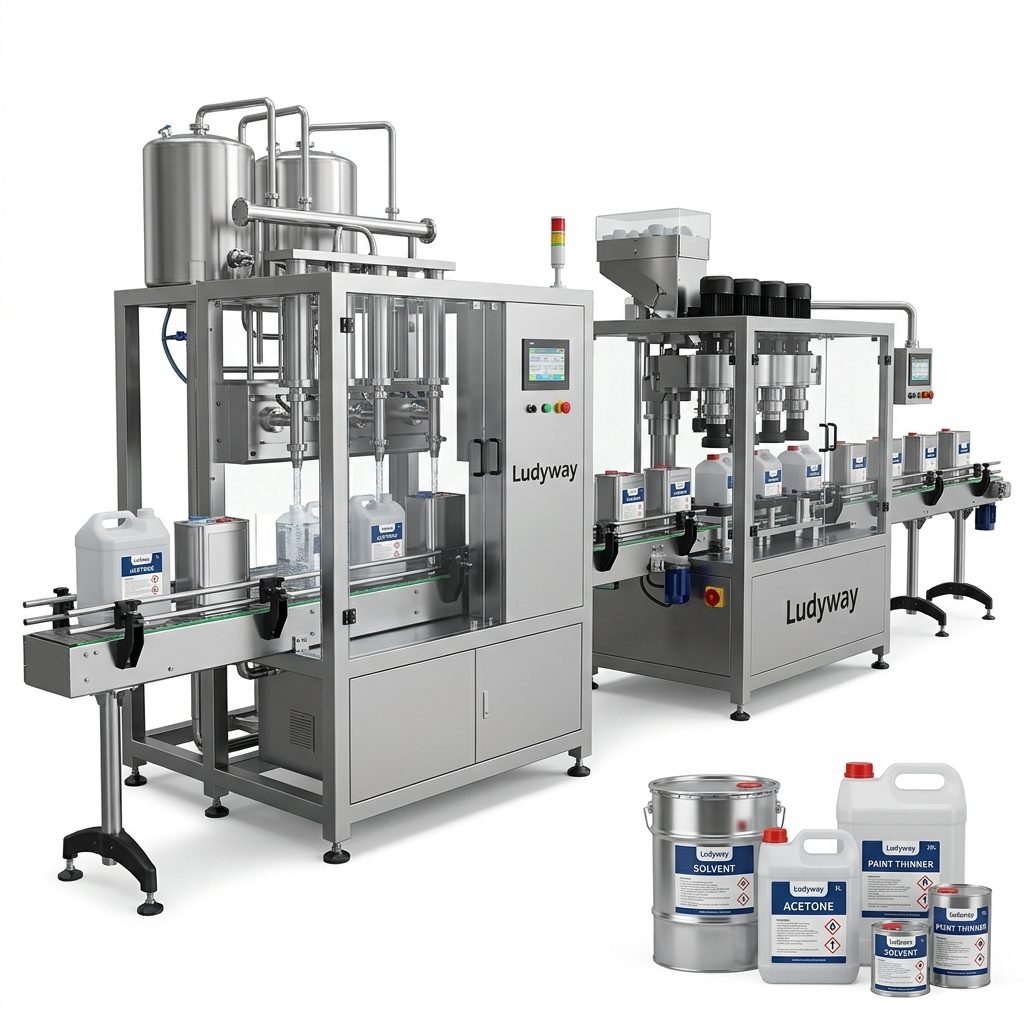
- Wet and Semi-Moist Foods: Chunks in gravy, pâté, treats. Piston fillers or pumps with wide passages prevent clogging. Hygiene standards are stricter, often requiring CIP (Clean-in-Place) compatibility.
- Mixed Textures: Muesli-style feeds, blends with different densities. Weighing accuracy and segregation control during filling become critical.
Match Packaging Format to Market Demand
Your target market and retail channel determine the ideal package type. The machine must handle the material structure, seal integrity, and format efficiently.
| Package Format | Common Animal Food Application | Typical Machine Type |
|---|---|---|
| Pillow Bags / Flat Pouches | Dry kibble, small treats | Vertical Form Fill Seal (VFFS) |
| Stand-Up Pouches | Premium pet food, resealable treats | Rotary or Inline Premade Pouch Machines |
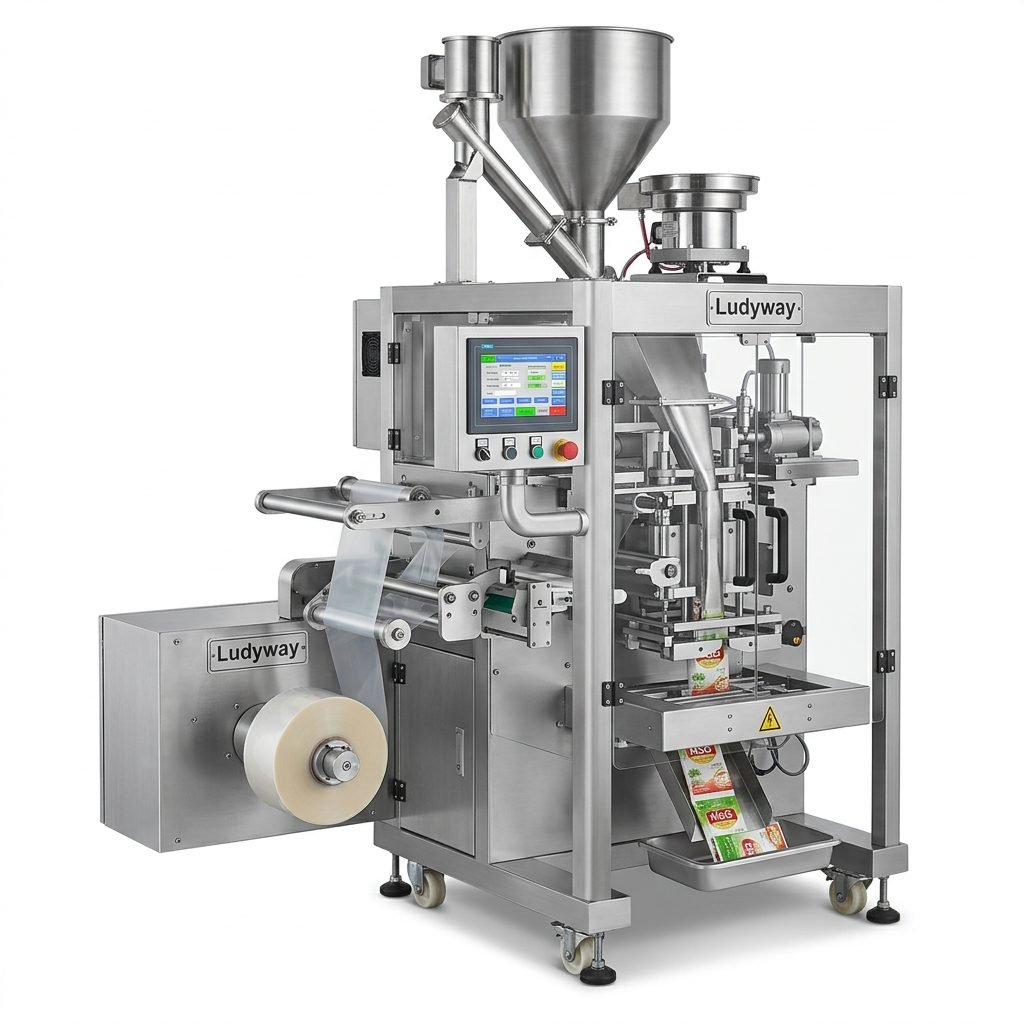
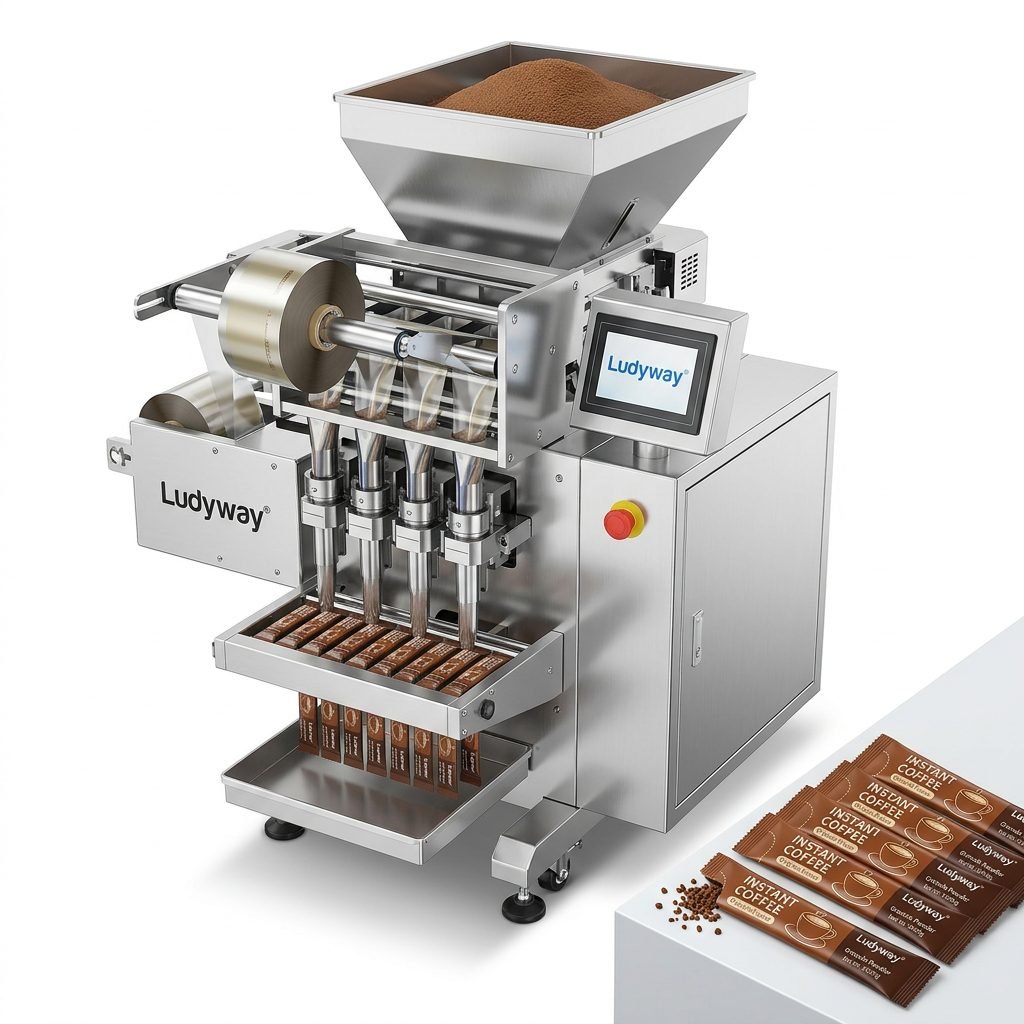
| Stick Packs / Sachets | Single-serve supplements, vitamin powders | Multi-Lane Stick Pack Machines |
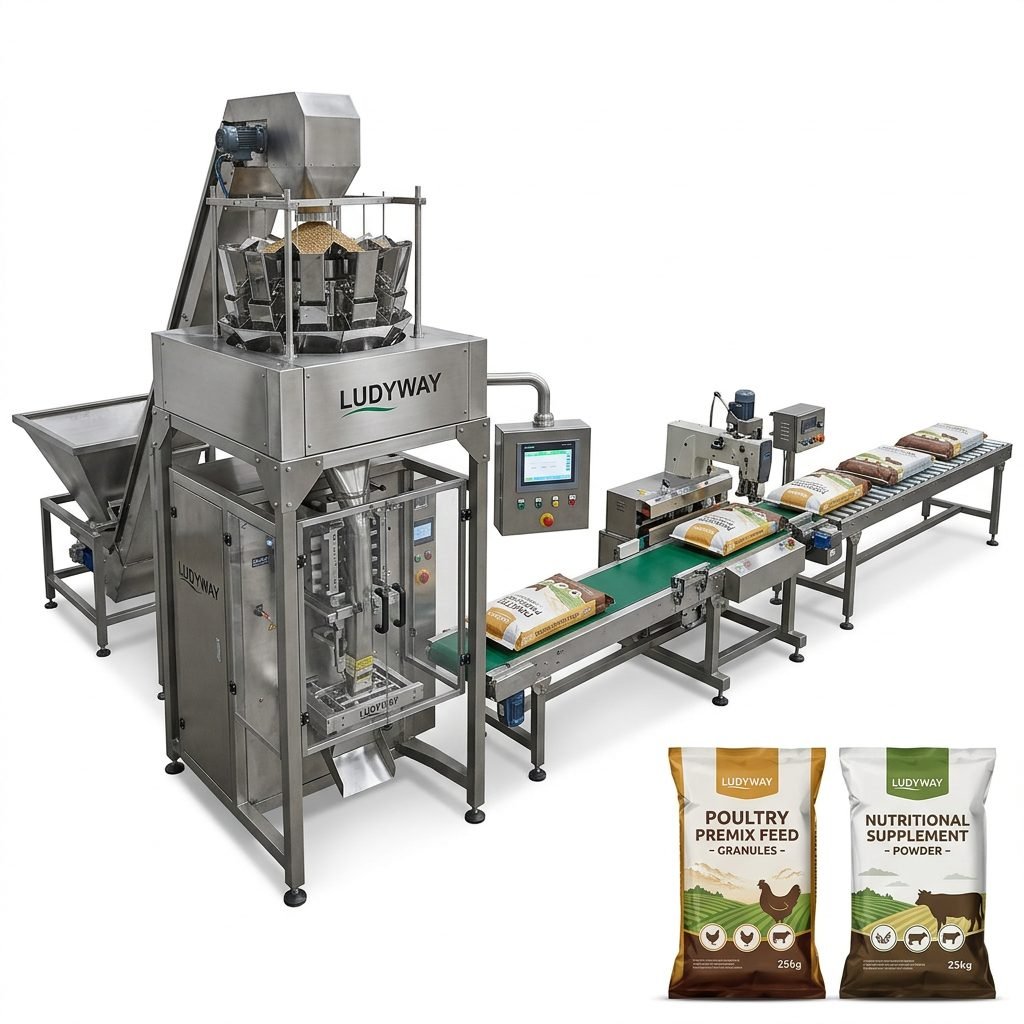
| Large Bags (10kg-50kg) | Bulk feed, livestock minerals | Open-Mouth Bagging Lines with Weighing |
Evaluate Key Performance Factors
Beyond format compatibility, several operational factors determine whether a machine is truly suitable for your production floor.
Production Speed and Scale
Define your current and projected output in bags per minute (BPM). A PMMI business intelligence report often highlights how over-specifying speed can lead to unnecessary costs, while under-specifying creates bottlenecks. Multi-lane stick pack systems can significantly increase throughput for single-serve products without requiring multiple separate machines.
Weighing and Filling Accuracy
Giveaway (overfilling) directly eats into margins. For high-value products like freeze-dried treats or nutraceutical powders, accuracy is paramount. Modern combination weighers achieve ±0.5-1 gram accuracy on granule products. Auger fillers for powders typically reach ±1-2% accuracy depending on product flow characteristics.
Material Waste and Changeover Time
Frequent recipe changes between different animal food formulas mean changeover time matters. Look for tool-less adjustments, recipe memory storage, and easy-access design. Film splicing systems and automated web tracking reduce material waste during starts and stops.
Hygiene and Cleanability
Animal food safety standards continue tightening globally. FDA food packaging regulations and equivalent international standards require sanitary design. Look for stainless steel construction, sloped surfaces to prevent product accumulation, and accessible areas for cleaning and inspection.
Automation Level: Standalone Machine vs. Complete Line
One of the biggest strategic decisions is whether to buy a standalone machine or an integrated packaging line.
- Standalone Machine: Suitable for smaller operations or where manual feeding, counting, and cartoning are acceptable. Lower initial investment, easier to relocate.
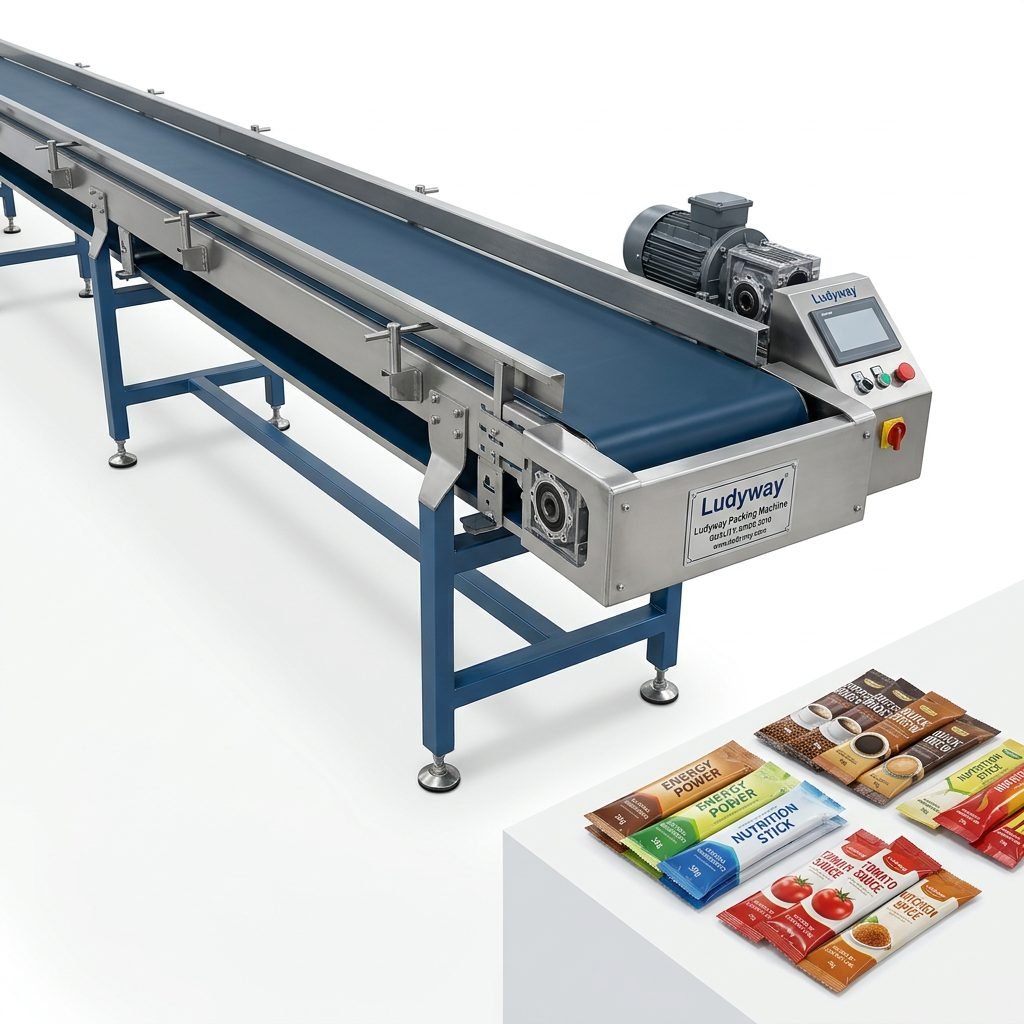
- Integrated Packaging Line: Combines feeding, dosing, filling, sealing, coding, checkweighing, metal detection, cartoning, and palletizing. Reduces labor, improves consistency, and minimizes human error. Turnkey packaging systems are particularly valuable for animal feed manufacturers scaling from manual to automated production.
Customization Matters More Than You Think
Off-the-shelf machines rarely fit perfectly. Animal food products vary greatly in density, flowability, oil content, and abrasiveness. A Flexible Packaging Association resource on material compatibility underscores why customized dosing systems, seal jaws, and material handling are often necessary.
Critical customizations include:
- Agitators and special hoppers for bridging or sticky products
- Corrosion-resistant coatings for salty or acidic formulations
- Gas flushing and vacuum systems for shelf-life extension
- Dust extraction for fine powders to maintain a clean work environment
Compliance and Certification Requirements
Depending on your export markets, your animal food packaging equipment may need to comply with specific regulations. Machines handling export products should be built with appropriate material certificates, safety guarding per CE or regional standards, and electrical compliance. ISO packaging standards provide frameworks that many international buyers expect.
Metal detection and checkweighing integration are increasingly mandatory, especially for premium animal food brands supplying retail chains. Integrated inspection equipment ensures product safety and batch traceability.

Choosing the Right Packaging Machinery Partner
Beyond machine specifications, the manufacturer’s experience and support capability significantly affect long-term success. Look for a partner with a track record in animal food packaging specifically—not just general food packaging.
Ludyway Machinery is a China-based packaging machinery manufacturer with more than 30 years of experience, a 20,000-square-meter facility, and over 50 packaging machine models designed for powder, granule, liquid, stick pack, sachet, and pouch applications. Their equipment serves manufacturers in over 100 countries, with configurations that support different production speeds, filling volumes, and packaging formats for animal feed and pet food industries.
Key partner evaluation criteria:
- Industry-Specific Experience: Can they provide references from animal food manufacturers?
- Custom Engineering Capability: Can they adapt machines to your product’s unique properties?
- After-Sales Support: Do they offer installation, training, remote technical assistance, and spare parts support?
- Scalability: Can they provide additional equipment as your production grows?
Decision Framework: A Step-by-Step Checklist
- Define product range: List all current and planned animal food products with their physical characteristics.
- Determine required output: Calculate bags per minute needed now and within 3 years.
- Select packaging format: Match pouch type to market channel and brand positioning.
- Assess facility constraints: Available floor space, utilities, and operator skill level.
- Evaluate automation needs: Decide between standalone, semi-automated, or fully integrated line.
- Review compliance requirements: List all regulatory standards for your target markets.
- Request tailored proposals: Engage manufacturers with animal food experience for customized solutions.
- Verify support infrastructure: Confirm installation, training, and after-sales service commitments.
Final Thoughts
Selecting the right animal food packaging machine requires balancing product requirements, production efficiency, compliance needs, and budget. The best solution often involves customized configurations from a manufacturer with genuine expertise in handling animal food products. Take time to thoroughly test your specific products, evaluate machine performance data, and assess the partner’s long-term support capability before making this critical capital investment.
For deeper market insights, the 2025 State of the Industry report from PMMI and Flexible Packaging Association resources provide valuable benchmarks on packaging trends affecting the animal food sector.