Investing in the right coffee powder packaging machine is a critical decision that directly impacts your production efficiency, product quality, and brand reputation. Whether you are a specialty coffee roaster launching single-serve stick packs or a large-scale instant coffee manufacturer running high-volume production lines, the packaging equipment you choose determines fill accuracy, seal integrity, packaging speed, and shelf-life preservation. With so many machine types, configurations, and technology options available on the market, this complete buyer’s guide walks you through every factor you need to evaluate before making your purchase.
Understanding Your Coffee Powder Packaging Requirements
Before comparing machine specifications, you need to clearly define your product characteristics and production goals. Coffee powder presents unique packaging challenges that influence equipment selection. The fine particle size, tendency to create dust, sensitivity to moisture and oxygen, and varying bulk density all affect how the product flows through dosing systems and how packages must be sealed.
Product Characteristics to Evaluate
- Particle size and flowability: Instant coffee powder, freeze-dried granules, and ground coffee each behave differently in filling systems. Fine powders require auger fillers with dust control, while larger granules may work well with volumetric cup fillers or multi-head weighers.
- Bulk density variation: Coffee powder density can range significantly depending on grind size and processing method, affecting fill volume accuracy. Machines with servo-driven adjustment capabilities help maintain consistent fill weights.
- Moisture and oxygen sensitivity: Coffee is highly hygroscopic and prone to oxidation. Packaging machines must support nitrogen flushing or vacuum sealing to extend shelf life and preserve aroma.
- Hygiene requirements: Food-grade stainless steel construction, easy-clean designs, and compliance with FDA food contact substance regulations are non-negotiable for coffee packaging.
Packaging Format Decisions
The packaging format you choose — stick packs, sachets, pouches, or bulk bags — determines the type of machine you need. Each format serves different market segments, portion sizes, and distribution channels. According to Flexible Packaging Association industry data, single-serve stick packs continue to gain market share in the coffee sector due to consumer demand for convenience and portion control.
| Packaging Format | Typical Fill Weight | Best Application | Machine Type |
|---|---|---|---|
| Stick Packs | 1g – 30g | Single-serve instant coffee, 3-in-1 mixes | Multi-lane stick pack machine |
| Sachets / Flat Pouches | 10g – 500g | Retail ground coffee, specialty blends | Vertical form fill seal (VFFS) machine |
| Stand-Up Pouches | 100g – 1kg | Premium whole bean and ground coffee | Rotary pouch packaging machine |
| Bulk Bags / Sacks | 1kg – 25kg | Wholesale, industrial, and B2B supply | Bulk bagging and weighing system |
Types of Coffee Powder Packaging Machines
Understanding the different machine categories helps you narrow your search to equipment that matches your production scale, packaging format, and automation level. Each type offers distinct advantages depending on your operational requirements.
Multi-Lane Stick Pack Machines
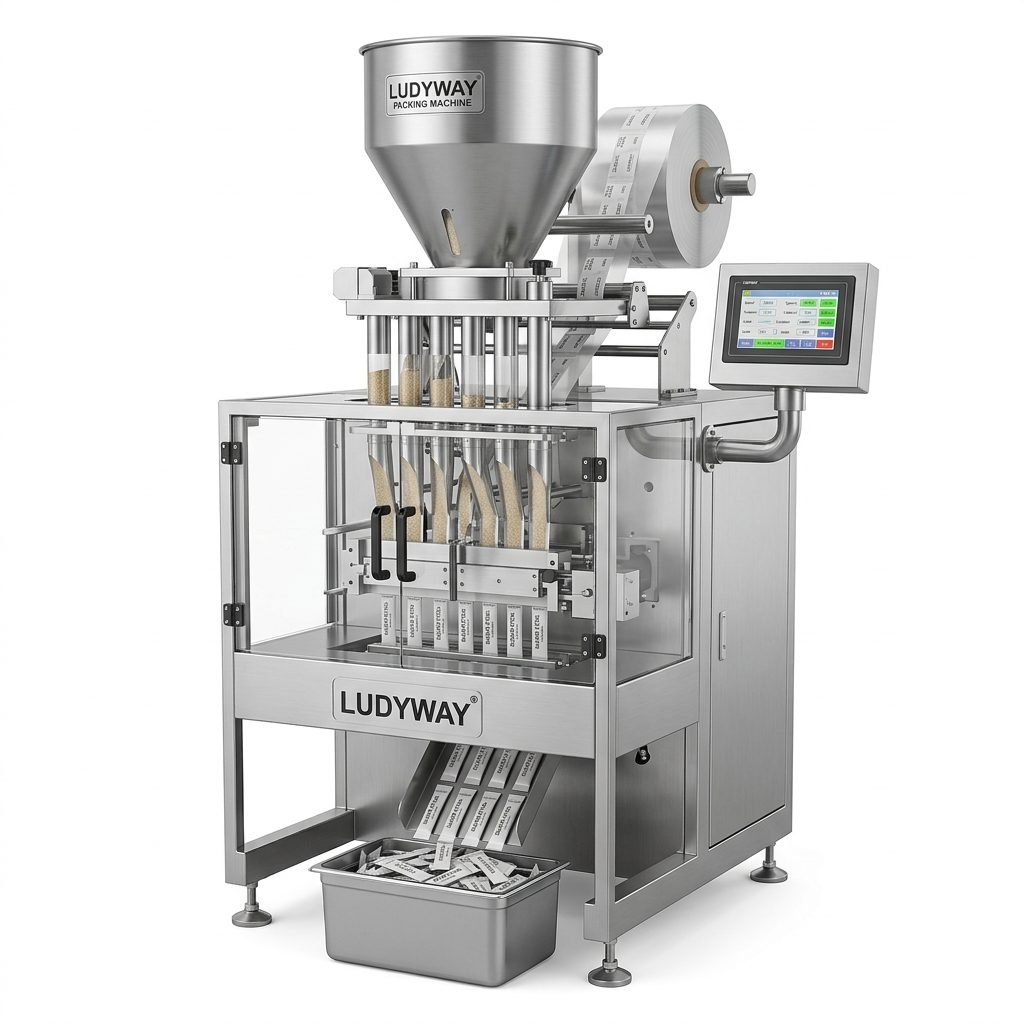
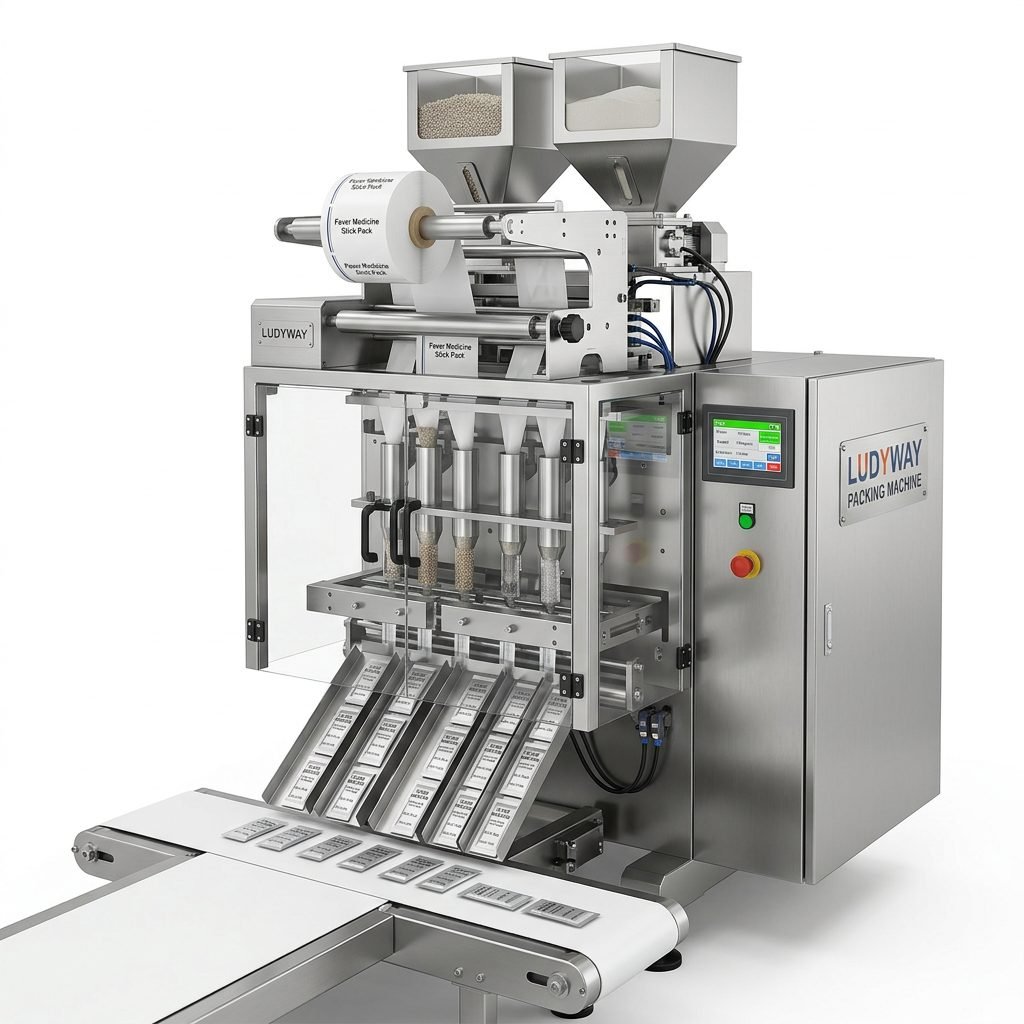
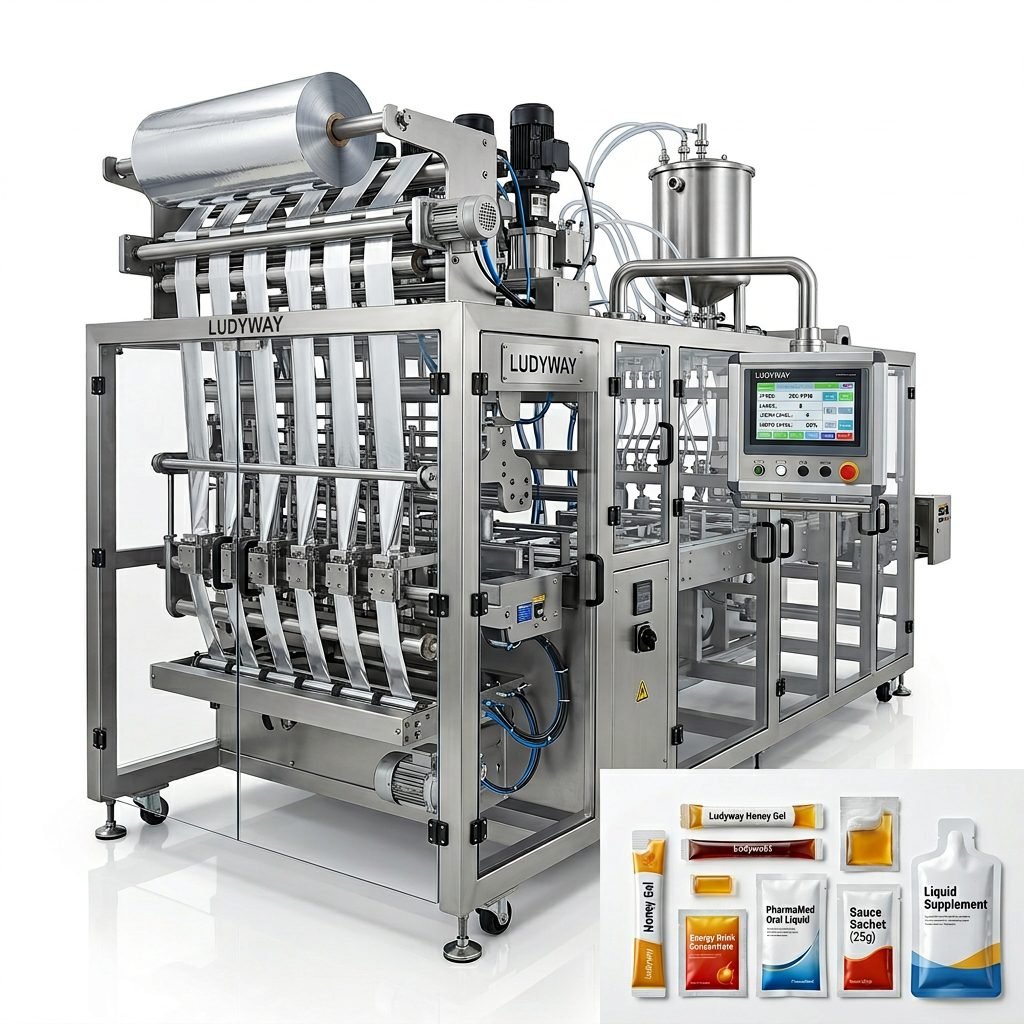
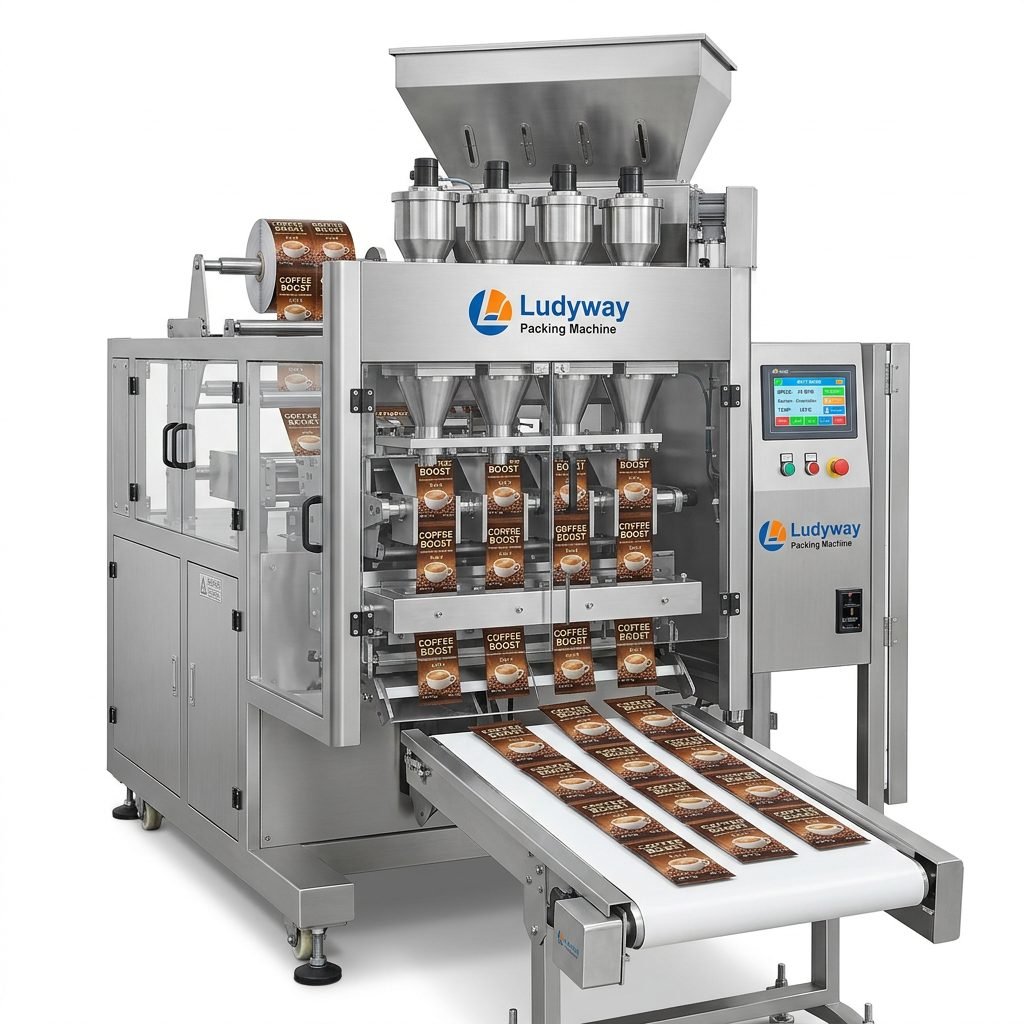
Multi-lane stick pack machines are the industry standard for high-volume single-serve coffee packaging. These machines run multiple lanes simultaneously — typically 4 to 16 lanes — producing individual stick packs at speeds that can exceed 400–1,200 packs per minute depending on lane count and fill weight. They are ideal for instant coffee, cappuccino mixes, and 3-in-1 coffee sachets. Key features include servo-driven film tracking, precision auger or volumetric fillers, and integrated nitrogen flushing for freshness preservation.
Vertical Form Fill Seal (VFFS) Machines
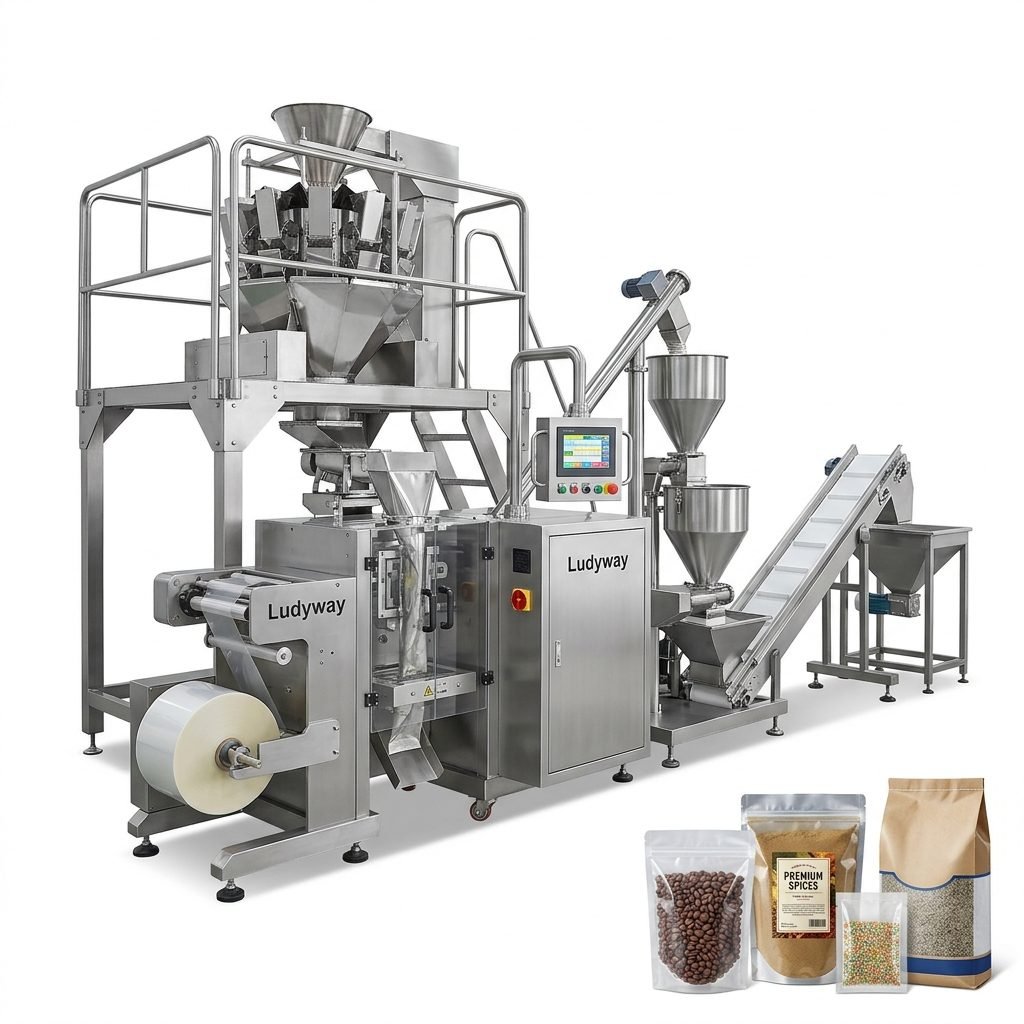
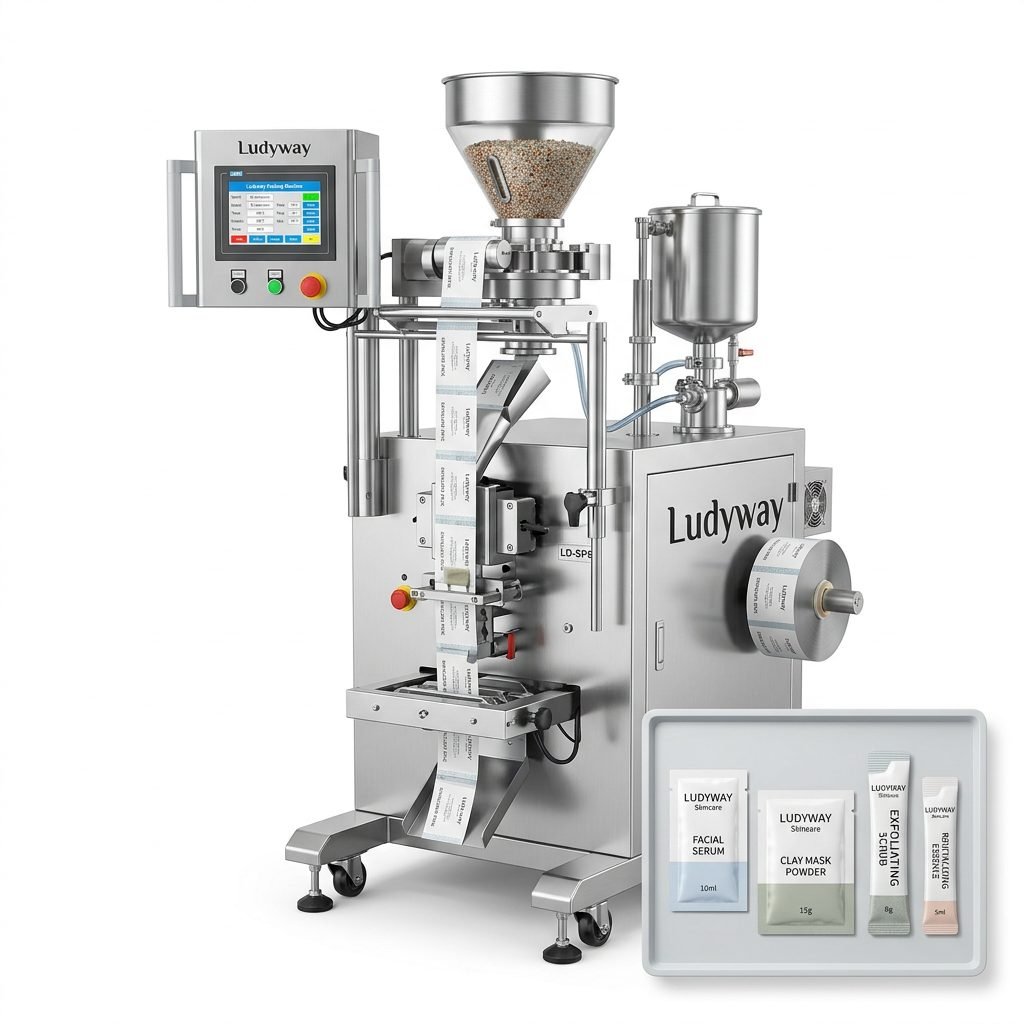
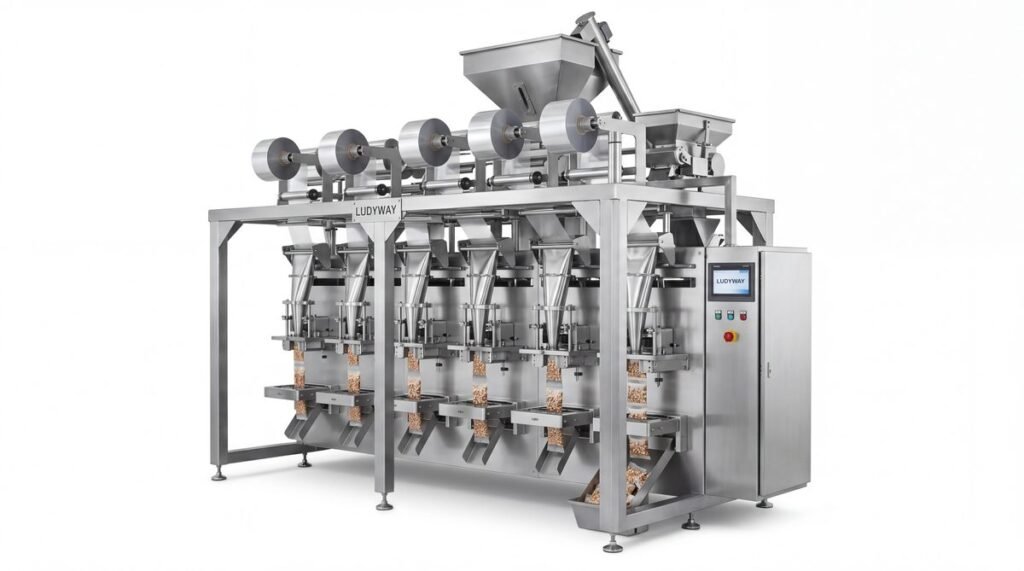
VFFS machines form a bag from a flat roll of film, fill it with product, and seal it — all in a continuous vertical motion. For coffee powder, these machines are typically configured with auger fillers for accurate powder dosing. They produce a wide range of bag styles including pillow bags, gusseted bags, and quad-seal bags. VFFS machines are versatile and suitable for both small-to-medium coffee roasters and larger operations packaging ground coffee for retail.
Rotary Pouch Packaging Machines
For premium coffee brands using pre-made stand-up pouches with zippers, degassing valves, and high-quality print finishes, rotary pouch machines offer superior seal quality and flexible format handling. These machines pick, open, fill, and seal pre-formed pouches on a rotating turret system. They are well-suited for whole bean coffee, specialty ground coffee, and gift-pack formats where packaging aesthetics and functionality are critical.
Key Factors to Consider When Choosing a Coffee Powder Packaging Machine
Beyond machine type, several critical factors influence equipment performance, longevity, and total cost of ownership. Evaluating each factor carefully helps you make a decision that aligns with your production reality rather than just the specification sheet.
Filling Accuracy and Consistency
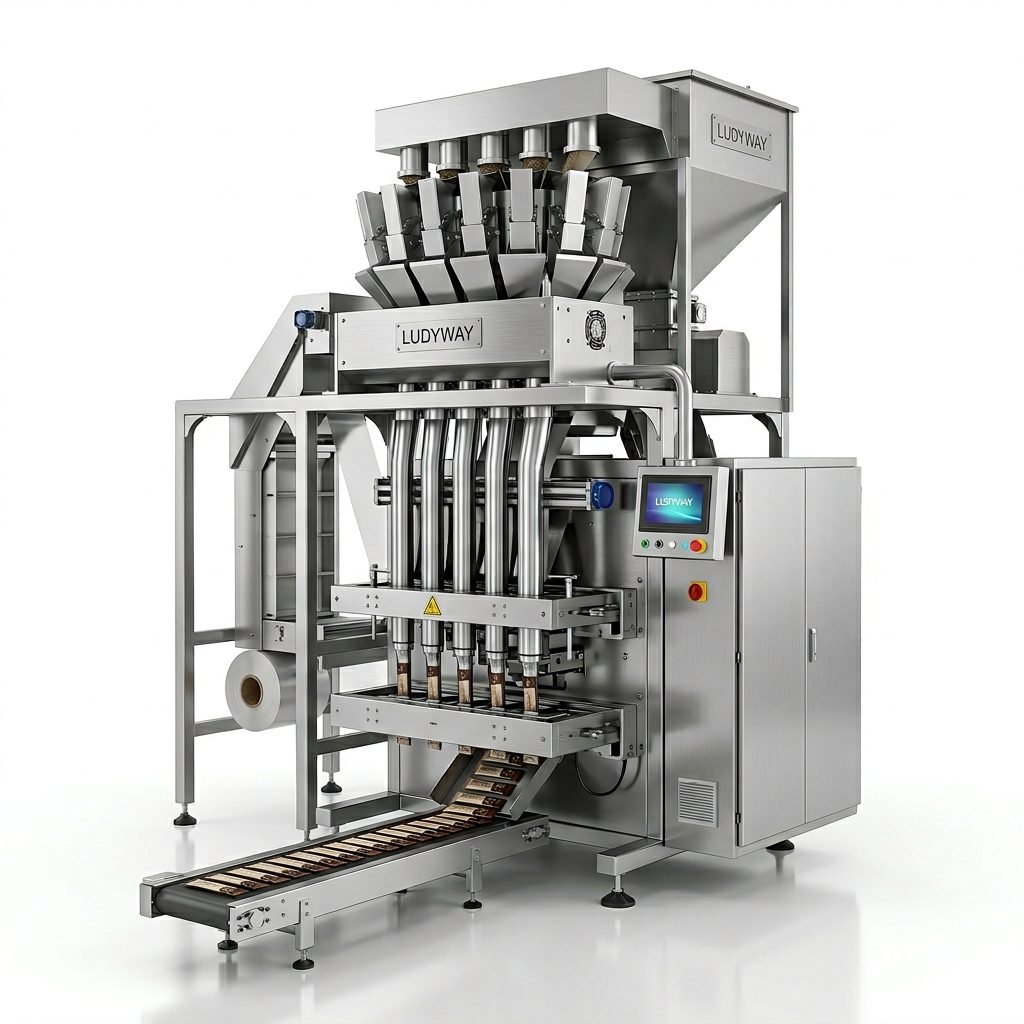
Fill accuracy directly affects your profitability. Even small overfills across millions of units add up to significant product loss. For coffee powder, auger fillers with servo motor control typically achieve accuracy within ±0.5% to ±1% of target weight. For larger granule formats, multi-head combination weighers deliver both speed and precision. Look for machines with advanced weighing technology and real-time feedback adjustment capabilities.
Production Speed and Lane Configuration
Your required output volume determines the lane count and speed rating you need. A small roaster entering the stick pack market might start with a 4-lane machine producing 150–250 packs per minute, while a large instant coffee manufacturer may require a 12-lane or 16-lane system exceeding 800 packs per minute. Consider not just maximum rated speed but sustainable operating speed under real production conditions with your specific film and product.
Packaging Material Compatibility
Coffee packaging commonly uses multi-layer laminated films with barriers against oxygen, moisture, and light. Your machine must be compatible with the film structures you intend to use — including metallized films, aluminum foil laminates, and recyclable mono-material structures. Seal temperature control, dwell time adjustment, and jaw pressure settings must be finely tunable to achieve hermetic seals without damaging barrier layers.
Gas Flushing and Modified Atmosphere Packaging (MAP)
Nitrogen flushing is essential for preserving coffee freshness and aroma. The machine should include an integrated gas flushing system that effectively displaces oxygen from the package before sealing. Residual oxygen levels below 2–3% are typically targeted. For premium and specialty coffees, one-way degassing valves may also be integrated into the packaging process to allow CO₂ release from freshly roasted beans while preventing oxygen ingress.
Automation and Control Systems
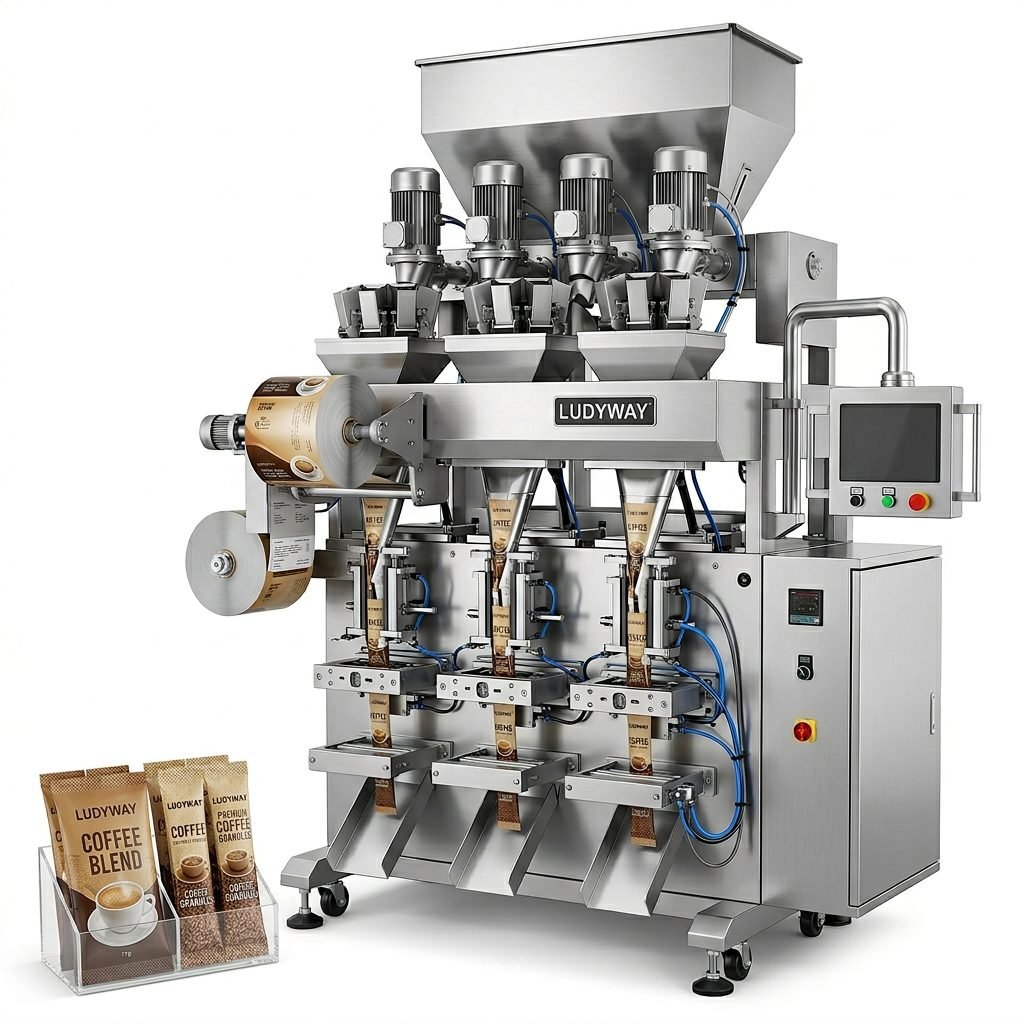
Modern coffee packaging machines feature PLC-based control systems with touchscreen HMI interfaces. These systems enable recipe storage, automated changeover between product formats, and integration with upstream and downstream equipment such as conveyor systems, checkweighers, and cartoning machines. Servo-driven axes provide precise control over film feed, filling, sealing, and cutting operations while reducing mechanical wear and maintenance requirements.
| Machine Feature | Why It Matters for Coffee | Recommended Specification |
|---|---|---|
| Filling System | Precision dosing of fine powder | Servo-driven auger filler |
| Dust Extraction | Prevents seal contamination | Integrated vacuum dust removal |
| Sealing System | Hermetic seal for aroma retention | Temperature-controlled heated jaws |
| Gas Flushing | Oxygen displacement for shelf life | Nitrogen flush with residual O₂ monitoring |
| Material Construction | Food safety and corrosion resistance | 304 or 316 stainless steel product contact |
Essential Features to Look For in a Coffee Packaging Machine
Beyond the basics, certain features can make a substantial difference in operational efficiency, product quality, and long-term reliability. When evaluating machines, look for these specific capabilities that address common coffee packaging pain points.
- Quick-changeover design: Machines with tool-less change parts and recipe-based servo adjustments minimize downtime between product or film changes, which is critical if you package multiple coffee varieties or formats.
- Film registration and tracking: Automatic film alignment systems with photoelectric sensors ensure precise print registration and consistent bag appearance, which is essential for branded retail products.
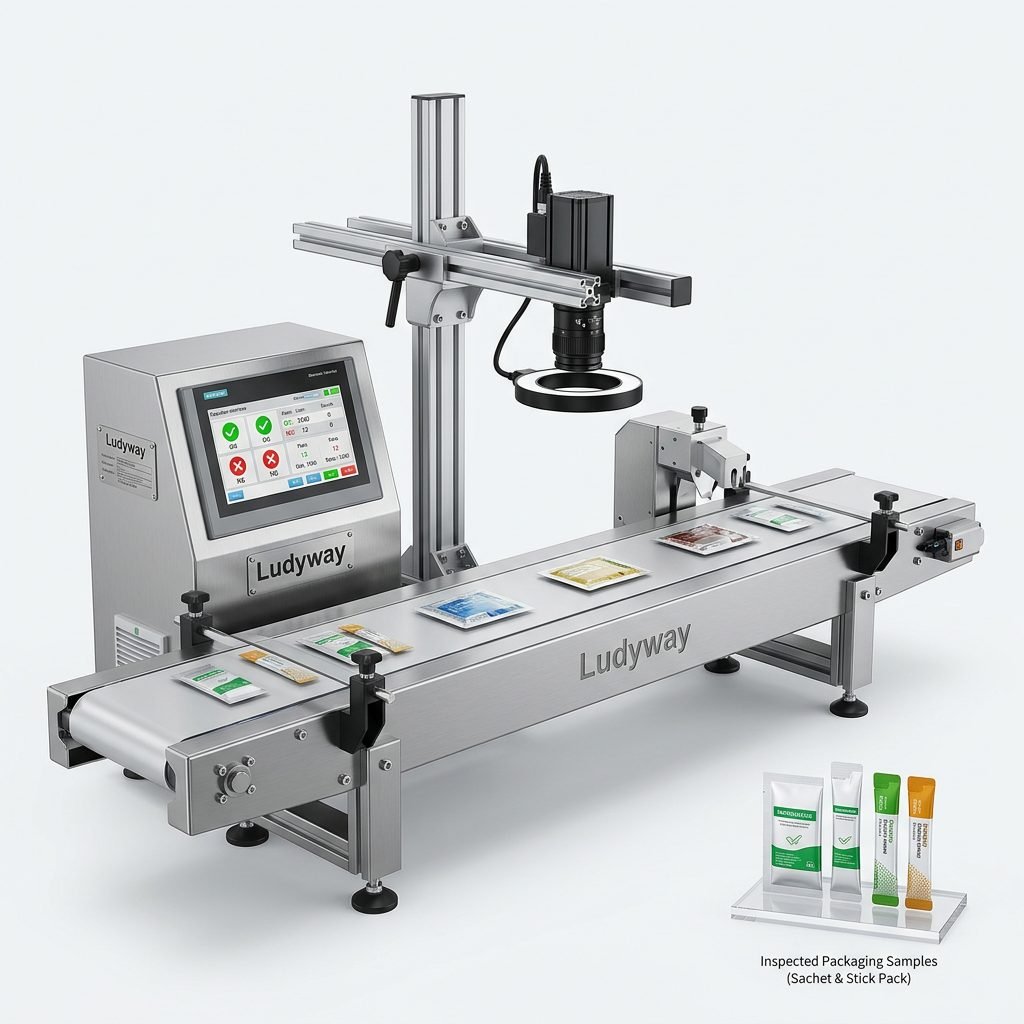
- Seal integrity monitoring: Some advanced machines include seal inspection systems or integrate with downstream checkweighers and vision systems to detect and reject defective packages automatically.
- Dust management systems: Coffee powder dust can contaminate seals and cause machine jams. Effective dust extraction at the filling station and sealed bearings throughout the machine protect performance.
- Remote diagnostics and IoT connectivity: Machines with remote access capabilities enable faster troubleshooting, software updates, and performance monitoring, reducing service downtime.
- Energy efficiency: Servo-driven machines consume less energy than pneumatic or mechanically cam-driven systems, reducing operating costs over the machine’s lifespan.
Budget and ROI Considerations
Purchasing a coffee powder packaging machine represents a significant capital investment, and understanding the total cost of ownership helps you make a financially sound decision. The initial purchase price is just one component — you must also account for installation, operator training, ongoing maintenance, spare parts, film waste during setup and changeover, and energy consumption.
Price Range Overview
Entry-level single-lane or small VFFS machines configured for coffee powder may start in the $15,000–$40,000 range. Mid-range multi-lane stick pack machines with 4–8 lanes typically fall between $60,000–$150,000 depending on features and automation level. High-speed, fully automated 12–16 lane systems with integrated gas flushing, automated feeding, and downstream cartoning can range from $200,000 to over $500,000 for complete turnkey lines. While these figures represent general industry benchmarks, actual pricing depends on configuration, customization, and manufacturer.
Calculating Return on Investment
To calculate ROI, consider these factors: labor savings from automation versus manual packing, product giveaway reduction from improved fill accuracy, increased throughput enabling business growth, and reduced packaging waste from fewer rejects and film savings. Many coffee manufacturers find that a well-specified machine pays for itself within 18–36 months through these combined savings.
Choosing the Right Packaging Machinery Manufacturer
The manufacturer you choose is as important as the machine itself. A reliable partner provides more than equipment — they offer engineering expertise, customization capabilities, installation support, training, and long-term technical service. When evaluating manufacturers, consider their experience with coffee and powder products specifically, as fine powder handling requires specialized knowledge and proven engineering solutions.
Look for a manufacturer with a demonstrated track record in your target packaging format, whether that is multi-lane stick packs, sachets, or pouches. Manufacturing facilities should meet recognized quality standards, and the company should provide references from customers in similar applications. Ludyway Machinery, a China-based packaging machinery manufacturer with over 30 years of experience, offers comprehensive powder packaging solutions — from individual machines to complete turnkey production lines — serving coffee and beverage manufacturers across more than 100 countries with customized equipment engineering and global technical support.
Questions to Ask Potential Suppliers
- Can you provide references from coffee or powder packaging customers with similar production requirements?
- What filling accuracy can you guarantee for my specific coffee powder product, and what testing do you conduct?
- Do you offer factory acceptance testing (FAT) before shipment so I can see the machine running with my product and film?
- What is your standard warranty period, and what does it cover — parts, labor, remote support?
- How do you handle spare parts supply and lead times for international customers?
- What training and documentation do you provide for machine operators and maintenance staff?

Installation, Training, and After-Sales Support
The relationship with your machine supplier does not end at delivery. Proper installation, comprehensive operator training, and responsive after-sales support determine how quickly you reach full production capacity and how reliably your equipment performs over its lifespan. Before finalizing your purchase, clarify what support services are included and what comes at additional cost.
Installation should cover mechanical setup, electrical connections, and system commissioning. Training should include both operational procedures (machine startup, product changeover, parameter adjustment, shutdown) and preventive maintenance routines (cleaning, lubrication, wear-part inspection and replacement). Remote technical support via video call or secure machine access can significantly reduce downtime when issues arise, especially for manufacturers operating in regions where on-site service visits involve longer travel times.
Industry Standards and Compliance
Food packaging machinery must comply with relevant safety, hygiene, and quality standards. Depending on your market, applicable standards may include ISO 11607 for packaging validation, CE marking requirements for the European market, FDA regulations for food contact materials in the U.S., and GMP guidelines for food manufacturing facilities. Verify that the machine can be supplied with the necessary certifications and compliance documentation for your target markets. Working with established industrial automation component suppliers for PLCs, servo drives, pneumatics, and electrical systems also contributes to machine reliability and global serviceability.
Making the Final Decision
Choosing the right coffee powder packaging machine requires balancing technical requirements, budget constraints, and long-term business goals. Start by clearly defining your product characteristics, target packaging formats, required production speed, and quality expectations. Then evaluate machines and manufacturers against these criteria — not just on paper, but through demonstrations, factory visits when possible, and reference checks with existing customers.
The best machine for your operation is not necessarily the most expensive or the fastest on the market. It is the one that reliably produces high-quality coffee packages at your required volume, fits your operational workflow, and comes with the engineering support and service you need to succeed. Whether you are packaging premium single-origin instant coffee in elegant stick packs or supplying bulk ground coffee to the food service industry, the right packaging machine becomes a strategic asset that supports your brand quality and business growth for years to come.