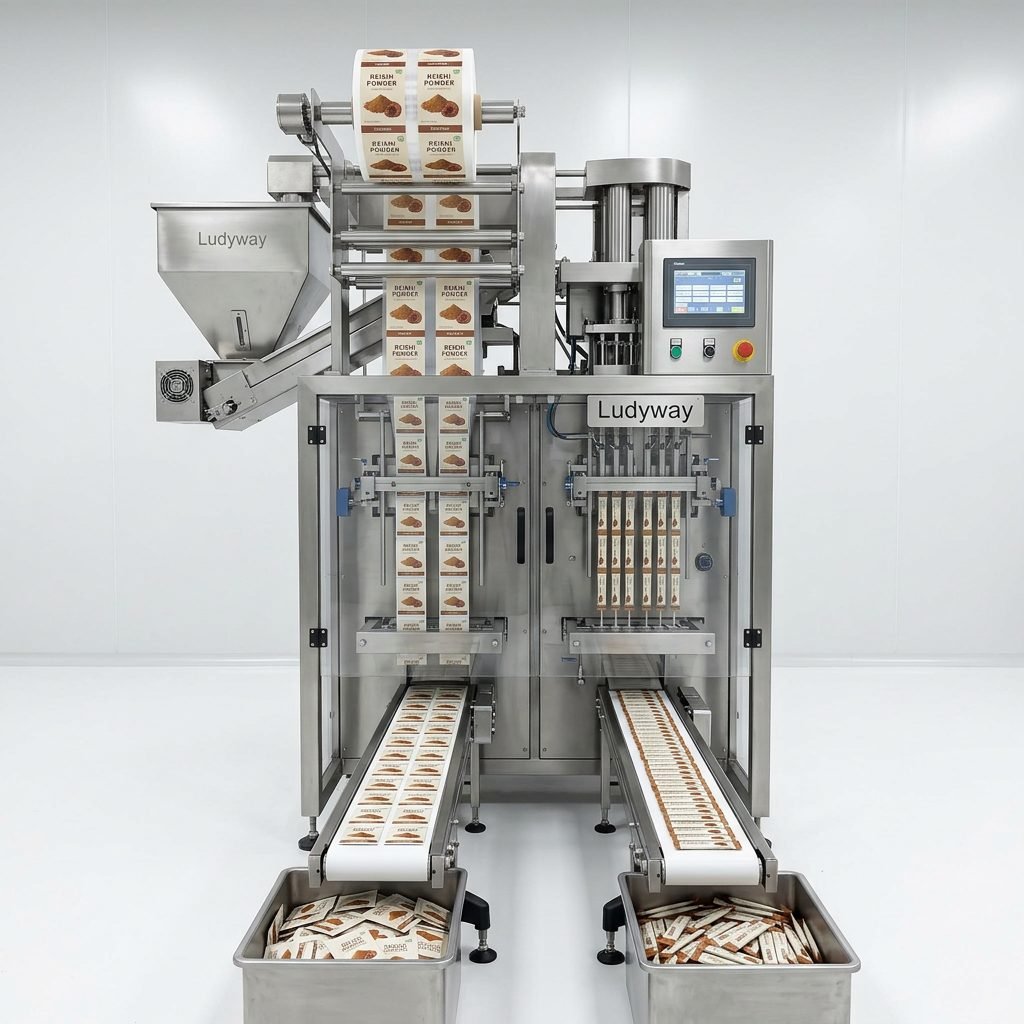
Choosing the right cheese vacuum packing machine can directly affect product freshness, shelf life, appearance, transport safety, and overall profitability. Whether you package soft cheese, hard cheese, shredded cheese, sliced cheese, or specialty dairy products, the machine you select should match your production volume, packaging format, and hygiene requirements.
A good solution does more than remove air. It should create a reliable seal, reduce oxidation, limit moisture loss, improve storage performance, and support a smooth workflow from filling to final dispatch. For dairy processors, retailers, and food brands, these factors are essential for maintaining quality and customer trust.

Why Vacuum Packaging Matters for Cheese
Cheese is highly sensitive to oxygen, moisture variation, contamination, and temperature changes. Vacuum packaging helps protect the product by minimizing air exposure and slowing deterioration. This is especially important for businesses that supply supermarkets, export markets, foodservice distributors, and online grocery channels.
- Helps preserve flavor and texture
- Reduces oxidation and mold growth risks
- Improves shelf life for cold-chain distribution
- Supports cleaner, more professional retail presentation
- Reduces product waste and returns
Types of Cheese Vacuum Packing Machines
Not every machine fits every cheese product. The best choice depends on your packaging material, product shape, throughput needs, and automation goals.
1. Chamber Vacuum Packaging Machines
These are among the most common options for cheese. The product is placed inside a chamber, air is removed, and the bag is sealed. They are suitable for blocks, wedges, slices, and many pre-portioned cheese products.
2. Thermoforming Vacuum Packaging Machines
Ideal for medium to high-volume production. These systems form the package, load the product, vacuum seal it, and cut the packs automatically. They are often used for retail cheese packs requiring consistent appearance and high output.
3. Vacuum Skin Packaging Machines
A strong choice when presentation matters. The film tightly conforms to the cheese, improving product visibility while securing the item in place. This format is often used for premium retail cheese packaging.
4. External Vacuum Sealers
These are generally better for lighter-duty use or small businesses. For commercial cheese operations, they may not provide the same sealing consistency or speed as chamber-based systems.
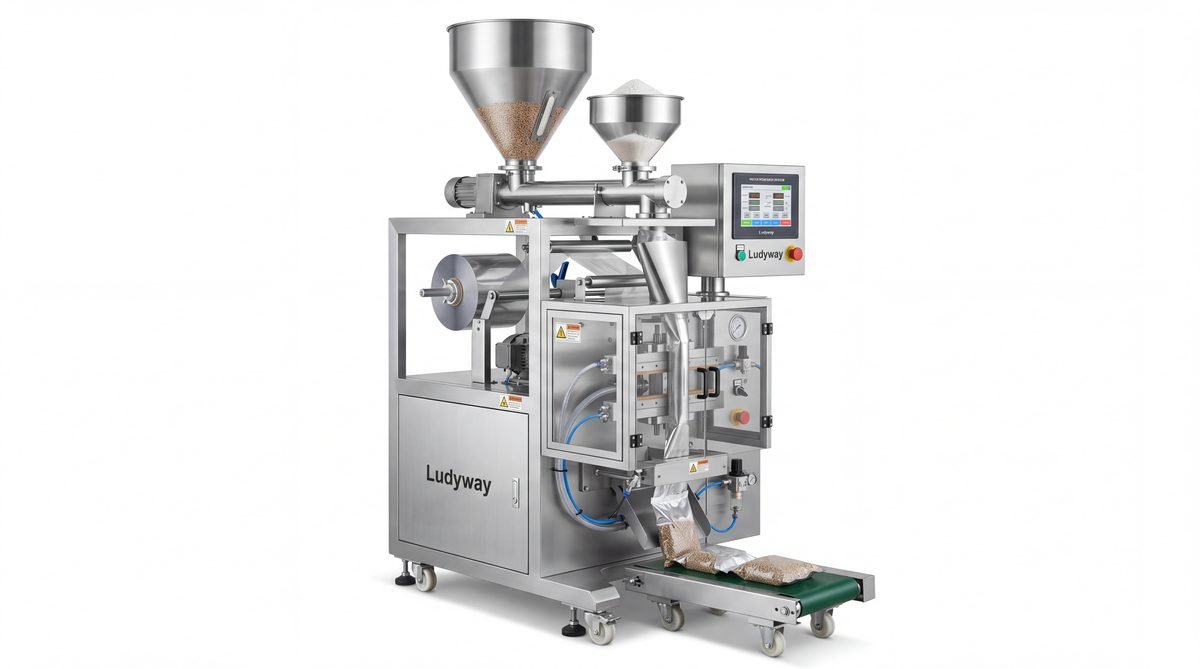
How to Choose the Best Cheese Vacuum Packing Machine
Understand Your Cheese Type First
Different cheeses behave differently during vacuum sealing. Soft cheeses can deform under excessive vacuum pressure, while hard cheeses usually tolerate stronger vacuum levels. Shredded or grated cheese may require controlled dosing and packaging stability to prevent product displacement.
Ask these questions:
- Is the cheese soft, semi-soft, hard, shredded, sliced, or crumbled?
- Does the product release oil or moisture?
- Will packaging be for retail, wholesale, or foodservice?
- Do you need a flat display pack or bulk storage pack?
Match Machine Capacity to Production Volume
A machine that is too small creates bottlenecks. A machine that is too large may waste investment and floor space. Your ideal system should support current demand while leaving room for growth.
| Production Scale | Recommended Machine Type | Best For |
|---|---|---|
| Small batch | Single or double chamber machine | Artisan cheese, local stores, pilot production |
| Medium volume | Double chamber or conveyor vacuum machine | Regional brands, supermarket suppliers |
| High volume | Thermoforming vacuum packaging line | Large dairy plants, export packaging, automated lines |
Check Vacuum Control Accuracy
Cheese packaging requires more than “strong vacuum.” The machine should allow adjustable vacuum level, sealing time, and cooling time. Precise control helps avoid crushed product, poor pack appearance, or weak seals.
Evaluate Seal Quality
Seal integrity is critical for shelf life. Inadequate seals can lead to leakage, contamination, or loss of vacuum during storage and shipping. Look for a machine with stable heating performance and repeatable sealing results across long production runs.
Important sealing considerations:
- Seal width and strength
- Compatibility with barrier films and vacuum bags
- Resistance to moisture near the sealing area
- Consistent performance under continuous operation
Prioritize Hygiene and Washdown Design
Because cheese is a dairy product, sanitation standards are non-negotiable. Stainless steel construction, smooth surfaces, easy-to-clean chambers, and hygienic contact parts help reduce contamination risks and simplify cleaning routines.
Choose equipment designed for food manufacturing environments, especially if your facility follows HACCP, GMP, or retailer audit requirements.
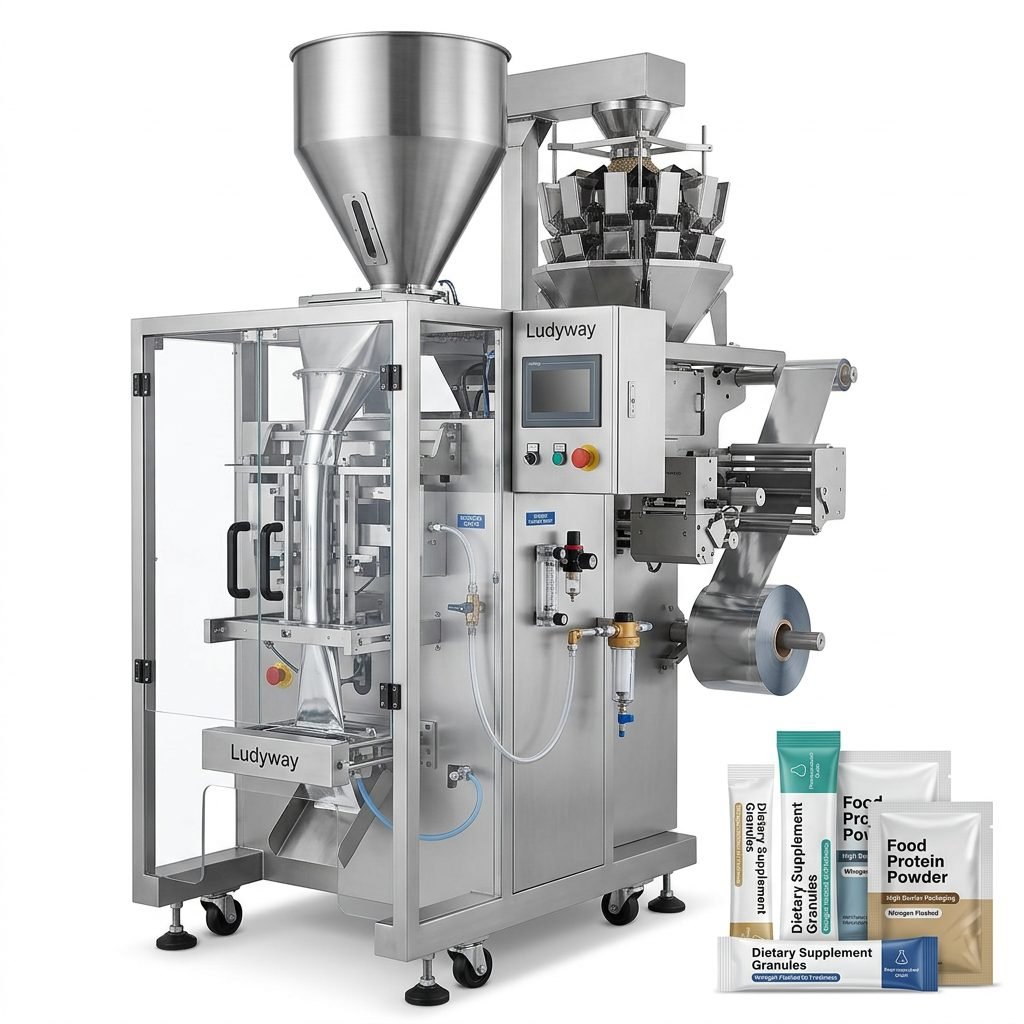
Key Features to Look For
| Feature | Why It Matters |
|---|---|
| Programmable controls | Allows different settings for different cheese products |
| High-quality vacuum pump | Improves vacuum speed and long-term reliability |
| Food-grade stainless steel | Enhances hygiene and durability |
| Multiple sealing bars | Increases throughput and pack flexibility |
| Easy maintenance access | Reduces downtime and service costs |
| Optional gas flushing | Useful for some cheese applications requiring modified atmosphere support |
Vacuum Packaging Materials Also Matter
Even the best machine will underperform with poor packaging material. Cheese usually requires films or bags with good oxygen barrier properties and reliable sealing performance. Depending on your product, you may need puncture resistance for harder cheese edges or better clarity for retail shelf appeal.
When reviewing packaging materials, consider:
- Oxygen transmission rate
- Moisture barrier performance
- Sealability under production conditions
- Film thickness and puncture resistance
- Retail display appearance
Common Mistakes Buyers Should Avoid
- Buying based only on price and ignoring seal quality
- Using one machine setting for every cheese type
- Overlooking cleaning convenience and sanitary design
- Not checking after-sales service and spare parts support
- Choosing a machine without considering future output growth
Should You Choose a Standalone Machine or a Full Packaging Line?
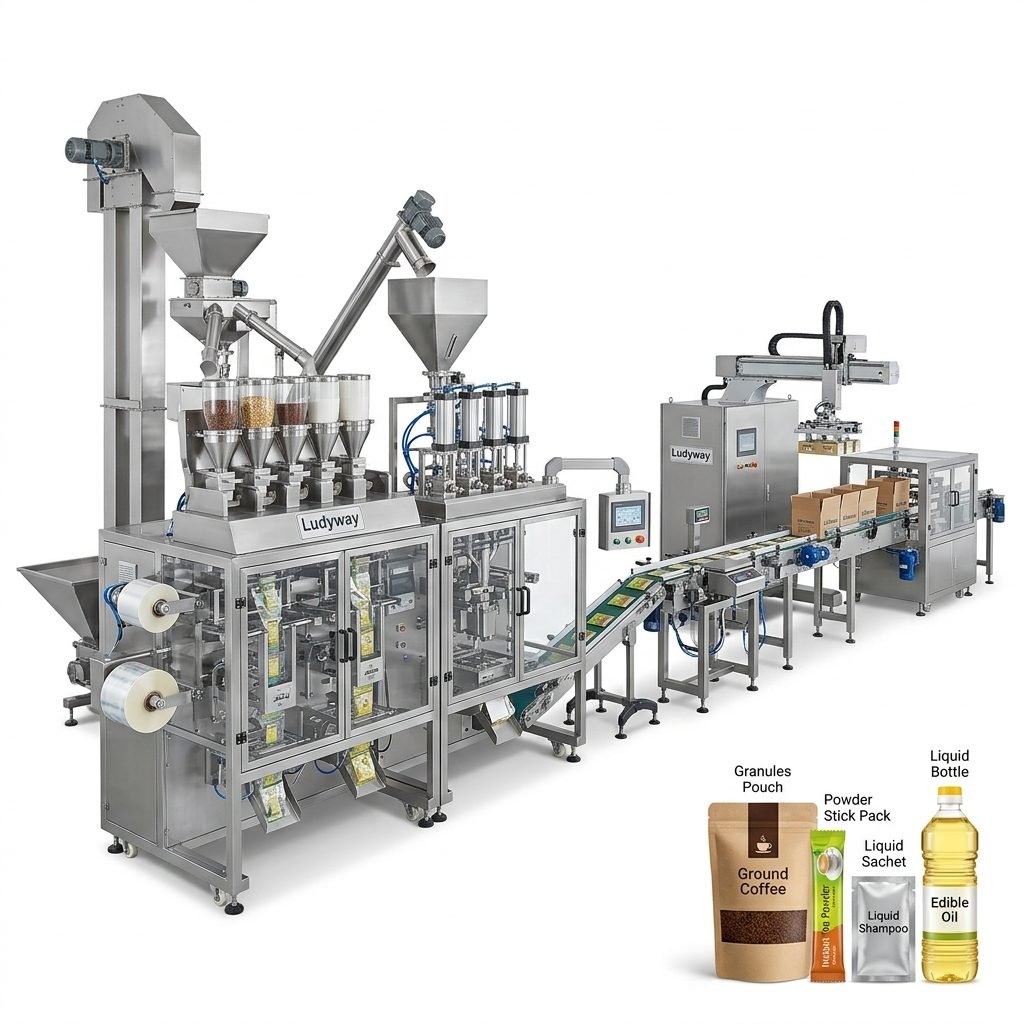
If your cheese business is growing, a standalone vacuum sealer may not be enough for long. Many processors benefit from integrated systems that include product feeding, portioning, vacuum sealing, coding, inspection, cartoning, and end-of-line automation.
For businesses planning to scale, working with an experienced packaging equipment manufacturer can help reduce compatibility issues between individual machines. cheese vacuum packing machine projects are often more successful when they are evaluated as part of the broader packaging workflow rather than as a single machine purchase.
Questions to Ask Before You Buy
- What cheese products will be packed now and in the next 3 years?
- What is the target shelf life?
- How many packs per hour are required?
- What bag or film format will be used?
- Do you need vacuum only, or vacuum plus gas flushing?
- How easy is the machine to clean and maintain?
- Is technical support available for installation and training?
Best Choice Depends on Your Business Goal
The best cheese vacuum packing machine is not simply the fastest or most expensive model. It is the one that fits your cheese type, production target, hygiene standard, packaging style, and long-term expansion plan. For artisan producers, a reliable chamber machine may be enough. For commercial dairy operations, automated thermoforming or integrated packaging lines often deliver better efficiency and consistency.
By focusing on vacuum precision, sealing reliability, hygienic construction, packaging compatibility, and service support, you can select equipment that protects freshness and extends shelf life while supporting a stronger return on investment.
Final Buying Checklist
- Product fit: suitable for your cheese format
- Output fit: aligned with your daily production needs
- Seal quality: strong, stable, and repeatable
- Hygiene: easy to clean, food-grade structure
- Packaging material match: supports your chosen bags or films
- Expandability: ready for future automation upgrades
- Support: training, spare parts, and technical service available