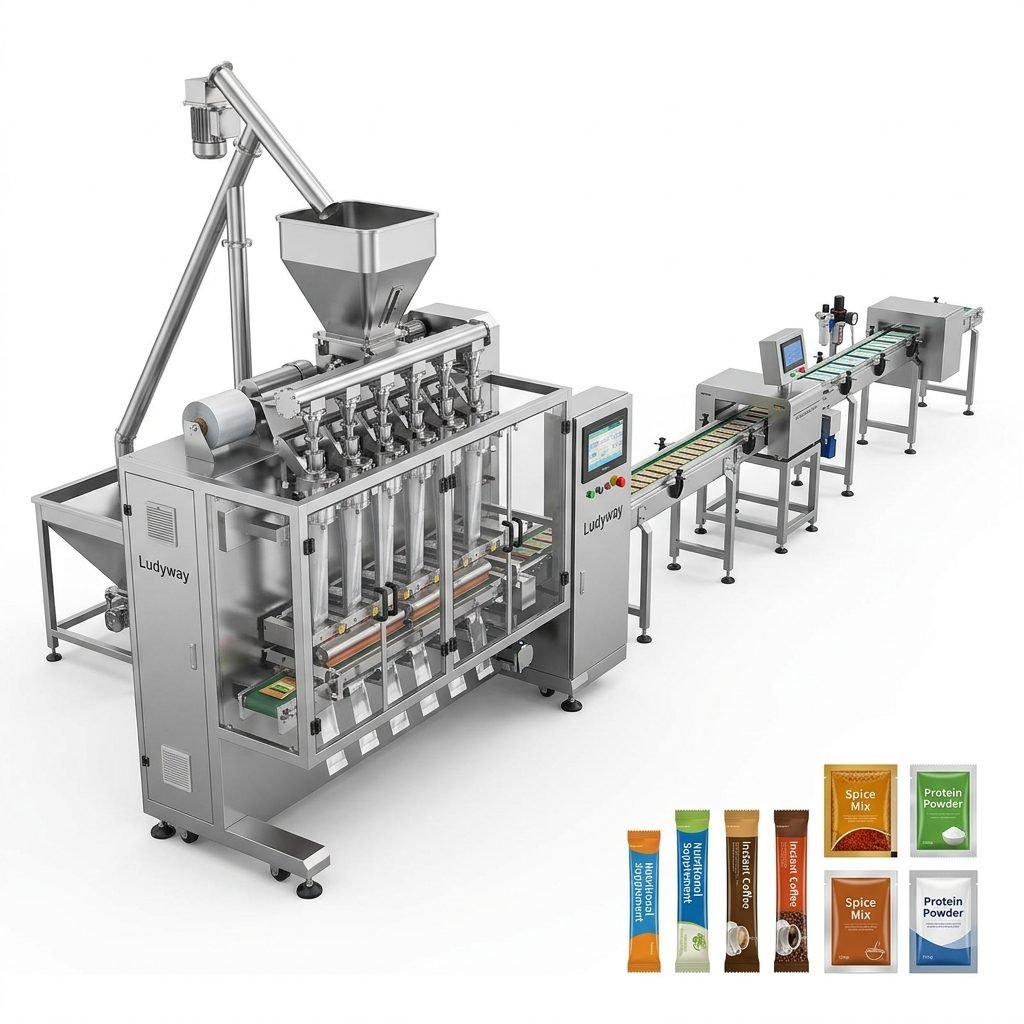
Investing in a food tray packaging machine is a significant decision that directly impacts your production efficiency, product shelf life, and overall operational costs. Whether you are packaging fresh produce, ready meals, meat, or baked goods, selecting the right equipment requires a thorough understanding of your product characteristics, production goals, and the available technology. This comprehensive buyer’s guide walks you through every critical factor to consider before making a purchase.
Understand Your Product Requirements First
Before evaluating machine specifications, start by clearly defining what you are packaging. The product type, consistency, and sensitivity will dictate many of your machine requirements. Different food products demand different handling approaches:
- Fresh produce requires gentle handling and often modified atmosphere packaging (MAP) to extend shelf life
- Raw meat and poultry need stringent hygiene standards and leak-proof sealing
- Ready meals may involve multiple compartments and require compatibility with microwave-safe materials
- Bakery products often need delicate handling to prevent crushing and may require specific film permeability
- Frozen foods demand materials and seals that withstand low temperatures without becoming brittle
Understanding these nuances ensures you select a food tray packaging machine that preserves product quality throughout the supply chain. According to industry data from PMMI’s business intelligence resources, product compatibility remains the single most important factor in packaging equipment selection.
Tray Material and Seal Compatibility
The type of tray material you use directly influences which machine is right for your operation. Common tray materials include PET, PP, aluminum, paperboard, and compostable bioplastics. Each material has unique sealing characteristics, and your chosen machine must be capable of achieving consistent, reliable seals with your specific tray and lidding film combination.
Key material considerations include:
- Sealing temperature range required for your film and tray combination
- Peelability requirements for consumer convenience
- Barrier properties needed for your product’s shelf life targets
- Sustainability goals and compatibility with recyclable or compostable materials
The Flexible Packaging Association provides valuable insights into material trends and sustainability considerations that can inform your decision-making process.
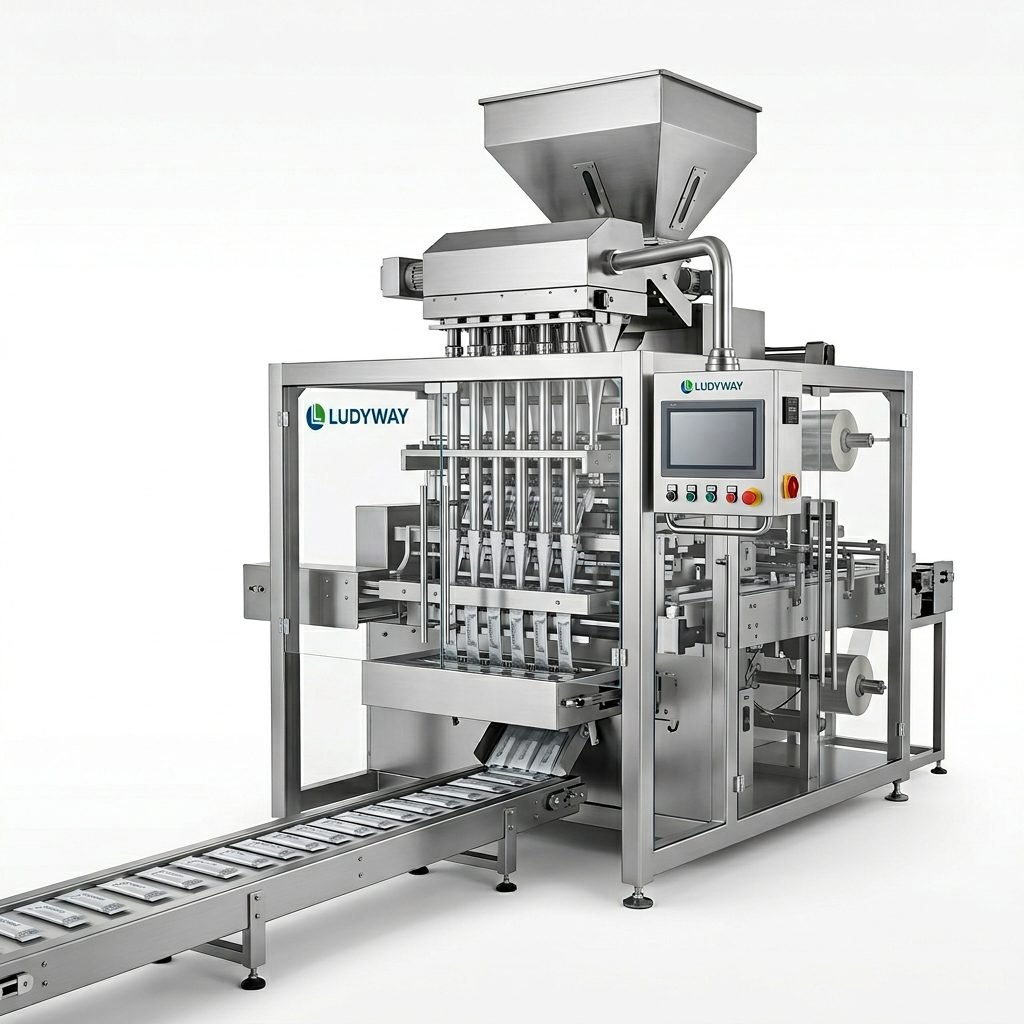
Machine Types: Manual, Semi-Automatic, and Fully Automatic
Food tray packaging machines come in various automation levels, and selecting the right one depends on your production volume, labor availability, and budget.
Manual Tray Sealers
Best suited for small-scale operations, startups, and specialty products, manual machines require an operator to place trays and activate each sealing cycle. They offer low initial investment but limited throughput, typically 2-6 trays per minute.
Semi-Automatic Tray Sealers
These machines automate the sealing process while still requiring manual tray loading. They strike a balance between affordability and efficiency, achieving speeds of 6-15 trays per minute. Ideal for growing businesses transitioning from manual to automated packaging.
Fully Automatic Inline Tray Sealers
Designed for high-volume production environments, fully automatic systems integrate with conveyors, filling stations, and labeling equipment. They can achieve speeds of 30-120+ trays per minute and are the standard for large-scale food manufacturers.
Critical Technical Specifications to Evaluate
When comparing different automatic food tray packaging machines, pay close attention to these technical parameters that directly affect performance and suitability:
| Specification | Why It Matters | Typical Range |
|---|---|---|
| Sealing Force | Determines seal integrity and consistency across different materials | 500 – 3,000 kg |
| Sealing Temperature | Must match film and tray material requirements precisely | 120°C – 220°C |
| Cycle Speed | Directly impacts production output and line efficiency | 2 – 120+ trays/min |
| Tray Size Range | Must accommodate your current and future tray dimensions | Customizable per model |
| Gas Flushing Capability | Essential for MAP applications to extend shelf life | Residual O₂ < 0.5% |
Modified Atmosphere Packaging (MAP) Considerations
For many food products, Modified Atmosphere Packaging is not optional — it is essential for achieving target shelf life and maintaining product appearance. MAP replaces the air inside the tray with a precisely controlled gas mixture, typically combining nitrogen, carbon dioxide, and oxygen in specific ratios.
If your products require MAP, ensure the machine you select includes:
- Precise gas mixing and flushing systems with adjustable ratios
- Reliable residual oxygen monitoring to verify seal integrity
- Vacuum capability for products requiring vacuum-skin packaging
- Compatibility with barrier films that maintain the modified atmosphere
The FDA’s food packaging regulations provide important guidance on food contact substances and packaging safety requirements that must be considered when selecting MAP-compatible materials.
Hygiene, Cleanability, and Compliance
Food safety regulations demand that food packaging equipment meets strict hygiene standards. When evaluating machines, prioritize designs that feature:
- Stainless steel construction on all food contact surfaces
- Tool-free disassembly for rapid cleaning and changeover
- IP65 or higher washdown ratings for wet cleaning environments
- Sloped surfaces that prevent liquid pooling and bacterial growth
- CIP (Clean-in-Place) compatibility for automated sanitation
Compliance with HACCP principles, FDA regulations, and EU food contact material standards should be verified with your equipment supplier before purchase. Machines designed with hygienic engineering principles reduce contamination risks and simplify regulatory audits.
Integration with Existing Production Lines
A tray sealing machine rarely operates in isolation. Consider how the new equipment will integrate with your upstream and downstream processes:
- Filling and portioning systems — ensure compatible speeds and tray indexing
- Labeling and coding equipment — verify placement accuracy after sealing
- Checkweighing and metal detection — plan for inline quality control stations
- Cartoning and case packing — align output with secondary packaging capacity
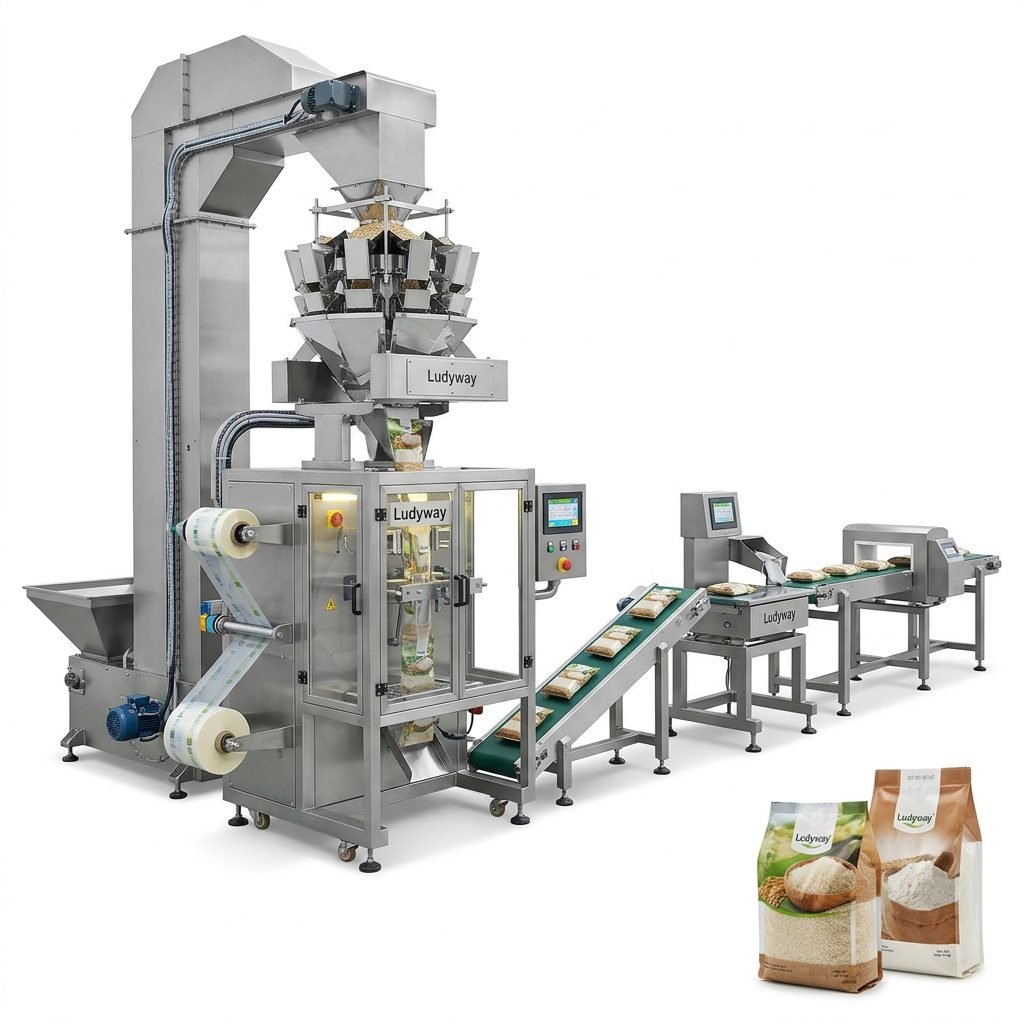
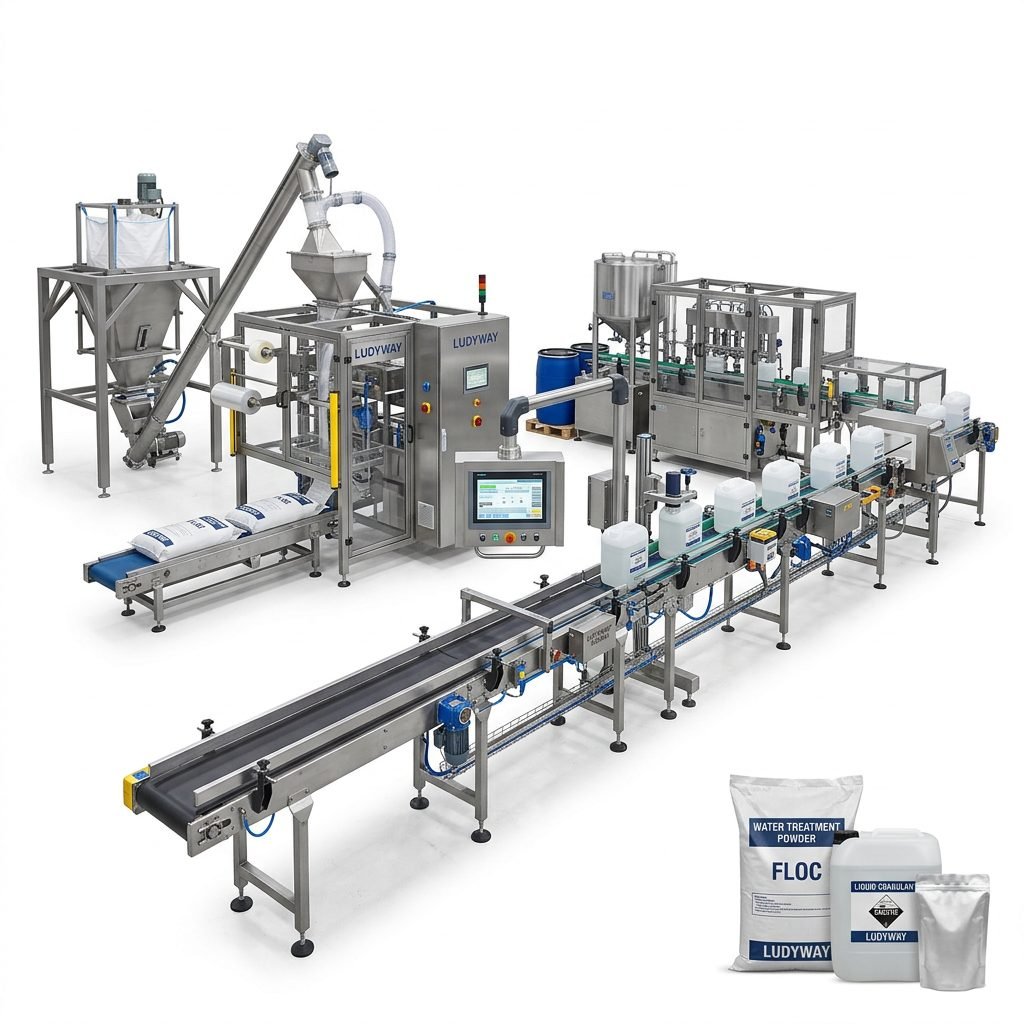
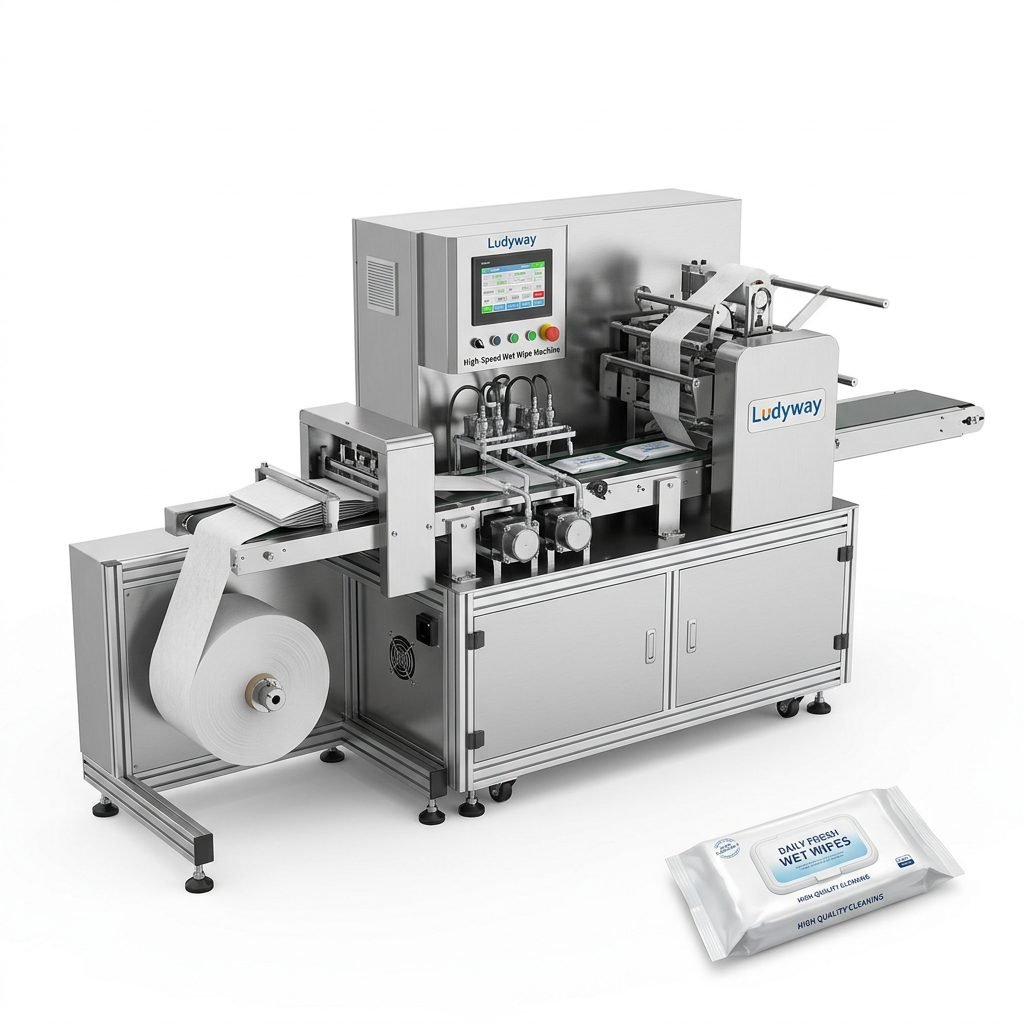
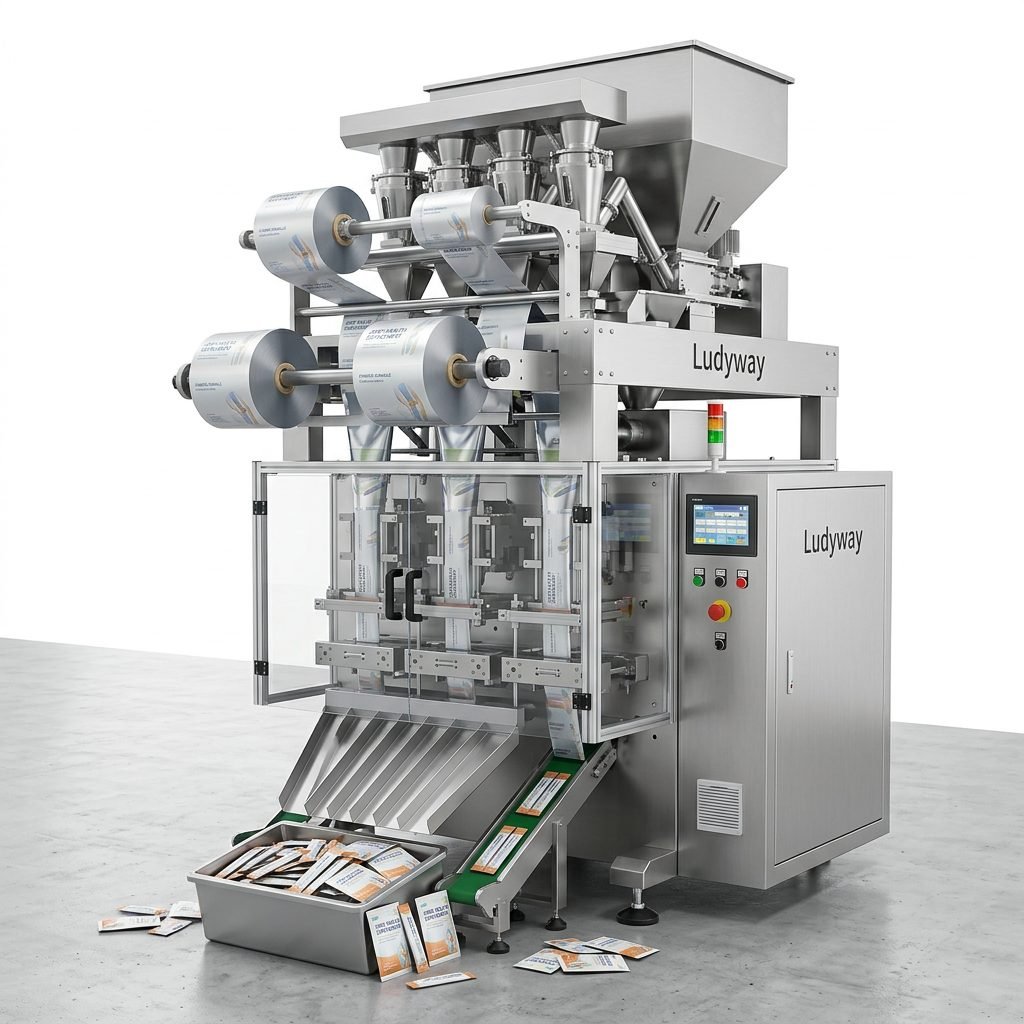
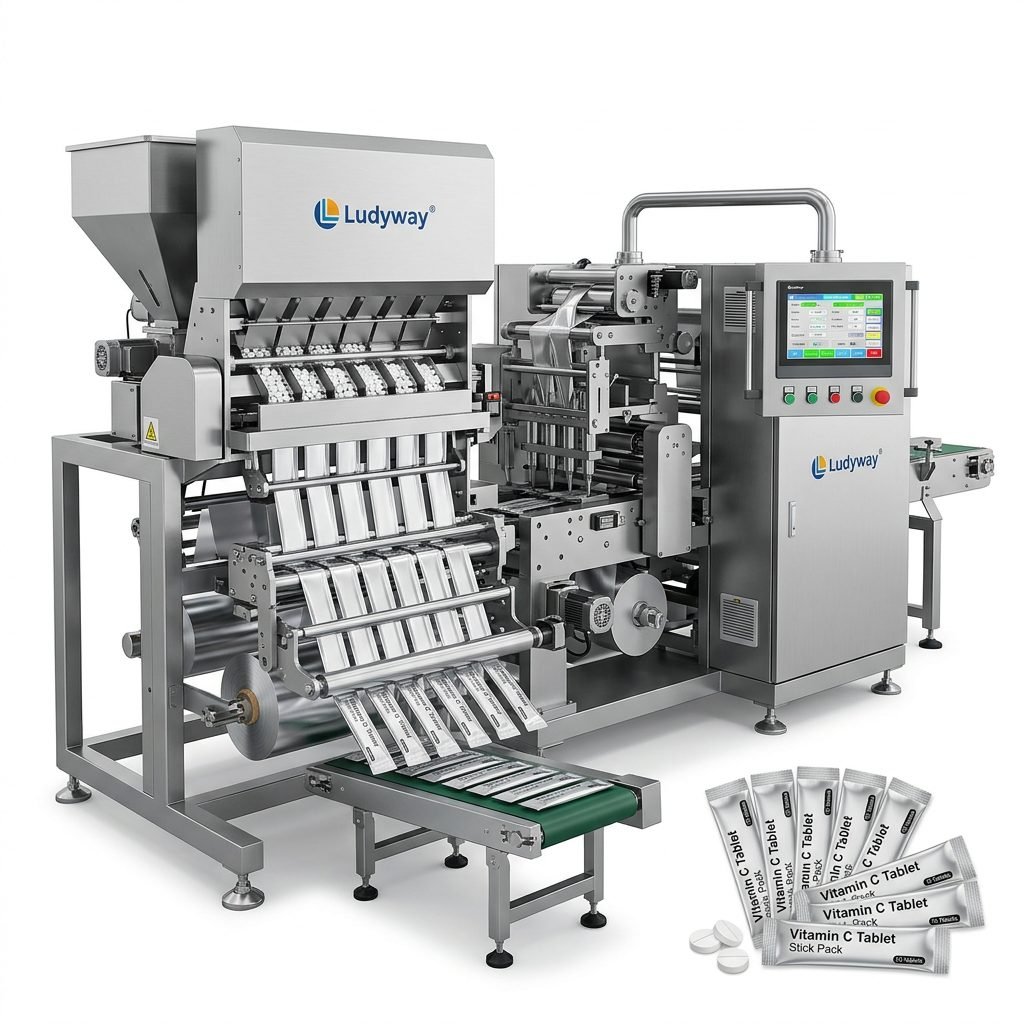
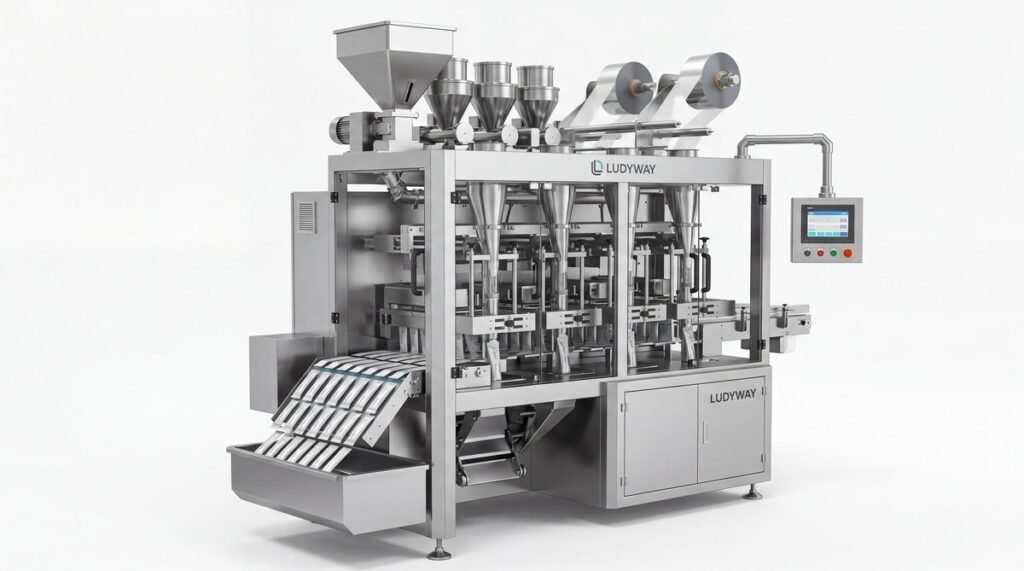
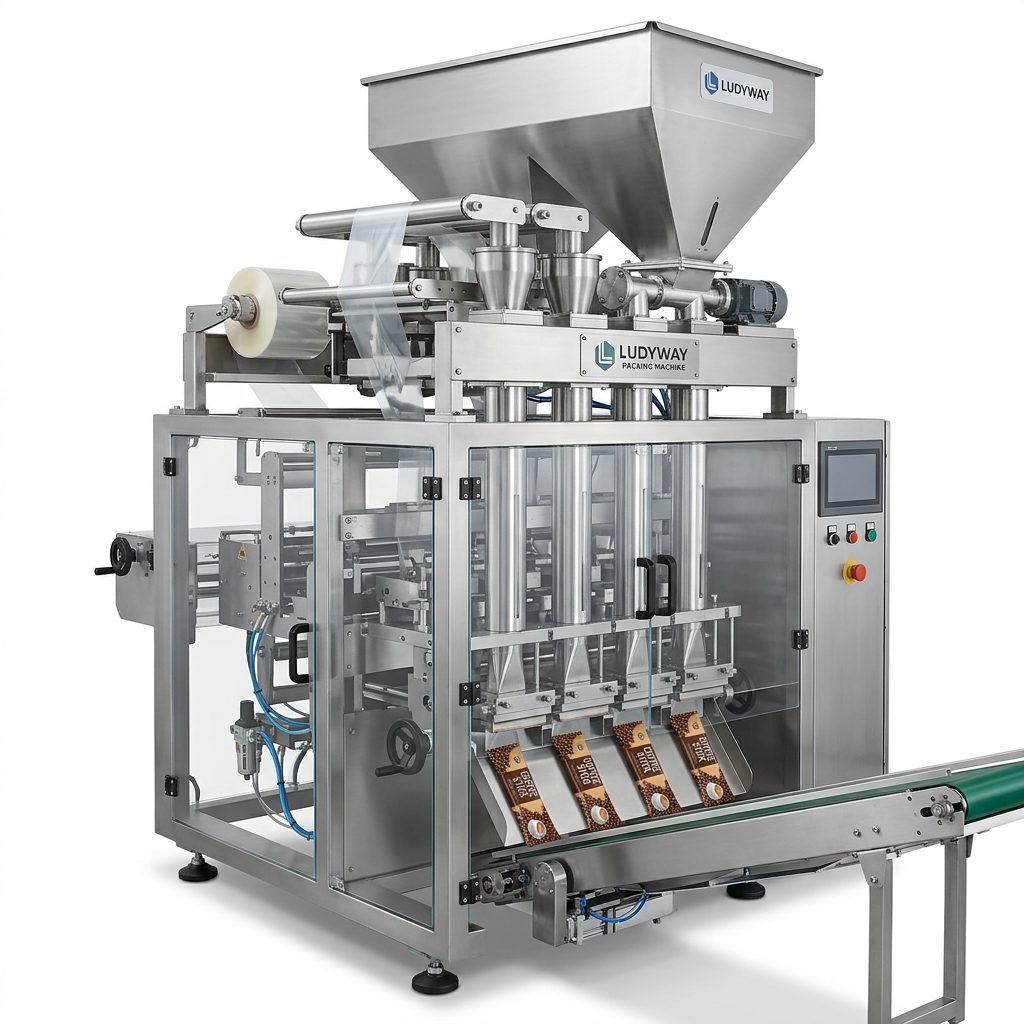
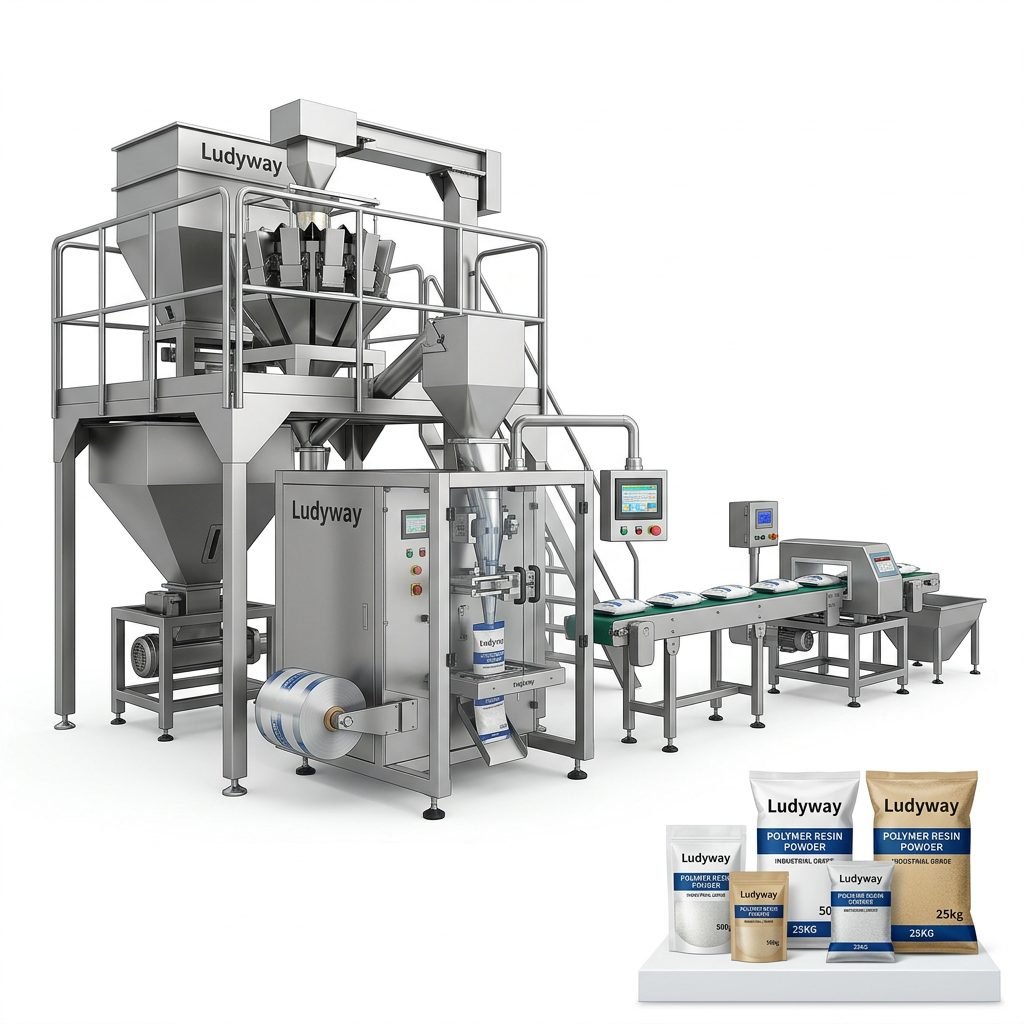
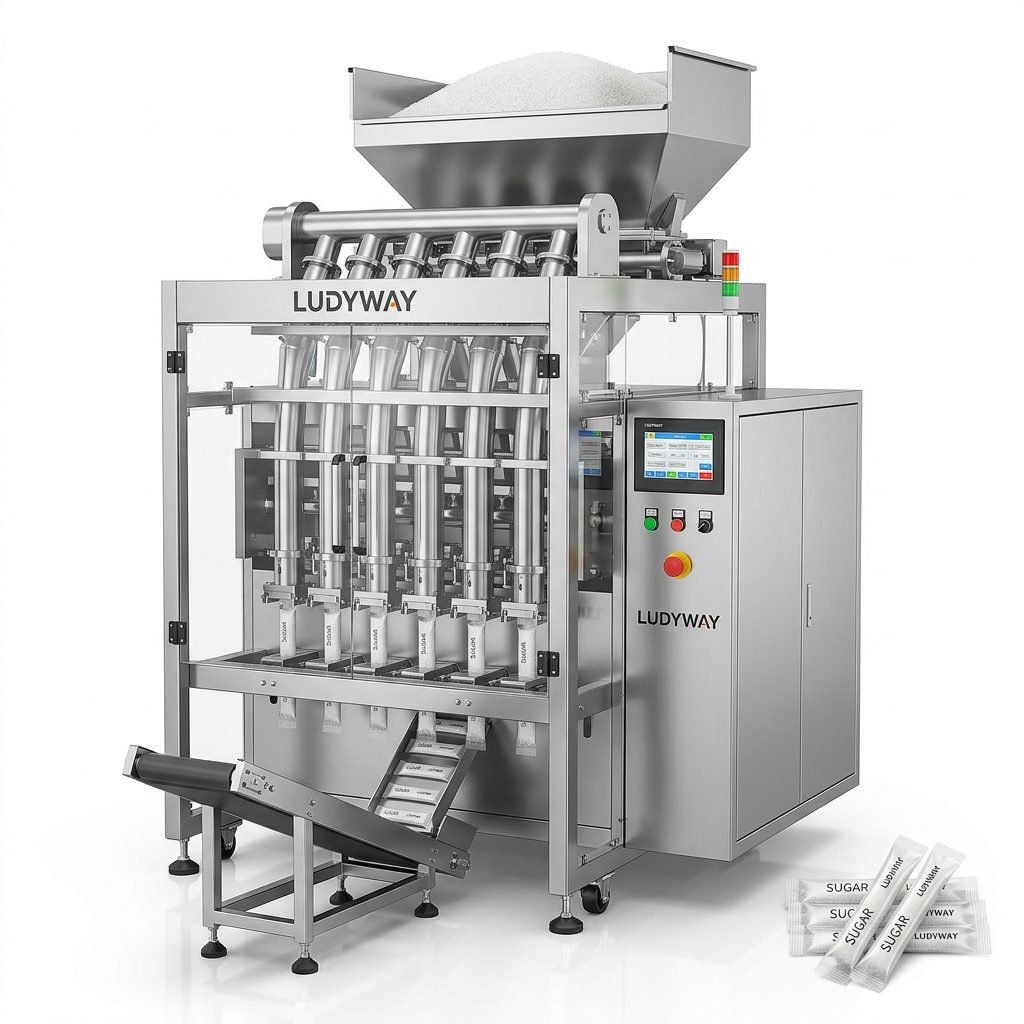
A turnkey approach where a single packaging machinery manufacturer provides the complete line can simplify integration, reduce compatibility issues, and streamline after-sales support. For instance, Ludyway Machinery, a China-based packaging machinery manufacturer with over 30 years of experience, offers integrated packaging systems and turnkey production line solutions that connect multiple stages of the packaging process, helping manufacturers work with a single partner for equipment selection, system integration, and technical support.

Changeover Flexibility and Future-Proofing
Food manufacturers increasingly face demands for shorter production runs, seasonal variations, and rapid product innovation. A machine that takes hours to change between tray sizes or film types can severely limit your operational agility. Look for features that support quick changeover:
- Recipe-based digital controls that store multiple product parameters
- Quick-release tooling systems for die and seal plate changes
- Automatic film tracking and tensioning to reduce manual adjustments
- Modular design that allows future upgrades like gas flushing or label applicators
According to PMMI’s 2025 State of the Industry report, flexibility and quick changeover are among the top priorities for food manufacturers investing in new packaging equipment.
Total Cost of Ownership Analysis
The purchase price of a tray sealing machine is just one component of its total cost. A thorough TCO analysis should account for:
| Cost Category | Details | Estimated Impact |
|---|---|---|
| Initial Capital | Machine purchase, installation, and commissioning | 40-60% of TCO |
| Consumables | Trays, lidding film, gas for MAP systems | 25-35% of TCO |
| Maintenance and Spares | Preventive maintenance, wear parts, unexpected repairs | 5-10% of TCO |
| Energy and Utilities | Electricity, compressed air, cooling water | 3-5% of TCO |
| Labor | Operator training, staffing requirements per shift | 5-10% of TCO |
Supplier Evaluation Criteria
Choosing the right supplier is as important as choosing the right machine. Evaluate potential packaging machinery partners on these criteria:
- Industry experience and track record in food packaging specifically
- After-sales support infrastructure including spare parts availability and response times
- Installation and commissioning services to ensure smooth startup
- Operator training programs to maximize your team’s proficiency
- Remote diagnostic capabilities for faster troubleshooting
- References and case studies from manufacturers in similar applications
You can learn more about global packaging machinery trends and supplier landscapes from industry reports on packaging machinery growth and from PACK EXPO International, one of the largest packaging trade shows where you can evaluate equipment in person.
Key Questions to Ask Before Buying
Before finalizing your food tray packaging machine purchase, work through this checklist of essential questions:
- What is my current and projected production volume over the next 3-5 years?
- How many tray sizes and formats do I need to run, and how frequently will I change between them?
- What are my shelf life targets, and does the machine support the required MAP or vacuum technology?
- What are my sealing integrity requirements, and how will I verify seal quality in production?
- What utilities are available at my facility — electrical, compressed air, water?
- What operator skill level is available, and how intuitive is the machine’s control system?
- What is the lead time for the machine, installation, and commissioning?
- What warranty and service agreements are offered, and what do they cover?
Testing and Validation Before Commitment
Never purchase a food packaging machine without first validating its performance with your actual products and materials. Reputable suppliers offer:
- Factory acceptance testing (FAT) at the manufacturer’s facility before shipment
- Sample production runs using your trays, films, and products
- Seal integrity testing including burst tests, peel tests, and dye penetration tests
- Shelf life validation to confirm MAP performance meets your requirements
Taking the time to thoroughly test and validate ensures the food tray packaging machine you purchase will perform reliably in your production environment from day one.
Final Thoughts
Selecting the right food tray packaging machine is a strategic decision that affects product quality, operational efficiency, and long-term profitability. By carefully evaluating your product requirements, production volume, material compatibility, automation needs, hygiene standards, and total cost of ownership, you can identify equipment that meets both your current needs and future growth plans. Partnering with an experienced supplier who provides comprehensive technical support, from installation through the entire equipment lifecycle, ensures your investment delivers maximum value. For further guidance, consult resources from the Flexible Packaging Association, PMMI, and ISO packaging standards to stay informed about industry best practices and regulatory requirements.