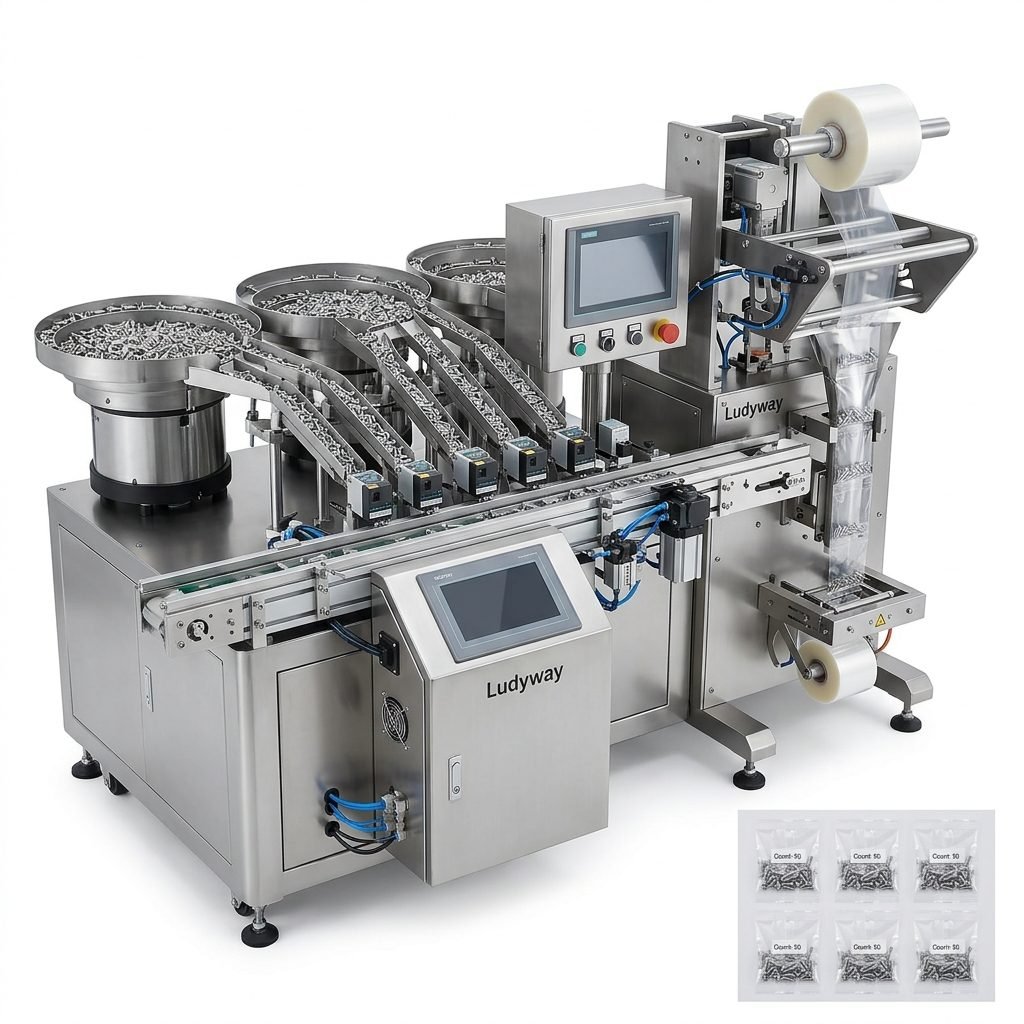
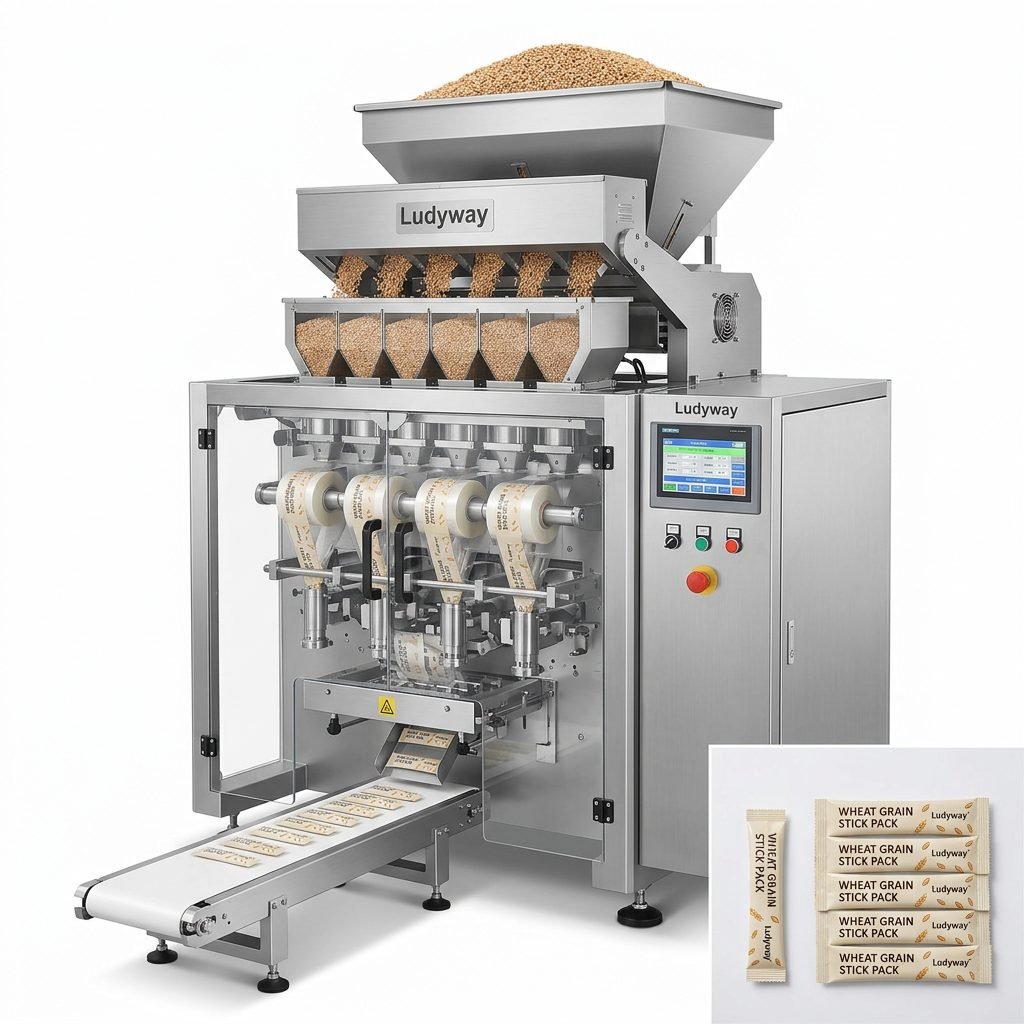
Investing in a confectionery packaging machine is a critical step for scaling production, ensuring product freshness, and meeting stringent European retail standards. Whether you are wrapping chocolate bars, packing gummies, or sealing lollipops, the European market demands high speed, precision, and compliance with EU regulations. This guide provides a detailed roadmap to help you navigate the purchasing process, from technical specifications to supplier verification.
Understanding the European Confectionery Packaging Landscape
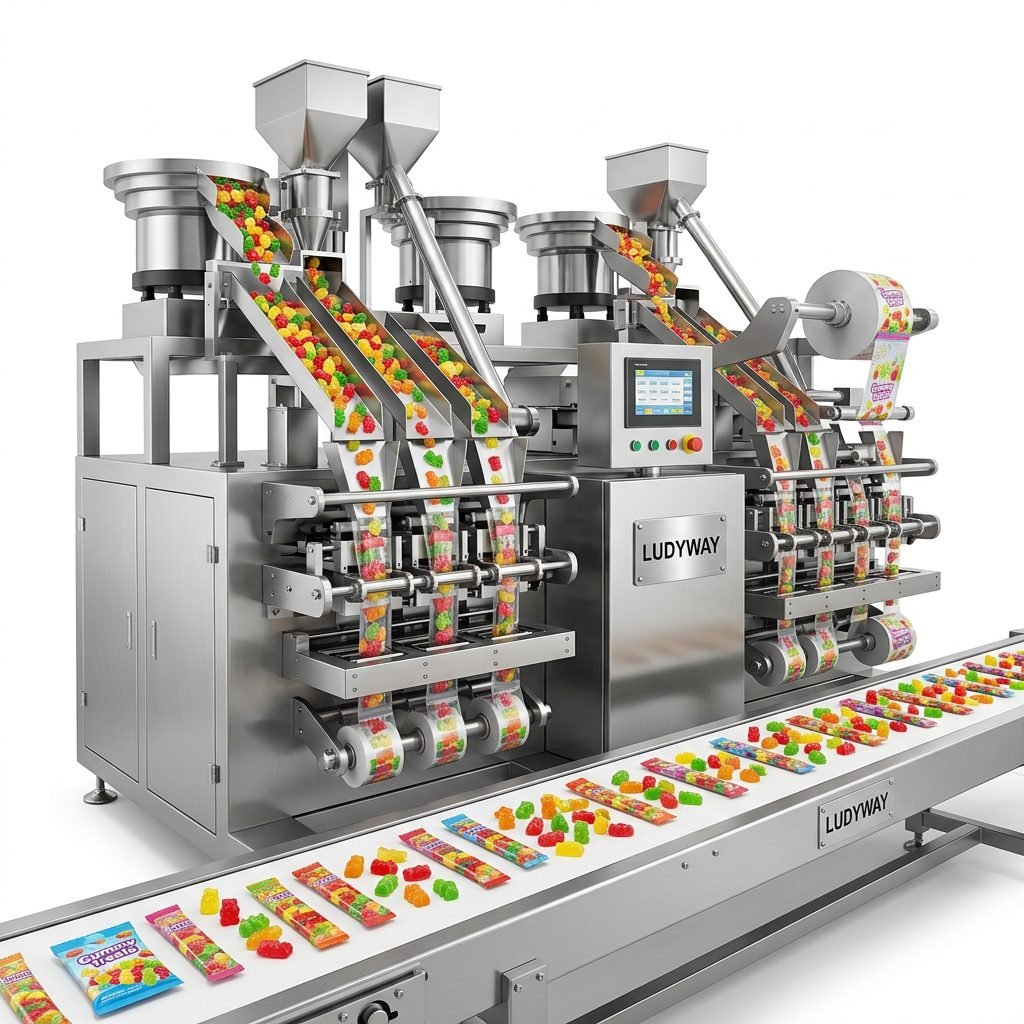
Europe is one of the world’s largest consumers of confectionery, with Germany, the UK, and France leading the production charts. The market demands flexible machinery capable of handling various formats like flow wraps, stick packs, and sachets. Furthermore, compliance with EU Packaging Waste Directives and food-grade material standards (EC 1935/2004) is non-negotiable.
Key Market Drivers for Packaging Machinery
- Portion Control: Small, resealable packages like stick packs are increasingly popular for on-the-go consumption.
- Sustainability: There is a massive shift toward recyclable mono-materials and biodegradable films.
- Automation: Labor shortages are pushing manufacturers toward fully automated, multi-lane systems to boost output.
Types of Confectionery Packaging Machines Available
Selecting the right form, fill, and seal technology determines your production efficiency. Below is a comparison of the most common systems used in the candy industry:
| Machine Type | Best For | Key Advantage |
|---|---|---|
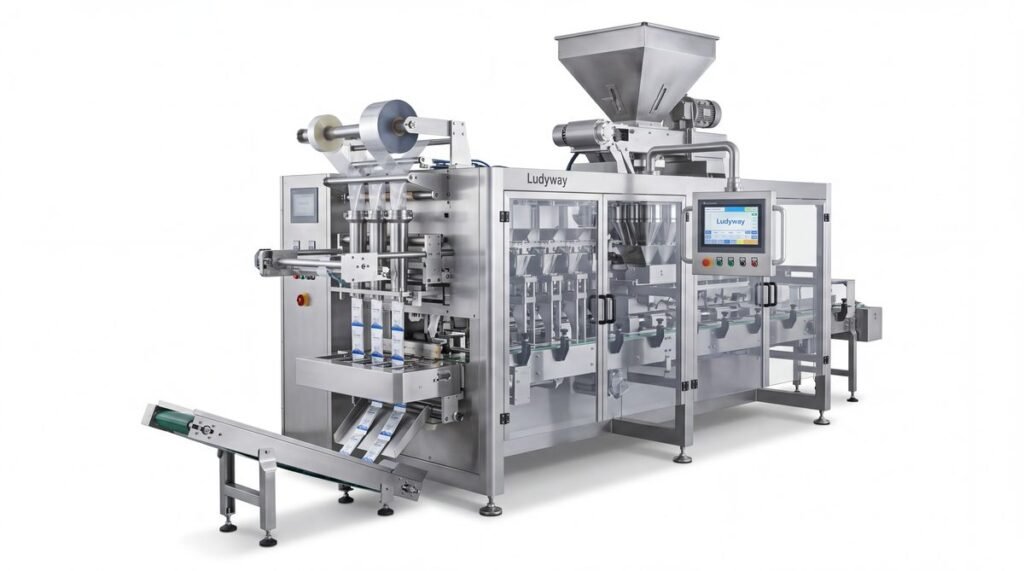
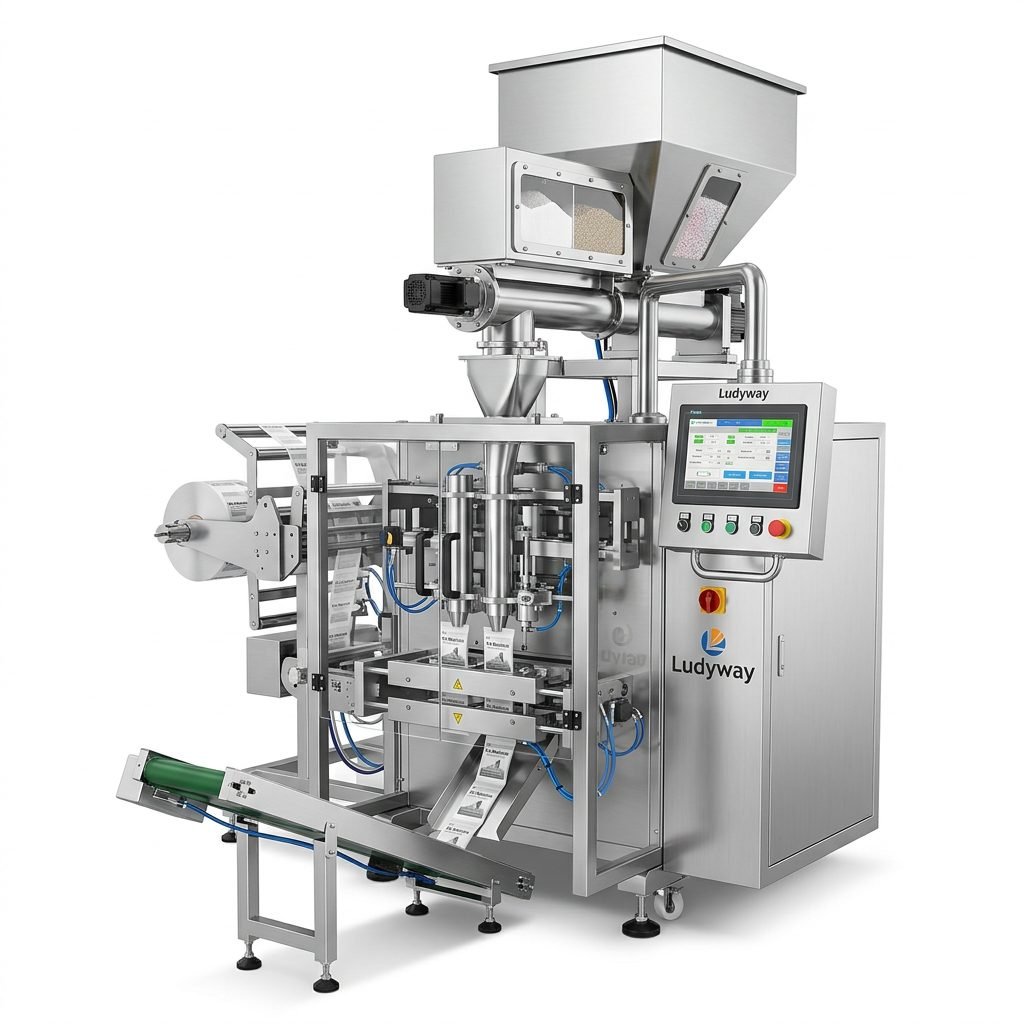
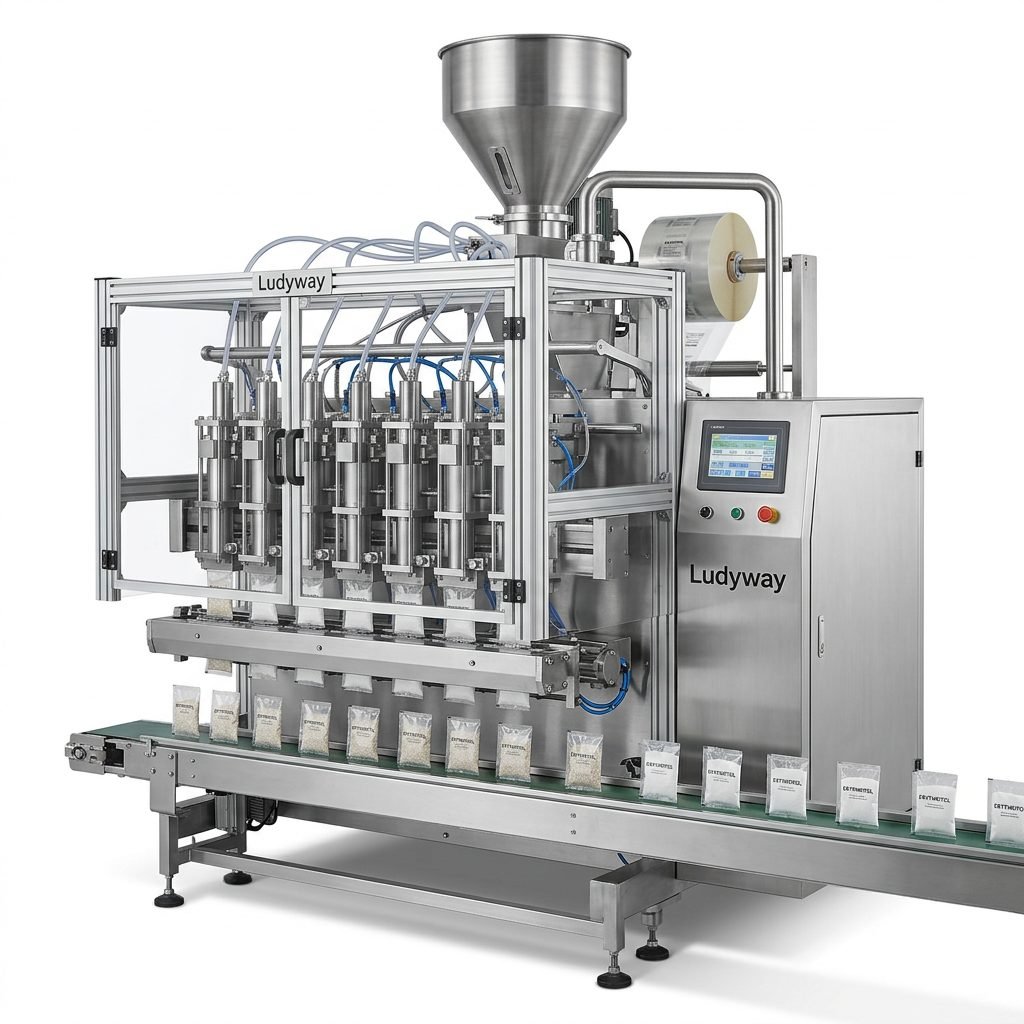
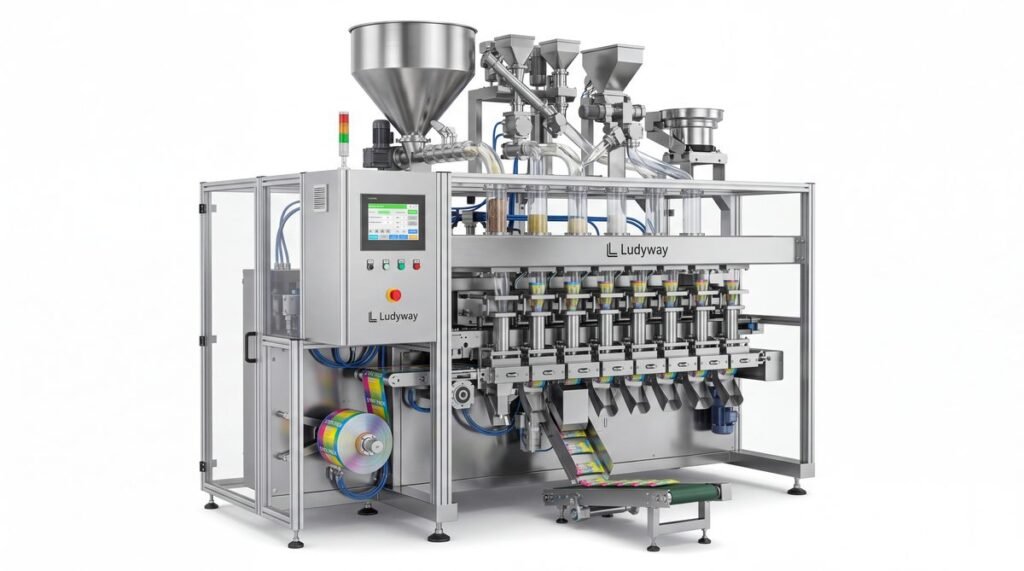
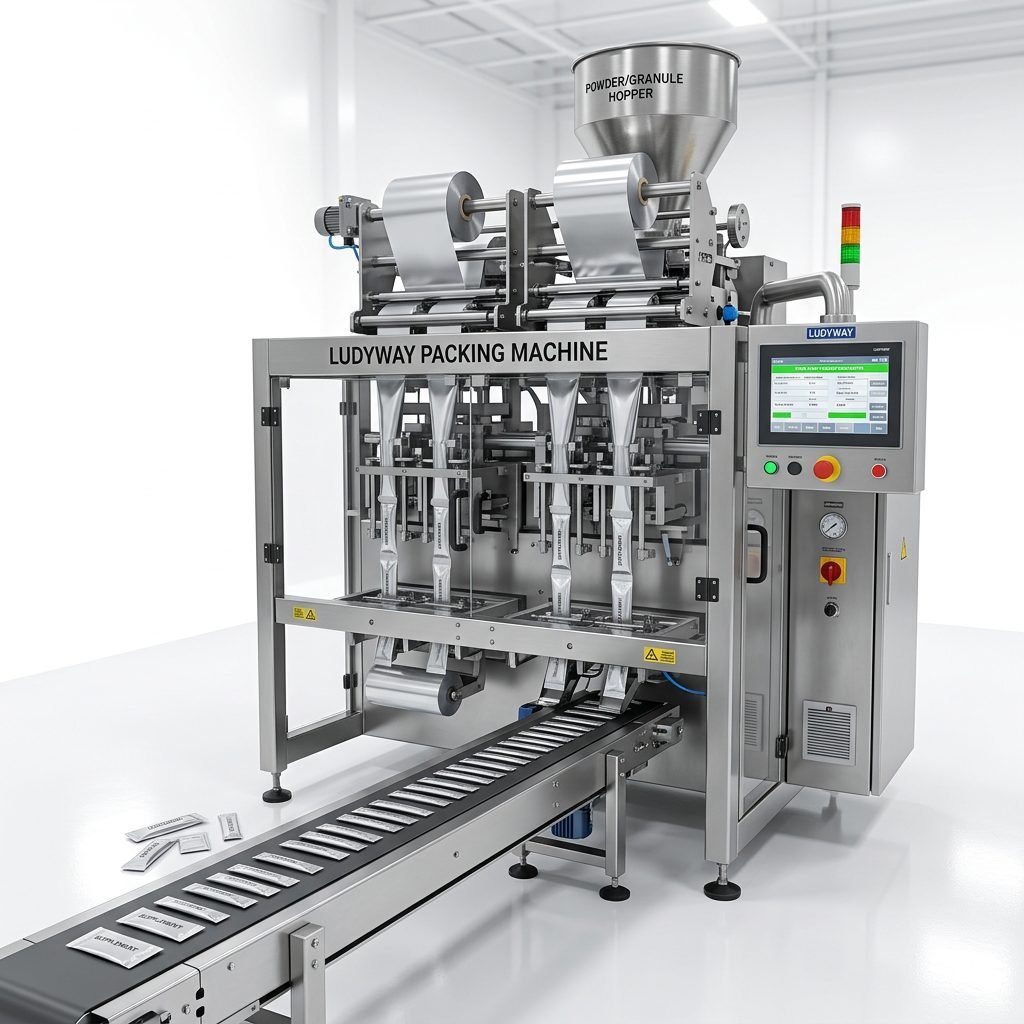
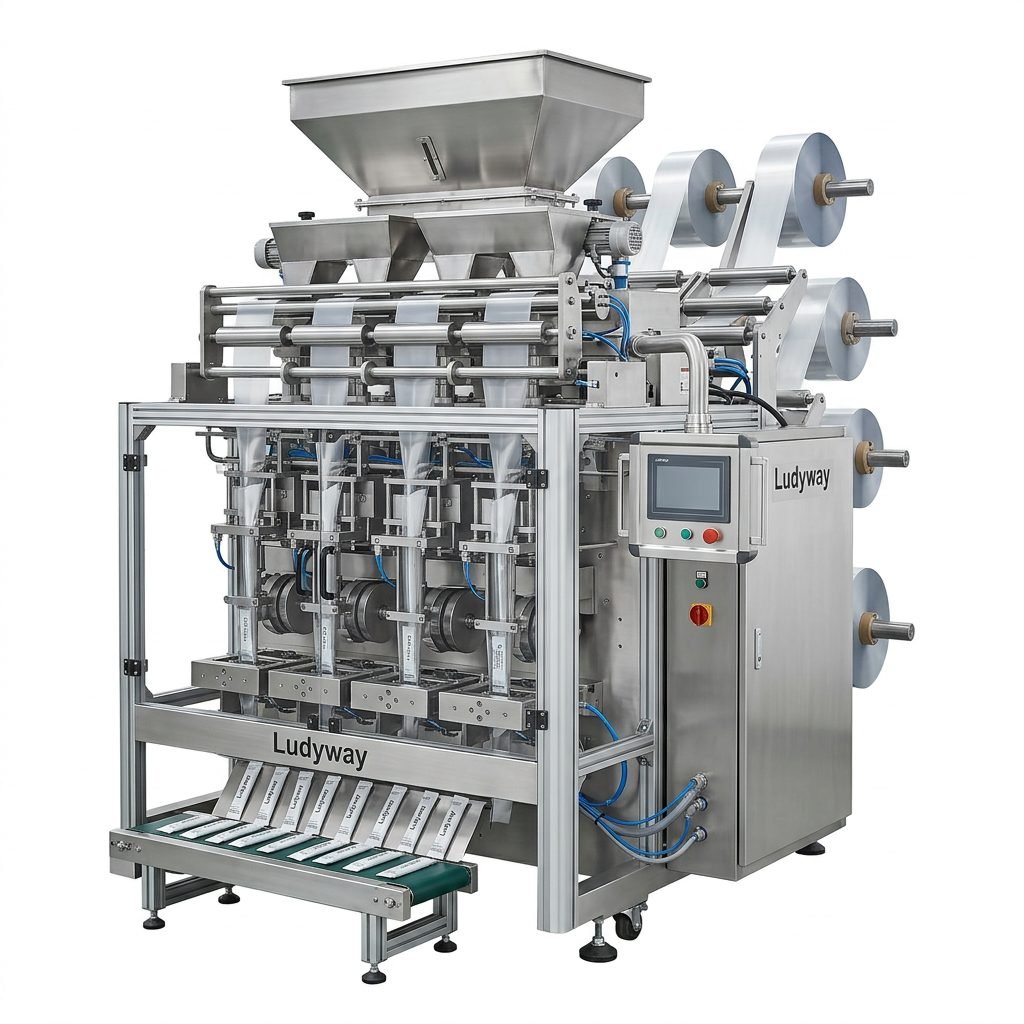
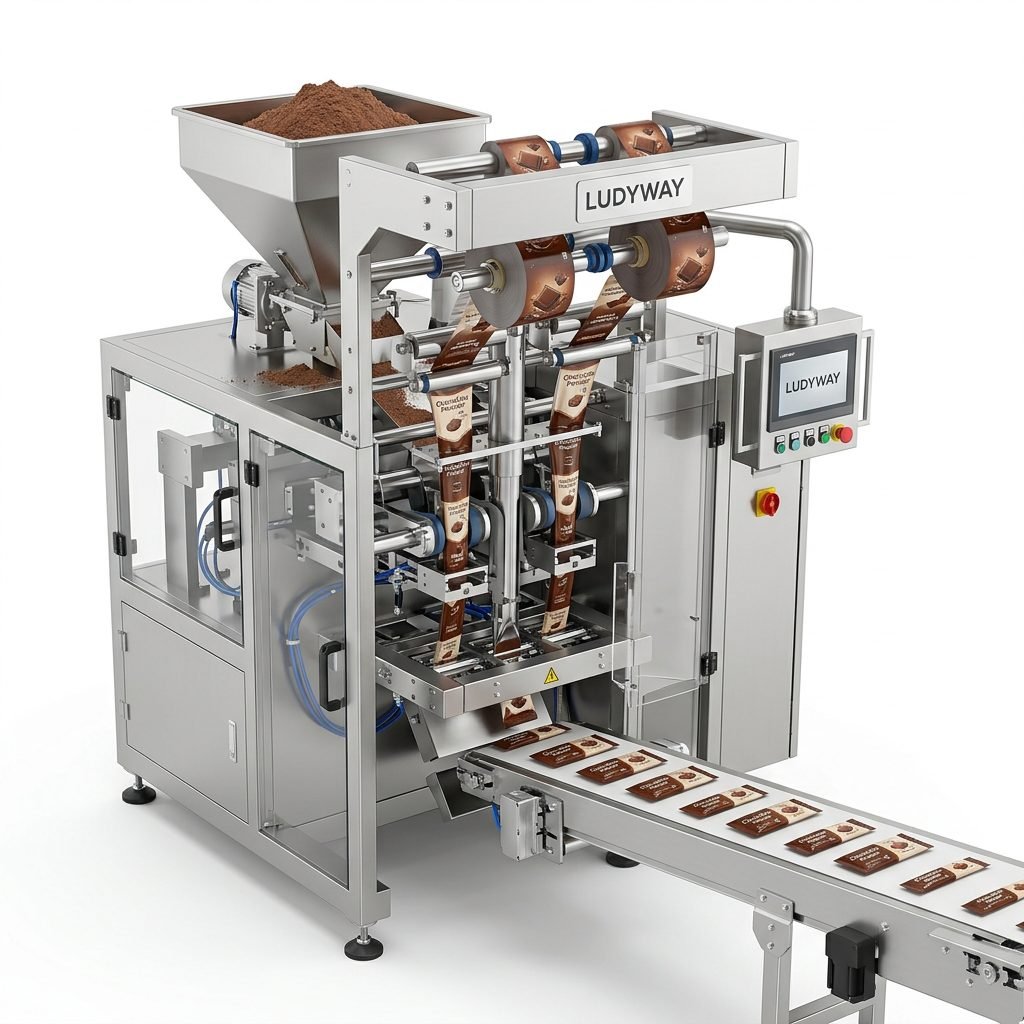
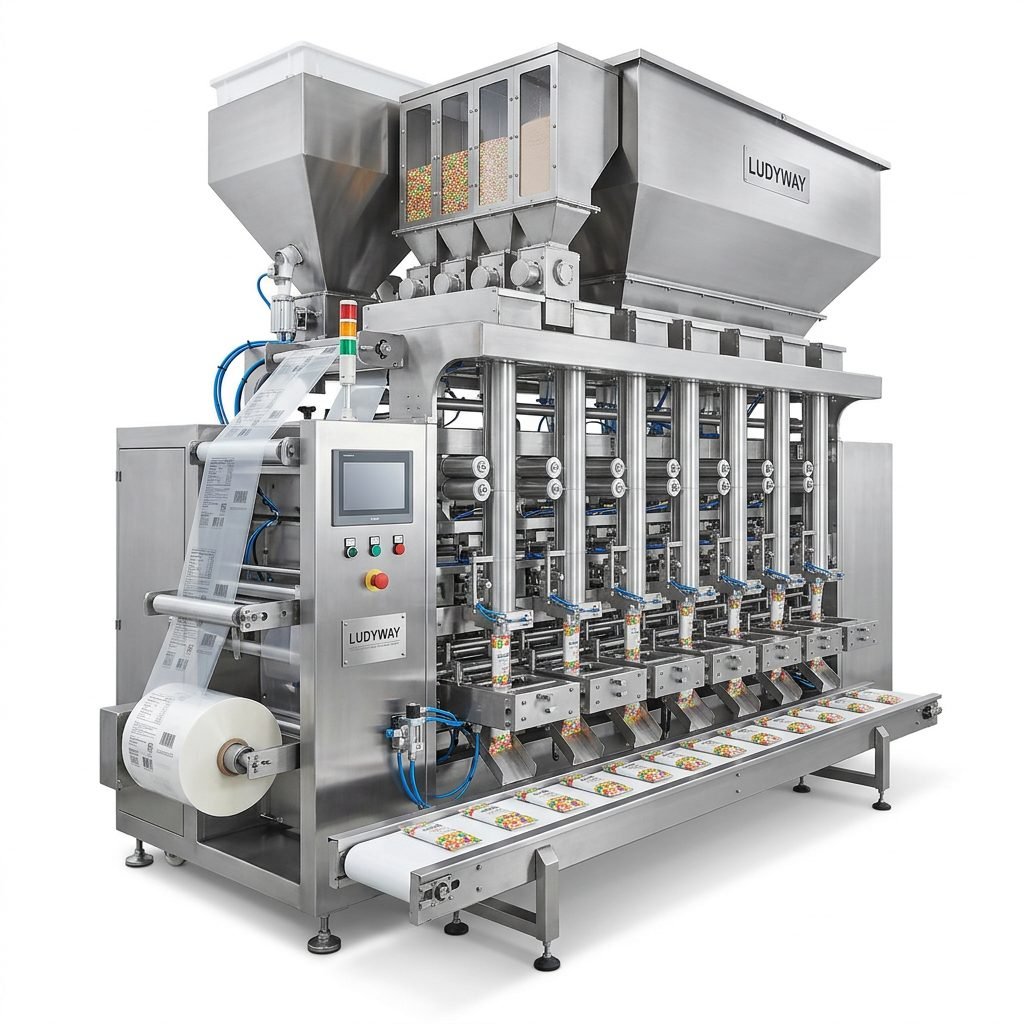
| Multi-Lane Stick Pack | Powders, granules, small gummies | Extremely high output (up to 1000 packs/min) |
| Horizontal Flow Wrapper | Chocolate bars, biscuits, marshmallows | Gentle handling and high seal integrity |
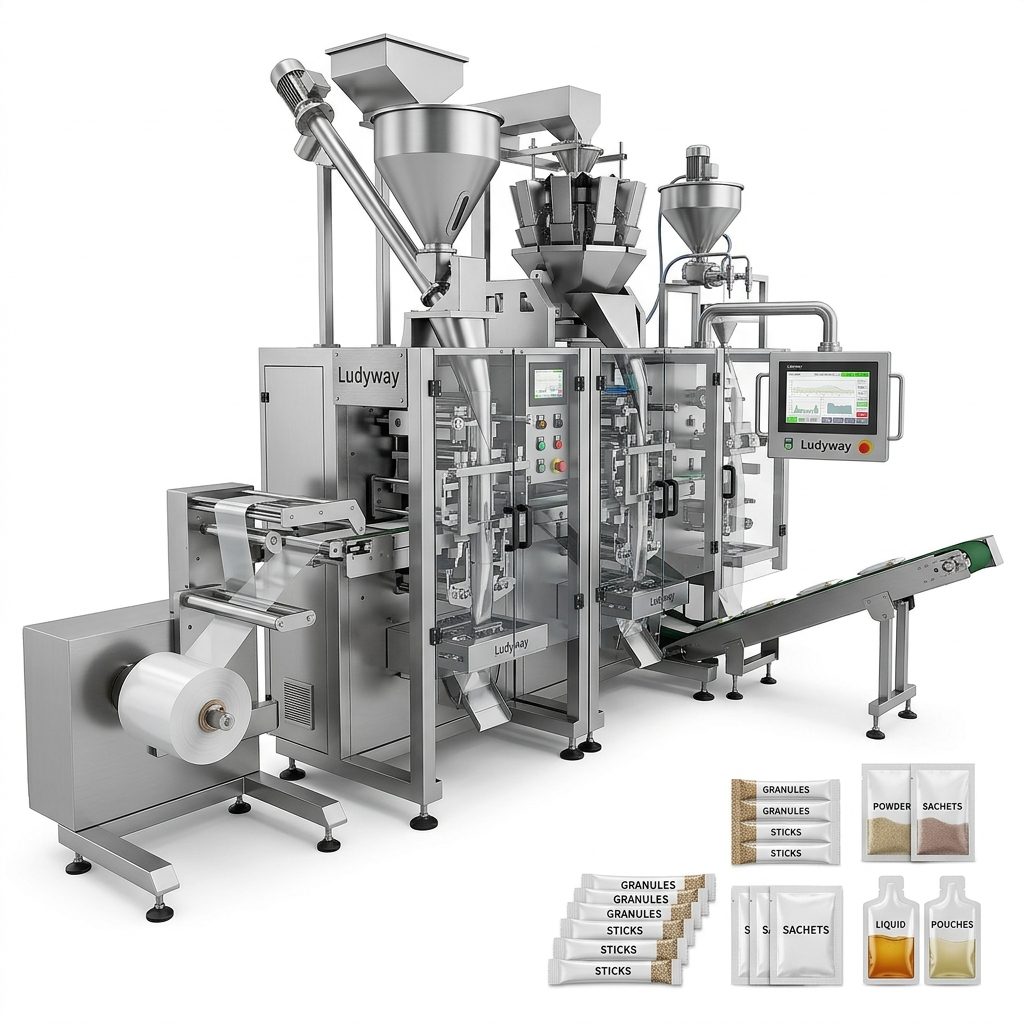
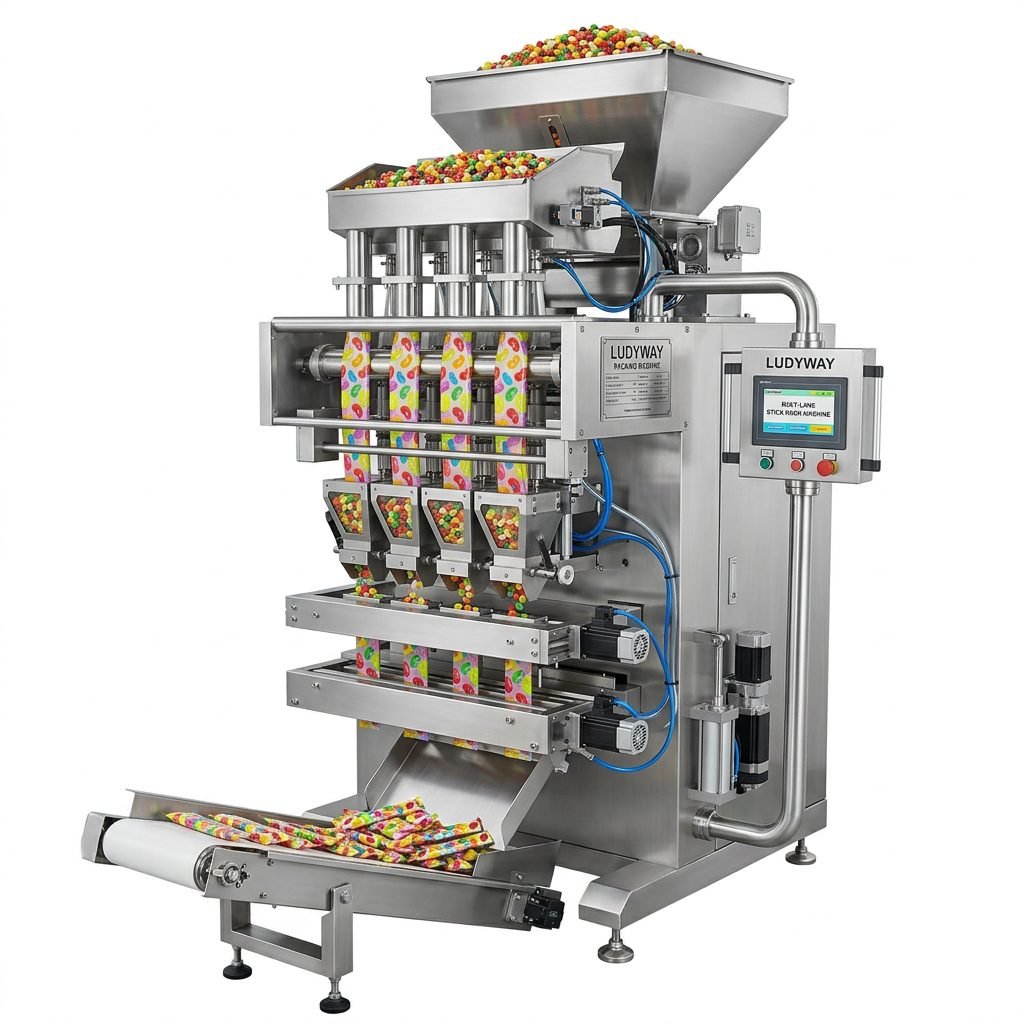
| Vertical Form Fill Seal (VFFS) | Jelly beans, hard candy, mixed nuts | Versatile for various bag styles (pillow, gusseted) |
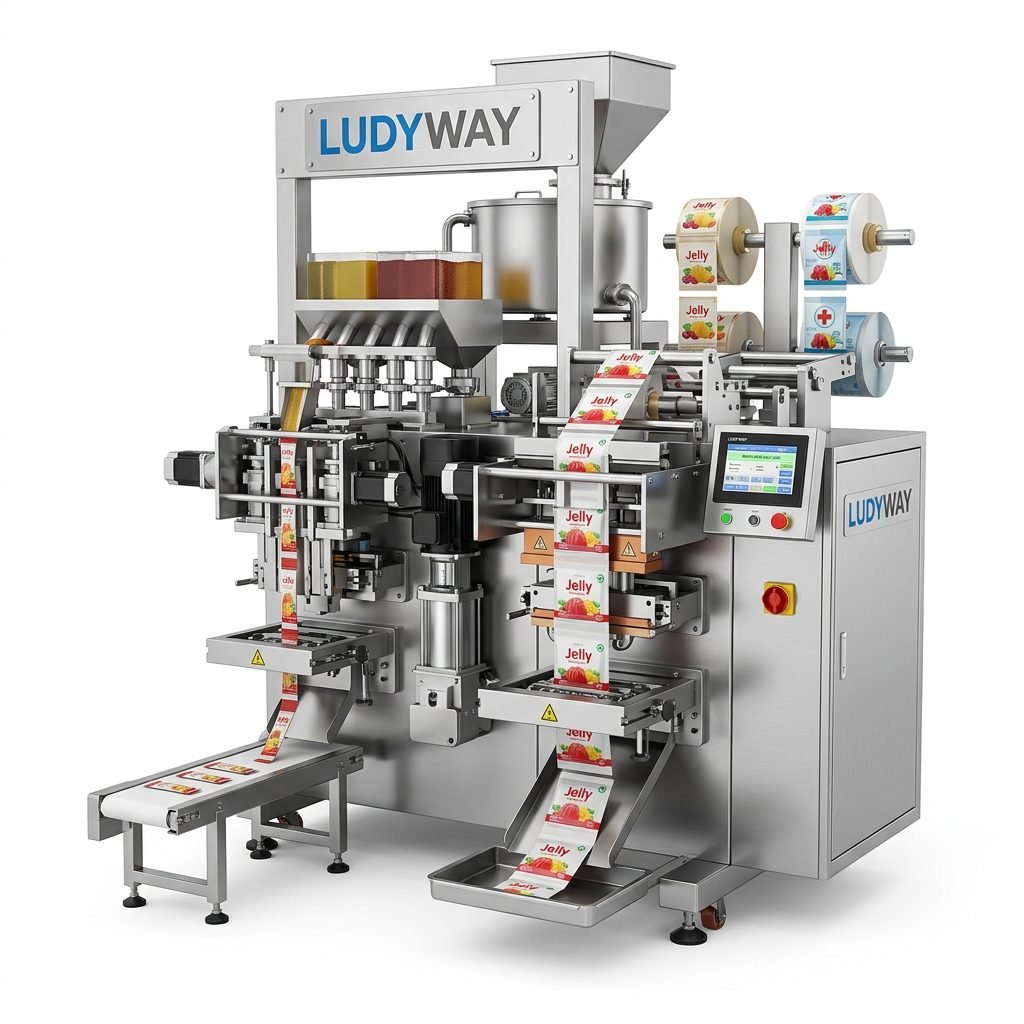
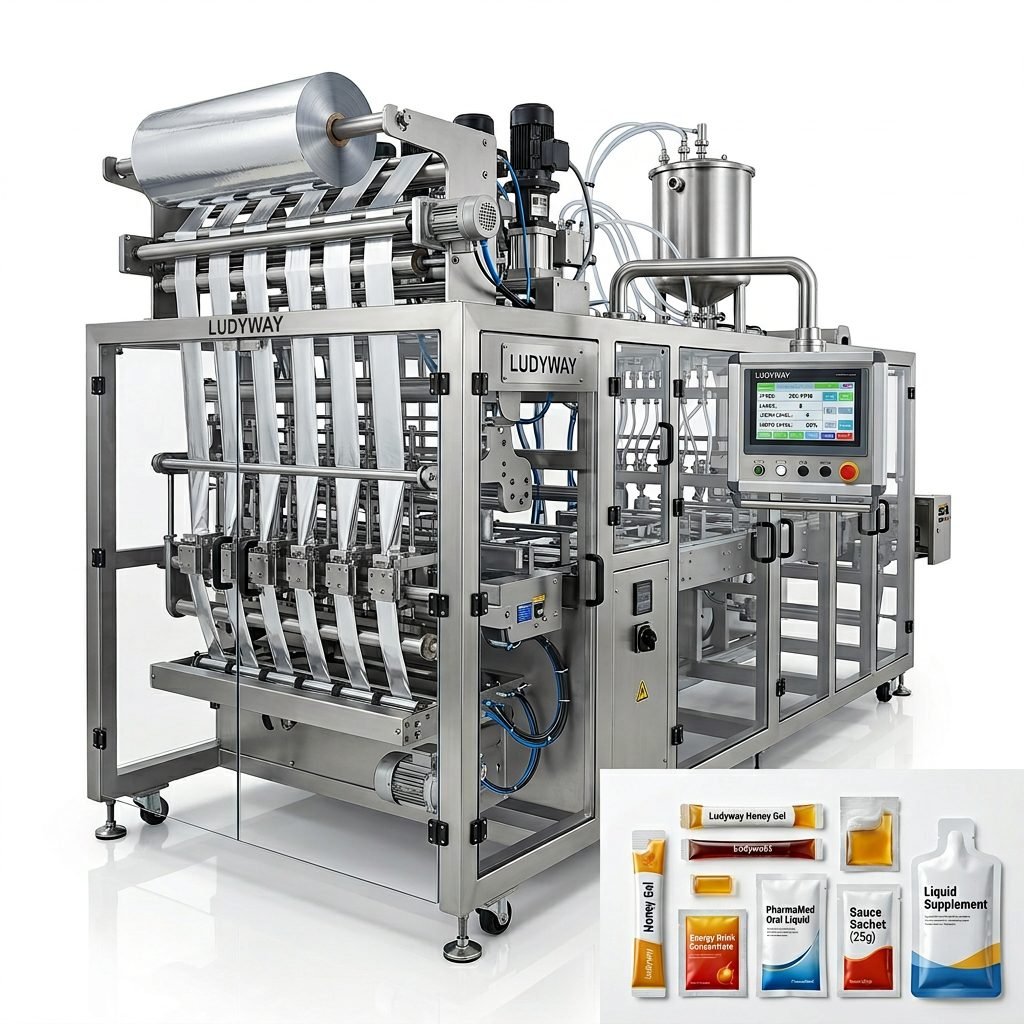
| Sachet Machine | Liquid-filled candies, sauces, samples | Excellent for portion control and 3-side sealing |
Choosing Between Vertical and Horizontal Systems
The choice often depends on product fragility. Hard candies that do not shatter can run on VFFS machines, but chocolate bars usually require horizontal flow wrappers to prevent breakage. For powdery confectionery like drink mixes or sugar-based candies, multi-lane stick pack machines offer the best cost-per-pouch ratio.
Critical Technical Specifications to Evaluate
Beyond the basic type, the machine’s configuration determines your total cost of ownership. Pay close attention to these specifications:
1. Speed and Output Capacity
European contracts often involve high-volume retail chains. Look for machines that can deliver a minimum of 200 to 600 packs per minute per lane. Multi-lane systems significantly multiply this output. Modulated servo drives are essential to maintain synchronization at these speeds.
2. Material Compatibility and Sustainability
Contemporary machines must handle recyclable mono-laminates, paper-based structures, and bio-plastics without tearing or misaligning. The jaw design and sealing temperature control must be precise to avoid overheating thin, eco-friendly films. Compliance with ISO packaging standards is a critical baseline.
3. Quick Changeover Features
If you produce multiple SKUs with different bag sizes and shapes, tool-less changeover is vital. Servo-driven adjustments that recall recipes from a touchscreen can cut downtime from hours to minutes, dramatically improving Overall Equipment Effectiveness (OEE).
EU Regulations and Safety Standards
A CE marking is mandatory for machinery sold and operated in the European Economic Area. Additionally, the machine design must follow hygienic engineering principles to prevent contamination in sticky candy environments. Look for sloped surfaces and IP65 or higher washdown protection for sensitive areas.
Essential Documentation
Before finalizing a purchase, ensure the supplier provides the following in English or the local language:
- Declaration of Conformity (CE certificate).
- Risk Assessment Documentation (ISO 12100).
- Electrical schematics compliant with IEC 60204-1.
- Food safety certification (materials in contact with food).
Cost Analysis: Beyond the Initial Price
The sticker price of a confectionery packaging machine is only the beginning. A comprehensive Total Cost of Ownership (TCO) model protects your ROI in a competitive European market.
| Cost Factor | Impact on Budget | Mitigation Strategy |
|---|---|---|
| Spare Parts | High if seals and jaws wear quickly | Opt for hardened steel or ceramic-coated jaws |
| Film Waste | Significant with shorter rolls and poor splicing | Look for automated lap splicing systems |
| Energy Consumption | High variable cost in EU electricity markets | Select servo-driven over pneumatic systems |
| Installation & Training | Often under-quoted | Request on-site FAT and SAT clauses in the contract |
Factory Acceptance Testing (FAT) for European Buyers
Before shipping, a thorough Factory Acceptance Test is non-negotiable. This is your chance to verify the machine’s performance using your actual packaging film and product.
FAT Checklist for Confectionery Machines
- Run the machine at maximum rated speed for at least 8 continuous hours.
- Verify seal integrity through dye penetration tests or leak detection.
- Check the precision of the weighing system (target ±0.5% accuracy for candy granules).
- Test the rejection mechanism for underweight or metal-contaminated packs.
- Assess noise levels to ensure compliance with EU workplace safety directives.
Service, Support, and Spare Parts Logistics
The fast-paced nature of confectionery production means downtime is lost revenue, especially during seasonal peaks like Christmas and Easter. Evaluate the supplier’s footprint critically. A local service hub within the EU drastically reduces the response time. Additionally, confirm the availability of plug-and-play format parts for common European film widths.
For companies operating in global markets, strategic advantages come from partnering with manufacturers who have robust international engineering teams. Notably, Ludyway, a large-scale manufacturer with a 20,000㎡ facility and over 30 years of industry expertise, supports complex turnkey lines across multiple sectors, including confectionery. Their standardized yet customizable platforms help ensure spare parts compatibility and consistent global service standards.
Final Steps to Secure Your Purchase
Once you have shortlisted suppliers, follow these concrete steps to protect your investment:
- Request a detailed RFQ: Specify bag dimensions, film structures, output requirements, and automation levels (e.g., automatic cartoning).
- Evaluate safety: Confirm Category 3 safety circuits and integrated guarding to meet EU Machinery Directive 2006/42/EC.
- Visit the factory: If not possible physically, request a live video audit to see the machine’s assembly quality and testing procedures.
- Negotiate the warranty: Target a minimum 24-month warranty on major components in the European market.
Key Resources for Further Research
- PMMI – The Association for Packaging and Processing Technologies
- Flexible Packaging Association – Industry Resources
- FDA Food Packaging and Food Contact Substances
- European Commission – Packaging and Packaging Waste
- ISO 11607 – Packaging for Medical Devices (sealing validation)
Selecting the right confectionery packaging machine in Europe requires a strategic balance between technological capability, regulatory compliance, and lifecycle cost. By prioritizing hygienic design, material flexibility for sustainable films, and verifiable local support, you can secure a system that delivers consistent quality and efficiency for years to come.