Selecting the right ground meat packaging machine is one of the most critical decisions for meat processors, food manufacturers, and co-packers. The equipment you choose directly impacts product shelf life, production efficiency, food safety compliance, and ultimately your bottom line. Whether you are packaging fresh ground beef, pork, poultry, or specialty blended meats, the packaging system must handle the unique characteristics of ground meat while meeting throughput demands and regulatory standards. This comprehensive guide walks you through every factor to consider before making your investment.

Understanding the Unique Challenges of Ground Meat Packaging
Ground meat presents distinct packaging challenges that differ significantly from whole cuts or dry products. The increased surface area of ground meat makes it more susceptible to oxidation, microbial growth, and color degradation. According to industry data from the Flexible Packaging Association, meat packaging is one of the most technically demanding segments in the food packaging industry. Moisture content, fat levels, protein composition, and temperature sensitivity all influence how the product interacts with packaging materials and machinery. A proper ground meat packaging machine must deliver consistent portion control, reliable sealing integrity, and often modified atmosphere capabilities to extend shelf life while maintaining visual appeal at retail.
Types of Ground Meat Packaging Machines
The market offers several distinct categories of equipment for packaging ground meat products. Understanding the differences between these machine types is essential before evaluating specific models. Each technology serves different production scales, package formats, and product requirements. Below is a comparison of the most common ground meat packaging machine types you will encounter during your selection process.
| Machine Type | Best For | Key Advantages | Typical Output Range |
|---|---|---|---|
| Vacuum Packaging Machine | Bulk ground meat, wholesale packs, frozen products | Excellent oxygen removal, extended shelf life, robust seal integrity | 5–30 packs per minute |
| Tray Sealer with MAP | Retail-ready ground meat trays, supermarket supply | Modified atmosphere capability, attractive retail presentation, high flexibility | 8–60 trays per minute |
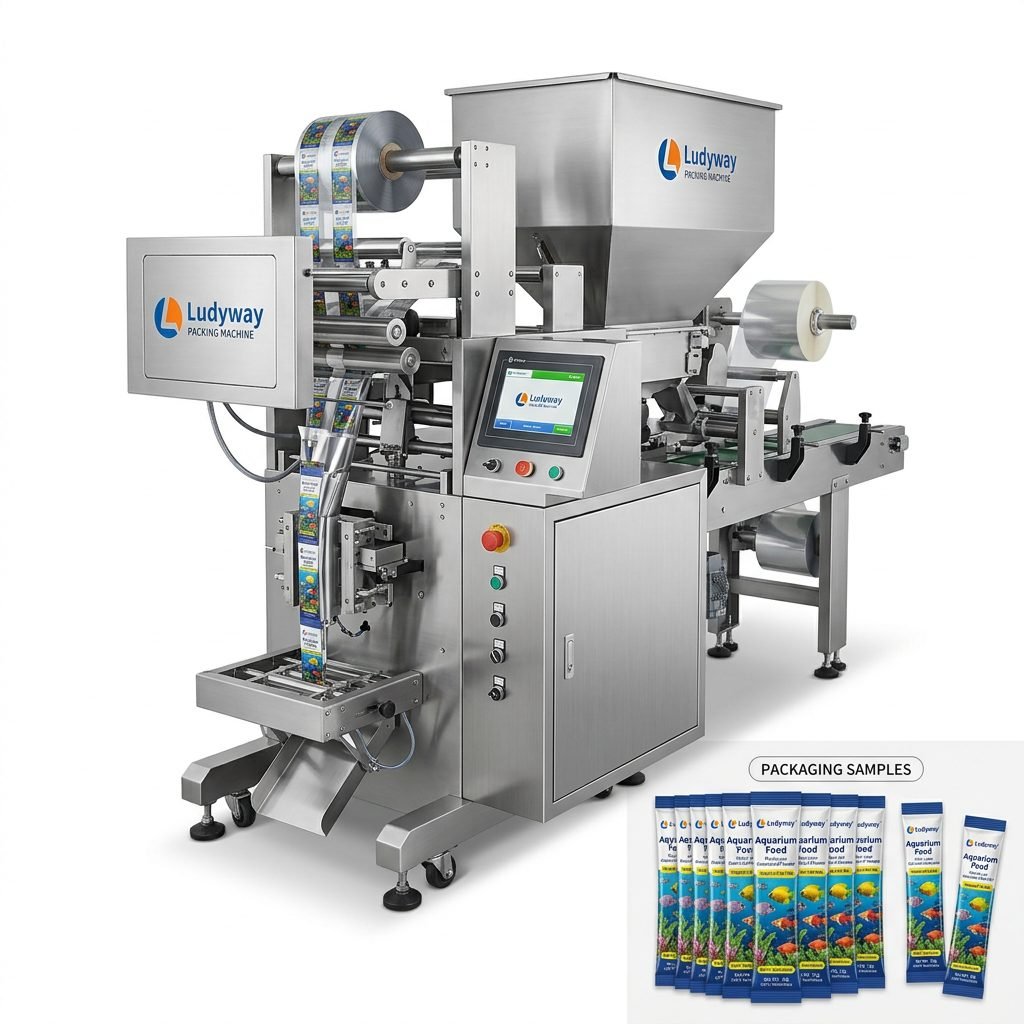
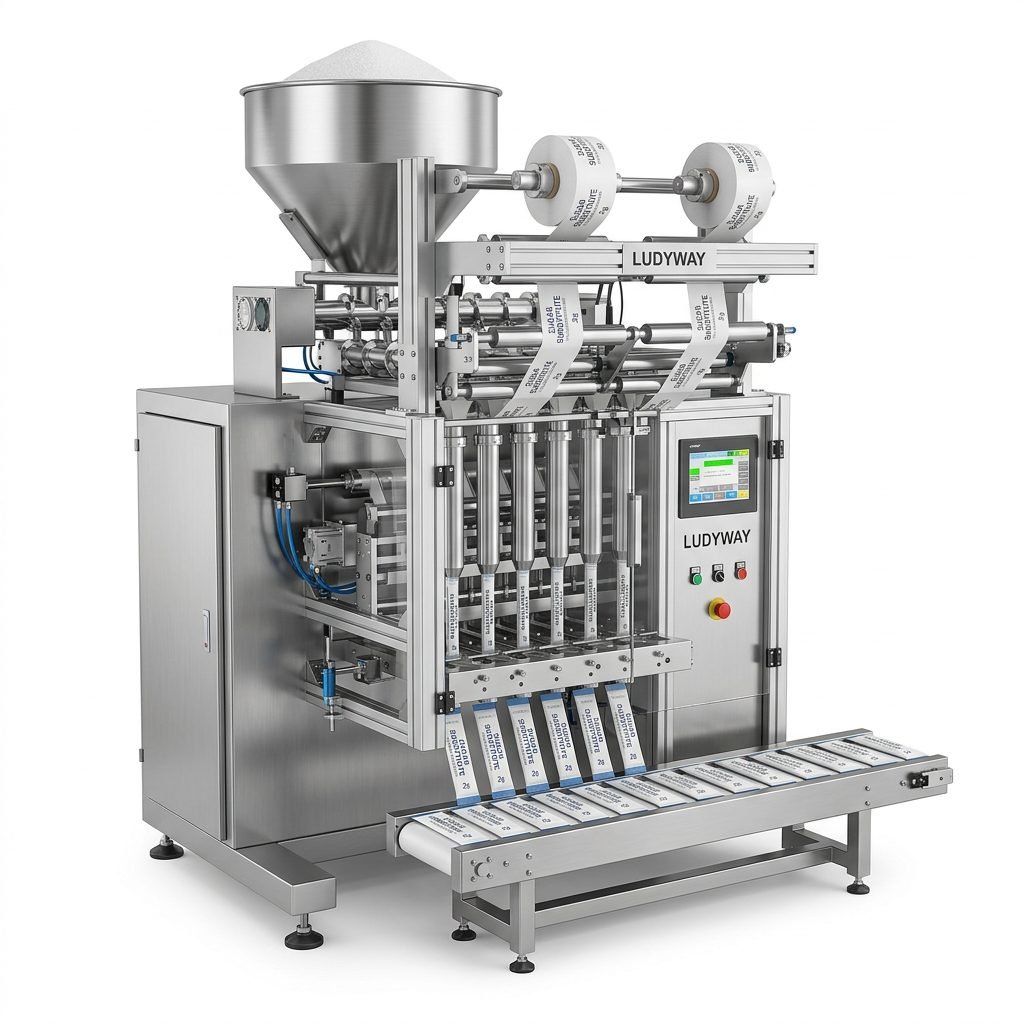
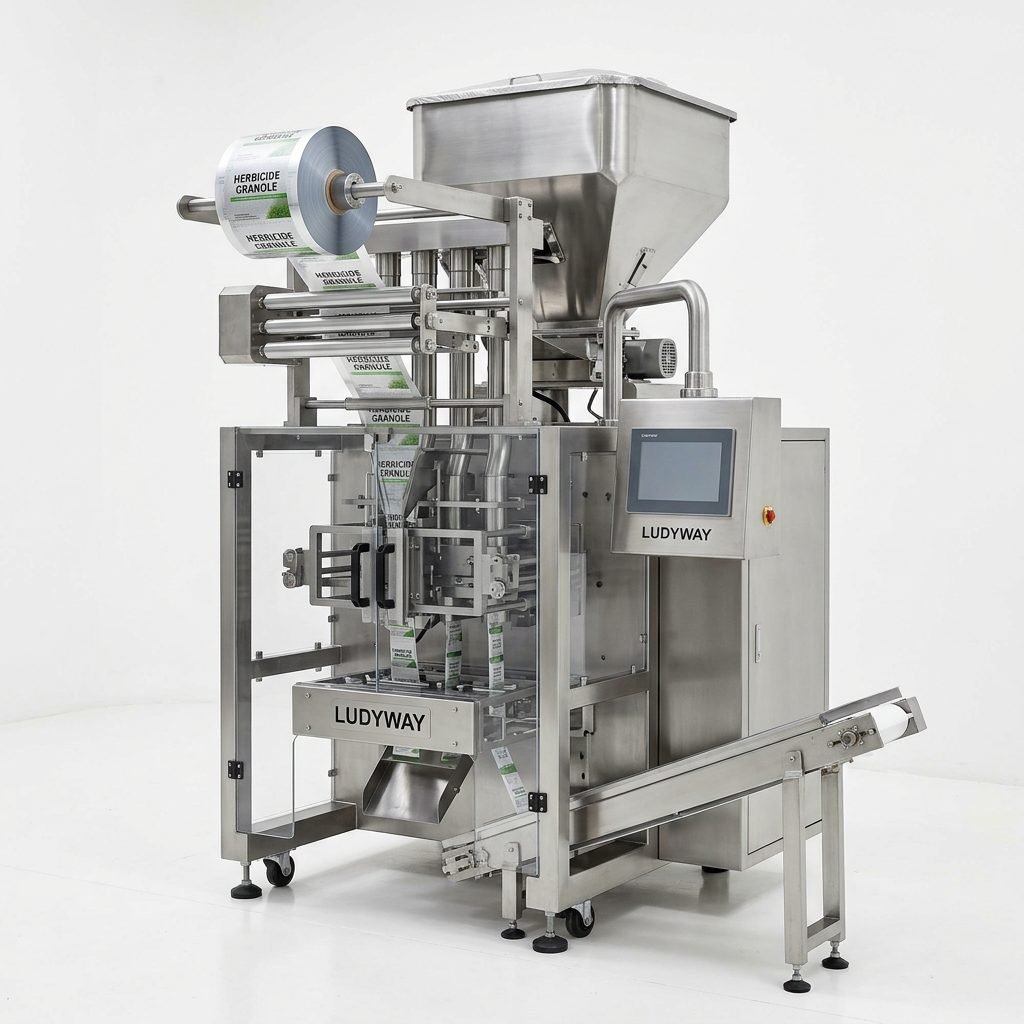
| Vertical Form Fill Seal (VFFS) | Frozen ground meat patties, bulk frozen packs, pillow bags | High-speed operation, lower packaging material cost, compact footprint | 30–120 packs per minute |
| Thermoforming Packaging Machine | High-volume retail ground meat, MAP and vacuum skin packs | Fully automated, excellent seal quality, versatile film options, high throughput | 10–80 cycles per minute |
| Rotary Chamber Vacuum Machine | Medium-scale operations, specialty ground meat products | Reliable vacuum performance, multiple pouch sizes, cost-effective for moderate volumes | 10–40 packs per minute |
Key Factors to Consider When Choosing Your Ground Meat Packaging Machine
With multiple machine types available, your evaluation must be driven by specific operational requirements rather than generic specifications. The following factors represent the most important considerations that should guide your ground meat packaging machine selection process. Each factor directly influences long-term performance, compliance, and return on investment.
Product Characteristics and Material Compatibility
Ground meat varies significantly in fat content, moisture levels, texture, and temperature at the point of packaging. These properties affect how the product flows through filling systems and interacts with sealing surfaces. High-fat ground beef (such as 73/27 blends) can leave residue on seal areas, requiring machines with effective seal bar cleaning mechanisms or non-stick coatings. Lean ground poultry has different flow characteristics that may necessitate specialized auger or volumetric fillers. Your packaging machine must be compatible with the specific food-grade packaging materials you intend to use, including barrier films with appropriate oxygen transmission rates (OTR) and moisture vapor transmission rates (MVTR) for ground meat protection.

Production Speed and Capacity Requirements
Your current and projected production volumes should determine the speed class of the machine you select. Underestimating capacity needs leads to bottlenecks, while overestimating results in unnecessary capital expenditure. Consider these operating parameters when evaluating throughput:
- Packages per minute (PPM) – The actual output rate at which the machine consistently produces properly sealed packages with accurate fill weights.
- Changeover time – The duration required to switch between different package formats, product types, or film materials. Frequent changeovers demand quick-change tooling features.
- Uptime percentage – Real-world availability accounting for cleaning cycles, maintenance, and minor stoppages. Target machines with documented uptime exceeding 90% in similar ground meat applications.
- Labor requirements – How many operators are needed to run the line effectively, including loading, monitoring, and quality checks.
Hygiene and Sanitation Standards
Ground meat packaging equipment must comply with stringent food safety regulations including PMMI sanitary design guidelines and applicable FDA or USDA requirements. Look for machines with washdown-compatible construction featuring stainless steel frames, sloped surfaces for drainage, minimal horizontal ledges where meat particles can accumulate, and IP65 or higher rated electrical components. Quick-release conveyors and tool-free access to product contact areas significantly reduce sanitation labor hours while improving cleaning effectiveness. If your facility operates under HACCP plans, verify that the machine design supports your critical control point monitoring procedures.
Automation Level and Integration Capabilities
Modern ground meat packaging lines can range from semi-automatic systems requiring significant operator involvement to fully automated lines with minimal human intervention. Higher automation reduces labor costs and improves consistency but requires greater upfront investment. Consider how the packaging machine will integrate with your existing upstream and downstream equipment, including grinding systems, conveyors, checkweighers, metal detectors, labeling machines, and case packing systems. A well-integrated line provides seamless data exchange and centralized control, reducing error rates and improving traceability.
Budget and Total Cost of Ownership
The purchase price of a ground meat packaging machine represents only one component of the total cost. A comprehensive financial analysis should account for installation and commissioning, operator training, ongoing maintenance, spare parts inventory, packaging material costs, energy consumption, and expected service life. Machines with higher initial cost often deliver lower per-package cost over their lifespan through improved efficiency, reduced film waste, and fewer production interruptions. Calculate the total cost of ownership over a 5 to 10-year period to make meaningful comparisons between competing proposals.
Evaluating Suppliers and Manufacturers
The relationship with your equipment supplier extends well beyond the initial sale. A reliable manufacturer provides comprehensive support throughout the machine’s lifecycle. When evaluating potential suppliers, assess their experience specifically with ground meat packaging applications, their engineering and customization capabilities, the availability of local technical support and spare parts, their installed base in your region, and customer references from operations similar to yours. Companies like Ludyway Machinery, with more than 30 years of experience in packaging machinery manufacturing and a 20,000-square-meter facility serving customers across more than 100 countries, demonstrate the kind of established manufacturing and engineering foundation that supports long-term equipment reliability and responsive technical service.
Installation, Training, and After-Sales Support
Proper installation and thorough operator training are essential for achieving the machine’s designed performance. Confirm that your supplier provides comprehensive on-site installation support, detailed operational training for your production team, and clear preventive maintenance schedules. Remote diagnostic capabilities and readily available spare parts inventories reduce downtime when issues arise. Establish service level agreements (SLAs) that define response times and resolution commitments before finalizing your purchase agreement.

Future-Proofing Your Investment
Your production requirements will likely evolve over the equipment’s service life. When selecting a ground meat packaging machine, evaluate its flexibility to accommodate future package formats, product variations, and production volumes. Modular machine designs that allow for field upgrades, retrofittable automation modules, and compatibility with emerging sustainable packaging materials provide the best long-term value. The packaging industry continues to advance toward smarter, more connected equipment. Choosing a machine with Industry 4.0 capabilities, including data collection, remote monitoring, and integration with manufacturing execution systems (MES), positions your operation for continued competitiveness in an increasingly digital manufacturing environment.
Making Your Final Decision
Choosing the right ground meat packaging machine requires balancing numerous technical, operational, and financial considerations. Start by clearly defining your product requirements and production targets, then systematically evaluate machine types and suppliers against those criteria. Whenever possible, conduct on-site trials with your actual product to verify machine performance before committing to a purchase. Visit existing installations to observe real-world operation and speak directly with production personnel about their experience. The right packaging machine becomes a long-term production asset that supports food safety, operational efficiency, and business growth for years to come. Invest the necessary time in due diligence to ensure your selection delivers sustained value.