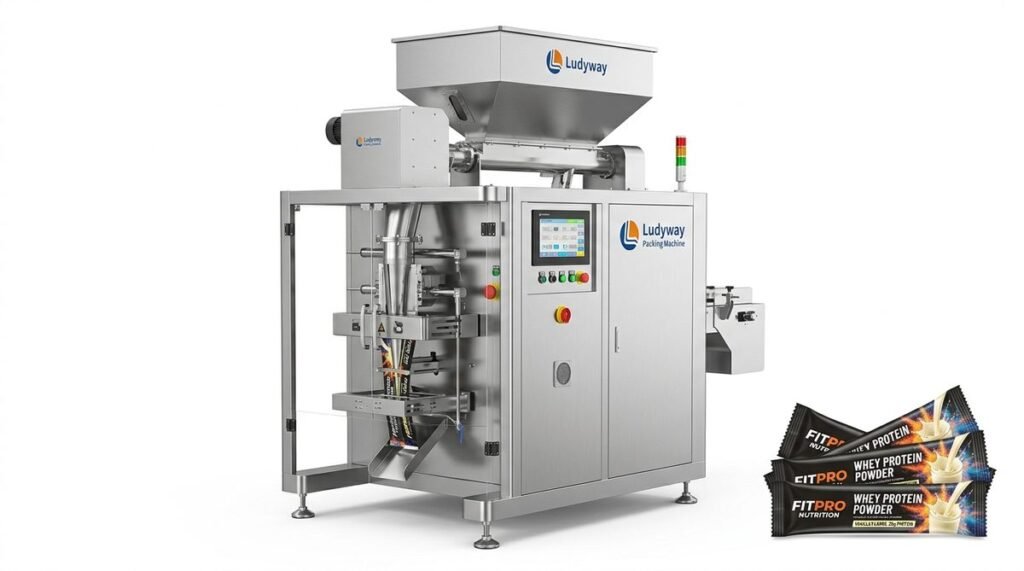
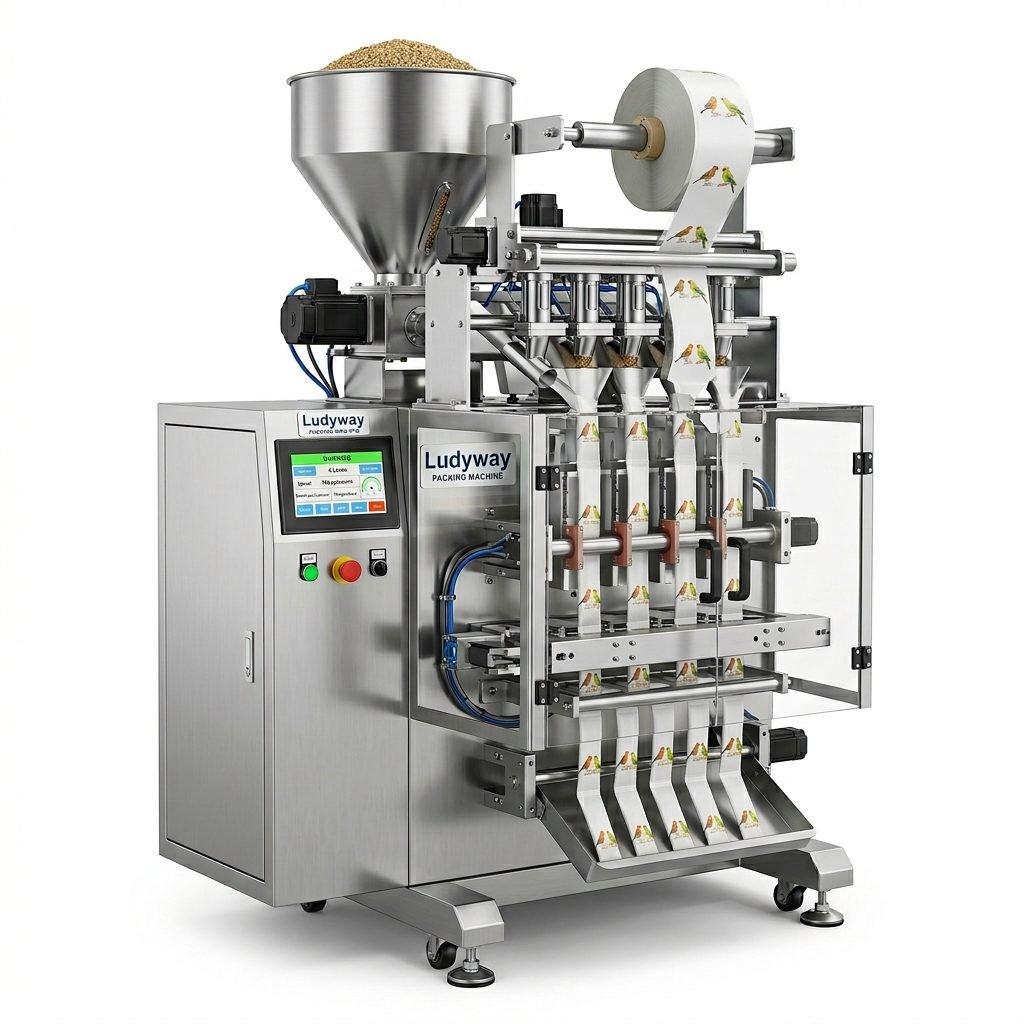
Investing in packaging equipment is a critical decision for manufacturers across food, pharmaceutical, chemical, and consumer goods industries. A semi-automatic box packing machine offers a balanced solution between manual labor and full automation, providing improved efficiency without the high capital expenditure of fully automatic systems. This guide walks you through the essential factors to consider before making a purchase.
Understanding Semi-Automatic Box Packing Machines
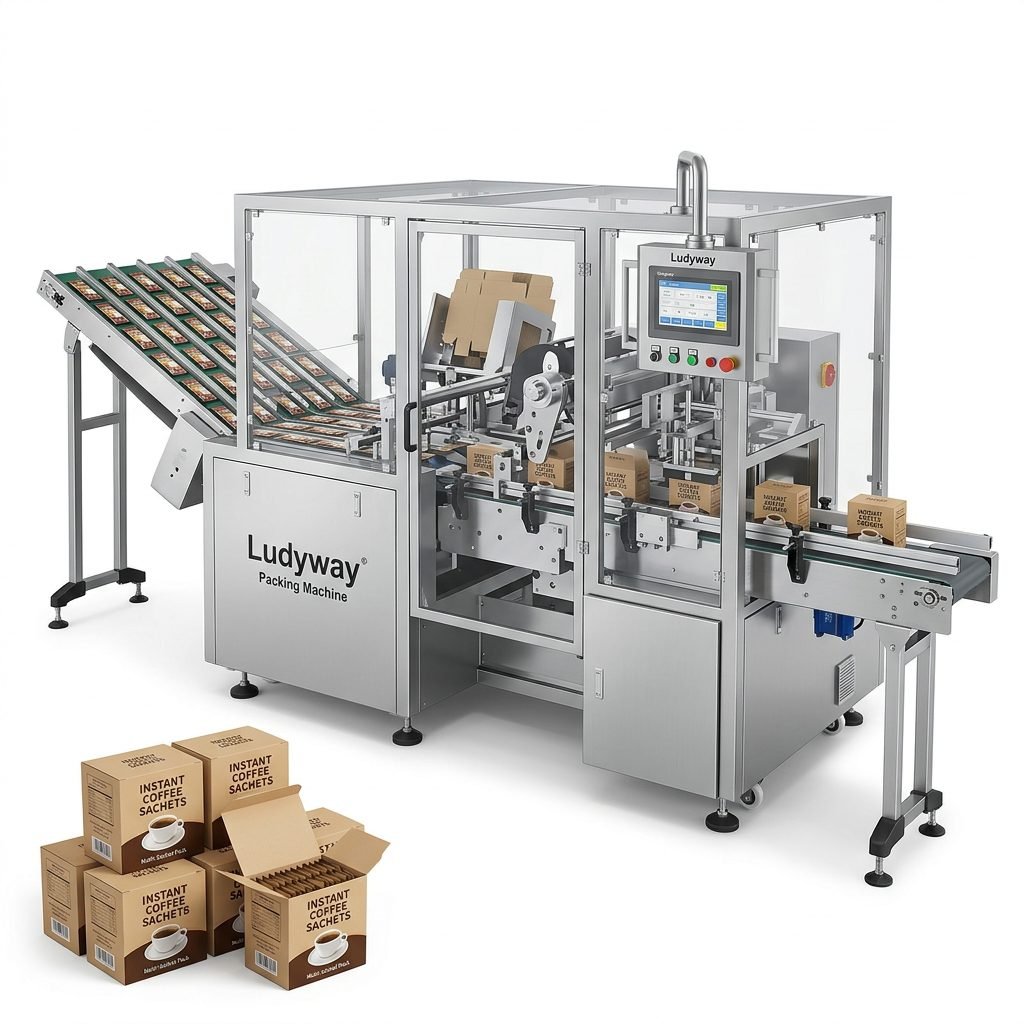
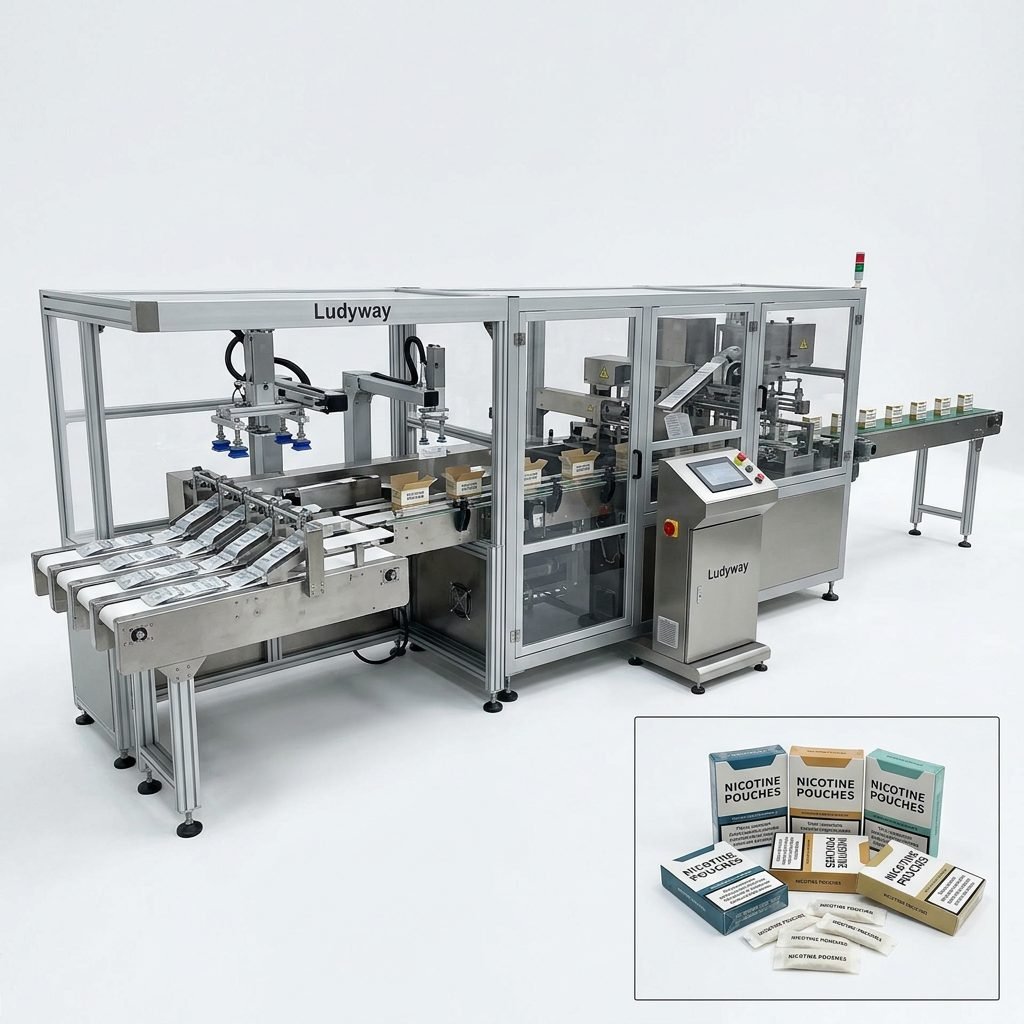
A semi-automatic box packing machine (also referred to as a semi-automatic cartoning machine or case packer) automates specific stages of the box packing process while requiring operator involvement for certain tasks. Typically, the machine handles box forming, sealing, and conveying, while an operator manually loads products into boxes or cartons.
This type of equipment is ideal for manufacturers transitioning from fully manual packing operations or those with moderate production volumes where a fully automatic cartoning line may not be cost-justified. According to the PMMI packaging machinery market research, semi-automatic solutions continue to hold a significant share in the packaging equipment market, especially among small to medium-sized enterprises.
Key Advantages of Semi-Automatic Box Packing Solutions
- Lower initial investment compared to fully automatic cartoning systems
- Flexibility to handle multiple box sizes and product configurations with quick changeovers
- Reduced labor costs while maintaining operational control over the packing process
- Smaller footprint, suitable for facilities with limited floor space
- Easier maintenance and troubleshooting without requiring highly specialized technicians
- Scalable production capacity that can grow with your business needs

Critical Factors to Evaluate Before Purchasing
Selecting the right semi-automatic box packing machine requires careful evaluation of your specific production requirements. Below are the most important criteria to assess during the buying process.
Production Speed and Throughput Requirements
Determine your target output per hour or per shift. Semi-automatic box packing machines typically operate at speeds ranging from 5 to 30 boxes per minute, depending on the model, box size, and operator efficiency. A clear understanding of your current and projected production volumes will help you select a machine with appropriate capacity.
Box Dimensions and Material Compatibility
Your machine must accommodate the range of box sizes used in your production. Consider both current packaging formats and potential future requirements. Additionally, verify compatibility with the box materials you use — including corrugated cardboard, paperboard, and coated materials. The Flexible Packaging Association provides valuable insights into packaging material specifications and standards.
Product Characteristics and Handling
The nature of your product significantly influences machine selection. Products can be fragile, irregularly shaped, heavy, or sensitive to pressure. The machine’s loading area and handling mechanisms must be compatible with your product’s physical characteristics to prevent damage during the packing process. For products requiring ISO packaging standards compliance, ensure the equipment meets relevant regulatory requirements.
Changeover Time and Flexibility
If your operation requires frequent switching between different box sizes or product types, quick changeover capability becomes essential. Look for machines with tool-free adjustments, digital recipe storage, and intuitive controls that minimize downtime between production runs.
Integration with Existing Production Lines
Consider how the semi-automatic box packing machine will fit into your current workflow. Evaluate upstream and downstream equipment compatibility, including conveyors, labeling systems, checkweighers, and palletizing equipment. A well-integrated solution reduces bottlenecks and improves overall line efficiency.
Technical Specifications Comparison Table
The following table outlines typical specifications to compare when evaluating different semi-automatic box packing machines:
| Specification | Entry-Level | Mid-Range | Advanced |
|---|---|---|---|
| Speed (boxes/min) | 5-12 | 12-22 | 22-35 |
| Box Size Range (mm) | Limited range | Medium range | Wide range |
| Changeover Time | 15-30 min | 5-15 min | Under 5 min |
| Automation Level | Basic sealing | Forming + sealing | Multi-function |
| Control System | Manual dials | PLC with HMI | Advanced PLC + IoT |
| Footprint | Compact | Moderate | Larger with options |
Industry-Specific Considerations
Different industries impose unique requirements on packaging equipment. Understanding these sector-specific needs is essential for selecting the right machine.
Food and Beverage Industry
Food-grade materials, hygienic design, and compliance with FDA food packaging regulations are paramount. Machines should feature stainless steel construction, easy-clean surfaces, and designs that minimize contamination risks. For products requiring modified atmosphere packaging or specific sealing integrity, additional features may be necessary.
Pharmaceutical and Healthcare
Pharmaceutical applications demand stringent quality control and traceability features. Equipment should comply with ISO 11607 standards for packaging terminally sterilized medical devices where applicable. Serialization capabilities, batch coding, and tamper-evident sealing are often required in this sector.
Cosmetics and Personal Care
This sector often requires aesthetically pleasing packaging with precise handling to avoid damaging decorative boxes. Machines should offer gentle product handling and the ability to work with various box finishes and coatings.
Chemical and Industrial Products
For chemical products, durability and corrosion resistance are critical. Machines may need special coatings or materials to withstand exposure to aggressive substances. Compliance with European packaging regulations regarding chemical products and hazardous materials may also apply.
Cost Analysis and Return on Investment
The total cost of ownership for a semi-automatic box packing machine extends beyond the initial purchase price. Consider the following cost factors:
- Initial equipment cost — the base machine price plus any custom configurations
- Installation and commissioning — including facility modifications and operator training
- Ongoing maintenance and spare parts availability
- Labor requirements — number of operators needed per shift
- Energy consumption and operational efficiency
- Potential downtime costs and manufacturer support response time
Calculate your projected ROI by comparing current manual packing costs against the expected efficiency gains. Most manufacturers report a payback period of 12 to 24 months when transitioning from manual to semi-automatic box packing operations.
Supplier Evaluation Criteria
Choosing the right equipment supplier is as important as selecting the right machine. A reliable packaging machinery manufacturer provides not just equipment but ongoing partnership and support throughout the machine’s lifecycle.
- Industry experience and technical expertise in your specific sector
- Availability of customization and engineering services
- After-sales support including spare parts, training, and remote assistance
- Compliance with international quality and safety standards
- References and case studies from similar applications
- Geographic proximity and service response capabilities
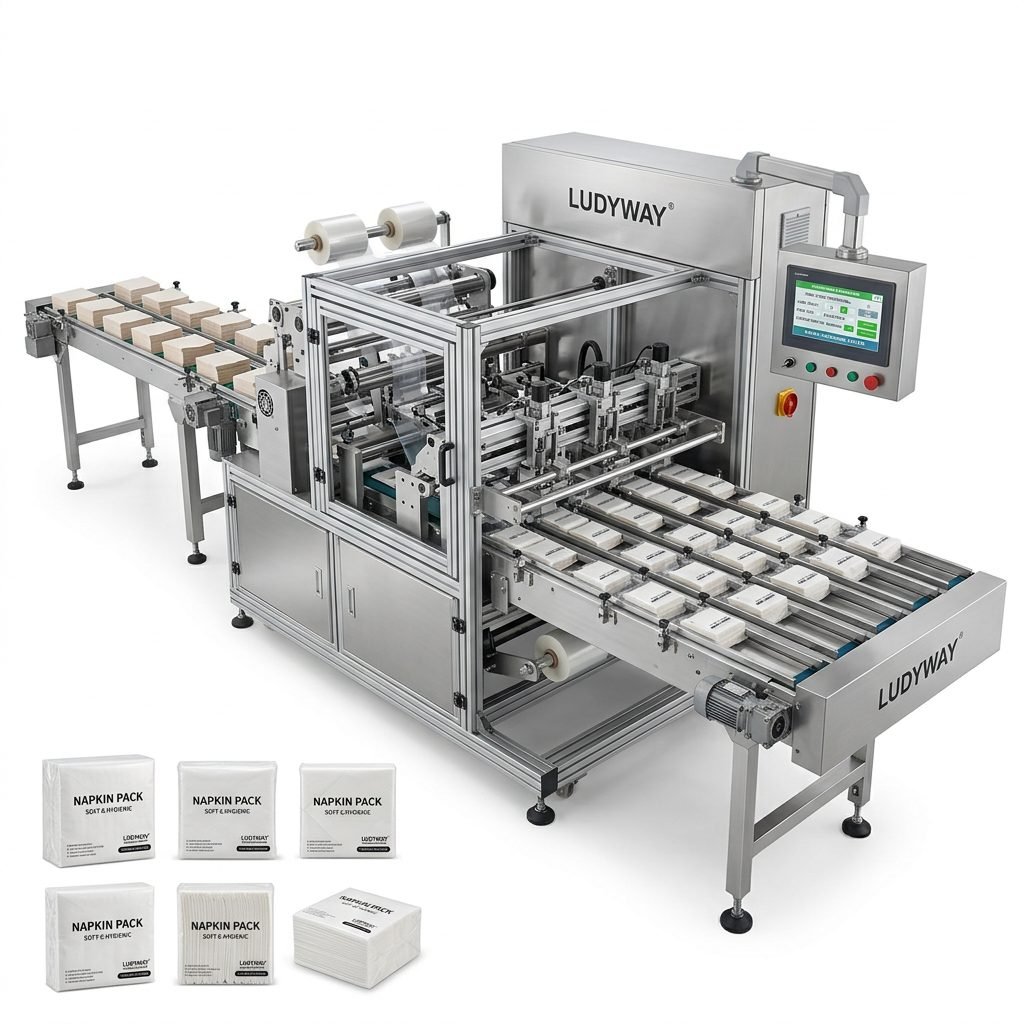
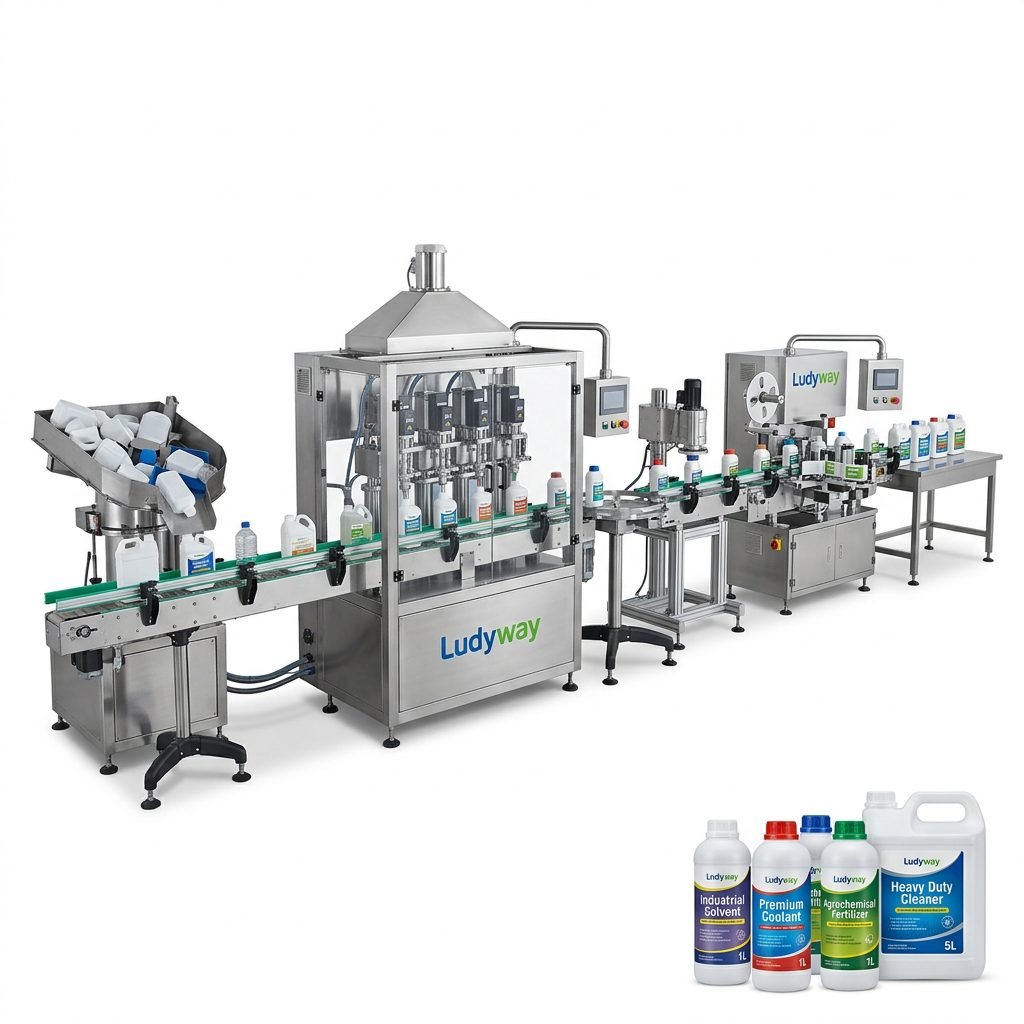
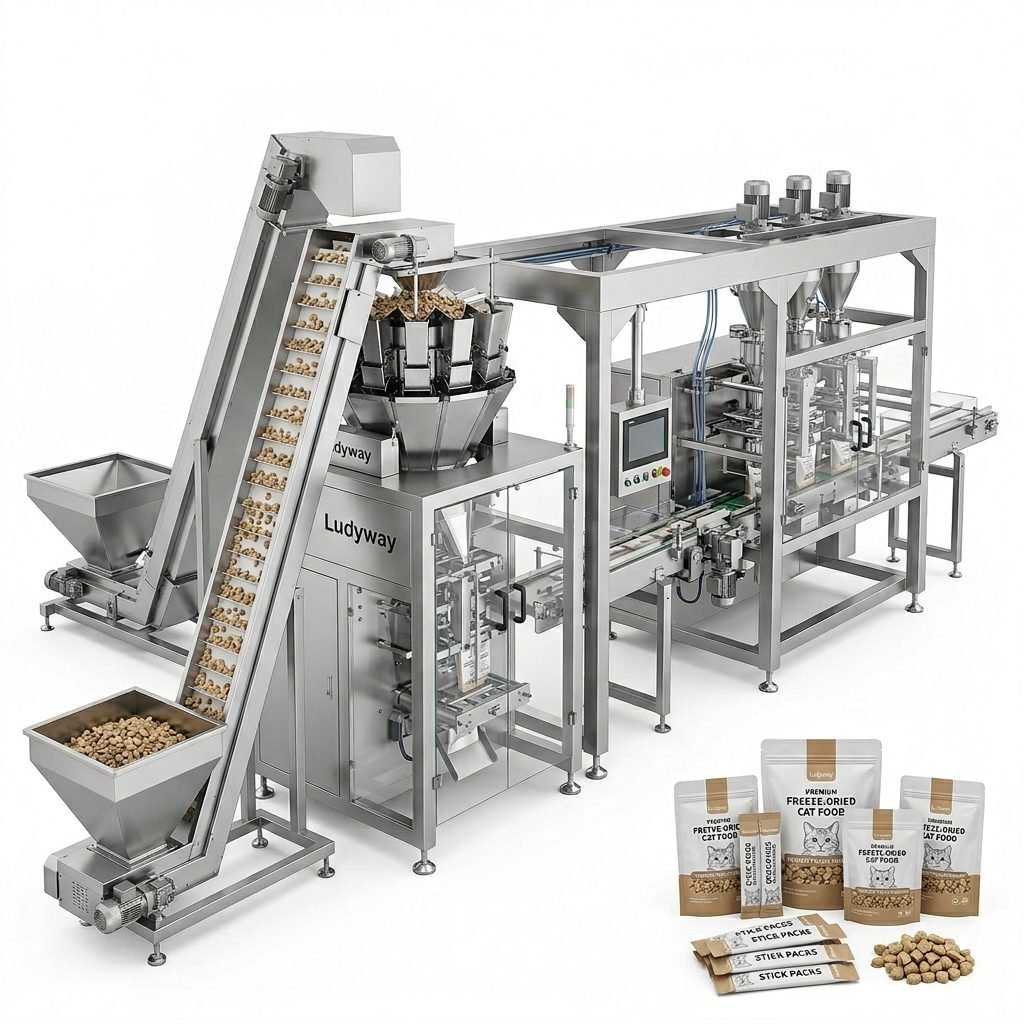
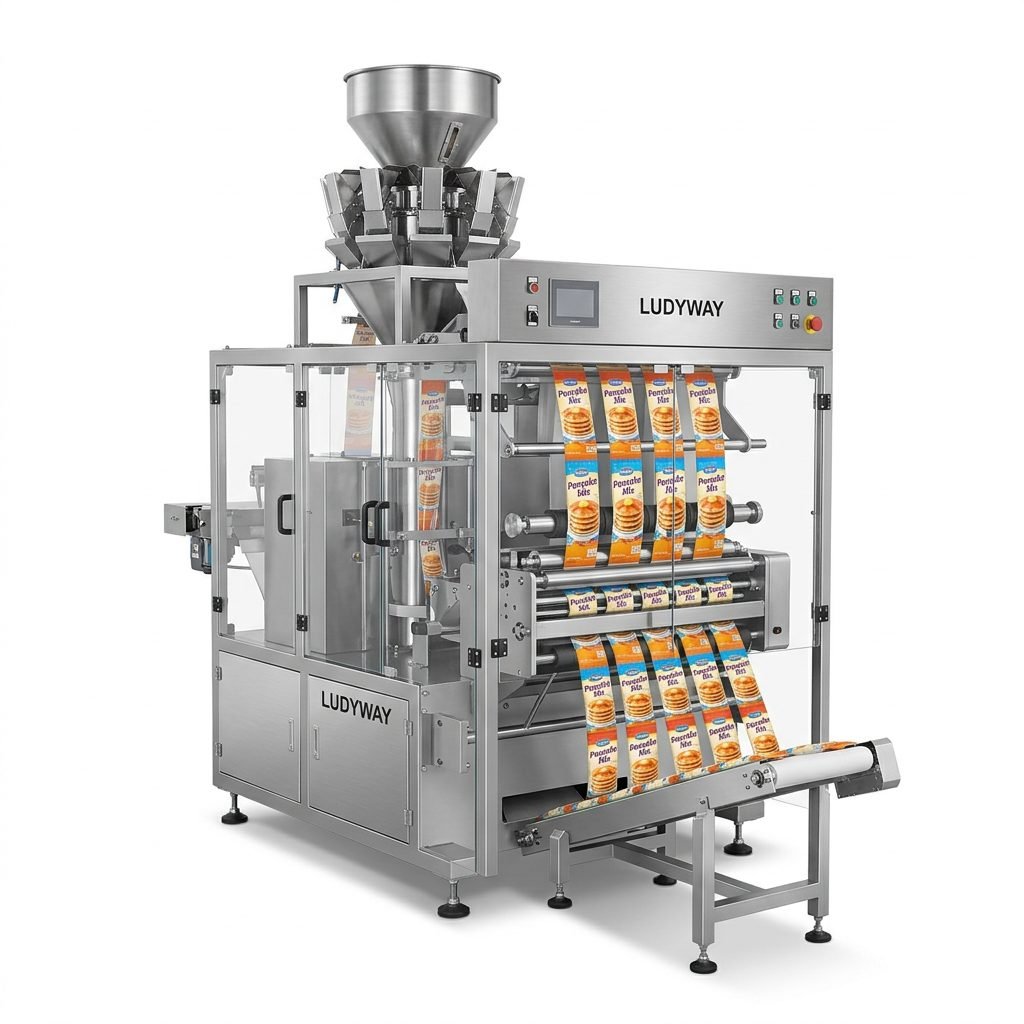
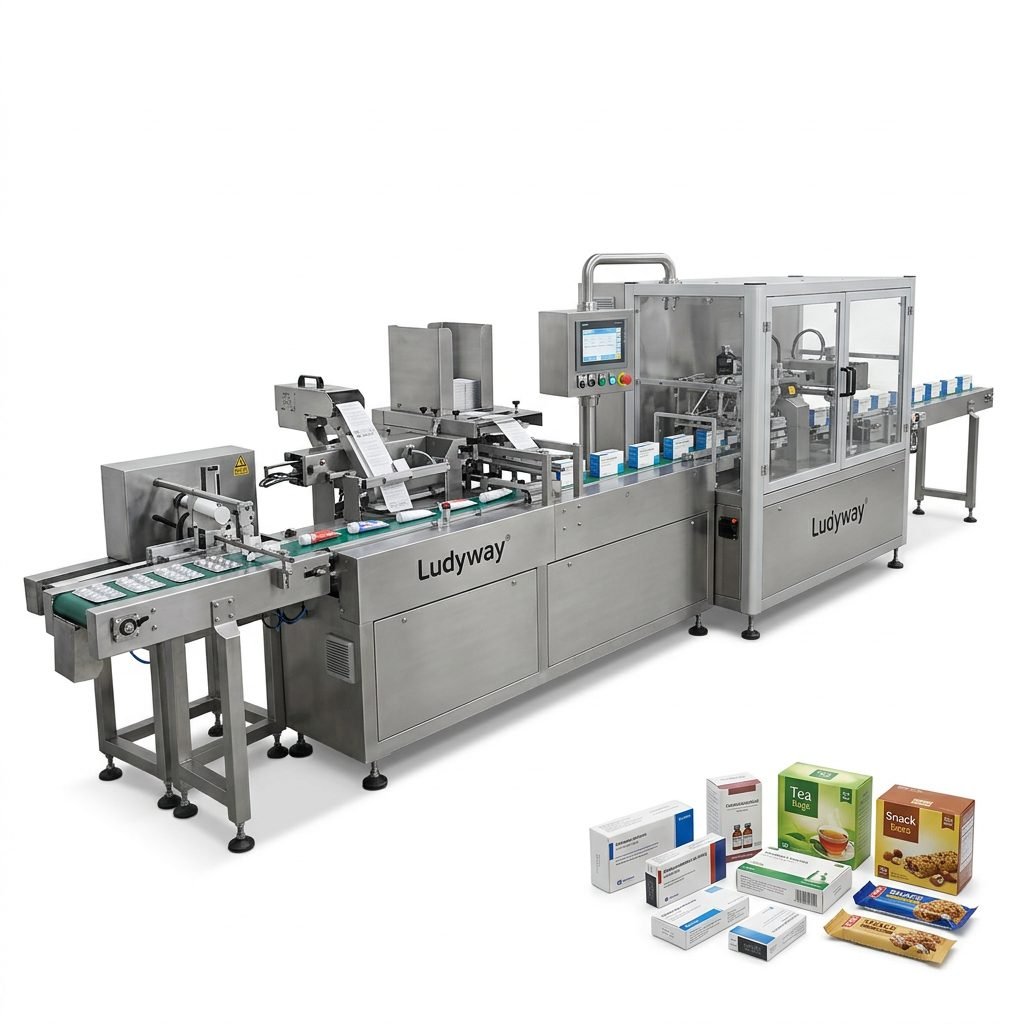
For instance, Ludyway Machinery is a China-based packaging machinery manufacturer with over 30 years of experience, serving customers in more than 100 countries with a broad portfolio of packaging solutions including cartoning and box packing systems. When evaluating suppliers, verify their track record through PACK EXPO International participation or industry certifications.
Installation, Training, and Ongoing Maintenance
A successful implementation requires proper planning beyond the machine purchase. Before delivery, prepare your facility with adequate space, utilities, and operator workstations. Request comprehensive operator training from the manufacturer to ensure your team can operate the equipment efficiently and safely.
Establish a preventive maintenance schedule based on the manufacturer’s recommendations. Regular inspections of sealing mechanisms, pneumatic systems, and electrical components help prevent unexpected downtime. Keep an inventory of critical spare parts to minimize disruptions when replacements are needed.
Regulatory Compliance and Safety Standards
Packaging equipment must meet applicable safety and regulatory requirements in your market. Key considerations include:
- CE marking for European markets or equivalent certifications for other regions
- Compliance with EPA sustainable materials management guidelines where applicable
- Machine safety features including emergency stops, guarding, and interlocks
- Electrical safety standards and pneumatic system compliance
Final Decision-Making Checklist
Before finalizing your purchase, use this comprehensive checklist to ensure all critical factors have been addressed:
- Production speed requirements verified against machine specifications
- Box size range and material compatibility confirmed
- Product handling requirements assessed
- Facility space and utility requirements evaluated
- Total cost of ownership calculated including maintenance and labor
- Supplier credentials and references checked
- Regulatory compliance documentation obtained
- Operator training plan established
- Spare parts availability confirmed
- Warranty terms and after-sales support agreements reviewed
Selecting the right semi-automatic box packing machine is a strategic investment that can significantly improve your packaging operations. By thoroughly evaluating your production needs, understanding machine capabilities, and partnering with a reliable manufacturer, you can achieve greater efficiency, consistency, and profitability in your packaging processes. For further guidance on packaging machinery selection, the PMMI packaging industry resources offer comprehensive insights and market intelligence.