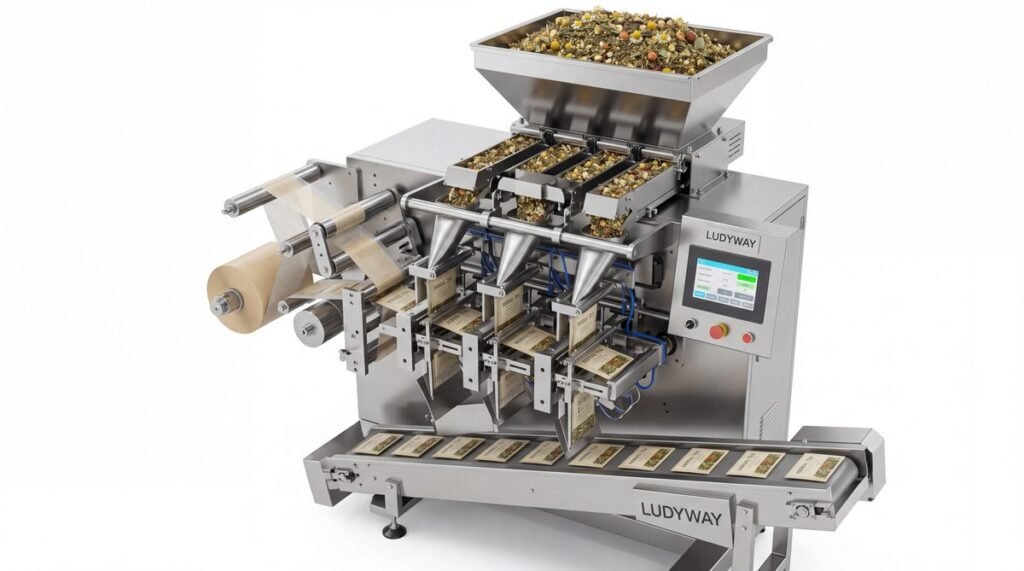
Investing in a pizza packaging machine is a critical decision for any food manufacturer, frozen pizza producer, or central kitchen operation. The right equipment directly impacts your production efficiency, product freshness, shelf appeal, and ultimately your bottom line. With a wide range of machine types, automation levels, and packaging formats available, navigating the selection process can feel overwhelming. This comprehensive guide breaks down everything you need to know to choose the perfect pizza packaging equipment for your specific operation.
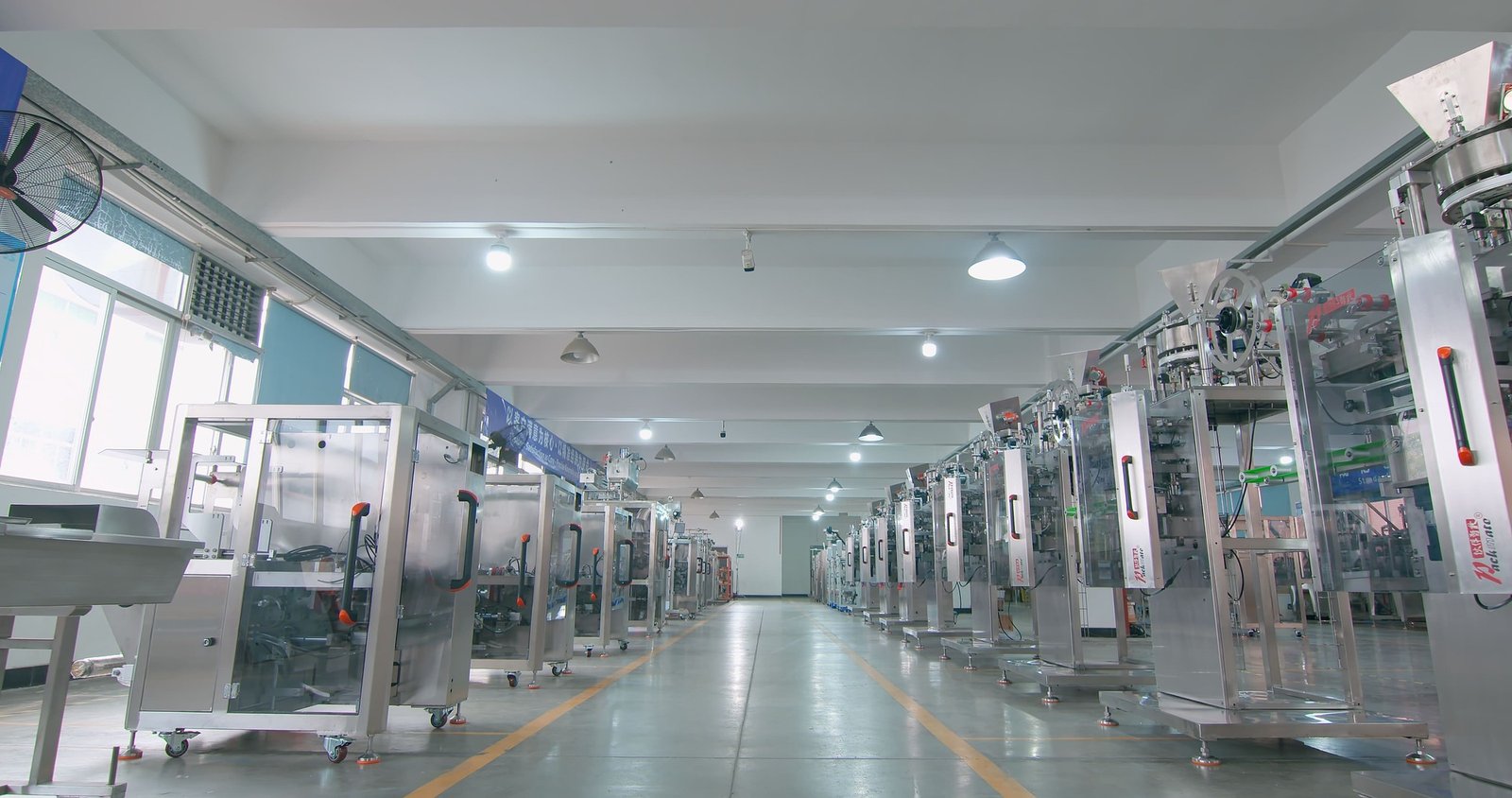
Understanding Different Types of Pizza Packaging Machines
Before diving into specifications, it’s essential to understand the primary categories of pizza wrapping machines available on the market. Each type serves different production scales and packaging requirements, from simple manual operations to fully automated high-speed lines.
| Machine Type | Best For | Speed Range | Automation Level |
|---|---|---|---|
| Manual / Semi-Automatic Wrappers | Small pizzerias, startups | 5-15 pizzas/min | Low |
| Flow Wrapping Machines | Medium-scale frozen pizza production | 30-80 packs/min | Medium-High |
| Shrink Wrapping Systems | Multi-pack, retail display | 20-60 packs/min | Medium-High |
| Vacuum Packaging Machines | Extended shelf life, premium products | 10-40 packs/min | Medium |
| Fully Automatic Pizza Packaging Lines | Large-scale industrial production | 60-150+ packs/min | High |
Key Factors to Evaluate When Selecting a Pizza Packaging Machine
Choosing the right automatic pizza packaging machine requires a thorough evaluation of your production environment, product characteristics, and business goals. Below are the most critical factors to consider before making your investment.
Production Capacity and Speed Requirements
Your current and projected production volume should be the starting point for any equipment evaluation. A machine that cannot keep pace with your production line creates costly bottlenecks, while an oversized machine wastes resources. Consider not only your peak daily output but also seasonal fluctuations and future growth plans. According to packaging industry data from PMMI, manufacturers should select equipment that can handle at least 20% above current maximum capacity to accommodate growth.
Packaging Material Compatibility
The type of packaging material you plan to use significantly influences machine selection. Common options include polypropylene (PP), polyethylene (PE), laminated films, and shrink films. Each material has different sealing characteristics, barrier properties, and cost profiles. Your machine must be compatible with your chosen material’s thickness, heat-sealing temperature range, and mechanical properties. The Flexible Packaging Association provides valuable resources on material selection and sustainability considerations that may affect your packaging decisions.
Automation Level and Integration
Modern pizza packaging solutions range from standalone manual units to fully integrated systems that connect directly with upstream production equipment. Consider how the wrapper will integrate with your existing conveyors, freezers, metal detectors, checkweighers, and labeling systems. A well-integrated line reduces manual handling, minimizes contamination risks, and improves overall equipment effectiveness (OEE). Look for machines with PLC controls, touchscreen interfaces, and compatibility with Industry 4.0 standards for data collection and remote monitoring.
- Semi-automatic: Requires operator loading; suitable for lower volumes
- Automatic inline: Integrates with conveyor systems for continuous operation
- Fully integrated line: Connects multiple packaging stages with centralized control
- Robotic-assisted: Uses pick-and-place robots for precise product handling
Product Dimensions and Variability
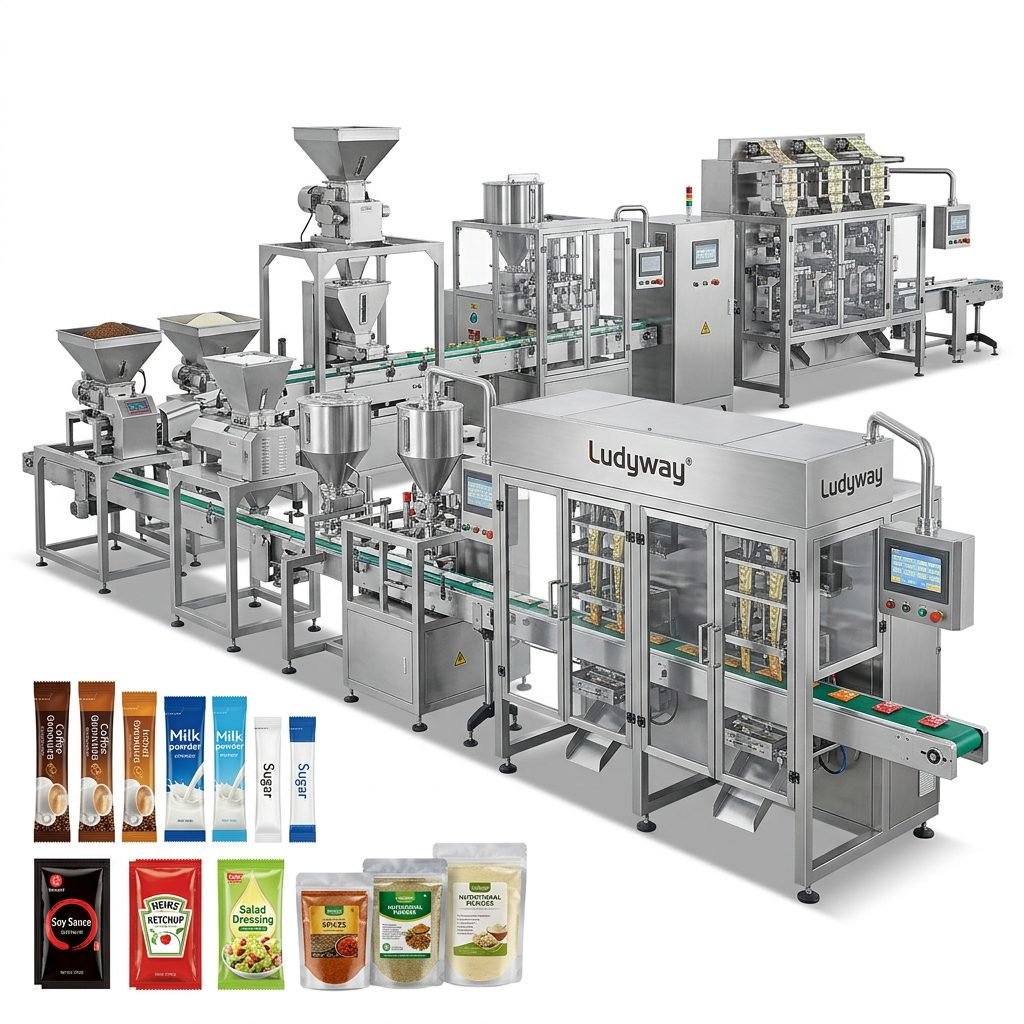
Pizza comes in various sizes, from personal pan pizzas to family-sized and extra-large formats. Your pizza packing machine must accommodate your full range of product dimensions, including diameter, height, and weight. If you produce multiple sizes, look for machines with quick-changeover features that minimize downtime between product runs. Adjustable film width, programmable recipes, and tool-less change parts can significantly improve operational flexibility.
Features to Prioritize in a Quality Pizza Packaging Machine
Beyond basic functionality, several features distinguish high-performance pizza packaging machinery from average equipment. Prioritizing these attributes during your selection process helps ensure long-term reliability and consistent packaging quality.
- Seal integrity and consistency – Proper sealing prevents freezer burn, contamination, and product spoilage during storage and transport
- Film tension control – Maintains consistent wrap quality without damaging delicate pizza toppings or crust edges
- Easy cleaning and sanitation – Stainless steel construction, washdown-ready designs, and accessible components support food safety compliance with FDA food packaging regulations
- Quick changeover capability – Reduces downtime when switching between product sizes or packaging formats
- Energy efficiency – Modern servo-driven systems consume significantly less power than older pneumatic or mechanical designs
- Remote diagnostics – Enables faster troubleshooting and reduces service call frequency
Cost Analysis and Return on Investment
The purchase price of a pizza box machine or flow wrapper is only one component of the total cost of ownership. Smart buyers evaluate the complete financial picture, including installation, training, maintenance, spare parts, film waste rates, and energy consumption. A higher-quality machine with lower operating costs often delivers superior ROI over its service life compared to a cheaper alternative with higher ongoing expenses.
Calculate your expected payback period by comparing current labor costs, material waste, and throughput limitations against the projected improvements from automation. Many manufacturers report achieving full ROI within 18 to 36 months after upgrading to modern automated packaging equipment, particularly when factoring in reduced product giveaway, improved seal quality, and increased throughput.

Supplier Selection and After-Sales Support
Your relationship with the equipment supplier extends well beyond the initial purchase. A reputable packaging machinery manufacturer should offer comprehensive support throughout the machine’s lifecycle, including installation and commissioning, operator training, preventive maintenance programs, and readily available spare parts. Companies with established experience, such as Ludyway Machinery — a China-based packaging machinery manufacturer with more than 30 years of industry experience and a 20,000-square-meter manufacturing facility — combine manufacturing expertise with engineering capabilities to deliver customized equipment configured for specific production requirements.
When evaluating potential suppliers, consider:
- Industry experience: How many similar installations have they completed for food manufacturers?
- Technical support availability: Do they offer remote assistance, on-site service, and emergency response?
- Spare parts inventory: Are critical components stocked locally or regionally for fast delivery?
- Customization capability: Can they modify standard equipment to meet your unique packaging requirements?
- References and testimonials: What do existing customers say about their experience and equipment reliability?
Compliance and Packaging Standards
Food packaging equipment must comply with relevant safety and hygiene regulations in your target markets. Ensure your chosen pizza packaging equipment meets applicable standards, including those related to food contact materials, electrical safety, and machine guarding. The ISO packaging standards provide internationally recognized guidelines for packaging machinery design and performance. Additionally, consult PMMI packaging machinery standards and regulations for region-specific requirements that may affect your equipment selection.
Frequently Asked Questions About Pizza Packaging Machines
What is the typical lifespan of an automatic pizza packaging machine?
A well-maintained automatic pizza packaging machine from a reputable manufacturer typically lasts 10 to 15 years or more with proper preventive maintenance. Key components like sealing jaws, belts, and sensors may require periodic replacement, but the core machine structure and drive systems are built for long-term industrial use.
Can one machine handle both frozen and fresh pizza packaging?
Yes, many modern pizza wrapping machines are designed with adjustable parameters that accommodate both frozen and fresh products. However, frozen pizzas typically require films with better moisture barrier properties and cold-temperature seal performance. Confirm material compatibility with your machine supplier before finalizing your selection.
How much floor space does a pizza packaging line require?
Space requirements vary significantly based on automation level and throughput. A compact standalone wrapper may require as little as 3 to 5 square meters, while a fully integrated line with infeeds, wrappers, checkweighers, metal detectors, and cartoning equipment can occupy 20 to 50 square meters or more. Work with your supplier to optimize layout for your available floor space.
What maintenance is required for pizza packaging equipment?
Routine maintenance includes daily cleaning of sealing surfaces and film paths, weekly inspection of belts and chains, monthly lubrication of mechanical components, and quarterly calibration of sensors and control systems. Following the manufacturer’s recommended maintenance schedule is essential for maximizing equipment lifespan and maintaining consistent packaging quality.
Making Your Final Decision
Selecting the right pizza packaging machine is a strategic investment that impacts your production capability for years to come. Start by clearly defining your current and future needs, then evaluate equipment options against objective criteria including speed, material compatibility, automation level, and total cost of ownership. Request demonstrations or factory acceptance tests whenever possible, and don’t hesitate to ask detailed questions about service support, spare parts availability, and training programs.
The best pizza packaging solution balances performance, reliability, and value — ensuring your products reach customers in perfect condition while optimizing your production efficiency. By following the evaluation framework outlined in this guide, you’ll be well-positioned to choose equipment that serves your business effectively for years to come. For manufacturers seeking customized packaging machinery configured to specific production requirements, working with an experienced supplier that offers turnkey solutions can streamline the entire process from equipment selection through installation and commissioning.