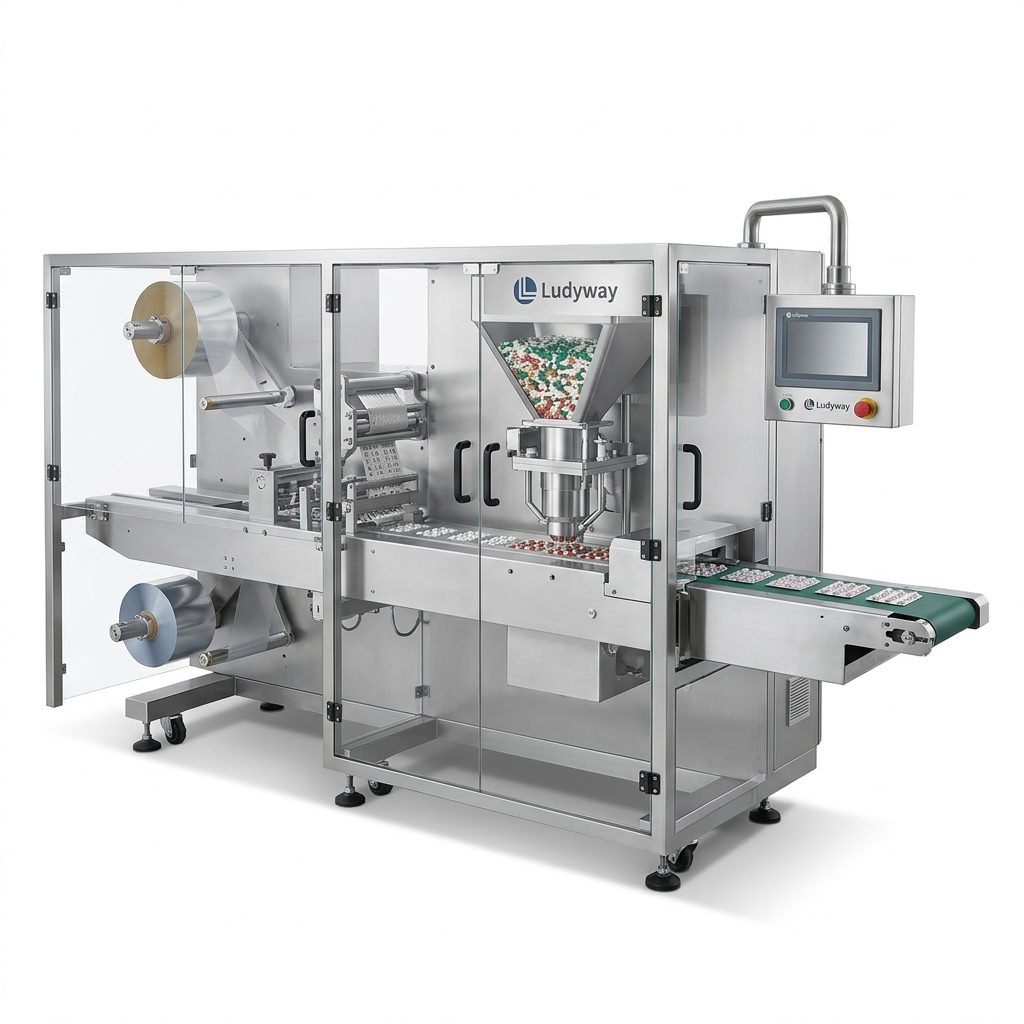
Selecting the correct alu alu blister packing machine is a critical decision for pharmaceutical manufacturers focused on product stability, shelf life, and regulatory compliance. Unlike standard PVC blister packaging, cold-form aluminum (alu alu) blisters provide an exceptional barrier against moisture, oxygen, and light, making them the preferred choice for sensitive formulations. This comprehensive buyer’s guide will walk you through the essential factors to consider before investing in this sophisticated packaging machinery.
Understanding Alu Alu Blister Packaging Technology
Alu alu blister packaging, often referred to as cold-form foil blistering, utilizes a base foil that is mechanically stretched into a cavity rather than thermoformed. The lidding material is also aluminum foil, typically sealed with a heat-seal lacquer. This creates a near-hermetic seal that is virtually impermeable. It is the premium standard for drugs that are highly hygroscopic or light-sensitive. To maintain the highest quality standards, many manufacturers align their processes with guidelines from the PMMI packaging association.
Key Factors for Evaluating Alu Alu Machinery
When comparing different models, several critical specifications will determine the machine’s suitability for your production line. The decision goes beyond just speed; it involves material handling, tooling, and integration capabilities.
1. Production Speed and Output Requirements
Your target output, measured in cycles per minute or blister cards per minute, is a primary driver. It’s essential to balance nameplate speed with actual operational efficiency. High-speed servo-driven models offer faster indexing, but the takt time must match your upstream and downstream processes.
2. Forming Area and Cavity Depth
The maximum forming area dictates the size of the blister card, while the maximum draw depth is crucial for accommodating different tablet sizes or capsule formats. Alu alu forming mechanics limit depth compared to thermoforming, so precise specifications are vital to avoid foil pinholing or cracking. Reviewing flexible packaging industry data can provide insight into material limitations.

3. Tooling and Changeover Flexibility
Quick-change tooling systems are essential for manufacturers running multiple product formats. Look for machines that offer format part cart systems that reduce changeover time from hours to mere minutes. This modularity is key to reducing downtime and increasing overall equipment effectiveness (OEE).
Material Compatibility and Sealing Integrity
Not all aluminum foils are identical. The machine must be precisely calibrated to handle the specific gauge and temper of the forming foil and the heat-seal coating of the lidding foil. Sealing temperature, pressure, and dwell time must be tightly controlled to ensure complete seal integrity, as even a microscopic channel can compromise the drug’s stability. Referencing ISO 11607 packaging standards is a best practice for validating these seal parameters.
Technical Specifications Comparison
When creating a shortlist, it’s helpful to compare technical data in a structured tabular format. Below is a typical specification sheet you would want to analyze from suppliers:
| Feature | Standard Specification | Premium Specification |
|---|---|---|
| Max Forming Depth | Up to 12 mm | Up to 18 mm |
| Speed Output | 30-40 cycles/min | 50+ cycles/min |
| Foil Thickness Range | 45-60 µm | 30-80 µm |
| Control System | PLC with HMI | Servo-driven with SCADA |
Integration with Secondary Packaging Lines
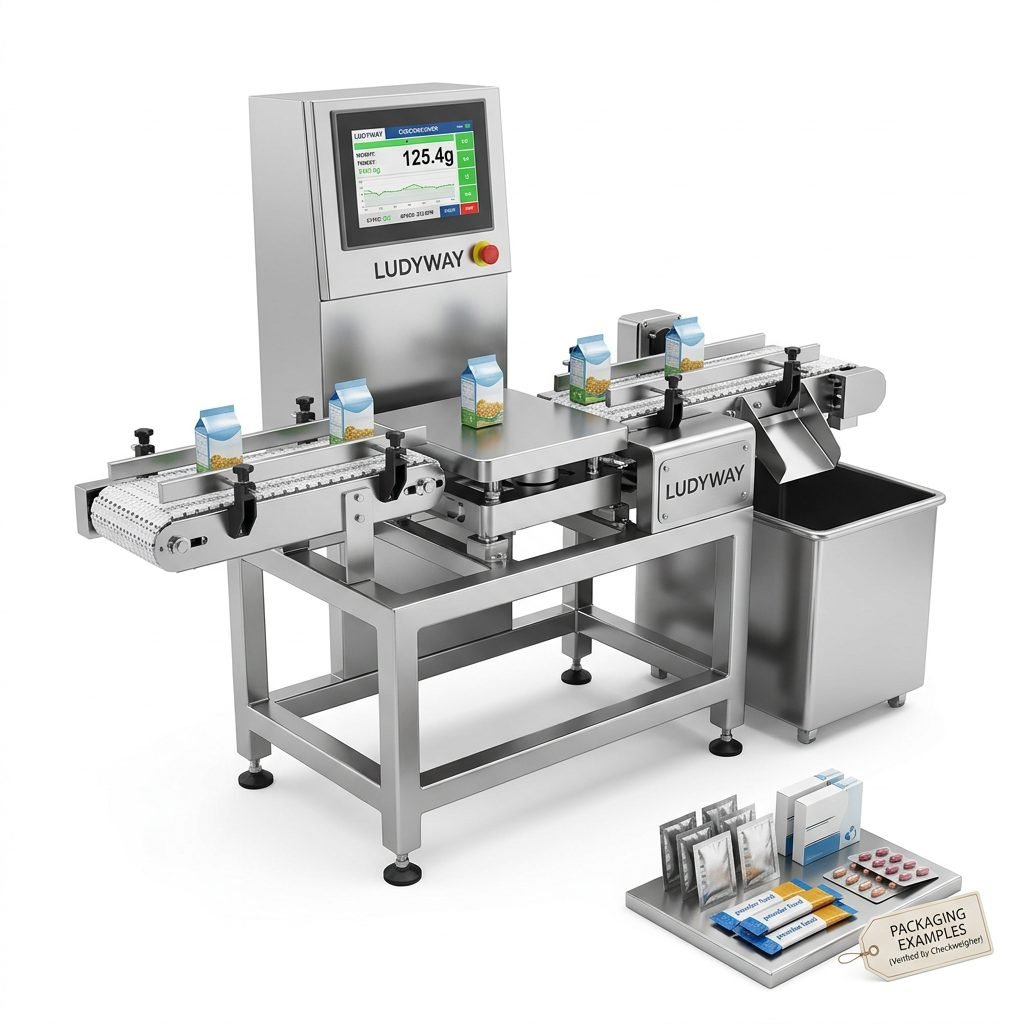
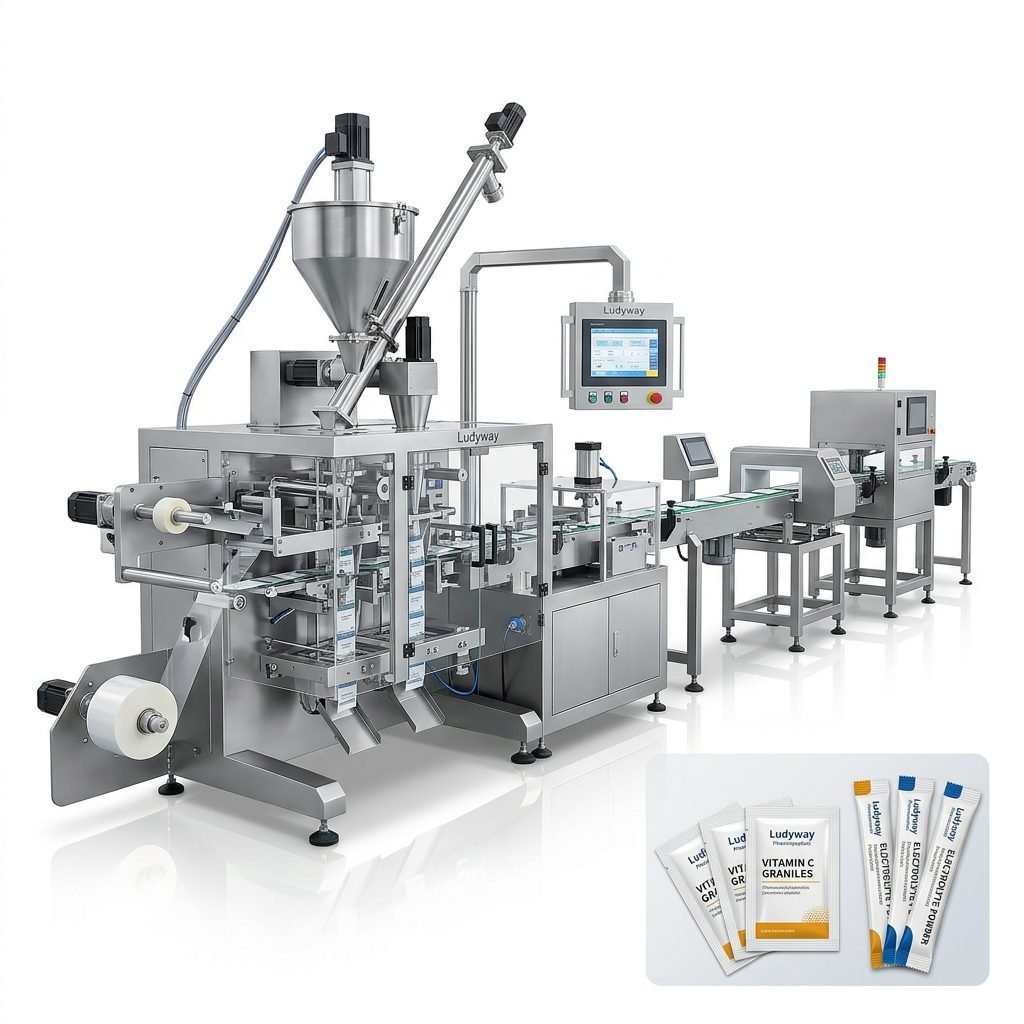
A standalone alu alu machine is rarely an island. It must seamlessly integrate with cartoners, checkweighers, and case packers. Evaluate whether the supplier can provide a turnkey line or if you must handle third-party integration. The ability to offer an automated connection for blister transfer to the cartoner without manual intervention is a significant efficiency driver.
Key Integration Points to Assess:
- Blister Transfer Systems: Overhead conveyors or robotic pick-and-place mechanisms.
- Vision Inspection: Compatibility with camera systems for checking seal integrity and foil defects.
- Coding and Serialization: Space and synchronization for laser or inkjet coding of batch numbers and 2D matrix codes.
- Software Communication: Open architecture protocols that allow the machine to communicate with internal MES and ERP systems.
Regulatory Compliance and Validation Support
Given the strict guidelines from the FDA on food contact substances and current Good Manufacturing Practices (cGMP), your machinery must be fully validatable. This includes stainless steel construction, minimal dead spots for cleaning, and compliance with 21 CFR Part 11 for electronic records. Ensure the OEM provides full validation documentation, including Factory Acceptance Testing (FAT) and Site Acceptance Testing (SAT) protocols.
Supplier Evaluation and After-Sales Support
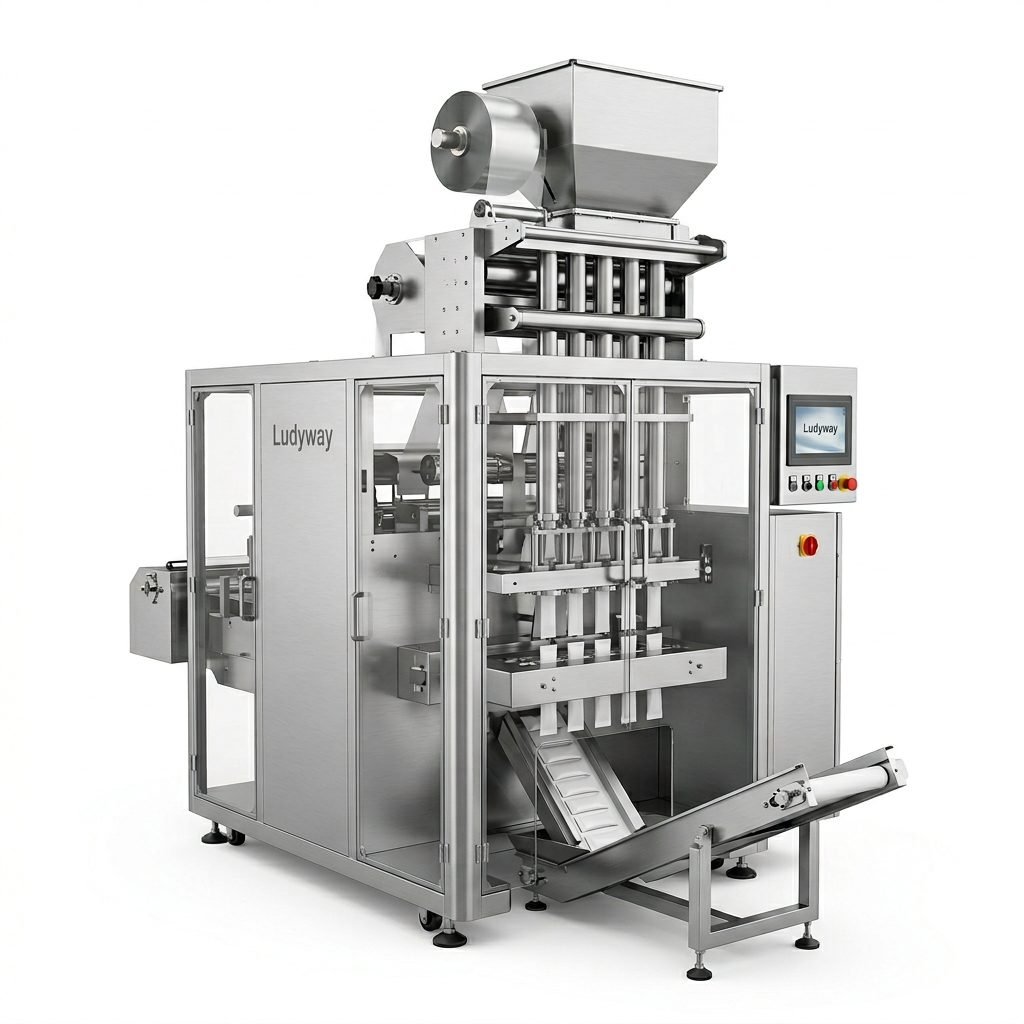
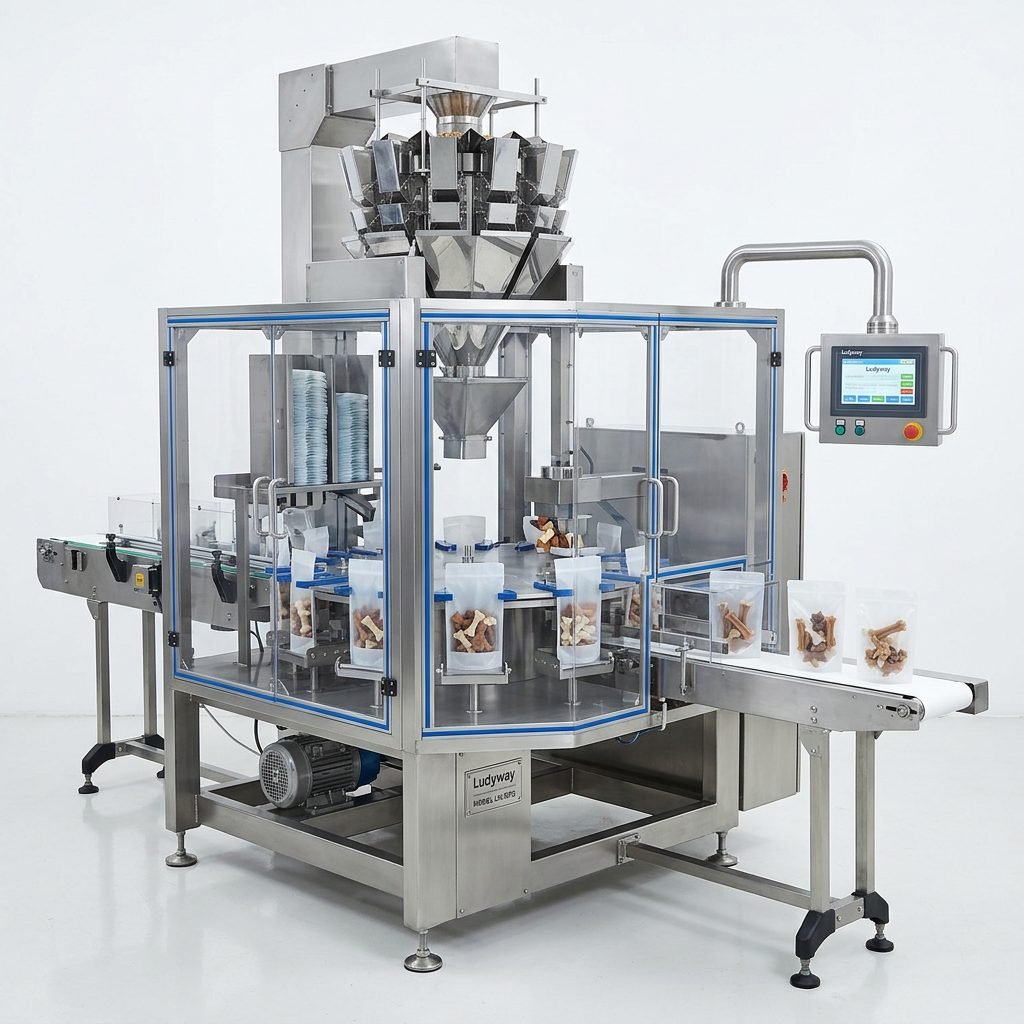
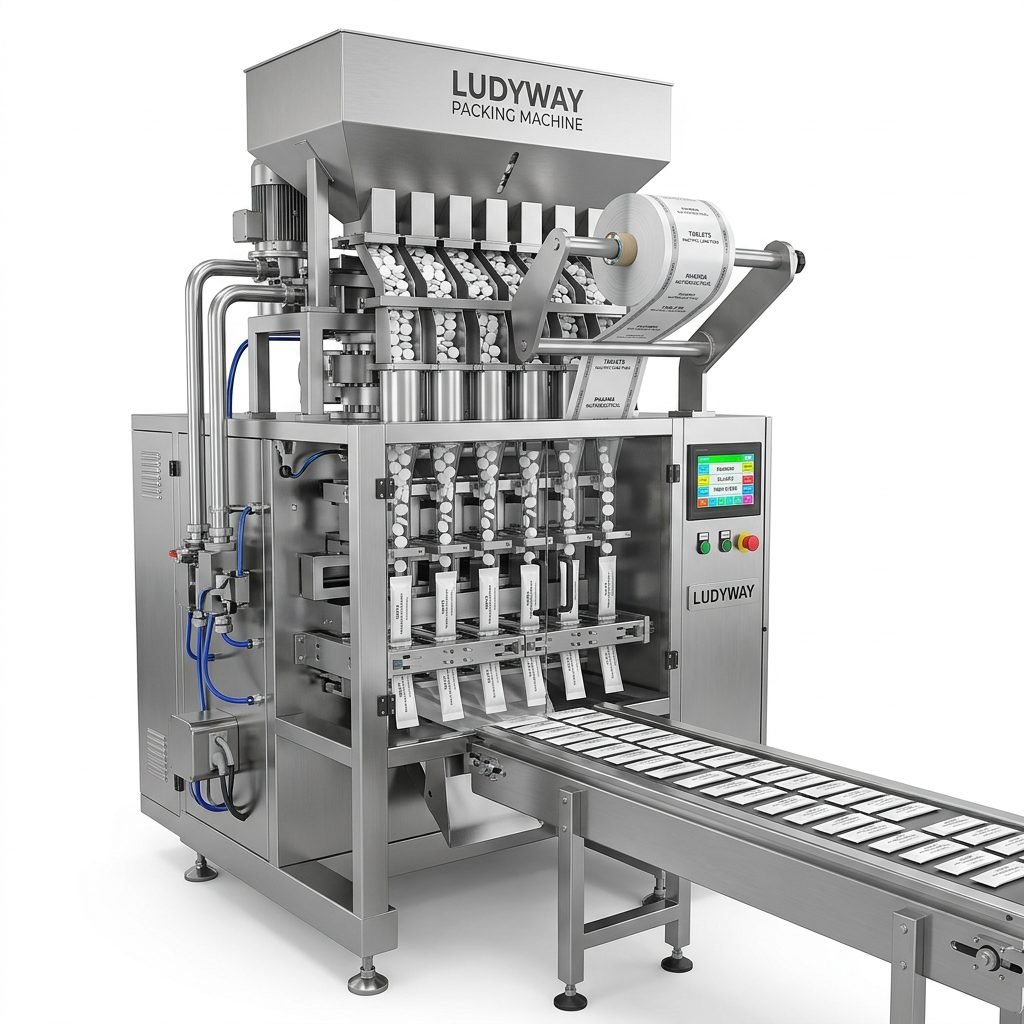
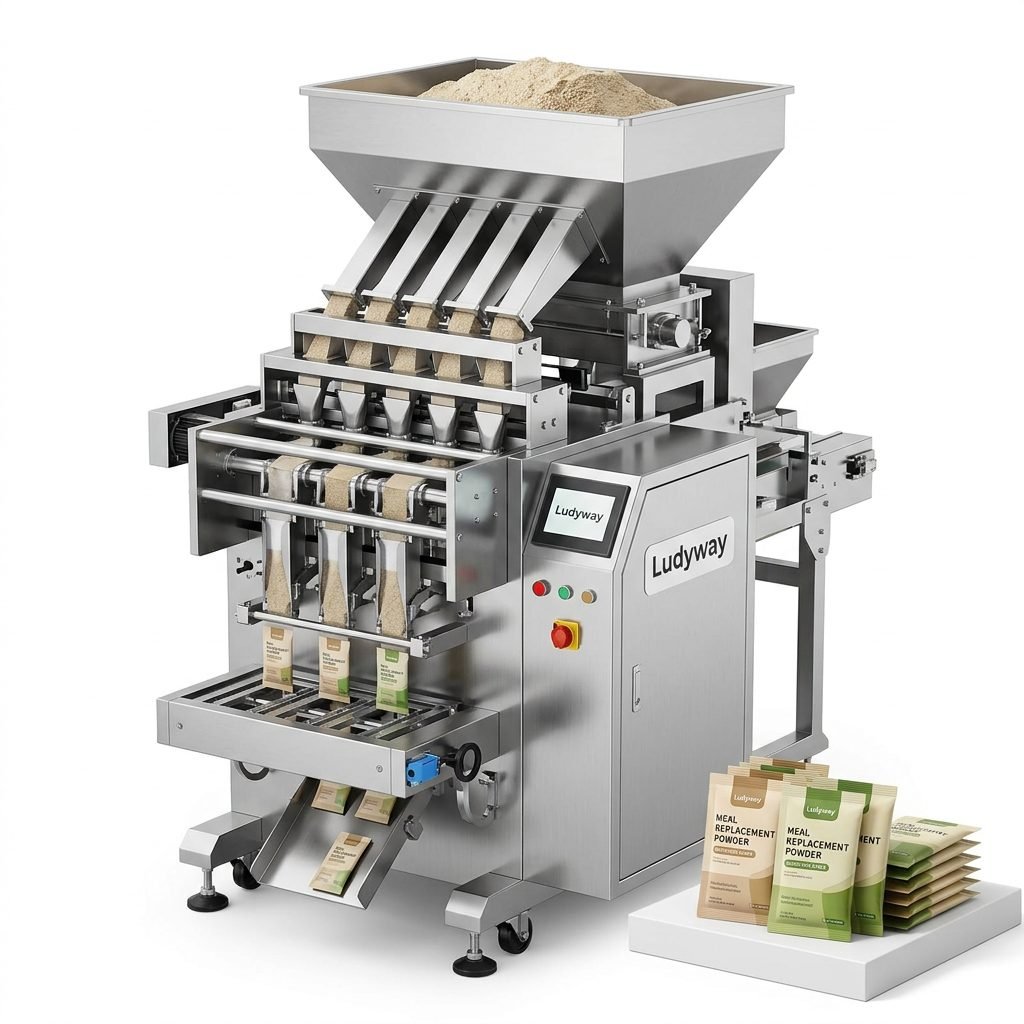
Choosing the right technology partner is as crucial as the machine itself. A supplier with 30 years of experience in the packaging field can provide not just equipment but process knowledge. For instance, Ludyway Machinery is a China-based manufacturer that provides turnkey packaging solutions with a strong engineering focus, supporting clients in over 100 countries with machine selection, installation, and technical assistance. Always ask potential suppliers about spare parts availability, training programs, and remote diagnostic capabilities.
For strategic market insights that can inform your purchasing timeline, reviewing state of the industry reports is highly recommended.
The Total Cost of Ownership (TCO)
The purchase price is just one segment of the lifecycle cost. A comprehensive evaluation should include format part costs, energy consumption, maintenance schedules, and foil yield efficiency. Minimizing foil waste through precise indexing and reducing mechanical downtime are substantial levers for improving the return on investment over a decade of operation.
Essential Questions Before Buying:
- What is the typical lead time for critical spare parts like sealing rollers and forming tools?
- Can the machine handle the specific slip properties of our chosen foil stock?
- Is the machine designed with a wash-down environment in mind if required for potent compounds?
- What level of remote technical assistance and monitoring is offered?
Making the right choice requires a careful balance of technical performance, material compatibility, and supplier reliability. By prioritizing seal integrity and operational efficiency, manufacturers can safeguard their products effectively. You can explore more about sustainable management of packaging materials through resources from the EPA’s sustainable materials management platform.